Setting Up an Animal Room for Multi-Pet Homes
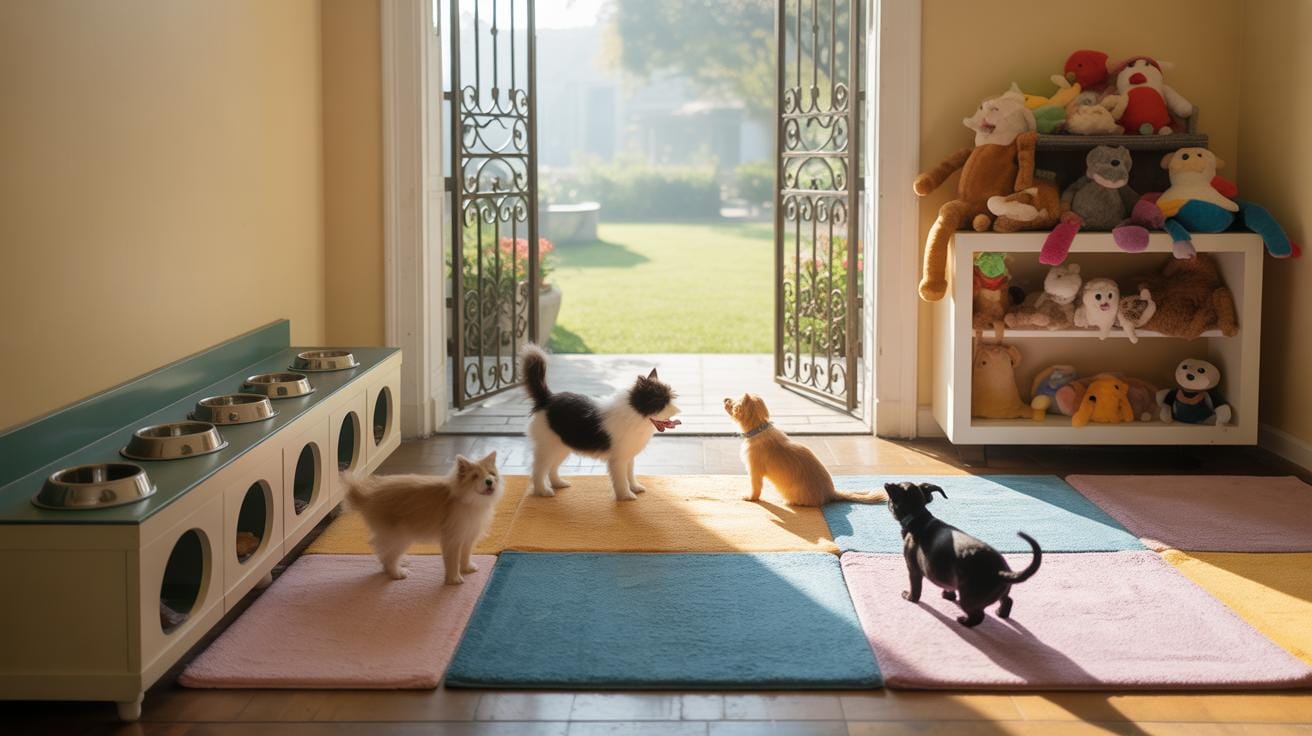
If you have a home with several pets, setting up a dedicated animal room can make pet care easier for you and more comfortable for them. This article will explore practical ideas and tips to help you create a functional and welcoming space tailored for multiple pets. Whether you have cats, dogs, or other small animals, the right setup can help reduce stress and keep your pets safe and happy.
We will cover key aspects of designing an animal room, managing interactions between different pets, and organizing the space efficiently. With clear guidance and simple techniques, you will learn how to support your pets’ needs and maintain harmony in your multi-pet household.
Planning The Animal Room Layout
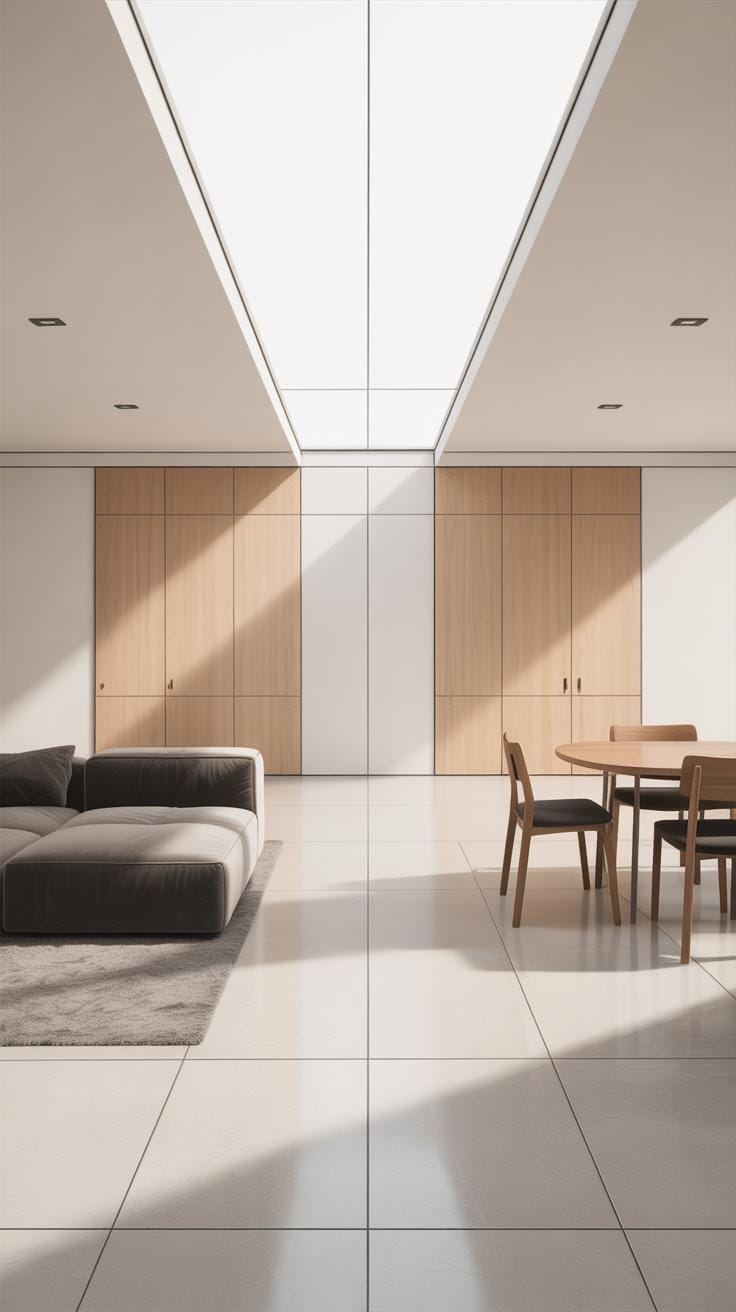
When setting up a space for multiple pets, thinking through the layout is key, though it can get tricky. You want to make sure there’s enough room for each animal to have its own space without making the room feel cramped. I tend to underestimate how much space even small pets need to move comfortably.
Start by mapping the room and dividing it loosely into zones based on the pets’ sizes, temperaments, and needs. For example, cats might need high, quiet spots, while dogs often prefer more open areas. You don’t have to perfectly section it off with barriers, but clear zones reduce tension and help reduce competition.

Allow enough gaps between these zones so pets don’t feel cornered, which might cause stress or aggression. You’ll want to think about access—not just for pets to get around, but for you to move through and keep the room tidy. Wide enough pathways let you reach litter boxes or feeding bowls without juggling furniture.
Assigning Zones For Each Pet
Creating distinct areas for your pets is both about comfort and avoiding misunderstandings between them. I’ve noticed that pets don’t always share space as smoothly as we hope. It helps to tailor zones based on each animal’s behavior—you might dedicate a cozy nook for a shy rabbit, but an open play area for a more active dog.
Consider:
- Using furniture or shelving to subtly divide spaces without making the room feel closed off.
- Locating food and water dishes apart to prevent resource guarding.
- Providing separate resting spots that match each pet’s preference—like cushioned beds for older pets or soft blankets for smaller animals.
Remember, this isn’t just about physical space but also signals. Some pets rely on scent or distance to feel secure, so give them that breathing room. You might rearrange occasionally to better suit changing behaviors or new pet introductions.
Designing For Easy Access And Cleaning
Easy access isn’t just for your pets—it saves your time and keeps the room healthier. Position litter boxes, feeding stations, and water bowls so you can get to them without moving too much furniture. I found that placing essentials near doorways or open areas speeds up daily cleanups.

Keep pathways clear and avoid cramming bulky furniture near pet zones. Low, movable shelves or storage carts can hold supplies while still letting you reach everything fast. Think about your cleaning routine—can you vacuum or mop without a struggle? Plumbing or electrical access might affect where you put water fountains or heaters.
Sometimes, a little inconvenience can add up daily. So test your setup by walking through your cleaning tasks once before finalizing. It’s surprising how small obstacles slow you down.
Choosing PetFriendly Flooring And Surfaces
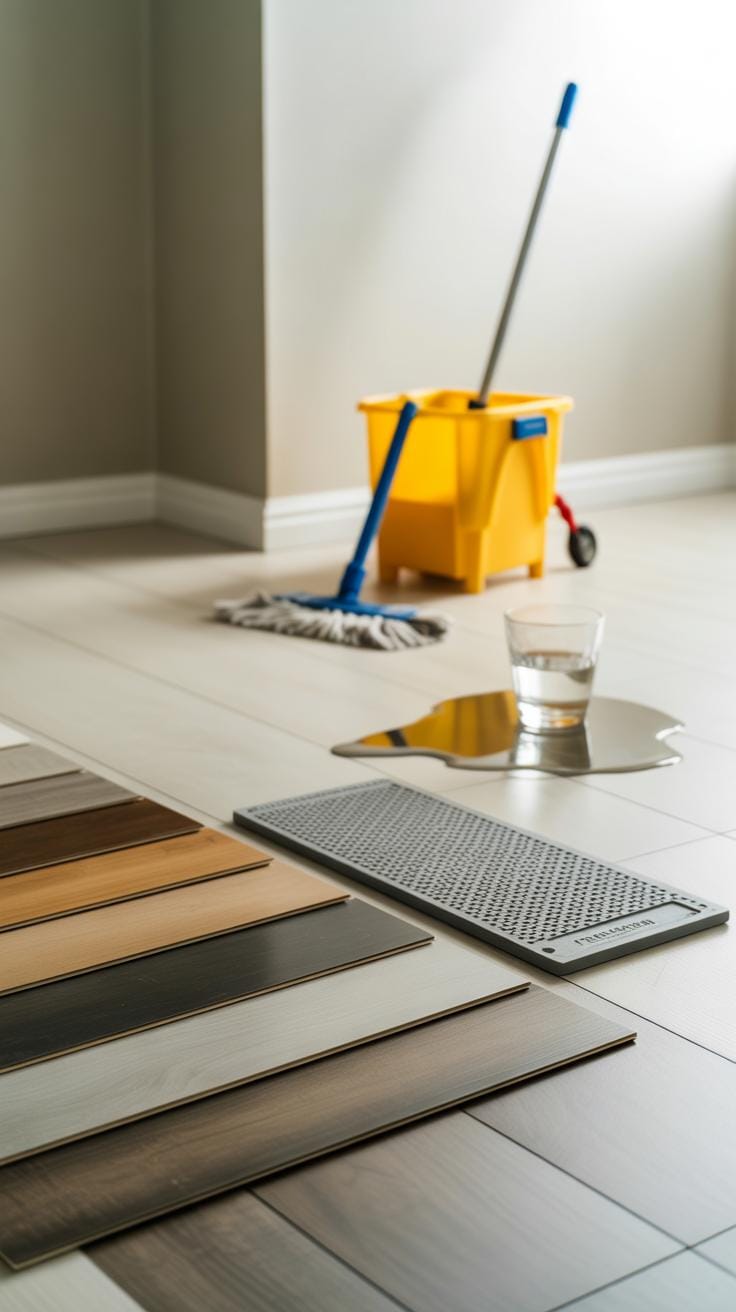
When setting up a room for multiple pets, the flooring often gets overlooked, yet it plays a crucial role in creating a safe and comfortable environment. You want something tough enough to handle daily wear and tear—claws, spills, occasional accidents—and yet not too slick that your pets risk slipping and hurting themselves. Finding that balance isn’t always straightforward.
Durable And Non-Slip Flooring Options
Some flooring materials seem more practical than others for an animal room:
- Vinyl flooring: It resists scratches better than hardwood and is fairly easy to clean. Plus, it usually has some grip, so pets don’t slide around as much.
- Rubber flooring: This one’s quite popular for pet spaces. Soft underfoot and naturally non-slip, rubber can reduce joint stress for older animals and handle high-traffic zones pretty well.
- Textured tile or porcelain: Tiles with some texture offer good traction, though grout lines can trap dirt, which means a bit more upkeep.
- Laminates with a non-gloss finish: Some laminate options have better grip and scratch resistance, but be careful—cheap laminate can become a slip hazard if too smooth.
- Concrete with a matte sealant: It’s rugged and easy to clean, but can feel cold or hard for pets who like lounging on the floor, so placing soft mats nearby might be necessary.

Which of these works best for you might come down to your specific pets’ habits or even your own tolerance for cleaning.
Maintaining Clean Surfaces
Keeping things clean with multiple pets isn’t a small task. Certain surfaces are better at resisting stains and odors, which can save you a lot of stress.
Consider surfaces that don’t absorb liquids—vinyl and sealed concrete are good examples. They prevent smells from settling in. If a pet has an accident, wiping it up quickly is less painful on those materials. Avoid porous surfaces that soak up messes, even if they look cozy.
For regular maintenance, a mix of mild detergents and fast cleaning routines helps. I’ve found that microfiber mops combined with occasional use of pet-safe enzymatic cleaners tackle lingering odors surprisingly well. Also, avoid harsh chemicals that pets might find irritating or toxic.
Do you find some surfaces easier to maintain than others after a few months of living with multiple pets? It’s not just about durability but how well the space holds up without constant scrubbing.
Organizing Feeding And Water Areas
Separate Feeding Spots For Peaceful Meal Times
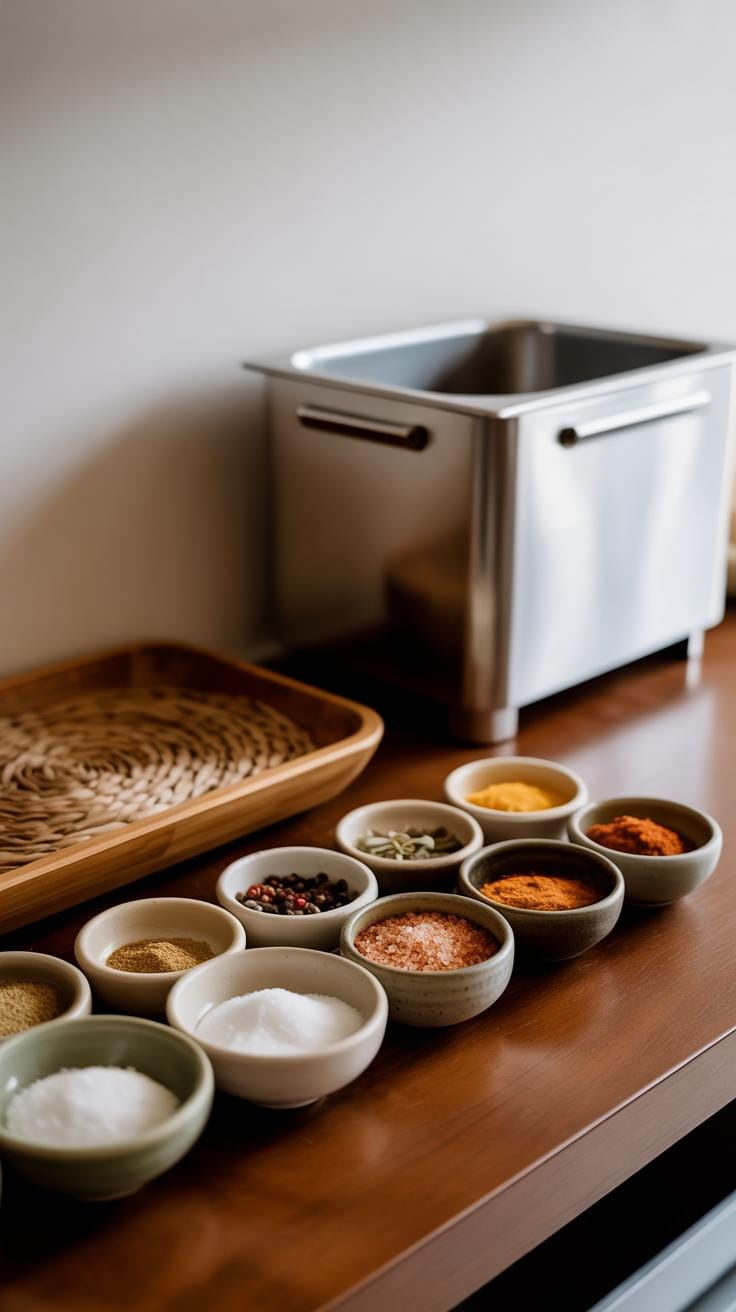
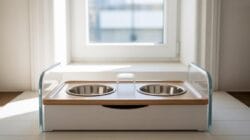
When you have multiple pets, the feeding zone needs careful thought. Placing all bowls in one spot often leads to tension and sometimes food guarding. It’s not just about giving pets their meals but also about keeping their mealtime stress-free. I’ve noticed pets tend to relax more when their bowls aren’t right next to each other.

Separate feeding stations work best. You can space them out along different walls or corners of the room. Even a slight distance helps reduce competition and anxiety. Sometimes, pets prefer their own little nook, away from others. Try observing your pets during feeding to see which setup suits them—some like facing away, others side by side but with some space.
Choosing Easy-To-Clean Bowls And Mats
Mess is inevitable with a multi-pet household but can be tamed with the right gear. Toward this, stainless steel bowls are a safe bet—they don’t absorb smells, don’t chip easily, and are dishwasher safe. Ceramic is okay but can chip and create sharp edges. Plastic bowls, well, they sometimes hold onto odors and scratches where bacteria hide, so I tend to avoid them here.
Underneath, place mats that are waterproof or easy to wipe down. Silicone or rubber mats catch spills well and keep bowls from sliding. Plus, they make cleanup less of a chore. Sometimes, a textured surface helps if your pets are enthusiastic eaters or drinkers—they’re less sloppy that way.
Setting up separate stations with easy-to-clean materials sounds simple but can really shift the mood of a feeding area. When pets eat calmly, it echoes throughout the day in their behavior. It’s something you might overlook until tension or mess becomes a problem—then it’s glaringly obvious what needs fixing.
Providing Comfortable Resting Places
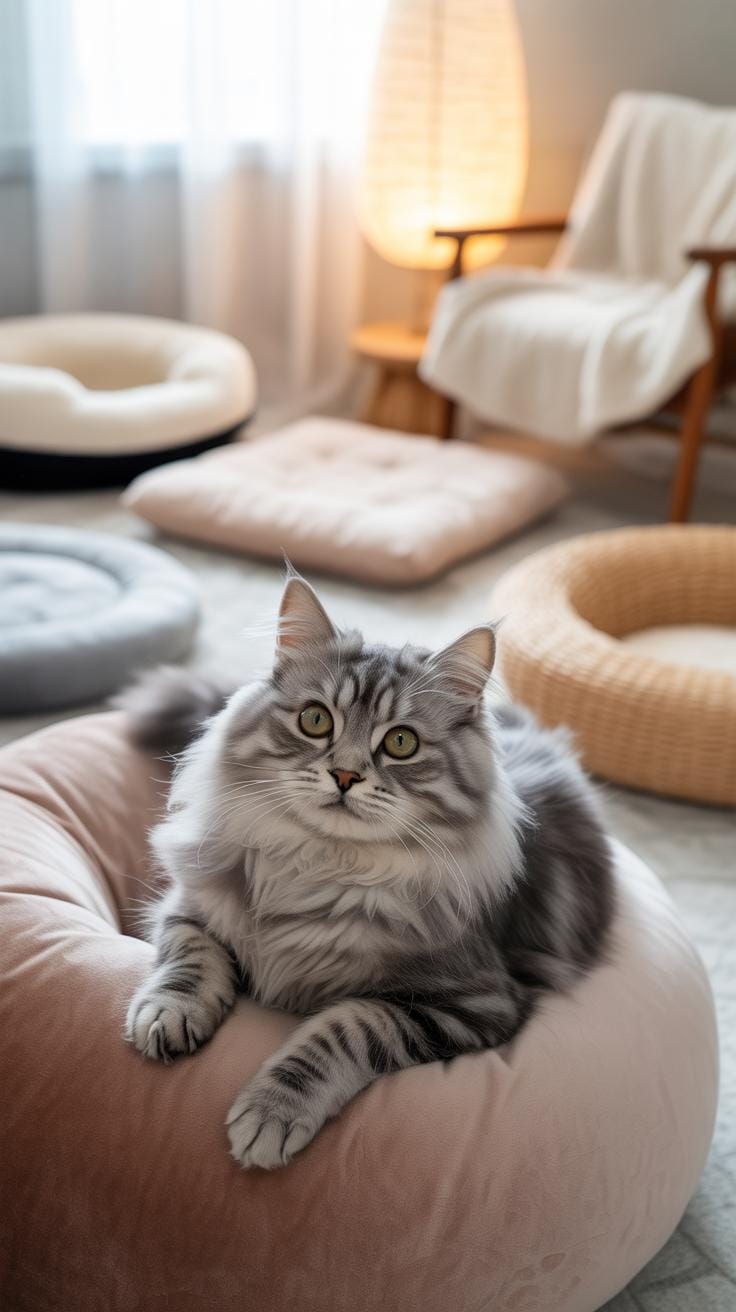
Creating distinct resting spots for each pet in a multi-pet home can be a bit of a puzzle. Pets have their own ways of winding down, and what feels cozy to one might not work for another. For example, cats often prefer enclosed or elevated spots, while dogs tend to like soft, open beds where they can stretch out. Observing your pets’ habits will help you decide where and how to set up their resting areas.
When it comes to beds and blankets, think about the material first. Cotton or fleece blankets often suit most pets, but some dogs prefer orthopedic memory foam beds if they’re older or have joint issues. Cats might appreciate soft, warm pods or caves that feel like a hideout. Also, smaller pets such as rabbits or guinea pigs usually need beds that aren’t too fluffy, but still provide gentle support and warmth.
Placement of these spots matters more than you might guess. Pets often look for quiet corners or spots away from heavy foot traffic. But then again, some pets like to be near the family, where they can watch the action without being overwhelmed. I once placed a cat’s bed near the window, and she used it regularly, yet my dog preferred a spot tucked behind a piece of furniture, which surprised me at first.
Try these pointers:
- Give each pet their own space, avoiding overlap to reduce stress.
- Choose locations with minimal noise and distractions for sensitive pets.
- Consider sunlight spots for warmth but avoid direct afternoon sun, which can be too intense.
- Think about bedding that’s easy to wash—because you know pets can be messy.
Does your pet prefer curling up alone or near others? You might need to experiment a bit. Some pets switch their favorite spots over time. It’s okay if their preference isn’t obvious at first—patience often pays off.
Managing Pet Interactions And Behavior
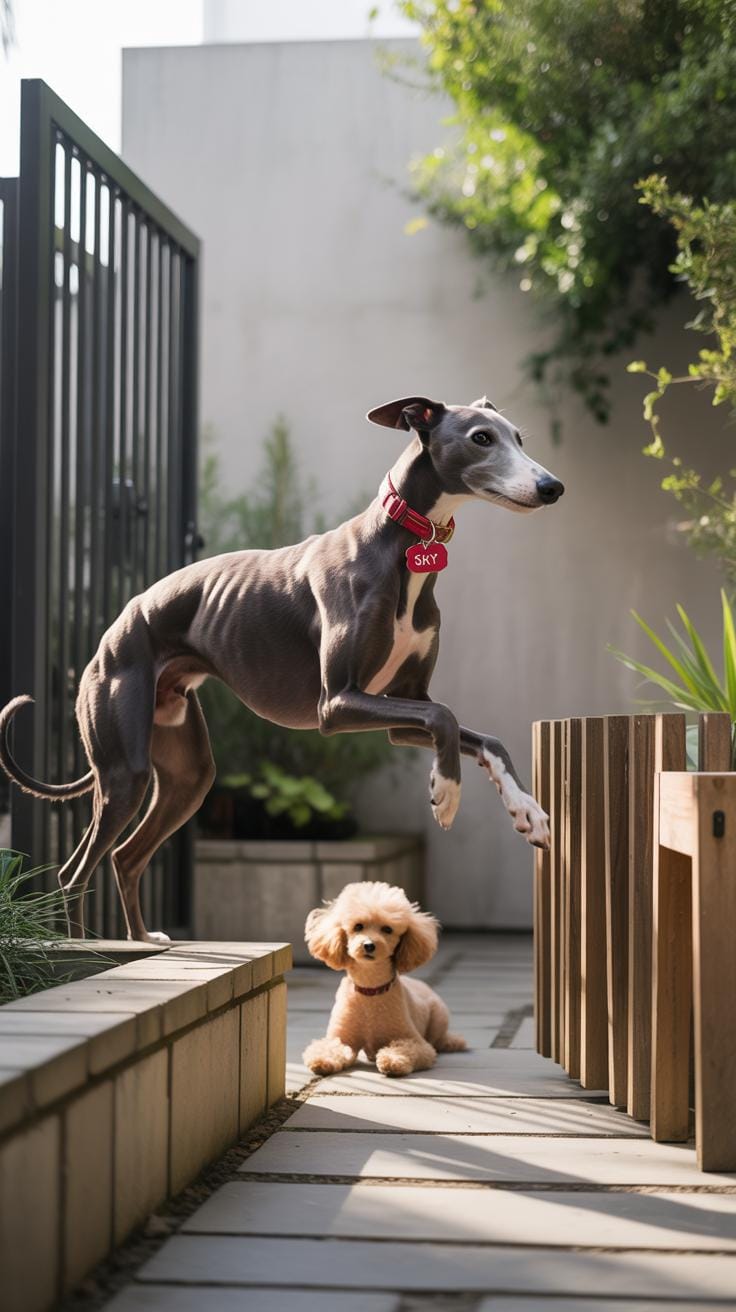
When multiple pets share one room, things can get tricky fast. You’ll want to keep a close eye on how they interact. Sometimes subtle body language—like a stiff tail, pinned ears, or sudden silence—signals tension before it escalates. I’ve noticed even calm pets can flare up if they feel crowded or ignored.
Setting clear boundaries works better than you might think. For example, using baby gates or separate feeding areas can prevent early conflicts. Training your pets to respect these zones takes time and patience, but rewards are worth it. Simple commands like “leave it” or “stay” can help redirect unwanted behavior.
Some tips I’ve found helpful include:
- Supervise all interactions until you’re confident they’re safe.
- Reward calm, positive behaviors immediately to encourage repetition.
- Create escape routes or cozy hideouts so each pet can retreat when overwhelmed.
- Stay consistent with routines to reduce confusion and anxiety.
Knowing when your pets feel stressed or threatened can prevent problems before they start. Look for pacing, yawning, lip licking, or avoidance—they often reveal discomfort before growls or snapping. I once overlooked subtle signs with my cat and dog; it wasn’t long before a small scuffle occurred.
If you spot these signals, separate them calmly and give them space. Don’t rush reintroductions, and always let pets approach each other on their own terms. Sometimes, just changing the room layout or adding vertical spaces makes a big difference.
Rules in a multi-pet home aren’t about control alone; they guide pets toward peaceful coexistence. Start training with short, manageable sessions. Encourage sharing by offering treats when pets behave well around each other. Also, discourage resource guarding by feeding pets separately and removing prized toys during introductions.
Consistency counts more than anything. You might need to repeat commands or reset boundaries many times before pets settle in. It can feel frustrating—I understand that—but the effort helps build trust and respect between pets and between you and them.
Think about how you react, too. Pets often mirror your energy. If you stay calm but alert, they’re more likely to follow suit. Watching small wins, like a peaceful glance exchanged or a calm sit in close proximity, can remind you why it’s worth the work.
Enhancing The Animal Room With Toys And Enrichment
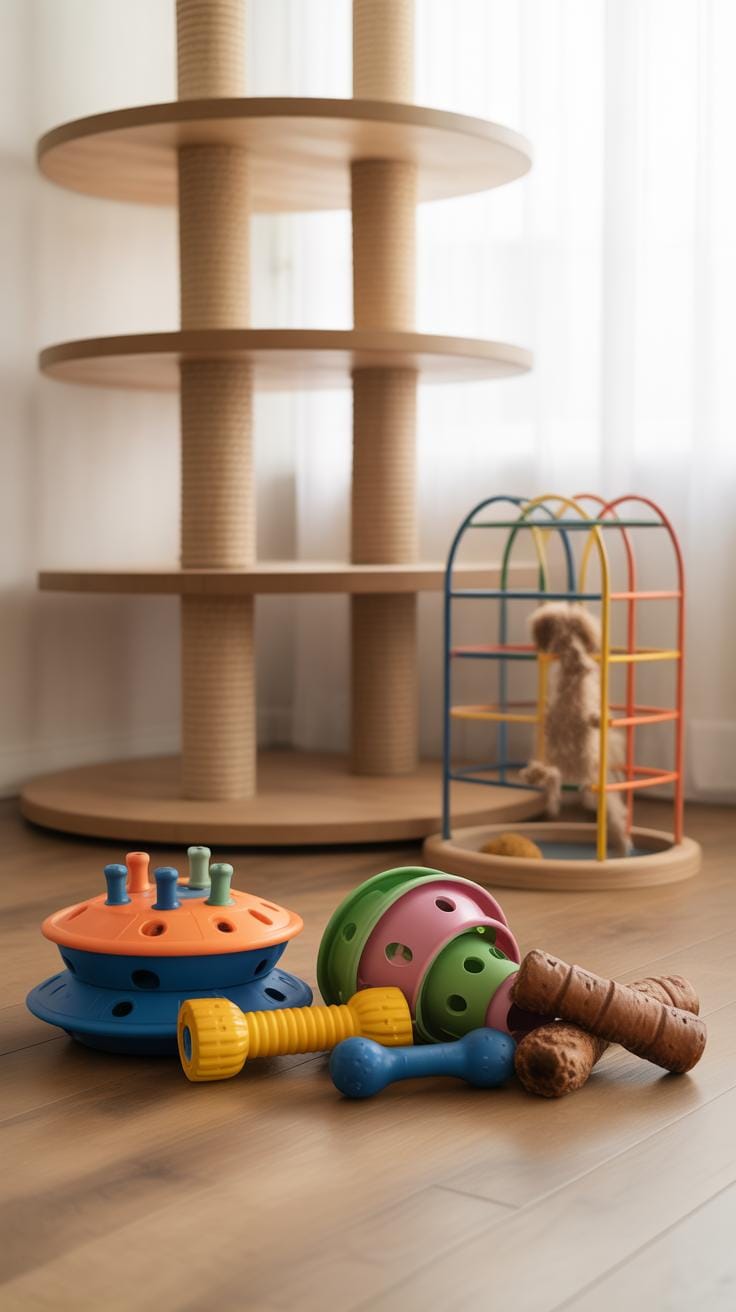
Keeping pets mentally and physically engaged is more than just a nice-to-have—it can prevent boredom, reduce stress, and even improve their overall health. You might notice that a restless pet often gets into trouble or seems anxious, which is why thoughtful enrichment matters a lot in a multi-pet room.

When selecting toys, consider what suits each animal’s natural instincts. For example, chew toys work well for dogs but aren’t relevant for cats, who might prefer feather wands or laser pointers. Small animals like rabbits or guinea pigs benefit from tunnels or cardboard boxes to explore. Sometimes, simple things like puzzle feeders can challenge your pets and make mealtime more stimulating.
Setting up activities doesn’t have to be complicated. Hide treats in places where pets can sniff them out, or rotate toys regularly to keep the novelty alive. You could also create climbing shelves for cats or build a dig box for rabbits. These little changes encourage movement and problem-solving, which often prevents that glazed-over boredom look.
Have you ever noticed how a pet perked up right after a short play session? That’s usually a sign they need more of this kind of engagement. It might take some trial and error to find what really clicks for your furry friends, but isn’t that part of the fun?
Ensuring Proper Ventilation And Lighting
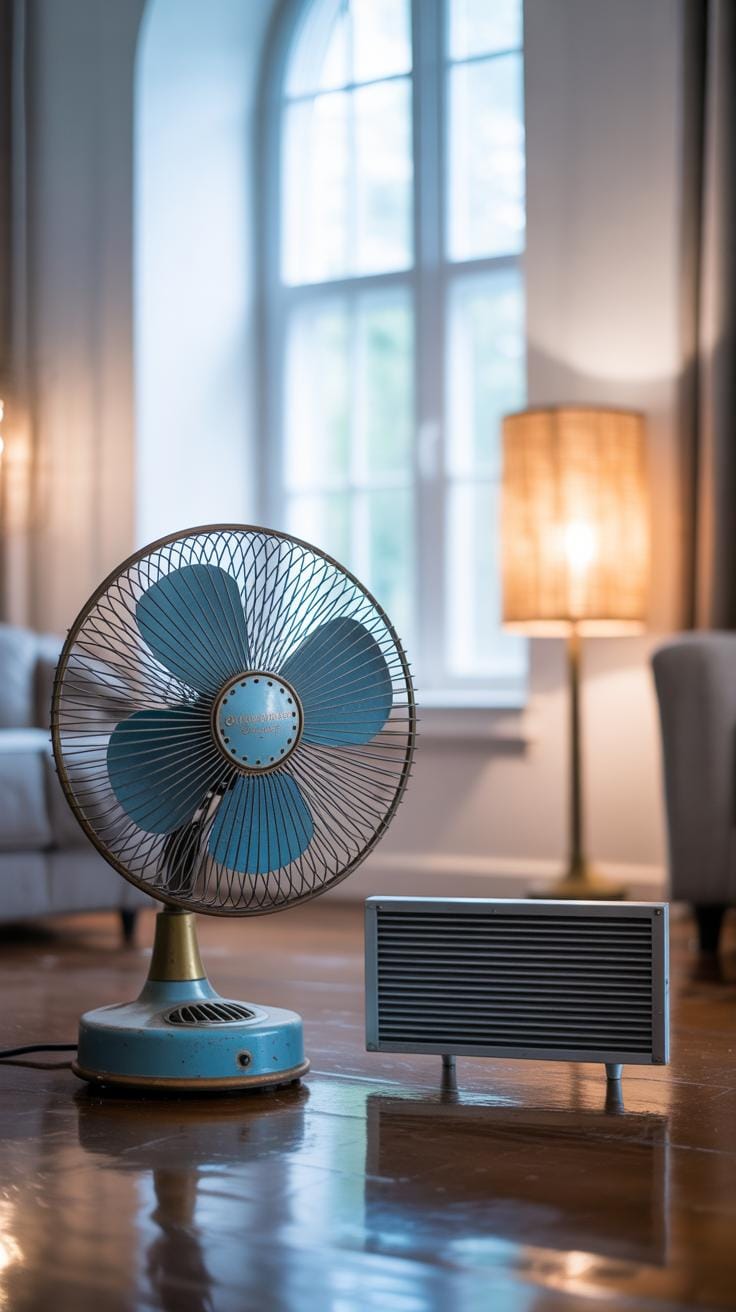
Good airflow in an animal room does more than just keep things fresh; it actually affects how comfortable your pets feel. If the air gets stale, it can build up odors and even irritate sensitive respiratory systems—something you might notice with sneezing or fussiness. You might try opening a window here and there, even for just a few minutes. If that’s not an option, a small fan near a vent or door can help move air around without blowing directly on the animals, which some pets dislike.
Air purifiers with HEPA filters can reduce dust and dander, which is helpful if you have animals prone to allergies. Still, you don’t want to overdo it. Too much circulating air can stress animals, especially birds or smaller mammals, so balance is key. Sometimes I’ve found that just adding a houseplant, like a spider plant or peace lily, gives a bit of natural air cleaning without the hum of a device. It may sound odd, but that small touch seems to make a subtle difference.
Lighting shapes your pets’ mood and activity. Bright, harsh lights can make them anxious or restless, especially in quiet spaces where they’re expected to relax. Warmer, dimmer bulbs simulate natural light better and create a calmer vibe. If you have reptiles or amphibians, specialized lights that mimic daylight cycles are necessary but remember to switch them off at night to avoid disrupting sleep patterns.
Consider adjustable lighting options. I think having a dimmer switch or lamps with softer bulbs can really help you tune the room’s brightness depending on the time of day—or the mood you want. Some cats and dogs prefer indirect light, closer to a lamp than an overhead fixture. You might find they settle more easily when sunlight filters gently through a curtain rather than flooding the room. It’s subtle, but such details make a difference.
Keeping The Room Safe And Secure
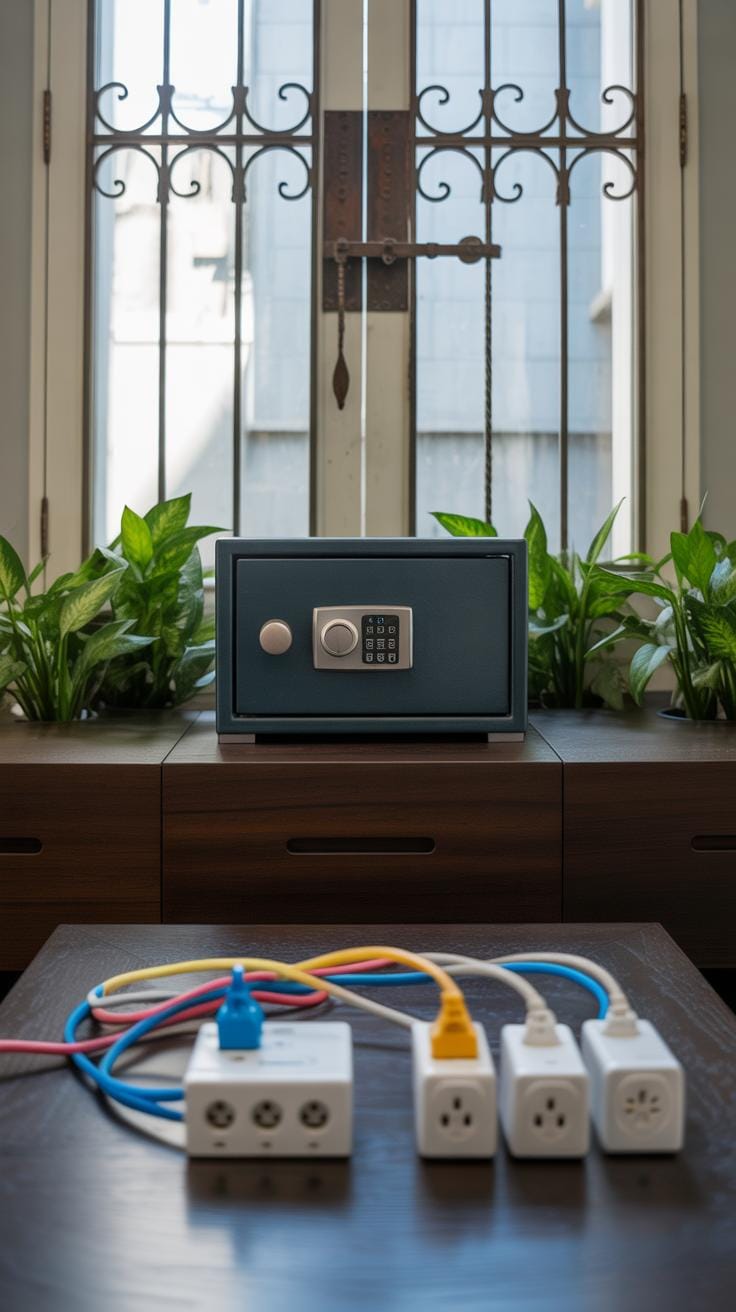
When you’re juggling multiple pets, safety in their shared space becomes a real concern. It’s easy to overlook small things that might lead to accidents. You probably want to think about everyday hazards like electrical cords—those can tempt curious pets, especially cats or puppies that love to chew. Sometimes, even the plants you find pretty or harmless might hide toxins that your pets shouldn’t ingest.
Here are some common items to keep clear of the animal room:
- Chemicals and cleaning supplies stored low or unlocked
- Small objects like buttons, rubber bands, or anything they could swallow
- Certain plants like lilies, aloe vera, or philodendrons
- Choking hazards including small toys or pieces that break off easily
It’s easy to assume that pets won’t get into trouble with these but I’ve learned—their curiosity can surprise you.
Using barriers or pet gates can really help control which areas they can access. Setting up safe zones is not just for separation but also to give them a quiet spot away from the hustle, especially if some pets get anxious or territorial. You don’t have to block the whole room—sometimes just a small gate at a doorway or around fragile items works well.
Sometimes I find that gates work best when they’re sturdy and the height matches your pet’s size. Otherwise, a determined pet might just wiggle through or jump over. It’s also smart to regularly check that these setups haven’t loosened or shifted—what’s secure today might not be tomorrow.
Conclusions
Designing an animal room for a home with multiple pets involves careful planning and attention to detail. You want a space that is safe, easy to clean, and meets the needs of each individual pet. By considering their behaviors, space requirements, and safety, you create an environment that supports their well-being and your convenience.
Using these setup ideas, you can create a room where your pets feel secure and comfortable. Regular maintenance and monitoring will help maintain a happy and healthy atmosphere for all your pets to thrive together in one shared home space.