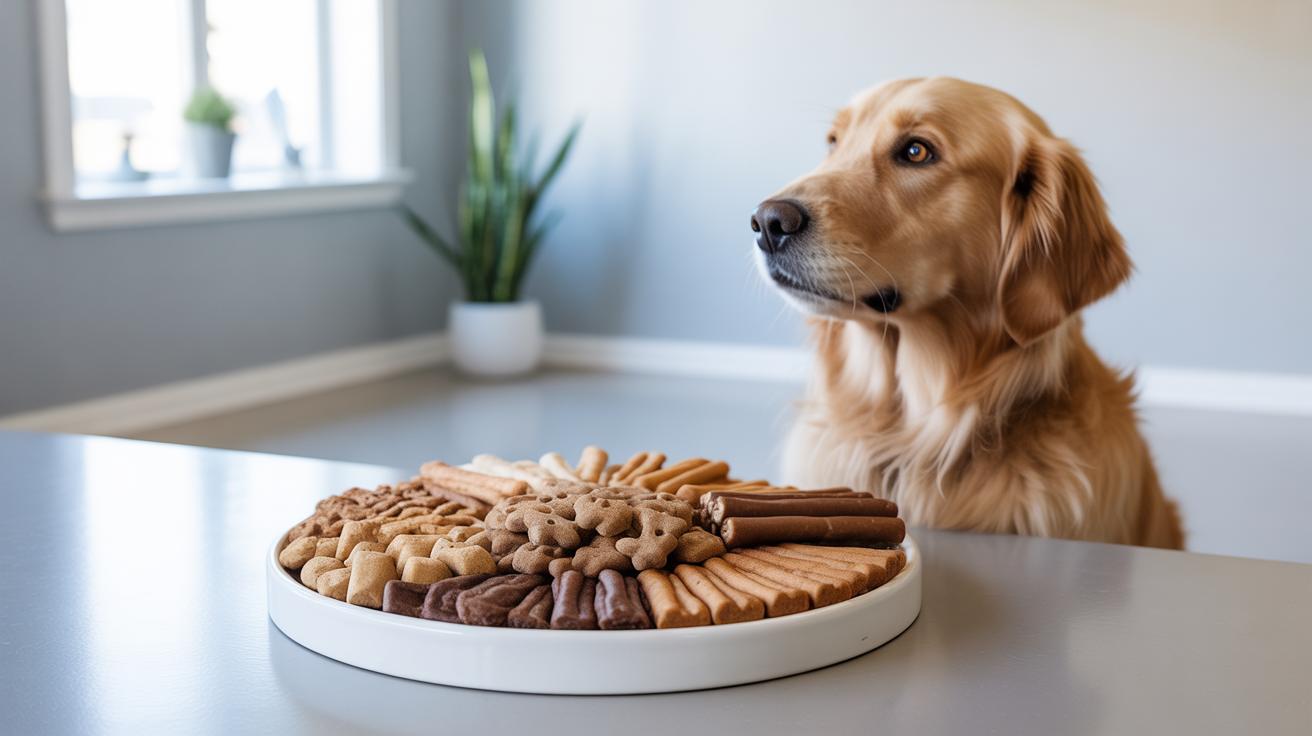
Vet-Friendly Healthy Treats You Can Make Fast
Healthy treats for dogs are important for their nutrition and happiness. You want to give your dog snacks that are good for them and that they enjoy. Many store-bought treats contain things that are not the best for dogs, like too much sugar or artificial ingredients. Making your own treats at home means you control what goes in them. This article will look at vet-friendly ideas for healthy treats you can make fast and easily.
When you make treats for your dog, you help them stay healthy and happy. This article will explore what ingredients are safe to use, show easy recipes you can try, and give tips on how to store and give treats to your dog. You will find ways to provide tasty snacks that also help your dog’s health.
Why Healthy Treats Matter for Dogs
Feeding your dog healthy treats isn’t just about spoiling them—it can actually impact their overall health in ways you might not immediately see. Treats, if chosen wisely, support good digestion, steady energy, and even help maintain a healthy weight. I’ve noticed how my dog’s energy levels improved when I switched to vet-approved snacks, and it made me think: maybe treats should be as thoughtfully chosen as their main meals.
Unhealthy treats pack extra calories without the benefits dogs need. They can lead to weight gain, upset stomachs, or even dental problems. And because treats are often given multiple times a day, you might be inadvertently tipping your dog’s health scale.

Vet-friendly treats are usually designed with a dog’s unique needs in mind. They avoid harmful additives and support specific health goals, like joint health or skin care. Making those small swaps? It feels like a simple change that adds up to smarter care.
The Role of Treats in a Dog’s Diet
Treats are not just little snacks; they serve specific roles in your dog’s day. Beyond filling the belly, treats act as rewards that shape behavior and learning. So, they’re not only about nutrition but also about communication and bonding.
You can think of treats as mini incentives—tools during training or ways to express affection. But treats shouldn’t replace balanced meals or become a dog’s main source of calories. Often, treats make up no more than 10% of a dog’s daily intake, which leaves room for nutritious regular food.
Choosing the right treat can make training more effective and reinforce good habits. On the other hand, offering too many or unhealthy bites can confuse your dog’s diet and lead to undesired habits, like begging or overeating.
Risks of Unhealthy Treats
Not every treat on the shelf is safe or healthy. Too much sugar in treats can cause weight gain and dental issues. Plus, artificial additives—preservatives, colors, or flavors—may trigger allergies or even digestive upset.

Some ingredients common in human snacks are outright dangerous for dogs, like chocolate or certain nuts. Even when treats seem harmless, excess calories add up quickly, potentially causing obesity.
I’ve seen dogs get sick from treats that were flashy but poorly made, which made me rethink what “treat” really means. Your dog’s health can be compromised by persistent exposure to these risky ingredients, even if the effects show up slowly over time.
So, it’s worth questioning: does that colorful, tasty-looking treat really serve your dog’s health, or just momentarily please their taste buds? Choosing vet-approved options usually means choosing safety and nutrition together.
Choosing Safe Ingredients for Dog Treats

Picking the right ingredients is probably one of the trickiest parts of making treats for your dog. You want to be sure the stuff you use is safe and actually good for them, and that means avoiding common human foods that can be risky, even dangerous. Some ingredients are naturally vet-approved because they’ve been shown to support canine health without causing upset.

For example, lean proteins like cooked chicken or turkey offer essential amino acids that help build muscle and keep your dog energetic. Pumpkin is another favorite; it’s gentle on the stomach and full of fiber, which aids digestion. Carrots and green beans can be crunchy snacks packed with vitamins and fiber too. Even certain fruits, like sliced apples (without seeds) or blueberries, provide antioxidants, though you’ll want to give those in moderation given the sugar content.
On the flip side, some ingredients are just off-limits. Chocolate and grapes come immediately to mind—these can upset or even poison your dog. Onion and garlic are tricky as well; they might seem harmless but can harm a dog’s red blood cells. Artificial sweeteners like xylitol are a real danger even in tiny amounts. It’s surprising how often people accidentally use these, thinking “it’s just a little bit,” but those little bits can add up.
You probably know treats should be healthy—but thinking about every ingredient carefully makes a difference. What’s safe for one dog might not be for another, so it’s sometimes worth double-checking with your vet or observing your dog’s reaction as you introduce new snacks. It’s better to be a bit slow and cautious here.
Simple Homemade Dog Treat Recipes
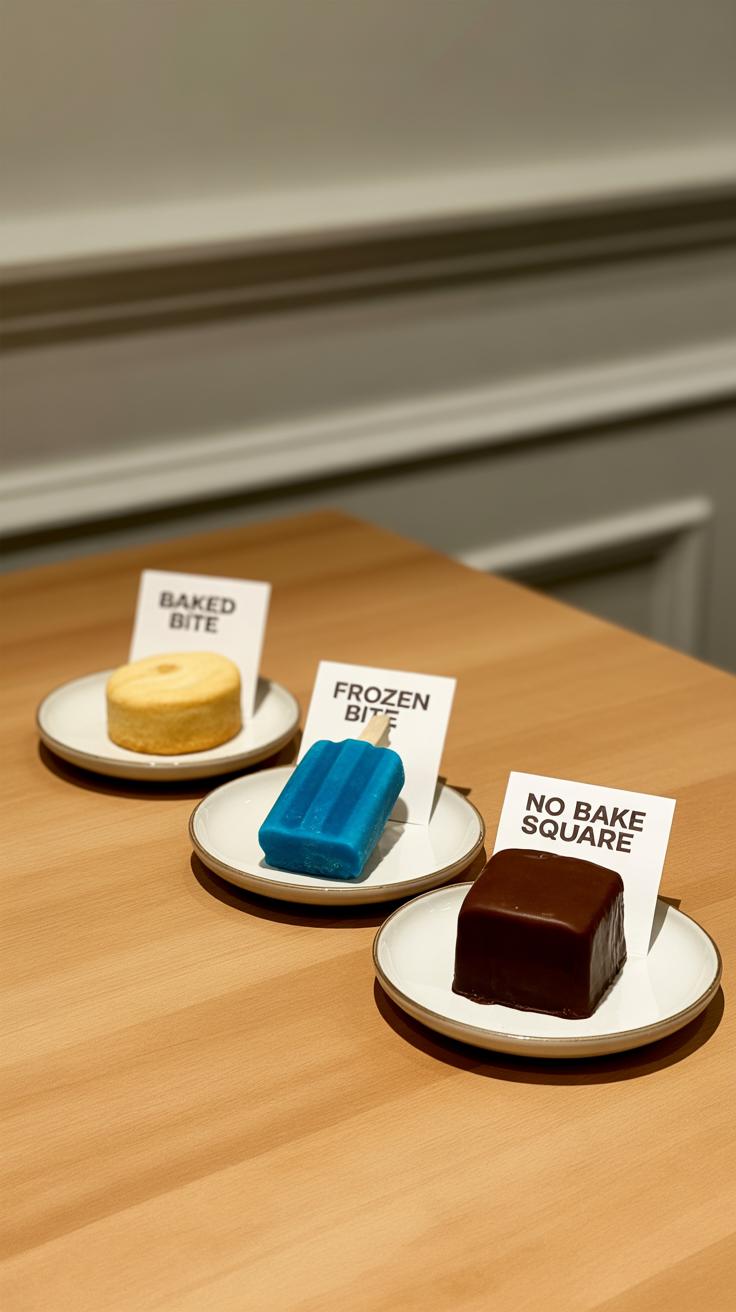
Making your own dog treats at home doesn’t have to be complicated or time-consuming. Sometimes, a few basic ingredients and simple steps are all you need. Think about what your dog loves and what you already have in the kitchen—it’s easier than you might expect.
No-Bake Treat Ideas
No-bake options are great when you’re short on time or just not in the mood to use the oven. For example, mix plain yogurt with mashed pumpkin or a spoonful of peanut butter (make sure it’s free of xylitol). Freeze spoonfuls of this mixture on a tray to make quick, cool treats.

Another one? Combine oats, mashed banana, and a little honey. Shape into small balls and refrigerate. These can last a few days and don’t require heating, so they stay fresh and tasty.
Baked Treat Recipes
Baked treats give a firmer texture dogs often enjoy. You can whip up a batch with simple ingredients like whole wheat flour, grated carrots, and an egg. Mix, roll out, cut into shapes, and bake at 350°F for about 20 minutes. These last a bit longer and keep well if stored properly.
Sweet potato slices are another easy baked option—just slice, bake slowly until crisp, and you’ve got a chew-worthy snack. It’s kind of fun watching your dog figure out a crunchy new treat.
It’s surprising how these basic recipes can cover a lot of bases. You might wonder if homemade treats are really worth the effort. I think they are—there’s something about knowing exactly what’s inside that makes the whole process feel right. Plus, experimenting can be its own little adventure.
How to Store Homemade Dog Treats
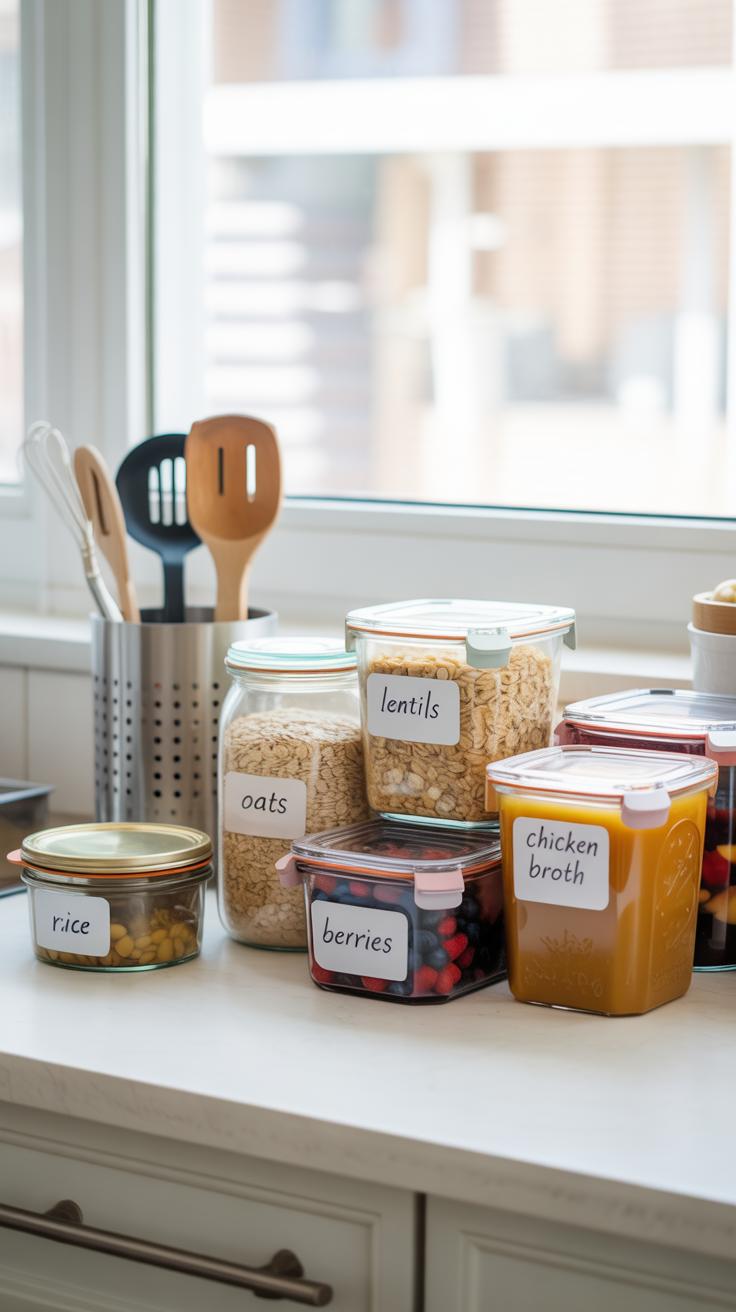

Keeping your homemade dog treats fresh isn’t too complicated, but it does need a bit of thought. Most treats last about a week at room temperature if you keep them somewhere cool and dry. Using airtight containers—think glass jars or sturdy plastic tubs—really helps stop moisture from sneaking in. Moisture can quickly ruin the texture and encourage mold, which is something you want to avoid.
If you notice your dog isn’t finishing a batch quickly, refrigerating is a good way to extend freshness. Generally, treats with perishable ingredients like pumpkin or fresh fruit should go in the fridge. You can keep them in a sealed container or resealable bag for up to two weeks. Just remember to let refrigerated treats come to room temperature before giving them to your dog; cold treats might be tough on their teeth or tummy.
Refrigerating Treats
Deciding when to refrigerate depends on the ingredients you use. If a treat has wet ingredients or dairy, refrigeration is safer. Store them in airtight containers to avoid absorbing fridge odors—your dog probably wouldn’t mind but it could mask their scent and make treats less appealing. Labeling your containers with dates is handy, though I admit I sometimes forget this step. Treats in the fridge stay good for up to two weeks, but if you notice any odd smells or textures, just toss them. You don’t want to risk your dog’s health.
Freezing and Room Temperature
Freezing is a great option if you like to make treats in bulk. Most homemade dog treats freeze well—wrap them tightly in parchment and pop them in a freezer bag, squeezing out as much air as possible. They can last up to three months frozen. When you need one, just thaw overnight in the fridge or leave it out for a few hours. Don’t worry if the texture changes a bit after freezing; dogs don’t usually mind.
For room temperature storage, keep treats somewhere dark and dry—pantry shelves or cupboards work fine. Avoid humid spots, or your treats might soften faster than you want. This method suits dry, baked treats with no dairy or fresh ingredients best. It’s simple, but you’ll probably want to check on them every week or so to prevent spoilage.
Incorporating Treats into Your Dogs Routine
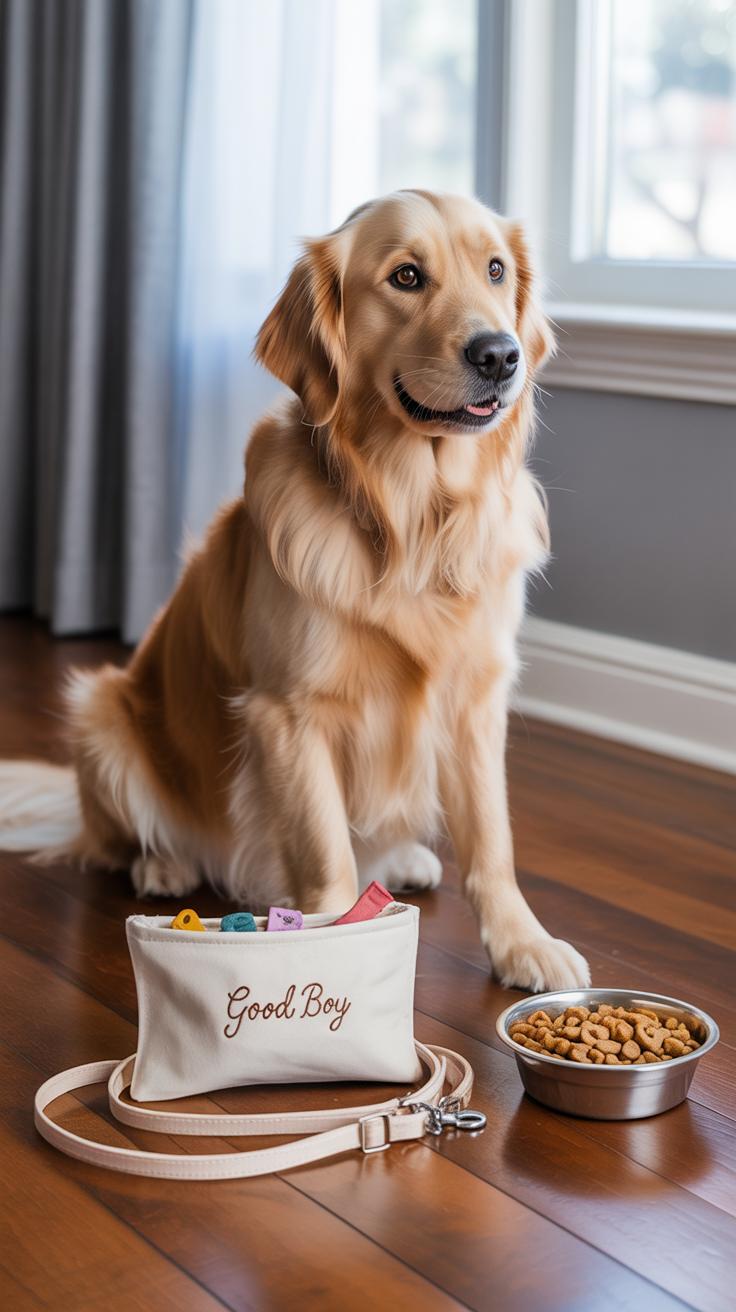

Treats can be more than just tasty rewards; they can actually play a key role in your dog’s daily life if used thoughtfully. For training, timing is crucial. You want to offer a treat immediately after the behavior you want to encourage, so the connection is clear. Waiting even a few seconds might confuse your dog or lessen the impact. I’ve noticed that quick, small bites work best—big treats slow things down and can distract from learning.
Keeping portion control in mind helps too. Giving your dog too many treats can undermine training and lead to unwanted weight gain. A good rule I follow is to make treats only about 10% of their total daily calories. This means treats should be small and healthy, especially if you’re using several during a training session.
When it comes to balancing treats with meals, you might want to adjust the regular food intake if you’re giving multiple snacks. Some dogs are less interested in their meals if they’ve already had a lot of treats throughout the day. I find it helpful to think of treats not just as extra food but as part of the daily diet—sometimes I reduce the portion in their bowl just a bit.
Have you ever noticed your dog ignoring dinner after a day full of treats? That’s a sign it might be time to rethink the balance. Treats work best when they support behavior and health, not fill a gap or replace meals unintentionally.
Vet Recommendations for Healthy Dog Treats
What Vets Look For in Treats
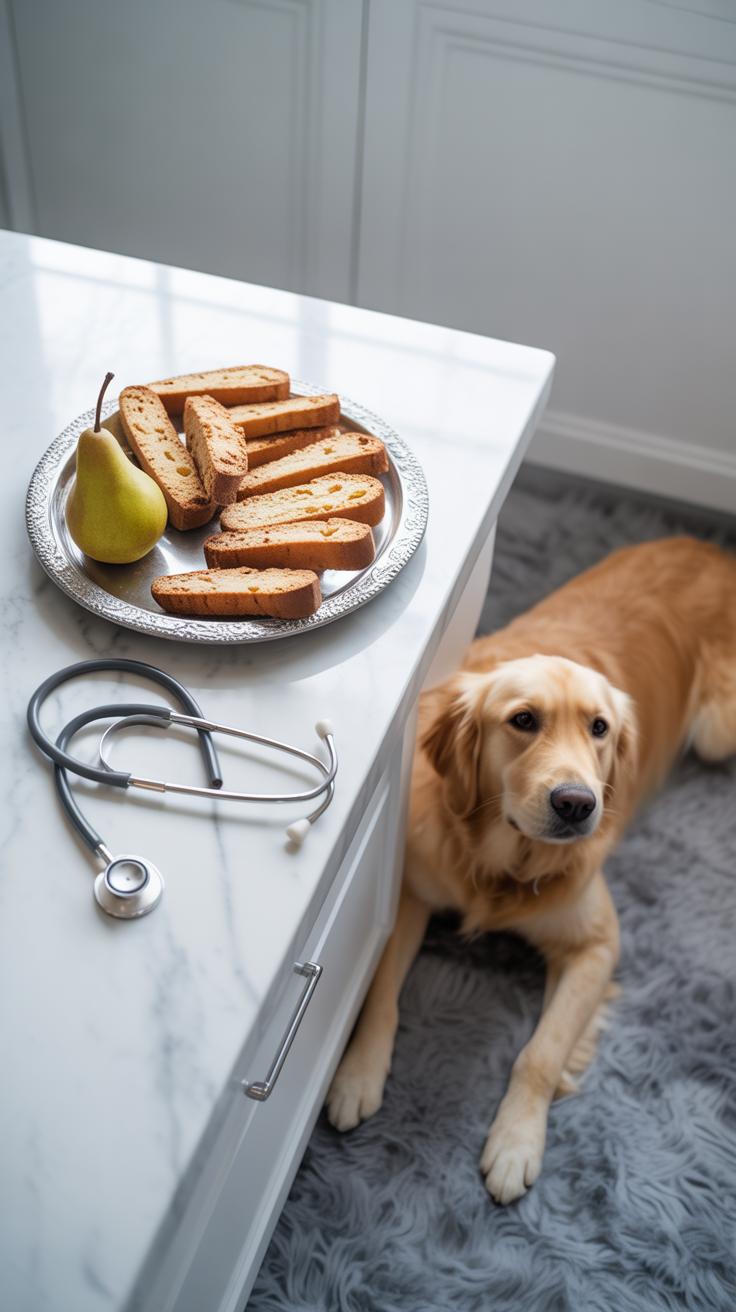
Veterinarians tend to favor treats that are simple and made with whole, recognizable ingredients. They often point out that fewer additives and preservatives usually mean a safer bite for your dog. Protein-based treats—think lean meats like chicken or turkey—are commonly supported because they provide nutritional value beyond just flavor. But vets also keep an eye on the fat and salt content, since those can sneak up and cause issues over time.

Safety tops their list. Treats should be easy to digest and free from common allergens if possible. Many vets mention that treats with an appropriate texture—something not too hard or brittle—help avoid choking hazards or dental damage. At the same time, the treat shouldn’t be so soft that it lacks any substance, which might lead to overeating or lack of satisfaction.
Recommended Treats and Alternatives
Many vets often suggest simple options like freeze-dried liver, dehydrated sweet potatoes, or small pieces of cooked veggies such as carrots or green beans. These parts keep calories in check and provide nutrients without extra junk. Also, fruits like blueberries can be a good choice, but only in small amounts because of their sugar.
When your dog has special needs, such as allergies or sensitivities, vets usually steer you toward limited-ingredient treats or hypoallergenic options. Some also approve dental chews with vet seals of approval—though again, moderation is key, since over-reliance on these might upset your dog’s stomach.
One vet once told me, “Always treat your dog like you would yourself—no mysterious ingredients or overloads.” It stuck with me because it’s simple but makes you think twice before grabbing that flashy package. Don’t forget, even the best treat can be too much if you hand it out constantly. So, keeping treats to a small percentage of your dog’s daily intake and mixing in healthy alternatives works well for most pets.
Addressing Common Dog Allergies and Sensitivities
Signs of Allergies to Watch For
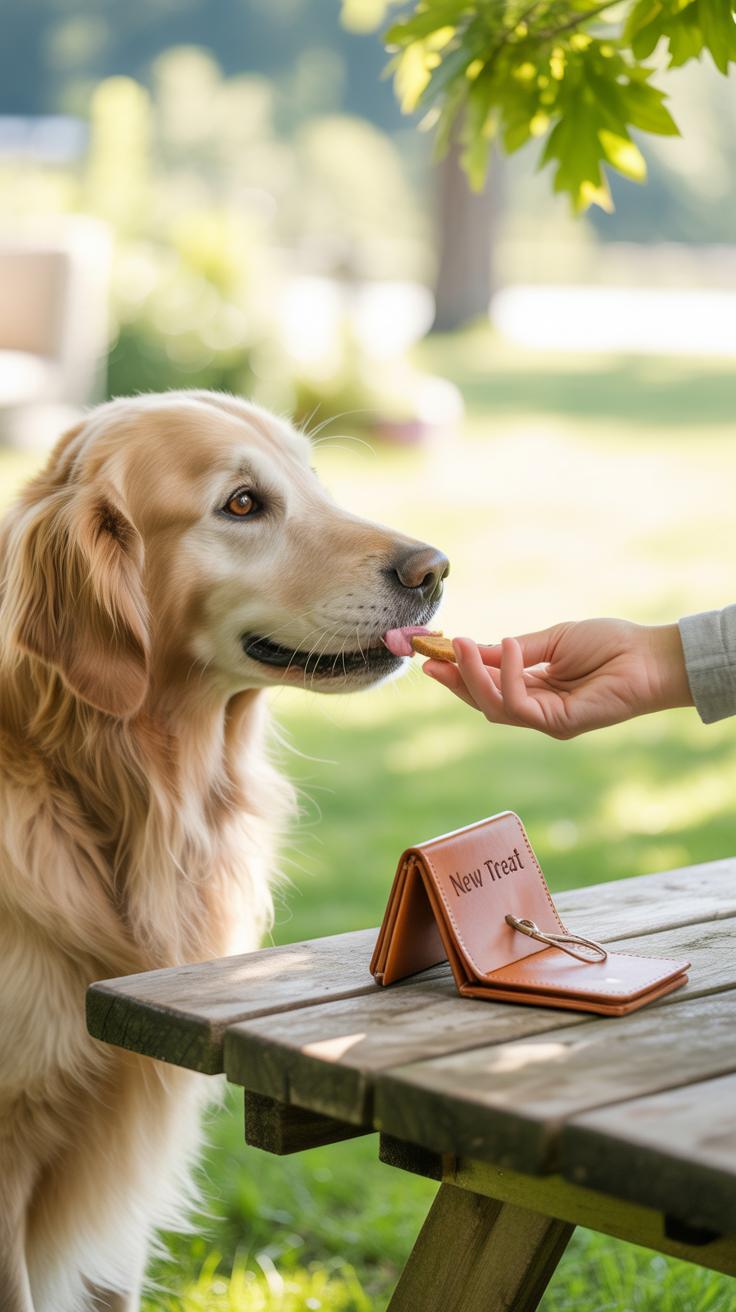
Sometimes, your dog’s reaction to a treat isn’t obvious right away. You might notice itching, repeated licking, or redness around the paws or face. Digestive upset—like vomiting or diarrhea—can also hint at an allergy. I’ve seen dogs that suddenly develop hair loss or hot spots, which made me question their snacks.
These signs don’t always mean allergies, but they’re worth watching closely. If you observe any unusual behavior soon after treats, it’s smart to pause and think about what your dog is eating.
Choosing Allergy-Friendly Treats
When dealing with sensitivities, simple ingredients work best. Limited proteins—like duck, venison, or rabbit—can be easier to tolerate than common ones such as chicken or beef. Some dogs react poorly to grains, so grain-free options made with sweet potatoes or oats may be safer.
Consider using single-ingredient treats, like frozen blueberries or plain pumpkin, which often avoid triggering reactions.
A recipe you might try: mix pure pumpkin with a bit of oat flour and bake small bites. Remember, introducing new treats gradually helps you spot any issues. It’s a bit of trial and error, but you’ll figure out what suits your dog best.
Fun Ways to Present Treats to Your Dog

Interactive Treat Toys
Toys that release treats can turn snack time into a little challenge for your dog. These toys usually require some nudging, rolling, or pawing to make a treat drop out. That keeps your dog occupied and thinking instead of just gobbling treats mindlessly. I’ve seen pups get hooked on these toys, which sometimes means they slow down and actually enjoy their treats a bit more.

There’s a range of options, from simple balls with holes to puzzle feeders that demand problem-solving. The key is to pick one that suits your dog’s skill level. A toy too hard might frustrate them. One too easy doesn’t hold their attention.
Using Treats for Play and Bonding
Treats don’t have to just be given—use them during interactive games. For example, hide treats around the house or yard and let your dog sniff them out. It turns treat time into a kind of treasure hunt and strengthens your bond since you’re actively involved.
Another idea is combining a short training session with play. Mix obedience cues with treats as rewards, then toss a ball or toy as a final prize. It’s not just about the treat but the shared experience that makes your dog trust and look forward to these moments. It sometimes feels like they’re learning—even when really they’re just having fun.
Tips for Making Treats Quickly and Easily
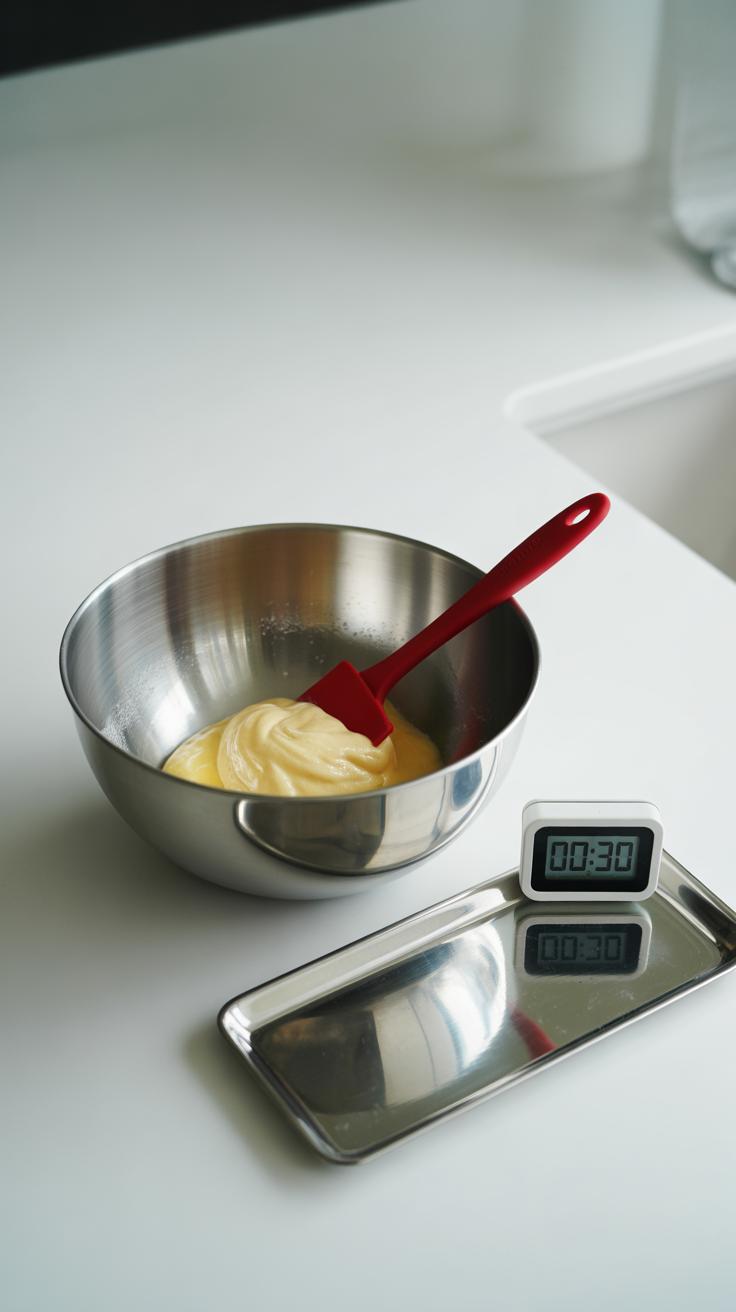
Making healthy treats for your dog doesn’t have to be a long, complicated task. You can keep things simple and still come up with something delicious and nutritious. One easy approach is prepping ingredients ahead. For example, chopping veggies or measuring out oats and flours in advance saves time when you’re ready to bake or mix. You might even portion these out in small bags or containers, so everything is ready to go on busy days.
When it comes to tools, you really don’t need a fancy setup. A basic mixing bowl, a spoon, and a baking sheet usually do the trick. Sometimes, a food processor or blender makes certain recipes quicker—like pureeing pumpkin or sweet potato—but you could also mash by hand if you want to keep things low-tech. Using cookie cutters or even just a knife lets you shape treats without any fuss.
Shortcuts like using canned pumpkin or pre-cooked chicken can help speed things up without cutting corners on quality. The goal is to keep treat making approachable, so you’re more likely to do it regularly. The more you prepare and streamline, the less it feels like a chore—and your dog will appreciate the extra effort, even if it’s just a simple biscuit made in minutes.
Conclusions
Making healthy treats for your dog is a great way to show care and keep them healthy. By choosing safe, natural ingredients, you avoid harmful additives and give your dog snacks that support their wellbeing. Simple recipes mean you can prepare treats quickly without needing special skills or hard-to-find items.
Healthy treats also build a stronger bond between you and your dog. With the ideas and tips shared, you can create snacks your dog will enjoy and that fit into a healthy lifestyle. Try making your own treats and see how it benefits your dog’s happiness and health. Your dog will thank you with wagging tails and bright eyes.