Simple Health Care Tips for Animals and Fitness
Simple Health Care Tips For Animals And Fitness Enthusiasts focus on keeping pets healthy and supporting fitness goals. Taking care of animals involves regular health checks, proper nutrition, and preventive care. Fitness enthusiasts need attention to exercise routines, nutrition, and injury prevention.
This article shares straightforward tips to maintain health for both animals and fitness lovers. Each chapter targets effective practices to boost well-being and prevent common health issues.
Basic Animal Health Needs

Every pet needs some basic care daily to stay healthy. Feeding is more than just filling a bowl—it’s about giving the right food in the right amounts. Pets need exercise too, but how much really depends on their type, age, and health. Dogs typically require walks, while cats may be content with indoor play. Regular health checks are crucial. You might think your pet is fine, but vets can spot small problems before they become big issues.
Think about your daily routine with your pet. Are you engaging them enough? Is their diet balanced or are you guessing? Establishing a habit of checking their behavior and appearance daily can save you stress later.
Feeding Guidelines For Different Pets
Different animals have quite different requirements. Dogs and cats need protein-rich food, but the amounts and types vary. Birds benefit from a mix of seeds, fruits, and vegetables. Rabbits need plenty of fiber, mostly from fresh hay. Fish varieties demand specific diets depending on whether they’re freshwater or saltwater species.
- Consult packaging and veterinary recommendations rather than following generic advice.
- Watch how your pet responds – changes in appetite or weight may hint you need to adjust.
- Limit treats and table scraps; they can be unhealthy and unpredictable.
Recognizing Signs Of Illness
Animals can’t tell us when something’s wrong. So, you should watch for behaviors or signs that might mean illness. Notice if your pet is eating less, seems lethargic, or is coughing or sneezing a lot. Changes in bathroom habits or unusual lumps are also red flags.

Sometimes symptoms are subtle, like more hiding or avoidance. Don’t wait too long if you think something’s off—even mild signs could point to serious issues.
In my experience, taking a photo or jotting notes on odd symptoms before the vet visit helps—they often ask specifics. What unusual things have you noticed in your pets that made you worried? You might be surprised how often small changes signal a health problem.
Setting Fitness Routines Effectively

Creating a fitness routine that fits you can feel tricky. You have to think about your current fitness level, what you want to achieve, and how much time you can realistically invest. There’s no one-size-fits-all here. Maybe you’re just getting started and need short, manageable workouts. Or you’re more advanced, aiming for strength or endurance gains and ready for something intense.
Here’s a simple way to start:
- Assess what you can do comfortably now — don’t push too hard too soon.
- Identify your goals—do you want to build muscle, improve stamina, or simply stay active?
- Choose activities you enjoy; you’re more likely to stick with them.
- Set a schedule that matches your lifestyle; consistency beats intensity initially.
- Expect adjustments—your body and interests can change over time.

Sticking to a routine means being flexible. If one day you can’t do much, do something lighter rather than skipping completely. I remember feeling defeated when missing a day; later, I found a light walk instead felt just right.
Warm Up And Cool Down Importance
Warming up is like gently waking your muscles and joints for action. It usually means starting with slower, easier movements that gradually get your heart rate up. This prepares your body and might reduce the risk of injuries. For example, a slow jog before running or light arm swings before lifting weights.
Some people think stretching is a must before activity, but it’s a bit more complex. Static stretching—where you hold a stretch—might actually weaken muscles if done before exercise. Instead, dynamic stretching—moving parts of your body gradually through their range of motion—is better as part of the warm-up.
Cooling down at the end helps your body adjust back to resting state. Slowing down activity little by little and some gentle stretching can reduce soreness and stiffness. Skipping it might leave you feeling tight or sore, which can discourage the next workout.
Tracking Progress Consistently
It’s easy to lose track of how you’re doing if you just “feel” your way. Keeping tabs on your progress helps you see what’s working and what’s not. Try these methods:
- Keep a workout journal or use apps to log what you do and how you feel.
- Take occasional measurements like weight, body circumference, or photos.
- Note improvements in strength, endurance, or flexibility.
- Adjust your routine if you hit a plateau or goals change.
I found that after tracking workouts weekly, I realized some exercises weren’t challenging enough anymore. Changing them up made workouts more interesting and effective again. What small sign tells you it’s time to adjust your routine? Maybe it’s worth checking.
Preventive Animal Health Care

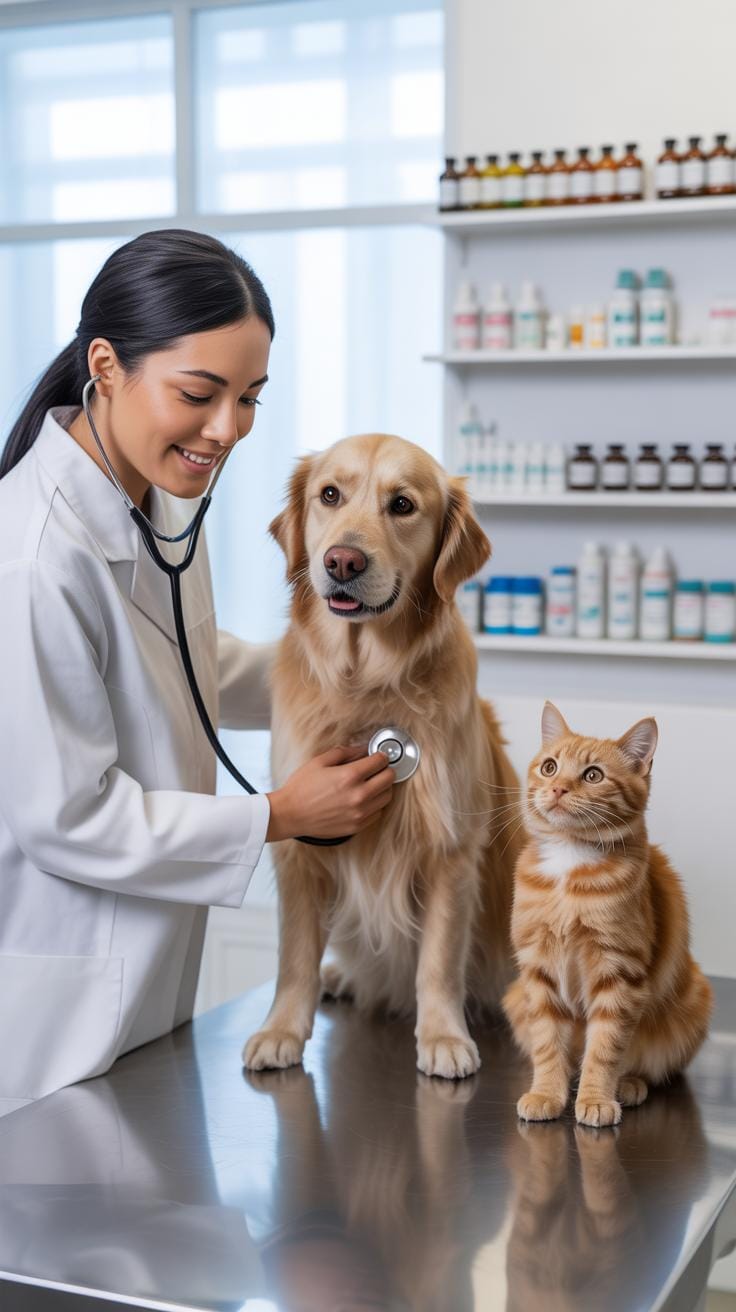
When it comes to keeping your pet healthy, prevention really is better than cure. Vaccinations form a key part of this. They protect pets from serious diseases, some even potentially fatal. Your vet will tailor a vaccination schedule to your pet’s needs, considering factors like age, lifestyle, and health. For example, core vaccines for cats usually include protection against feline panleukopenia, calicivirus, herpesvirus, and rabies. But the timing and frequency can vary quite a bit.
Parasite control is another crucial aspect. Fleas and ticks aren’t just annoying; they transmit diseases that can seriously harm your pet’s well-being. You can use topical treatments, collars, or oral medications to keep these pests at bay. Regular grooming also helps spot any parasites early before they become a bigger problem.
Don’t skip those vet visits either. They’re more than just checkups—they give you a chance to catch minor issues before they develop. Routine exams help maintain your pet’s health balance. Keeping up with these basics often means fewer emergencies and a happier pet overall. It’s easy to overlook how small preventive steps build up.
Nutrition In Fitness And Recovery

Pre Exercise Fuel Choices
When you’re gearing up for a workout, choosing what to eat beforehand can be a bit tricky. You want something that will give you enough energy without weighing you down. Think about foods that break down slowly but still provide quick energy. Simple carbs like a banana or a slice of toast with a bit of honey often work well for many people. Some prefer a small bowl of oatmeal or yogurt with fruit, which combines carbs and a touch of protein. You might wonder if eating too much can slow you down—yeah, it can, so it’s often best to keep pre-exercise snacks light and eat them about 30 to 60 minutes before working out.
Post Workout Recovery Foods

After you finish exercising, your body craves nutrients to rebuild muscles and replenish lost energy. It’s here that protein plays a crucial role—lean meats, eggs, or a protein shake can help with muscle repair. Don’t forget carbs though; they refill the glycogen stores your muscles emptied while working out. Rice, sweet potatoes, or even fruits like berries are solid choices. Also, hydrate—water is key, but sometimes drinks with electrolytes are useful if the sweat was heavy. Some days you might feel like eating a full meal right after, but other times a light snack might feel better—that’s okay, just try to include some mix of carbs and protein within a couple of hours post-workout to aid recovery.
Handling Health Emergencies Steps for Animals and Fitness Injuries

Animal First Aid Basics
When your pet faces a health emergency, staying calm really matters. Panicking only scares them more. First, safely restrain your pet to prevent bites or further injury—using a muzzle or leash if you have one is wise. Remember, animals in pain can react unpredictably.
Next, look carefully for obvious injuries. If your pet is bleeding, apply gentle pressure with a clean cloth. For choking, try to open their mouth carefully and remove any visible obstruction, but don’t poke blindly—it could make things worse.
Keep your pet warm and quiet while arranging a visit to the vet. Having a first aid kit ready at home or in the car is very helpful—vet clinics can advise on what to include. You might want to consider a pet first aid course to be better prepared; it’s amazing how much difference a little training makes.
Fitness Injury Immediate Care
Injuries during workouts can range from mild strains to more serious issues. Right after an injury, apply the R.I.C.E. principle: Rest, Ice, Compression, and Elevation. Ice helps reduce swelling, but don’t leave it on too long—about 15-20 minutes should do.

If you notice sharp pain, swelling that keeps growing, or loss of function, seek medical attention quickly. It’s tempting to push through pain, especially if you’re used to tough workouts, but this can worsen injuries. For cuts or scrapes, clean the wound with mild soap and water, then cover it.
Ask yourself: does this pain feel unusual? If yes, be cautious. Consider scheduling professional evaluation if the discomfort lingers beyond a day or two. Immediate care can shorten recovery time significantly, even if it feels like a hassle at first.
Comparing Animal And Human Care Nutrition Needs And Exercise Benefits

When we look into health care for animals versus fitness enthusiasts, there’s both overlap and divergence, especially if you zoom in on nutrition and exercise. Nutrition-wise, animals often have diet tailored to their species and environment—think of obligate carnivores like cats versus herbivorous rabbits. Humans, on the other hand, have a wider dietary flexibility but need to balance nutrients carefully for their activity levels and health goals. Interestingly, some underlying needs overlap, like the necessity of protein and vitamins, but the sources and amounts might differ quite a bit.
It can be surprising that both animals and people benefit from regular exercise beyond just physical health. In animals, movement supports their natural behaviors and mental stimulation—think of a dog going on a walk versus a fitness enthusiast hitting the gym. Exercise boosts mood in both groups, helps regulate weight, and even supports immune function. Yet, animals rely more inherently on their instincts for activity, while humans usually structure exercise intentionally, which sometimes makes you wonder if we’re making it more complicated than it needs to be.
- Animal diets are species-specific but share core nutritional needs with humans.
- Both groups rely on balanced nutrition for energy, health, and recovery.
- Exercise enhances physical and mental wellness universally, though motivation varies.
When you compare the two, it nudges you to think: Are we really so different in our health needs, or are we just dressing the basics up differently? Both care approaches highlight simple truths—nutrition and movement are foundations. The way we approach them might differ, but the principles often surprisingly align.
Tools For Health Care Management


Managing health care routines for your pets and your own fitness can feel overwhelming sometimes. Luckily, several practical tools and apps exist to ease this task, helping you keep track of everything important without letting things slip.
Pet Care Monitoring Tools
For pets, apps and devices designed to monitor health are quite useful. They help you schedule and track medication reminders, vet appointments, and even daily activities like feeding or walks. Some can also record symptoms or behavior changes so you have detailed history when visiting the vet.
Popular apps like “PetDesk” or “Pawtrack” provide reminders and updates on your pets’ vaccines or treatments, and some devices even monitor your pet’s activity levels or rest patterns. I remember using one for my dog that alerted me when his medication was due. It’s these small aids that can make pet care less stressful.
Fitness Tracking Devices
For fitness enthusiasts, wrist-worn devices like Fitbit, Garmin, and Apple Watch have become standard. These gadgets monitor heart rate, distance traveled, calories burned, and sleep quality. With associated apps, you can log workouts, set goals, and analyze progress over time.

Some people find it’s motivating to share fitness achievements socially or compete with friends, although that might not appeal to everyone. There are also smartphone apps alone, like Strava or MyFitnessPal, that track activities if you prefer not to wear a device all the time. Combining these tools thoughtfully can make managing health less of a chore and possibly even a bit enjoyable.
Lessons From Real Life Examples

Improved Pet Health Stories
I’ve heard a lot about how small changes can make big differences for pets. Take a dog named Max—his owner started a daily regimen of brushing teeth and feeding measured portions. Max, who used to have bad breath and occasional stomach issues, showed a remarkable improvement in just a few months. His dental health visibly improved, and those stomach problems? Almost gone. It seems that sticking to a simple care routine really paid off.
Or consider Bella, a cat whose owner realized that proper grooming and regular vet visits were crucial. Bella used to have matted fur and was often lethargic. But consistent care made Bella energetic again, and her coat became shiny. It’s interesting how consistency, not sophistication, often wins the day.
Fitness Goal Success Cases
On the fitness side, some stories stand out. One friend, obsessed with quick fixes, switched gears after embracing basic health advice — consistent hydration and balanced meals. After a few weeks, she could lift heavier and felt less tired. No magic supplements, just a focus on basics, which proved surprisingly effective.
Similarly, a runner I know started tracking not only workouts but also rest and nutrition. The result? She hit personal records without burnout. Her story makes you wonder how often people overlook rest and simple nutrition, chasing complicated hacks instead.

What can we learn here? Health routines—whether for pets or humans—thrive on simplicity, regularity, and attention to basics. They don’t have to be fancy to be powerful.
Conclusions
Maintaining health care routines both for animals and fitness enthusiasts improves quality of life. Consistent care through nutrition, exercise, and preventive measures reduces risks of illness and injury.
Applying these simple tips daily supports long-term wellness. Whether caring for your pet or pursuing fitness, small actions contribute to bigger health benefits.