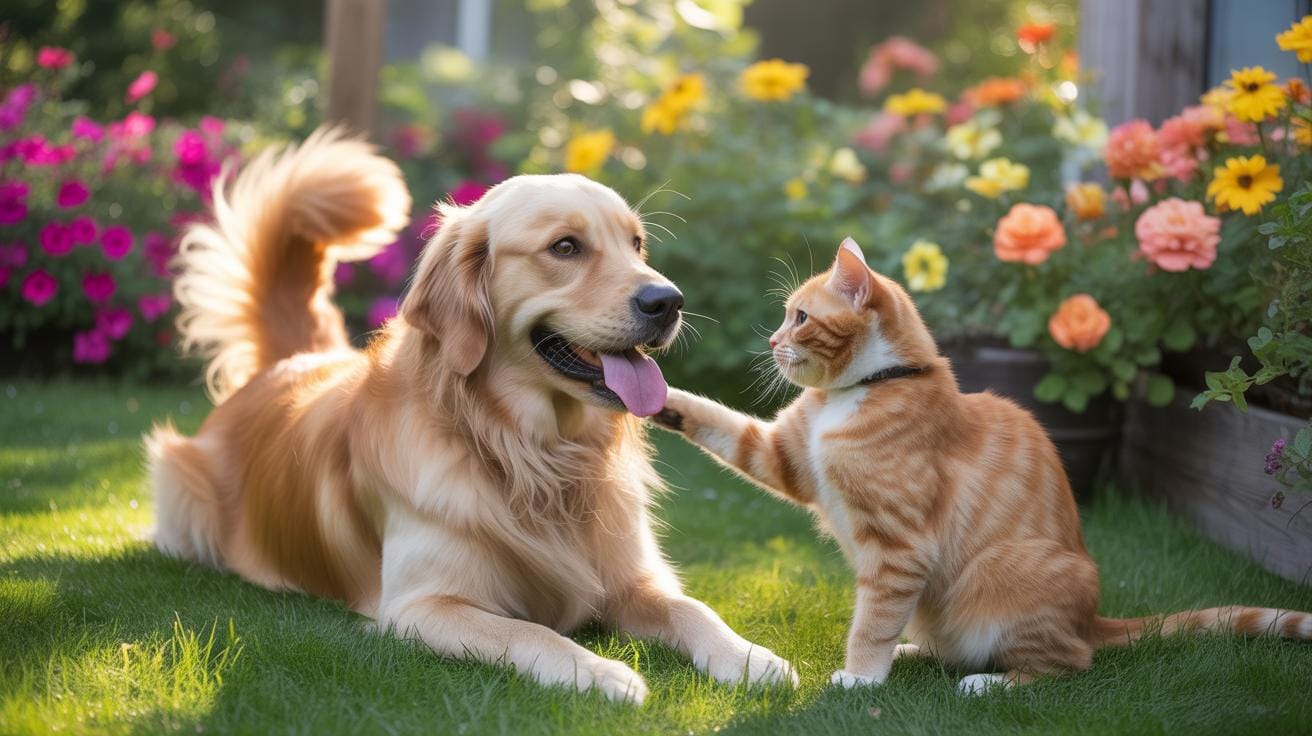
Benefits of a Cat and Dog Friendship
Many pet owners have both dogs and cats and often wonder how these two popular pets interact. Cat and dog friendships are more than just being co-pets; they offer real benefits that contribute to healthier and happier pets. This article discusses these benefits and how they foster a strong relationship between your dog and cat.
You will learn about the positive impacts that a friendly relationship between a dog and cat can have, the signs to watch for good relations, and ways to help your pets get along better. Understanding these points can help bring peace and joy to your household.
Benefits Of Dog Cat Bonds

Have you noticed how a dog and cat playing together seem to brighten up the whole room? This friendship does more than just entertain us. Dogs and cats that get along tend to be less stressed. When they have a buddy, their anxiety levels drop noticeably. It’s not just about fun—the increased playtime they share also means more exercise. That extra movement keeps them physically healthier and helps them avoid the weight issues many pets face.
But, there’s more going on. Their minds get a workout too. When a dog and cat interact, they challenge their brains in unique ways, which can prevent boredom-related behaviors. This mental stimulation is something pets might miss without a companion. So, it’s not just the body benefiting, but the mind as well.

This bond is a gentle reminder that animals, like people, have social needs. I think watching them can even make us reflect on our own friendships and health.
How Friendship Helps Health
When dogs and cats have a friend, you can often see a difference in their overall health. Reduced anxiety is one of the biggest benefits. Pets with a buddy often sleep better and show fewer signs of stress-related behaviors, like excessive barking or scratching. This calmness supports heart health and strengthens their immune systems.
Physically, friends encourage each other to move more. A dog and cat that chase or play together tend to be in better shape than ones left alone. Exercise keeps muscles toned and joints flexible, which is crucial as they age. Plus, feeling safe with a friend can improve appetite and digestion, rounding out these health perks.
Signs Of Good Dog Cat Relations
Wondering if your dog and cat are really on good terms? Look for these signs:
- They rest near each other without tension or signs of aggression.
- Play is mutual and light-hearted, not one-sided or aggressive.
- Grooming behaviors may extend from cats to dogs, showing trust.
- They share space, like beds or favorite spots, without conflict.
Each of these clues hints at a healthy friendship, meaning both feel secure and connected. You might notice their moods improve on the days they spend more time together. It’s a pretty good indication that their relationship is more than just coexistence—it’s real companionship.
Why Dog Cat Relations Matter

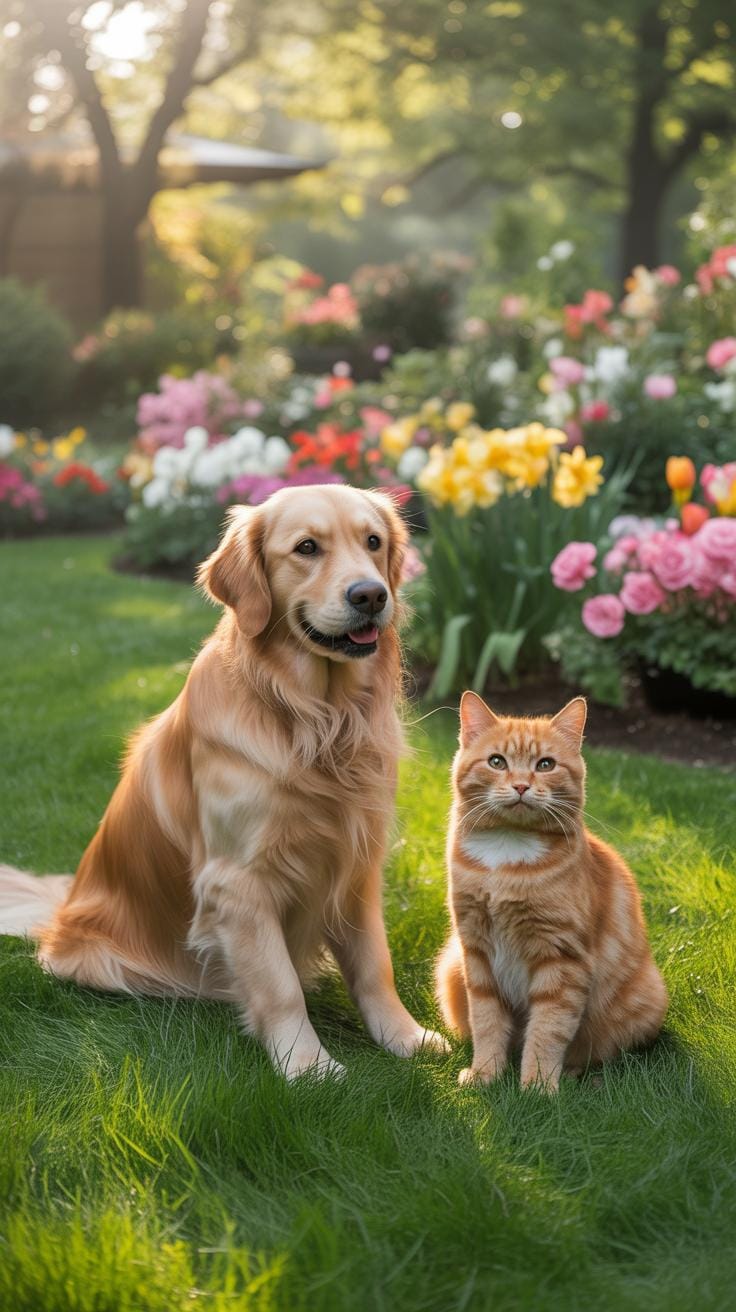
Getting dogs and cats to get along matters more than you might expect. When these animals live together peacefully, the whole household tends to feel calmer. Think about it: if your dog isn’t constantly chasing the cat, and the cat isn’t always on edge, both pets spend more time relaxing. That comfort translates into less stress for them and you.
Good dog-cat relations also shape pet behavior in real ways. Pets that accept each other are less likely to show aggression or fear-driven reactions. This cuts down on fighting and the chaos that often follows. You might notice fewer scratched furniture and less barking or hissing when they coexist without tension.
On the owner’s side, the peace between pets brings genuine benefits. Having calm, harmonious animals means fewer interruptions to your daily routine. You can enjoy your pets without constantly worrying about conflicts breaking out. The house feels more like a home – less noisy, less mess. It’s a small thing with a surprisingly big impact.
- Pets stay relaxed and healthy
- Less destructive behavior and fewer accidents
- Owners experience less stress and distraction
So, while it might not be easy at first, helping your dog and cat get along is well worth the effort. After all, isn’t a peaceful home what everyone wants?
How To Introduce Dog To Cat

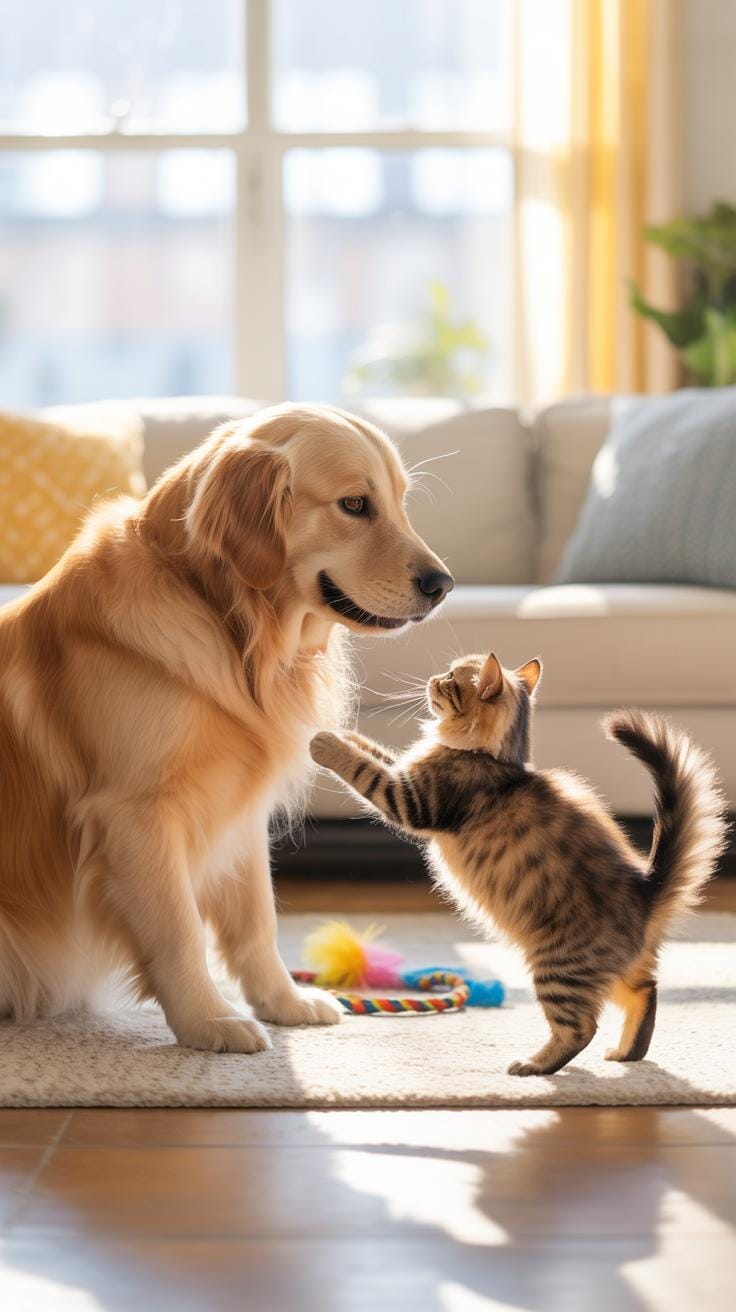
Introducing a dog to a cat can feel like walking a tightrope, mostly because the two creatures are so different in how they communicate and react to new situations. The key is to create a calm and safe environment where neither feels threatened.
Safe First Meeting Tips
Start by keeping the dog on a leash and allow the cat to explore freely but with an easy escape route. It helps to have treats on hand for both — rewarding calm behavior can make a huge difference. Let the dog get used to the cat’s scent beforehand by swapping bedding or toys. A sudden face-to-face meeting isn’t wise; instead, let them see one another from a distance first. This reduces chances of fear or aggressive reactions.
Monitoring Initial Interactions
Watch the body language closely: is the dog tense or overly excited? Does the cat’s tail flick quickly or is it trying to hide? Those signals tell you when to pause or proceed. If either shows signs of stress, calmly separate them and try again later. Remember, early interactions set the tone for the relationship, so patience is key. It’s not about rushing but building comfort slowly, and sometimes, what seems like a small step forward might be a big win in the long run.
Checklist For Encouraging Friendship


Building a positive bond between your dog and cat takes some effort, but small steps go a long way. Here’s a basic checklist that you can try, adjusting for your pets’ personalities:
Feed them separately but within sight of each other to create positive associations around mealtime.
Offer supervised playtime using toys that both enjoy, like a wand toy or a ball—never forcing contact but encouraging curiosity.
Make sure each has its own cozy sleeping spot, ideally in different parts of the house, so they can retreat if needed.
Use gentle introductions with a leash or carrier initially, letting them explore each other’s scents before nose-to-nose meetings.

It may feel slow sometimes, but consistency matters more than anything here.
Daily Routine Adjustments
Think about your pets’ daily flow. Simple shifts can reduce tension and ease coexistence. For example:
Set feeding times so that both are distracted simultaneously, lessening competition.
Schedule quiet periods after play to let them rest and decompress near each other at their own pace.
Rotate attention evenly to prevent jealousy—don’t focus solely on the new pet or the more demanding one.

It’s subtle, but these tweaks often help establish a rhythm that feels safe for both your dog and your cat.
Safe Spaces For Each Pet
Dogs and cats need personal territories where they don’t worry about interruptions. Creating those spaces involves:
Providing elevated spots or hidden nooks for cats, since they instinctively seek height and refuge.
Setting quiet corners for dogs to relax without feeling cornered or threatened.
Using baby gates or pet barriers to give them controlled access that allows separation when needed.

These sanctuaries aren’t just about peace; they’re places where your pets can reset emotionally, which is priceless when fostering an ongoing friendship.
Common Dog Cat Conflicts
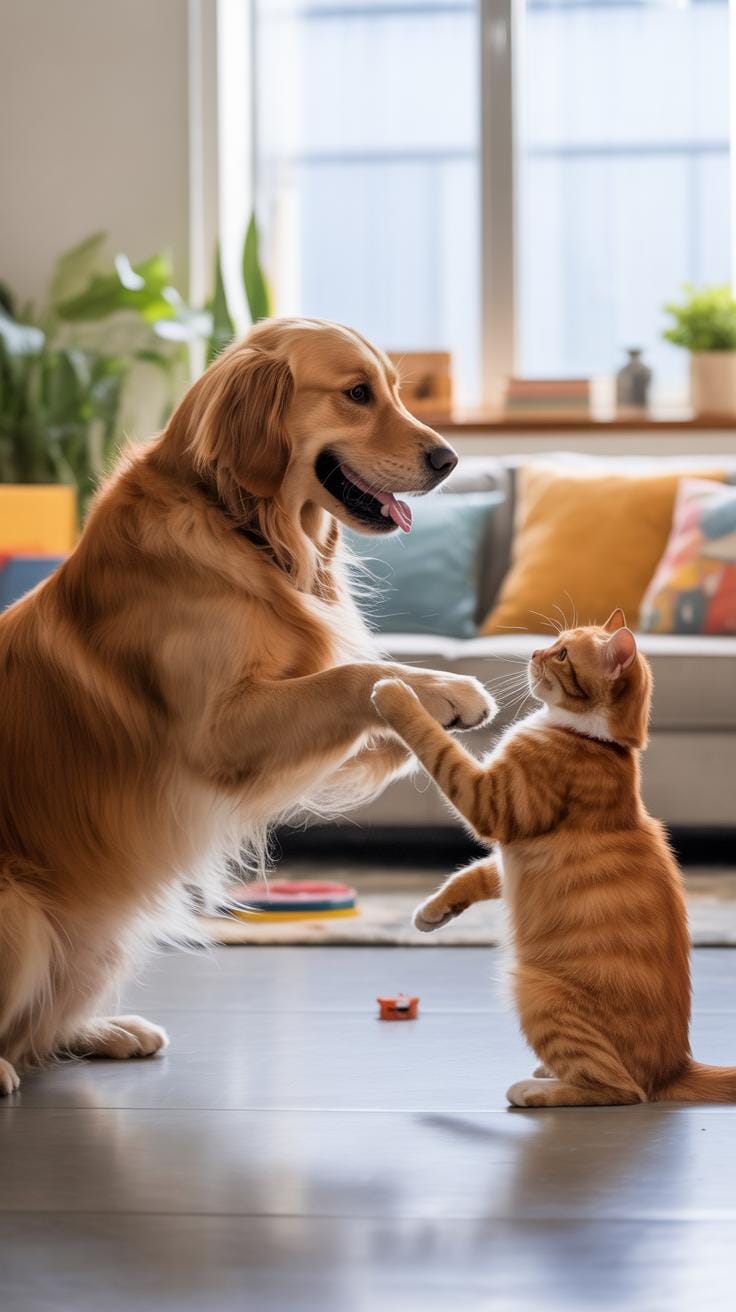
Dogs and cats have very different ways of communicating. This difference can cause misunderstandings that quickly lead to conflicts. For example, a dog’s wagging tail might mean excitement, but a cat could interpret it as a sign of aggression. You might notice hissing, growling, or swatting from cats, and barking or lunging from dogs. These signs often appear early, before any actual fight starts. If you pay attention, you can catch these warning signals and act before the situation escalates.
Common Triggers Of Conflict
There are certain situations where conflicts tend to happen more often. Sudden movements or loud noises can scare cats or excite dogs, causing an aggressive reaction. Dogs naturally chase small animals, which can frighteningly turn into a game for them but a terrifying chase for cats. Territory issues are another cause—cats value their personal space and may feel threatened if a dog invades. Feeding time is also a common trigger, as both pets can get possessive or jealous.
Reducing Tension Tips
To lower tension, start with slow, supervised introductions between your dog and cat. Let them observe each other from a distance before allowing closer contact. Create separate safe spaces for each to retreat to when they feel overwhelmed. Positive reinforcement helps too—reward calm behavior from both pets. Avoid forcing interactions. Lastly, be patient; sometimes it takes weeks or even months for them to feel comfortable around each other. Does your dog seem too eager or your cat too fearful? Adjustments can always be made as you learn their limits.
Dog Cat Social Behavior Differences

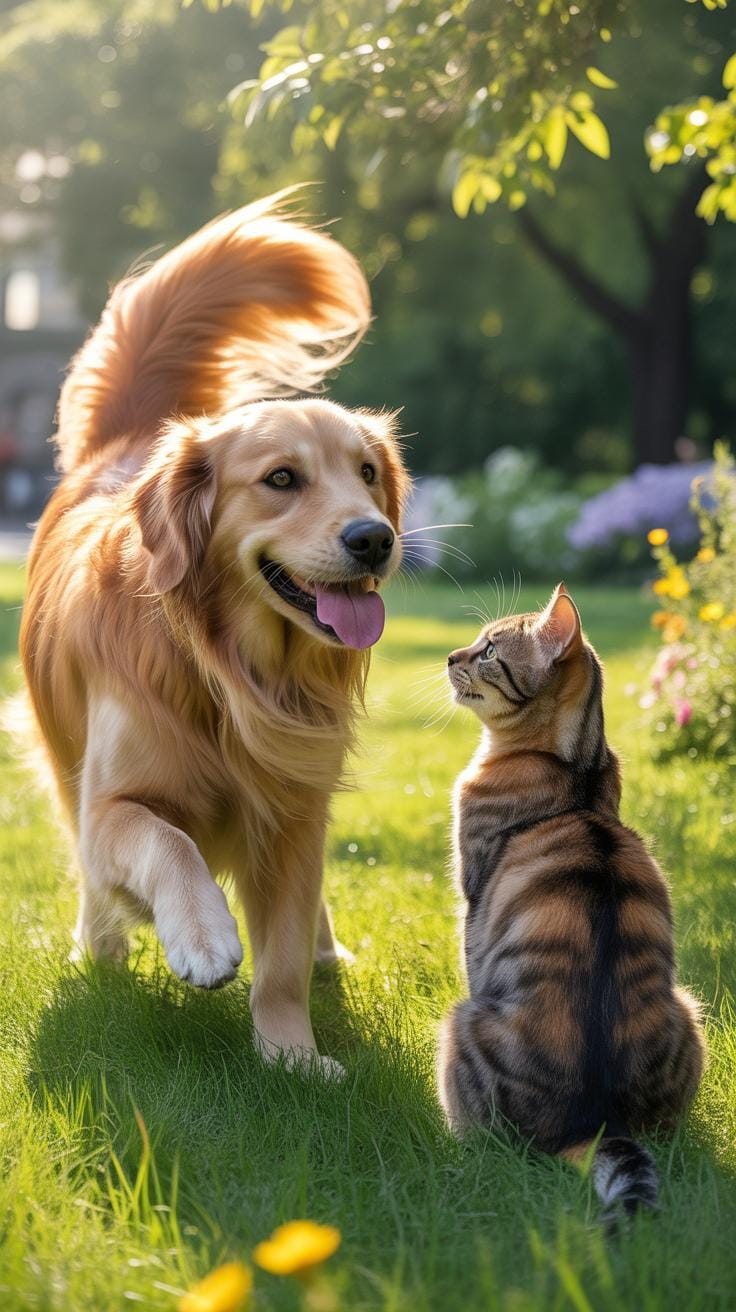
How Dogs Communicate
Dogs communicate mainly through body language and vocal sounds — barking, growling, whining. Their bodies send strong signals: a wagging tail might mean excitement or friendliness, but low tail position could signal fear or submission. They use their ears, eyes, and posture to give clues. For example, a dog standing tall with head high is often showing confidence, ready to engage, while a lowered body might mean they feel threatened or shy. Dogs are also very tuned to humans. They read our facial expressions and gestures more than we probably realize. Their communication isn’t just about what they express to other dogs, but also how they interpret human emotions and cues.
Cat Communication Norms
Cats, on the other hand, communicate differently. Their body language can be subtle — a twitching tail tip or slight ear rotation can tell you if they’re annoyed or curious. Cats often communicate through scent and small movements rather than loud vocalizations. They purr when content but hiss or growl if startled or upset. Eye contact is tricky: a slow blink means they’re relaxed and trust you, but a direct, wide-eyed stare might signal that they’re on alert or even feeling aggressive. Unlike dogs, cats tend to be more reserved with their feelings, so you may need to pay closer attention to understand their mood and when they’re comfortable around others, including dogs.
Examples Of Strong Dog Cat Friendships
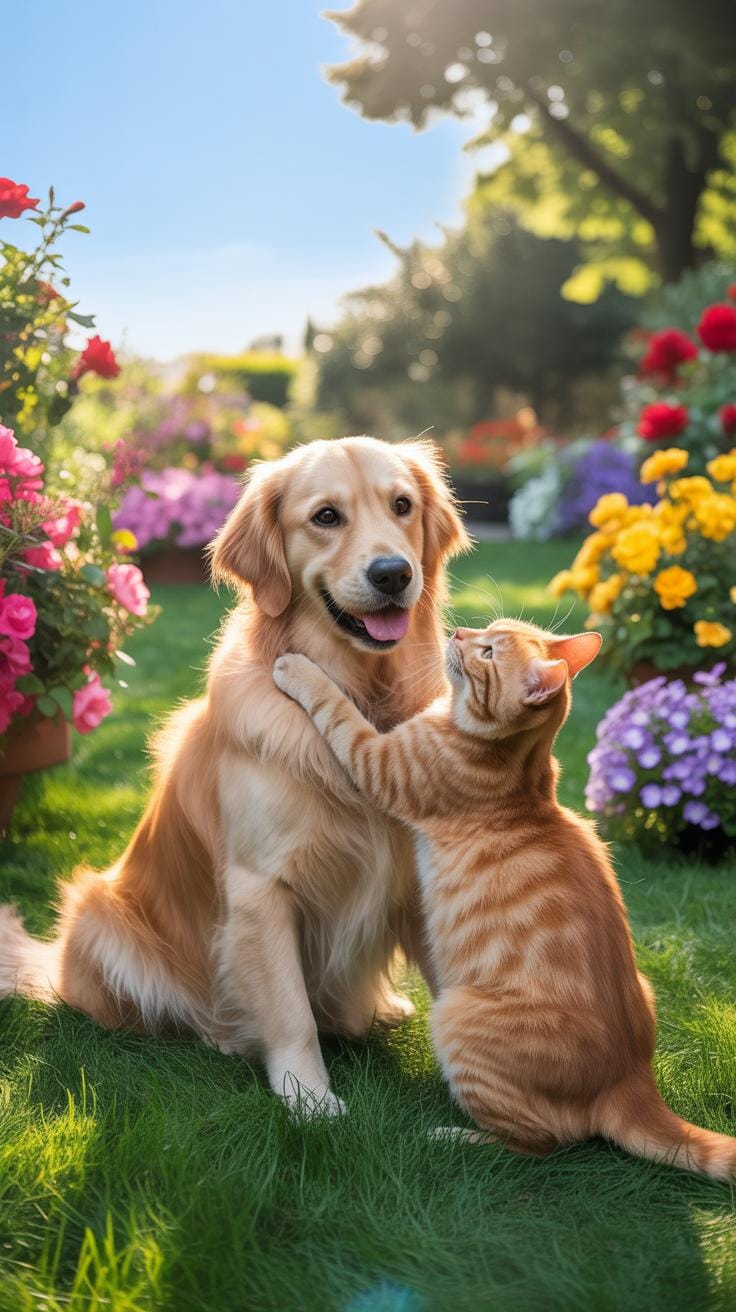
Famous Pet Friend Stories
One of the most touching stories is about Tarra, an elephant, and Bella, a dog—but they’re a perfect example of how unlikely friendships can form across species. While not exactly dog and cat, it shows how bonds can transcend natural instincts. Such tales often teach us patience and openness when introducing pets to each other. Famous dog and cat friendships, though less documented, often highlight companionship and mutual comfort. These stories gently remind us that pets, despite species differences, can find common ground if given time and positive experiences.
Personal Experiences To Learn From
Many pet owners share how their initially tense dog and cat duo turned into inseparable pals. For instance, an owner might notice early cautious approaches, followed by shared naps or play sessions. I’ve seen cases where a dog’s calm demeanor helped a shy cat feel more secure, or when a cat’s independence offered a playful challenge that kept the dog mentally sharp. These relationships often form slowly and require understanding from owners about each pet’s boundaries and personality. It’s an ongoing process of observing, adjusting, and encouraging gentle interactions that eventually build trust. Do you watch closely enough to understand what each pet needs to feel safe and accepted?
Maintaining Healthy Dog Cat Relations

Keeping a dog and cat friendship healthy over time takes ongoing attention. You’ll want to monitor their interactions regularly—watch for shifts in behavior that suggest either is stressed or uncomfortable. Sometimes changes happen gradually, and it’s easy to miss the early signs.
Adapting to changes involves being flexible. For example, as pets age, their energy levels and social needs will evolve. What worked when they were young might not suit them later. Feeding routines, play sessions, and quiet times may all need tweaking to keep the peace.
Signs Relations Need Help
Notice if your pets start avoiding each other or if tension rises during encounters. Growling, swatting, or sudden hostility often point to an issue. Also, watch for changes in appetite or sleep, which might signal stress linked to their relationship.
If one pet consistently hides or shows fear, that’s a clear sign the friendship requires your intervention. Sometimes, simple adjustments—like creating separate safe spaces or supervised interaction—can improve things. But don’t ignore more intense conflicts; professional advice may be necessary.
Long Term Care Tips
To maintain harmony, provide separate resources: distinct water bowls, beds, and litter areas. This reduces competition and tension.
- Keep a predictable routine so both pets feel secure.
- Use positive reinforcement to reward calm, friendly behavior.
- Offer plenty of mental stimulation and exercise to minimize boredom, which can cause irritability.
- Check in with your pets’ moods daily—it’s easy to assume all is fine when subtle stress might be building.
Remember, even the best friendships have ups and downs. Patience and consistent care help your dog and cat enjoy a lasting relationship that benefits both their wellbeing and your peace of mind.
Conclusions
Friendship between cats and dogs can improve their health and happiness. When pets get along, they reduce stress and enjoy more active and playful days together. This friendship also improves their social skills. You can support this positive interaction by recognizing signs of good relations and encouraging gentle and calm interactions.
By giving your dog and cat the chance to build a friendly bond, you improve their quality of life. Healthy dog and cat relationships are possible with patience, care, and attention. These friendships lead to happier pets and a more peaceful home.