Building a Disaster Emergency Plan for Pets
Disasters strike suddenly and affect everyone, including your pets and health. Planning ahead is critical to reduce risks and protect your loved ones during emergencies. This article guides you through making an emergency plan that covers pets and your health needs.
You will learn how to prepare pets for disasters, recognize health hazards during crises, and manage safety for all household members. A well-thought-out plan helps you face disasters with greater confidence and security.
Assessing Disaster Risks For Your Home

Every home sits in a unique setting, and natural disaster risks can vary quite a bit depending on where you live and what’s around you. To really get a grip on your risk, start by checking what’s common in your region—things like fires, floods, storms, and earthquakes tend to show up in certain places more than others. Identifying these hazards isn’t just a box to tick; it shapes how you prepare. For example, a coastal home might worry more about hurricanes and flooding, while a house in a dry area needs to think about wildfires.
It’s useful to think about your immediate surroundings, too. Are you near a wooded area, a river, or fault lines? Evaluating these risks helps you decide where to focus your emergency planning efforts. I once read about a family who discovered their home’s proximity to a flood zone and revamped their entire plan as a result. Tailoring your plan to these specifics can make all the difference when a disaster hits.
Common Local Disasters To Know
Different parts of the country face different dangers. Just to name a few:
- Fires: Particularly frequent in dry, forested, or suburban zones. They can rapidly spread, threatening homes and air quality.
- Floods: Often occur near lakes, rivers, or after heavy rains. Floodwaters can cause extensive damage and create health hazards.
- Storms and Hurricanes: Coastal regions especially might contend with strong winds and heavy rainfall, causing structural damage and power outages.
- Earthquakes: Common in areas near tectonic plate boundaries. They can lead to sudden, severe damage without warning.

Each disaster type poses different threats to your home and to you. Knowing what’s common locally helps focus where you should spend your time and resources preparing.
Tailoring Plans To Home Risks
After spotting the risks, the next step is tailoring your disaster readiness to fit your specific context. This might mean reinforcing your roof if storms are frequent or installing flood barriers if you’re in a flood zone. Maybe you have pets that need their own safety kit or accessible shelters during an emergency.
Look closely at vulnerabilities around your home — like old wiring that could spark a fire or a basement prone to flooding. Also, consider what neighbors do; collective efforts to prepare reduce risks for the whole area. It might feel like a bit of a guessing game at first, but over time, your disaster plan should reflect the realities of your home and environment. That way, if things go south, you’ll be as ready as you can be, which could mean everything.
Creating A Pets Emergency Plan

When it comes to disaster preparedness for your pets, having an emergency plan tailored for them is crucial. Think about pet identification first. It’s not just about collars with tags; microchips offer a more permanent form of identification. You want to ensure your pets can be traced back to you, especially if separation happens during chaos. Keep this info somewhere accessible—maybe a dedicated folder or a digital copy on your phone. It’s a simple step but often overlooked.

Next, emergency contacts. Have a list ready, including your vet, a nearby animal hospital, and friends or family members who can care for your pets if you’re unavailable. Also, research which shelters or hotels accept pets during evacuations—this can save you a lot of stress later on.
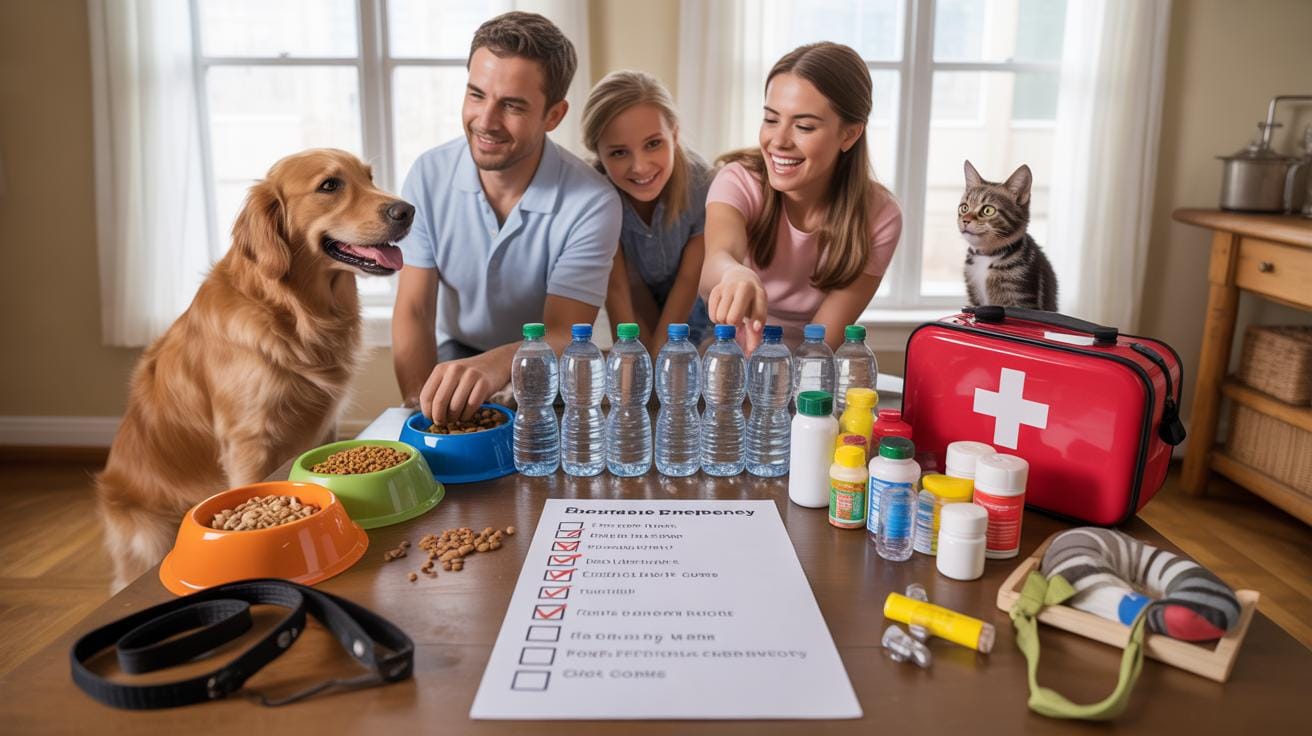
As for supplies, prepare a kit with essentials: food, water, medications, and carriers. Keep them in an easy-to-reach spot. Rotate food to prevent spoilage. If your pet has special needs—like medications, mobility aids, or anxiety relief—include those too. Preparing for emergencies means thinking through what your pet specifically needs to stay safe and comfortable.
Evacuation options can be tricky. Pets might not fit standard evacuation plans, so plan routes that allow pet-friendly stops. Maybe consider a list of pet-friendly transportation options if your usual methods don’t allow animals. Remember, your pets rely entirely on you, so being ready means both knowing what they need and where you both can go if disaster strikes.
Recognizing Health Challenges in Disasters
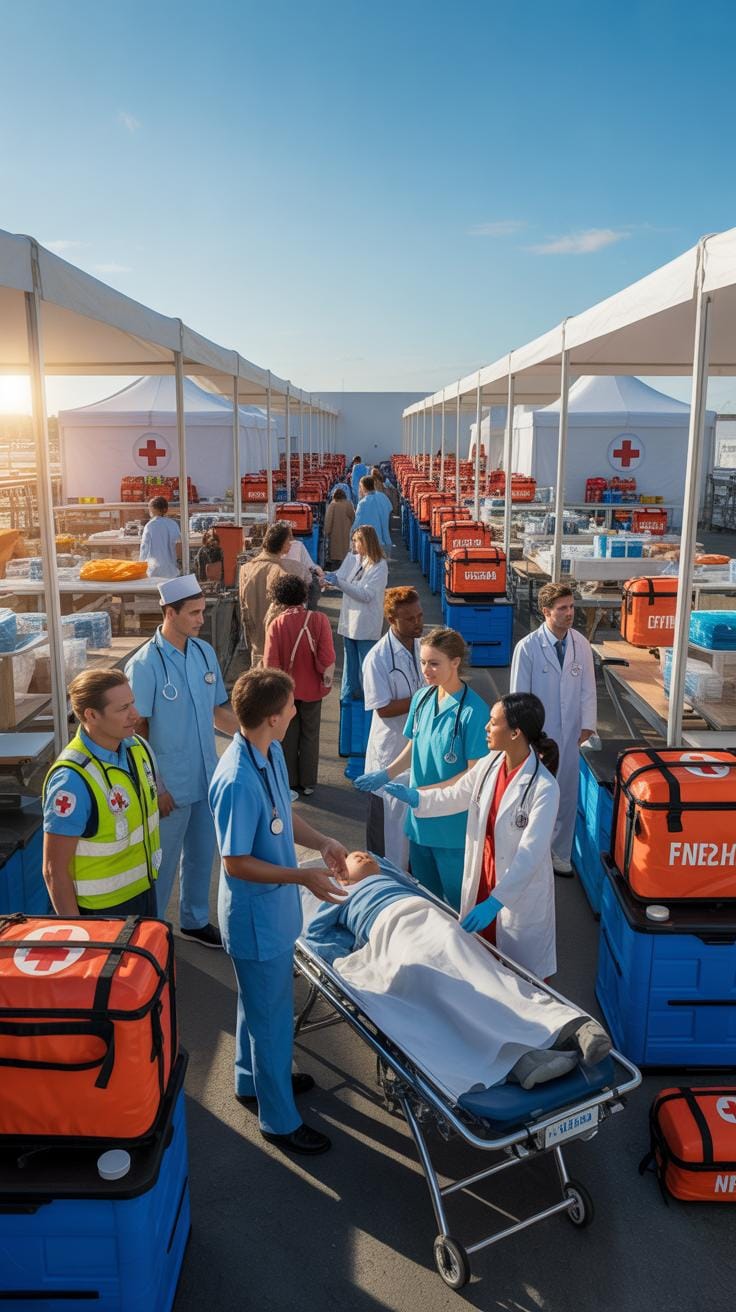
Disasters bring a cascade of health challenges that often slip under the radar until they hit home. Injuries from sharp debris, falls, or collapsing structures are common—cuts, fractures, and bruises that demand immediate care. Infection risks soar due to contaminated water, improper sanitation, and overcrowded shelters. You might think infection risks are just about germs, but the disruption of medical supplies and care makes them far deadlier.

Environmental hazards play a bigger role than you might expect. Floodwaters can carry harmful bacteria and chemicals, while fires fill the air with toxic smoke. Even clean air can turn dangerous without warning. Then, there’s the overlooked strain on medical services—imagine needing urgent care when hospitals are overwhelmed or roads blocked.
Injury And Infection Risks
Disasters cause a range of physical injuries—cuts from glass, broken bones from falls, and burns from fires. These injuries often happen in chaotic environments where rescue is slow. The risk of infection rises sharply if wounds aren’t cleaned immediately or if evacuation delays treatment. It’s a cruel cycle; the longer the delay, the worse infections can get.
Preventive measures you can take are surprisingly straightforward but easy to forget: keep a first aid kit handy, clean cuts promptly with any clean water available, and cover wounds to prevent contamination. Knowing basic first aid—like how to stop bleeding or treat minor burns—can make a significant difference when professional help isn’t immediately accessible.
Mental Health And Stress Effects
Disasters don’t just shake your body—they rattle your mind. Stress, anxiety, and uncertainty can overwhelm you and those around you. Sometimes, the emotional impact is as severe as physical injury but is often ignored in the rush to recover. You might notice yourself and others feeling restless or exhausted—common signs of mental strain during emergencies.
Coping strategies don’t require specialized skills. Simple routines, staying connected with loved ones, and sharing your feelings can ease the burden. Also, finding moments of calm—maybe a short walk or deep breathing—helps manage the flood of emotions. Emotional support is as crucial as any medical kit in disaster scenarios, yet it’s often last on the checklist.
Preparing Health Supplies And Medications
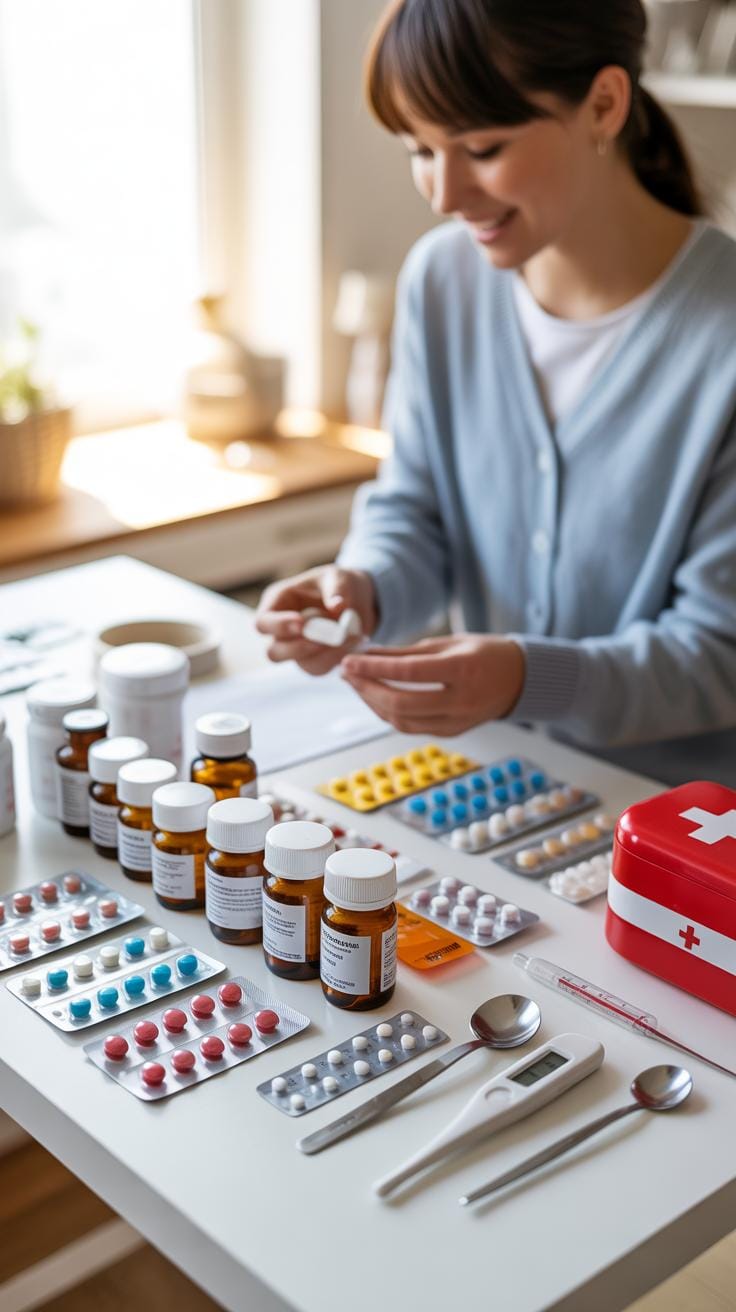
Putting together a health kit for your pets and family during a disaster is not just about grabbing a bunch of stuff and tossing it in a bag. It’s more involved—like curating the right items and staying on top of them. Start by gathering any medications your pets or family members use regularly. Don’t forget to include a copy of prescription details—names, dosages, prescribing vet or doctor—that can help if you need a refill or emergency care.
When you organize, think about the practicality of use. Group medications by type or by pet and human, whichever makes more sense to you. Use clear, labeled containers or zip-lock bags for keeping things neat and easily accessible. Make a habit of checking expiration dates every few months. Expired meds lose effectiveness, which could be risky when you really can’t afford delays or errors.
Medication Storage Tips
Safe storage is a bit trickier than you might expect during a crisis. Medications generally should be kept cool and dry, away from direct sunlight. A sturdy plastic bin with a seal works well to protect from moisture and spills. Remember, in the chaos of a disaster, you want your supplies easy to find, so avoid stashing them in a basement or attic where they might get lost or damaged.
Accessibility is equally important. Consider where you’ll be spending most of your time or where you can quickly grab the kit. This might change depending on the type of disaster—if you evacuate, having a grab-and-go bag ready with medicines inside can save crucial minutes, even hours.
First Aid Essentials List
A good first aid kit should cover basics plus pet-specific supplies. Here is a practical list you might want to include:
- Bandages in various sizes, gauze pads, and adhesive tape
- Antiseptic wipes and antibiotic ointment
- Disposable gloves
- Scissors and tweezers
- Digital thermometer suitable for pets and humans
- Saline solution for flushing wounds
- Styptic powder or pencil to stop bleeding from minor cuts
- Muzzle or cloth to safely restrain pets if necessary
- Extra blankets or towels
- Any vet-recommended emergency medicines unique to your pet’s condition

You may ask yourself, can the standard first aid kit cover everyone’s needs? Possibly not completely, which is why personalizing it is key. Matching supplies to your family’s and pets’ health issues makes all the difference. It’s a bit like planning for the unpredictable by pinning down what you can control.
Evacuation Steps For Pets And People

Evacuating with pets isn’t just about grabbing supplies and hitting the road. It starts with a clear plan designed to protect everyone involved—both humans and animals.
Begin by identifying pet-friendly shelters in advance. Not all shelters accept animals, and some limit the types or sizes they allow. Make a list of places near your area and along probable evacuation routes. Ask if they can accommodate pets with special health needs.
When it’s time to go, pack a pet emergency kit. Include food, water, medications, vaccination records, and familiar items like toys or blankets. This helps reduce stress for your pet and eases the process.
Transportation requires careful thought. Use secure carriers or pet seat belts. You wouldn’t want your pet loose in a moving vehicle; accidents or escape attempts can happen fast. If your pet is anxious, consider calming aids but speak with your vet first.

Finally, maintain communication plans. Let family or friends know where you’ll be and how to reach you. Share pet details too, just in case you get separated. Communication may sound straightforward but can get complicated during chaos, so keep backups of important phone numbers.
Does your plan include contingencies if you can’t take your pet with you? Thinking through those “what ifs” now can save headaches later.
Storing And Maintaining Emergency Supplies
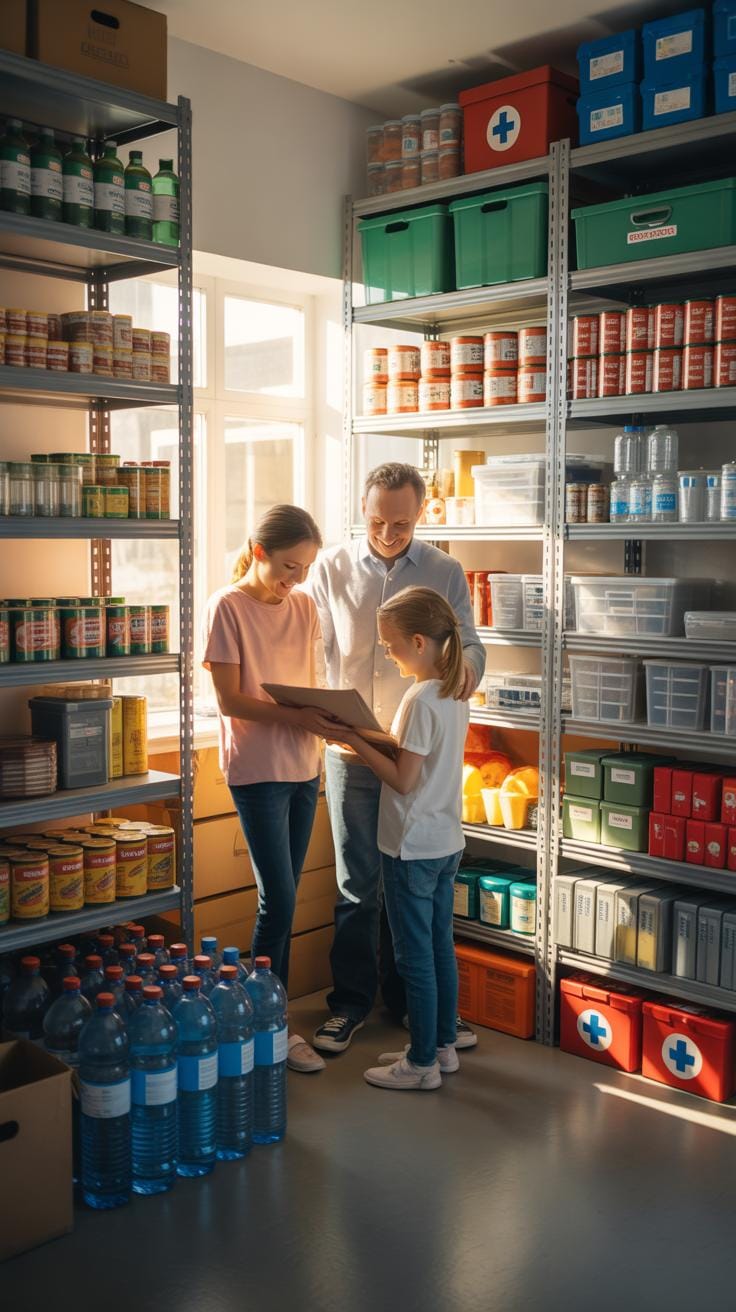
When it comes to disaster preparedness, having food, water, and health supplies ready and within quick reach is key. You want to keep these essentials somewhere that feels accessible—maybe a sturdy bin in your pantry or an easy-to-grab shelf. The idea is to avoid scrambling during a crisis.
Food and water should be stored in cool, dry places, away from sunlight if possible. For water, use clean, sealed containers, and rotate them every six months, if not sooner. As for food, focus on non-perishables like canned goods or dry pet food. And yes, you’ll want to check expiry dates often—perhaps mark your calendar every few months to review and replenish your stock.

Health supplies, like first aid kits and medications for both you and your pets, need equal attention. Medications can lose effectiveness when expired, so keeping tabs on their dates is crucial. Replacing used or outdated items might seem tedious, but it’s better than finding out you’re out of something vital when you need it.
One useful approach is to create a checklist, noting when you last stocked each item. Rotate supplies by using the oldest first during regular meal planning or pet feeding routines. That way, nothing goes to waste, and you maintain a fresh supply.
You might wonder—how often is enough? Probably every three to six months for an effective rotation, but sometimes life gets busy, right? The key is not perfection but consistency. Your future self will thank you when the next emergency comes around, and you’re not caught off guard.
Training And Practicing The Emergency Plan

Getting everyone in your household on the same page about the emergency plan means more than just talking—it requires practice. Running through simulations and drills—even short ones—helps you spot any confusing parts and fix them before an actual disaster hits. When pets are involved, things get a bit trickier. Maybe your dog usually loves visitors but gets frightened in chaos. Practicing pet handling gently prepares both you and your animal for stressful moments.

Organizing home drills that include pets isn’t always straightforward, but it makes a difference. You could start small by timing how quickly you can gather your pet’s necessities or safely transport them to a designated safe space in your home. Notice how your pet reacts—do they hide, freeze, or get anxious? These drills reveal crucial details about your pet’s behavior.
Basic first aid training for both people and pets enhances your confidence when an emergency happens. Learning how to bandage wounds or treat heatstroke, for example, can be life-saving. Not everyone thinks about pet first aid, but it really matters—especially if professional help isn’t immediately available. It’s worth asking yourself: Do you know what to do if your pet gets injured right after a disaster?
Recovering After A Disaster Event

After a disaster, the first thing you want to do is check everyone, including your pets, for injuries. Look carefully for cuts, bruises, or signs of distress in your animals—sometimes pets hide pain, so observe their behavior closely. For humans, simple self-assessments can help identify symptoms that might require urgent care.
Once immediate injuries are addressed, it’s time to think about restoring your medical supplies. Your first aid kits and prescription medications may have been used up, so restocking is key. Make a list of what’s missing or expired—it’s easy to forget what you really need until you sit down and check.
Don’t overlook mental health. Disasters strain more than just the body—they wear down the mind, too. You and your pets might show signs of stress or trauma. Try calming routines, stay connected with friends or support groups, and if things feel overwhelming, don’t hesitate to seek professional help.
Health Checks Post Disaster
Conducting health assessments after a disaster means being systematic but gentle. Check vital signs for family members when you can—temperature, breathing rate, and responsiveness. For pets, observe their eating, drinking, and bathroom habits; changes might indicate problems.
You might want to jot down any concerning symptoms to share with a healthcare provider later. Remember, some issues develop slowly after an event, so keep a watchful eye for days or weeks. Trust your instincts—if something feels off, it probably is.
Restocking And Mental Recovery
Rebuilding your emergency supplies isn’t just about replacing things. Think about what worked and what didn’t in your last kit. Maybe add extra water for your pets, or stock up on favorite comfort items that help ease anxiety for everyone involved.
Supporting mental health is tricky and personal. Some people find journaling helpful; others need to talk through their experience. With pets, simple acts like extra playtime or gentle massages might soothe nerves. Perhaps most importantly, give yourself permission to heal at your own pace—there’s no “right” timeline here.
Conclusions
Being ready for disasters means creating plans that include your pets and health essentials. Having a clear action plan, supplies, and knowing how to respond can save lives and reduce suffering. Your pets depend on you to keep them safe during emergencies.
Review and update your disaster preparedness plans regularly. Share your plans with family and caregivers. Taking straightforward steps now minimizes risks later, giving you peace of mind when disasters occur.