The Victorian Origins Of Yorkshire Terrier Grooming
Working Roots: The Ratting Terriers Of The 1800s
Yorkshire Terriers emerged during the Industrial Revolution in Northern England, originally bred by working-class mill workers seeking efficient rat-catchers. These compact dogs possessed long, silky coats that protected them while hunting vermin in factories and homes. Early Yorkie haircuts history reveals little concern for aesthetics; grooming was purely functional, with minimal trimming beyond basic maintenance. The breed’s ancestors were larger terriers that gradually downsized through selective breeding, retaining their distinctive coat characteristics while becoming more manageable companions.
The practical working heritage shaped the Yorkshire Terrier’s foundational grooming practices. During this utilitarian period, owners rarely invested in elaborate styling, instead focusing on keeping coats relatively clean and mat-free for optimal hunting performance. These sturdy little workers wore their natural coats with pride, embodying the no-nonsense attitudes of their mill-worker owners. The transition from purely functional grooming to decorative styling would come gradually as the breed gained popularity among wealthier Victorian society members.
Transitioning To High Society: The Floor Length Victorian Cut
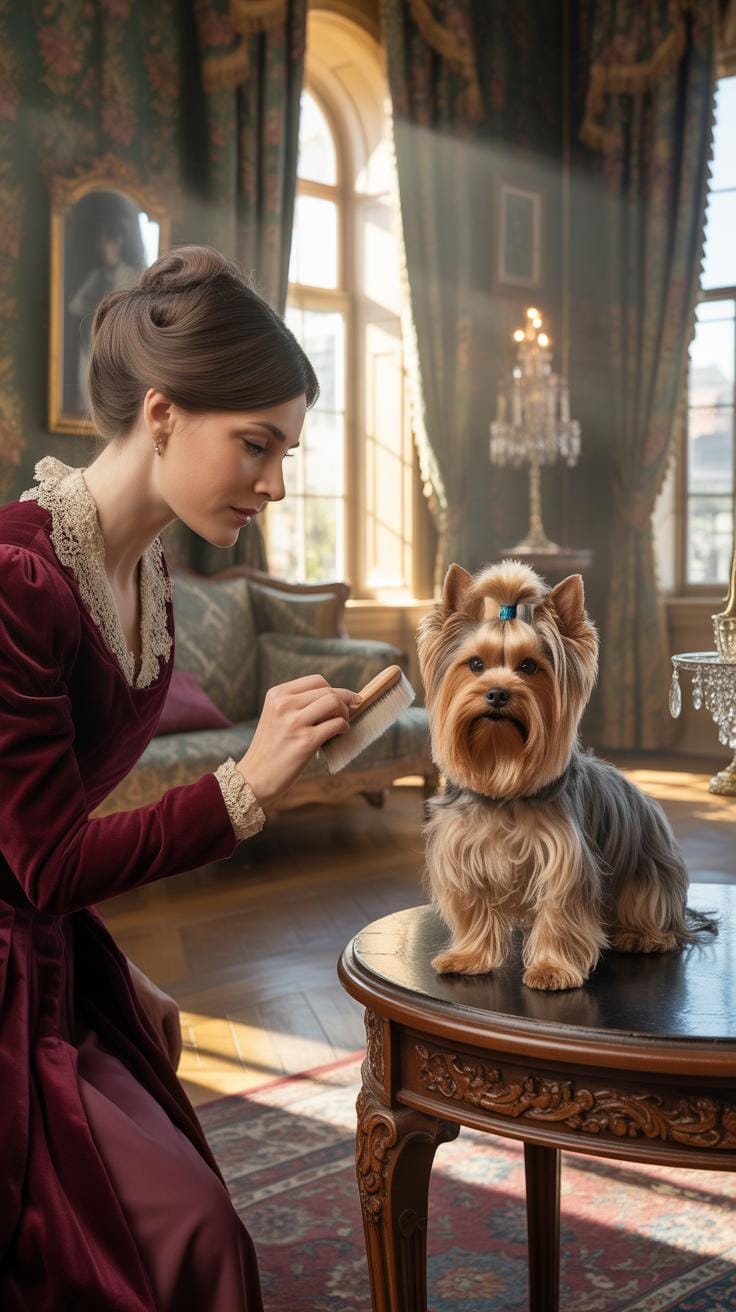
As Yorkshire Terriers gained popularity among the Victorian upper classes during the latter 1800s, grooming practices underwent a dramatic transformation. Wealthy patrons sought to showcase their dogs’ luxurious coats, allowing hair to grow extensively long and flowing. The iconic floor-length Victorian Yorkie cut emerged, featuring hair that draped gracefully over the body, creating an ethereal, almost regal appearance. This evolution in Yorkie haircuts history marked the breed’s transition from humble working dog to pampered lap companion and show animal.
The floor-length cut required dedicated maintenance from devoted owners and professional groomers. Daily brushing became essential to prevent matting and maintain the silky texture that Victorian society prized. Grooming became an art form, with handlers using techniques like hand-stripping and careful combing to achieve the desired elegant presentation. This period established many grooming traditions that continue influencing modern show standards, cementing the Victorian era’s lasting impact on how we groom Yorkshire Terriers today.
Huddersfield Ben And The Rise Of Show Bench Standards
The Father Of The Breed: Establishing The Silky Texture
Huddersfield Ben, born in 1865, stands as the foundational figure in Yorkshire Terrier breed development and directly shaped Yorkie haircuts history. This remarkable champion, owned by Mr. William Booth, set the gold standard for what the breed should represent aesthetically and structurally. Ben’s influence extended beyond mere appearance; his genetic legacy and the meticulous grooming standards he embodied became the template for future generations of show dogs and breeders worldwide.
The silky texture that defines Yorkshire Terriers emerged as a defining breed characteristic during Ben’s era. Unlike the harsh, wiry coats of some terrier varieties, Ben possessed the lustrous, flowing coat that breeders deliberately cultivated and celebrated. Yorkie haircuts history evolved significantly around this period as handlers recognized that proper grooming techniques could enhance and showcase this coveted silky quality. The dedication to coat conditioning and styling during Ben’s show career established grooming as an essential, celebrated aspect of breed preparation and presentation.
Early Kennel Club Regulations On Coat Length And Color
The Kennel Club’s formalization of Yorkshire Terrier standards in the late nineteenth century brought unprecedented structure to breed requirements and grooming practices. Early regulations emphasized specific coat characteristics, establishing guidelines that directly influenced how owners approached Yorkie haircuts history. These pioneering standards mandated certain color specifications and coat presentations, creating a framework that professional handlers and breeders followed religiously. The regulations transformed grooming from casual pet care into a specialized, competitive discipline with measurable benchmarks and expectations.
Color specifications proved particularly important in these early Kennel Club standards, with steely blue and tan coloring becoming the recognized ideal. These regulations shaped breeding decisions and directly impacted grooming strategies, as handlers tailored haircuts and conditioning methods to showcase these specific hues. The emergence of standardized expectations meant that Yorkie haircuts evolved into sophisticated styling techniques designed specifically to highlight the approved color patterns and coat quality. This regulatory framework essentially professionalized Yorkshire Terrier grooming, elevating it from simple pet maintenance to an art form celebrated in competitive show environments.
Traditional Grooming Techniques From The Industrial Era
The Secret Of The Oil: Protecting The Coat In Textile Mills
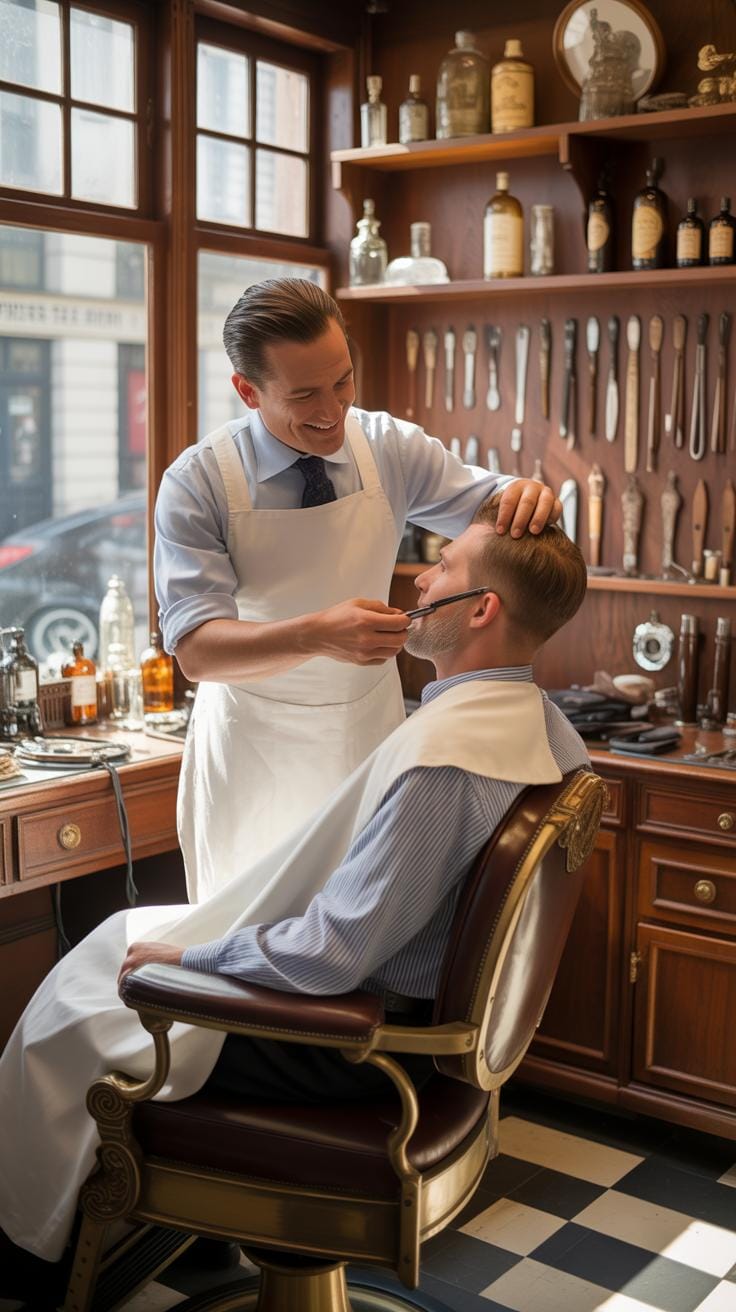
During the Industrial Revolution, Yorkshire Terriers became fashionable companions among mill owners and wealthy merchants in England’s textile heartland. The dusty, pollutant-filled air of factories posed serious threats to their silken coats. Groomers developed specialized oil treatments to protect these delicate dogs’ hair from grime and industrial residue. This practice became foundational to Yorkie haircuts history, establishing grooming protocols that emphasized coat protection alongside aesthetic presentation and breed standards.
The oils used during this period were carefully selected natural substances applied with ritualistic precision:
- Coconut oil for its protective and conditioning properties
- Almond oil for enhancing coat shine and manageability
- Olive oil as a nourishing base treatment
- Lanolin derived from sheep’s wool for waterproofing
- Rose water infusions for fragrance and gentle cleansing
These grooming rituals transformed daily maintenance into an art form, with dedicated handlers spending hours applying, brushing, and distributing oils through the coat. The meticulous attention reflected both practical necessity and the emerging Victorian obsession with refined pet presentation and luxury grooming standards.
Evolution Of Ear Trimming And Tail Docking Traditions
Ear trimming practices among Yorkies evolved significantly throughout the Industrial Era, reflecting changing attitudes toward breed standards and animal welfare. Victorian breeders initially favored cropped ears for practical reasons, believing shortened ears reduced injury risk in working dogs and mill environments. However, as Yorkies transitioned from working ratters to companion animals, ear styling became purely aesthetic. Early Yorkie haircuts history documents show these modifications were performed by hand using specialized shears, requiring considerable skill and experience.
The tradition of tail docking during this period gradually transformed from functional necessity to breed convention. Historical breed clubs began standardizing tail length requirements, establishing guidelines that persisted into modern times. Grooming texts from the late nineteenth century reveal sophisticated techniques for shaping and presenting tails, emphasizing the importance of proper proportioning to overall appearance. These evolving standards reflected broader Victorian attitudes toward refined pet ownership and the establishment of formal breed specifications that continue influencing contemporary grooming practices and show ring presentations today.
The Yorkie Haircuts History In The Early 20th Century
Post War Practicality: The Introduction Of Shorter Styles
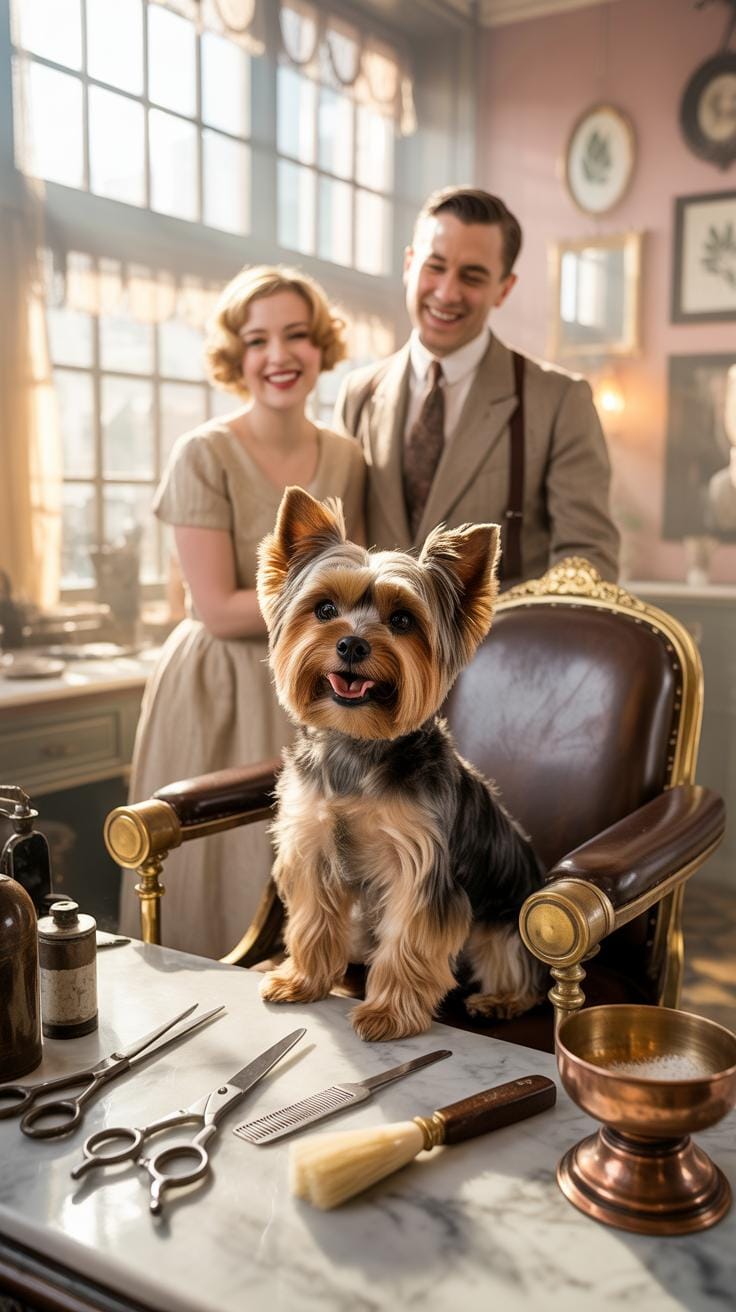
Following World War I, societal attitudes toward pet grooming began shifting dramatically. The elaborate Victorian styling that had dominated Yorkie haircuts history gave way to more practical, manageable cuts reflecting post-war pragmatism. Dog owners increasingly favored efficiency over ornate presentation, as the economic climate demanded sensible choices. Shorter, cleaner silhouettes became fashionable among middle-class families who appreciated easier maintenance routines without sacrificing their pets’ elegance and charm.
- Puppy cuts featuring uniform short length throughout the body
- Practical wash-and-wear styles reducing grooming time
- Streamlined profiles emphasizing the breed’s natural structure
- Medium-length coats balancing beauty with maintainability
- Utilitarian trims suited for active, working-class households
The evolution of Yorkie haircuts history during this period reflected broader cultural changes in attitudes toward animals and domesticity. Professional groomers began standardizing techniques, establishing foundational practices still recognized today. These shorter, more efficient styles democratized breed ownership, making Yorkies accessible to families who previously couldn’t manage elaborate grooming requirements. The transition marked a significant modernization in canine aesthetic standards.
Hollywood Influence: Yorkies In The Golden Age Of Cinema
As motion pictures flourished during the 1920s and 1930s, Yorkies gained unprecedented visibility as beloved companion animals of Hollywood’s elite. Glamorous actresses frequently featured their immaculately groomed Yorkies in publicity photographs and films, sparking public fascination with the breed. This cinematic prominence influenced Yorkie haircuts history significantly, as everyday owners aspired to replicate the sophisticated styles showcased on silver screens. Professional groomers capitalized on this demand, refining techniques to achieve the polished appearances audiences admired.
“Like the timeless elegance of Yorkshire Terrier haircuts through the ages, cherished traditions remind us that true beauty endures with warmth and grace.”
The Hollywood era introduced styling elements emphasizing facial features and maintaining longer, silkier coats that photographed beautifully. Movie-star Yorkies typically displayed carefully groomed top knots, precisely trimmed beards, and flowing body coats that conveyed luxury and refinement. This period established many styling conventions that persist in modern show standards. Celebrity culture’s influence on Yorkie haircuts history demonstrated how media and popular entertainment profoundly shaped aesthetic preferences within the broader pet-owning community.
The Revolutionary Impact Of Smoky WWII Hero And Style Icon
Smoky The War Dog: Redefining The Yorkie’S Rugged Look
Smoky, a small Yorkshire Terrier who served during World War II, became an unexpected symbol of canine valor and practicality. Found as a stray in the Papua New Guinea jungle, this diminutive hero participated in numerous military operations despite her tiny stature. Smoky’s presence in wartime camps introduced a new perspective on Yorkie haircuts history, as military personnel preferred practical, low-maintenance grooming. Her short, functional coat became emblematic of utility over aesthetics during an era when resources were scarce and efficiency paramount.
The legacy of Smoky extended beyond her decorated service record into popular culture and breed standards. Her rugged appearance challenged prevailing Victorian-era notions that Yorkies required elaborate, show-quality grooming. Smoky demonstrated that Yorkshire Terriers could embody both strength and charm in simpler forms. This wartime perspective subtly influenced breeders and owners alike, gradually opening acceptance for more relaxed, practical Yorkie haircuts. Her story remains instrumental in understanding how historical events shaped breed appearance preferences across generations.
The Rise Of The Utility Cut During Global Hardship
The 1940s brought unprecedented changes to pet grooming practices, as wartime shortages affected every aspect of civilian life. Yorkie haircuts history reflects this period distinctly, with owners opting for shorter, easier-to-maintain styles rather than time-consuming, intricate grooming routines. The utility cut emerged as a practical solution, featuring shorter length throughout the coat, minimal styling requirements, and reduced grooming frequency. This pragmatic approach resonated with families managing wartime challenges while still maintaining their beloved companions’ appearance and hygiene standards.
Beyond mere practicality, the utility cut during this era represented a philosophical shift in pet care philosophy. The prevailing attitude acknowledged that dogs served purposes beyond ornamental companionship, and their grooming should reflect functional needs. Groomers adapted traditional Yorkshire Terrier styling into modified versions requiring less maintenance time and fewer resources. Though many breeders eventually returned to elaborate show cuts post-war, the utility cut remained a legitimate option within breed standards. This wartime innovation demonstrated flexibility within Yorkie haircuts history, proving that breed integrity could adapt to contemporary circumstances without compromise.
section-divider
The 1960s And 70s The Birth Of The Puppy Cut
Simplified Maintenance For The Modern Suburban Family
The 1960s and 70s marked a transformative period in Yorkie haircuts history, driven by changing lifestyles in post-war America. As suburban families grew and women increasingly entered the workforce, the demand for low-maintenance grooming options skyrocketed. The elaborate show cuts and time-intensive styling that characterized previous decades became impractical for busy households. Yorkies, beloved as companion dogs rather than solely show animals, needed cuts that reflected modern domestic life.

The puppy cut emerged as a revolutionary solution, offering convenience without sacrificing the breed’s charming appearance. This simplified style involved trimming the coat to a uniform length of one to two inches across the entire body, eliminating daily brushing obligations. Grooming salons embraced this practical approach enthusiastically, recognizing it met their clients’ needs perfectly. The puppy cut democratized Yorkie grooming, making professional styling accessible and manageable for average pet owners rather than exclusively dedicated show enthusiasts.
The Popularization Of The Teddy Bear Look In Grooming Salons
During the 1970s, grooming salons began refining the puppy cut into what became known as the “teddy bear look,” creating an undeniably adorable aesthetic. This variation featured slightly rounded contours, particularly around the face and head, giving Yorkies an endearing plush appearance reminiscent of stuffed animals. The teddy bear style quickly gained popularity among pet owners seeking a cute, approachable look for their companions. Yorkie haircuts history reflects this era’s shift toward prioritizing cuteness and personality over rigid breed standards.
The teddy bear look represented a cultural turning point where grooming became about personal preference and lifestyle rather than strictly adhering to traditional show standards. Salons competed to perfect the rounded, soft aesthetic that defined the style, with skilled groomers becoming local celebrities for their expertise. This period established grooming as both an art form and a practical service for pet owners. The enduring popularity of the teddy bear cut today demonstrates how innovations from the 1970s continue influencing contemporary Yorkie grooming practices and owner expectations.
Modern Show Ring Standards Vs Pet Grooming Trends
Mastering The Top Knot: A Staple Of Yorkie Haircuts History
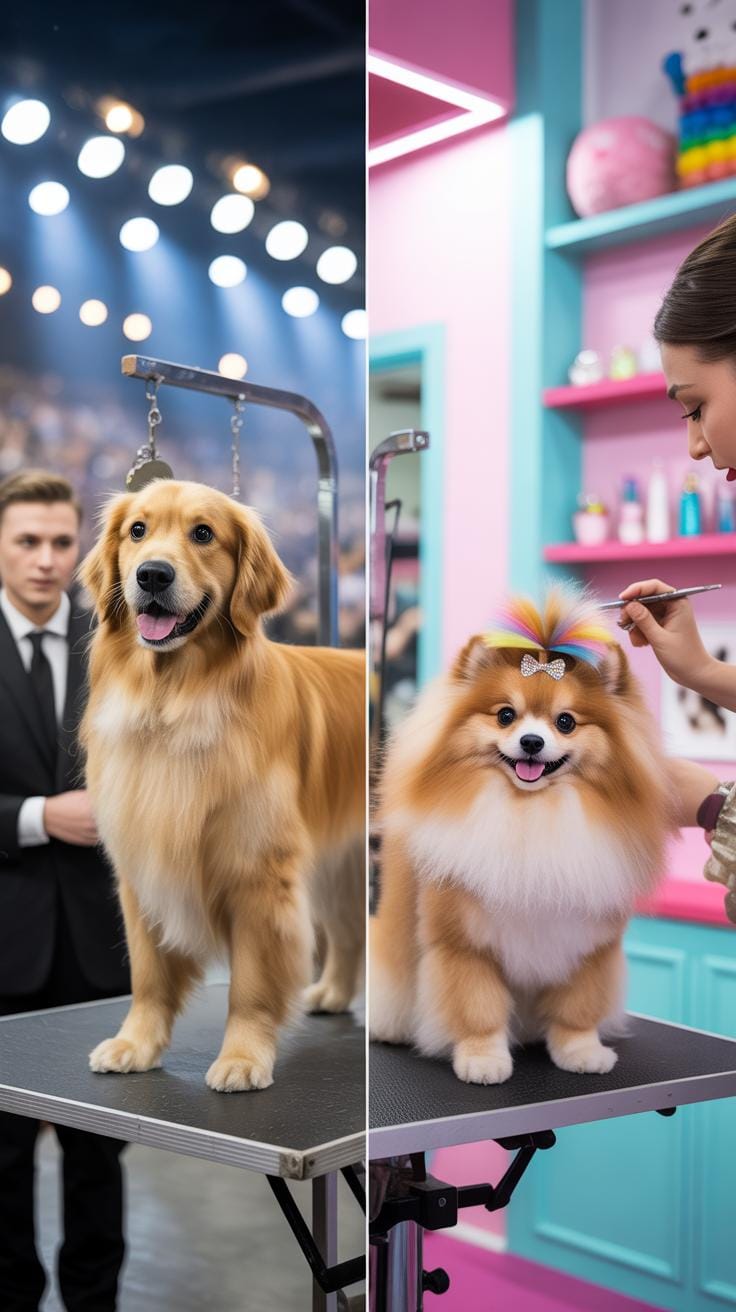
The top knot represents one of the most iconic elements in Yorkie haircuts history, evolving from practical necessity to aesthetic signature. In show rings, this carefully sculpted crown of hair atop the head must meet precise standards established by breed clubs. The technique requires patience and skill, with professional groomers spending years perfecting the art of gathering, securing, and shaping the silky strands into a perfectly proportioned dome that frames the dog’s expressive face.

For pet owners, the top knot offers both charm and practicality without requiring show-quality perfection. Many Yorkies sport simplified versions that keep hair from obscuring their vision while maintaining that distinctive breed character. This accessible adaptation demonstrates how show ring refinement gradually filters into household grooming practices, allowing families to appreciate Yorkie haircuts history while enjoying manageable maintenance routines suited to everyday life.
The Floor Length Silk Wrap: High Maintenance Elegance
Championship Yorkies showcase extraordinary floor-length coats that represent the ultimate expression of show-ring grooming standards. These magnificent displays demand meticulous daily care, involving specialized wrapping techniques that protect the silky hair between competitions. The wrapping process uses tissue paper or specialized products to maintain coat integrity, preventing breakage and maintaining the lustrous quality essential for winning Yorkie haircuts history credentials in prestigious show venues.
Most pet owners embrace more practical alternatives, recognizing that floor-length coats require extraordinary dedication and resources. Instead, companion Yorkies typically wear shorter, manageable cuts that preserve breed characteristics while fitting realistic lifestyles. This distinction between show standards and pet grooming trends reflects how Yorkie haircuts history accommodates different circumstances, allowing enthusiasts to celebrate their breed’s heritage regardless of whether their dogs compete or simply grace family homes with characteristic charm and elegance.
Creative Grooming And International Style Influences
Asian Fusion Grooming: A New Twist On Yorkie Aesthetics
The evolution of Yorkie haircuts history reflects profound influences from Asian grooming philosophies, particularly from Japan and China where Yorkies gained tremendous popularity. Asian groomers introduced refined techniques emphasizing balance, proportion, and spiritual harmony in styling. These traditions merged with Western show standards, creating sophisticated hybrid approaches that celebrated the breed’s natural elegance while incorporating meticulous layering and sculpting methods distinctive to Eastern aesthetics and grooming practices.
Contemporary Asian fusion grooming transformed Yorkie styling into an art form blending traditional long-coat care with innovative modern techniques. Groomers adopted concepts like topiary-inspired shaping and the Japanese philosophy of simplicity and precision. This cross-cultural exchange enriched the global grooming community, introducing tools, products, and methodologies that emphasized coat health alongside aesthetic beauty. Today’s most celebrated Yorkie haircuts often reflect these harmonious Eastern-Western combinations that continue evolving.
Seasonal Styling: Adapting Traditional Cuts For Climate Comfort

Yorkie haircuts history demonstrates how climate considerations increasingly influenced grooming decisions beyond mere aesthetics or show preparation. In warmer climates, groomers adapted traditional lengthy styles into shorter, more breathable versions while maintaining the breed’s characteristic elegance. Conversely, breeders and owners in cooler regions preserved fuller coats and layered cuts that provided natural insulation. This practical evolution acknowledged that a comfortable Yorkie was ultimately a healthier, happier companion deserving thoughtful seasonal grooming adjustments.
Modern seasonal grooming practices honor both historical traditions and contemporary comfort needs. Summer cuts often feature shorter body lengths while preserving head furnishings, whereas winter styling maintains fuller protective coats. Knowledgeable groomers now provide seasonal consultation recommendations tailored to individual climate conditions. This adaptive approach demonstrates that professional Yorkie grooming has matured beyond rigid standards, embracing flexibility that respects regional differences while preserving the beloved aesthetic qualities owners cherish throughout the year.
The Future Of Yorkie Grooming And Coat Care Innovations Luxury
Sustainable Products And Scientific Hair Growth Advances
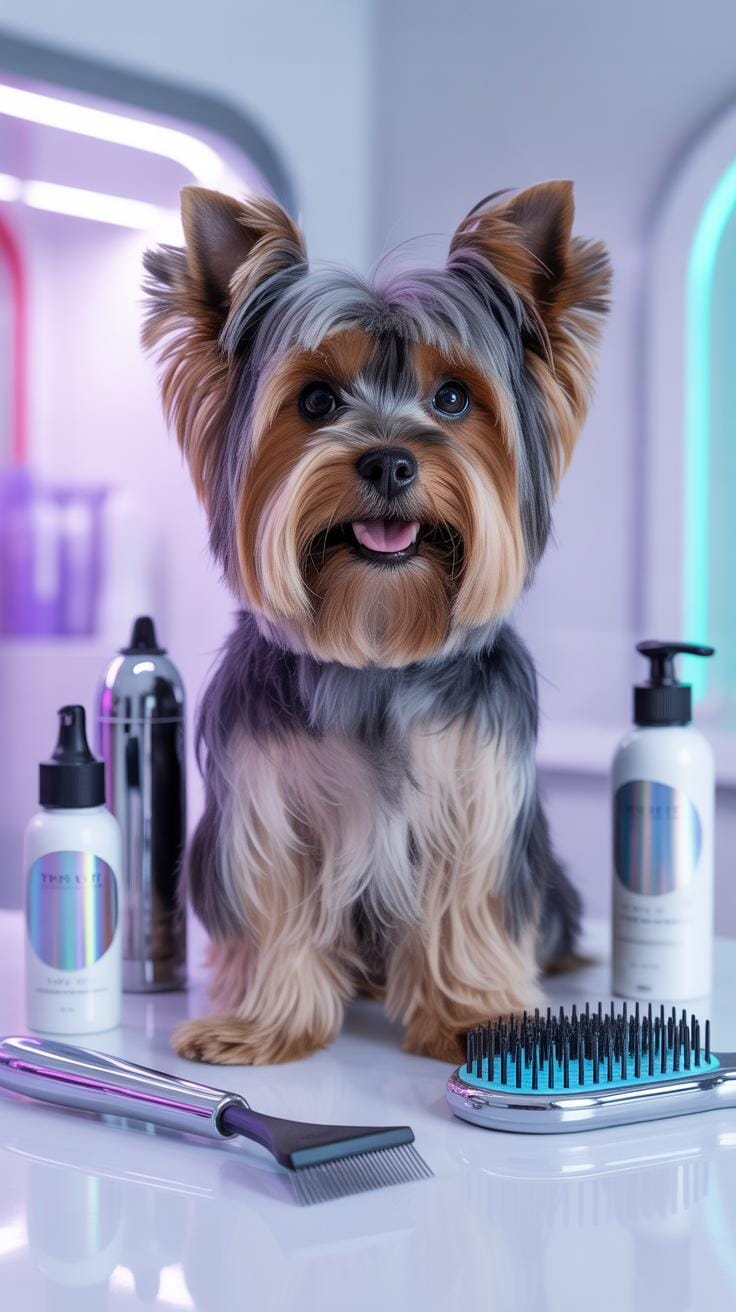
The grooming industry is embracing environmentally conscious practices that honor Yorkshire Terrier coat care traditions while protecting our planet. Modern groomers now utilize organic, plant-based shampoos and conditioners that maintain the silky texture prized throughout Yorkie haircuts history. These sustainable formulations eliminate harsh chemicals while preserving the breed’s naturally lustrous coat, reflecting how professional grooming evolves responsibly for future generations.
Scientific research continues advancing our understanding of canine hair growth and health. Veterinary dermatologists now recognize specific nutritional factors that enhance coat vitality in small breeds like Yorkies. These innovations complement traditional grooming techniques, offering owners science-backed solutions for maintaining those iconic flowing locks and precision cuts that defined Yorkie haircuts history.
Digital Grooming Trends: How Social Media Shapes Modern Cuts

Instagram and TikTok have revolutionized Yorkie grooming aesthetics, creating viral trends that influence professional stylists worldwide. Creative groomers showcase innovative Yorkie haircuts through visual storytelling, blending contemporary fashion with breed standards. This digital democratization means owners can easily discover diverse styles, from classic to avant-garde designs, transforming how people perceive possibilities in Yorkie haircuts history.
Social media platforms have become virtual grooming studios where techniques, products, and artistic inspirations circulate globally within seconds. Pet influencers sporting meticulously crafted Yorkie cuts generate millions of engagements, establishing new beauty standards. This interactive community continues reshaping professional grooming standards, ensuring Yorkie haircuts remain culturally relevant while honoring the elegant heritage established throughout their grooming timeline.
Frequently Asked Questions

What is the history behind Yorkie haircuts?
Yorkshire Terriers, or Yorkies, originated in 19th-century Yorkshire, England, bred from Scottish terriers for ratting in mills. Their Yorkie haircuts history evolved from practical short clips for work to the long, silky coats prized in Victorian shows, defined by Huddersfield Ben in the 1860s. Today, styles blend heritage elegance with modern ease.
How do I give my Yorkie a simple historical-inspired haircut at home?
Start with a bath and brush to detangle the silky coat. For a nod to Yorkie haircuts history, trim the body short like early working dogs using clippers, leave the topknot long for Victorian flair, and round the feet neatly. Use rounded scissors for safety, going slow around eyes and ears. Finish with a bow—your pup will strut like show dogs of old!
What are affordable ways to maintain traditional Yorkie haircut styles?
Budget-friendly Yorkie grooming includes at-home brushing with a slicker tool (under $15) and occasional $20 DIY trims mimicking Yorkie haircuts history’s long saddle look. Opt for puppy cuts every 6-8 weeks at discount salons ($30-50). Use detangling sprays and wraps to extend time between pro visits—keeping that glamorous heritage coat shiny without breaking the bank.