Understanding Dog Skull Anatomy And Skeletal Variation
The Primary Bone Structures Of The Canine Head
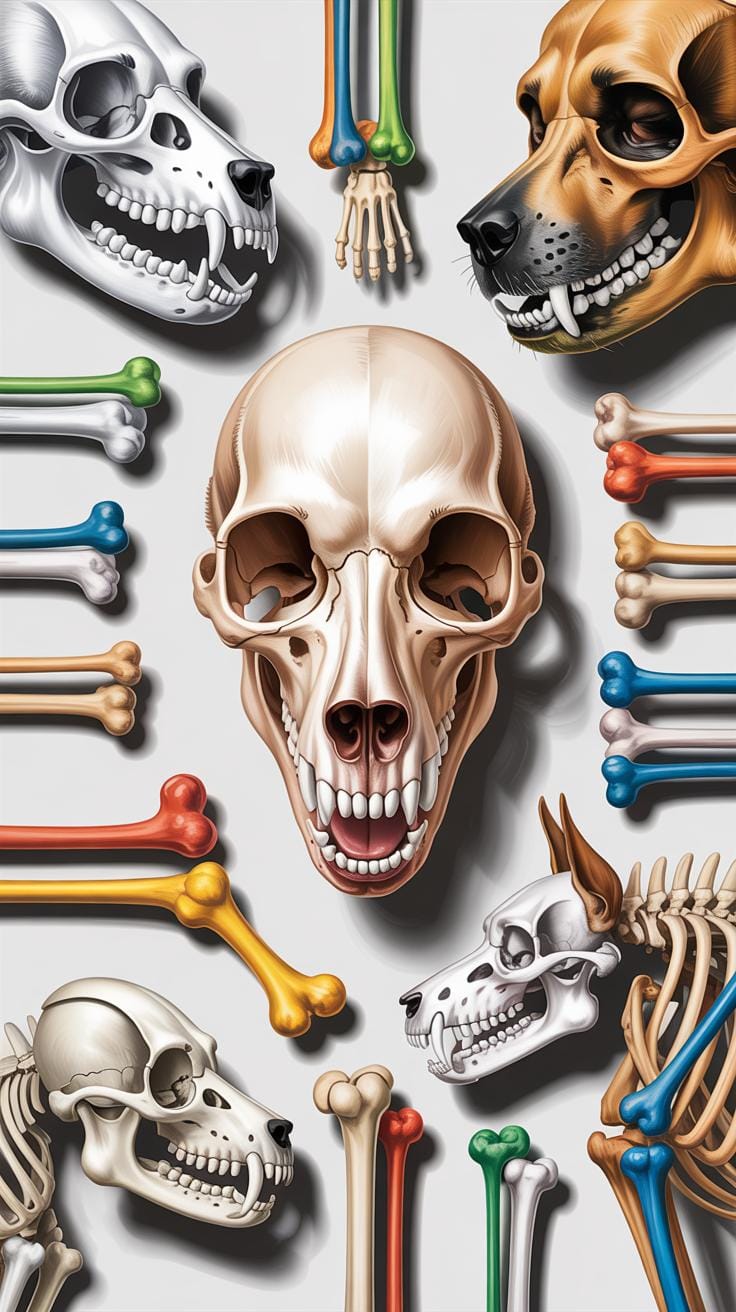
The foundation of Dog Skull Anatomy consists of two main parts: the cranium and the facial skeleton. The cranium holds the brain and protects its delicate tissues. It includes the parietal, frontal, and occipital bones. Looking at a Canine Skull Labeled diagram shows how these plates fit together. These hard layers safeguard the sensory organs while providing vital attachment points for the strong muscles used for biting.
The facial bones define the snout and house the nasal passages. The maxillary and incisive bones hold the teeth in place. You can learn about Dog Teeth Anatomy by studying the upper and lower jaws. Experts use Animal Skull Identification to see how these parts connect. Each Dog Skull Structure follows this same basic map. Proportions change across breeds, but the layout remains consistent for every domestic dog.
How Domestication Altered Skull Development
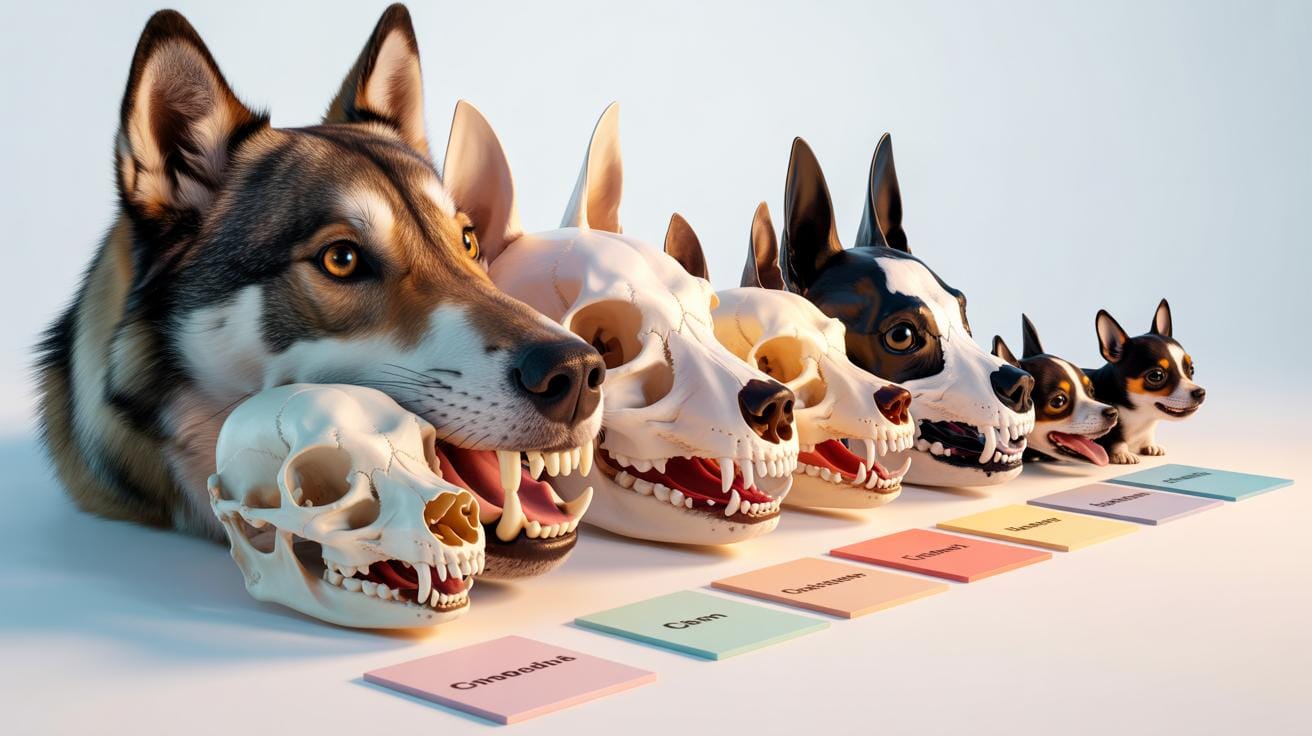
Human history changed how animals look through selective breeding. Wild wolves have long, powerful muzzles built for hunting. Domestic Dog Skull Types now range from the flat face of a Pug to the long nose of a Greyhound. Scientists use a Dog Skull Anatomy Diagram to compare these extreme differences. This diversity makes the domestic dog unique. No other mammal shows such varied Dog Skull Shapes within one species.
Comparing a Fox Skull Vs Wolf Skull reveals how nature favors efficient, balanced shapes. Domestication removes the need for survival-based designs. Breeders often choose traits for looks or specific work. This process creates new physical forms that would not survive in the wild. Studying the Canine Skull Labeled patterns helps us understand this shift. We see how humans have reshaped the skeletal frame of our closest companions over centuries.

The Three Main Dog Skull Types A Morphological Overview
Dolichocephalic: The Long Snouted Hunters
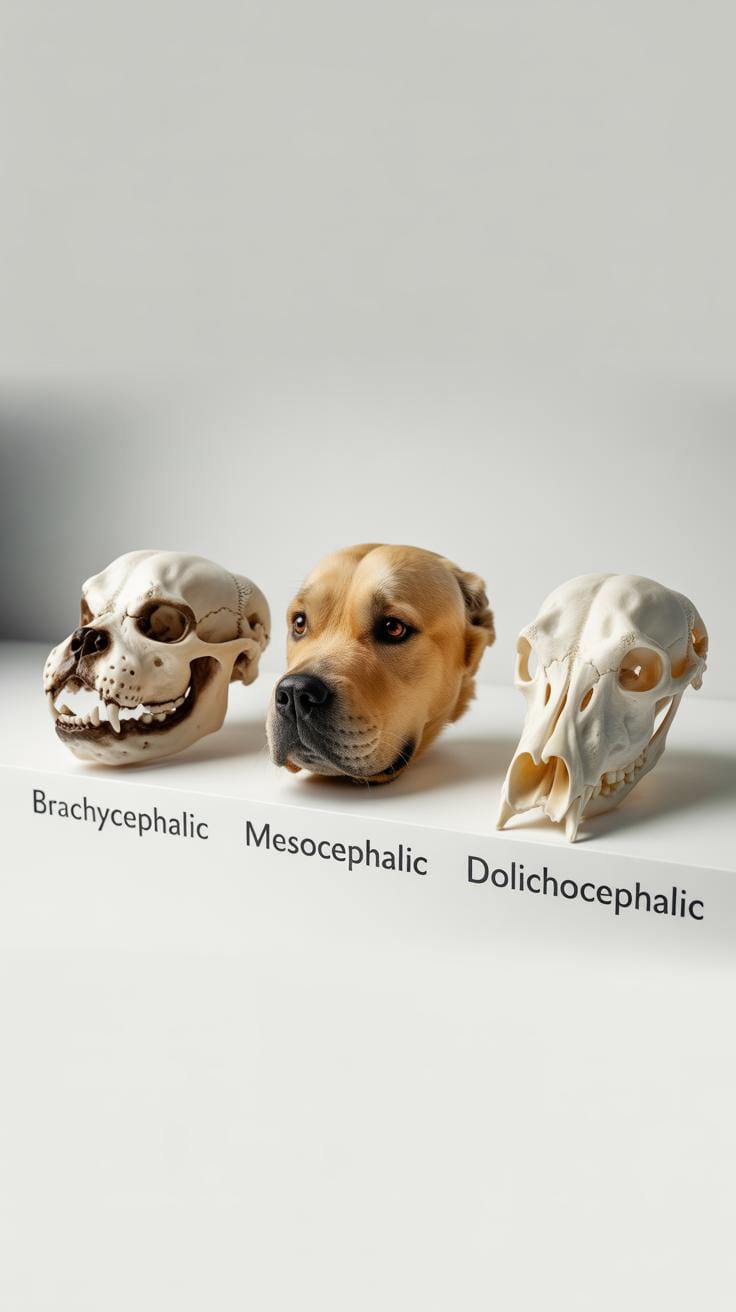
Dolichocephalic dogs feature a long and narrow snout. This specific dog skull structure looks very similar to the wild wolf. These hounds rely on their sight to hunt prey across open fields. Their elongated heads provide more surface area for muscles and cooling. This shape helps them run fast for long distances without getting too hot. This build shows a clear link in fox skull vs wolf skull comparisons.
The internal dog skull anatomy of these breeds allows for a large nasal cavity. This space helps the dog breathe deeply while running at high speeds. Ancient civilizations favored these dogs for their grace and hunting skill. Builders of early dog skull types focused on speed and endurance rather than strength. Looking at a dog skull anatomy diagram reveals how specialized these bones are for a life spent chasing swift prey.
Common Breeds Categorized By Skull Type
Veterinarians use a special measurement called the cephalic index to group dog skull shapes. This index compares the width of the head to its length. Understanding dog teeth anatomy within these different shapes helps owners provide better dental care. Each category has unique bone placements and jaw strengths. Studying animal skull identification helps people recognize these distinct patterns in various family pets across the globe.
- Afghan Hound: This breed serves as a classic example of dolichocephalic anatomy. Their long and narrow nose helps them spot movement from great distances. These dogs have a head shape that mirrors ancestral wild canines specialized for high speed chases.
- German Shepherd: These dogs possess a mesaticephalic skull which offers a balanced medium shape. This structure provides plenty of room for strong jaw muscles and healthy teeth. Most people find this shape familiar as it appears in many common working breeds.
- Labrador Retriever: This popular breed has a medium head width and a sturdy snout. Their skull provides a stable base for carrying items gently in their mouths. This balanced anatomy supports good breathing and healthy vision for active outdoor play and swimming.
- French Bulldog: This breed has a brachycephalic skull characterized by a very short and broad face. Their flat profile often leads to unique health challenges regarding breathing and temperature control. The jaw is wide which changes how their teeth fit together.
- Borzoi: These graceful dogs show extreme dolichocephalic traits with very long and thin facial bones. Their streamlined profile allows them to cut through the air with minimal resistance. This skull type is historical and rare among most modern household pet breeds.
A canine skull labeled correctly shows how these shapes changed over time through breeding. Humans selected traits to help dogs perform specific jobs like herding or guarding. These physical changes affected the brain volume and the placement of the eyes. Learning about dog skull anatomy helps owners choose the right gear for their pets. Every curve and ridge in the bone tells a story of survival and human companionship throughout history.
Examining Brachycephaly And Dog Skull Shapes
The Impact Of Extreme Shorter Snouts
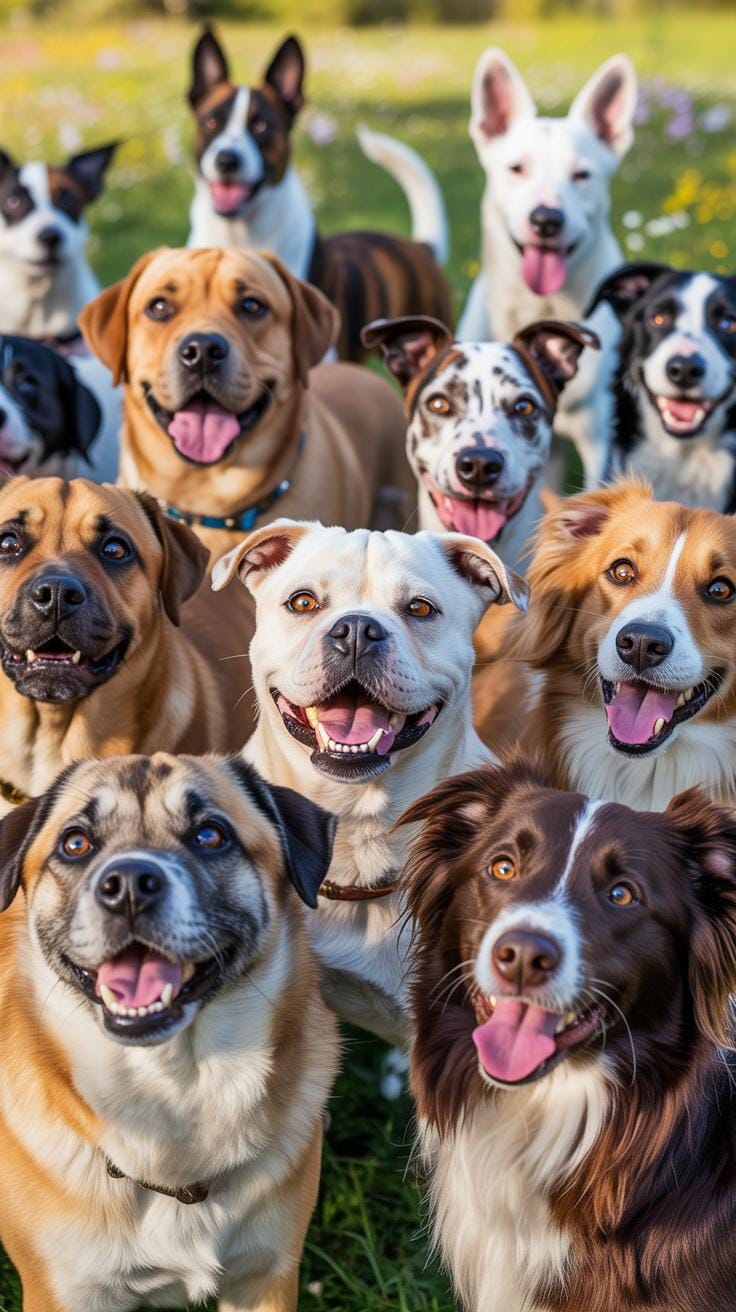
Brachycephalic Dog Skull Shapes feature a wide cranium and a very short muzzle. This look mimics the rounded features of puppies. Scientists call this trend paedomorphosis. Breeders selected these traits over centuries to create distinct companion breeds. Looking at a Dog Skull Anatomy Diagram shows how the facial bones have retreated toward the braincase. These changes create a flat face that many owners find cute and charming today.
However, these structural changes cause health issues. The shortened snout makes breathing difficult for many dogs. This condition is known as Brachycephalic Obstructive Airway Syndrome. When you study Dog Skull Anatomy, you see how the soft palate and nostrils become cramped. Intense heat or exercise can be dangerous for these breeds. Proper Animal Skull Identification helps researchers understand how these domestic pets differ from their wild, long-snouted ancestors.
Craniofacial Angles And Structural Shifts
A shift in the craniofacial angle changes how the head functions. In most Dog Skull Types, the palate and the braincase sit on a similar plane. In brachycephalic dogs, the palate tilts upward significantly. This compression alters the Dog Skull Structure by pushing the teeth closer together. Crowded mouths lead to dental problems because the Dog Teeth Anatomy does not have enough room to align properly along the jaw.

Comparing a Fox Skull Vs Wolf Skull shows naturally efficient designs for survival. In contrast, extreme domestic shapes force the eyes forward. This makes the eye sockets shallow and can lead to injury. A Canine Skull Labeled with these features reveals why soft tissues like the tongue often lack space. Understanding these shifts helps owners provide better care for their pets. Every curve in the bone impacts how the dog breathes and eats daily.
Wolf Vs Teacup Analyzing Canine Skull Labeled Differences
The Massive Crests Of The Timber Wolf
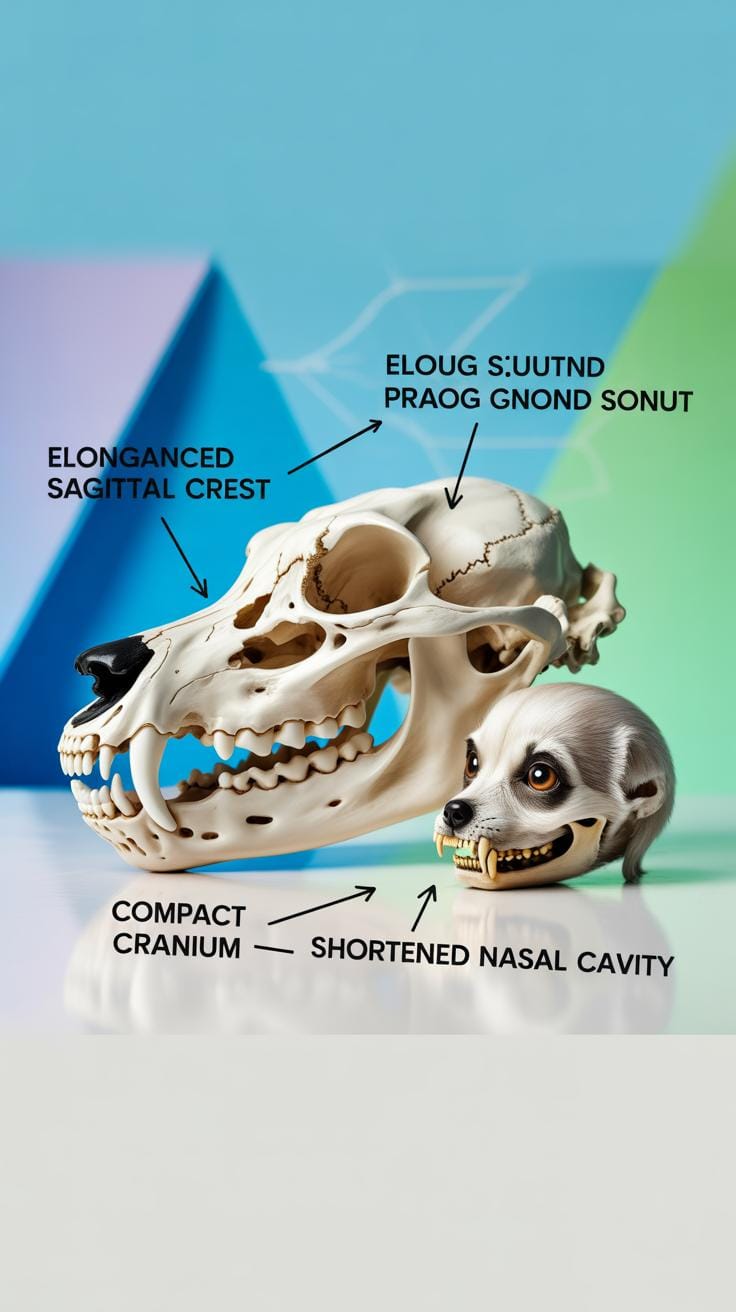
When examining a Canine Skull Labeled for a timber wolf, the sagittal crest stands out immediately. This sharp ridge of bone runs along the top of the head. It serves as a sturdy anchor for the temporal muscles. These powerful muscles allow the wolf to grip and crush bone. This Dog Skull Anatomy reflects a predator built for survival in the wilderness.
A study of Dog Skull Types shows that wild canids have a very long snout. Identifying a wolf involves looking at the linear Dog Skull Structure. Comparison tests like a Fox Skull Vs Wolf Skull check show the wolf has much larger carnassial teeth. These specialized tools are vital for Dog Teeth Anatomy in hunters. The heavy bone protects the brain from the impact of struggling prey.
Miniaturization In Toy And Teacup Breeds
Teacup breeds show a dramatic shift in Dog Skull Shapes. Breeders select for a rounder and more human-like face. This creates a highly domed cranium that looks like a small bulb. In many tiny dogs, the Dog Skull Anatomy Diagram reveals that the brain takes up most of the space. The bones of the head often stay thin and fragile throughout the animal’s life.

During Animal Skull Identification, tiny breeds often show open fontanelles. These soft spots occur because the skull bones do not fuse completely. This happens because the brain remains large while the skeleton shrinks. The shortened muzzle changes the Dog Teeth Anatomy significantly. Teeth often become crowded or tilted because the jaw is too small to hold them all in a straight line.
A Visual Guide To The Dog Skull Anatomy Diagram
Navigating The Facial And Cranial Landmarks
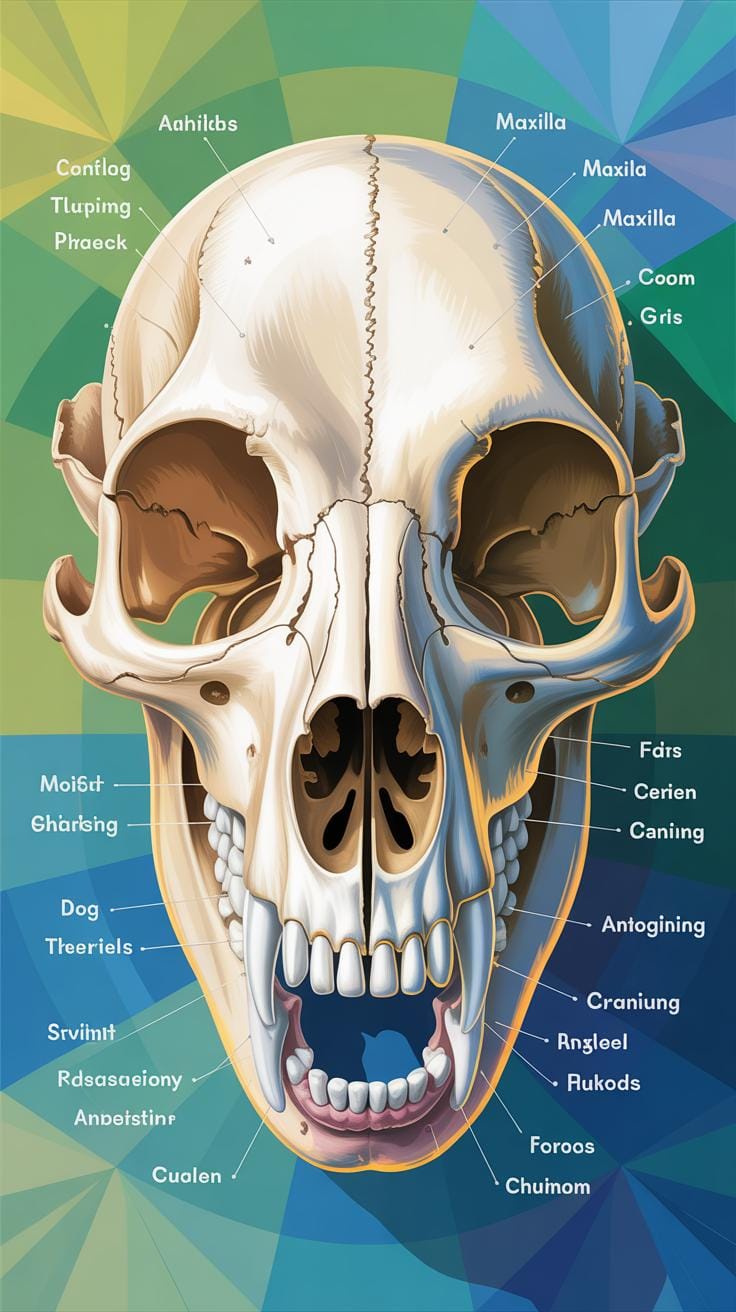
A professional dog skull anatomy diagram highlights the zygomatic arch, the orbits, and the external auditory meatus. These features define the basic dog skull structure for every breed. The zygomatic arch forms the sturdy cheekbone that protects the eye and supports jaw muscles. The orbits hold the eyes, while the meatus opens into the inner ear. Knowing these parts helps people recognize healthy bone patterns in different pets.
Studying a canine skull labeled with these parts helps with animal skull identification at home or in school. You can see how a fox skull vs wolf skull differs in eye placement and snout length. Every dog skull anatomy study shows that these landmarks change slightly across various dog skull types. These changes affect how a dog sees its world or hears faint sounds in the backyard.
Whether the great wolf of the forest or the tiny companion in our arms, every dog carries the same ancient spirit within a changing frame. The bond we share is etched not just in their hearts, but in the very shape of their history.
Mandibular Variation And Bite Mechanics
The lower jaw, or mandible, varies significantly across different dog skull shapes. In mesaticephalic dogs, the alignment works perfectly for catching and holding onto toys or food. Proper dog teeth anatomy ensures that the upper and lower teeth meet in a clean scissor bite. This natural grip reminds us of the wolf ancestors who needed strong jaws to survive in the wild long ago.

Brachycephalic dogs often show undershot or overshot bites. This happens because the upper and lower jaw bones grow at different speeds. The unique dog skull types seen in pugs or bulldogs change how their teeth fit together. Understanding this variation helps owners care for their pet’s dental health. Every dog skull anatomy diagram shows how these jaw shapes differ from the long snout of a racing greyhound.
Animal Skull Identification Differentiating Fox Skull Vs Wolf Skull
Proportional Differences In Wild Canids
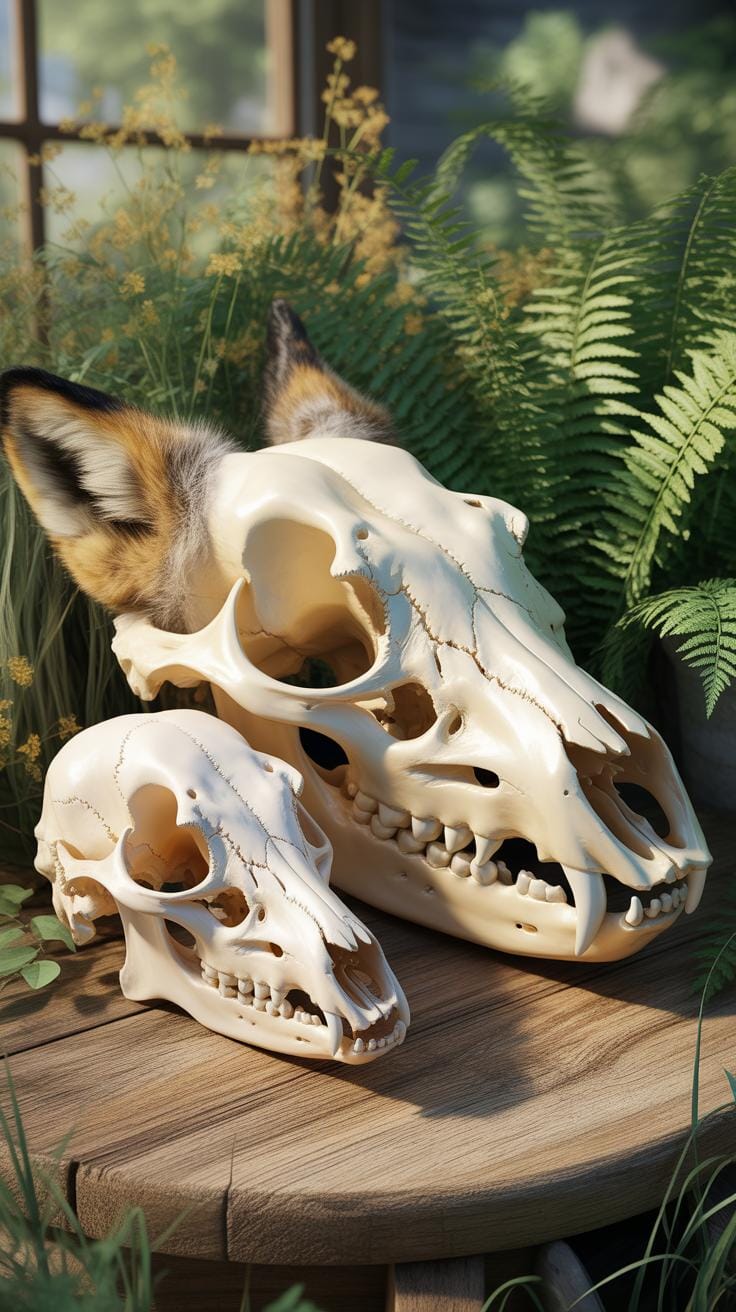
Expert Animal Skull Identification shows that wild species have stable bone structures. A Wolf Skull features a broad and heavy frame built for catching large prey. These predators have thick zygomatic arches to support strong jaw muscles. Observing a Fox Skull Vs Wolf Skull highlights how the fox has a narrow snout. The fox relies on speed and precision rather than pure crushing power.
The Dog Skull Anatomy of a fox includes distinct temporal ridges on the cranium. These ridges often form a V or U shape depending on the specific species. This differs from the wolf which has a large sagittal crest for muscle attachment. Studying Dog Skull Structure helps us see how wild hunters vary. Every curve in the Dog Skull Shapes serves a clear purpose for catching food.
Brain Volume And Cranial Capacity In The Wild
Wild species possess a greater relative brain volume than domestic pets. Scientists call this the domestication effect on Canine Skull Morphologies. Animals in the wild face constant threats and must solve hard problems to survive. Their Dog Skull Anatomy Diagram shows a larger space for the brain. This extra room allows for sharp senses and quick thinking during a hunt or flight.

A Canine Skull Labeled for a wolf shows a higher cranial capacity than a dog of the same size. Domestic life reduces the need for complex survival skills and sharp instincts. Looking at Dog Skull Types helps researchers track these changes over many centuries. Understanding Dog Teeth Anatomy also proves that wild canids keep specialized tools for their diet. Robust teeth and large brains define these impressive wild hunters.
Functional Implications Of Dog Teeth Anatomy
Dental Crowding And Malocclusions
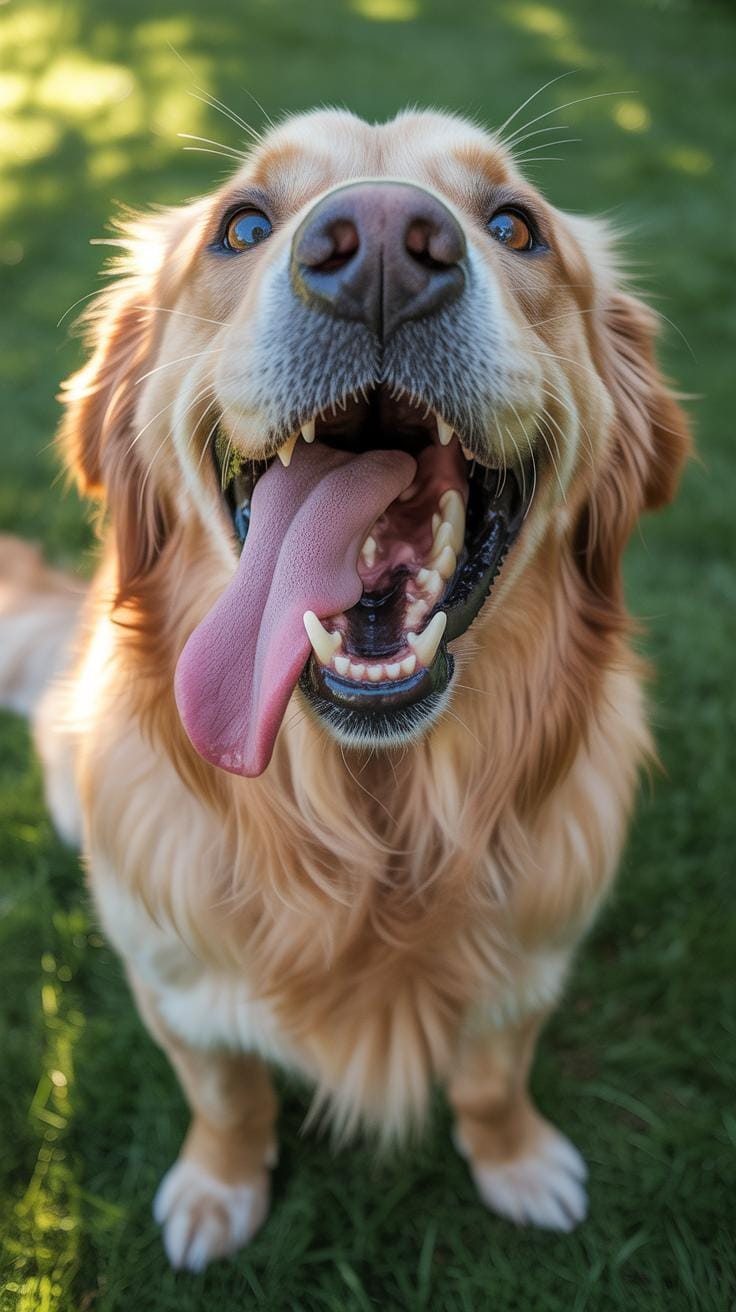
Dog skull shapes determine how teeth sit within the jaw. Long-snouted dolichocephalic dogs have plenty of room for their forty-two teeth to align naturally. This spacing keeps the gums healthy and makes cleaning easier. When you view a dog skull anatomy diagram for these breeds, you see clear gaps between each tooth. These open spaces prevent food from getting trapped and reduce the risk of painful infections.
In contrast, brachycephalic dog skull types face major dental challenges. Flat-faced dogs must fit the same number of teeth into a tiny mouth. This creates severe overcrowding and forces teeth to rotate or grow at odd angles. Reviewing a canine skull labeled for these breeds shows teeth packed tightly together. This messy dog skull structure leads to rapid plaque buildup and tooth decay because the brush cannot reach those tight spots.
The Specialized Role Of Carnassial Teeth
The carnassial teeth are the most important part of dog teeth anatomy for eating. These large teeth act like sharp heavy scissors to slice through tough meat. Even among different dog skull morphologies, these teeth serve the same purpose. They are much larger than the tiny teeth found in a fox skull vs wolf skull comparison. These powerful tools allow canines to process food quickly and efficiently in the wild.

The strength of these teeth changes based on the dog skull anatomy. Shorter jaws provide more leverage and power for crushing bones and tearing fibers. A long dog skull structure offers less biting force but better reach for catching moving prey. Understanding animal skull identification helps researchers see how jaw length affects chewing ability. Every dog relies on these specialized teeth to stay healthy regardless of their specific head shape or size.
The Relationship Between Skull Shape And Brain Volume
How The Brain Reorients In Different Head Shapes
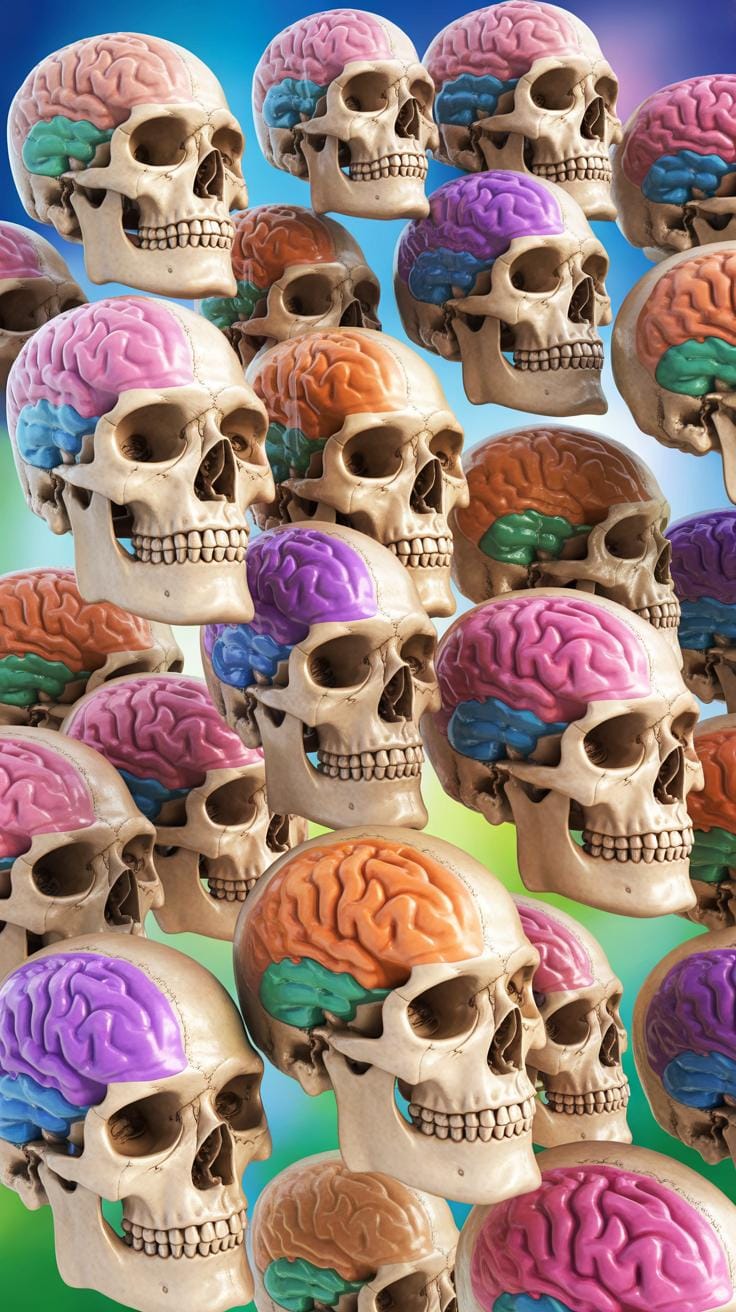
Recent studies of dog skull anatomy show its remarkable flexibility. The cephalic index measures how wide or long a head grows. In short-nosed breeds, the skull becomes very compact. This tiny space forces the brain to shift its position. Scientists found that the brain can rotate forward up to 15 degrees. This physical change happens because the brain needs to fit inside a much smaller, squashed cranial cavity.
Understanding dog skull shapes helps us see how different breeds think and feel. Owners often look for a dog skull anatomy diagram to understand these changes. Brachycephalic dogs have very round heads that change the internal dog skull structure significantly. These animals face unique health challenges because of their facial features. Learning about canine skull morphologies helps breeders and veterinarians provide better care for these special pets in our modern homes.
Total Brain Volume: Wild Vs. Domestic Breeds
People often think teacup dogs have large brains because of their domed foreheads. However, actual brain volume in tiny pets is much lower than in wild wolves. Selective breeding changed the dog skull labeled as the domestic pet. Breeders often chose smaller sizes and cute faces over natural brain capacity. This process altered the original dog teeth anatomy and reduced the space available for sensory processing and neural tissue.

Research on fox skull vs wolf skull differences shows how lifestyle changes the body. Animal skull identification confirms that wild hunters need larger brains for survival. Teacup breeds possess a different dog skull types profile compared to their working ancestors. Even though a small dog looks smart, its neural volume is quite small. Studying dog skull anatomy reveals how human choices changed the very foundation of the canine mind over several many centuries.
Frequently Asked Questions

What are the main differences in canine skull morphologies across breeds?
Generally, canine skull morphologies are categorized into three groups: dolichocephalic (long-faced), mesaticephalic (medium), and brachycephalic (short-faced). While wolves possess robust, elongated skulls designed for hunting, modern teacup breeds often have shortened snouts and rounded craniums. These structural shifts aren’t just aesthetic; they significantly influence brain volume ratios and sensory capabilities, reflecting how centuries of selective breeding have transformed the ancestral wolf template into the diverse pets we love today.
How can I visually identify the skull shape of my own dog?
Identifying your pet’s category is simple and helps you understand their health needs. Carefully feel your dog’s head from the base of the ears to the tip of the nose. If the muzzle is noticeably longer than the skull base, they are likely dolichocephalic. Comparing these proportions allows you to recognize distinct canine skull morphologies at home, helping you better appreciate how your companion’s physical structure relates to their ancestral lineage.
Are there affordable ways to study canine osteology without buying expensive specimens?
You don’t need a massive budget to explore this fascinating subject. Many natural history museums offer free digital galleries and 3D scans of various canine specimens online. Additionally, open-access scientific journals provide high-resolution diagrams of canine skull morphologies at no cost. Using these virtual resources is an excellent, accessible way to compare the skeletal differences between wild wolves and domestic breeds without the high price tag of physical replicas.