Introduction
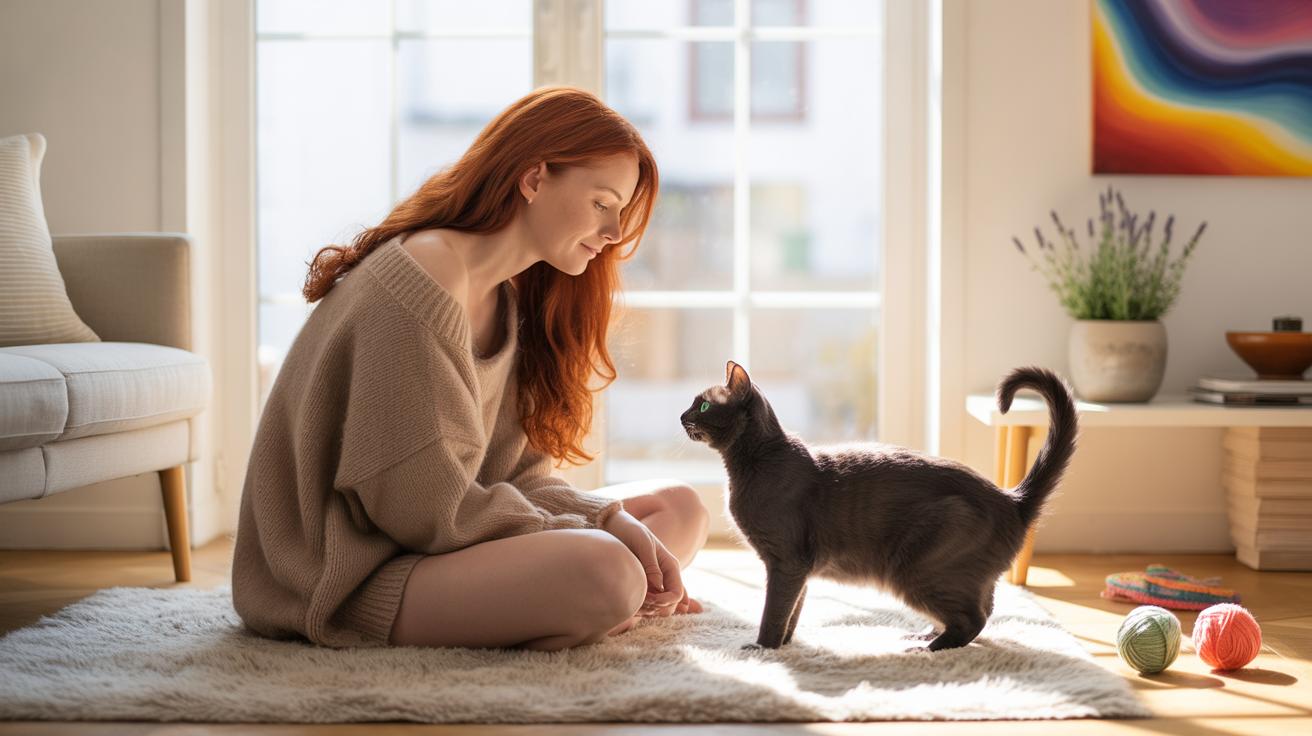
Understanding your cat can be challenging, but learning to read their behavior is key to building a strong bond. Cats communicate using a mix of vocal sounds, body language, and actions. By paying attention to what your cat is telling you, you can meet their needs better and create a happier home for both of you.
This article explores simple techniques to read your cat’s signals. You’ll learn what their meows, purrs, and tail movements mean and how their posture shows their feelings. These tips will help you understand your pet’s mood and needs, making your relationship more rewarding.
Understanding Cat Vocalizations
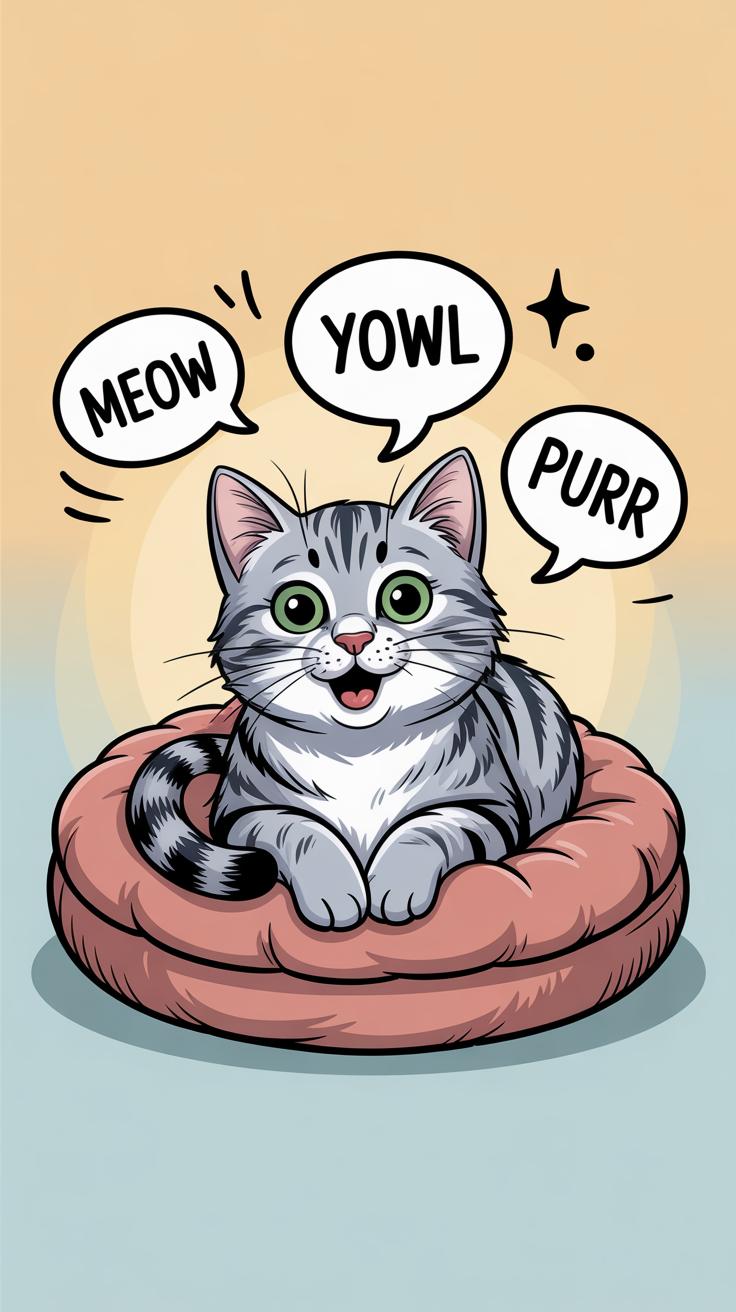
Cats make a surprising variety of sounds, each carrying a different message. Take meowing, for example—it’s mostly something cats direct at humans, not other cats. When your cat meows, they might be saying hello, asking for food, or just letting you know they’re nearby. The tone and pitch can change a lot, from soft and gentle to sharp and urgent.

Purring is usually a sign of contentment, but it’s not always just about happiness. Sometimes cats purr when they’re nervous or even in pain, so context matters. Then there’s hissing, which tends to mean “back off”—fear, anger, or discomfort could trigger it. You might also hear growls or chattering, which can indicate frustration or excitement, especially when watching birds out the window.
Each sound has something to tell you if you pay close enough attention. Your cat’s “voice” is often their way of communicating needs or feelings, even the subtle ones.
What Different Cat Sounds Mean
Recognizing what your cat’s different sounds mean helps you understand them better. Some common sounds include:
- Short meows: Often greetings or quick check-ins, like a “Hey, I’m here.”
- Repeated meowing: Usually a demand for attention—could be food, play, or just company.
- Purring: Mostly comfort and relaxation, but sometimes self-soothing when feeling uneasy.
- Hissing and growling: Clear signs of distress or discomfort; your cat wants space.
- Chirps or trills: Often greetings or invitations to play.
Notice when and where these sounds happen. For example, a meow near the food bowl might be a request, while a trill before you pet them tends to be friendly and welcoming.
How to Respond to Your Cat’s Sounds
Responding to your cat’s vocal signals is one of the best ways to build trust. If they’re meowing for attention, try giving them what they want, but also watch for signs they might just want company rather than food. When they purr, you can engage gently, maybe petting or talking softly.
Respect their hissing or growling by stepping back. It’s not always easy to hear those sounds without feeling concerned, but giving them space shows you’re listening. Over time, you might recognize subtle differences—like a hungry meow versus a playful chirp.

Sometimes, it’s okay not to respond immediately. Your cat might vocalize simply out of habit or to check in—not necessarily because they need something urgent. Patience here can strengthen your bond more than constantly reacting.
Reading Cat Body Language
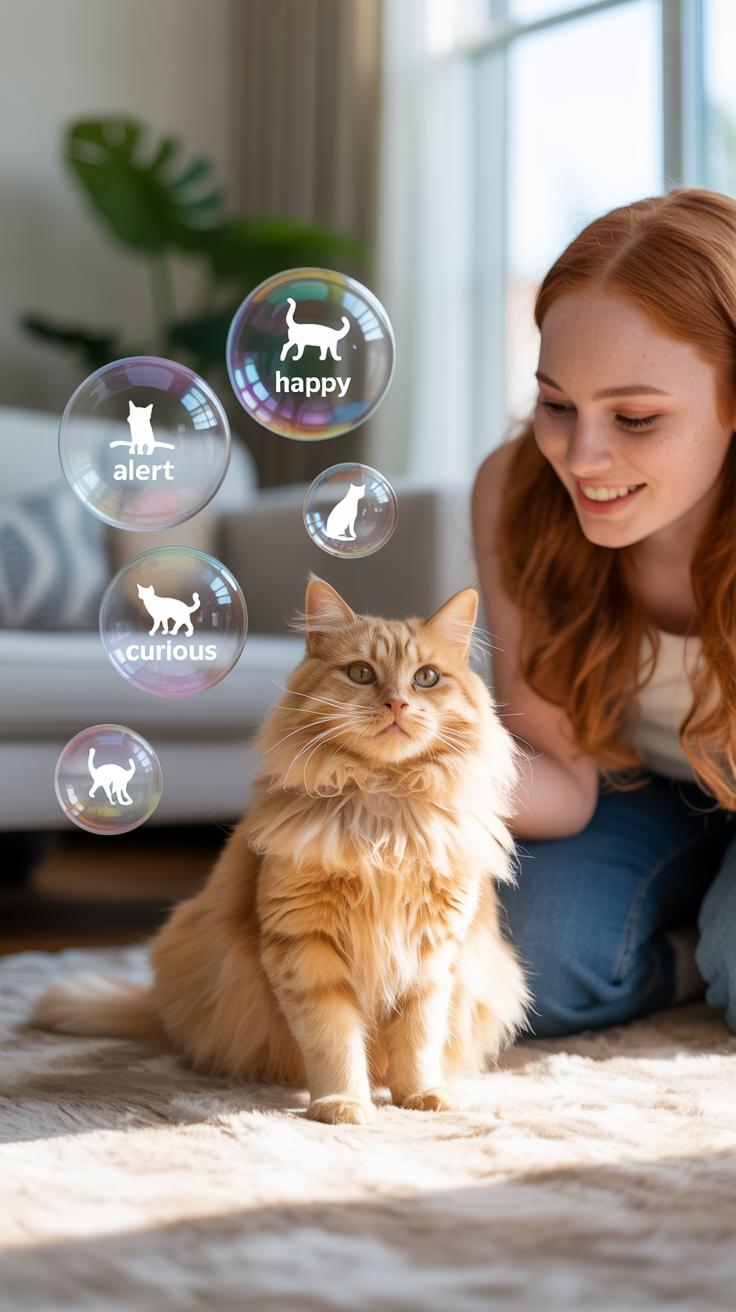
Cats talk with their bodies much more than with their voices. You can learn a lot just by watching their tails, ears, eyes, and posture. It’s like a silent conversation, if you pay close enough attention. Each part of their body sends out signals about how they’re feeling, but sometimes those signals can feel a bit mixed or even contradictory.
For example, a cat standing tall with a raised tail often means confidence or happiness. But if the tail is stiff and straight, it might also show alertness or mild irritation. Their ears can swivel quickly—pointed forward means they’re curious or relaxed, while flattened or sideways ears could suggest they’re scared or annoyed. And those wide, dilated eyes? They might be playful, but sometimes that’s just fear or excitement.
Posture can tell you if your cat is relaxed or tense, ready to play or ready to bolt. A crouched body with tense muscles often hints at unease. On the other hand, a cat stretched out comfortably is usually content and trusting.

It takes time to put all these clues together. Have you noticed your cat’s slow blinking? That’s usually a sign of trust and affection, almost like a “cat kiss.” Watching these subtle signs helps you understand what your pet really wants or needs, beyond the sounds they make.
Tail Positions and Their Meanings
The tail is a direct line to a cat’s mood, but the exact meaning can be tricky at times. When your cat’s tail is held high, maybe with a gentle curve at the tip, they’re likely feeling confident or happy to see you. It’s a welcoming gesture.
Low or tucked tails usually signal insecurity or fear. You might catch this when your cat’s unsure of something or someone new in the environment. A flicking or swishing tail often means irritation or restlessness. It’s like they can’t quite settle.
And then there’s the fluffed-up tail, which raises more questions. The classic “puffed” tail happens when your cat is scared or wants to look bigger to a threat. But sometimes, a quick puff can also mean surprise or excitement during play — so context really matters here.
Eye and Ear Signals to Watch
Eyes are windows to your cat’s emotions, but you need to read them carefully. Narrowed or half-closed eyes often show contentment, but they can also hint at discomfort if combined with other signs. Wide-open eyes? They might be alert, fearful, or just fascinated by something around them. It’s not always black or white.
Ear positions are no less telling. Forward-facing ears usually mean interest or calmness. If the ears flick back and forth, that can indicate your cat is processing sounds or feeling a bit uneasy. Flattened ears against the head nearly always mean a warning or fear. Sometimes I’ve seen cats with ears slightly to the side, which looks confused or cautious — but the meaning isn’t always clear-cut.
Watching how their eyes and ears work together gives a fuller picture. For example, a cat with wide eyes but ears turned sideways is probably anxious, not just curious. So, it’s good to observe these signals over time to better guess what your cat might be trying to say without words.
Understanding Cat Play and Behavior
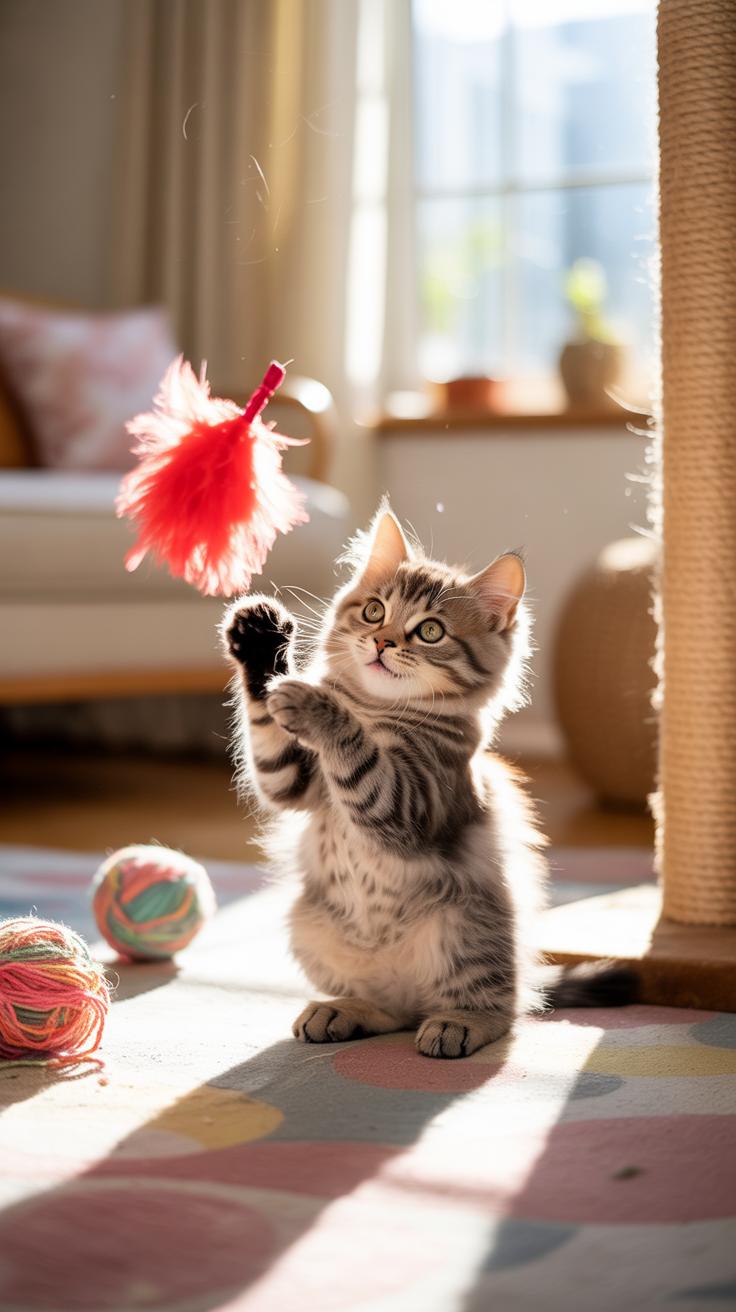
When your cat springs into action chasing a toy or dashing across the room, it’s more than just fun—it’s a peek into their natural instincts. Play often mimics hunting, so those quick pounces and sudden stops reveal how they channel energy and test skills.
Look for signs like:
- Eyes wide and focused, sometimes with the pupils dilated.
- Tail twitching or flicking, signaling excitement or readiness.
- Sudden crouching or stalking movements before a pounce.
- Soft chirps or quiet meows while engaging with toys or shadows.

These behaviors show your cat is alert, engaged, and mentally stimulated. But when play turns rough or obsessive, it might hint at stress or too much pent-up energy.
Grooming is another telling behavior. Quiet, regular grooming indicates comfort and normal health. Yet, when your cat grooms compulsively or neglects fur care, it can point to anxiety or discomfort. I once had a cat who stopped grooming after a move; it took weeks to settle back into their routine.
So, watching how your cat plays and grooms offers clear clues to their mood and well-being—are they relaxed, restless, or maybe a bit worried? Paying attention here can help you respond with the right care or stimulation that they might need.
How Cats Use Smells to Communicate
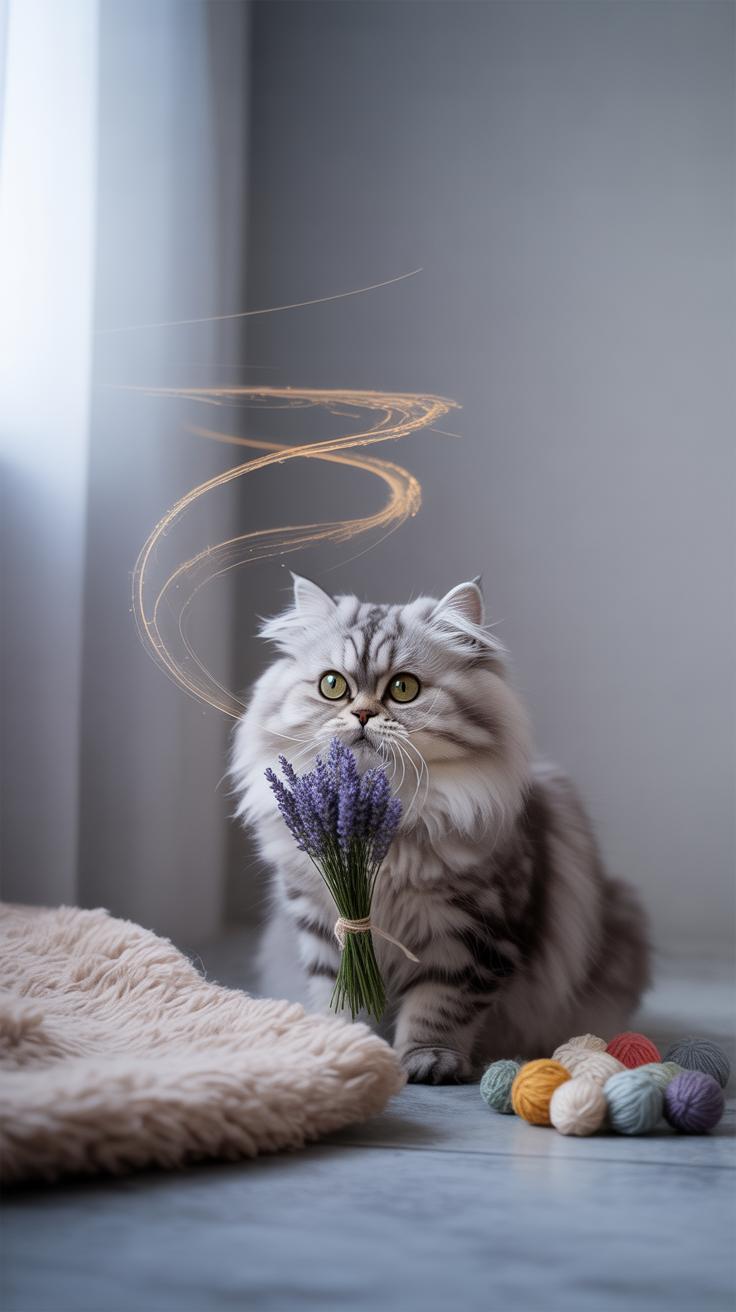
Cats rely heavily on their sense of smell to navigate the world around them. Their noses pick up on chemical signals that tell them a lot about their environment and the other creatures inhabiting it. Scent marking plays a big role in this communication network. When a cat marks a spot with scent glands—located on their cheeks, paws, or tail base—they’re essentially leaving messages for themselves or other cats. It’s like a personal signature saying, “This is my space,” or “I’ve been here.”

What you might find interesting is how subtle and constant this process can be. Cats don’t just mark territory aggressively like we sometimes think. It’s mostly a way to feel secure and connected in their surroundings. You may notice your cat rubbing the furniture, walls, or even you. That’s more than just affection; it’s also a claiming act, mixing their scent with the environment.
What It Means When Your Cat Rubs on You
When your cat rubs against you or gives a gentle head-butt, it’s a clear form of interaction. This behavior involves depositing scent from glands around their face onto your skin. Yes, it marks territory—but it’s also a sign of trust. In a way, your cat is saying, “You’re part of my group.”
Sometimes this rubbing feels almost insistently repeated, which might seem odd if you’re not used to the behavior. But this persistence signals strong social bonding, and your cat is using scent to reinforce this connection. It’s both a comfort ritual for them and a way to keep their scent around you.
Understanding Urine Marking and Scratching
Urine marking and scratching can be confusing, especially indoors. These are also ways cats communicate ownership or stress. Urine marking often appears as small sprays on vertical surfaces and usually isn’t about needing to go to the bathroom—it’s a deliberate message to others (cats or, in some cases, people).
Scratching, beyond sharpening claws, leaves both visual and scent marks, thanks to glands in their paws. It’s a way to say, “This is mine,” and sometimes to relieve tension. When these behaviors pop up unexpectedly, they may hint at changes in your cat’s environment or emotional state. You might want to consider if something’s stressing them or if they feel insecure. Sometimes, adding new scratching posts or changing litter boxes helps, but other times, it’s trickier.

Have you noticed these signs in your cat? Sometimes reading these scent-based messages can bring a surprising depth to understanding your pet. It’s subtle, but once you start noticing, you realize your cat’s world is full of smells with meaning.
Observing Changes in Cat Behavior
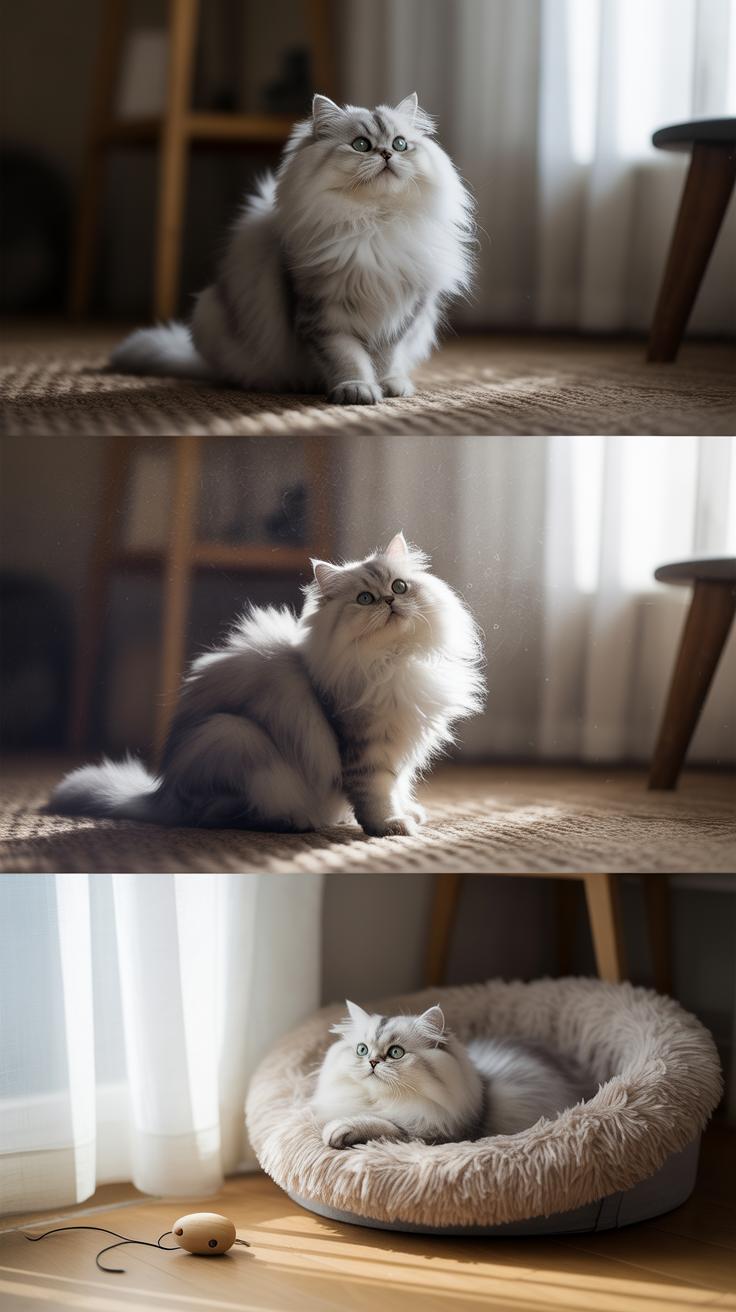
When you live with a cat, it’s easy to miss subtle shifts in how they act—until something feels off. But paying close attention to small changes can really tell you a lot about what your cat is going through, whether emotionally or physically. For example, a usually playful cat that suddenly hides more might be feeling anxious or unwell. Or if your cat becomes less interested in grooming, it could be a sign they’re not feeling their best. Sometimes these signs are clear, but often they’re so slight you might just chalk them up to moodiness.
Keep an eye on things like appetite changes, unusual vocalizations, or reluctance to move around. Cats don’t always show pain openly, so unusual behavior is often the first clue. If you notice your cat grooming excessively or scratching more than usual, it might signal discomfort or stress.
Some common signs that hint at stress or illness include:
- Withdrawal or hiding more than usual
- Sudden aggression or irritability
- Changes in eating or drinking habits
- Lethargy or decreased activity
- Excessive meowing or unusual vocal sounds
- Changes in litter box habits
- Restlessness or pacing

When does a behavior cross the line from “just odd” to needing a vet’s care? If your cat stops eating for over 24 hours, shows difficulty breathing, seems disoriented, or has sudden weakness, it’s better not to wait. Persistent vomiting, diarrhea, or noticeable swelling are other red flags. Sometimes it’s tricky—Your cat might be off for no serious reason, yet when in doubt, a quick check from a vet can ease your mind and catch problems early.
Building Trust Through Slow Blinking

What Slow Blinking Means in Cats
When your cat looks at you and slowly closes its eyes, it’s not just dozing off. Slow blinking is like a quiet way cats say, “I feel safe around you.” This soft, deliberate closing and opening of their eyes shows trust and comfort. You might notice cats doing this when they’re relaxed, often after a gentle petting session or while lounging nearby. It’s a subtle signal, but packed with meaning—cats rarely expose their vulnerability unless they truly feel secure.
Of course, not every blink is a message. Quick rapid blinks or darting eyes tell a different story, maybe irritation or alertness. So, slow blinks stand out because they are calm and deliberate. When your cat slow blinks, think of it as their way of saying they’re okay with you and the moment. It honestly feels like a small but meaningful “thank you,” or “I trust you” in cat language.
How You Can Use Slow Blinking
You can actually use slow blinking toward your cat to deepen your relationship. Try this: catch your cat’s gaze, then slowly close your eyes, pause for a second, and open them again. It’s like returning a smile but without words. Many cats respond by slow blinking right back, which is often a sign they’re comfortable with you.
Practicing slow blinking regularly might help your cat see you as less threatening, especially if they tend to be shy or nervous. It’s a gentle way of saying you aren’t a threat. You don’t need to overdo it—just a few times a day, especially during calm moments, like when you’re sitting together or feeding them.
Some cats take longer to respond, and some may ignore you. That’s okay. This isn’t a magic trick but a small, patient step toward building deeper trust. Have you noticed your cat returning the slow blink? It can feel surprisingly rewarding, almost like a quiet conversation without words.
Understanding Cat Aggression Signs
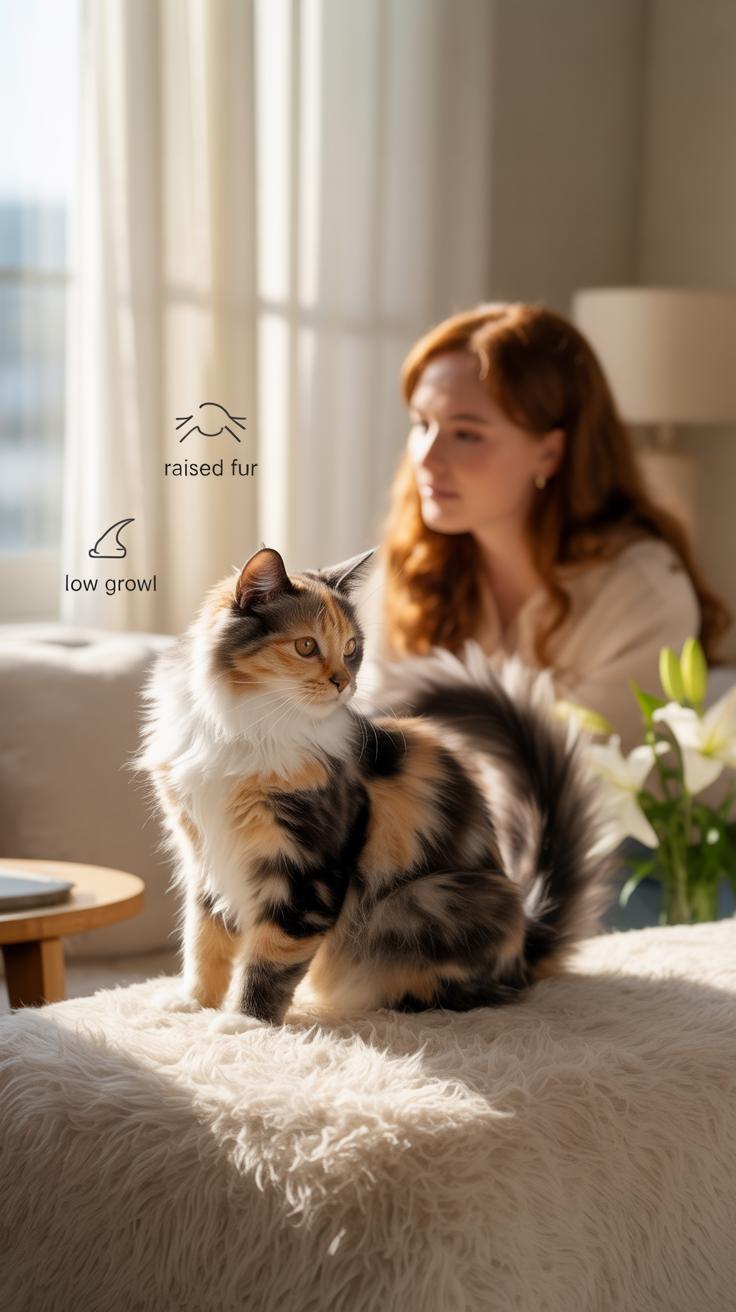
Aggression in cats can be puzzling and sometimes alarming. It often stems from fear, territorial instincts, pain, or even overstimulation. Sometimes your cat isn’t just “being mean” but trying to protect itself or its space. Identifying what sparks aggression early can really help you intervene before things escalate.
Body Language Before Aggression
Before a cat lashes out, there are usually subtle signs. Watch the tail: a quick flick or twitch can mean growing irritation. If the tail lashes intensely, it’s usually a red flag. Ears tell a story too; flattened ears or ones pinned back usually mean fear or annoyance. Then there’s the fur—when the hairs along the back or neck stand on end, that’s a classic sign of agitation or an attempt to look bigger and more threatening.
These signals often come in combination. Maybe your cat’s tail flicks, ears flatten, but the body stays still. Or perhaps the fur stands up and the cat gives a low hiss. It’s a silent warning that they feel uncomfortable or cornered. Have you noticed your cat freeze, staring intensely? That tenseness can also precede aggression.
Calm Ways to De-escalate Aggression
When you spot these signs, stepping back calmly is usually best. Avoid sudden movements or loud noises—they can worsen the situation. Sometimes, simply giving your cat space and time to settle is enough.
What I’ve found helpful is speaking softly, in a low, steady tone. Slowly blinking yourself can sometimes mirror calm signals, though it’s not a guaranteed fix. Offering a distraction—like tossing a toy gently nearby—can redirect their focus. But if your cat remains stiff or growling, it’s better not to push interaction right away. Let them come to you when they feel safe.
Have you tried pausing during a tense moment to let your cat regain control? It’s tricky, but patience often pays off. Your calmness can help break that cycle of stress before aggression takes hold.
Using Play to Improve Communication
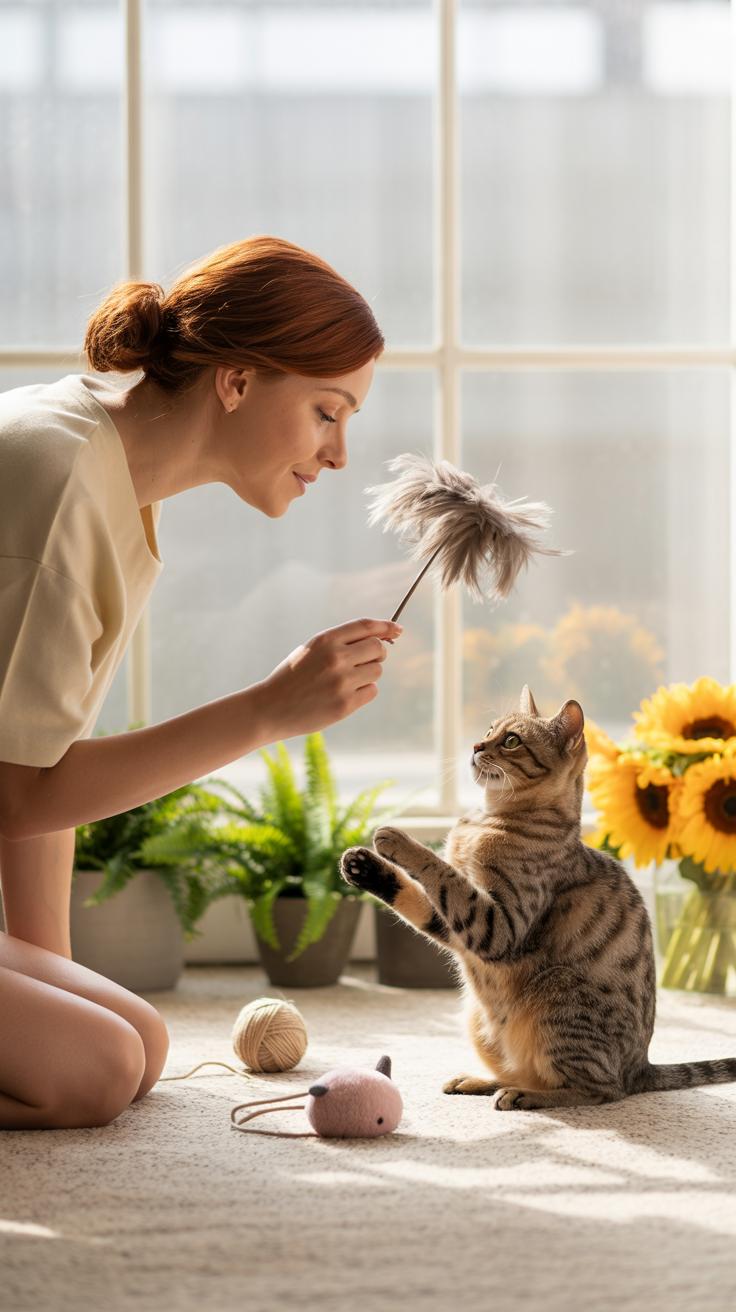
Interactive playtime is more than just fun for your cat—it’s a way they express feelings that words can’t capture. When you engage in play, your cat shows parts of their personality and mood, sometimes quite clearly, though other times it’s a bit more subtle. For example, a frenzied chase after a toy might mean your cat’s feeling energetic or maybe a bit restless. Slower, more cautious play could suggest curiosity mixed with hesitation.
These sessions build trust too. When your cat chooses to invite you to play, they’re opening a line of communication. You’ll notice how they respond to your movements and timing, and they’ll watch your reactions closely. It’s like learning a little language together, even if the meanings aren’t always straightforward.
Best Types of Toys to Read Your Cat’s Mood
Different toys spark different types of play—and those reactions tell you a lot. Wand toys with feathers often trigger a stalking response, hinting your cat’s in hunting mode. Soft balls or stuffed mice invite pouncing or batting, which can reveal playful energy or maybe just a need to relieve boredom. Laser pointers are tricky; some cats go wild chasing the elusive red dot, which might signal high excitement, but others lose interest quickly, hinting at a more cautious or distracted mood.
Watching your cat’s preference and how long they stick with a toy gives clues about their current state. Are they aggressively grabbing and tossing the toy? Or gently pawing and inspecting it? Those details could be cues to how they’re feeling inside.
Learning From Your Cat’s Play Style
Your cat’s play style can be surprisingly revealing. Does your cat prefer fast, chaotic bursts of energy, or longer, slow-paced engagement? I’ve seen cats that instantly pounce, demonstrating a bold or confident streak, while others stay back, watching and waiting, maybe showing caution or even shyness.
Play styles sometimes vary by mood or day. On an off day, your cat might play less vigorously, suggesting tiredness or stress. But consistent patterns say more about personality. For instance, a cat that loves to chase and wrestle toys might be more dominant or curious, while one that prefers gentle swats could favor calm and companionship.
Have you noticed your cat’s favorite moves during play? What might those mean about who they are? Understanding these nuances helps you connect better—sometimes it’s not just about the toy, but what the play itself tells you.
Respecting Your Cats Space and Signals
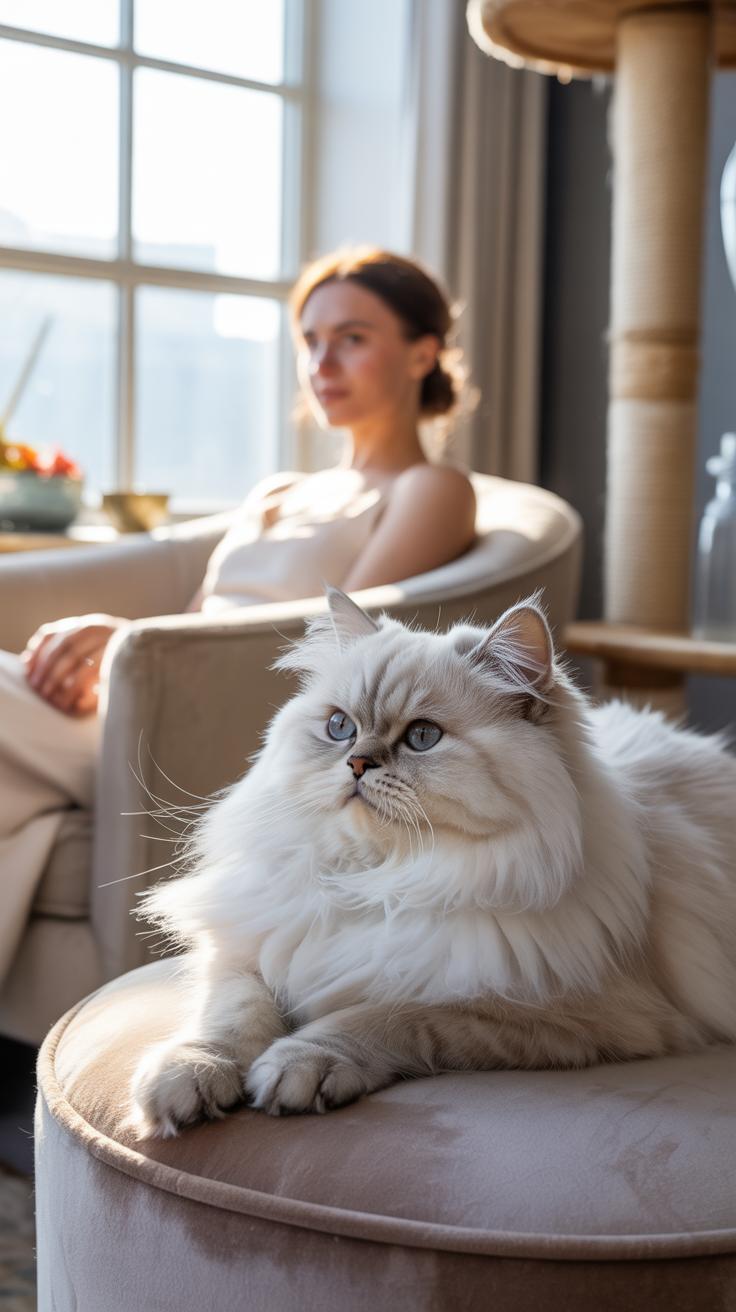
Sometimes, your cat just wants to be left alone. It’s not always easy to figure out when that moment comes. After all, cats can be subtle, or even confusing in how they show they need space. But recognizing those signals is key if you want to avoid stress—for both you and your feline friend.
You might notice your cat suddenly retreating under furniture or choosing a quiet corner. Their tail could flick sharply, or their ears flatten back. These aren’t just random movements; they often mean your cat feels uneasy or overwhelmed. I’ve seen my own cat give a quick sideways glance or a slow blink before disappearing—clear signs to me that it’s better to pause and back off a bit.
Here are some common signs that say, “I need space”:
- Turning their back to you or ignoring calls
- Hissing, growling, or a quick swipe of a paw
- Flattened ears or dilated pupils
- Sudden stillness or freezing in place
- Hiding in places that seem hard to reach
Creating a comfortable environment means giving your cat reliable places to retreat. Think about cozy hiding spots that feel safe and not too exposed. It could be a quiet room, a covered cat bed, or even a tall perch where they can observe without interruption. I found that having multiple options works best—sometimes a cat wants solitude, sometimes a bit of distance without complete isolation. You may notice your cat’s preferences changing, which means their comfort zone isn’t fixed.
Respecting these boundaries isn’t just about avoiding trouble. It builds a kind of trust that says you understand your cat’s needs even when they don’t speak plainly. Have you ever wondered if you’re misreading those quiet signals? Maybe, but paying closer attention usually helps you get it right more often than not.
Creating a Responsive and Caring Relationship
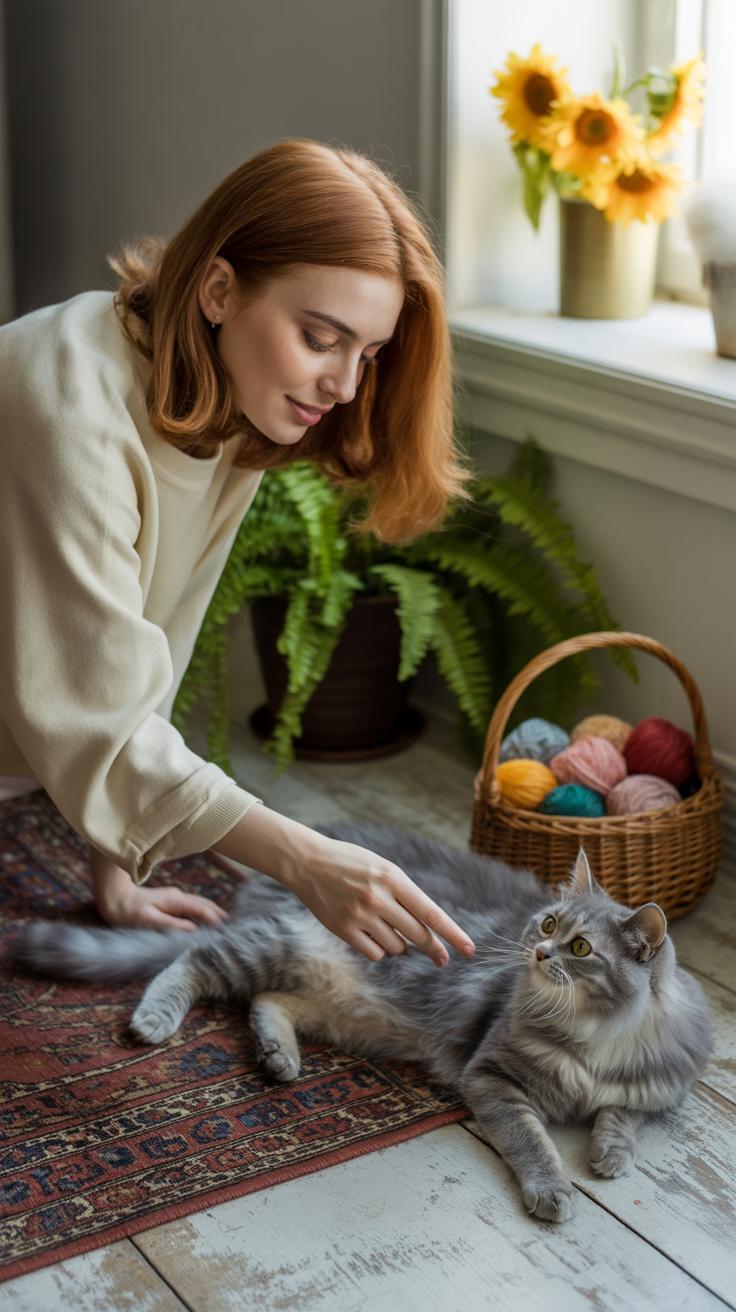
Reading your cat’s behavior isn’t just about figuring out when they want food or playtime. It shapes how you care for them—helps you meet their needs in ways that feel natural and respectful. When you really tune in to what your cat is telling you, even in subtle ways, you start spotting patterns. You might realize that a certain look means they want a break or that a particular purr signals contentment rather than just seeking attention.
Quick responses to these signals can deepen trust. If your cat approaches with a soft meow and you respond—maybe a gentle pet or a quiet word—they learn they can count on you. That builds a kind of comfort where they seem happier, more relaxed. It’s like a conversation, in a way, where both of you feel heard.
There’s always more to learn, too. Each cat develops its own quirks and habits. I remember how my cat started blinking slowly right before asking to be picked up—a tiny gesture I only noticed after months. Staying observant keeps the relationship fresh. Are you paying attention enough? Could your cat be telling you something new? Just asking that makes you a better cat partner over time.
Conclusions
Reading your cat’s behavior can unlock a deeper connection between you and your pet. Watching their voices and movements lets you understand how they feel and what they want without words. This understanding can help you respond calmly and kindly, strengthening your bond.
As you observe your cat, you become more confident in recognizing signs of happiness, fear, or discomfort. Using these techniques daily improves communication and helps you care for your cat’s wellbeing. The effort to learn your pet’s language is a gift that leads to a happier and healthier life together.