Introduction
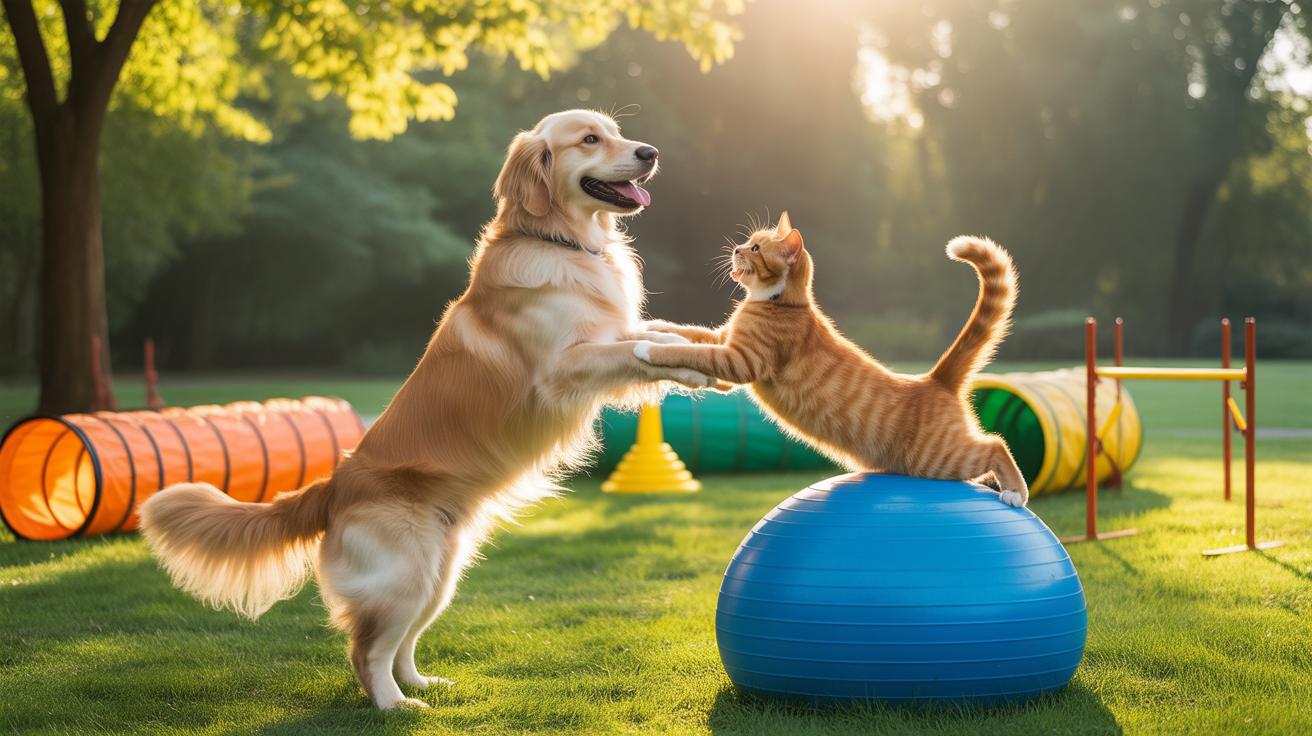
Core strengthening exercises are crucial for maintaining and improving the health and fitness of animals. These exercises focus on the muscles around the abdomen and lower back, which provide support and stability. A strong core helps animals maintain balance, posture, and mobility in their daily activities.
You will learn why core strength is important for animals and how specific exercises can improve their overall physical fitness. This article explains which muscles are involved, the benefits for different animals, and safe ways to implement core strengthening exercises to support their health and quality of life.
Core Strengthening Exercises For Animals
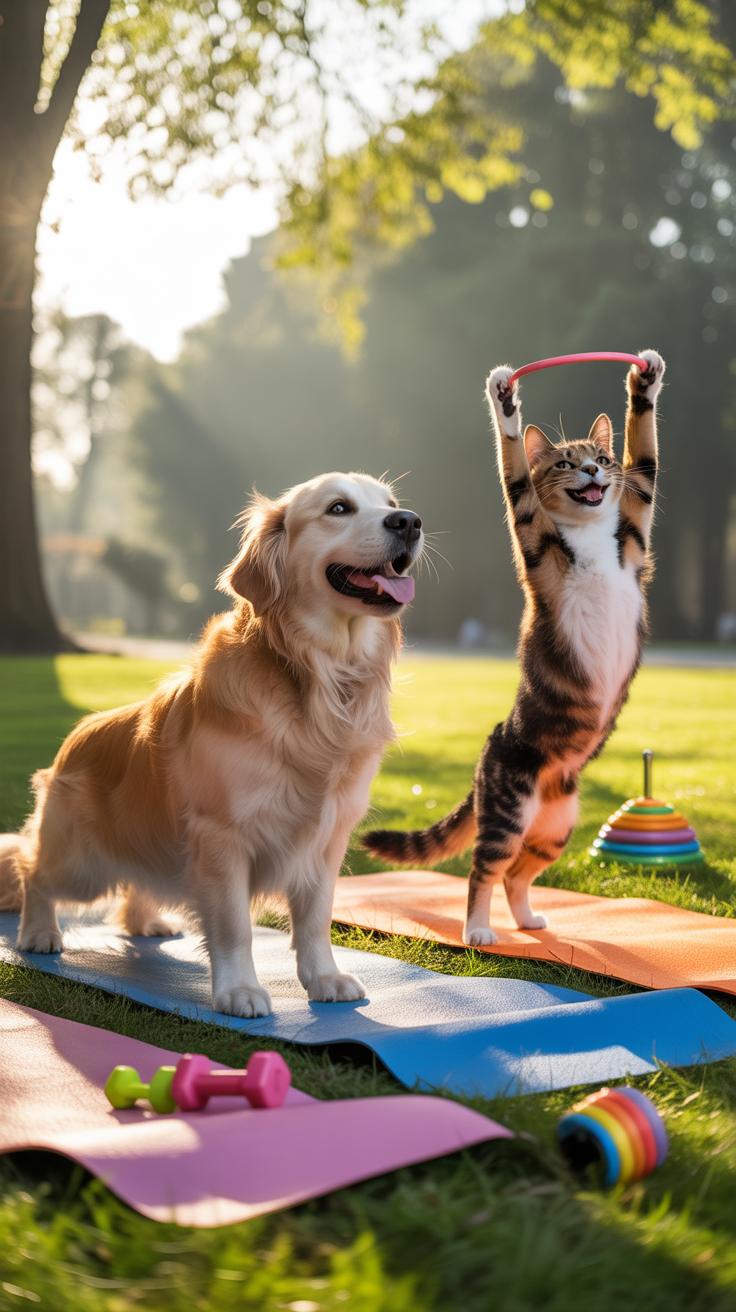
Core strengthening exercises for animals focus on engaging the muscles around the spine, pelvis, and abdomen. These exercises aren’t complicated but often require patience to adapt them for different species and individual animals. For example, simple activities like controlled walking on uneven surfaces encourage animals to recruit their core muscles to stay balanced.

More targeted exercises might involve gentle stretches or positioning that prompts an animal to stabilize its trunk—think of a dog holding a sit or a horse performing lateral movements. You might notice a cat naturally using its core when stretching or twisting during play, which can be encouraged gradually with guided movements.
Some common examples include:
- Balance exercises using wobble boards or soft ground to challenge stability.
- Slow, controlled transitions from sitting to standing that require core engagement.
- Light resistance movements, such as walking backward or sideways, which demand core control.
It’s worth observing which exercises your animal tolerates best. Not every core activity fits all animals equally well, and consistency matters more than intensity. Does your animal seem more stable or agile after a few weeks of core work? You might find surprising improvements, even if the exercises feel subtle.
How To Start Core Exercises

Before you dive into core strengthening exercises with your animal, taking a careful approach matters. Start by observing your animal’s daily activity—how much energy they have, their movement patterns, and any signs of stiffness or discomfort. This informal check helps you understand their baseline fitness. You might notice your dog struggles with simple balance or your horse hesitates on uneven ground. Such details can guide you toward appropriate exercises.

Next, create a simple routine beginning with gentle, low-impact movements. For example, encouraging a cat to sit up or a dog to balance on an unstable surface can activate core muscles without strain. Keep each session short—five to ten minutes. It’s easy to overdo, especially if your animal gets excited. Watch their reaction; if they avoid the movement, pause and adjust.
Setting up a safe space is key. Pick an area with non-slip flooring, away from furniture or sharp edges. Avoid slippery tiles or cluttered rooms. A quiet spot reduces distractions and helps your animal focus. I once saw a dog stumble during balance work because the floor was too slick—that was a wake-up call about safety.
Remember, patience matters here. You’re building strength slowly, and animals—like people—need time to adapt. Instead of rushing, let your animal’s comfort level lead the pace. Have you noticed how they respond when you try a new movement? Trust that feedback; it’s often clearer than any instruction.
Examples Of Core Exercises

When thinking about core strength for animals, the exercises need to match their natural movements and physical abilities. What works for a dog might not suit a horse or a bird—but there are some accessible ways to target core muscles across different species.

For dogs, simple balance exercises work well. You can ask your dog to balance on an unstable surface like a wobble board or a soft pad. It seems basic, but it really engages their core. Slow sit-to-stand transitions also stimulate core activation—encouraging control rather than speed.
Horses respond well to exercises that promote weight shifting and subtle balance control. Walking over poles placed on the ground challenges their core without overwhelming them. Some handlers use riderless exercise methods where the horse navigates tight turns or uneven footing.
Birds and smaller animals require gentler approaches. Encouraging wing flapping or perching on uneven branches can gently engage their core muscles. Even playful climbing or reaching movements promote stability and strength.
It’s a bit tricky sometimes—core work isn’t as straightforward as with humans, but observing natural movements and gently encouraging controlled balance is usually a good start.
Static Core Exercises For Stability
Static exercises focus on holding a position steadily, engaging core muscles to maintain posture. For animals, this often means sustaining balanced stances or poses.
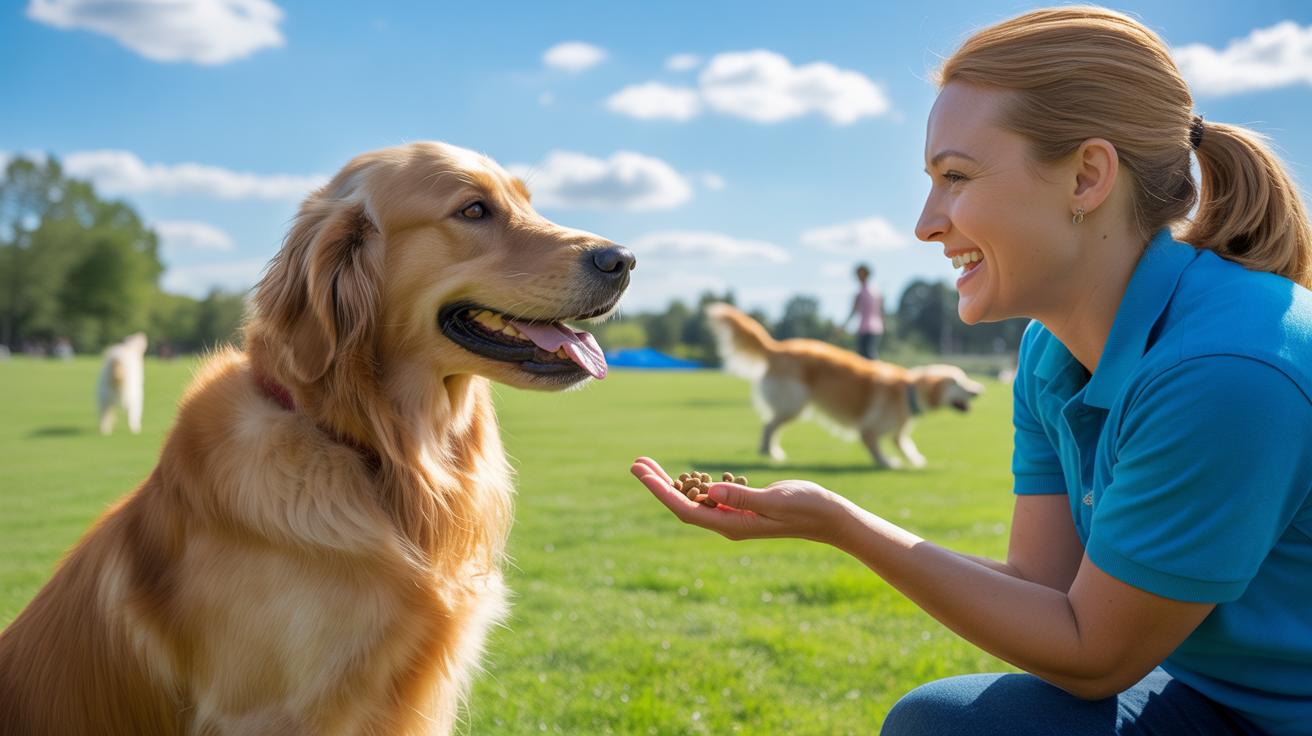
Take dogs as an example. You might have them hold a “sit pretty” pose, where they sit on their haunches with their front legs lifted slightly. This posture requires more core control than a simple sit. Holding it for several seconds builds endurance and stability.
In horses, a similar effect comes from standing squarely on all four legs while being gently asked to shift weight slowly from one leg to another. This creates a controlled balance that strengthens the core.
Even cats can practice core stability by quietly holding a stretch or a crouched stalking position, where core muscles engage to keep the body steady. These may seem subtle, but they’re effective.
Dynamic Exercises For Core Movement
Core strength gets a solid boost when animals move through controlled motions that demand balance and flexibility.
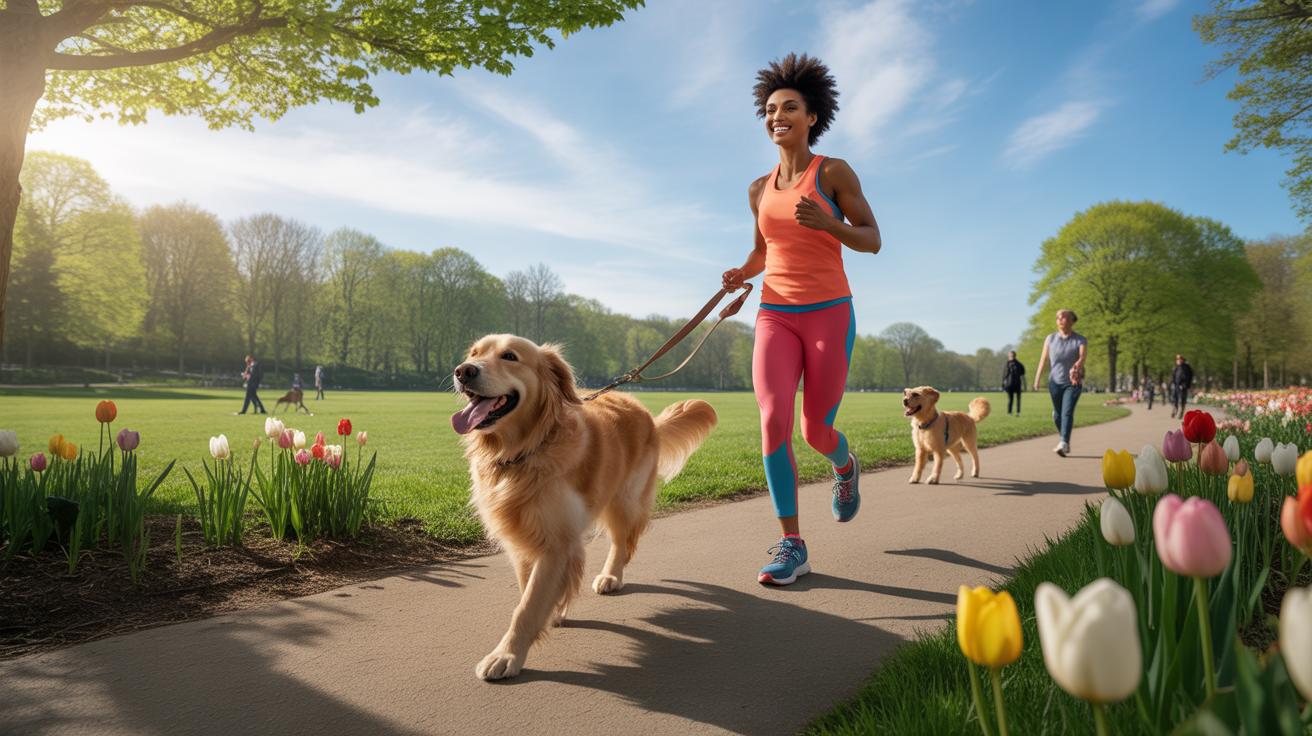
For dogs, walking on uneven surfaces like grass, sand, or gentle slopes encourages the body to adjust constantly, activating the core throughout. Encouraging slow turns or weaving through poles not only tests coordination but also stimulates the core dynamically.
Horses being led through bending circles or lateral movements ask the animal to engage deeper core muscles to maintain balance. This isn’t just exercise; it’s a way to improve graceful, controlled motion.
Smaller creatures benefit from mild climbing or hopping exercises. Think of a bird moving along irregular branches or a rabbit hopping onto different levels—these require a coordination of core and limbs.
Movement-based core work often includes pauses or slow controlled repetitions. It’s less about speed, more about control. Watching your animal grow stronger and more confident—sometimes even through small steps—is what really matters here.
Core Exercise Checklist For Owners
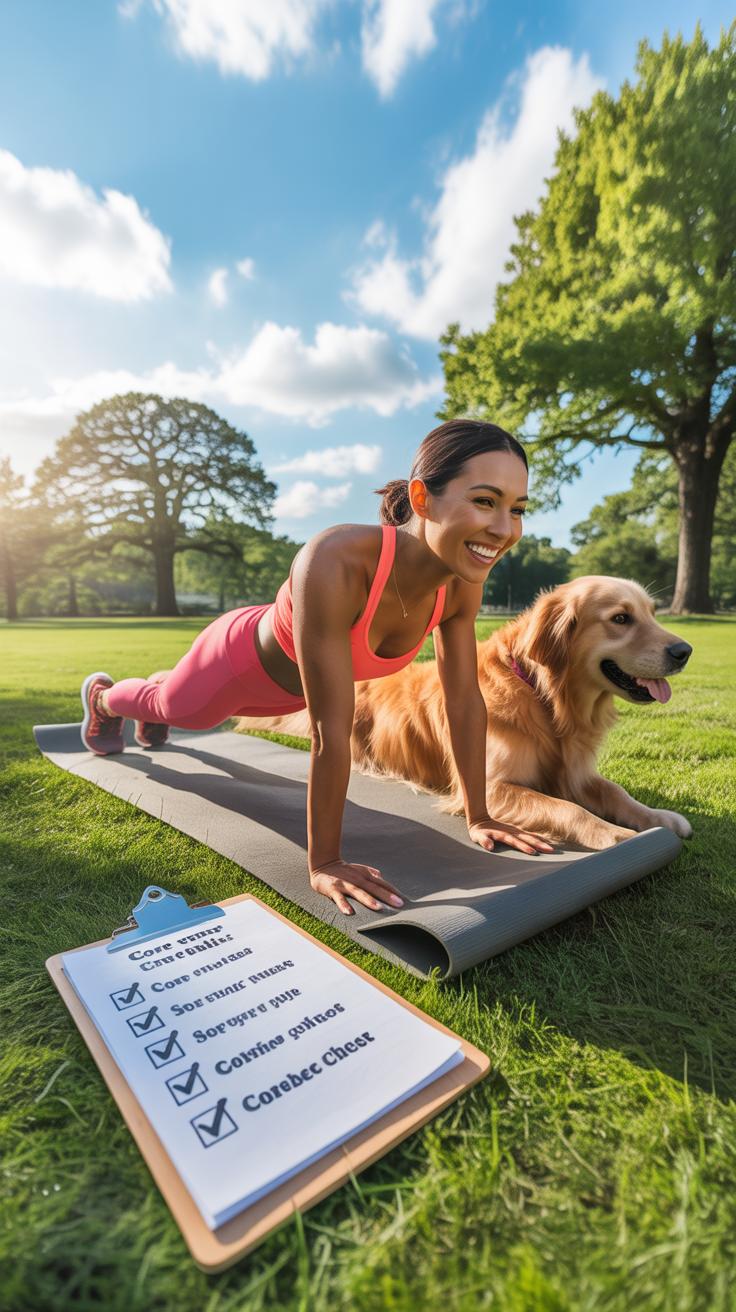
To help your pet get the most from core strengthening, it’s useful to have a clear checklist. You want to make sure exercises are done right, safely, and regularly—without feeling overwhelmed. Here’s a simple guide you can keep handy:
- Warm-up: Spend a few minutes gently moving your animal to loosen joints and muscles before core work.
- Proper posture: Check that your pet is stable and not compensating with other muscles during exercises.
- Controlled movements: Focus on slow, steady motions, avoiding any fast or jerky actions.
- Symmetry: Work on both sides evenly to prevent muscle imbalances.
- Short sessions: Keep exercises brief—about 5-10 minutes—so your animal doesn’t get too tired or stressed.
- Positive reinforcement: Use treats or praise to encourage effort and cooperation.
- Consistency: Aim for at least 3 sessions a week, but daily short bouts can be helpful.
- Rest days: Allow some recovery to prevent strain or boredom.
- Adaptations: Modify exercises for your animal’s age, breed, or any health issues.
Do you find your pet loses interest quickly? Sometimes mixing exercises or changing locations can help keep things fresh.
Daily Core Exercise Routine Tips
Incorporating core exercises into daily care doesn’t mean extra, complicated efforts. I’ve seen many owners blend core work with regular activities without much fuss. For example:
- Use simple balance exercises while petting your animal—ask them to sit or stand on an uneven surface.
- During walks, add gentle pauses where your pet shifts weight or gently twists their body.
- Include controlled sit-to-stand repetitions as part of feeding time—great for core engagement.
- Keep sessions short but frequent—maybe two or three times a day, a minute or two each.
Not all days will be perfect—and that’s okay. The key is to make it part of routine care, not a chore.
Signs Of Progress And Challenges
Tracking how your animal improves—or struggles—is tricky, but not impossible. You might notice more steady movements or less wobbling during exercises. Longer attention spans and eagerness to participate can be good signs too.
Challenges might show as stiffness, reluctance, or uneven movements. If your pet suddenly slows down or seems uncomfortable, it might hint the exercises are too intense or something else is going on. Sometimes results take weeks, not days, so patience helps.
Keeping a simple journal or checklist of exercises and responses can make it easier to spot patterns. Have you ever caught your pet suddenly favoring one side? That’s a clue worth noting.
Common Mistakes To Avoid

When working on core strengthening exercises with animals, some errors pop up more often than you might expect. One is pushing the animal to hold positions too long or repeating movements without breaks. Animals, like us, need rest, and ignoring that can lead to frustration or injury.
Another recurring mistake is improper form during exercises. For example, if a dog isn’t supported correctly during a balance move, their body may compensate, leading to strain elsewhere. It’s tempting to rush and tick off exercises quickly, but slow, careful execution matters a lot.
Something I’ve realized is that sometimes people rely too heavily on one type of exercise—like just stretching or just balance work. A more rounded approach often works better and prevents imbalances.
Finally, be careful about equipment use. Sometimes toys or props meant to aid can cause distraction or unsafe conditions if not introduced gradually or under supervision.
To avoid these pitfalls:
- Watch your animal closely for signs of discomfort.
- Start slowly and build up intensity over time.
- Mix different exercises to engage all core areas evenly.
- Use equipment thoughtfully and only when necessary.
Have you noticed these issues in your own core training sessions? What steps helped you fix them?
Comparing Core Training Methods

When it comes to strengthening your animal’s core, the approach you choose can shape the results you see. You might wonder whether to stick with manual exercises or bring in some equipment. Both have their perks and drawbacks, which makes picking one a bit tricky.
Manual exercises often involve simple movements or stretches guided by the owner. They’re easy to adapt and require no extra gear. For example, gently supporting a dog’s torso while encouraging balance can engage core muscles effectively. This hands-on method allows for real-time adjustments based on your pet’s comfort, but it can get tiring for you and might depend heavily on your skill and consistency.
On the other hand, special equipment like balance boards, stability balls, or resistance bands can add variety and challenge. Machines designed for animals might target muscle groups with precision, but they can be costly or intimidating for pets at first. Plus, you might find the equipment less flexible when tailoring exercises to your animal’s specific needs.
Then, there’s the question of workout duration. Short daily sessions, say 5 to 10 minutes, can keep your pet’s core active without stress. They fit easily into your daily routine and seem to maintain engagement better. In contrast, longer sessions done once or twice a week might push muscle endurance more but risk tiring your animal or making them less enthusiastic. Some animals might show better progress with less frequent but intensive workouts, but others might just lose interest or get stiff.
So, pick what feels right—and maybe try mixing methods. Do you find your pet responds better to hands-on time or equipment-led challenges? Do they perk up more with quick bursts or longer exercises? These small choices could shape their fitness journey in surprising ways.
Tracking Core Strength Progress

Measuring improvements in an animal’s core strength isn’t always straightforward. You might expect clear signs right away, but often they come gradually, in subtle ways. Watching your pet move over time is key. Pay attention to how steady they are when walking on uneven ground or how well they hold certain postures introduced during training.
One practical approach is to keep a simple journal or log. Record notes like their ability to balance on different surfaces, duration of certain holds, or how easily they complete core-related activities. These little details give you clues on progress. You’ll notice trends, even if some days seem less consistent.
Don’t just think about strength—fitness is broader. Factors like endurance and flexibility can also influence how well the core supports overall movement. So tracking various aspects together can give a fuller picture.
Simple Tests To Evaluate Stability
If you want to test your animal’s core stability without fancy tools, there are a few basic exercises you can try. For instance, challenging your pet to stand on a wobble board or an uneven surface helps. See if they can maintain balance for a set time—start small, maybe 10 seconds, then increase.
Another easy test is the “sit-to-stand” test. Does your animal rise smoothly without wobbling or tipping to one side? If they seem off-balance, it could indicate their core isn’t supporting them fully yet.
You could also watch them walk on a narrow path or beam. Notice if they wobble, hesitate, or shift their weight unevenly. These simple activities reveal a lot about core stability, and you can repeat them periodically to observe changes.
Using Activity Monitors For Feedback
Technology offers some useful ways to get feedback on your animal’s core fitness. Activity trackers are becoming more common—not just for people. These devices can monitor movement patterns, intensity, and even rest periods.
By looking at data across days or weeks, you might see changes in how active or steady your animal is. For example, more consistent steps or fewer sudden stops could hint at better core control. Some monitors even track specific activities, which helps link exercises with progress.
Still, technology isn’t perfect. Sometimes data can be misleading, especially if your pet is anxious or distracted. That’s why it works best alongside hands-on observations and simple tests. Combining both gives you insight that’s richer than either alone.
Integrating Core Work Into Daily Life

Incorporating core strengthening into your animal’s routine doesn’t need to be a separate, formal session. You can weave it into moments you already share—feeding, walking, grooming. For example, encouraging your pet to balance on uneven surfaces during walks naturally engages their core muscles. Even simple changes like asking for a quick sit-stay before meals can subtly challenge stability and focus, helping core activation.
Think about grooming time, too. If your animal shifts weight from one side to the other or stands on different surfaces, they’re actually working their core without much effort. It’s not about adding workload, but about nudging natural movements toward more conscious muscle use.
- Use balance pads or soft ground to vary footing during short outdoor plays.
- Encourage standing on hind legs briefly during casual play—it’s surprising how much their core kicks in here.
- Introduce gentle turns or twists in leash walks that require slight body adjustments.
The key is subtlety. Don’t overthink it—sometimes, the smallest adjustments lead to meaningful strength gains. Have you noticed how your pet reacts when asked to hold a position slightly longer? That’s core training in disguise, really.
Daily Movement With Core Focus
Not every daily action must be a workout, but plenty support core strength naturally if you pay attention. Ask yourself: how much shifting weight, balancing, or twisting does my animal do during everyday activities? Those small moments add up.
Encouraging natural exploratory behaviors—like sniffing around low bushes or climbing gentle slopes—can quietly engage core muscles without causing fatigue. Even brief bursts of movement that require posture changes stimulate those central muscles.
- Let your animal move at varied speeds and directions during walks instead of a steady pace.
- Use toys or feeding puzzles placed at different heights or angles.
- Allow them to navigate obstacles, like stepping over logs or stones.
Such activities may seem ordinary but help maintain and develop core strength over time. In a way, these movements mimic scenarios your animal’s body adapted for—a kind of low-key, low-risk exercise.
Combining Play And Exercise
Playtime isn’t just a chance to burn energy—it’s an opportunity for core strengthening, too. When you mix exercise goals with fun, your animal stays interested and benefits physically without it feeling like a chore.
Try choosing toys or games that ask for more than sprinting or jumping. Tug-of-war or games that encourage reaching and twisting prompt core muscle use. Simple balancing challenges hidden in play can keep your animal guessing and focused.
- Hide toys partially under objects, prompting reaching and lateral movement.
- Use interactive toys that make your animal twist or lean.
- Rotate play zones so your animal moves over different surfaces and inclines.
Personally, I’ve noticed that when my dog has to maneuver around obstacles or shift his weight during play, he enjoys it more and seems more engaged afterward. Mixing in these elements keeps the workout fun and natural. Do you find your animal resists formal exercises but thrives when play gets a bit creative?
Conclusions
Core strengthening exercises play a vital role in enhancing the health and fitness of animals. By targeting the key muscles in the abdomen and lower back, these exercises help animals gain stability, reduce injury risks, and improve their movement capabilities. Regular core training supports their overall well-being and physical performance.
Incorporating core exercises into an animal’s routine requires understanding their anatomy and needs. Using safe and effective methods ensures positive results. By focusing on the core muscles, you promote long-term health and fitness, helping animals stay active and comfortable in their daily lives.