Introduction
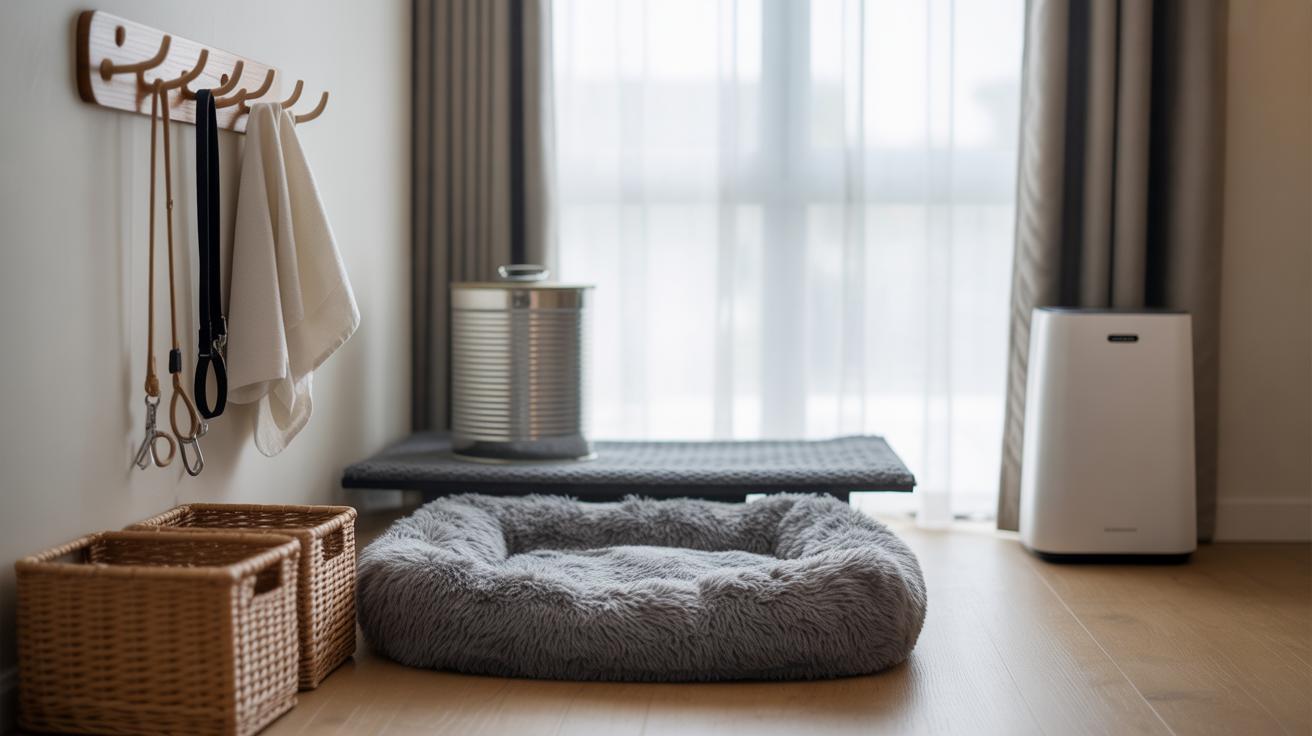
If you have a dog, you know how quickly their space can become cluttered with toys, food bowls, and bedding. Setting up a dedicated dog corner is a smart way to keep your home tidy and make sure your dog has a comfortable spot all their own. This article will show you how to set up a dog corner that controls clutter and odor, making your life easier and your dog happier.
A dog corner is not just a place for your dog but a space that needs good organization and odor control. We will explore practical tips to help you create a dog corner that stays clean, smells fresh, and keeps your dog’s needs in mind. By following the ideas here, you can enjoy a home that feels welcoming for everyone.
Choose The Right Location For Your Dog Corner
Accessibility And Comfort
Picking the spot for your dog’s corner should put your pet’s comfort first. You want a place that’s easy for them to reach without obstacles, especially if your dog isn’t the most agile or is older. Think about areas that aren’t right in the middle of your busiest rooms, where noise and lots of foot traffic might spook or disturb them. Quiet nooks or corners near living spaces work well since your dog still feels part of the household without being overwhelmed.
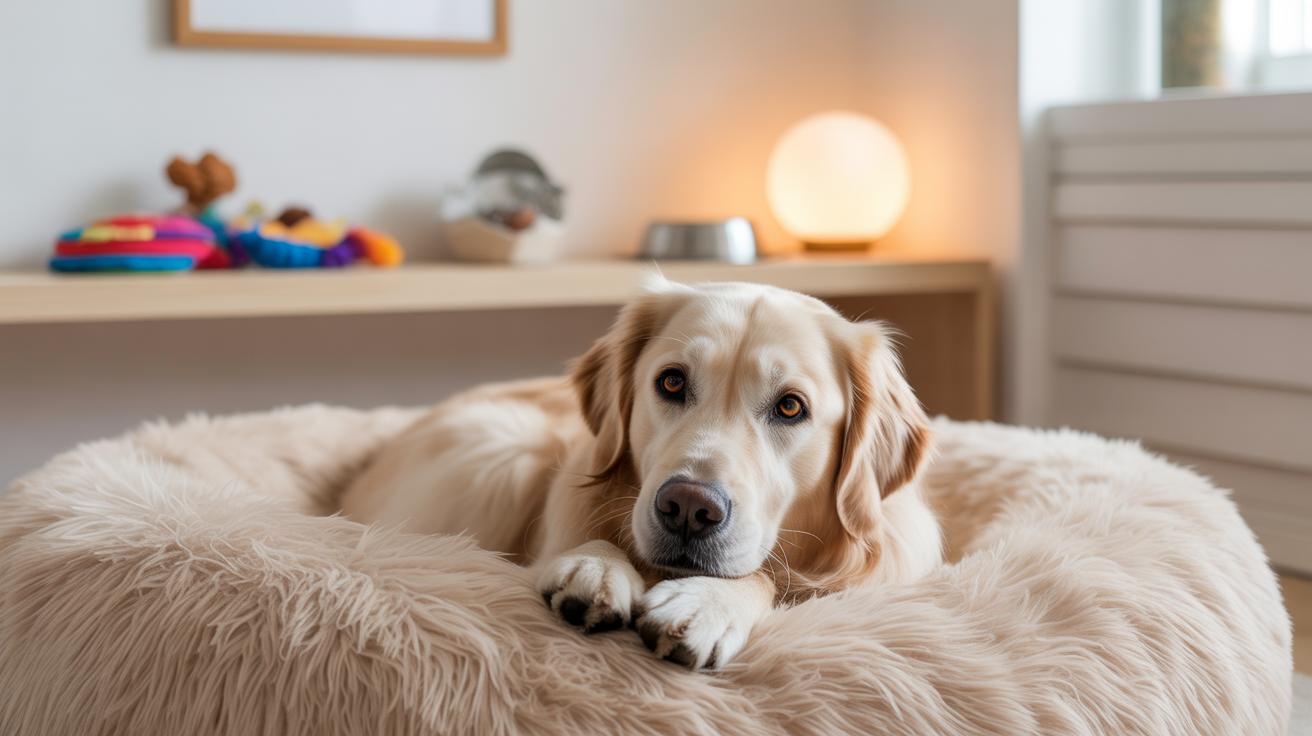
It’s a subtle balance, though. Sometimes a quieter place might make your dog feel isolated, which they won’t like. I remember trying to tuck my dog’s bed in a far corner downstairs, thinking it would be peaceful, but she just seemed lonely. So, keep an eye on how your dog responds after you set the corner up. Comfort means more than soft bedding — it’s about a sense of safety and easy access.
Ventilation And Odor Management
Good airflow can do a lot to manage smells and keep the dog corner from becoming a stinky problem. Places close to windows or near a vent help air circulate and reduce lingering odors. If your chosen spot is a bit enclosed, a small fan or air purifier might help keep the air fresh, but open-air spots are ideal for obvious reasons.
That said, you might have to compromise. For example, a spot near a door might offer great airflow, but if the drafts bother your dog, then that’s not really a win. Have you ever noticed how odors seem to settle into corners with poor circulation? A bit of airflow interrupts that, making the area more pleasant for everyone.
Also, consider the direction and timing of airflow — morning breezes versus afternoon sun can change how much ventilation you get and affect odor levels. The right location for a dog corner strikes that fine line between being accessible and ventilated enough to keep both your dog and your home more comfortable. It might take a little experimenting, but finding that spot is worth it.
Organize Dog Supplies To Reduce Clutter
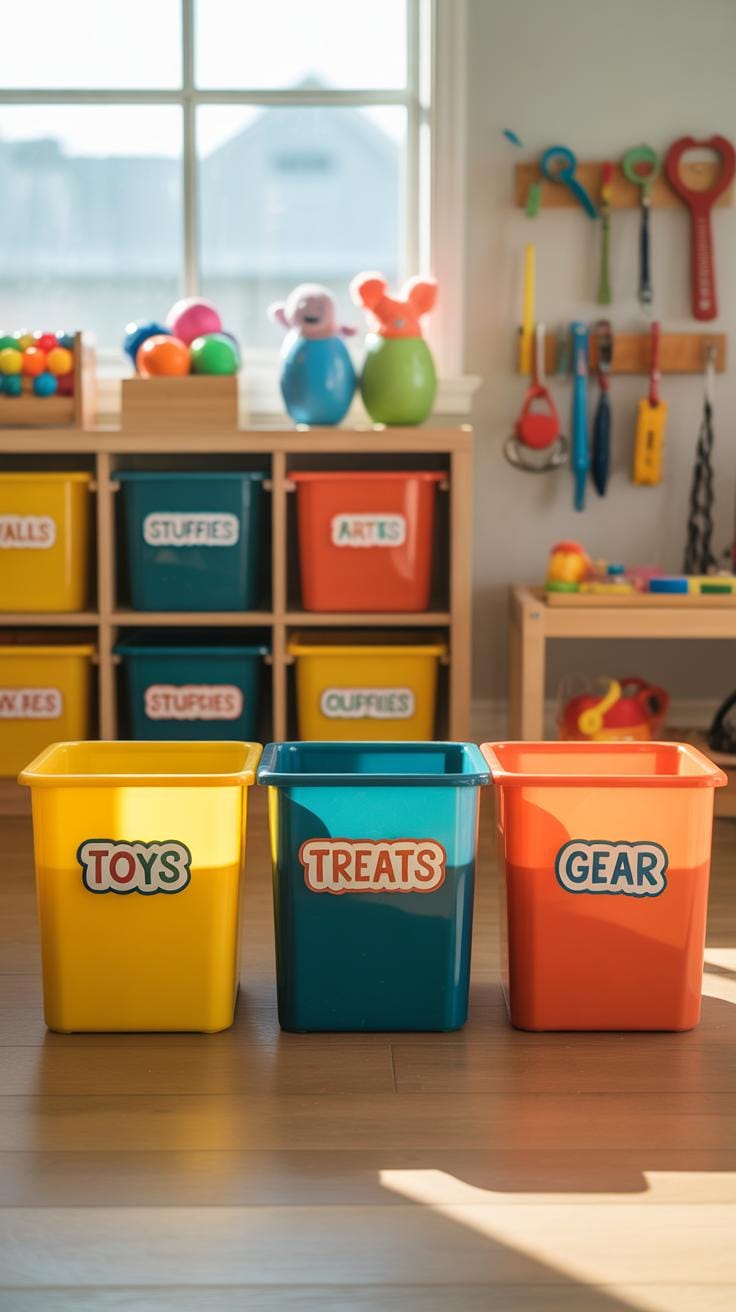

Finding a place for everything can be challenging when dog toys, food bags, and grooming tools start piling up. You might think tossing them in a corner works—but that often leads to clutter and frustration. Instead, take a moment to group items by type. Keep toys together, separate from grooming supplies or food. This grouping alone cuts down scramble-time when you need something quickly.
Storage ideas that actually make sense include:
- Bins with lids: Perfect for toys or treats, especially if your dog loves to get into things. Clear plastic bins let you see what’s inside without opening every lid, which saves time.
- Shelves: Not just for books. Small wall-mounted shelves can hold grooming sprays, brushes, and smaller items neatly off the floor.
- Hooks or pegboards: Great to hang leashes, collars, and even some grooming tools. You might hesitate at first about visible storage, but it actually helps keep things in order because everything has a spot.
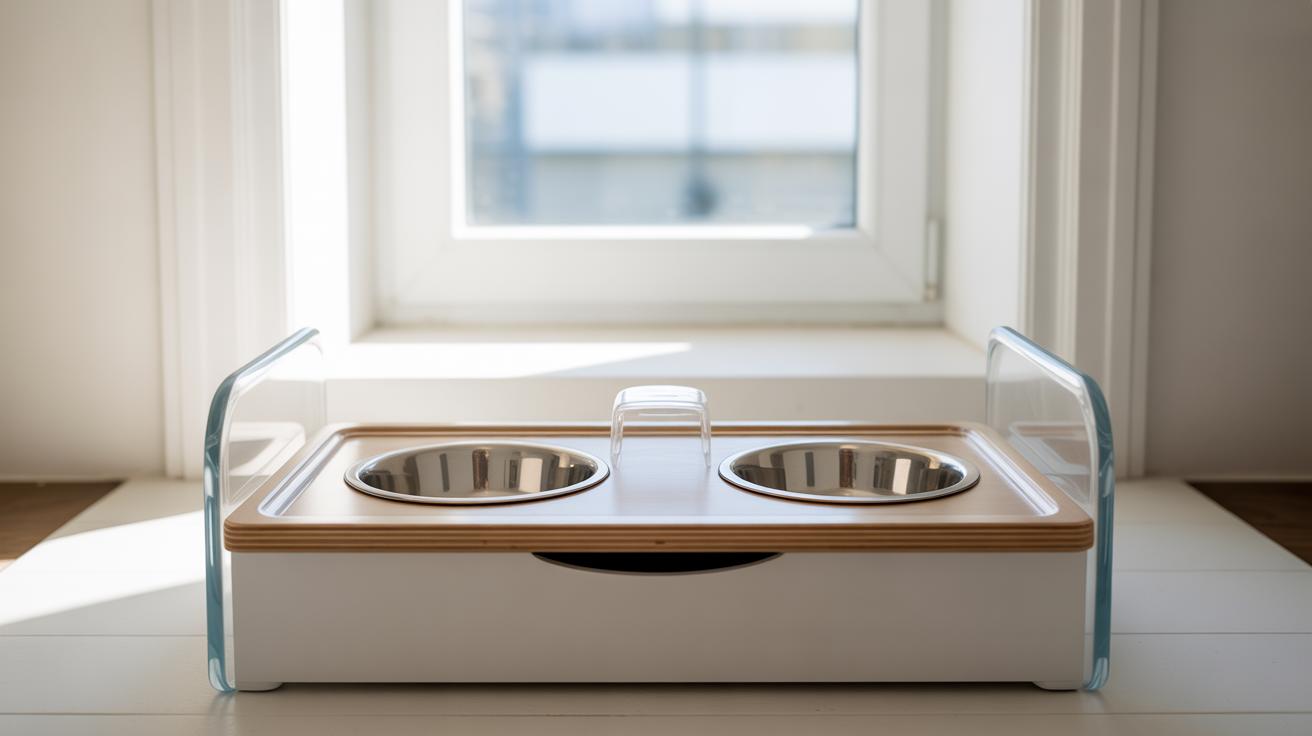
When it comes to setting up your dog’s feeding area, having a dedicated spot changes everything. Try placing washable mats under food and water bowls to catch spills and crumbs. It sounds simple, but this setup often saves the floor from stains and reduces odor buildup.
What about bowls themselves? If your dog is a bit messy, weighted or non-slip bowls make a big difference—less pushing around means fewer drips and less mess. And positioning this feeding station away from your human eating area helps contain smells and keeps routines tidy. It’s definitely worth experimenting with if you’ve been dealing with unexpected food spots on the floor.
Select Durable And Washable Materials
When setting up your dog corner, the materials you pick for bedding and flooring can make a big difference. Think about fabrics and surfaces that stand up to stains and don’t soak in odors. It’s tempting to choose soft, plush materials for comfort, but if they hold onto dirt or smells, cleaning becomes a constant battle. Look for tightly woven fabrics or those with waterproof layers beneath. They’ll protect the bed from accidents or muddy paws without sacrificing coziness.
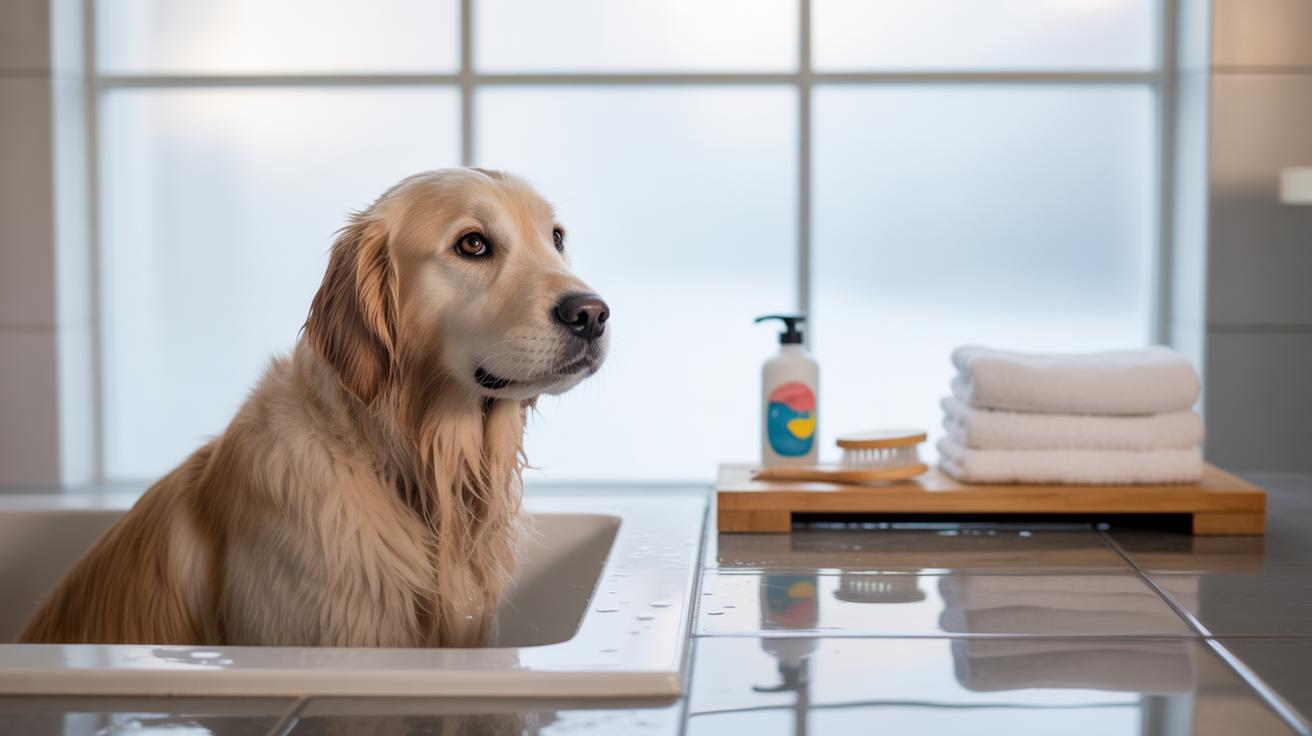
Dog beds with removable covers are a lifesaver. Some have zippers, others just pull off like a pillowcase. Waterproof or water-resistant materials are also helpful—especially if your dog’s prone to drooling or occasional accidents. I’ve tried memory foam beds with removable covers, and even after months of use, washing the cover keeps things fresh. It’s easier than replacing a whole bed.
Flooring is another piece of the puzzle. Carpets and rugs? Maybe not the best in a dog corner. They trap dirt and odors and are tough to maintain. Instead, consider materials like tile, linoleum, or vinyl—surfaces that you can quickly wipe down. Some tiles even have anti-microbial surfaces, which can be helpful to reduce odors. I guess you could argue hardwood floors work if sealed well, but in my experience, a little spill can lead to stains or smells lingering.
To keep your dog’s space from feeling cluttered and stale, focus on materials that resist mess but don’t feel too cold or hard underfoot. It’s a bit of a balance. What’s your dog’s usual mess level? That might guide which options you lean toward.
Implement Regular Cleaning Routines
Keeping your dog corner clean isn’t just about looking tidy — it really affects your dog’s comfort and health, and your home’s overall feel. Setting up a routine might seem a bit much at first, but once you find a rhythm, it becomes second nature. You’ll probably notice the space stays fresher, and odors won’t sneak up on you unexpectedly.
Daily Spot Cleaning Tips
Every day, spend just a few minutes on quick tasks. Wiping out food and water bowls saves a lot of grime buildup. Picking up toys or stray fur stops clutter from piling up. You don’t have to deep clean each day; little habits add up. It might even become a calming ritual after work, knowing you’re caring for your pet’s space.
Deep Cleaning Frequency
Once a week, a more thorough clean pays off. Wash the bedding—trust me, it’s surprising how much dirt and odor get locked in there. Mopping or vacuuming the floor around the dog corner helps tackle hidden hair and dust. Some people go monthly with deep cleaning, but weekly feels more manageable, especially if your dog sheds or tracks in dirt. You might wonder if this is overboard, but a clean space seems to make your dog more relaxed, which is worth it.
Control Dog Odor With Natural Solutions
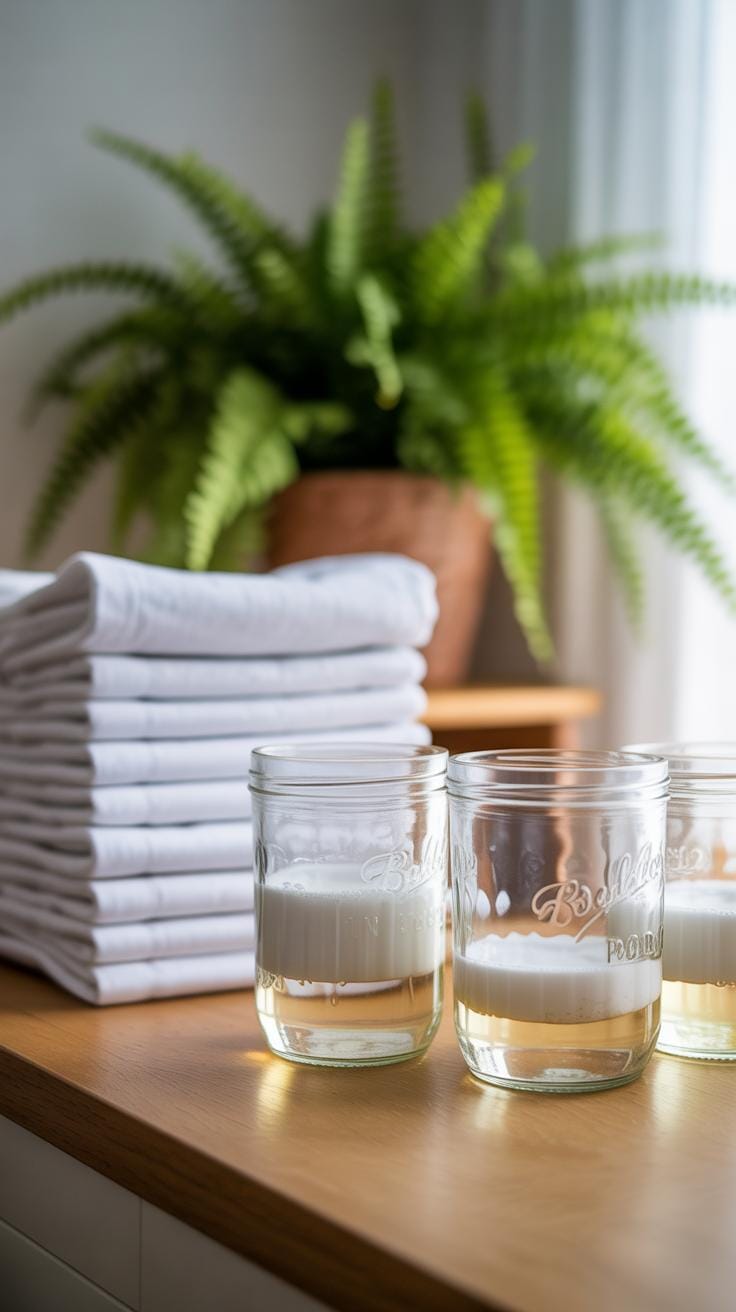
When it comes to managing dog odor in your designated corner, a few natural tricks can make quite a difference. One method I keep coming back to is baking soda—it’s simple, cheap, and surprisingly effective at absorbing unpleasant smells.
Use Baking Soda For Odor Absorption
Sprinkling baking soda on your dog’s bedding or the nearby carpets is a pretty straightforward step. The powder sinks into fibers, pulling out smells instead of just masking them. I usually let it sit for 15 to 30 minutes before vacuuming, which helps freshen the area noticeably. You might wonder if that’s enough. Well, over time, this small habit adds up to a cleaner-smelling dog corner without any harsh chemicals.
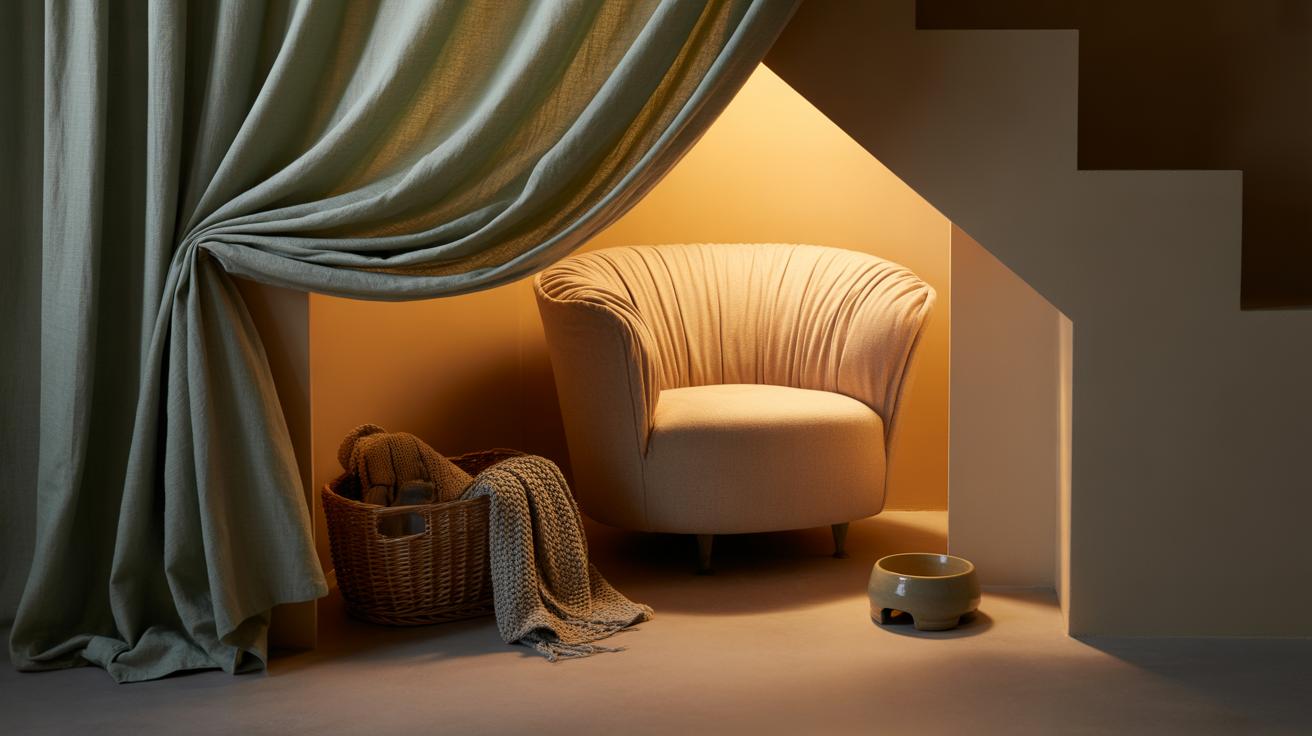
One thing to keep in mind is that baking soda works best when used regularly, not just when a smell suddenly hits. Integrating it into your cleaning routine helps maintain freshness rather than chasing odors after they settle in.
Add Air Purifiers And Ventilation
Besides baking soda, air movement plays a bigger role than many expect. Air purifiers targeting pet dander and odors can clear the air significantly. I have one near my dog’s spot, and switching it on after playtime and naps seems to reduce lingering smells.
Opening windows whenever possible also helps, especially on dry days. Fresh air cuts through stagnant odors that get trapped in corners. Sure, sometimes the weather or outdoor allergens get in the way, but when conditions allow, letting in fresh air is one of the easiest ways to keep the space feeling clean.
Do you notice sharper smells when the air feels still? That might be why circulation matters more than we often realize. Combining baking soda with air purifiers and ventilation covers multiple fronts against odor, creating a balanced, natural approach.
Maintain Your Dogs Grooming To Reduce Smell
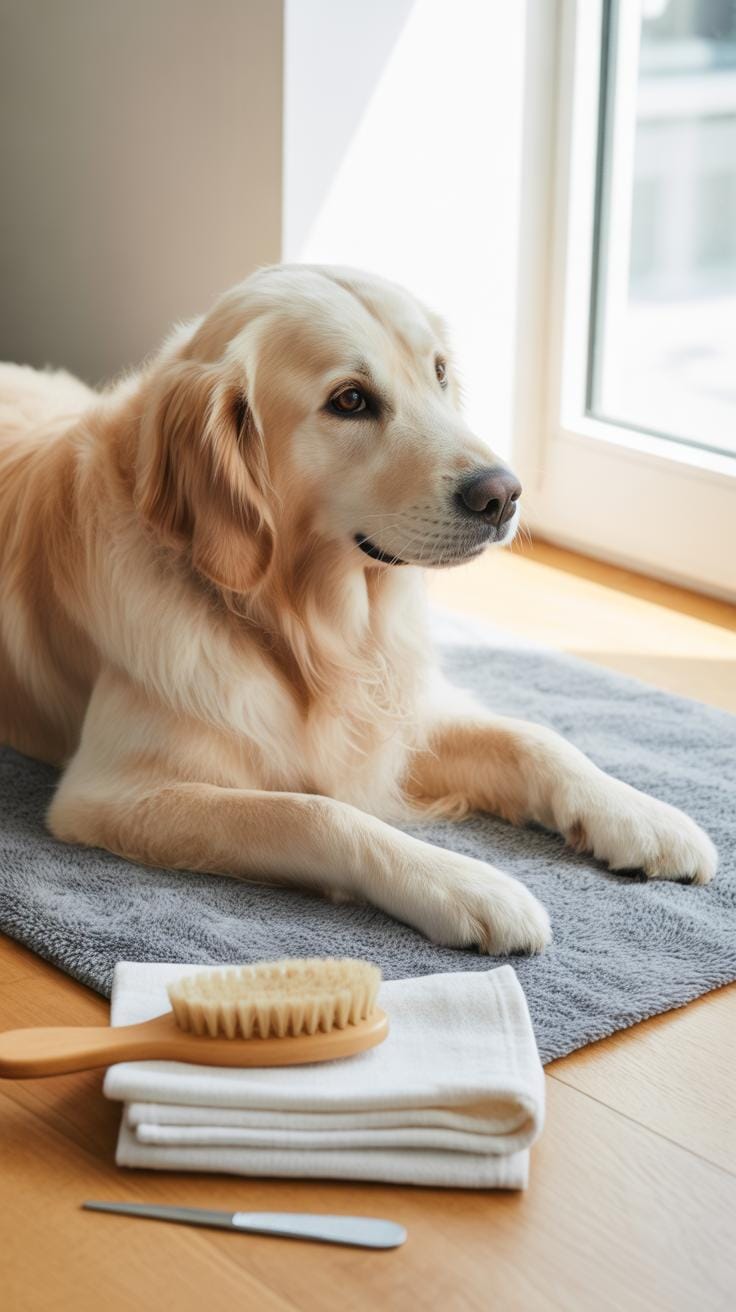
Regular grooming does more than just keep your dog looking neat; it really helps control odors in their corner. Bathing removes dirt, oils, and sweat that build up on the coat and skin, which are often the main sources of that familiar dog smell. Brushing helps clear loose hair and distribute natural oils evenly, so the coat can stay healthier and less prone to trapping unpleasant scents.
Setting up a grooming schedule depends a lot on your dog’s coat type. For example:
- Short-haired breeds, like Beagles or Boxers, usually benefit from a bath about once a month and weekly brushing to keep shedding under control.
- Dogs with medium to long coats, such as Golden Retrievers or Cocker Spaniels, might need bathing every 3 to 4 weeks and brushing several times a week to prevent mats where odor can hide.
- Curly or dense-coated dogs – think Poodles or Bichons – typically require more regular trimming and brushing, about every 2 to 3 weeks, plus baths as needed to avoid buildup.
Choosing the right grooming products can make a big difference, too. Shampoos with ingredients like oatmeal or activated charcoal often work well to reduce odor without drying out skin. Some sprays designed to neutralize smells are handy in between baths, especially if your dog spends time outdoors or is active. Over time, a consistent routine with the right products really helps your dog’s corner stay fresher. Have you noticed a difference after switching to a specialized shampoo? It can be subtle but worth the effort.
Train Your Dog To Use The Corner Properly
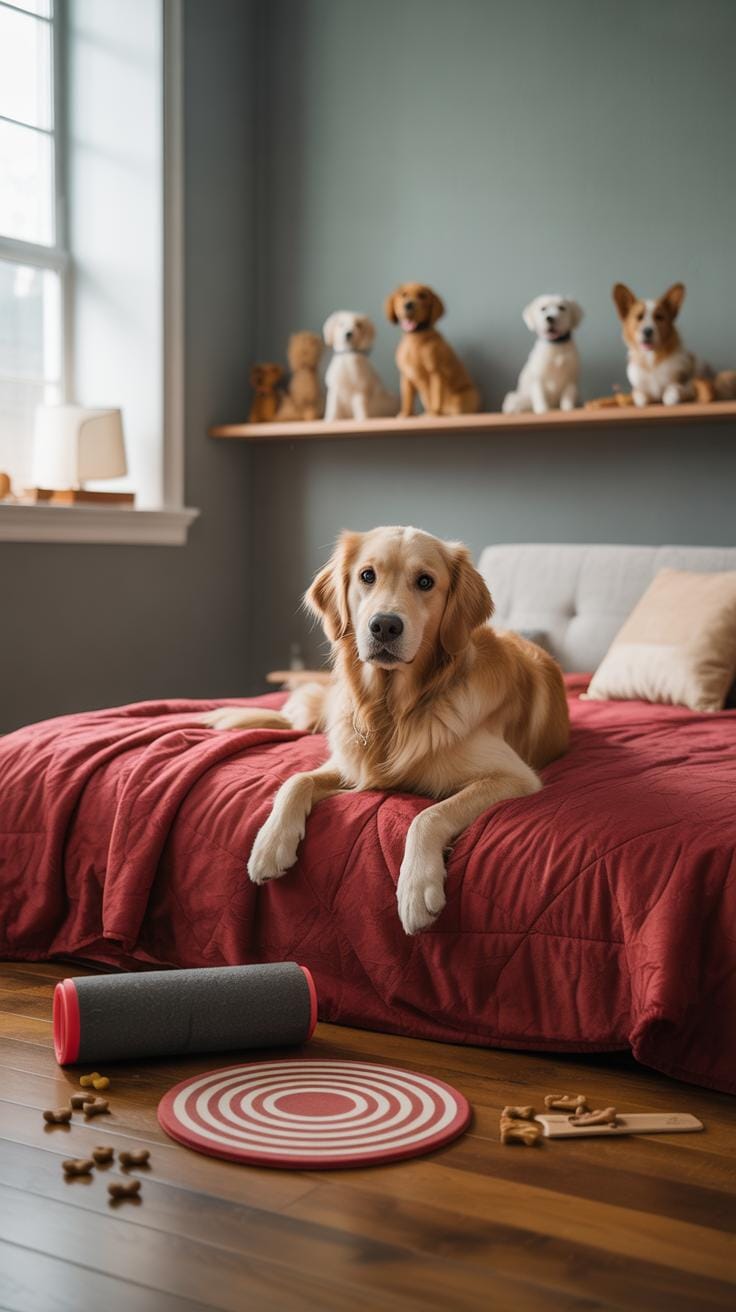
Getting your dog to respect their designated corner can feel tricky at first, but it’s really just about consistency and patience. Start by clearly defining each area—bed, feeding station, and play zone—so your dog begins to associate each spot with a specific activity. You might notice your dog naturally gravitates toward one area, but encouraging them to stick to the right behavior in each place helps keep things tidy.

Try guiding your dog to the bed when it’s time to rest. Use treats or gentle praise when they settle down there. For feeding, make it a routine—only offer meals in the feeding station. Over time, your dog will expect to eat there and not elsewhere. With toys, rotate them and keep only a few out in the play area; this can prevent scattering and clutter.
To reduce mess created by chewing or tossing toys, provide chew-safe options and supervise playtime. If your dog starts throwing toys around, redirect their attention with commands or a quick play session that ends with toy tidying. Some dogs need reminders to understand boundaries—it’s not unusual to feel like you’re repeating yourself.
Does your dog respect their corner all the time? Probably not. But steady reinforcement makes it easier to manage the space and keep clutter and mess under control over time. It’s about building habits, for both you and your dog, one small step at a time.
Address Common Sources Of Odor
When it comes to dog odors, pinpointing where they come from can be trickier than it sounds. It’s not just about the obvious smells — like the dog’s breath or wet fur. Think about spots you might overlook: the corners of beds, the underside of bowls, or even your dog’s paws after a rainy walk. Tackling these sources one by one helps control persistent smells that otherwise cling stubbornly to your space.
Cleaning up accidents immediately has to be a top priority. Even if you’re rushed or tired, leaving urine or feces unattended gives odors time to sink in and become hard to remove. Using enzymatic cleaners designed specifically for pet stains usually works better than regular cleaners—they get rid of the smell rather than just masking it.
Washing bedding and toys frequently can make a bigger difference than you might guess. Fabrics trap odors, and no matter how much you air things out, the smell can lurk beneath the surface. Tossing dog beds, blankets, and plush toys into the wash once a week—or more if your dog is especially smelly—helps keep that corner fresh. I’ve noticed that when I slack on this, the whole area feels… off, even if everything else looks tidy.
So, you might ask: how often is often enough? It depends on your dog’s habits and environment, but generally, washing once a week keeps things manageable. It might feel like a chore, but the improvement in smell is definitely worth it.
Use Technology To Help Manage The Dog Corner
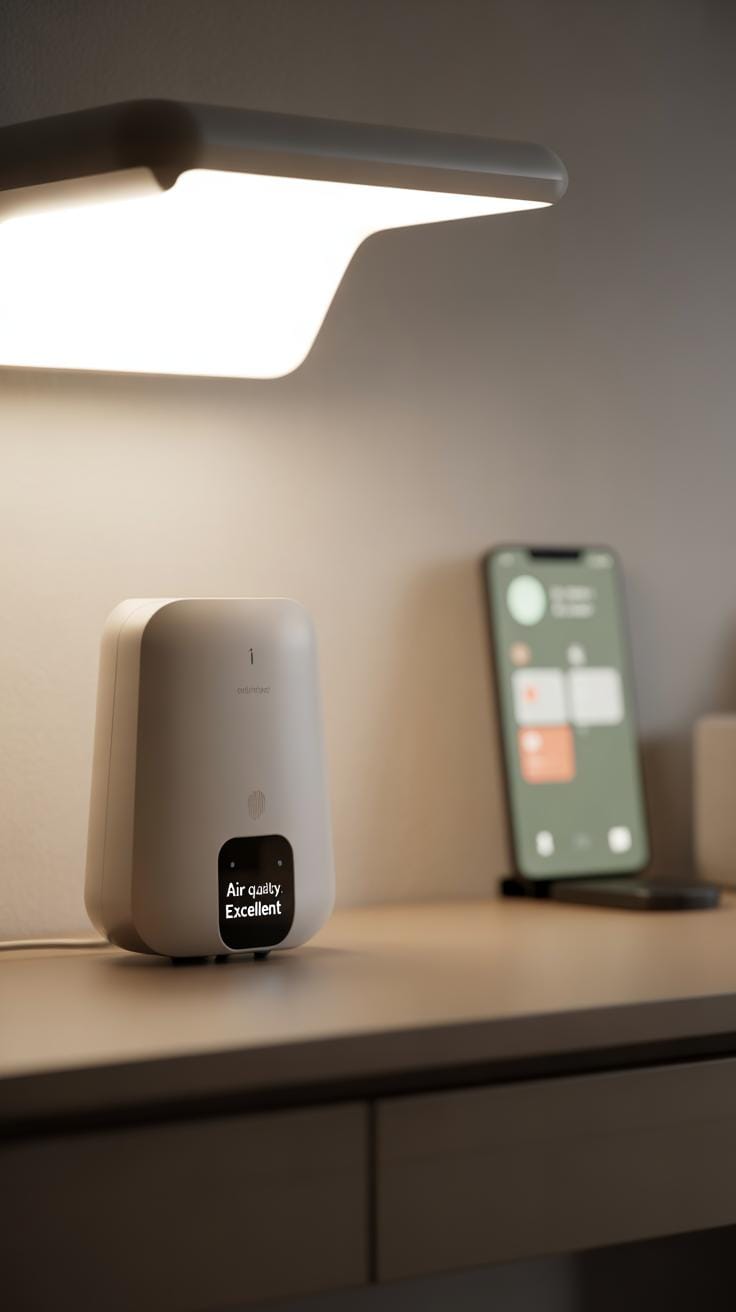
Technology can make managing your dog corner less of a hassle. Think about how much time you spend cleaning fur, picking up crumbs, or airing out the space. With a few gadgets, some of that effort gets cut down.
Automatic Cleaners And Air Filters
Robotic vacuums are great for this spot because they can run while you’re busy with other things. Some models even have special brushes or suction made to handle pet hair better. I wasn’t sure if a robot could really manage all the mess, but it surprised me by catching dirt I didn’t even notice. Not every vacuum is the same, though. So, checking features like battery life and noise level helps.
As for air quality, air purifiers built for pet owners target those tiny dander particles and odors. Some use HEPA filters, while others have activated carbon layers. They don’t stop every smell, but you can tell the room feels fresher. Just remember, these devices work best when paired with regular cleaning, not as a full substitute.
Odor Neutralizing Devices
There are also gadgets designed specifically to cut down dog odors without harsh chemicals. Electronic ionizers and ozone generators come to mind, but they can be tricky to use around pets safely. More reliable might be sprays that neutralize rather than mask smells. For example, enzymatic sprays break down the source of the odor and seem to last longer than some air fresheners.
Still, some treatments work better in theory than in practice. You might try a few before settling on what feels right for you and your dog’s space. In the end, the right tech tools can take some of the dread out of managing the dog corner, making it a cleaner, calmer place for everyone.
Create A Routine That Works For You And Your Dog
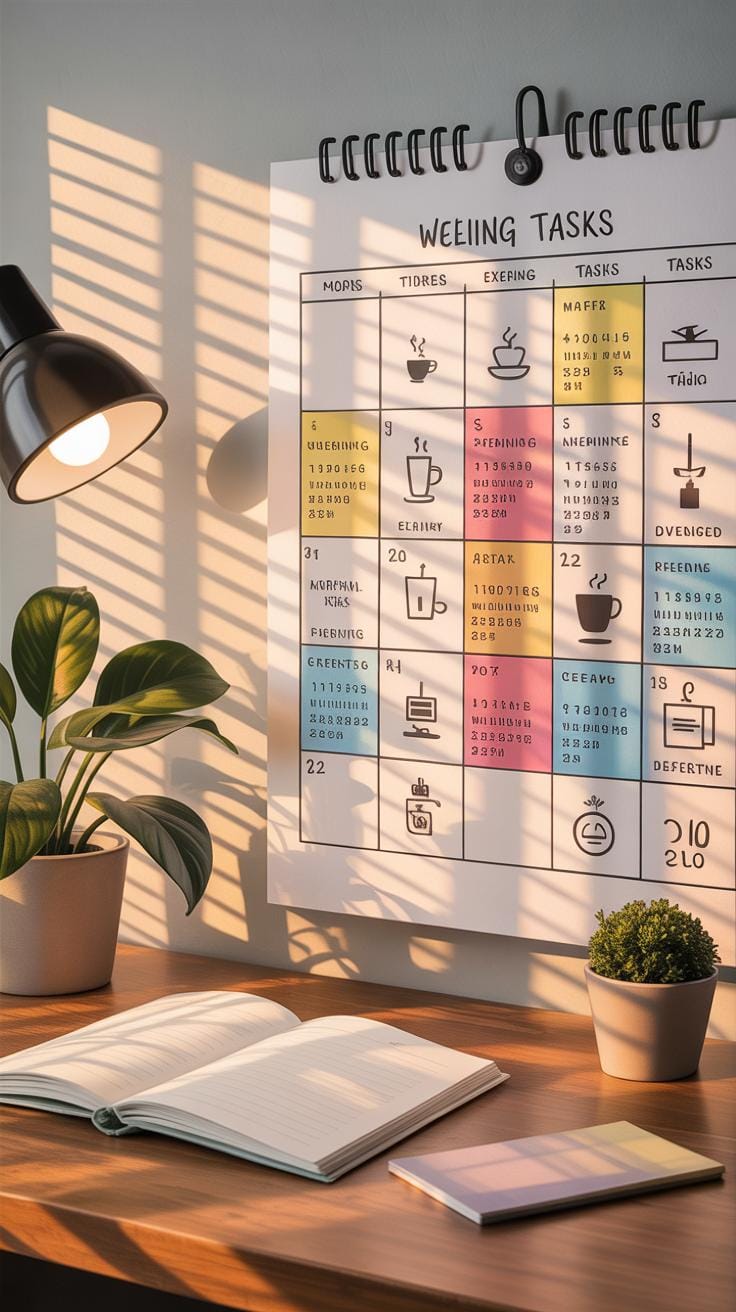
Setting up a dog corner is one thing, but keeping it tidy and odor-free over time takes some commitment. The key lies in crafting a routine that fits your lifestyle and your dog’s habits. You don’t need a complicated system—just a few daily and weekly tasks that don’t feel like a chore.
For example, every day you might quickly scoop and wipe the area around food and water bowls. Putting away toys that have been scattered is a simple step. A quick spray of odor neutralizer can make a big difference without much fuss. Then, once a week, washing your dog’s bedding or mats and vacuuming the area helps keep dirt and dander from building up.
Watch how your dog uses the space. Does your dog shed more during certain times? Does the water bowl tend to spill? Let your observations guide adjustments. Some days might need a little extra attention, while others feel practically effortless. It’s a flexible rhythm, not a rigid schedule. The goal is to make the dog corner a stress-free zone you both respect.
Conclusions
Setting up a dog corner that controls clutter and odor takes some planning but brings great rewards. Organizing your dog’s belongings and choosing the right cleaning tools helps keep the space neat. Regular grooming and proper ventilation prevent odors and make the area pleasant.
Your dog’s corner should be a spot both you and your pet enjoy. Keep it simple, clean often, and adjust based on your dog’s habits. With these steps, you will have a welcoming, hygienic area that supports your dog’s health and your home’s cleanliness.