Introduction
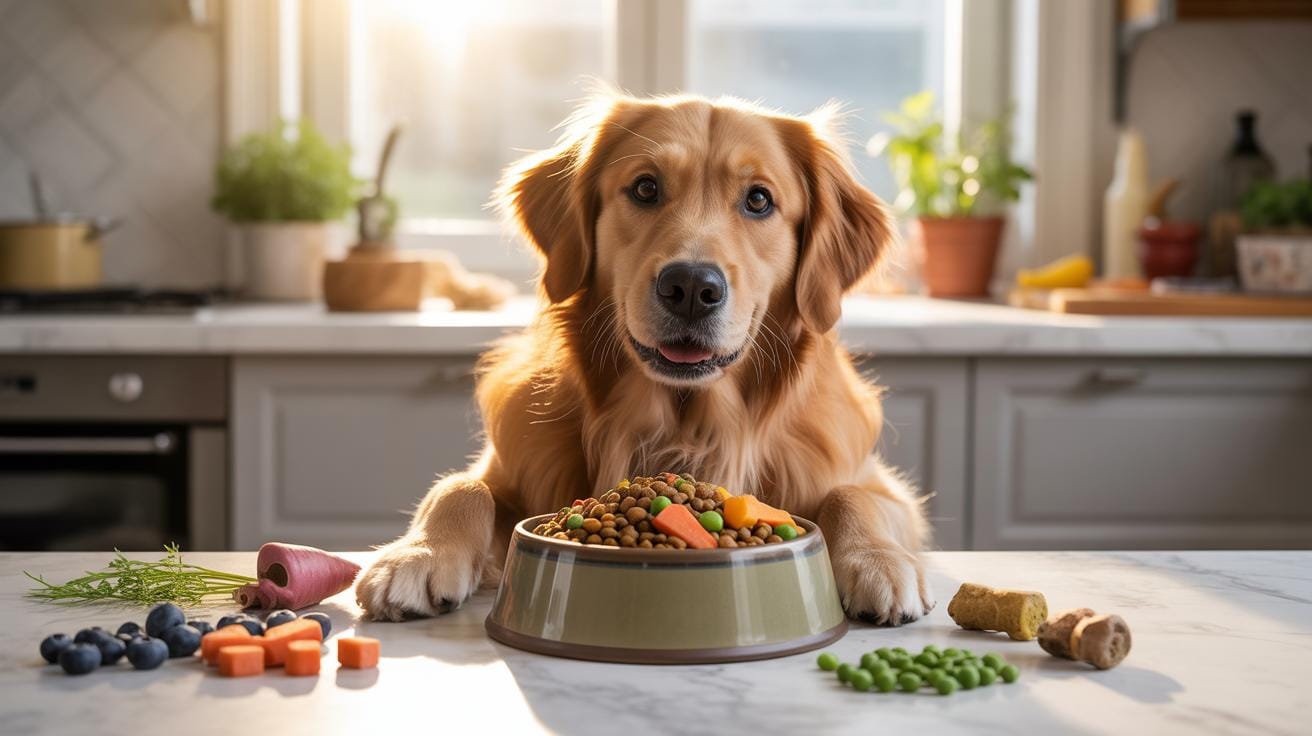
Dogs rely on their owners to provide proper nutrition and establish good eating habits. The way your dog looks at food and eats can reveal a lot about their health and well-being. Dog eating habits impact their energy, digestion, and overall happiness. This article, Dog Looking At Food Tips For Better Dog Eating Habits, offers simple and practical advice for helping your dog develop healthy feeding routines.
We explore common challenges when feeding dogs and provide easy tips to improve their habits. From understanding the type of food to offer, to making mealtime enjoyable, these chapters guide you on how to care for your dog’s diet. By following these recommendations, you can support your dog’s health and create a positive eating environment that suits both you and your pet.
What Dogs Need To Eat
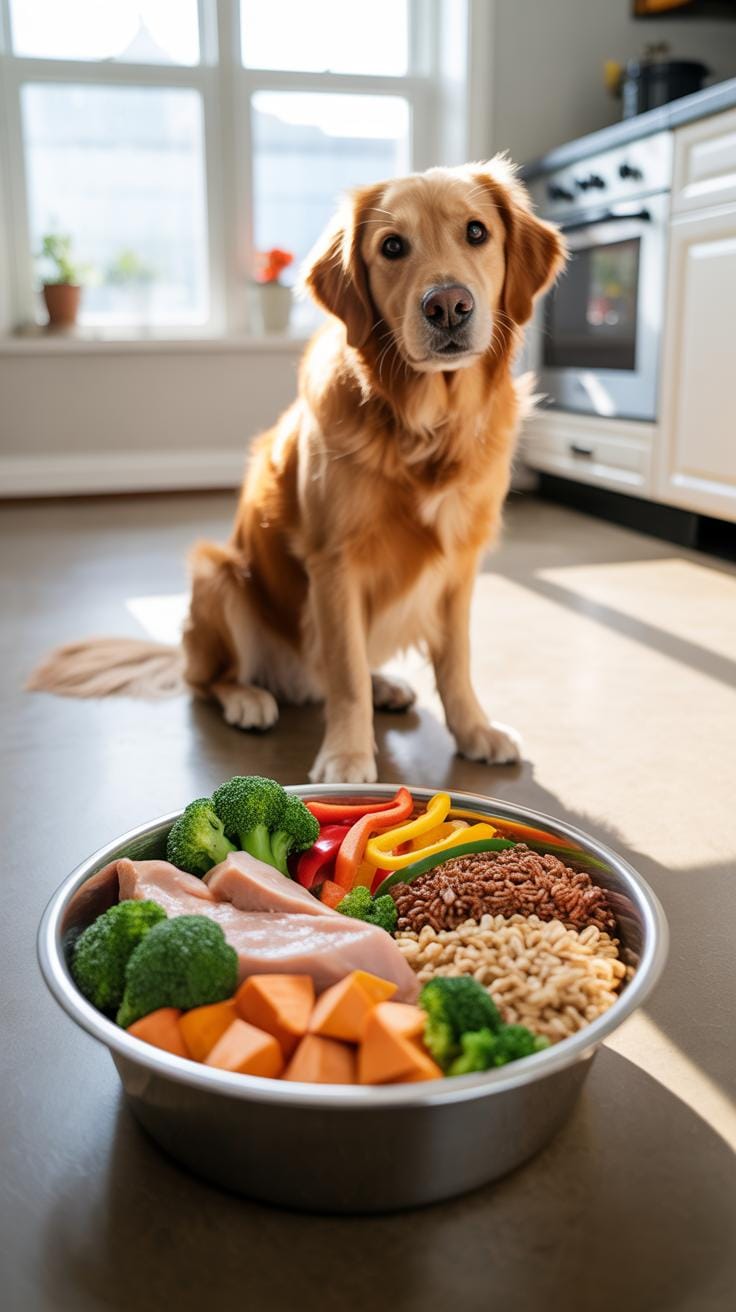
Dogs aren’t just small humans; their nutritional needs differ quite a bit, and so does their digestion. Unlike humans, dogs have a shorter gastrointestinal tract, reflecting their carnivorous heritage. This design means they digest proteins and fats more easily than complex carbohydrates. Yet, through their long closeness to humans, dogs developed the ability to digest starches better than some other carnivores.
A balanced diet for your dog includes:
- Proteins: Vital for growth, muscle repair, and immune function. Meat, fish, and egg are excellent sources.
- Fats: Provide energy and support skin and coat health. Look for fish oil or chicken fat in their food.
- Carbohydrates: Dogs can handle starches like rice and sweet potatoes but in moderation.
- Vitamins and Minerals: Essential for bodily functions, including bone health and metabolism. Sources vary from vegetables to fortified dog food.

Maintaining this balance matters because an imbalance might lead to health issues like obesity or nutrient deficiencies. It’s not always straightforward, and sometimes you might wonder—can dogs thrive on a diet heavily focused on protein alone? Maybe not entirely. They need a bit of everything to function well.
Essential Nutrients For Dogs
Every day, dogs need certain nutrients that support their bodily functions. Here’s a rough idea of what’s essential:
- Protein: Supports tissue repair and energy supply. Found in chicken, beef, lamb, and fish.
- Fats: Necessary for energy and absorption of fat-soluble vitamins. Sources include flaxseed oil and animal fats.
- Calcium and Phosphorus: Needed for strong bones and teeth. Dairy products and bones (carefully prepared) provide these.
- Fiber: Though not a nutrient per se, it helps with digestion. Pumpkin and green beans can supply fiber.
- Vitamins A, D, E, and B-complex: Essential for skin, vision, blood, and nervous system health. Many come from organ meats and fresh veggies.
Choosing foods that cover these bases can be tricky, especially if you make homemade meals, so a bit of research and even consulting a vet usually helps.
Dog Food Types Compared
There are various food types available, each with its merits and drawbacks. Here’s a quick take:
- Dry Kibble: Convenient and longer shelf life. Good for dental health due to crunchiness but can be processed and less palatable for some dogs.
- Wet Food: More moisture, often tastier, and appealing. But it spoils faster and can be more expensive.
- Raw Diets: Closest to natural feeding, rich in proteins and fats. Yet, it requires careful preparation to avoid bacterial contamination.
- Homemade Meals: Gives control over ingredients and freshness. The downside is the challenge of balancing all nutrients properly.
It’s tempting to think the raw diet is best because dogs historically hunted, but there’s a risk of nutrient imbalance if not done carefully. On the other hand, kibble might be convenient but can feel a bit dull or artificial.
Dog Eating
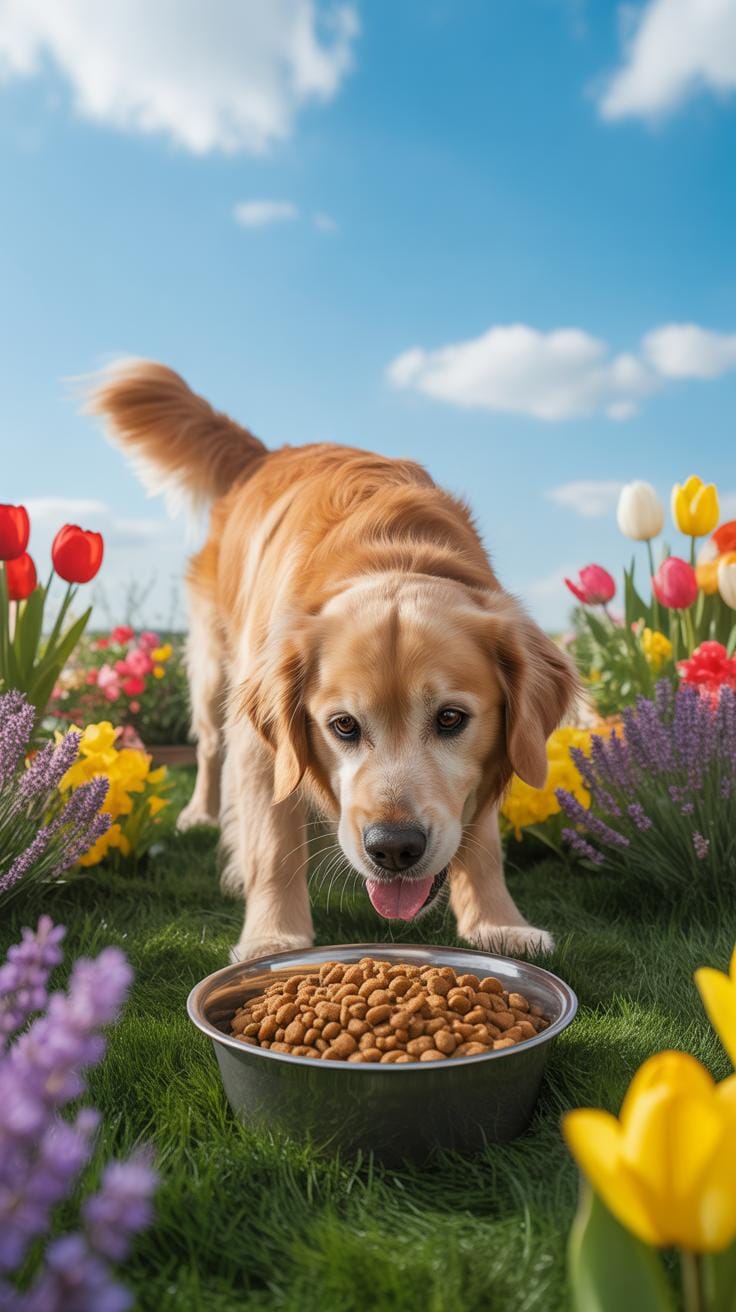
When it comes to dogs eating, there’s more going on than just shoving food into their mouths. Dogs have diverse eating behaviors shaped by their history alongside humans, their senses, and individual preferences. Some dogs might eat with gusto, while others may be finicky or distracted.
Many dogs rely heavily on their sense of smell to decide if they want to eat. So, if their food doesn’t smell appealing—or if there’s an unfamiliar scent—they might lose interest. Oddly, some dogs might even show hesitation around unfamiliar foods, which can seem like mere pickiness but could be instinctual caution.
You might notice how certain dogs watch their food carefully or even paw at it before eating. Others might gulp down their meals without hesitation, sometimes causing minor digestive issues. Observing these eating habits can reveal a lot about their comfort and confidence levels.
Some dogs develop rituals around mealtime, such as waiting patiently, barking to get attention, or pacing beforehand. Changes in routine or environment—like moving to a new home or a shift in feeding times—can disrupt these rituals and affect eating habits.

It’s interesting how closely eating connects to a dog’s overall routine and emotional state. Sometimes, even if the food is nutritious and fresh, a dog might resist eating due to subtle environmental or internal factors that only become clear if you pay close attention.
Have you noticed if your dog’s eating changes when you’re stressed or busy? Many owners miss these small cues, but they can be key to understanding your dog’s needs better. Eating behavior is, after all, a complex mix of instinct, emotion, and circumstance—more than just a simple hunger response.
Setup Checklist For Feeding Routines
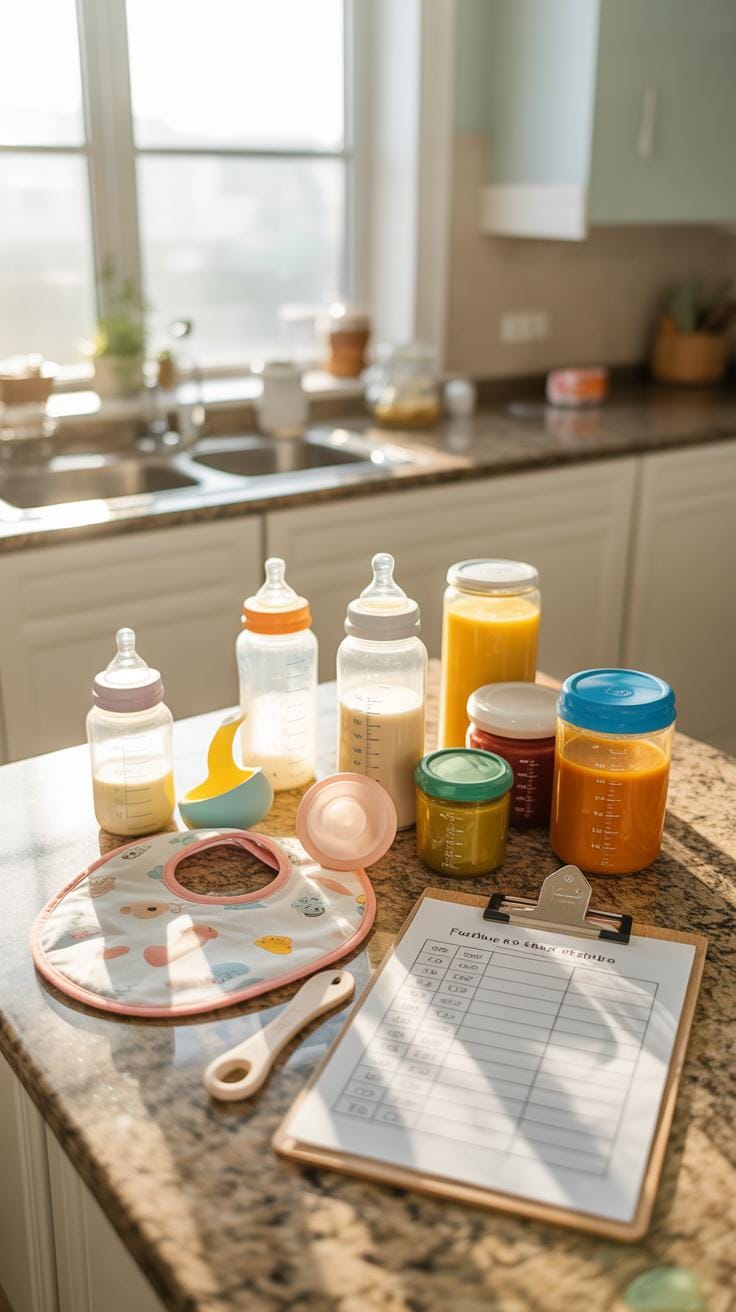
Getting your dog onto a steady feeding rhythm can feel like a small puzzle. It’s not just about setting times. There’s more to it—like where you feed them and how much they get. Here’s a straightforward checklist to guide you:
- Pick consistent meal times. Dogs thrive on routine—try feeding around the same time each day.
- Measure portions carefully. Too much or too little can throw off their weight and energy.
- Choose a quiet spot. Avoid noisy or busy areas where your dog might get distracted or anxious.
- Keep bowls clean. It sounds obvious, but leftover food or dirty dishes can deter eating or cause tummy issues.
- Note your dog’s reaction. If they seem hesitant or overly eager, consider if something about the feeding setup needs tweaking.
This checklist isn’t rigid. Some days might shift a little. But sticking close helps your dog feel secure around mealtime.
Creating A Feeding Schedule

Choosing when to feed your dog depends on their age and activity levels. Puppies, for example, need more frequent meals than adults. You might start with three to four shorter feedings at first, later scaling back to two meals a day.
Try to pick times that fit naturally into your day. This makes it easier to stick with, which matters more than the exact hour.
Stability in timing helps their digestion and energy. It reduces begging, too. Though, sometimes, a flexible approach works better if your dog’s needs change or if their routine shifts.
Mealtime Environment Tips
Creating a pleasant feeding space can shape your dog’s eating habits. Aim for calmness. That means quiet corners, away from household bustle. No constant interruptions from people walking by or other pets looming over.
Cleanliness plays a role as well. A tidy spot with fresh water nearby is inviting. It also supports good health and hygiene.
Think about surface as well—some dogs prefer bowls on non-slip mats or elevated feeders. Observe what makes your dog eat comfortably and maintain that setup.
How To Train Dogs To Eat Better
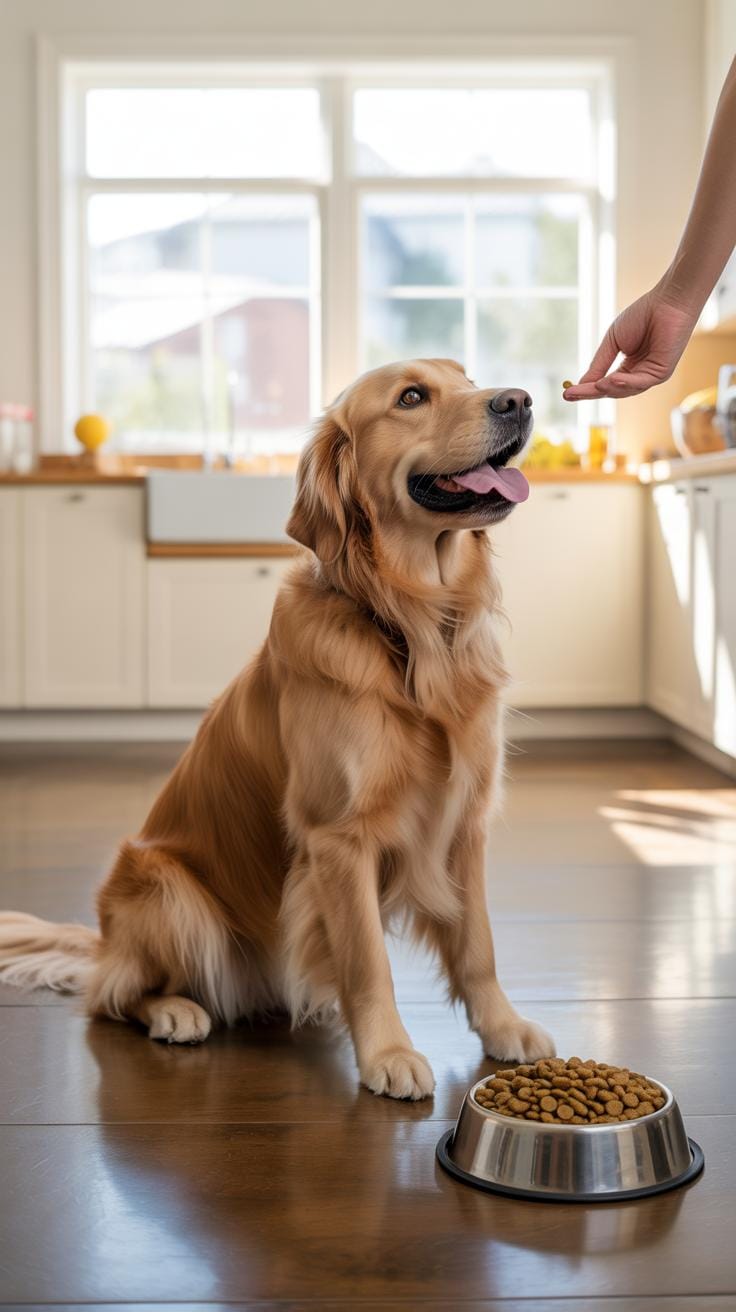
Training dogs to eat better means creating a routine that encourages healthy habits without stress. Positive reinforcement really stands out as a practical approach. When your dog finishes their meal or tries new food, offering a gentle pat, enthusiastic praise, or a small treat can make them feel good about eating. This approach makes mealtime associated with positive feelings, so they’re actually eager to eat.
Sometimes, dogs get picky or eat slowly, maybe because they find the food boring or they’re distracted. You might try varying textures or flavors, but without overwhelming them. Another technique is timing—setting consistent meal times helps establish expectations, which might reduce fussiness. Also consider using puzzle feeders or slow-feed bowls; they make eating a game rather than a chore, naturally encouraging slower, more mindful chewing.
In my experience, patience is key. If your dog refuses food, don’t immediately change it again. Give them a chance, and reward small successes. Some days will be better than others—that’s just the way it goes.
Using Rewards To Teach Eating Habits

Treats and praise aren’t just for tricks. When you use treats at mealtime, you’re teaching your dog that eating can be rewarding beyond hunger. This can be especially helpful for pups who are hesitant or nervous about food. Praise makes them feel safe and cared for during mealtime, reinforcing that it’s a positive moment.
Try to time your rewards carefully—right after they eat or taste a new item. Too early or late, and the message gets confusing. Using small, healthy treats keeps you from overfeeding. Dog owners often notice their pets start to look forward to meals almost like playtime when rewards are part of the routine. It’s a simple trick, but it can make a big difference.
Methods To Reduce Food Guarding
Food guarding can be tricky to handle. It’s when a dog shows aggression to protect their meal. Safety is the first priority here. If you spot guarding behavior, don’t try to wrestle the bowl away—that usually makes things worse.
Instead, start by gradually desensitizing your dog. Stand nearby during mealtime without interfering, tossing in tasty bits from time to time so they associate your presence with good things. Over weeks, try gently touching the bowl while feeding treats, always watching your dog’s reaction. Patience and consistency matter here, but you must stop immediately if the dog shows serious signs of stress.
- Feed in quiet, distraction-free areas.
- Use multiple food stations if you have several pets.
- Teach basic commands like “leave it” to regain control gently.
Managing food guarding is a slow process. But with calm, predictable handling, most dogs learn to relax. It’s worth the effort to keep everyone safe and mealtime calm.
Common Feeding Mistakes To Avoid

Feeding your dog probably feels straightforward, but many owners make some common errors without realizing. Overfeeding is a big one—you might mean to spoil your pet, but this often leads to unnecessary weight gain. It might feel harmless to toss extra treats or table scraps now and then, yet these habits can quickly get out of control. Consider measuring food portions and sticking to recommended amounts to keep things balanced.
Another mistake is giving dogs harmful foods. Some human foods seem harmless but can be toxic. For instance, chocolate, grapes, and onions shouldn’t be given at all. Instead, find safe alternatives like certain fruits or specially made dog treats. It’s better to be cautious rather than risk health complications.
Also, inconsistent feeding schedules can confuse your dog. Regular meal times foster better digestion and behavior. If you’re unsure about what or how much to feed, consulting a vet can clear up confusion and help build better routines.
Tools To Support Good Eating Habits
When it comes to helping your dog eat better, a few carefully chosen tools can make a noticeable difference. Slow feeders are perhaps the most talked-about option. They’re designed with ridges or compartments that force your dog to slow down, which can lessen gulping and improve digestion. If your dog tends to bolt food, these could really help.
Automatic feeders also offer a lot of benefits, especially if your schedule is unpredictable. These devices dispense food at set times, ensuring that your dog gets consistent meals without any guesswork. Plus, it can prevent overeating if you’re occasionally tempted to dish out extra servings when you feel guilty or rushed.
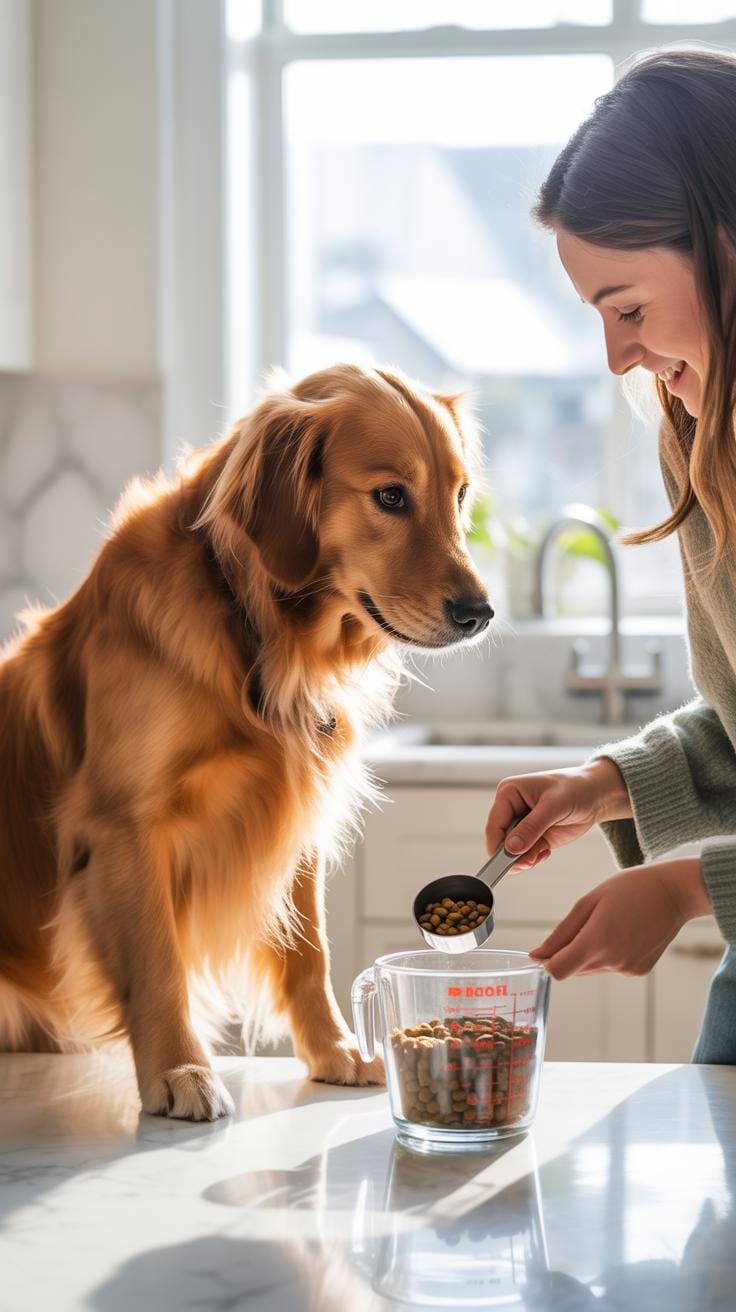
Measuring cups might sound basic, but they are surprisingly effective. Portion control is key, and eyeballing food often leads to overfeeding. Having an exact tool for portions helps maintain a healthy weight and prevents digestive upset.
The right tools won’t solve every eating issue, but they can certainly nudge habits in a better direction. Sometimes, simple changes like these can make mealtime less stressful for both you and your dog.
Choosing The Right Food Bowls
The size of the bowl matters more than you might expect. Too large a bowl can overwhelm your dog, while a bowl that’s too small might cause spillage and frustration. Matching the bowl size to your dog’s breed and eating style is useful—think about how much space their snout takes up, not just their overall size.
Height plays a subtle but real role, too. Elevated bowls can help bigger or older dogs eat more comfortably, reducing neck strain. But for smaller breeds or puppies, bowls that sit too high might be challenging to reach, making eating awkward.
Material deserves mention as well. Stainless steel bowls are durable and easy to clean, but some dogs seem to prefer ceramic or plastic despite those materials tending to retain odors or get scratched more easily. It’s a bit of trial and error to find what your dog reacts to best.
Benefits Of Slow Feeders
Slow feeder bowls aren’t just a fad. They’re specifically designed to solve a common problem: gulping food too quickly. By forcing your dog to eat more slowly, these bowls help reduce choking risks and decrease chances of bloat—a serious health concern.
You might notice your dog seems a bit puzzled at first, trying to figure out how to get the food out. But they usually get the hang of it quickly. What’s really striking is how much calmer mealtime can become. Slower eating allows better digestion and may even help your dog feel more satisfied with smaller portions.
Some dogs need a gentle nudge to transition to slow feeders. If your pet is a very enthusiastic or competitive eater, it might take patience. Still, many owners find the effort worth it when they see reduced mess and healthier digestion patterns over time.
Measuring Your Dog Food Portions
Figuring out how much to feed your dog can be tricky. It’s not just about filling the bowl—it depends on their weight, age, and activity level.
A simple starting point is the formula:
Food per day (in grams) = Weight (kg) × Feeding factor.
The feeding factor varies, usually between 20 to 40, where 20 suits older or less active dogs, and 40 fits energetic younger dogs.
For example, a 10-kg dog with moderate activity gets about 300 grams daily (10 × 30). But, this isn’t one-size-fits-all. Consider your dog’s breed and metabolism.
Smaller breeds often need more calories per pound than bigger breeds. A Chihuahua burns energy faster than a Saint Bernard. So, smaller dogs might need a higher feeding factor.
Metabolism adds another layer. Some dogs just burn calories faster, much like people. That means some pups will need extra food even if they weigh the same as less active peers.
When it’s time to measure, using a kitchen scale is best. But if you don’t have one, a standard measuring cup can work—just make sure you know how much the cup holds in grams for your dog’s specific food. It’s worth double-checking the packaging or weighing it at a vet’s office if possible.
The key is consistency. Weigh the same way each time, avoid eyeballing. Small mistakes add up over days or weeks and can lead to unexpected weight changes for your dog.
When To Change Your Dog Food
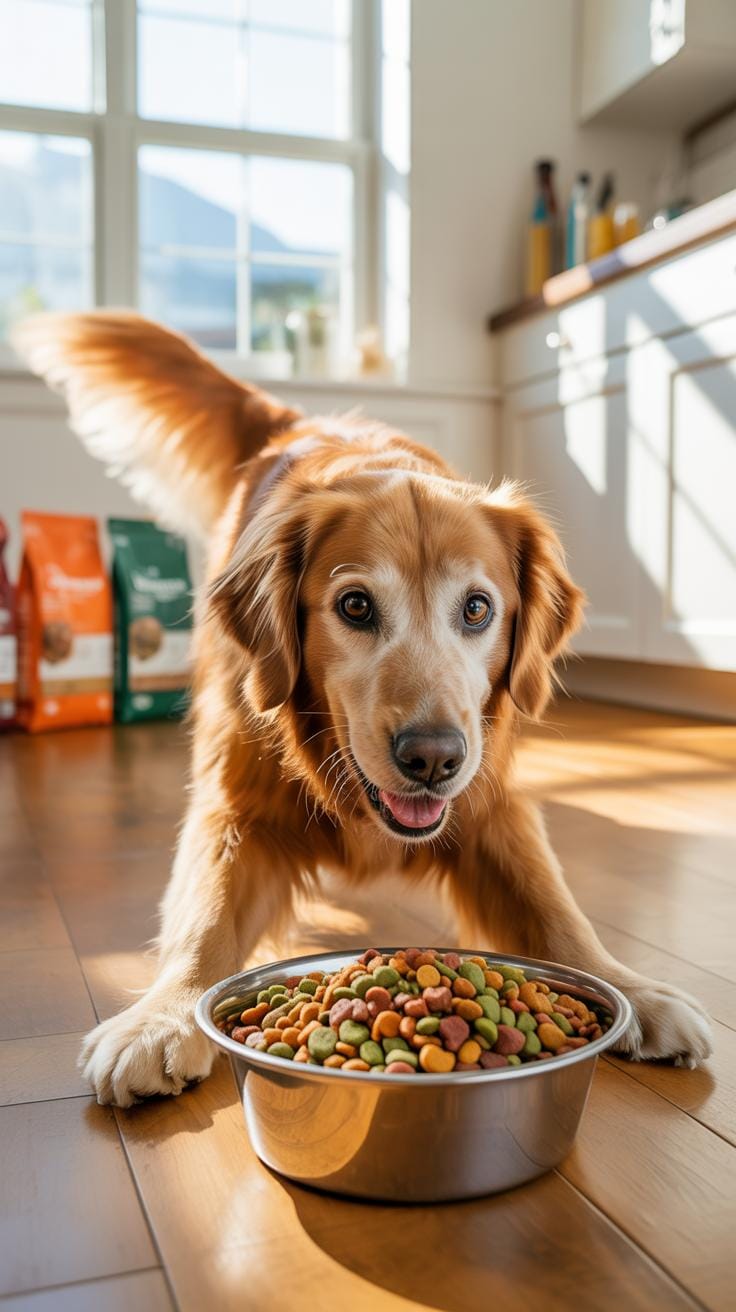
Sometimes it’s tricky to know if your dog really needs a change in diet. Yet, there are signs that hint at the need to rethink their food. Allergies or poor digestion often show up as persistent itching, redness, or chronic diarrhea. You might notice your dog scratching more or having upset stomachs after meals. If these symptoms linger, it might be time to consider switching foods.
Let’s talk about food intolerances too. They usually appear as gastrointestinal troubles like vomiting, diarrhea, or bloating. Your dog could seem uncomfortable or lose interest in food, which is a subtle sign you might overlook. These reactions, although less dramatic than some allergies, still indicate that the current diet isn’t agreeing with your dog.
Safe Steps To Switch Dog Food
Changing your dog’s food abruptly can lead to an upset stomach, and nobody wants that. The key is a gradual transition over about a week. Start by mixing a small amount of the new food—say 10%—with the old. Over the next 7 to 10 days, slowly increase the new food’s portion while decreasing the old. This slow swap helps your dog’s digestive system adjust and reduces the risk of diarrhea or vomiting.
If you notice any adverse reactions during the switch, taking a step back and slowing the transition might be wise. It’s a bit of trial and error sometimes. Your dog’s comfort should guide your pace. Remember, a steady shift is better than a quick overhaul.
Example Feeding Schedules For Dogs
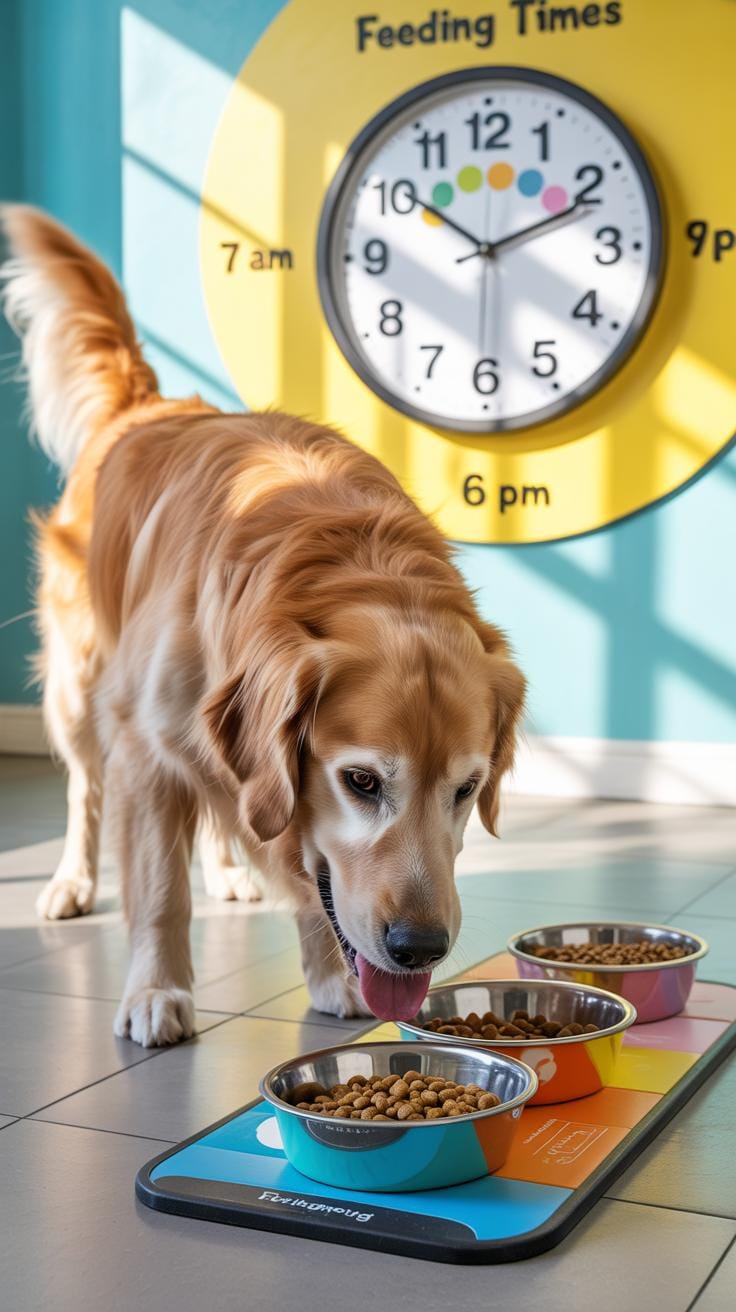
Puppy Feeding Timetable
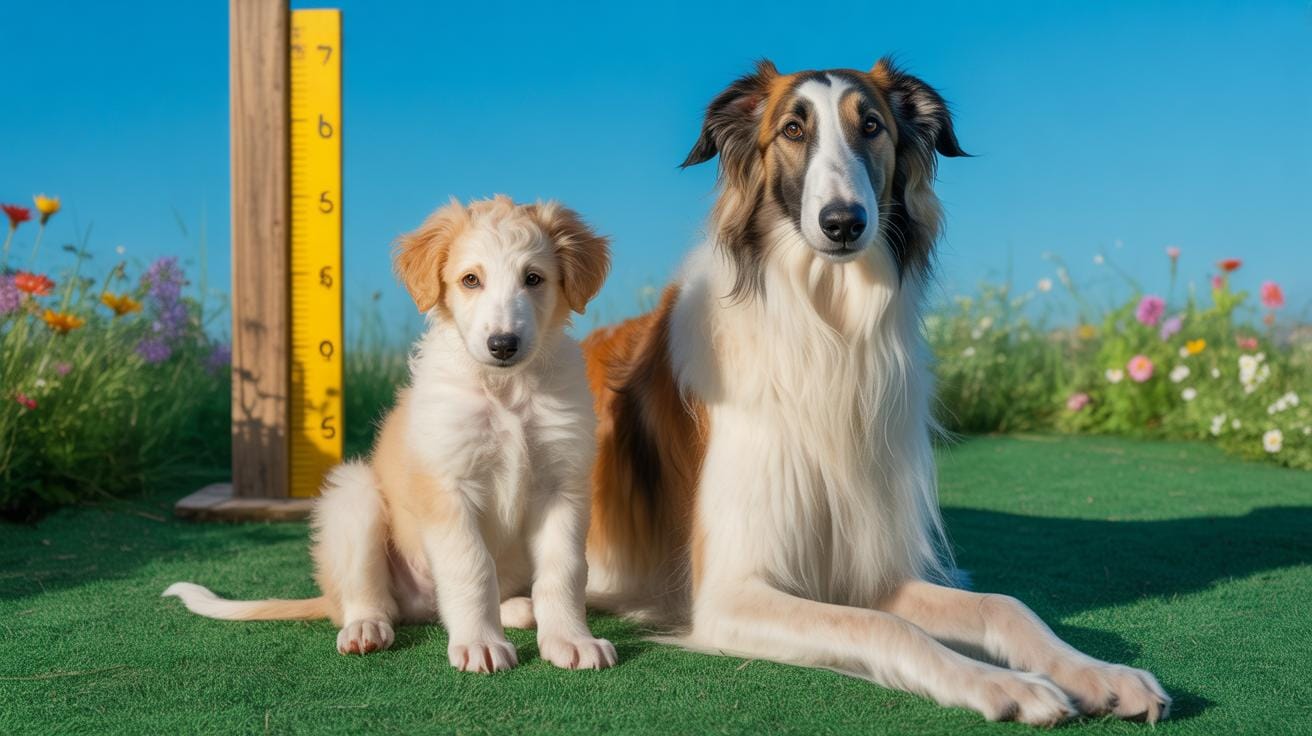
Puppies need frequent meals because they’re growing fast and have small stomachs. Usually, feeding them three to four times a day works well. For instance, a 2-month-old puppy might eat about a quarter to a third of a cup of food per meal, depending on breed and size. You’ll notice some pups may seem hungrier or eat slower – it’s okay to adjust slightly as long as they gain weight steadily.
Smaller, more frequent meals help maintain energy throughout the day and support healthy development. Just keep an eye on any changes in appetite, which might signal health issues or stress. It’s a bit of trial and error to find the right balance, but consistency is key for your pup’s routine.
Adult And Senior Dog Meals
Adult dogs typically do well on two meals a day, roughly equal in portion size. The amount varies by activity level and breed; a 50-pound dog might eat around 1.5 to 2 cups daily. If your dog is less active, a slightly smaller portion may prevent weight gain. I’ve seen some dog owners feed once a day, but generally, twice spreads energy intake more evenly and aids digestion.
Senior dogs often benefit from smaller, more frequent meals again—sometimes two to three times daily. Aging slows metabolism and can bring digestive sensitivity, so splitting meals helps. Plus, it’s easier on aging teeth and keeps blood sugar steady. Adjusting the food type may go hand in hand with schedule changes; softer or specially formulated diets can support aging health.
Remember, every dog’s needs are a bit different, making regular observation and consulting your vet important. Have you noticed if your dog’s energy shifts with meal timing or portion changes? Sometimes those insights guide you to the best routine.
How To Monitor Dog Eating Progress
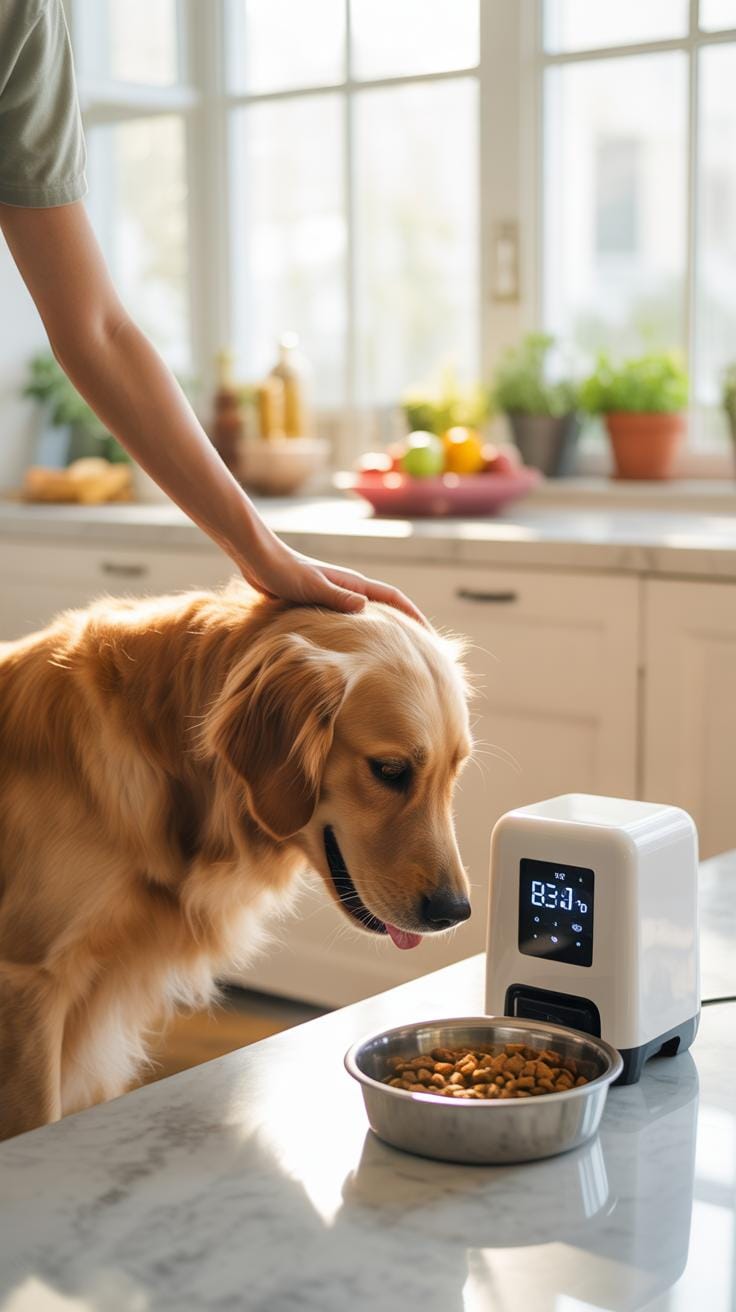
Watching your dog eat may seem simple, but tracking their eating habits thoughtfully can reveal much more than you might expect. Keeping a food log helps you see patterns over time—when appetite dips or spikes—and if mealtime behavior shifts. Write down what and how much your dog eats daily, noting any leftovers or refusals.
Also, take note of how your dog acts around food. Are they eager, distracted, or pushing the bowl away? Changes here can hint at health or comfort issues. Paired with regular weight checks—say every couple of weeks—you get a clearer picture of whether your dog is thriving on their diet.
Signs Your Dog Is Eating Well
Look beyond just bowl-emptying. Steady weight is a strong sign your dog is getting the right amount of food. Their energy levels provide clues too. A dog that seems lively and playful, yet not hyperactive, often signals balanced nutrition. Coat condition, too—if fur looks shiny and skin feels good, that often aligns with proper eating.
But remember, some dogs hide health issues well. Sometimes they eat normally but underlying problems develop slowly, so keep an eye out for subtle shifts in behavior.
When To Ask Vet For Help
If your dog begins refusing food regularly, losing or gaining weight unexpectedly, or seems lethargic, it’s time to get a professional opinion. Vomiting, diarrhea, or unusual drooling also require vet attention. Sometimes, repeated behavioral changes around eating—like anxiety or aggression at mealtime—signal discomfort or illness.
Don’t hesitate to reach out if you’re unsure. Early vet consultations often catch problems before they escalate, making treatment easier and more effective.
Conclusions
Good eating habits play a key role in your dog’s health. By paying attention to their eating behavior and providing appropriate food, you help your dog stay active and strong. Each dog is different, so adjusting feeding routines to fit their needs is important. Clear feeding schedules, the right food portions, and making mealtime inviting can prevent many common problems.
Taking these simple steps not only improves your dog’s nutrition but also strengthens the bond you share. You have the power to create a healthy, happy mealtime experience for your dog. Consistency and patience will bring results, ensuring your dog enjoys every meal while staying fit and well.