Introduction
Designing a dog feeding station that minimizes mess is a challenge many dog owners face. An organized feeding area makes mealtime cleaner and more enjoyable for both you and your dog. A good layout can catch spills and prevent food scattered on the floor, saving you time and effort on cleaning.
We will explore simple layouts and features to help reduce the mess associated with dog feeding. From bowl placement to flooring choice and storage solutions, you will find actionable ideas that keep your dog’s feeding station neat while supporting your dog’s comfort and ease of access.
Choosing the Right Location for the Feeding Station
Finding the best spot for your dog’s feeding station isn’t always obvious. You might think the kitchen works well, but if it’s a busy place where people constantly walk by or snacks drop to the floor, it can turn messy quickly. Picking a quieter corner—maybe a hallway nook or a rarely used part of the dining room—makes a surprising difference. When your dog isn’t competing with foot traffic or distractions, they tend to eat more calmly, and the area stays tidier because fewer people accidentally kick spilled kibble around.
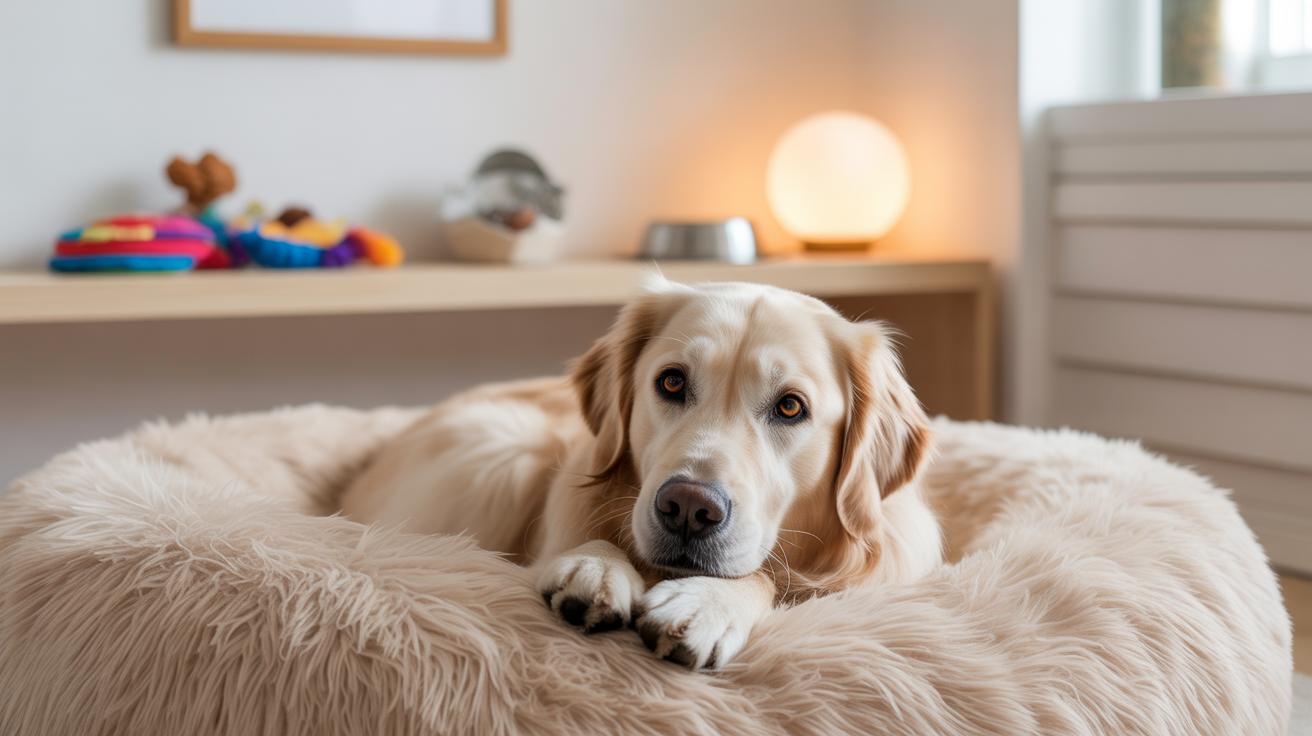
Think about where your dog naturally hangs out too. Sometimes placing the station near their favorite resting spot can help with convenience, both for them and for you when it’s time to refill bowls. But avoid tight spaces that make it tough to clean or reach.
Pick a Low-Traffic Area
Quiet areas mean fewer interruptions. Imagine your dog finishing their meal just as someone rushes by and accidentally knocks over a water bowl—then there’s a puddle to mop up. Placing the feeding station where there’s less hustle reduces those moments. Plus, less foot traffic means less dirt and dust landing in food or water, which might sound minor, but it adds up.
Try to avoid hallways, doorways, or spots near busy communal areas. Maybe a corner in a less-used room works better. At home, I tried the kitchen for a while, but switching to a corner near the laundry room lowered cleanup time noticeably. It felt like a small change but helped keep that feeding zone contained.
Consider Flooring Type
The kind of floor under the feeding station is surprisingly important. Hard surfaces like tile, laminate, or vinyl don’t soak up water spills and wipe clean easily, which helps keep things hygienic. On the other hand, carpets or rugs make messes stick around longer and can soak up odors if spills aren’t caught straight away.
But it’s not just about cleaning; some floors cause bowls to slide, which can lead to more spills. If your dog’s eager or clumsy, a smooth floor without traction might make things worse. You might find a spot with a slight rug underneath works better, but then cleaning has to be more frequent.
So, weighing the flooring in your feeding area includes asking yourself: how often will I clean here? What’s worse—sweeping up scattered kibble from a smooth floor or washing out a stained carpet? Balancing these questions helps pick the right place. For me, a tiled patch in the corner was practical but needed a mat—more on that later.
Using Mats and Trays to Contain Spills
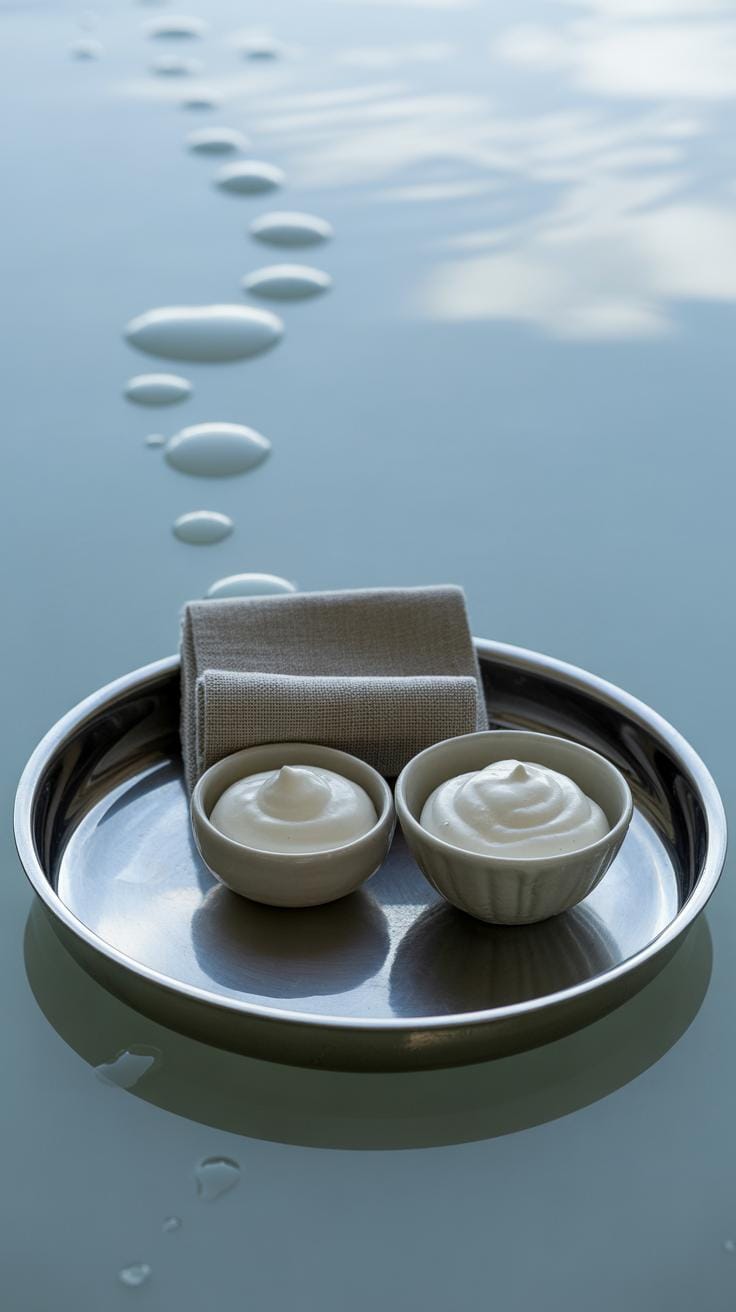
Placing a mat or tray under your dog’s feeding bowls can make a noticeable difference in managing the mess that builds up during meal times. These simple additions catch dropped kibble and water splashes, stopping spills from spreading across your floors. I’ve seen how a modest mat saved my hardwood from water stains and crumb buildup that would’ve otherwise needed hours of scrubbing later.
When choosing mats, think about materials that are easy to clean and resist soaking up moisture. Rubber and silicone mats often work well because they stay put and wipe clean quickly. Some have raised edges to hold spills inside the mat area, which means less seepage to the floor. Fabric mats might look nice but tend to soak up water or food remnants, leading to dampness or odors.
Size matters more than I imagined at first. A mat too small defeats the purpose—you want something that extends beyond the bowls enough to catch those outlying messes your dog inevitably makes, especially if they’re a bit sloppy. Measuring your feeding area and adding at least a few extra inches on all sides usually does the trick. Bigger mats also protect against accidental paw prints or water drips when your pup drinks enthusiastically.
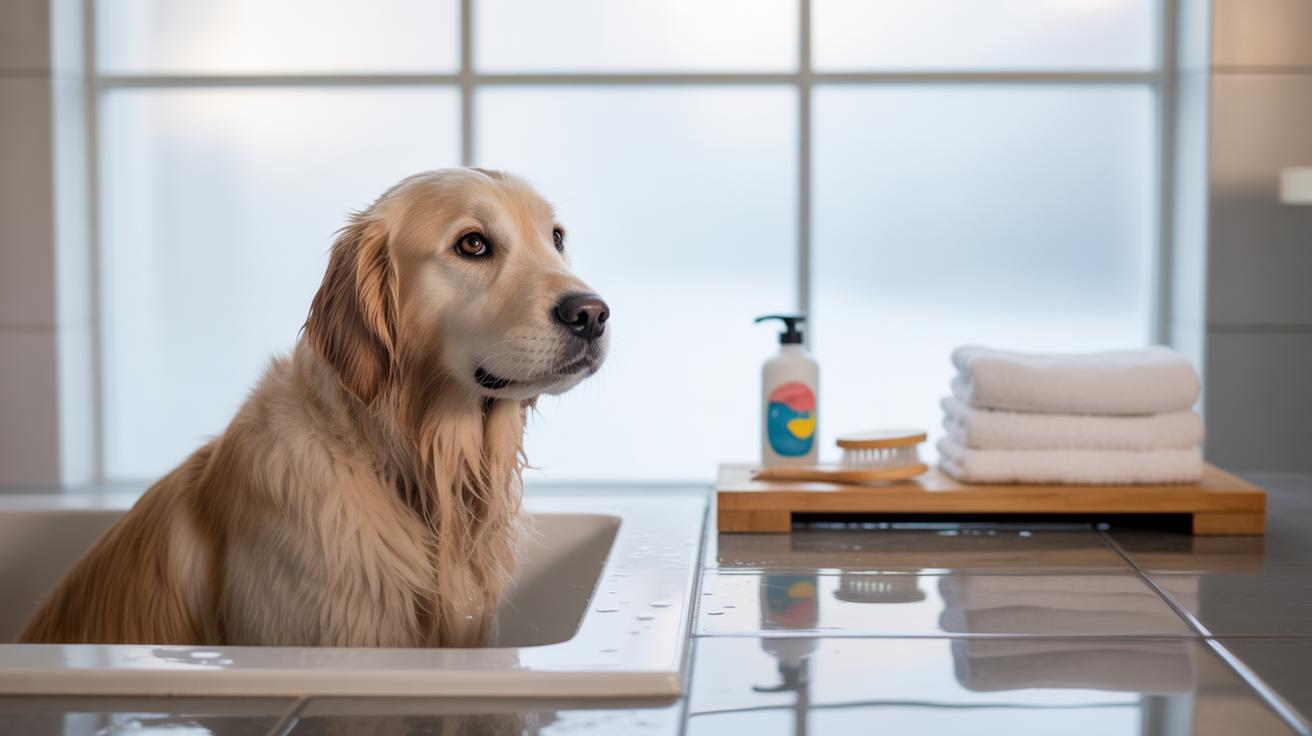
Would your usual feeding spot benefit from the containment that a well-chosen mat or tray offers? Even if you’re tidy by nature, a simple placement like this can prevent those slow, creeping stains and sticky residues that sneak in unnoticed over time. It’s a small change but one that can save a lot of cleanup hassle down the road.
Picking the Right Bowls to Minimize Mess
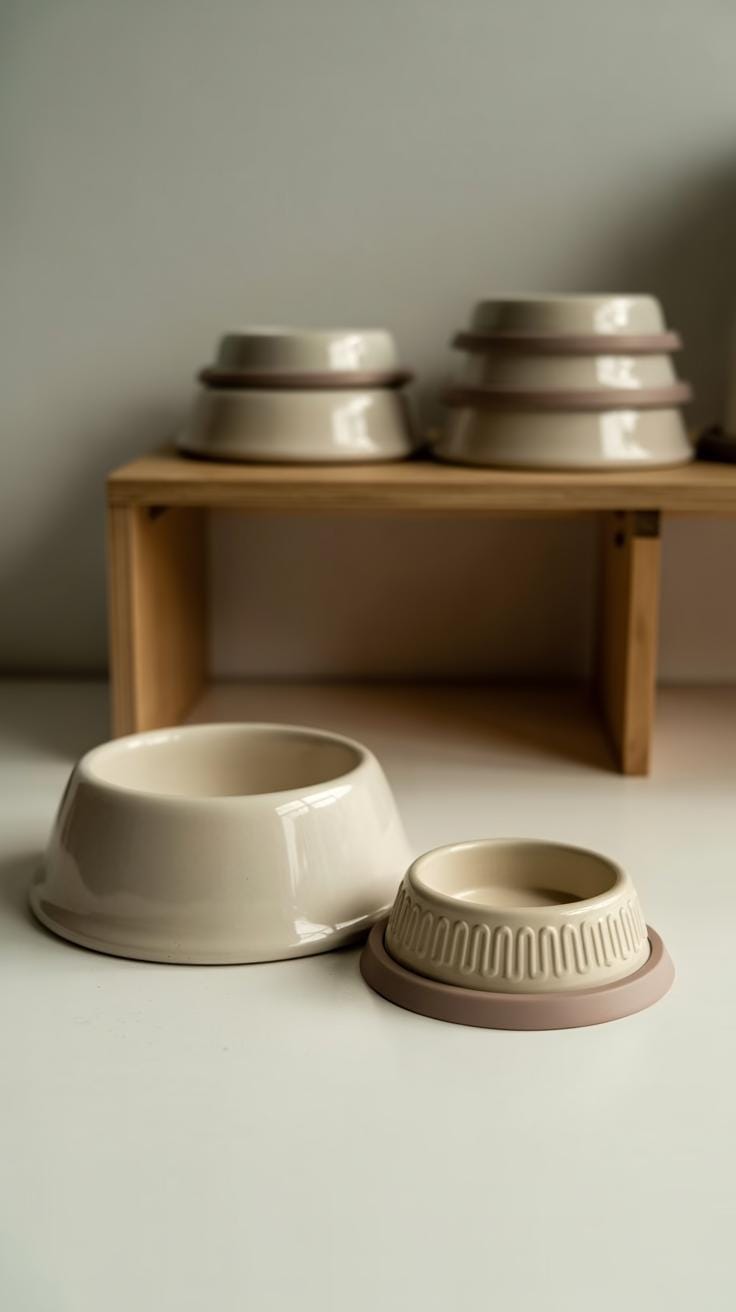
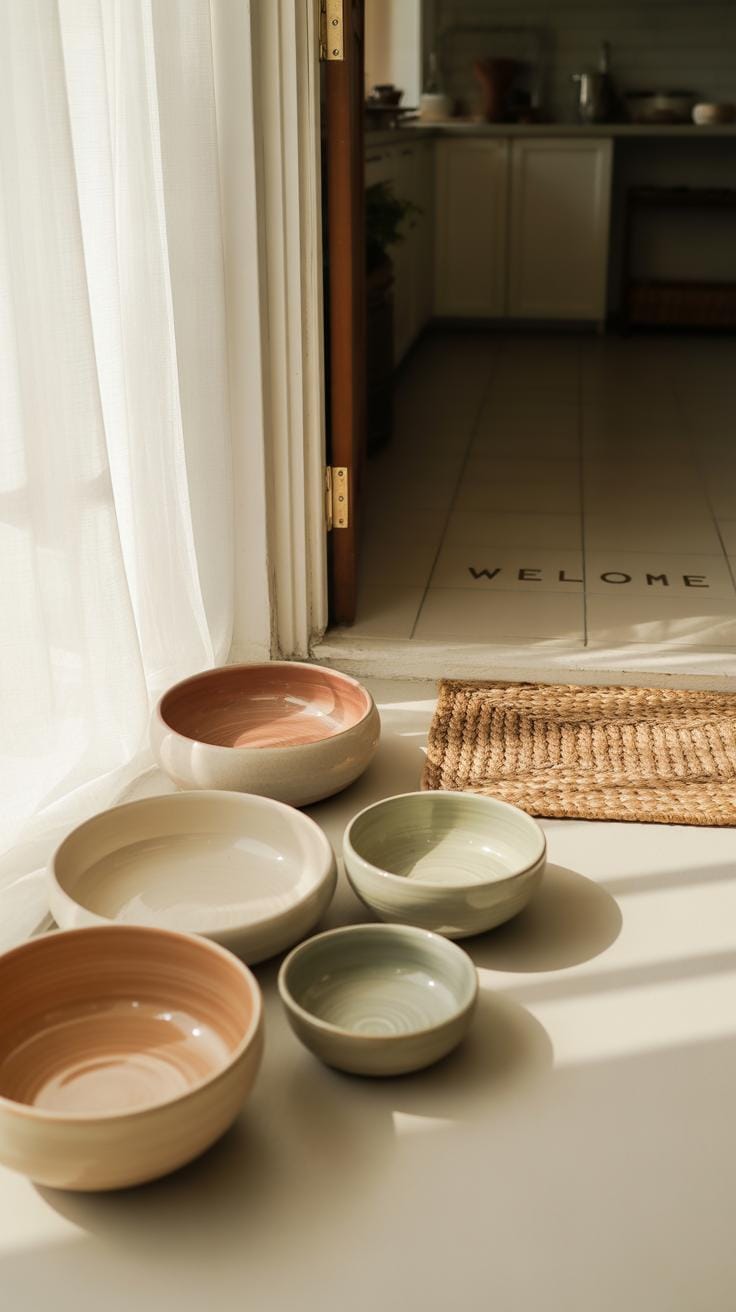
Choosing the right bowls can noticeably affect how much mess ends up around your dog’s feeding area. Bowls that are light or poorly designed often slide or tip, scattering food or water. You might think any bowl will do, but the shape, size, and weight really make a difference.
Weight and Stability of Bowls
Heavier bowls—like ceramic or weighted stainless steel—tend to stay put. I’ve seen plastic bowls slide all over the place, especially with enthusiastic eaters. Bowls with non-slip bottoms add an extra grip, which can prevent frustration and mess. Oddly enough, sometimes a heavy bowl might trip a smaller dog, but most pups handle them fine. Stability keeps the feeding area neater and stops spills from jumping out of place. It’s not foolproof, though. Some dogs manage to push even heavy bowls, but less often.
Bowl Shape and Size
The bowl’s shape shapes—no pun intended—how well it contains food. Narrow, deep bowls might reduce spills but can be tricky for flat-faced breeds. Wider, shallower bowls usually offer easier access and help prevent nose smudges and scattered kibble. The size matters, too. Oversized bowls for small dogs waste space and encourage mess, whereas too-small bowls can cause crowding and spills from overeager eating. It’s worth thinking about your dog’s style—do they slurp or nibble? Their eating habits influence what shape and size work best, so watch them and adjust if needed.
Elevated Feeding Stations for Better Control
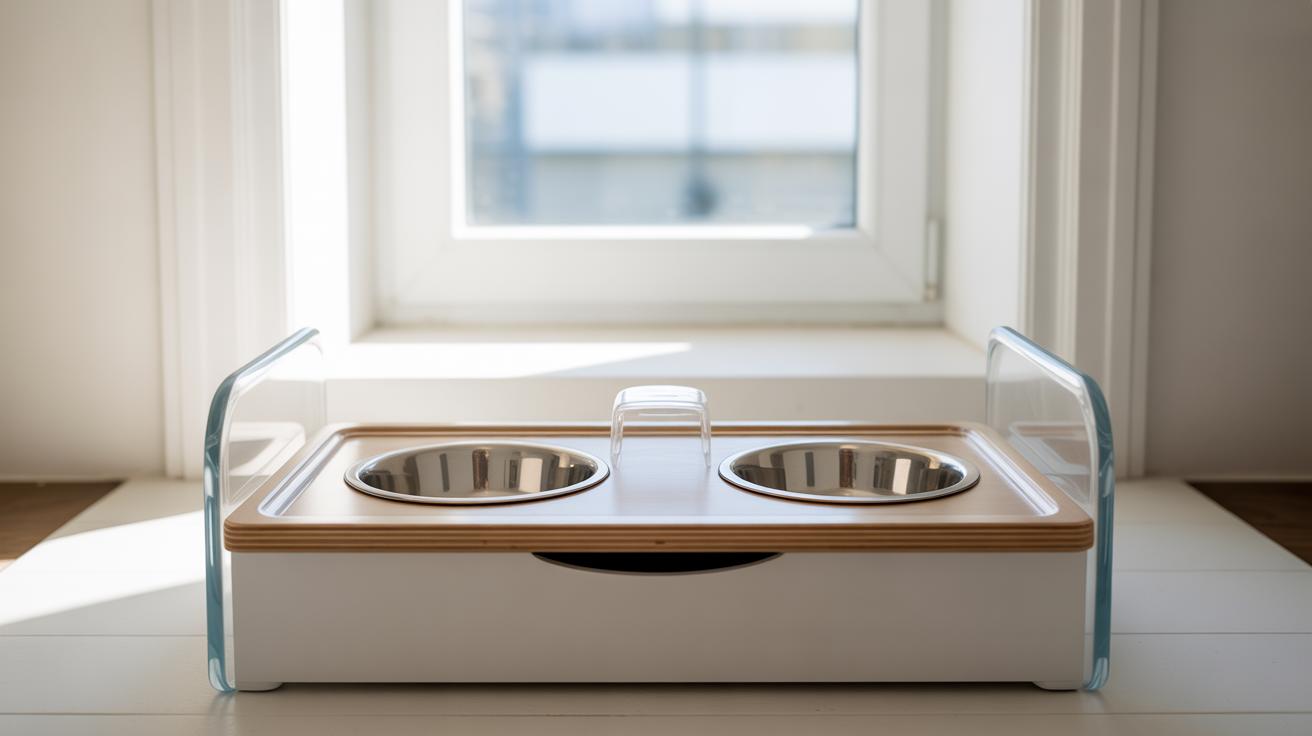
Elevated feeding stations can really change how your dog eats and how much mess ends up on your floor. By raising the bowls off the ground, these stations offer better control over where the food and water go—and that makes cleanup so much easier. It also makes mealtime more comfortable for your dog, especially if they’re older or have joint issues. You might notice your dog eats with less frantic movement and a bit more calm.
How exactly does elevation help your dog eat cleaner? When bowls sit at a raised height, dogs don’t have to bend down as far, which reduces neck strain and awkward head angles. This naturally cuts down on food pushed outside the bowl and water splashes. For dogs with long ears, raised bowls can help keep their ears out of the food, which tends to make a mess otherwise. I remember switching my Whippet to an elevated feeder, and it surprisingly changed the way she ate—less frantic, fewer crumbs everywhere.
Design-wise, you have options. You can buy ready-made feeders with adjustable heights, which is handy if your dog is still growing or you have multiple dogs. If you’re thinking DIY, a simple wooden box with cut-out holes for bowls works well, but ensure it’s sturdy and easy to clean. Non-slip bases are a must; otherwise, the whole station shifts every time your dog nudges it. Think about size, too—basically, the station should allow your dog to eat without their legs feeling cramped. Maybe try a setup that allows easy access for washing and refilling. It helps if the design fits seamlessly into your feeding area without being a trip hazard.
Smart Storage Solutions to Keep Supplies Handy
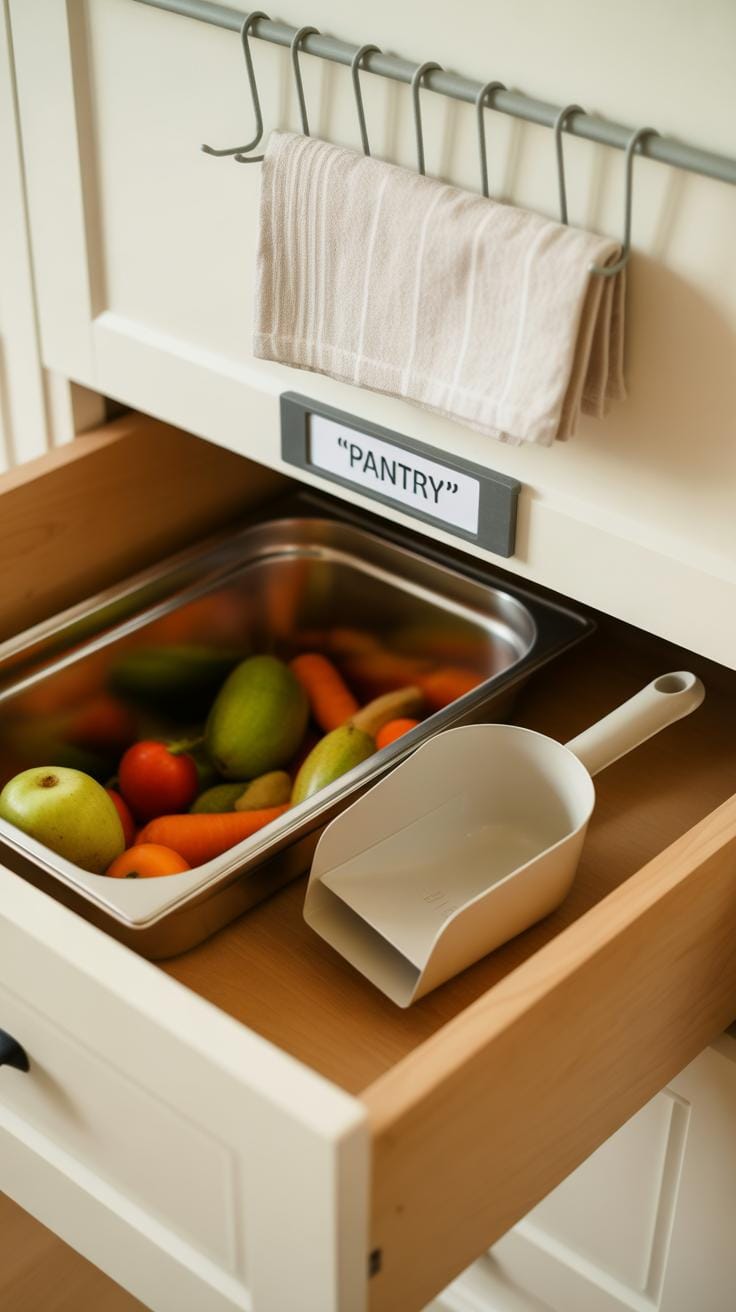
Keeping dog food, treats, and cleaning supplies close to the feeding station makes a big difference in maintaining order. When everything is within arm’s reach, you’re less likely to create extra mess running back and forth. You might try a small cabinet or shelving unit right beside the station. Open shelves are good if you want easy access, but cabinets with doors can hide clutter if you’re not the tidiest.
Using airtight containers for dog food does more than just keep pests away—it actually stops spills and preserves freshness. I once switched to a spill-proof container, and it cut down on kibbles scattered across the floor quite a bit. Those lids that snap on tight? They make scooping out food smoother, too. You don’t have to worry so much about a clumsy paw knocking the bag over because the food is locked safely inside.
Cleaning tools often get tossed somewhere out of sight and then become a hassle to find when there’s a sudden spill. A small caddy or hanging basket near the feeding area works well. You can keep wipes, old towels, or even a small handheld brush there for quick cleanups. This way, addressing messes doesn’t feel like a chore. You’ll probably notice you handle spills more quickly when everything’s right there.
- Store dog food and treats in clear, airtight containers to minimize spills and keep food fresh.
- Place a shelf or cabinet next to the feeding station to have supplies handy without clutter.
- Use a small basket or caddy to organize cleaning wipes, towels, and brushes near the feeding spot.
- Consider open shelving if you’re not bothered by visible supplies, or cabinets if you want to hide them.
- Keep items at a comfortable height to avoid bending or stretching when you’re feeding your dog.
Have you ever noticed how much smoother mealtime goes when you don’t have to dig around for things? Sometimes just a little bit of order makes things feel less chaotic. Maybe it’s worth experimenting with what feels most natural for your space and habits.
Daily Cleaning Tips to Maintain a MessFree Feeding Area
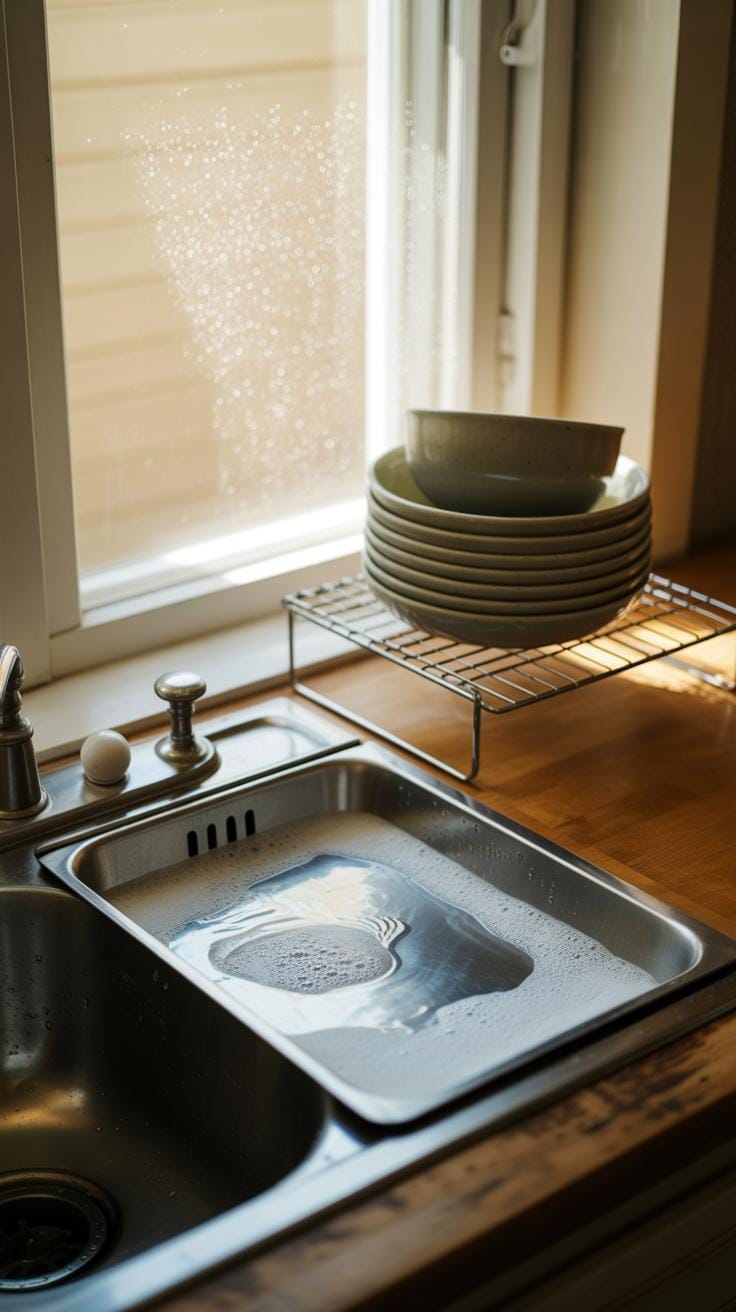
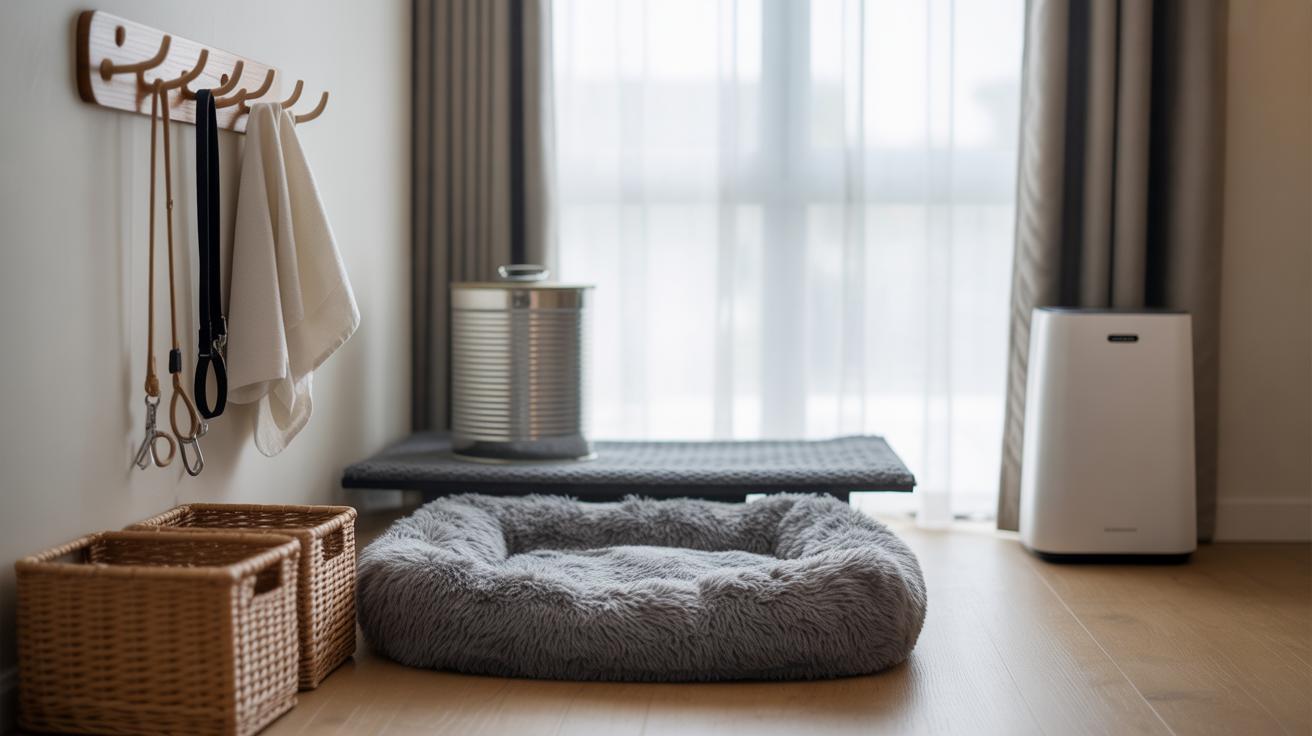
Keeping your dog’s feeding station clean isn’t just about appearances—it also helps prevent odors and keeps your pet healthier. Wiping down bowls and mats after every meal makes a big difference. Stuck-on food and water stains can build up quickly if ignored, making future cleaning harder and sometimes even attracting pests. I’ve found that a quick wipe with a damp cloth right after feeding avoids that dreaded crusty residue. Even if you think the bowl looks okay, a little wipe can save you trouble later.
When it comes to mats, don’t forget these often-overlooked spots. Food bits and spills soak into the material if left too long. A daily rinse or wipe keeps the mat fresh and prevents any bad smells from settling in. You might think a deep clean once a week is enough, but smaller daily steps really add up.
As for crumbs or spills on the floor, acting fast helps keep mess to a minimum. Instead of dragging out a vacuum or mop right away, sometimes a quick sweep with a handheld broom or even a simple paper towel swipe works wonders. Have you noticed how crumbs seem to scatter farther if you wait? Catching these right after feeding cuts down the chances of spread—and frankly, I’m not always in the mood for a thorough cleanup every day.
Here are some quick daily actions you might try:
- Keep a damp cloth or sponge near the station for wiping bowls and mats immediately.
- Use a small handheld sweeper or a folded piece of paper towel for quick floor cleanups.
- Rinse water bowls daily to prevent slime or mineral buildup.
- Check corners and edges for hidden crumbs that your dog’s bowl might scatter.
These small steps, repeated regularly, prevent messes from becoming bigger problems. It’s simple stuff, but it can make your feeding area feel calmer, neater, and somehow more welcoming—for both you and your dog.
Training Your Dog to Eat Neatly
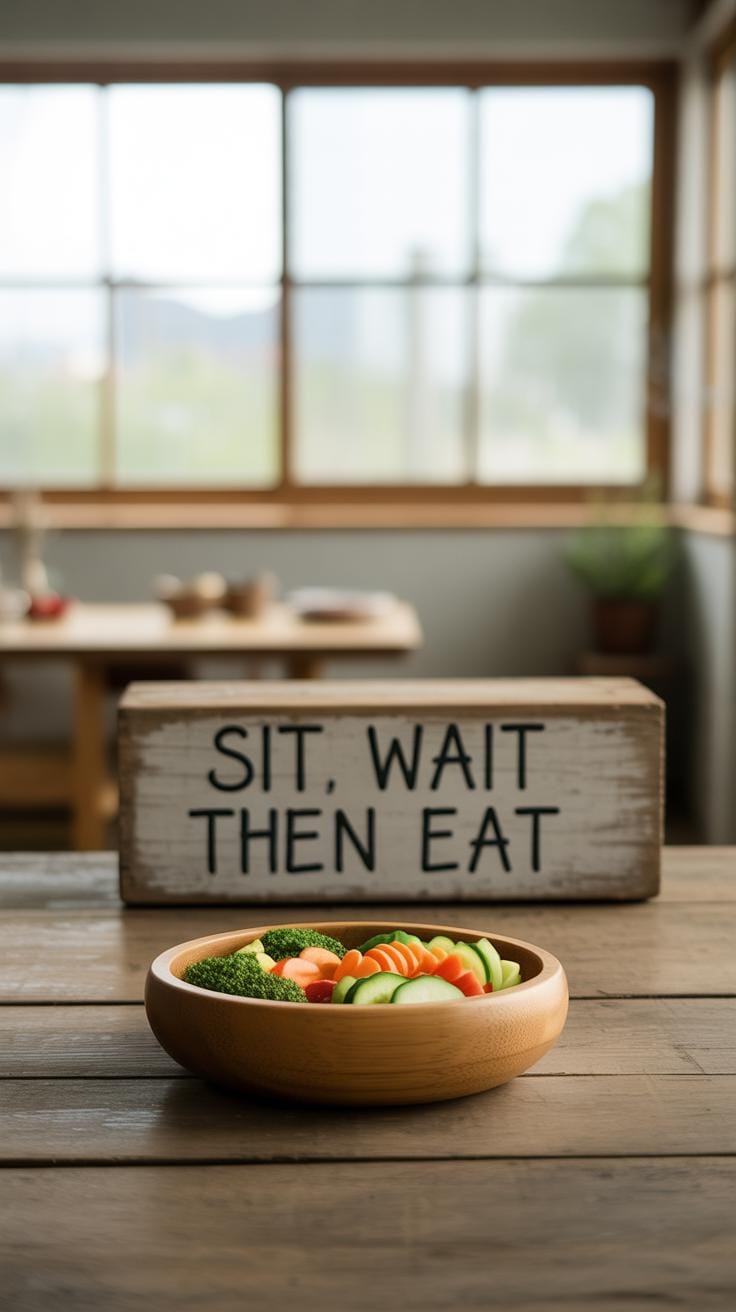
Getting your dog to eat calmly can feel like a slow process, but it’s worth the effort. When dogs rush or get too excited, they tend to scatter food everywhere, leaving you with a messy feeding area to clean up. Teaching your dog to slow down often starts with simple rewards. For example, you might praise your dog or offer a small treat when they pause between bites or wait a moment before diving back in. This positive feedback encourages calm behavior without turning mealtime into a struggle.
Using interactive feeding tools can make a noticeable difference too. Puzzle bowls or slow feeders make your dog work a bit for their food, which naturally slows the pace. These bowls have ridges or compartments that stop food from coming out all at once. It’s interesting to see how some dogs adapt quickly while others need a bit of coaxing or even higher-value treats to keep trying.
Think about what motivates your dog—do they respond more to praise or treats? Trying different methods can help identify what reduces mess during feeding. Have you noticed your dog eating less messily when given a toy or game along with their meal? Sometimes, it’s about finding that right balance between fun and focus during mealtime.
Personalizing Your Feeding Station Layout
Every dog is unique, and so should be their feeding area. Tailoring the feeding station to your dog’s specific habits and quirks can make a big difference in keeping mess to a minimum. For example, if your dog tends to push their bowl around or fling food out while eating, a heavier bowl or one with a non-slip base might help. If they like to nibble slowly, a raised dish or even a slow feeder can reduce spillage by controlling how much food they take at once.
Think about your dog’s usual behavior at mealtime. Do they gulp food quickly? Do they drag their bowl across the floor? Observing these little details helps you design a setup that fits their style. For instance, a corner feeding station can limit how far food spreads, while a mat with raised edges catches spills before they reach the floor. There’s room to experiment, really—sometimes what works best isn’t obvious right away.
Adapting for Small or Large Dogs
Size matters when setting up a feeding area, but not just because of bowl dimensions. A small dog might knock food off the edges more easily, so using a bowl with higher sides or a mat that sticks to the floor can keep things tidier. Conversely, large dogs may need sturdy, elevated feeders that prevent bending down and reduce neck strain, which sometimes decreases mess caused by frantic eating.
Large dogs often splash water around, especially if their bowl is shallow. Picking deeper water dishes and placing mats underneath can soak up spills. Small dogs, on the other hand, might scatter kibble over a wider area if they get overly excited. For them, compact feeding stations with specific boundaries work better—something to contain the chaos without squeezing them in.
Adjusting for Multiple Dogs
Feeding more than one dog in the same space brings its own challenges. Crowding bowls too close can lead to food fights and spilled meals. One approach is to space feeding stations apart enough to give each dog its own territory. You might use dividers or even separate mats with raised edges for each bowl to catch errant kibble.
Another consideration is feeding order and timing. Some dogs rush to steal the other’s food, increasing mess and stress. Feeding one at a time or using barriers can help. I’ve seen setups where raised feeding stations face opposite directions—this subtle separation reduces visual distractions and mess from eager-snatching attempts.
Ultimately, your setup has to reflect the personalities and needs of your dogs, or else keeping the area clean becomes a losing battle. It’s worth trying different layouts until you find what truly controls the mess without making mealtime stressful.
Conclusions
Creating a dog feeding station that reduces mess can improve your daily routine. Keeping bowls stable, using a mat or tray to catch spills, and positioning the station thoughtfully all make a difference. Small changes to the layout prevent food and water from spreading and make cleanup easier.
By designing with your dog’s habits in mind and maintaining regular cleaning habits, you can keep feeding times tidy and your home cleaner. Your dog feeding station becomes a stress-free space for you and your dog to enjoy mealtime together.