Introduction
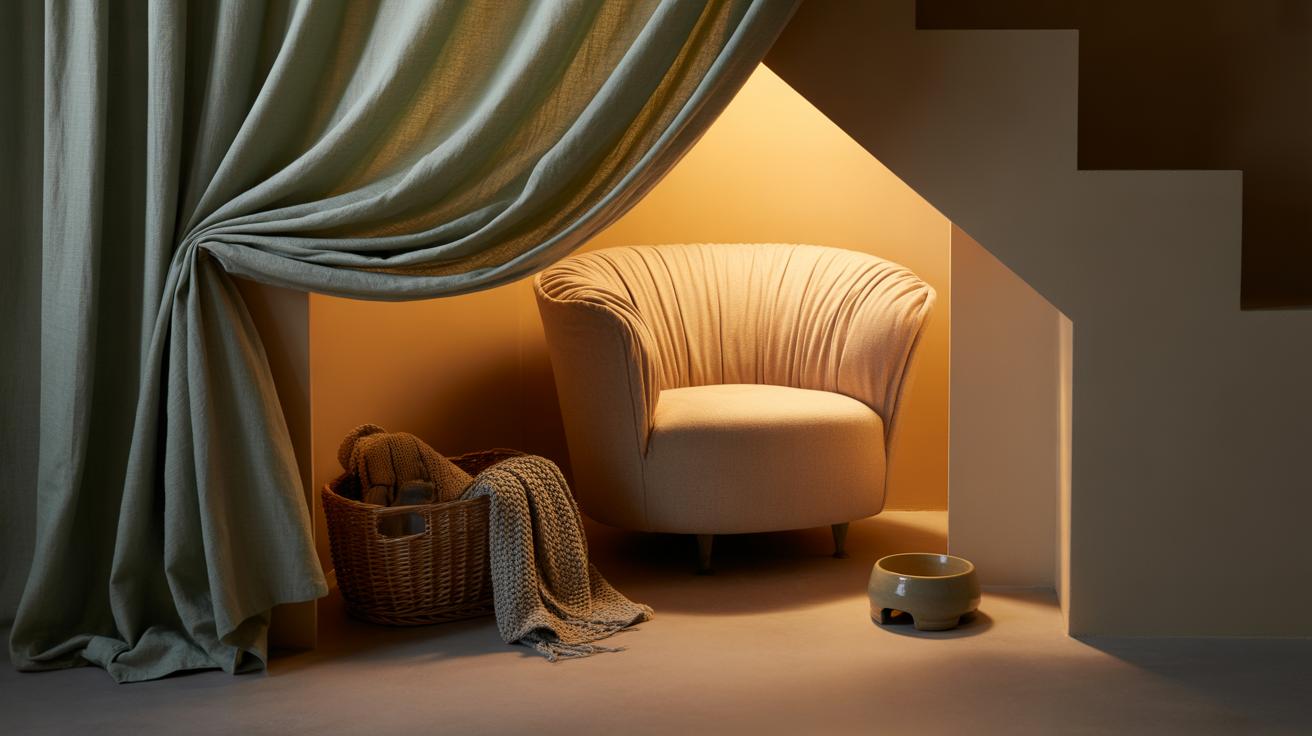
If you want your dog to have a calm and safe place for resting, creating a quiet dog nook is the answer. A dog nook is a small, cozy area set aside just for your dog to nap and relax. It helps your dog feel secure, comfortable, and happy in your home.
In this article, you will learn why having a quiet nook is important for your dog’s wellbeing and how to set one up step by step. We will explore everything from choosing the right location to picking suitable supplies to make the space inviting and restful for your furry friend. Let’s create the perfect peaceful place for your dog’s naps.
Benefits of A Quiet Dog Nook
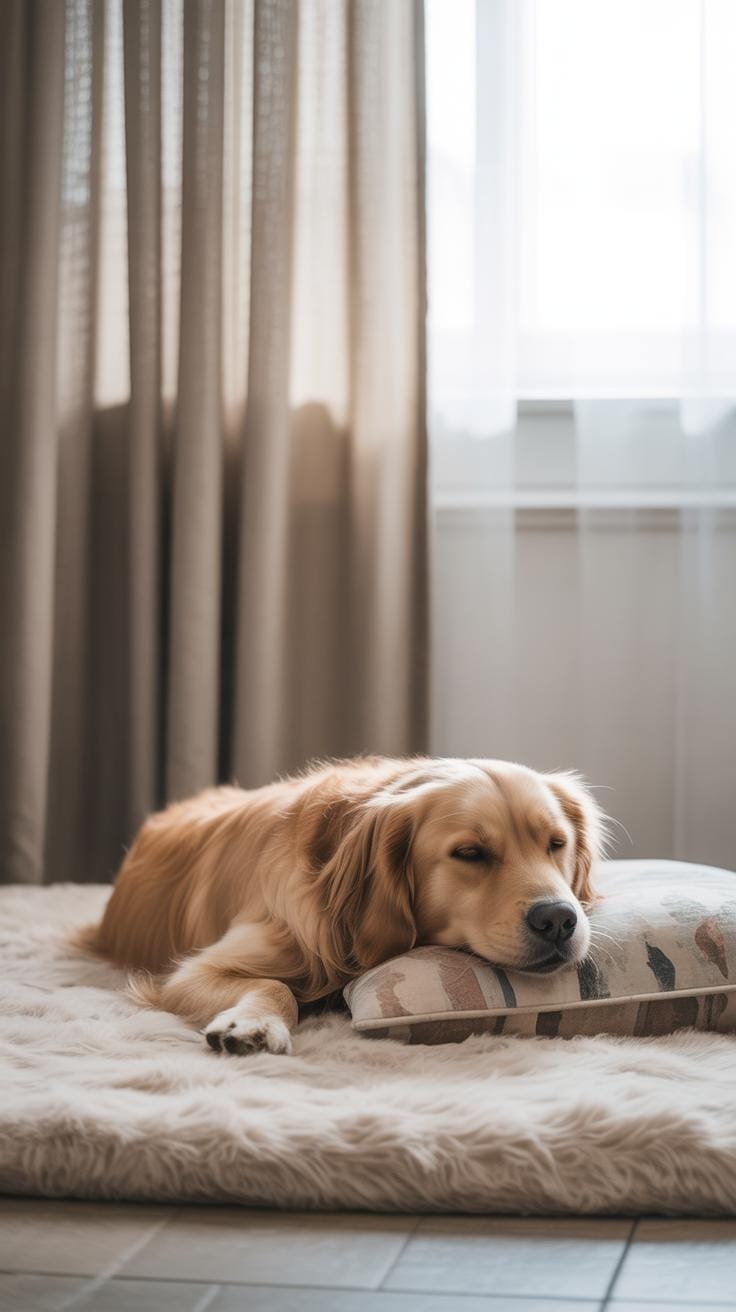
Creating a quiet nook for your dog does more than just provide a spot to nap—it offers a space for mental rest that many dogs truly need. Dogs, like people, can get easily overwhelmed by noise, interaction, or even unfamiliar activities around them. Having a peaceful corner lets them step away and decompress. You might notice your dog settling more quickly, breathing slowing down, and an overall drop in anxious behaviors when they retreat to their nook. It’s not just about sleep, but about genuine calming.
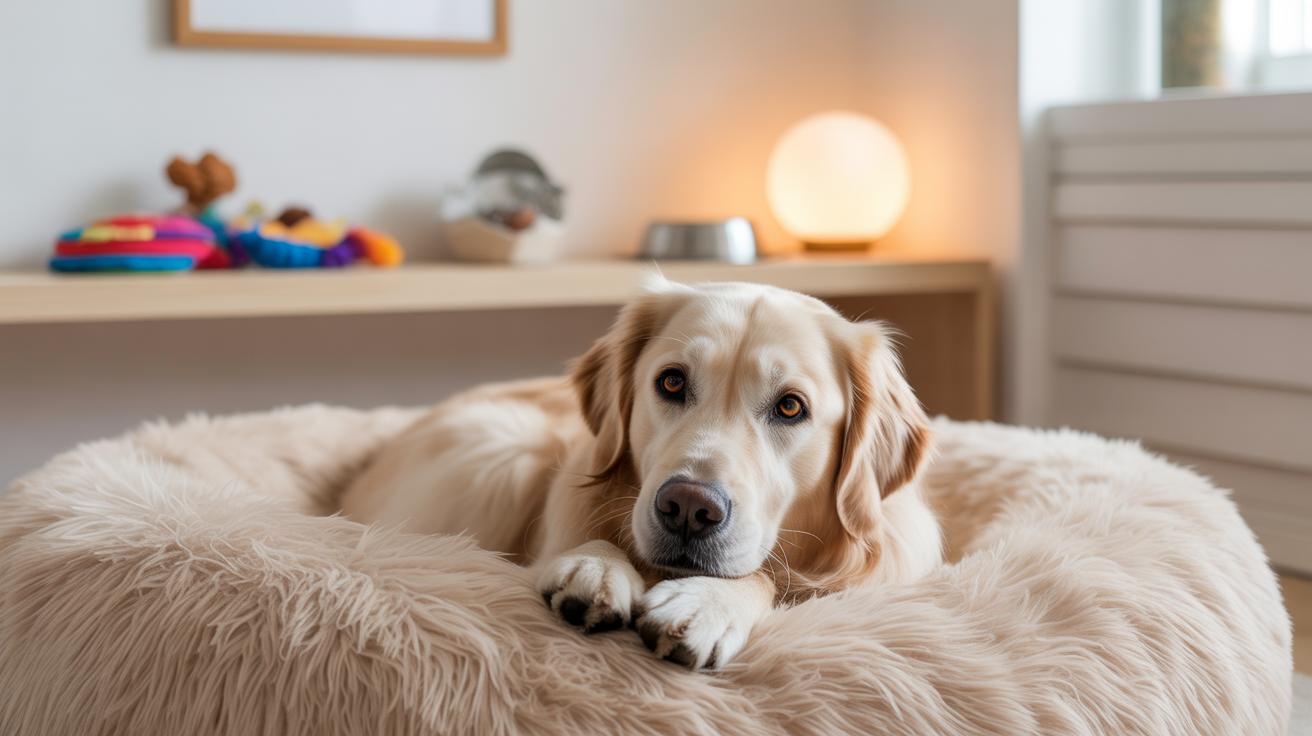
This kind of retreat also builds a sense of security. Dogs crave a place where they feel safe, a personal zone that belongs only to them. You might see how they approach their nook with some hesitation at first, then gradually treat it like a refuge. It’s kind of like their version of a safe haven where nothing can disturb or scare them. This is especially useful in busy homes or apartments where there’s constant foot traffic or noise. The nook acts as a mental safe space, helping them relax even during hectic days.
Physical health benefits aren’t always obvious but they’re tied to this security and mental rest. Reduced stress means fewer stress-related health problems—less pacing, no repetitive behaviors, and generally better overall wellbeing. Plus, they tend to nap better and longer, which aids muscle recovery and energy replenishment. So, it’s not just about comfort—it’s about giving your dog what they need to maintain balance in their daily life. Have you noticed how your dog reacts to quiet spots? Maybe a little hidden nook could be just what they’re missing.
Choosing the Best Location For Your Dog Nook
Finding A Low-Noise Corner
Noise levels can make or break the comfort of your dog’s nook. Dogs often get startled or restless when sounds come at them unpredictably—think about the constant hum of a television or the tap of footsteps nearby. Picking out a spot where everyday household noises fade to a minimum is key. Ideally, look for a corner that’s tucked away from busy passageways like hallways or the kitchen. You might notice your dog already favors a certain quiet corner or spot where they tend to lie down and relax; that’s usually a hint. It’s tempting to choose a location just because it’s free or fits your furniture, but if your dog’s ears perk up at every little noise there, that spot probably isn’t right.
What about places in your home that are naturally quieter? Rooms without windows facing a busy street can help, or a back corner away from the main living areas. Sometimes, the perfect spot isn’t somewhere visible—like inside a closet or behind a sofa. It might feel slightly odd, but dogs often like their space to feel sheltered, away from distractions and noise.
Considering Light and Temperature
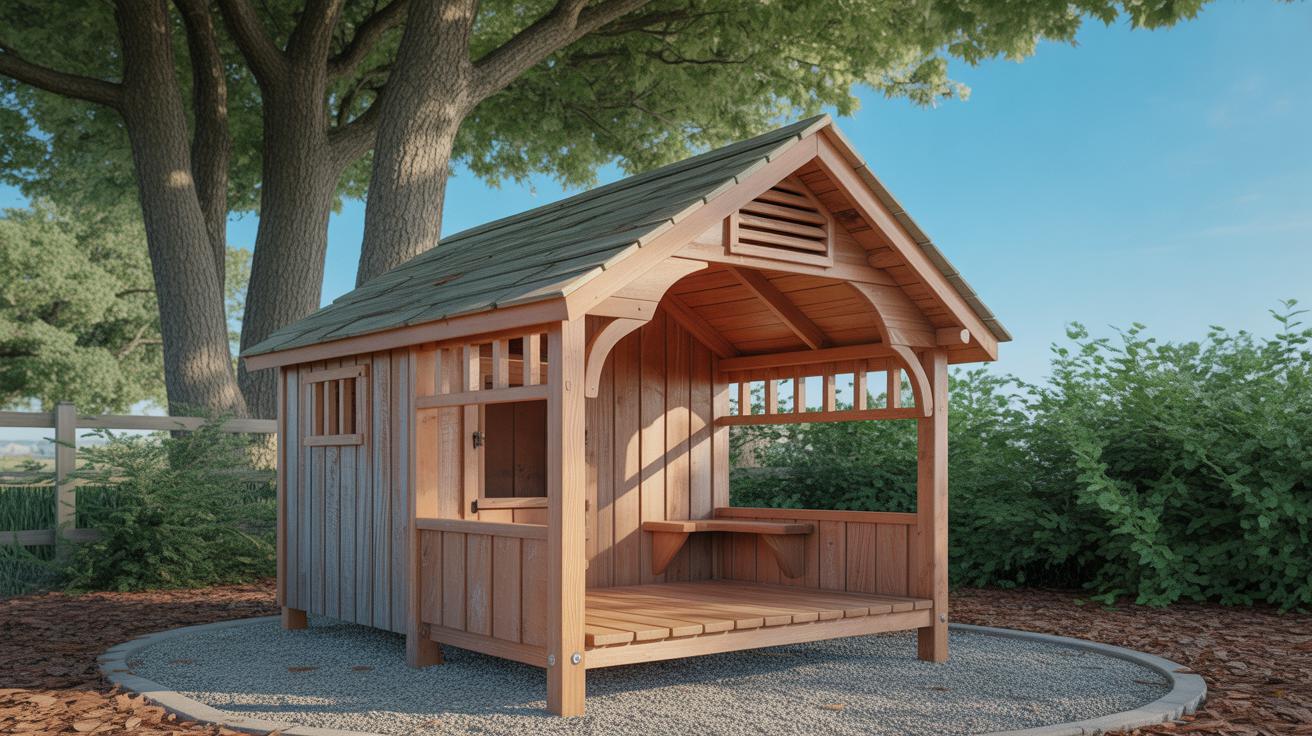
Light and temperature play larger roles than you might expect. While you may imagine a dog’s resting place as a dark retreat, many dogs actually appreciate some natural light filtering in. It feels less isolated and can help regulate their rest cycles. Still, avoid spots with harsh direct sunlight that might turn the nook into a mini oven. You want a place that’s calm, but not gloomy or stifling.
Temperature can be tricky. Dogs prefer moderate warmth—not too hot or cold—so locating their nook near a drafty window or directly under heating vents can cause discomfort. I once noticed my dog avoiding her bed because it was right next to a cold air vent. She chose the floor a few feet away instead. This suggests you’ll want to find a spot shielded from sudden temperature shifts but still well-ventilated. Sometimes, the best place is where the temperature naturally hovers around room comfort, and you can add blankets or cooling pads if necessary to keep it just right.
In the end, those little details—low noise, gentle light, and steady temperature—combine to shape a space where your dog actually wants to relax. It takes a bit of observation and maybe a few trials. But once you find that spot, it makes a noticeable difference.
Choosing The Right Bed and Soft Furnishings
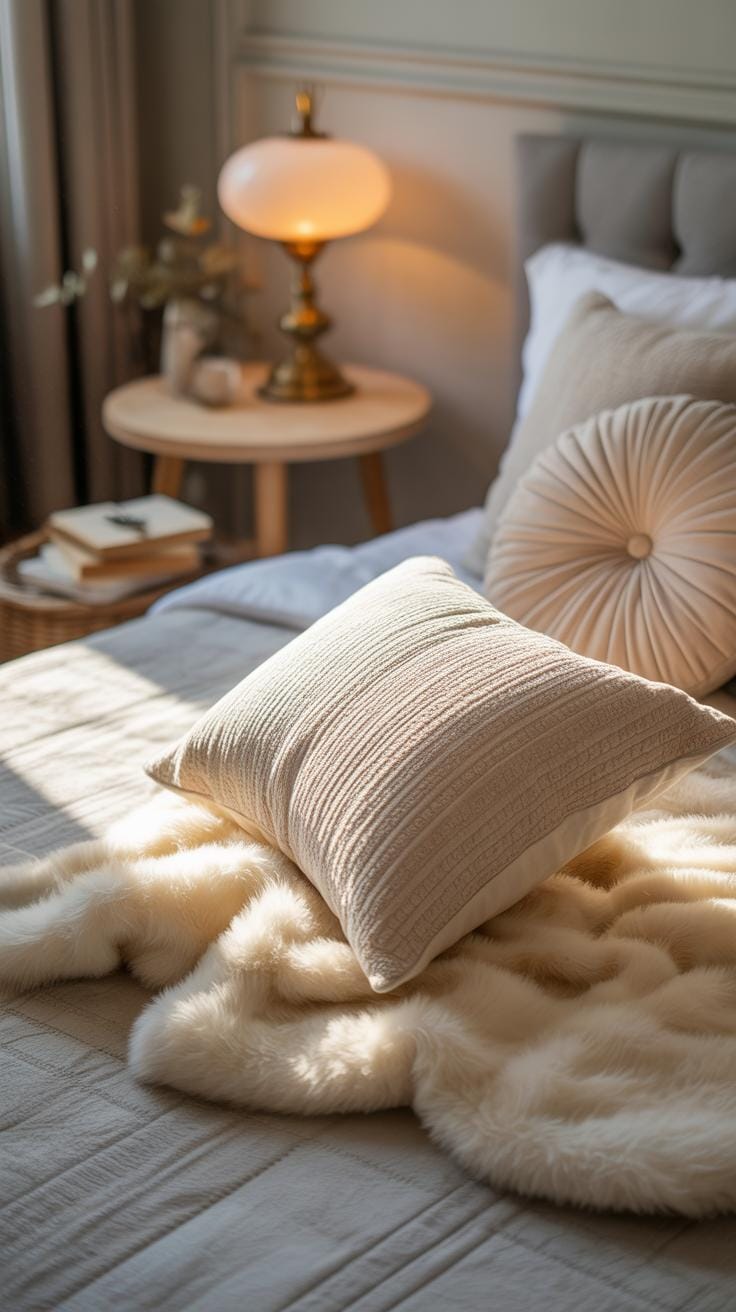
Picking the right bed for your dog isn’t just about size, though that matters a lot. You also want to think about your dog’s sleeping style. Some dogs curl up tightly, preferring bolsters or donut-shaped beds that offer cozy boundaries. Others stretch out flat and need a larger, flatter surface with firm support beneath.
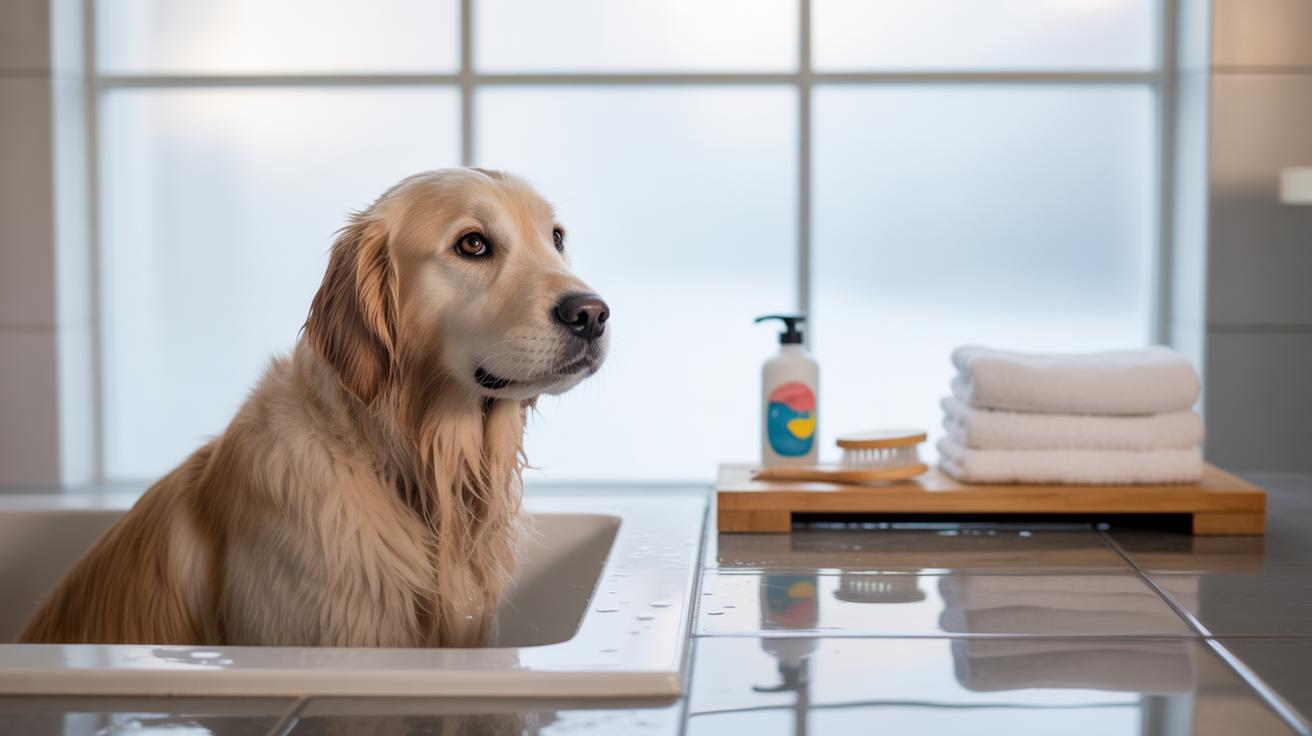
There are several bed types to consider:
- Memory foam beds: Great for older dogs or those with joint issues. They contour to the body for support.
- Pillow beds: Soft and squishy, but might lack structure for bigger dogs.
- Bolster beds: With raised sides that give a sense of enclosure, they can comfort dogs who like leaning against something.
Softness doesn’t mean just plushness—it’s also about support. A bed too soft may cause discomfort or poor posture during naps. I’ve noticed my dog avoiding overly fluffy beds, opting for ones that feel sturdier yet still comfy.
Now, layering blankets and cushions can make the nook more inviting. Try folding a thick fleece blanket over the bed, adding a softer blanket on top. Cushions placed near the edges create a snug perimeter. This layering invites your dog to nest, adjusting the setup based on how cold or warm they feel.
One caution: too many layers can feel cluttered or hot, especially for dogs with a thick coat. So it’s a bit of trial and error. What does your dog prefer? Thin layers or that heap of pillows that looks like a mini fort? Watch their reaction—that’s your best guide.
Soundproofing and Noise Reduction
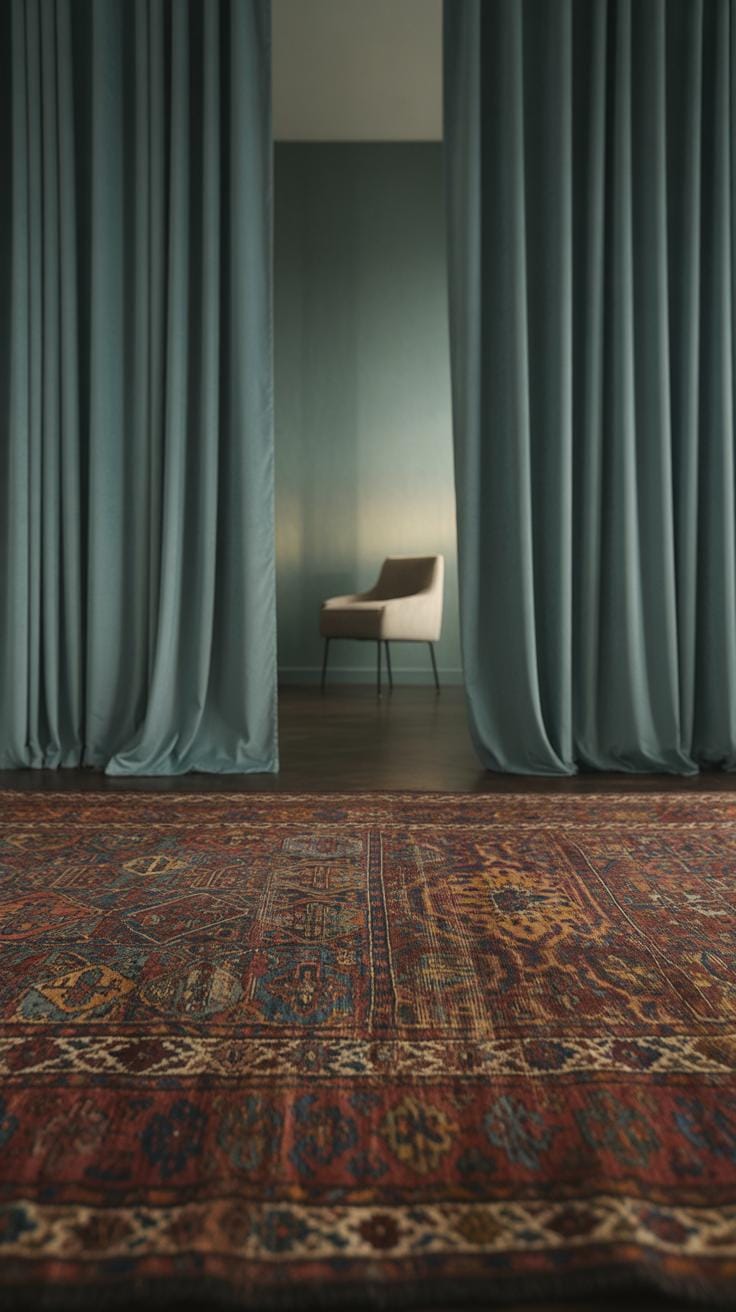
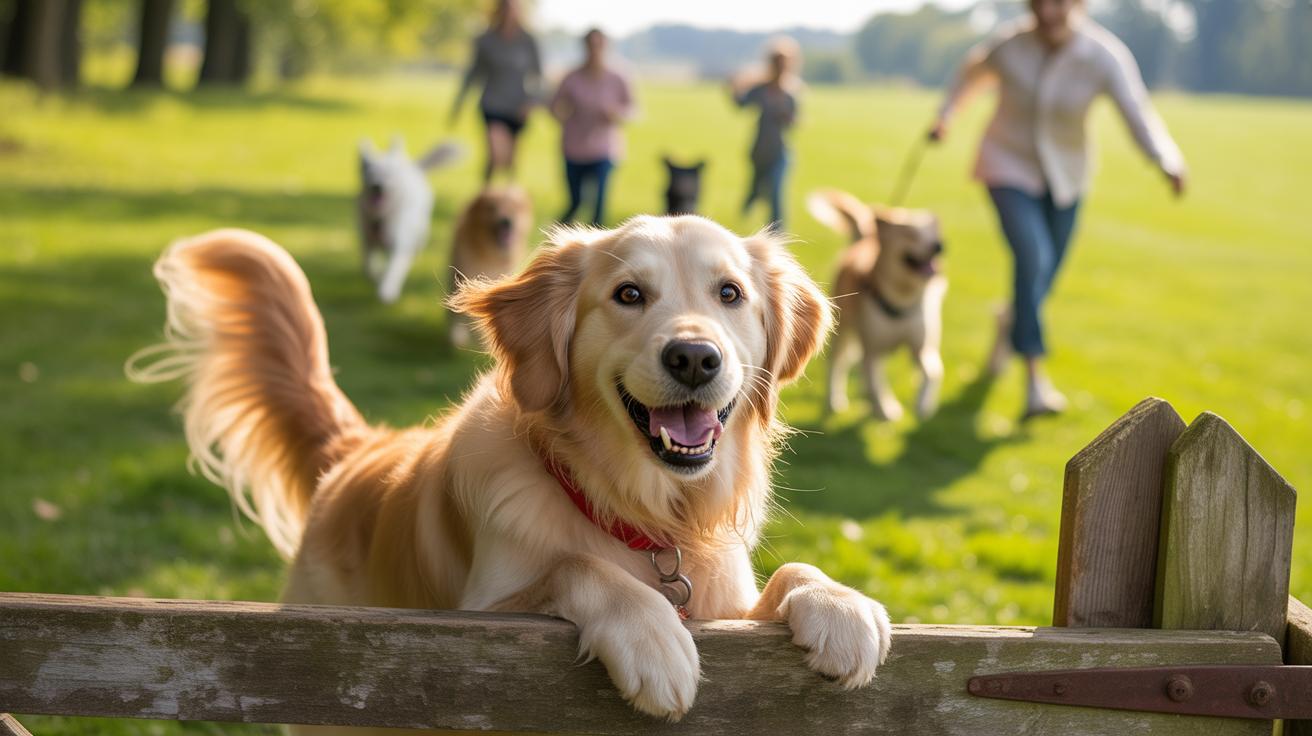
Creating a quiet space for your dog often means looking beyond just comfort. Noise plays a big role in how easily your dog can relax or get startled. Soft materials can help a lot here. Rugs and curtains aren’t just decoration—they actually absorb sound waves, cutting down on echo and muffling outside noises.
Think of placing a thick rug under the dog’s bed or adding heavy curtains around the nook. These items soak up noise before it reaches your dog. Maybe you’ve noticed how your footsteps sound louder on bare floors—that’s the kind of sound rugs reduce.
White noise machines or gentle soundtracks also work well. The steady hum can mask sudden noises like doorbells or traffic, which might otherwise disrupt your dog’s rest. Sometimes I’ve found a simple fan in the background does the trick. But, it’s a bit of trial and error; some dogs prefer complete silence while others find soft sounds soothing.
Small changes like these make a big difference. Does your dog perk up at every noise? Trying rugs, curtains, or a low buzz of background sound could help your dog relax more deeply in their nook. At least, it’s worth trying—quiet is a tricky thing to guarantee, but worth pursuing for a peaceful nap spot.
Adding Personal Touches To The Dog Nook
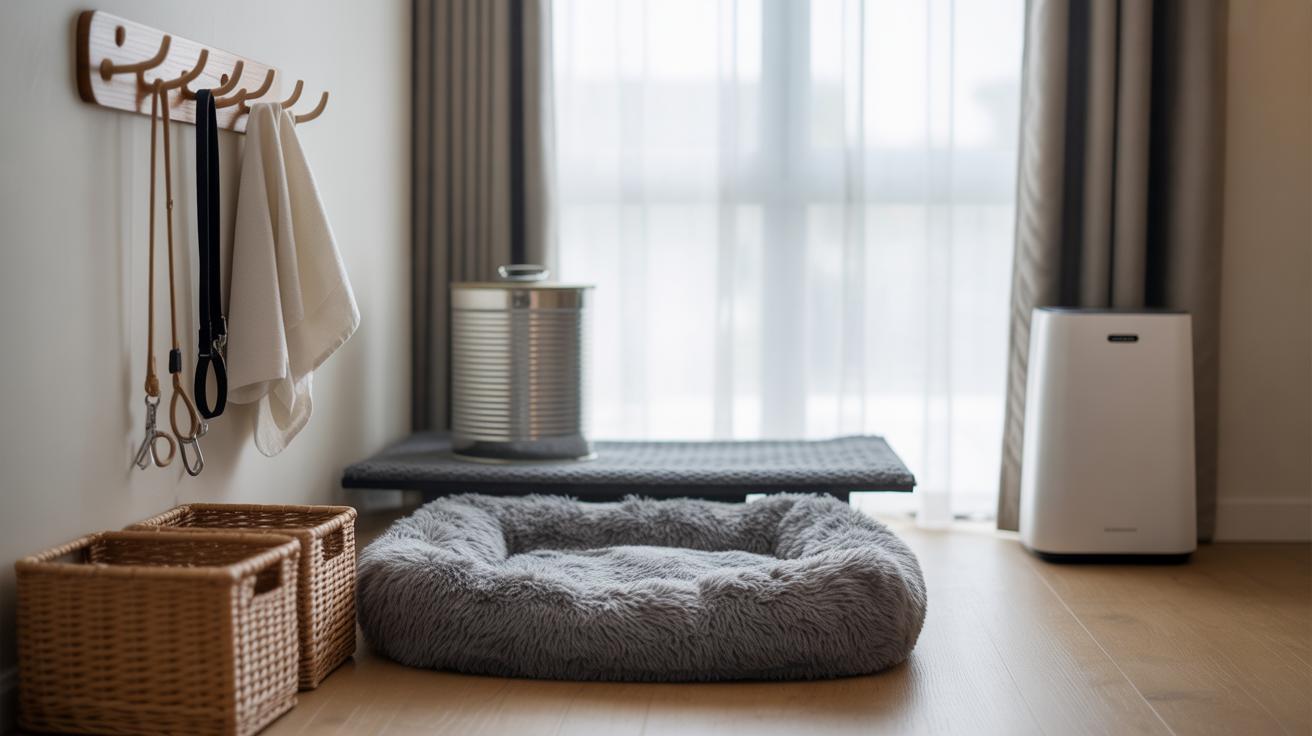
Making a dog nook truly inviting means filling it with things your dog already loves. Think about the toys they chew on or carry around—those familiar objects can make the nook feel like their own little refuge. Maybe your dog has a favorite ball or a plush toy they never leave behind. Placing these in the space encourages them to settle in because it feels familiar and secure.
Chew items or treat-dispensing toys also work well here. They keep your dog busy, providing a comfort that’s more than just physical. If your dog is used to certain types of treats or toys during downtime, bringing those into the nook can make a noticeable difference. It’s like creating a mini-haven equipped with their personal comfort items.
Another layer to consider is scent. Dogs respond strongly to smells, especially those linked with their humans. A blanket or piece of clothing that carries your scent can help calm your dog when they’re alone. It’s almost like you’re there with them, even if you’re not in the room. Using something with your scent is an easy, subtle way to add to their sense of safety.
Training Your Dog To Use The Nook
Introducing The Nook Positively
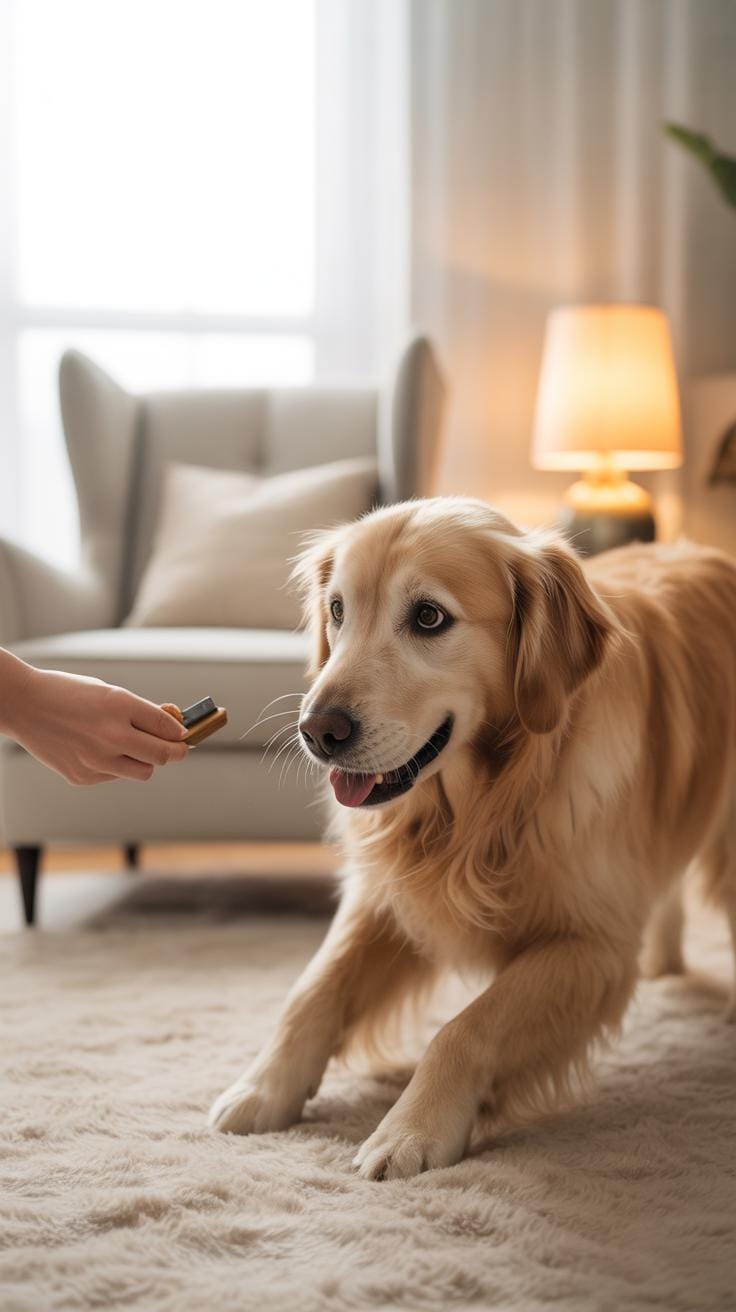
Getting your dog comfortable with the new nook is a process that starts with making it inviting. Try placing some treats inside the nook to catch their attention. Praise them warmly when they approach or step inside—it helps create a positive link between the nook and good things.
Sometimes, your dog might be hesitant at first. That’s fine. You can sit nearby, gently encouraging them to explore. Use a calm voice, offer pets, or toss a favorite toy into the nook. Over time, these small positive experiences will associate the nook with safety and reward.
Keep in mind, forcing your dog to enter won’t work well. It’s better to let curiosity do the job naturally. Your dog needs to feel this place is theirs, not a confinement.
Making The Nook Part Of The Daily Routine
Consistency helps most dogs understand what you expect. Try to carve out quiet times where your dog is gently guided to the nook, especially after active play or mealtime. Establishing a sort of “nap schedule” makes restful downtime predictable, which can be calming.
If your dog knows to expect that the nook is where rest happens at certain times, they’re more likely to settle in without fuss. A little routine provides structure without pressure. This might not happen immediately, but with patience, you’ll see your dog naturally gravitate to the spot when they’re tired.
You may notice they resist sometimes, and then suddenly seem eager the next day. That’s normal. The key is to keep the routine gentle and adaptable. After all, your dog’s comfort with the nook should grow on their own terms.
Maintaining Cleanliness and Freshness

Keeping your dog’s nook clean isn’t just about looks—it directly affects your pet’s comfort and health. Dog beds and blankets tend to trap dirt, fur, and odors faster than you might expect. Washing them regularly helps prevent odors from building up and keeps the area inviting. I find that washing bedding once every one to two weeks works well, but you might need to adjust based on your dog’s activity or if they spend more time outdoors.
When washing, choose gentle detergents without strong fragrances. Sometimes, heavily scented soaps can irritate a dog’s sensitive nose or skin. Also, drying thoroughly—not just towel drying—prevents dampness that can cause musty smells or mildew.
As for the nook itself, dust and allergens can gather around the area, making the space less comfortable over time. Simple methods like vacuuming the floor nearby and wiping down hard surfaces help a lot.
- Vacuum weekly, focusing on corners and edges where pet hair collects.
- Use a damp cloth to wipe any nearby furniture or walls to reduce dust buildup.
- If your nook includes a carpet or rug, consider shaking it out frequently or spot cleaning spills quickly.
It’s surprising how a bit of extra attention here can keep the nook fresh and inviting. You might wonder if it’s too much fuss, but dogs seem to appreciate the difference. They’re more likely to settle in, relax, and even nap longer in a clean, fresh space. Could a little extra care make their favorite spot even cozier? Probably yes.
Adjusting The Nook For Changing Needs
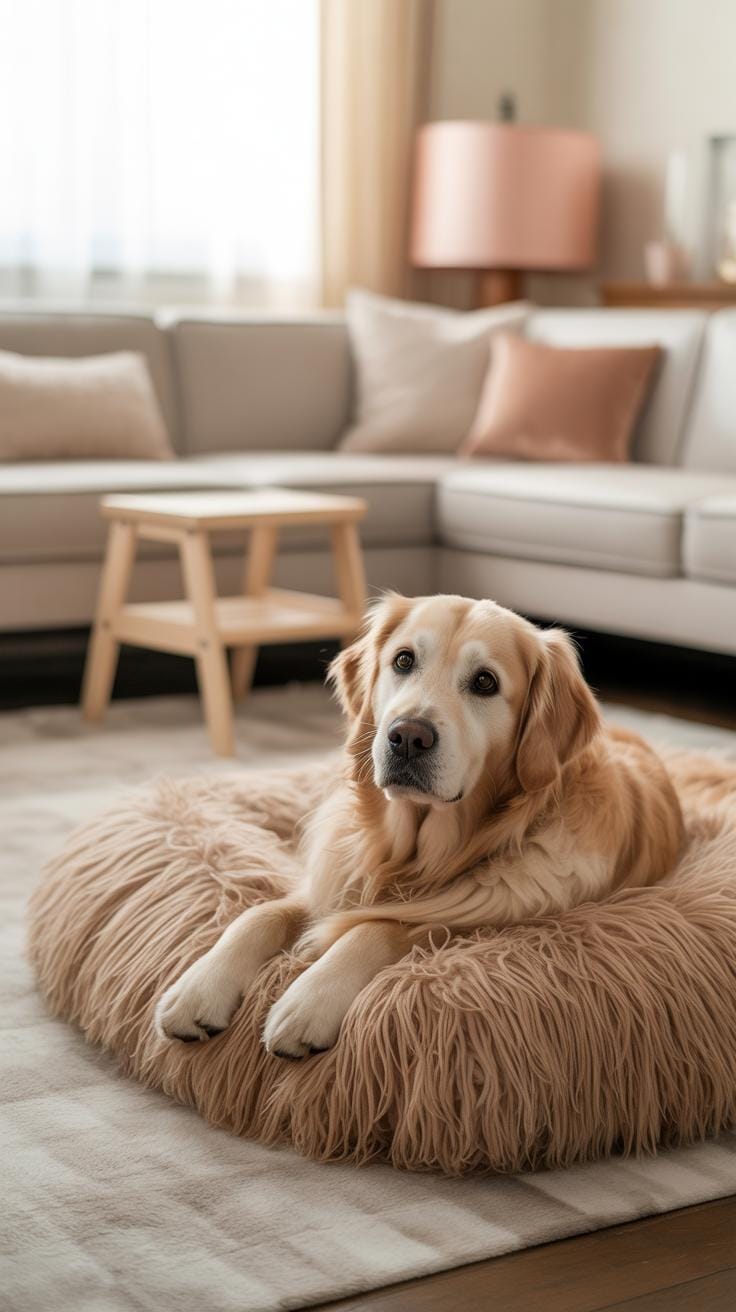
As your dog grows older or shifts habits, their nook should change, too. What worked when they were a playful puppy might not fit for a senior dog who prefers gentler comfort. You may notice your dog spending more time resting or being less active, signaling it’s time to tweak their space.
Adding Support For Senior Dogs
Older dogs often struggle with joint pain or stiffness. Adding an orthopedic bed can really help ease discomfort. These beds support pressure points and keep their spine aligned. Sometimes extra padding beneath or around the bed provides a softer buffer, especially for dogs with arthritis or hip issues.
Placing the bed where the floor isn’t cold or hard can make a difference, too—perhaps try a thick blanket or foam mat underneath. I found providing a slightly elevated edge gives my older dog a sense of security too. Experiment with what your dog seems to prefer; you might be surprised by subtle preferences.
Modifying For Seasonal Changes
The nook should adapt to the seasons like a cozy little refuge. In winter, add warm blankets or even a low-heat pet-safe pad to keep the chill at bay. You could try swapping out lighter fabrics for soft, insulating ones to trap warmth better.
When summer hits, keep the area cool by placing it away from direct sunlight. Breathable covers or cooling mats can help. Fans nearby or a shaded spot near a window could keep your dog more comfortable. Sometimes just repositioning the nook makes a difference. Pay attention to where your dog chooses to settle when it’s hot or cold—they’ll tell you what they need if you watch carefully.
Enhancing Your Dogs Overall Rest Quality

Your dog’s nook isn’t just a cozy corner—it works best when combined with good nutrition, regular exercise, and your attentive care. When your dog eats well and gets active, they naturally settle into rest more easily. Think about those times when after a long walk or a playful session, your dog seems almost eager to curl up in their nook. That’s no coincidence.
Exercise tires them out physically, but it also helps calm their mind. Without enough activity, dogs might feel restless or bored, and they won’t appreciate their nap space as much. On the other hand, balanced meals fuel their body and brain, making rest even more restorative.
But beyond food and movement, your presence matters. When you sit nearby, speak softly, or even just check on them, your dog feels safer. That sense of security encourages deeper, more peaceful sleep. I’ve noticed my dog’s nap quality improves when I spend a few minutes gently petting or simply sitting with him in the nook. It’s as if the combination of these factors creates an environment that invites true relaxation.
Conclusions
Making a quiet dog nook shows you care about your dog’s needs for comfort and rest. A dedicated space helps your dog relax and feel safe in your home. By setting up the nook carefully, you support your pet’s mental and physical health.
Remember to observe how your dog uses the nook and make changes if needed. Your dog’s favorite spot should be a peaceful retreat where they can take restful naps every day. A quiet dog nook is an easy way to improve your dog’s quality of life and strengthen your bond.