Introduction
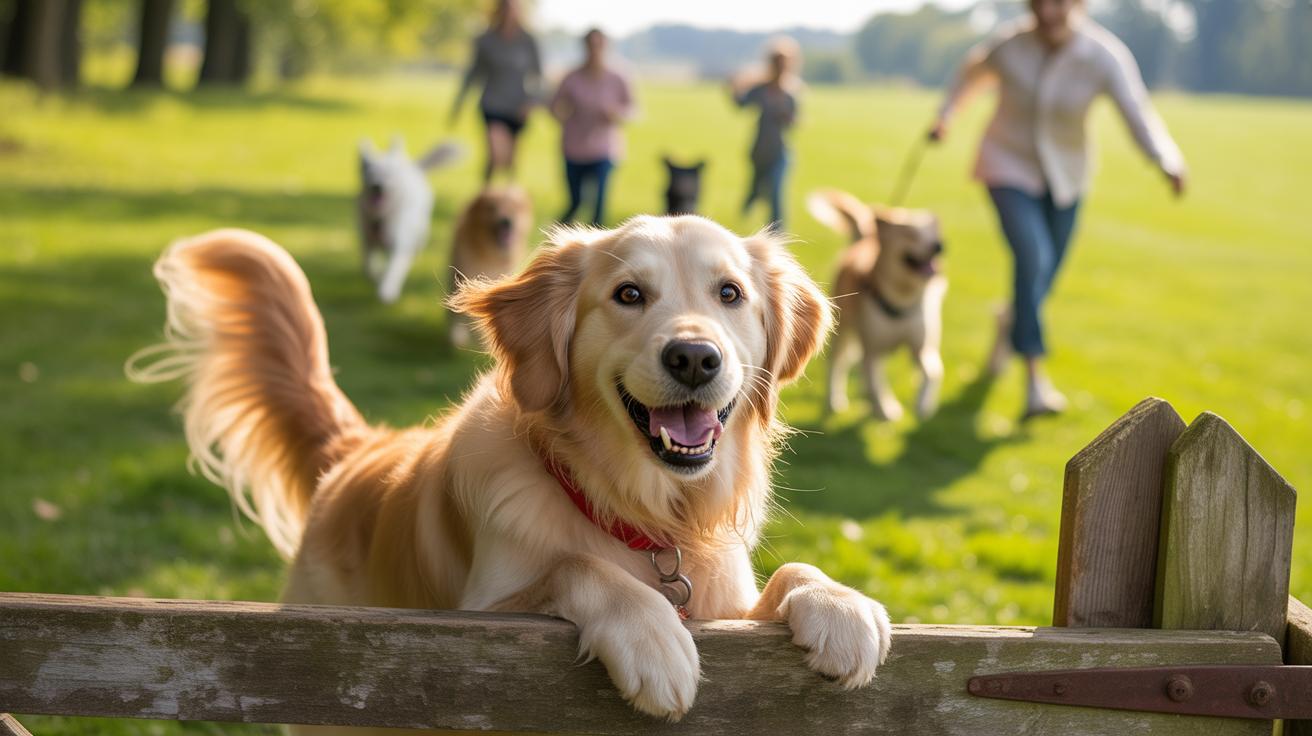
Visiting a dog park offers a great chance for your dog to exercise, socialize, and have fun off-leash in a safe space. Dog parks provide an area where dogs of all sizes can enjoy time outside while owners relax and connect with other dog lovers. Following good etiquette and knowing how to play safely help make these visits happier for everyone involved.
This article covers important aspects of dog park etiquette and provides practical play tips. You’ll learn how to behave responsibly, understand the park environment, and interact well with other dogs and owners. These insights will help you enjoy a pleasant experience every time you take your dog to the park.
Knowing The Dog Park Setup And Rules
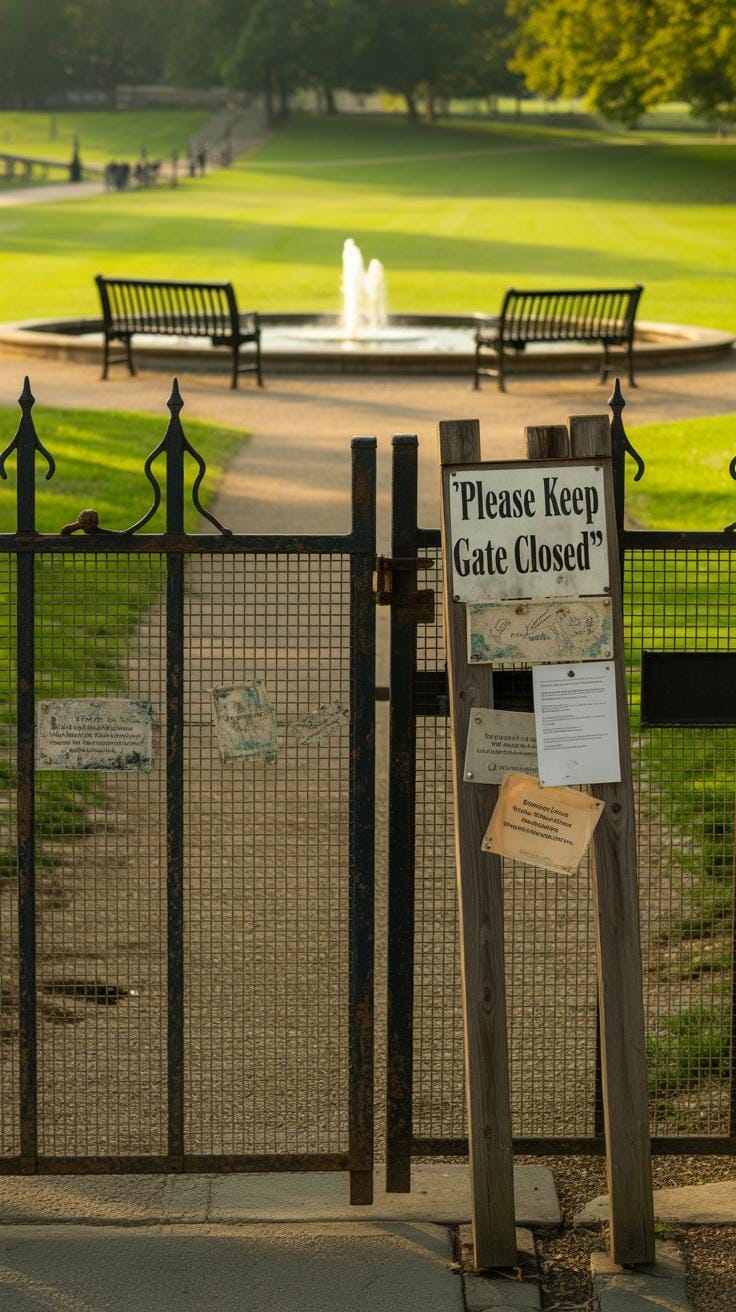
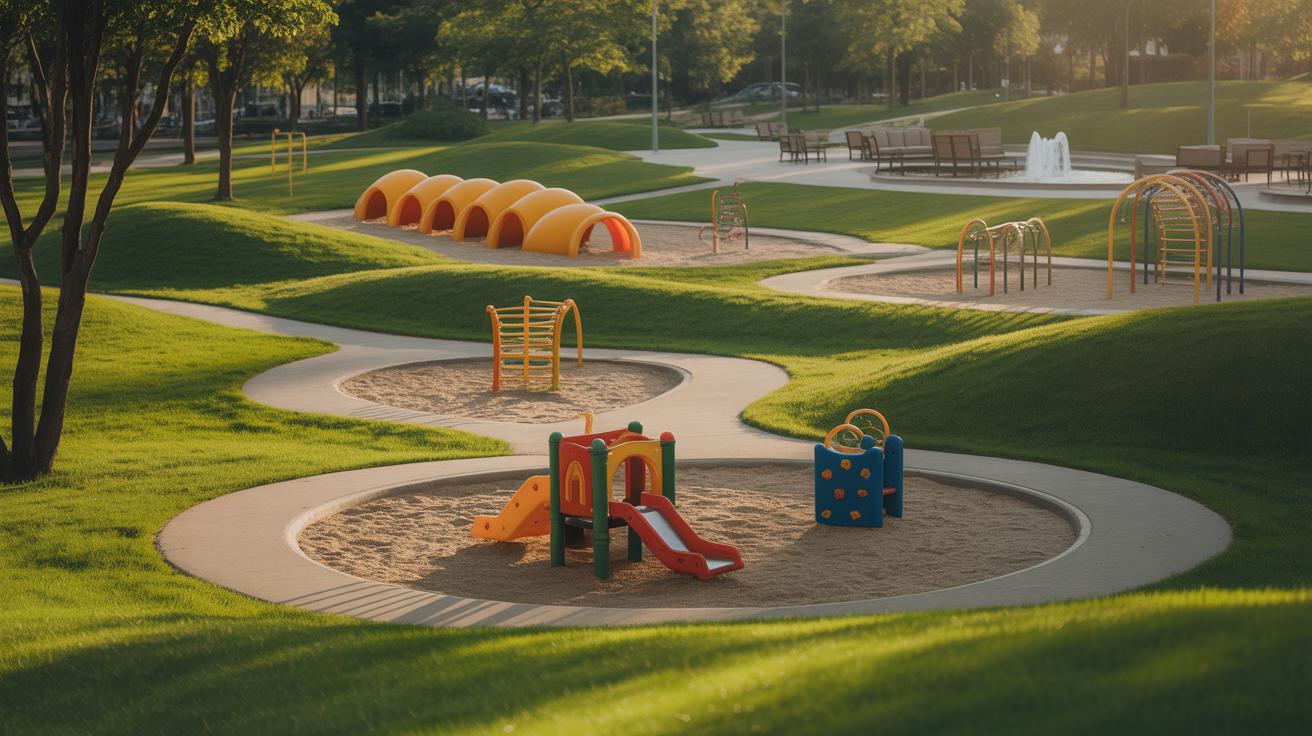
Dog parks usually have clear physical boundaries to keep dogs safe and contained. You’ll often find solid fencing around the perimeter, sometimes anywhere from four to six feet high. Some parks add a second gate between the entrance and exit—a kind of buffer zone that helps prevent dogs from dashing out unexpectedly. These double-gated entries might feel a bit cumbersome but they really do make a difference. You’ll also see waste stations scattered around, stocked with bags and trash bins to encourage cleanup. It’s a small detail but one that makes a big impact on everyone’s experience.

Before stepping inside, remember that leash rules usually apply up to the park’s boundary. Dogs should stay leashed outside the park, and inside, unleashed only in designated areas. Most parks require dogs to be vaccinated and free from contagious diseases—no one wants to risk spreading something nasty. Knowing the park’s layout and specific rules beforehand can prevent awkward situations. Does the park have separate zones for small and large dogs? Is there a quiet area for shy or older dogs? These are key things to check out so your visit starts off well and stays safe.
Physical Features And Safety Measures
Physical features in dog parks aren’t just for show—they serve a purpose. Fencing varies but is generally high enough to discourage jumping or climbing out. You might notice chain-link or solid panels, sometimes angled inward at the top to make a leap even trickier. The double-gated entry system acts as a small “airlock,” letting you secure your dog inside before opening the second gate. It’s worth testing your dog’s patience here; some get overly excited and try to bolt through.
Waste disposal stations are strategically placed, encouraging owners to pick up after their dogs—both for cleanliness and health reasons. Some parks even provide hand sanitizer nearby, which is a nice touch given the number of dogs running around. If the park has separate sections for different sizes of dogs, it helps reduce potential conflicts and accidents. Large dogs can intimidate smaller ones, and smaller breeds can get overwhelmed. These divisions, when used correctly, keep playtime more enjoyable and less stressful on all sides.
Key Park Rules And Why They Matter
Typical dog park rules might seem straightforward but they really do serve a purpose. Cleaning up after your dog isn’t just about courtesy; it keeps the environment healthy and pleasant for everyone. Leaving waste behind spreads bacteria and can make dogs and people sick. Supervising your dog at all times is crucial, too. It’s easy to lose track when your dog is having fun, but keeping an eye prevents unwanted altercations and helps you step in quickly if play gets too rough.
Aggressive dogs generally aren’t welcome. This rule protects all dogs and owners, though sometimes you have to wonder about the line between excitable and aggressive. Park hours matter, too. Many parks close at dusk or early evening to avoid disturbances or damage. Following these rules might feel limiting, but they create a space where dogs can play safely without you constantly worrying. It’s a shared effort—without rules, the park quickly loses its appeal and safety.
Getting Your Dog Ready For The Park
Health And Vaccination Checks
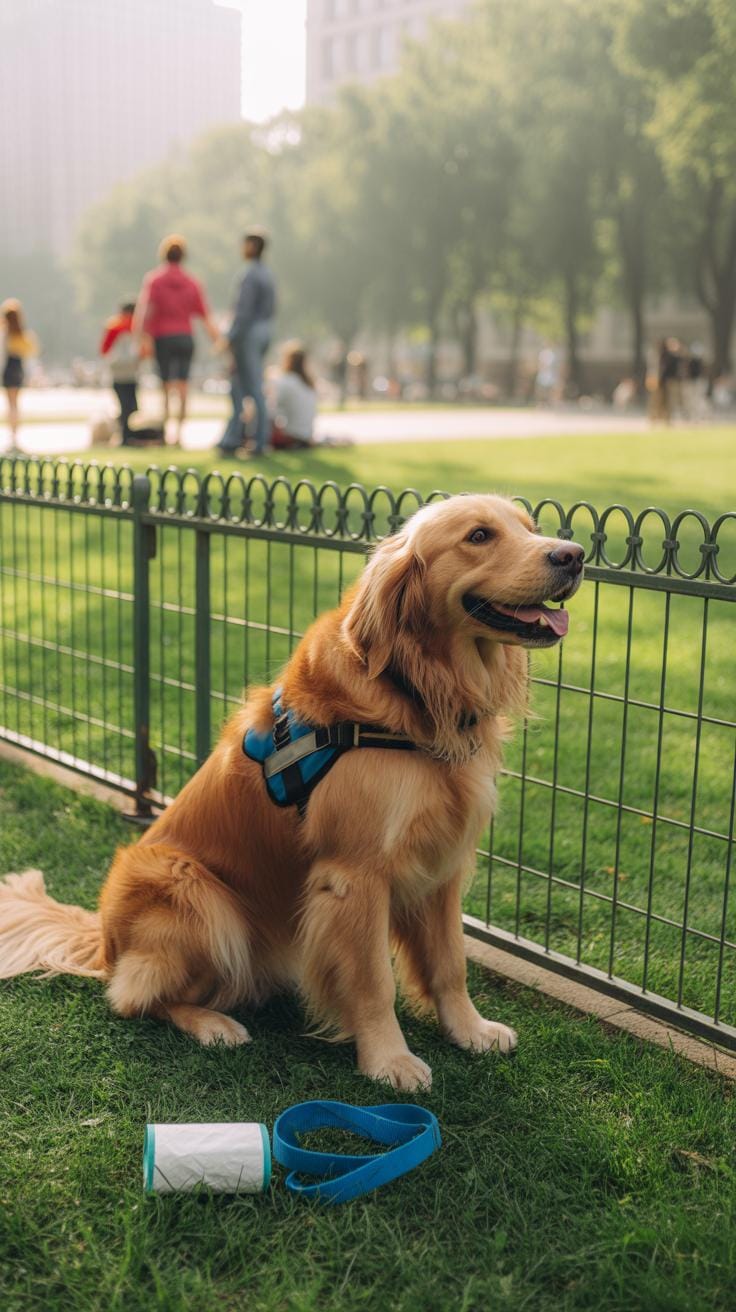
Before heading to the dog park, make sure your dog’s vaccinations are current. Rabies, distemper, parvovirus—these are the key shots that protect your dog and others. Sometimes I get lazy about this, but skipping it isn’t really an option. It’s not just about ticking boxes either. A sick dog at the park isn’t just their problem; it spreads fast. Look out for signs like coughing, sneezing, or unusual lethargy. If your dog seems off, keep them home. You might think a slight sniffly nose is harmless, but at the park, that can quickly turn into a big issue for others.
Assessing Your Dog’s Social Skills
Not every dog is ready to dive into a pack. Before your visit, observe how your dog acts around other dogs and people. Do they pull or growl or get anxious? Maybe they freeze or bark nonstop? These behaviors hint that a trip to the park might be too much right now. Training first can help ease that tension. On the other hand, if your dog plays gently and listens well, that’s a good sign you’re ready. Watch for your dog’s body language closely. Ask yourself: does your dog seem comfortable or overwhelmed? For most, the park is fun only when everyone can handle the chaos without stress—yours included.
Entering And Exiting The Dog Park Correctly
Using The Double-Gated Entry System
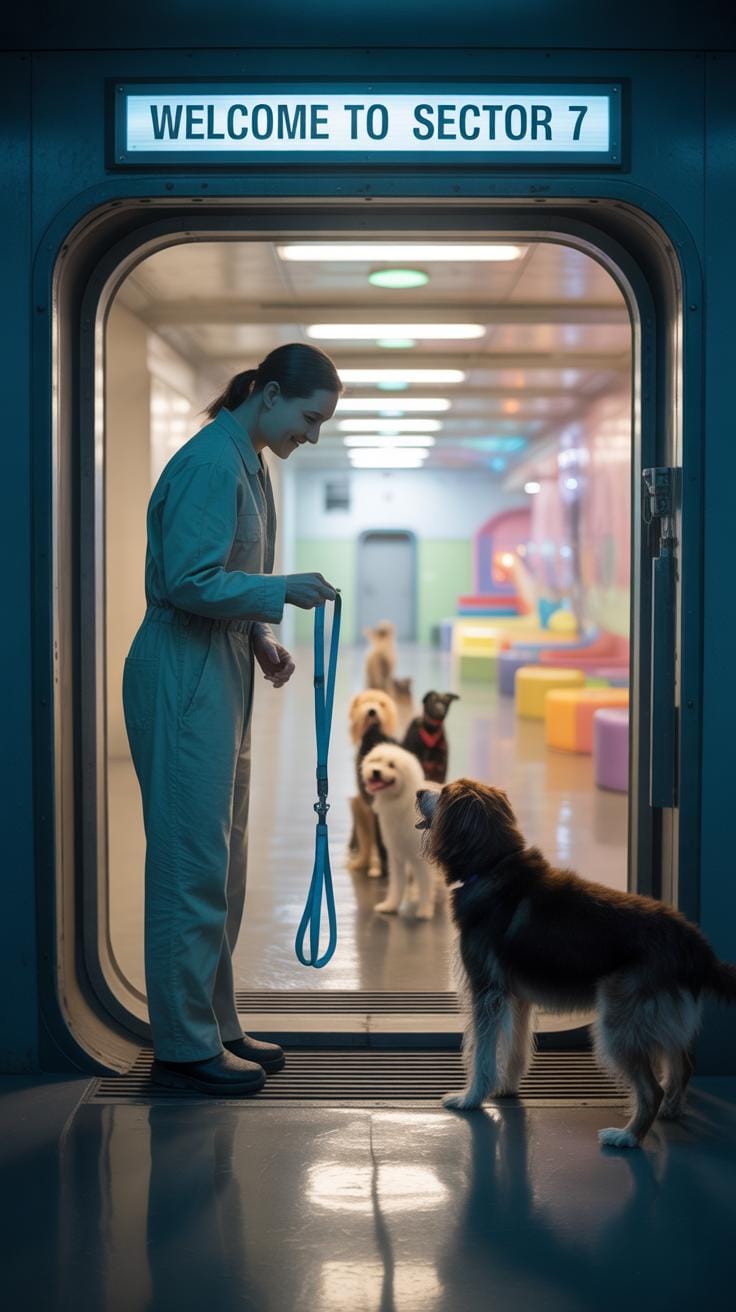
Getting through those two gates without letting your dog slip out can be tricky. The idea behind the double-gated system is simple—one gate closes before the other opens—yet, it requires focus. When you arrive, keep your dog leashed and calm. Step through the first gate, then pause to fully close it behind you. Don’t rush or get distracted; even a brief lapse can turn into a quick escape.
Once inside that small “airlock,” wait a moment. Let your dog get used to the new environment but keep them close and leashed. Only open the second gate when you’re sure the first one is firmly closed. It might feel a bit awkward standing there blocked in, but this little pause helps prevent runouts and keeps everyone safer. That moment of stillness might also give your dog a chance to settle before meeting other dogs.
Safe Exits To Avoid Chaos
Leaving the park is when things can get chaotic, especially if your dog senses it’s time to go but you’re still fumbling with the gates. It’s best to leash your dog calmly while still inside the fenced area, before you approach the exit gate. This way, you control your dog’s excitement or anxiety and reduce the chance of spats near the exit.
Rushing through the gates can upset other dogs or cause accidental escapes. Think about it: dogs often get excited as they anticipate leaving, and some might jump or lunge toward the door. That can provoke others or even lead to injuries. If you take a breath and leash your dog properly, exiting becomes smoother for everyone. It might feel slow, but it’s a lot better than scrambling after a loose dog down the street.
Managing Interactions With Other Dogs
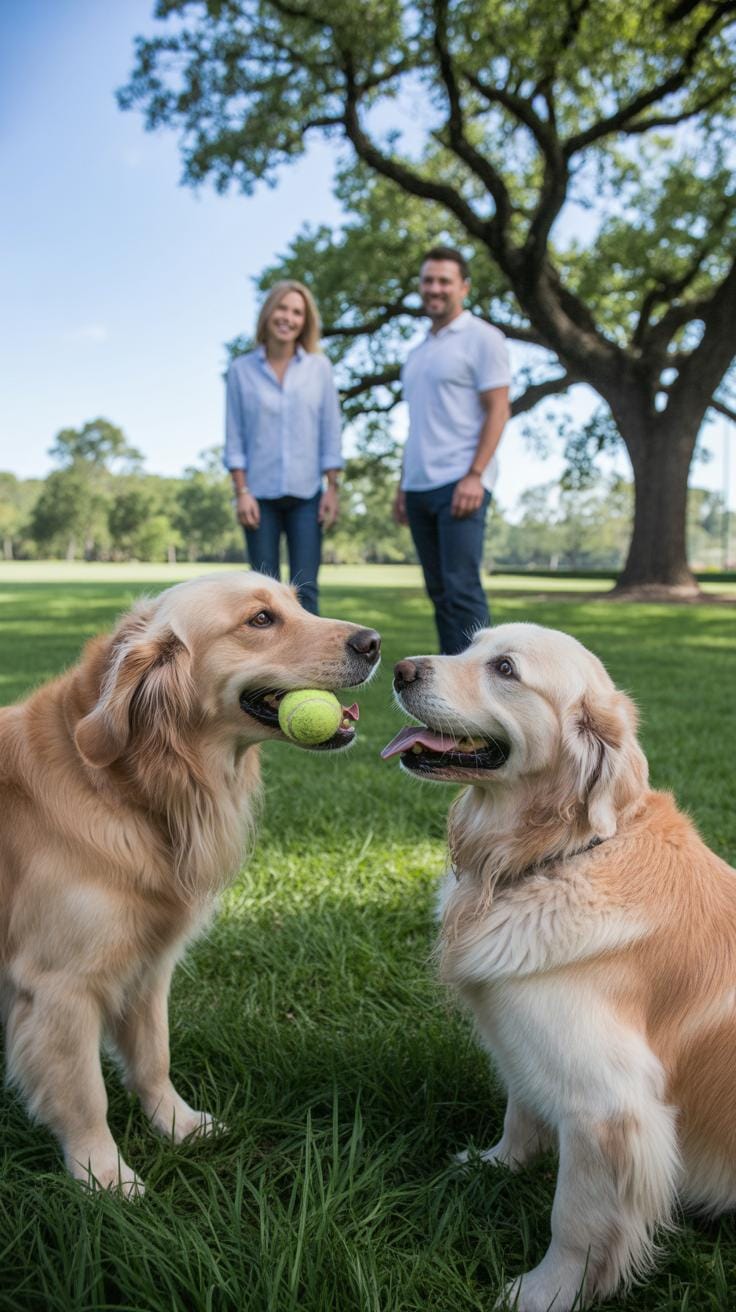
Watching your dog’s body language closely during park visits is key. Dogs talk a lot without words—tail wagging isn’t always happiness, and a stiff posture might be a warning. You’ll notice some common signals: loose, playful bowing, relaxed tails, and soft eyes usually mean things are friendly. But if you spot growling, raised hackles, or intense staring, tension is building.
When play seems to escalate, stepping in early can stop conflicts before they start. Distraction works well—call your dog’s name or redirect them with a toy or treat. If one dog seems overwhelmed or stressed, don’t hesitate to separate them for a few minutes. It’s better than letting things get out of hand.

Introducing your dog to new friends carefully is a bit like a dance. Start with both dogs on leash, letting them sniff safely while you watch for signs of ease or unease. Gradually, if all seems well, you can move to off-leash play. Remember, not every dog will click—and that’s okay.
Signs of stress aren’t always obvious. Some dogs might freeze, tuck their tail, or try to move away. Others might show subtle lip licking or yawning. Recognizing these early prevents frustration and possible fights. Watching closely can help you gauge if your dog is enjoying the social time or feeling pushed too far.
Think about how your dog reacts to different personalities at the park. Are they confident around bigger dogs but shy with smaller ones? Do they prefer calm play or rough-and-tumble? Learning these nuances really shapes how you handle introductions and interruptions. After all, every dog is unique in how they socialize—and figuring yours out takes some trial and error.
Playing Safely And Respectfully
Encouraging gentle and inclusive play can feel tricky sometimes, especially when different dogs have very different energy levels and play styles. You want your dog to have fun but not at someone else’s expense. One way is to offer toys or activities that don’t invite competition or possessiveness. Balls, frisbees, or soft fetch toys often work well—things that dogs can take turns chasing rather than guarding aggressively.
Games like fetch or light chase keep the energy moving without fixating on single items. If you bring toys, be ready to put them away if a dog starts guarding or growling. Sharing toys without conflict takes some reading of the room, honestly—some dogs just don’t like others close to their stuff, and pushing that boundary rarely ends well.
It helps when everyone is playing at a pace that suits the group. A high-energy border collie and a laid-back retriever might need separate games or a break now and then. Watch how your dog reacts if play gets rough or if another dog starts to pull back—that’s a cue someone might want space. Respecting those moments avoids overstimulation and keeps visits nice for everyone.
Cleaning Up And Park Maintenance
Picking up after your dog is not just a polite gesture—it really shapes the whole experience for everyone. When you leave waste behind, it’s more than just unpleasant; it can spread bacteria and parasites, making the park less safe for other dogs and people. Using the bags and bins provided might seem like a small thing, but skipping this step affects the whole community. I’ve seen parks where a few careless owners quickly turn a great space into a messy area no one wants to visit.
Here are some simple ways you can help maintain the park environment:
- Always bring extra waste bags, just in case.
- Dispose of waste in the bins designated for dog refuse, not regular trash.
- If you notice the bins are full or missing, report it to local park authorities or neighborhood groups.
- Try to pick up stray litter even if it’s not from your dog—it keeps the place cleaner and more inviting.
- Consider joining or organizing community clean-up events; it’s an easy way to pitch in and meet fellow dog owners who care.
When equipment breaks or hazards appear, speaking up can really make a difference. If a fence gate is loose or a section of the park is muddy or unsafe, letting someone know helps prevent accidents and keeps the space pleasant. It might feel like a small thing, but these little acts add up to a safer, better dog park for all.
Handling Challenges And Conflicts
Dealing With Aggression

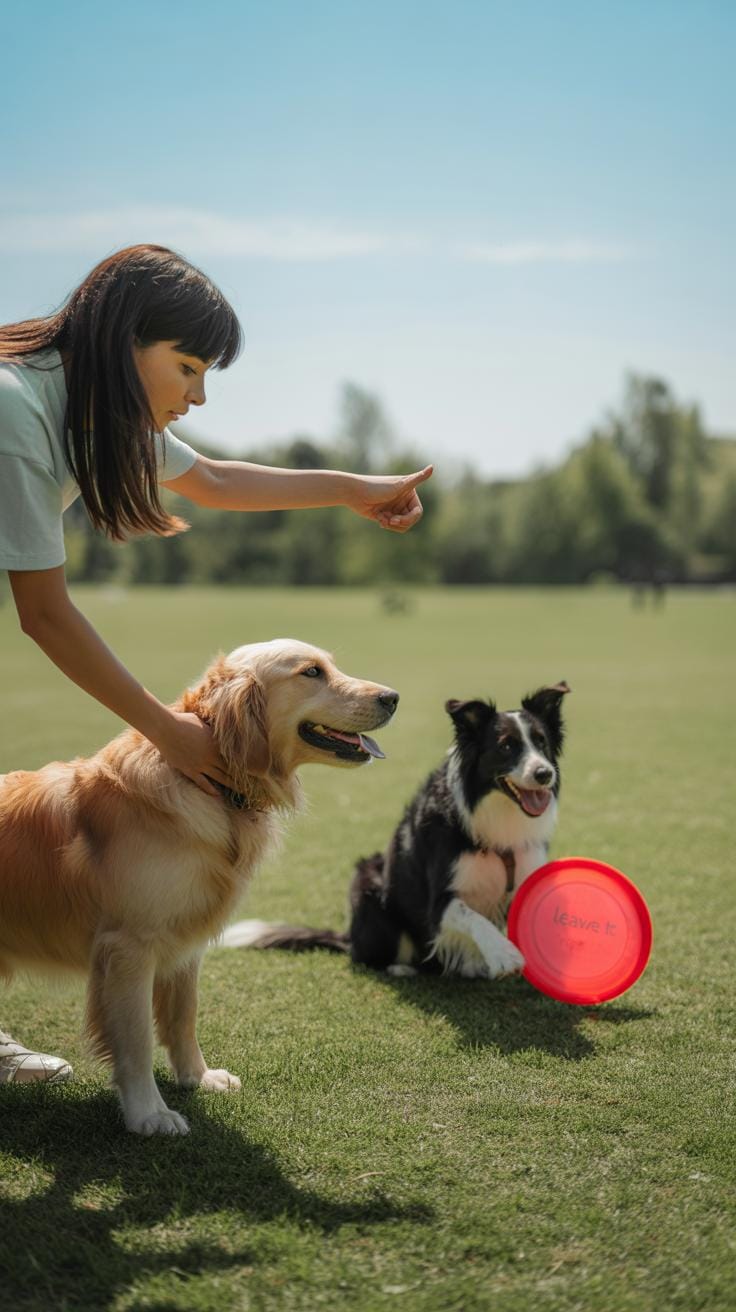
Spotting early signs of tension can really make a difference. Watch for stiff bodies, growling, hard stares, or raised hackles. These signals mean dogs might not be comfortable, and interventions should come quickly but carefully. Trying to pull dogs apart by hands or grabbing collars can be dangerous. Instead, distract them with loud noises, a water spray, or even tossing a blanket over one dog if that’s doable.
If a fight does break out, your safety comes first. Trying to separate dogs physically can escalate things or cause injury—not just to the dogs but to you as well. Calling for help from other owners or park staff is often the best choice. It’s a tough situation, and staying calm is key, even when it feels stressful.
Resolving Owner Disagreements
Arguments happen; it’s almost inevitable when people share space. Keep your tone polite but firm. Try to listen without interrupting—sometimes the other side just wants to feel heard. When things start to get heated or if there’s no agreement, don’t hesitate to involve park officials. They’re there to help and can often defuse tension more effectively.
It’s also okay to step back from a conversation that’s going nowhere. Some disputes aren’t worth escalating—especially if they disrupt the park’s atmosphere. A gentle reminder that everyone’s there for their dog—and hopefully a bit of patience—can go a long way. But if safety or behavior issues persist, contacting animal control might be necessary, no matter how uncomfortable that feels.
Making The Most Of Your Dog Park Visits
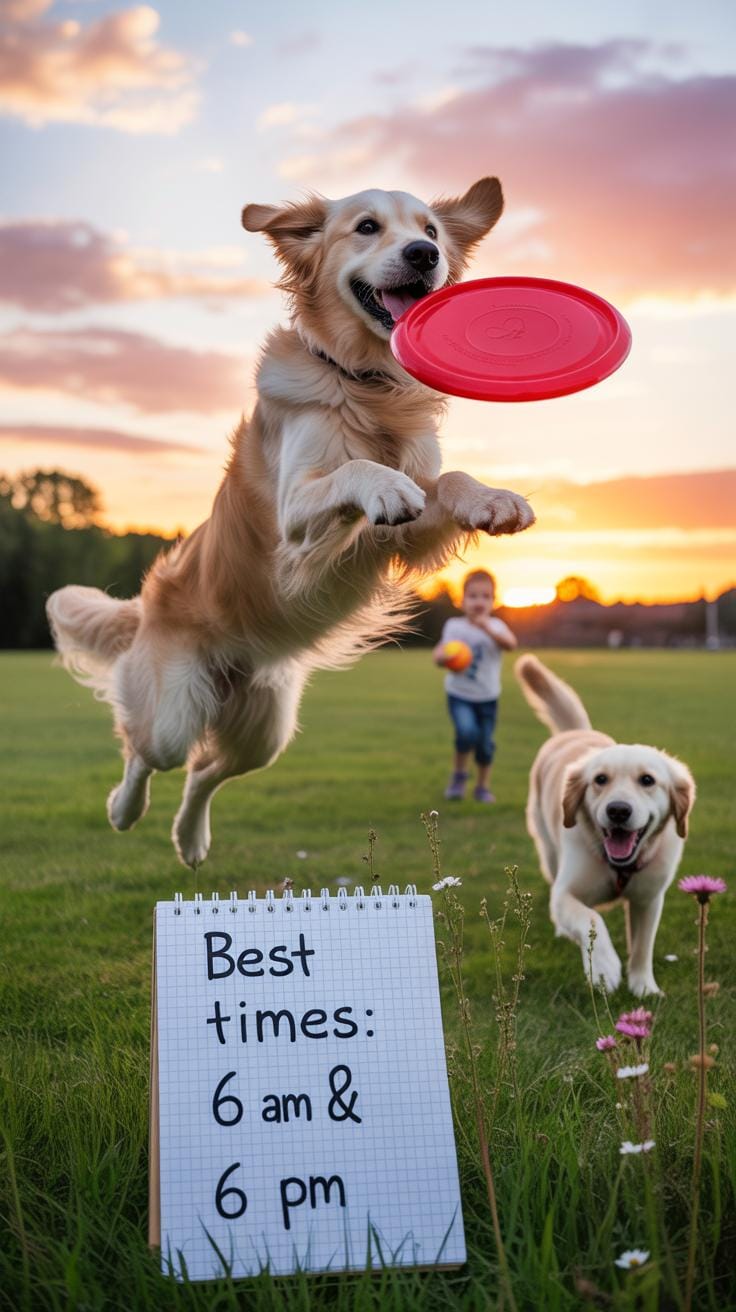
There’s something about routine that helps both you and your dog get the most out of dog park visits. Showing up around the same time on certain days can turn those trips into something more than just casual outings. You’ll begin to notice familiar faces—both canine and human—and that familiarity can make the park feel a little friendlier, a little less unpredictable.
Try to spot owners who seem to have dogs that match your dog’s energy or play style. When you find a good match, why not suggest a quick chat or even arrange a play date outside the park? Those regular interactions often build friendships not just between dogs, but between owners too. It’s odd how shared experiences like keeping an eye on your dogs together or swapping stories about training mishaps can build bonds.
As much as it’s tempting to keep your dog active until they drop, recognizing signs of fatigue is just as important. Heavy panting, slower movements, or sudden disinterest in toys can mean it’s time to pause. Give your dog breaks in the shade or with some water before jumping back in. This keeps playtimes from becoming overwhelming or risky and helps keep those happy visits consistent rather than a one-time burst of energy followed by exhaustion.
Maybe you’ll notice your dog prefers shorter, more frequent visits rather than a long, chaotic session. There’s no one-size-fits-all when it comes to balance—you’ll find what works by paying attention over time. And who knows? Sometimes, that quiet moment on a bench with your dog beside you might be just as valuable as the rushing play sessions.
Conclusions
Respecting dog park rules and acting thoughtfully make a big difference in how fun and safe your visits are. Always watch your dog closely, clean up after them, and be polite to others. These small efforts build a positive community where dogs and their owners can thrive.
By applying the play tips and etiquette guidance shared here, you will encourage good behavior and reduce conflicts. Remember, a happy visit to the dog park depends on your care and attention. Enjoy your time out and help create pleasant experiences for all dogs and people at the park.