Introduction
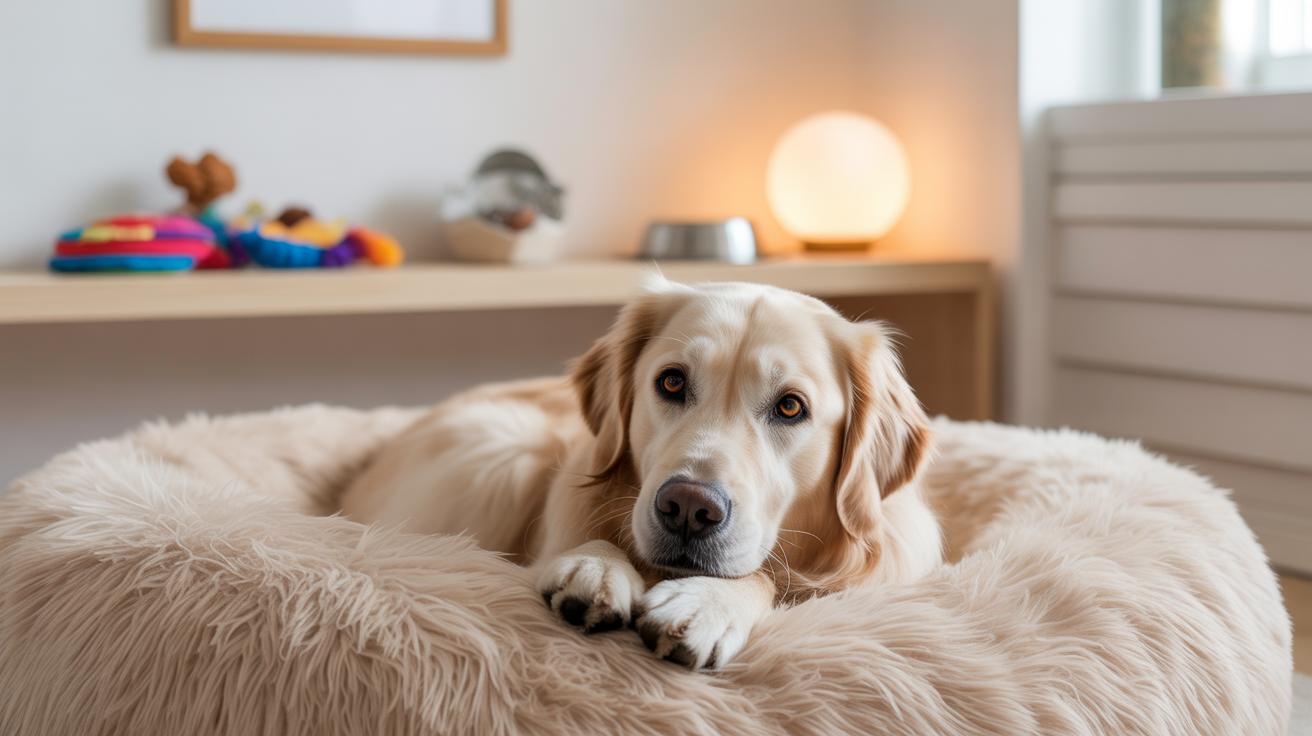
Designing a cozy dog room requires careful thought about what makes your pet feel comfortable and safe. A well-planned space can reduce stress and anxiety for your dog, helping them relax and feel truly at home. When you create a calm environment, you give your dog a special place to retreat to whenever they need peace or rest.
This article explores everyday ideas that turn any part of your home into a calming retreat for your dog. You will learn how to select calming colors, cozy bedding, sensory comforts, and practical layouts that suit your dog’s needs. With simple tips and steps, you can build a room where your dog stays happy and calm every day.
Choosing the Right Location for Your Dogs Room
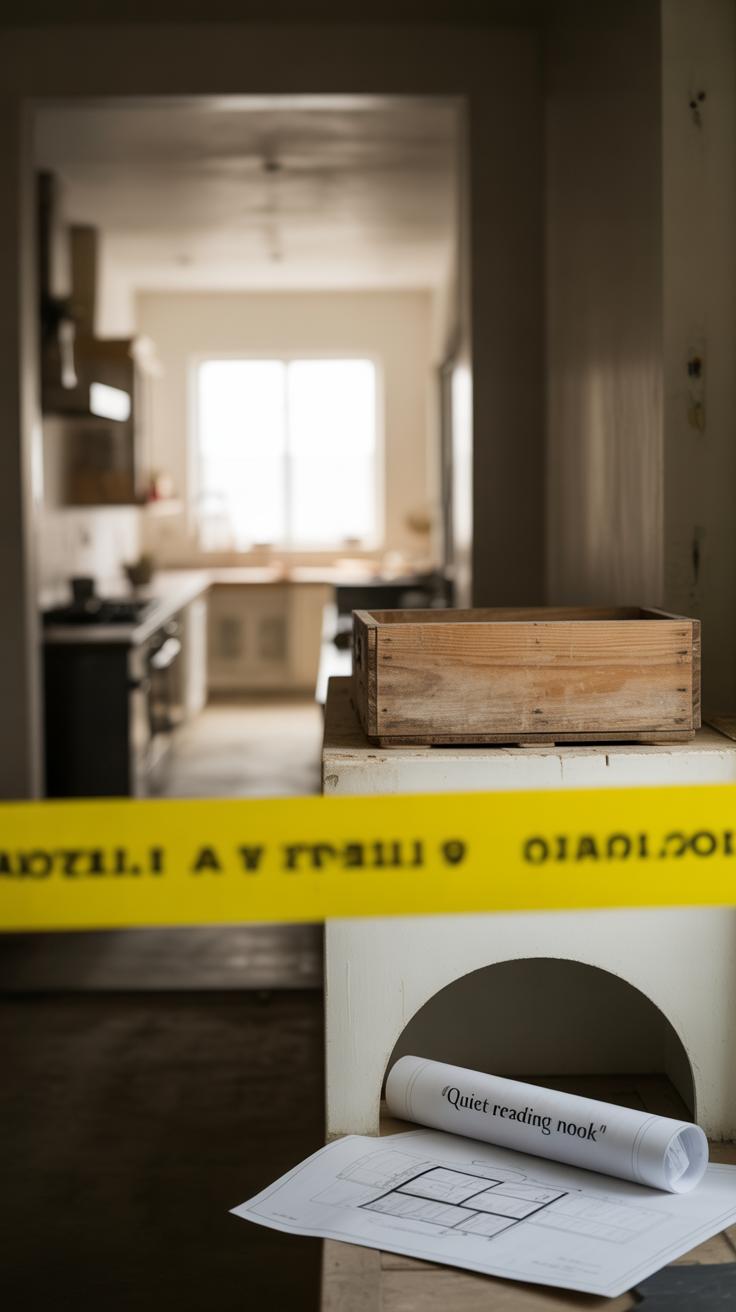
Picking the perfect spot for your dog’s room can feel a bit tricky. You want somewhere peaceful but not isolated. Quietness matters because dogs, much like us, get stressed when there’s too much noise or constant activity. Maybe you have an unused guest room, a spare bedroom, or even an enclosed porch that doesn’t get much foot traffic. Those can work well since they offer calm without cutting your dog off from the family vibe.
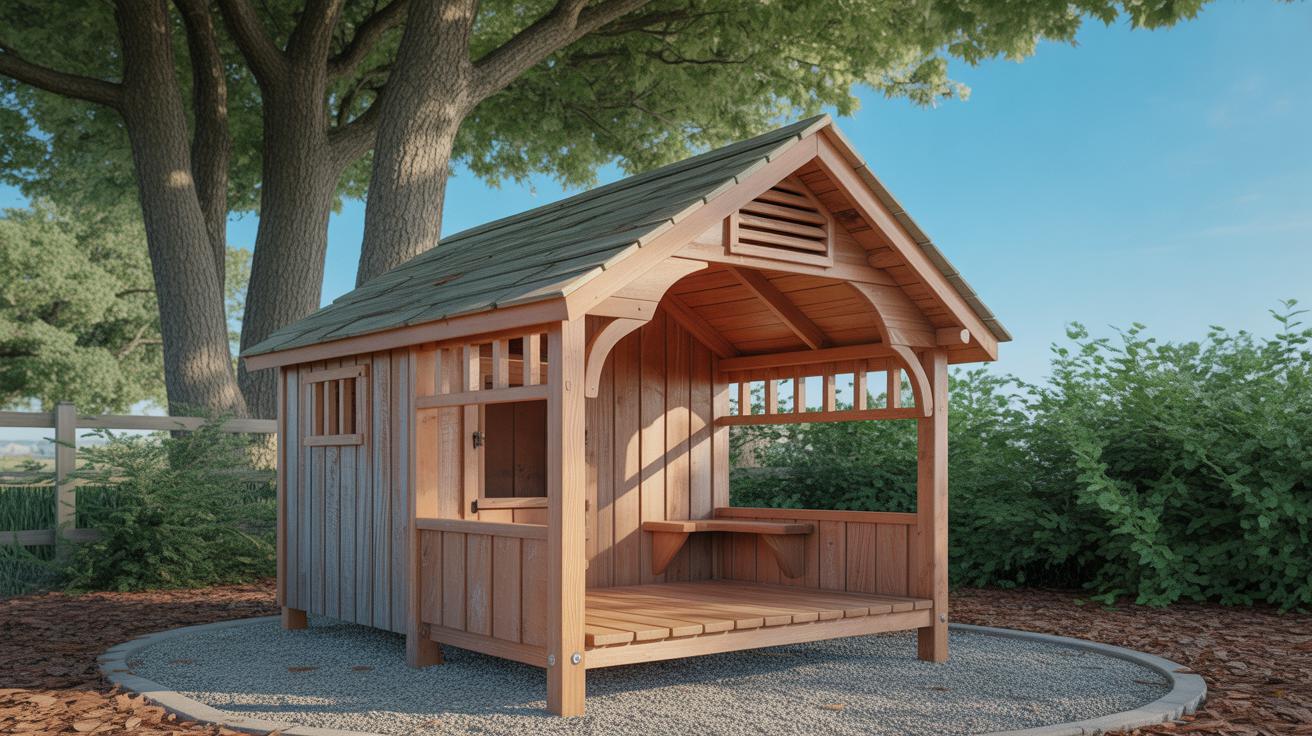
Still, these spaces have to feel safe and welcoming, right? Dogs like some awareness of what’s happening around them, so placing the room too far from daily life might make them feel lonely—or worse, anxious.
Temperature and ventilation play their roles here too. I once set up a room near a window that felt cozy in winter but got way too hot in summer. So, keeping the room at a steady and comfortable temperature is key. A spot with good air circulation reduces stuffiness, which can calm your dog and even prevent some behavioral issues. A ceiling fan, a small window opening, or just a room that gets fresh air now and then can make a surprisingly big difference. Think about how you feel in a stale room versus a fresh one—you want your dog to feel that same ease.
So when choosing the location, ask yourself these questions:
- Is this place quiet but close enough to feel connected to family life?
- Will my dog be comfortable temperature-wise, with enough airflow?
- Does this spot protect my dog from overwhelming sounds or distractions?
It might take a little trial and error to find the right balance, but your dog’s peace and comfort depend on it. What feels like a perfect room to you might not work for your dog. Trust their reactions—they usually tell you what they need.
Selecting Comforting Furniture and Bedding
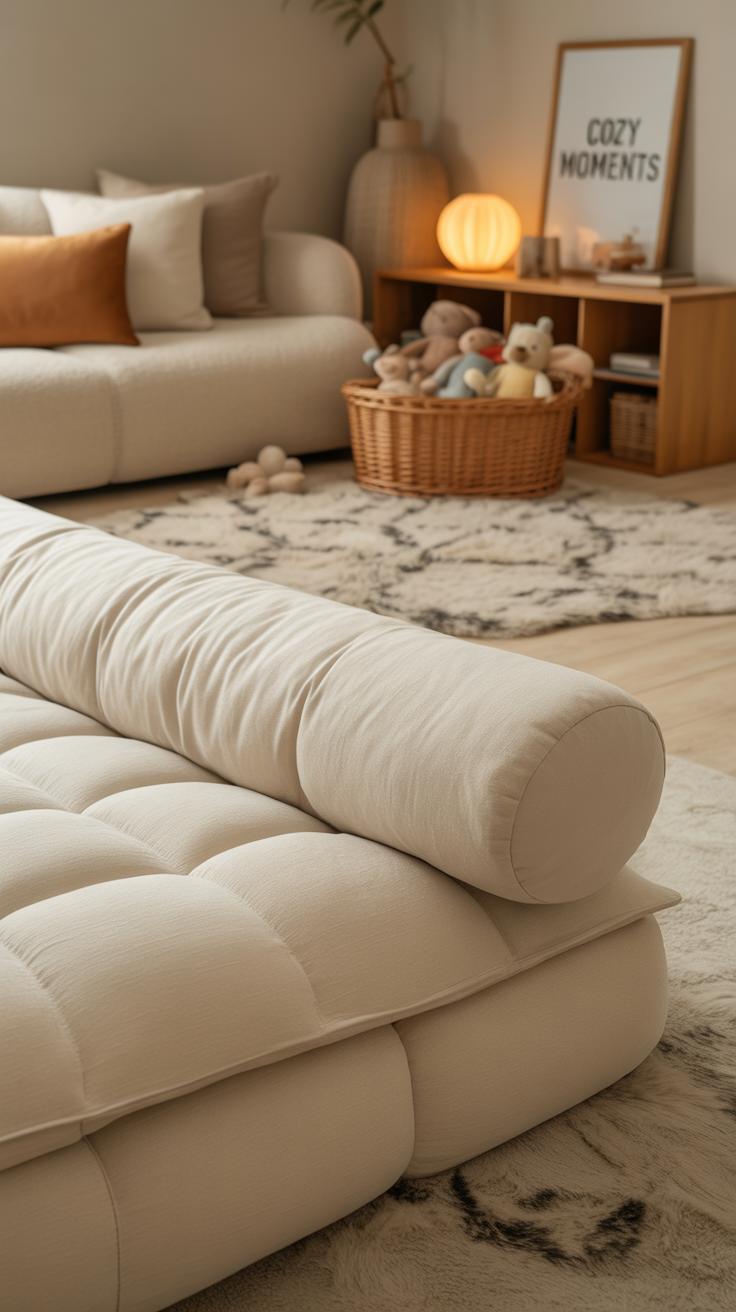
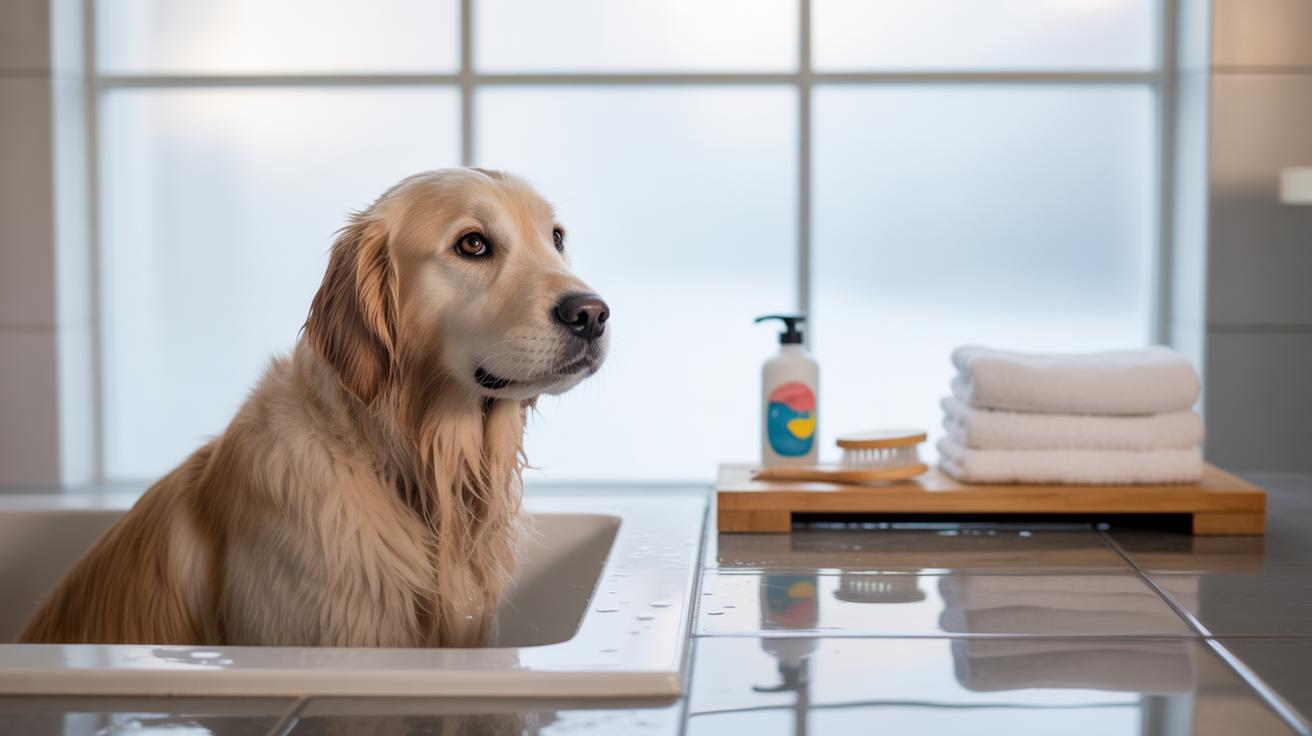
When picking furniture and bedding for your dog’s room, softness and support are key. Dogs, just like people, need a surface that cushions their joints without sinking too much. You might want to try beds with memory foam or thick padding; these offer good comfort especially if your dog tends to spend lots of time resting. The balance between softness and firmness can be tricky—some dogs prefer plush, almost cloud-like textures, while others like something sturdier. It’s okay to experiment.
Hypoallergenic materials can make a big difference, especially if your dog suffers from skin sensitivities or allergies. Also, look for fabrics that you can easily wash. Removable covers that withstand frequent cleaning help keep the space fresh and reduce odors. If the bed’s too fussy to clean, it probably won’t get cleaned as often as it should.
Types of Dog Beds
There’s a wide range of beds out there, each suited for different needs:
- Orthopedic Beds: Best for older dogs or those with arthritis. The extra support can ease joint pain.
- Heated Beds: Great for chilly environments or pups that get cold easily. Just be careful with how much heat you use.
- Crate Beds: Designed to fit inside crates but comfy enough to use elsewhere too. Ideal for dogs that like cozy, enclosed spaces.
For instance, my beagle hated the heated bed at first but warmed up once summer passed. Meanwhile, a friend’s large lab found orthopedic beds a lifesaver during winter. You might need to watch your dog’s reaction or even ask your vet for advice.
Maintaining Clean and Cozy Bedding
Keeping bedding clean is about more than hygiene; it impacts your dog’s comfort and health. Choose fabrics that dry quickly and resist stains—microfiber and certain performance fabrics often do well here.

Set a cleaning routine that fits your lifestyle. Some prefer washing bedding weekly, others every two weeks. If you notice odors or fur building up before then, don’t hesitate to clean more often. Spot cleaning can help too, especially if your dog is prone to accidents or shedding.
Don’t forget cushions and mats outside of the bed. Vacuum them regularly and air them out to avoid damp smells. This small effort can really freshen the whole space and keep your dog’s room inviting day after day.
Incorporating Calming Colors and Lighting
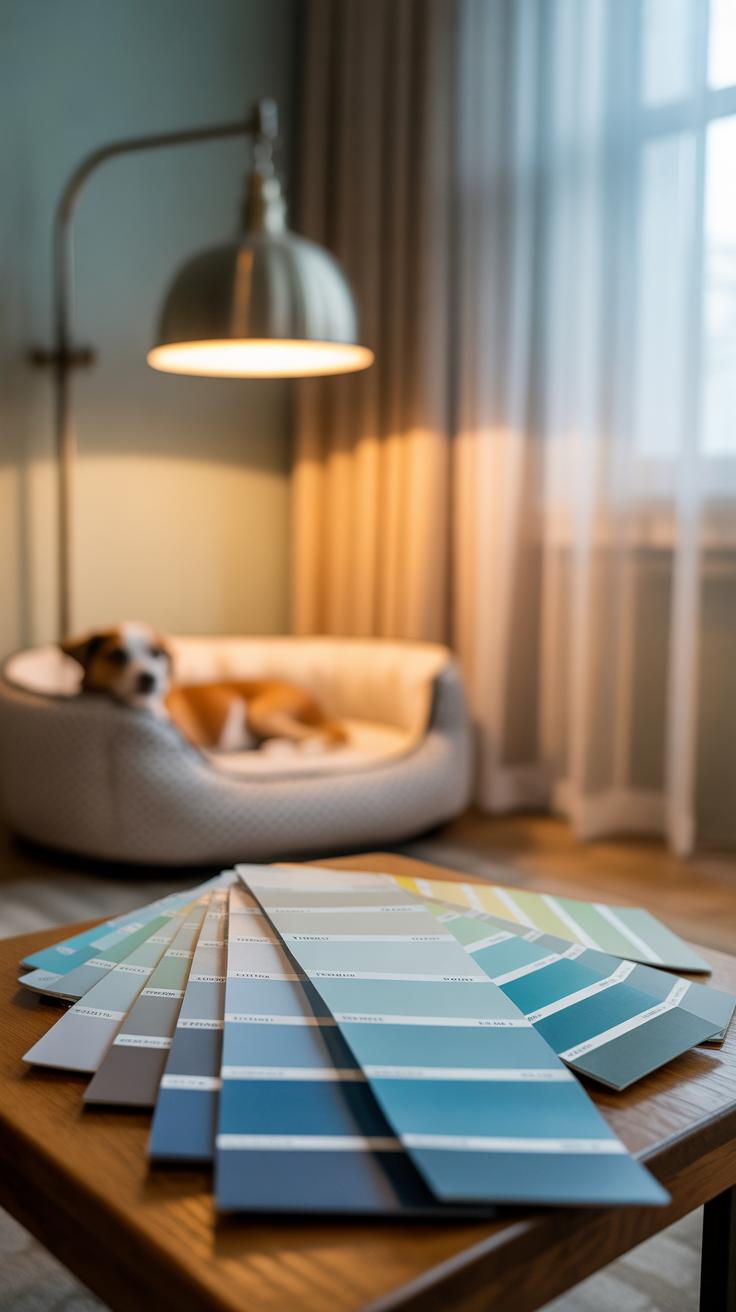
Colors can quietly change a dog’s mood—maybe you’ve noticed how your pet reacts differently to various rooms in your home. In a dog’s room, soft, muted tones like pale blues or gentle greens can work wonders. These shades tend to lower heart rates and ease nerves, offering a sense of calm that your dog might not find elsewhere. Earth tones, like soft browns or warm beiges, create a grounded, cozy vibe. They don’t shout for attention but rather settle the senses, making the space feel safe and restful.
Lighting matters a lot too, and not always in obvious ways. Harsh overhead lights can irritate dogs, who are more sensitive to glare than we are. If the room has windows, letting in natural light is great but think about how to manage it. Sheer curtains that gently diffuse sunlight provide a soft glow without overwhelming the space. At night or on cloudy days, using low-intensity lamps or lights with warm tones can keep the vibe peaceful without startling your dog.
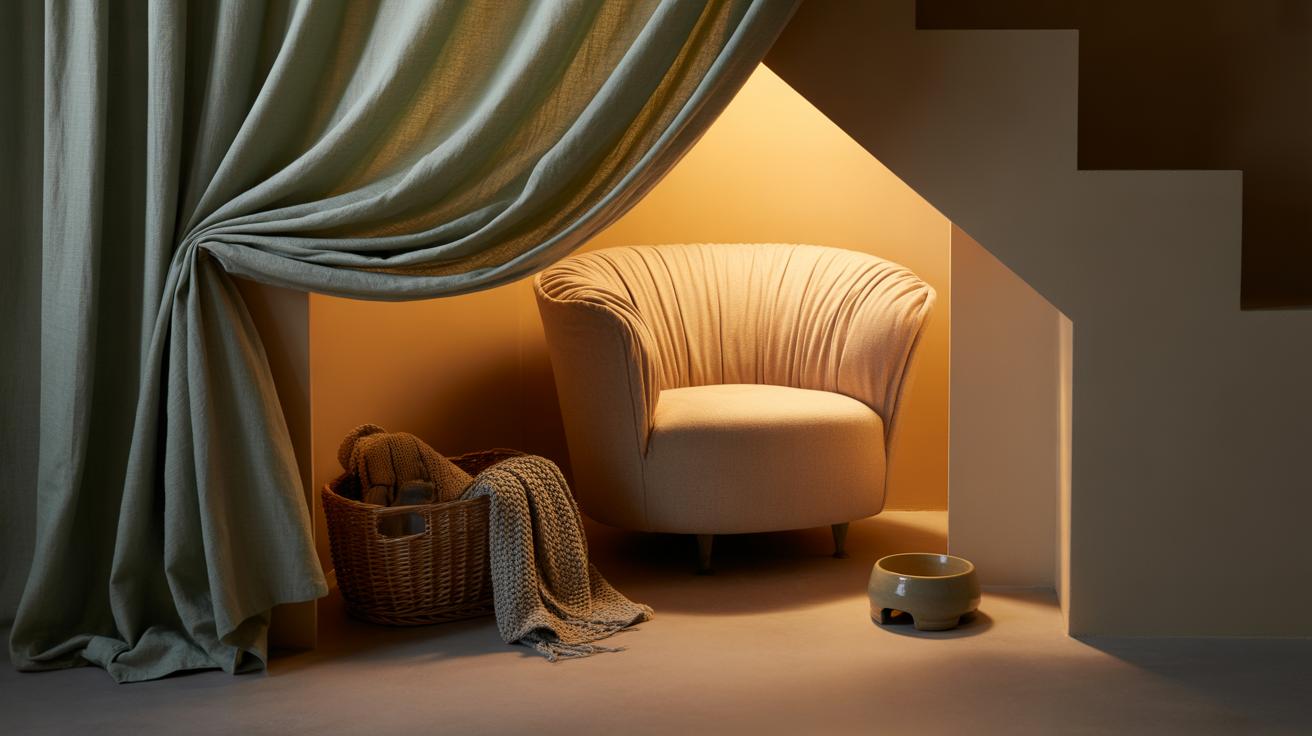
It’s something I’ve learned by trial and error: too bright, and my dog retreats; too dark, and they seem uneased. So, layering light sources—maybe a floor lamp combined with a small nightlight—can offer balance. It’s subtle but noticeable, especially if your dog has anxiety or is older.
Try thinking about your dog’s perspective when selecting colors and lighting. What soothes you might differ from what relaxes them, but there’s likely some overlap in gentle, calm atmospheres. Maybe—just maybe—the right shade and soft shadows could make your dog’s room the favorite part of the house.
Adding Sensory Comforts for Your Dog
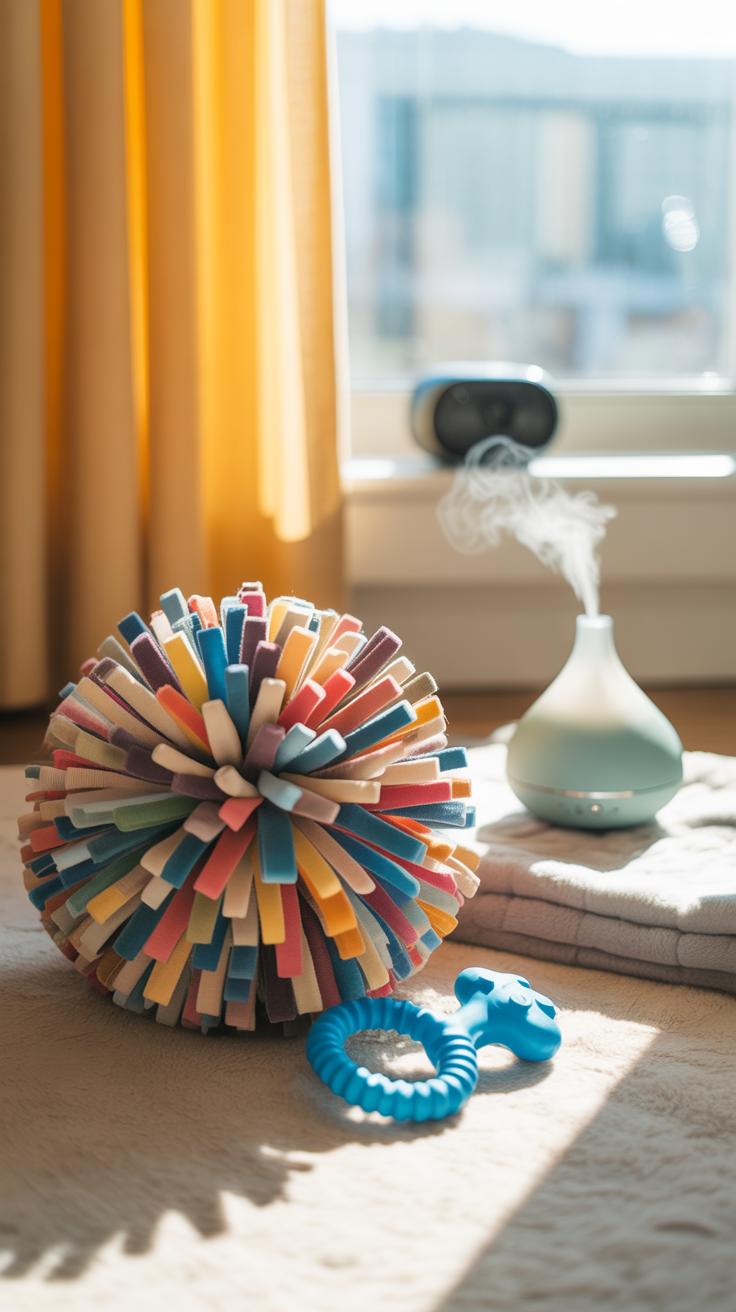
When you think about what truly soothes a dog, it’s not just the space but the senses that matter. Introducing calming scents can quietly make a room feel safer. Lavender is often recommended because many dogs respond well to its gentle aroma. Chamomile is another one to try, but always in small amounts at first. You want to see how your dog reacts before fully setting it up. Never use strong essential oils or anything with menthol or citrus, since those can be irritating.
Letting your dog get used to a new scent can take time, so start slow. Maybe a diffuser on a low setting far from their usual resting spot. If your dog seems uneasy or tries to move away, it’s best to pause and try later.
Sound impacts dogs more than we might guess. Soft classical music or gentle white noise helps cut down on everyday stress triggers. Some dogs prefer ambient nature sounds, like rainfall or forest noises. You could experiment by playing different options at low volume and watch which calms them more.
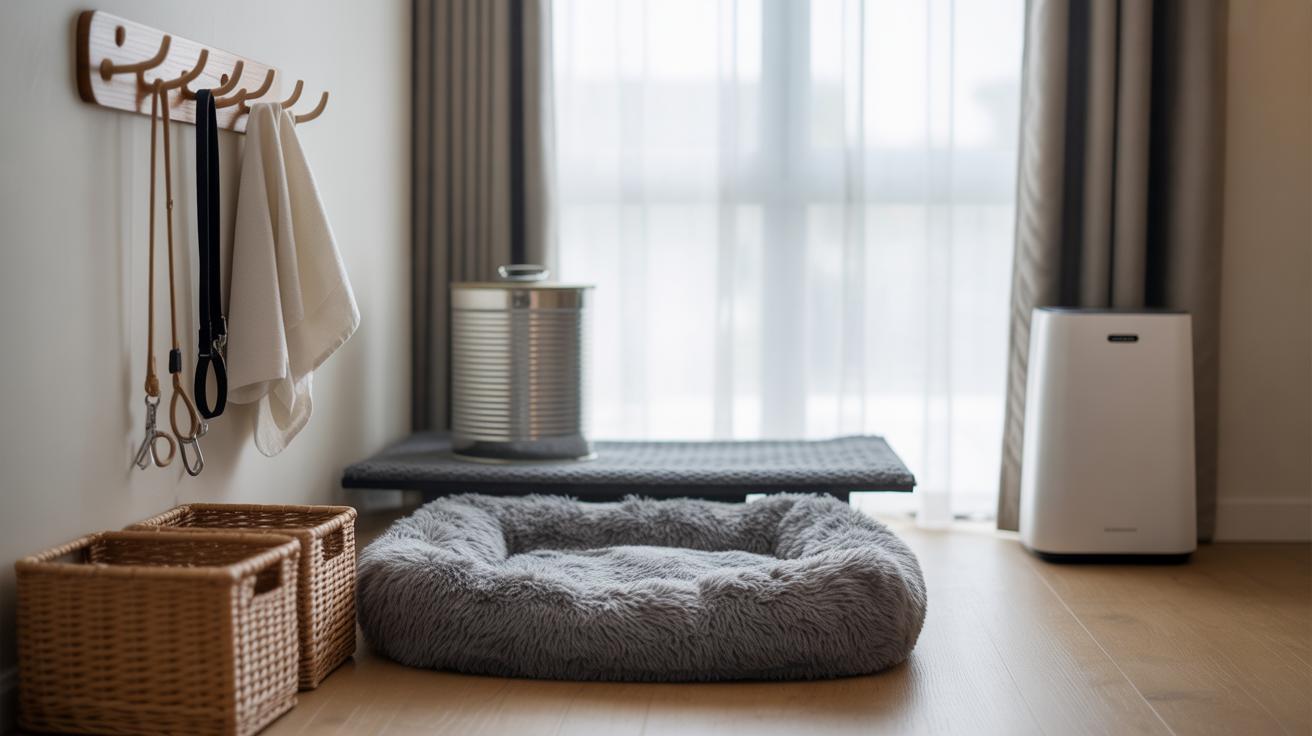
Then there are tactile toys—things your dog can chew, nudge, or nestle with. Textured balls, soft stuffed animals, or even a crinkly blanket bring comfort through touch. Dogs often find a sense of security through familiar objects you might not expect.
Creating a multi-sensory approach isn’t just about keeping your dog calm; it also invites moments of contentment and peace. Have you noticed how a faint scent or quiet tune can shift your dog’s mood? It’s subtle, but those little details add up in big ways.
Organizing Space for Play and Rest
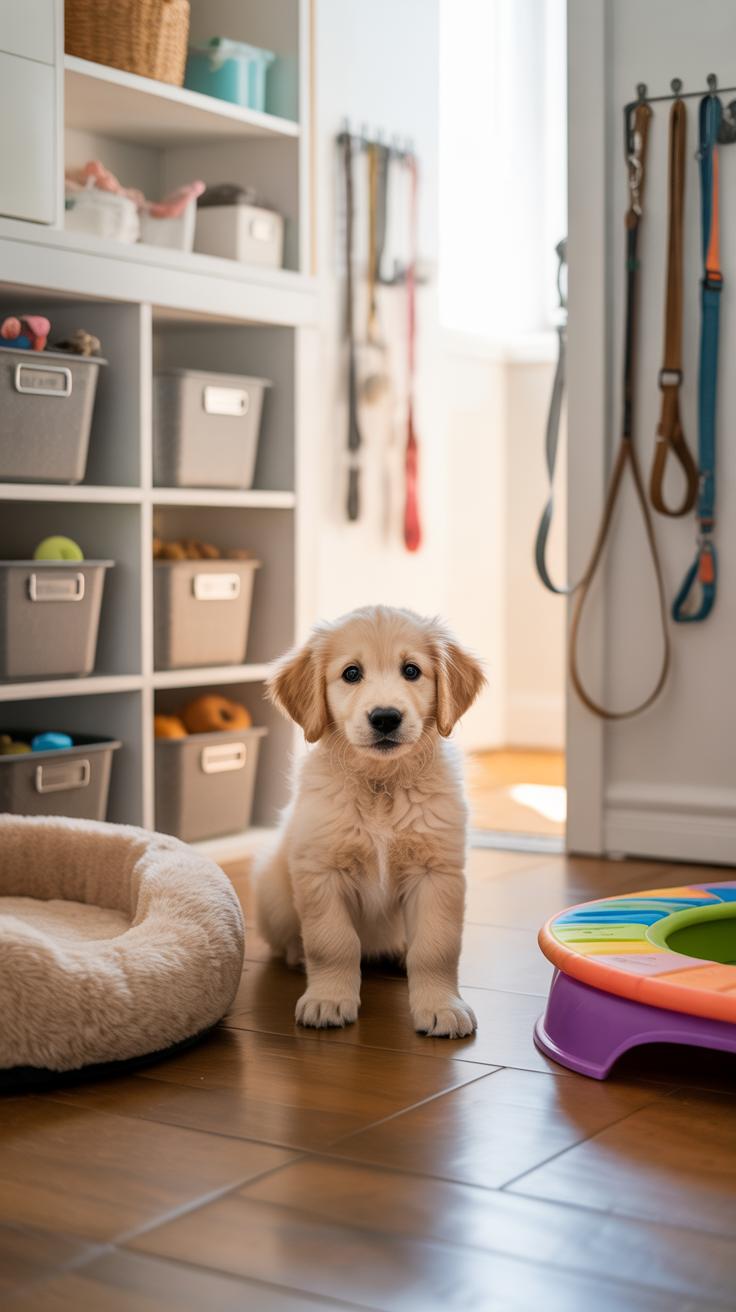
When setting up a dog room, striking the right balance between activity and calm can feel a bit tricky. You want your dog to have enough space to move and play, yet also a cozy nook to unwind without distractions. Too much stimulation might exhaust them, while too little could lead to boredom or restlessness.
Creating clear play zones helps by giving your dog a spot for toys and movement that’s easy to access but doesn’t spill over into their quiet time. You might set up a corner with toy bins or a soft mat for tugging and chewing. Think about places near natural light or where you can watch them interact, but not where they get overwhelmed.
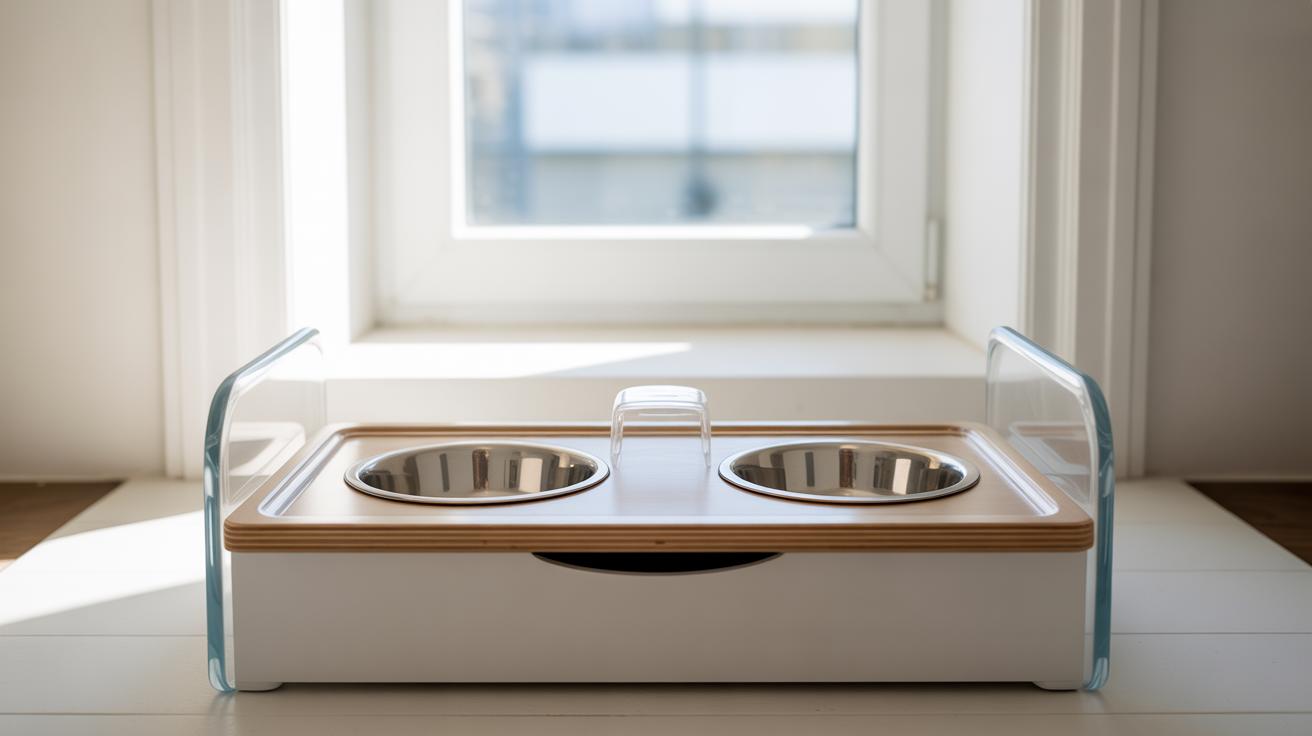
On the flip side, rest areas should feel somewhat separate — maybe behind a small gate or tucked away under a window. Keep the zone free from loud noises or heavy foot traffic so your dog can relax. A comfortable bed or a nest of blankets works, as does a low hum of white noise or soft background sound if that helps them drift off.
Do you notice your dog’s preferences? Some prefer a visible spot, others like hiding away. Adjusting these zones over time might be necessary. After all, dogs change moods as much as people. Finding that balance is part practical, part guesswork — and, honestly, part trial and error too.
Keeping Your Dog Room Clean and Safe
Daily and Weekly Cleaning Tips
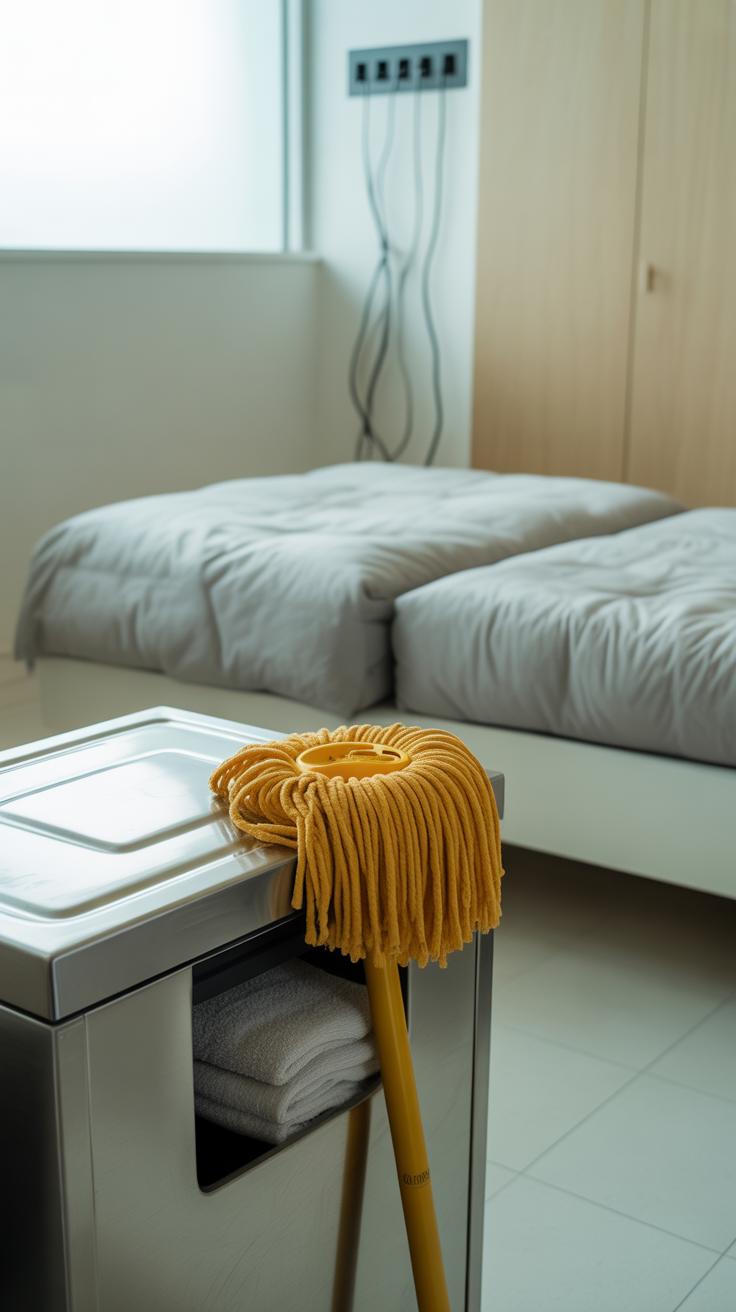
Your dog’s room stays their sanctuary only if it’s clean and fresh. Daily tasks might seem small, yet they make a big difference. Wiping food and water bowls every day prevents bacteria buildup. A quick sweep or vacuum to catch fur, dirt, and crumbs keeps odors—and allergies—at bay. Maybe spot-clean any accidents immediately; it helps avoid stains and lingering smells that dogs find unsettling.
On a weekly basis, consider washing bedding and blankets. Dogs often nest in these, so fresh fabric helps maintain comfort and hygiene. Don’t forget toys—some can be wiped down or washed without damage. Floors may need a more thorough mop, just ensure the cleaning products you use are safe for pets. This combination of daily upkeep and weekly deep cleaning can really keep the space inviting and healthy.
Ensuring Safety in the Dog Room
Safety goes beyond just clutter removal—you need to think about the hazards that might be less obvious. Electrical cords are tempting chew toys, so it’s smart to hide or cover them. Small items lying around—buttons, coins—pose choking risks. It’s always a bit surprising how many “harmless” things dogs try to swallow.

Be wary of plants in the room; some common ones can cause serious issues if ingested. Cleaning supplies, medicines, or human food should never be within reach. You might think a quick glance is enough, but a thorough safety check once a week will catch slipping hazards or broken pieces in toys before your dog does. It’s a little effort that saves a lot of stress down the line, keeping your dog’s environment secure and peaceful.
Customizing the Room to Your Dogs Personality
Understanding Your Dog’s Preferences
Every dog is unique, and their reactions to a space can vary widely. To create a room that truly fits your dog, start by paying close attention to what they like and dislike. Watch how they behave around different textures, colors, or lighting. Does your dog relax in dim corners, or do they prefer bright, open areas? Maybe they like soft surfaces to curl up on, or sometimes they need a spot with a bit more firmness.
Think about your dog’s activity level. Older dogs often enjoy quiet, cushioned spaces, while younger or more energetic dogs might benefit from a slightly larger area with space to move. Breed habits matter, too. For instance, herding breeds might prefer a room where they can feel enclosed yet still observe the rest of the house. Does your dog tend to hide when stressed, or do they want to be where the action is? Observing those little tendencies will guide your choices.
Adding Personal Touches
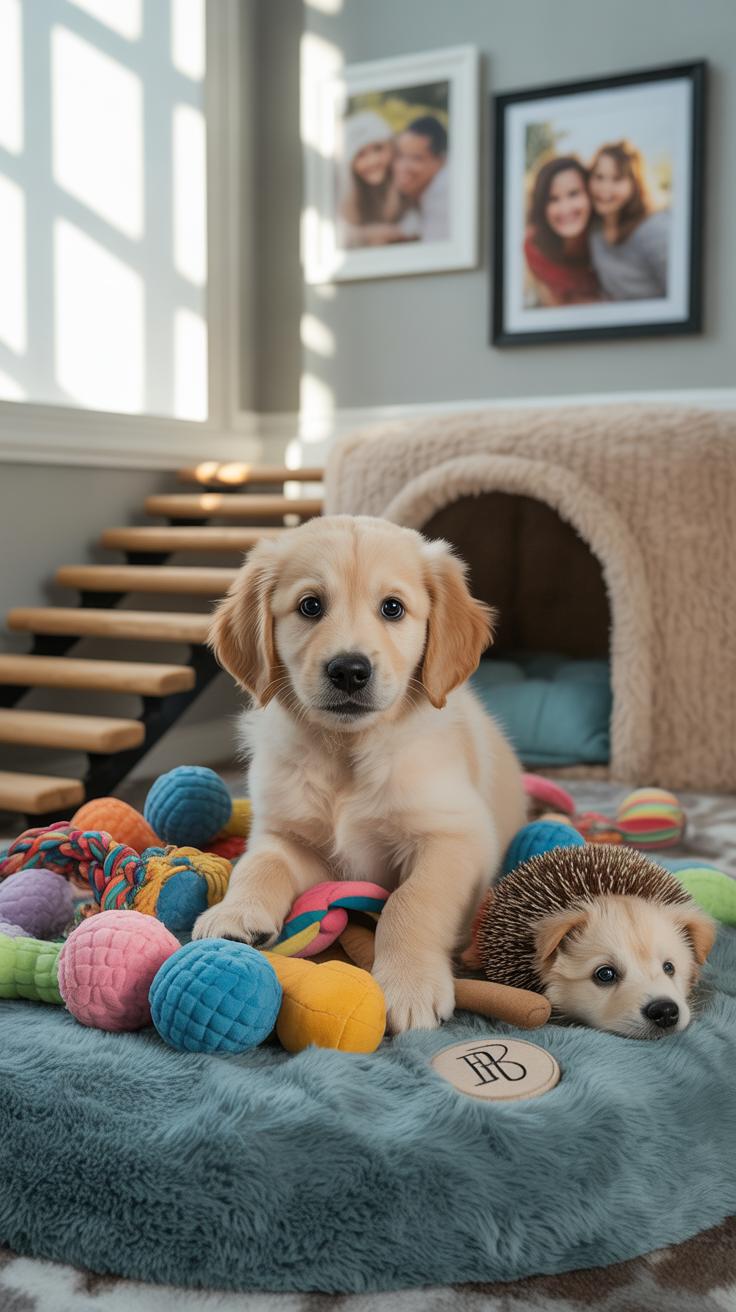
Once you know what your dog prefers, you can start personalizing the space. Including your dog’s favorite toys isn’t just about entertainment—they bring a sense of familiarity and comfort. Soft blankets or beds with their scent can help, too, especially if your dog is sensitive to new environments. I found that adding a worn-out toy for my dog made her settle faster when she first got the room.
Don’t forget the little things that might feel odd to us but mean a lot to your pet. If your dog has a favorite spot by a sunny window, place a cushion there. Pictures of your dog’s best moments—maybe a playful shot or a calm nap—can add warmth as well, and they subtly remind you of your dog’s personality.
In the end, the goal is to create a space that feels less like a room and more like a refuge customized just for them. It’s a process—sometimes trial and error—but noticing these details makes all the difference.
Integrating the Dog Room with Your Home
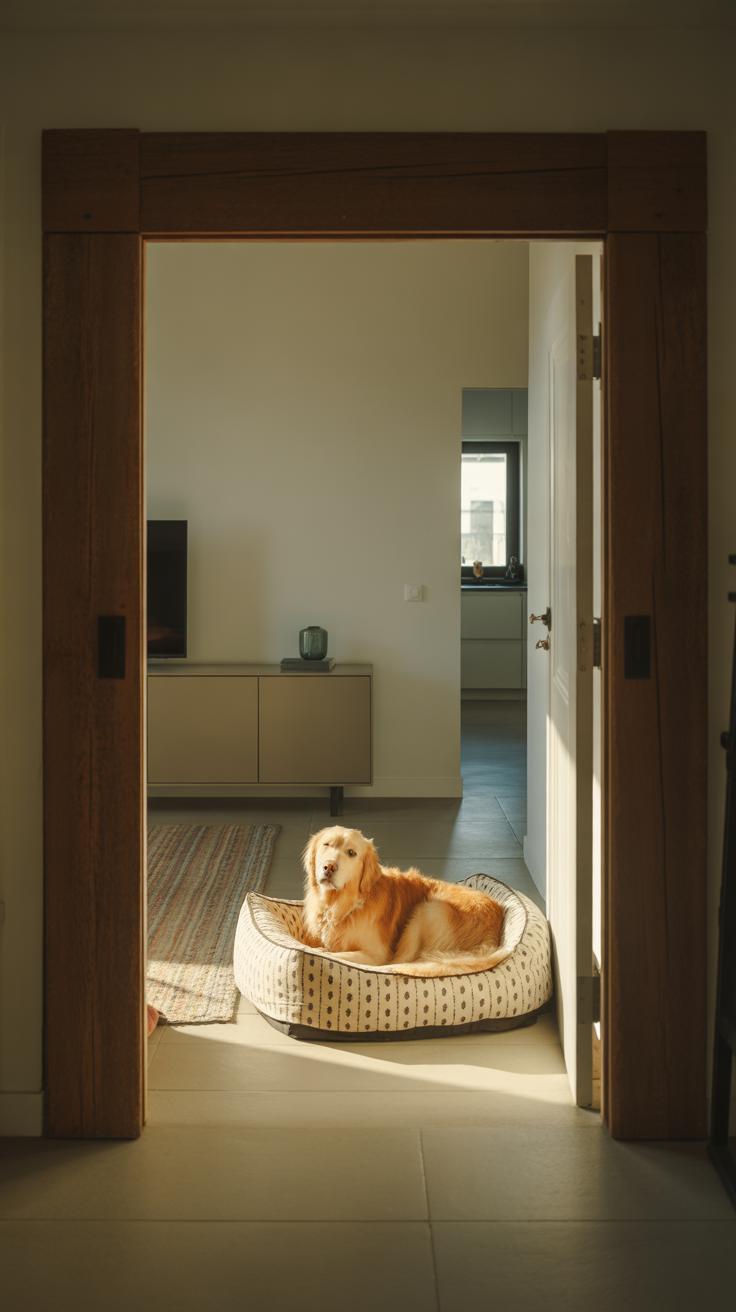
When setting up a dedicated space for your dog, it’s tempting to make it purely functional—soft bed, toys, food bowls—but the space doesn’t have to feel separate from the rest of your home. You can combine style and comfort without feeling like you’re stepping into a cage for your pet. The key lies in blending the dog’s space with your existing decor while keeping everything practical.
Creating Visual Harmony
Think about your home’s colors and materials first. If your living room has cool tones like grays or blues, it might be worth choosing dog furniture or bedding in complementary shades. Neutral shades like beige or muted greens often work well, too. You don’t have to match exactly, but aim for harmony rather than contrast. For example, a wooden dog crate with a finish similar to your coffee table looks less intrusive.
Furniture style counts, too. A sleek, modern dog bed might stick out in a room full of vintage or rustic pieces. Sometimes, a simple swivel chair or a low-profile wooden bench can double as dog seating if styled right. Don’t shy away from subtle textures—corduroy or tufted fabrics may blend nicely, softening the dog’s corner.
Planning for Easy Access and Supervision
Placement matters. The dog’s room or nook should feel inviting for your pet. Low thresholds or no doors can help your dog move freely. You probably want it close enough to where you spend most time—say, the living room or kitchen—so you can check in without standing over them.
Clear sight lines help, too. If the space is enclosed, maybe use a baby gate with visibility instead of a solid door. That way, you’re always aware of your dog’s mood or activity without interrupting their rest. Window views or access to natural light can make a big difference, too. Your dog might feel calmer if they watch the outside world safely.
In the end, think about your daily flow. Where does your dog naturally hang out? Building around that can make both you and your dog comfortable without forcing a design that feels out of place or hard to manage.
Conclusions
Your dog’s happiness and calm start with the environment you create for them at home. A cozy dog room designed with comfort in mind can be a true haven where your pet feels safe and relaxed. Elements like soft beds, calm colors, and familiar scents help build a space that welcomes your dog to unwind.
By paying attention to your dog’s habits and preferences, you can add personal touches that make a lasting difference. Think about what your dog enjoys and needs in their space, and use these ideas to inspire your room design. A calming dog room means a happy dog and a joyful owner.