Introduction
Dog sitting is more than just a convenience for pet owners; it also influences the health and lifestyle of both the owner and the pet. By carefully looking at dog sitting costs and its benefits for health and fitness, you can make informed decisions that help your pet and your wellbeing.
This article covers important aspects of dog sitting including how much it typically costs and the health advantages it brings. You will learn how dog sitting services work, what they charge, and how the daily care routines contribute to your dog’s fitness and your own mental and physical health.
What Is Dog Sitting
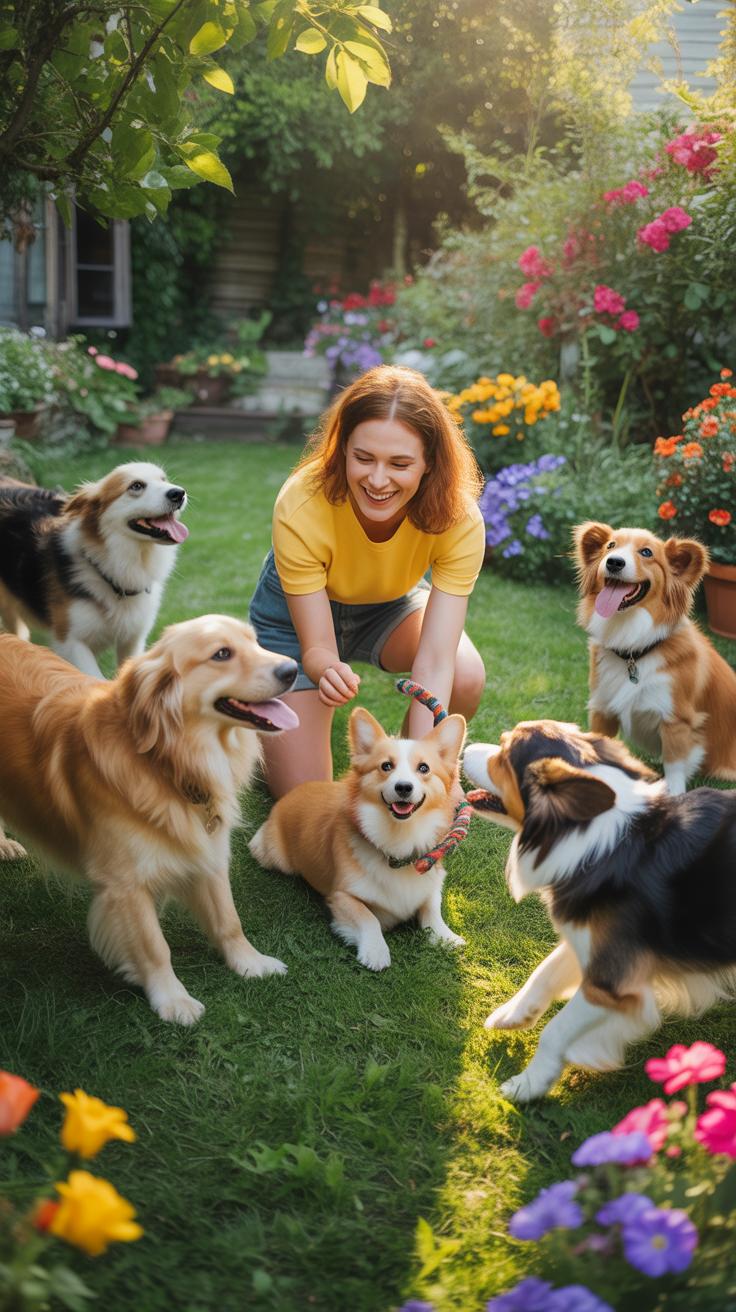
Dog sitting involves caring for a dog in its usual environment or sometimes at the sitter’s home. It goes beyond just feeding and watering; think of it as a package that often includes exercise, companionship, and maybe giving medication if the dog needs it. The sitter may take the dog on walks, play, or simply keep it company to ease any anxiety caused by the owner’s absence. It’s not just routine care, really—it’s about maintaining the dog’s normal lifestyle as much as possible.

This differs from boarding or kenneling where dogs stay in dedicated facilities, often away from the familiar smells and routines of home. Boarding centers can feel more institutional, sometimes more stressful for sensitive dogs. Dog sitting usually happens right at home, or the sitter might stay overnight at the owner’s house or take the dog to their own place. It can feel more personal and less disruptive this way.
Services are typically provided by independent sitters, small businesses, or professional agencies. Sometimes, neighbors or casual pet lovers step in, especially if the dog has simple needs.
Types Of Dog Sitting Services

Dog sitting isn’t one-size-fits-all. There are several service types tailored to different needs and schedules. Here are some common ones:
- Drop-in visits: Quick visits during the day to feed, hydrate, and maybe walk the dog. Useful if you’re out for work but want your dog at home.
- Overnight stays: The sitter stays overnight in your home, which helps dogs who suffer separation anxiety or need more hands-on care.
- Live-in care: Someone stays at your home for an extended period. This is often chosen for older dogs or those with special needs.
- Dog walking: Some services focus just on exercise. Walkers usually drop by to provide outdoor activity without full care responsibilities.
Each type has its time and place. For short absences, drop-in might do. For longer trips, overnight or live-in care feels more reassuring, especially if your dog’s routine is critical to its wellbeing.
Who Provides Dog Sitting

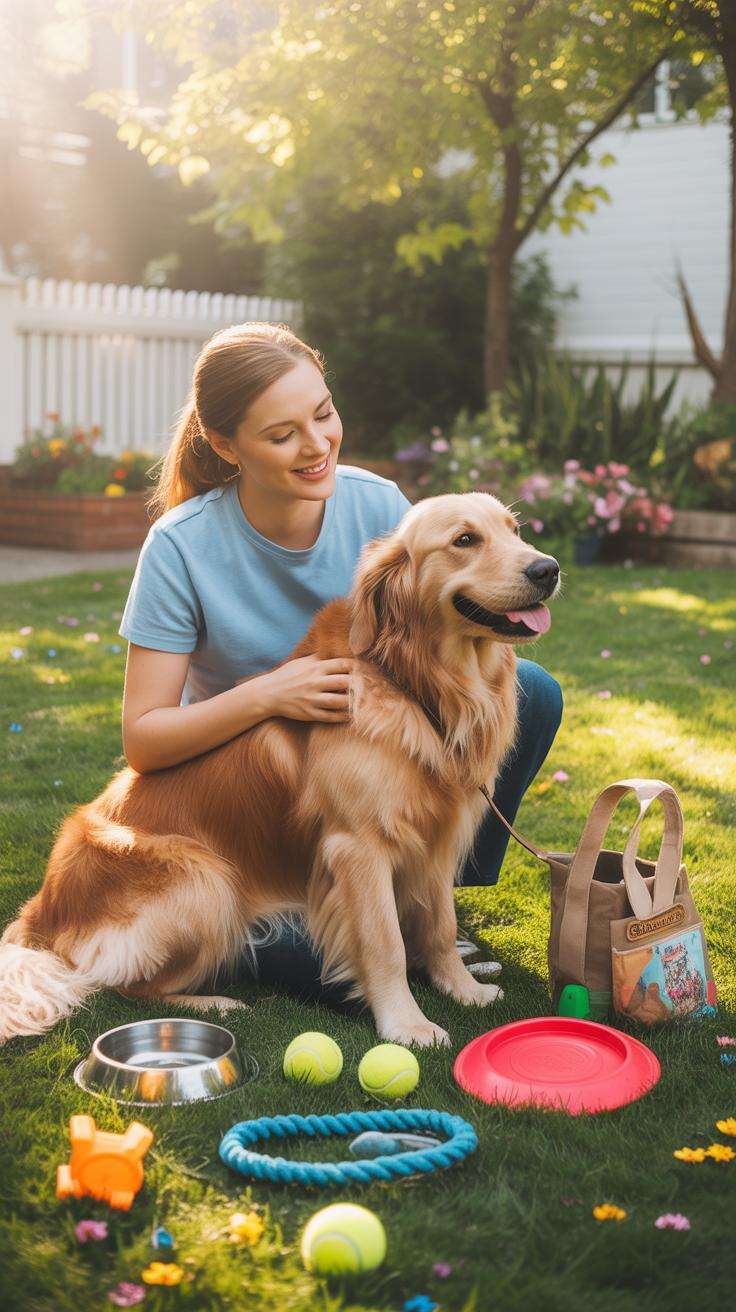
Dog sitters come in all shapes and sizes—from formal, professional companies to neighborhood friends who just love dogs. Professional sitters may have certifications in pet first aid or animal behavior, and some states or countries require licenses, but honestly, many do not. It varies a lot.
Some pet lovers offer informal sitting just because they enjoy the company, while others run a full-time business. Agencies can connect you to vetted, experienced sitters, which offers peace of mind but often costs more. Casual sitters might be more affordable but less predictable. It’s worth weighing what matters most in your particular situation: trust, cost, or convenience.
Have you ever thought about who you’d feel comfortable leaving your dog with? That question alone can open up a lot about what kind of sitting arrangement works best for you and your pet.
Dog Sitting Cost Breakdown
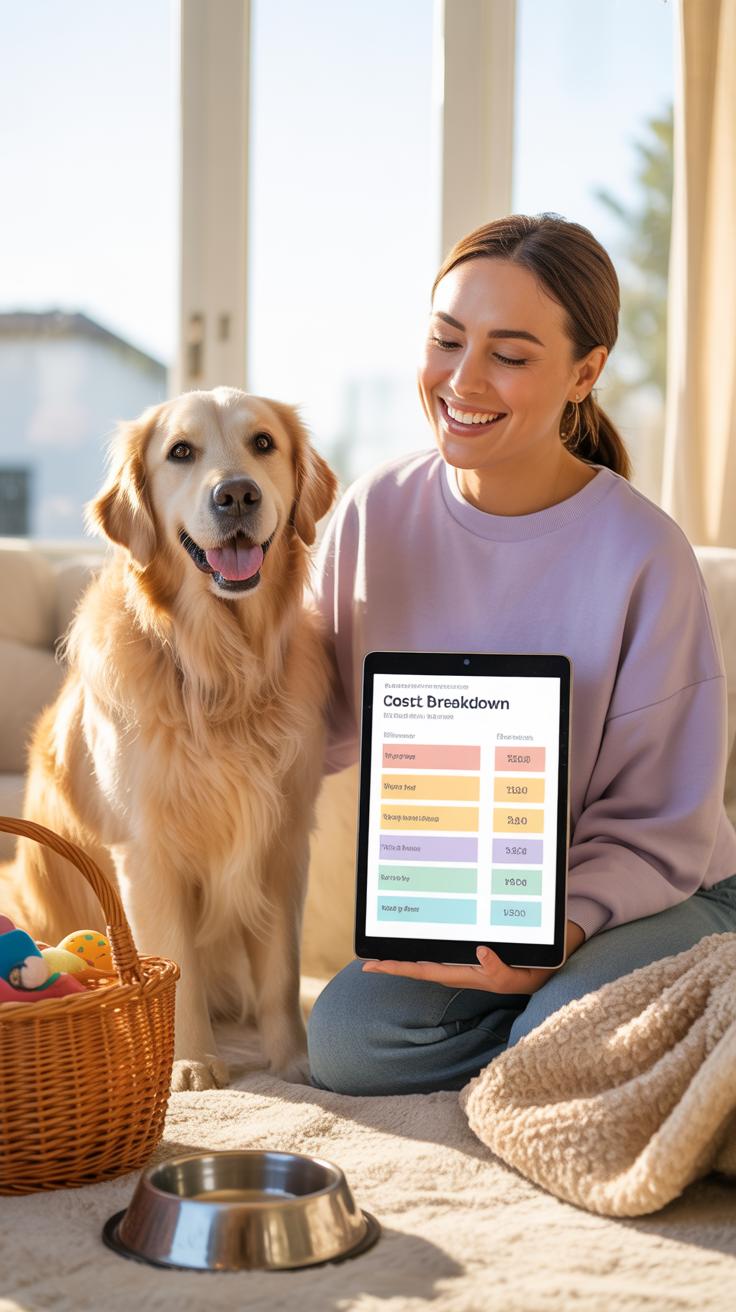
When you think about dog sitting expenses, several components come into play. Typically, daily rates for dog sitting hover around $40 to $75, but that can shift depending on where you live and the sitter’s experience. Some dog sitters charge per visit instead—usually between $15 and $30 for a 30-minute check-in. This might work if your dog just needs someone to pop in for feeding or a quick walk.

Extra fees often sneak in when you have multiple pets. Expect to pay about 25% to 50% more for each additional dog. Travel expenses can add up too, especially if the sitter has to drive far. A few miles might not cost extra, but beyond that, you could see a $10 to $20 travel fee.
Special care needs—for example, administering medication or intensive exercise routines—usually come with added charges. Some sitters might add $10 to $20 per day. I’ve seen cases where a dog with anxiety requires one-on-one attention, which pushes prices higher. It’s not always straightforward, and sitting fees sometimes feel like a guessing game until you’ve nailed down the service details.
Factors Affecting Dog Sitting Prices
Costs aren’t fixed and vary widely. Location plays a huge role—dog sitting in a big city generally costs more than in rural areas. Also, longer care periods might reduce the daily rate, but shorter stays often have a premium.
Your dog’s size and specific needs influence costs too. A small dog that’s easygoing might be cheaper to care for than a big, energetic breed needing more walks and attention. Plus, during peak travel seasons like holidays, prices tend to rise. Many sitters raise their rates because demand spikes, but some may offer deals during off-peak times, which is worth watching.
Comparing Dog Sitting To Other Options
Comparing dog sitting to boarding or kenneling, the price difference sometimes surprises people. Boarding facilities often charge less per day—usually $30 to $50—but your dog is with many others, and care can feel less personalized. Doggy daycares come with daily rates similar to boarding, but usually stop by early evening.
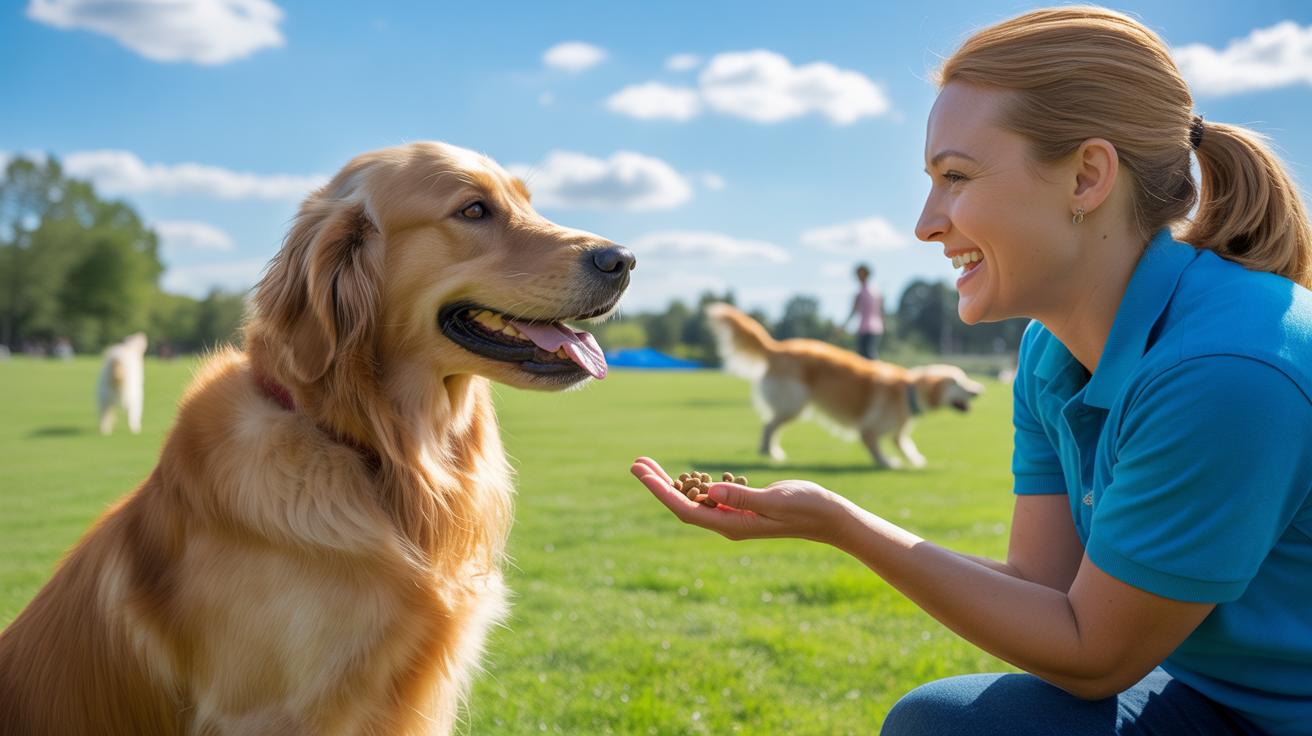
Dog sitting usually costs more but offers one-on-one attention and the comfort of your dog staying at home. For some, that trade-off is worth the extra cost, especially if their pet has special needs or anxiety. On the other hand, boarding can feel easier when you want a single location to drop off and pick up. Choosing between these options depends on your budget and how much personalized care you want for your pet.
Health Benefits Of Regular Dog Sitting

Regular dog sitting offers more than just a safe place for your dog while you’re away. It creates a steady routine that can really support a dog’s health in ways owners might not always see. When a sitter walks or plays with a dog consistently, it keeps muscles engaged and joints moving, which is key, especially as dogs age or have health issues.
The companionship a sitter provides matters, too. Dogs aren’t just physical beings; they thrive on social contact. A sitter who spends quality time offers mental stimulation that can reduce anxiety or loneliness.
Monitoring is another piece of the puzzle. A committed sitter often notices subtle changes in a dog’s behavior or health – maybe an unusual limp or a shift in appetite – and can alert the owner before things escalate.

For the dog, these elements combine into less stress, more stability, and better overall fitness. And often, owners find they feel less guilty or anxious leaving their dog. That peace of mind—knowing someone is actively supporting your pet’s health—might just be one of the underappreciated perks of regular dog sitting.
Exercise Benefits For Dogs
Exercise isn’t just a nice bonus during dog sitting; it’s fundamental. Walks and play keep a dog’s weight in check, preventing those slow creep-ups that often come with less active lifestyles. Plus, moving regularly helps in maintaining muscle tone, which supports posture and movement.
Joint health depends heavily on gentle, sustained activity. When a dog sits with someone who takes them on daily walks or encourages play, it can lower the risk of stiffness or arthritis later on. I guess it’s like with people—you don’t want to be sedentary for too long.
For many dogs, especially younger or more energetic ones, these activity bursts during sitting sessions add structure. It channels energy positively and can even improve sleep patterns. Not every sitter might be an avid jogger, but even short strolls or interactive play—like fetch or tug—makes a noticeable difference.
Mental Health Benefits For Owners
Spending time with dogs during sitting might just be a subtle form of therapy. It’s strange how being around a dog can lower stress levels. There’s data showing interaction with dogs reduces cortisol, a stress hormone. But that mental boost isn’t just scientific—it’s something many dog sitters mention personally.
Watching a dog’s simple joy during walks or play can brighten a sitter’s day. The rhythm of canine company—ticks and barks—pulls your focus out of worries for a moment. It’s easy to forget past deadlines or to-do lists.
Still, not every visit feels the same, and sometimes a sitter gets caught up in tough moments too, especially if a dog is anxious or unwell. Yet, those pauses of calmness and connection usually outweigh the hard ones. If you spend time dog sitting, you might wonder—do you get more out of the dog’s company than you expect?
Setting Up Dog Sitting Arrangements
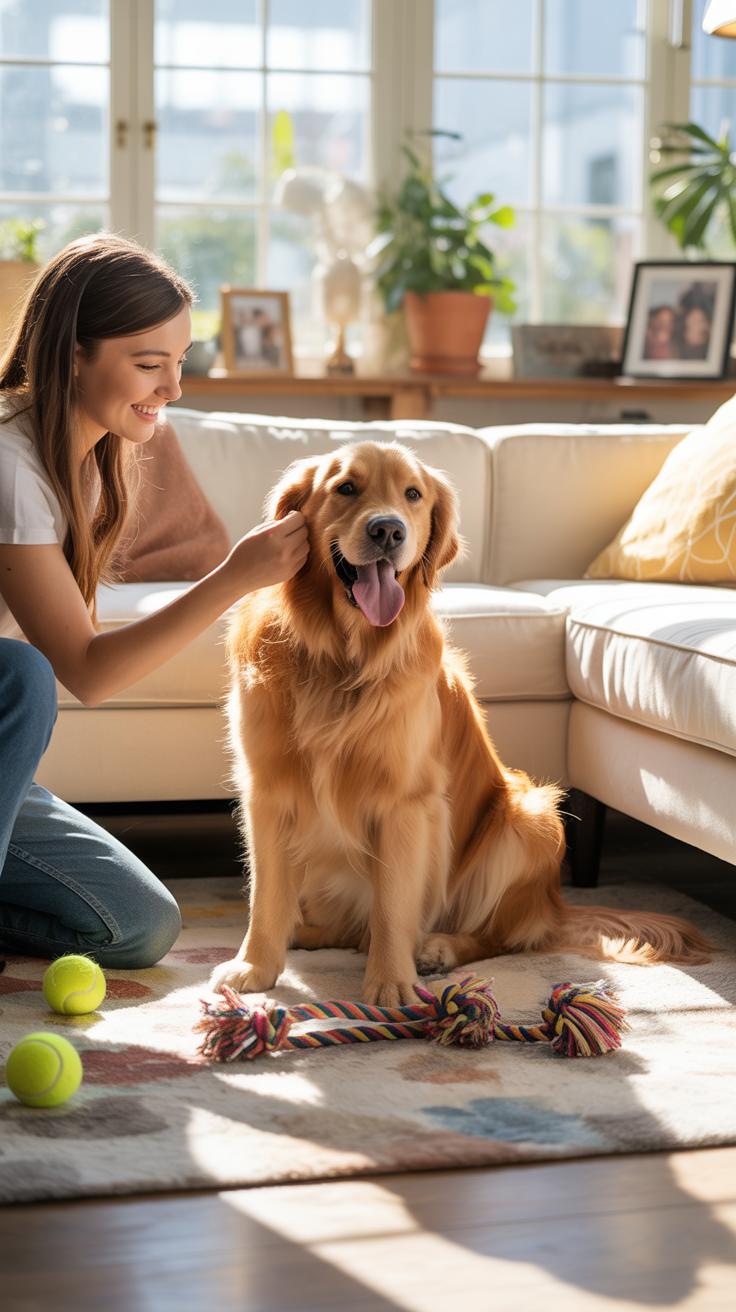
When preparing for dog sitting, you want to make sure the sitter has everything they need to keep your dog comfortable and safe. Start by laying out clear feeding instructions—how much, when, and what type of food to give. Don’t forget to mention any treats or dietary quirks; dogs can be oddly picky or sensitive, and it’s easy to overlook those details.
Setting up your home for the sitter also matters. Provide a safe space where your dog feels secure but not isolated. Maybe it’s a favorite room or a particular spot they like to rest in daylight. Also, show the sitter where you keep leashes, cleaning supplies, and toys—this helps prevent confusion or wasting time hunting for essentials.
Finally, share emergency contacts. List your vet’s number, an alternate emergency contact if you’re unreachable, and any relevant medical info. The sitter doesn’t need every detail of your schedule, but these basics can make a difference in a pinch.
Checklist For Dog Owners
Before your dog sitter arrives, tick off this list to avoid last-minute stress or confusion:
- Feeding schedule and precise portion sizes
- List of any medications and how to administer them
- Details about your dog’s behavior or quirks
- Location of leashes, collars, waste bags, and cleaning materials
- Safe areas in the home where the dog can be left alone
- Emergency vet and backup contact numbers
- Instructions about walks—frequency, duration, and preferred routes
- Authorization for necessary vet visits if needed
I’ve found that jotting down a quick sheet with these points helps the sitter feel more confident. Maybe it’s just me, but it’s like giving away a little peace of mind.
Tips For Choosing A Dog Sitter
Picking the right sitter can feel tricky. You want someone who respects your dog’s routine and personality but also can handle surprises. Start by asking for recommendations—friends, neighbors, or your vet might know reliable sitters. Then, meet the person beforehand and observe their interaction with your dog. If the dog seems hesitant or overly anxious, that’s a sign you should pause and think again.
Don’t hesitate to ask about experience, especially with dogs similar to yours. Trust your gut but double-check by reading reviews or requesting references. If you can arrange a short trial visit, that often reveals how well they connect and manage basic tasks. Sometimes, the sitter seems perfect on paper but just doesn’t click in real life—so it’s worth being patient. After all, your dog’s wellbeing depends on it.
Tracking Your Dog Sitting Costs
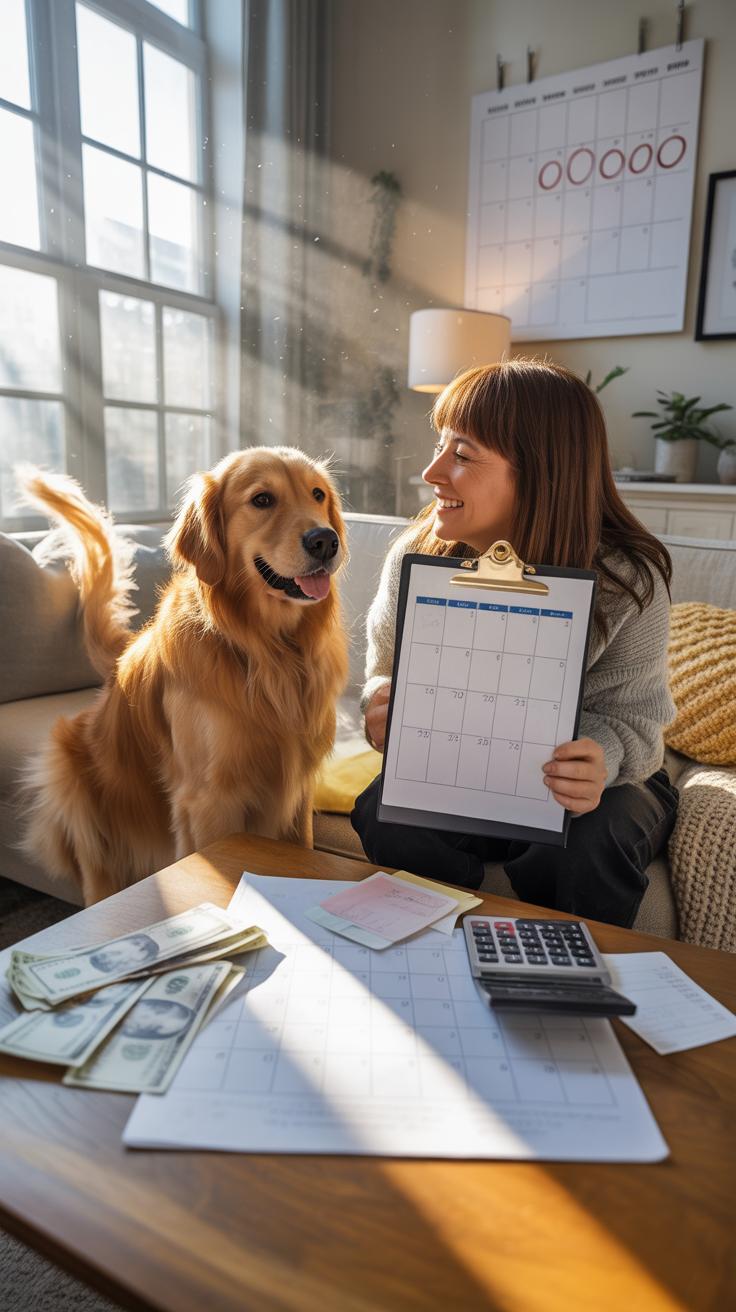
Keeping an eye on dog sitting expenses can feel a bit like juggling—sometimes unpredictable. One way is to create a dedicated spreadsheet or simple ledger where you jot down each sitting service, date, and fee. This helps spot patterns, like which days tend to cost more or if you’re spending extra on last-minute bookings.
Think about breaking costs into categories: routine sitting, special care days, and any extra charges like transportation or supplies. Tracking these separately offers clearer insight into where your money goes—and maybe where to cut back.
It might feel tedious at first, but reviewing these records monthly can avoid surprises that mess with your budget. Plus, you could compare prices between sitters over time, helping you decide if a slightly more expensive but trustworthy sitter is worth it.
Budget Planning For Pet Care
Planning a budget for pet care is a bit more than just covering regular dog sitting. You’ll want to factor in emergency expenses—like sudden vet visits—plus unexpected fees that might pop up, such as holiday rates or cancellations.
Try setting aside a small monthly amount explicitly for dog care. Some months you’ll spend less, others more, but the goal is to smooth out those fluctuations so you’re not caught off guard. You might choose a buffer fund, just for surprises.
Prioritizing regular sitting costs makes sense, but don’t neglect occasional expenses. Even if you think your dog is healthy and steady, emergencies happen, and it pays to be prepared.
Using Apps To Manage Costs
There are handy apps designed for pet owners to track expenses and payments, which can make managing dog sitting fees less of a chore. Apps like “PetDesk” or “Pawtrack” allow you to log sitting appointments, record payments, and set reminders for recurring services.
Some apps also let you attach receipts or invoices, so everything stays in one place. It’s useful if you want a quick snapshot of your monthly spending without rummaging through paper or scattered notes.
Although these tools aren’t perfect, they can reduce guesswork and save time. You might find yourself more aware of where the money goes—and maybe even catch a billing error you’d otherwise miss. Have you tried tracking costs on your phone or prefer old-fashioned notebooks? Either way, tools that simplify the process tend to help more than you might expect.
Avoiding Common Dog Sitting Mistakes
One of the biggest mistakes in dog sitting starts before the sitter even arrives—unclear or incomplete instructions. You might think it’s simple, but skipping details about feeding times or favorite toys can cause stress for your dog and confusion for the sitter.
Ignoring your dog’s health needs is another trap. Sometimes people forget to mention medications, allergies, or behavioral quirks. This can lead to trouble, especially if the sitter isn’t prepared or doesn’t ask enough questions.
Poor communication, like vague expectations or no check-ins during the sitting period, often leaves both parties frustrated. Without a clear plan, missteps happen. I once heard from a friend who didn’t specify how to handle her anxious dog’s barking at night—left the sitter unprepared and the dog unsettled.
To avoid these pitfalls:
- Write down clear, detailed instructions, including emergency contacts.
- Be honest about your dog’s health and habits; nothing is too small to mention.
- Establish a communication routine—agree on how often you want updates.
Treat the sitter like part of the team caring for your dog. You might think it’s overkill, but it really helps prevent problems.
Communication Tips With Sitters
Clear communication with your dog sitter shapes the entire experience. Start by setting realistic expectations upfront. What do you want them to do beyond feeding and walking? Are there off-limit areas or particular routines your dog prefers? Share these plainly.
Don’t assume the sitter will remember everything from a quick chat or text message. Writing down instructions works better, especially if they’re overwhelmed or managing several pets at once.
Also, encourage questions. If your sitter sounds hesitant, it’s usually a sign they need more info. Sometimes the smallest doubt can lead to bigger issues.
Before you leave, have a quick conversation to walk through the instructions and confirm understanding. This may feel like going overboard, but often clear communication prevents misunderstandings.
Monitoring Your Dog During Sitting
Checking on your dog’s wellbeing during a sitting period can feel tricky. You want to trust your sitter but also want reassurance your dog is okay.
Ask your sitter to send regular updates, like photos or messages after walks or meal times. This helps you gauge how your dog is adapting and whether they seem comfortable or stressed.
If technology is an option, consider pet cameras. They offer a direct glimpse at your dog’s behavior and environment. Still, watch out for becoming too obsessed—you risk adding stress to yourself without real benefit.
Sometimes, just a brief phone call can clarify things better than texts. It lets you hear the sitter’s tone and pick up on any subtle concerns they might not write down.
Finding a balance between trust and vigilance is key—too little contact feels neglectful, too much can feel smothering for everyone.
Day To Day Dog Sitting Routine
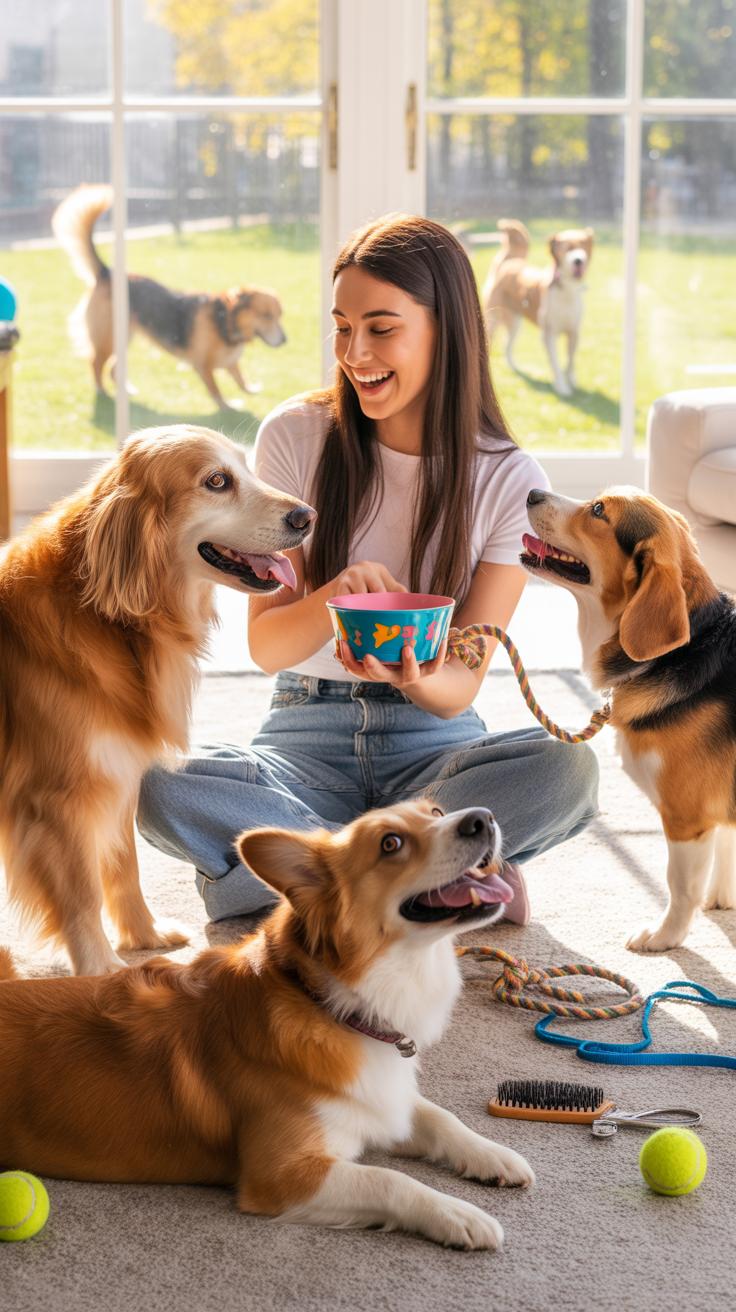
For a dog sitter, the day begins early, often around 7 a.m., with feeding time. Usually, the dog gets its breakfast first thing, followed by a bathroom break. The timing here isn’t rigid but needs consistency to keep the dog comfortable. After eating, a walk is key—some dogs may need a brisk half-hour, others just a short stroll depending on energy levels.
Mid-morning often involves playtime, which could be anything from fetch to gentle tug-of-war. This part helps burn off energy and keeps dogs mentally engaged. Rest periods come in between; dogs nap several times, so the sitter must respect those pauses to avoid overstimulation.
Health monitoring happens subtly throughout the day. Watching for limping, unusual behavior, or appetite changes isn’t always obvious but picking up on small signs can prevent bigger issues. Feeding later in the afternoon or early evening follows, paired with another walk—not necessarily as long as the morning one, but enough to satisfy the dog’s daily needs.
The day usually winds down around 8 p.m. with quiet time. Some dogs need more interaction, others prefer to settle quietly. Every dog’s rhythm is different, and adjusting to that is part of the sitter’s responsibility.
Sample Dog Sitting Schedule
Here’s one example of a day with a medium-energy dog:
- 7:00 a.m. – Breakfast and bathroom break
- 7:30 a.m. – 30-minute walk outside
- 8:00 a.m. – Playtime and mental stimulation activities
- 9:00 a.m. to 12:00 p.m. – Rest and occasional check-ins
- 12:30 p.m. – Light lunch or snack (if part of diet)
- 1:00 p.m. to 4:00 p.m. – Quiet time or short interactive games
- 4:30 p.m. – Afternoon walk (20 minutes)
- 5:00 p.m. – Dinner
- 6:00 p.m. – Gentle play or cuddling
- 7:30 p.m. onwards – Wind down and prepare for bedtime
Of course, this can change a lot based on the specific dog’s habits.
Adjusting Routine For Dog Needs
Age is a big factor. Puppies often need more frequent breaks and shorter bursts of activity, while older dogs may require gentler walks and longer rest. Breed plays a role too. A Border Collie demands more mental challenges and exercise, while a Basset Hound might be content with less.
Health conditions supersede everything. Dogs with arthritis might need cushioned resting spots and limited jumping, while those with allergies could need careful meal preparation and avoiding certain environments. Sometimes it’s trial and error to find what suits a dog best. You might think a dog needs more exercise, but if it’s favoring a paw, that plan changes fast.
The sitter’s flexibility in adapting to these needs makes the role more than just a schedule—it’s about reading the dog’s signals and adjusting on the fly. This is where you realize dog sitting blends routine with constant observation. It’s never quite the same day twice.
Measuring Dog Sitting Success
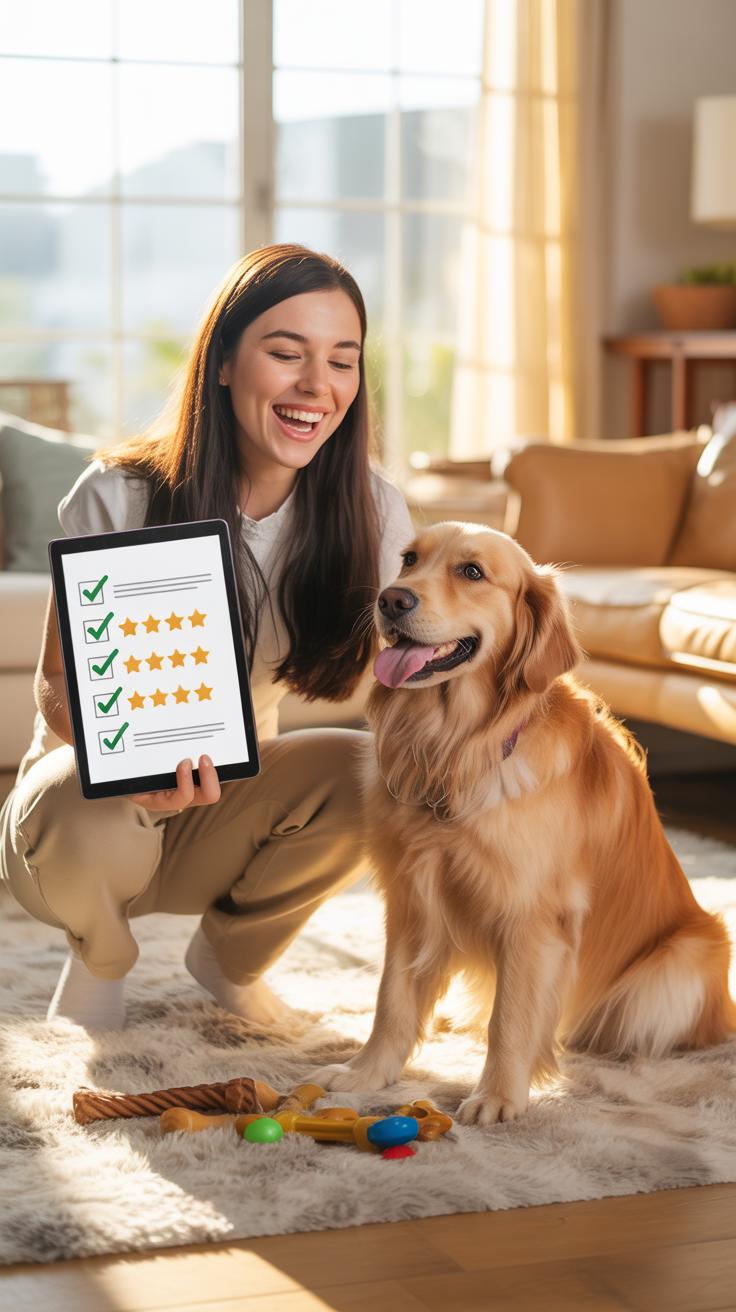
When it comes to dog sitting, how do you really know if it’s working out? It isn’t just about making sure the dog survives until you get back. You want to feel confident the arrangement benefits your pet’s health and happiness, and honestly, your own peace of mind. There are a few practical ways to get a clearer picture.
Key Health Indicators
Keep an eye on changes in your dog’s weight. A sudden shift—either gain or loss—can hint at how well the sitter is managing meals and activity. Watch energy levels too. Is the dog still eager for walks or playtime, or do they seem lethargic or anxious? Mood swings matter as well; a normally calm dog that becomes restless or withdrawn might be struggling with the new environment. These signs aren’t always obvious, so jotting down notes during and after sitting can help track subtle shifts over time.
Owner Feedback Methods
You probably want to give feedback, right? But it’s not only about telling the sitter what they did wrong. Open dialogue about what’s working can help improve future stays. Try sharing specific observations, like how your dog responded to routines or meals, instead of vague comments like “it seemed fine.” Some owners find it useful to ask for daily updates or use apps to keep communication clear. And hey, if something feels off, don’t hesitate to speak up. Improving dog sitting experiences often relies on honest, ongoing feedback from both sides.
Dog Sitting Legal And Safety Aspects
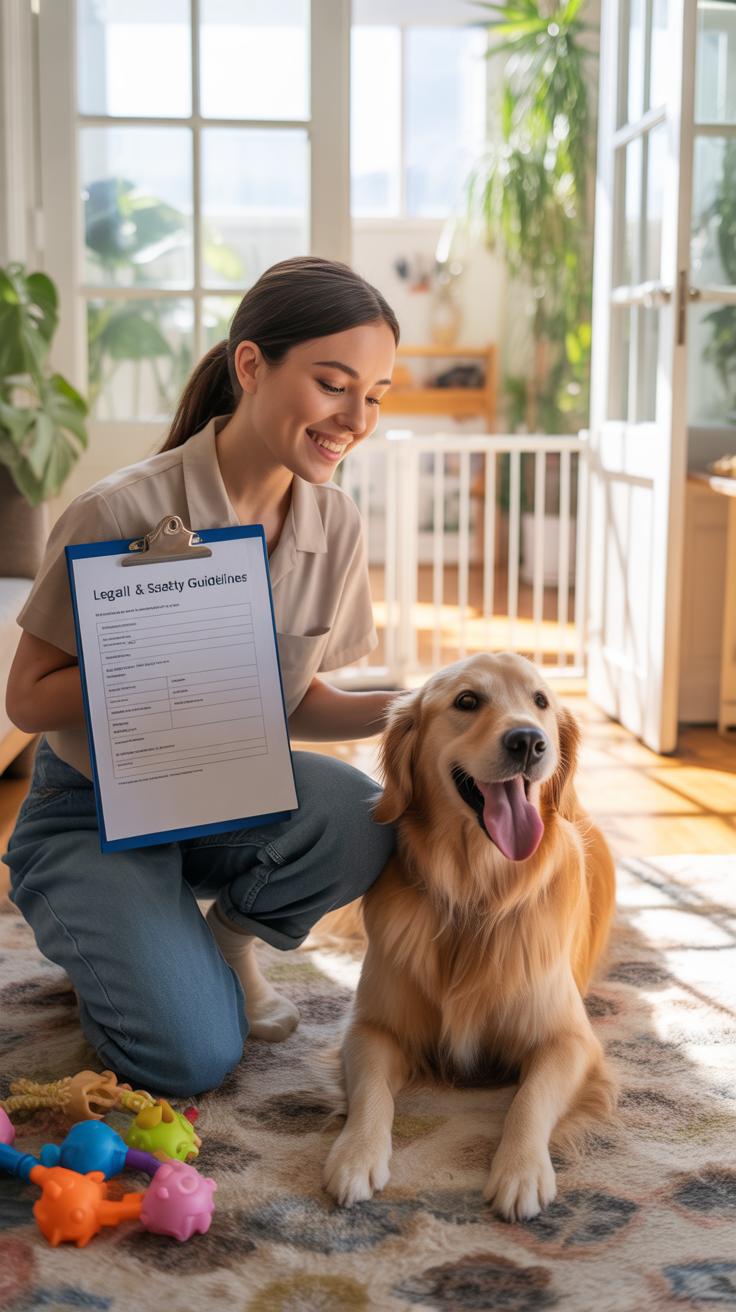
Legal Requirements and Safety Tips
When you take on dog sitting, there are a few legal things to keep in mind. Many areas require dogs to have up-to-date licenses—so it’s good to ask owners for proof before agreeing. Liability can get tricky; if the dog causes damage or injury, who’s responsible? Usually, sitters need to clarify this upfront with the owner. Emergency preparedness is another big point. Having clear instructions for vet visits and medical needs can prevent frantic calls. Some dogs have allergies or behavior issues that must be documented. It’s easy to overlook until something happens.
So, before you start, think about what happens if the dog breaks a rule or harms someone. Do you have permission to seek emergency care? Getting this sorted makes things smoother later. I’ve seen people forget to ask these questions and regret it when an emergency pops up.
Safety Supplies For Sitters
A good dog sitter should carry some basics. A first aid kit designed for pets is a must—bandages, antiseptics, and emergency meds can make a difference. Always have a sturdy leash and collar, even if the dog is calm at home. Dogs can surprise you, maybe bolt out a door or under a fence. Also, keep the owner’s contact info, vet number, and nearby emergency clinics handy—written down, not just saved on your phone. Phones die, people forget.
Other handy items include waste bags, water bowls, and familiar toys to keep the dog comfortable. It’s a small list, but skipping even one thing can make a sitter feel unprepared or unsafe. I once forgot to bring a leash on a short walk—never again.
Insurance And Licensing
If you’re serious about dog sitting—maybe doing it regularly—you might want to check local regulations. Some places require professional pet sitters to have licenses or permits. Even if not mandatory, insurance offers protection if a dog gets hurt, damages property, or causes an accident. This might sound like overkill if you’re just helping a friend, but if you plan to offer services broadly, it’s worth considering.
For dog owners, it’s smart to ask sitters if they have insurance or any certifications, especially for extended stays. It shows professionalism, but absence doesn’t always mean incompetence. Still, transparency on these points builds trust. Often, the right questions lead to better peace of mind for everyone involved.
Case Studies Of Dog Sitting Benefits

Example Of Health Improvement
Take Max, a five-year-old Labrador with mild arthritis. His owner had to travel frequently for work, leaving him home alone for long stretches. Once Max’s family started using a dog sitter, things slowly changed. The sitter made sure Max went on daily walks, sometimes even twice a day, tailored to his pace. The consistent activity helped reduce his stiffness and improved his mood noticeably.
It wasn’t a sudden miracle, but over several months, Max became more agile and less reluctant to play. Sitting didn’t just fill the time; it brought structure and gentle exercise that his owner struggled to provide consistently. Maybe it’s obvious, but having someone present to motivate movement made a clear difference in Max’s overall health.
Example Of Owner Convenience
Consider Sarah, a consultant juggling tight project deadlines and cross-country travel. Without a dependable dog sitter, leaving her energetic terrier, Bella, would have been a source of stress. She worried about Bella’s alone time and her own ability to focus on work. Finding a sitter who visited daily to walk and play made a huge difference.
Sarah felt more relaxed during trips, knowing Bella wasn’t just waiting but staying active and cared for. She mentioned once that the peace of mind actually improved her productivity—she could concentrate because she wasn’t second-guessing Bella’s well-being all the time. It may seem simple, but dog sitting turned into a quiet support system in managing life’s unpredictability.
Conclusions
Dog sitting offers a practical solution for pet care while also supporting the health and fitness of the dog and the owner. It fits into a modern lifestyle by providing professional care or companionship that keeps your dog active and content. Knowing the costs involved helps you plan better and prevents surprises.
Choosing dog sitting services or options that engage your dog in regular exercise helps maintain its health, reduces stress, and improves quality of life for both. Whether you hire a professional or take turns with family, dog sitting can be part of a healthy routine.