Introduction
Training your dog is essential for a good relationship. It helps teach your dog how to behave and listen. Dog training tips for effective behavior improvement techniques can make the process easier for you and your dog. This article covers useful advice and facts about training your dog well.
We’ll cover basic dog training methods, different training styles, and how to set up a good daily routine. This will help you and your dog have successful training sessions and build trust. With clear steps and examples, you will learn how to teach your dog good behavior and commands.
Basic Dog Training Methods
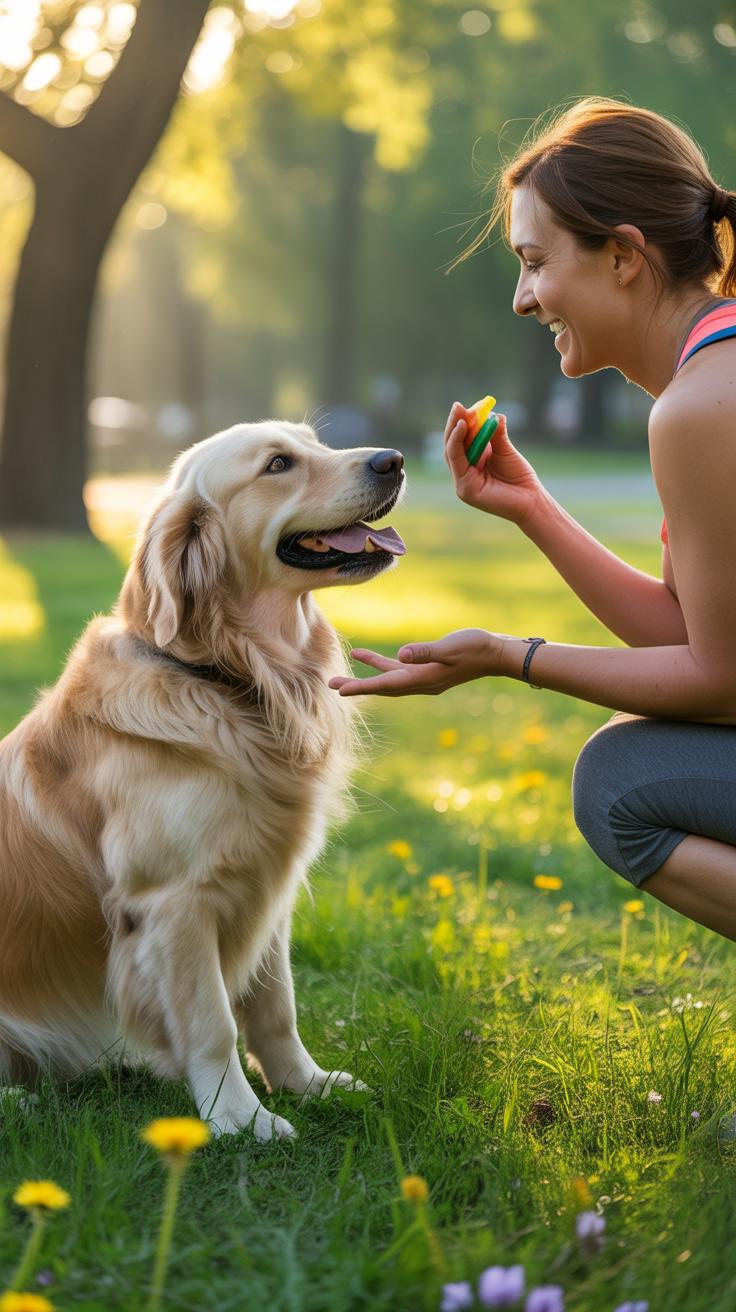
When it comes to training your dog, two main approaches stand out: positive reinforcement and punishment-based training. Positive reinforcement means rewarding your dog when they do something right—like offering treats or praise after a sit or stay. It encourages your dog to repeat the behavior because it leads to something pleasant.

On the flip side, punishment-based training tries to stop unwanted behaviors by applying something unpleasant, such as a sharp verbal “No!” or a leash correction. This method focuses on discouraging bad behavior rather than encouraging good actions.
For example, teaching “sit” with positive reinforcement involves giving your dog a treat immediately after their bottom hits the floor. With punishment training, you might yank the leash or give a stern command until the dog complies, which can create stress or fear.
Dogs usually respond to positive reinforcement with eagerness and enthusiasm. Punishment often leads to confusion or anxiety, which might cause your dog to obey out of fear rather than understanding. You might find that reward-based training builds a stronger bond and a happier dog, but each method can yield results—though not always with the same effects on your dog’s well-being.
Positive Reinforcement Vs Punishment Training
Positive reinforcement training involves adding something your dog likes—treats, toys, affection—right after the desired behavior. This method makes your dog want to repeat that behavior. Think about teaching “come.” When your dog returns to you, you reward them instantly, making coming when called a positive experience.
Punishment training, in contrast, aims to stop unwanted actions by introducing something unpleasant, such as an uncomfortable collar squeeze or a loud admonition. If your dog jumps on guests, punishment might be a sharp “No” or a quick leash tug to stop the behavior.

Dogs generally respond better to positive reinforcement. It builds trust, encourages learning, and often results in longer-lasting behavior changes. Punishment might achieve immediate compliance, but it can increase fear, stress, and even aggression. For example, a dog taught to “stay” through positive rewards will wait calmly, while a dog trained through punishment might freeze out of anxiety.
While some trainers still use punishment, many now prefer reward-based methods because they create a more confident, willing learner. Maybe that’s why so many pet owners report happier experiences with positive reinforcement.
Setting Up A Training Routine Checklist
Creating a daily training routine is key to helping your dog learn. Here’s what you’ll need to get started:
- Short, consistent sessions—about 5 to 10 minutes each.
- Quiet space free from distractions.
- Treats your dog loves, something small and tasty.
- A clicker or a marker word like “Yes!” to signal correct behavior.
- A clear plan of simple commands to teach or reinforce.
Practice should happen at consistent times—maybe morning and early evening—to build habit and attention. Regular, short sessions work better than long, infrequent ones because dogs tend to lose focus quickly or get bored. You’ll notice progress faster when training fits into daily life smoothly.
Patience is part of it too. Keep sessions positive and end on a good note—even if your dog hasn’t perfected a command yet. As you use treats or clicks to mark right behavior, you’ll help your dog connect the dots, steadily making training part of their routine and their mindset.
Common Behavior Problems And Fixes


Dogs barking, chewing, or jumping on guests can quickly become frustrating, especially if these habits start to interfere with daily life. Barking often signals attention-seeking, boredom, or even anxiety. For example, a neighbor’s passing dog might set off your dog’s barking marathon. One practical way to manage this is to teach the “quiet” command. When your dog starts barking, say “quiet” calmly and offer a treat when they stop, even for a few seconds. It takes patience, but consistent rewards help them connect the command with the behavior.
Chewing is another problem many owners face. Dogs chew to explore the world or relieve teething discomfort, but some pups go after furniture or shoes instead of toys. A useful trick I found is offering attractive, safe chew toys and keeping tempting items out of reach. When caught in the act of destructive chewing, redirect gently with a toy. Praise when they choose the right object. It’s a slow process but with steady repetition, you can help your dog learn what’s acceptable to chew.
Jumping, especially on visitors, can be pretty startling. Dogs jump to greet or get attention, but it’s not always welcome. Teaching an incompatible behavior like “sit” when someone arrives can reduce jumping. For instance, asking your dog to sit and rewarding calm behavior redirects their excitement. Sometimes it feels like they understand but just don’t listen—patience here is key.
Barking Control Techniques
Dogs bark for many reasons: warning, boredom, excitement, or fear. Excessive barking can seem endless if triggers aren’t managed. You might notice your dog barking more when left alone or when strangers appear outside. Try identifying what sparks the barking first, that’s half the work.
Using commands works well—start with “quiet” followed by a reward once the barking stops. Sometimes distractions help too, like tossing a toy or engaging your dog in a task when barking starts. Another tip is to avoid yelling back; it can sound like you’re joining the bark-fest and might make things worse. Training takes time, but when your dog learns that quiet gets more attention than noise, the barking reduces.
Stopping Unwanted Chewing
Destructive chewing can stem from boredom, anxiety, or even a lack of proper outlets for their natural urge to chew. Some dogs chew more when they’re stressed or understimulated. Offering durable and safe chew toys is a good start. Stuffing a chew toy with treats can hold their interest longer, for example.
When you catch your dog chewing something they shouldn’t, calmly swap their item for a chew toy. Reinforce this by praising and giving treats when they chew the right object. Consistency matters—if you’re lenient sometimes, the message gets confusing. It might take weeks but gradually your dog will understand what’s okay to chew and what isn’t.
Teaching Basic Obedience Commands
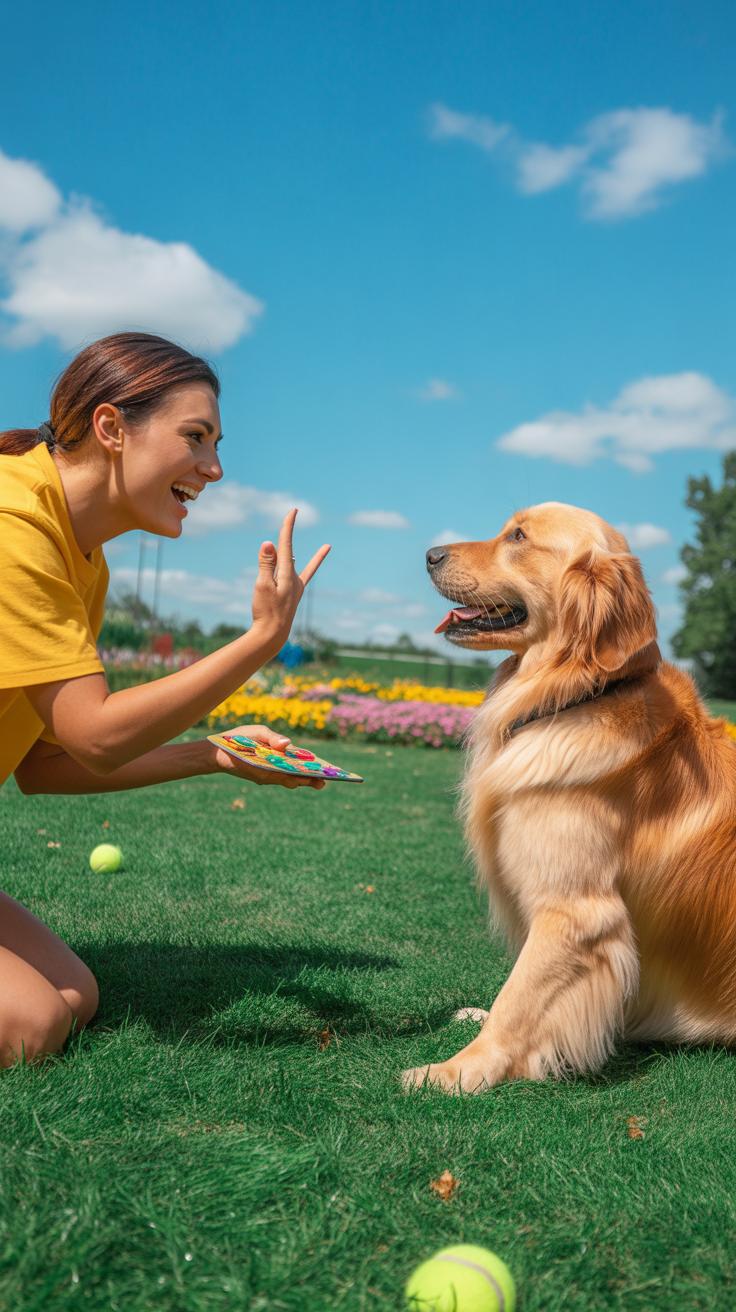
Teaching your dog core commands like sit, stay, come, and heel lays a foundation for good behavior. These commands give your dog structure, and you’ll find daily life much easier. Let’s look at how to teach each step-by-step, keeping things manageable.
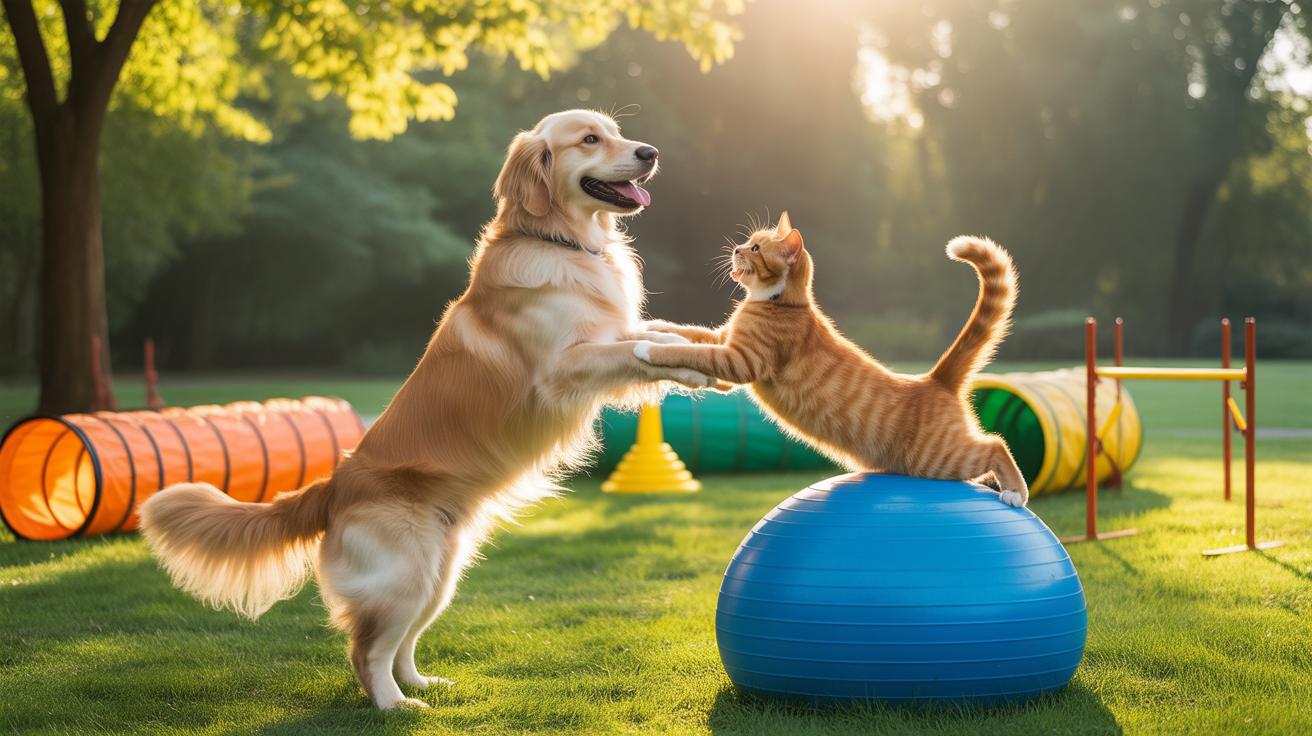
Start with sit. Hold a treat close to your dog’s nose, then slowly move it upwards and back over their head. Most dogs naturally sit to follow the treat. The moment their rear touches the ground, say “sit” clearly and give the treat along with praise. Repeat this a few times until they connect the word with the action.
Stay takes a bit more patience. Have your dog sit first. Show your open palm like a “stop” sign and say “stay”. Step back a tiny bit, wait a second, then step forward and reward if they hold still. Gradually increase distance and time. If they break, calmly reset and try again.
For come, keep it positive and exciting. Use a happy tone and your dog’s name followed by “come.” Begin at close range, reward immediately when they reach you. Practice in safe areas, slowly increase distractions. Never punish if they don’t come; that just makes them less likely to return.
Heel means walking beside you without pulling. Start with your dog on a leash. Hold a treat at your side and lure them to walk close. Say “heel” as you move, rewarding frequently at first. Stop if they pull, wait until they return to your side, and then continue forward.
Consistency is key. Use the same words, tone, and gestures. Always praise or reward good responses immediately – or your dog won’t connect action with reward. It’s tempting to rush, but slowing down helps your dog really learn what you want.
Socializing Your Dog Safely
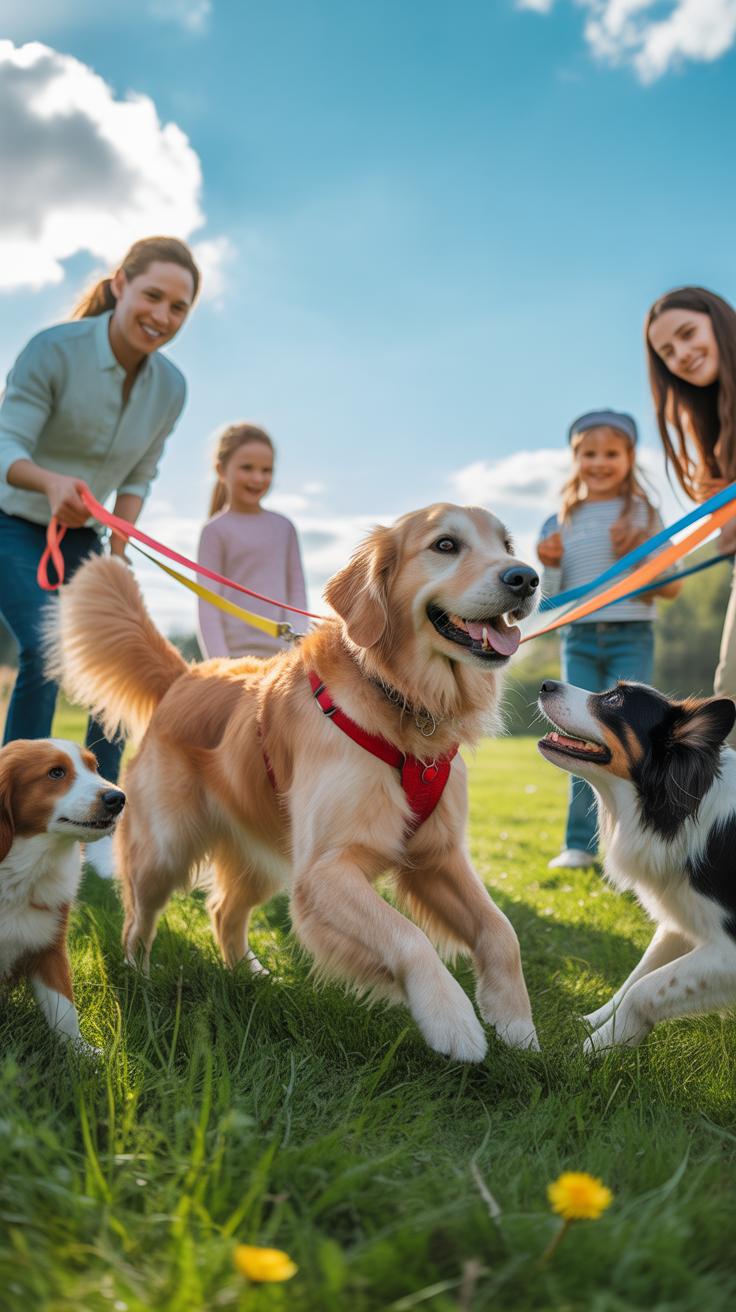
Getting your dog comfortable around other dogs and people shapes their behavior in ways that can prevent problems later on. Dogs that aren’t well-socialized sometimes react with fear or aggression, and no one wants that. But socialization isn’t just about throwing your dog into busy parks or crowded places and hoping for the best. The key lies in gently introducing them to different situations so those first impressions are mostly positive.
When you take your dog into new environments, go slow. Let them explore at their own pace. If they seem nervous, don’t push it. I’ve noticed that dogs usually respond better when you stay calm and offer treats or praise as reassurance. The goal is to build curiosity, not anxiety.
Meeting other dogs also needs careful planning. Try to arrange calm introductions instead of chaotic pack situations. Watch for signs like stiff bodies, growling, or excessive barking—those mean you should step back and give your dog some space. Sometimes, even a relaxed sniff with body language that feels neutral can be a good start. If the dogs seem to enjoy the meeting, that’s when you can let things unfold naturally.
Positive associations here matter a lot. It reminds me of a time when my dog hesitated to meet a new dog at the park. We backed off, then tried again on a quieter day. That small, less tense interaction made the difference.
Introducing Dogs To New Environments
New places can be overwhelming for dogs. To help them adjust, start with short visits to calm spots—think empty streets or quiet parks. Let your dog sniff around and get familiar without rushing. Stay close to offer comfort but don’t hover, as that can sometimes make them more unsure.
Bring treats and use rewards to encourage relaxed behavior. If your dog freezes or pulls away, give them time. Forcing them to face too many new things at once might cause stress or fear reactions later. Gradual exposure helps them develop confidence over time.
Sometimes, it’s hard to tell if your dog is curious or cautious. Watch for tail wags, relaxed ears, and soft eyes versus tucked tails or trembling. That little body language tells you when to pause or move forward.
Safe Dog-to-Dog Meetings
Before introducing dogs, choose a neutral, open space where neither feels territorial. Keep both dogs on a loose leash but don’t hold too tight. Too much tension can transfer to them. Let them approach each other slowly.
Signs of stress include stiff posture, raised hackles, lip licking, yawning, or turning away. If you notice these, step in calmly and redirect their attention, maybe with a treat or a short break. Don’t punish or pull dogs apart harshly—it can make things worse.
Positive interactions often start with noses touching lightly then moving on to play bows or wagging tails. But remember, every dog is different. Some prefer just a brief greeting and then want space. Respecting those individual preferences means safer meetings and happier dogs.
Tracking Training Progress Metrics

Measuring your dog’s progress often feels less straightforward than it should be. It’s easy to wonder—am I really getting anywhere? The key is to focus on simple, observable signs rather than complicated charts. For instance, notice if your dog begins responding to commands more quickly or with less hesitation. If your pup obeys “sit” or “stay” after just one reminder, that’s progress. Also, watch how many distractions your dog can handle without ignoring your cues. If you trained in a quiet room before, see how well your dog does when the TV is on or around other people. These small shifts hint that your training is working.
Tracking can be as simple as jotting down how many times your dog responds correctly in a session or observing whether your dog seems calmer during training. You might not see big leaps every day, but even slight improvements matter.
When progress plateaus or your dog seems confused, it might be time to tweak your approach. If your dog repeatedly ignores a particular command or looks stressed, that’s a sign to reassess. Maybe the method is too fast, or rewards aren’t motivating enough. Adjusting at these points ensures your training doesn’t stall.
Signs Of Successful Training
Some signs show your dog is genuinely picking up new behaviors. Look for these changes:
- Faster response times to familiar commands—your dog doesn’t need long pauses.
- Reduced signs of anxiety or distraction during training sessions.
- Ability to maintain commands for longer periods, like holding a “stay” even when you move away a bit.
- Less need for physical prompts; your dog responds to voice or hand signals alone.
- Increased willingness to engage and work with you, suggesting growing trust and understanding.
For example, I noticed my dog stopped pacing and fidgeting during “stay” exercises after a few weeks. That calmer behavior told me he was learning to focus, not just obeying by chance. Signs can be subtle, so keep a close eye.
When To Change Your Training Plan
Not every dog responds to the same techniques. Some need more patience or a different reward system. You might find your usual treats lose their appeal or that your dog gets bored with repetitive drills. If your dog consistently ignores commands, seems stressed, or becomes disinterested, consider that your plan might need a shift.
Ask yourself: Have I been pushing too fast? Is the environment too distracting? Or perhaps the dog requires more positive reinforcement versus corrections. Sometimes, introducing new activities or changing up the timing of sessions reinvigorates learning.
Recognizing these moments means being honest with your observation. If you feel you’re stuck in a rut, it’s okay to try new techniques or even seek advice from a professional. Flexibility can make the difference between frustration and progress.
Tools And Resources For Dog Training
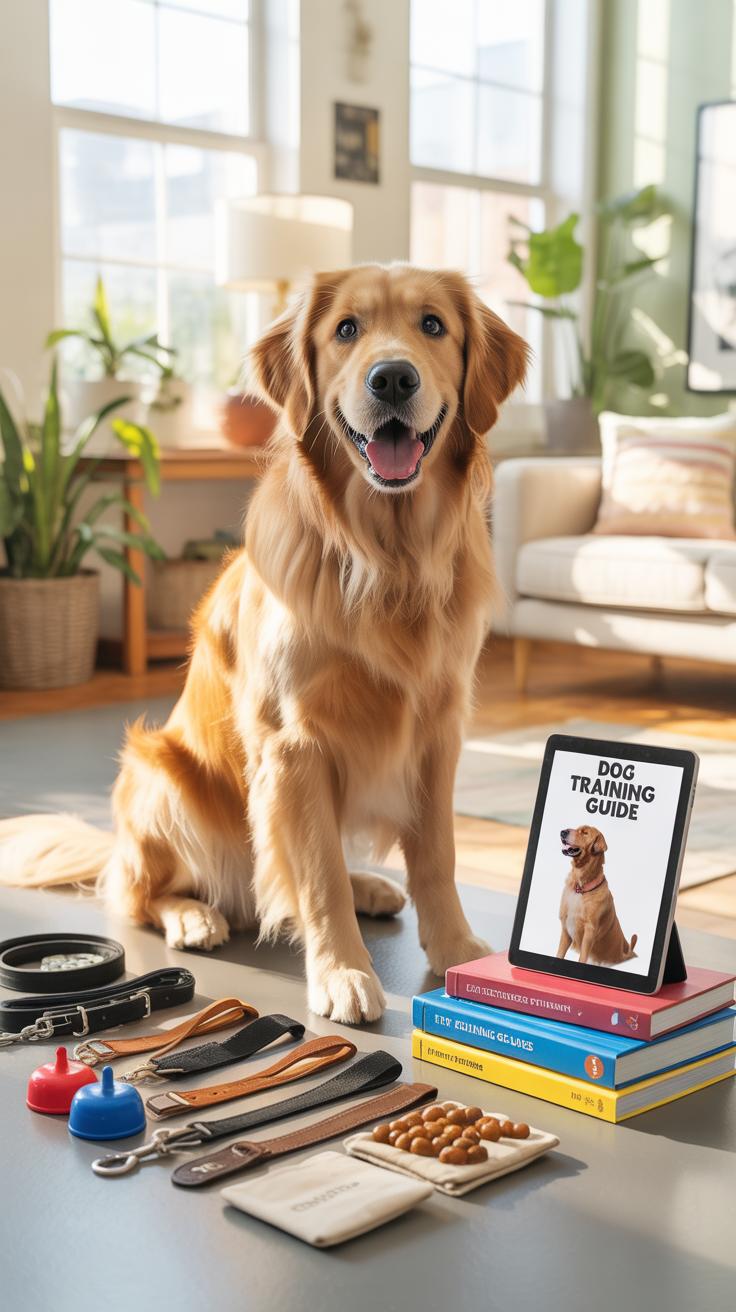
Training your dog well often depends on having the right tools at hand. Think about it—leashes, clickers, treat pouches, and even mobile apps all play their part, though in very different ways. Each can make your sessions smoother, though sometimes the simple ones get overlooked.
Take clickers. They give a clear, sharp sound to mark the exact moment your dog does what you want. This precision helps your dog understand what behavior earned the reward. But timing is tricky—you need to click right as the action happens, not after or before. Consistency also matters; use the clicker every time, or you risk confusing your dog.
Leashes come in all shapes and sizes, but a good one keeps control while allowing freedom to explore. A retractable leash, for example, gives distance but can cause pulling if you’re not careful. Treat pouches keep rewards handy. I find one attached to my belt makes it easy to keep my hands free and stay focused.
When it comes to apps, they can track progress, suggest exercises, and remind you about training. Some popular choices offer video guides or allow you to set personalized goals. But relying on an app alone? Probably not enough. It’s more like having a coach in your pocket, not a substitute for time spent practicing.
If you want to learn more, books from trainers like Patricia McConnell or websites like the American Kennel Club offer solid advice and detailed techniques. Watching videos, joining forums, or even attending local classes can round out your toolkit. You might find that mixing different resources, rather than sticking to just one, works best for you and your dog.
How To Avoid Common Training Mistakes

One of the biggest traps in dog training is inconsistency. You might think it’s okay to switch up commands or rewards depending on your mood, but that confuses the dog. Imagine trying to learn a language with changing rules—you’d probably give up or mess up a lot. Dogs rely on clear signals to understand what’s expected.
Yelling is another mistake that often backfires. When owners raise their voices, they might get momentary obedience, but it damages trust. The dog may start to fear you instead of respect you. Training is usually slower and less reliable if fear drives behavior.
To avoid these pitfalls, try these approaches:
- Use the same word and tone for each command, every time.
- Choose rewards that really motivate your dog—like treats or praise—and stick with them consistently.
- Stay calm. If you’re frustrated, take a break before continuing.
- Correct misbehavior with gentle guidance, not punishment.
It’s not always easy, and you might slip now and then. Still, recognizing these common errors can make a real difference in how fast and well your dog learns. Have you noticed how your own reactions shape your dog’s behavior?
Consistency Importance In Training
Consistency isn’t just a neat idea; it’s essential. Dogs learn by linking a command with an action and a reward. If you say “sit” one time and “sit down” the next, it’s confusing. The same goes for using treats sometimes but ignoring good behavior other times.
For example, a friend of mine raised her voice the first few times when her dog jumped up, then later just ignored it. As you can guess, the dog didn’t get the message clearly and kept jumping. That mixed feedback slows progress.
Here’s how to keep on track:
- Choose clear commands and stick to them.
- Reward every good response at first, then reduce treats gradually.
- Make sure everyone in your household uses the same signals.
It might feel like overkill, maybe a bit robotic, but your dog will thank you with faster learning and fewer mistakes.
Avoiding Negative Reactions
Yelling or harsh punishments can cause more harm than good. Dogs pick up on anger and stress—it can make them anxious, which is the last state you want during training. This erodes their confidence and willingness to try.
Instead, focus on positive corrections. If your dog misbehaves, redirect them to a better behavior without harsh tones. For example, instead of shouting “No,” say “Leave it” softly and reward compliance right away.
Also, try to catch misbehavior early before it escalates. Sometimes a quick “uh-uh” or a calm pause is enough. Your reaction sets the tone, so if you stay patient, your dog will too.
It’s tricky—not always straightforward—and sometimes we don’t realize when we cross that line. But every calm correction strengthens trust and keeps training stress-free.
Training Puppies Vs Adult Dogs
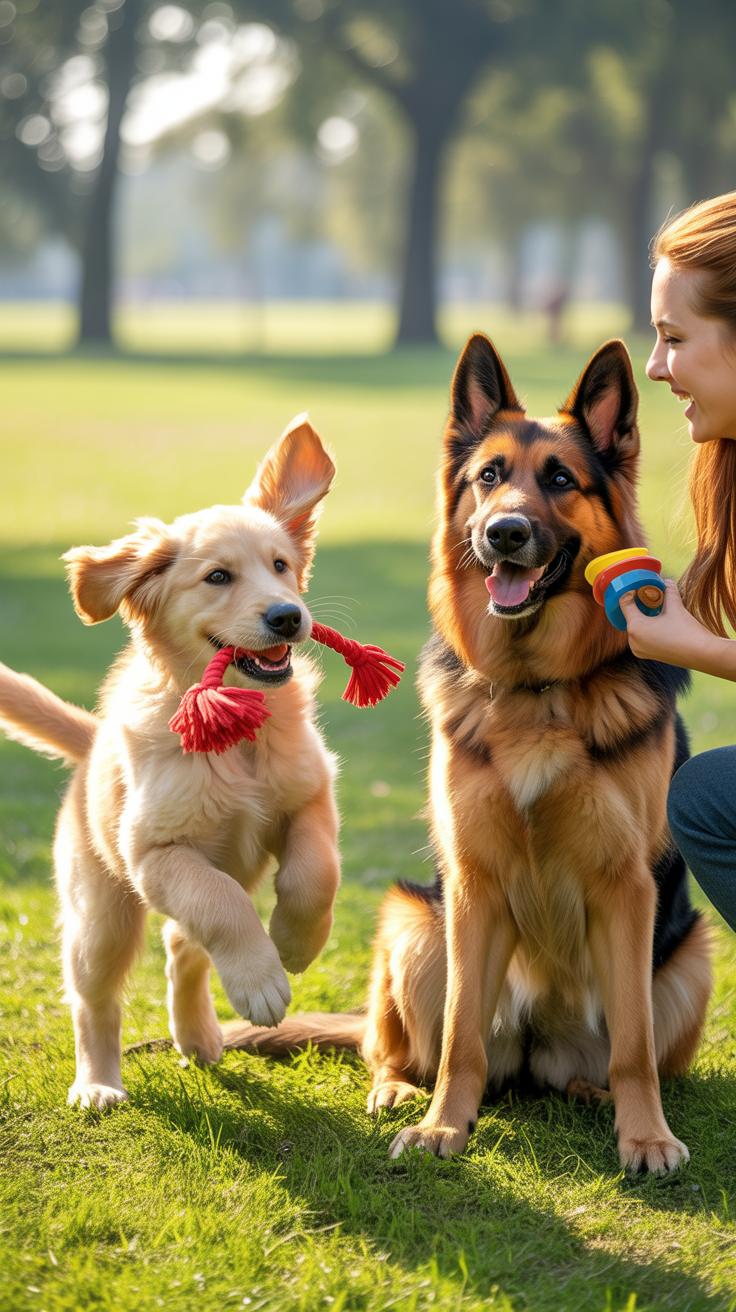
Puppy Training Focus Areas
Younger dogs are like blank slates, and that brings both an advantage and a challenge. With puppies, you’re mostly focused on teaching basic commands—like sit, stay, and come—as well as proper socialization. Getting them used to different people, sounds, and environments early on shapes how they’ll handle situations later. Starting young helps prevent some behavior problems before they form, but be patient—they have short attention spans and tire easily.
Puppies respond well to frequent, short training sessions. Repetition is key here. It might feel like you’re repeating yourself a lot, but it’s part of how they learn. Also, socialization isn’t just about meeting other dogs; it’s about creating positive experiences that build confidence. You might notice certain puppies click with new situations immediately, while others need a much gentler pace.
Adult Dog Training Challenges And Solutions
Adult dogs come with habits—good ones and bad—which can make training trickier. They might have learned less desirable responses or become wary of new commands. It’s often slower than with puppies, and some dogs resist change because it disrupts their comfort zone. Patience is critical here, maybe even more than with puppies.
To help adult dogs, start with commands they already know, then gradually introduce new ones. Using rewards they really like helps—sometimes food works better than praise alone. Consistency is a must; slips on your part can confuse them. You may also need to work harder on socialization, especially if the dog didn’t have much as a puppy. Understanding the dog’s background and fears often guides what approach to take—and sometimes, just gaining their trust feels like the biggest victory.
Case Studies Of Successful Dog Training
Problem Behavior Turnaround Example
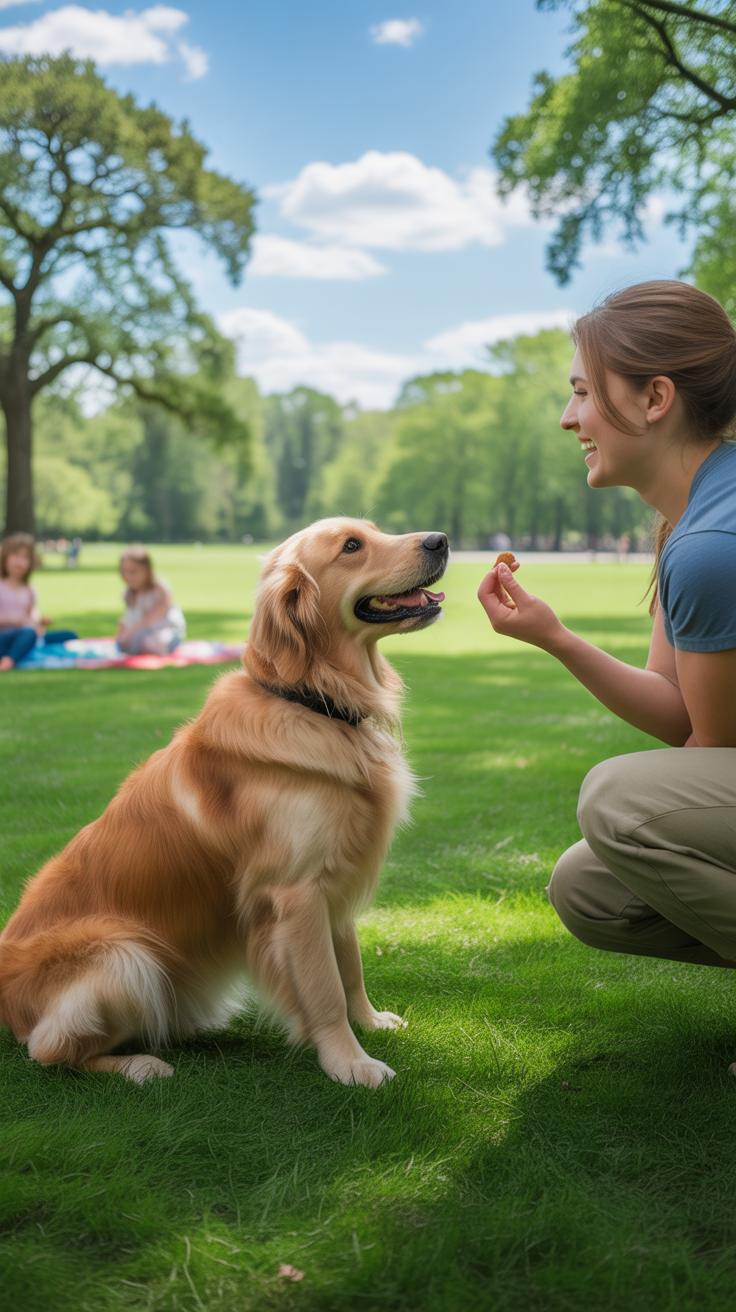
There was a dog named Max who used to bark relentlessly whenever someone walked past the house. The barking was nonstop and, frankly, exhausting for the family. They tried ignoring it at first, but nothing changed. Eventually, they opted for a focused training approach. The key step was identifying what triggered Max’s barking—mostly outside noises and passersby.
They introduced a “quiet” command paired with positive reinforcement. Every time Max stopped barking on cue, he received a treat. At the same time, they redirected his energy by providing chew toys to tackle his destructive chewing habits that had appeared out of frustration. It wasn’t overnight, but gradually, the yelling stopped and the chewing lessened.
The family learned to stay consistent, and so did Max. Walking him more often helped too, since some of the behavior came from boredom. This story shows how patience and pinpointing triggers can turn problem behaviors around.
Obedience Training Success Story
Sadie, a young Labrador, didn’t respond well to basic commands initially. Sit, stay, come—all were hit or miss at best. Her owner decided to break the training into bite-sized sessions, focusing on one command at a time.
Using short, frequent lessons combined with treats and lots of praise, Sadie started connecting actions to words. The owner kept sessions fun and upbeat, which seemed to matter a lot. Over several weeks, Sadie learned to sit when asked, stay put across the room, and come reliably—skills that made daily life smoother for both.
This case highlighted that breaking training down and being consistent—without overwhelming the dog—really helps. It also raised a question: could overdoing sessions backfire? Probably, since Sadie thrived on variety and positive vibes.
Questioning Dog Training Myths
Dominance Theory Debunked
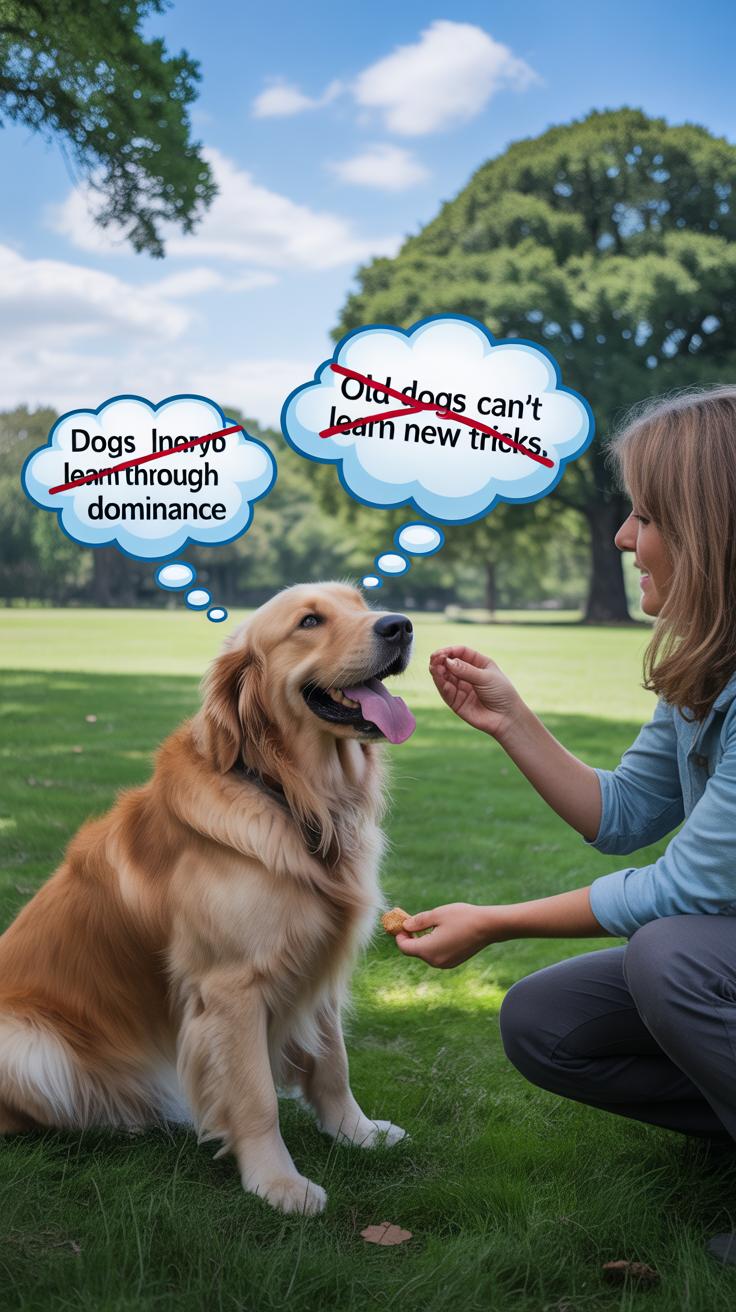
For many years, dominance theory shaped how people trained dogs. The idea was that dogs see humans as part of a pack where leadership depends on showing who’s strongest. You might’ve heard that you need to “show dominance” to your dog to stop bad behavior. But recent research paints a different picture.
Scientists now understand dog behavior as more about communication and trust than strict hierarchies. Dogs don’t try to dominate humans because they’re not competing for alpha status in the way early studies suggested. Instead, they respond better when you reward good behavior and build a cooperative relationship.
Think about your own relationship with your dog: does it feel like a tug-of-war for control? Or more like teamwork? Most trainers today emphasize clear cues, consistency, and positive reinforcement over intimidation or force. So, while dominance theory might sound tempting in some moments, leaning on it can break trust and even cause fear or aggression.
Truth About Shock Collar Use
Shock collars remain controversial, despite sometimes being promoted as quick fixes for stubborn dogs. These devices deliver an electric stimulus intended to curb unwanted behavior. Some owners swear by them—but many experts warn against their risks.
Reports show that shock collars can cause anxiety, confusion, and even pain for dogs. They may stop the behavior temporarily but don’t teach what you want instead. Also, timing matters a lot; if the shock arrives delayed or unpredictably, your dog might connect it to the wrong action or situation.
Modern approaches favor alternatives that guide your dog gently, like clicker training or reward-based methods. For example, instead of punishing barking with a shock, you can teach a “quiet” cue and reward silence. These methods create clearer communication and don’t harm your bond.
Still, you might wonder if there’s ever a place for harsher tools. Maybe for very specific cases under professional supervision, but for most pet owners, the risks outweigh the benefits. Soft, patient training usually gets you farther—and keeps your dog happier. What do you feel works best for your dog?
Conclusions
Training your dog with the right techniques will improve your dog’s behavior and your bond. Using positive reward-based methods is proven to work well and helps keep your dog happy. A regular routine and patience are key to success.
Remember to start with simple commands and be consistent. Every dog learns at its own pace, so adjust your approach when needed. Starting training early and practicing often makes a big difference in behavior improvement.