Introduction
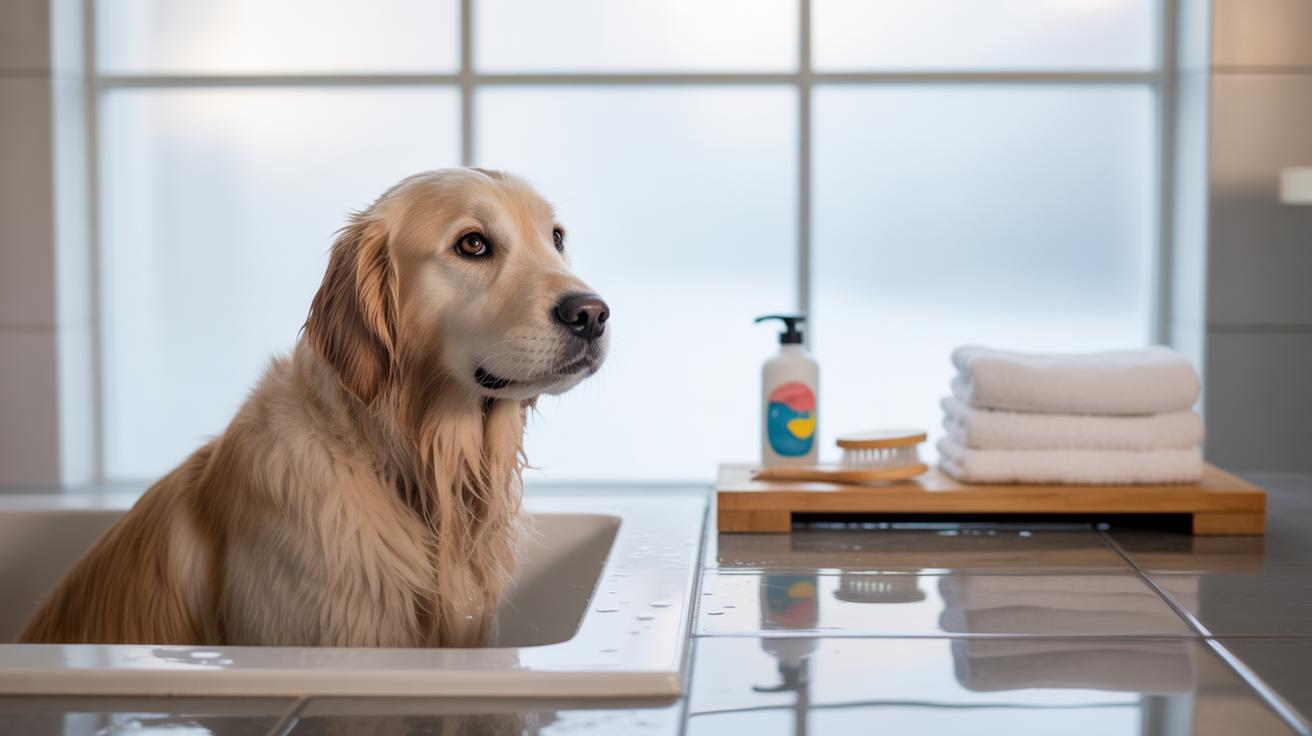
Setting up a dog washing station at home makes bathing your dog easier and more efficient. It saves time, mess, and trips to professional groomers. This guide will walk you through the step-by-step process to create a practical and safe washing station tailored to your space and your dog’s needs.
You will learn how to select the best location, the essential equipment needed, and tips to keep the station clean and comfortable for your pet. Whether you have a small apartment or a large backyard, this guide will help you build a setup that makes washing your dog a simpler and more pleasant experience for both of you.
Selecting the Best Location for Your Dog Washing Station
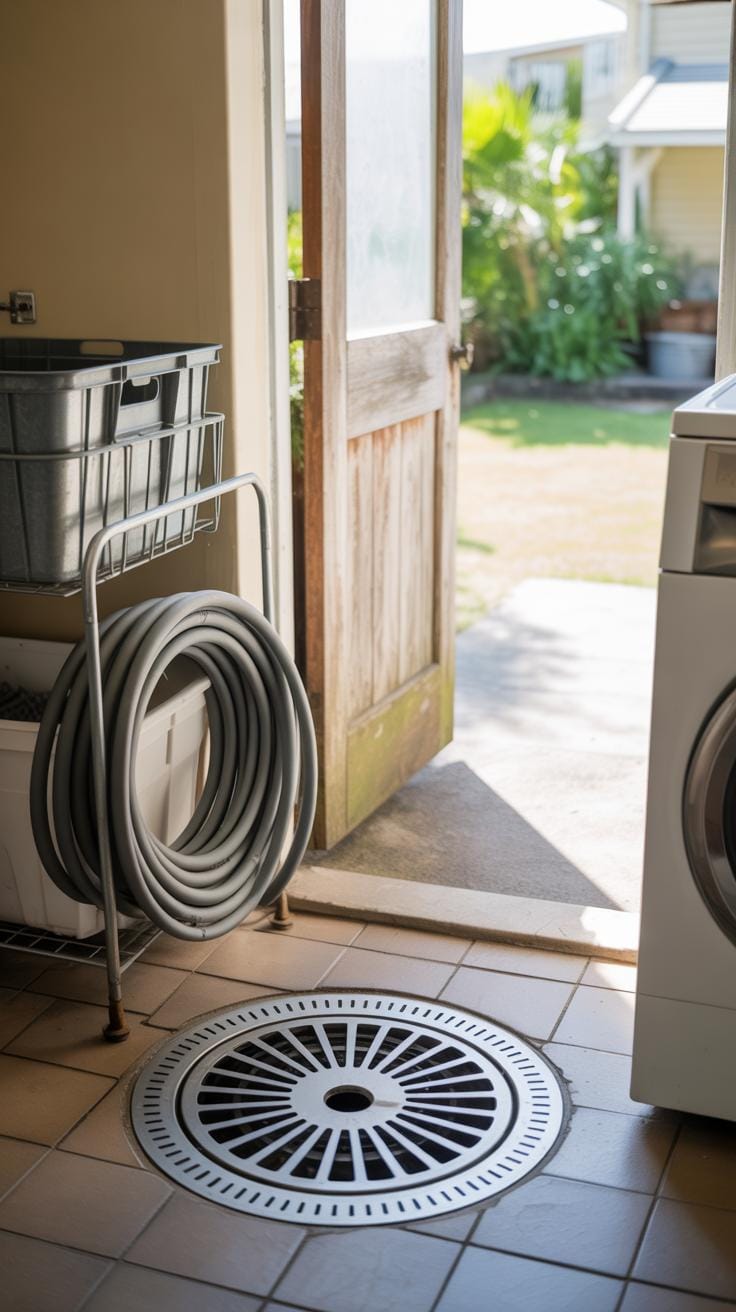
Finding the right spot to set up a dog washing station can be trickier than it seems. You want easy access to water, a way for the water to drain quickly, enough room for your dog to move without feeling trapped, and a location that doesn’t create chaos elsewhere in your home or yard.
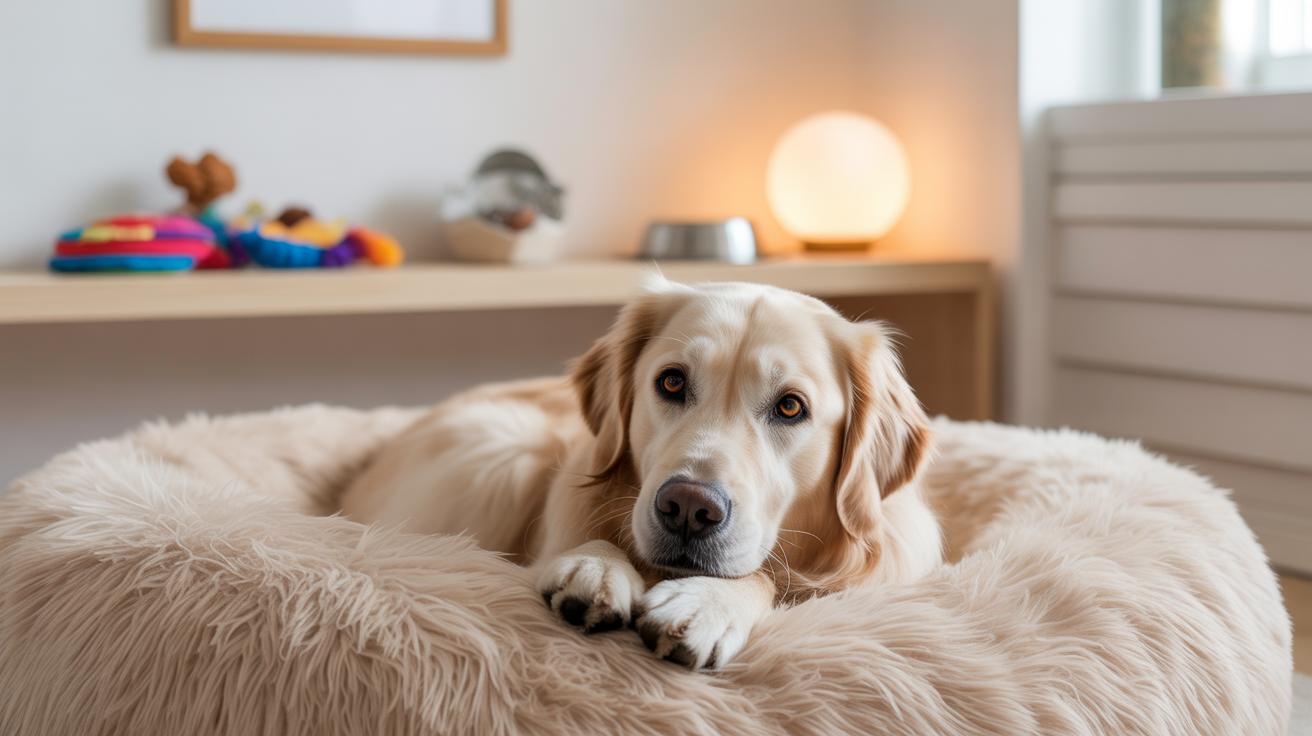
Think about places where you already use water frequently—like a laundry room, garage, or a yard corner near an outdoor faucet. These areas tend to have the plumbing and drainage you need or offer simpler ways to make the necessary connections.
Space also matters. Your dog shouldn’t feel cramped. Even if you have a small pup, cramped areas can make the washing process stressful—for both of you. If you have a large dog, leave room for shaking and maybe a bit of mess. Also, consider how often and how easily you can clean the area after each wash.
Indoor Versus Outdoor Spaces
Deciding between indoor and outdoor setups often depends on where you live and your lifestyle. Indoors usually means better temperature control; no freezing water in winter or sweltering heat in summer. You can wash your dog year-round without worrying about the weather.
But indoors can also be a messier option if you don’t have waterproof flooring or drainage nearby. Plus, space inside homes isn’t always flexible, and you might wind up washing your dog in a cramped bathroom or laundry tub, which isn’t ideal.
Outdoors feels more natural and less messy because any stray water just goes onto the ground, but it depends on climate—you don’t want your dog shivering or overheating. Plus, outdoor setups can sometimes lack privacy or shelter during bad weather. It’s a trade-off; some people prefer weather-proof patios or covered porches for a middle ground.
Ensuring Proper Drainage and Water Supply

Proper drainage is key. Standing water can turn your washing station into a mud pit or even damage your flooring. If you’re outdoors, it’s straightforward—choose a spot with soil or a sloped concrete area where water flows away. Indoors, you need to either use an existing floor drain or create a DIY system with a shower pan or a shallow basin that directs water to a bucket or drain.
Water supply is usually easier to handle but still needs attention. Hose connections outdoors are simple, but inside, you might have to rig adapters or use detachable hoses. For apartment dwellers, portable dog tubs with built-in drainage plugs can save the day. They let you fill and empty water where it’s convenient, even in tight spaces.
Do you have a spot near your existing water line? Can you add a hose connection or even a small pump? Sometimes a little creativity goes a long way in making a practical, functional setup.
Essential Equipment for a Dog Washing Station
Choosing the Right Tub or Basin
Picking the right tub for your dog washing station is a bit more than just size. You want something that comfortably fits your dog but also fits your space without making things cramped. Smaller dogs might do fine in plastic basins or even large buckets. For bigger dogs, think about a fiberglass or stainless steel tub—these tend to be sturdier and easier to clean.
Consider height, too. A raised tub can save your back but might be harder to get your dog into, especially if they’re older or less mobile. And materials matter—plastic tubs may hold up okay but can stain or scratch, while metal tubs last but might chill your dog if the water’s cold. It’s a bit of a trade-off, honestly. You want something durable but also comfortable for your pet, and you might have to try a few options before settling on the best fit.
Selecting Effective Washing Tools
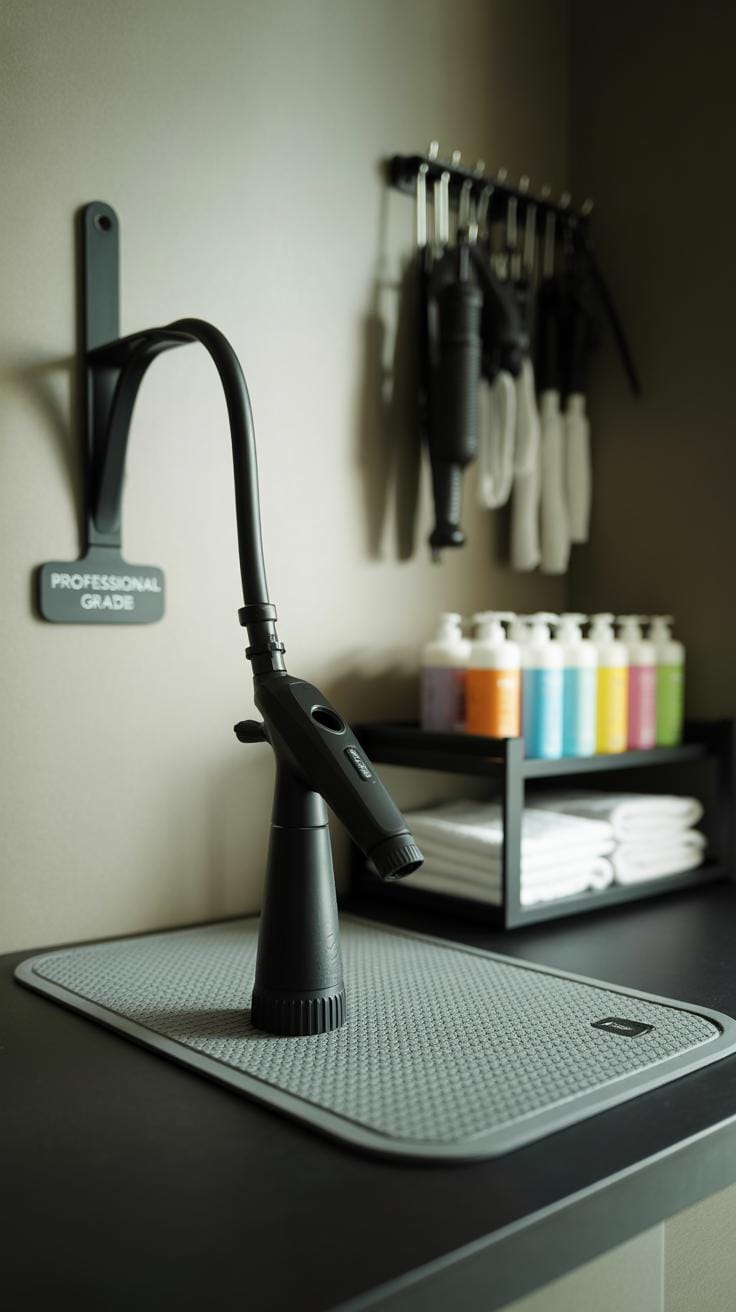
Tools can make all the difference during bath time. An adjustable shower head or detachable sprayer lets you control water flow and directs it where you need it most, which is handy because dogs rarely stand still. I found that having a hose with a gentle spray reduces stress—for both you and the pup.
Don’t overlook the mat. A non-slip mat can keep your dog from sliding around, which is safer and generally lowers anxiety. Brushes come in all shapes: some great for loosening dirt before washing, others designed specifically for massaging shampoo into the fur without tangling. A rubber curry brush? Surprisingly effective at pulling loose hair when rinsing.
Finally, stock up on good towels. You’ll want a few thick ones for drying off. Microfiber towels work well—they absorb water quickly but don’t irritate your dog’s skin. It might feel like overkill at first, but having everything within arm’s reach really speeds up the process and keeps bath time from turning into a wrestling match.
Setting Up Your Dog Washing Station Step By Step
Arranging the Tub and Water Connections
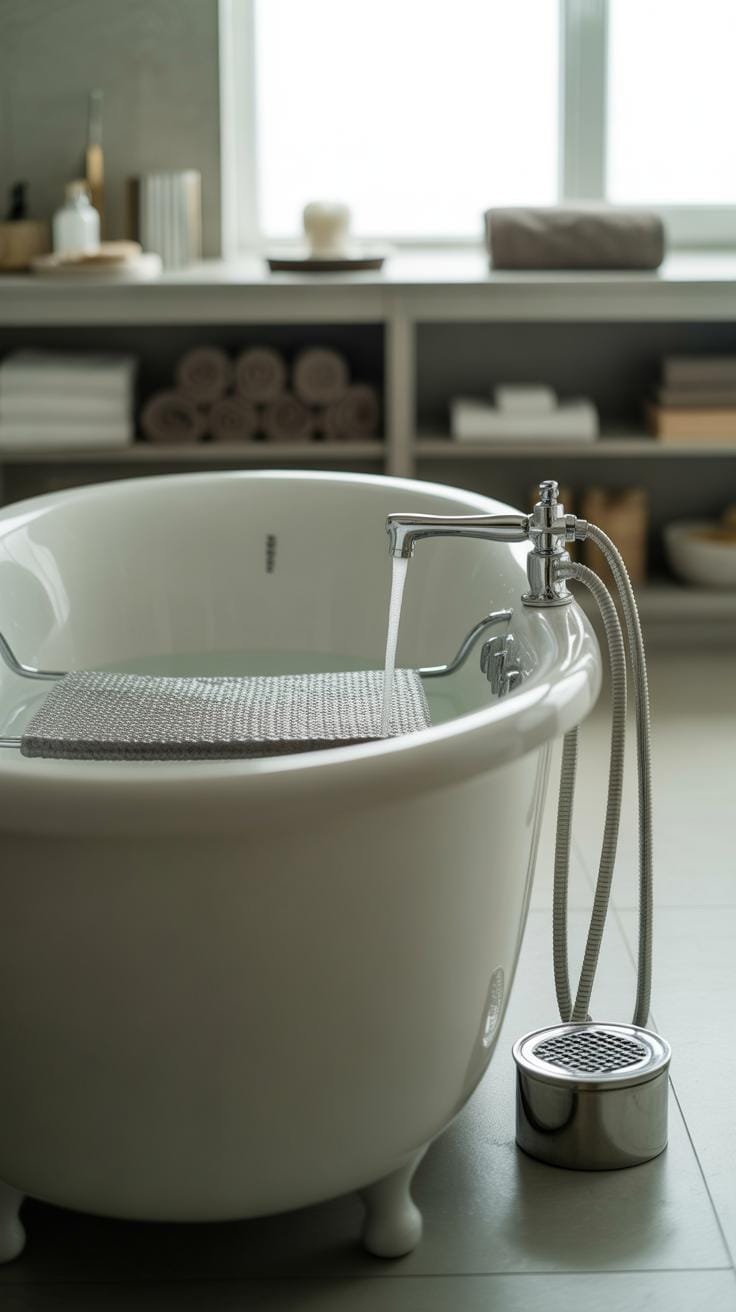
Start by deciding where your tub will go—somewhere with easy access to a water source and drainage, preferably outside or in a utility area. You want the tub stable, so placing it on a flat surface is key. If the ground is uneven, a wooden platform or rubber mat underneath can level it out and prevent shifting during use.
Securing the tub can be tricky. Using brackets or clamps to attach it to a nearby wall or sturdy frame helps keep it from wobbling. I once didn’t, and the tub slid around far more than I’d like while washing my dog, which made things messier than expected.
Next comes connecting the water. If you have a faucet close by, a standard garden hose adapter usually works. Look for hoses with a spray nozzle that lets you adjust water pressure and flow; that’s useful because dogs vary in tolerance. If you want cold and warm water, hooking up to a two-valve system might work but adds complexity. Take it slow—test connections to avoid leaks or bursts.
Organizing Grooming Supplies Efficiently
Think about what you’ll need within arm’s reach during washing. A small shelf or hanging organizer can hold shampoos, brushes, and conditioners. Using clear containers or labeling bottles saves time; you don’t want to fumble around mid-bath.
Towels benefit from a dedicated spot nearby too, maybe stacked on a shelf or hung on hooks. You might also want a caddy for brushes and combs—keeping everything together means one less distraction.
Personally, I keep spare towels in a waterproof bin just outside the washing area. It’s surprising how often you’ll need an extra drying tool at the last minute. Little details like this somehow reduce the chaos of bath time, though honestly, some mess is always inevitable.
Preparing Your Dog for Bath Time
Brushing and Detangling Before Bathing
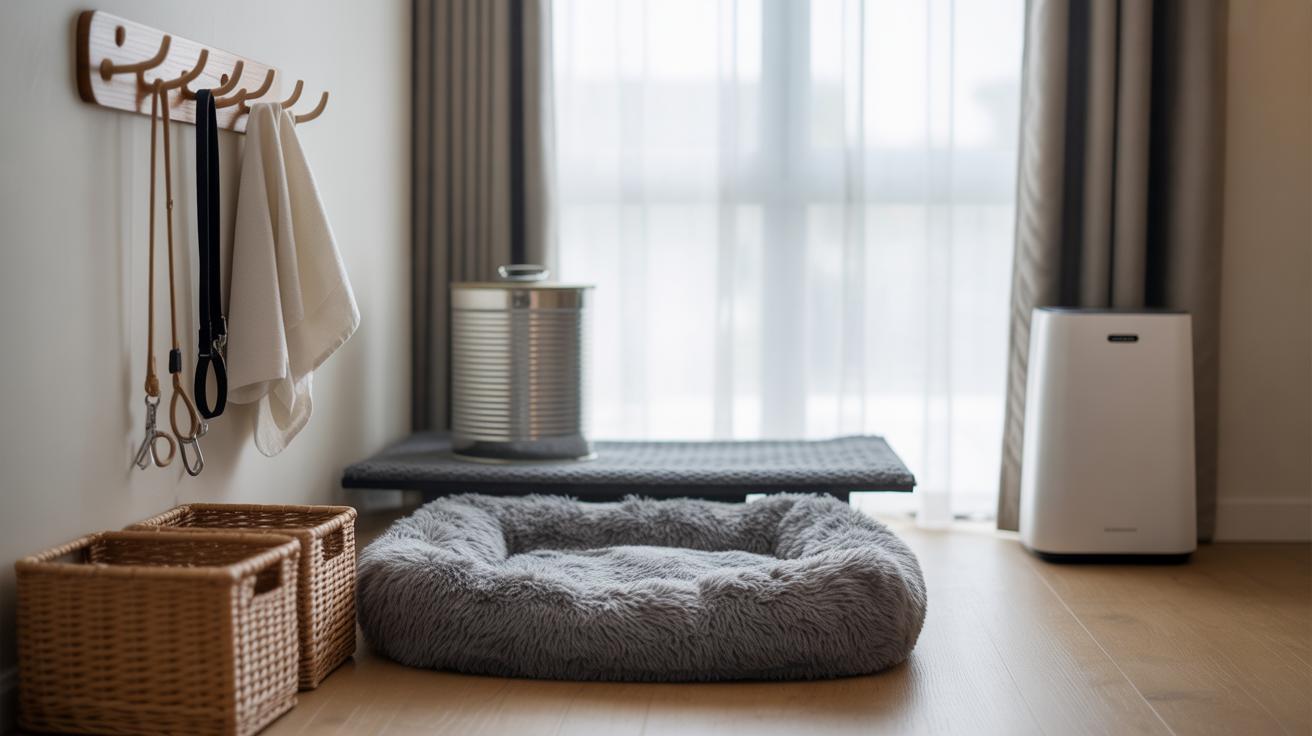
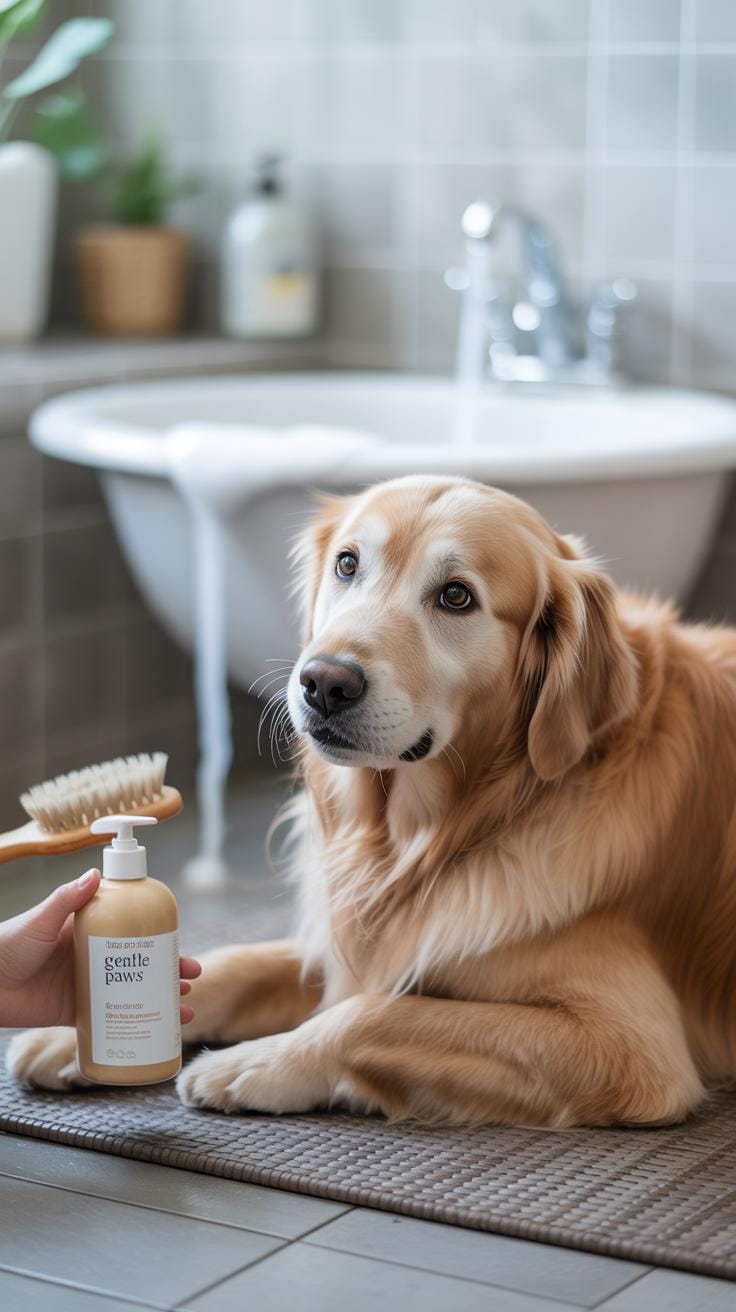
Before you even think about turning on the water, take some time to brush your dog’s coat. It’s not just about making your dog look nice—it actually helps prevent mats from tightening when wet, which can be painful later. Use a slicker brush or a comb that suits your dog’s fur type. Go gently but thoroughly, especially if your dog tends to have tangles or thicker undercoats.
Brushing also loosens dirt and loose hairs, making the bath more effective. I’ve noticed that dogs with a good pre-bath grooming session often feel less itchy afterward. It feels a bit like you’re already halfway through the cleaning without touching water. It’s easier for water and shampoo to penetrate a well-brushed coat, which makes the whole process cleaner and quicker, too.
Comfort and Safety Tips During Bath Time
Bath time can unsettle some dogs. You want to keep things calm and safe, starting with the area where you’re washing. A non-slip mat really makes a difference, especially for dogs who shift nervously or try to step out. Wet surfaces are slippery, and a good grip prevents accidents or stress.
Keep an eye on water running near your dog’s head—water or shampoo in their ears can cause infections, and eyes are sensitive as well. You might want to gently place cotton balls in the ears or use a washcloth to shield them. It’s a bit fiddly, but it helps avoid ear problems later on. Talk to your dog in a soft voice or give occasional treats if they’re tense. Sometimes, a simple “You’re doing great” works wonders.
Most importantly, stay patient. Some dogs take a few baths to get used to the routine. Your calm energy can make a big difference in helping your dog relax enough to enjoy or at least tolerate the process.
Bathing Your Dog Using the Washing Station
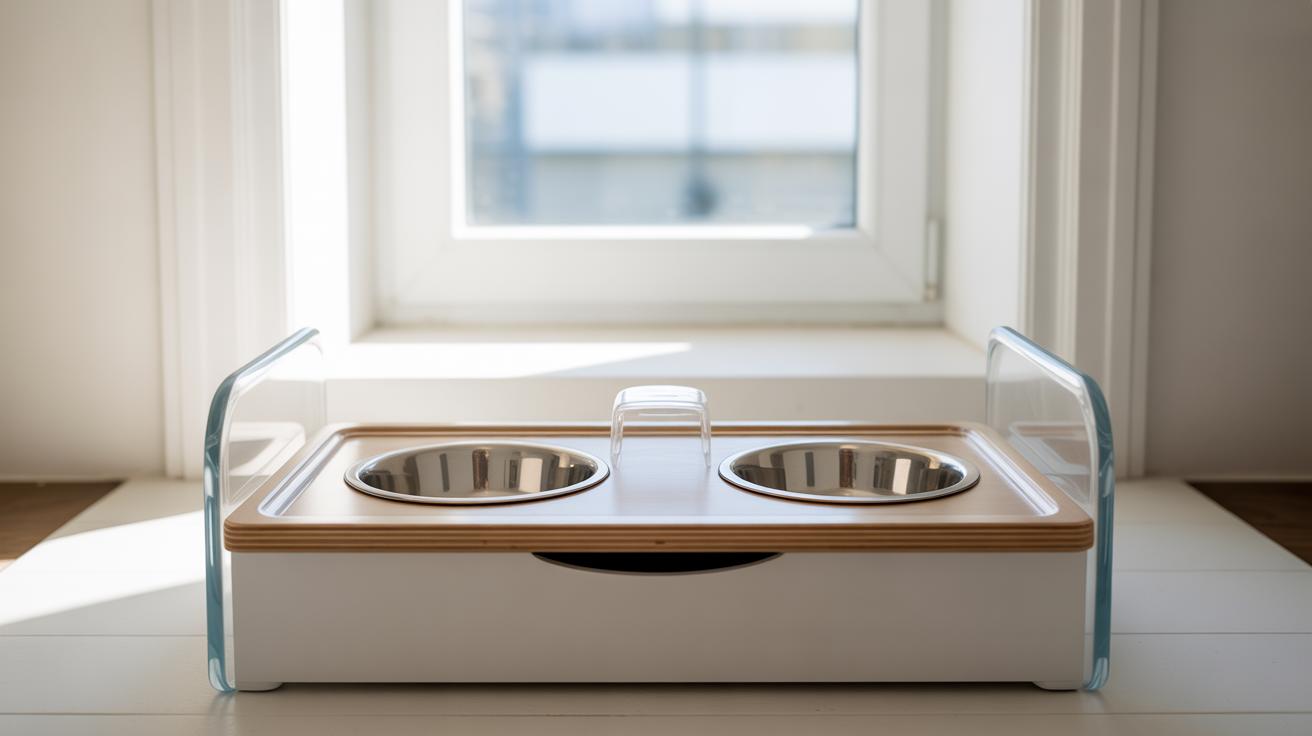

Once your dog is settled at the washing station, start by wetting the coat thoroughly with lukewarm water. Avoid spraying directly into the eyes, ears, or nose. A soft spray or even a gentle cup of water works best here. Take your time to ensure the entire body is damp, as that makes shampooing more effective.
Applying Shampoo and Cleaning Thoroughly
Squeeze a small amount of dog-specific shampoo onto your palm. It’s tempting to use more, but a little often goes a long way. Working the shampoo gently into the coat, begin massaging from neck to tail, careful not to rough up sensitive spots. I tend to focus on areas where dirt tends to gather, like paws, underbelly, and around the neck.
Remember to avoid scrubbing too hard. The goal is to reach the skin without irritation, especially since some dogs have sensitive skin that might react. Rinse your fingers through the fur to spread the shampoo evenly—sometimes I feel like I’m just running my hands through the coat rather than aggressively cleaning. Your dog will appreciate the gentle touch more than anything.
Rinsing and Drying Techniques
Rinse thoroughly, ensuring no shampoo residue remains. Leftover soap can cause itching or dryness. Use a steady flow of water, working from head to tail but keeping water out of ears as best as you can. You might find it easier to lift legs gently to rinse paws properly. Stop and check seams or folds for any suds that might linger.

Drying can be a bit tricky. Toweling off is often the safest first step—dab rather than rub, to avoid tangling fur or irritating skin. If your dog tolerates it, a blow dryer on a cool or low setting is fine, keeping it moving so as not to overheat any spot. I usually let my dog shake off excess water first; it’s a bit messy, but effective.
Every dog reacts differently, so pay attention to their comfort. Maybe your dog hates water on the face, or gets anxious with blow dryers. Adjust your approach accordingly—sometimes slow and steady wins the day.
Cleaning and Maintaining Your Dog Washing Station
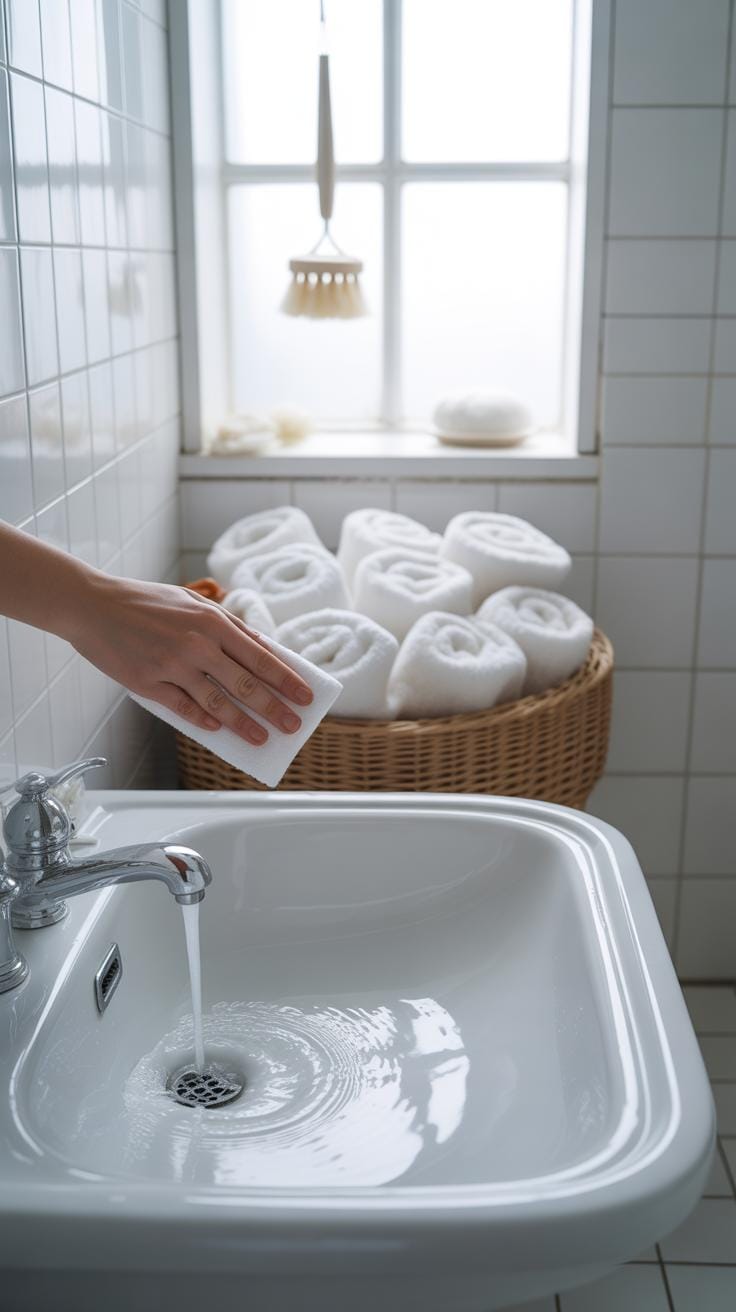
After washing your dog, it’s easy to forget about cleaning the station itself. But leaving water, dirt, or fur behind invites germs—and odors, too. So, right after each session, make a habit of these quick tasks:
- Drain any standing water from the basin or tub immediately. Trapped water can become a breeding ground for bacteria.
- Wipe down all surfaces with a damp cloth—especially areas where soap residue tends to build up.
- Pick out hairs stuck in drains or on mats, if you use one, before they clog up.
- Hang hoses to dry and check for any kinks or leaks.
It might seem like a small effort, but it helps keep things fresh and ready for next time.
Every few weeks—or more often if you wash frequently—take time for a deeper clean. Use a pet-safe disinfectant on all surfaces, scrub the basin walls, and hose accessories thoroughly. Rinse those tools well so no chemicals linger where your dog might touch.
Also, check your hoses and nozzles carefully. Cleaning filters and clearing out buildup ensures your water flow stays steady, preventing sudden bursts or weak streams that can frustrate both you and your dog.
I’ve found that skipping this deeper clean sometimes leads to unpleasant smells creeping in, which you don’t notice right away. So, even if you’re short on time, try not to skip it—it’s a small hassle that saves bigger headaches later.
Customizing Your Dog Washing Station for Different Dog Breeds
Washing Small to Medium Dogs
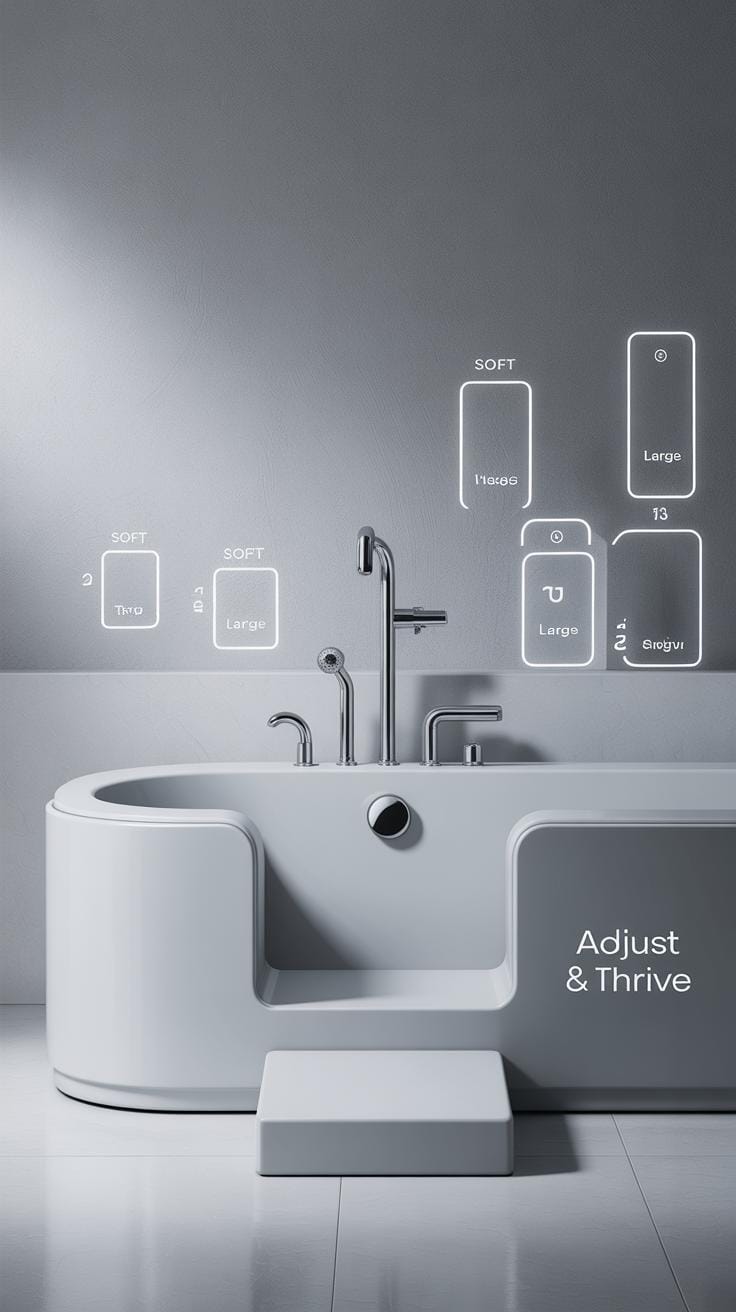
Small to medium dogs usually fit comfortably in most home washing tubs, but the size still matters. A tub that’s too large can feel empty and unsettling for them, making it harder to keep your dog steady. Consider a shallow basin or even a sink insert if your dog is really small—this can help you keep better control without bending awkwardly.
Handling these dogs means being gentle yet firm. They might squirm or jump, so a non-slip mat is a lifesaver. Use a handheld sprayer or a cup for rinsing to avoid spraying their face and startling them. When washing, you can easily maneuver around their body, but keep an eye on sensitive areas like ears and paws, which smaller breeds seem to fuss over more than bigger dogs.
Sometimes, small dogs get cold faster too, so keeping water warm but not hot is key. Personally, I find these dogs respond well when you talk or soothe them during the bath. It’s funny how calming voices can make a big difference, right?
Handling Large and Long-Haired Dogs
Larger dogs require more space and patience. A big tub or even a converted shower stall works best. You might need to think about sturdier non-slip surfaces since a heavy dog shifting around can be a handful. You’ll want to keep your tools within reach—long hoses or sprayers with adjustable pressure help control the water without making the washing too stressful.
Long-haired breeds come with their own set of challenges. Their coats hold more water and dirt, so thorough rinsing is a must. Conditioning can also help keep their fur from tangling afterward, although this adds time to your routine. Brushing before and after the bath reduces knots, but be prepared for the wet coat to feel heavier and sometimes slippery.
Large dogs may struggle to stay still for long, so breaks during washing can help—plus, it makes the experience less overwhelming. I’ve noticed that many big dogs respond better when raised slightly off the ground to a comfortable working height, so think about a staging platform or grooming table with a bathing option if that’s possible in your setup.
Troubleshooting Common Issues with Dog Washing Stations
Fixing Drainage and Flow Problems
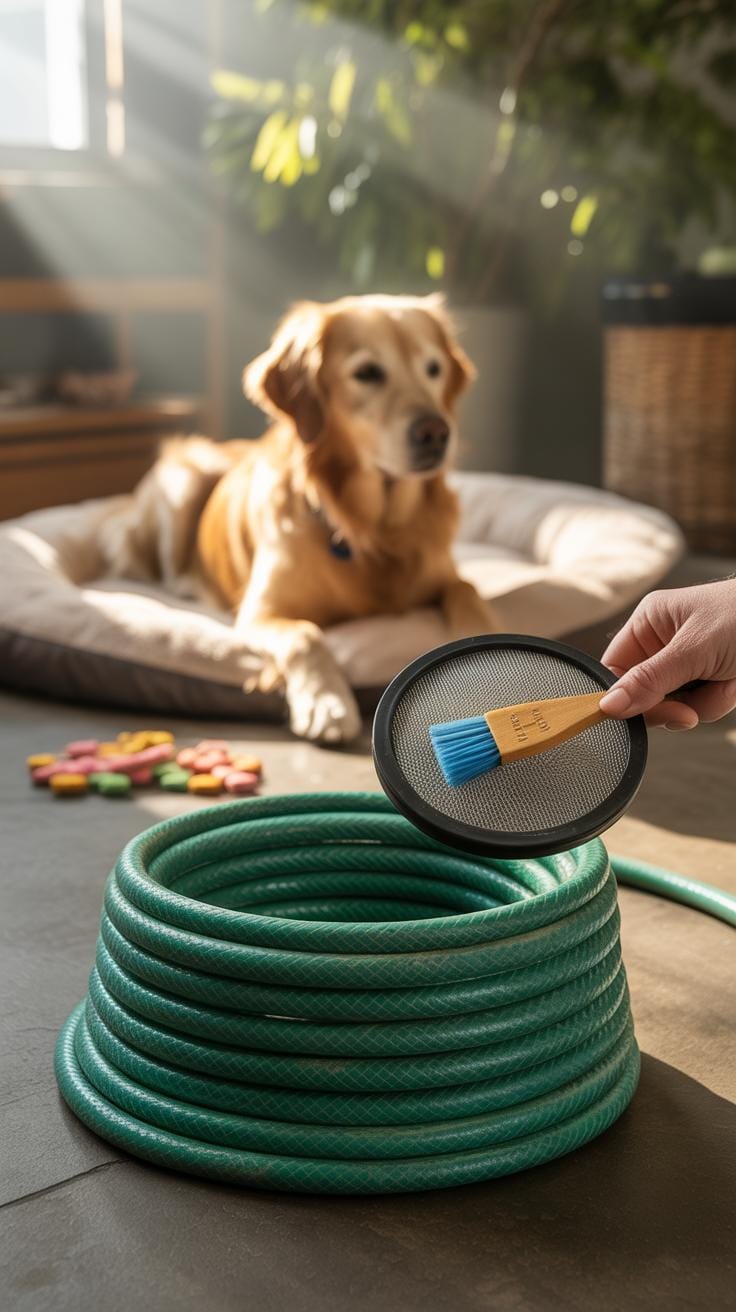
Drainage can be a real pain if it’s slow or clogged. Sometimes hair and soap residue build up, slowing down the flow or even causing backups. One quick fix is to regularly remove hair from the drain area and flush it with hot water mixed with a bit of vinegar or baking soda. This helps clear minor blockages without harsh chemicals.
Water pressure issues also pop up—too weak and it feels like trickling, too strong and it can startle your dog. If your station’s hose or faucet is nearby but pressure is low, check for kinks or mineral build-up. Cleaning or replacing old hoses can make a noticeable difference. If your home’s water pressure feels uneven, adding a simple pressure regulator might help, but it’s something you might want to test over a few baths.
Managing Your Dog’s Stress During Bathing
Dogs react differently in the tub—some freeze, others try to escape. Anxiety is tricky and can make bath time tough. I found that starting slow helps; just getting your dog used to standing in the station, without water, calms them down. Use treats, plenty of gentle praise, and soft voices. Maybe a favorite toy nearby can distract them a bit too.
Try to keep water temperature lukewarm. Too hot or cold can spike anxiety, but oddly not every dog reacts the same. Watch your dog’s signals closely. If they seem uncomfortable, pause and soothe them—don’t rush.
It helps to stay calm yourself. Dogs pick up on tension, so even when things feel messy, your steady approach matters. Does your dog hate the spraying sound? A detachable shower head with adjustable settings lets you start with a gentle trickle.
Every dog’s different. Maybe your dog just needs more time to get used to the routine. Sometimes, patience is really all you need. Or, rethink the setup, because a stressful space isn’t good for anyone.
Improving Bath Time with Extra Comfort Features
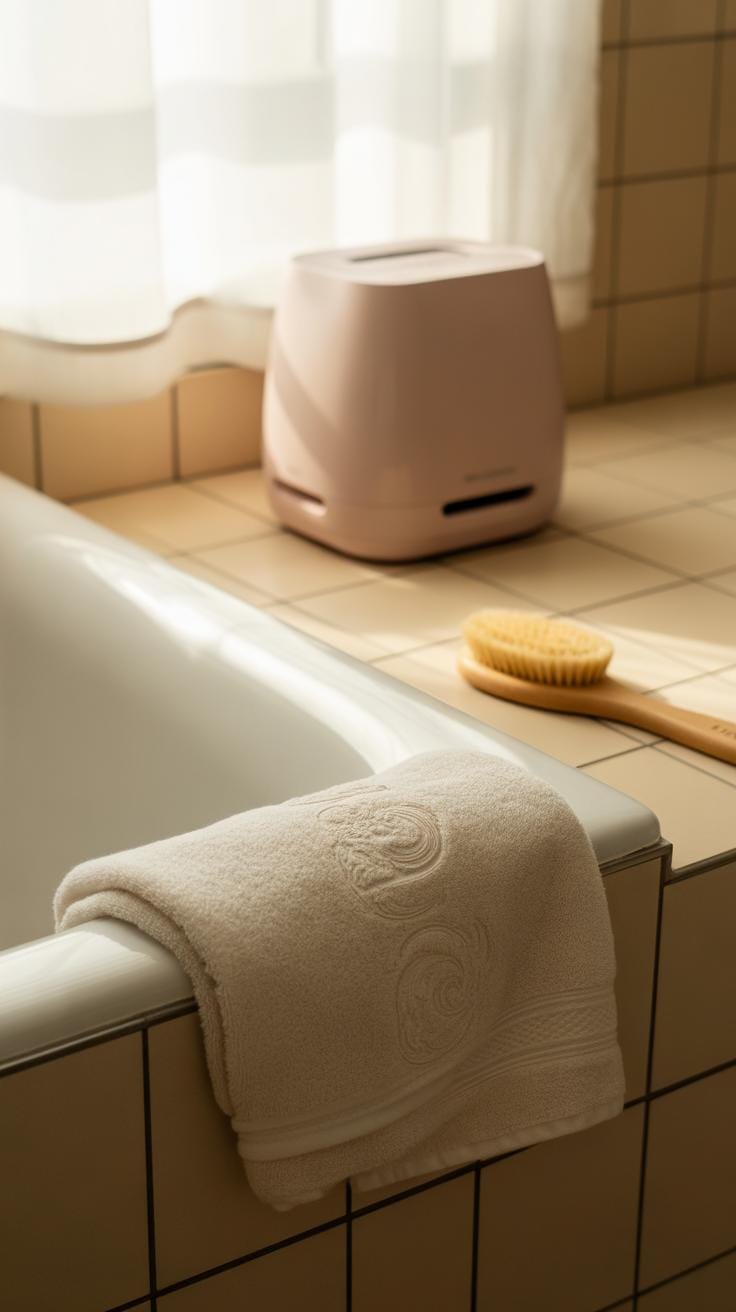
Making your dog’s washing station more comfortable can change bath time from a chore into something a bit more pleasant for both of you. One simple step is adding non-slip mats. These mats stop your dog from sliding on wet surfaces, which most dogs find scary or unsettling. I’ve seen dogs become instantly calmer once they realize their footing is secure. It’s about safety, yes, but comfort too—less slipping means less stress.
Warm water is also a game changer. Cold water tends to startle dogs, making the whole process slower and more difficult. If you can adjust the water temperature to a cozy, gentle warmth, you’ll notice your dog relaxes faster. But watch out: too hot isn’t good either. Testing the water yourself before starting is a good habit—your skin’s a helpful gauge.
Consider using shampoos with soothing ingredients like oatmeal or aloe vera. Some dogs react badly to strong scents or harsh chemicals, so picking gentle, calming formulas can make a difference. It’s like a mini spa treatment for them, really. And hey, don’t forget treats. Rewarding good behavior during and after the bath helps build a positive association. I keep treats handy and sprinkle them in between rinses—it’s a small effort that often reduces resistance.
Little things matter here. Could something as simple as a favorite toy near the washing station help? Maybe. Comfort features don’t have to be complicated to work. They just need to fit your dog’s needs and personality.
Making Dog Washing a Regular Part of Your Home Care Routine
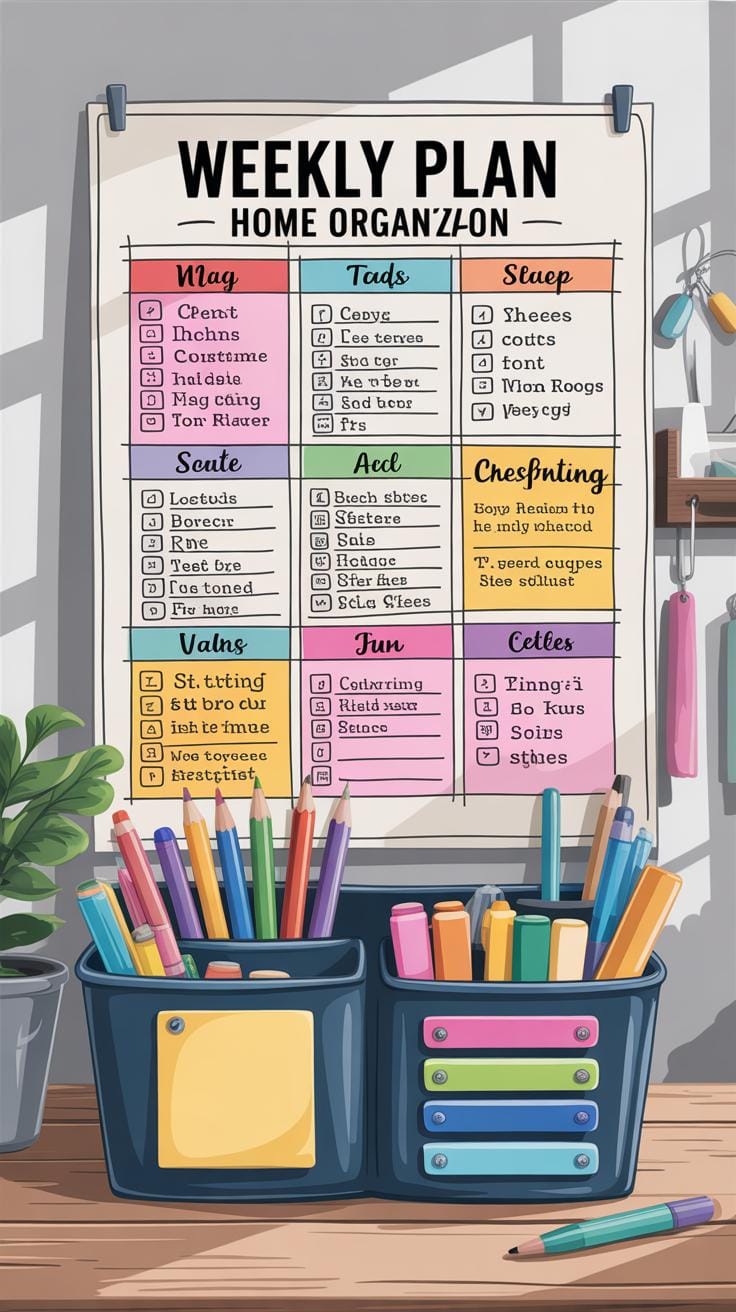
Getting into a regular dog washing habit can feel like a chore at first, but it really pays off in the long run. When you set up a dedicated washing station at home, it becomes easier to stick to a schedule that suits your dog’s unique needs. Regular baths help keep your pet clean, sure, but they also support healthier skin and coat by removing dirt, allergens, and loose hair consistently. Dogs often feel more comfortable when their skin is clean and free of irritants.
But how often should you wash your dog? That depends quite a bit on their breed, lifestyle, and skin condition. For example, a short-haired dog that spends most of its time indoors might only need a bath every couple of months. On the other hand, an active dog who loves the outdoors or has oily skin probably benefits from more frequent washing—maybe every two to four weeks. Dogs with certain skin problems may require baths even more often, but it’s best to check with your vet to avoid drying out their skin.
Keeping a consistent grooming routine with your home washing station has some clear perks:
- Improves hygiene and reduces odors
- Helps spot skin issues early
- Lessens shedding around the house
- Strengthens the bond as your dog gets used to the comfort and care of bath time
You might notice your dog actually looks forward to the washing spot once they realize it’s a calm place made just for them. Regular baths become less stressful and more part of daily life. Still, it’s okay if the routine changes over time depending on your dog’s needs or the season. The key is to watch their skin and coat, adjust as needed, and keep the washing station ready to go.
Conclusions
Building a dog washing station at home is a practical way to care for your pet’s hygiene regularly. By choosing a good location and the right tools, you provide a clean environment where bath time becomes easier and less stressful. This setup helps you save money and time and strengthens the bond with your dog through routine care.
Remember to keep the washing station clean and stocked with supplies. Observe your dog’s reactions and adjust the setup to keep it safe and comfortable. A well-planned washing station ensures your dog stays healthy and happy with clean fur and skin, making grooming a positive routine for your furry friend.