Introduction
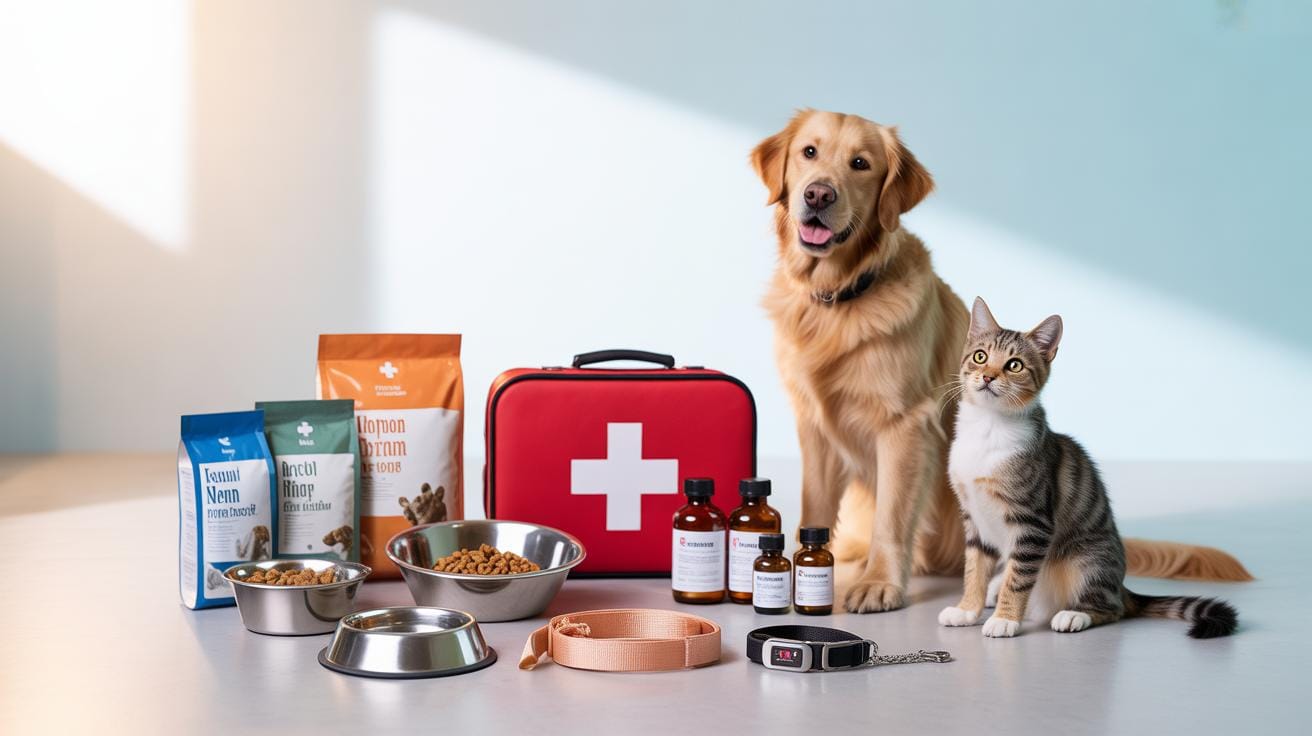
An emergency kit for pets is crucial for ensuring their health and fitness during unexpected situations. Keeping your pet safe during emergencies means having the right supplies ready to address their basic needs quickly and efficiently. This article covers the essential components of an emergency kit tailored to pets, focusing on keeping them healthy and fit.
We will explore what items are necessary, how to organize and use the kit, and important tips to prepare you and your pet. Having a dedicated emergency kit for your pet helps you act calmly and swiftly when every moment counts.
Building Your Pet Emergency Kit
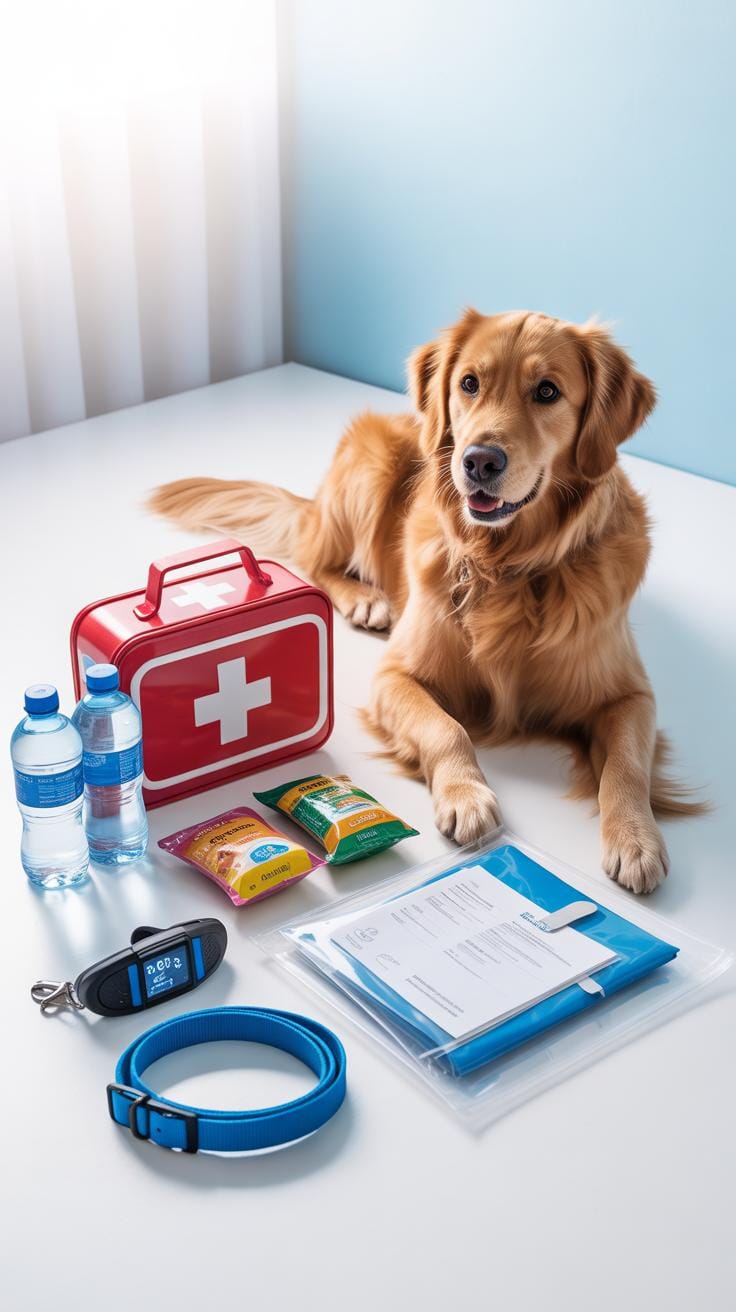
Putting together a pet emergency kit might seem simple, but getting it right takes some thought. First, consider your pet’s specific needs—size, age, medical conditions, even preferences. Begin with a sturdy, easy-to-carry container that can withstand rough handling. Then, focus on basics that cover health and fitness. For instance, pack fresh water and a collapsible bowl because hydration is non-negotiable. Don’t forget a copy of your pet’s vaccination records; these can be lifesavers at a vet or shelter. Including a leash and harness suited to your pet’s size is essential for control and safety. Fitness essentials could include a familiar toy or a small, comfortable blanket to reduce stress and keep your pet calm during emergencies. The goal is to be ready for unexpected situations where normal routines are disrupted, so aim for versatility in your kit.
Important Supplies To Include
Think carefully about what to throw in the kit. Here’s a practical list:
- Water and Food: Enough for at least three days, considering special dietary needs or allergies.
- Medication: Current medications your pet needs, complete with dosing instructions.
- First Aid Supplies: Bandages, antiseptic wipes, tweezers, and a pet-specific first aid guide to handle minor injuries.
- Sanitation Supplies: Litter, waste bags, and cleaning wipes keep things hygienic and manageable.
- Identification and Records: Copies of vaccination records, a photo of your pet, and ID tags are critical for reunification.
- Comfort Items: A favorite toy or blanket, which can help reduce anxiety.
- Collar and Leash: Essential for safe restraint and control during evacuation or transport.
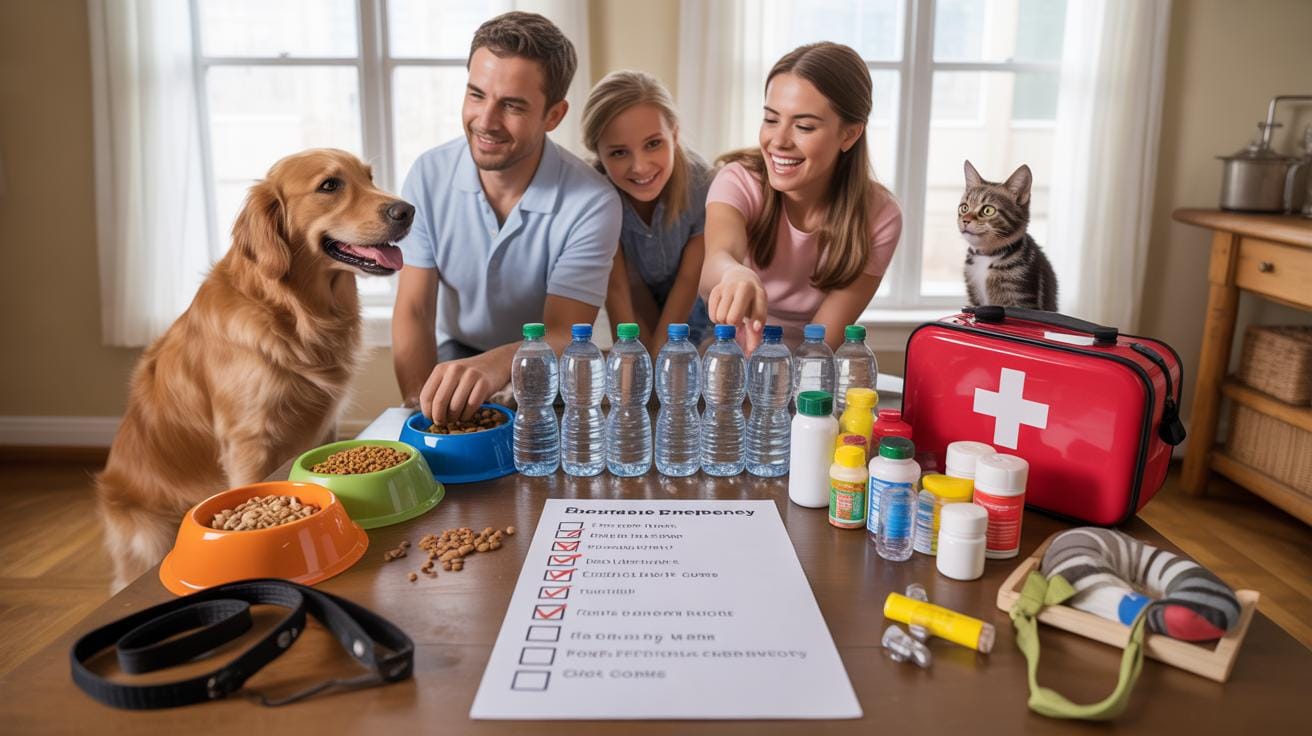
Each item serves a clear purpose—whether it’s keeping your pet fed and healthy or helping you manage stress in crisis conditions.
Organizing The Kit For Easy Access
Organization matters, especially when every second counts. Pack the kit in a way that makes sense for quick grabbing. Use clear, labeled compartments or zippered pouches so you know where everything is at a glance. Heavier items should go at the bottom of the bag to keep it balanced, with frequently used items near the top. Don’t cram the kit; overcrowding can slow you down and frustrate you in an emergency. Place essential documents in a waterproof sleeve. It’s a good idea to practice grabbing and using the kit once in a while to spot any awkward spots or missing items. If you have multiple pets, consider separate kits or clearly marked sections to avoid confusion. When organized well, your emergency kit becomes an asset instead of a hassle. Have you thought about how quickly you can get to your kit if the situation arises? That’s worth pondering.
Why Pet Health Emergency Kits Matter
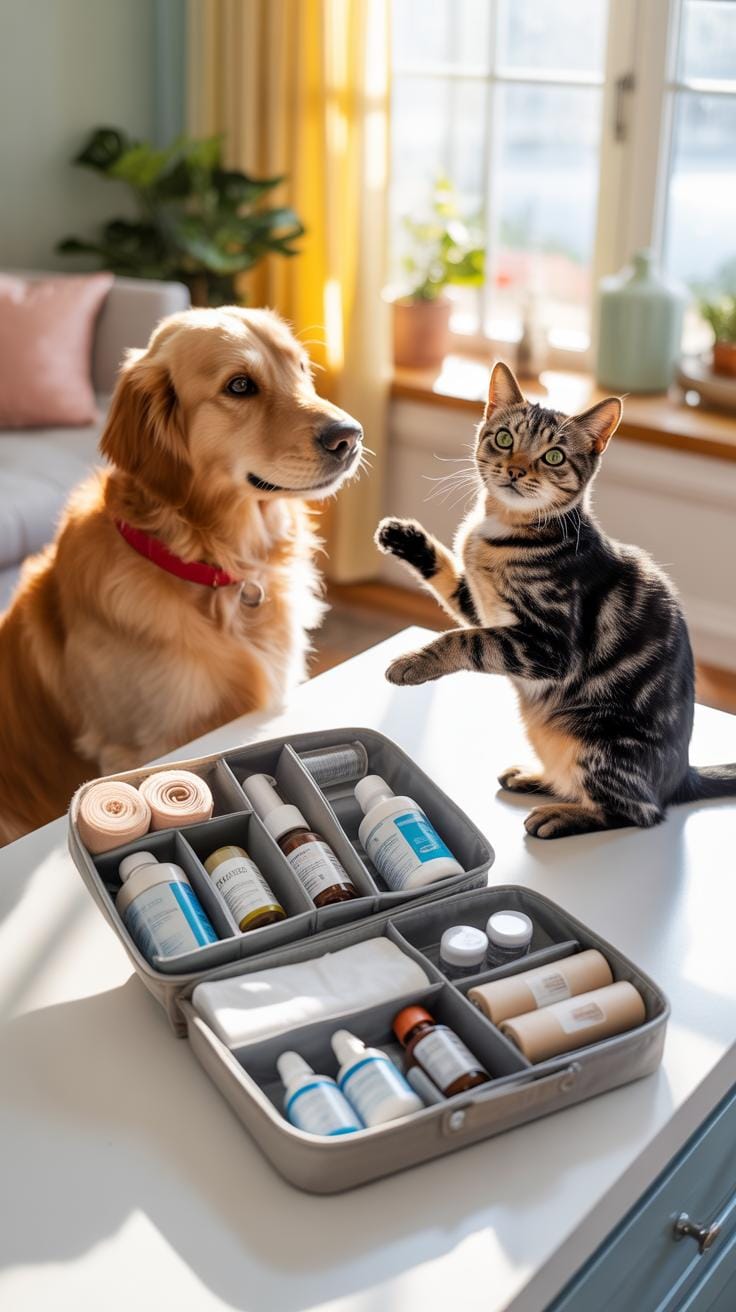
When emergencies strike, pets often face dangers that might be overlooked in the chaos. A health-focused emergency kit isn’t just a nice-to-have; it can make a real difference in whether your pet stays safe and healthy. Think about it: in the rush of evacuation or power outages, usual pet supplies might be lost or inaccessible. Without basic medical items or familiar comfort, pets may suffer unnecessarily.
Common risks during crises include injuries, dehydration, stress-induced illness, or exposure to toxins. Pets can get disoriented, scared, or even escape if they’re not properly contained or cared for. Some emergencies, like heatwaves or flooding, bring specific threats requiring tailored responses you can’t improvise on the spot.
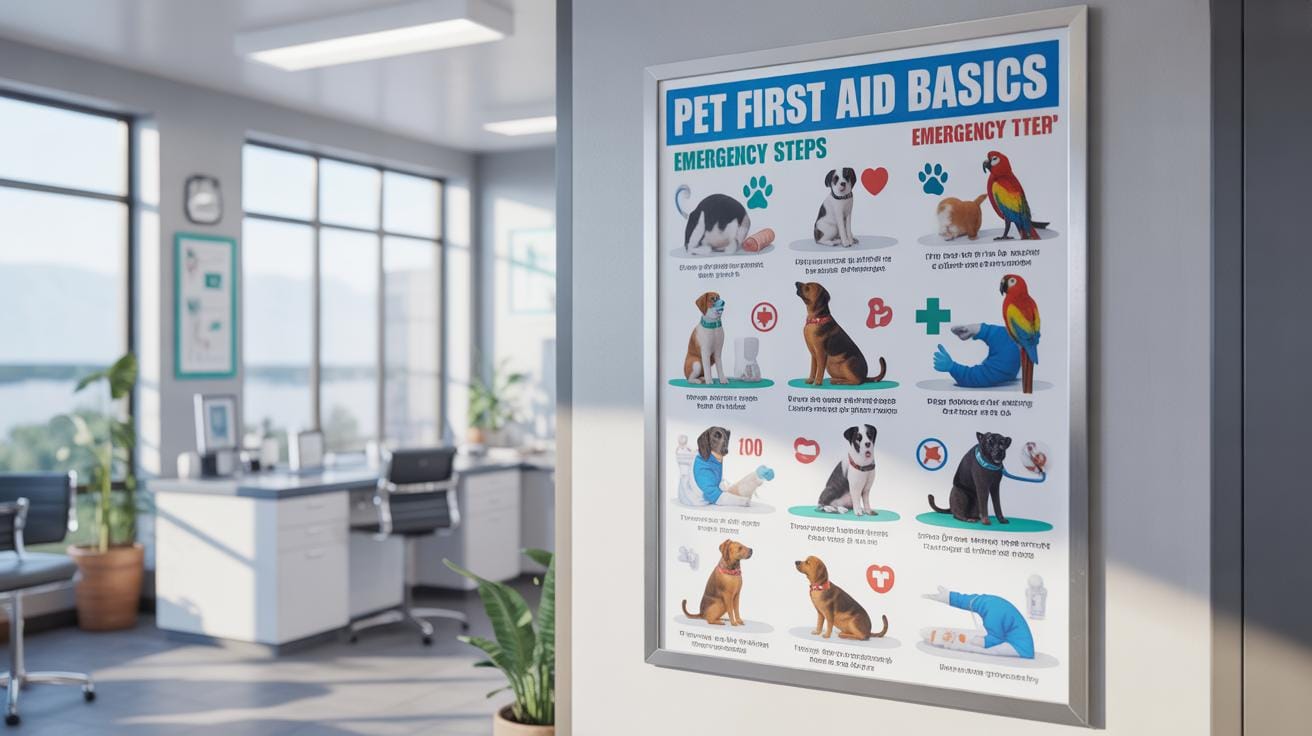
Having a prepared emergency kit means you’re ready to handle these risks directly. It reduces panic and guesswork, helping you provide immediate care, keep your pet calm, and prevent worsening conditions. Basically, it acts as a buffer against the unpredictability of tough situations, improving your pet’s odds of bouncing back quickly. So, considering the unpredictability of emergencies, doesn’t it make sense to be ready to protect those who depend on us?
Choosing The Right Foods And Water
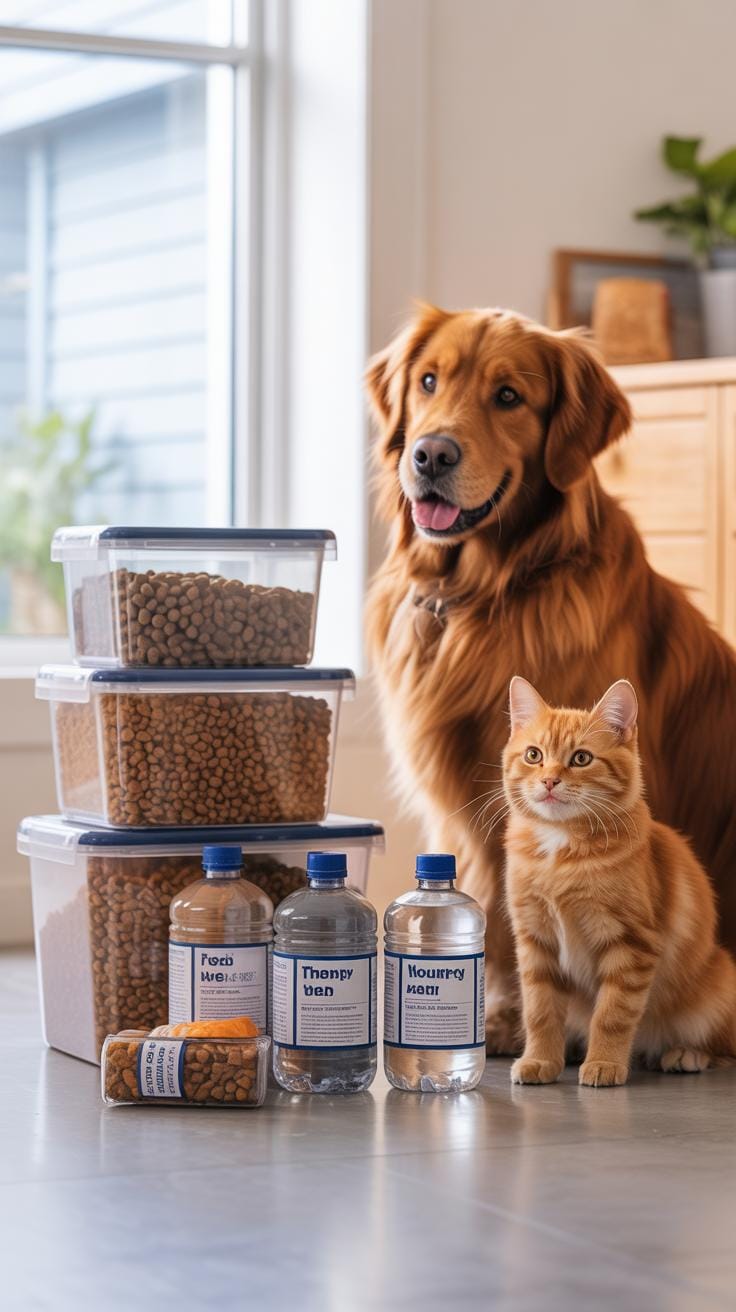
When picking foods for your pet’s emergency kit, it’s tempting to grab anything convenient. But you’ll want to favor options that hold up well without refrigeration and still pack a nutritional punch. Dry kibble often fits the bill—it’s durable and offers balanced nutrients. Canned food, while more perishable once opened, can be stored unopened for long periods, making it a solid backup.
Energy-dense foods are key. Your pet’s metabolism won’t slow just because there’s an emergency. Foods rich in protein and essential fats can help maintain strength and body condition when usual routines are disrupted. Look for those with simple ingredient lists; the fewer additives, the less likely you’ll run into spoilage issues.
Safe water storage also demands attention. Pets, like us, need steady access to clean water. Store at least three days’ worth, roughly a gallon per pet per day, and consider rotating supplies every six months. Use food-grade containers and keep them in a cool, dark place to prevent contamination. You might wonder about water purification methods during extended emergencies—having pet-safe water purification tablets on hand can be a practical solution, though many experts argue that pre-stored water is more reliable than on-the-spot treatment.

One cannot entirely predict every emergency, so flexibility is as vital as any particular choice. Maybe your pet prefers wet food, or perhaps they’re finicky eaters—keep these details in mind. You might even test emergency foods during calm times to see what works best. Choosing your pet’s emergency food and water supply isn’t just about durability or nutrition; it’s about understanding your pet’s unique needs in a challenging situation.
First Aid Essentials For Pets
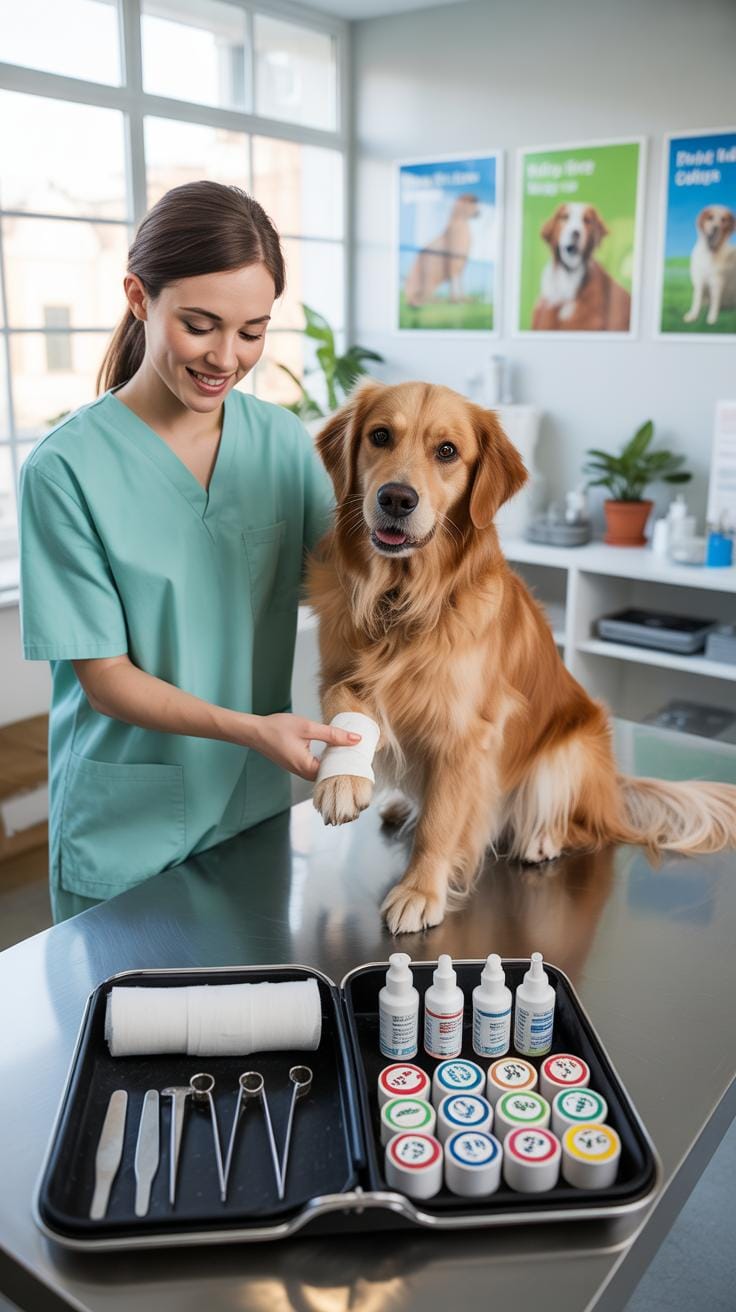
Critical First Aid Supplies
When assembling a first aid kit for your pet, some specific items are quite essential. You’ll want sterile gauze pads and adhesive tape to control bleeding. Tweezers come in handy for removing splinters or ticks. Antiseptic wipes or solution, like chlorhexidine, help clean wounds without causing irritation. You should also include a digital thermometer made for pets to check for fever, and cotton balls or swabs for gentle cleaning. A muzzle or soft cloth can keep your pet from biting when scared or in pain. Don’t forget disposable gloves to keep things sanitary. It may feel like a lot, but these basics could make a huge difference in a critical moment.
Performing Basic Pet First Aid
When an emergency arises, first, try to stay calm. Approaching your pet gently is key since they’re likely frightened or hurting. Stop any bleeding by applying pressure with a clean cloth or gauze. For choking, you might gently check their mouth and try a few thrusts, but only if you know how — it’s easy to make things worse. To treat shock, keeping your pet warm and quiet helps. If CPR is needed, you must learn proper technique specific to your pet’s size and species beforehand. After any first aid, getting veterinary assistance promptly is crucial. Ask yourself: do I know how to safely restrain my pet? Can I handle this without putting myself or my pet at risk? Sometimes, the best aid is swift transport to professional care.
Maintaining Pet Fitness During Crises


Keeping your pet physically and mentally fit during emergencies can be, well, tricky. But the emergency kit can actually help a lot in this regard. You might think an emergency kit is just for first aid or food, but it can also be a key player in managing your pet’s overall well-being when things get tough.
Start by making sure your kit includes items that encourage movement — like a favorite leash, a small ball, or a chew toy. These can help prompt gentle play or short walks, even in confined spaces. It’s not just about physical exercise; mental engagement matters too. Puzzle feeders or treat-dispensing toys can keep your pet’s brain active and distracted from stress.
It’s worth trying to maintain some routine during crises. Maybe short, controlled bursts of activity followed by quiet moments. Sudden prolonged inactivity could make your pet restless or anxious, but also be cautious not to push them too hard when resources and space are limited.
Exercise And Movement Tips
If you’re stuck in a small area or moving quickly through evacuation routes, traditional exercise is off the table. Here are some ideas that can fit into such situations:
- Mini walks around whatever space you have — even a tiny loop helps.
- Interactive play with toys from the kit for bursts of movement.
- Simple training cues or tricks to keep their mind and body engaged.
- Slow stretches or massage to help circulation if your pet lets you.
You don’t aim for a marathon; just enough activity to avoid stiffness, anxiety buildup, or restlessness. If you find your pet reluctant to move, it might be a sign they’re overwhelmed, so balance movement with breaks. How to tell when is a bit of a guessing game sometimes.
Managing Stress And Anxiety
Stress hits pets hard during emergencies. Luckily, many items in your emergency kit can come in handy here. Blankets or favorite bedding can offer a small sense of familiarity and comfort. Including calming aids like pheromone sprays, or even a worn piece of your clothing, might help ease anxiety.
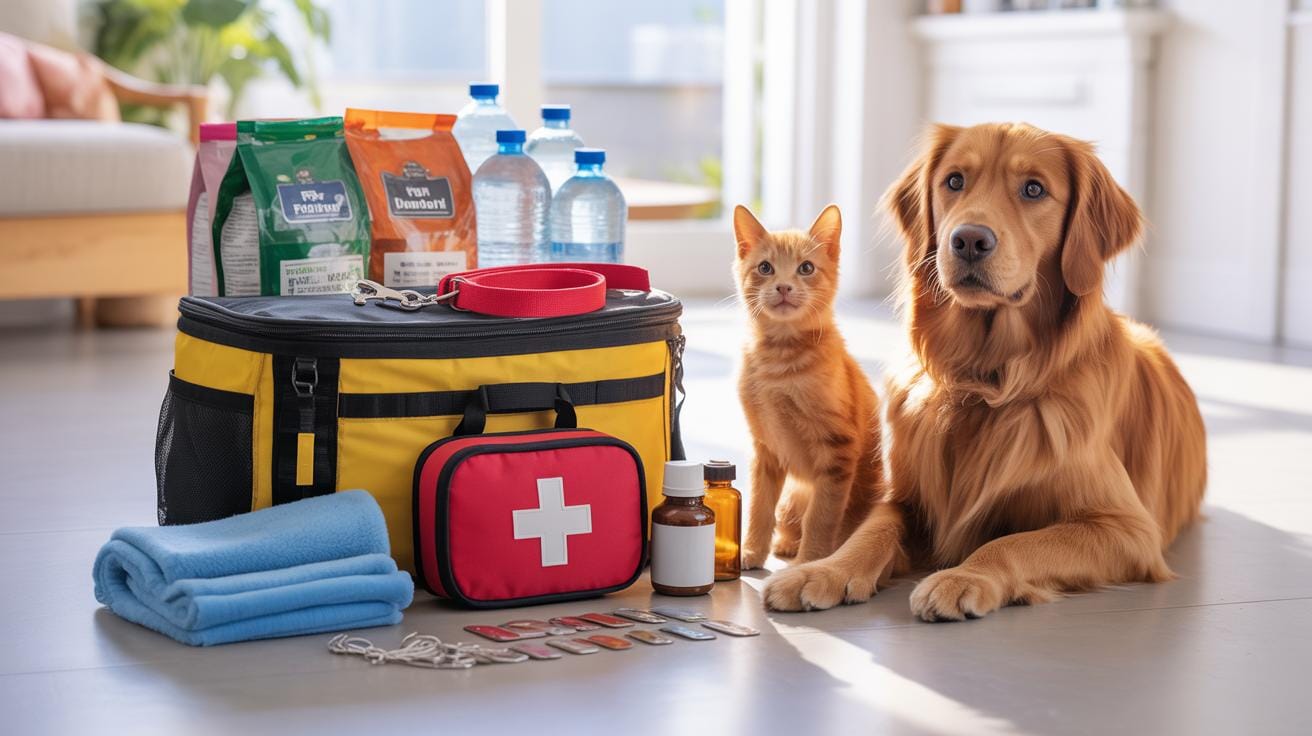
Try to create a quiet, dim space where your pet can hide or rest if they need to. This can encourage relaxation. Also, simple physical contact — petting or holding, if your pet allows — helps reassure them. Sometimes, just your calm presence is the biggest comfort.
Using treats carefully to reward calm behavior, or gentle distractions with a toy, can redirect nervous energy. Bear in mind that different pets respond differently; one pet might calm down with stroking, another might prefer some distance. It’s a bit of trial and error in tough times.
Checklist For Pet Emergency Kit Supplies
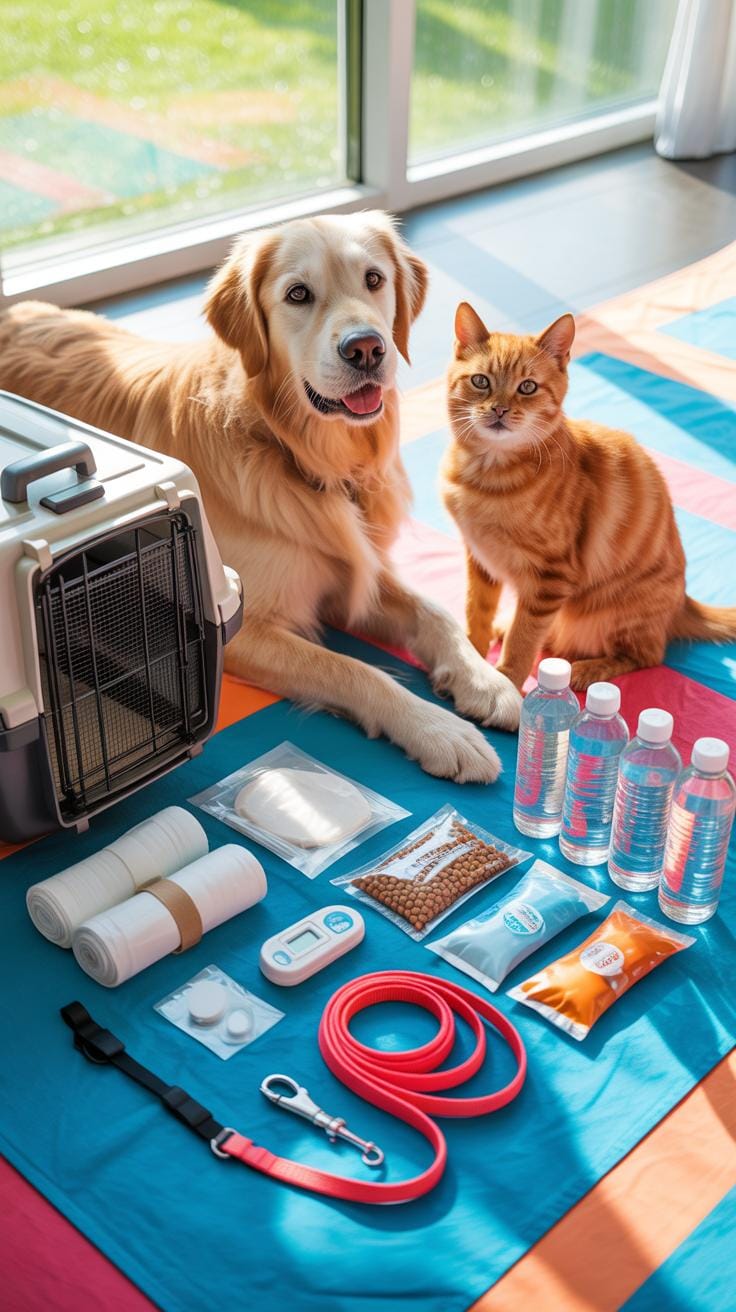
Putting together a pet emergency kit can feel overwhelming, but breaking it down makes it manageable. First, a solid checklist helps you avoid missing essential items that could matter in a pinch. Think about daily care essentials, but also the stuff that keeps your pet safe and comfy amid chaos.
Daily Care Items
Don’t overlook the basics that support your pet’s health and hygiene during emergencies. Items like enough pet food for at least three days, fresh water, and portable bowls are critical. Medication or supplements your pet needs should be included too—preferably in labeled containers. Keep grooming essentials handy; pet wipes or a small brush can help maintain hygiene when baths aren’t possible. You might want to add a copy of veterinary records and vaccination history as well; having them on hand can speed up urgent care if needed. It’s curious how these small things sometimes slip your mind until you actually need them.
Safety And Comfort Items

Safety and comfort may sound like luxury during an emergency, but they really aren’t. Having a sturdy leash and a harness is more than convenient—it’s necessary to control your pet safely. A pet carrier or travel crate can provide a sense of security and protect during transport. Blankets or familiar bedding help reduce anxiety; I’ve noticed pets cling to these during stressful moments. A favorite toy might seem trivial, but it could distract and soothe your pet when everything else feels uncertain. You might also think about including a pet calming aid or pheromone spray—some owners find these make a difference. Don’t forget reflecting collars or tags for visibility, especially if evacuation happens at night. Each item plays a small but meaningful role in keeping your pet safe and feeling cared for.
Case Study Of Effective Emergency Use
Situation Description
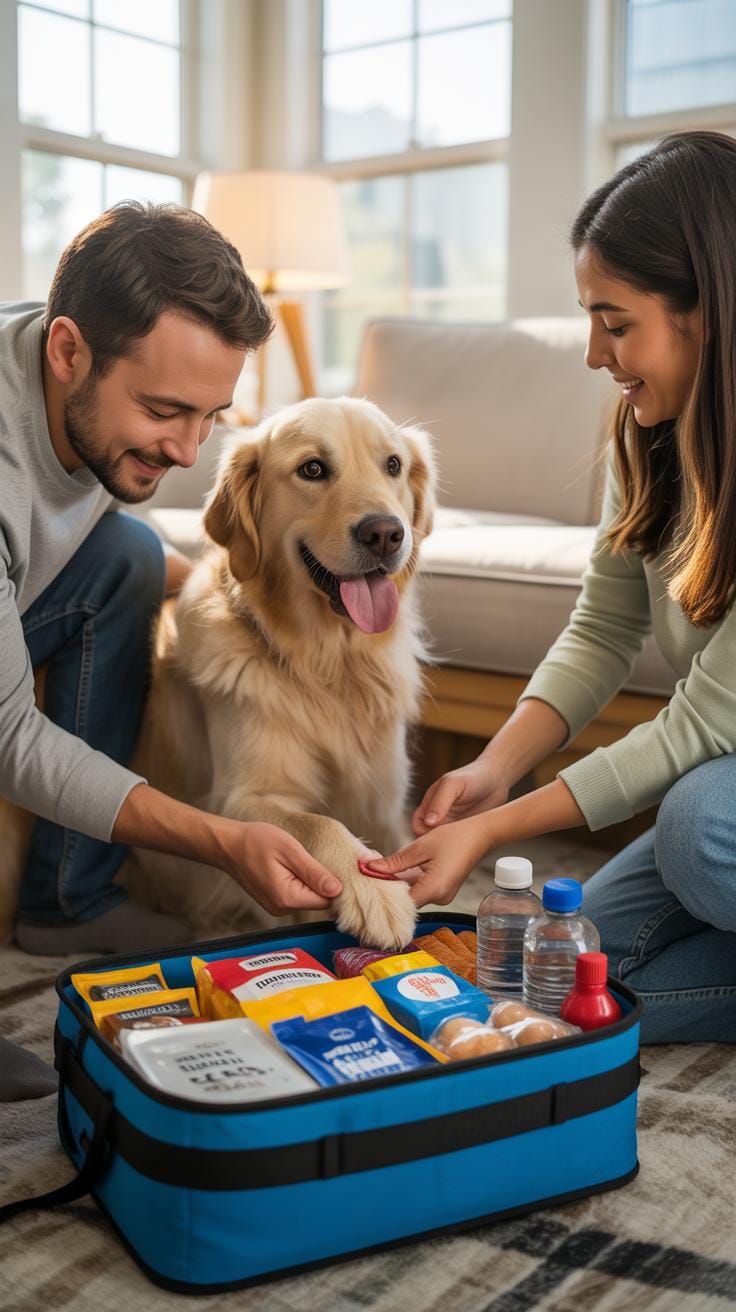
I recall a situation where a sudden thunderstorm caused flooding around a family home, forcing a quick evacuation. The family had a golden retriever who got scared and ended up with minor cuts and stress-related symptoms. Amid the chaos outside, getting everything ready was nerve-wracking. The swift current and water made it impossible to reach help immediately, creating a tense scenario where time was critical.
Kit Impact On Pet’s Health
The pet emergency kit became a real lifesaver. It contained wound-cleaning supplies that helped prevent infection in the dog’s cuts. The calming supplements included soothed the pet’s anxiety, which might otherwise have worsened fatigue or health issues. The kit also had a portable water bowl and some food, which kept the dog hydrated and moderately nourished during the waiting period. Without this kit, the ordeal might have led to a more serious health decline. It made me wonder how many pet owners overlook such preparedness and pay the price later. The kit’s presence didn’t eliminate all problems, but it provided crucial support until professional care was accessible.
Preparing For Different Emergency Types
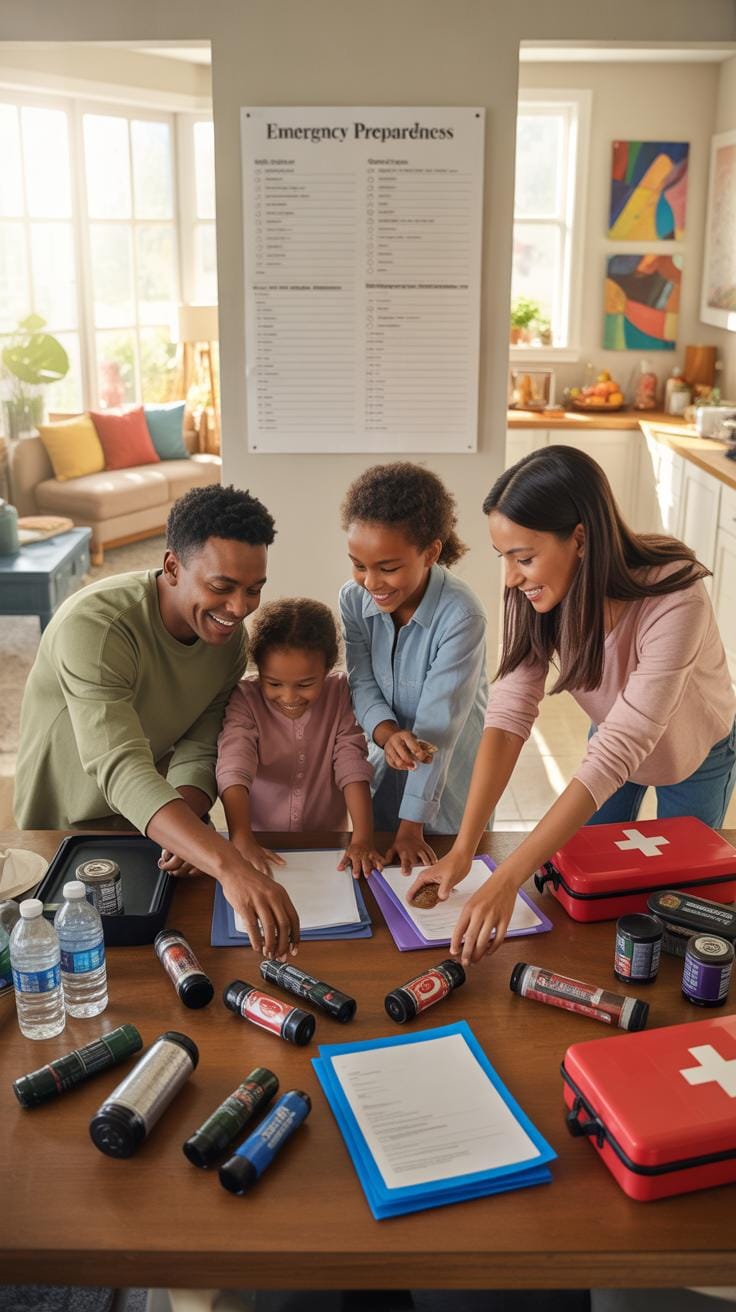
When you think about pet emergency kits, it’s easy to imagine a one-size-fits-all approach, but that’s not quite how it works. Different emergencies demand different preparations. For instance, what you pack for a sudden evacuation after a fire might not be the same as what you’d need for a long power outage following a hurricane. Tailoring your kit to the situation can make a big difference in your pet’s safety and comfort.

Consider natural disasters like floods or earthquakes. In these cases, waterproof containers for your pet’s supplies are practically essential. It’s also wise to include extra items like absorbent towels for muddy conditions or sturdy harnesses and leashes that won’t easily break amidst chaos. I’ve heard people overlook having updated ID tags, which become crucial when pets might get separated.
When preparing for hurricanes, think about the possibility of your pet being stuck in a confined space with no access to outdoor relief. Extra training pads and waste bags become suddenly invaluable. On the other hand, earthquakes might require you to have more first aid items on hand, due to potential injuries from falling debris or panic-induced accidents.
Evacuations call for a different mindset. The kit should be lightweight and easy to grab, with all the essentials in one portable bag. Quick access to vaccination records and medical info can save time when shelters or vets need proof. One tip I found useful is to prepare a familiar blanket or toy — it can really help calm your pet in the midst of a stressful escape. Preparing a list of pet-friendly evacuation centers or hotels nearby might seem redundant, but it could be a lifesaver when every minute counts.
Updating And Maintaining Your Emergency Kit
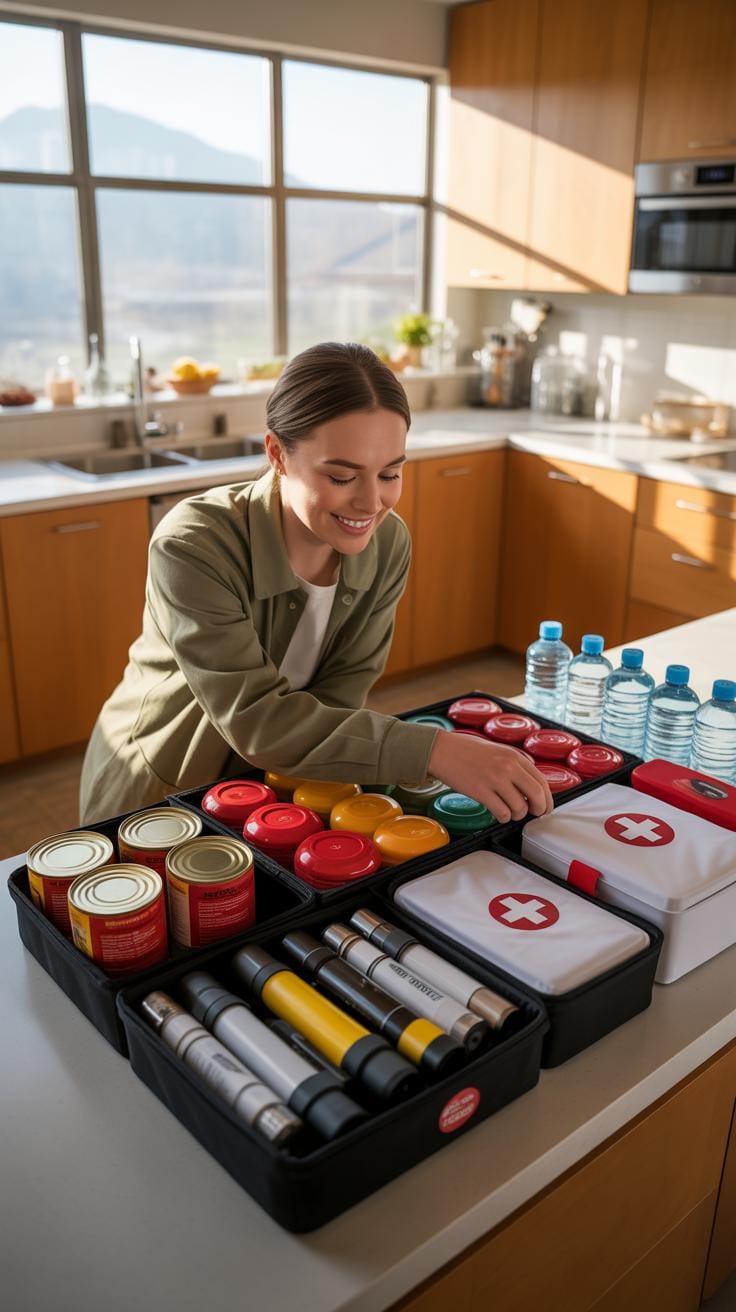
Keeping your pet’s emergency kit updated takes more than just tossing items into a bag and forgetting about it. You need a clear schedule for checking supplies. Maybe every three to six months is a good rhythm. Twice a year at minimum is a reasonable approach, especially before seasons that might bring storms or other hazards. This way, you catch any items running low or getting past their use-by date before they become useless when you need them most.

During these checks, open the kit and carefully review each item. Check expiration dates on food, medications, and first aid supplies. Toss anything expired or looking worse for wear. Don’t just rely on dates; packaging that’s swollen, torn, or damp is a red flag. If an item has been used in an emergency, replace it immediately—even if you only used half the bandages, restock fully.
Consider keeping a small log or note inside the kit with the dates you updated it and what was replaced. That kind of simple tracking helps keep things on your radar. And, ask yourself: does everything still fit your pet’s current needs? Pets grow, health needs change, so maybe you need a different food brand or new meds. Maintaining your kit means treating it as the living, breathing thing it is—not just a forgotten box in the closet.
Conclusions
Gathering the right emergency kit items for your pet lays the foundation for their health and fitness during uncertain times. This preparation helps you meet their physical and emotional needs without delay.
Remember, an organized, accessible pet emergency kit saves precious time and supports your pet’s well-being until professional help or normal conditions return. Regularly check and update the kit to keep your pet ready for anything.