Introduction
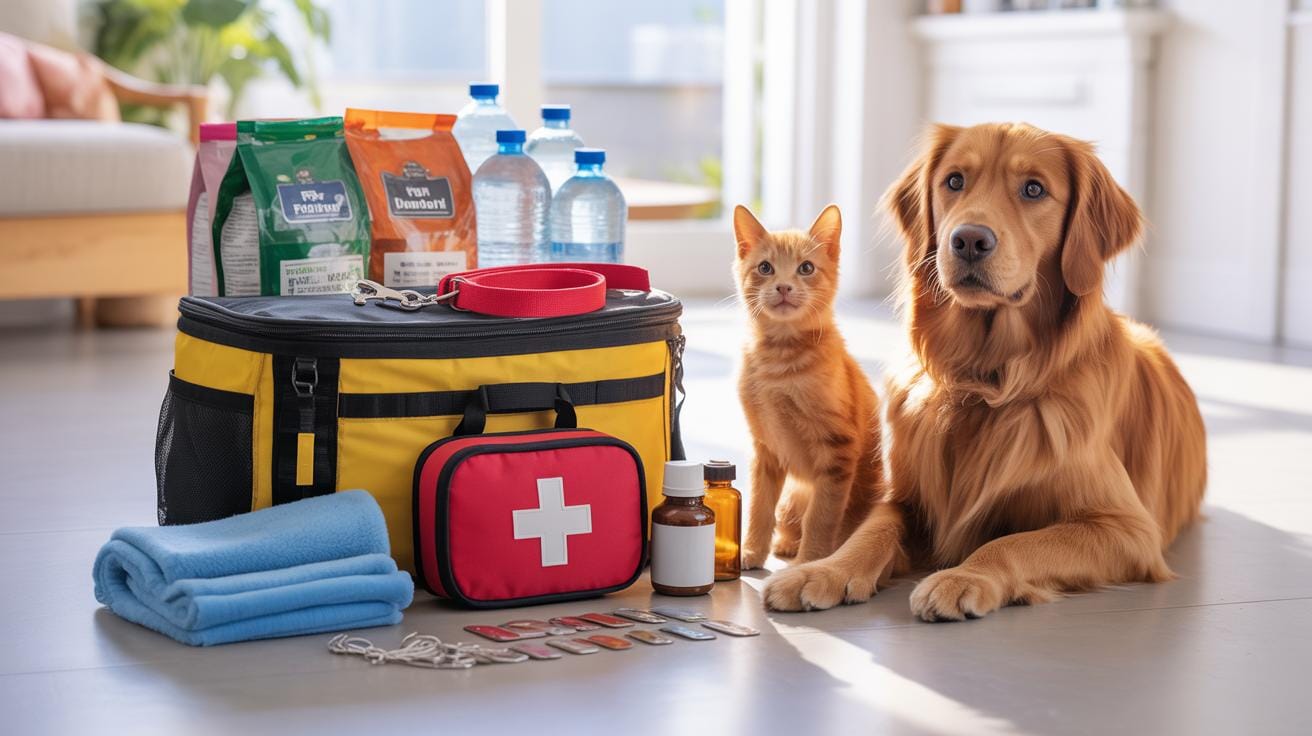
Emergency Preparedness Kit Essentials For Pet Safety And Health is a crucial topic for any pet owner. Disasters and emergencies can happen unexpectedly, and having a kit ready for your pet can make a significant difference. A well-prepared emergency kit ensures your pet’s safety and comfort when normal routines are disrupted.
In this article, we will explore what an emergency preparedness kit for pets should include. From basic supplies to health considerations, you will learn how to create a kit tailored to your pet’s needs. We will also cover how to maintain your kit and why pet-specific preparations matter in emergencies.
Essentials For Pet Emergency Kits
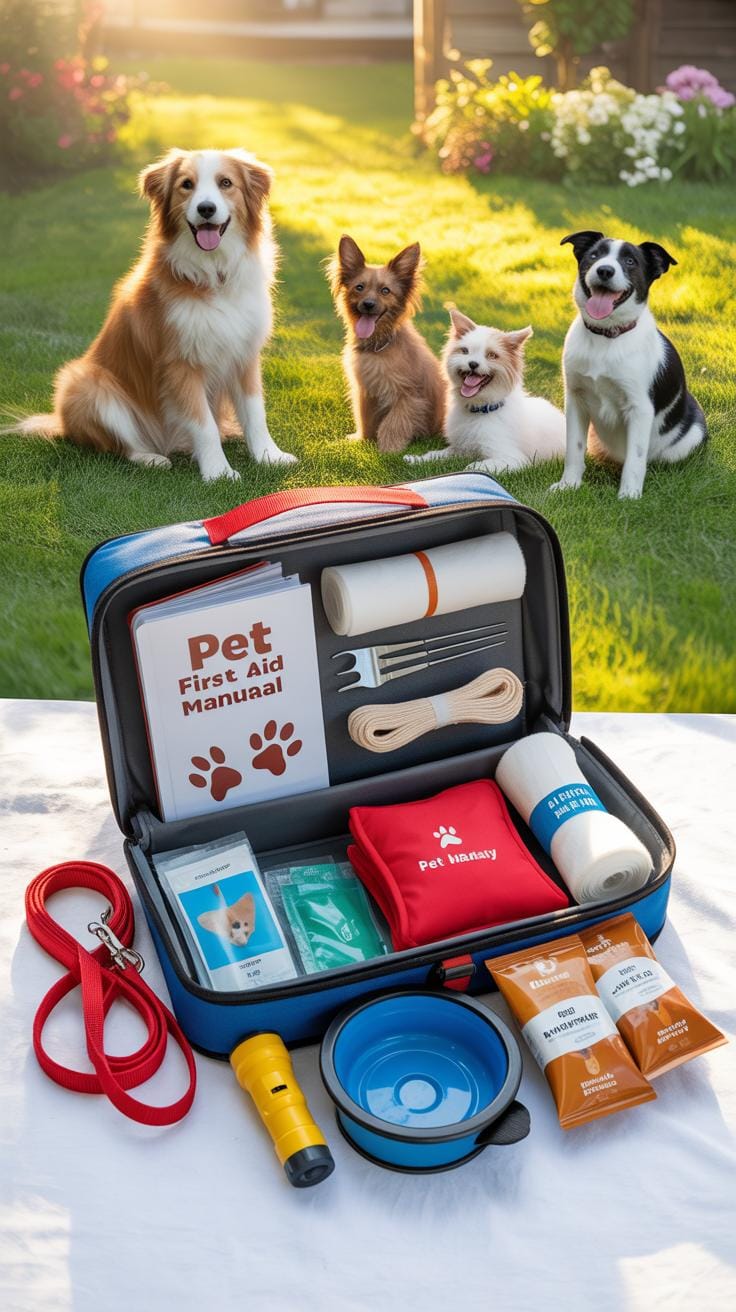
Putting together an emergency kit for your pet isn’t just about grabbing random items. It’s about anticipating what your pet will truly need when things get rough. Think about food, of course, but also water, medications, and comfort items. Each serves a unique role. For instance, a sturdy leash or harness can prevent your pet from running off in panic during an evacuation. Identification tags or microchip information serve as your pet’s safety net if you get separated.
Then, consider items like a pet carrier or crate. These not only provide a safe space but also help contain your pet in chaotic situations. Toys or familiar blankets reduce stress and give your pet a sense of calm amid the chaos. Lastly, don’t forget cleaning supplies—accidents can happen, and having a way to manage messes is practical and humane.
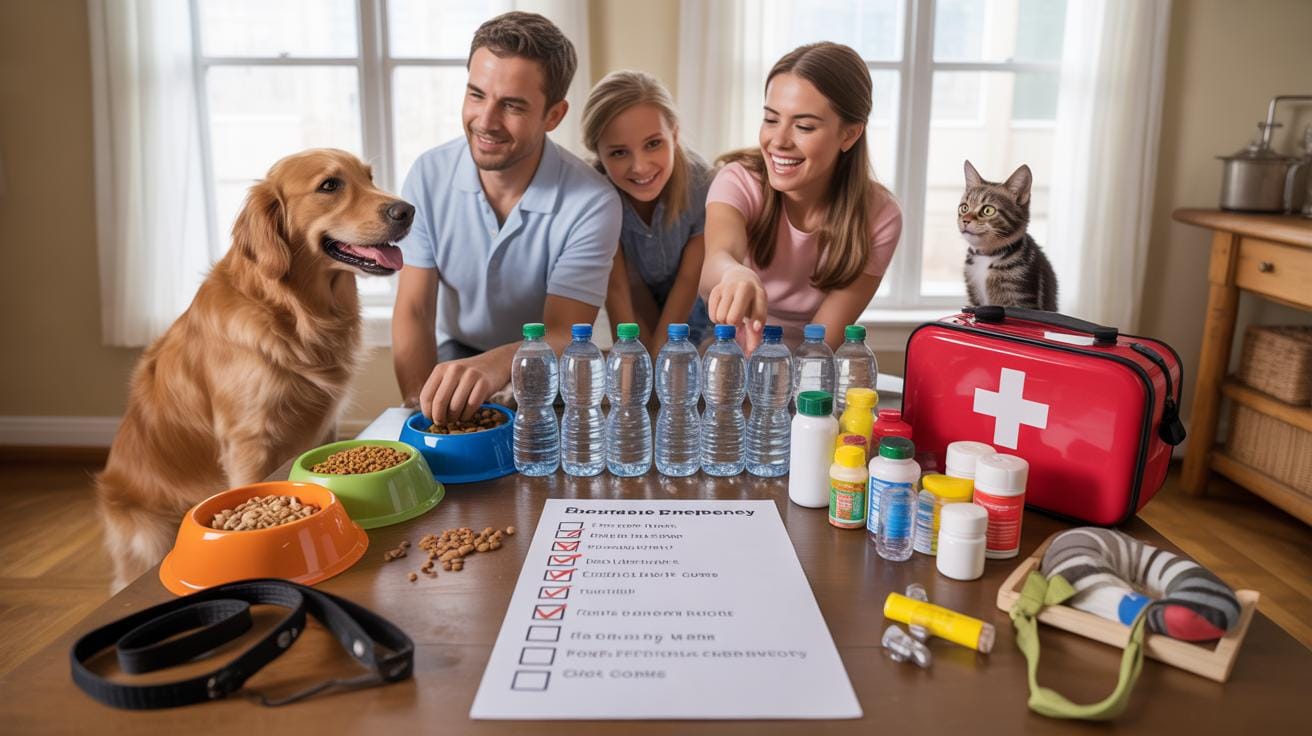
The challenge is making sure everything fits and stays fresh. Rotating food supplies and keeping medications updated is key. Also, think about your pet’s size and needs; what works for a cat might not suit a large dog. The goal? Create a kit that gets you through the first crucial 72 hours smoothly.
Basic Supplies For Pets
Food and water top the list—no surprises there. But how much is enough? A general rule is to prepare at least a three-day supply of food that your pet usually eats. Sudden diet changes often upset their stomachs, so stick with what you know works. Store food in airtight containers to keep it fresh and protect it from pests.
Water can be trickier. Pack more than you think your pet might need. As a guideline, one ounce per pound of body weight daily is a baseline. If your pet is larger or during hot weather, increase the amount. Portable water bowls come in handy, especially collapsible ones that save space.
Don’t overlook shelter, especially for outdoor pets. A lightweight pet tent or familiar bedding can offer much-needed comfort. For indoor pets, a secure carrier doubles as a shelter during transit. All these items should be stored in an accessible, labeled container to avoid last-minute scrambling.
How To Keep Pets Healthy During Emergencies
Keeping pets healthy isn’t just about medical supplies, although those are critical. Include any regular medications your pet needs, plus a spare copy of prescriptions and vet contact information. Assemble a basic first aid kit: bandages, antiseptic wipes, tweezers, and a pet-safe cold pack.
Stress can take a heavy toll on pets. Familiar scents or items from home act like a security blanket, offering reassurance. Calming sprays or wraps might ease anxiety but test these beforehand—they don’t work for every pet. Keeping your pet physically safe means more than just meds; it means managing their environment.
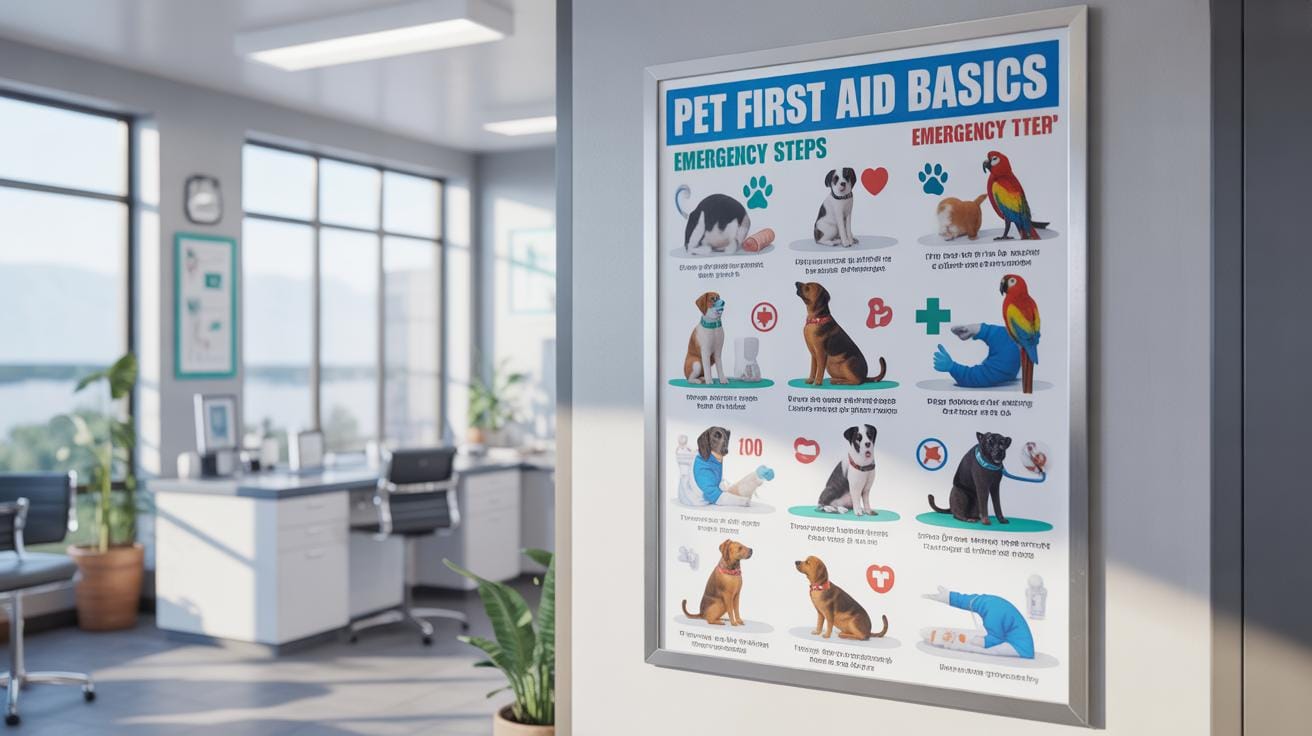
Also, monitor their behavior closely. Emergencies can alter appetite, bathroom habits, or energy levels. Recognizing signs of distress early allows prompt attention, reducing complications. Sometimes, your calm presence and steady routine are the best medicine you can provide.
Step By Step Kit Assembly
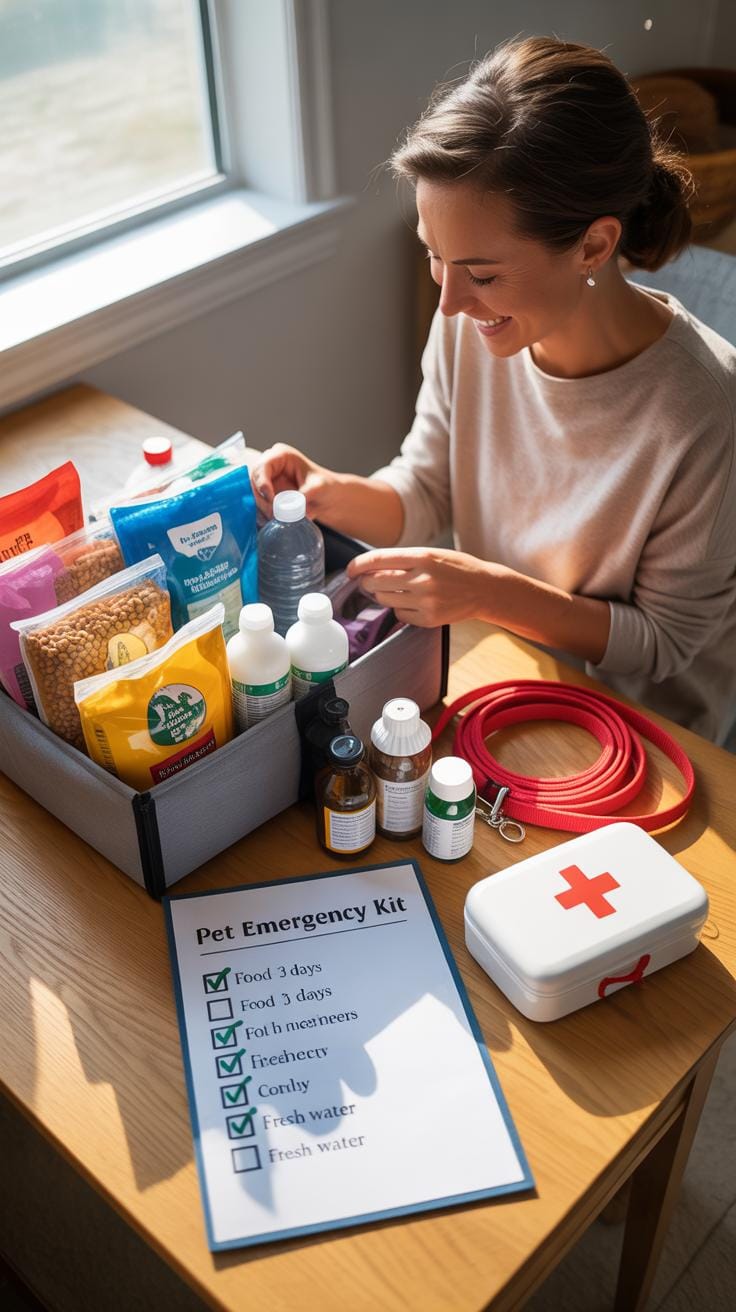
Putting together an emergency kit for your pet can feel overwhelming at first, but breaking it down step-by-step makes it manageable. Start by selecting a sturdy container—perhaps a waterproof tote or a backpack that’s easy to carry. The goal is to keep everything in one place, ready to grab and go.
Next, gather basic necessities. Think food and water for at least three days, along with bowls. Include medical supplies such as any prescription medications, a pet first-aid kit, and copies of vaccination records. Don’t forget items for comfort and hygiene—a leash, collar with ID tags, and waste bags.
Once you have these grouped, add extras like a familiar blanket or toy to ease stress. Packing them with the most crucial items on top can speed retrieval when it counts.

Here’s a quick checklist you might find helpful:
- Food (3-day supply)
- Water (3-day supply) and bowls
- Medications and veterinary records
- Leash, collar, and ID tags
- First aid kit for pets
- Comfort items (blanket, toys)
- Waste disposal bags
Gathering Supplies Efficiently
When time is tight, sourcing supplies efficiently means knowing where to look. Big box stores often have the basics, usually at reasonable prices, but local pet shops might be better for specialty items like prescription foods or specific medications.
Check your own home first. You might be surprised by supplies already on hand—a half-used bag of kibble or an unopened first-aid kit. If running out for extras, pharmacies and supermarkets can fill gaps, especially for water and basic medical needs like gauze or antiseptic wipes.
Online shopping offers convenience, sure, but shipping delays during emergencies can slow things down. If you’re prepping in advance, buying online works well for bulky or rare items.
Packing For Easy Access
How you pack your pet’s emergency kit can save precious moments later. Use clear, waterproof containers or bags so you can see inside easily. Consider color-coding—maybe blue for food, red for medical supplies. Labels should be bold and large, so anyone can find what they need quickly, not just you.

Packing items in smaller, resealable bags inside the larger container helps avoid mess and keeps things organized. A checklist taped inside the lid offers a quick inventory when restocking.
Place the container near your main exit or in a familiar spot everyone in the household knows about. Easy access could make all the difference when stress is high and time runs out.
Food And Water Safety

When it comes to emergency preparedness kits for pets, food and water safety is a critical, yet often overlooked, component. You want to have pet food on hand that can last without refrigeration and remains safe to eat during emergencies. Dry pet food is generally the easiest to store for long periods. It typically has a longer shelf life and doesn’t spoil easily. I tend to keep sealed bags or containers and make sure I rotate them every six months to avoid expiration. Wet food, on the other hand, offers better hydration but often requires refrigeration once opened, making it less practical for longer emergency situations.
Dry Versus Wet Food Options
Dry food is convenient due to its long shelf life and ease of storage. You can seal it airtight in thick plastic containers to protect against moisture and pests. Wet food provides higher moisture content, which can be helpful if your pet normally eats canned food and is struggling to drink enough water. However, keeping wet food fresh without power is tricky, so it’s best to reserve canned food for short-term use during emergencies.
Water Storage And Purification

Safe water storage is crucial. For me, storing about a week’s worth of fresh water in sturdy, food-grade containers works well. Rotate the water every few months just like food. In emergencies, tap water might be unavailable or contaminated, so having water purification options is smart. Boiling water works well if you have the resources. Water purification tablets or pet-safe filters are also good to have—though I always double-check what’s safe for pets specifically before use. Keeping your pet hydrated is as important as feeding them, so never overlook this step.
Medication Management For Pets
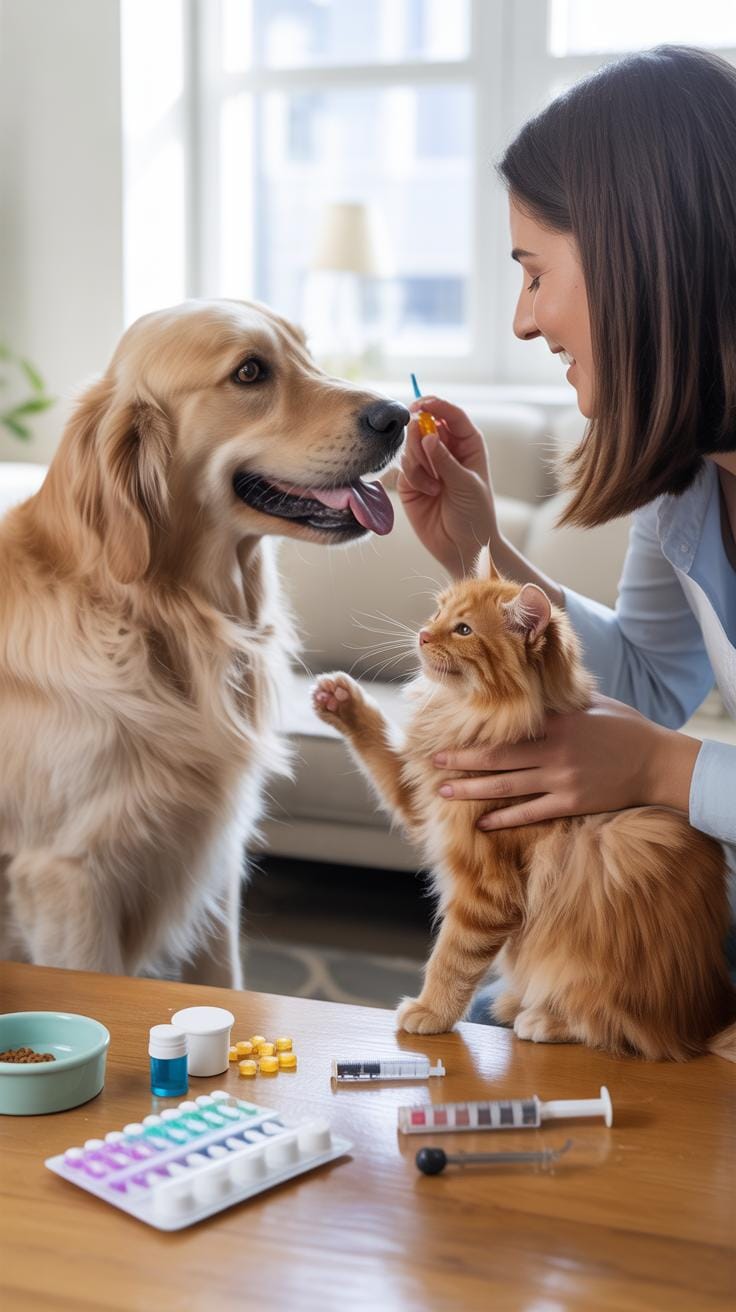
Including and managing your pet’s medications in an emergency kit is a task that demands careful attention. You might think it’s enough to toss a few pills in a bag, but it’s really about more than that. Medications should be kept in their original containers whenever possible to preserve labeling, dosage instructions, and expiration dates. Consider adding a small, waterproof box or pouch inside your kit to protect these from moisture or damage.
It’s also wise to keep an updated list of all medications your pet takes, including dosages and schedules. This way, if you’re in a hectic situation, you won’t have to scramble to remember what and how much your pet needs. I once had a friend who couldn’t recall her dog’s insulin dose during a quick evacuation—it made a tough time even tougher.
Health records are another crucial element. Copies of vaccination records, prescriptions, and contact info for your veterinarian should be included and updated regularly. Storing these digitally on your phone or cloud as backups is not a bad idea either, even if you keep paper copies. A sudden emergency can make access tricky, so having multiple options helps.
Organizing Pet Medications

Keep pet medications organized in a way that makes sense to you but is easy to access. Use separate compartments or labeled bags for each type of medicine. This limits the chance of mix-ups when stress and chaos kick in. You may want to pack any required tools, like syringes or pill cutters, alongside the meds.
Store medications in a cool, dry place within your emergency kit, away from direct sunlight. Avoid leaving them loose where they can be crushed or spilled. A sturdy plastic container or resealable bag can work wonders in protecting the contents and keeping things orderly.
Updating Health Records
Routine updates to your pet’s health records prevent outdated or incomplete information during emergencies. Every time your pet visits the vet, take a moment to scan or photograph new documents and store them immediately in your emergency kit. Juggling paper can be annoying, but consider it a simple investment in peace of mind.
Don’t forget to periodically check that your vet’s contact info is current. Emergencies aren’t the time to realize you’re dialing an old number or an office that has moved. Keeping these details handy can save time and reduce stress when every second counts.
Safe Shelter And Comfort


When emergencies strike, your pet’s shelter and comfort become a top priority. You want to make sure they feel safe and secure in unfamiliar or stressful situations. Bedding is an essential part of this—it offers a familiar scent and softness that can soothe your pet. Simple items like a well-worn blanket can help more than you might expect.
Choosing the right crate or carrier is also key. For example, solid plastic crates offer a snug, den-like feel that many pets find comforting, especially in confined spaces or during travel. Wire crates provide good airflow and visibility but may not feel as cozy. Soft-sided crates are lightweight and portable but might not withstand chewers or heavy use.
Calming items shouldn’t be underestimated. A favorite toy, a chew bone, or a comfort item that carries your scent can make a world of difference when everything else is up in the air. It’s about creating a small, peaceful refuge wherever you are, which ultimately helps your pet stay calmer during tough times.
Choosing The Right Crate
Not all crates are created equal, and matching the crate to your pet’s needs matters. Dogs that get anxious if they can’t see around might do better in wire or hybrid crates. Those who prefer enclosed spaces may find plastic crates more comforting. Consider your pet’s size too—crates too small won’t provide comfort, while too large may fail to offer that cozy feeling.
If your pet is a chewer or digger, soft-sided crates might not hold up well. But they’re great for smaller pets or short-term use. Also, think about portability. If you expect to move frequently during an emergency, lightweight, foldable crates could save you some hassle.
Comfort Items To Include

When packing your pet’s emergency kit, include things that make them feel at home. Some essentials are:
- A familiar blanket or bedding with your pet’s scent
- A few favorite toys or comfort items they rarely part with
- Chew treats or bones to help reduce anxiety
Don’t forget, these items aren’t just for distraction; they offer important emotional reassurance. They help anchor your pet in a world that may feel unstable during emergencies. It’s a small touch, but it can really help in calming their nerves.
Emergency Identification And Documentation

During an emergency, pet identification and proper documentation can truly make a difference — sometimes a critical one. Imagine the panic if your pet slips away in the chaos. Without clear ID or paperwork, reuniting can become a real challenge. That’s why prepping these ahead of time is more than just a cautious step; it’s a necessary safeguard. So, how do you go about this?
ID Tags And Microchips
Let’s talk ID tags first—they’re simple, visible, and usually affordable. Attach a tag with your current contact details and pet’s name to their collar. But remember, collars and tags can be lost, especially if the pet bolts in fear or panic. That’s where microchips come in.
Microchips are tiny implants injected under your pet’s skin—usually between the shoulder blades. They contain a unique code that shelters and vets can scan to find your info, stored in a national or regional database. Kind of like a digital passport. However, there’s a catch: you must update your contact details with the microchip registry. If you move or change phone numbers and forget to update, the chip becomes less useful.
Important Documents To Carry
Now, about documents—having copies could save you a lot of headaches. Keep together:
- Adoption or purchase papers proving ownership.
- Up-to-date medical records including vaccinations, allergies, and medications.
- Contact info for your vet and emergency animal hospitals.
- Sometimes, behavior or special needs notes can also help caregivers in a crisis.
These papers might sound excessive, but imagine trying to explain your pet’s needs to a stranger in a shelter or vet clinic without them. It’s harder than you’d think. So try to keep physical copies in a waterproof folder as well as digital backups on your phone or cloud storage.
Training Pets For Emergencies
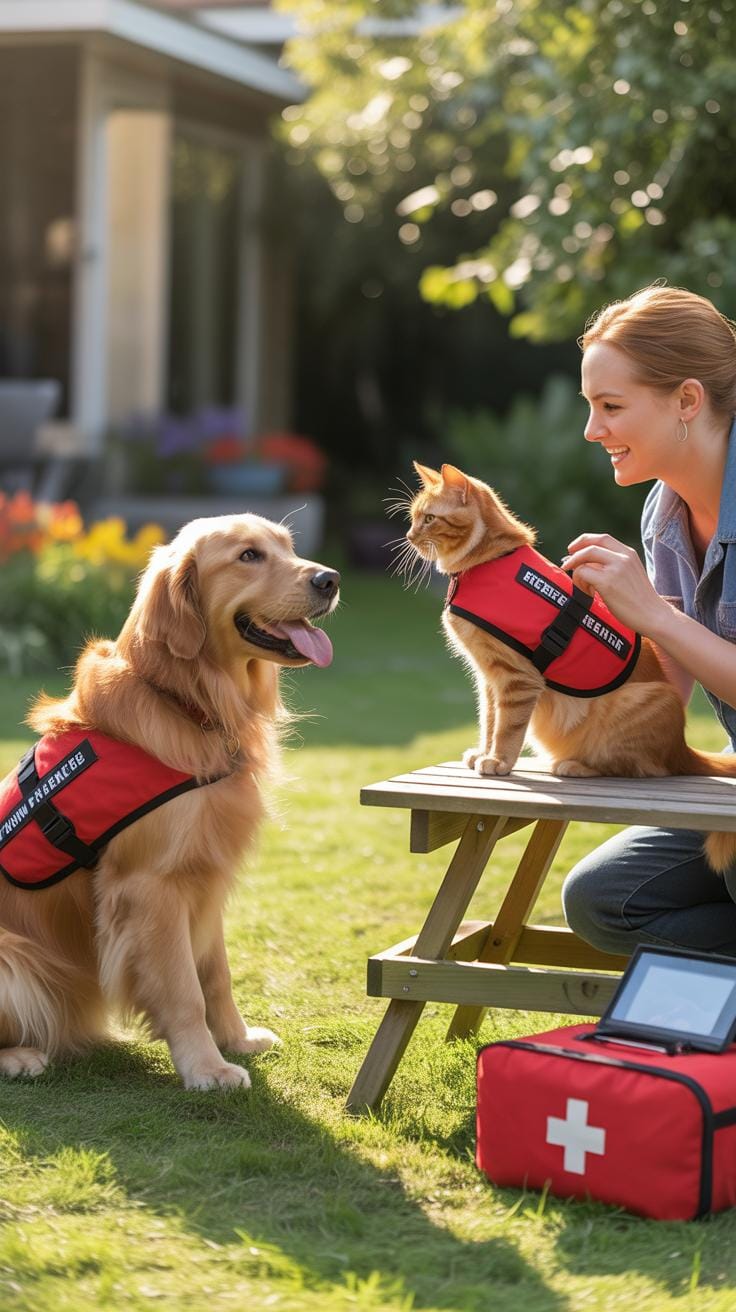
Training your pet to behave calmly during emergencies takes some patience, but it can really make a difference when things get tense. It’s not about turning them into perfect little evacuees overnight; instead, it’s about gradually getting them used to new sounds, movements, and situations that mirror emergency scenarios. Start with short, controlled exposure to things like loud noises or sudden movements, paired with positive reinforcement. This way, your pet might associate these unusual events with something positive rather than fear.
Practice evacuation drills with your pet often enough so that the routine feels familiar. Let them get in their carriers or on leashes and walk through an evacuation route. You might even pack your emergency kit with them during these drills to simulate a real evacuation. These practice runs reduce confusion and, well, the panic that might hit both you and your pet when an actual emergency happens.
When it comes to calming, simple things like gentle touch, soft voices, or familiar blankets can work wonders. You might find calming pheromone sprays or anxiety wraps help too—though results vary by pet. Watching your pet for signs of stress helps you adjust your approach. And sometimes just a little distraction, like a favorite toy or a treat, can be enough to soothe nerves in a sudden crisis. It’s about discovering what clicks with your pet before it really counts.
Common Mistakes To Avoid

Overpacking Or Underpacking
When putting together a pet emergency kit, it’s tricky to find the right balance. Too much stuff weighs you down, making it hard to carry or store. Imagine lugging around an extra 20 pounds of supplies you might never use. On the other hand, skimping too much can leave you scrambling. Running out of food or not having enough medication could be a real problem in an emergency. The key might be to focus on essentials that could keep your pet safe for at least three days. Think about what you and your pet absolutely need and skip things that are “nice to have” but not critical. This way, you carry what’s necessary without overloading yourself.
Ignoring Pet Specific Needs
Pets aren’t one-size-fits-all. Different animals, ages, and health conditions demand different preparations. For instance, a senior dog with arthritis may need special blankets or joint supplements, while a young cat might require specific litter or toys to reduce stress. Ignoring these details means your kit could be useless or even harmful. You might have counted on regular pet food when your cat actually needs a special diet due to allergies. It’s worth taking time to think about your pet’s unique needs and updating the kit regularly. It’s easy to forget, but these differences do matter a lot more than many people realize.
How Often To Update Your Kit

Checking your pet’s emergency kit might feel like another chore, but it’s really about being ready when you least expect it. I’d say aim to review your kit at least twice a year. Twice might sound like a lot, but expired food or medicine can sneak up quickly. Plus, you don’t want to find out last-minute that the water bowls cracked or the bandages have gone bad.
Setting a calendar reminder helps—I usually pick a quiet weekend in spring and fall. That way, you catch seasonal shifts, which bring their own challenges. For example, in winter, you might swap lighter blankets for warmer bedding to keep your pet cozy. Spring might call for extra flea and tick treatments.
It’s useful to jot down what you replaced the last time and what worked well—or didn’t. I once ignored rotating the canned food, thinking it was fine, until a strange smell told me otherwise. So, keep those items fresh, and don’t be shy about adjusting the kit to your pet’s changing needs such as age or health.
Emergency Kit Examples And Inspiration
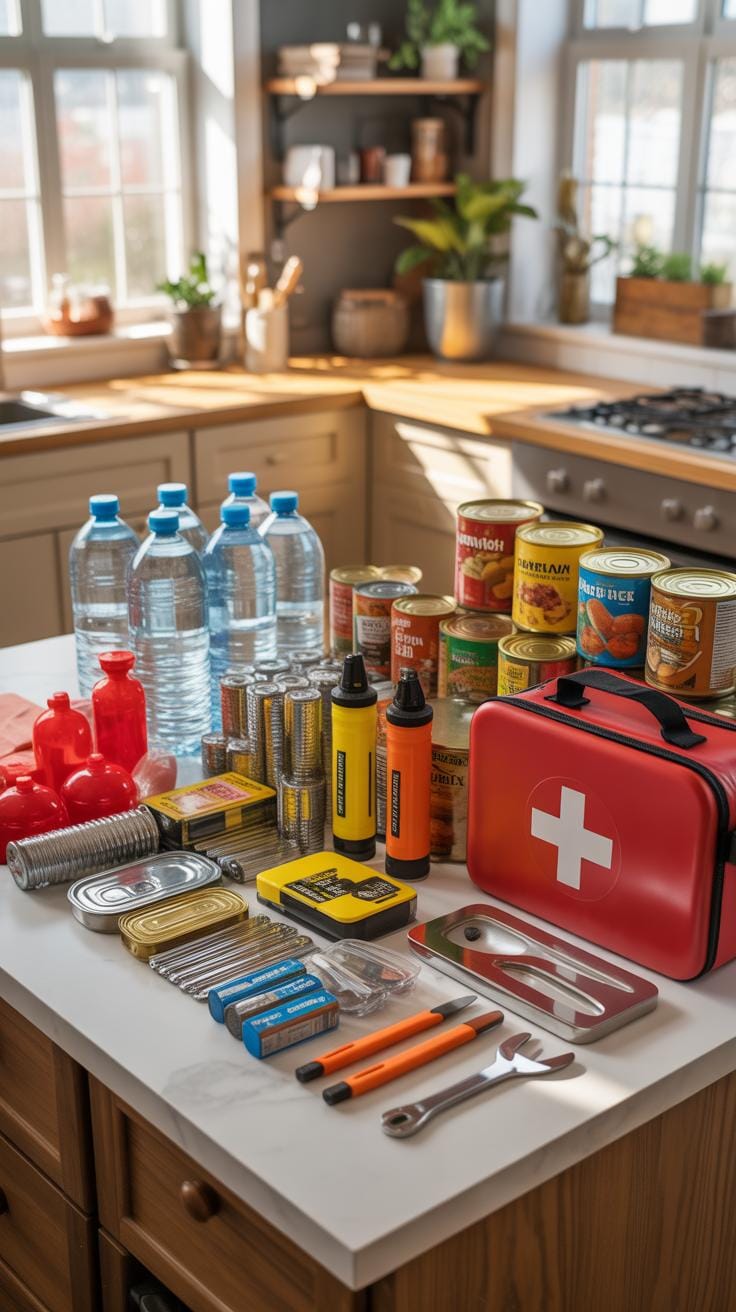
Kit For Small Dogs In Apartments
When you live in an apartment with a small dog, space can be tight, so your kit has to be compact yet cover essentials. Think about including:
- Collapsible water and food bowls—easy to store but reliable during an emergency
- Small supply of your dog’s regular food—don’t underestimate how stressful events can affect their digestion
- Leash and harness—always essential; a quick grab can make a big difference
- Basic first aid items—bandages, antiseptic wipes, and tweezers
- Waste bags—to keep things clean even in chaos
- A comforting item—maybe a favorite toy or blanket to calm nerves
- Up-to-date medical records and identification tags tucked inside a waterproof pouch
You might find it tricky to fit everything neatly, but prioritizing essentials is key. Sometimes I’ve realized after an unexpected drill that I’d forgotten to include water—small mistakes that make a big difference.
Kit For Multiple Pets In Rural Areas
Rural settings call for a different approach. With multiple pets, you’ll need a bigger, more robust kit. Here’s an angle to consider:
- Extra water and food supplies—the distances and isolation can mean slower access to resources
- Separate feeding containers for each pet to prevent fights or stress
- More extensive first aid supplies—think not just bandages but also medications common to your pets’ needs
- Crates or carriers for safe transport—these can be bulky but are worth the hassle
- Fly repellents or tick prevention products—critters can add to the stress in rural emergencies
- Backup power sources for any medical devices your pets might need
- Extra leashes, collars, and ID tags—the more pets, the easier it is to lose one in the chaos
It’s tempting to believe you can improvise in the countryside, but emergency preparedness doesn’t leave much room for hope. One time, I underestimated the importance of having adequate water for all my animals during a power outage—it was harder than expected.
Conclusions
Having an emergency preparedness kit specific to your pet’s needs can save time and stress in critical moments. By including essential supplies and considering their health, you ensure your pet stays safe and calm during emergencies. Preparation also means quicker recovery once the situation improves.
Regularly updating and checking your pet’s emergency kit is vital. Your readiness impacts your pet’s well-being and helps you respond effectively. Taking these steps allows you to face emergencies with confidence, knowing your pet’s safety and health are prioritized.