Introduction
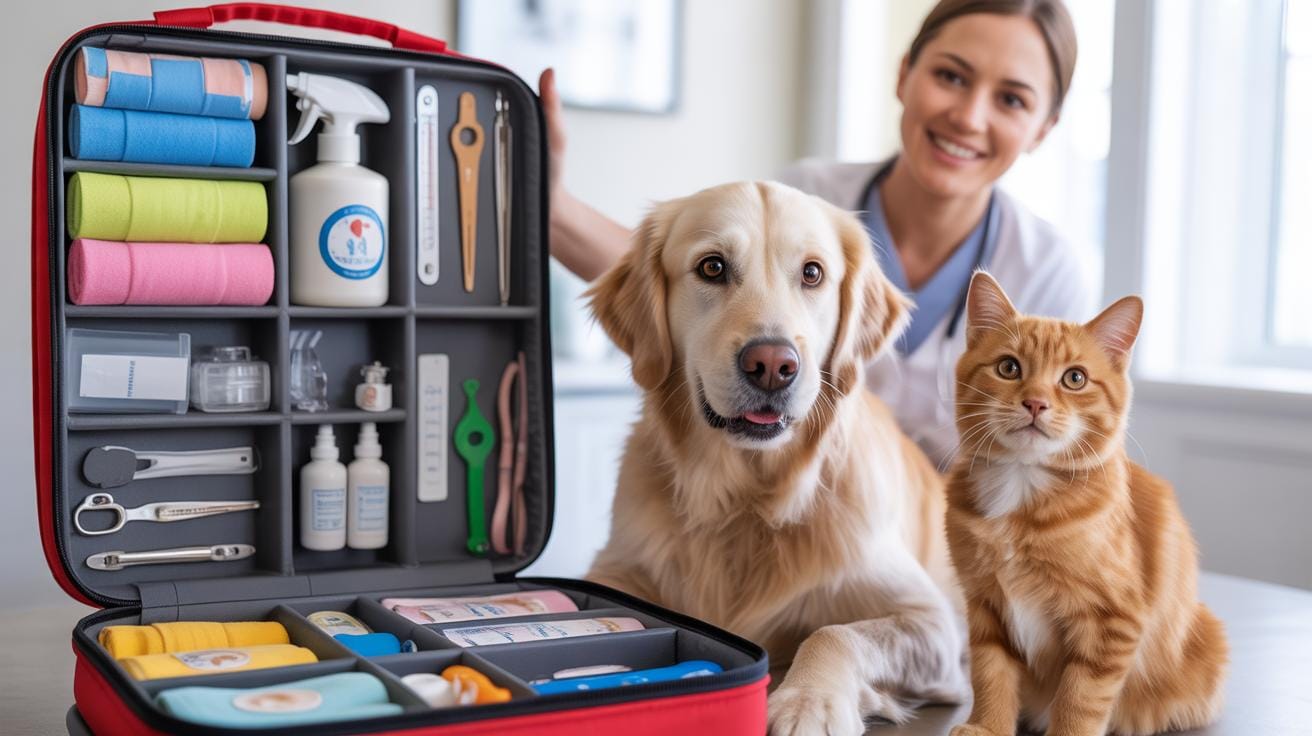
A first aid kit is a collection of supplies and equipment for immediate care during minor injuries or emergencies. For animal care professionals, having a first aid kit designed specifically for animals is crucial. Such kits must address injuries and situations animals face, different from human medical needs. This article covers the essentials needed to design an effective first aid kit tailored for animal care.
From listing core items to explaining how to maintain and use the kit properly, this article guides you through building an animal-specific first aid kit. It focuses on practical steps and examples to ensure your kit is ready wherever you work with animals, helping you respond promptly during emergencies.
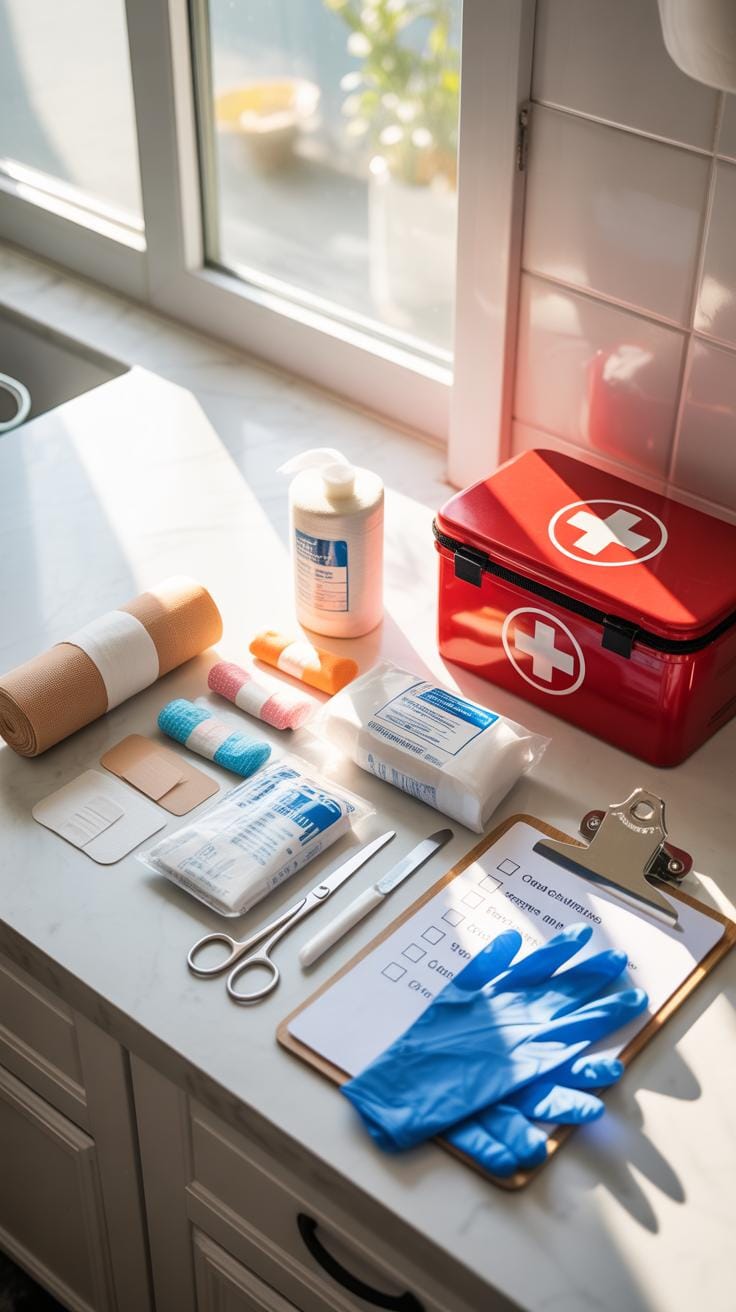
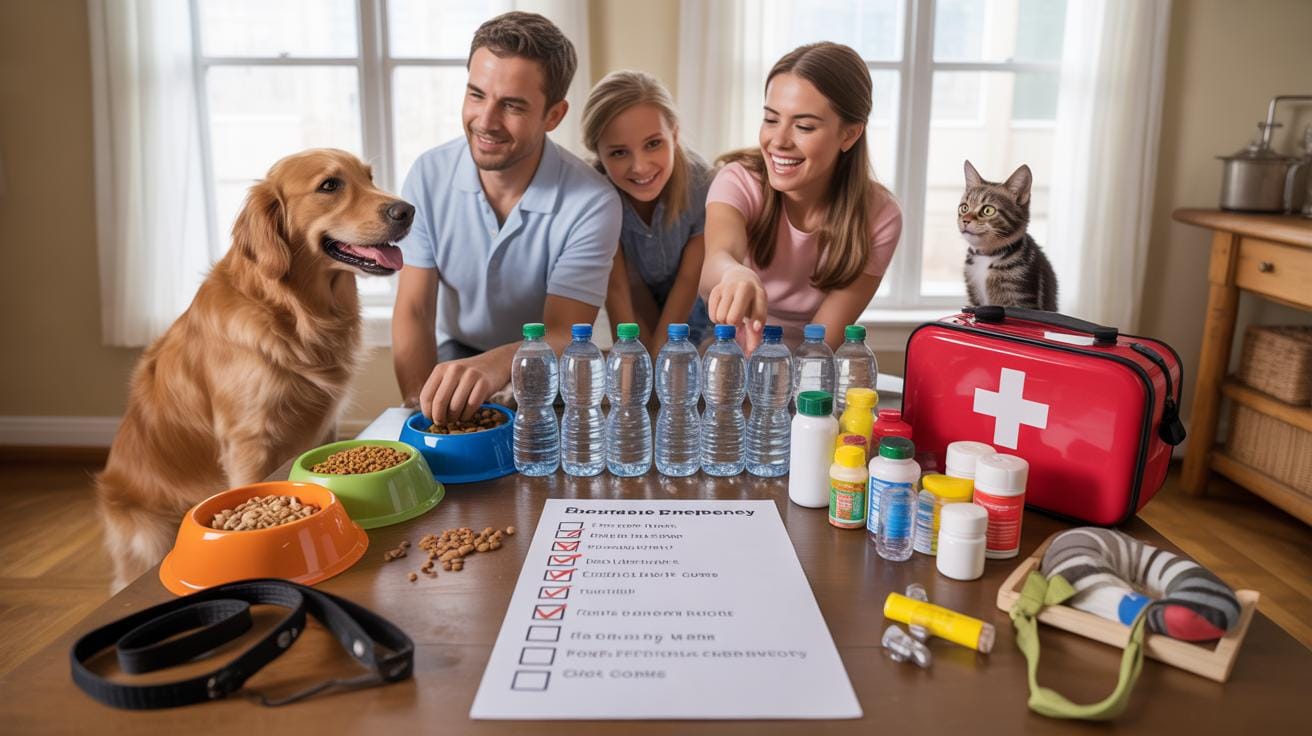
First Aid Kit Setup Checklist
Core Supplies Every Kit Needs
Your animal first aid kit should have a solid base of essentials. Think of these as your starting point: adhesive bandages for small cuts, sterile gauze pads to cover larger wounds, antiseptic solutions or wipes to clean the injury site, and gloves to keep things sanitary for you and the animal. Tweezers come in handy to remove splinters or debris, while emergency blankets can help prevent shock by keeping the animal warm. Bandages should be breathable yet sturdy—elastic types can support sprains, and waterproof wraps like Vet Wrap are great for pressure bandages that might get wet. Each item has a straightforward purpose but can make a huge difference when seconds count.
Replacing Used Or Expired Items
It’s easy to forget about your first aid kit until you need it, but regular checks are key. Set a schedule—maybe once a month—to inspect your kit. Look out for used items and toss anything expired, especially antiseptics and medications. Restocking should be straightforward: replace items immediately after use, so the kit’s always ready. Keep a list of what’s inside to track supplies better. It’s tempting to let this slide, but a depleted or out-of-date kit is worse than none at all. Wouldn’t you agree it’s better to be slightly over-prepared than caught off guard in an emergency?
Managing Animal Wounds Quickly
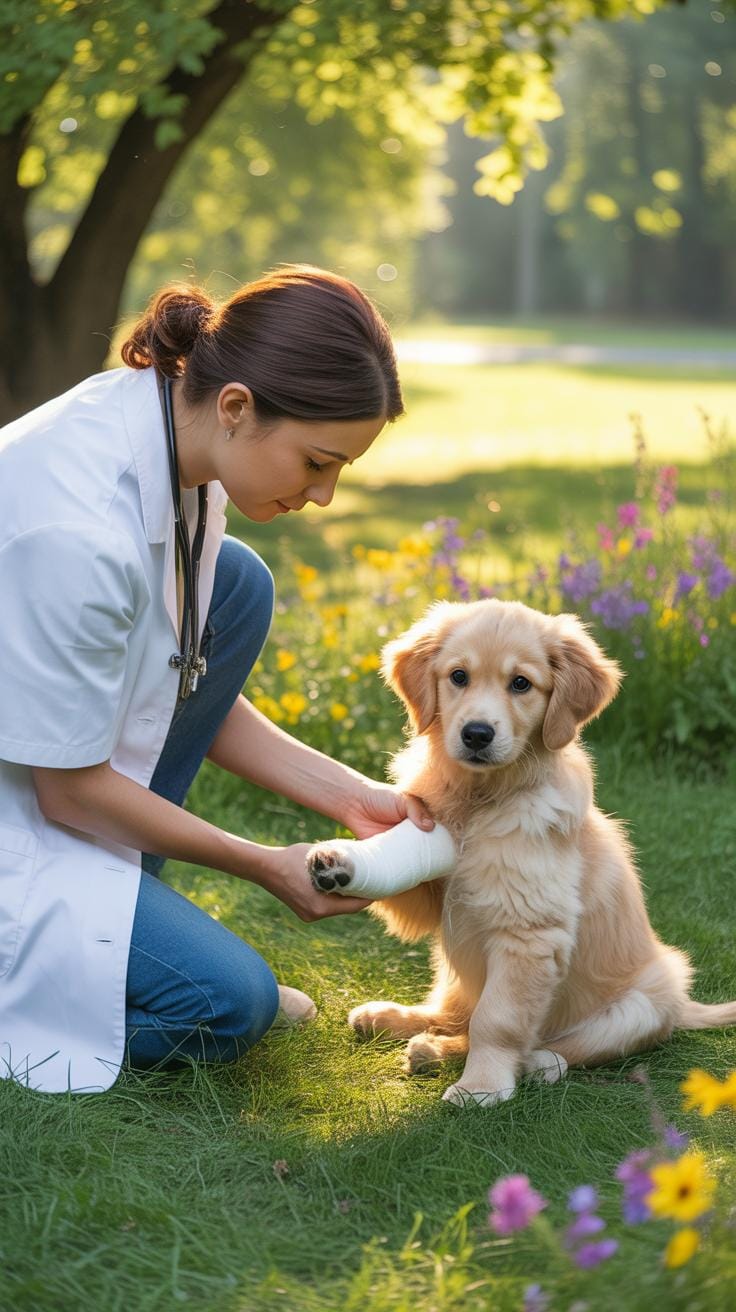
Treating wounds in animals can be tricky, but having the right supplies in your first aid kit makes a big difference. When a cut or scrape happens, start by locating the wound and gently restrain the animal to prevent sudden movements. Then, clean the area carefully. Use saline solution or antiseptic wipes to remove dirt and debris—avoiding harsh chemicals that might irritate the tissue further.
After cleaning, dry the wound gently with sterile gauze to prevent infection. Dress the wound with a sterile, non-stick pad, which helps it heal without sticking to new tissue. It’s tempting to rush, but taking time here is key to good recovery.
Cleaning And Dressing Wounds
Cleaning wounds safely means protecting the animal and yourself. Antiseptics like chlorhexidine or povidone-iodine are common choices—they kill bacteria without causing too much harm to healing skin. Saline solution is excellent for flushing out dirt without burning or stinging. Support healing by always using sterile gauze and dressings; they form a barrier against germs and help keep the wound moist, which is surprisingly important for quick repair.
Bandaging For Different Injuries
Bandaging is more than wrapping a wound. Different injuries need different approaches:
- For cuts and scrapes, use a simple sterile dressing secured with a gauze roller bandage. Ensure it’s snug but not too tight—circulation matters.
- Burns need a loose, breathable dressing to prevent sticking and allow air flow.
- Bruises often benefit from compression with an elastic bandage, but watch carefully to avoid causing more pain or swelling.
Choose bandage types based on the wound size and location. Elastic bandages work well for joints, while adhesive ones suit flat surfaces. Secure bandages with medical tape or clips but keep an eye for signs of discomfort or slipping. Remember, bandaging is a skill—practice helps, and every animal reacts differently.
Handling Emergencies With Calm Action
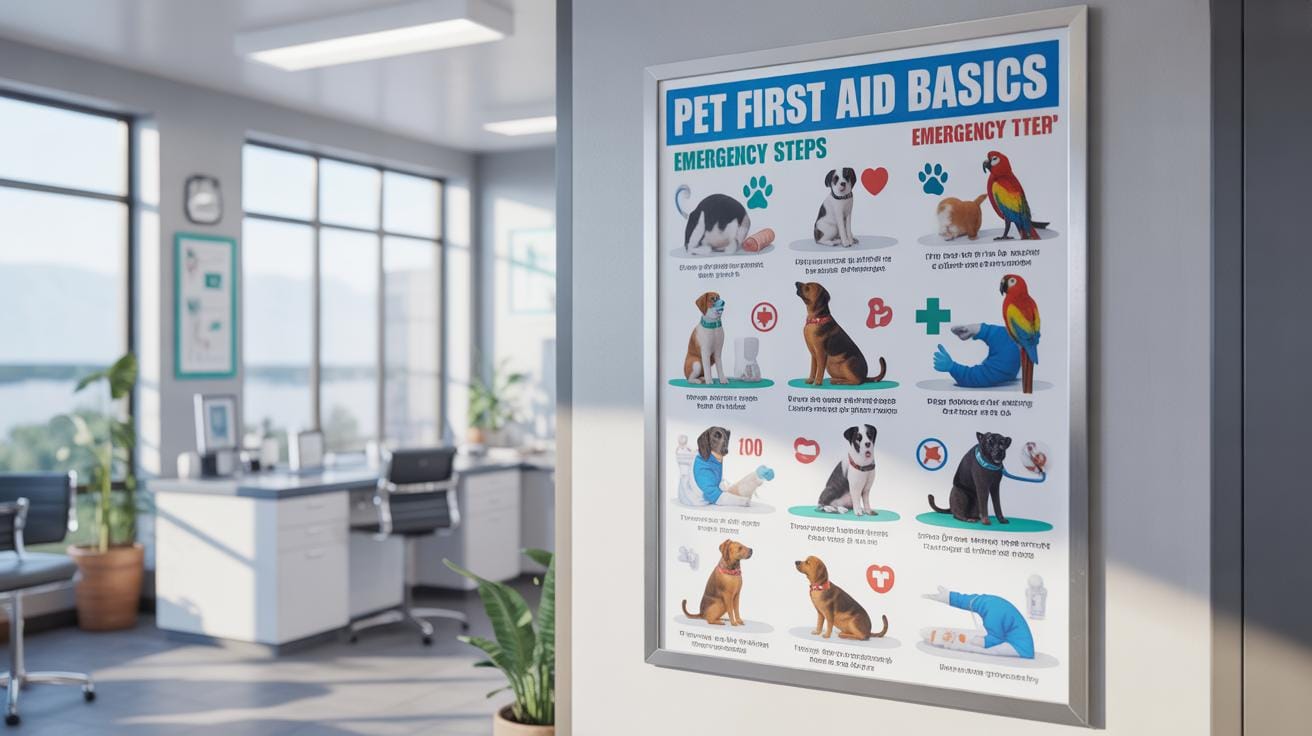

When an animal faces a crisis, acting swiftly but calmly can make a big difference. The first priority is staying composed—your calmness can help the animal stay calmer too, even if it’s just a bit. Panic often clouds judgment, so take a breath and focus on the situation at hand.
Trauma and shock require prompt attention. Trauma manifests as visible wounds, bleeding, or unusual behavior, while shock can show up as pale gums, weak pulse, or sluggishness. Your first aid kit has gauze, bandages, and a stethoscope that can help monitor vital signs and manage bleeding.
Address breathing problems immediately. Position the animal comfortably—usually on its side—and use resuscitation masks to assist if breathing is faint or irregular. Calming techniques, such as gentle petting or soft talk, may prevent further distress.
Remember, your role is to stabilize until professional help arrives. Don’t rush treatments beyond your skill level, but don’t hesitate to act either. Sometimes, the small steps—applying pressure to a wound or helping an animal breathe—can be the difference between life and death.
Tool Selection For Specific Needs


Choosing tools and supplies for a first aid kit depends on the types of animals you’re treating. It’s not just about having a bandage or antiseptic; it’s about matching those tools to the size and species of the patient. Pet kits often focus on smaller items like gauze strips and tweezers suitable for cats and dogs. Livestock kits require more heavy-duty equipment—for example, larger bandages or leg splints for horses or cattle. Wildlife kits, in contrast, might need tools for quick, temporary stabilization, as full care might be delayed.
Think about your regular patients. Are you mostly out in a barn, at a clinic, or in the wild? This changes what you carry. You wouldn’t pack a huge equine bandage if your daily work centers on parrots or reptiles. It’s tempting to fill the kit with everything possible, but that can lead to clutter and confusion during emergencies.
Items For Small Vs Large Animals
Small animals need smaller-scale versions of many supplies, but their sensitivity changes requirements too. Smaller bandages, tiny scissors, and gentle antiseptics work well for cats and dogs. They can also be more prone to stress from treatment itself, so calming items and easy-to-apply dressings are helpful.
For large animals, the focus is on durability and size. Thick, wide bandages, strong adhesive tapes, and sturdy wound cleaners. Horses and cattle demand more rugged, larger treatments that withstand movement and outdoor conditions. You may also want tools that can handle tougher injuries—like hoof picks or large syringes.
Species Specific Considerations
Species differences play a big role even beyond size. Birds, for instance, need lightweight supplies that won’t interfere with flight or delicate feathers. Reptiles require sterile conditions because infections in their scales and skin can be nasty. Exotic animals? Well, those kits can get specialized fast—think antivenoms or particular antiseptics suited to the species’ unique biology.

When setting up your own first aid kit, pause and really imagine the typical scenarios: What’s the animal’s natural behavior? How might it react to being handled? Is the environment dusty, wet, or remote? These considerations shape your toolkit more than you might expect.
Organizing And Storing Your Kit

When setting up your first aid kit for animal care, how you arrange supplies inside matters more than you might guess. The goal is quick access—there’s little time to fumble during an emergency. Think about container types: clear plastic bins can help you see contents at a glance, while modular compartments keep things from shifting around. But don’t get trapped in relying on one system; sometimes simple zippered pouches labeled by category work just as well.
Labeling isn’t just a formality—group items logically. Keep wound care supplies together, separate from tools for fractures or burns. That way, when adrenaline kicks in, your hands know exactly where to go. I remember once trying to find gauze in a messy kit during a barn accident. It was a frustrating couple minutes that felt like forever.
Storage location is another puzzle. The kit needs to be close enough for swift retrieval but safe from extreme temperatures or moisture that could ruin your supplies. In many animal care settings, mounting the kit on a visible wall or placing it near the busiest treatment area works well. Yet, in outdoor or mobile cases, a sturdy, portable container that’s weather-resistant might be better. Also, consider who else might need access—keeping it accessible to multiple caregivers can make a difference.
Training For Kit Use
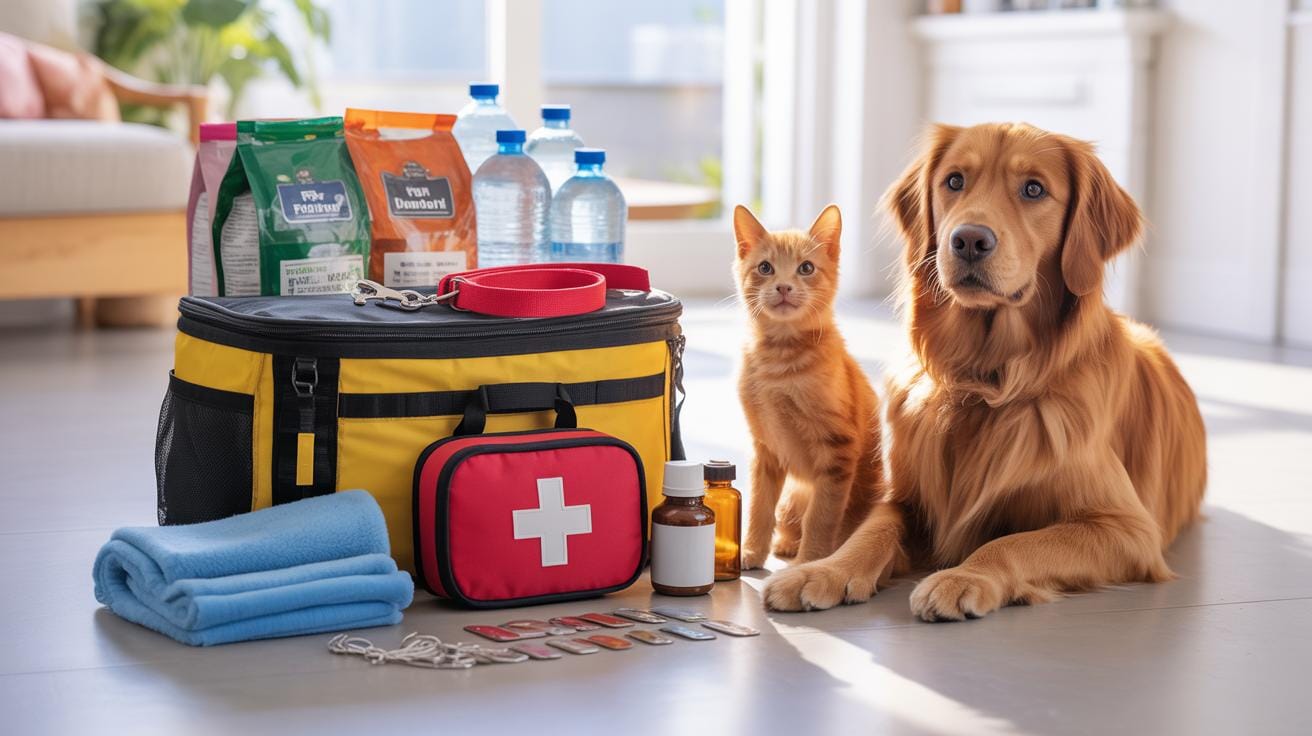

Training animal care staff on the first aid kit’s contents and proper use cannot be overstated. Even the best-equipped kit is nearly useless if users don’t know how to apply its supplies effectively. It seems obvious, yet many places overlook hands-on familiarity with the kit, leading to hesitation or mistakes during emergencies. I’ve noticed that confidence builds when staff actually handle the materials rather than just read about them.
To make training effective, combine these approaches:
- Regular, hands-on sessions where staff practice bandaging, cleaning wounds, or managing splints with actual supplies from the kit.
- Interactive workshops led by vets or experienced animal first aid trainers, offering real-time feedback and corrections.
- Use of educational videos demonstrating procedures tailored to your specific kit setup to reinforce learning at each individual’s pace.
- References to updated guides and online courses focusing on animal first aid, making it easier for staff to refresh skills anytime.
These methods don’t just inform — they build muscle memory and reduce uncertainty. But sometimes, even with training materials available, staff skip practice sessions or forget details. So, creating a culture where revisiting the kit and practicing is routine can make a meaningful difference in readiness.
Common Mistakes To Avoid


One thing I’ve noticed is that animal care professionals often don’t restock their first aid kits as frequently as they should. It’s easy to overlook, especially during a busy day. But skipping those restocks means you might reach for something only to find out it’s expired or even missing. Regular checks can fix that, but it takes some discipline to keep on top of them.
There’s also a risk with applying the wrong supplies. For example, using a bandage that’s too tight or antiseptic that’s not suited for certain wounds can actually do more harm than good. I recall a case where an antibacterial cream caused irritation because it wasn’t appropriate for that patient’s skin type. Training helps here—a little bit of guidance goes a long way in knowing what to use and when.
To avoid these pitfalls, try setting a fixed schedule for kit inspections. Make it simple, like a monthly reminder. Maybe even keep a checklist handy to mark off what needs replacing. And don’t hesitate to refresh your knowledge on the products in the kit. Sometimes, what seems straightforward might have more nuances than expected.
- Don’t delay regular inspections of your first aid supplies.
- Learn the correct use of each item to avoid unintended complications.
- Keep a restock checklist to simplify the process.
Comparing Kits For Various Settings

When you look at first aid kits designed for different animal care environments, like clinics, farms, or wildlife centers, you’ll find some clear differences. Clinic kits tend to be more comprehensive and organized, stocked with tools and medications suited for steady indoor use. In contrast, farm or field kits prioritize portability and durability, carrying fewer but essential items that withstand harsher conditions.

In clinics, you’ll usually find sterile instruments like surgical scissors, sutures, and diagnostic tools because the setting is stable and hygienic. Farms need more rugged supplies, like waterproof bandages and multipurpose tools, since vets and caretakers may deal with injuries on the go or amid unpredictable animal behavior.
Wildlife rehabilitation kits often swap out standard meds for safer alternatives to accommodate the stress and nature of wild animals. These kits include items that help minimize animal handling time and reduce risk, like remote drug delivery systems or quick-acting sedatives. It’s striking how each environment demands specific adaptations, shaping what’s packed in the kit to suit realities on the ground.
Clinic Vs Field Kits
Clinic kits focus on detailed care. Think about this: you have sterile environments and consistent electricity, so you can stock items requiring proper storage, like liquid antibiotics or refrigerated vaccines. These kits can be bulkier and kept in one place for easy access.
On the other hand, field kits are more compact and designed for mobility. Farmers or wildlife rescuers carry theirs around in rugged bags or boxes. Items found here are mostly multipurpose and have longer shelf lives – bandages, wound cleansers, gloves, and simple pain relievers. The kit’s design reflects immediate needs—you aren’t setting up a treatment room, but trying to stabilize an animal quickly before getting it to a clinic. This difference in usage is crucial when selecting or assembling a kit.
Kit Adaptations For Wildlife Care
Wildlife kits are a different beast altogether. You can’t approach a wild animal like a domestic one; the risks are higher both for the animal and the handler. So, these kits often include specialized equipment for remote treatment, like pole syringes or tranquilizer darts, to avoid close contact.
Additionally, wildlife kits may exclude some human medications common in domestic care due to potential toxicity. Instead, they emphasize agents that reduce stress and facilitate quick, minimal intervention. Plus, wild animal wounds can be messier or more infected, so antiseptics and wound dressings are tailored accordingly, often more robust and versatile.
Overall, each kit reflects the unique demands of its setting, shaped by the balance between practicality, animal needs, and handler safety. It’s a subtle but crucial distinction that any animal care professional should keep in mind.
Checklist For Post Emergency Actions

Monitoring Animal Condition
Once you’ve provided first aid, it’s crucial to keep a close eye on the animal’s condition. Look for any noticeable changes—improvement or worsening signs. For example, is the animal breathing easier or showing signs of distress? Are wounds bleeding less or more? Sometimes, an animal may appear stable initially but deteriorate later. So, regular checks every 10 to 15 minutes can be vital.
Believe me, it’s easy to want to assume the worst or dismiss subtle changes as nothing. Trust your instincts if something seems off. Escalate care immediately if the animal shows signs like persistent coughing, severe lethargy, or increased bleeding. Don’t hesitate to get professional help even if things seem to be improving—you never know when there might be hidden complications.
Record Keeping And Reporting
After the emergency, documenting what happened is more than just good practice—it can be critical. Note the time the injury occurred, what you did, and how the animal responded. This record will help anyone providing follow-up care understand the situation better. Details such as the type of injury, treatments applied, and any changes observed are important.
Sometimes it feels tedious, but detailed records also protect you professionally, showing that you acted responsibly. Keep these reports organized, whether in hard copy or digital form, and share them appropriately—like with your veterinary team or workplace supervisors. This ensures continuity in care and can often improve outcomes for the animal.
Cost Considerations For Kit Assembly

Assembling a first aid kit for animal care involves a variety of costs. At a glance, you’ll encounter expenses for bandages, antiseptics, gloves, and other basic supplies, but don’t forget specialized items like vet wrap or wound cleansers suitable for animals. These can add up. It’s tempting to cut corners when budgeting, but skipping on essentials isn’t wise—you risk having an incomplete kit when you need it most.
One way to manage costs is to prioritize items based on the most common injuries or emergencies you expect. You might opt for slightly cheaper brands on less critical supplies while investing more in critical products like durable bandages or quality antiseptics. It’s also practical to buy supplies in bulk where they have a long shelf life.
Balancing Quality And Price
Choosing the right supplies requires balancing cost with reliability. Cheap products may seem attractive, yet they often fail in emergencies—imagine a bandage that falls apart or gloves that tear easily. Conversely, premium items might not always justify their higher price tag.
Look for products that have good reviews or carry certifications where applicable. Sometimes a mid-range product from a reputable supplier is your safest bet. Don’t hesitate to test a few options before committing, if possible.
Where To Source Supplies
Finding supplies can be surprisingly straightforward, but some sources are better suited than others. Consider these common channels:
- Online retailers – offer convenience and often competitive prices, with wide selections specialized in pet or medical supplies.
- Veterinary suppliers – typically ensure quality and suitability but might be pricier and less flexible on order size.
- Pharmacies – convenient for basic items like bandages and antiseptics, good for last-minute needs.
Sometimes local animal shelters or vet clinics have supplier recommendations or collaborations that could help you get better deals. Exploring multiple sources lets you compare prices and product quality, which feels like the smarter strategy, doesn’t it?
Conclusions
Building and maintaining the right first aid kit is crucial for animal care professionals. A well-stocked kit optimizes your ability to treat injuries promptly and effectively. Regular checks and restocking ensure your kit is always ready for action and prevents your supplies from becoming outdated or unusable.
Animal-specific kits require supplies catering to common injuries and emergencies seen in this field. Following easy setup steps and maintenance routines will improve outcomes for animals under your care. Keeping your kit practical and accessible empowers you to handle emergencies confidently and protect animal health.