
Introduction
Living a healthy lifestyle is a goal many want to reach but often find challenging. This article, titled Healthy Lifestyle Motivation For A Very Healthy Animal And You, will explain how motivation plays a crucial role in adopting healthy habits both for you and interestingly, the example of very healthy animals. You will learn practical ways to fuel your motivation and sustain it.
The journey to a healthy life requires understanding what habits aid health and how animals naturally maintain their well-being. By looking at examples from the animal world and connecting these lessons to your daily routine, you can find stronger reasons and methods to keep your health on track and live better every day.
What Is A Healthy Lifestyle

A healthy lifestyle means doing simple, daily things that help both your body and mind feel good. It’s about choices you make every day, like eating foods that nourish you, moving your body regularly, and getting enough restful sleep. These actions support your physical health by keeping your body strong and your mind clear.

Think about eating: choosing fresh fruits, vegetables, and whole grains helps fuel your day. Moving the body can mean a walk, a stretch, or playing with a pet—anything that gets you active. Restful sleep is when your body has time to recharge and repair itself, which is just as important as exercise or food.
This isn’t only true for people; animals need these habits too. Pets, for example, thrive when they eat well, get exercise, and rest adequately. A dog that plays outside regularly tends to be healthier and happier, much like a person who values their daily routine.
Defining Health For People And Animals
Health, in basic terms, means having enough energy, strength, and balance in both body and mind. For you, that might look like being able to wake up each day feeling ready to take on your tasks without getting overly tired. For animals, it’s similar—think of a horse that can run without limping, or a cat that keeps its coat shiny and eyes bright.
Health isn’t about being perfect in every way, but rather about maintaining a steady state where your body and mind work well together. It’s like having a balance where you’re not too weak or too tired, but just right to enjoy your days.
Why Healthy Habits Matter Every Day
Daily habits build the foundation for long-lasting health. Each small choice—like drinking water, taking a short walk, or choosing a nutritious snack—adds up over time. These little actions accumulate. They keep you strong and help avoid problems that might come from neglecting your well-being, like feeling sluggish or getting sick more often.
Animals show this too. Birds that follow regular feeding and resting routines stay active across seasons. Dogs that go for their daily walks maintain muscle and mental alertness. These habits, though simple, create stability that supports life.

It might seem like small stuff, but it’s not. Perhaps the key is realizing that good health doesn’t emerge from one big effort but from many small ones, day after day.
How Motivation Drives Healthy Choices

Motivation plays a crucial role in shaping the decisions you make about your daily health habits. When you feel motivated, it’s easier to start new routines—like choosing a nutritious snack or going for a walk—because motivation acts as a kind of internal push that gets you moving. But keeping motivation alive is trickier; it often fluctuates, which may lead to starting and stopping good habits multiple times.
To boost and maintain your motivation, consider these simple tips:
- Set small, clear goals that feel achievable instead of overwhelming yourself.
- Track your progress; seeing improvements, no matter how tiny, can fuel your drive.
- Remind yourself regularly why these habits matter—keep your reasons visible.
- Find a buddy to share your journey, as social support often helps maintain motivation.
Motivation isn’t a constant force—it changes. Sometimes it’s strong, other times weak, and that’s okay. What matters is gently nudging yourself to keep going, even when excitement fades a bit.
Finding Your Own Health Why

Knowing why you want to be healthy goes beyond generic ideas like “I should” or “it’s good for me.” It’s about discovering your personal reasons. Maybe it’s to keep up with your kids, or to feel energized at work, or just to age without many health problems. This personal ‘why’ becomes a powerful motivator because it connects health habits to something meaningful.
If you’re unsure what your ‘why’ is, try reflecting on moments when you felt your best physically and emotionally. Ask yourself what you wanted to protect or gain from those moments. That insight can fuel motivation on days when sticking to habits feels tough.
Using Animal Behavior For Motivation
Watching animals can offer surprising insights into healthy living. Animals naturally engage in behaviors that keep them fit and balanced. For example, cats stretch frequently to maintain flexibility. Dogs instinctively take regular walks and play to stay active. Even birds preen and groom to keep their feathers in good condition.
These behaviors highlight how routine self-care and movement come instinctively to animals. You might think: if they naturally do these things for their wellness, why not use that as a reminder or inspiration for yourself? Observing an animal’s consistency in self-care can nudge you to incorporate small acts of movement or rest in your day.
It’s not about mimicking them exactly but appreciating their natural rhythms. Maybe you’ll decide that, like a dog eager for a walk, you’ll take that first step even on days you feel less motivated.
Checklist For Daily Healthy Habits


Having a simple checklist can help keep your daily healthy habits on track. Focus on key areas that matter: eating well, drinking enough water, moving your body, getting rest, and caring for your mental health. Here’s a straightforward checklist you might try:
- Eat balanced meals with fruits, veggies, protein, and whole grains
- Drink at least 8 cups (about 2 liters) of water
- Engage in at least 30 minutes of physical activity
- Get 7 to 8 hours of sleep
- Spend 10 minutes on a stress-reducing activity like meditation or deep breathing
Using this checklist is simple. Each day, tick off what you’ve accomplished. Don’t beat yourself up if you miss a box. Over time, patterns emerge and you can gently adjust habits. Maybe rest slips? Pay attention and make small changes. The checklist isn’t a test—it’s a tool for awareness.
What To Eat And Drink Daily
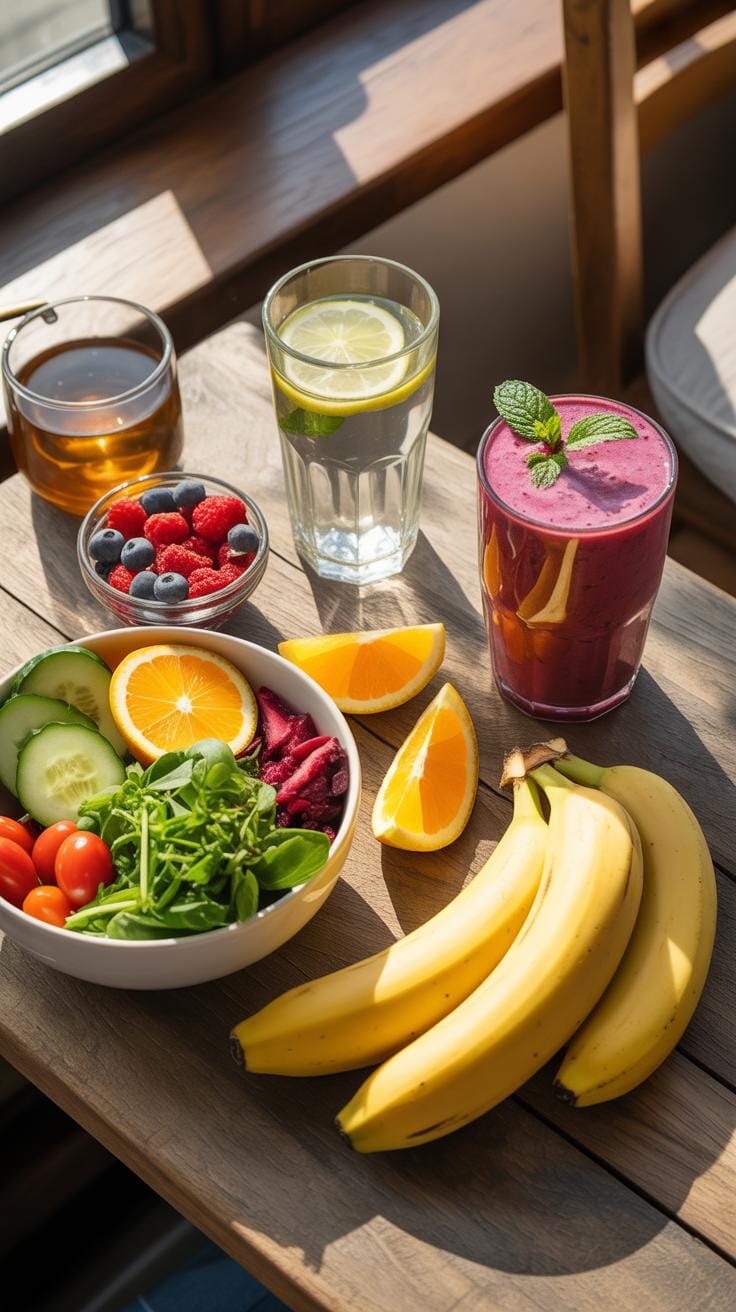
Eating well means balance and variety. Most health experts agree on this: include plenty of fruits and vegetables, a source of protein like lean meat, beans, or nuts, and whole grains such as brown rice or whole wheat bread. Aim to keep meals colorful—this isn’t just pretty, it often means a nutrient boost. Try to limit processed foods and sugary snacks since they add calories but little nourishment.

Water is crucial. The general guideline suggests around 2 liters daily for women and 2.5 liters for men, though this varies a bit with your activity and environment. It’s not necessary to gulp a fixed amount at once; sipping consistently throughout the day works well. While other drinks count somewhat, pure water is best for hydration without extra calories.
Daily Movement And Rest Tips

Physical activity is more than exercise in a gym—it can be anything that gets you moving. Walk your dog, take stairs, stretch, or do gardening. Aim for about 30 minutes of moderate activity daily, but even shorter bouts help. The key is consistency rather than intensity.
Rest is equally vital. Most adults need between 7 and 8 hours of sleep per night. Sleep hygiene matters: try to stick to regular sleep and wake times, keep your bedroom dark and quiet, and avoid screens an hour before bed. Sometimes we overlook how mental rest ties to physical sleep; calming your mind before bedtime can improve the quality of your rest.
How Animals Stay Healthy Naturally


Animals have an instinctive way of taking care of themselves that’s tied closely to their natural environment. They seem to know what to eat, when to move, and when to rest without overthinking it. For instance, many wild herbivores graze on a variety of plants rather than sticking to one, a habit that helps provide a balanced intake of nutrients.
Movement is another key. Predators like big cats frequently engage in short bursts of intense activity, mixing it with periods of rest. This not only conserves energy but also keeps muscles strong and agile. Meanwhile, creatures such as squirrels or birds constantly stay active, exploring their surroundings which keeps their body and mind sharp.
Rest is crucial too. Animals often sleep in safe, quiet places and follow natural rhythms, which probably helps them heal and maintain energy. Notice how when an animal is unwell, it tends to retreat and rest more—something humans could probably learn from.
Examples Of Healthy Animal Habits
A few specific habits stand out:
- Eating varied diets: Deer browse on leaves, nuts, and berries, making sure to get a range of nutrients.
- Regular movement: Wolves travel long distances daily, which keeps their cardiovascular system strong.
- Grooming: Cats lick themselves to keep their fur clean and remove parasites.
- Consistent rest: Bears hibernate, cutting back on activity seasonally but conserving energy and healing.
Each of these behaviors supports the animals’ health in a natural, low-stress way. They don’t force activity or obsess over diets—it’s just what happens instinctively.
Lessons From Wildlife For You

Humans can take some cues from these natural routines. For example, eating a diverse range of foods might feel less tedious than strict dieting and can improve overall nutrition. Also, mixing periods of movement with rest rather than pushing nonstop could help avoid burnout.
Grooming is another interesting habit: it’s not just about hygiene but also self-care. Taking time for yourself to relax, whether through a skincare routine or simply calming moments, can have real benefits.
What if you thought about rest not as laziness but as a vital habit, like the animals do? Instead of feeling guilty for slowing down, you might find your energy actually improves. Sometimes, looking at animals’ simple but effective habits makes us rethink what health really means—it’s less complicated than we make it.
How To Build Strong Healthy Routines

Building strong healthy routines boils down to repetition in consistent settings. Habits become automatic when linked to specific cues—a morning wake-up time might cue your jog, for example. Recognize the importance of tiny steps. Don’t overhaul your entire life overnight. Instead, focus on small, manageable actions you can persistently repeat.

Start by choosing a clear and achievable goal. Break it down into bite-sized tasks. Use reminders or cues like setting alarms or placing workout clothes in sight. Track your progress visibly—marking off days on a calendar creates both accountability and a sense of achievement. But be patient; habits form slowly. Research suggests it takes an average of more than two months for a behavior to become automatic. You might slip up occasionally, but keep gently returning to your routine. Consistency outweighs perfection.
To make a habit stick, link it to an existing routine or environment. For instance, if you want to floss, do it right after brushing your teeth. This connection strengthens habit formation by tying new behavior to established cues. Also, celebrate small wins—that sense of reward encourages repetition.
Steps To Start New Habits
Starting new habits involves a few clear-cut steps:
- Set clear goals: Define what you want in specific terms. Saying “eat more vegetables” is better as “eat one serving of vegetables with lunch.”
- Identify cues: Pick a time or situation to trigger the habit. It could be right after dinner or before you check your phone.
- Start small: Begin with an action so easy it feels almost silly, like a single push-up. It lowers resistance.
- Track progress: Use a journal, app, or calendar to note each successful attempt. Seeing progress nudges you to continue.
- Consistency over intensity: Do the habit daily rather than irregularly but in large bursts.
Think about why you want this habit. Anchoring it in personal reasons helps sustain effort beyond the initial excitement.
Keep Going When Motivation Drops
Low motivation is inevitable. Everyone faces days when you question the point. Yet, pushing through these moments distinguishes those who last. During such times, try to simplify the habit—reduce intensity or duration. Just showing up matters.
Switch your approach to refresh interest. If your run got boring, try different routes or listen to new music. Remind yourself of why you began—reflect on how the habit benefits your health or mood. Sometimes, sharing your goals with a friend or joining a group adds external encouragement.
If motivation falters, remember that habits don’t require constant enthusiasm. Once formed, they rely more on automaticity than willpower. Keep habits tied to established cues, and even when enthusiasm wanes, the routine can continue quietly, almost without thought.
Common Health Mistakes To Avoid

Skipping Basics Like Hydration Or Sleep
Sometimes, we overlook the simplest things like drinking enough water or getting a good night’s sleep. It sounds basic, but missing out on these essentials can throw your health off balance. Skipping hydration can cause fatigue, confusion, and reduce your body’s ability to perform daily functions efficiently. I remember days when I ignored my thirst during busy work, only to feel drained later — definitely not a good trade-off.
Lack of sleep does even more harm. It weakens your immune system, affects mood, and slows down recovery from exercise. It’s easy to ignore sleep when life gets hectic, but without it, progress stalls. Fixing these habits may be easier than you think:
- Keep a water bottle handy to sip throughout the day.
- Set a regular sleep schedule even on weekends.
- Avoid screens an hour before bed to help your mind wind down.
Overdoing Exercise Or Dieting
Pushing your body too hard with excessive exercise or extremely strict diets can backfire. Over-training leads to injuries, burnout, and even hormonal imbalances. Diets that cut out entire food groups might cause nutrient deficiencies, mood swings, and cravings that derail your efforts.
Balancing is key, and it’s not one-size-fits-all. Here are some approaches to consider:
- Incorporate rest days and listen to your body’s signals.
- Focus on a varied diet with whole foods rather than extreme restrictions.
- Set realistic goals that allow for gradual progress.
Have you found yourself stuck because you did too much too fast? It’s tempting to try quick fixes but slowing down can actually speed up progress. Sometimes, less really is more.
How To Measure Your Healthy Progress

Tracking your progress when aiming for better health can seem tricky, but it’s actually more straightforward than you might think. Instead of obsessive calorie counts or rigid scales, look for physical signs that naturally reflect how your body is responding. Perhaps you notice your energy lasts longer through the day, or your mood feels more stable—these are telling clues.
Weight changes also offer straightforward feedback, but remember it’s not always a direct line to health. Sometimes muscle gain masks fat loss, or water retention shifts your numbers unexpectedly.
Physical Signs Of Health Changes
Watch for:
- Energy levels: feeling less sluggish or fatigued during daily tasks
- Weight and body changes: small shifts can indicate improvement or setbacks, but don’t obsess
- Mood shifts: more positive emotions or reduced irritability often accompany better health
- Sleep quality: easier falling asleep or waking up refreshed
- Physical strength or endurance: completing activities with less effort signals progress
These signs matter because they reveal how well your routines are working beyond numbers.
Using Daily Logs To Track Habits
Keeping a simple daily log helps you connect habits to results. Jot down what you ate, your movement activities, and sleep duration or quality. It needn’t be lengthy—just quick notes to spot patterns.
After a week or two, review your logs. Are you eating consistently? Moving enough? Sleeping poorly? This feedback loop nudges you to adjust routines more wisely than guesswork alone.
Try questions like: Did I feel more energized on days with extra movement? Did late meals affect my sleep? These inquiries improve awareness and guide healthier choices.
Eventually, tracking becomes part of your routine, helping you stay honest with yourself and make changes that are truly effective. It’s a simple way to see how close you are to the healthier you want to be, without overcomplicated tools.
Practical Examples Of Healthy Lifestyle

Imagine Sarah, a regular office worker who recently started taking small, manageable steps to improve her health. She begins with a morning walk, just 15 minutes, which wakes her up without feeling overwhelming. Then she incorporates two servings of vegetables into her lunch, something she’d overlooked before, and comes home to prepare a simple, balanced dinner instead of ordering takeout. Little changes, really, but over weeks, her energy rises and she feels more optimistic. It’s not magic—it’s consistency.
Think about the way a squirrel lives—active throughout the day, moving between periods of rest and activity, eating a variety of natural foods like nuts and berries. The squirrel’s routine isn’t complicated; it’s simply balanced by nature’s rhythms. You might not scurry up trees, but matching that balance with varied movement and nutrient-rich foods is doable, isn’t it?
Daily Routine Example For Beginners
For someone just starting, a simple routine can make all the difference:
- Wake up and drink a glass of water to hydrate after sleep—your body needs that kickstart.
- Spend 10 to 15 minutes stretching or doing light exercise to loosen muscles and increase circulation.
- Eat a breakfast with protein and fiber to sustain energy and keep hunger at bay.
- Include short activity breaks during the day—stand up, walk a bit, maybe some light stretching.
- Choose whole foods over processed snacks for afternoon energy.
- Wind down with a brief relaxation or mindfulness practice to reduce stress.
Each step supports your body’s needs in a way that’s practical, not overwhelming.
Animal Lifestyle Compared To Yours
Consider a horse’s day: it grazes nearly constantly, moving steadily, and resting occasionally. Its eating is slow and consistent. Humans, in contrast, often eat large meals at set times and spend long times sitting. The lesson? Perhaps slowing down and consuming smaller, more frequent meals could align us better with natural rhythms.
Like the horse, animals move with intention and necessity rather than habit or boredom. Could adding purposeful movement break the cycle of sedentary habits we develop? Maybe the answer lies in type and timing of activity, not just quantity.
Conclusions
Healthy lifestyle changes need motivation and clear habits. Observing how some animals stay active and healthy helps us see what works well in nature. You can use these examples to guide your own habits.
Focus on small actions like good food, moving your body, and resting well. Keep your motivation alive by setting goals and reminding yourself why health matters. This practical mindset will help you live a good life with energy and strength.