
Introduction
Life savers play crucial roles in health, fitness, and animal care, often making the difference between harm and well-being. Whether it is a device, a practice, or a professional, life savers ensure safety, recovery, and improved quality of life. This article examines how life savers impact these essential areas.
We explore life-saving health tools, fitness strategies for strong living, and animal care methods that protect and nurture. Each section aims to offer practical knowledge you can apply or recognize in your daily life. Understanding these life savers helps you stay prepared and proactive about safety for yourself and others.
Understanding Health Life Savers

Life savers in health are a mix of medical devices and practices designed to prevent danger and aid recovery when things go wrong. These range from simple tools to complex equipment, all aimed at keeping you safe or helping you bounce back faster. Think of these life savers as a kind of safety net woven from technology and knowledge.
Many medical devices directly prevent fatal outcomes by responding to emergencies quickly. Others work silently over time, keeping risks at bay before they can develop into serious problems. It’s something you might not realize until you’re in a pinch, but having the right device or habit could make all the difference.
What’s interesting is how these practices often overlap. For instance, early intervention devices like defibrillators are lifesavers in sudden cardiac events, but consistent healthy habits make those events less likely. It’s a tug of war between prevention and emergency response, each equally important.
Common Medical Devices That Save Lives
Some of the most recognizable life-saving devices are designed for immediate crises:
- Personal flotation devices (PFDs) such as life jackets – they keep you afloat and prevent drowning.
- Lifebuoys – simple yet effective, often a first rescue tool in water emergencies.
- Automated External Defibrillators (AEDs) – these devices analyze heart rhythms and deliver shocks to restore a normal heartbeat during cardiac arrest.
- Oxygen tanks and masks – essential for providing critical respiratory support.
- First aid kits – containing bandages, antiseptics, and tools to stop bleeding and treat wounds until professional help arrives.
What surprises many is the variety of devices in use, from high-tech hospital tools to simple gear in everyday settings. They all share the same goal – preventing death or serious injury.
Preventive Health Practices To Follow
While medical devices help in emergencies, daily habits form the foundation of life-saving health care. Here are some practical preventive measures everyone should consider:
- Regular exercise – keeps your heart strong, boosts immunity, and improves overall function.
- Avoiding smoking – reduces risks of lung disease, heart problems, and cancer.
- Maintaining a balanced diet – fuels your body with essential nutrients for repair and defense.
- Getting adequate sleep – supports cognitive function and physical health.
- Routine health screenings – catching issues before they turn critical.
- Stress management – lowering long-term risks of chronic illnesses.
These may sound familiar, but the catch is consistency — occasional lapses can still have consequences. The real challenge is to keep these practices going day in and day out, even when it’s not convenient. After all, health isn’t a one-time fix; it’s ongoing care.
In some ways, the blend of devices and habits creates a safety net both immediate and long term. Which one matters more depends a lot on your current situation. Have you ever thought about which life saver you rely on the most?
Effective Fitness Life Savers

Fitness routines do more than just shape your body — they actively save lives. When you move, your heart, lungs, and muscles get stronger. This reduces risks of heart disease, diabetes, and even certain cancers. Take aerobic exercises like brisk walking or swimming; they improve circulation and boost lung capacity. Strength training also plays a crucial role, helping maintain muscle mass and bone density, which can prevent injuries and frailty as you age.
But it’s not just about intense workouts. Even moderate, consistent activity activates your metabolism and improves immune function. It may sound simple, yet the protective benefits stack up over time. This cumulative effect — performed regularly — genuinely shifts your health odds in your favor. Have you noticed how sometimes just a short jog or some stretching leaves you feeling like you’ve reset your whole body?
Daily Exercises That Protect Your Health
Incorporating daily exercises doesn’t have to be complicated or time-consuming. Consider these approachable activities:
- Walking briskly for 20 minutes — easy, and opens up your circulation.
- Bodyweight exercises like squats and push-ups — building strength with no equipment.
- Stretching or yoga poses — improving flexibility and relaxation.
You might wonder if such “simple” exercises really make a difference. They do. Even these small movements maintain muscle tone, protect joints, and help regulate blood sugar. Many fitness experts advocate starting small and building habit strength before anything too ambitious. Sometimes, I feel that daily movement is more about consistency than intensity.
Wellness Routines To Build Resilience

Fitness alone isn’t the entire puzzle. Your body needs balanced nutrition to fuel repairs and activity. Getting enough sleep lets muscles recover and hormones balance out. Managing stress keeps cortisol levels down, which in turn reduces inflammation — a common driver of chronic disease.
Combining these components creates resilience. It’s almost like preparing a foundation that supports your physical efforts. Skipping one element may weaken the whole process, but when they work together, your ability to bounce back improves remarkably.
Have you tried adjusting one part of your routine and noticed how the others seem to shift in response? Perhaps being mindful of these routines is what makes fitness truly transformative — even if it happens slowly, quietly over time.
Animal Care Life Saving Methods
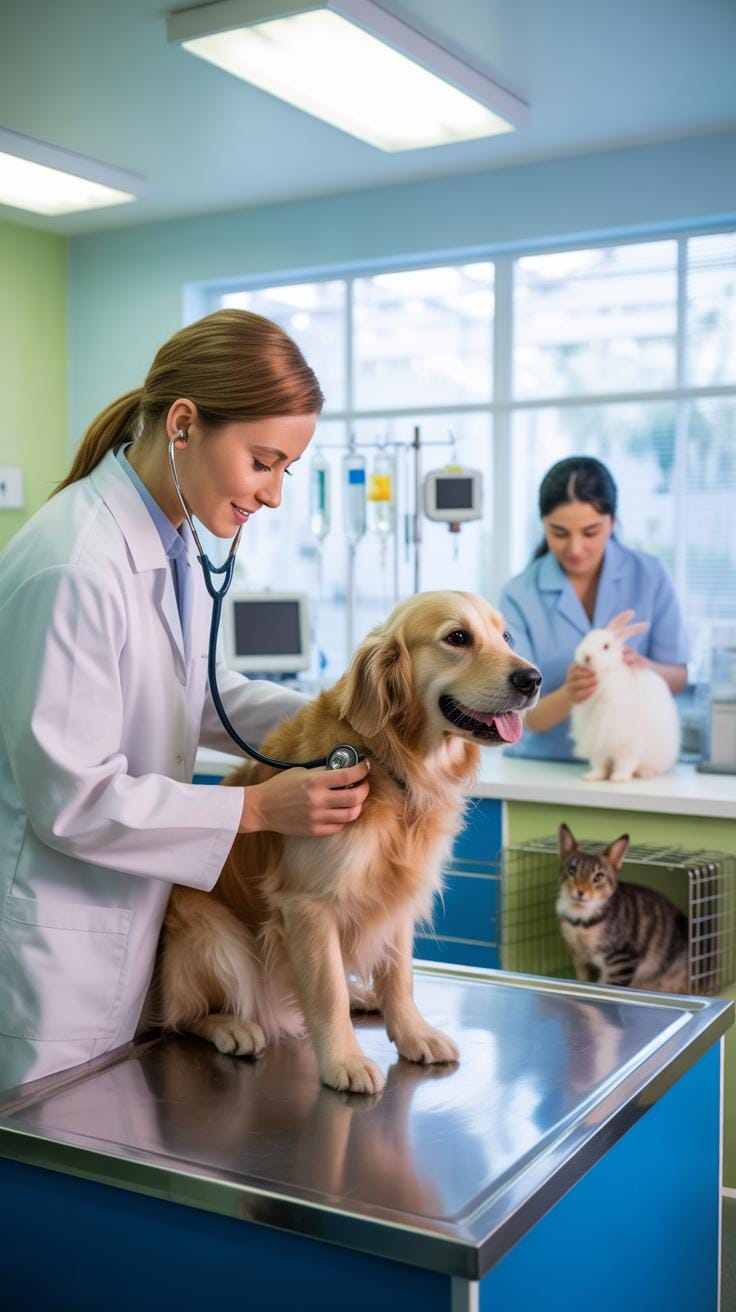
When it comes to saving lives and improving animal welfare at home or on the farm, certain techniques and tools stand out as essential. You might not realize just how critical something like proper restraint or cooling an overheated animal can be until you face a real emergency. For example, knowing how to safely immobilize a struggling pet can prevent injury to both the animal and yourself. On farms, having low-stress handling methods can reduce panic and prevent accidents.
Certain tools like muzzles, slings, and stretchers can aid in moving injured animals without causing further harm. Even basic knowledge of recognizing signs of distress or illness goes a long way in early intervention — catching problems before they worsen. In some cases, administering fluids or warming a cold newborn can be life-saving. I guess it’s a bit like having a toolkit ready not just for fixing things, but for preserving life.
Have you ever thought about the importance of clean water and hygienic living conditions? These are subtle, but crucial for preventing infections and outbreaks. Giving animals a calm, safe space during illness also plays a surprisingly big role. It’s not just about emergency care but about creating an environment that helps animals recover. These life-saving methods don’t always require advanced technology — sometimes it’s about observation, quick response, and gentle handling.
First Aid For Pets And Livestock
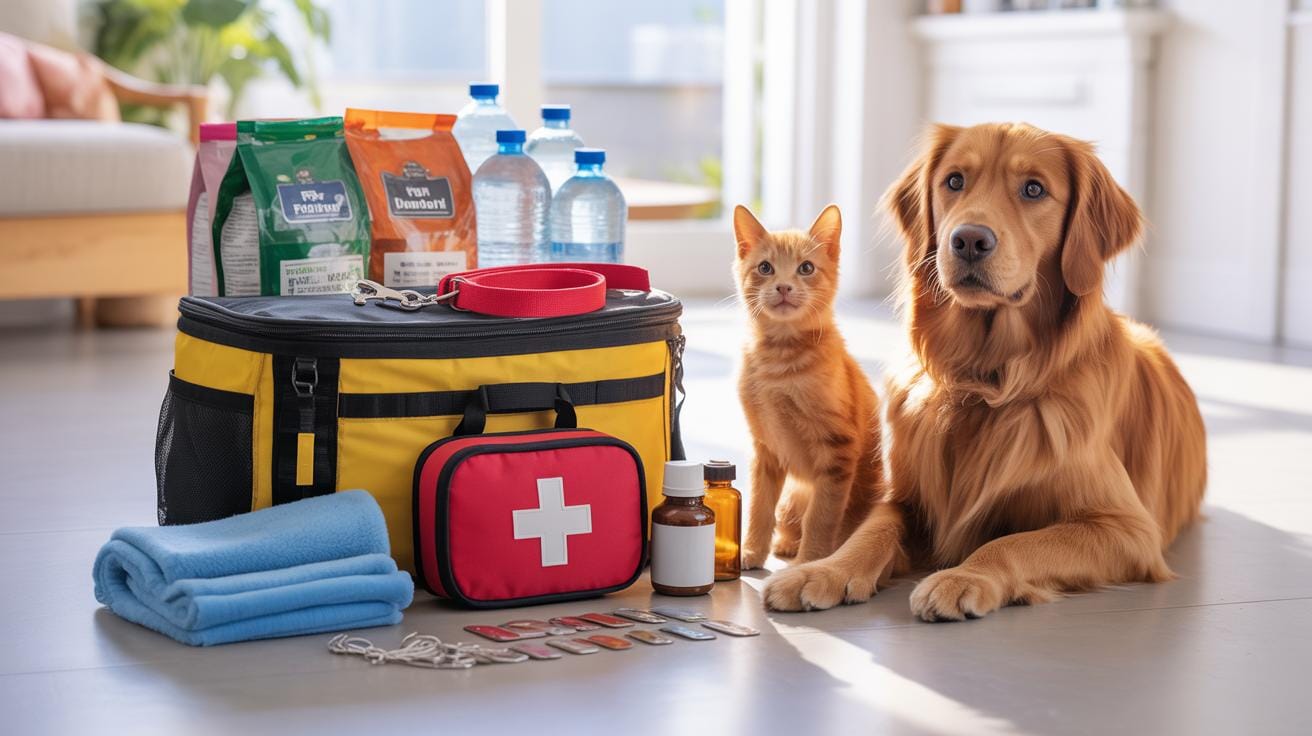
Basic first aid for animals is something every pet or livestock owner could benefit from knowing. You don’t need to be a vet, but being prepared for common emergencies might change outcomes dramatically. Having a first aid kit tailored for animals — with bandages, antiseptics, tweezers, and even an emergency blanket — is a good first step. Sometimes it’s just about stopping bleeding or preventing shock while you seek professional help.
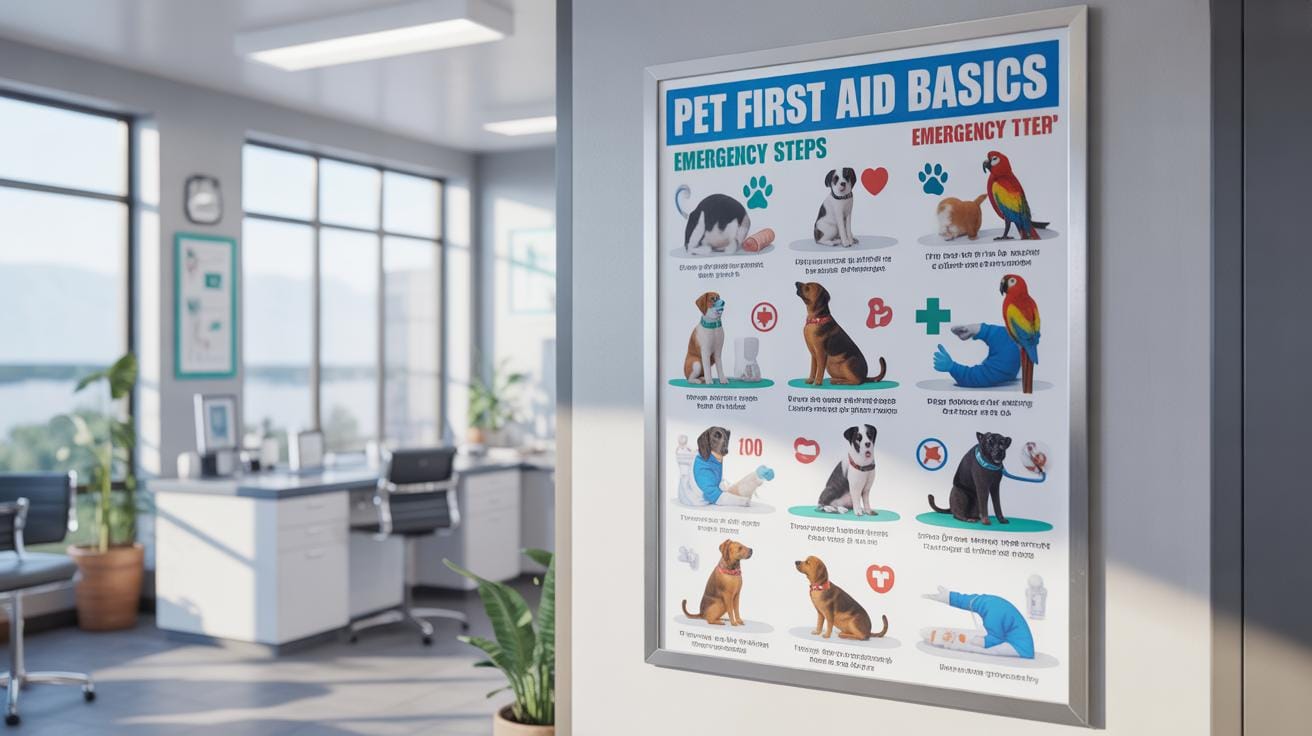
Knowing how to perform CPR on a dog or recognizing symptoms of heatstroke in cattle can make a real difference. I think many of us underestimate how quickly conditions can deteriorate. Even simple actions, like clearing airways or applying cold compresses, can help. It’s worth practicing these skills periodically because in a stressful situation, they’re harder to remember than you’d expect.
Then there are natural remedies and home treatments some swear by, but those should be approached cautiously. It’s best to combine basic first aid knowledge with advice from a vet and have contact details ready. Emergencies rarely follow a script, so keeping calm and acting promptly are often what stand between life and worse outcomes.
Best Practices For Ongoing Animal Welfare
Daily care routines might seem mundane but hold the key to long-term health and safety for animals. Providing balanced nutrition tailored to species and age can prevent many chronic problems. I’ve seen how changing a farm’s feeding schedule reduced digestive issues noticeably. Regular exercise and mental stimulation also count—what might seem like spoiling a pet is actually promoting wellbeing.
Clean and comfortable housing, with proper ventilation and space, reduces stress and risk of disease. Observing animals daily for changes in behavior or appetite can alert you to issues early on. Routine vaccinations and parasite control are, well, routine but essential. They’re the invisible shield many animals rely on without us noticing.
It’s tempting to think about animal care only in emergencies, but the steady, attentive care we provide every day is where life-saving truly begins. Don’t underestimate the power of consistency and kindness. They create conditions where animals are stronger and better able to withstand health challenges. What ongoing habits could you improve to support your animals’ welfare?
How To Use Life Saving Devices

Using life saving devices correctly can feel a bit daunting at first, but getting it right is crucial in health, fitness, and animal care situations. Let’s start with personal flotation devices (PFDs), often called life jackets or life preservers. When putting on a PFD:
- Pick the right size for your body weight and intended use.
- Place it over your shoulders like a vest, making sure it’s snug but not too tight.
- Fasten all buckles or straps securely to prevent slipping.
- Adjust straps so the device keeps your head above water, even if you slip unconscious.
Wearing lifebuoys is simpler but requires knowing how to throw them effectively toward someone struggling in water. Aim for a spot just beyond their reach and pull them in slowly once caught.
Switching gears to animals, having a well-stocked first aid kit can be a real lifesaver. You’ll want basics like:
- Antiseptic wipes and ointments.
- Bandages of various sizes.
- Tweezers and scissors for removing splinters or trimming fur.
- Disposable gloves to keep things sanitary.
- A pet-specific cold pack for injuries.

Knowing when and how to use these items matters. For example, cleaning wounds gently before bandaging helps prevent infection. Having these supplies on hand means you can handle minor injuries swiftly, perhaps saving a trip to the vet in some cases. Setting up your kit thoughtfully and understanding each item’s use makes emergencies less stressful. Why not check your kits regularly and refresh as needed? It might just make a difference when urgency hits.
Comparing Life Savers In Health And Fitness

When we talk about life savers in health and fitness, the conversation inevitably narrows down to two main approaches: medical devices and fitness routines. Each plays a distinct role in safeguarding and improving health, but their impacts manifest quite differently.
Medical devices, for instance, are designed to intervene in crises or manage chronic conditions. Think pacemakers regulating heart rhythms or insulin pumps controlling blood sugar. They provide immediate and essential support, often critical for survival.
Fitness routines, on the other hand, are more about prevention and enhancing overall well-being. Regular exercise reduces the risk of numerous health issues like heart disease, diabetes, and obesity. It’s a lifestyle approach rather than emergency intervention, where consistency matters more than intensity.

With so many in need, it’s hard to declare one approach superior in saving lives daily. Devices save lives in acute moments, but fitness routines build resilience over time, potentially preventing those crises. Which of these do you think saves more lives each day? It’s not an easy question, and perhaps the answer depends on perspective—whether you value immediate rescue or long-term prevention more.
Still, wouldn’t it be fascinating to consider how these two strategies might complement each other? Maybe life savers aren’t about competition but about an integrated approach to health.
Checklist For Emergency Preparedness
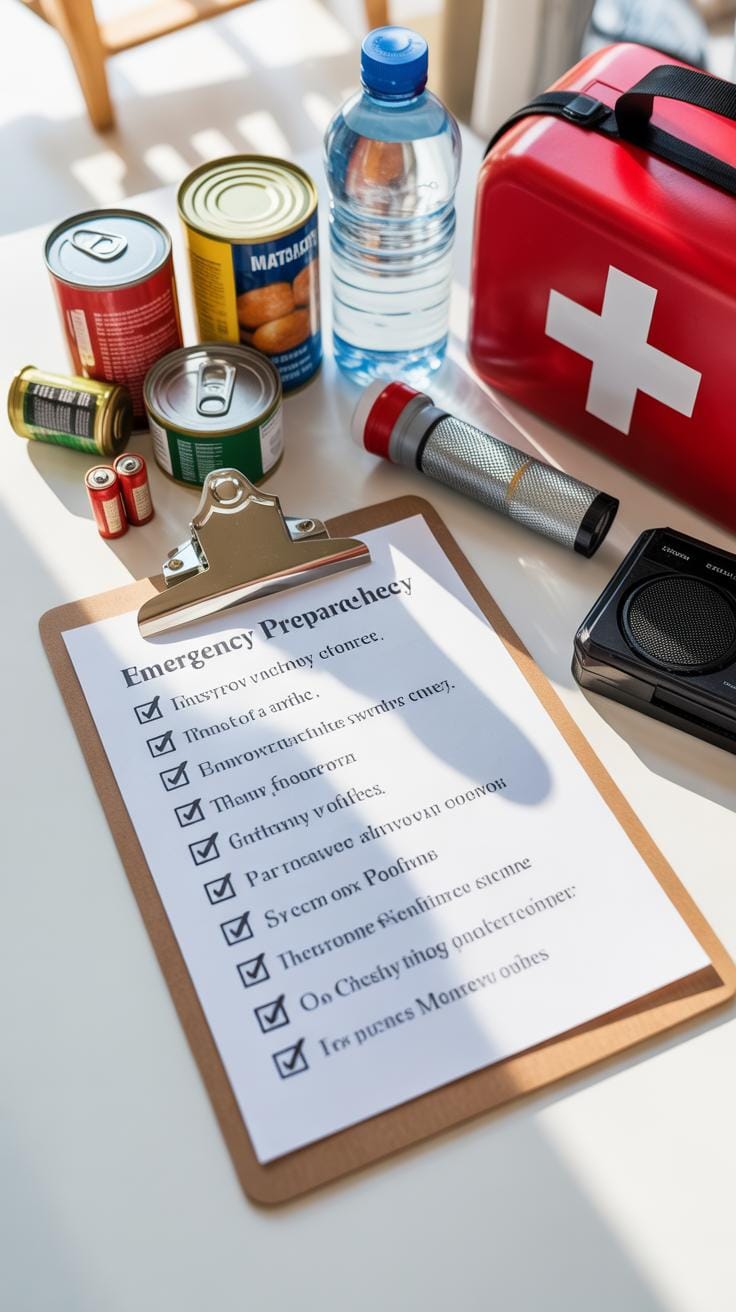
Being ready to act during health, fitness, or animal care emergencies means having more than just good intentions. It’s about the right tools and information—at your fingertips. Let’s talk specifics. For health and fitness emergencies, key items include an automated external defibrillator (AED). These devices analyze heart rhythms and deliver shocks if needed—you don’t have to be an expert to use one, which is why they’re crucial in many settings. Alongside AEDs, fitness recovery tools such as ice packs, muscle rubs, and compression wraps come in handy to address injuries promptly.
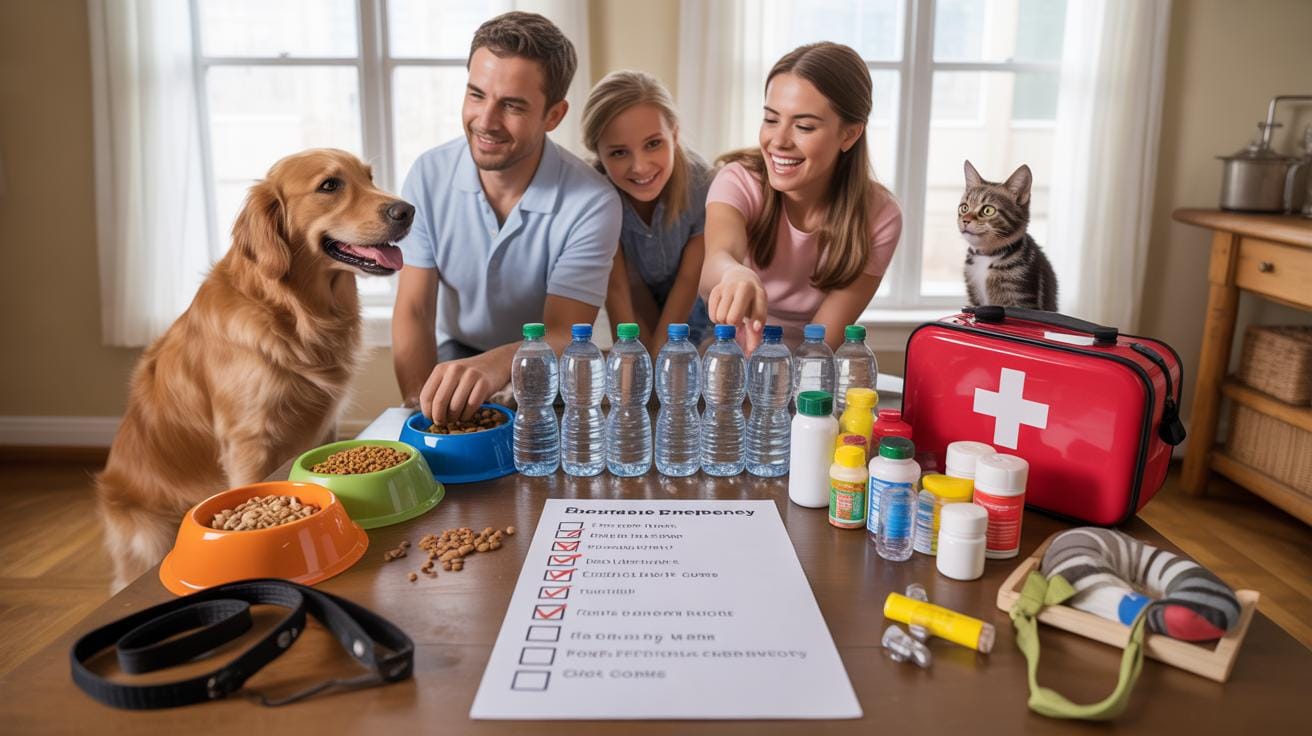
Animal care has its own set of demands. A well-stocked emergency kit for pets might include bandages, antiseptics, and restraint leashes, plus crucial contact numbers for veterinarians or poison control. Those numbers? Keep them visible and saved on your phone, because in a crisis, time ticks fast.

It’s easy to assume emergencies won’t happen, but preparing this checklist can really make a difference. Are there gaps in your current setup? Maybe it’s time to review what you have and ask yourself: could I act more decisively if seconds mattered?
Examples Of Life Saving Success Stories

Life savers in health, fitness, and animal care have shown remarkable impact through real-life stories. Take medical devices like defibrillators—they’ve revived countless people from sudden cardiac arrest when every second matters. One verified case involved a man whose heart stopped during a public marathon. Quick use of a nearby automated external defibrillator (AED) brought him back, preventing what could have been a tragic outcome.
In the realm of fitness, there are people who, after adopting tailored exercise routines, managed to push back chronic illnesses or avoid severe complications. For instance, a middle-aged woman with prediabetes incorporated moderate aerobic workouts into her daily life. Over months, her blood sugar levels normalized, reducing the risk of progressing to diabetes—a small change with life-altering consequences.
Animal care also showcases life-saving examples: wildlife rescuers using mobile apps to respond swiftly to injured or endangered animals have made a tangible difference. A volunteer network activated by these tools recently saved a trapped deer in a forest, exemplifying how technology paired with human effort can preserve life across species.
These stories aren’t just inspiring—they make you wonder how many lives around you might be quietly saved every day by ordinary people using extraordinary tools or programs.
Cost Considerations For Life Savers

Affordable Health Life Saving Tools
When you consider life savers in health, the costs can be surprisingly varied. Basic medical devices like blood pressure monitors or first aid kits may be budget-friendly, especially if you opt for generic or simpler models. Yet, more sophisticated tools—defibrillators, for example—often carry hefty price tags, not to mention the maintenance they require. Think about buying a quality blood glucose meter; it’s not just the initial purchase but test strips and batteries that add up over time. Perhaps you’re wondering if it’s better to invest upfront or wait until you genuinely need these items—it’s a tricky balance between preparedness and expense that many grapple with.
Investing In Fitness And Animal Care
When it comes to fitness and animal care, you don’t always have to break the bank. Look for community classes or online programs that offer guidance but come with low fees or even free access. Gym memberships might seem costly, yet sometimes pay-as-you-go options are surprisingly affordable for occasional users. For pets, basic life savers like flea treatments or nutritious food don’t need to be premium brands to be effective. Some animal welfare essentials can be sourced from local shelters or charity organizations at discount prices, which might not be obvious at first glance. Are you stretching your resources enough when it comes to keeping fit or caring for your animal companions without overspending? It’s worth reflecting on how to balance quality, necessity, and affordability in this area.
Common Mistakes Using Life Savers

It’s surprising how often people misuse life saving tools in health, fitness, and animal care, sometimes making efforts less effective or even harmful. Take flotation devices, for example. Many assume that just having one nearby is enough, but wearing it improperly or choosing the wrong size can defeat its purpose. I’ve seen cases where people didn’t secure the straps well or used devices meant for calm waters in rough conditions—risky moves.
Emergency kits also present tricky issues. People might pack them with expired medications or ignore the need to tailor contents to specific situations, which can cause delays or mistakes in critical moments. Repeatedly, there’s neglect in keeping these kits updated or even knowing how to use what’s inside properly.
On the fitness and animal safety front, neglect shows up in everyday care practices. Some might overlook warming up before hitting a workout, or misunderstand the signs of animal distress. It’s a mistake to think minor discomforts can be ignored since they often signal bigger problems. Do you check the gear and health cues carefully before you start? Failing to do so can seriously compromise safety efforts, making life saver devices or techniques less effective or useless.
Conclusions
Life savers provided through health tools, fitness routines, and animal care practices make critical impacts on safety and wellness. Knowing what these life savers are and how they function equips you to respond effectively in emergencies and maintain well-being.
Applying the knowledge from this article can help you safeguard health, improve physical strength, and care for animals responsibly. Life savers are accessible aids available to everyone, reinforcing the importance of readiness and support in life.