Introduction
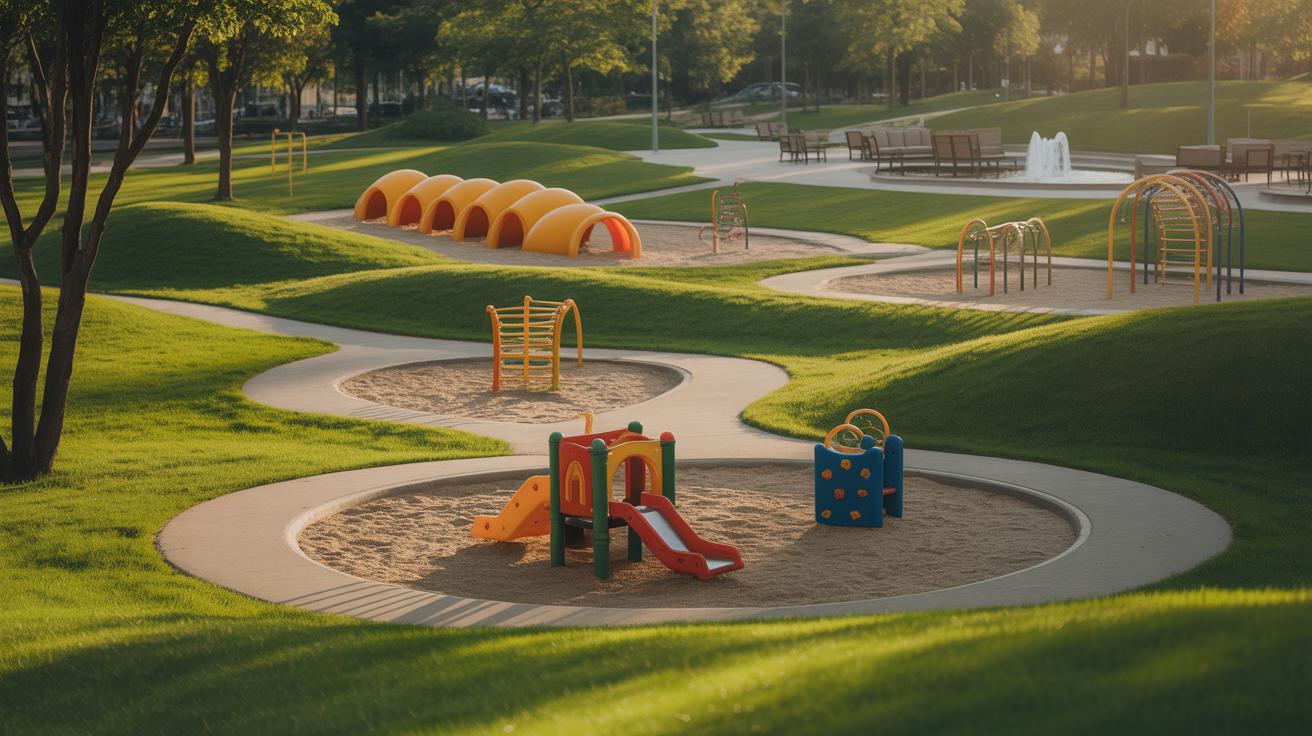
Pet parks are great places for animals of all sizes to play and socialize. Designing a pet park that accommodates mixed size animals requires careful planning and understanding of pet behaviors. The right design can create a fun, safe, and comfortable environment for every pet that visits.
This article explores ideas and tips for designing a pet park that welcomes mixed size animals. We look at layout, equipment, safety measures, and maintenance to help you create a space where pets thrive and their owners feel comfortable.
Planning Your Pet Park Layout
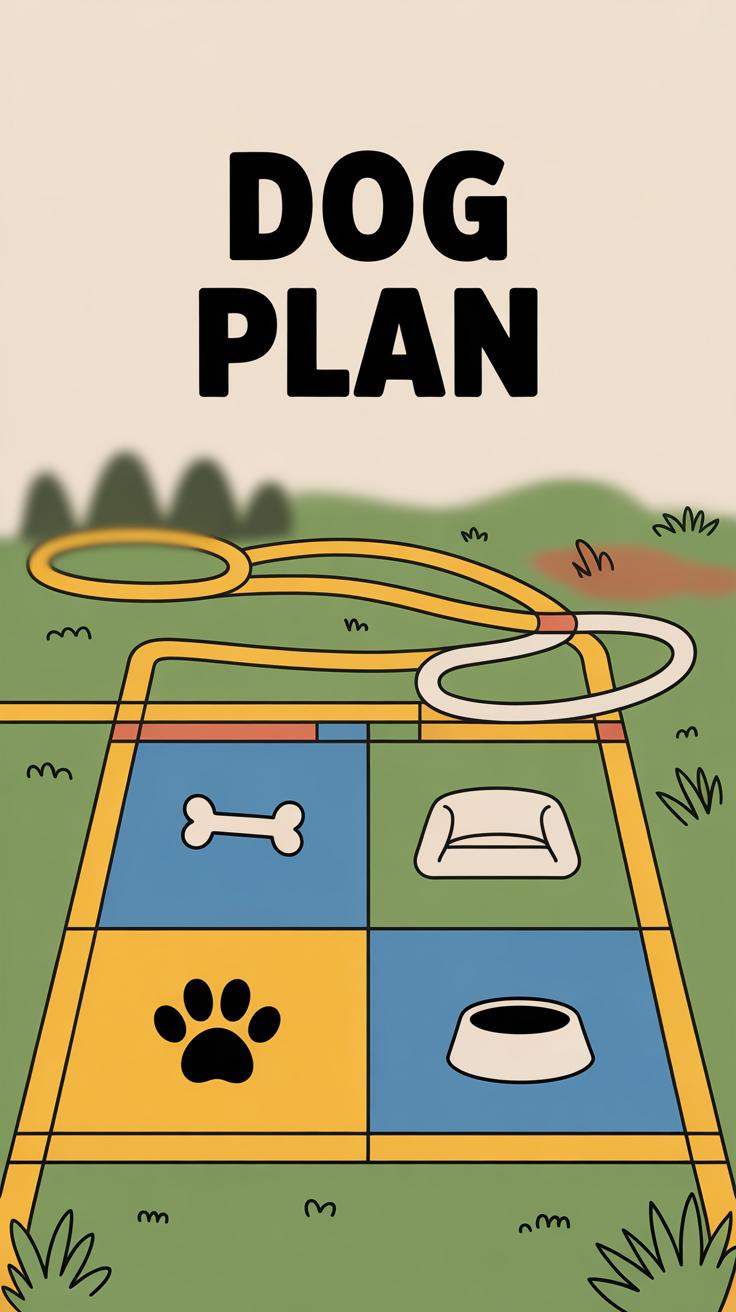
When designing a pet park for mixed size animals, the layout is everything. You want to make sure every pet, whether tiny or large, has space to play without feeling crowded or threatened. Separating spaces based on size is one of the first things to consider. Smaller pets tend to be more nervous or vulnerable around larger ones, so carving out distinct zones helps prevent rough play or accidental injuries.

Think about pathways too — they guide owners and pets safely between areas and reduce chaos. Paths should be wide enough to walk side-by-side but not so wide that they eat up too much play space. Plus, they offer clear routes between entrances and play zones, helping keep the park organized.
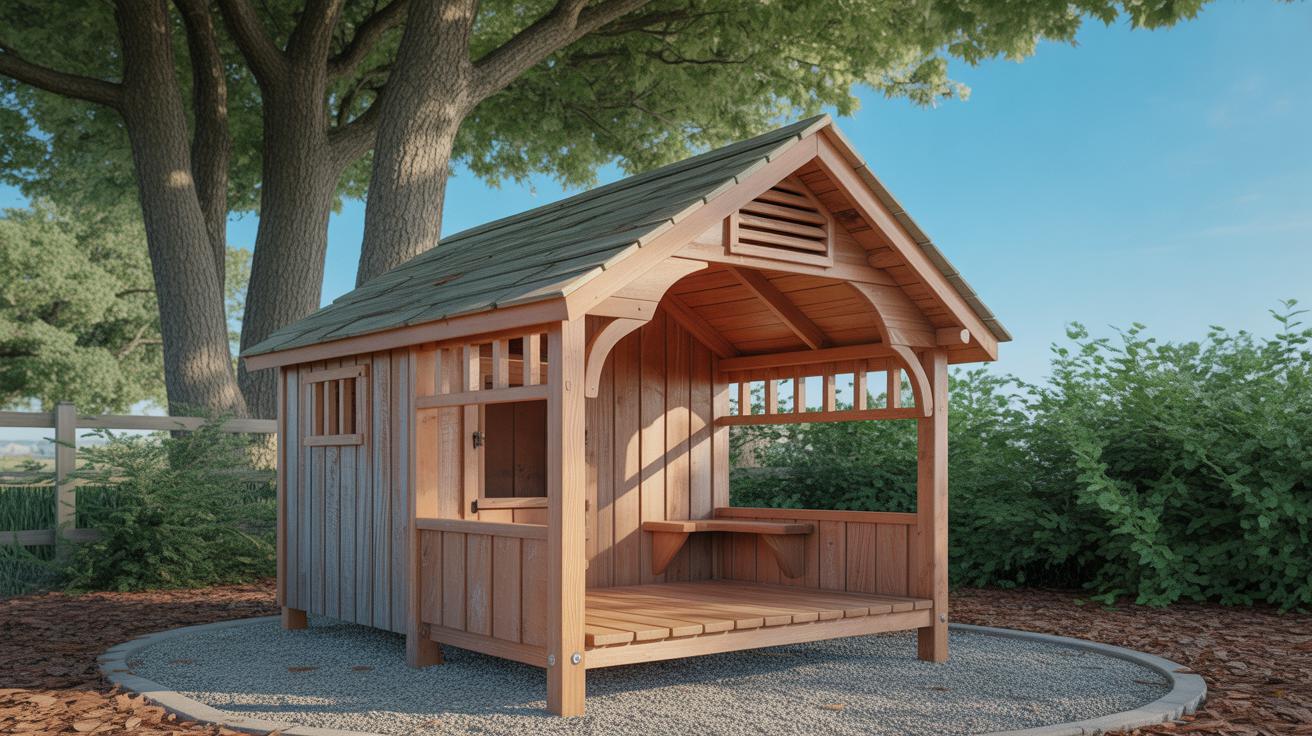
Shaded rest areas make a surprising difference. Pets get tired or overheated quickly, and those quiet spots under trees or small shelters allow them to step back and relax for a bit. Sometimes, a simple bench or a covered pavilion near the play zones can become a lifesaver—not just for the pets but for their owners too.
Entrances also need a bit of thought. Separate entry points or double-gated systems work well to avoid one big jam when dogs rush in or out. These controls stop escapes and keep everything flowing smoothly, even when the park gets busy.
Dividing Spaces for Safety
Dividing the park based on pet size isn’t just a neat idea—it’s practical. Larger dogs can accidentally injure smaller ones during play, even unintentionally. Giving each group its own area reduces tensions, and the chance for accidents drops sharply.
Barriers can be simple yet effective. Chain-link fencing is common, but solid panels or mesh fences can also work well, especially when you want to block visual distractions between zones. Sometimes, a waist-high fence is enough; other times, a higher, sturdier divider feels necessary, depending on the dogs you expect.
I recall visiting a park where the small dog zone had clear plexiglass panels separating it from the larger dogs. No chance of dogs mixing by accident, and the owners could still keep an eye on everything. It’s a neat example of how design can serve both safety and visibility.
Adding Comfortable Rest Spots
Pets need breaks just like people. After running around, an animal might seek shade or a quiet corner, and that’s where rest areas come in handy. Trees provide natural shade, but not all parks can rely on fast-growing species, so shelters or covered benches offer consistent protection from sun or rain.
Quiet spots set a different mood from play zones. The energy there drops, creating a calming retreat for nervous or older pets. Sometimes, placing comfortable surfaces like cooling mats or soft mulch can encourage pets to settle down comfortably. It’s easy to overlook, but rest areas become one of the park’s most popular features. Owners might not say much about it, but their pets surely appreciate the chance to pause.
Choosing the Right Fencing and Gates
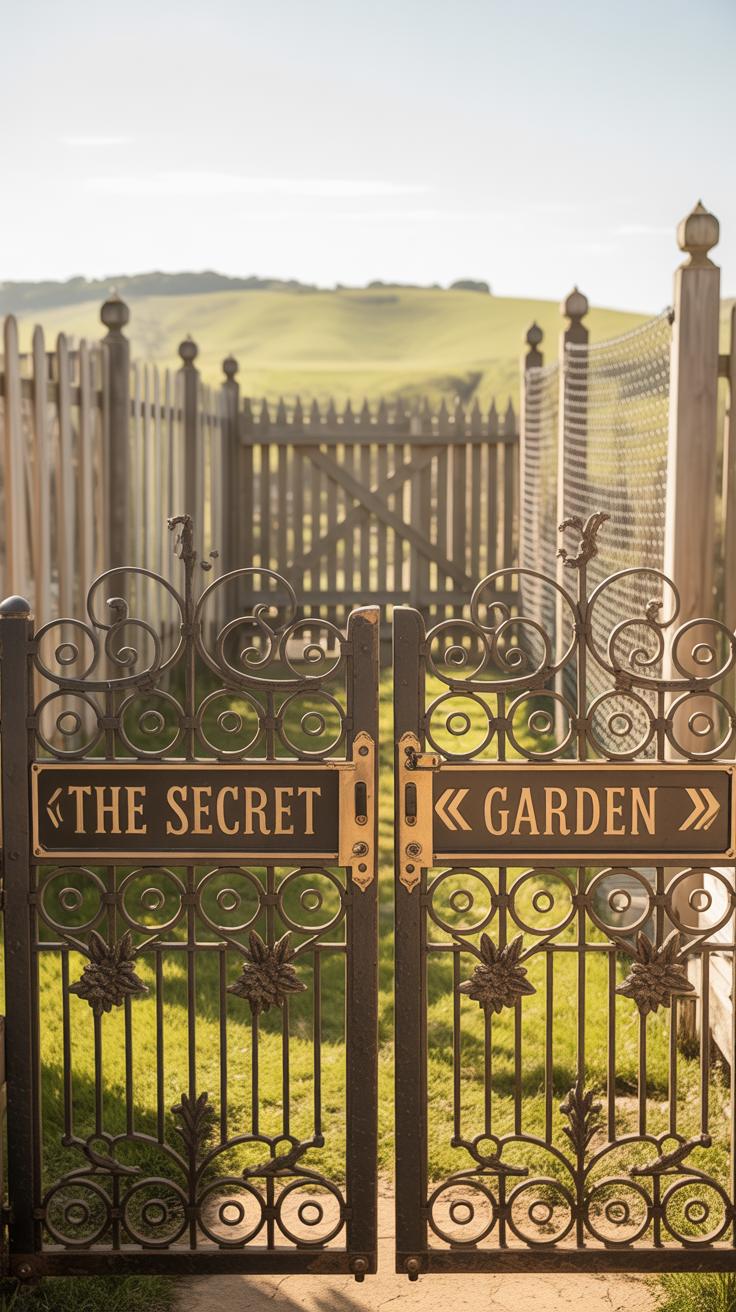
Picking fencing for a mixed-size pet park isn’t as simple as just putting up a barrier. The material has to be strong enough to handle large dogs who might try to jump or lean on it, but also tight enough to keep smaller pets from slipping through. I noticed that chain-link fences with smaller mesh sizes work well in many cases; they offer visibility and durability, yet prevent tiny paws from sneaking out.
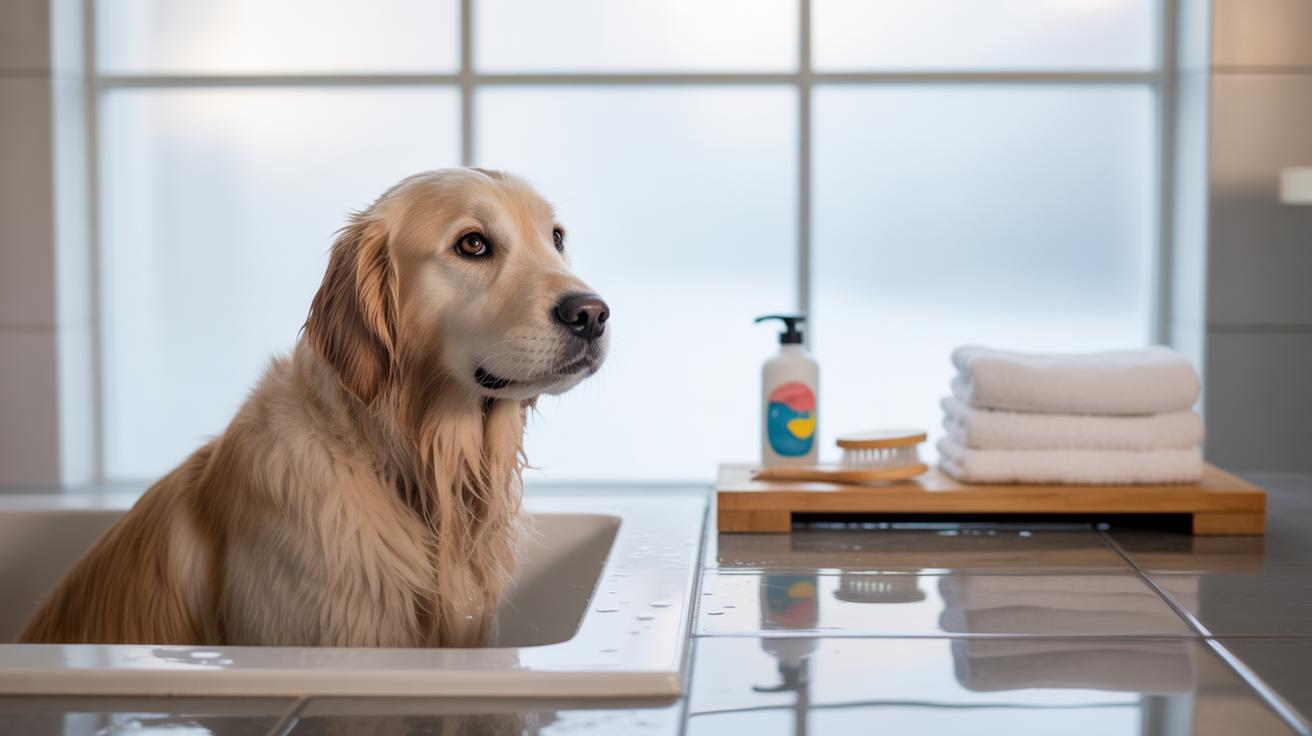
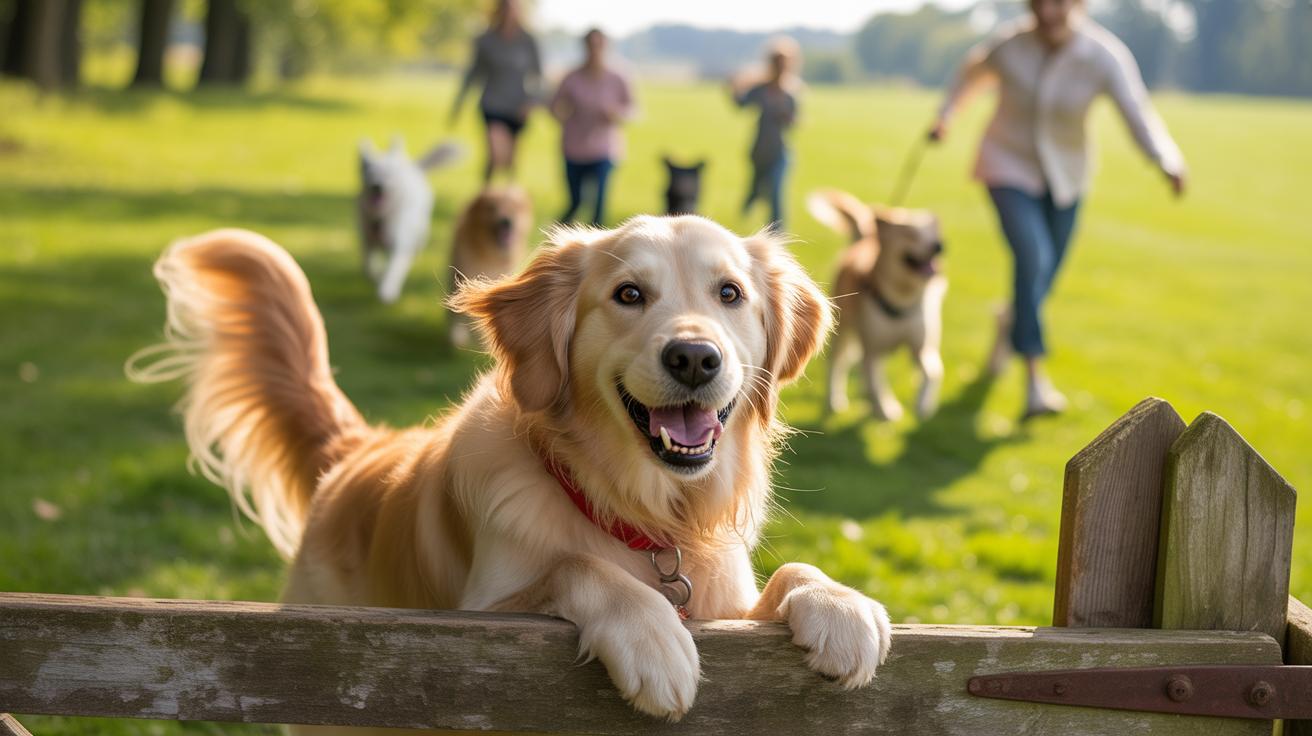
Wood fencing can look nicer and blend into the environment, but you’d need to make sure there are no gaps or weak spots. Height matters too—something around 5 to 6 feet tends to keep most dogs from escaping, but if you have jumpers, maybe go higher. Sometimes owners get caught out by underestimating their agile pets.
Gates are a whole other matter. Double-gated entries, often called airlocks, reduce escape risks. Imagine a small dog dashing out the second you open one gate. With two gates, you can control that space better. And locks? They can’t be simple twists. Pets might figure them out, so secure latches that require some dexterity to open work best, especially ones that you can operate without fumbling.
Consider a gate with a self-closing mechanism as well—I’ve seen people forget to close gates, and that’s when chaos can happen. For pets of all sizes, these details make a real difference. What kind of fencing would you trust if you had a tiny terrier and a big retriever roaming together?
Selecting Play Equipment for Mixed Size Pets
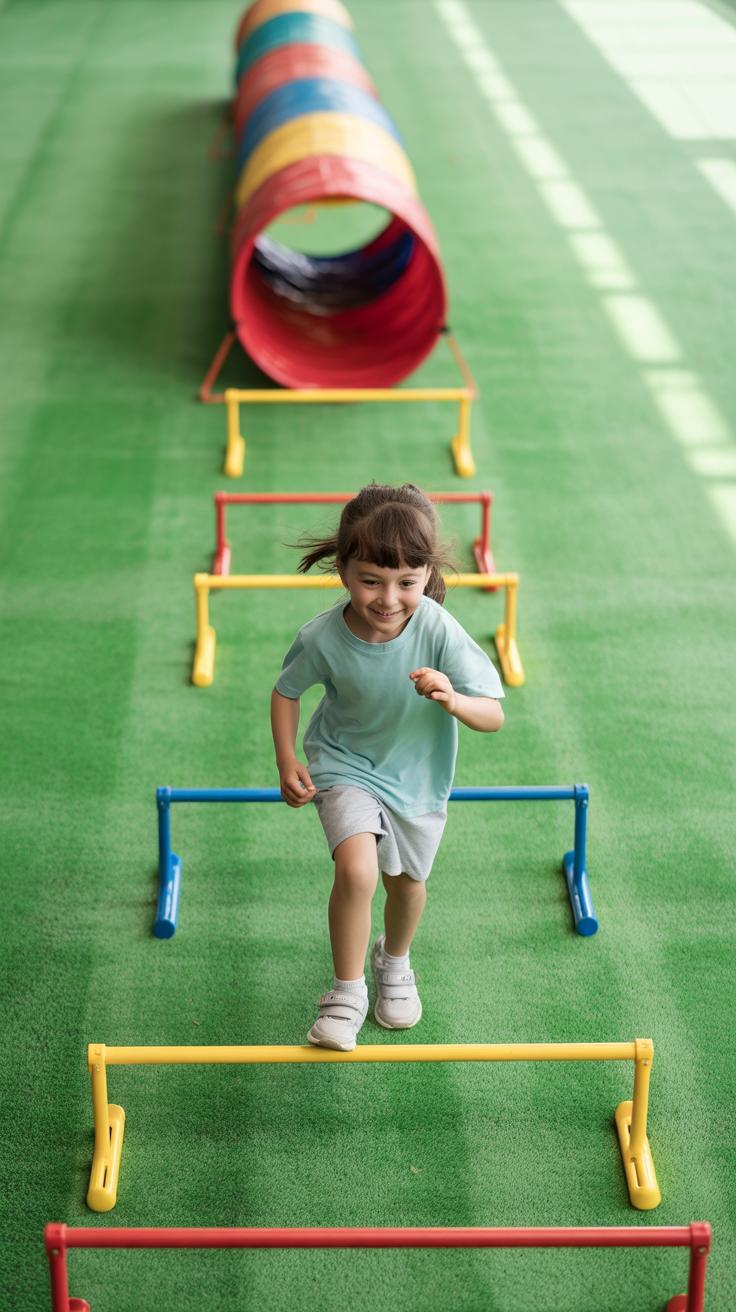
Choosing play equipment for pets that vary widely in size and energy can feel tricky. You want to offer something fun and engaging for all, without creating hazards or frustration. The key is to think about both the physical dimensions and the activity needs of your pets.
For smaller, gentler animals, equipment should be scaled down and easy to navigate. Consider low ramps that won’t overwhelm their little legs or tunnels just the right size to crawl through safely. Soft, non-toxic materials with rounded edges are essential here. I once saw a pet tunnel made of breathable fabric that even shy pets seemed quick to explore.
For bigger, more energetic pets, sturdiness matters a lot. Climbing frames built with strong wood or coated metal can handle rough play and jumping. Agility courses offer a way to expend energy but watch for sharp corners or slippery surfaces. Durable surfaces not only last longer but keep pets from slipping or hurting themselves.
Ultimately, your choices should balance challenge and accessibility. You might wonder if a single piece of equipment suits different sizes and personalities—sometimes it does, sometimes it doesn’t. Mixing various pieces that cater to different pets can keep everyone happy without compromise.
Maintaining Cleanliness and Hygiene
Keeping a pet park clean isn’t just about looks — it’s about health, comfort, and peace of mind for everyone. When you have dogs and other animals of varying sizes mingling, germs and waste can spread quickly. That can lead to infections or upset stomachs, which nobody wants. The cleaner the space, the more relaxed pets and owners feel.
One way you can encourage cleanliness is by placing trash bins and pet waste stations at key points around the park. These stations should have easy-to-use bags and clear instructions. When disposals are easy, people tend to follow through more often. It’s a little effort that makes a big difference. I’ve seen parks where bins were too far apart — you could almost guess where most pet waste would be left behind.
Regular cleaning of surfaces and equipment plays a huge role, too. Think of play structures, benches, fences — they all get touched, sniffed, and sometimes licked by pets. Wiping these down with mild, pet-safe disinfectants on a schedule keeps germs from building up. Even simple rinses after busy days help. The park should feel fresh and inviting, not like some forgotten corner. It never hurts to remind yourself why a clean park matters—because pets deserve safe, healthy fun.
Providing Water Stations for All Pets


Water is essential for every pet, no matter their size or breed. When designing a pet park for mixed-size animals, you can’t overlook hydration. It’s easy to forget how quickly pets can get thirsty, especially during active play. Have you ever noticed how some smaller dogs struggle to reach taller fountains while bigger dogs have to stoop uncomfortably at low bowls? That’s why creating water stations at different heights makes a real difference.
Accessible Drinking Fountains
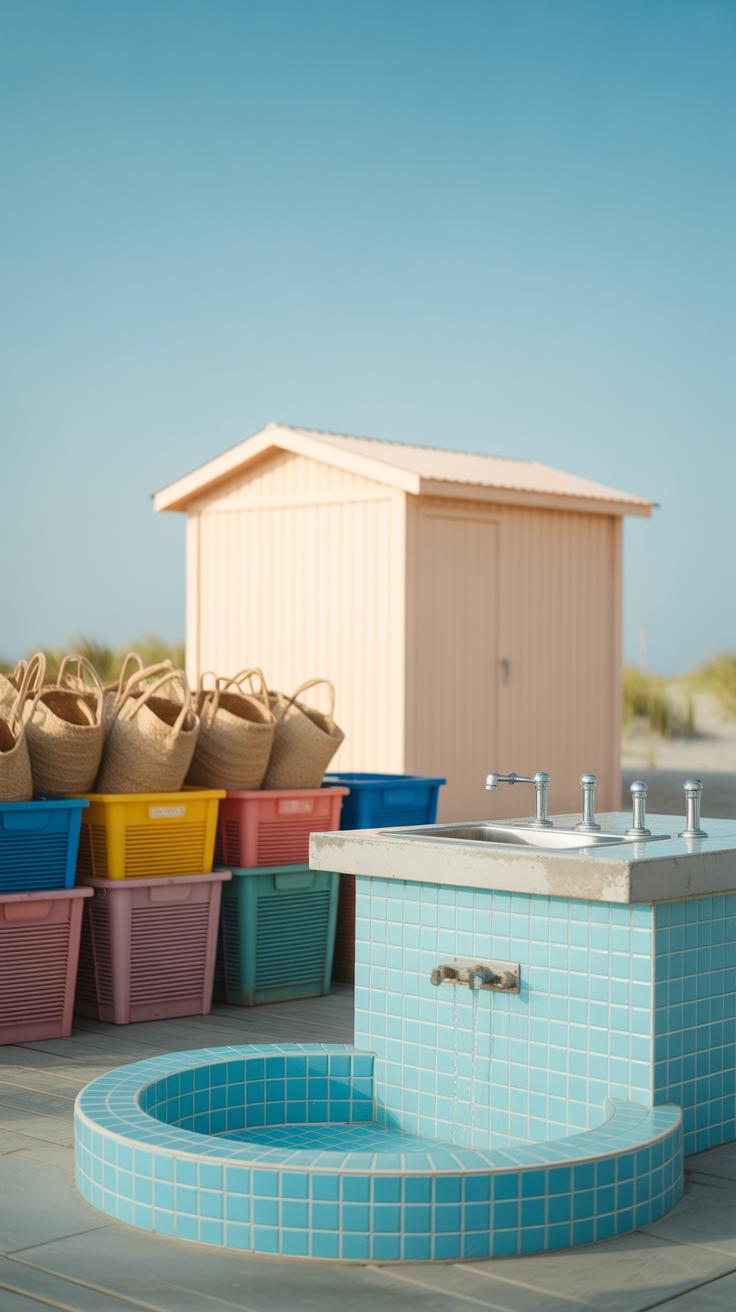
Setting up water sources that accommodate all pets means varying the heights. Consider placing bowls on sturdy platforms low enough for tiny dogs or cats, while also installing taller fountains or bowls for larger dogs. You might even want to try a stepped arrangement that encourages pets to drink comfortably without strain. Some parks use pet-friendly water fountains with basins at ground level combined with a spout that fills a higher bowl. It’s not always perfect, but it works well enough for most pets.
Another tip is to position these stations where animals naturally gather or rest. That way, getting a drink doesn’t interrupt their fun. Remember, though, not every pet will use fountains the same way—some prefer bowls. So offering both options feels safer and more inclusive.
Keeping Water Fresh and Clean
Dirty water—or even stale water—will discourage pets from drinking, which can make their owner’s day harder. Changing the water daily is a bit of a chore, but it prevents bacteria buildup and keeps fluids tasting fresh. Regular cleaning of bowls and fountains is equally crucial. Scrubbing with pet-safe cleaners can help avoid slime or algae, which sometimes build up unnoticed.
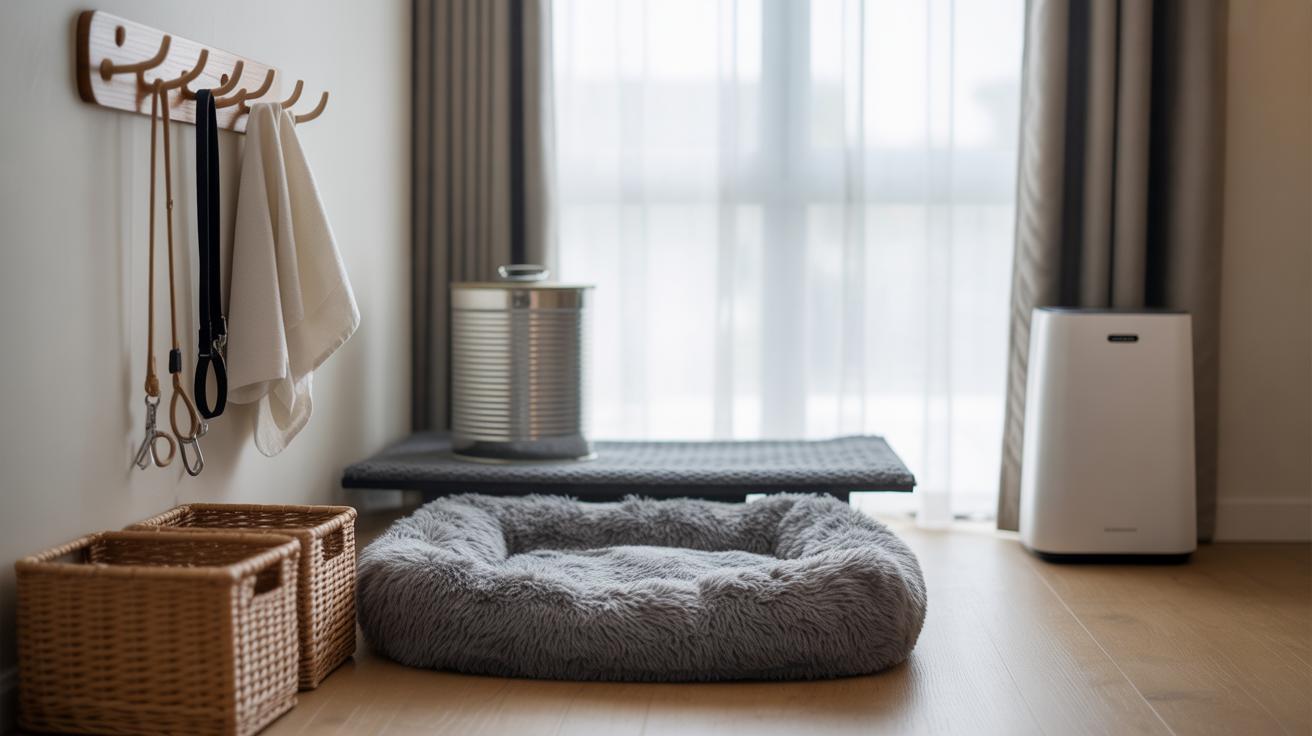
Think about how often public parks clean their amenities. It’s not often enough, I suspect. In your pet park, try setting a schedule: mornings for water replacement and mid-day checks. Sometimes, you’ll need to do spot cleaning if the bowls get knocked over or debris falls in. But don’t overthink it—simple rinsing and refilling go a long way. Do you think dogs notice when their water smells a bit off? Probably. They’re pickier than we expect.
In the end, keeping hydration stations accessible and fresh encourages pets to drink more and enjoy the park safely. It’s a small thing, but it matters more than most people guess.
Incorporating Safety Features and Rules
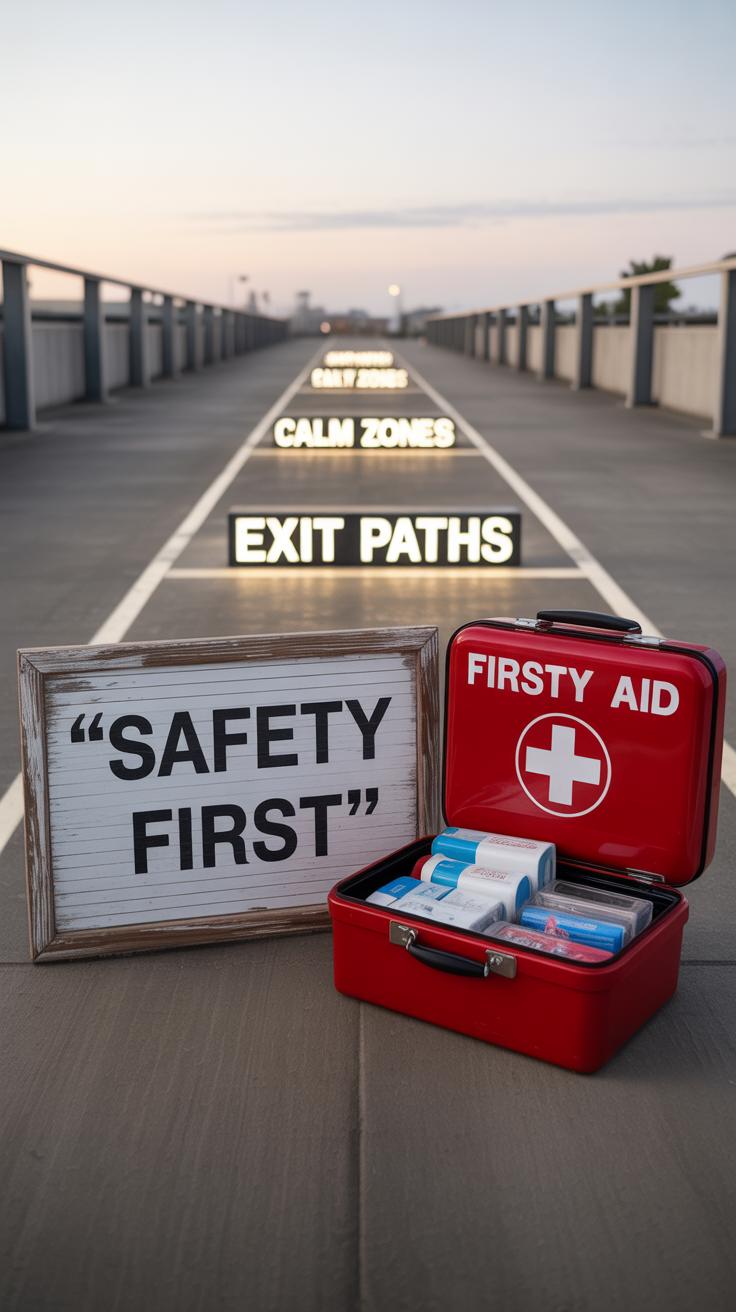
When designing a pet park for mixed-size animals, safety cannot be overlooked. Visibility plays a key role—wide sightlines help owners keep an eye on their pets and spot trouble before it escalates. Placing benches and pathways strategically can improve this without crowding the space. It might sound simple, but good visibility often prevents issues before they even start.
Emergency access points should be clearly marked and kept free from obstruction. Think about how quickly a vet or staff member could reach an animal in distress, even if the park is busy. This often gets overlooked, yet it’s critical for prompt help.
Clear Signage and Park Rules

Posting clear and readable rules is essential. Signs should mention key points like supervising pets at all times, cleaning up waste, and discouraging aggressive behavior. Putting them near entrances and spots where people naturally pause ensures they get noticed. Sometimes, it’s easy to assume visitors know these basics, but many need reminders.
Consider simple, straightforward language. A sign saying “Please pick up after your pet” is more effective than one overloaded with legal jargon. You want people to feel guided, not lectured.
Emergency Preparedness
First aid kits for pets should be available on site, stocked with essentials like bandages and antiseptic wipes. But more than supplies, having staff trained in basic pet first aid makes a big difference. They can act quickly and calm anxious owners.
Emergency contact information should be posted prominently—local vet clinics, poison control, and animal hospitals. You might even include a small map showing the nearest emergency access points. Preparing for the unexpected keeps everyone safer and adds peace of mind, even if no emergencies occur.
Creating a Social and Welcoming Environment
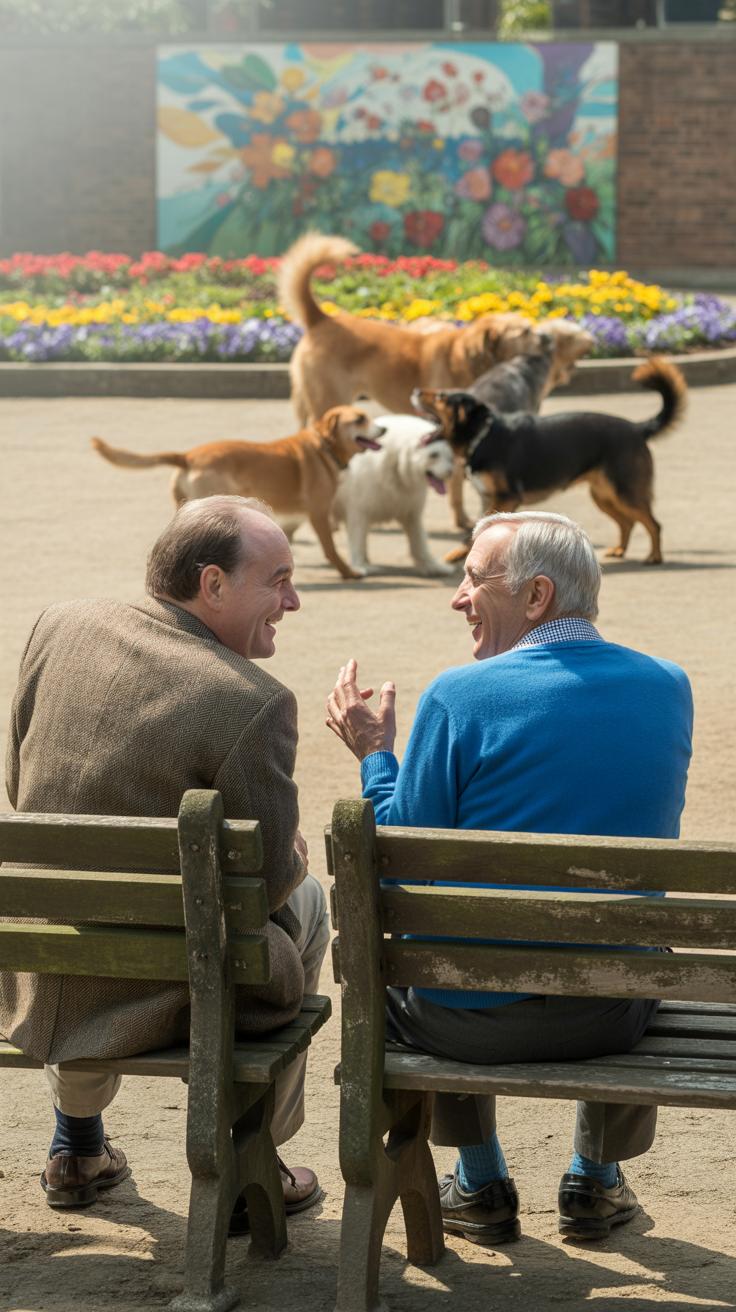
Designing a pet park isn’t just about spaces for the animals—it’s equally about the people who bring them. A park feels truly inviting when owners have comfortable spots to relax, chat, and keep an eye on their pets. Think of seating areas placed thoughtfully under trees or canopies, where shade offers relief on warm days. Benches or picnic tables can make waiting a chance to connect with fellow pet lovers instead of just passing time.
Sometimes, a few well-placed chairs near popular play zones create spontaneous conversations—maybe about training tips or sharing the latest vet advice. It’s this casual interaction that helps foster a sense of community and shared care.
Organizing regular events can deepen those connections. Simple things like training sessions, pet parades, or even ‘meet-and-greet’ days encourage owners to come back, not just for exercise, but for socializing. These activities also serve as subtle reminders about park etiquette, bringing everyone together around a common interest.
Have you ever noticed how a dog training class in the park lightens the mood and sparks new friendships? Such gatherings don’t need to be frequent or overly formal—sometimes, it’s enough to create the opportunity and let people take it from there. A welcoming environment feels less like a chore and more like a community space you want to be part of.
Utilizing Durable and Petsafe Materials
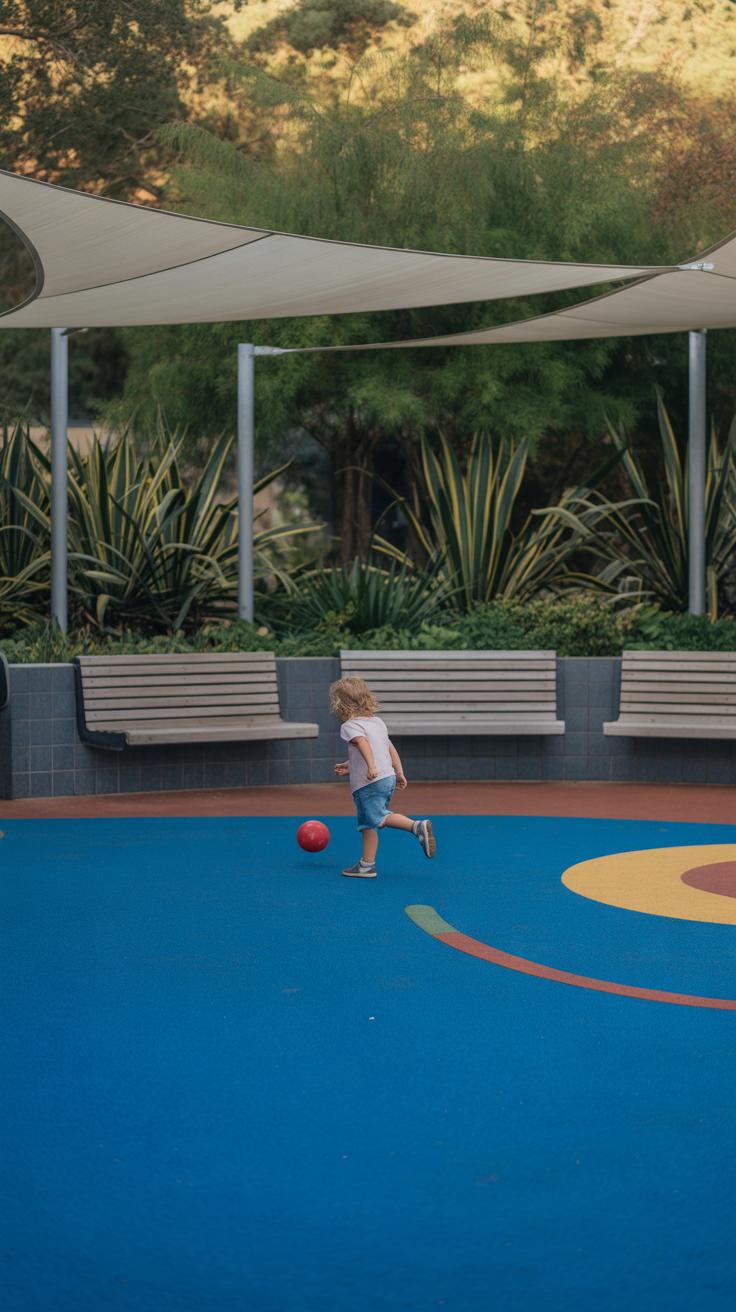
When choosing materials for your pet park, durability and safety must go hand in hand. Surfaces should handle everything from tiny paws to powerful claws without giving out quickly. Grass is a popular choice—it feels natural and is gentle, but it wears down fast in busy spaces, especially where large dogs run around.
Rubber mats offer a softer, non-toxic option. They absorb impact well and keep paws comfortable. Plus, they’re easy to hose down, making cleanup simpler. Mulch, especially cedar or pine, cushions joints and provides a natural look. Yet, it might scatter or get dug up, so you’ll need to replace it often, which can be a bit annoying.
For fencing and equipment, metal fences, like powder-coated steel, resist chewing damage and don’t warp over time. Hard plastics are handy for tunnels or climbing features—they endure rough play and are safer than metal in some cases. Treated wood works well, too, as long as it’s sealed to avoid splinters and weather damage, but watch for chewing—some dogs love gnawing on pawsible wood!
Choosing the right material often means balancing toughness with comfort. Sometimes, that means mixing several kinds in one area. It’s a bit like figuring out what your pet likes best while trying to keep things clean and solid for all. So, what surface or fence would you prefer where your pet spends most time? It might depend on your pets’ sizes and habits more than you think.
Planning for Future Growth and Flexibility
Designing a pet park isn’t just about what exists today. You’ll want to think ahead—how might the neighborhood change? Will more families with dogs move in? Maybe smaller pets will become more common. Leaving space for future expansion can save headaches later.
One practical way is to use modular design elements. Movable fences are great for this. They let you adjust areas based on the number or size of pets using the space. Imagine shifting boundaries to create a larger small-dog section during busy weekends or adding equipment where it fits best. It feels more adaptable, less fixed.
Don’t forget about the people who use the park daily. Regularly gathering feedback from pet owners can reveal new needs or frustrations you might miss. A simple survey or suggestion box can offer surprising insights. When the community speaks up, you can tweak or add features that really make a difference—so the park grows with its users, not just in size but in usefulness.
Conclusions
Designing a pet park for mixed size animals means thinking about different pet needs. Planning separate areas for big and small pets, using safe fencing, and choosing suitable play equipment ensures fun and safety. Regular park care keeps the environment clean and inviting for pets and their owners alike.
By applying these ideas, you can build a pet park that welcomes all animals. It becomes a place where pets enjoy exercise and social time, and owners feel secure. Putting thoughtful design into practice brings many benefits to your community’s pets and their families.