
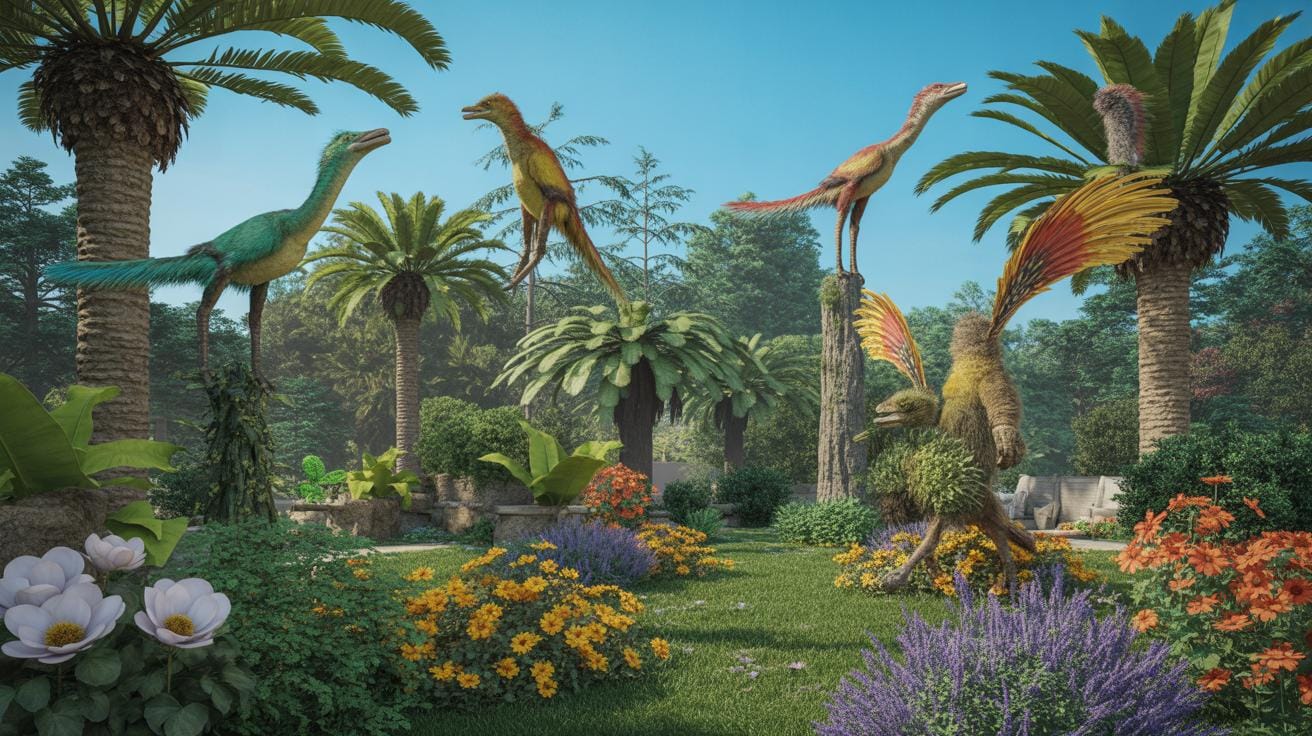
Tracing The Roots Understanding The Prehistoric Bird Habitat
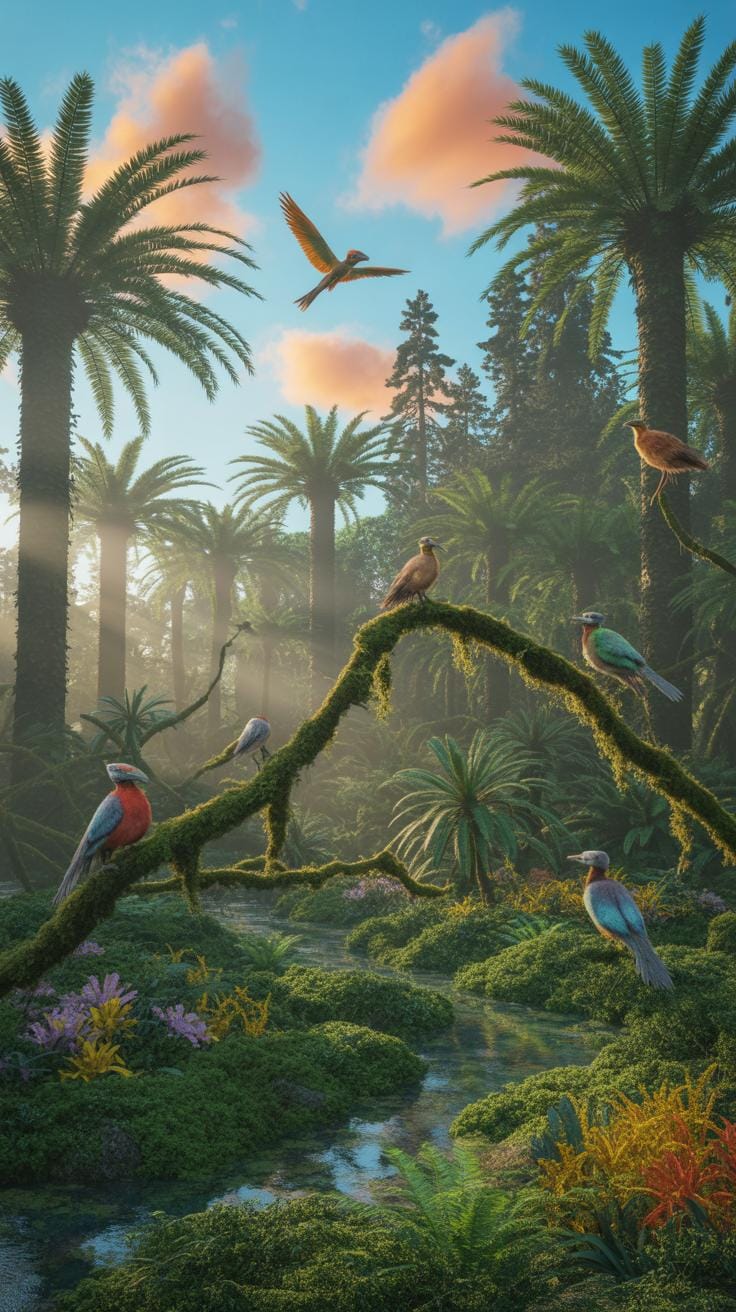
Evolutionary Origins
Birds evolved from small theropod dinosaurs during the Jurassic period, inheriting hollow bones and feathered bodies that revolutionized locomotion. This transformation occurred gradually over millions of years, as environmental pressures selected for increasingly refined adaptations. The prehistoric bird habitat emerged within dense forests and open clearings where these proto-birds could exploit new ecological niches unavailable to their heavier dinosaur relatives, marking a pivotal shift in vertebrate evolution.
The survival of early birds depended on specific environmental conditions within their prehistoric bird habitat. Seasonal variation, abundant insect populations, and complex vegetation structures provided both sustenance and shelter. These creatures developed enhanced visual acuity and metabolic efficiency to navigate their world, gradually perfecting flight mechanics. Understanding these ancestral adaptations reveals how modern avian design reflects millions of years of refinement within specialized environmental contexts.
Key Mesozoic Environments
The Jurassic and Cretaceous periods featured expansive tropical and subtropical landscapes that defined the prehistoric bird habitat of ancient times. Cycads, ferns, and early flowering plants dominated these regions, creating layered ecosystems from forest floors to canopies. Warm temperatures, high humidity, and abundant moisture supported diverse insect populations that sustained early bird communities. These lush environments stretched across ancient continents, offering remarkable diversity in nesting sites, foraging opportunities, and refuge from larger predators.
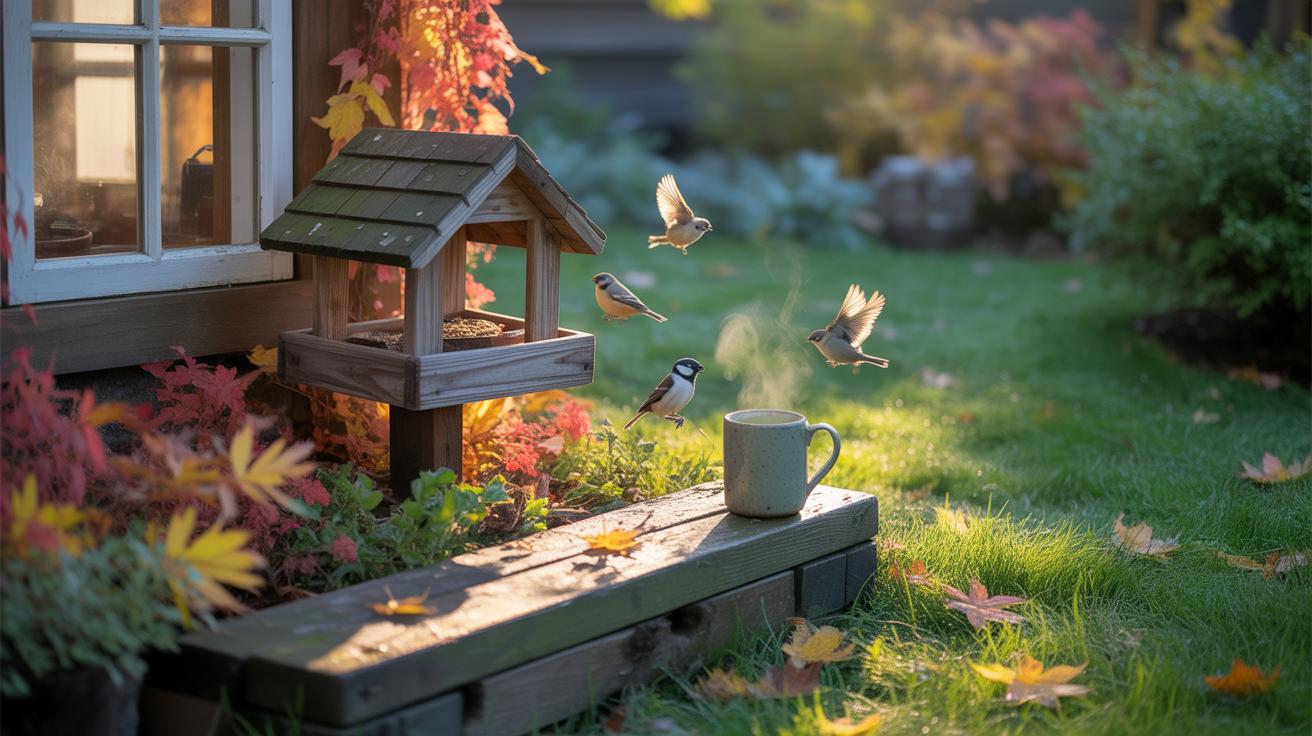
Cretaceous landscapes became increasingly complex as flowering plants proliferated, fundamentally transforming the prehistoric bird habitat available to avian species. Coastal lowlands, river valleys, and forest understories each supported distinct bird communities adapted to specific conditions. Temperature stability and predictable seasonal patterns enabled population growth and specialization. These Mesozoic environments demonstrate how habitat complexity directly influenced bird evolution, encouraging the diversification of feeding strategies, nesting behaviors, and social structures that characterize modern birds today.
Botanical Time Travel Selecting Flora For Your Ancient Aviary
Ancient Plant Lineages
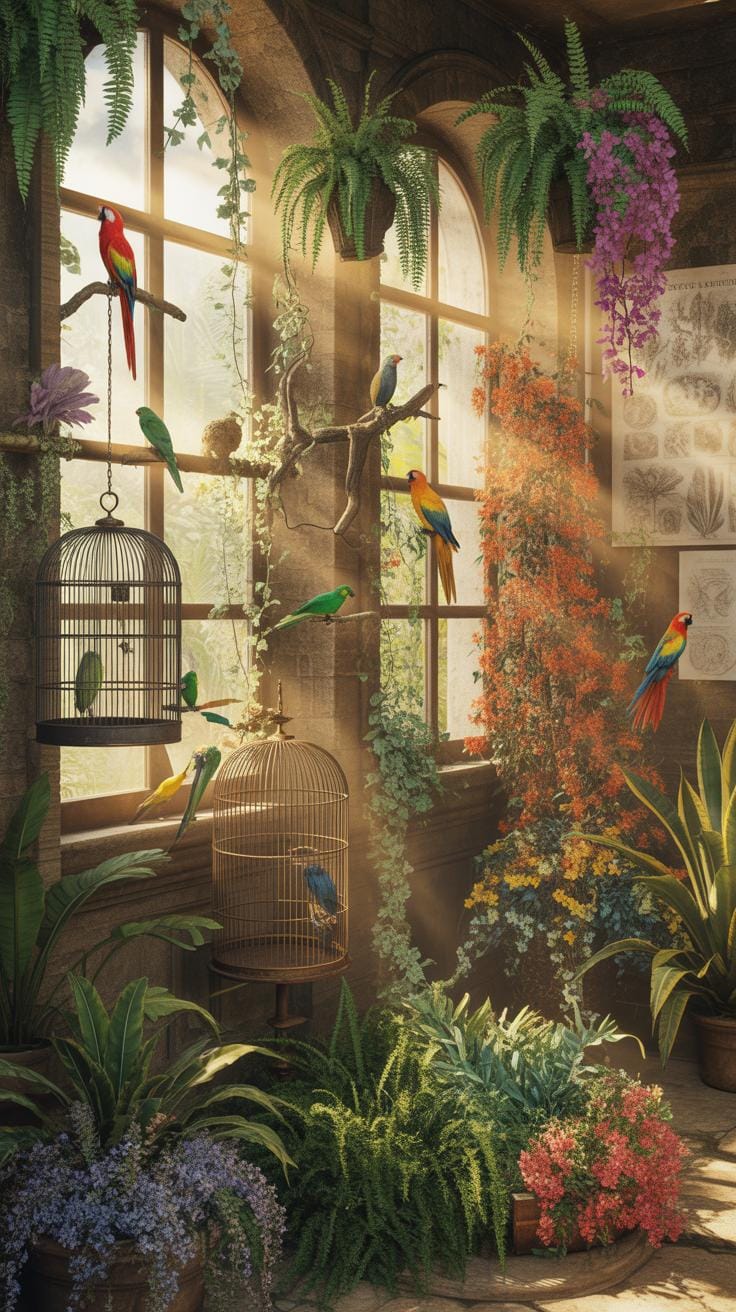
Creating an authentic prehistoric bird habitat begins with understanding which plants have survived virtually unchanged since the Mesozoic era. Ferns, cycads, and ginkgoes represent living fossils that flourished alongside ancient avian species. These botanical survivors offer more than aesthetic appeal; they provide structural authenticity that transports visitors into deep time. By incorporating these ancient plant lineages into your backyard, you establish an ecological framework that mirrors the verdant landscapes where prehistoric birds once nested and foraged.
Modern descendants of prehistoric flora serve as accessible gateways to recreating Mesozoic environments. Ferns produce the delicate fronds that carpeted forest floors, while cycads contribute architectural drama with their distinctive crown-like fronds. Ginkgoes, with their fan-shaped leaves, add golden autumn interest while maintaining historical accuracy. These species thrive in various climates and require manageable care, making them practical choices for home gardeners. When selecting specimens for your prehistoric bird habitat, prioritize these time-honored plants that genuinely flourished alongside dinosaurs and proto-birds.
Creating Vertical Layers
The dense, swampy forests of the Mesozoic era featured complex vertical structures that provided nesting sites and foraging grounds for ancient avian species. Recreating this stratification in your backyard requires thoughtful planning and strategic plant placement. Begin with canopy-forming trees at the highest level, transitioning through understory shrubs and ferns in the middle zones, concluding with ground-level plantings. This multi-tiered approach not only captures the authentic essence of a prehistoric bird habitat but also provides functional roosting and nesting opportunities for modern birds.
- Tall canopy trees (15+ feet) for upper nesting zones
- Medium understory species (8-15 feet) for mid-level perching
- Low shrubs and cycads (4-8 feet) for protective shelter
- Fern clusters (2-4 feet) for ground-level coverage
- Dense moss and creeping plants for forest floor authenticity

Each layer serves specific ecological functions while contributing to the overall visual drama of your ancient aviary. The vertical complexity encourages birds to explore multiple heights, mimicking natural foraging and nesting behaviors observed in wild populations. Spacing remains crucial; overcrowding diminishes the effect and restricts air circulation. By respecting these layering principles, you create a sophisticated prehistoric bird habitat that balances historical accuracy with practical, thriving garden design.
Water Features Mimicking The Wetlands Of The Cretaceous Period

The Role Of Coastal Lagoons
The Solnhofen archipelago of Bavaria provides remarkable fossil evidence of shallow lagoon ecosystems where Archaeopteryx thrived during the Late Jurassic period. These ancient waterways were characterized by calm, brackish conditions ideal for preserving delicate feathered specimens. Recreating this prehistoric bird habitat in your backyard means designing shallow water areas with gentle slopes and minimal current, allowing sediment to settle naturally while maintaining clear sightlines.
When planning your lagoon-inspired water feature, consider incorporating layered depth zones. Start with marginal shelves at six to twelve inches deep, transitioning to deeper basins of two to three feet. This design mimics the gradual transitions found in ancient wetlands and provides diverse ecological niches. Native aquatic plants and stones arranged along the perimeter create naturalistic edges reminiscent of Cretaceous shorelines, while the shallow margins become ideal gathering spaces for visiting waterfowl.
Attracting Modern Waterfowl
Ducks and geese represent living descendants of theropod lineages that survived the catastrophic K-Pg extinction event sixty-six million years ago. By creating appropriate pond environments, you’re essentially inviting modern representatives of ancient bird evolution into your prehistoric bird habitat. These waterfowl thrive in areas with gentle slopes, submerged vegetation, and shallow feeding zones where they can dabble for aquatic plants and invertebrates.

Design your water feature with strategic vegetation placement to provide both food sources and shelter. Native water lilies, cattails, and rushes create natural browse while offering protective cover. The combination of open water for swimming and densely vegetated margins mirrors the ecological balance of prehistoric wetlands. As mallards, wood ducks, and Canada geese discover your thoughtfully designed landscape, you’ll witness a living connection to ancient bird lineages that persisted through millions of years of environmental change.
Hardscaping With History Rocks And Formations For An Authentic Feel
Sedimentary Rock Accents
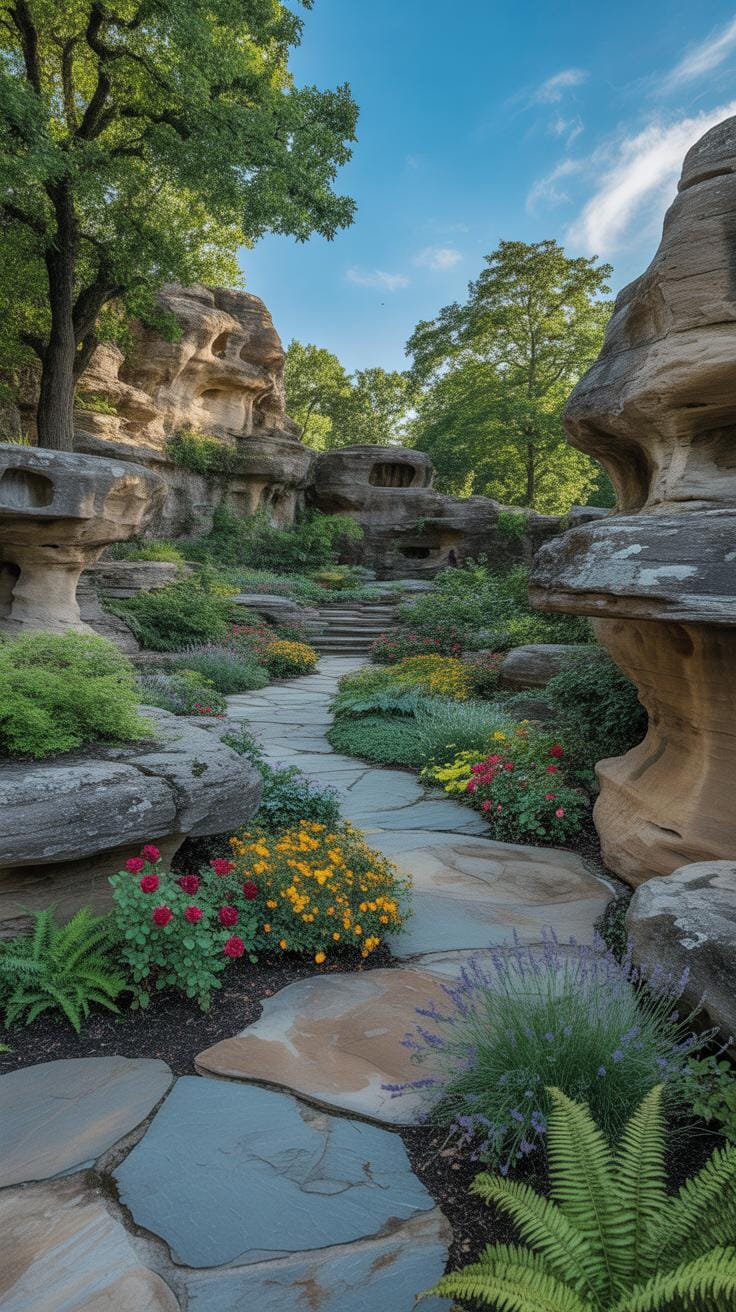
Limestone and shale evoke the geological layers where prehistoric birds once thrived. The Niobrara Sea, which covered parts of North America during the Cretaceous period, left behind fossil-rich sedimentary formations that tell stories of ancient avian life. Incorporating these materials into your prehistoric bird habitat creates an authentic foundation that connects your backyard to genuine paleontological significance.
- Weathered limestone blocks for structural stability and visual authenticity
- Layered shale pieces to mimic natural stratification
- Fossil replicas embedded within rock arrangements for educational appeal
- Light-colored limestone to reflect heat and brighten darker corners
- Reclaimed sedimentary stones from local quarries or landscaping suppliers
When selecting rocks, prioritize pieces with natural striations and earth tones that echo genuine geological formations. Arrange them in horizontal layers or tilted angles to suggest the dramatic upheaval and shifting that shaped prehistoric landscapes, making your prehistoric bird habitat visually compelling and scientifically grounded.
Nesting Sites And Shelter
Rocky outcroppings provide essential shelter that prehistoric cliff-dwelling birds would have naturally sought. Creating crevices, alcoves, and overhangs mimics the protective environments where ancient species nested and roosted. These formations offer not only aesthetic authenticity but also practical refuge from weather and predators for modern birds visiting your space.

Construct artificial rock formations using stacked sedimentary stones, secured with appropriate outdoor adhesives and filled with soil pockets for vegetation. Design multiple crevices at varying heights to accommodate different bird species and behaviors. This thoughtful arrangement transforms your prehistoric bird habitat into a functional sanctuary that honors the architectural preferences of ancient avian ancestors while supporting contemporary wildlife.
Climate Control Managing Microclimates For A Prehistoric Bird Habitat
Humidity And Temperature Regulation
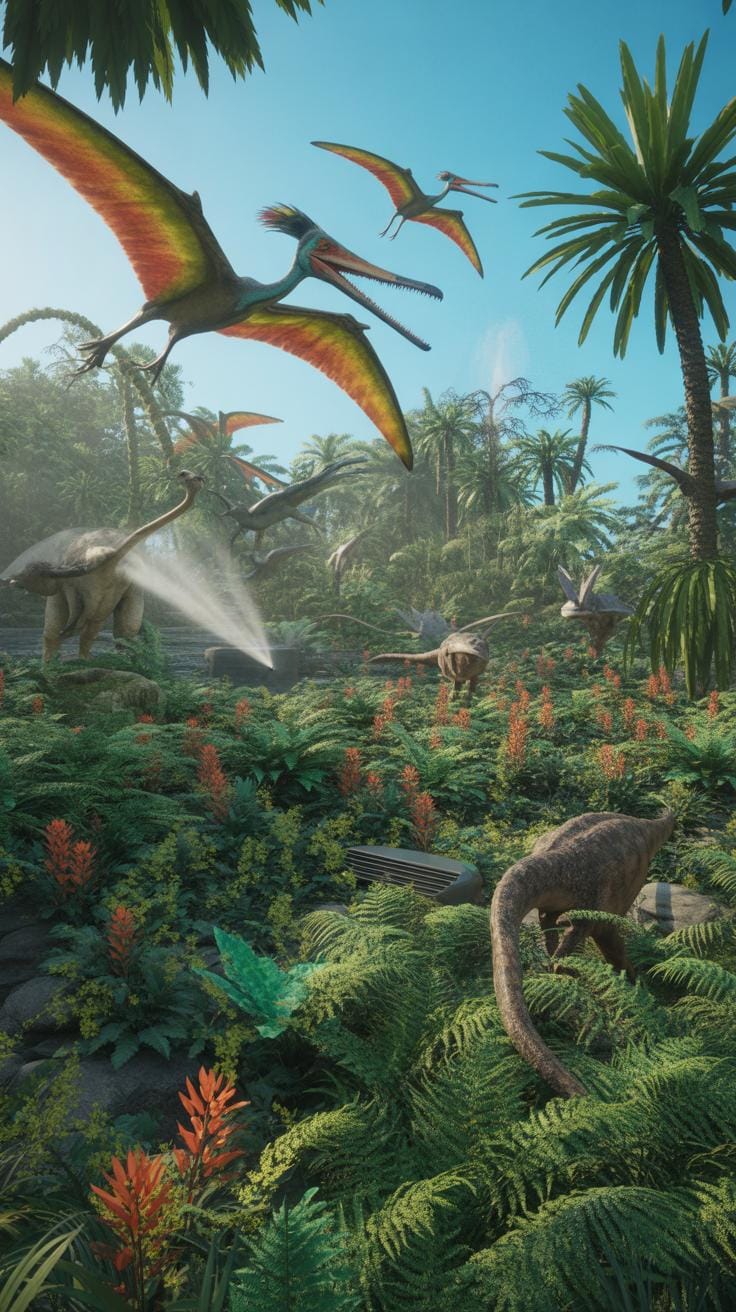
Early birds thrived in warm, humid environments, particularly during the Mesozoic Era when tropical conditions dominated much of the planet. Recreating these conditions in your backyard requires thoughtful microclimate management. Misting systems prove invaluable for maintaining elevated humidity levels that mimic prehistoric wetlands and forest canopies. Automated timers can distribute fine water droplets throughout your prehistoric bird habitat, creating that lush, moisture-laden atmosphere where ancient species flourished.
Dense foliage serves as nature’s own humidity regulator, trapping moisture and creating pockets of stable temperature. Layer your planting with tall canopy trees, understory shrubs, and ground-level ferns to replicate the stratified forest structure of prehistoric times. This multi-layered approach provides ideal conditions for humidity retention while offering shelter and perching spaces. The combination of strategic plantings and gentle misting creates an authentic prehistoric bird habitat environment without constant human intervention.
Seasonal Adaptations
Modern climates rarely match the consistent warm temperatures prehistoric birds experienced, requiring creative seasonal adjustments to support year-round biodiversity. Winter presents particular challenges in temperate zones, necessitating protective structures and thoughtful species selection. Consider incorporating these adaptive strategies:
- Install movable shade cloths for summer temperature moderation
- Plant evergreen species to maintain foliage density during winter months
- Create sheltered microzones using windbreaks and strategic plant placement
- Implement heated water features during cold seasons for drinking and bathing
- Select bird species adapted to seasonal variations while maintaining prehistoric habitat authenticity
- Use reflective surfaces to capture and retain warmth during cooler months

By understanding seasonal patterns, your backyard becomes a dynamic prehistoric bird habitat that supports diverse species throughout the year. Even in non-tropical climates, layered plantings and microclimate management create pockets of stability, allowing you to maintain authentic prehistoric conditions while respecting modern environmental realities.
Foraging And Nutrition Cultivating An Ancient Diet In The Modern Day

Natural Insect Populations
Creating a thriving prehistoric bird habitat means understanding that insects formed the foundation of avian diets throughout evolutionary history. Small theropods and early birds relied heavily on protein-rich insects for survival and growth. By cultivating diverse insect populations in your backyard, you’re providing authentic nutritional resources that mirror ancient feeding patterns. Native beetles, grasshoppers, and flying insects naturally attract birds while establishing an ecological balance reminiscent of primordial environments. This organic approach eliminates artificial supplements, allowing your feathered visitors to engage in instinctive foraging behaviors.
Building a robust insect ecosystem requires patience and intentional garden design. Avoid pesticides completely, as they eliminate the very prey species your prehistoric bird habitat depends upon. Incorporate fallen logs, leaf litter, and mulched areas where insects thrive naturally. Native flowering plants attract pollinators and beneficial bugs year-round. Dense shrubs provide shelter for insect populations while offering birds protected foraging spaces. By embracing nature’s interconnected systems, you create self-sustaining cycles that echo the ancient relationship between predator and prey.
Seeding For Primitive Survival
Early Neornithes, the ancestral group of modern birds, evolved consuming seeds and fruits from native vegetation. Selecting appropriate plants ensures your prehistoric bird habitat offers authentic dietary options. Native grasses produce seeds that historically sustained bird populations for millennia. Berry-producing shrubs and fruit-bearing trees provide seasonal abundance, mimicking the natural feast-and-famine cycles of prehistoric environments. Research your region’s native species to create historically aligned plantings that feel naturally suited to your landscape.

Native plants offer superior nutrition compared to ornamental alternatives, containing seed sizes and nutritional profiles birds instinctively recognize. Serviceberries, dogwoods, and chokeberries thrive in most climates while producing abundant forage. Consider these essential additions:
- Native grasses like little bluestem and indiangrass
- Serviceberry and hawthorn for spring blooms and summer fruits
- Dogwood varieties with persistent fall berries
- Chokeberry and elderberry for late-season foraging
- Native wildflowers attracting seed-bearing visitors
Establishing these plants creates layered foraging opportunities throughout seasonal cycles. Your prehistoric bird habitat becomes a living archive, sustaining birds through the same nutritional pathways their ancestors followed for countless generations.
The Science Of Sound Attracting Wildlife With Natural Echoes
Wind And Water Acoustics
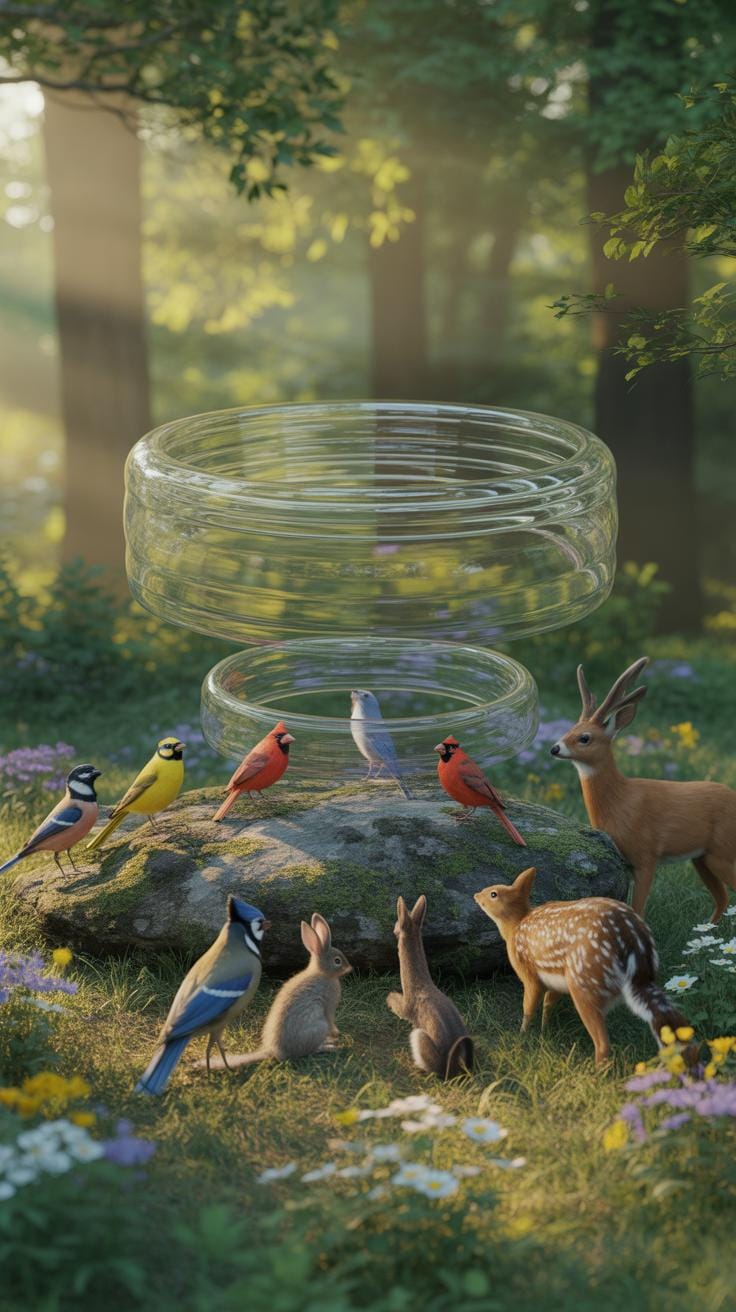
Creating an authentic prehistoric bird habitat requires careful attention to the acoustic environment your backyard produces. Wind moving through varied vegetation and water features generates natural soundscapes that encourage birds to vocalize and establish territories. These organic acoustic conditions remind avian species of their ancestral environments, promoting natural behaviors and communication patterns. Incorporate diverse plant heights and water elements strategically to maximize these beneficial sound patterns throughout your space.
Water features serve as particularly powerful acoustic tools in your prehistoric bird habitat design. Gentle streams, shallow basins, and fountains create ambient sounds that mask urban noise while providing natural echo chambers. These sounds stimulate territorial calls and mating displays in visiting bird species. The combination of flowing water and wind through foliage creates layered acoustic complexity that mimics ancient wetland and woodland environments where prehistoric birds thrived before modern civilization altered natural soundscapes.
Climb the mountains and get their good tidings. Nature’s peace will flow into you as sunshine flows into trees.
— John Muir
Natural Sound Barriers
Modern noise pollution fundamentally disrupts the serene atmosphere essential to an authentic prehistoric bird habitat. Thick, multilayered vegetation acts as nature’s soundproofing system, absorbing traffic noise, mechanical sounds, and human activity that would otherwise compromise your space’s historical authenticity. Dense shrub layers and tall trees create acoustic buffers while maintaining visual connection to your sanctuary. Strategic placement of these barriers transforms even urban backyards into protected acoustic zones where birds feel secure.

Building effective natural sound barriers requires:
- Dense evergreen plantings creating year-round noise absorption
- Layered vegetation at ground, mid, and canopy levels
- Native shrubs with thick branching structures
- Living walls of climbing vines on existing structures
- Strategic placement between your space and noise sources
Consider the acoustic properties of native plant species when designing your prehistoric bird habitat’s vegetation layout. Some plants absorb sound more effectively than others due to leaf density, branch structure, and overall biomass. This thoughtful approach to natural sound barriers allows your backyard to become a genuine refuge where prehistoric bird behaviors and vocalizations flourish undisturbed by contemporary environmental stressors.
Conservation And Education Why Prehistoric Habitats Matter Today
Supporting Endangered Lineages
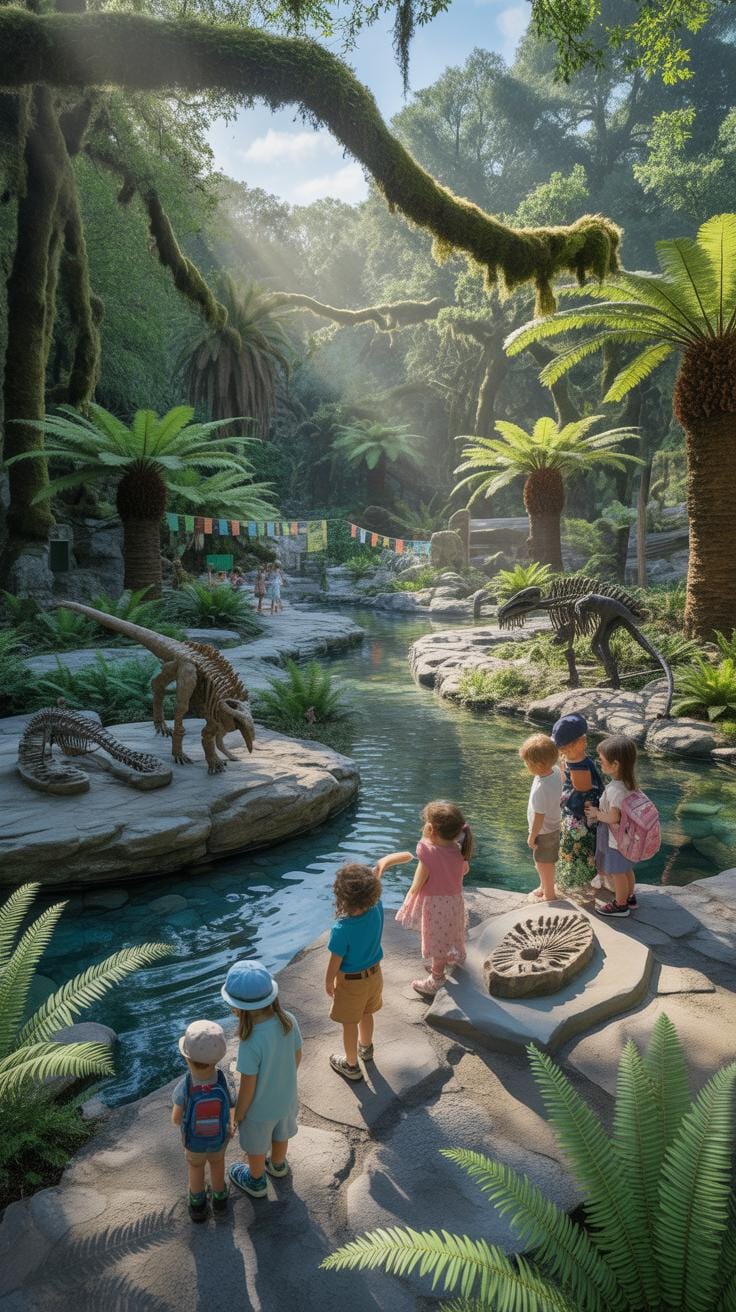
Creating a prehistoric bird habitat in your backyard serves as a living bridge between deep time and the present day. Many modern bird species retain physiological and behavioral characteristics inherited from their distant ancestors. By cultivating native plants, water features, and nesting structures that echo ancient ecosystems, you inadvertently support contemporary birds facing population pressures. These design choices provide crucial resources for species descended from lineages stretching back millions of years, helping them thrive in fragmented landscapes.
The conservation value extends beyond individual birds to entire ecological relationships. A prehistoric bird habitat mimics the complex interdependencies that shaped avian evolution, creating environments where vulnerable species can find food, shelter, and breeding grounds. Native plants selected for such spaces often produce seeds and insects that fuel migration and reproduction cycles evolved over millennia. Your backyard becomes a sanctuary where evolutionary heritage translates into practical survival benefits for modern descendants of ancient birds.
Citizen Science In The Backyard

Your prehistoric bird habitat transforms into a valuable observation post for contributing to scientific understanding of modern biodiversity patterns. Amateur naturalists have long played essential roles in documenting bird populations, migration timing, and habitat preferences. By systematically recording which species visit your space, their behaviors, and seasonal patterns, you generate meaningful data that researchers can aggregate across thousands of locations. Online platforms and citizen science initiatives make sharing observations seamless and impactful.
Engaging in backyard bird monitoring cultivates deeper ecological literacy while supporting conservation research. Observing how species interact with ancient-inspired plantings reveals practical insights about habitat restoration effectiveness. These collective citizen observations help scientists identify emerging patterns in how birds respond to climate changes and environmental modifications. Your detailed notes about nesting success, feeding preferences, and species diversity contribute to a growing database that informs conservation strategies for protecting the ancient lineages your prehistoric bird habitat celebrates and sustains.
Frequently Asked Questions

What is a prehistoric bird habitat?
A prehistoric bird habitat recreates the ancient environments where early birds like Archaeopteryx thrived millions of years ago, featuring lush ferns, conifers, shallow lagoons, and marine elements from the Late Jurassic. In your backyard, this means evoking a time-traveling aviary with period-appropriate plants and features to attract modern wildlife. It’s a fun way to connect with evolutionary history while boosting biodiversity.
How do I create a prehistoric bird habitat in my backyard?
Start by researching habitats of birds like Archaeopteryx, then plant ferns, ginkgo trees, and conifers to mimic Jurassic forests. Add a small pond for lagoon vibes, rocks for perching, and native insects for food. Use mulch for a forest floor feel, ensuring good drainage. This backyard prehistoric bird habitat will draw birds and pollinators, turning your space into a living fossil exhibit.
Can I build a prehistoric bird habitat on a tight budget?
Absolutely! Source affordable seeds for ferns and conifers from local nurseries or online, and use recycled containers for a starter pond. DIY perches from branches and free mulch from yard waste keep costs low. Focus on hardy natives inspired by ancient ecosystems—no fancy fossils needed. Your budget-friendly prehistoric bird habitat will still captivate birds and guests alike.