The Benefits Of Interactive Feeding For Dogs
Mental Stimulation
Dogs need activities that challenge their minds. When you serve dog food in creative ways, you give your pet a puzzle to solve. This keeps their brain active and engaged. Dogs that work for their meals feel more satisfied. They stay mentally sharp and less bored throughout the day.
Hiding food around your home or using puzzle feeders taps into your dog’s natural instincts. Dogs in the wild must search for food. They use their nose and problem-solving skills. When you serve dog food creatively, you recreate this experience. Your dog gets exercise and mental engagement at the same time. Bored dogs often develop bad behaviors. Interactive feeding prevents this by giving them a job to do.
Slowing Down Fast Eaters
Some dogs eat too quickly. This can cause bloating, gas, and stomach problems. When you serve dog food in creative ways, you naturally slow down your dog’s eating speed. Puzzle feeders and scattered meals force your dog to eat one piece at a time. This gives their digestive system time to work properly.
Fast eating happens when dogs feel rushed or competitive. By spreading meals across your home or using slow feeders, your dog paces themselves naturally. Their stomach gets time to signal fullness to their brain. This prevents overeating and digestion issues. Dogs who eat slowly enjoy their meals longer too. They feel satisfied with smaller portions. Serve dog food thoughtfully to protect your pet’s health.
Using Food Puzzles To Serve Dog Food
Commercial Puzzle Toys
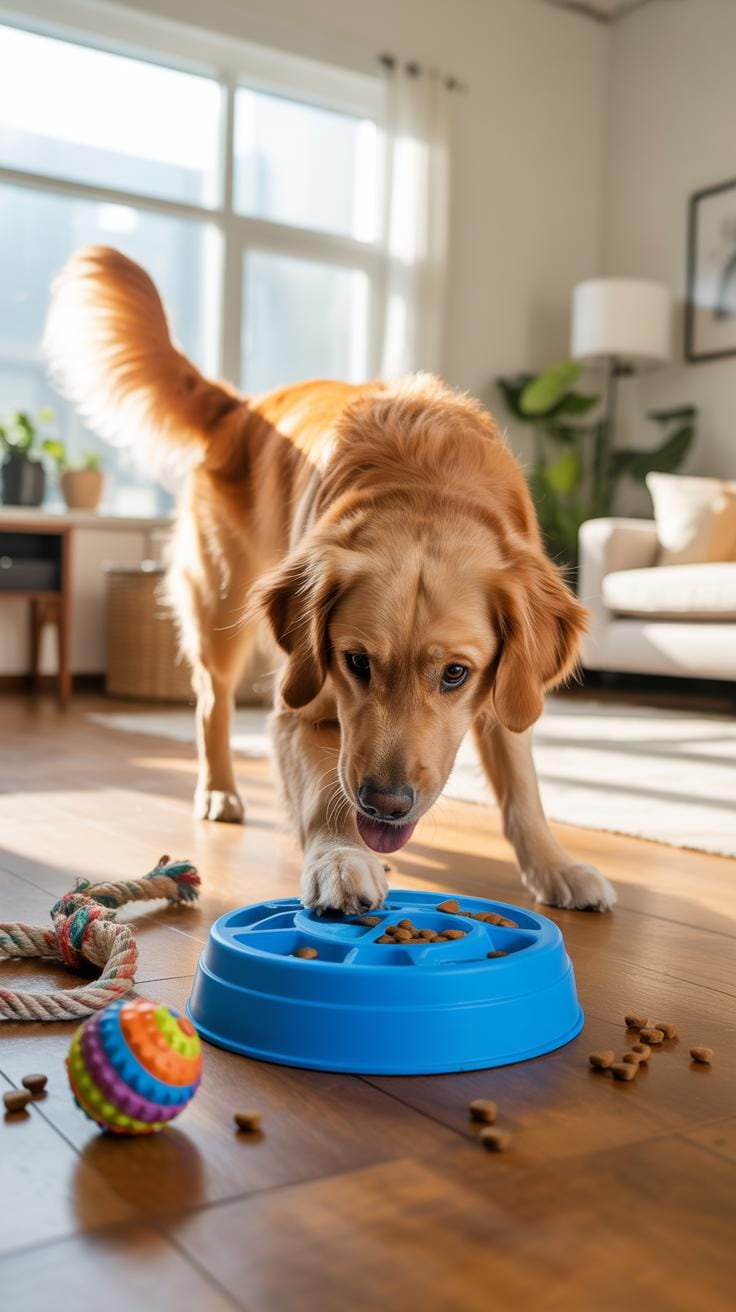
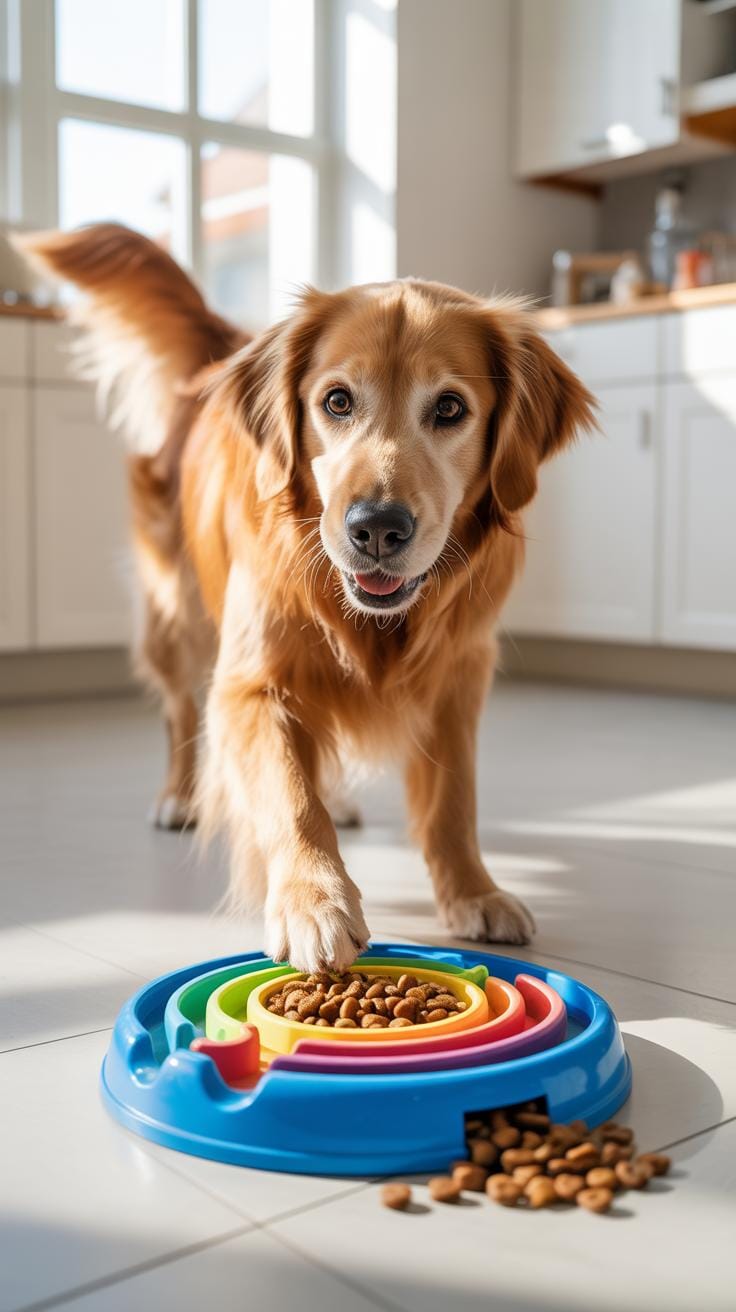
Food puzzle toys offer a fun way to serve dog food while keeping your pet mentally active. These toys come in many forms, from rubber dispensers that require your dog to roll them around to slider puzzles where your pup moves pieces to reveal food compartments. They slow down eating and make mealtime feel like playtime.
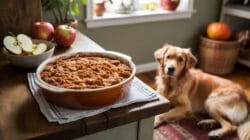
Durable rubber puzzle toys work well for dogs of all sizes. Many are made from tough materials that withstand chewing and repeated use. When you serve dog food in these toys, your dog stays entertained longer. The challenge keeps them busy and satisfied after the meal ends.
DIY Household Solutions
Everyday items around your home become amazing puzzle feeders with a little creativity. Muffin tins work perfectly when you place kibble in each cup and cover them with tennis balls. Your dog lifts and nudges the balls to access the food. This method costs almost nothing and uses items you likely already own.
Tennis balls and toilet paper tubes offer budget friendly options for homemade puzzle feeders. You can stuff a tennis ball with kibble and let your dog figure out how to get it out. Crumpled paper in a box with kibble scattered inside creates another fun challenge. When you serve dog food this way, your pet engages their natural hunting instincts while eating at a slower pace.
Training Sessions As Mealtime Opportunities
Positive Reinforcement Techniques
When you serve dog food during training sessions, you tap into one of the most powerful learning tools available. Homemade kibble or soft chunks work wonderfully as rewards because your dog knows they’re nutritious and delicious. Dogs respond best to rewards they truly value, making mealtime portions ideal for teaching new commands and tricks. This method turns everyday nutrition into an opportunity for growth and learning together.
- Use small portions: Break homemade kibble into tiny pieces so your dog stays focused without becoming too full during training sessions.
- Time your training wisely: Schedule training before regular mealtimes when your dog feels motivated and eager for food rewards.
- Vary your rewards: Rotate different homemade food textures and flavors to keep training sessions interesting and engaging.
- Keep sessions short: Train for five to ten minutes using food rewards to maintain your dog’s enthusiasm and attention span.
- Celebrate success immediately: Hand over the reward right when your dog completes the command for clear communication and understanding.
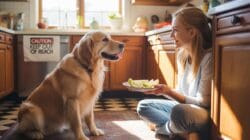
The beauty of using homemade dog food as training rewards lies in its consistency and quality. You control every ingredient, knowing exactly what your dog consumes during these teaching moments. This creates a clean connection between good behavior and nutritious nourishment.
Building The Bond
Hand-feeding homemade dog food during training strengthens the emotional connection between you and your pet. When you serve dog food directly from your hand, your dog associates you with positive experiences and care. This intimate feeding method builds trust gradually over time. Your dog learns that you are a source of comfort, safety, and good things happening.
The psychological benefits of hand-feeding extend beyond simple obedience training. Dogs that receive hand-fed meals develop stronger bonds with their owners and show increased confidence. This practice creates moments of quiet connection where your dog focuses entirely on you. Over time, these training sessions become cherished rituals that deepen your relationship and build lasting loyalty together.
Lick Mats For Mental Calmness And Health
Soothing Anxiety With Enrichment
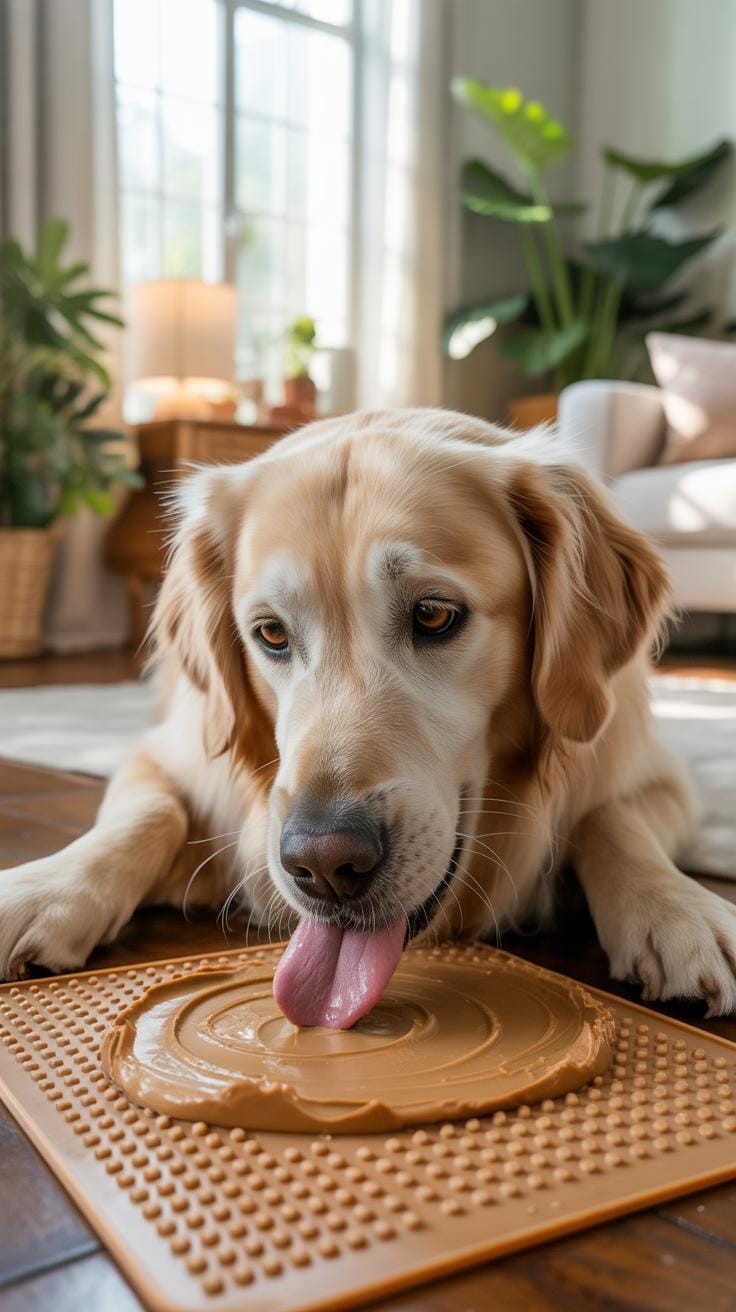
Lick mats offer a simple way to calm anxious dogs through natural behavior. When dogs lick, their brains release endorphins. These chemicals make dogs feel relaxed and happy. The repetitive motion keeps their minds busy and focused on something positive.
You can serve dog food by spreading it on a lick mat instead of using a regular bowl. This method slows down eating and extends mealtime. Dogs spend more time working for their food, which reduces stress and boredom. The activity mimics natural foraging behaviors that dogs enjoy.
- Spread wet food: Use canned dog food or homemade purees that stick to textured surfaces well.
- Freeze for longer use: Place the mat in a freezer to create a long-lasting treat that keeps dogs occupied.
- Add variety: Mix different food textures like yogurt, pumpkin, or broth for sensory interest.
- Use during stressful times: Lick mats help during thunderstorms, fireworks, or when you leave home.
- Clean between uses: Wash mats thoroughly to prevent bacteria buildup and keep your dog safe.
Lick mats work best when you make them part of your dog’s daily routine. Many dogs begin to associate the mat with calm feelings and positive experiences. This simple tool becomes a helpful way to manage stress naturally and keep your dog mentally engaged.
Dental Hygiene Benefits Watershow
The textured surface of lick mats helps clean your dog’s mouth while they eat. As dogs work their tongue across the bumps and ridges, they scrape away bacteria and plaque buildup. This gentle cleaning action supports better oral health over time without requiring brushing.
Licking also triggers saliva production in your dog’s mouth. Saliva contains natural enzymes that fight bacteria and protect teeth and gums. When you serve dog food on a lick mat, your dog gets both nutrition and dental benefits at the same time. The combination of texture and moisture creates an ideal environment for oral health.
Regular use of lick mats can reduce tartar buildup and freshen your dog’s breath. The constant movement of the tongue across textured areas keeps the mouth active and clean. This natural approach complements regular veterinary care and helps maintain your dog’s teeth for years to come.
The Snuffle Mat A Scent Based Feeding Experience
Engaging The Power Of The Nose
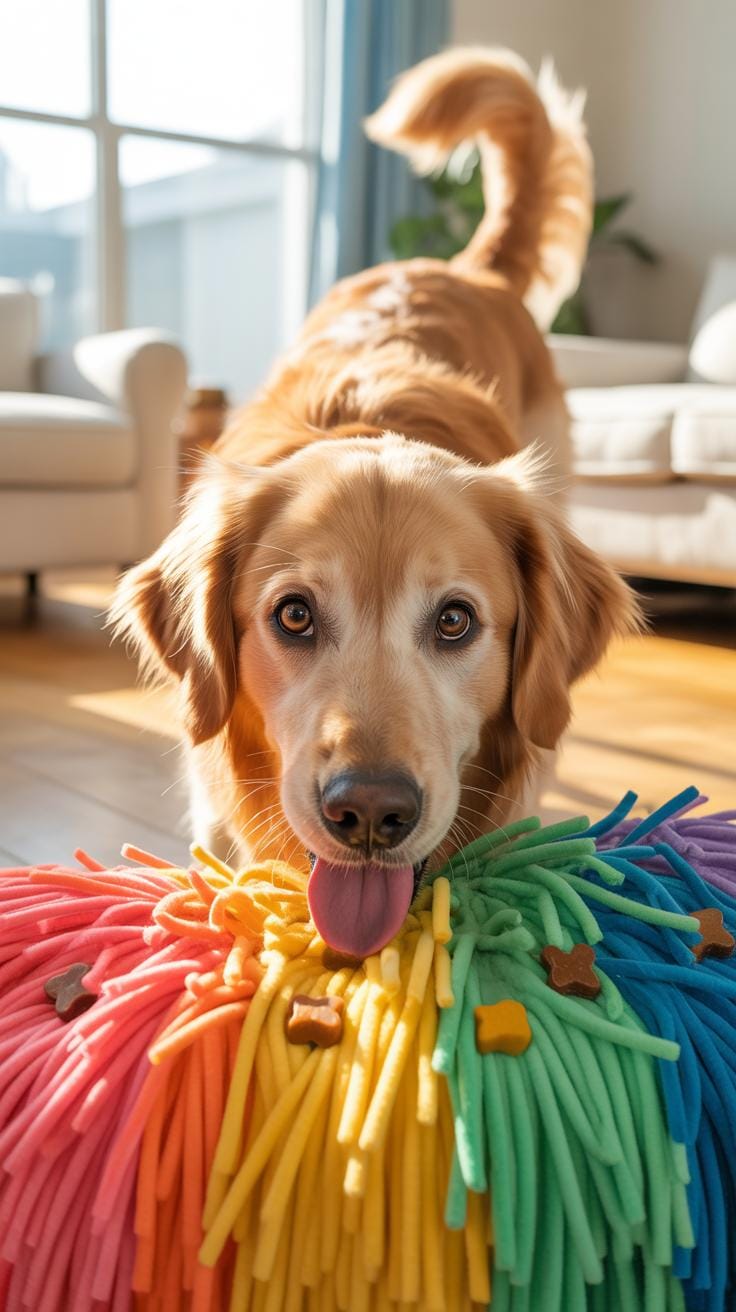
Dogs rely heavily on their sense of smell. Their noses contain millions of scent receptors. This makes smell their primary way of understanding the world. When you serve dog food in traditional bowls, you miss an opportunity. A snuffle mat taps into your dog’s natural instincts to hunt and forage. Dogs in the wild search for food using their noses. They dig, sniff, and explore to find meals. A snuffle mat recreates this experience at home.
Using scent work during feeding time satisfies deep instincts. It slows down eating and promotes mental activity. Your dog becomes engaged in the process of finding food. This reduces boredom and anxiety. When you serve dog food on a snuffle mat, mealtime becomes an activity rather than a quick event. Your dog works for the reward, just as nature intended.
Creating Your Own Snuffle Mat
You can make a snuffle mat using simple materials from home. Start with a rubber base like a yoga mat or shelf liner. Cut strips of fleece fabric into lengths of eight to twelve inches. Tie or weave the strips through the holes in the rubber base. Create a dense, textured surface where food can hide. The layers should be thick enough to conceal kibble or food pieces.
- Rubber Base: Use a yoga mat, shelf liner, or bath mat with holes or slots for threading fabric strips through.
- Fleece Fabric: Cut into strips about eight to twelve inches long in various colors for visual interest and texture.
- Tied Method: Simply tie strips onto the mat using knots or weaving them through existing holes tightly.
- Layering Technique: Add multiple layers of fabric to create hiding spots deep within the mat’s surface.
- Food Placement: Hide small portions of homemade dog food throughout the mat before your dog begins foraging.
When you serve dog food on your homemade snuffle mat, your dog will use their nose to search. They’ll push through fabric layers to find hidden pieces. This activity engages their brain and body. Even short snuffle mat sessions provide mental stimulation that lasts for hours. Your dog feels satisfied and tired in the best way possible.
Frozen Treats And Slow Release Feeding
Summer Cooling Solutions
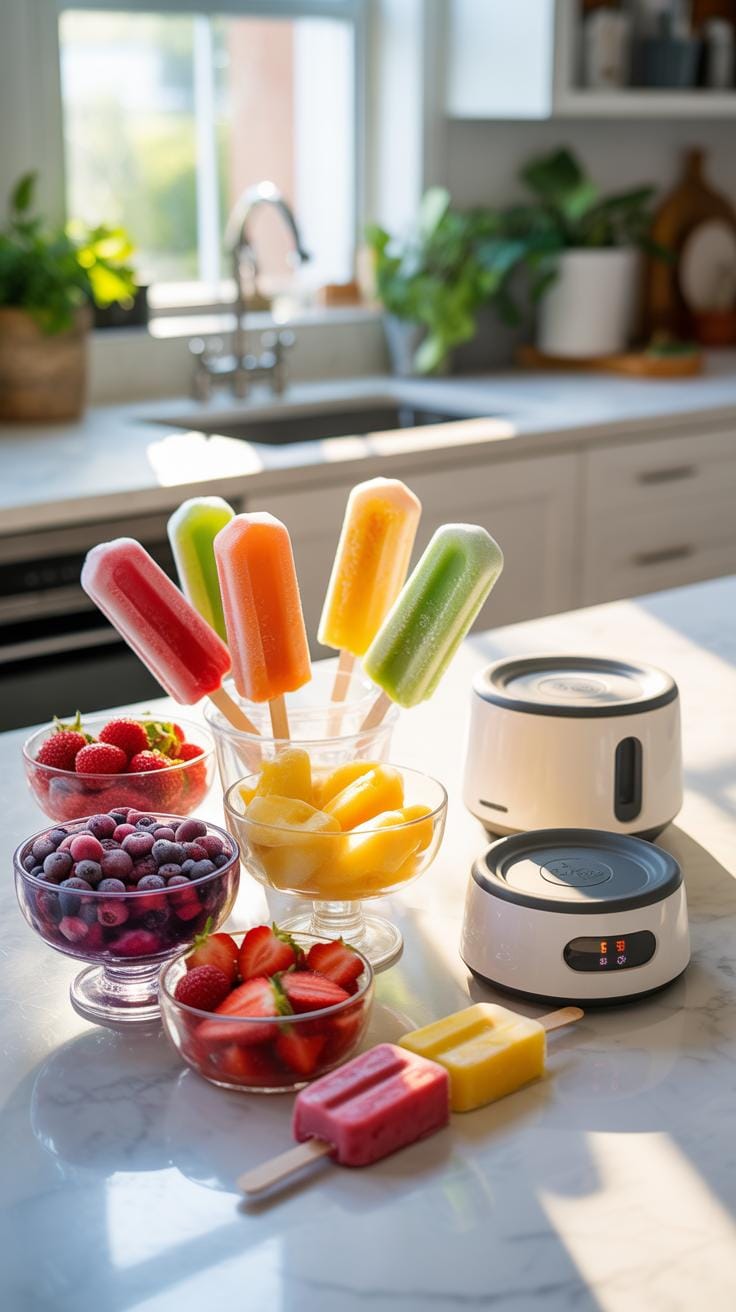
Freezing homemade dog food is a smart way to keep your pup cool during hot months. You can serve dog food by pouring stews or purees into ice cube trays or silicone molds. Once frozen solid, pop them out and serve them as refreshing treats. Your dog gets hydration and nutrition in one icy package.
- Ice cube trays: Perfect for portioning small amounts of broth or pureed vegetables that freeze quickly and easily.
- Silicone molds: Come in fun shapes and hold larger portions of stews or meat mixtures for bigger dogs.
- Popsicle molds: Great for freezing bone broth mixed with meat, creating a long-lasting frozen treat.
- Muffin tins: Ideal for freezing chunky stews with vegetables and proteins in dog-sized portions.
- Kong toys: Stuff with homemade food mixture and freeze for a toy and treat combined.
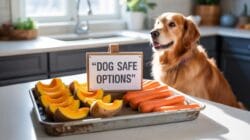
These frozen portions melt slowly in your dog’s mouth. They provide natural hydration on warm days. Your dog stays refreshed while enjoying nutrition from the homemade ingredients you prepared.
Extended Engagement Time
Frozen textures challenge your dog’s mind and mouth in ways room temperature food cannot. Serve dog food in frozen form to extend mealtime from minutes to much longer. Your dog must work harder to eat, which slows consumption and keeps them occupied. This natural pacing mimics how dogs eat in nature.
The cold texture keeps your dog engaged longer than standard feeding. They must lick, nibble, and gnaw rather than gulp quickly. This activity provides mental stimulation and physical exercise. Slower eating also helps with digestion and prevents stomach upset from eating too fast.
Environmentally Friendly Edible Containers
Hollow Vegetable Dispensers
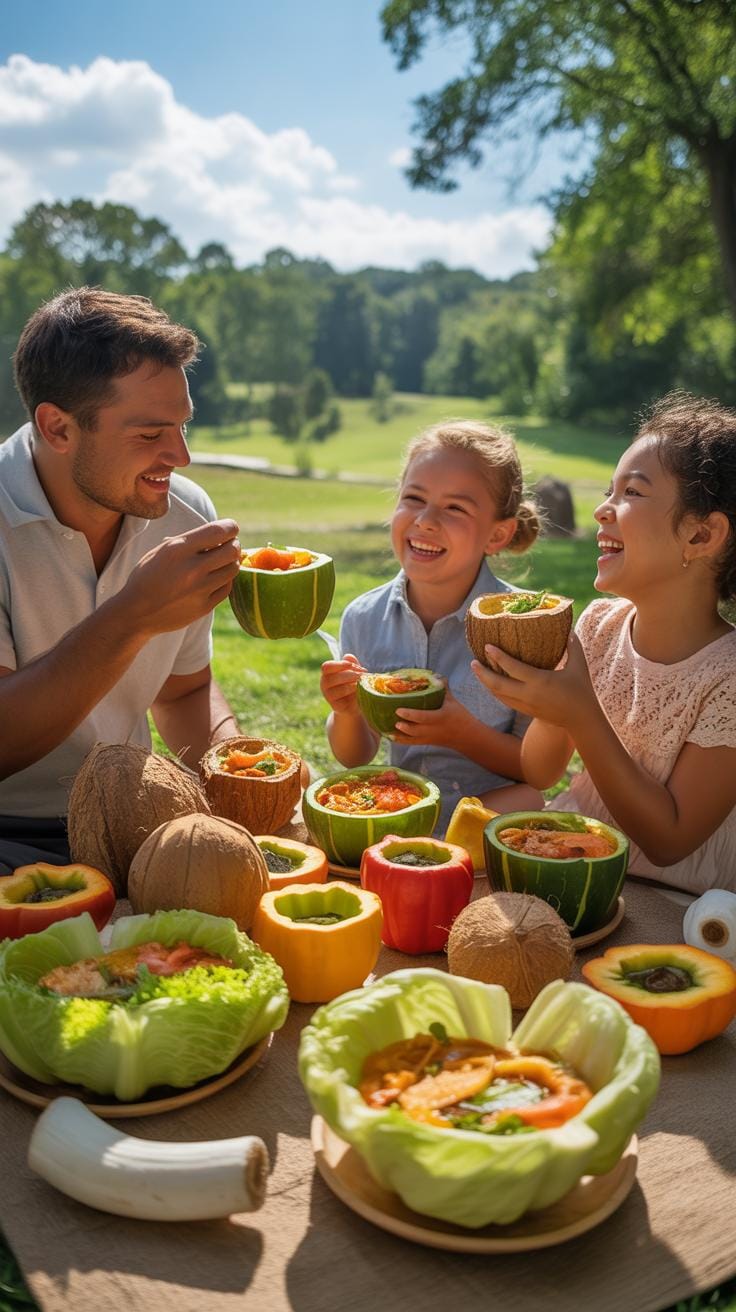
Serve dog food in creative ways by using hollow vegetables as natural bowls. Bell peppers work wonderfully as edible vessels. Cut them in half and remove the seeds. Fill the pepper halves with your homemade dog food mixture. Carrots can also serve this purpose when hollowed out carefully. These containers are safe, nutritious, and completely biodegradable.
Your dog gets extra nutrition from the vegetable container itself. Bell peppers provide vitamin C and antioxidants. Carrots offer dental benefits and help clean teeth while chewing. Both vegetables are dog-friendly when served raw or lightly cooked. Always remove any seeds or stems before serving. Your pup enjoys the added texture and mild flavor alongside their meal.
Homemade Biscuit Bowls
Bake sturdy grain-free crusts that serve as edible bowls for your homemade dog food. These biscuit vessels hold wet food toppers perfectly. Use dog-safe ingredients like sweet potato flour, coconut flour, or oat flour. Form the mixture into bowl shapes on baking sheets. Bake until firm and crispy. Your dog can eat the entire dish when finished.
- Sweet Potato Base: Creates a naturally sweet and nutrient-dense crust that dogs love.
- Coconut Flour Mix: Provides fiber and a sturdy structure for holding wet toppings.
- Oat Flour Option: Offers digestible grains and helps bind the biscuit bowl together.
- Peanut Butter Addition: Adds flavor and healthy fats to make bowls more appealing.
- Bone Broth Coating: Enhances taste and adds collagen for joint health benefits.
These edible bowls reduce waste and create a fun eating experience. Your dog gets nutritional benefits from every part of the meal. The vessel transforms mealtime into an interactive treat. Biscuit bowls can be made in batches and stored for later use.
section-divider
Scatter Feeding In Outdoor Spaces
Backyard Foraging Adventures
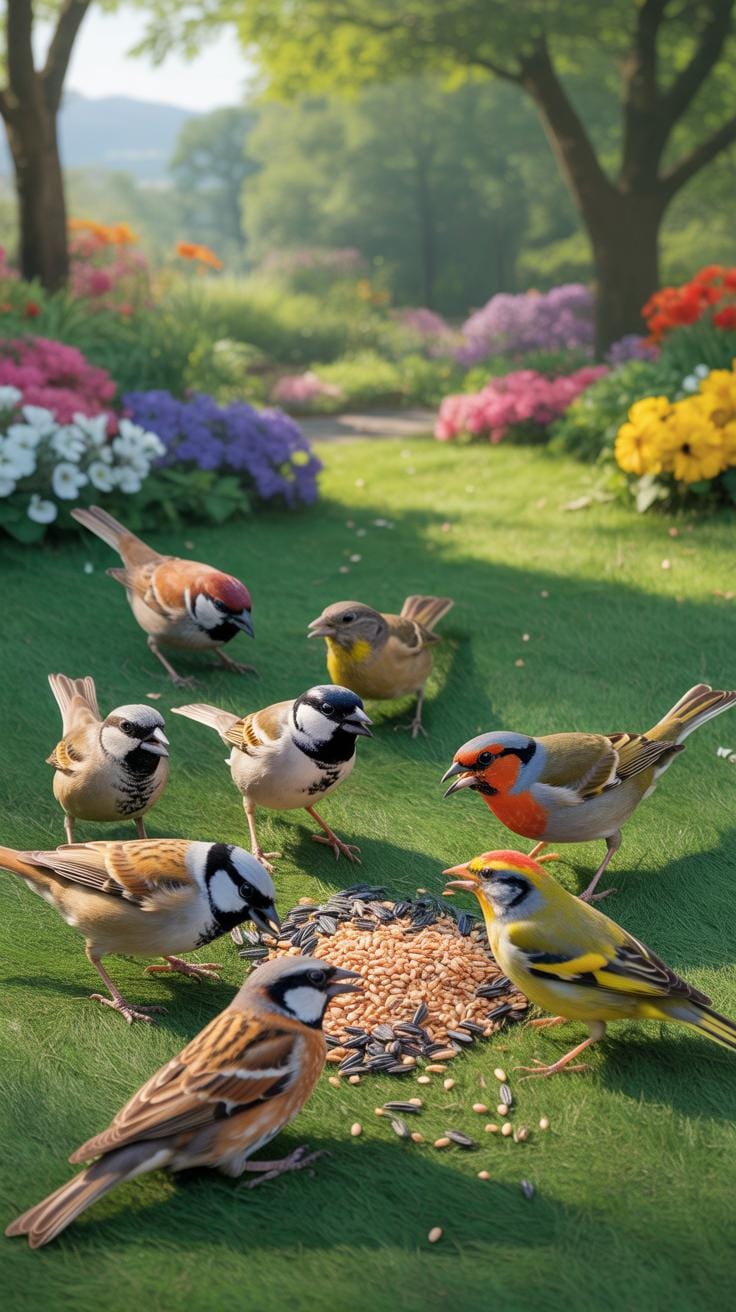
Scatter feeding turns mealtime into playtime. Instead of using a bowl, spread your homemade dog food across clean grass. Your dog searches for each bite, mimicking natural foraging behavior. This method keeps dogs mentally active and physically engaged. It slows down fast eaters and makes meals last longer.
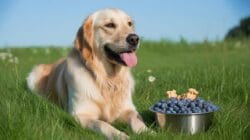
Dogs enjoy the hunt for their food. Serve dog food this way several times each week for variety. Your pet uses their nose and problem-solving skills. The activity builds confidence and burns extra energy. Many dogs find scattered meals more rewarding than traditional bowl feeding.
Safety Precautions For Outdoor Eating
Your yard must be safe before you serve dog food outdoors. Check the grass for pesticides, fertilizers, and chemical treatments. Remove any toxic plants your dog might eat while foraging. Keep the area free from debris, rocks, and choking hazards. Walk the space thoroughly to spot any dangers first.
Timing matters when serving outside. Avoid serving food during peak insect activity or extreme heat. Watch your dog while they eat to spot problems quickly. Clean up any leftover food after fifteen minutes to prevent spoilage. This protects your dog from eating contaminated or old food.
Incorporating Toppers And Textures

Visual And Textural Variety
Dogs often lose interest in the same bowl presentation day after day. Mixing different consistencies keeps mealtime exciting for picky eaters. When you serve dog food with varied textures, you engage their senses and appetite. Combine soft food with crunchy pieces. Layer wet ingredients with dry kibble. These simple changes make homemade meals more interesting.
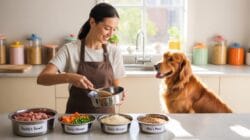
Your dog’s preferences matter just like yours do. Some dogs prefer smooth purees while others enjoy chunky pieces. Experiment with different combinations to find what works best. A dog that refuses plain chicken might eagerly eat the same chicken mixed with rice and vegetables. Texture variety transforms boring meals into something your dog anticipates.
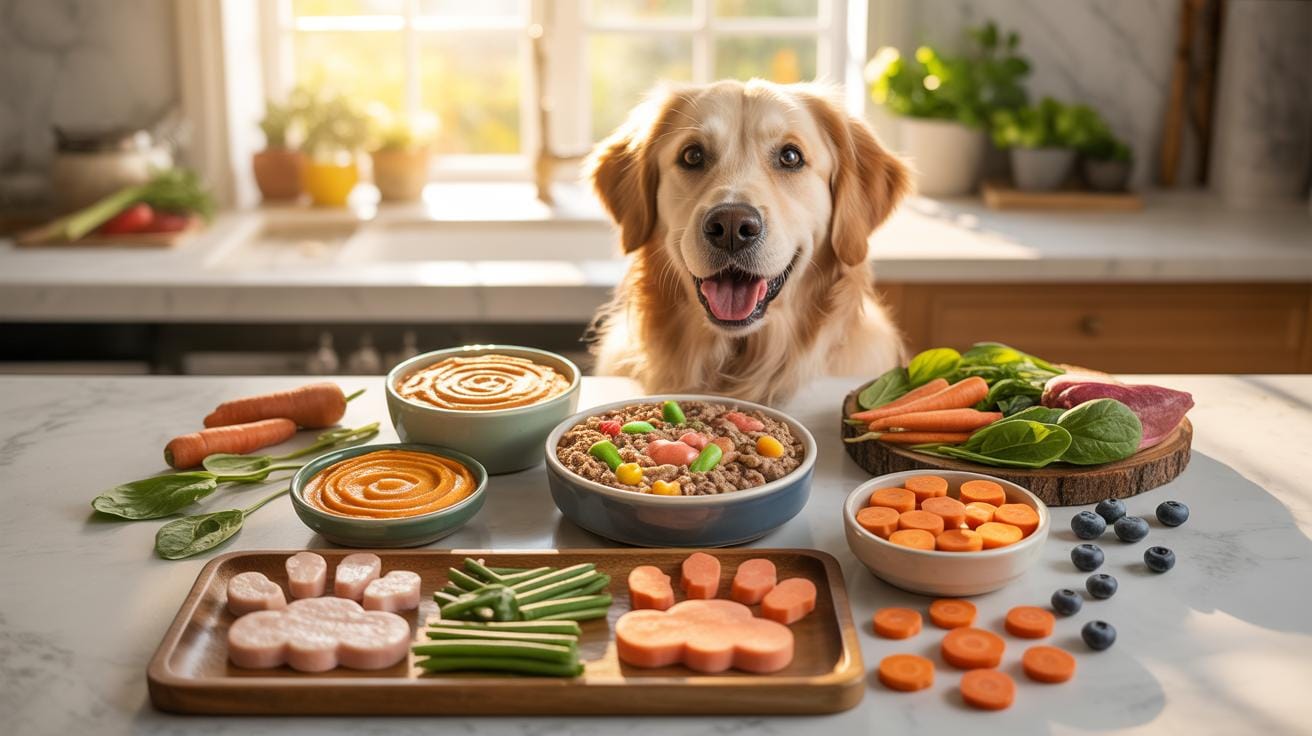
In the warm glow of our kitchen, crafting homemade meals beyond the bowl rekindles the timeless joy of nurturing our faithful companions, just as cherished country vets once did.
Nutrient Density Focus
Superfood garnishes add nutrition and visual appeal to every meal you serve dog food. Fresh parsley brightens the bowl while supporting dental health and freshening breath. Blueberries offer antioxidants and natural sweetness that dogs enjoy. A sprinkle of these toppings finishes homemade meals beautifully.
- Parsley: Adds chlorophyll for fresh breath and contains helpful vitamins for overall health support.
- Blueberries: Packed with antioxidants and natural sugars that dogs find delicious and nutritious.
- Carrots: Provide crunch, vitamins, and act as natural teeth cleaners when served raw.
- Pumpkin: Aids digestion and adds fiber while bringing mild flavor dogs appreciate.
- Eggs: Boost protein content and provide essential nutrients for coat and skin health.
Small finishing touches make big differences in your dog’s nutrition. These garnishes cost little but deliver real health benefits. Your dog gets better meals while you feel proud of the care you provide. The combination of homemade base ingredients with nutrient-rich toppings creates complete, balanced meals that nourish your pet.
Transitioning Your Dog To New Feeding Habits
Identifying Your Dog’S Preference
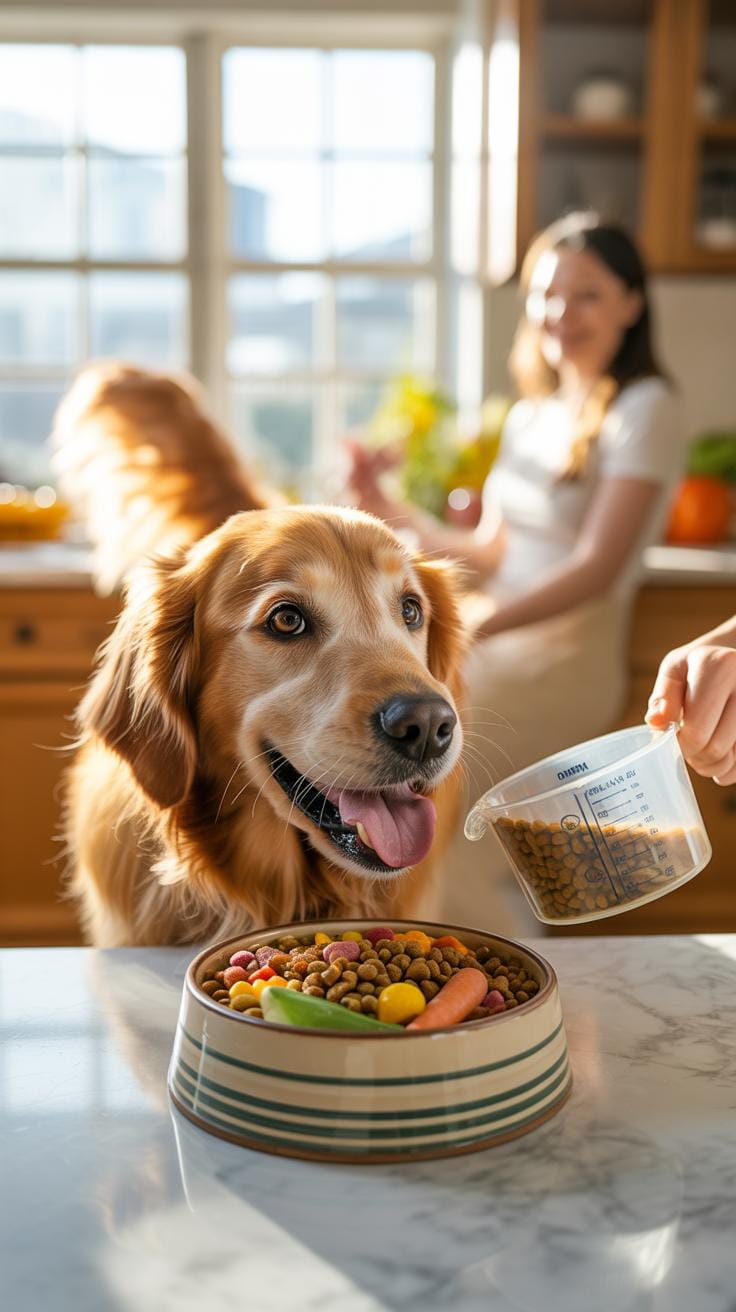
Watch your dog’s body language when you serve dog food in different ways. Some dogs get excited by puzzle feeders. Others prefer interactive feeding mats. Pay attention to their tail, ears, and energy level. Does your dog seem happy and relaxed? That’s a good sign they like the method. Notice if they eat faster or slower with certain serving styles. Your dog will show you what works best through their actions and behavior.
Every dog has unique tastes and habits. Some enjoy the challenge of working for their food. Others like simple, straightforward eating. Try different serving methods over time. Keep notes on what your dog responds to best. Their preferences might change as they grow older. The goal is finding a serving style that keeps your dog engaged and satisfied during mealtime.
Consistency And Cleanliness
Maintain a clean feeding area when you serve dog food outside traditional bowls. Wash interactive feeders and mats daily with hot water. Remove uneaten food quickly to prevent bacteria growth. Use separate utensils for preparing and serving homemade meals. Keep the feeding space away from household traffic and dirt. A tidy environment keeps your dog healthy and happy during meals.
Establish a regular feeding schedule and stick with it. Your dog will know when mealtime arrives. Clean up spills right away to prevent staining and odors. Sanitize all feeding equipment regularly. Store homemade dog food properly in airtight containers. Consistency in cleanliness and routine helps your dog feel secure and well-cared for.
Frequently Asked Questions

Why should I consider serving homemade dog food instead of commercial brands?
Homemade dog food gives you complete control over ingredients, ensuring your pup receives fresh, whole foods without fillers or preservatives. Many pet parents find it rewarding to serve dog food they’ve prepared themselves, knowing exactly what nutrition their furry friend gets. Plus, you can tailor recipes to address allergies, sensitivities, or specific health needs your veterinarian recommends.
What are the best creative ways to serve dog food beyond a regular bowl?
Transform mealtime by using puzzle feeders, slow-feeders, or lick mats to serve dog food in engaging ways. You can freeze portions in ice cube trays, mix into treat-dispensing toys, or create DIY food puzzles using muffin tins. These creative serving methods slow eating, improve digestion, and provide mental stimulation that keeps your pup entertained and satisfied during meals.
Is making homemade dog food affordable for pet owners on a budget?
Absolutely! Budget-friendly ingredients like eggs, rice, and affordable protein sources make homemade options cost-competitive with premium brands. Buying in bulk and preparing large batches to freeze keeps expenses down. When you serve dog food at home, you’ll likely spend less than premium commercial options while maintaining nutritional quality your vet approves.