Introduction
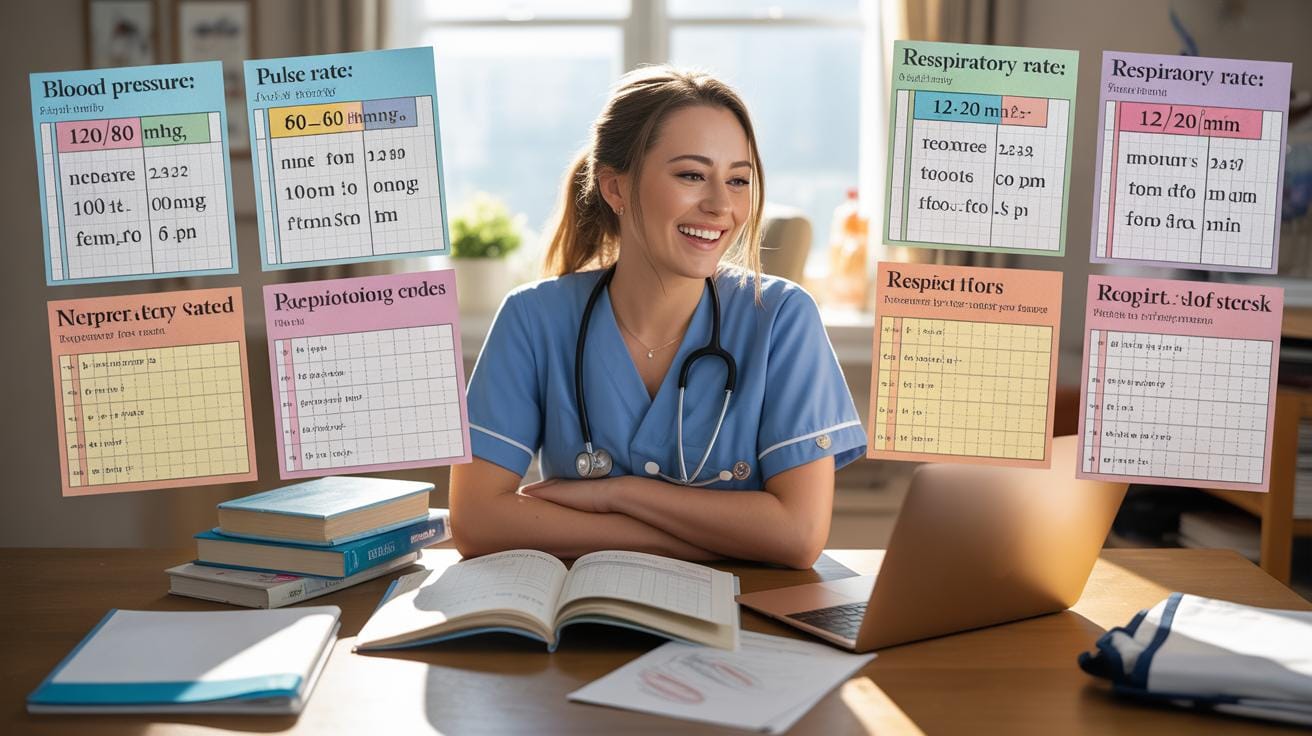
Vital signs are key indicators of a person’s health. They tell you how well the body is functioning by measuring temperature, pulse, breathing rate, and blood pressure. For nursing students, knowing vital signs well is essential to quickly understand a patient’s condition and provide good care.
This article offers a clear cheat sheet to help nursing students remember what vital signs are, how to measure them right, and why these numbers matter. By mastering this information, you can improve your study and clinical skills, ensuring better patient outcomes.
What Vital Signs Tell You
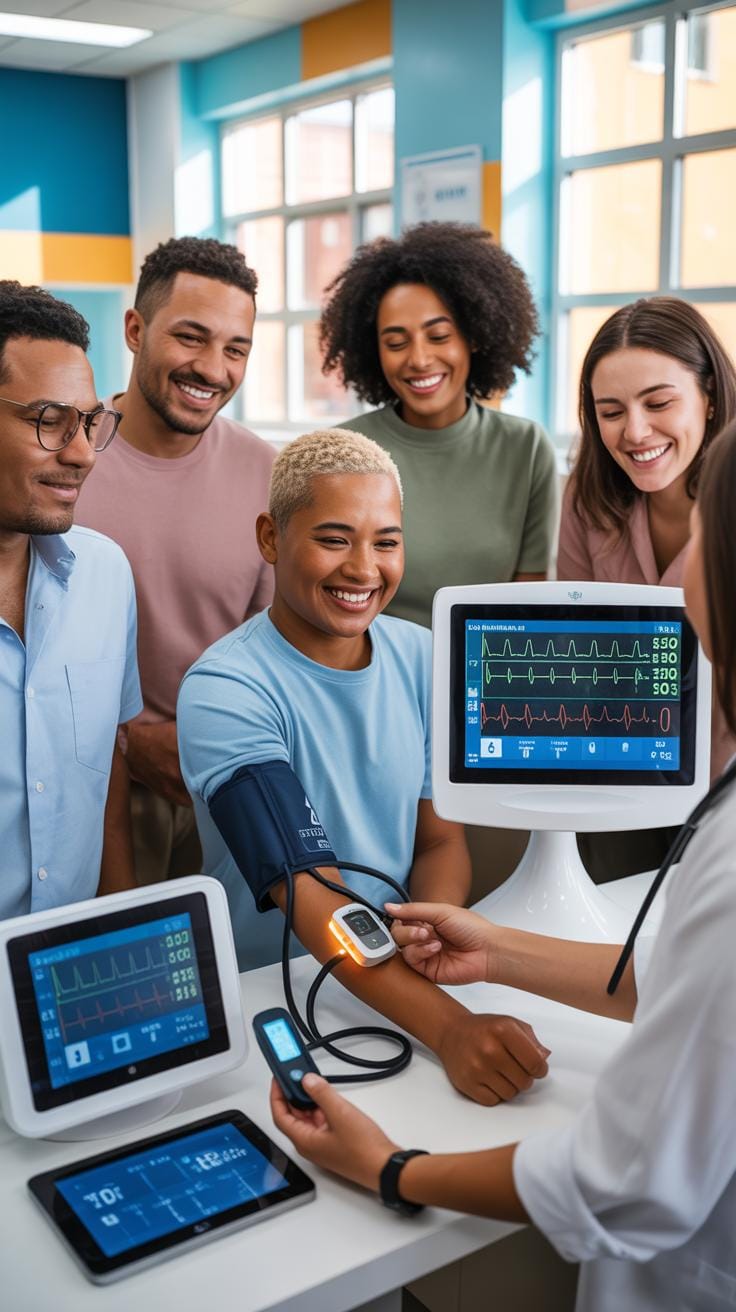
Vital signs act like a snapshot of your body’s current state. Temperature, pulse, respiration, and blood pressure each reflect specific body functions, giving clues about health or illness.
Temperature shows how well your body balances heat production and loss. When it changes, it might mean infection or problems regulating heat.

Pulse is about the heart’s activity, revealing how fast and strong the blood is pumped. Variations in pulse may suggest heart conditions or stress.
Respiration rate signals how effectively you’re breathing and oxygenating blood. Faster or slower breathing often points to respiratory or metabolic issues.
Blood pressure measures the force of blood against vessel walls, hinting at cardiovascular health. Fluctuations can warn about hypertension or shock.
Watching how these signs shift over time is key. One measurement alone might mislead; trends help understand if the body’s coping or struggling.
Temperature And Body Balance
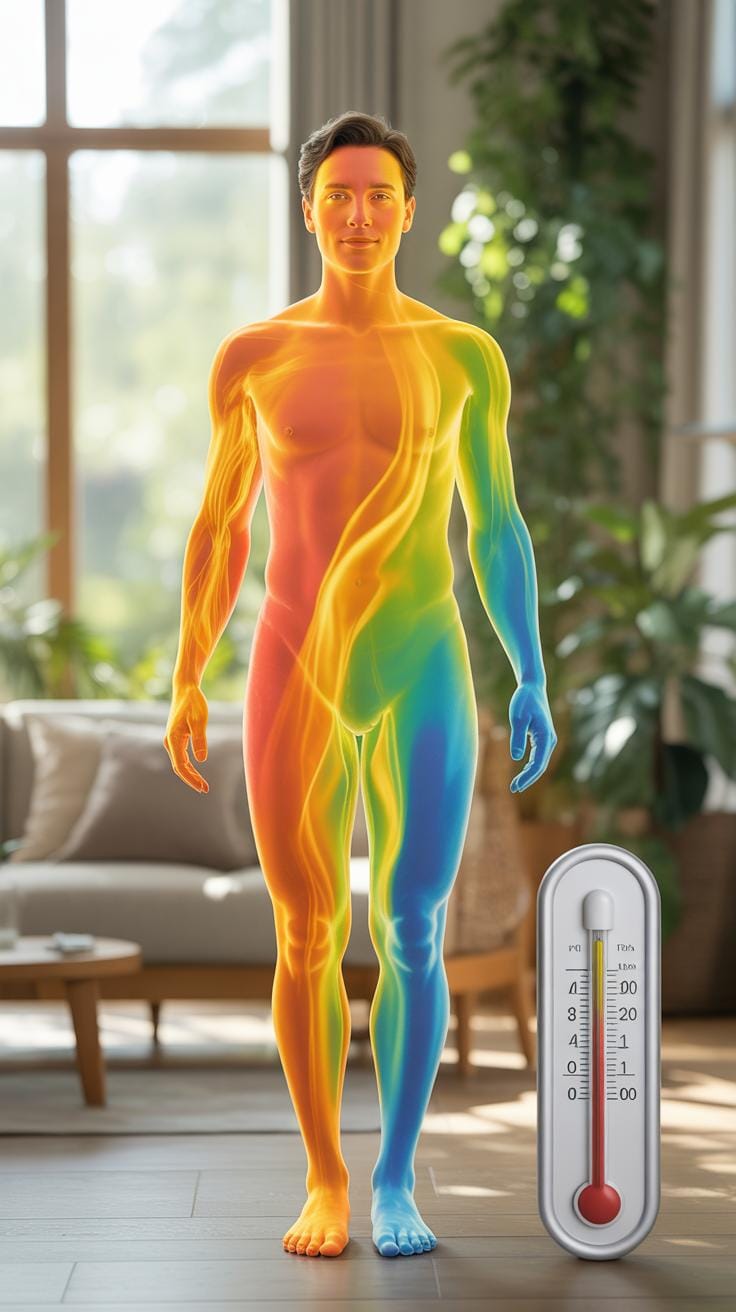

Body temperature is tightly regulated to keep vital processes running smoothly, roughly around 36.0 to 37.5 °C. This balance involves heat generated internally and heat lost to the environment.
You can measure temperature orally, rectally, or in the armpit (axillary). Rectal readings tend to be around 0.5 °C higher than oral, and axillary about 0.5 °C lower. This difference matters when you’re interpreting results.
A fever—usually 37.8 °C or above—can signal infection or inflammation. It tells you the body is fighting something, though not every fever means serious illness.
Hypothermia occurs when body temperature dips below 35 °C. This indicates the body’s failing to conserve heat, often due to cold exposure, and can be dangerous.
Pulse Rate Basics

Pulse rate reflects heart function by showing how many times the heart beats per minute. You measure it by feeling for arterial beats, typically at the wrist or neck.

To measure pulse correctly, use your index and middle fingers, press gently but firmly, and count beats for a full minute for accuracy. While doing so, note rhythm—is it regular or irregular? And strength—is the pulse strong or weak?
Normal pulse ranges from about 60 to 100 beats per minute for adults, but this varies.
An abnormally fast pulse could indicate fever, anxiety, or heart problems. Conversely, a slow pulse might be normal in athletes but also point to issues like heart block.
Assessing pulse isn’t just about the rate—it’s about the pattern and power, which together offer clues about cardiovascular health.
Steps To Measure Vital Signs Correctly
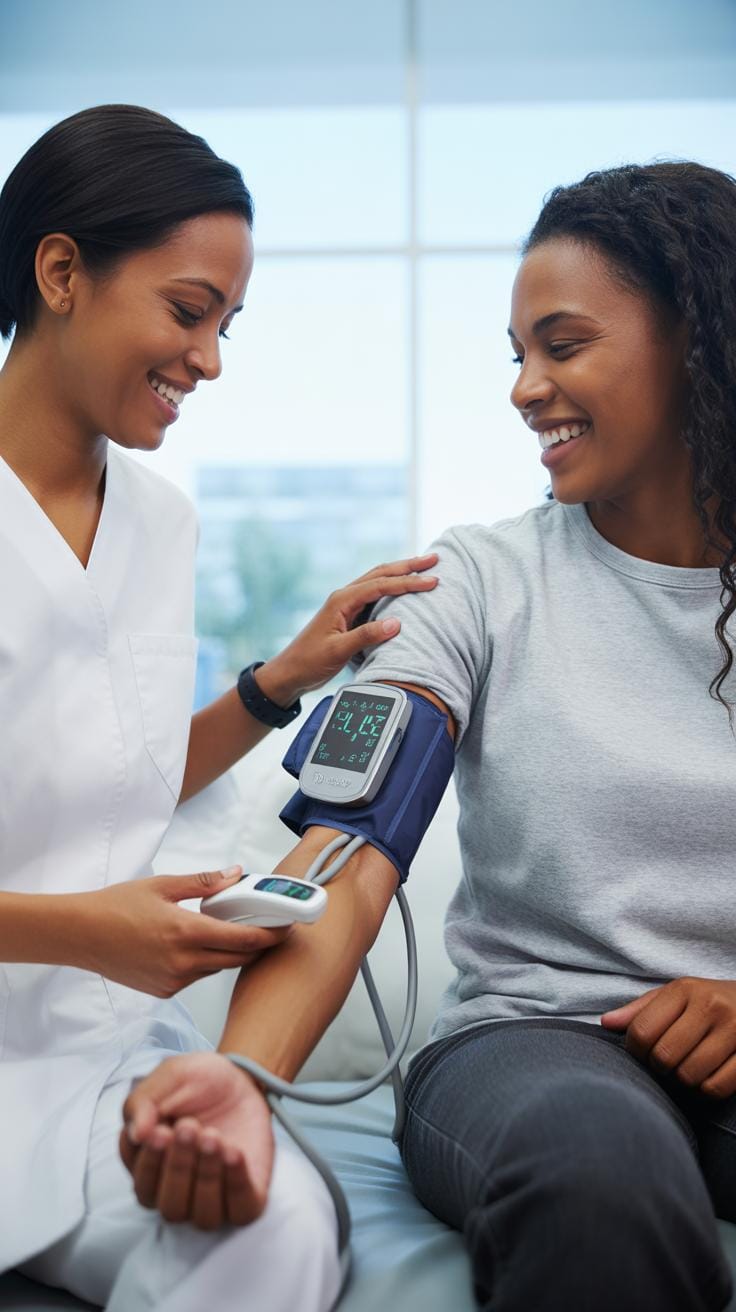

When you set out to take vital signs, the first thing is to have your equipment ready and know exactly what you’re measuring. Temperature, pulse, respiration, and blood pressure—each needs a slightly different approach. Take temperature, for example: You might use an oral thermometer, but remember, rectal temperatures tend to be about 0.5°C higher, and axillary readings slightly lower, so pick your site carefully depending on the patient and situation.
For pulse, fingers on the radial artery at the wrist are common, but the carotid artery at the neck can be used if you’re in a hurry or the pulse is weak. Count the beats for a full minute if possible; a shorter count can mislead you—especially if heart rhythms are irregular. Respiration is trickier—observe the chest rise discreetly so the patient doesn’t alter their natural breathing pattern just because they know you’re watching.
Blood pressure demands the most technique. Use a sphygmomanometer with a cuff the right size for the patient’s arm. Too small or too large, and you can get a wholly inaccurate reading. Inflate the cuff quickly, then release slowly while listening for Korotkoff sounds with a stethoscope if using a manual device. It takes some patience and practice to get it right—don’t rush it.
Avoid common mistakes like not letting the patient rest before measurements, talking during the process, or taking readings over clothing. The environment matters too—make sure it’s calm and the patient is comfortable, sitting with feet flat on the floor when possible. It’s all about minimizing variables that might skew your data.
Using Tools For Measurement


Thermometers come in all sorts of forms—digital, mercury, tympanic (ear), and infrared being popular choices. Digital oral or axillary thermometers are pretty common now because they’re fast and usually accurate enough for clinical use. Tympanic sensors need to be positioned correctly in the ear canal, or readings can be off. Don’t just grab any thermometer; consider what’s practical and hygienic.
Sphygmomanometers are a staple for blood pressure. The manual mercury type is often regarded as the gold standard, but aneroid gauges and digital monitors offer convenience. If you’re new, try manual sphygmomanometers first to understand the sounds and feel. Digital ones are tempting because they’re easy to use, but they can be less reliable in certain patients, like those with arrhythmias.
For pulse measurement, watches with a second hand or digital timers come in handy. If you have a stethoscope, you can check the apical pulse—especially important if peripheral pulses feel weak or irregular. Respiratory rate can be counted without devices but having a quiet environment and a watch with a second hand or timer helps ensure accuracy.
Choosing the right tool often depends on the clinical setting and the patient. For example, using an infrared thermometer is quick and less invasive but might not replace traditional methods in every case. Familiarize yourself with the devices available so you can pick the best one for each moment.
Checklist For Accurate Reading

- Prepare all equipment beforehand and ensure it’s functioning properly.
- Explain the procedure to the patient to reduce anxiety and encourage cooperation.
- Ensure the patient is seated comfortably, ideally resting for 5 minutes before measuring.
- Use the proper technique for each vital sign; for instance, count pulse and respiration for a full minute if irregularities are suspected.
- Avoid measuring over clothing, and make sure the cuff size fits appropriately for blood pressure.
- Maintain a quiet environment to accurately assess respiration and auscultate accurately for blood pressure.
- Record each value immediately, noting the time and measurement location (i.e., oral, axillary, etc.).
- Watch for any unusual findings and consider repeating the measurement for confirmation.

Throughout all this, don’t overlook patient comfort—it matters more than you might think. Nervous patients can have elevated heart rates; cold environments can lower skin temperature readings. These subtle influences tell you that measurements don’t happen in isolation. Precision isn’t just about technique; it’s about context too.
Comparing Normal Versus Abnormal Signs

When you’re dealing with vital signs, understanding normal ranges for different age groups is key. What’s normal for a toddler isn’t the same for an elderly patient, and that’s not just a random fact — it’s central to good nursing. For example, normal body temperature generally hovers around 36.0 to 37.5 °C (96.8 to 99.5 °F), but infants can have slightly higher temperatures than adults. Babies might naturally have heart rates between 100 and 160 bpm, while adults typically sit around 60 to 100 bpm. Respiratory rates also vary — newborns breathe faster, often 30 to 60 breaths per minute, whereas adults generally take 12 to 20 breaths per minute. Blood pressure trends upward with age; infants have lower pressures compared to older adults.
Now, spotting abnormal vital signs is crucial. A fever above 38 °C in anyone might signal an infection, but in elderly patients, even a slight temperature rise could be serious. Bradycardia (a slow pulse) under 60 bpm might be normal in athletes but dangerous in others, while tachycardia (over 100 bpm) can imply stress or heart issues. Hypotension (low blood pressure) could point to shock or dehydration, whereas hypertension can increase stroke risk. Respiratory distress signs — like rapid, shallow breathing — demand immediate attention.
Why care so much? I remember a shift when a patient’s slightly elevated pulse tipped us off to an infection early, potentially preventing major complications. It reminds you that these numbers aren’t just digits; they tell stories about health. Understanding age-based norms versus red flags really shapes how you prioritize care and respond to each patient’s unique condition.
Why Monitoring Vital Signs Matters
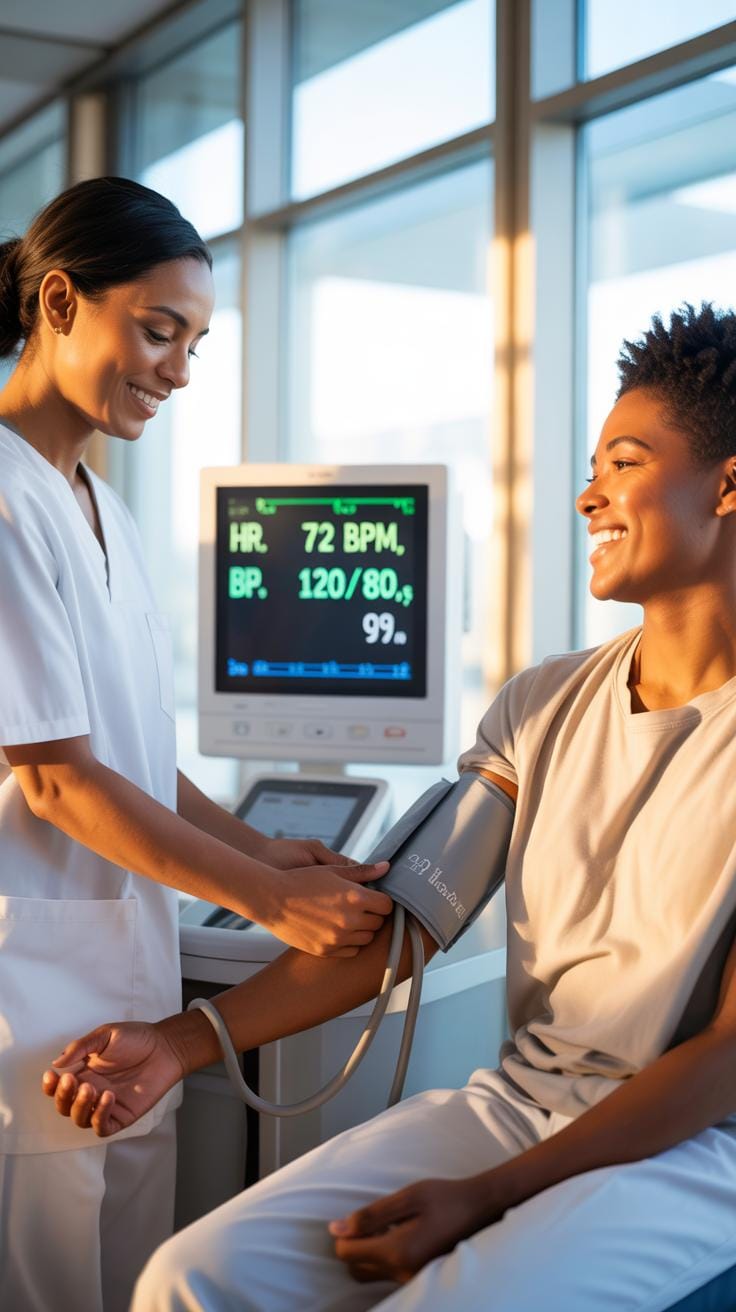

Monitoring vital signs isn’t just a routine task; it’s a fundamental part of nursing care that helps catch issues before they escalate. When you track vital signs regularly, you get a clearer picture of a patient’s baseline health and spot deviations early on. This can be critical — sometimes, a subtle change in pulse or blood pressure might hint at an emerging problem that isn’t yet obvious physically.
Take, for instance, a patient with an infection. A rising temperature alongside an increased heart rate could be your first hint that the infection is worsening, prompting immediate intervention. On the other hand, stable or improving vital signs might reassure you that the treatment is working, guiding you on whether to continue or adjust care.
After spending time in clinical settings, I’ve seen how quickly a nurse’s attentive eye on vital signs can prevent complications. It’s like having ongoing feedback that informs your every move, but sometimes it’s hard to interpret the signs correctly or know when changes matter—an ongoing challenge.
Early Warning System
Vital signs serve as an early warning system. They tell you when a patient’s health may be declining, even before symptoms become apparent. For example, a sudden drop in blood pressure or rapid breathing could indicate shock or internal bleeding. Similarly, a rising temperature can signal an infection creeping in.
Think about septic patients – a nurse noticing escalating respiratory rate and fever can alert the team to intervene faster, potentially saving lives. Still, not every change signals disaster; some variations reflect normal responses, making interpretation a bit tricky.
Guiding Patient Care

Nurses depend on vital signs to tailor interventions and evaluate their impact. If a patient’s blood pressure remains high despite medication, it might prompt dosage adjustment or additional therapies. Conversely, stable vitals can mean a treatment is effective.
Vital signs also guide decisions on when to escalate care or involve specialists. In my experience, one of the hardest parts is balancing how much to rely on these numbers – sometimes a patient looks fine, but their signs say otherwise, or the reverse. It’s a constant dialogue between data and clinical judgment.
Cases Showing Vital Sign Use Practical Nursing Examples
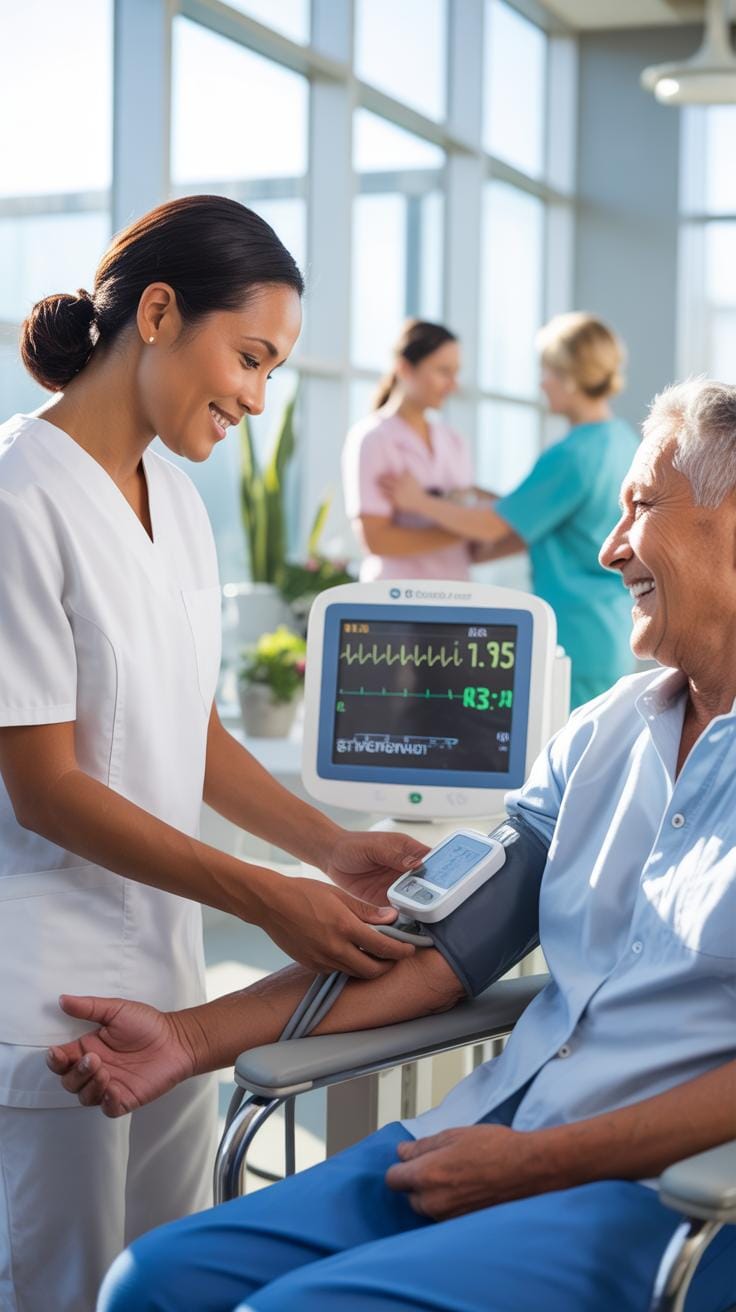
Vital signs often reveal critical clues that shape nursing actions in real time. Consider a patient with a fever. When a nurse detects an elevated temperature—say, above 38°C—they immediately start monitoring for infection signs. Fever signals the body’s defense is ramping up, but it also means risk of spreading infection. Nurses act quickly by isolating the patient if needed, administering antipyretics, and notifying the healthcare team to identify the cause. They balance fever reduction with letting the body fight the infection—this is where judgment comes in.
In another instance, imagine spotting low blood pressure—hypotension—in a patient. A reading below 90/60 mmHg, combined with dizziness or weakness, calls for urgent attention. Nurses often reassess vital signs, check for underlying causes like dehydration or medication effects, and provide fluids or adjust treatment accordingly. Prompt action helps prevent organ damage from poor blood flow.
Lastly, abnormal pulse readings—too fast, too slow, or irregular—can signal heart problems or other issues. Nurses might need to track pulse changes closely and alert physicians. These signs drive decisions on monitoring intensity, interventions, or even emergency measures.
Each vital sign tells a story, but it’s the nurse’s interpretation and response that makes all the difference. What would you do if you noticed these signs during your shift?
Common Mistakes And How To Avoid Them

When measuring vital signs, nursing students often encounter mistakes that can throw off their readings. One frequent error is using an incorrect cuff size for blood pressure; it may seem minor, but the wrong size can cause readings to be misleadingly high or low. Don’t rush through measurements either—hurrying can lead to overlooked beats or misreadings. Practice is key here. The more you measure, the better you understand what accurate feels like.
Also, students sometimes mishandle equipment, like using a thermometer not suited for the measurement site or placing the blood pressure cuff poorly—perhaps too loose or over clothing instead of bare skin. This slips in unnoticed and skews results. Double-check placement and equipment type before starting; it avoids frustrating inaccuracies.
Reading and recording mistakes are surprisingly common too, such as miscounting the pulse or transcribing numbers incorrectly. You might think you counted for 15 seconds, but did you really? Timers help. And always confirm your recorded numbers immediately—errors often creep in during the rush to jot down results. A simple review can save confusion later. In short, slow down, double-check, and keep practicing. It might sound obvious, but there’s no substitute for hands-on experience.
Tools And Technology Updates

Modern nursing relies heavily on devices that track vital signs swiftly and with minimal fuss. Digital thermometers and electronic monitors have become staples on the ward. They use sensors and microprocessors to quickly provide accurate readings for temperature, pulse, respiration, and blood pressure. These tools are great for saving time — especially when nurses juggle multiple patients.
But manual instruments remain relevant. The old-fashioned sphygmomanometer and stethoscope still serve when digital devices malfunction or when clinical situations demand careful auscultation. Manual methods can be more sensitive to subtle cues, like irregular heart rhythms or faint Korotkoff sounds.
There are trade-offs:
- Digital devices offer speed and ease but depend on batteries and calibration.
- Manual tools require skill and patience but offer direct control and reliability in tricky cases.
Recognizing when to trust and use each tool separates a seasoned pro from a novice nurse. Could you rely only on digital tools, or is it wiser to keep manual skills sharp as a backup? Both have their place in nursing education and practice.
Digital Thermometers And Monitors
Digital thermometers provide fast and fairly accurate temperature readings. They use electronic probes to detect heat and convert it into a precise digital value. This speed means nurses can assess temperature quickly without disturbing patients much. Electronic monitors extend this concept for blood pressure and other vitals, often with automatic inflation and digital displays.
The major upside is convenience: instantaneous, repeatable measurements without much technical fuss. And you can often capture trends more easily by storing digital data. But beware devices may fail with incorrect tech settings, temperature extremes, or poor sensor contact. Not everything can be captured in a snapshot number.
When To Use Manual Tools
Manual methods remain important in several situations:
- Monitoring irregular or faint heartbeats where electronic devices struggle.
- Settings with unreliable power or where technology isn’t available.
- When needing to detect subtle changes in sounds or pressures that digital algorithms might miss.
Despite digital dominance, manual skill is a vital safety net. It trains you to rely on your senses, judgment, and experience. Which makes me wonder—will future nurses still master these older skills, or will they slowly fade from routine practice?
Checklist For Nursing Students StepbyStep Guide to Taking Vital Signs
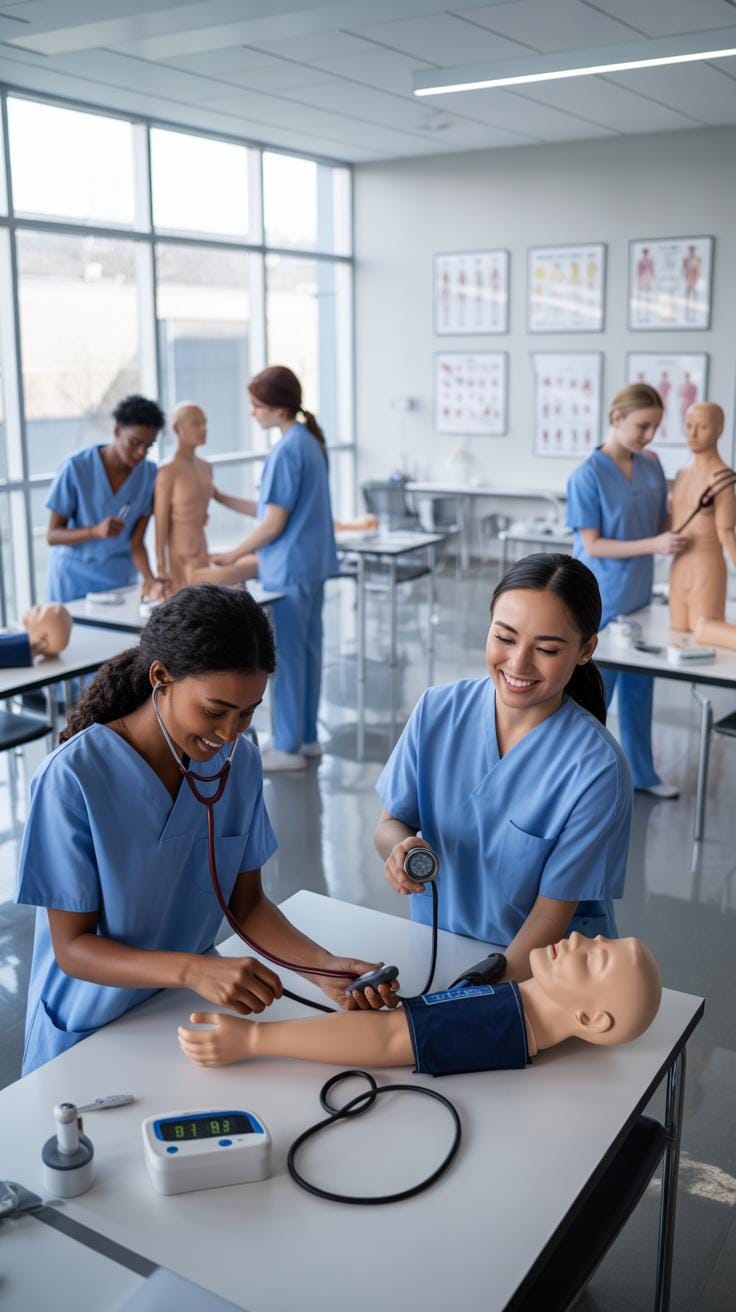
Before you begin, prepare your space and yourself first. Wash your hands thoroughly—don’t rush this; clean hands are crucial to avoid spreading anything. Gather all necessary tools: a blood pressure cuff, thermometer, watch with a second hand or timer, and a stethoscope if you have one. Clear any clutter from the patient’s area. Then, explain what you’re going to do to the patient. It helps to calm nerves—both theirs and yours.
When measuring, stay methodical. Start with the temperature—whether orally, axillary, or tympanic—make sure the device is calibrated if needed. For pulse, feel the radial artery gently but firmly, counting beats for a full minute unless you’re confident with 30 seconds doubled. Blood pressure comes next; position the cuff snugly around the upper arm, making sure the patient’s arm rests at heart level. Inflate, listen carefully with your stethoscope, and watch the gauge slowly deflate. Don’t forget to note the systolic and diastolic values precisely.
Record each measurement immediately. Write legibly—sloppy notes can cause confusion later. Include the time and method used for each reading. Afterward, share your findings clearly with your instructor or the healthcare team. In your early days, repeating the process or asking for feedback feels tedious but it builds your confidence. With practice, this checklist becomes second nature.
Tests And Metrics To Track Progress

Tracking vital signs over time can be unexpectedly revealing. It’s not just about isolated measurements; it’s the patterns and trends that offer real insight into how a patient is doing. When you monitor variables like body temperature, heart rate, respiratory rate, and blood pressure regularly, you catch shifts that might suggest improvement or warn of decline.
Simple charting methods can make this easier. Keeping a log, whether on paper or digital, allows you to see fluctuations and tendencies at a glance. Graphing the numbers—plotting heart rate or temperature readings on a timeline, for example—makes patterns jump out more clearly than raw numbers ever could. You don’t need complex software; even a basic spreadsheet can serve this purpose well.
There are specific metrics you should always watch closely. For instance, a sustained fever above 38°C (100.4°F) could signal an infection worsening, while a sudden drop in blood pressure might indicate shock or bleeding. Persistent tachycardia (fast heart rate) or bradypnea (slow breathing) might both be red flags deserving urgent attention. Knowing when to raise these alerts and communicate them quickly can make a big difference to patient outcomes.
In my experience, accounting for subtle changes—like a slight upward drift in respiratory rate over several hours—can be just as critical as spotting a sudden spike. Charting and analyzing these metrics isn’t just paperwork; it’s a way of keeping the patient’s status transparent and actionable as their condition unfolds.
Conclusions
Vital signs give important clues about health and illness. As a nursing student, you should practice taking each measurement carefully, understand what the numbers mean, and watch for changes over time. This hands-on skill is a foundation for safe and effective care.
Use the cheat sheet to remember key facts and steps for vital signs. With regular study and practice, you’ll build confidence and speed. This knowledge will help you in clinical settings and exams, setting you up for successful nursing work ahead.