
Introduction
Daily workout plans play a crucial role in maintaining and improving animal health and fitness. These plans help in tracking physical activities that promote strength, flexibility, and stamina in animals. Understanding the right metrics in a workout plan can guide owners and trainers to optimize exercise routines for better health outcomes.
This article discusses daily workout plan metrics that can significantly enhance animal health and fitness. It covers selecting appropriate fitness metrics, monitoring progress, and making changes based on measurable data. Whether you are a pet owner or a professional, using these insights will help you set effective exercise plans and support the well-being of your animals.
Defining Key Workout Metrics For Animals
When thinking about workout plans for animals, it’s useful to focus on a handful of key metrics that give you clues about their overall fitness. Strength, for example, shows how well muscles cope with resistance. It’s not just about how much weight an animal can push, but also how it maintains posture and moves during activity.

Endurance measures how long an animal can sustain activity before tiring. This speaks to cardiovascular health and energy systems—which, frankly, can be tricky to gauge unless you watch closely during exercise sessions. Flexibility is often overlooked, but it affects movement quality and injury prevention. Stiffness or limited range of motion can hint at underlying issues or the need for targeted stretches.
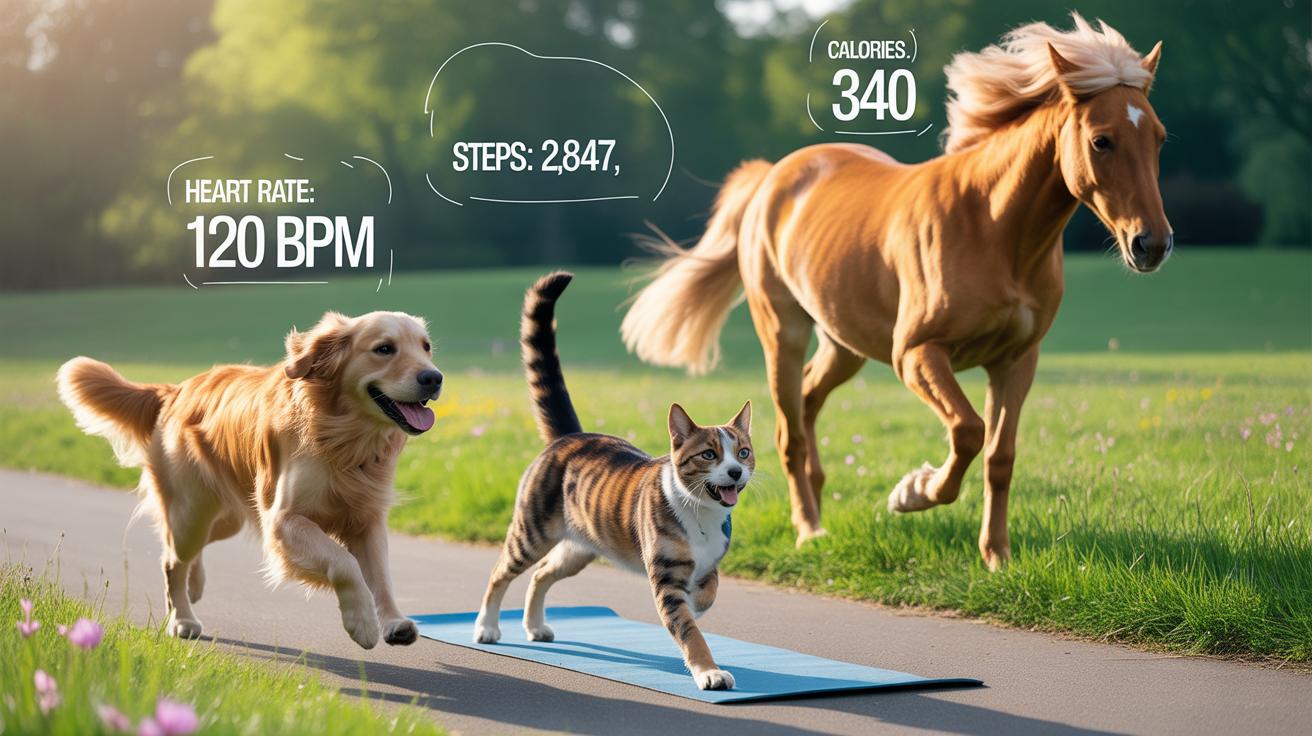
Heart rate is another valuable measure. It tells you how the animal’s cardiovascular system responds under stress and recovery. Controlled heart rate suggests better overall health, while spikes or slow recovery might mean fitness hasn’t improved much. Speaking of recovery times, they indicate how quickly an animal returns to normal after exertion, revealing fitness progress or possible overtraining.
Tracking these metrics matters because animals can’t verbally express fatigue or discomfort. These numbers and observations become your language for understanding their health and fitness over time.
What Metrics Impact Animal Health Most
Some metrics have more direct implications for an animal’s well-being than others. Heart rate monitoring stands out—knowing an animal’s resting and active heart rates can reveal stress levels, fitness changes, or underlying problems. For example, a dog’s resting heart rate dropping after a workout program often signals improved cardiovascular health.
Muscle strength tests, though less common, give insight into functional ability. Push tests where animals have to navigate obstacles or resist light pulls help assess muscle condition. These tests can identify weakness early—crucial to avoid injuries.

Endurance tests like timed fetch sessions or treadmill runs also highlight stamina shifts. Low endurance often links with weight problems or unhealthy lifestyles, so these metrics impact long-term health. In short, you might want to prioritize heart rate and strength measures above all, since they tend to reflect the most impactful fitness aspects.
How To Measure Fitness Metrics Accurately
Measuring fitness metrics in animals isn’t as simple as placing a Fitbit on a human wrist. Still, there are some reliable tools and ways to get meaningful data.
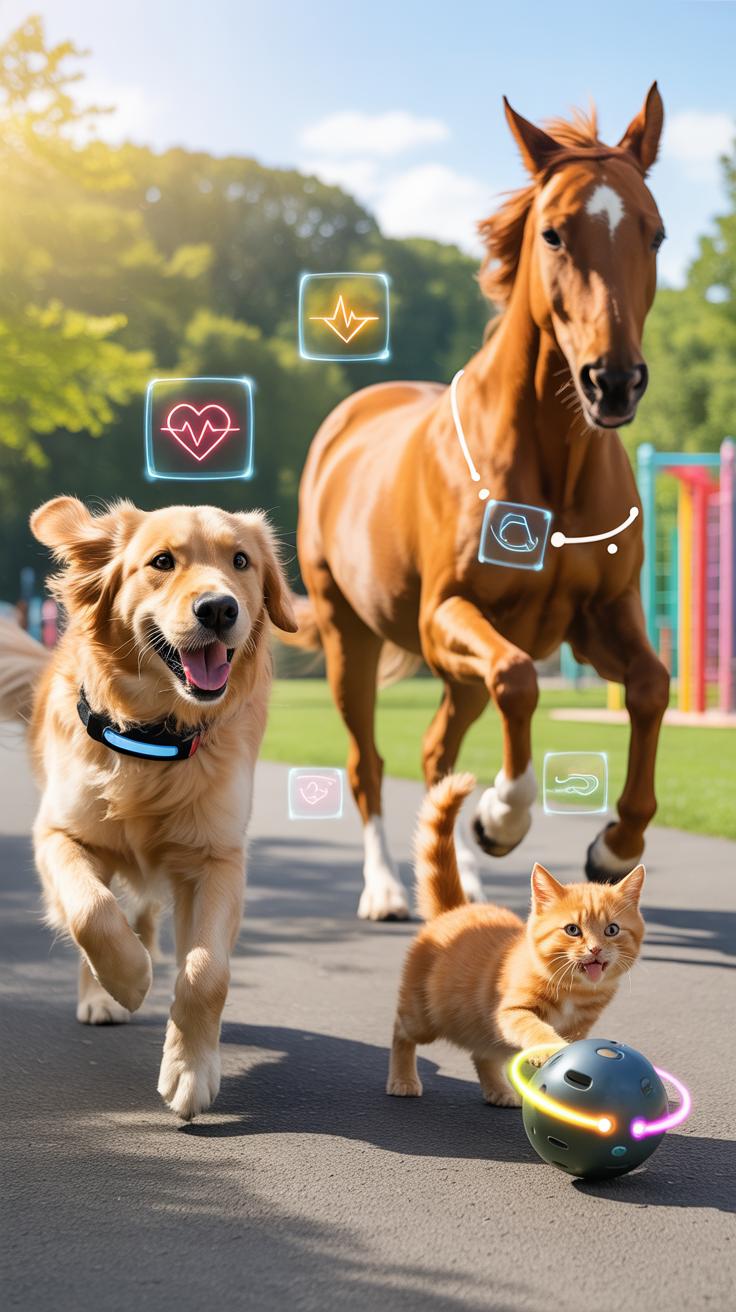
Wearable devices now come in versions suitable for pets. These include collars or harnesses with heart rate monitors and activity trackers. They provide real-time feedback but should be chosen carefully to fit the animal comfortably and not interfere with natural movement—otherwise accuracy drops.
For muscle strength, observational methods like watching the animal perform specific movements or obstacle navigation often work well. Videos can help analyze performance frame-by-frame, giving you clues about muscle function and coordination.
Measuring recovery can be trickier. One straightforward way is to record heart rate immediately post-exercise and then again after a defined rest period, noting how fast it returns to baseline. This simple approach offers insights without needing expensive equipment.
In short, combining these tools and close observation helps paint a fuller picture. But expect some variability—you’re dealing with live creatures, after all, not machines. And sometimes the data surprises you, making you look twice and reconsider assumptions.
Tracking Progress With Daily Workout Logs

Keeping daily workout logs for animals isn’t just about jotting down what happened; it’s a way to understand how your animal is responding to exercise over time. When you record specific exercises, their durations, intensities, and rest periods, you build a detailed picture of each session. This helps reveal patterns—maybe your dog tires unusually fast on certain days or your horse needs longer rests after hill work.
Logs allow you to spot those subtle shifts in performance or behavior that might escape notice otherwise. For example, if you notice a steady decline in exercise duration, it might signal early fatigue or discomfort, prompting a timely change in the routine. On the other hand, increased stamina could suggest the current plan is working.
But it’s not just about volume or time. Intensity matters too. Saying your animal “ran for 30 minutes” is less helpful than specifying the pace or resistance level. Recording rest intervals tells you how recovery is progressing, which can be surprisingly informative. The real value is in reviewing these records regularly and tweaking the program accordingly.
Steps To Create A Workout Log
Creating a useful workout log means capturing the right details, nothing too cumbersome but enough to guide decisions. Here’s a checklist to get you started:
- Animal’s name and date of workout
- Type of exercise (walking, running, swimming, etc.)
- Duration of each activity segment
- Intensity or speed level—use simple scales if needed
- Number and length of rest or recovery periods
- Notable observations: behavior, willingness, any signs of discomfort
- Weather or external factors that may affect performance
Update this log immediately after each workout, or at least the same day to avoid forgetting details. A weekly review helps highlight trends worth attention.
Benefits Of Consistent Record Keeping
Keeping consistent logs brings several advantages beyond tracking fitness gains. One obvious benefit is noticing early signals of health problems. A decline in exercise tolerance might be your first clue to joint pain or cardiovascular issues, well before other symptoms show.
Patterns also emerge that you might miss without records: Does your animal perform better in cooler temperatures? Do certain exercises provoke stiffness the following day? Addressing these details means you can tailor programs more precisely, avoiding unnecessary strain.
Now, I won’t pretend it’s easy always to keep up with logging. Sometimes days are hectic, and you forget a detail or two. But even partial records beat guessing. They form the backbone of an informed approach. So, think of your workout log as a conversation with your animal’s wellness over time, not just a chore.
Adjusting Exercise Based On Data Insights
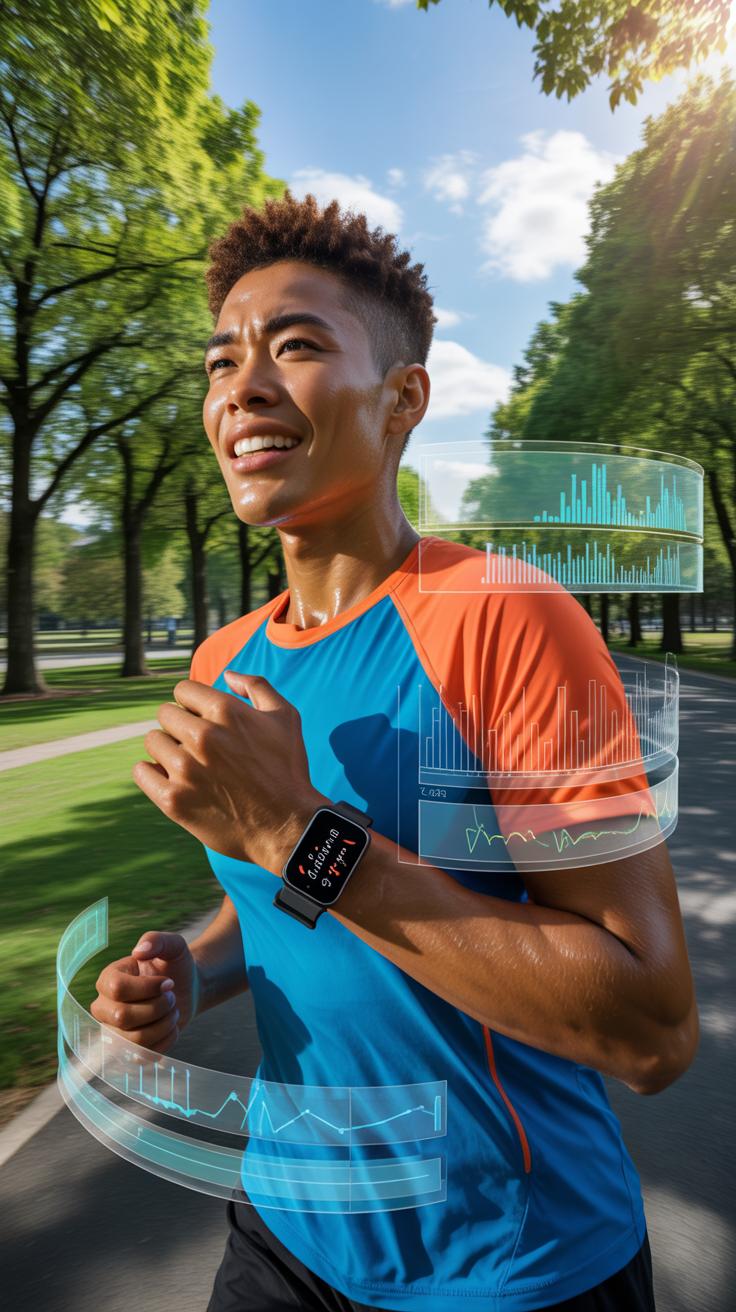
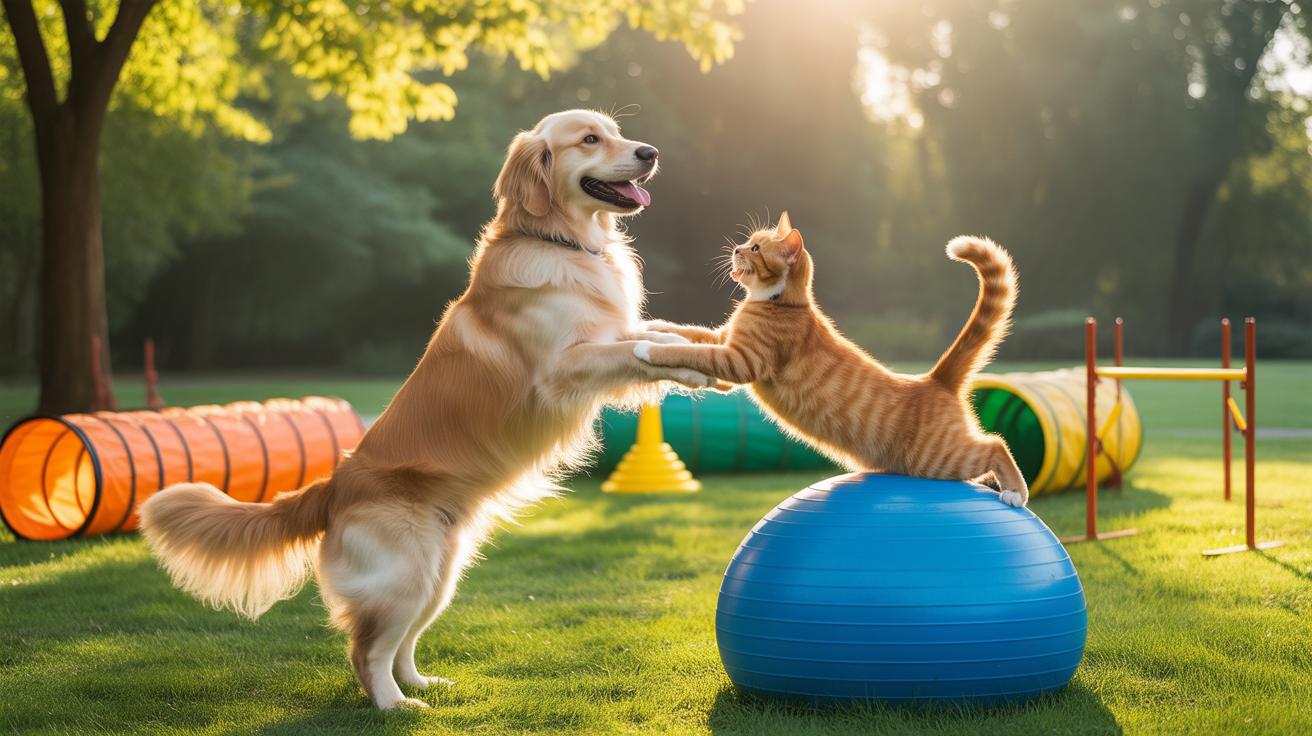
When you track workout data closely, patterns start to emerge. These patterns can tell you if your animal’s exercise plan is hitting the mark—or missing it. For instance, if progress stalls or energy dips, it might mean you’re nudging too hard or not enough. Learning to read these signals is key.
Signs of undertraining include low heart rates during activity, minimal muscle gain, or unchanged endurance over weeks. On the flip side, overtraining often shows through chronic fatigue, inconsistent appetite, or increased injury rates. You might notice restlessness in an overworked animal or a lack of enthusiasm for exercise sessions.
Adjusting ahead of plateaus can mean either increasing intensity or even scaling back. Say your dog runs the same route daily with no improvement; adding intervals of higher speed or varied terrain could help. Or if symptoms point toward overtraining, inserting extra rest days or replacing a high-impact exercise with gentler activities can make a difference.
For example:
- If your pet’s heart rate recovery slows, consider adding a rest day or shorter sessions.
- After weeks of no endurance gains, boosting activity duration by 10-15% might push progress forward.
- Swapping repetitive exercises for new movements can reduce strain and reignite motivation.
Ultimately, small, deliberate changes based on data keep the plan alive. You learn more through trial, error, and observation than you might expect. So, keep a close eye on your animal’s reactions. Trust those subtle shifts—they often point to what’s needed next, even if it’s not obvious at first.
Comparing Workout Programs For Different Animals
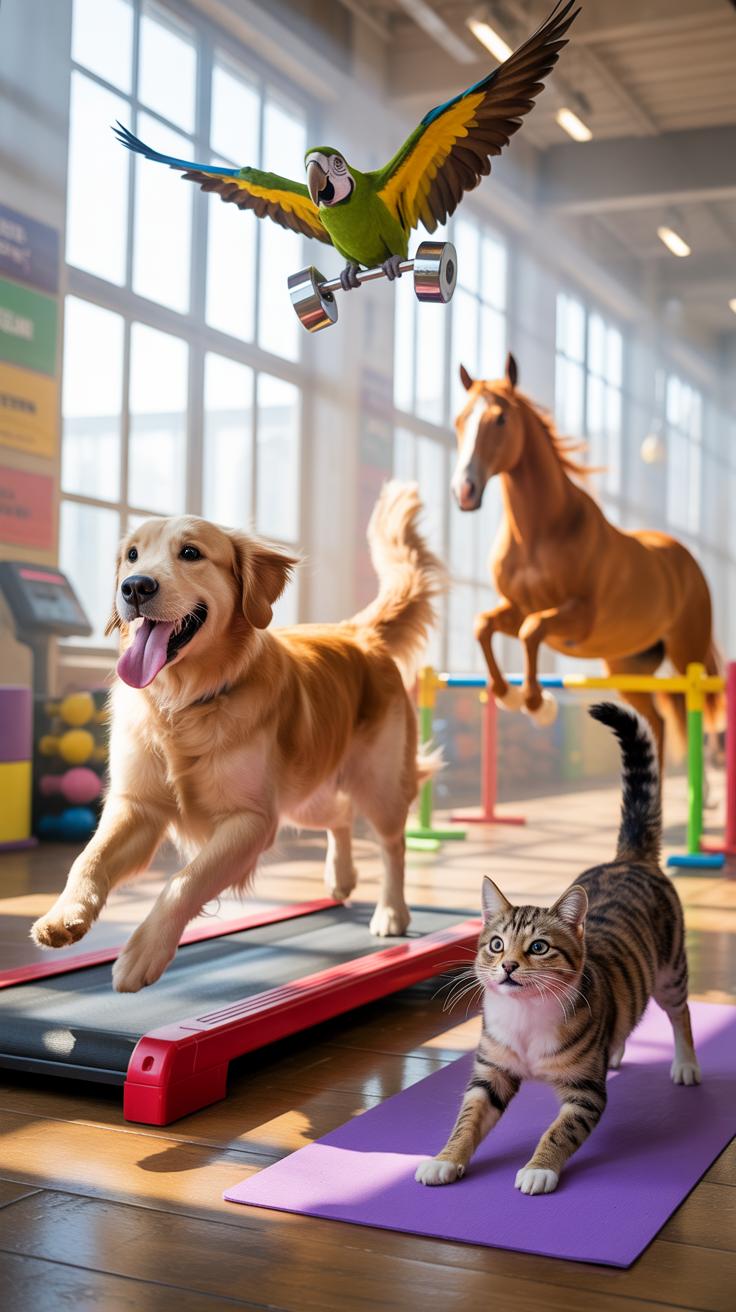
When you look at workout plans for animals, the differences in species, size, and natural behavior really come through. Dogs, horses, and livestock all have distinct needs—what works for one might be poor fit for another. Take dogs; their workouts often mix runs, fetch, or agility drills, promoting cardiovascular health and mental sharpness. Horses, on the other hand, require longer, sustained exercise, like trotting or cantering, aimed at endurance and muscle tone. Livestock such as cattle or sheep don’t often get structured “workouts” but benefit from movement that encourages natural grazing and walking patterns to support joint health.
Metrics used to track progress differ too. For small or medium dogs, distance and speed over short bursts are key, while horses need monitoring of heart rate recovery and endurance over longer sessions. For livestock, the focus might be on general activity levels or weight-bearing metrics rather than precise exercise counts. The goals shift depending on why you’re working out the animal—is it for competition, health maintenance, or behavior improvement?
You have to adapt exercises carefully. For example, swimming can be excellent low-impact exercise for dogs prone to joint issues but less practical for horses unless in specialized facilities. Horses might gain from hill work that builds muscle strength, something meaningless for most livestock. So the exercises aren’t interchangeable; they should consider anatomy, mobility, and even the animal’s mental engagement to avoid boredom or stress.
Have you ever thought about why certain animals perform better with daily short bursts rather than longer but less intense workouts? Sometimes the answer lies in their evolutionary background, not just current fitness goals. It’s tricky, because you want measurable progress but also to respect what each species naturally thrives on physically.
Tools For Monitoring Animal Fitness Metrics
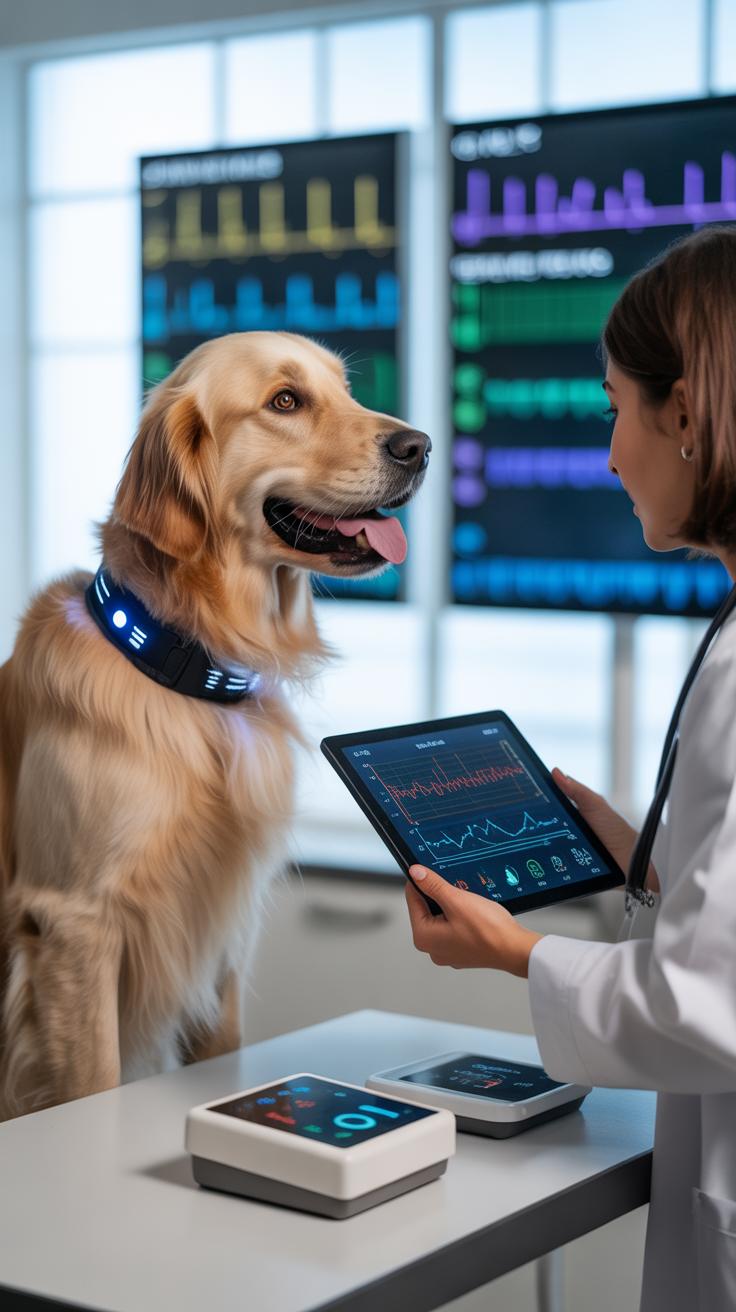
Tracking an animal’s workout progress relies heavily on the right tools, and those options range widely. Wearable devices have made it easier to gather concrete data like heart rate, step count, or activity levels. For example, collars equipped with sensors can give real-time info, but not every animal tolerates such gear well. You might find horses or dogs more adaptable than, say, smaller or more sensitive creatures.
Apps linked to these devices often offer dashboards showing trends over time, making it less guesswork and more about numbers. Still, these tech-based tools aren’t always necessary or feasible. Sometimes, simple manual techniques work pretty well. Timing exercises, counting reps, or even observing changes in gait or stamina can reveal quite a bit.
Choosing the right tool depends on the animal’s size, temperament, and activity type. For instance, a large working dog could benefit from a GPS-enabled collar, while for farm animals, something less intrusive may be better. Think about the animal’s daily routine and environment before picking any device or method—one size doesn’t fit all here.
Popular Fitness Tracking Devices
Some devices tend to pop up more in animal fitness tracking, like FitBark for dogs or Whistle trackers, both tracking activity and rest patterns. They often feature GPS tracking, which can be helpful if your animal has a wide range. Accelerometers measure movement intensity, offering insights into exercise quality. These devices typically sync with smartphones, making it easier for you to monitor progress remotely.
The upside is clear: objective data helps spot issues early or confirm workout effectiveness. But there are limitations. Battery life can be a pain; some gadgets need frequent charging. Also, some devices may misread certain movements or get confused by environmental factors like rough terrain or water exposure. And, of course, they can be costly compared to manual options.
You may also find trackers designed specifically for horses, like GPS saddles or leg bands measuring strain and heart rate. These are often more rugged but sometimes less user-friendly outside specialized training environments. So, weighing features against what your animal actually needs is key.
Manual Methods To Monitor Fitness
When devices aren’t an option, old-fashioned observation and timing become your best friends. You can measure workout sessions with a stopwatch or smartphone timer, marking how long your animal stays active or rests between exercises. This simple info can indicate endurance changes.
Visual assessments also play a big role, especially if you know your animal’s baseline behavior. Notice changes in breathing rates, gait consistency, or willingness to perform tasks. Even after a few workout sessions, patterns emerge.
Sometimes, just being present and attuned to subtle shifts works better than any gadget. For example, a dog might start lagging during runs or a horse may show stiffness after a jump. These signs don’t require fancy equipment, but they do need attentive eyes and experience.
Still, manual monitoring has limits in precision. Without data to confirm intuition, it can be tricky to judge small improvements or declines. Maybe blending both approaches—tools when you can, manual checks when you can’t—is the safest bet for steady progress.
Overcoming Common Workout Plan Challenges

Working with animals on daily workout plans is never straightforward. Animals don’t always follow schedules like we expect. You might face injuries, sudden disinterest, or even behavioral setbacks that throw off progress tracking. For instance, a dog might develop a limp, or a horse could resist certain exercises after a scare. These situations make consistent measurement difficult, as workouts become irregular or less intense.
Typical challenges include:
- Injuries leading to breaks or modifications in routines
- Fluctuating moods or motivation from your animal
- Environmental distractions interrupting focus during workouts
- Difficulty in maintaining a steady pace or intensity
- Challenges in interpreting animal responses to exercises
To stay on track, try these ideas:
- Adjust plans gradually when injury occurs rather than stopping cold turkey
- Introduce variety to keep animals engaged and curious
- Track subtle signs of stress or fatigue to avoid pushing too hard
- Set flexible goals instead of rigid targets, allowing room for off days
- Use positive reinforcement to build a reliable workout routine
Consistency doesn’t mean perfection. It’s about persistence even when progress seems slow or disrupted. Have you noticed your animal’s energy dips on certain days? Taking that into account—and adapting—can prevent setbacks from snowballing into regression.
Case Studies Of Successful Workout Plans

Example Success Story One
Take a middle-aged working dog with a history of low energy and brief bursts of activity. A daily workout plan focusing on gradual stamina-building changed its routine completely. Over eight weeks, the dog engaged in controlled interval running, starting with short one-minute sprints and increasing to five minutes by the eighth week.
The progress was clear: resting heart rate dropped from 90 to 70 beats per minute, and VO2 max estimates rose by nearly 15%. The dog also showed improved recovery times after exertion—going from 10 minutes down to around 3. Strength metrics didn’t just increase randomly; measured through pull resistance tasks, they improved by about 20%. This wasn’t about pushing harder every day. The key was consistent, manageable increments tailored from the tracked metrics. It felt like watching a slow but sure transformation.
Example Success Story Two
Consider a group of older horses with joint stiffness and declining endurance. Their daily fitness plans initially included standard trotting and walking routines. Tracking showed little change in heart rate variability and slight weight gain. Instead of sticking to the original plan, adjustments were made: introducing swimming sessions and low-impact exercises twice a week.
Monitoring these new metrics made a big difference. After six weeks, joint flexibility improved by 10%, and their average trotting duration without signs of fatigue increased 25%. Body weight stabilized, which was unexpected given their age and previous downward trend. This example highlights how reviewing fitness metrics allows you to pivot workout strategies, often catching issues before they become problems. It’s a reminder that the best plan isn’t the one you start with but the one you keep refining.
Setting Realistic Fitness Goals For Animals
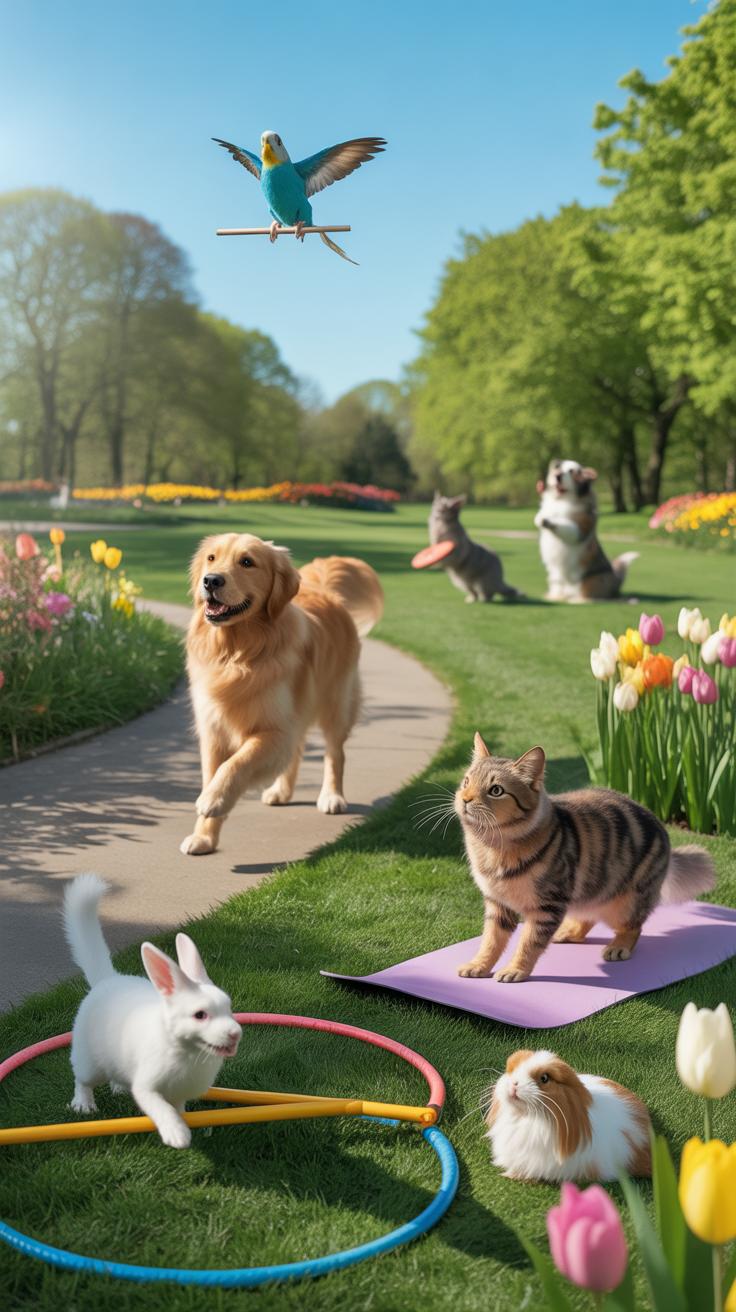
Setting achievable fitness goals for animals isn’t as straightforward as just deciding they should run a certain distance or lose weight. It requires a thoughtful look at their current health, behavior, and how they respond to workout data you gather daily. Without clear goals, it’s easy to lose track of progress or feel stuck, which might be frustrating for both you and the animal.
Goals support motivation by giving you small, tangible targets to reach. They turn vague hopes into measurable steps. For instance, instead of aiming for “more activity,” you might set a goal around increasing daily walking time by ten minutes or improving recovery after sessions. These specifics help you know when you’re moving forward and when you’re not.
But also remember—goals need room for flexibility. Animals aren’t machines, and sometimes progress will stall or take unexpected turns. That’s part of why setting realistic, rather than overly ambitious goals, matters so much.
Process To Establish Clear Goals
Start with baseline data: track your animal’s current activity level, endurance, and health markers for a few days.
- Note daily workout durations and intensity.
- Monitor signs like energy levels or willingness to exercise.
- Consider factors like age, breed, and any medical issues.
Next, pick a few focused goals—like improving stamina or reducing rest periods. Keep the goals specific and tied to numbers. For example, increasing daily exercise time by 5% weekly or reducing time between intervals. Then, break these into smaller, weekly targets you can adjust based on how the animal reacts.
Often, it helps to write goals down and revisit them frequently. That way, you stay honest about where you are and what you can expect.
Tracking Success Against Goals
Tracking progress is more than just watching the numbers go up or down. It’s about recognizing patterns and responses.
- Keep a simple log of daily metrics compared to your set goals.
- Note behaviors—changes in mood, enthusiasm, or resistance might reveal more than metrics alone.
- Celebrate small wins. If your animal shows better endurance or less fatigue, that counts.
You might find some goals need shifting if initial targets feel off. That’s natural. Progress isn’t always linear, so viewing tracking as a flexible tool rather than a strict ruler changes your perspective. It’s about understanding your animal’s strengths and limits, not chasing perfection.
Conclusions
Tracking workout metrics is vital for improving animal fitness. Choosing the right parameters helps assess progress and adapt plans to meet fitness goals. Regular measurement of strength, endurance, and other indicators informs decisions about adjusting exercises.
Employing data-driven workout plans leads to better health and fitness outcomes for animals. Focus on consistent monitoring and using reliable metrics to guide daily routines. This approach ensures your animals stay active, healthy, and fit through effective exercise programs.