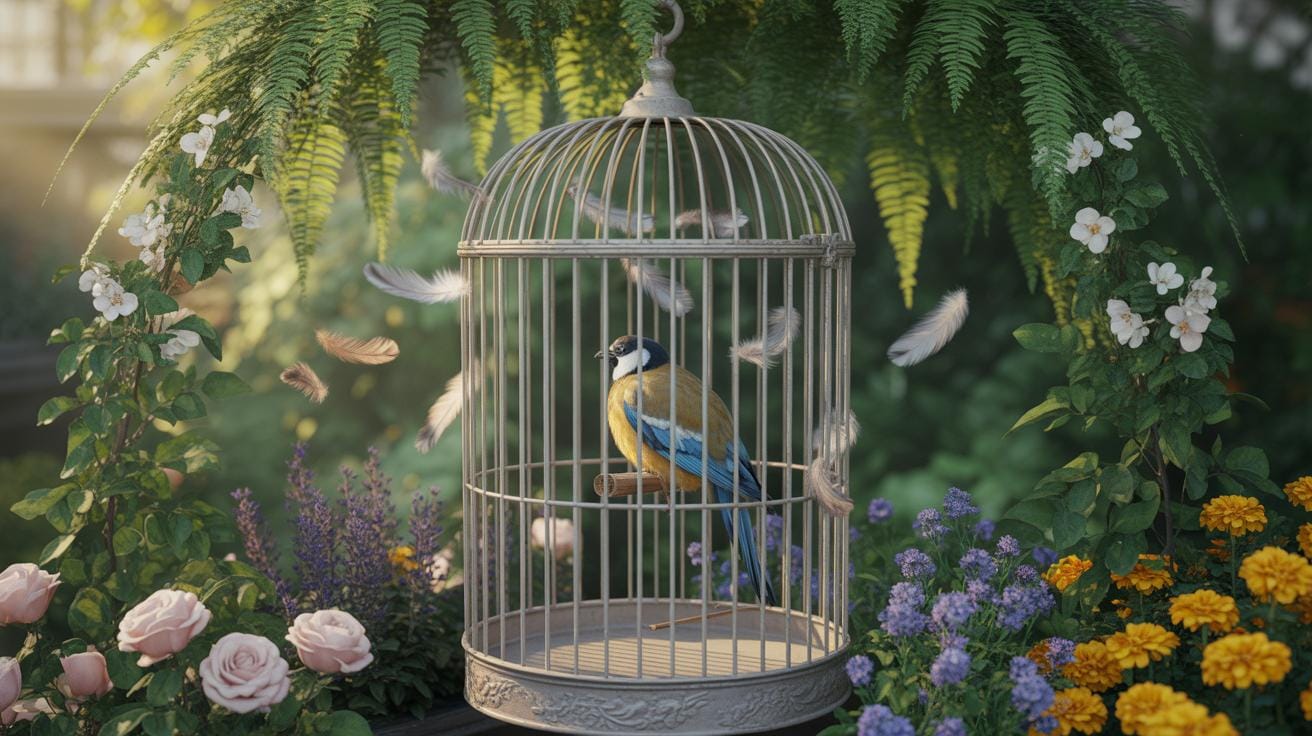
Understanding The Rhythm Of Bird Molting
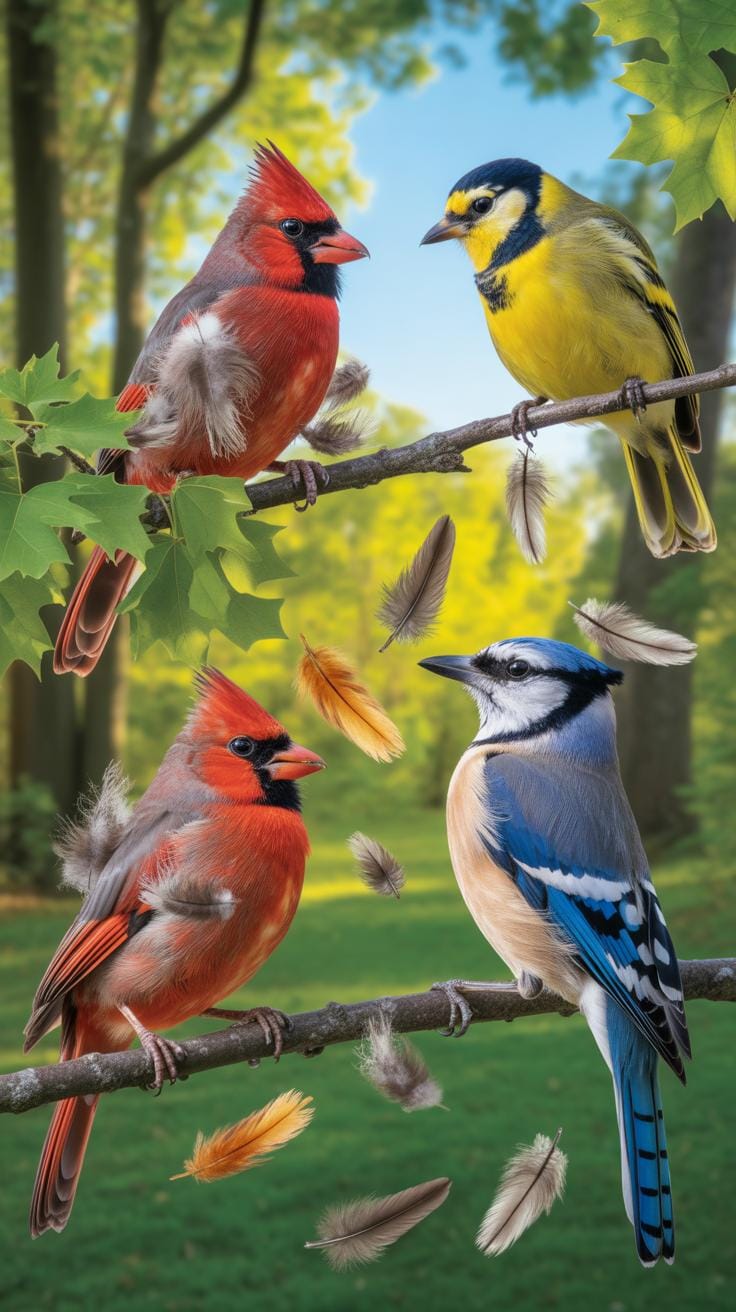
The Biological Cycle Of Feather Renewal
Birds undergo molting as a natural biological process essential for survival and optimal flight performance. During this cycle, birds systematically shed old, worn feathers and grow fresh plumage to maintain proper insulation against temperature fluctuations and weather conditions. This renewal process typically occurs annually, though the timing and intensity vary by species. The regrowth of feathers requires significant energy expenditure from your bird’s body, making this period both physically demanding and emotionally significant for observant caretakers practicing Bird Cage Mindfulness.
Understanding this natural rhythm transforms how we observe our feathered companions. Rather than viewing molting as merely a messy inconvenience, mindful bird keepers recognize it as a profound metaphor for personal transformation and renewal. The process mirrors our own need to release what no longer serves us and embrace growth. By witnessing this biological cycle unfold within your outdoor bird cage, you cultivate deeper appreciation for nature’s wisdom and the interconnected cycles that govern all living beings.
Signs Of Molting In Your Aviary Bird
Recognizing molting indicators allows you to support your bird through this vulnerable transition period with compassionate awareness. Pin feathers, the emerging new plumage encased in protective sheaths, appear as tiny white or dark quills sprouting across your bird’s body. Your bird may exhibit behavioral changes during this phase, including increased appetite, temporary irritability, and preference for quieter environments. These energy shifts signal your bird’s body is channeling resources toward feather production, making this an ideal time to deepen your Bird Cage Mindfulness practice through patient observation.
During molting season, your bird’s demeanor often becomes more contemplative and withdrawn, mirroring the inward focus necessary for renewal. You might notice increased preening behavior as your bird meticulously maintains emerging feathers and removes old plumage. Some birds become temporarily less social during this period, seeking solitude to conserve energy. This natural inclination toward introspection offers you an opportunity to practice mindfulness alongside your companion, creating a shared sanctuary of quiet presence and mutual understanding within your outdoor bird cage.
The Zen Of Observation Bird Cage Mindfulness
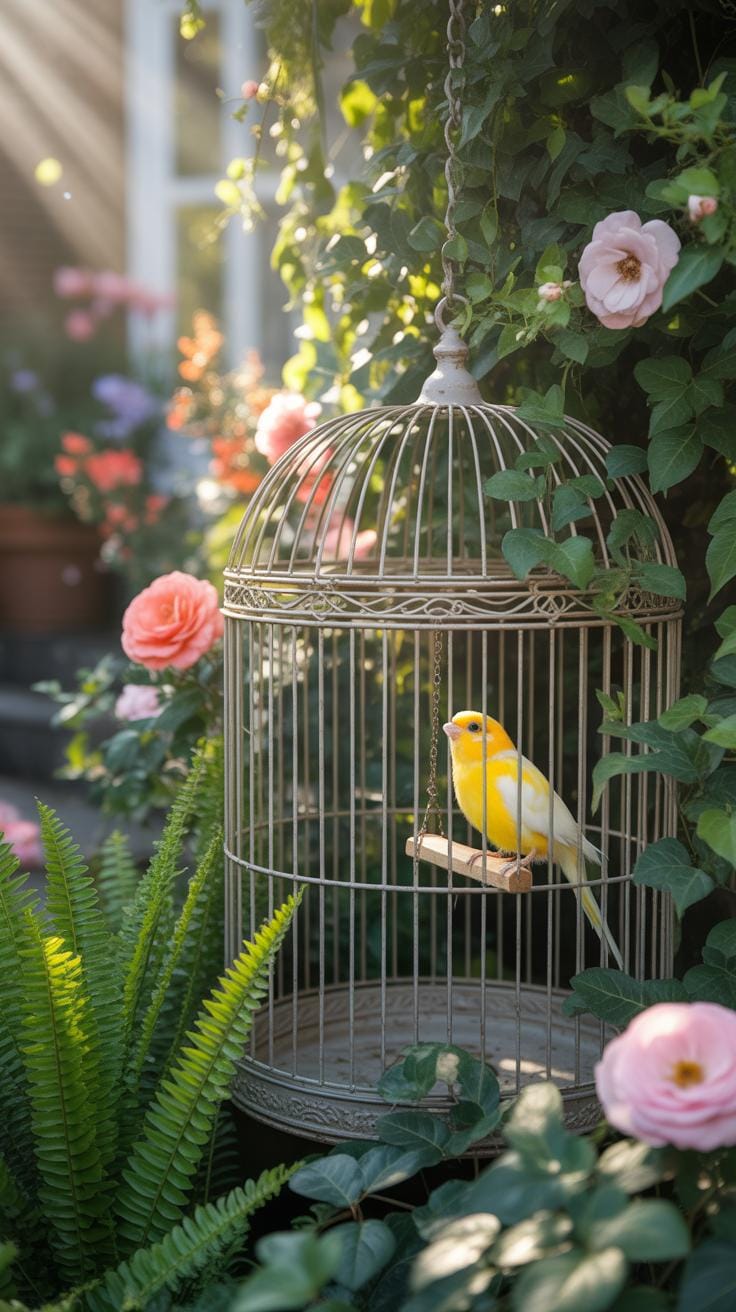
Presence In The Outdoor Aviary
Positioning yourself beside your outdoor bird cage creates a natural sanctuary for cultivating present-moment awareness. The gentle rustling of feathers, chirping melodies, and soft movements of your feathered companions anchor your attention away from racing thoughts and worries. This sensory immersion grounds you in the here and now, much like traditional meditation practices. The outdoor aviary becomes your personal retreat where natural rhythms and bird behaviors guide your consciousness toward stillness and clarity.
Bird Cage Mindfulness thrives when you approach observation without judgment or agenda. Rather than watching birds as mere entertainment, engage deeply with their authentic behaviors—preening, foraging, social interactions, and rest cycles. Notice how sunlight filters through cage bars, casting shifting patterns. Listen to the distinct calls of different species. This attentive presence transforms ordinary moments into profound meditation experiences, revealing the intricate beauty of nature while quieting your inner dialogue and fostering genuine peace.
Like a bird molting in its outdoor cage, release the old feathers of worry with mindful breath, and embrace the gentle peace that unfolds within.
Mindful Cleaning As A Moving Meditation
The routine task of clearing fallen feathers and debris from your bird cage presents an unexpected opportunity for deepening Bird Cage Mindfulness practices. Rather than rushing through maintenance chores, approach this activity with intentional slowness and full awareness. Feel each feather’s unique texture, observe its natural patterns and colors, and contemplate the remarkable cycle of molt that renews your birds’ plumage seasonally. Transform this practical necessity into a moving meditation where gratitude flows naturally.
Each feather collected becomes a physical reminder of natural renewal and impermanence. Focus on the sensations—the gentle touch of feathers in your hands, the rhythm of your movements, the satisfaction of restoration. This practice cultivates mindfulness through action, grounding you in the present task rather than distracting thoughts. By honoring this simple duty with reverence and attention, you elevate ordinary housekeeping into a sacred ritual that deepens your connection with your aviary sanctuary.
Lessons In Letting Go From Our Feathered Friends Bird Cage Mindfulness
Embracing The Imperfection Of The Molt
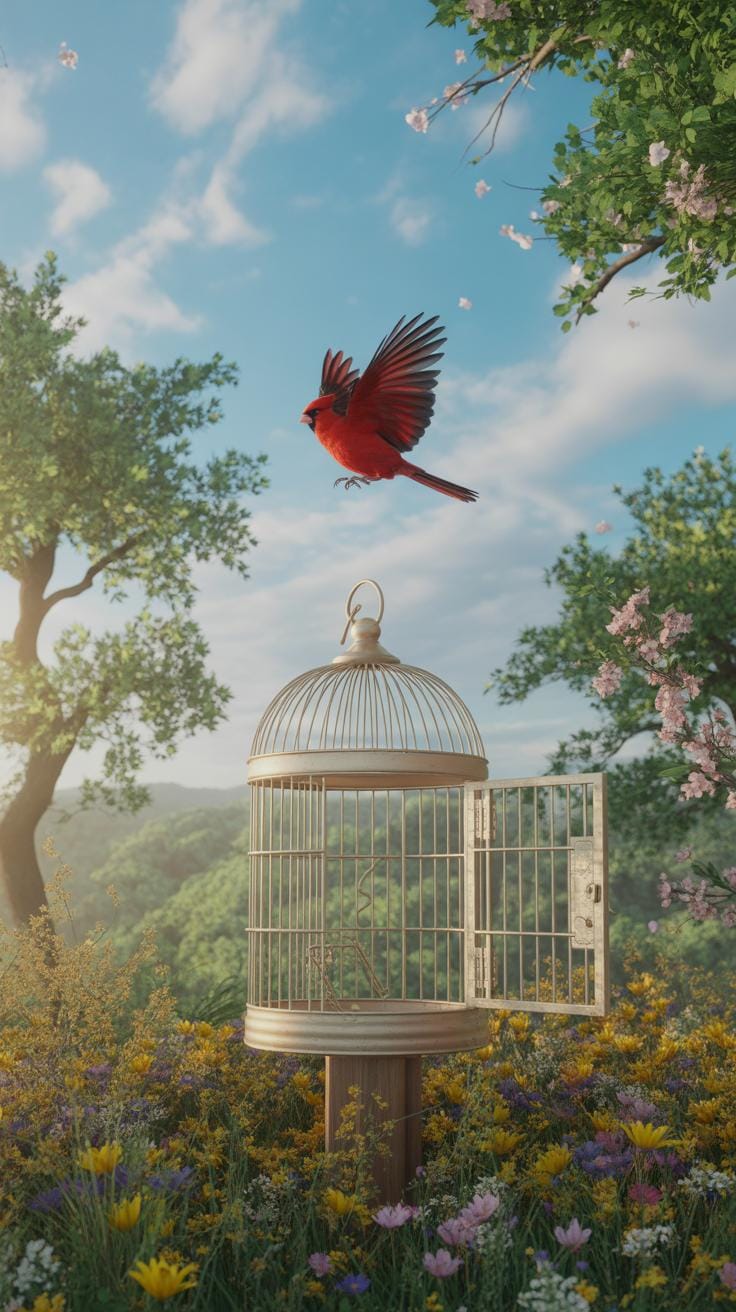
Watching a bird shed its feathers teaches us profound lessons about accepting life’s messy transitions. The molt is neither beautiful nor efficient—it’s vulnerable and raw. Yet birds move through this necessity without resistance, understanding instinctively that discomfort precedes renewal. Bird cage mindfulness invites us to observe this natural process and recognize our own cyclical seasons. Just as feathers fall irregularly across the cage floor, our lives contain scattered moments of uncertainty that need not be hidden or rushed through.

The molt reminds us that perfection is temporary and transformation is inevitable. Birds don’t apologize for their appearance during this season; they simply continue their daily routines despite gaps in their plumage. This acceptance becomes our teacher. When we sit quietly beside an outdoor bird cage during molt season, we practice tolerating incompleteness within ourselves. The scattered feathers, the slightly disheveled appearance, the slower movements—these aren’t failures but evidence of necessary change. Bird cage mindfulness teaches us that growth requires us to shed our polished exterior and embrace genuine, imperfect becoming.
Releasing What No Longer Serves You
Feathers that once protected and insulated no longer serve their purpose as birds molt, making way for fresh plumage adapted to changing seasons. This physical release mirrors our emotional need to shed outdated beliefs, relationships, and habits that have become heavy burdens. Bird cage mindfulness encourages us to observe this parallel: just as birds surrender old feathers without struggle, we too can practice releasing thoughts and patterns that no longer align with our authentic selves. The cage becomes a meditation space where we witness nature’s permission to let go.
Consider what burdens you carry that, like molted feathers, no longer fit your current life. Perhaps it’s perfectionism, old resentments, or inherited expectations. The bird’s molt happens seasonally and completely—nothing is held onto unnecessarily. When practicing bird cage mindfulness, use the visual of falling feathers as a catalyst for identifying what you’re ready to release. This conscious letting go isn’t loss; it’s liberation. Watch how birds emerge lighter and stronger after their molt, and trust that your own shedding of the unnecessary will similarly restore your vitality and peace.
Creating A Tranquil Outdoor Environment

Optimizing Placement For Natural Light
The positioning of your outdoor bird cage fundamentally shapes both the wellbeing of your feathered companions and your own mindfulness practice. Natural sunlight exposure provides essential vitamin D synthesis, crucial for avian bone health and feather quality. For humans, morning and afternoon light exposure regulates circadian rhythms and elevates mood through serotonin production. Placing your cage where it receives dappled, filtered sunlight—particularly during golden hours—creates an ideal sanctuary for Bird Cage Mindfulness sessions without risking overheating.

Consider the seasonal arc when selecting your placement location. Morning eastern exposure captures gentle dawn light, perfect for contemplative moments before daily responsibilities consume your attention. Afternoon western-facing positions offer warm, slanting rays that enhance the meditative quality of your outdoor space. Avoiding harsh midday intensity protects both birds and your ability to comfortably observe them. This thoughtful positioning transforms your cage into a natural focal point that invites sustained, peaceful observation throughout the day’s changing light conditions.
Incorporating Native Plants Around The Cage
Native flora creates a living tapestry that enriches your Bird Cage Mindfulness experience through natural sensory engagement. These plants have evolved alongside local bird species, providing familiar foods, shelter materials, and ecological authenticity that deepens your connection to regional ecosystems. Fragrant native blooms—such as wild bergamot, coneflowers, or regional flowering shrubs—engage your olfactory senses and attract complementary wildlife. This layered sensory environment transforms your mindfulness practice into a fully immersive natural experience rather than isolated observation.
Strategic plantings around your cage offer practical and aesthetic benefits worth considering:
- Flowering natives that bloom seasonally, providing visual interest year-round
- Native shrubs offering natural windbreaks and visual privacy for your contemplative space
- Fragrant herbs like bee balm or native sages that enhance aromatherapy benefits
- Ground covers creating soft visual transitions between cage and surrounding landscape
- Native vines on trellises nearby, adding vertical dimension and natural architecture
- Seed-bearing plants supporting local bird populations and reinforcing ecological mindfulness
The gentle rustling of native foliage, combined with visiting birds and pollinators, creates a symphony of natural sounds that anchor your meditation practice. This intentionally cultivated ecosystem reflects growing awareness that human wellbeing intrinsically connects to healthy, biodiverse outdoor spaces.
Nutritional Harmony During The Molting Phase
Energy Rich Diets For Feather Regeneration

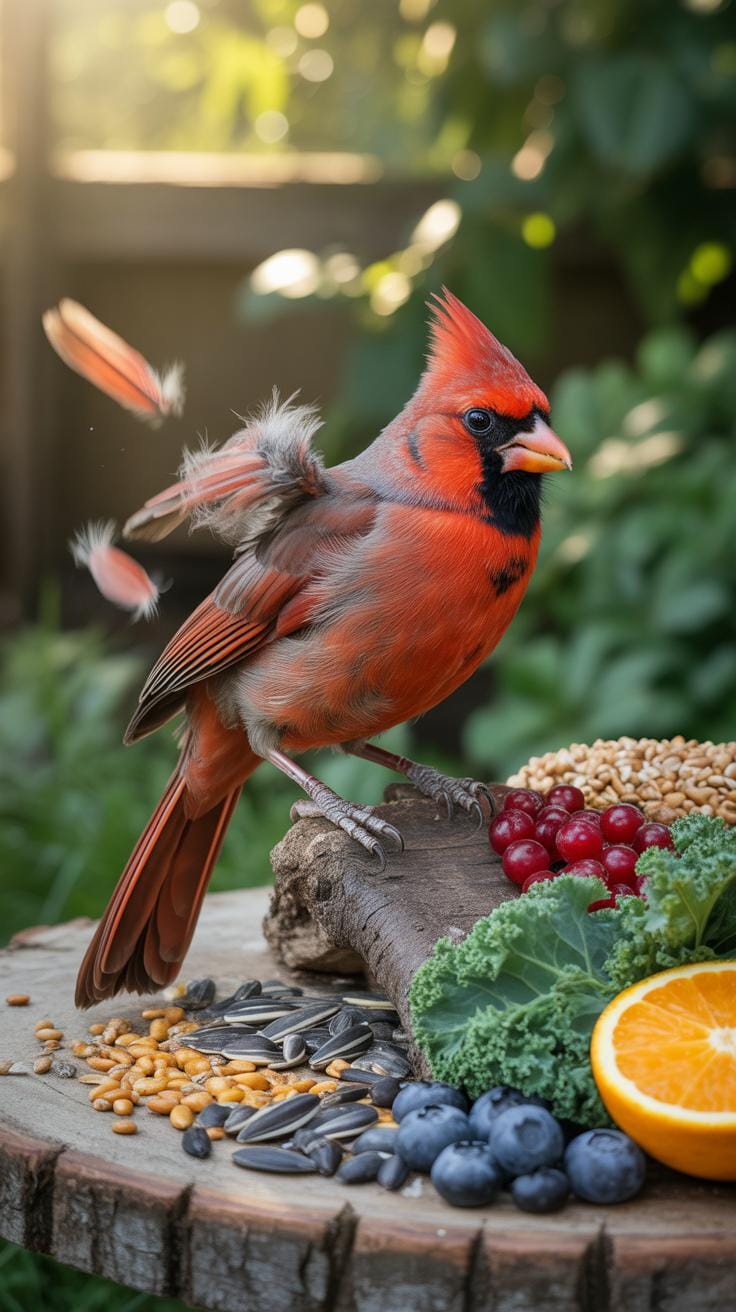
During the molting phase, your bird’s body undergoes significant metabolic demands as it regenerates plumage. This natural cycle requires elevated protein intake, as feathers are primarily composed of keratin, a structural protein essential for strong, healthy growth. Observing this biological transformation becomes a cornerstone of Bird Cage Mindfulness, allowing you to deepen your appreciation for nature’s intricate processes while providing optimal nutritional support.
The mineral requirements also increase substantially during this period. Calcium, phosphorus, and magnesium work synergistically to support feather development and maintain overall skeletal health. Consider incorporating foods rich in these nutrients:
- High-quality pellets formulated specifically for molting birds
- Fresh leafy greens such as spinach and kale
- Seeds including sunflower and safflower varieties
- Protein sources like hard-boiled eggs and legumes
- Mineral-rich vegetables such as broccoli and sweet potato
By attentively monitoring your bird’s dietary needs during molting, you practice a form of intentional stewardship that enriches both the bird’s wellbeing and your own mindful awareness.
Mindful Feeding Rituals To Build Bonds
Feeding time represents an extraordinary opportunity to cultivate presence and connection through Bird Cage Mindfulness practices. Rather than rushing through this daily task, approach each feeding session as a sacred ritual. Slow down, observe your bird’s behavior patterns, notice subtle changes in appetite or interest, and create space for quiet contemplation alongside your feathered companion in this shared outdoor sanctuary.
These feeding rituals develop into cherished moments of mutual respect and understanding. The act of providing nourishment becomes meditation, grounding you in the present moment while strengthening the invisible bonds between caretaker and creature. This mindful approach transforms routine maintenance into meaningful exchange, enriching your relationship and deepening your commitment to your bird’s flourishing.
Patience And Presence The Growth Of New Plumage

The Slow Art Of Pin Feather Development
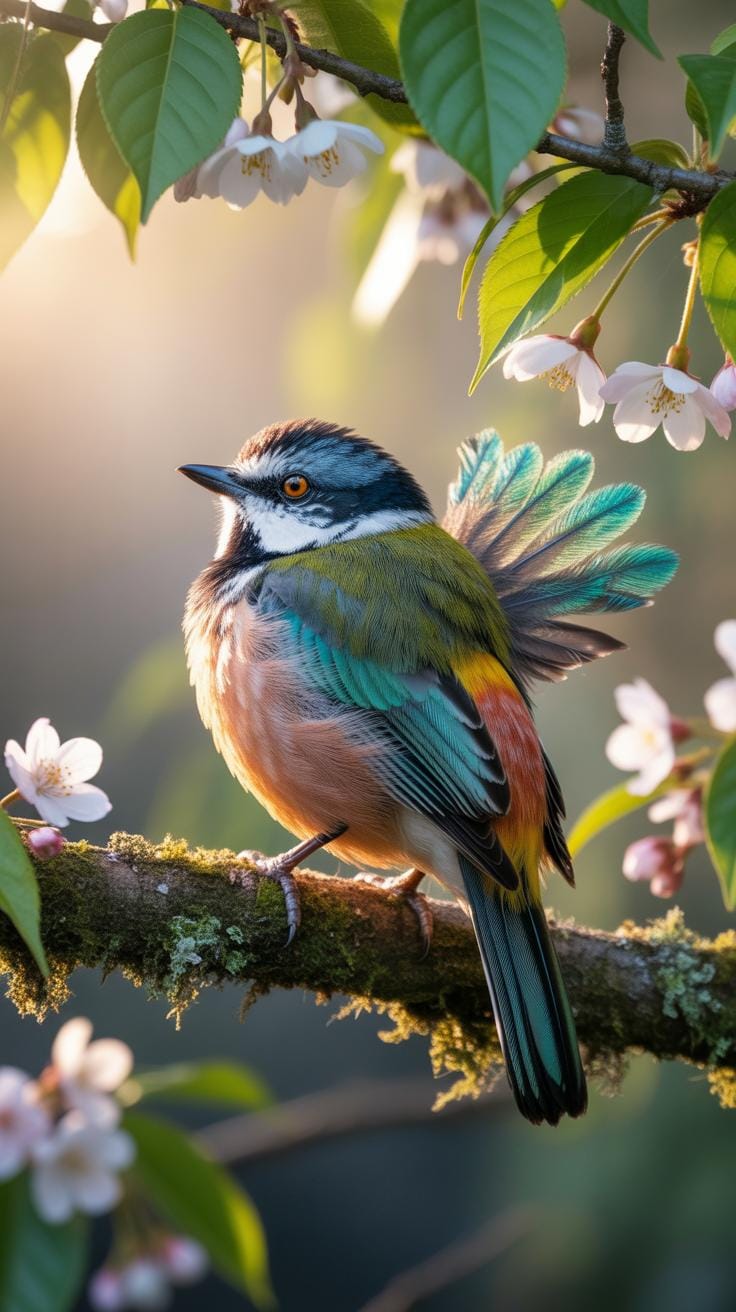
Watching pin feathers emerge through a bird’s skin is witnessing nature’s unhurried masterpiece. These quill-like structures take weeks to fully mature and harden into functional feathers, a process that cannot be accelerated regardless of external conditions. Bird Cage Mindfulness teaches us to embrace this temporal reality, recognizing that some transformations demand their own timeline. The garden where your outdoor bird cage resides becomes a meditation space, inviting you to sit quietly and observe without expectation. This natural rhythm mirrors personal growth, reminding us that rushing self-improvement often backfires.
The molting cycle reveals profound lessons about surrender and acceptance. As you watch new plumage slowly replace worn feathers, you internalize that meaningful change requires patience. Many practitioners of Bird Cage Mindfulness report experiencing reduced anxiety during these observational periods, as the unchangeable pace forces mental surrender. Your outdoor bird cage becomes a sanctuary for contemplation, where the simple act of witnessing biological processes grounds you in present awareness. The impossible rushing of nature teaches what years of self-help books might not: that some things cannot be forced into our preferred timeline.
Providing Gentle Care During Sensitive Times
Birds experiencing molt require heightened attentiveness and modified care practices. During this vulnerable phase, their skin sensitivity increases significantly, and stress can complicate feather regeneration. Practicing Bird Cage Mindfulness during these periods cultivates genuine empathy as you anticipate needs before they’re expressed. Adjusting cage placement to provide shelter from harsh weather, maintaining consistent water quality, and offering nutrition-rich foods becomes an act of compassionate presence. This attunement to another creature’s subtle requirements deepens your capacity for empathic attention in all relationships.
The sensitivity birds display during molting offers a mirror for examining your own vulnerabilities. When feathers fall and new growth emerges, birds move more cautiously, rest frequently, and need reassuring presence rather than interaction. Observing this graceful vulnerability transforms how you relate to difficulty in your life and others’. Your outdoor bird cage environment becomes a classroom in gentleness, teaching that strength sometimes means stillness. Bird Cage Mindfulness practitioners develop patience with their own molting seasons—those periods of personal shedding when careful self-care matters most.
Sound Therapy The Chirps And Rustles Of Change Bird Cage Mindfulness
Decoding The Soft Tones Of A Molting Bird
During molting season, attentive observers notice subtle shifts in their birds’ vocalizations. These changes offer a rich auditory landscape for practicing Bird Cage Mindfulness. The softer calls, occasional silence, and altered song patterns reflect the bird’s internal transformation. By listening without judgment to these gentle acoustic signals, practitioners develop deeper awareness of natural rhythms and cycles. This focused listening becomes meditation itself, anchoring attention in the present moment through sound.

The practice of auditory mindfulness during molt requires patient observation over weeks. Notice how your bird’s energy fluctuates through different phases of feather replacement. Some mornings bring quieter chirps; others reveal stronger vocalizations. These variations teach acceptance of life’s inevitable changes. By tuning into these natural soundscapes, you cultivate compassion for the struggle inherent in growth and transformation, strengthening your Bird Cage Mindfulness practice.
The Therapeutic Value Of Outdoor Bird Sounds
Scientific research has established that exposure to natural bird sounds reduces stress hormones and promotes relaxation. The varied frequencies and rhythmic patterns of outdoor birdsong activate parasympathetic nervous system responses, lowering cortisol levels and blood pressure. When practiced consistently, listening to your outdoor bird cage becomes a powerful tool for anxiety reduction and emotional regulation. This natural sound therapy complements traditional meditation practices beautifully.
- Promotes deeper focus and mental clarity during meditation sessions
- Reduces anxiety and nervous system tension through natural acoustic patterns
- Enhances emotional resilience and stress recovery capacity
- Creates consistent mindfulness anchors through familiar bird vocalizations
- Strengthens connection between personal wellness and natural environments
- Improves sleep quality when practiced during evening hours
Integrating outdoor bird sounds into your daily mindfulness routine transforms your bird cage into a personal sanctuary. The combination of visual observation and auditory engagement creates a multisensory meditation experience. Your practice of Bird Cage Mindfulness becomes richer, more grounded, and increasingly therapeutic as you learn to receive the gifts these natural soundscapes offer your mind and body.
Sustainable Practices In The Bird Garden
Composting Molted Feathers And Cage Waste
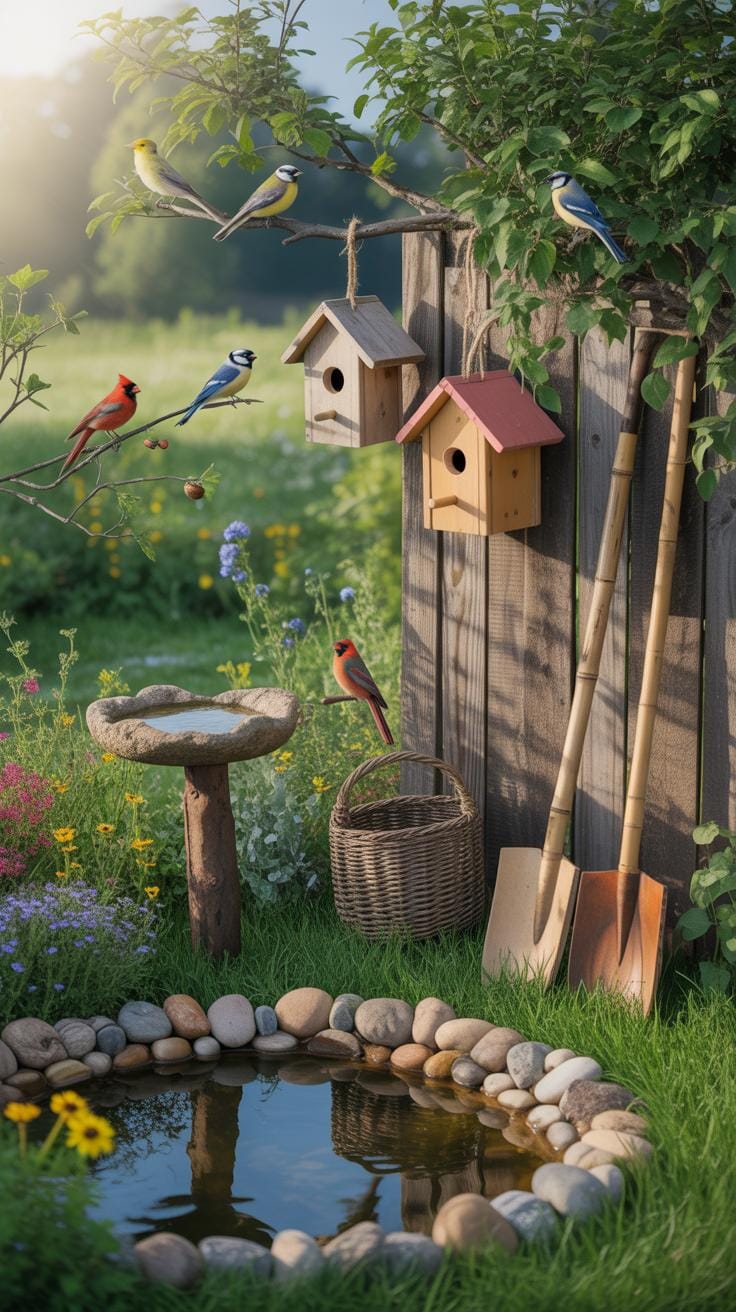
Creating a compost system for your bird cage materials transforms waste into garden nourishment, embodying the essence of Bird Cage Mindfulness through ecological responsibility. Molted feathers, being primarily keratin protein, break down gradually and enrich soil with nitrogen. Combined with cage bedding and droppings, these materials form nutrient-dense compost that reconnects you with natural cycles. This practice grounds your mindfulness practice in tangible environmental stewardship, reminding us that nothing truly disappears but transforms.
- Use untreated wood shavings and paper bedding as your compost base
- Layer feathers with brown materials like dried leaves or straw
- Maintain proper moisture levels for decomposition processes
- Turn your compost pile regularly to accelerate breakdown
- Apply finished compost to gardens, shrubs, and ornamental plants

The act of regularly tending your compost pile becomes meditative, inviting quiet reflection as you witness nature’s regenerative cycles. Your mindful engagement with these organic materials deepens appreciation for the interconnected relationship between caring for your feathered companions and nurturing the earth beneath your feet.
Weatherproofing Your Outdoor Sanctuary
Protecting your outdoor bird cage from harsh weather elements ensures your feathered friends remain comfortable, which directly supports the peaceful energy essential to Bird Cage Mindfulness. Quality weatherproofing materials—such as polycarbonate panels, UV-protective coverings, and water-resistant roofing—shield your cage from rain, wind, and intense sun exposure. These protective measures create a serene microclimate where both birds and caretaker experience tranquility regardless of seasonal changes.
Regular maintenance of weatherproofing features becomes a grounding ritual, deepening your connection to both your garden sanctuary and the creatures within it. By ensuring consistent comfort for your birds throughout temperature fluctuations, you cultivate an environment where mindfulness naturally flourishes, and the gentle presence of your feathered companions enriches daily peaceful moments.
Reflecting On Transformation And Renewal Bird Cage Mindfulness
The Beauty Of The Post Molt Glow
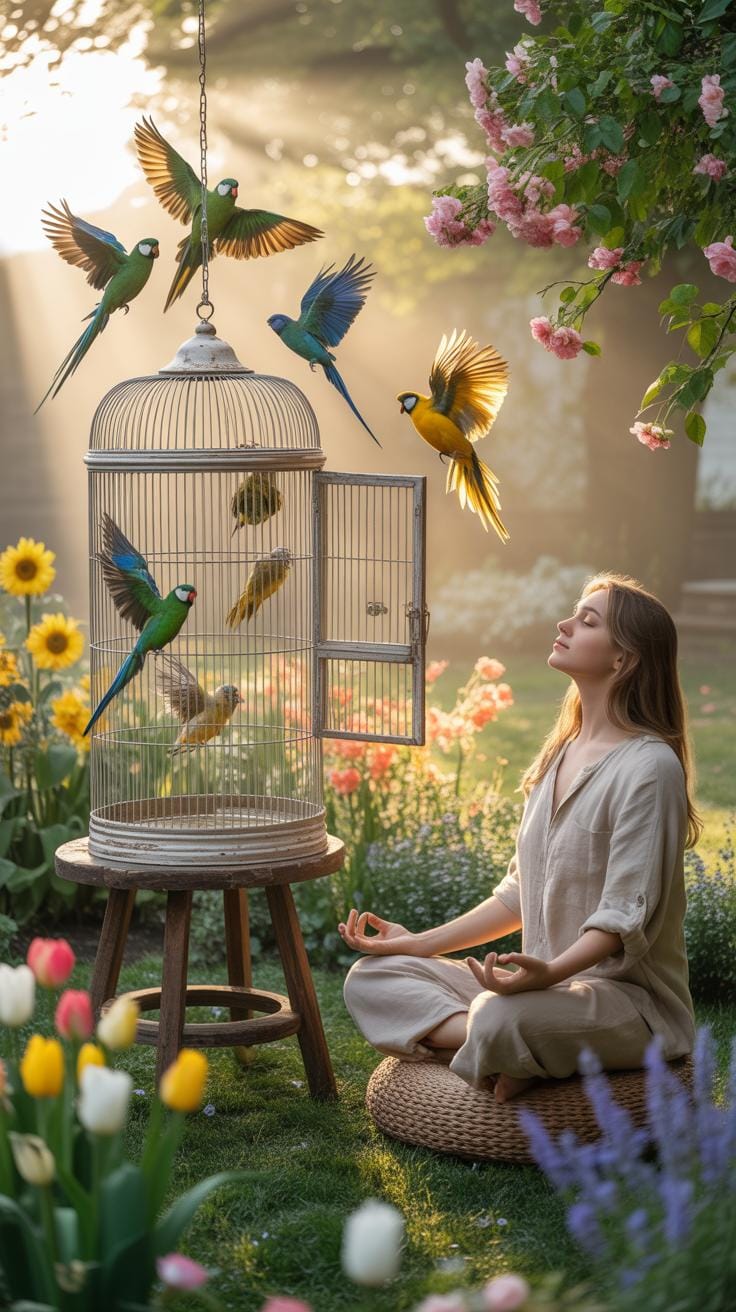
As your feathered companions emerge from their molting season, their plumage displays remarkable vibrancy and renewal. This natural transformation offers profound lessons in bird cage mindfulness, inviting us to witness resilience in action. The fresh feathers gleaming in sunlight remind us that shedding old layers reveals strength underneath. Observing this cyclical process cultivates appreciation for nature’s wisdom and our own capacity for change. The renewed radiance becomes a visual anchor for meditation and reflection throughout your daily practice.

The post-molt period presents an opportunity to deepen your bird cage mindfulness journey through intentional observation. Watching your birds preen their new feathers with meticulous care teaches patience and self-care principles. This natural grooming ritual mirrors our own need for restoration after challenging periods. By witnessing this gentle renewal, we learn that transformation isn’t dramatic or rushed—it unfolds naturally with dedication. The glow of regeneration becomes a metaphor for personal resilience worth contemplating during quiet moments in nature.
Maintaining Your Mindfulness Practice Year Round
Bird cage mindfulness extends far beyond the molting season, becoming a sustainable practice woven into daily life. The lessons learned during periods of visible transformation can anchor your mindfulness work throughout changing seasons. Consider establishing seasonal check-ins where you reflect on personal growth patterns, using your outdoor bird cage as a meditation focal point. These consistent practices strengthen neural pathways associated with presence and calm awareness. Create rituals that honor the cycles you observe, whether through journaling, sketching, or silent contemplation near your garden space.
Integrating bird cage mindfulness year-round requires intentional commitment to observation and reflection practices. Here are meaningful ways to sustain your practice:
- Schedule weekly meditation sessions focused on bird behavior and natural cycles
- Maintain a nature journal documenting seasonal changes and personal insights
- Practice gratitude rituals acknowledging transformation in your birds and yourself
- Establish monthly reflection checkpoints aligned with lunar phases or seasonal shifts
- Create mindful moments during feeding and cage maintenance routines
By anchoring these practices in consistent routines, bird cage mindfulness becomes an integrated aspect of your lifestyle rather than a seasonal interest. This sustained engagement deepens your connection to natural rhythms and personal growth patterns, fostering lasting inner peace and resilience.
Frequently Asked Questions

What is bird cage mindfulness and how does it relate to outdoor bird observation?
Bird cage mindfulness is a meditative practice where you observe birds in outdoor cages, focusing on their molting cycles and natural behaviors. This practice combines bird watching with intentional breathing and presence, helping you cultivate inner peace. By noticing feather changes and seasonal patterns, you develop awareness and connection to nature’s rhythms, reducing stress and anxiety effectively.
How do I start a bird cage mindfulness routine in my backyard?
Begin by setting up a comfortable outdoor seating area near your bird cage. Spend 10-15 minutes daily observing your birds without distractions. Notice their movements during molting seasons, their feeding patterns, and social interactions. Practice deep breathing while watching. Bird cage mindfulness becomes more effective when you establish a consistent schedule and eliminate phone interruptions, creating a sacred space for reflection.
Can I practice bird cage mindfulness on a budget without expensive equipment?
Absolutely! Bird cage mindfulness requires minimal investment. A basic outdoor cage, some bird feed, and a comfortable chair are sufficient to begin. Many people use existing patios or garden spaces. Free resources like bird identification guides enhance your practice without added costs. Starting simple with bird cage mindfulness allows you to experience benefits immediately while gradually investing in upgrades as your practice deepens.