The Mythical Roots Of Ancient Dog Treats
Sacred Canines
Ancient Egyptians honored dogs as protectors linked to the god Anubis. They believed these loyal animals guided souls through the underworld. Owners often shared their meals with their pets to show respect. These pets enjoyed simple Dog Chews made from dried animal parts. People viewed dogs as godly messengers. They kept them close in homes and temples to ensure safety and spiritual peace.
In Greece, the three headed dog Cerberus guarded the gates of the afterlife. People left food out to keep spirits and their guardians content. These early Dog Treats often consisted of barley cakes or dried meats. Many families used a Grain Free approach because grains were expensive and saved for humans. These traditions show how much ancient people valued their dogs. They treated them like family members.
Sacrificial Offerings
Historical cultures created special foods to honor canine deities during festivals. Priests often prepared a specific Treat Recipe using honey and flour. Sometimes they used Hard Cheeses because these items lasted long in the heat. These gifts were meant to calm fierce spirits. Dogs in the temples ate these offerings after the rituals ended. This practice helped create the first versions of Dog Biscuits.
Ancient farmers sometimes made Homemade Treats using leftover curds and fats. They produced a salty Cheese Dog style snack that provided extra energy. These Natural Dog Chews helped working dogs stay strong during long hunts or herding duties. Using animal proteins helped keep the recipes simple and healthy. People cared for their animals by picking the best ingredients. These old traditions paved the way for modern pet care.

The Evolution Of Dog Biscuits In Folklore
Hard Tack History Biscuits
Ancient sailors and travelers often depended on hard tack for long journeys. This dense bread lasted months without spoiling. Owners shared these scraps with their working companions. Over time, people began baking specific batches for their animals. These early Dog Biscuits used leftover flour and water. They provided a durable source of energy for herding and hunting dogs during harsh winters.
Bakers eventually added fat or meat broth to improve the flavor of these snacks. These early Dog Treats were functional rather than indulgent. Farmers relied on simple ingredients to keep their animals strong. This history eventually led to the modern Grain Free options we see today. People realized that sturdy food helped dogs work longer hours. This shift marked the beginning of intentional nutrition for pets.
Symbolic Shapes
Many ancient families believed that the shape of food held spiritual power. They baked Homemade Treats in the form of stars or suns. These symbols represented protection for the pack. Some cultures specialty baked a Cheese Dog snack shaped like a bone to honor the animal spirit. People thought these specific designs kept evil spirits away from their loyal friends during the dark night.

Mothers often used a basic Treat Recipe to create shapes of prey animals like rabbits or deer. They hoped this would bring luck to the hunting hounds. Some used Hard Cheeses pressed into circles to represent unity and health. These Natural Dog Chews were more than just food. They served as talismans for safety and longevity. Owners took great pride in crafting these meaningful Dog Chews for their protectors.
Curating A Traditional Treat Recipe From Antiquity
Ancient Ingredients List
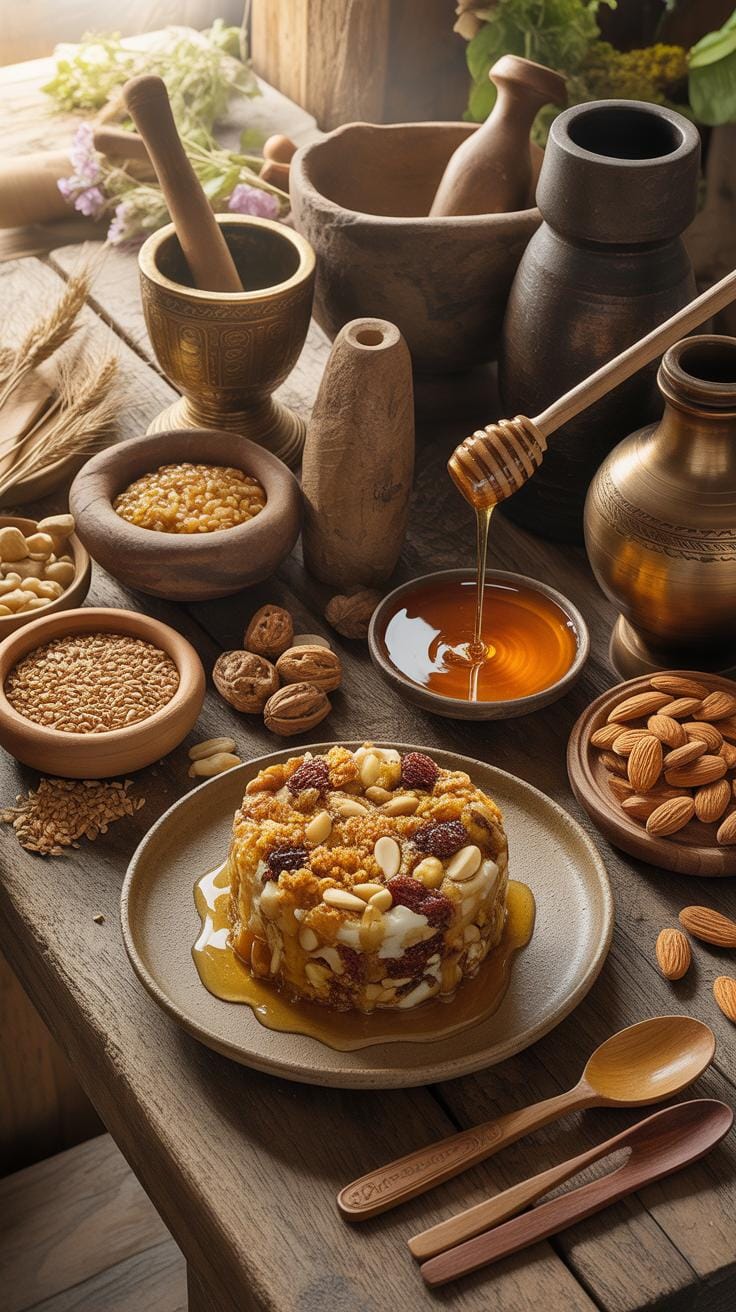
Ancient civilizations relied on raw materials found in their local environments to provide nutrition for their working companions. These early Dog Treats focused on protein and fat to keep animals strong during long hunts or guarding duties. Modern owners can recreate these snacks using a Grain Free approach that mirrors the prehistoric diet. Natural Dog Chews often started with simple proteins and sun-dried components that provided essential minerals for growing pups.
- Hard Cheeses: Early nomadic tribes in the Himalayan regions developed durable snacks from yak milk. These long lasting treats provided calcium and were easy to carry during long seasonal migrations through mountain passes.
- Bone Meal: Ancient people crushed animal remains to create a nutrient dense powder for their pets. This ingredient reinforced skeletal health and ensured no part of a successful hunt went to waste in the camp.
- Marrow: This fatty substance served as a high energy reward for loyal hunting dogs. It provided the necessary calories for animals to survive cold winter nights and maintain a thick coat of protective fur.
- Honey: Used sparingly as a natural binder, honey offered a touch of sweetness and energy. Ancient trainers used small amounts to encourage specific behaviors during the domesticating process in early agricultural settlements.
- Dried Meat: Slices of lean protein were air dried to create the earliest versions of jerky. This method prevented spoilage and allowed owners to store food for their dogs throughout the lean months of the year.
You can create a healthy Treat Recipe by combining these historical elements into small bite sized portions. A Cheese Dog snack made from Pressed Curds mimics the sturdy snacks found in archaeological sites across Asia and Europe. Using these materials ensures you provide a Natural Dog Chews experience without modern additives. Your pet will enjoy the same textures that their ancestors chewed on thousands of years ago in early human settlements.
Baking Methods
Ancient cultures used slow heat to remove moisture from their handmade Dog Biscuits and snacks. They often placed dough on flat stones near a dying fire to cook gently overnight. This low temperature approach created a very hard texture that helped clean teeth naturally. Preservation was the main goal because fresh meat spoiled quickly in warm climates. Hard baking ensured the food stayed safe for weeks.

Many early societies utilized clay ovens to achieve a consistent crunch for their Dog Chews and daily rations. These ovens trapped heat effectively and allowed for a steady drying process that did not burn the delicate fats. You can replicate this today by setting your oven to a low temperature for several hours. This method results in Homemade Treats that provide a satisfying snap and help strengthen a dogs jaw muscles.
Using Hard Cheeses As Functional Ancient Dog Chews
Himalayan Heritage
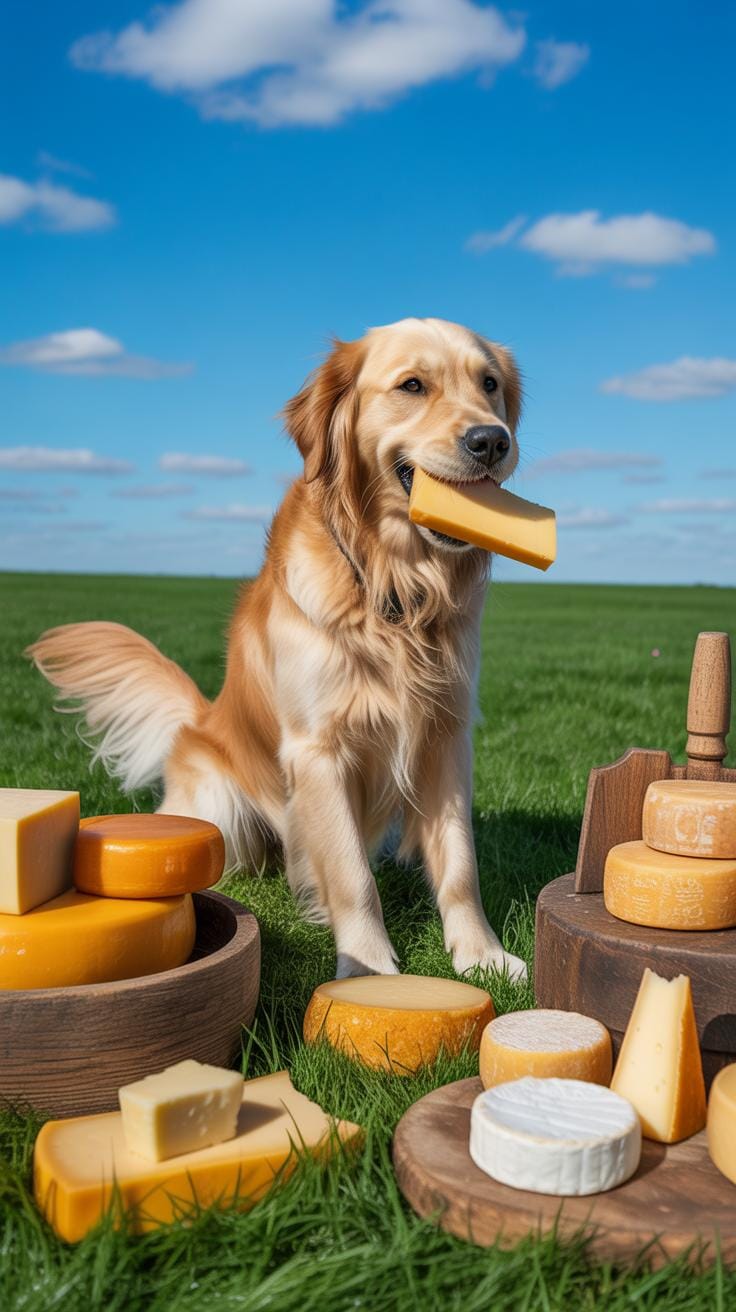
People living in the high Himalayas created unique snacks for their loyal companions. These mountain residents used milk from yaks or cows to make very hard cheeses. These high altitude snacks provided a durable source of protein during long winters. Modern versions of these natural dog chews remain popular today because they last a long time. They offer a nutrient dense alternative to basic dog biscuits found in stores.
Nomadic tribes needed portable food that would not spoil easily in harsh weather. They smoked the cheese blocks to remove moisture and preserve the nutrients for many months. This ancient treat recipe involved boiling milk and adding lime juice to separate the curds. The resulting dense blocks became a vital cheese dog reward for working herding dogs. Ancient families valued these grain free snacks because they kept their animals healthy and strong.
Dental Health Mythos
Ancient cultures knew that firm textures helped keep the teeth of the hunter clean. Hunters observed that dogs who chewed on tough materials had fewer dental problems. They used hard cheeses to mimic the sensation of gnawing on bone. These ancient dog treats worked to scrape away soft plaque before it became hard. Owners trusted these methods to keep their hunting dogs ready for the daily chase and long treks.

You can recreate these benefits at home with simple homemade treats for your pet. Providing regular dog chews encourages saliva production which naturally rinses the mouth and gums. Many people prefer these traditional methods over processed options filled with artificial fillers. These solid treats act like a natural brush to scrub the surface of every tooth. Using these time tested dog treats ensures your pet enjoys a happy and healthy life.
Cheese Dog Delights Inspired By European Pastoral Myths

Shepherds Bounty
Ancient shepherds in the Swiss Alps lived in small huts with their brave dogs. These workers made large wheels of cheese during the warmer months. They often had bits of curd and whey left over from the process. Instead of throwing these scraps away, they gave them to their animals as simple Dog Treats. These early snacks were the very first version of what we now call a Cheese Dog.
Shepherds needed their dogs to stay alert while guarding sheep from mountain predators. They realized that feeding their pets these protein rich scraps helped the dogs stay warm and energetic. Today, you can follow a similar Treat Recipe to make Natural Dog Chews at home. Using Hard Cheeses provides a tough texture that helps clean teeth. These Homemade Treats offer a healthy alternative to processed snacks for your pet.
The bond between a human and a dog is an ancient bridge that spans across myths and centuries. When we craft a treat by hand, we honor the timeless spirit that has walked beside us since the first fires were lit.
Nutritional Folklore
Old stories from European mountain villages tell of a special strength found in dairy. People believed that mountain air and fresh grass made the milk powerful. They thought dogs eating cheese gained the strength of the hills themselves. This folklore kept the tradition of sharing dairy alive for centuries. Owners often preferred Grain Free options even then to keep their working animals lean and fast for mountain travel.

Historically, these dogs enjoyed long lasting Dog Chews made from dried yak or cow milk. These snacks provided calcium and fat for healthy bones and shiny coats. Unlike soft Dog Biscuits, these dried treats took hours to finish. You can honor this history by providing your own pet with simple and natural snacks. These ancient traditions prove that high quality ingredients create the best life for
a loyal companion.
Natural Dog Chews From The Wilderness Of Legend

Antler And Bone Mythology Natural Chews
Northern European folklore often links stags to protection and vitality. Ancient hunters believed that finding shed antlers was a gift from the forest spirits for their hounds. These items provided durable Natural Dog Chews that lasted through long winters. Hounds would gnaw on these tough materials to keep their teeth sharp and clean. This practice predates the modern Dog Chews we buy in stores today.
Early Celtic tribes also gave large marrow bones to their hunting dogs. They viewed these gifts as a way to share the strength of the prey. These organic items served as a Grain Free alternative to the simple porridges dogs often ate. While modern owners might choose a Cheese Dog or Hard Cheeses for a snack, these ancient bones provided essential minerals. They remains a classic choice for Homemade Treats.
Foraged Roots
Ancient dogs often dug for wild tubers to settle their stomachs. Legends suggest that dogs instinctively knew which roots acted as medicine. In the British Isles, canines sought out dandelion roots and burdock. These wild plants served as functional Dog Treats long before humans created a specific Treat Recipe. Owners watched their pets closely to learn which plants helped with digestion or energy.

Early medicinal practices included drying these roots to create early versions of Dog Biscuits. People ground the woody fibers into a paste to help sick animals. This natural approach ensured that supplemental snacks remained healthy and simple. If you want to make Homemade Treats, these earthy ingredients offer a traditional touch. They provide a sturdy texture similar to some modern Hard Cheeses or other dried snacks.
Homemade Treats Guided By Grain Free Ancestral Diets

Paleolithic Patterns Grain Free
Ancient canines thrived long before humans started farming wheat or corn. You can honor this history by providing Grain Free snacks today. These early dogs relied on what they could scavenge or hunt in the wild. Modern owners often choose a Grain Free Treat Recipe to avoid fillers. Removing grains mimics the biological needs of your pet. This approach keeps your dog energetic and happy.
Many people use Hard Cheeses or Natural Dog Chews to replicate these old diets. Himalayan yak milk snacks share a history with ancient high-altitude preservation methods. You can also make Homemade Treats using simple ingredients like sweet potatoes. These items act as durable Dog Chews that clean teeth naturally. Providing such snacks connects your pet to their wild roots. It ensures they receive pure nutrition without additives.
Protein Enrichment
Ancient hunters valued every part of the animal they caught. You can use lean meats and organ meats to create high-protein Dog Treats. Drying these meats creates chewy textures that dogs love. These snacks serve as excellent rewards for good behavior. They mirror the natural protein sources found in early canine diets. High-quality animal proteins support strong muscles and healthy skin in all breeds.

Making these at home allows you to control the quality of the meat. You might create a Cheese Dog snack by mixing small amounts of dairy with protein. This combination provides a rich flavor similar to items found in early homesteads. These Dog Biscuits offer a satisfying crunch without using processed flour. Simple air-drying techniques preserve the nutrients for your pet. Your dog will appreciate these healthy and traditional rewards.
The Ritual Of Preparing Dog Treats For Protection
Hearth And Home Handmade Treats
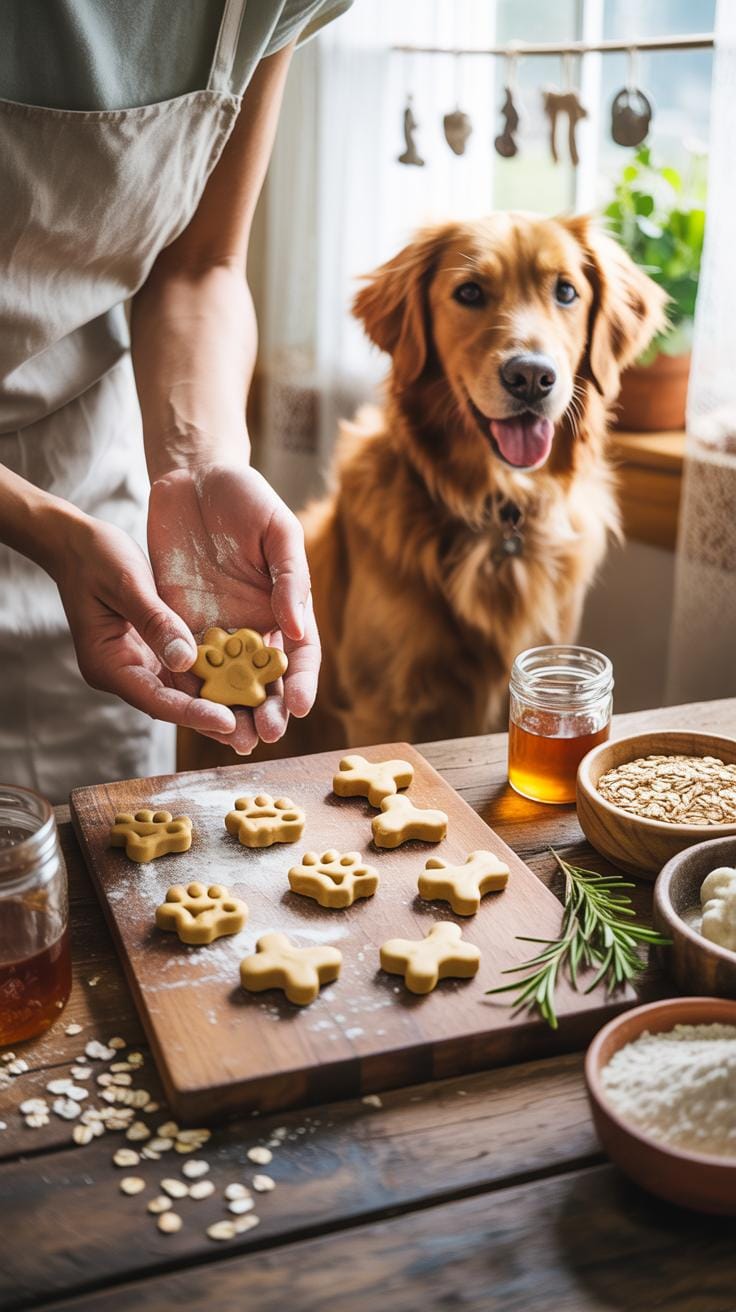
Ancient families gathered around the central hearth to cook for their loyal companions. They crafted Homemade Treats to show gratitude for the protection dogs provided against wild predators. This daily ritual turned simple meal prep into a sacred bond between species. Owners used basic clay ovens to bake local ingredients into durable Dog Biscuits. These items stayed fresh for long periods and kept the animals strong and healthy during the coldest winters.
Baking these snacks involved mixing coarse grains or meats into a thick dough. Many cultures preferred a Grain Free approach using root vegetables or dried meats to avoid spoilage. The process allowed children to help shape the dough into small rounds or bone shapes. These Natural Dog Chews provided more than just nutrition. They served as a physical sign of the care and safety found within the walls of a loving rural home.
Seasonal Snacks
Special festivals marked the changing seasons and required unique food for village hounds. During the spring equinox, people prepared a specific Treat Recipe using fresh spring herbs and air-dried dairy. They focused on creating a Cheese Dog snack by pressing curds into firm shapes. These Hard Cheeses helped clean teeth and provided calcium. Villagers believed these seasonal gifts kept bad luck away from the livestock the dogs guarded with their lives.

Winter festivals called for energy-dense snacks to help dogs survive the freezing nights. People dried thick strips of hide or muscle to create long-lasting Dog Chews. These Ancient dog treats functioned as rewards for bravery shown during the hunting months. Preparing these Dog Treats together ensured the whole community respected the pack. Shared efforts during these holidays helped maintain the health of every working dog through the most difficult times of the year.
Dog Chews And The Legend Of The Iron Jawed Hound
Strength Building
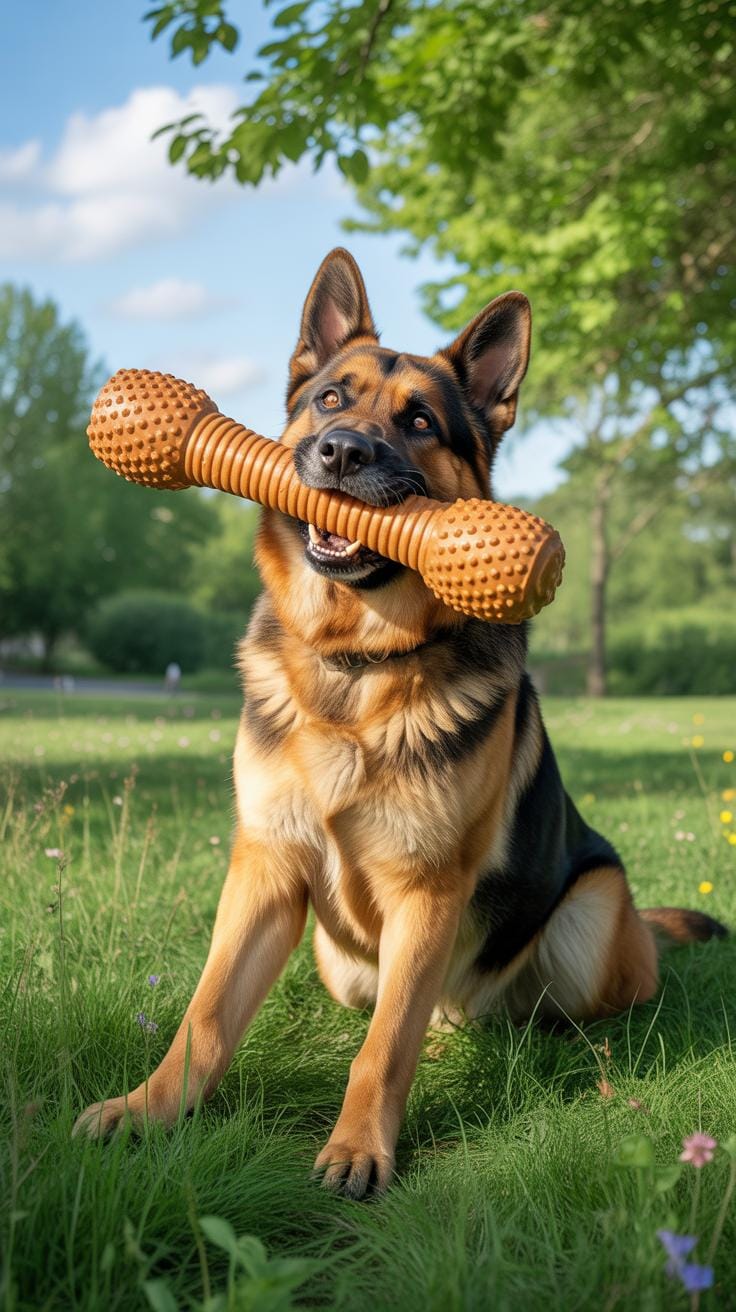
Tales from ancient Celtic and Norse cultures describe hounds with jaws like iron. These massive dogs guarded villages and hunted wild game. Folklore tells us their power came from gnawing on dense animal remains and ossified materials. These early Dog Chews helped the animals maintain clean teeth and strong facial muscles. Owners believed providing steady resistance through chewing prepared their loyal companions for the many rigors of a harsh wilderness.
These ancient dog treats focused on durability rather than flavor alone. Hunters gave their hounds smoked marrow bones and cartilage to provide lasting entertainment. This practice kept the animals occupied during long winter nights by the fire. You can see how these primitive traditions shaped our ideas about canine health. Providing a tough object to gnaw on remains a primary way to support jaw health and mental stimulation for modern pets.
Modern Equivalents
You can recreate these legendary experiences today using Natural Dog Chews that are safe and effective. Himalayan Churpi or a Cheese Dog bar offers a dense texture similar to the hardened dairy found in ancient mountain regions. These Hard Cheeses provide a heavy challenge for powerful chewers. Using a Grain Free Treat Recipe ensures your pet avoids modern fillers while enjoying a snack that mimics the protein-heavy diets of historical working hounds.
Selecting Homemade Treats allows you to control the density of the snack. You can bake thick Dog Biscuits specifically designed for crunch and durability. These snacks act like a traditional Dog Treats system to scrape away plaque. Choosing high quality ingredients means your dog gets the benefits of an ancient diet. These items serve as functional tools for dental hygiene and mimic the rugged lifestyles of the famous iron-jawed hounds from the past.
Transitioning Dog Treats From Myth To Modern Kitchens

Ingredient Safety Guide
Ancient scripts mention various foods given to loyal hounds during hunts or celebrations. You can recreate these stories by making Homemade Treats that honor historical traditions. Modern pet owners must select safe components to ensure these snacks remain healthy. Choosing a Grain Free base helps many dogs digest their food better. Focus on simple proteins and fibers to stay true to the spirit of old recipes.
- Onions and Garlic: These ingredients appear in many ancient human stews but cause severe blood cell damage in dogs. Never add these to your kitchen creations even if old myths mention shared feasts. Stick to plain herbs like parsley instead for safety.
- Grapes and Raisins: Some historical Mediterranean diets included dried fruits that are highly toxic to canines today. These can cause sudden kidney failure in modern pets. Replace these with safe alternatives like blueberries or small pieces of dried apple for a sweet crunch.
- Cooked Bones: Ancient dogs often chewed on scraps from the fire which risks splintering and internal injury. Instead of brittle bones, provide Natural Dog Chews made from hardened hide or safe vegetable fibers. This keeps the chewing tradition alive without the danger of sharp fragments.
- Xylitol: This modern sugar substitute did not exist in the past but hides in many current pantry items. It causes life-threatening drops in blood sugar and liver failure for animals. Always check your peanut butter or yogurt labels before mixing them into a traditional dough.
- Excessive Salt: Salting meat was a common preservation method in many historical eras for long journeys. High salt levels lead to extreme thirst and potential sodium poisoning in contemporary household pets. Use fresh meats or low-sodium stocks to keep your canine companion healthy and hydrated.
Ancient people often shared Hard Cheeses with their working animals during cold winters. This provides a durable snack similar to a traditional Cheese Dog snack found in mountain regions. You can follow a Treat Recipe that uses high heat to remove moisture from dairy. These long-lasting Dog Chews offer a link to the past while meeting high safety standards for current pets.
Customizing Portions
Historical working dogs burned many calories while guarding flocks or chasing game across vast lands. Today most pets live a quiet life inside a comfortable home. You must match the size of Dog Biscuits to your pet’s current activity level. Small portions prevent weight gain while still providing the reward of a special snack. Proper sizing ensures your dog stays lean and energetic for daily walks.
Many old traditions involved large communal meals where animals ate heavy scraps. You should break these large pieces into smaller Dog Treats to help with training. Using tiny bites allows you to reward good behavior frequently without overfeeding. Creating a batch of Homemade Treats allows you to control every calorie your dog eats. Adjusting the scale of these myths helps modern dogs live longer and healthier lives in our care.
Frequently Asked Questions

What exactly are ancient dog treats and why are they popular today?
Ancient dog treats refer to snacks inspired by the historical diets of canines throughout folklore and myth. Thousands of years ago, dogs were fed simple, whole-food ingredients like barley, honey, and lean meats, free from modern preservatives. Many pet owners are revisiting these traditional recipes to provide their dogs with a more natural, ancestral diet that honors the deep historical bond between humans and their loyal companions.
How can I safely make these mythical-inspired treats at home for my pet?
To craft your own ancient dog treats, start by researching canine-safe ingredients used in historical regions, such as ancient grain flours or dried fish. Ensure you avoid toxic items like grapes or heavy spices. Simply mix your chosen base with a binding agent like egg or water, shape them into rustic biscuits, and bake until firm. This allows you to control the quality and nutrition while celebrating canine history.
Are the ingredients for historical dog treat recipes expensive or hard to find?
Not at all! Most ingredients used in folklore-inspired recipes are incredibly budget-friendly and accessible at any local grocery store. Common staples like oats, carrots, apples, and liver were as prevalent in the past as they are today. You do not need exotic items to create a healthy snack; sticking to simple, raw, and unrefined ingredients is the most authentic and cost-effective way to recreate these legendary rewards.