Dental Fun Facts Funny The Animal KingdomS Most Surprising Oral Hygiene Habits
Why Animal Teeth Are More Fascinating Than You Think
Animal teeth dictate survival and define biological roles. Predatory species rely on sharp structures to secure prey while herbivores use flat surfaces to grind tough plant matter. These dental systems often outperform human teeth in durability and specialized function. Understanding these mechanical designs reveals how nature manages decay and wear without modern medical intervention. Evolution prioritizes oral health because a failing mouth leads to starvation.
Maintenance mechanisms vary wildly across the animal kingdom to prevent infection. Some species grow new teeth throughout their lives to replace damaged ones. This constant regeneration ensures the animal always has a functional tool for feeding. Researchers study these biological blueprints to find better ways to treat human dental issues. Animal oral anatomy provides a raw look at efficient engineering shaped by millions of years of environmental pressure.
How Animals Keep Their Mouths Clean Without A Toothbrush
Natural diets play the biggest role in maintaining animal oral hygiene. Coarse foods like bone, bark, and fibrous plants act as physical abrasive agents. These materials scrape away plaque and food debris during the normal chewing process. Many wild animals lack the sugar-heavy diets that cause rapid tooth decay in humans. This nutritional reality keeps bacterial growth low and prevents the formation of damaging acid in their mouths.
Some animals use biological partnerships to manage cleanliness. Cleaner fish and certain birds remove parasites and food scraps from the mouths of larger predators. These symbiotic relationships provide a reliable cleaning service in exchange for food. Other species produce specialized saliva with antiseptic properties to kill harmful bacteria. These tactical adaptations allow animals to maintain functional teeth in harsh environments without using manual tools or synthetic chemicals.

Teeth Fun Facts Animals That Regrow Replace Or Never Lose Their Teeth
Sharks And Polyphyodonts: The Science Behind Endless Tooth Replacement
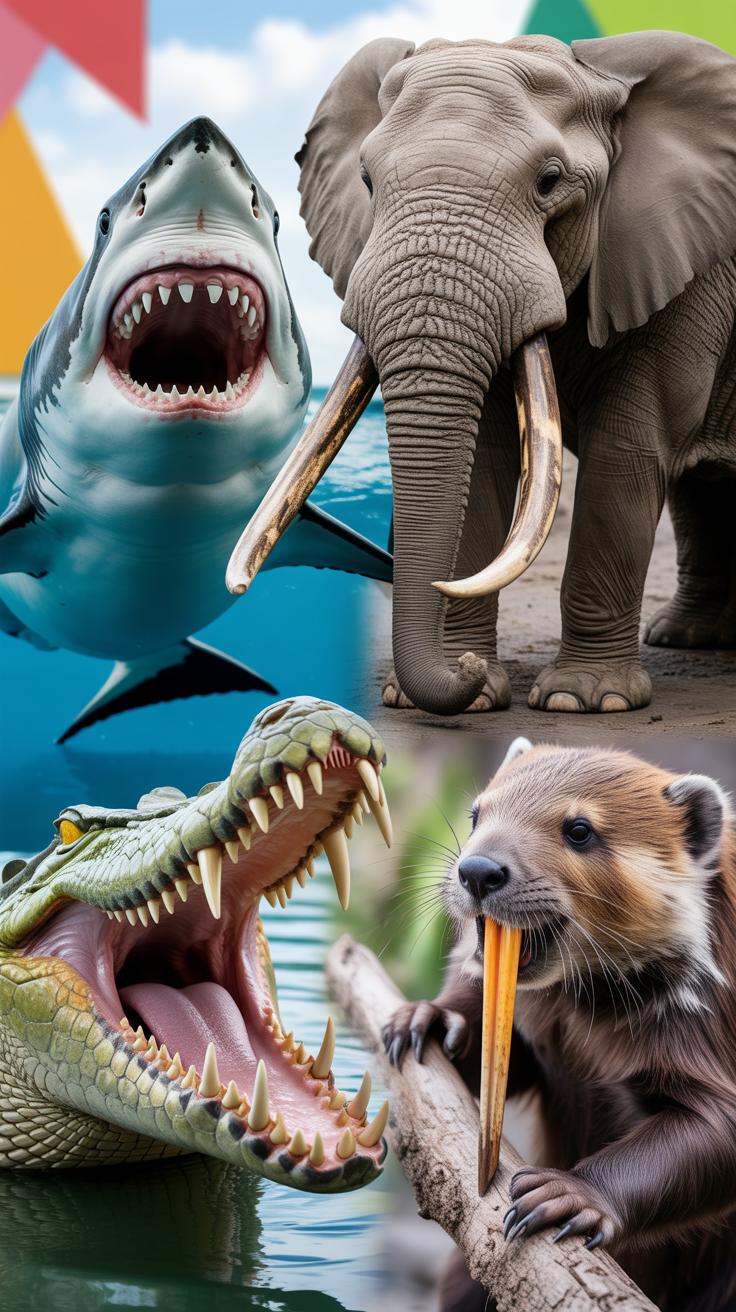
Sharks are polyphyodonts. This means they replace teeth throughout their entire lives. Most sharks have multiple rows of teeth sitting in their gums. They do not attach these teeth to the jawbone with roots. Instead, a conveyor belt system moves new teeth forward. This happens when the front teeth fall out or break during hunting. Vitality depends on this constant renewal process.
The replacement rate varies by species and water temperature. Some sharks lose thousands of teeth every year. This biological strategy prevents dental decay or permanent damage from hindering survival. Young sharks grow new teeth faster than older ones. This mechanism ensures the predator always has sharp tools for gripping prey. It eliminates the need for oral hygiene because the teeth do not stay long enough to rot.
Elephants And Their Six Sets Of Molars Over A Lifetime
Elephants use a unique horizontal tooth replacement system. Unlike humans, they do not have vertical replacement where adult teeth push up from below. An elephant has four active molars at any given time. As these teeth wear down from grinding tough plants, new teeth grow in the back of the jaw. These new molars slowly push the old ones forward until they fall out.

An elephant gets exactly six sets of molars during its life. These teeth increase in size and complexity with each new set. The final set must last the animal for its remaining years. If the sixth set wears out completely, the elephant cannot chew its food properly. This often leads to malnutrition in older wild elephants. Their survival links directly to the durability of their dental hardware.
Fun Dental Facts Wild Animals That Naturally Practice Oral Self Care
Primates And Tooth Grooming: How Lemurs And Baboons Clean Each Other’S Teeth
Primates use social grooming to maintain oral health. Lemurs possess a unique dental structure called a toothcomb. This set of front teeth helps them scrape parasites and debris from their fur. It also serves as a tool for cleaning the mouth during social interactions. Grooming partners use their teeth and claws to remove food particles from hard-to-reach areas for others.
Baboons engage in similar behaviors to prevent tooth decay and gum disease. They pick at each other’s teeth using precise finger movements. This activity removes plaque and harmful bacteria before infections start. These rituals strengthen social bonds while serving a biological function. Consistent cleaning reduces the risk of abscesses and tooth loss. This behavior ensures the group remains healthy and capable of eating.
The Nile Crocodile And The Plover Bird: Nature’S Most Famous Dental Partnership
The Nile crocodile relies on the Egyptian plover for essential oral maintenance. This bird enters the open mouth of the reptile to feed on meat scraps. These scraps get stuck between the crocodile’s teeth and cause painful infections if left alone. The bird acts as a living toothpick. This relationship provides the bird with a steady food source and the crocodile with hygiene.
This partnership illustrates a tactical biological move called mutualism. The crocodile remains still and keeps its jaws open during the process. It does not eat the bird because the cleaning service is more valuable than a small meal. Removing decaying organic matter prevents the growth of harmful pathogens. This natural system keeps the crocodile’s predatory tools in top condition. Constant maintenance allows for long-term survival in the wild.
Animal Teeth The Most Extreme Dental Structures Found In Nature
Narwhal Tusks, Snail Teeth, And The Record Breakers Of The Animal Mouth
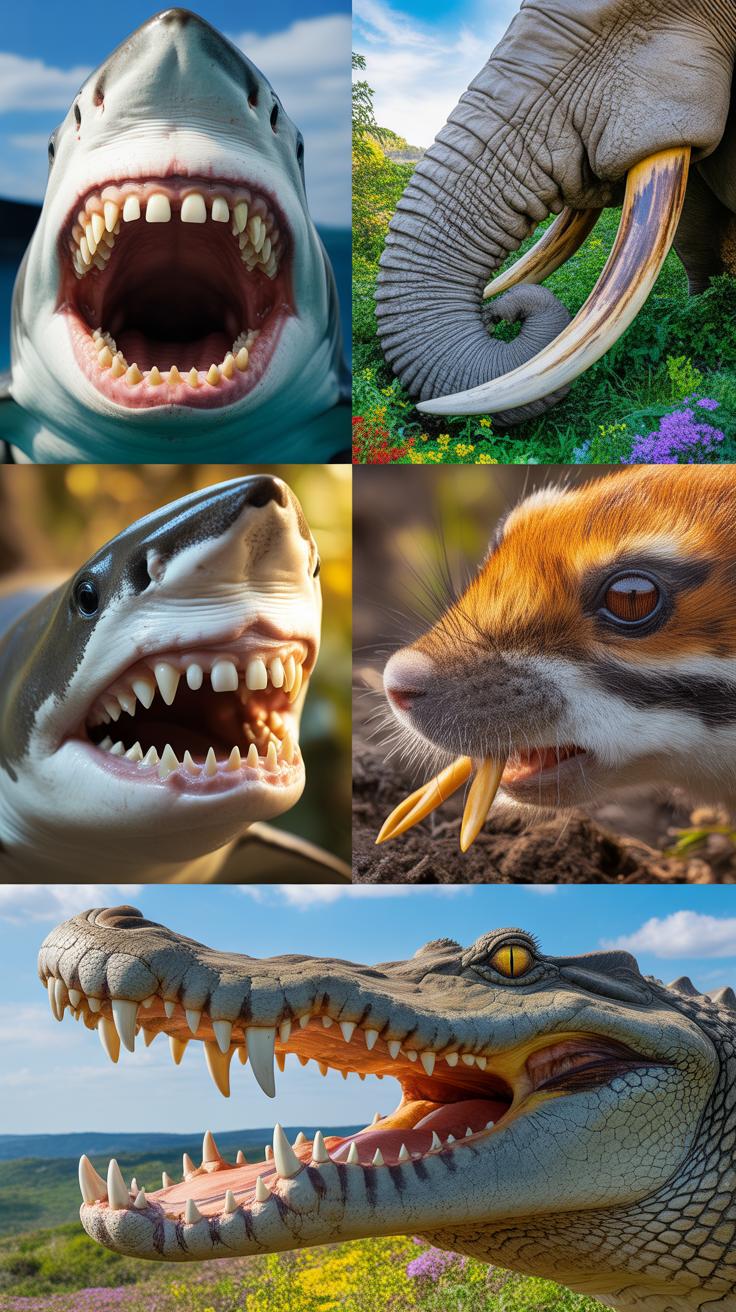
The narwhal tusk is actually a specialized tooth. It erupts from the upper jaw and can reach ten feet long. This tooth contains millions of nerve endings. It serves as a sensory organ rather than a weapon. It detects changes in water temperature and pressure. This makes it one of the most complex dental structures in the natural world.
Snails possess the hardest biological material known to man. Their teeth consist of tiny limpet teeth made of goethite. These fibers provide extreme tensile strength. A snail uses thousands of these teeth on a ribbon called a radula. They scrape food off surfaces without dulling the blades. This system allows them to grind down rocks and survive in harsh environments.
How Diet Shapes Tooth Structure Across Different Animal Species
Diet determines tooth shape and function. Carnivores develop sharp carnassial teeth. These teeth act like scissors to shear through flesh and bone. The precision of the fit prevents wear on the cutting edges. High-protein diets require specialized tools to access nutrients quickly. This physical adaptation ensures the hunter can consume its kill before scavengers arrive on the scene.
Herbivores rely on flat molars with complex ridges. They grind tough plant fibers constantly. This grinding creates significant heat and friction. Some species have hypsodont teeth that grow throughout their entire lives. They need this constant growth to replace the material lost during feeding. This dental strategy allows these animals to extract energy from low-nutrient grasses that would destroy standard human teeth.
Dental Hygiene Fun Facts What Humans Can Learn From Animal Oral Habits
Chewing Sticks And Natural Abrasives: Ancient Animal Behaviors That Inspired Human Dental Care
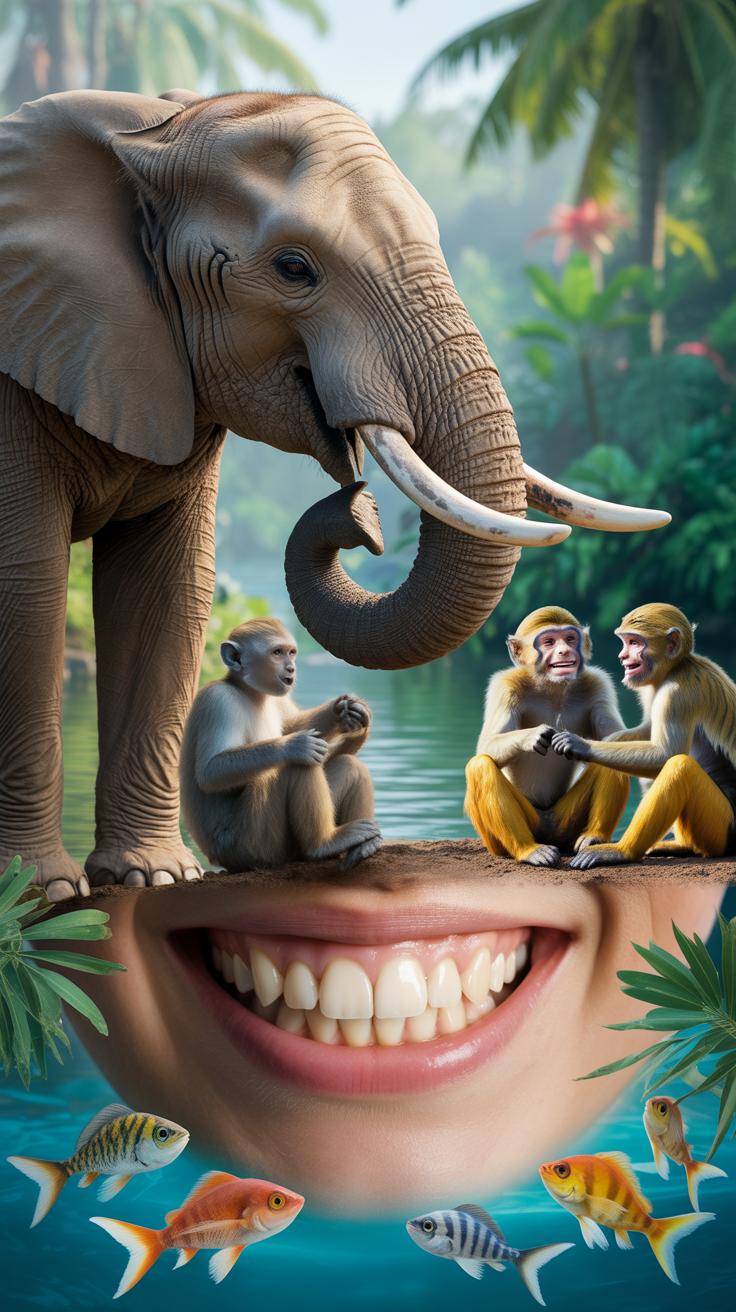
Animals use mechanical friction to clean their teeth. Primates and elephants chew on fibrous twigs to remove food debris. This action creates a frayed end on the stick. This frayed tip acts like a natural brush. It scrubs the tooth surface and stimulates blood flow in the gums. Humans observed these behaviors in nature. These observations led to the creation of early toothbrushes.
Ancient civilizations used miswak or neem sticks for oral care. These plants contain natural antimicrobial agents. Chewing the bark releases these chemicals into the mouth. This process reduces harmful bacteria levels. It also creates a rough surface to scrape away plaque. Modern dental tools mimic this mechanical scrubbing. Using natural abrasives remains a core principle in keeping teeth clean. This method proves that mechanical force is vital.
Why Grass Grazing Herbivores Rarely Suffer From Tooth Decay
Herbivores eat a diet low in fermentable sugars. Grass consists of tough cellulose and silica. These materials are highly abrasive. As the animal chews, the grit grinds down the tooth surface. This constant grinding prevents plaque from building up. Bacteria cannot find a stable place to grow. Low sugar intake means the mouth stays at a neutral pH level. Acid does not erode their enamel.
Saliva production plays a critical role in herbivore oral health. Grazing animals chew for many hours each day. This long duration triggers massive amounts of saliva. Saliva buffers the acids in the mouth. It also contains minerals that help repair tooth surfaces. Humans can learn from this by reducing sugar intake. Increasing the consumption of fibrous vegetables mimics this natural cleaning. Constant chewing keeps the oral cavity self-cleaning.
Dog Dental Care And Dog Dental Health What Every Pet Owner Should Know
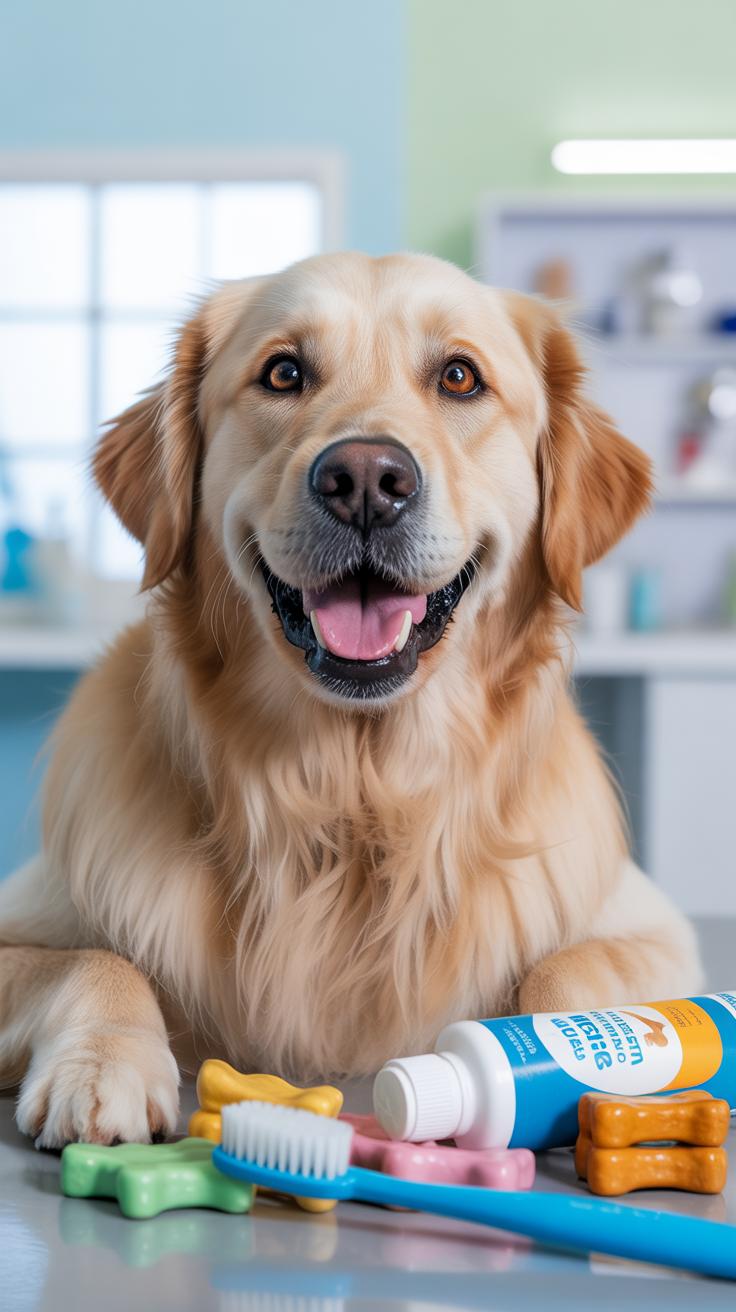
How Dogs Develop Plaque And Tartar Without Regular Dental Maintenance
Plaque begins forming on canine teeth within hours of eating. This sticky film consists of bacteria and food particles. If you do not remove it, the film reacts with minerals in the saliva. This chemical reaction causes the plaque to harden into tartar. Once tartar forms, it creates a rough surface that attracts more bacteria. This cycle accelerates oral decay rapidly.
Tartar buildup leads to inflammation of the gums known as gingivitis. Bacteria then migrate under the gum line to attack the bone and connective tissues. This progression causes periodontal disease, which is irreversible without surgical intervention. Chronic oral infections can also allow bacteria to enter the bloodstream. These pathogens eventually reach and damage vital organs like the heart, liver, and kidneys.
Vet Recommended Steps For Maintaining Your Dog’S Dental Health At Home
Daily mechanical cleaning is the most effective way to disrupt bacterial biofilms. You must use toothpaste specifically formulated for dogs because human toothpaste contains xylitol or fluoride, both of which are toxic to canines. Consistent brushing reaches the gingival margin where most pathogens reside. Frequent cleanings prevent the mineralization of plaque and reduce the need for high-risk professional anesthesia later.
- Daily Brushing: Use a soft-bristled brush to clean each tooth surface. Focus on the outside of the teeth where tartar accumulates fastest. Consistent mechanical action breaks down stubborn plaque before it can harden into permanent calculus.
- Dental Diets: Specially formulated kibble uses larger sizes and fiber structures to scrape teeth. This mechanical friction acts as a secondary cleaning method during meals. These diets often contain polyphosphates to bind calcium and limit tartar production.
- VOHC Approved Chews: Only select products that carry the Veterinary Oral Health Council seal. These chews meet specific clinical standards for reducing plaque or tartar. Give these daily to supplement brushing and provide mental stimulation through active chewing.
- Water Additives: Add enzymatic solutions to the drinking water to lower the bacterial count in the mouth. These tasteless liquids help neutralize odors and slow down biofilm formation on the tooth enamel. Use this as a supportive measure, not a replacement.
- Visual Inspections: Check your dog’s gums for redness or swelling once per week. Look for brown crusting or fractured teeth that require immediate veterinary attention. Early detection of oral lesions prevents deep infections and avoids unnecessary pain for the animal.

Professional assessments remain a critical part of a comprehensive strategy. While home care manages visible surfaces, a veterinarian must examine the areas below the gum line using specialized tools or radiographs. Integrate home habits with yearly checkups to ensure long-term health. Prioritizing these tactical steps reduces the total cost of ownership by preventing expensive oral surgeries and systemic illnesses.
Dog Health Tips And Dog Care Tips Spotting Dental Problems In Your Pet Early
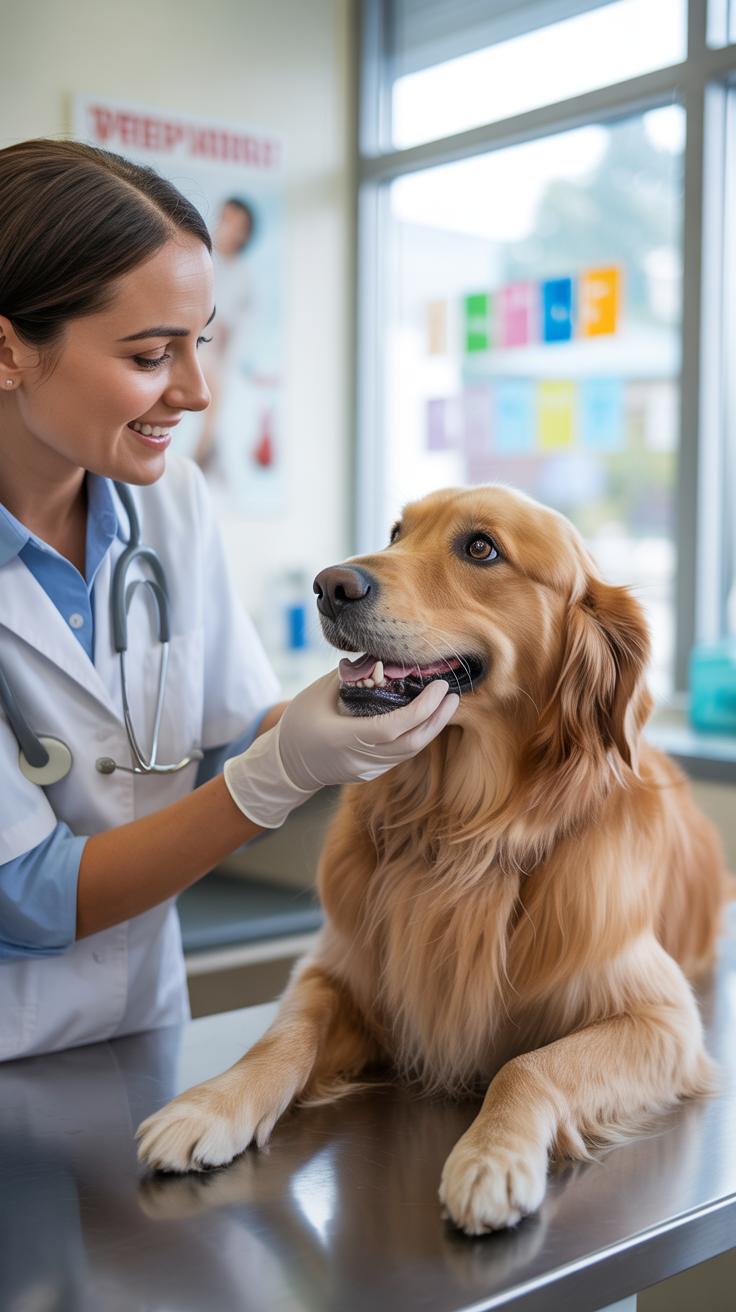
Common Warning Signs Of Poor Oral Health In Dogs You Should Never Ignore
Domestic dogs rely on owners to identify oral pain and infection. Most canine dental issues develop below the gum line where they remain hidden from a casual glance. You must perform weekly mouth inspections to catch early stage periodontal disease. Watch how your dog eats and interacts with toys. Changes in behavior often signal physical discomfort in the jaw.
- Persistent Bad Breath: Foul odors indicate high bacterial loads and decaying tissue in the mouth. While mild breath is normal, a strong or sweet smell suggests active infection or periodontal disease requiring professional cleaning.
- Discolored Teeth and Gums: Yellow or brown buildup on the teeth confirms tartar accumulation. Red, swollen, or bleeding gums signal gingivitis. Healthy gums should appear salmon pink and firm against the tooth base without irritation.
- Changes in Eating Habits: Dogs in pain may drop food or chew only on one side of the mouth. You might notice a sudden preference for soft food or a total loss of interest in hard kibble and chew toys.
- Excessive Drooling or Pawing: New drooling patterns often point to oral lesions or broken teeth. If your dog paws at its face frequently, it is likely trying to alleviate pressure from an abscess or deep-seated nerve pain.
- Visible Bumps or Lumps: Check the gums and inner cheeks for unusual growths or swellings. These can be benign or malignant tumors. Owners frequently mistake oral swelling for simple bee stings or minor injuries when the cause is dental.
Early detection prevents tooth loss and costly extractions. Look for blood on chew toys or in water bowls as a definitive sign of advanced gum disease. Do not wait for your dog to stop eating entirely before seeking veterinary care. Dogs possess a high pain tolerance and will continue eating despite significant oral trauma or infection.
Nature is the oldest storyteller, reminding us through the clean, sharp smiles of the wild that even the simplest creatures hold the secrets to perfect grace. We have much to learn from the wisdom of a world that keeps itself pure without effort.
How Untreated Dental Disease In Dogs Can Affect Their Heart And Kidneys
Oral bacteria do not stay in the mouth. Professional veterinary studies show a direct link between periodontal disease and systemic organ damage. When gums bleed, bacteria enter the bloodstream through the damaged tissues. This process allows pathogens to travel throughout the body and colonize major organs. Chronic inflammation from the mouth puts constant stress on the canine immune system.

The heart and kidneys are particularly vulnerable to these circulating bacteria. Microorganisms can attach to heart valves, causing inflammation and endocarditis. In the kidneys, the constant filtration of bacteria leads to chronic scarring and decreased function over time. Protecting the mouth is a tactical move to extend your dog’s lifespan. Clean teeth reduce the workload on vital organs and prevent early organ failure.
Fun Dental Facts About Zoo And Exotic Animals How Vets Manage Animal Oral Hygiene
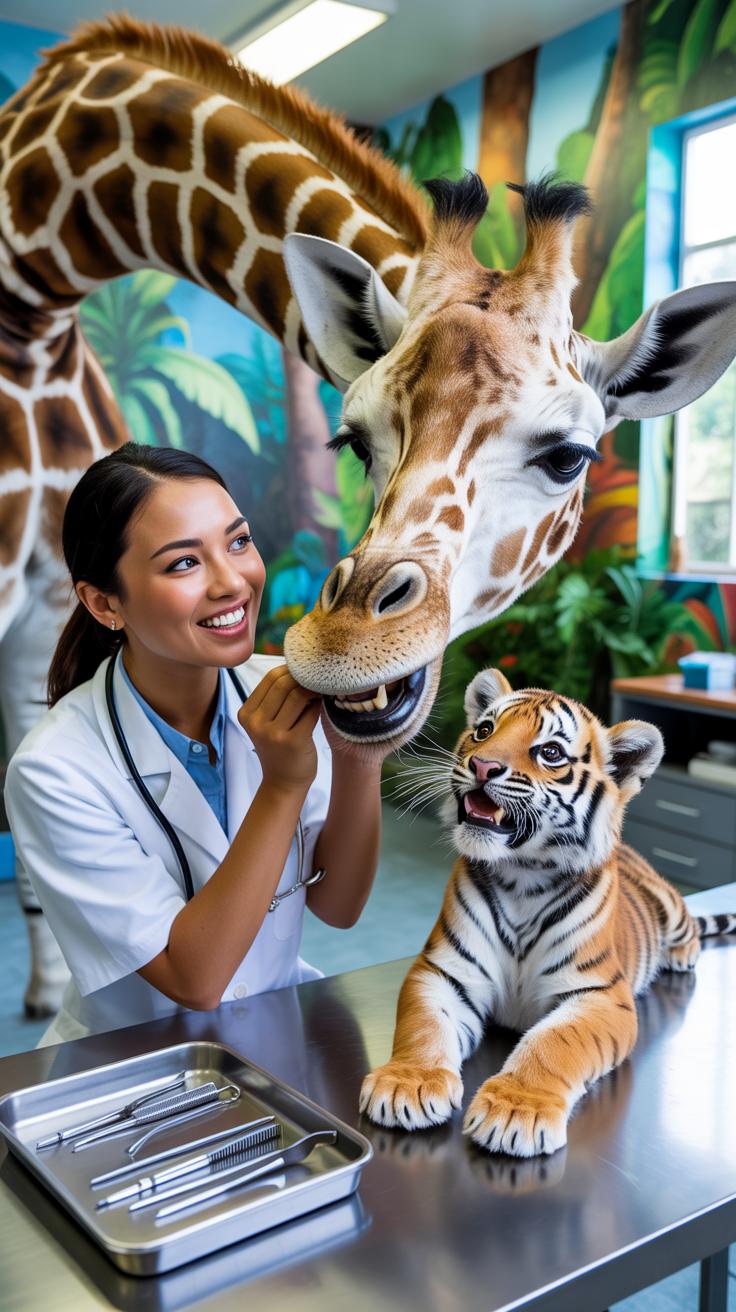
How Zoo Veterinarians Perform Dental Cleanings On Tigers, Gorillas, And Hippos
Veterinarians use general anesthesia to clean the teeth of large predators and primates safely. Doctors intubate the animal to maintain a clear airway during the procedure. They use specialized high power ultrasonic scalers to remove plaque and tartar buildup. This is vital for tigers and gorillas because they suffer from the same periodontal diseases as humans. Staff moniter heart rates throughout the entire process.
Hypothetically dangerous animals require custom tools for dental work. Hippo dentistry often involves long handled scrapers and mirrors to inspect massive molars. These animals frequently develop tusks that grow incorrectly or become infected. Vets perform extractions only when absolutely necessary to prevent sepsis. They apply topical sealants to protect the enamel after removing debris. These routine checks prevent painful abscesses that stop animals from eating.
Enrichment Toys And Natural Chewing Behaviors That Keep Captive Animals Health Teeth
Zoos provide specific enrichment items to simulate natural hunting and foraging habits. Big cats receive whole carcasses or large bones to scrape their teeth clean. This physical friction removes soft buildup before it hardens into calculus. Primates get fibrous browse like branches and bamboo stalks. Chewing these tough materials acts like a natural toothbrush. These activities keep the gum line healthy and strengthen jaw muscles.

Natural behaviors reduce the need for medical intervention and heavy sedation. Keepers design interactive feeders that require animals to use their teeth and tongues. This mechanical action mimics life in the wild where processed food does not exist. Giraffes use their long tongues to strip bark, which cleans their mouths naturally. Providing the right diet is the most effective way to maintain animal oral hygiene facts in captivity.
Frequently Asked Questions

Which animals naturally have the cleanest mouths in the wild?
Sharks and crocodiles often top the list due to their unique biological advantages. Sharks constantly cycle through thousands of teeth, ensuring decay never settles, while crocodiles rely on symbiotic relationships with plover birds to pick away debris. These fascinating animal oral hygiene facts demonstrate that nature has developed ingenious ways to prevent gum disease and plaque buildup without the use of a traditional toothbrush or modern toothpaste.
How can pet owners improve their own animals’ dental health at home?
Supporting your pet’s dental health starts with consistency and the right tools. You should brush your pet’s teeth daily using species-specific enzymatic toothpaste, as human paste is toxic to them. Incorporating dental chews and water additives can also significantly reduce tartar. Learning these animal oral hygiene facts helps you create a proactive routine that prevents painful infections and saves you from expensive professional cleanings down the road.
Are there affordable ways to maintain my pet’s oral hygiene without expensive vet visits?
Maintaining oral health doesn’t have to be costly if you focus on prevention. Raw carrots or apple slices act as natural abrasives that help scrub teeth during snack time. Additionally, Investing in a basic silicone finger brush is a very low-cost way to stay consistent. By prioritizing these affordable habits, you can manage your pet’s wellness effectively while keeping their breath fresh and their gums healthy on a budget.