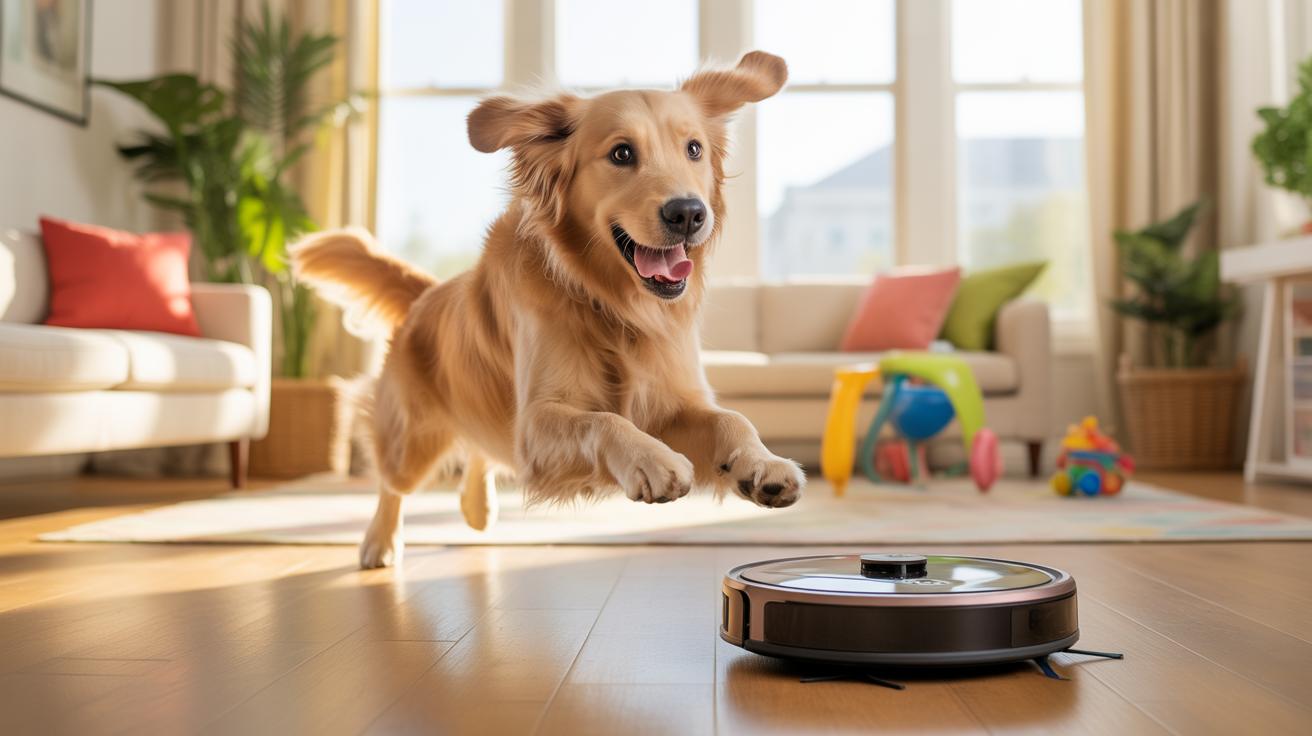
The Science Behind Why Dogs React To Vacuum Cleaners
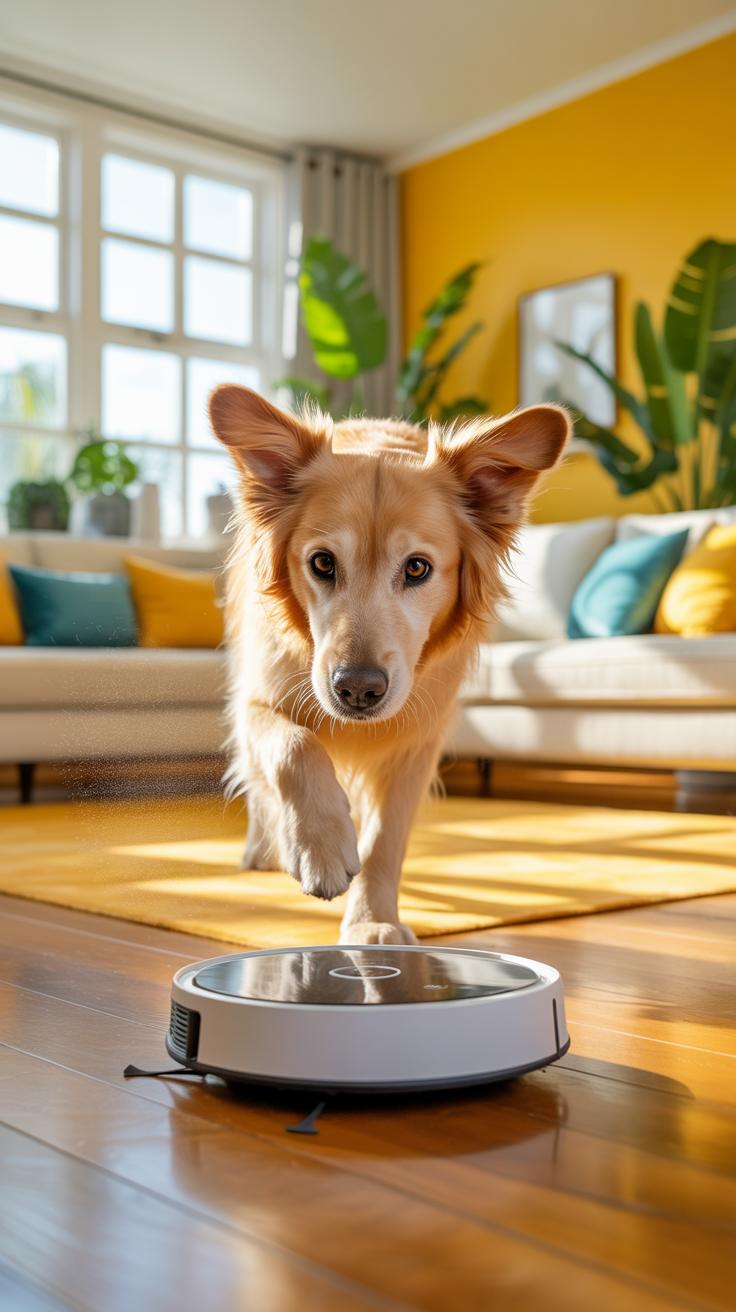
How A Dog’S Heightened Senses Make Vacuums Terrifying
Dogs process the world through superior auditory and olfactory systems. Research shows dogs hear frequencies up to 45,000 Hz, while humans stop at 20,000 Hz. Vacuum cleaners emit high-pitched whines from electric motors that humans cannot perceive. These sounds create physical discomfort or pain for the animal. To a dog, the machine is not just loud. It is a source of ultrasonic distress.
The vacuum also disrupts the scent profile of a room. It kicks up settled dust and stirs deep odors from the carpet fibers. Dogs rely on stable scent markers to feel secure in their territory. The machine acts as a mechanical predator that destroys their familiar olfactory environment. This sensory overload triggers an immediate defensive state. The dog cannot ignore the noise or the smell.
Fight Or Flight: Understanding Your Dog’S Instinctive Response
The vacuum cleaner moves in erratic patterns that mimic predatory behavior. Most household objects remain stationary, but the vacuum slides across the floor and invades the dog’s personal space. This movement activates the amygdala in the canine brain. The brain sends signals to release adrenaline and cortisol. The dog must decide instantly whether to attack the threat or run for safety.
Some dogs choose the fight response by barking, snapping, or biting the nozzle. They see the machine as a rival that needs to be neutralized. Other dogs choose the flight response by hiding under furniture or leaving the room. This behavior is a survival tactic rooted in their DNA. Owners must recognize these actions as biological imperatives rather than bad behavior. The dog is simply reacting to a perceived life threat.

Classic Dogs Vs Vacuum Cleaner Reactions That Broke The Internet
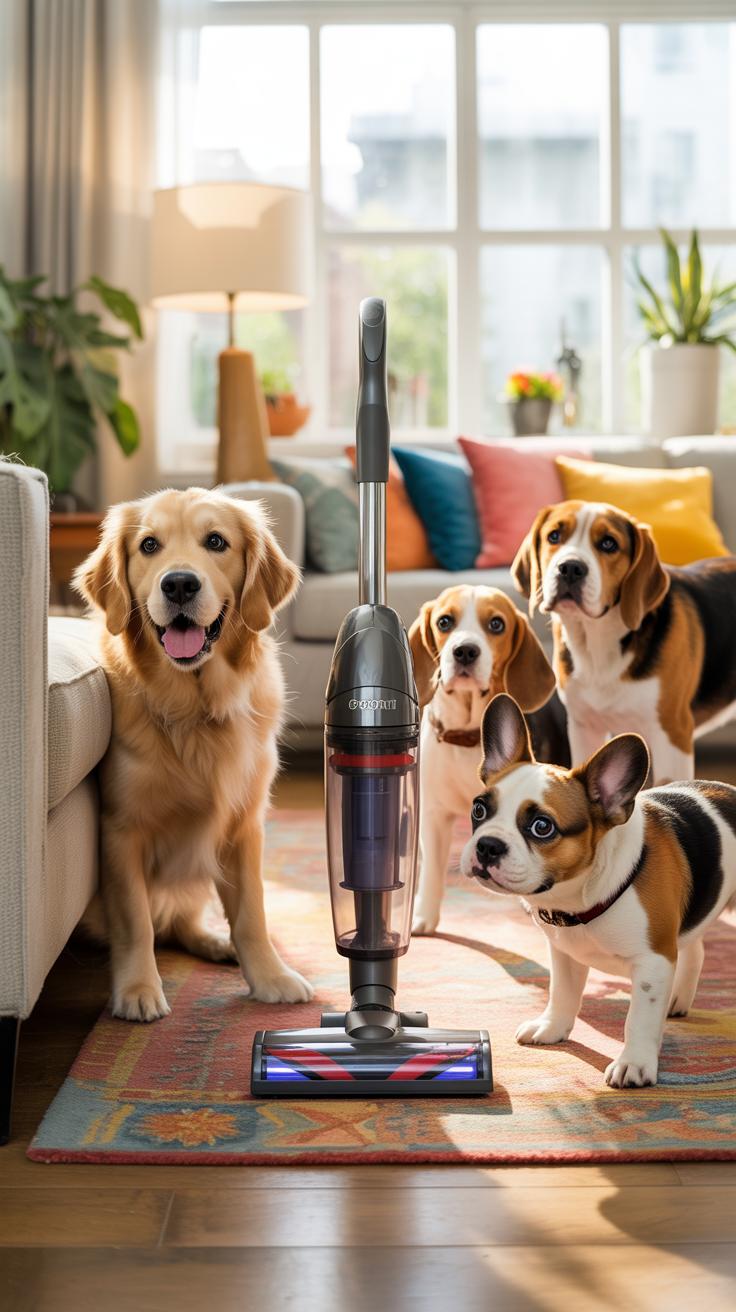
The Bark Attack: When Dogs Decide The Vacuum Must Be Defeated
Dogs view the vacuum cleaner as a loud or unpredictable intruder. This triggers a protective instinct to guard their territory and pack members. They often lunge at the machine nozzle or bite the wheels to stop its movement. High-pitched barking serves as a warning signal to the machine. Trainers identify this behavior as reactive aggression fueled by fear or high prey drive instincts.
The vacuum motor produces high-frequency noise that humans cannot hear. Dogs possess sensitive hearing and find these vibrations physically painful or threatening. They attack the vacuum to neutralize the source of the distressing sound. Owners capturing these moments show dogs circling the unit in a tactical formation. This behavior demonstrates a clear intent to dominate what the dog perceives as a moving rival or threat.
The Great Escape: Hilarious Clips Of Dogs Fleeing The Room
Flight is the primary survival mechanism for dogs facing overwhelming mechanical noise. Many dogs recognize the sound of the closet door opening as a cue to evacuate. They seek vertical high ground like couches or beds to avoid the moving floor unit. This distance allows the dog to monitor the threat from a safe vantage point. The reaction is an immediate response to sensory overload.

Slippery floors often turn these escapes into comedic moments. The dog tries to accelerate quickly but loses traction on hardwood or tile. This creates a chaotic visual as the animal scrambles to find a grip. Most dogs will not return to the area until the operator switches the power off. The behavior stems from a lack of early socialization with loud household appliances during the puppy stage.
Funny Animals At Their Best Breeds Most Likely To Overreact

Herding Breeds And Their Need To Control The Vacuum
Herding breeds possess a high prey drive and strong instinctual desire to manage movement. Border Collies and Australian Shepherds view a moving vacuum as a rogue animal that needs containment. They react by circling the machine or nipping at the wheels. This behavior stems from centuries of selective breeding. These dogs cannot ignore mechanical motion. They feel a biological pull to dominate the object.
A vacuum triggers the start-stop movement that simulates livestock behavior. Herding dogs often bark at the nozzle to stop its progress across the floor. This reaction is not fear but a tactical response to an unmanaged force. Owners see this as a humorous game. However, the dog treats the situation as a serious job. The high intensity of these breeds makes their reactions louder and more physical.
Small Dogs With Big Reactions: Chihuahuas, Dachshunds And More
Small breeds often display heightened defensive aggression when faced with loud machinery. Chihuahuas and Dachshunds perceive the vacuum as a large predator entering their territory. Their small size makes the machine appear more threatening. They compensate for their stature with high-pitched barking and rapid lunges. These dogs prioritize protecting their space from the invasive sound and vibration. Their reactions are fast and sharp.

The vibration of the motor travels through the floor and affects smaller bodies more intensely. This physical sensation triggers a fight-or-flight response. Most small breeds choose to fight the vacuum head-on. They use vocalizations to signal their displeasure. This creates a dramatic scene for the camera. The contrast between their tiny size and their massive courage makes these reactions stand out. They rarely back down from the mechanical noise.
Dog On A Robot Vacuum The Ultimate Comedy Crossover
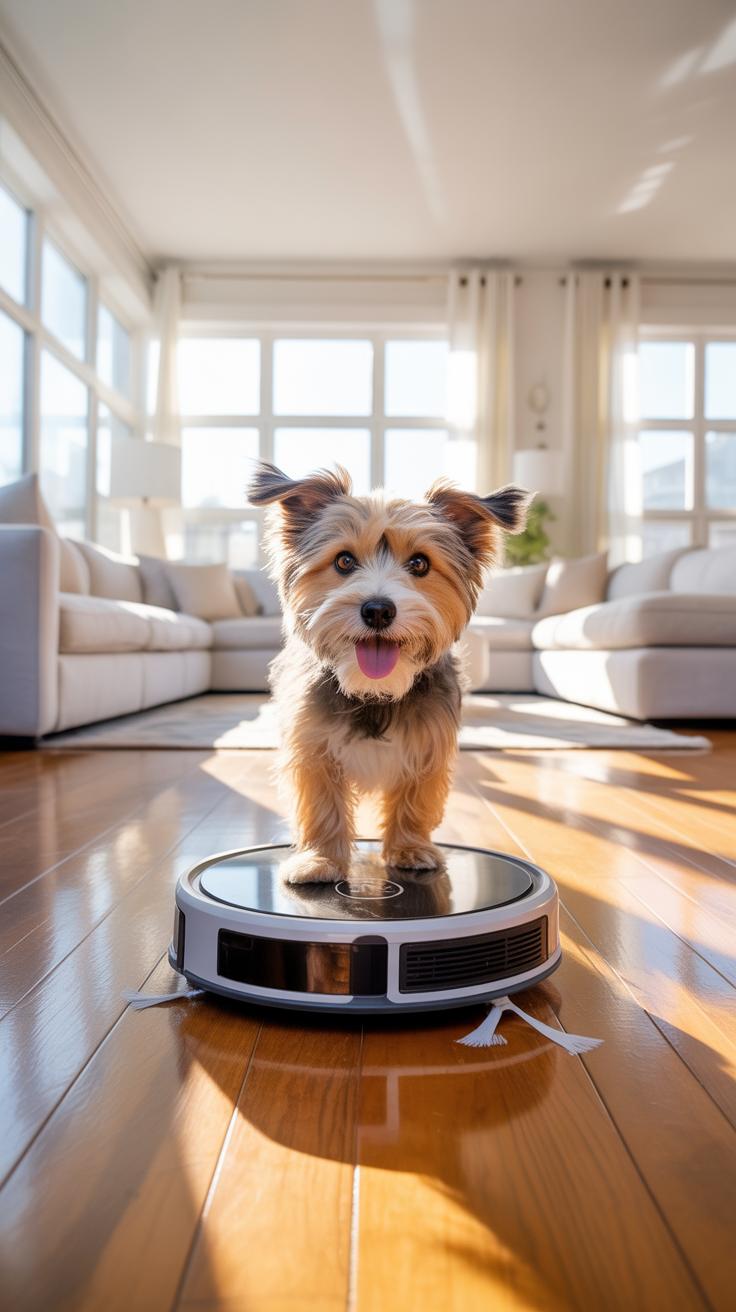
How Robot Vacuums Like The Roomba Became An Unlikely Pet Toy
Robot vacuums changed household cleaning dynamics by introducing low-profile mobile technology into domestic spaces. These devices operate on floor levels where dogs spend most of their time. Unlike loud upright vacuums, robot units move slowly and predictably. This lack of sudden movement reduces the flight response in many breeds. Some dogs view the device as a moving platform rather than a mechanical threat.
Owners began filming their pets interacting with these machines once they noticed a lack of aggression. Small dog breeds find the flat surface of the vacuum chassis stable enough for sitting. The weight sensors on early Roomba models allowed for moderate weight without stalling the motor. This technical durability encouraged pet owners to treat the vacuum as a mobile seat for their smaller animals.
In the comedy of our living rooms, the bravest protectors will still choose a tactical retreat when the mechanical beast awakens. There is no joy quite like watching a dog rediscover their courage the moment the vacuum is finally tucked away.
The Most Viral Dog On A Robot Vacuum Moments Captured On Camera
Viral videos often feature small dogs like French Bulldogs or Pugs riding these devices through multiple rooms. The comedy stems from the dog’s calm demeanor while the machine navigates obstacles. Viewers watch as the dog maintains balance while the vacuum bumps into walls. These clips gain millions of views because they subvert the typical fear response dogs have toward traditional cleaning equipment.

Social media platforms fueled the trend of dressing dogs in costumes while they ride. A famous clip involves a dog in a shark outfit chasing a cat. This specific type of content relies on the juxtaposition of a predator costume and a slow mechanical mount. The predictable path of the robot allows owners to set up camera angles that capture the dog’s facial expressions perfectly.
For The Animal Lover What Your DogS Vacuum Reaction Says About Their Personality
Fearful Vs. Curious: Reading Your Dog’S Body Language During Vacuuming
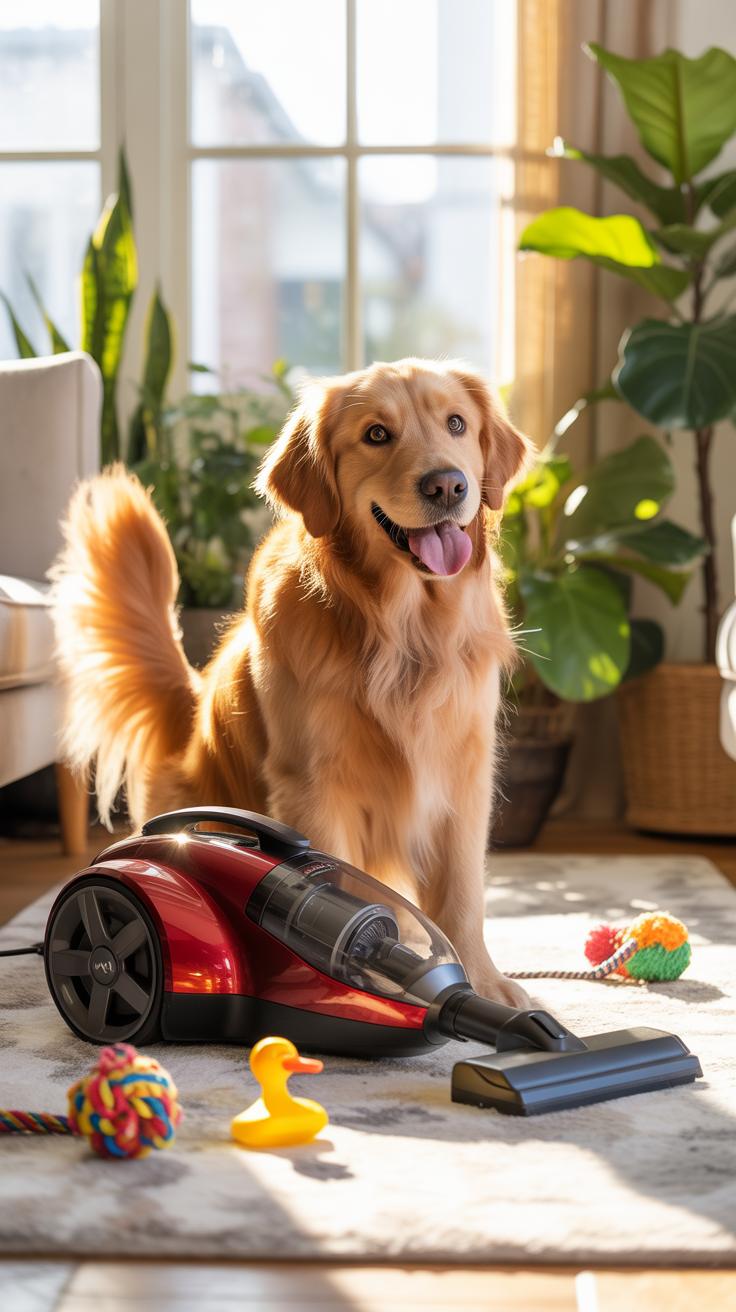
Dogs focus on sensory input to judge threats. A fearful dog tucks its tail and lowers its body to the ground. You will see whites in their eyes or pinned-back ears. These signals show the dog views the machine as a predator. It feels trapped by the loud noise and sudden movements. The dog seeks an exit to find safety away from the sound.
Curious dogs show high confidence and engagement. They keep their ears forward and tails level. You might see a head tilt or a slow approach toward the nozzle. This reaction reveals a stable temperament and low noise sensitivity. The dog treats the vacuum as an object to investigate rather than a threat. They use their nose to gather data about the unfamiliar mechanical device.
Why Some Dogs Guard The House Against Vacuums While Others Ignore Them
Guarding behavior stems from a high prey drive or territorial instinct. Some breeds see the moving vacuum as an intruder or a herding challenge. They bark and nip at the wheels to control the movement. This shows a protective personality. The dog believes it must defend the home from the loud invader. It views the vacuum as a living entity that needs neutralising.

Low-arousal dogs ignore the vacuum because of successful habituation or low drive. These dogs have high thresholds for sensory stimulation. They do not perceive the motor hum as a danger. This lack of reaction indicates a calm and steady personality. The dog prioritizes rest over the perceived environmental change. They trust their surroundings and feel no need to intervene or flee during the cleaning process.
In This Moment Of Pure Chaos Living With A Dog Who Hates The Vacuum
Real Owner Stories: The Most Outrageous Vacuum Standoffs At Home
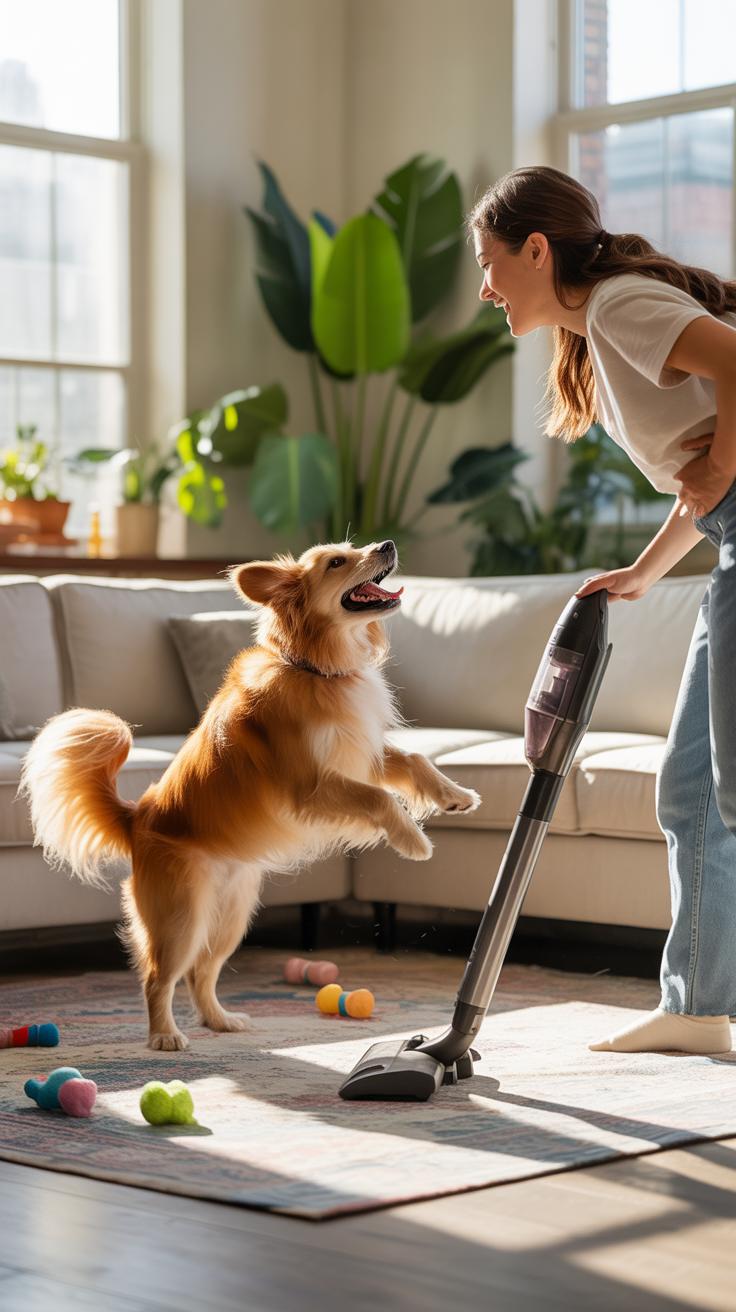
Owners report dogs using physical barriers to stop floor cleaning. Some breeds sit directly on the power cord to prevent movement. This tactical placement forces the owner to stop the motor immediately. Other dogs bite the nozzle or the wheels to disable the machine. These animals view the vacuum as a rival predator. They aim to neutralize the threat through direct physical contact.
Territorial barking often escalates into a full chase sequence. High-drive dogs will herd the vacuum into corners or under furniture. This behavior stems from an instinct to control moving objects. Owners describe rooms where the dog guards the closet door after the vacuum is put away. The animal remembers the location of the enemy. It stays alert long after the noise stops to ensure safety.
Tips For Vacuuming Peacefully When Your Dog Declares War On The Machine
Desensitization requires a slow and systematic approach to the equipment. Do not turn the power on during the first stage. Place the vacuum in the center of the room and let the dog sniff it. Reward the dog with high-value treats for calm behavior. This creates a positive association with the object before it makes any noise or movement.
- Visual Familiarity: Keep the vacuum visible in the living area without turning it on. This reduces the novelty of the machine. The dog learns that the silent plastic object is not a threat to the household hierarchy.
- Distance Management: Move the dog to a separate room or behind a baby gate during active cleaning sessions. Physical barriers prevent the dog from biting the machine. Increased distance lowers the intensity of the noise and vibration for the animal.
- Counter Conditioning: Feed the dog small treats while the vacuum runs at a distance. If the dog focuses on the food, it ignores the motor sound. This technique rewires the brain to expect rewards when the vacuum starts working.
- Pheromone Support: Use calming diffusers or sprays in the areas you plan to clean. These products mimic natural scents that soothe stressed animals. Reducing the baseline anxiety level makes it easier for the dog to tolerate loud household chores.
- High Energy Burn: Exercise the dog vigorously before you begin your cleaning routine. A tired dog has less physical energy to bark or chase. Focus on mental stimulation and heavy play to ensure the dog is ready for a long nap.

Consistent training sessions will eventually reduce the reactive behavior. Keep these sessions short to avoid overwhelming the dog. Five minutes of exposure is more effective than an hour of stress. Always prioritize the safety of the animal and the equipment. Stop the session if the dog shows signs of extreme fear or aggression toward the vacuum cleaner.
All About Animals How Other Pets React Compared To Dogs

Cats Vs. Vacuums: A Rivalry Just As Dramatic As Dogs
Cats view the vacuum cleaner as a territorial invader. Unlike dogs that often engage in frontal attacks, cats prioritize vertical escape routes. They use their superior climbing ability to monitor the machine from high shelves or cabinets. This behavior stems from a solitary hunting instinct. A cat avoids direct confrontation with a larger loud object to prevent unnecessary physical injury.
While dogs bark to alert the pack, cats remain silent and observant. They track the movement of the vacuum with precise head tilts. Some cats exhibit a freeze response where they hide under furniture for hours. This tactical retreat differs from the active defensive barking seen in canines. Owners see fewer physical altercations between cats and vacuums because felines value stealth over loud aggression.
Why Dogs Tend To Be More Vocal And Theatrical Than Other Pets
Dogs are social pack animals with a biological drive to protect their home. When a vacuum starts, a dog interprets the sound as a threat to the group. They use barking and lunging to communicate danger to their human owners. This theatrical behavior is a functional alert system. Dogs do not just fear the noise; they attempt to intimidate the mechanical intruder.

Selective breeding plays a major role in these loud reactions. Guarding and herding breeds feel a specific duty to control moving objects. Smaller pets like rabbits or hamsters lack this protective instinct and simply hide to survive. Dogs stay in the room to confront the vacuum because their DNA prioritizes territory defense. This makes their reactions more visible and documented than the quiet flight of other animals.
The Furminator Vacuum Attachment For Dogs Can It Make Peace Between Pets And Vacuums
What The FURminator Vacuum Attachment Actually Does And How It Works
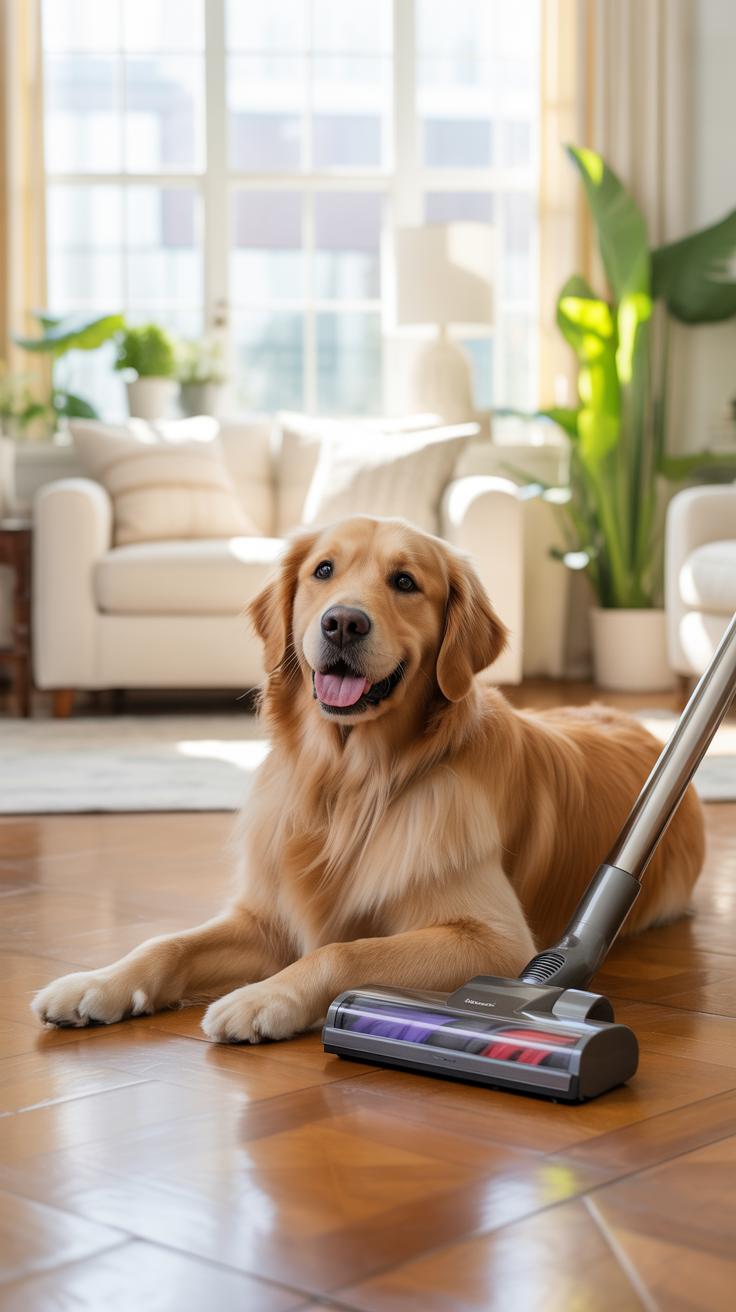
The FURminator vacuum attachment is a tool designed to bridge the gap between deshedding and cleanup. It connects to standard vacuum hoses using two included adapters. The device fits onto official deShedding tools. It captures loose hair directly from the metal teeth before the fur falls onto your floor. This hardware streamlines the grooming process by removing the need to manual sweep after brushing.
This attachment functions through a simple suction bypass. When you press the FURejector button on the brush, the hair releases into the vacuum stream. It utilizes the existing airflow of your household vacuum to transport debris into the canister. This method prevents hair from floating into the air. It works only with specific tool models. Check your brush compatibility before attempting to use this accessory for grooming.
Teaching Your Dog To Tolerate Grooming Attachments Step By Step
Desensitizing a dog to vacuum attachments requires a systematic approach. Most pets fear the high-pitched motor and the physical vibration of the hose. You must separate the sight of the tool from the noise of the engine. Start by placing the attachment on the floor while the vacuum remains off. Let the dog sniff the plastic to establish neutral territory.
- Passive Introduction: Leave the vacuum and attachment in a common area for several days. Do not turn the machine on during this period. Reward the dog with high-value treats whenever they approach the equipment voluntarily to build a positive association with the hardware.
- Engine Distance: Move the vacuum to another room while keeping the hose and attachment near the dog. Turn the power on at a distance to lower the decibel count. This step allows the animal to get used to the vibration without feeling direct physical pressure.
- Limited Friction: Rub the attachment against the dog’s coat while the vacuum is powered down. Mimic the grooming motion without the sound or suction. This prepares the skin for the physical sensation of the tool and ensures the dog does not bolt when the real work begins.
- Low Suction Contact: Use the vacuum on its lowest setting if an adjustable dial exists. Touch the attachment to the dog for only two seconds before offering a reward. Gradually increase the duration of contact as the dog remains calm and shows no signs of physical distress.
- Full Integration: Combine the brushing motion with the vacuum suction once the dog remains stationary. Keep sessions short to prevent overstimulation or skin irritation. Consistency is more important than speed. Stop the session immediately if the dog exhibits signs of fear or aggressive behavior toward the hose.

Once your dog remains calm, you can begin regular maintenance sessions. Monitor the skin for redness or irritation during the process. High suction can pull on the skin and cause discomfort if you press too hard. Maintain a light touch and focus on the undercoat. Frequent short sessions are more effective than one long session. Use this tactical approach to turn a stressful event into a routine task.
Dog Playing With Vacuum Cleaner The Brave And Curious Ones
From Fear To Fascination: Dogs That Actually Love Chasing The Vacuum
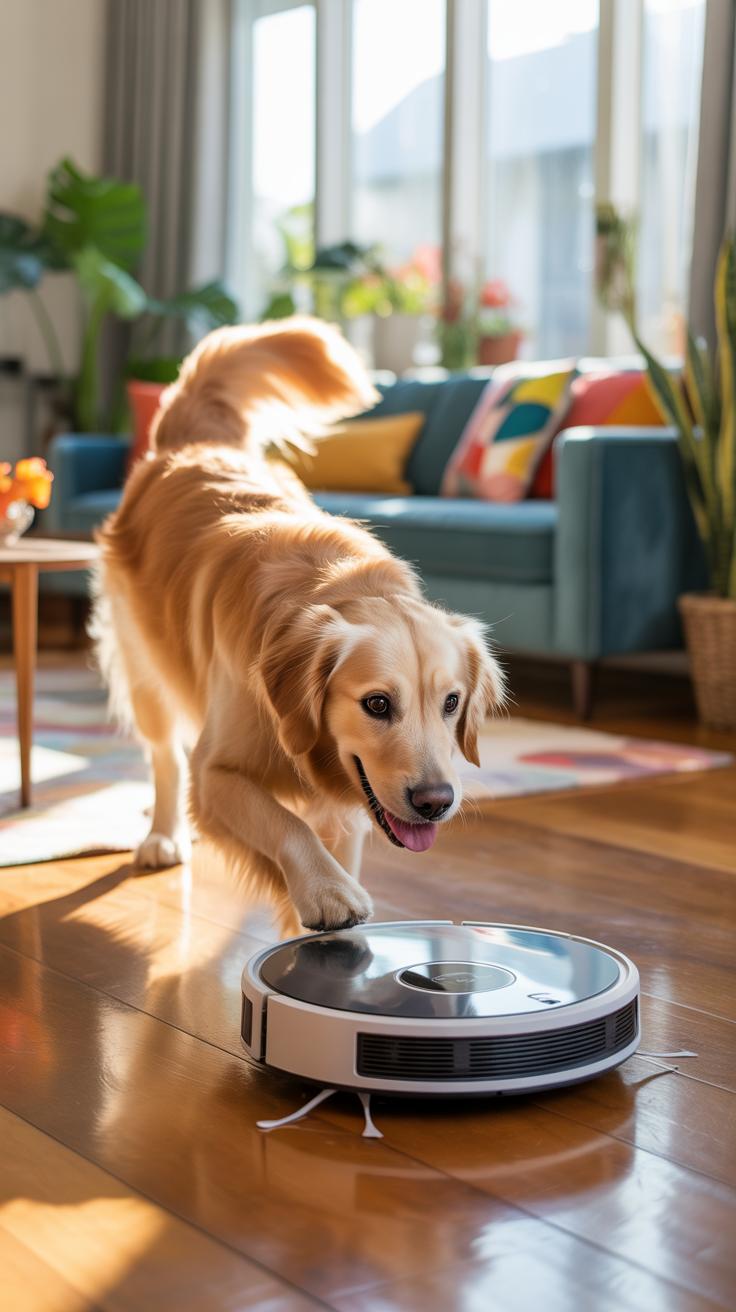
Most dogs view vacuums as threats due to high-frequency noise. High prey drive breeds often bypass fear and move directly to predatory aggression or play. Terriers and herding dogs see the moving brush roll as a target. They engage with the machine to stop its movement. This behavior stems from a need to control fast objects within their immediate environment.
Early socialization determines how a dog views loud household appliances. Puppies exposed to low-volume motor sounds develop a neutral or positive association. These dogs view the vacuum as a large toy rather than a predator. They will nip at the nozzle or pounce on the canister. This interaction provides mental stimulation and physical exercise during routine cleaning sessions.
Funny Camera Moments When The Dog Decides To Play Instead Of Run
Viral footage often captures dogs standing their ground against upright vacuums. Some dogs lie down in the path of the cleaner to force an interaction. They use their paws to swat at the plastic housing. This creates a comedic power struggle between the owner and the pet. These moments gain traction because they subvert the standard expectation of canine terror.
The most popular videos feature dogs attempting to mouth the suction attachments. This behavior shows a total lack of fear and high levels of curiosity. Owners record these sessions to document the unique personality of their pets. Observing a dog initiate play with a mechanical object reveals their confidence level. These brave dogs transform a chore into a high-energy game for the camera.
How To Film Your Own Funny Dogs Vs Vacuum Cleaner Reactions Safely
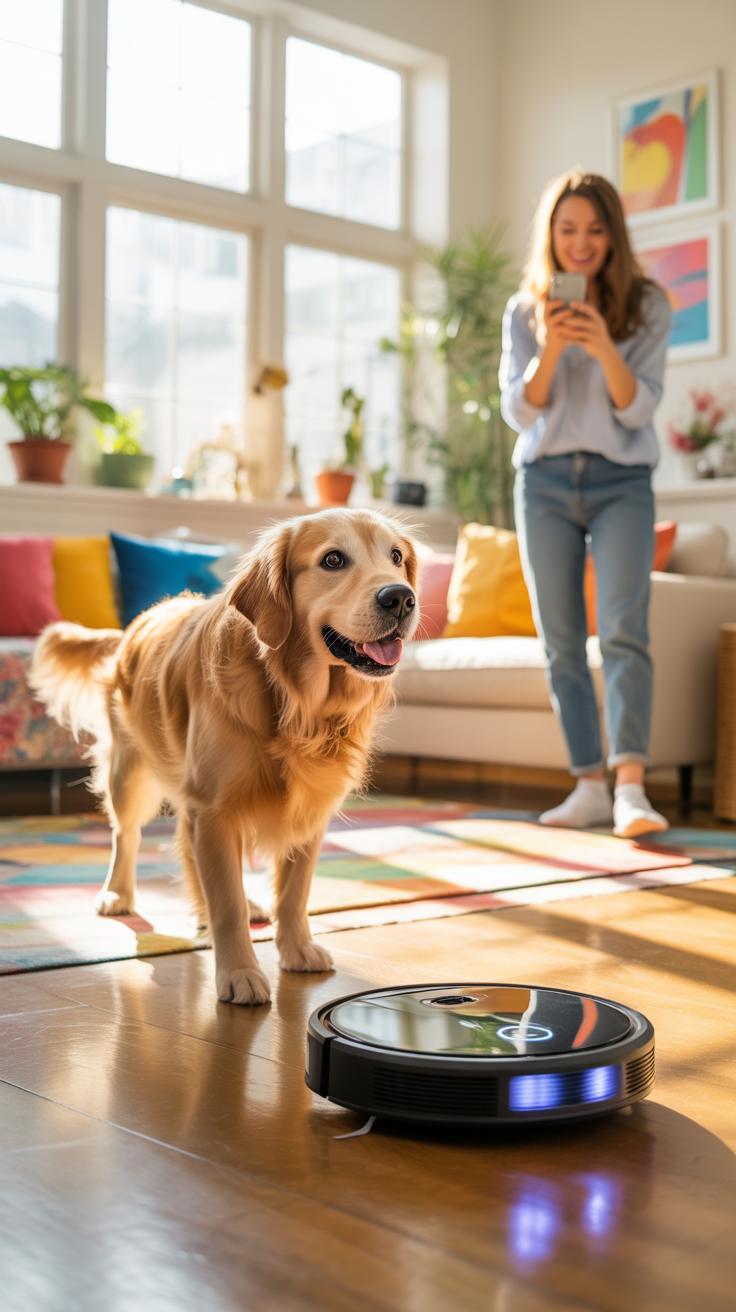
Camera Setup And Positioning Tips For Capturing The Perfect Reaction Shot
Stabilize your camera before starting the vacuum to avoid shaky footage. Use a tripod or a stable surface at the dog’s eye level. Wide angles work best to capture both the machine and the pet in one frame. Record in high frame rates like sixty frames per second. This allows you to slow down the footage later to see every facial expression and ear twitch clearly.
Lighting determines the quality of your video. Open all curtains to use natural light. Avoid using a flash because it can scare or distract the animal. Position yourself behind the camera but stay near the vacuum power switch. This allows you to stop the noise immediately if the dog becomes too distressed. Clean your lens to ensure the focus stays sharp on the dog’s eyes.
Keeping It Safe And Stress Free While Still Getting The Funny Shot
Monitor your dog for signs of high stress during the session. Watch for excessive panting, tucked tails, or cowering. If the dog shows fear, stop recording immediately. Use treats to create a positive association with the vacuum while it is off. Let the dog sniff the machine before you plug it in. Safety ensures the dog stays healthy and the footage looks natural.
Never point the vacuum nozzle directly at your dog’s face or body. The suction can cause physical injury or extreme panic. Maintain a distance of at least five feet between the machine and the pet. Keep the session short to prevent sensory overload. End the recording by rewarding the dog with praise and a favorite toy. This technique builds trust for future training and filming.
Frequently Asked Questions

Why do dogs react so dramatically to vacuum cleaners?
Dogs react strongly because vacuums are sensory overload machines. Between the high-pitched mechanical whine and the erratic movement across the floor, your pet often perceives the device as a loud, unpredictable predator. These dogs vs vacuum cleaner reactions range from playful pouncing to frantic barking, largely because their superior hearing picks up frequencies we cannot, making the household chore feel like a high-stakes encounter for your furry friend.
How can I safely film my dog’s reaction to the vacuum?
To capture the best dogs vs vacuum cleaner reactions safely, use a tripod or a stable surface rather than holding your phone. This allows you to stay focused on your pet’s body language. Ensure your dog has a clear escape route so they do not feel cornered by the machine. If they show signs of genuine distress or fear, stop filming immediately and prioritize their comfort over the perfect viral video moment.
Are there affordable quiet vacuums that won’t scare my dog?
You don’t need to spend a fortune on “silent” technology to help a nervous pet. Many budget-friendly cylinder and cordless stick vacuums now feature “Eco” modes that significantly reduce decibel levels. When shopping, look for models labeled under 70dB. Introducing a quieter machine can turn those intense stand-offs into much calmer interactions, allowing you to maintain a clean home without causing your pet unnecessary anxiety during your daily cleaning routine.