The Hilarious Pecking Order Fun Facts About Chickens And Their Social Hierarchy
How Chickens Establish And Enforce Their Flock Ranking
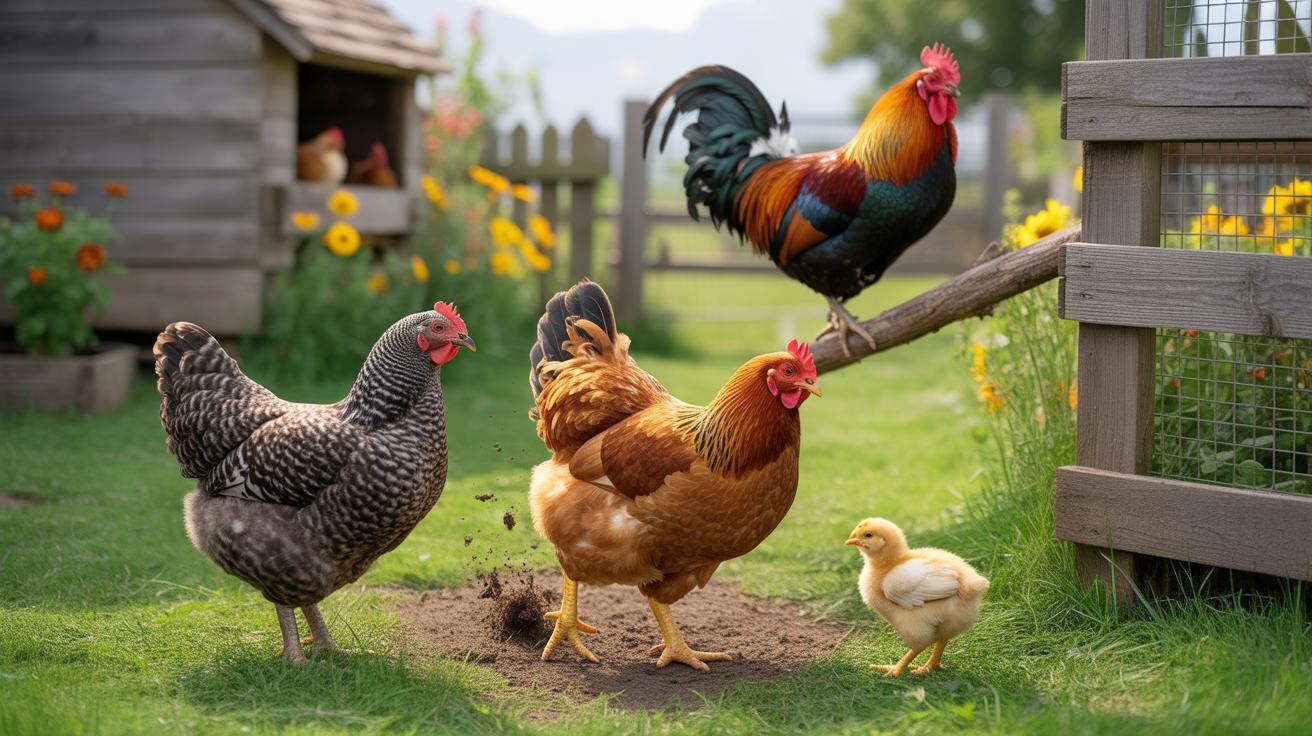
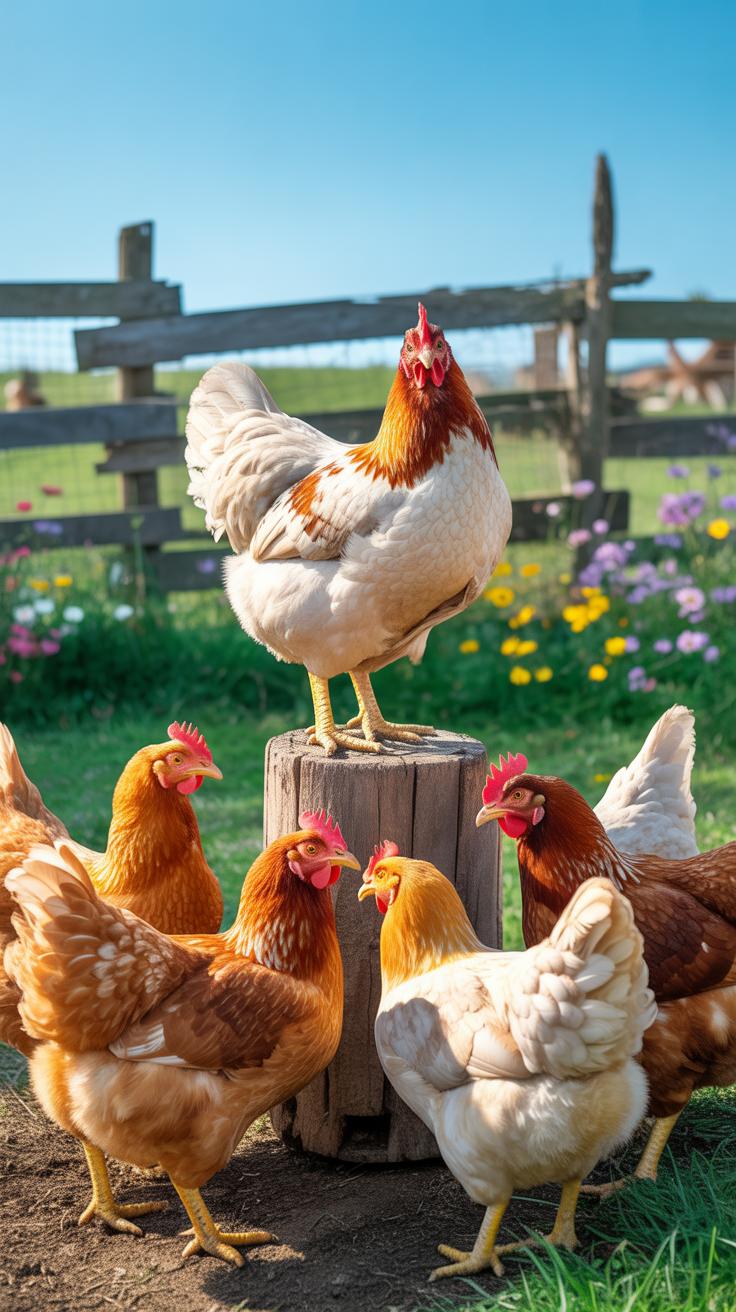
Chickens operate under a rigid social structure called the pecking order. This system determines which birds eat first and where they sleep. Dominant birds maintain control through physical shows of force. They use quick pecks to the head or neck to remind subordinates of their place. This behavior looks aggressive but actually prevents long term chaos within the group.
The hierarchy remains stable once birds understand their specific rank. High ranking hens enjoy priority access to dust baths and nesting boxes. Lower ranking birds must wait their turn or find distant spots. This social system dates back to the wild red junglefowl. It ensures the strongest birds survive to lead the flock. Owners should monitor birds but rarely need to intervene.
What Happens When A New Chicken Tries To Join The Group
Introducing a new bird disrupts the established social peace instantly. The current flock views the newcomer as a threat to the existing power structure. Existing members will immediately challenge the new bird to determine its strength. This process involves staring, feather fluffing, and tactical pecking. The newcomer must defend itself or submit to a lower rank to find safety.
Integration requires a slow and strategic approach to prevent serious injury. Keep new birds in a separate enclosure where the others can see them. This physical barrier allows the flock to acclimate without direct physical contact. Owners must provide multiple food and water stations during this time. Extra resources prevent dominant birds from guarding a single spot. Successful integration ends when the fighting stops.

Chicken Body Language What Your Hens Are Really Trying To Tell You
Decoding The Fluffed Feathers, Squats, And Head Tilts Of Your Flock
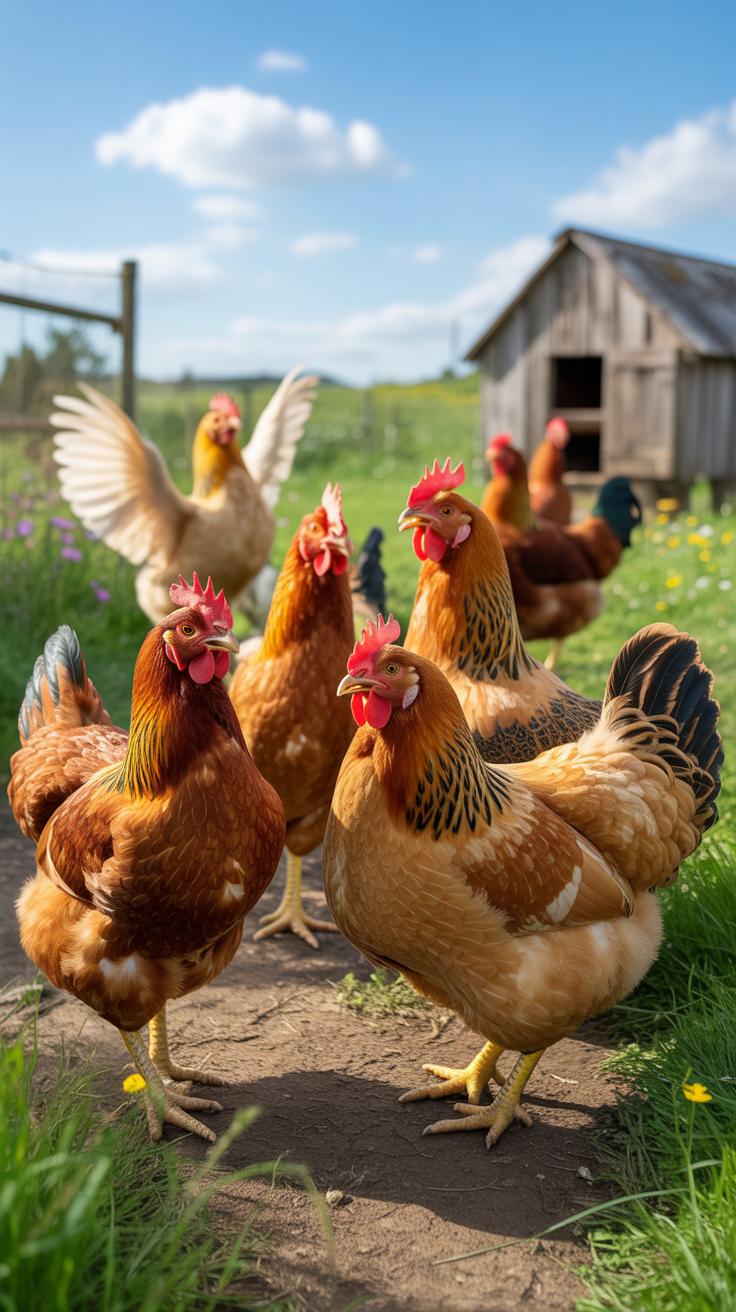
Chickens use physical shifts to communicate status and intent. A hen that squats low when you approach is showing submissive behavior. She views you as a dominant figure or a mate. This reflex is called the submissive squat. It is a biological response rooted in flock hierarchy. Understanding this signal helps you manage the birds without causing unnecessary stress or flight responses.
Feather fluffing and head tilts serve specific sensory and thermal purposes. Hens tilt their heads to use their monocular vision. This allows them to focus on aerial threats or small ground objects with precision. They fluff feathers to trap air for insulation or to shake out dust and debris. These movements are not random. Each gesture provides data on how the bird perceives its current environment.
Why Chickens Stare At You Like You Owe Them Something
The intense chicken stare is a result of eye placement and survival instincts. Chickens have a wide field of vision but lacks depth perception in certain ranges. They lock their gaze on you to track your movements for potential food or threats. This behavior often correlates with classical conditioning. They associate your presence with high-value resources like grain. The stare is an assessment of resource availability.

Historical data on jungle fowl shows that constant observation was a primary defense mechanism. Modern chickens retain this tactical scanning behavior. When a hen stares, she is processing information about your hands and bucket. She looks for patterns that indicate feeding time. This direct eye contact maintains the social bond between the bird and the provider. It ensures the bird stays first in line for any delivered assets.
Chicken Animal Funny Moments The Zoomies Dust Baths And Food Frenzies
The Science Behind The Hilarious Chicken Dust Bath Ritual
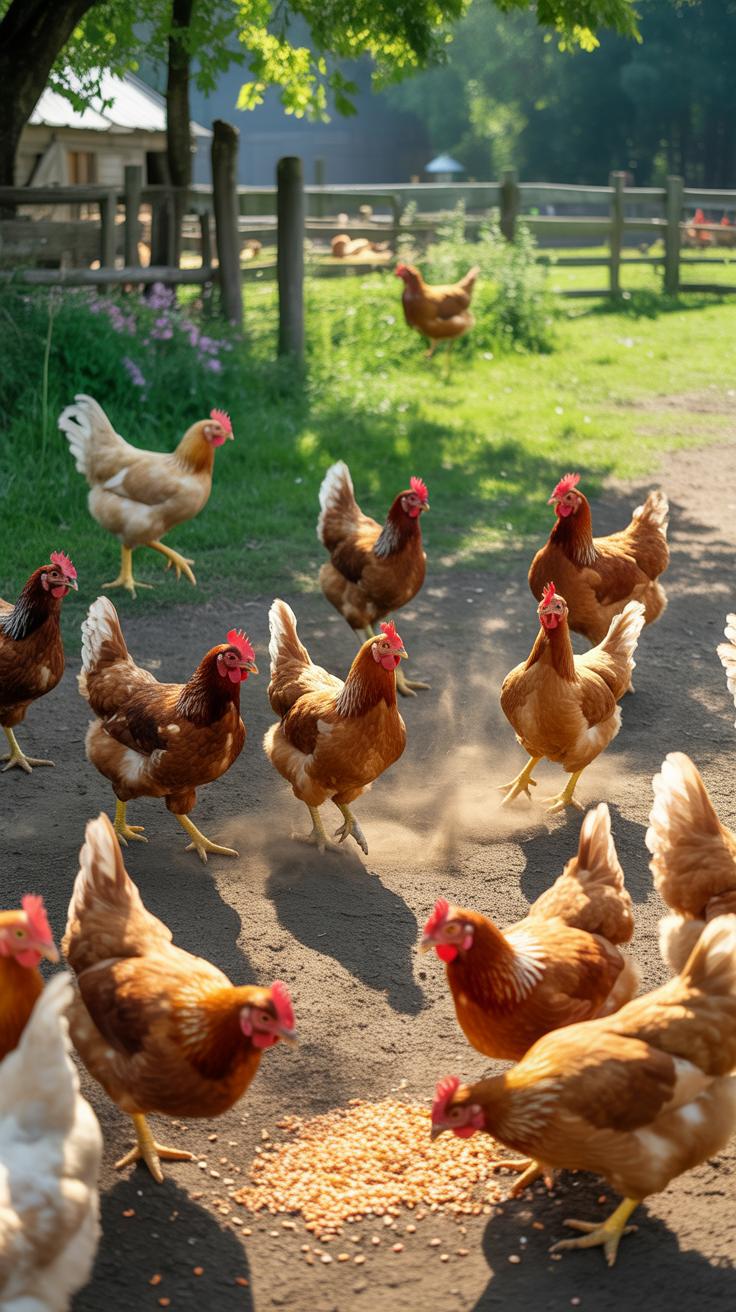
Chickens do not use water to clean their feathers. They use dry dirt or sand. This process is a biological necessity for parasite control. Birds dig a shallow pit and kick loose soil into their plumage. This grit absorbs excess skin oils and clogs the breathing pores of mites and lice. It looks like a chaotic seizure but serves a vital health function.
Individual birds often sunbathe during this ritual. They extend their wings and lay completely still in the dirt. This behavior often alarms new owners who think the bird is dead. In reality, the heat helps the dust penetrate the feathers. Once finished, the chicken shakes vigorously to remove the debris. This action ejects the trapped pests and discarded skin cells from their body.
Why Chickens Sprint Like Their Life Depends On A Single Grape
Chickens exhibit high intensity movements when they find high value treats. They possess a strong competitive drive for limited resources. When one bird secures a prized food item, it triggers a flock response called food running. The bird sprints away to prevent others from stealing the prize. This creates a high speed chase across the yard that looks ridiculous but follows strict survival logic.

The chicken brain prioritizes immediate caloric intake over social cooperation. They lack a sense of sharing when it comes to sugar or protein. A single grape represents a significant energy boost. The bird keeps its head down and wings out for balance during the sprint. Evolution designed this maneuver to protect meals from scavengers. It remains a dominant tactical behavior in every modern backyard flock.
Shame Chicken When Your Hen Looks Genuinely Embarrassed
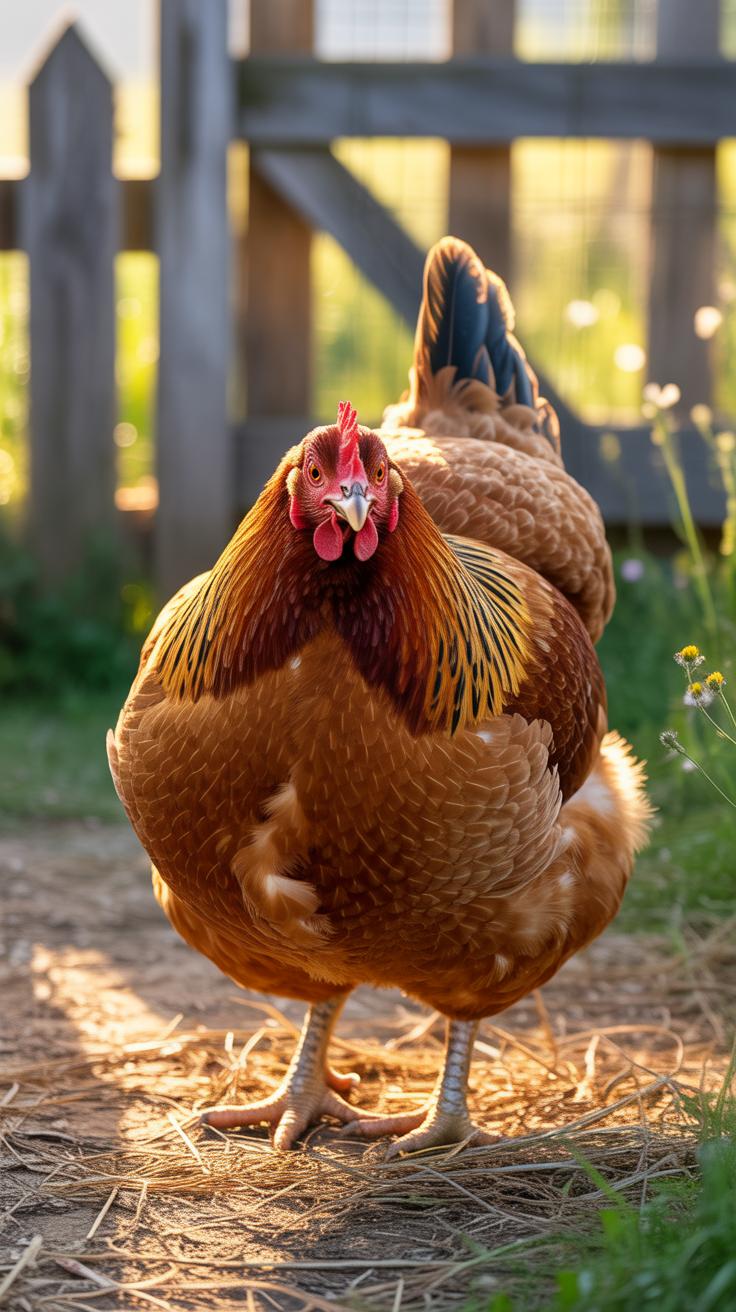
Do Chickens Actually Experience Embarrassment Or Shame Like Emotions
Chickens do not possess the complex social ego required for human shame. They lack the cognitive hardware to process moral failure or social stigma. What owners interpret as embarrassment is usually a physical reaction to a failed motor action. The bird experiences a brief neurological reset when a jump or landing goes wrong. This pause allows the brain to recalibrate the immediate physical surroundings.
The stiff posture and rapid head movements following a mistake are survival mechanisms. A chicken that trips or falls becomes vulnerable to predators for several seconds. These birds prioritize regaining situational awareness over emotional processing. They scan the environment to ensure no threat saw their momentary weakness. Owners see a prideful bird recovering its dignity, but the bird is simply performing a tactical safety check.
Funny Situations Where Chickens Look Caught Red Handed In The Backyard
Chickens often look guilty when discovered in restricted areas like garden beds or porches. If a human surprises them while they are digging up expensive plants, the birds often freeze mid-motion. This freeze response is a primal defensive tactic to avoid detection by a perceived threat. To the observer, the sudden stillness and wide-eyed stare resemble a person caught in a lie or a crime.

Another common scenario involves a failed flight attempt or an undignified landing. A hen might misjudge the distance to a roost and tumble into the dirt. After the crash, the bird will typically shake its feathers and begin preening immediately. Preening serves as displacement behavior to lower stress after a physical shock. This frantic grooming looks like a desperate attempt to act natural after a highly visible and clumsy failure.
Facts About Chickens That Sound Made Up But Are Completely True
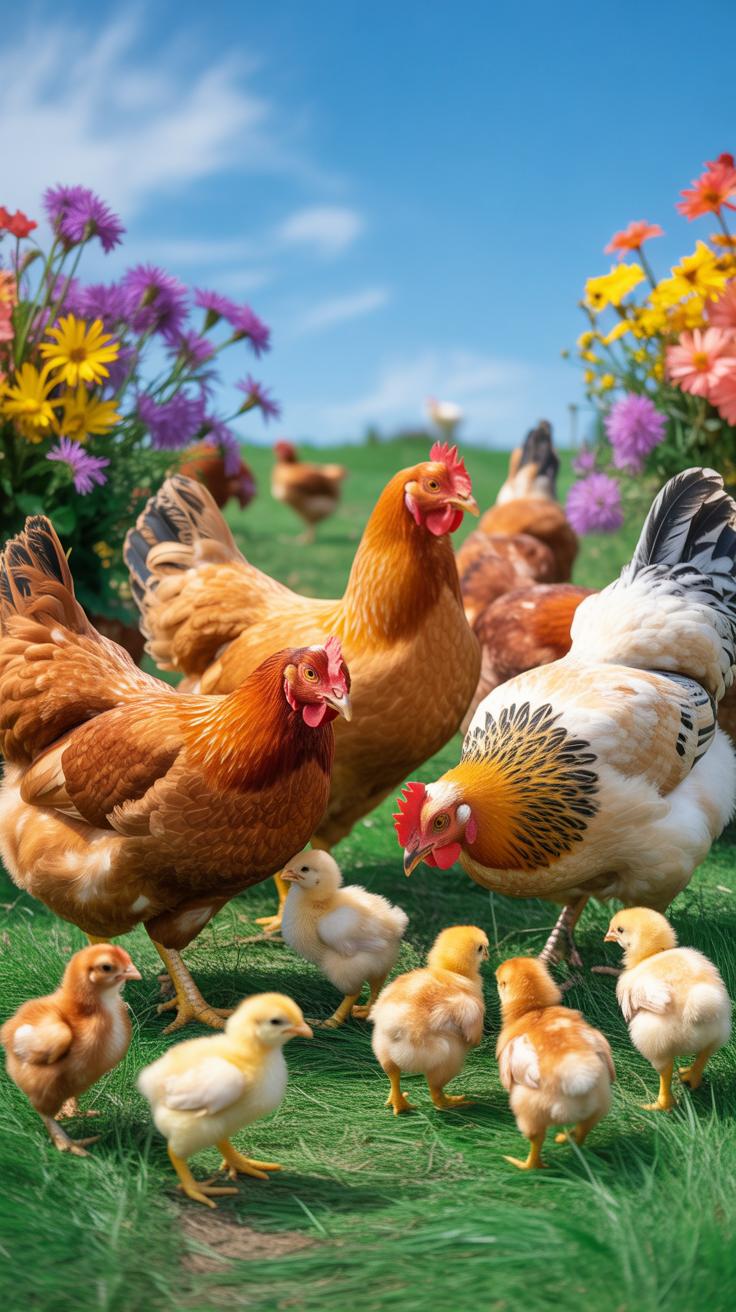
Chickens Dream, Recognize Faces, And Can Count — Yes, Really
Chickens possess cognitive abilities that rival primates. Studies prove chickens can count from left to right. They understand numerical order and basic arithmetic. This helps them track flock members and food sources. They also experience REM sleep just like humans do. Their brains process complex data while they rest. This indicates that chickens likely dream about their daily activities and social interactions within the coop.
They also have incredible facial recognition skills. A chicken can remember over one hundred different faces. They distinguish between friendly humans and strangers. They also identify individual flock members to maintain their social hierarchy. This memory prevents social chaos. If you wear different clothes, they still know it is you. Their brains focus on distinct facial features rather than just clothing or general shapes.
The Surprising Truth About A Chicken’S Color Vision And Memory
Chicken eyes work better than human eyes. They see a broader spectrum of color because they have five types of light receptors. Humans only have three. This allows chickens to see ultraviolet light easily. They use this trait to find bugs and ripe seeds. It also helps mothers identify healthy chicks. Their vision is sharp and serves as their primary tool for survival in a complex environment.

Memory plays a vital role in their survival strategy. Chickens remember the location of food hidden for long periods. They learn from observing the mistakes of others. If one bird gets sick from a plant, the rest avoid it. This social learning proves they possess high intelligence. They do not just react to basic instincts. They store information and use it to make better decisions for the entire flock.
Keeping Chickens The Unexpected Behaviors New Owners Are Never Warned About
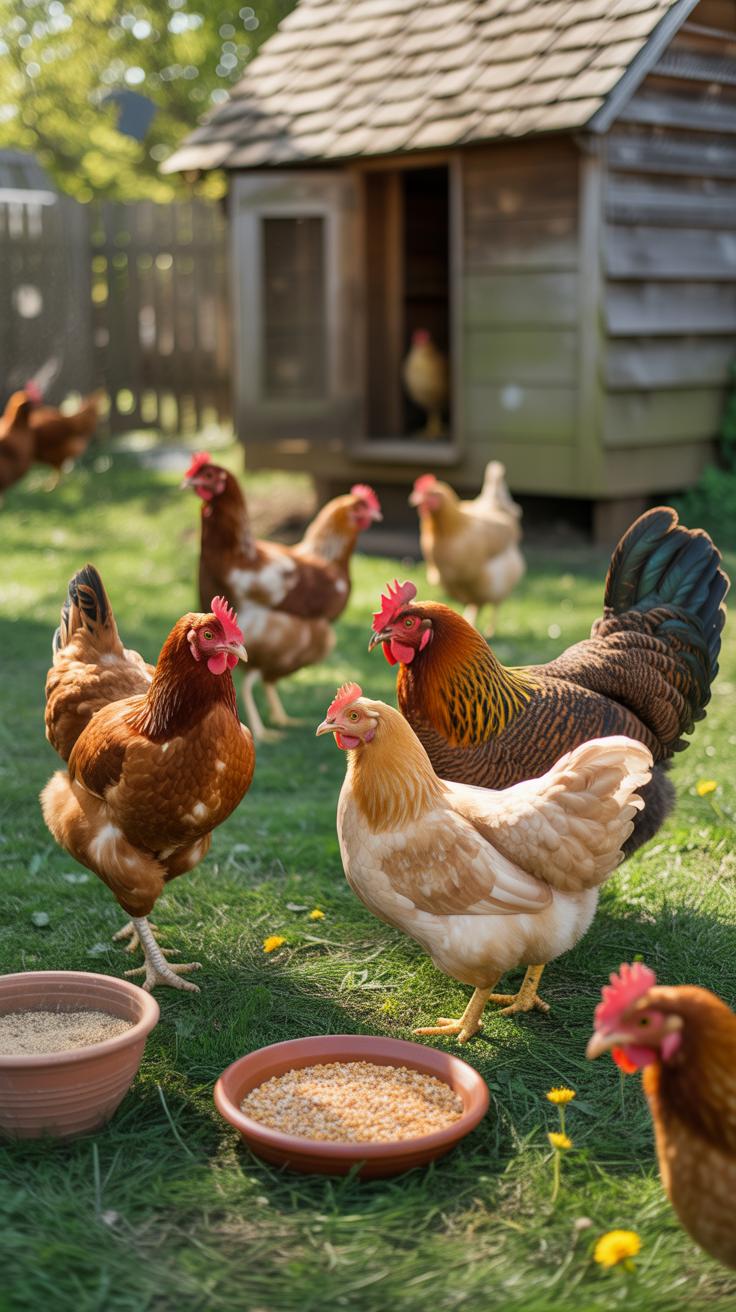
First Time Chicken Owner Surprises: Bossiness, Brooding, And Bed Refusal
New owners often expect passive birds but quickly encounter complex social hierarchies and hormonal shifts. Chickens establish a pecking order through physical dominance and vocal cues. This system dictates access to food, water, and prime roosting spots. Owners must monitor these interactions to prevent injury. Hormonal changes also lead to broodiness, where a hen refuses to leave the nest, even if no eggs are present.
- Pecking Order Dominance: Chickens use physical force to establish rank within the flock. Higher ranking birds peck subordinates to reinforce their status. This behavioral system reduces long term conflict by creating a clear social structure that every bird understands and follows daily.
- Broody Hen Stasis: A hen enters a hormonal state where her primary instinct is to hatch eggs. She stays in the nesting box for twenty four hours a day. She stops laying eggs and may become aggressive or puffed up to protect her designated space.
- Roosting Resistance: Young birds often refuse to enter the coop at night. Instinct tells them to sleep in high trees to avoid ground predators. Owners must manually move these birds into the coop for several nights to train them on where to sleep safely for protection.
- Feather Picking Rituals: Birds sometimes pull feathers from others due to stress or boredom. This habit can quickly spread through the flock if not addressed. It often stems from a lack of protein or insufficient space. Identifying the habitual picker is necessary to restore peace.
- Dust Bathing Groups: Chickens dig shallow holes in dry soil to clean their feathers and skin. This behavior removes parasites and excess oils. They often perform this act in groups. It looks like the birds are struggling or dying, but it is a vital health maintenance routine.
Bed refusal happens when birds feel the coop is unsafe or too hot. Mites or lice infestations in the wood also drive birds to sleep elsewhere. Owners must inspect the structure for pests and ensure adequate ventilation. Consistent evening routines help fix these issues. Managing these instincts requires patience and environmental adjustments. Understanding these natural drive states makes flock management more efficient and less stressful for the owner.
Why Your Chicken Follows You Around The Yard Like A Shadow
Chickens associate humans with food resources and safety. This behavior is a form of operant conditioning. When you enter the yard, the birds expect a high value reward like mealworms or kitchen scraps. They track your movement to ensure they are first in line for any potential treats. This proximity allows them to scavenge in areas you have recently disturbed, such as garden beds or turned soil.

The birds also view you as a protector from local predators. Your presence creates a safety zone that allows them to forage with less vigilance. They recognize individual human faces and can distinguish between regular caretakers and strangers. This social bonding is practical rather than emotional. By following you, the chicken maximizes its chances of survival and nutrition. It is a strategic response to your role as the primary provider in their environment.
Poultry Facts The Surprisingly Complex Communication Skills Of Chickens
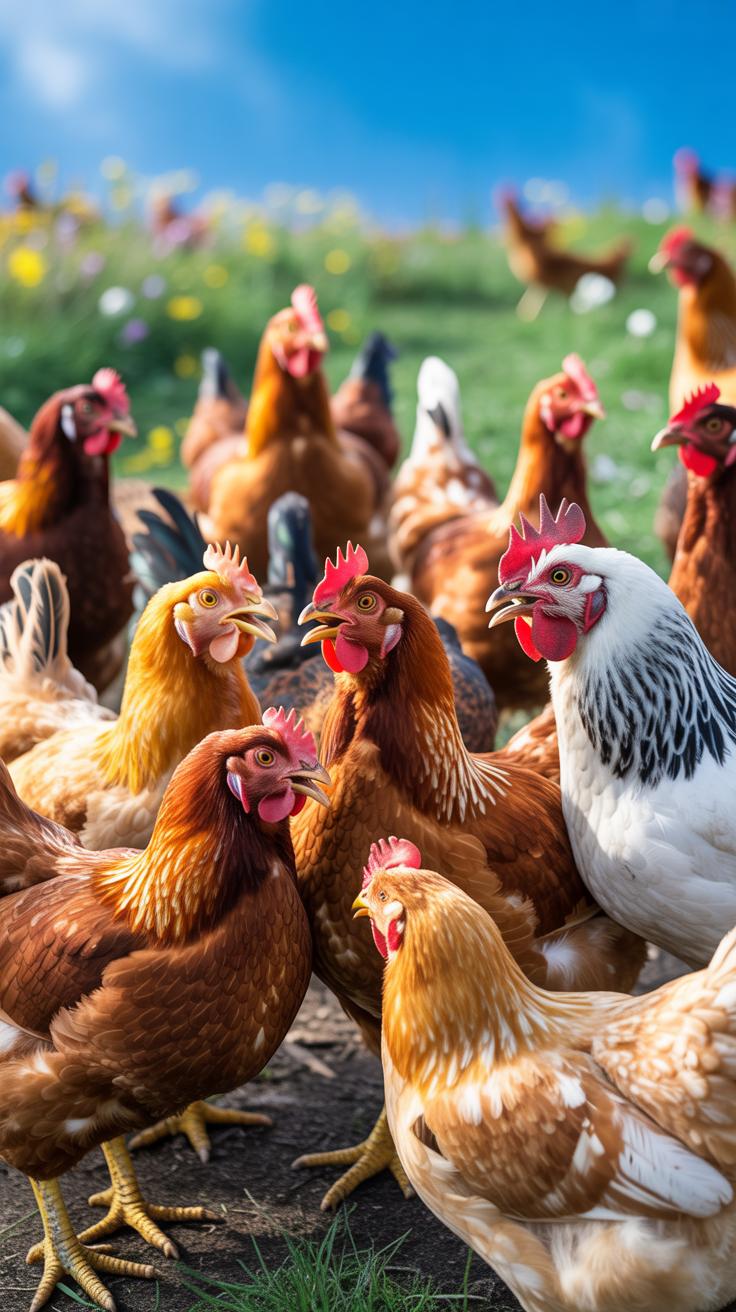
The Over 30 Distinct Vocalizations Chickens Use To Communicate
Chickens possess a sophisticated vocal repertoire consisting of at least 30 unique sounds. Researchers identify these distinct calls as functional signals rather than random noise. Each sound serves a specific social or survival purpose within the flock. Young chicks begin communicating before hatching by clicking to their mother. This early interaction ensures the brood stays synchronized during the critical hatching phase.
The system relies on acoustic variations to convey complex messages. Scientists categorize these sounds based on frequency, duration, and intent. A hen uses specific tones to teach her chicks what to eat and what to avoid. High-pitched trills often indicate contentment or safety. Low-frequency growls warn others to back off during feeding. This vocal diversity allows the flock to maintain order and security without constant physical conflict.
What The Egg Song, The Alarm Call, And The Purr Actually Mean
The egg song is a loud rhythmic cackle performed after a hen lays an egg. Scientists believe this helps her rejoin the flock or signals her location to a mate. It creates a temporary distraction for potential predators near the nesting site. Other hens often join in the chorus. This behavior reinforces social bonds and alerts the rooster of a successful nesting cycle.

Alarm calls differ based on the type of threat detected. A sharp staccato sound alerts the flock to ground predators like foxes. A continuous high-frequency whistle signals an aerial threat like a hawk. These calls trigger immediate and specific defensive actions. Conversely, a soft vibrating purr indicates deep relaxation and comfort. Owners hear this sound when chickens roost together or receive physical affection from humans.
Backyard Chicken Farming Funny Flock Personalities You Will Definitely Recognize
The Bully, The Diva, The Escape Artist, And The Lap Chicken Archetypes
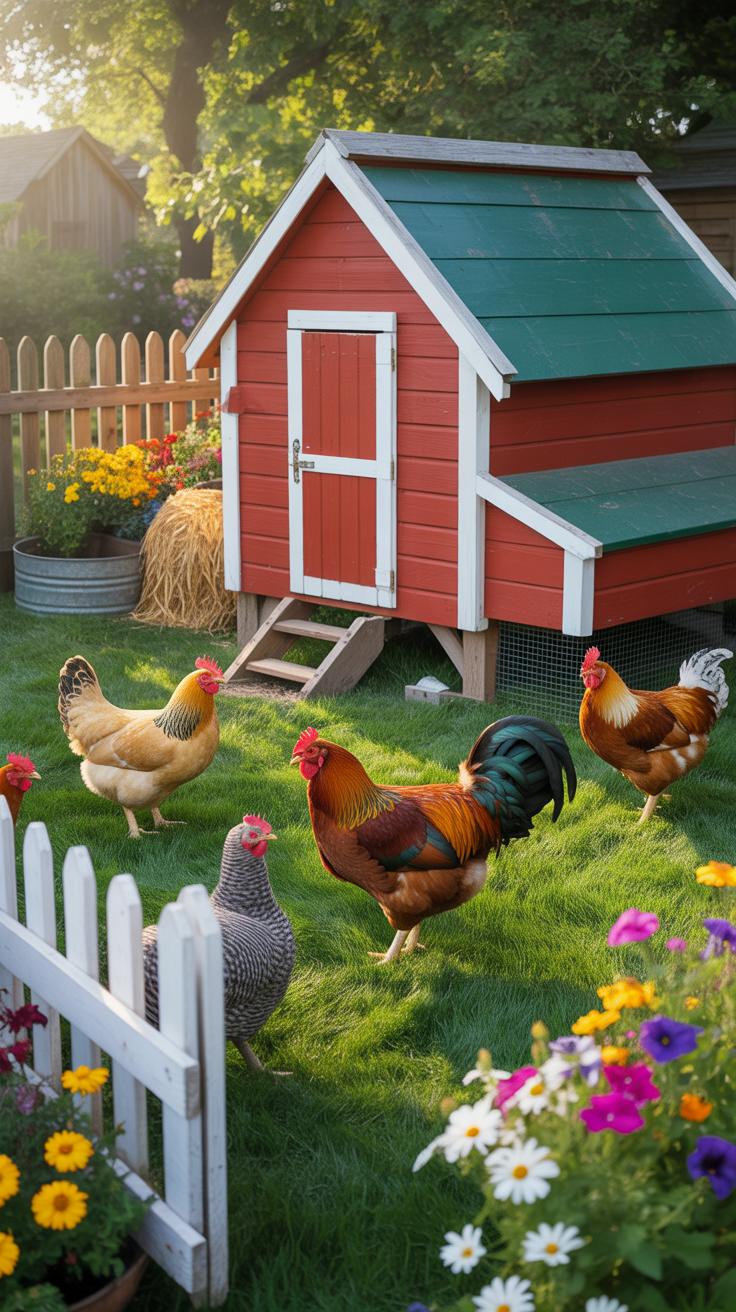
Chickens exhibit distinct social roles within the pecking order. The Bully maintains dominance through physical intimidation and food hoarding. The Diva focuses on grooming and demands the best nesting spot. These birds often vocalize at high volumes to signal their presence or displeasure. You will see these behaviors during feeding times. These birds dictate the group movement and resource access within the coop.
The Escape Artist possesses high intelligence and tests the physical limits of your fencing. These birds observe your movements and find structural weaknesses in the pen. Conversely, the Lap Chicken ignores typical flight risks to seek human contact. These birds perceive humans as sources of security and high-value treats. They will follow you and jump onto your knees without any provocation or prior training.
Every backyard keeper knows that life is simply better when you are being chased across the grass by a bird convinced you have a hidden snack. There is no joy quite like the frantic, feathered waddle of a chicken who thinks she has found a treasure.
How Individual Chicken Personalities Affect Your Daily Flock Management
Individual traits dictate how you manage your coop infrastructure. You must reinforce top netting to stop the Escape Artist from entering gardens or roads. High-energy birds require more space to prevent boredom and feather picking. You must place multiple water sources to bypass the Bully. This ensures submissive birds get enough hydration without getting attacked. Strategic feeder placement reduces resource guarding and flock stress.

Personalities also impact medical care and handling speed. Lap Chickens allow for quick health inspections and parasite checks. They do not struggle during physical exams. Divas and Bullies may require more time and firm handling techniques. You need to identify these traits early to save time during evening lockup. Understanding flock dynamics prevents injuries and keeps egg production steady. Efficient management relies on knowing which bird will cause trouble.
Farm Fun Facts Roosters Broodiness And The Drama Of Egg Laying Day
Why Hens Scream Loudly After Laying An Egg And What It Means
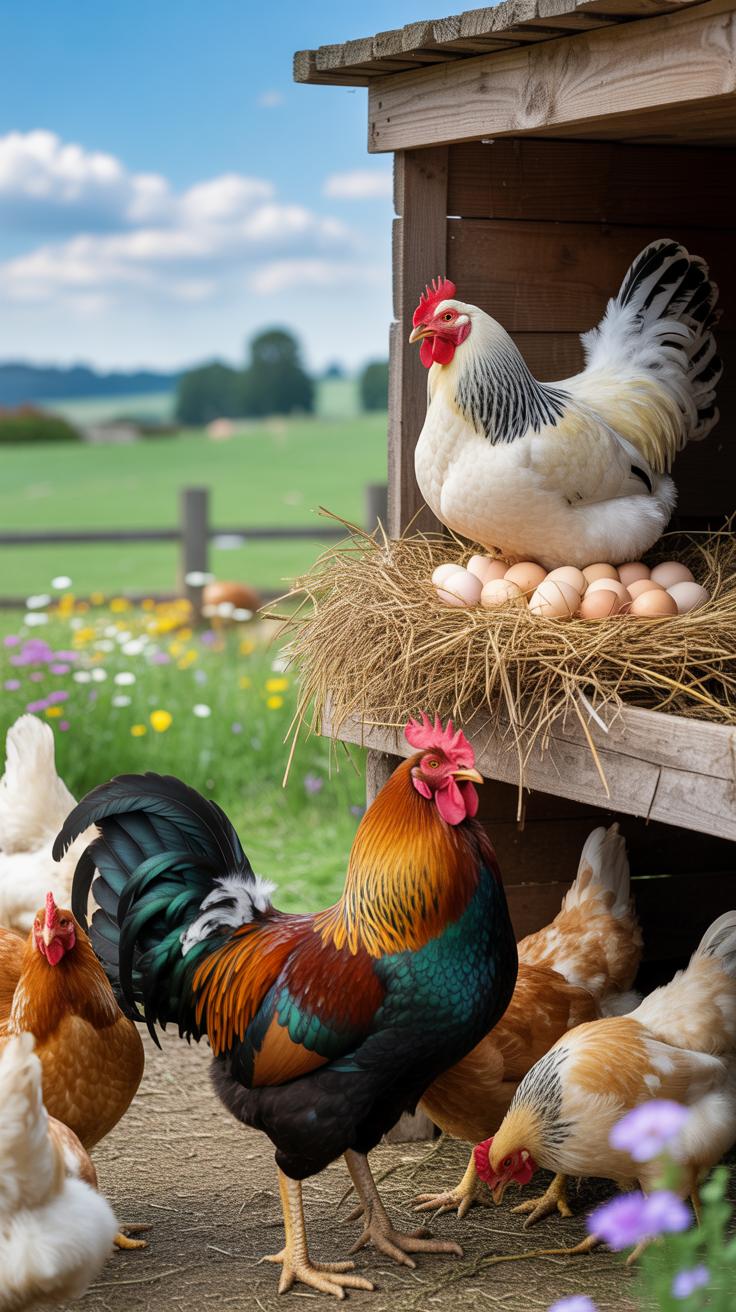
Hens perform the egg song immediately after laying. This vocalization consists of loud, repetitive cackling. Biologists believe this behavior serves a tactical purpose. It draws predators away from the nest site. The hen moves to a visible location and screams. This distraction protects her vulnerable egg. The sound also signals her location to the rooster. He then guides her back to the flock.
Social hierarchy plays a role in this noise. Other hens often join the screaming. This creates a confusing wall of sound for local predators. It also reestablishes the hen’s position in the social order. Some hens scream before they lay to clear the nesting box. They want privacy and use volume to evict others. Communication remains the primary driver for this intense vocal display.
The Comedy Of A Broody Hen And Her Stubborn Refusal To Leave The Nest
A broody hen stops laying and stays on her nest. Her hormones shift to focus on hatching eggs. This biological state causes her to puff her feathers to look larger. She will hiss or peck at anyone who tries to move her. She ignores food and water to stay on the eggs. This behavior is a survival instinct for the species.
- Puffed Feathers: The hen expands her plumage to appear twice her normal size. This serves as a visual warning to keep rivals and predators away from the clutch.
- Persistent Hissing: Hens generate a sharp hissing sound similar to a snake. This auditory tactic exploits a common fear in other animals to discourage interference with the nesting site.
- Feather Plucking: A broody hen pulls feathers from her breast to expose bare skin. This transfers body heat directly to the eggs for more efficient and consistent incubation temperatures.
- Nest Hoarding: The hen will steal eggs from neighboring nesting boxes. She uses her beak to roll them under her body to ensure she has a full clutch to hatch.
- Vocal Growling: Beyond hissing, hens emit a low-frequency growl when touched. This guttural sound indicates high stress and a firm refusal to vacate the box for any reason.
Breaking a broody hen requires physical intervention. Owners often move her to a wire-bottom cage to cool her underside. The lack of nesting material signals her body to stop the cycle. Lowering her temperature shifts her hormones back to normal. Once she stops sitting, she will rejoin the flock. Eggs must be collected daily to prevent this intense behavior from starting.
More Funny Chicken Behavior Facts That Prove Chickens Are Smarter Than We Think
Research Backed Evidence That Chickens Show Empathy And Self Control
Chickens possess complex emotional lives often ignored by casual observers. Research shows hens react physically when their chicks experience stress. Their heart rates increase and eye temperatures drop. This reaction demonstrates emotional contagion. Scientists define this as a basic form of empathy. The birds process the distress of others and internalize it. This trait proves they are social creatures with deep internal connections.
These birds also demonstrate remarkable self-control. In studies, chickens chose to wait for a larger food reward rather than eating a smaller one immediately. This ability to delay gratification is a sign of high intelligence. It requires mental modeling of the future. Most animals fail this test. Chickens use this logic to navigate social hierarchies and secure better resources for their long-term survival.
How Chickens Outsmart Predators Fences And Even Their Own Owners
Chickens use tactical deception to survive. Roosters often perform a food call to attract hens even when no food exists. This manipulation shows an understanding of social cause and effect. They also use specific alarm calls to identify different types of threats. A hawk triggers a different sound than a fox. This precise communication allows the flock to choose the most effective escape route.
Escape behavior reveals advanced spatial awareness. A chicken will study a fence to find weak points or height gaps. They remember which latch is loose. They also track human movements to predict feeding times. If you change your routine, they notice. This spatial memory and pattern recognition make them difficult to contain. They do not just react. They plan and execute movements based on past success.
Frequently Asked Questions

Why do my chickens tilt their heads and stare at the sky so often?
If you notice your birds staring upward with a confused expression, you are witnessing one of the most common funny chicken behavior facts. Because their eyes are on the sides of their heads, they must tilt their necks to get a clear view of overhead movement. This quirky movement helps them spot potential predators or passing airplanes, ensuring the flock stays safe while looking endearingly ridiculous to their human owners.
How can I encourage my flock to display more of these entertaining personality traits?
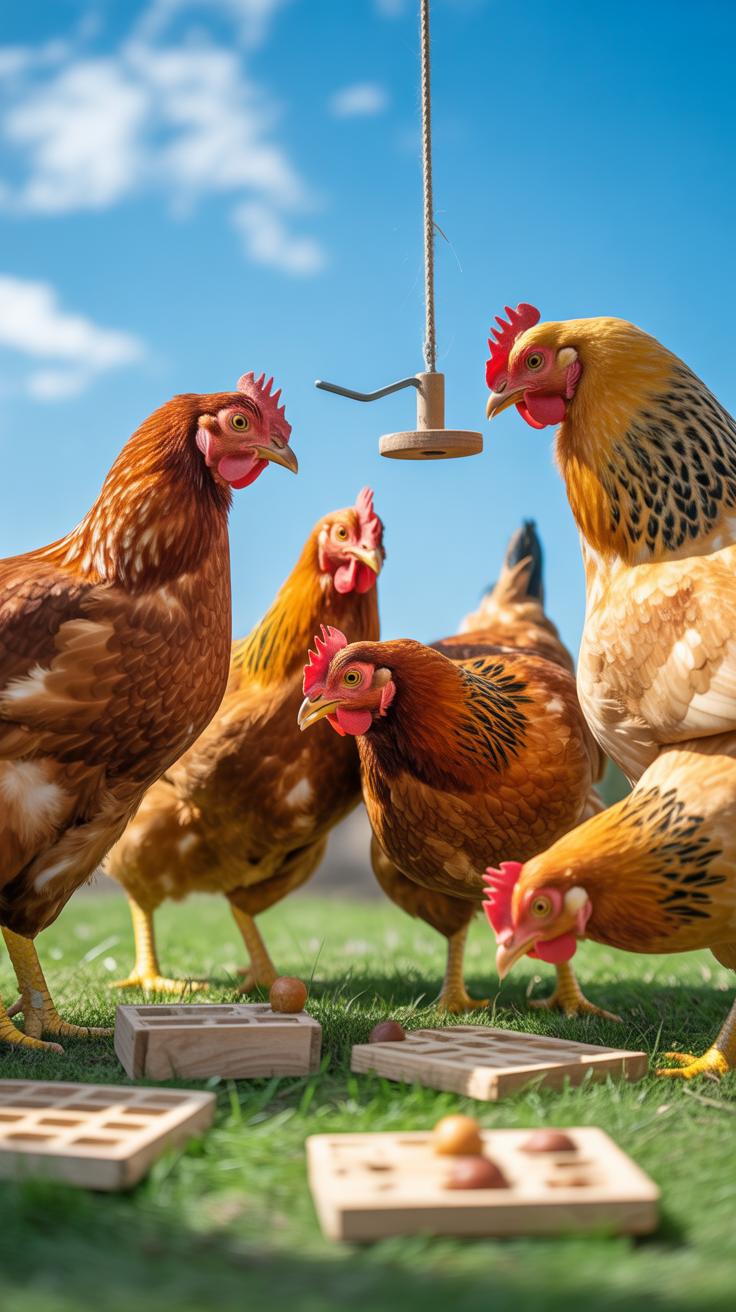
To see more funny chicken behavior facts in action, try adding enrichment to their run. Hanging a heads of cabbage or “peck toys” encourages energetic jumping and playful chasing. Setting up a safe dust bath area also triggers the hilarious sight of chickens flopping and kicking dirt until they look like feathery pancakes. Providing interactive elements keeps your birds physically active and highlights the natural comedy of their daily social interactions.
Is it expensive to provide entertainment that triggers funny behaviors in a backyard flock?
Not at all! You don’t need high-end gadgets to enjoy your flock’s personality. Some of the best entertainment comes from household items like a cracked mirror at ground level or an old pumpkin. These budget-friendly additions spark curiosity and lead to hours of amusement. Creating a stimulating environment for your birds is an affordable way to improve their welfare while providing you with endless, free entertainment right in your own backyard.