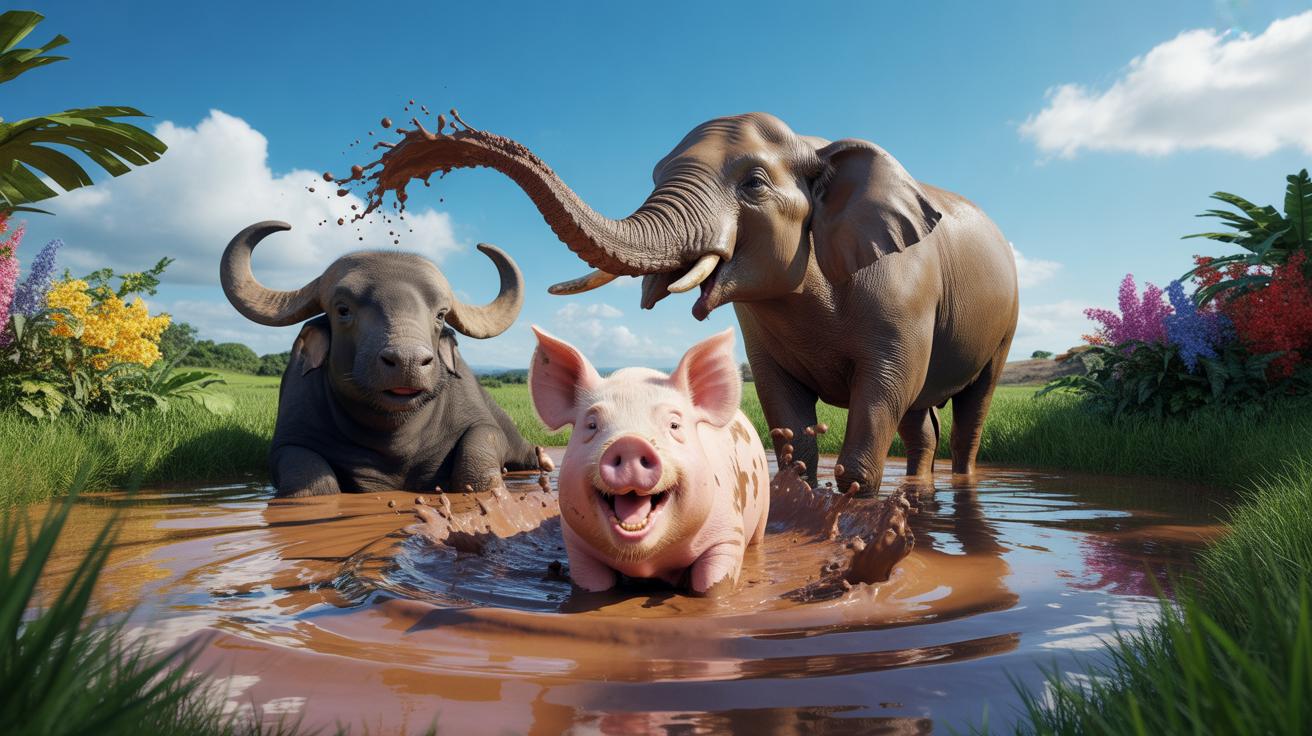
What Is Mud Wallowing And Which Animals Do It Most
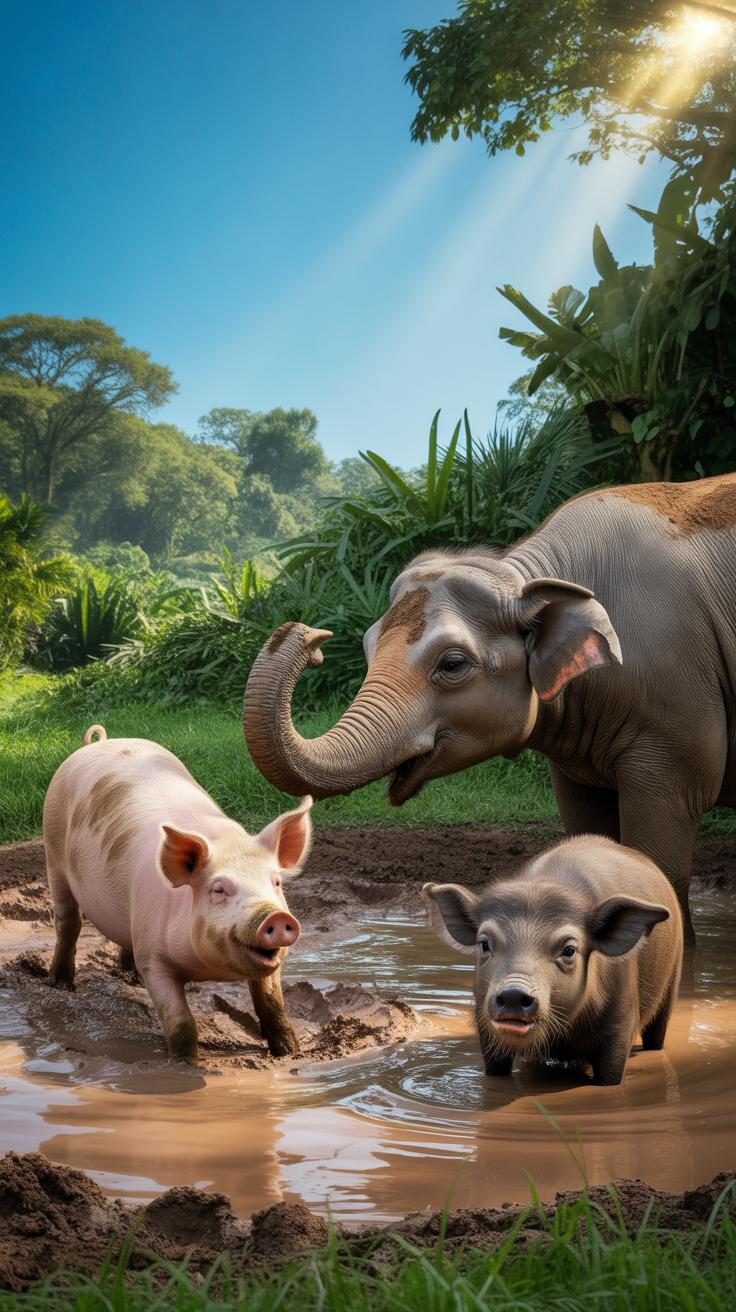
Defining Mud Wallowing: A Natural Behavior Across Species
Mud wallowing is a deliberate biological behavior. Animals seek out water-saturated soil to coat their bodies. This action serves several critical functions for survival. It is not a sign of poor hygiene. Instead, it is a calculated tactical move. The animal rolls, slides, or rubs its skin against the wet earth. This creates a thick layer of protection against harsh environmental factors that could cause harm.
The primary driver for this behavior is thermoregulation. Many species lack active sweat glands. They cannot cool themselves through evaporation like humans do. Mud acts as a high-efficiency heat sink. It stays cool longer than plain water because it evaporates slowly. This allows the animal to maintain a stable core temperature. Without this cooling mechanism, these animals would face heat exhaustion or death in hot climates.
From Pigs To Elephants: The Most Prolific Mud Wallowers In The Animal Kingdom
Elephants and rhinoceroses are the most recognizable wallowers. Their large body mass generates significant internal heat. They have thick skin but are prone to sunburn and parasites. These heavy mammals use mud as a physical barrier. It blocks ultraviolet rays and suffocates biting insects. For these species, wallowing is a daily maintenance task. It ensures their skin remains healthy and free from painful infestations or sores.
Wild pigs and water buffalo also prioritize wallowing. Suids have very few sweat glands and must find mud to survive peak daylight temperatures. Water buffalo utilize wallows to manage their high metabolic heat loads. This behavior is essential for their physiological balance. In these species, wallowing also serves a social purpose. It marks territory and reinforces group bonds. Biological necessity drives every movement in the mud pit.
The Science Of Thermoregulation How A Mud Bath Keeps Animals Cool
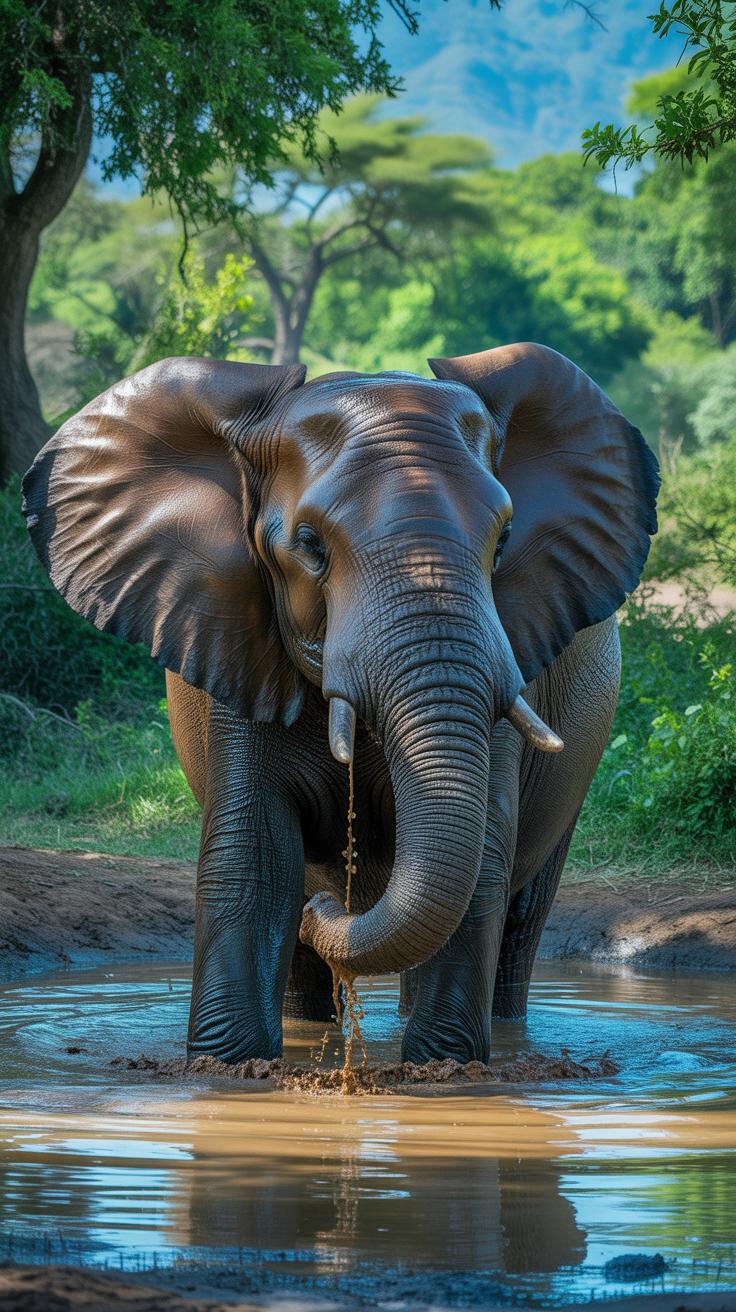
Why Mud Works Better Than Water For Cooling The Body
Water evaporates too fast in high heat. Mud provides a thick layer of wet earth that holds moisture against the skin for hours. This delay in drying keeps the body temperature low for longer periods. Water alone runs off the skin or dries in minutes. Mud clings to the animal and creates a lasting thermal barrier against the direct rays of the sun.
The physical weight of mud helps conduct heat away from the core. It acts as a cooling sink that absorbs internal heat and releases it slowly. Wet soil has a high heat capacity compared to air. This means it takes a lot of energy to warm up. Animals use this property to stabilize their body temperature. This tactical advantage allows them to remain active during peak daylight hours.
The Role Of Evaporative Cooling In Animals That Lack Sweat Glands
Large mammals like elephants and rhinos cannot sweat efficiently to stay cool. They rely on external moisture to dump heat. When mud evaporates, it pulls thermal energy away from the skin. This process mimics the effect of sweating without requiring the animal to lose internal fluid. It is a highly efficient way to manage heat without risking dehydration or electrolyte loss in harsh climates.
Cracks in the skin of some animals trap mud to increase surface area. This trapped mud prolongs the cooling effect as the water content slowly turns to vapor. Without this layer, these animals would overheat quickly and suffer from heat exhaustion. Mud also blocks ultraviolet radiation. It serves as a natural sunblock that prevents skin damage. This protection is vital for animals with thin hair or sensitive skin.
Muddy Pigs Sensory Experience Why Pigs Are Built For The Mud
The Biological Reason Pigs Have No Functional Sweat Glands
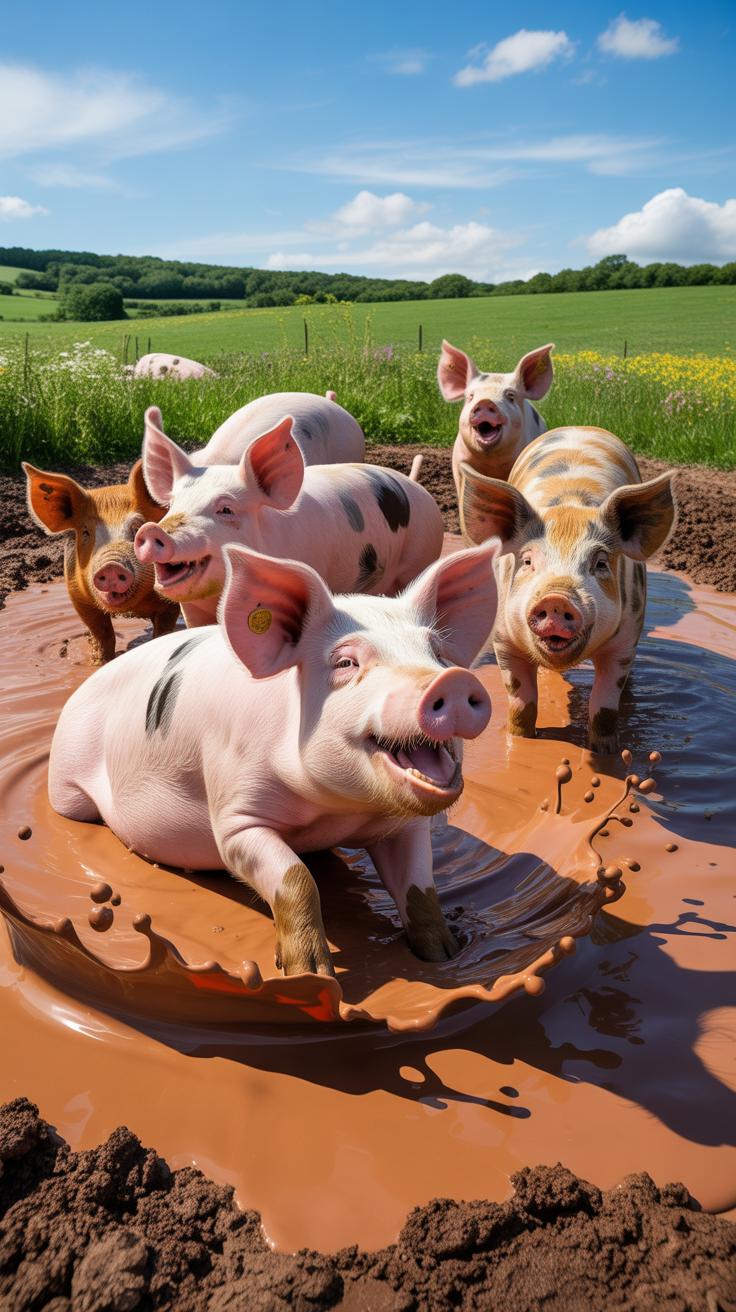
Pigs lack functional eccrine sweat glands. Most mammals use these glands to release moisture across the skin. This moisture evaporates and cools the body. Pigs cannot perform this process. Their few sweat glands do not respond to heat stress. This biological gap makes pigs highly vulnerable to high temperatures. They cannot shed internal heat through skin evaporation alone. They need external moisture sources.
A pig has a thick layer of subcutaneous fat. This fat stores energy but also traps heat inside the body. Pigs reach heat stress faster than other livestock. Their ancestors lived in shaded forests and swamps to survive. Modern pigs maintain this ancient physiology. Without the ability to sweat, pigs must find wet environments to prevent organ failure. Mud serves as a vital tool for survival.
How Pigs Use Mud To Regulate Temperature, Protect Skin, And Communicate
Mud cools a pig more effectively than plain water. Water evaporates quickly from the skin surface. Mud sticks to the body and holds moisture for hours. This slow evaporation provides a steady cooling effect. Pigs roll in mud to lower their core temperature by several degrees. This process is essential during peak daylight hours. It keeps the animal stable when the air is hot.
Mud also acts as a physical barrier against the sun. Pigs have sparse hair and sensitive skin. They burn easily in direct sunlight. A dried layer of mud functions as a natural sunscreen. It also creates a shield against biting insects and parasites. Pigs use mud to mark their territory and communicate social status. Rubbing mud on trees leaves physical and chemical scents for the rest of the herd.
Natural Sunscreen And Skin Protection The Hidden Power Of A Mud Bath
How A Coating Of Mud Acts As A Physical UV Barrier For Animals
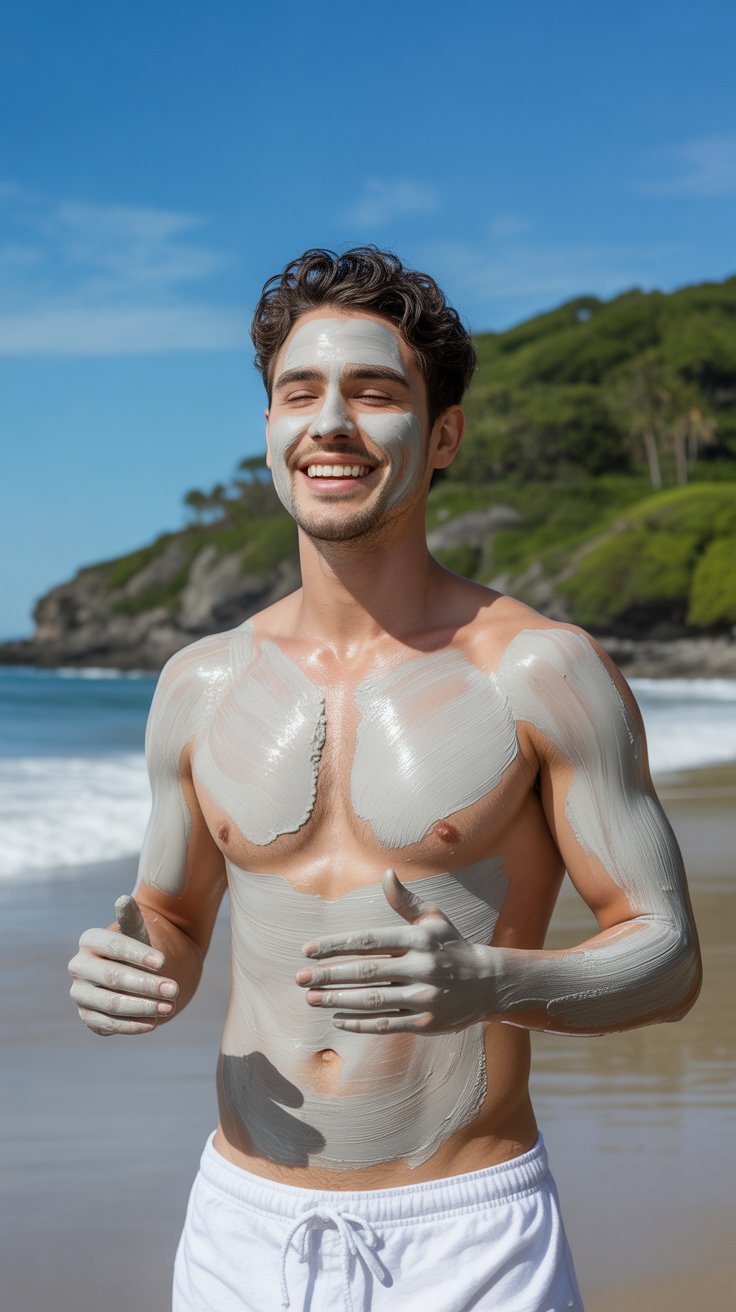
Mud functions as a mechanical shield against solar radiation. Animals like elephants and rhinos have thick skin but lack dense fur or sweat glands to regulate heat. When mud dries on the dermis, it creates a solid mineral crust. This layer reflects ultraviolet rays and prevents the sun from reaching the living tissue. It stops painful burns and long term skin damage in harsh climates.
The thickness of the mud determines the level of protection. A heavy layer mimics the action of high SPF synthetic blockers used by humans. As the water evaporates from the mud, it cools the skin surface through conduction. This dual action of cooling and blocking keeps the animal safe from heat exhaustion. Regular wallowing ensures the barrier remains intact even as the animal moves through brush.
Sometimes the most complex science leads us back to the simplest of joys found in the earth beneath our feet. True wisdom is knowing when to follow nature’s lead and sink deep into the cool, protective embrace of the wild.
Antimicrobial Properties In Mud: Can Soil Actually Fight Infections?
Soil is a complex biological matrix containing minerals and beneficial microorganisms. Specific clays found in mud pits can pull toxins away from the skin through adsorption. These minerals bind with heavy metals and organic waste products. Many animals wallow to help heal minor cuts or abrasions. The mud seals the wound from air and flies. This prevents common infections from taking hold in the heat.
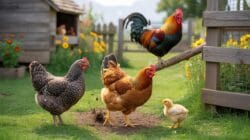
Geophagy and wallowing also expose animals to certain soil bacteria that produce natural antibiotics. Scientific research shows that some clay types inhibit the growth of harmful pathogens. While mud looks dirty, its chemical composition often provides a sterile environment for recovery. Thick mud layers also stop biting insects from reaching the skin. This prevents the spread of blood borne diseases and reduces overall physiological stress on the animal.
Dinosaur Mud Wallowing What Fossil Evidence Tells Us About Prehistoric Behavior
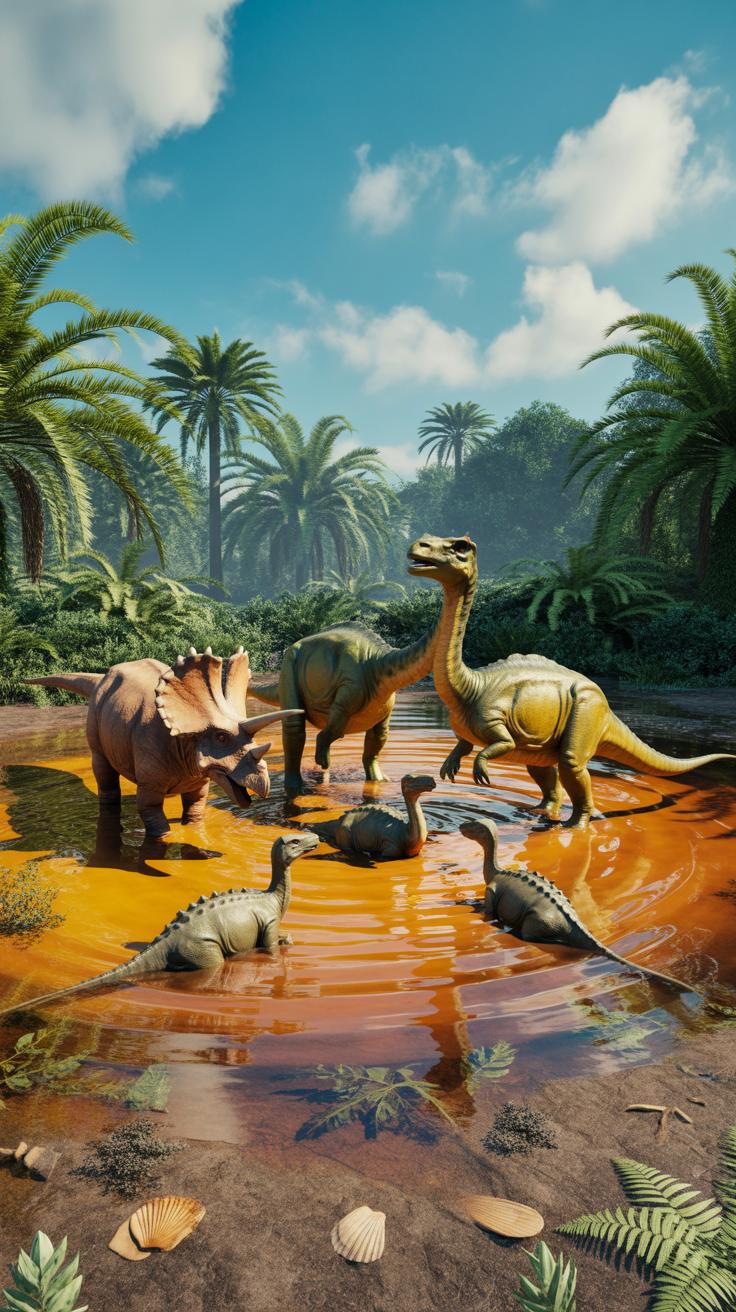
Trace Fossils And Mud Pits: Paleontological Clues To Dinosaur Wallowing
Paleontologists identify dinosaur wallowing through trace fossils called sedimentary structures. These physical imprints show where heavy bodies pressed into soft ground. Large depressions in ancient mudflats suggest dinosaurs used mud to regulate heat or remove parasites. We find these sites in geological layers from the Cretaceous period. These fossils provide direct evidence that extinct reptiles interacted with wet earth for functional biological reasons.
Geological surveys reveal specific sediment patterns that match modern wallowing sites. Footprints surrounding a central depression indicate a sequence of movement. The dinosaur entered the mud and shifted its weight to coat its skin. Scientists analyze these disturbances to understand prehistoric thermoregulation. The physical evidence proves that mud was a strategic tool for survival. These sites offer a clear window into daily dinosaur life and health.
How Modern Animals Like Rhinos And Hippos Connect Us To Dinosaur Era Behaviors
Modern megafauna like rhinos and hippos provide a biological mirror for dinosaur behavior. Large animals face constant challenges with heat dissipation and skin protection. Rhinos use mud as a natural block against solar radiation and biting insects. Sauropods likely faced similar environmental pressures due to their massive surface area. Studying living giants allows experts to reconstruct the functional utility of ancient mud wallowing habits.

Taxonomy differs but the physics of heat remains constant. Hippos spend hours in mud to keep their core temperature stable. This behavior tracks back to the Mesozoic era where climate extremes forced similar adaptations. By observing how current species maintain skin health through wallowing, we can confirm the tactical necessity for dinosaurs. Mud served as a primitive technology for both extinct and living heavy mammals and reptiles.
Parasite Control And Grooming The Rocks Dirt And Mud Preschool Of Animal Hygiene
How Mud Suffocates Ticks, Lice, And Biting Insects On Animal Skin
Mud acts as a physical barrier against external parasites. Thick sludge coats the skin and cuts off the oxygen supply to ticks and lice. This process suffocates the insects quickly. It also prevents new pests from reaching the surface of the animal. Mud dries into a hard shell that traps the parasites. This crust makes it impossible for insects to move or feed.
When the mud dries, the animal rubs against trees or rocks. This mechanical action breaks the mud into flakes. The trapped insects fall off with the dry mud. Rhinoceros and elephants rely on this method to clean hard to reach areas. Mud also shields animals from biting flies. The heavy layer prevents mouthparts from piercing the hide. This reduces irritation and prevents the spread of blood borne diseases.
The Social Grooming Dimension: Why Animals Often Wallow Together
Wallowing is often a group activity for social mammals. Buffalo and wild pigs use mud pits as meeting spots. This shared behavior strengthens bond units within the herd. Younger animals learn the best wallowing techniques by watching adults. Social wallowing ensures the entire group maintains hygiene levels. It reduces the total parasite load across the population. A clean herd is a healthy and productive herd.

Group wallowing also serves a tactical security purpose. Animals are vulnerable while lying in the mud. Wallowing together provides more eyes to watch for predators. While some animals coat themselves, others stand guard. This communal strategy increases the survival rate for every individual. It turns a basic hygiene task into a sophisticated defense mechanism. Shared mud pits also help synchronize the hormonal states of female members in some species.
What Is A Mud Game How Play Behavior And Mud Wallowing Overlap In Young Animals
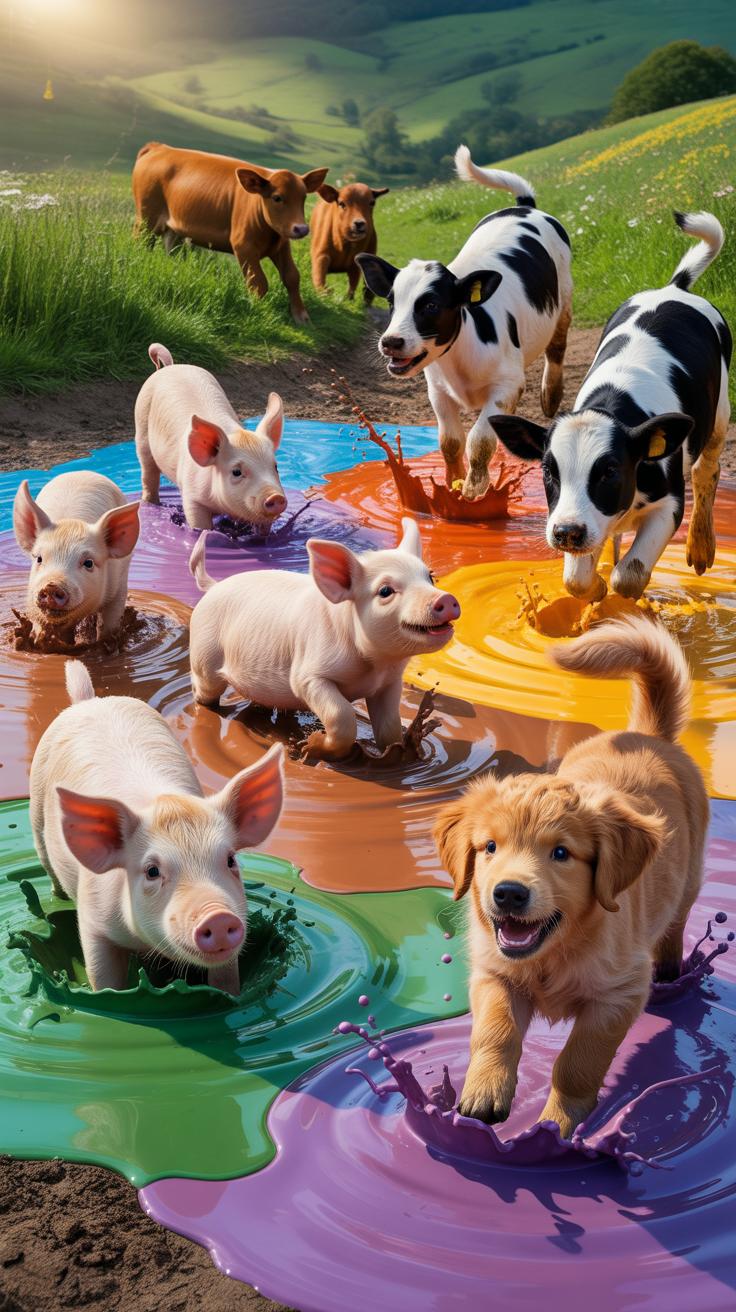
Play Or Survival? Understanding Why Juvenile Animals Are Drawn To Mud
Juvenile mammals often engage in mud wallowing to practice survival skills. Rhinos and elephants use mud as a tactile medium for social bonding. Calves mimic adult wallowing behavior to learn temperature control. This imitation ensures the young animal survives harsh heat later in life. Play fight scenarios often occur in mud pits. These interactions build muscle strength and coordination without high injury risks.
Mud provides a safe environment for physical testing. The slippery surface forces young animals to maintain balance. This strengthens their core stability and leg joints. Young pigs and hippos often slide through mud to explore their physical limits. These actions appear chaotic but serve a clear purpose. The interaction builds stamina and teaches the animal how to navigate difficult terrain in the wild.
Cognitive And Sensory Development Through Mud Interaction In Young Mammals
Mud interaction triggers specific neurological responses in young animals. The cooling sensation on the skin provides immediate sensory feedback. This feedback helps the brain map the body. Young elephants use their trunks to toss mud on their backs. This action develops fine motor skills and spatial awareness. The brain records these movements. These mental patterns become permanent habits for long term skin health.

Social cognition develops within the wallow. Young animals must navigate crowded mud holes. They learn to interpret the body language of others in a confined space. This social play reduces future aggression within the herd. Mud serves as a low stakes training ground for complex social hierarchies. The experience sharpens their ability to read environmental cues. It also helps them recognize members of their own group.
Mud Sensory Play What Animal Behavior Teaches Us About Kids And Mud Activities
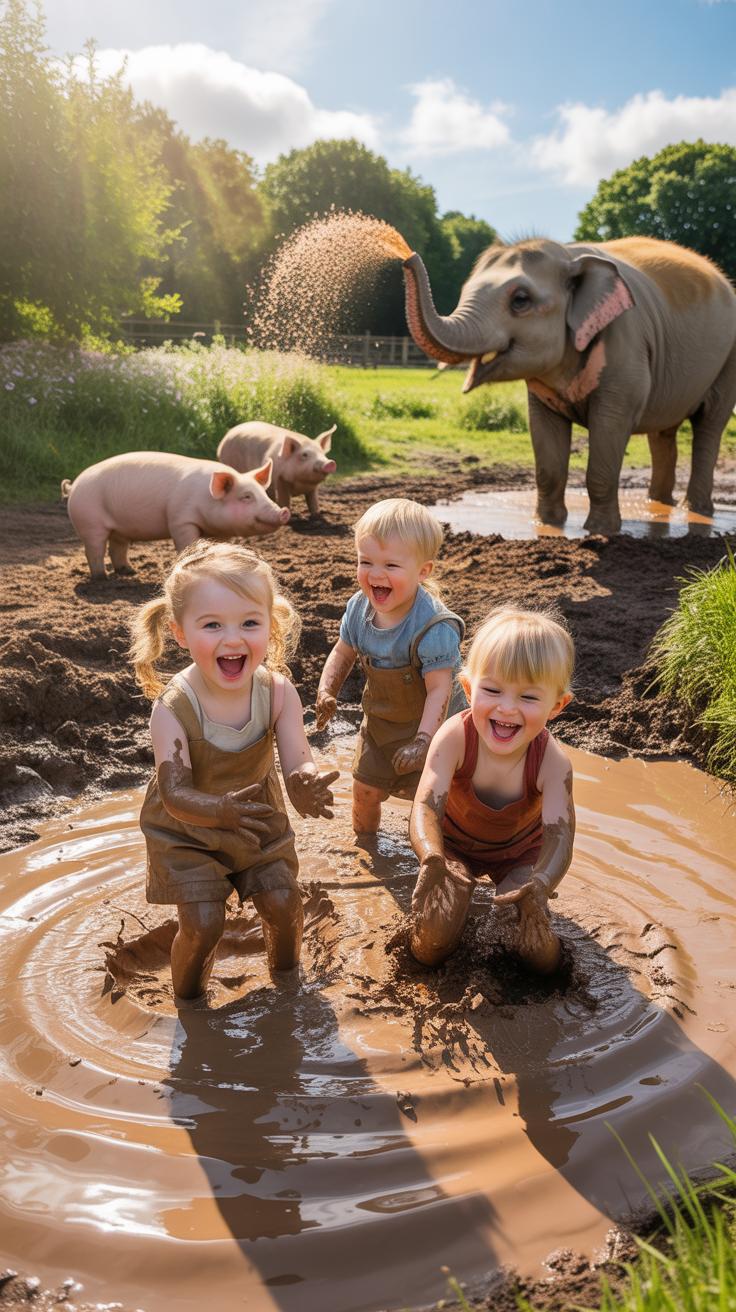
The Parallel Between Animal Mud Wallowing And Mud Sensory Play Activity In Children
Animals wallow in mud to regulate body temperature and protect their skin from parasites. This behavior represents a fundamental interaction with the environment for survival. Children engage with mud for similar biological reasons focused on development. Tactile stimulation through mud contact triggers neural pathways in the brain. This sensory input helps kids understand physical boundaries and textures. It is a primal form of learning through direct contact.
Science shows that exposure to soil bacteria like Mycobacterium vaccae improves mood in both animals and humans. This bacterium stimulates serotonin production which reduces stress levels significantly. When children play in mud they replicate the instinctual behavior of wild species. This physical engagement builds the immune system through the hygiene hypothesis. It encourages curiosity and problem solving skills. Nature provides the ultimate laboratory for sensory integration and physiological health.
Top Mud Activities For Toddlers And Preschoolers Inspired By Natures Own Mud Puddle Ideas
Wild animals use mud for construction and insulation. Children can mirror these high function behaviors through targeted play. Standard mud pits or tables provide the necessary medium for these activities. Use clean soil and water to ensure safety while maintaining the raw physical properties of the materials. These activities focus on the weight and plasticity of the mud. This teaches children basic engineering and physical science through touch.
- Mud Painting: Animals often leave tracks or rub against trees to mark territory with mud. Children use mud as a natural pigment on paper or sidewalks. This activity develops fine motor skills and demonstrates how liquid transitions into a solid state.
- Mud Kitchens: This setup mimics how animals forage and mix materials in the wild. Kids use old pots and spoons to blend different soil types and water ratios. It encourages imaginative play and teaches the concept of volume and consistency.
- The Mud Slide: Large mammals like hippos or pigs slide into wallows to coat their skin evenly. Kids can use a small plastic slide ending in a mud pit. This provides intense vestibular and proprioceptive input while cooling the body during summer.
- Animal Track Casting: Many researchers study mud to track animal movements across different terrains. Children press toy animals into thick mud to see the impressions left behind. This teaches them about anatomy and how different shapes interact with soft surfaces.
- Mud Brick Building: Birds and insects use mud to build durable nests for protection. Children can pack mud into small containers to create sun dried bricks. This mirrors historical construction techniques and introduces concepts of structural integrity and drying times.

Sensory play with mud creates a strong link between human development and animal biology. The cooling effect of evaporation on the skin mimics the thermoregulation found in elephants and rhinos. Physical contact with the earth reduces cortisol and improves focus in young learners. These activities are not just messy fun but essential developmental tools. They provide a cost effective way to enhance physical and mental growth through natural interaction.
Conservation Implications Why Protecting Natural Mud Wallows Matters For Wildlife
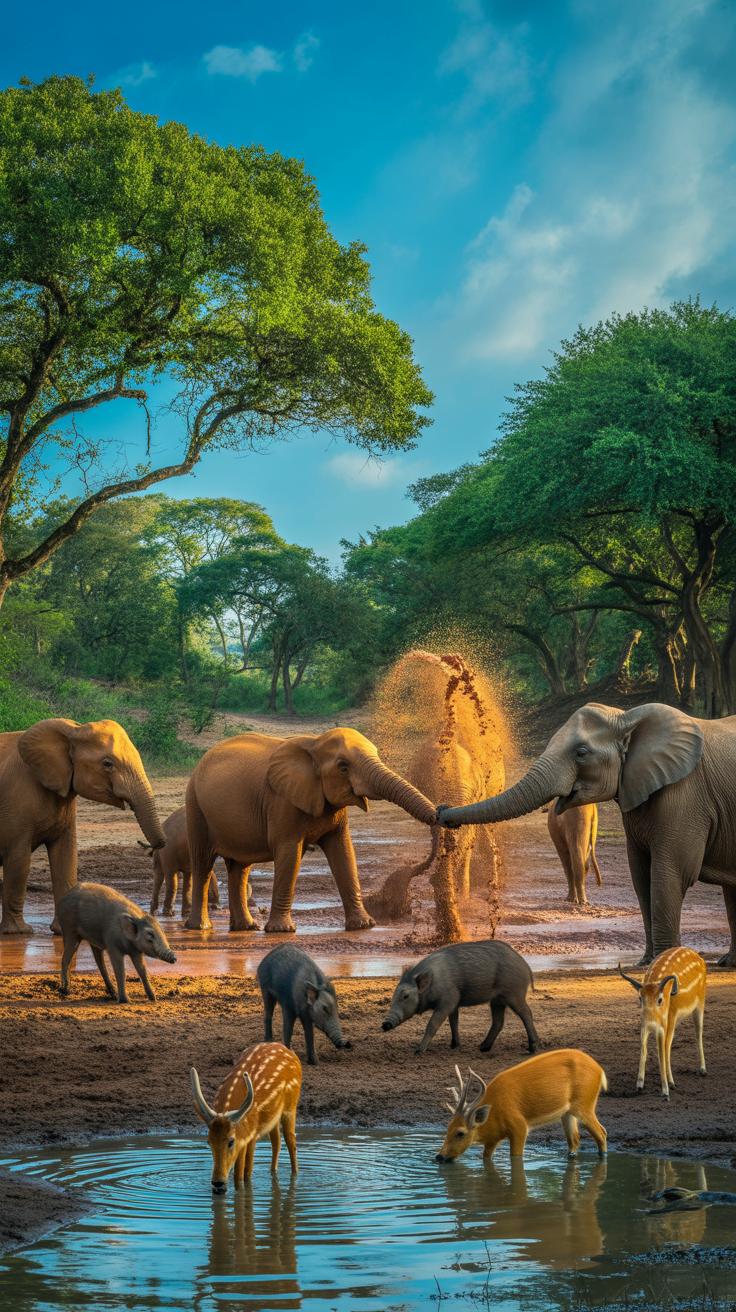
How Habitat Loss And Drought Are Eliminating Critical Mud Wallowing Sites
Urban sprawl and agricultural expansion destroy natural wetlands at a rapid pace. Developers drain swamps and divert water for human use. This removes the soft earth animals need for skin maintenance and temperature control. Without these sites, species like rhinoceros and buffalo cannot shed parasites or cool their blood. The loss of mud wallows forces animals to travel longer distances, increasing their vulnerability to predators.
Rising global temperatures and prolonged droughts further deplete these essential resources. Intense heat evaporates seasonal ponds before animals can use them. Hard, cracked earth replaces the moist soil required for wallowing behavior. This environmental shift disrupts the biological rhythms of megafauna. Large mammals face higher risks of heatstroke and skin infections when they cannot find mud. Fragmented landscapes prevent migration to better-watered regions during dry seasons.
Wildlife Conservation Efforts That Restore And Preserve Natural Mud Wallows
Land managers now prioritize the creation and maintenance of artificial wallows in protected areas. They use solar-powered pumps to keep mud pits wet during extreme dry spells. These interventions ensure that local wildlife has access to thermoregulation tools even when natural sources fail. Engineers design these sites to mimic natural depressions. This strategy supports biological needs and keeps animal populations stable within confined national parks.
- Artificial Water Points: Conservationists install boreholes and pumps to supply water to dry depressions. These man-made mud holes provide a constant resource for elephants and rhinos during severe droughts.
- Wetland Restoration: Environmental groups work to stop the drainage of natural marshes. Restoring historical water flows allows the earth to remain saturated, creating natural wallowing grounds for diverse species.
- Corridor Protection: Scientists map migration routes that connect different watering holes. Protecting these paths ensures that animals can move between wallowing sites as local water levels change throughout the year.
- Soil Management: Land managers prevent soil compaction in sensitive areas. Looser soil absorbs water more effectively, which allows for the formation of the thick mud required for effective skin coating.
- Satellite Monitoring: Experts use remote sensing to track the drying of seasonal wetlands. This data allows for rapid response when critical wallowing sites disappear, helping teams target restoration efforts effectively.
Monitoring these sites helps researchers understand animal health and movement patterns. High-traffic wallows act as central hubs for social interaction and nutrient exchange. Scientists collect soil samples from these pits to study the mineral content that animals ingest or absorb. Effective management of these small geographic points has a massive impact on the survival of entire ecosystems. Protecting a single mud hole can save hundreds of individual animals.
Frequently Asked Questions

Why do animals choose to cover themselves in mud?
Animals engage in this behavior primarily for temperature regulation and skin protection. Because many mud wallowing animals lack efficient sweat glands, a thick layer of wet earth acts as a biological cooling system. The science behind this shows that as the water evaporates from the mud, it pulls heat away from the body. Additionally, the dried crust creates a sturdy barrier against biting insects and harsh ultraviolet sun damage.
How can farmers or pet owners safely encourage natural wallowing?
To support your animals, create a dedicated wallow area by digging a shallow depression in a shaded spot. Fill it with clean, chemical-free soil and add enough water to maintain a thick, clay-like consistency. Understanding the mud wallowing animals science behind this behavior helps you provide a safe environment that mirrors nature, ensuring your livestock or pets stay cool while preventing them from digging up areas where they aren’t wanted.
Is providing a mud wallow an expensive or difficult task?
Not at all! Creating a functional wallow is one of the most budget-friendly ways to improve animal welfare. It requires nothing more than a shovel, a hose, and existing dirt. This low-cost enrichment leverages basic mud wallowing animals science to reduce your cooling costs and minimize the need for expensive chemical insect repellents. It is an accessible, natural solution that keeps your animals healthy and happy without a significant financial investment.