What Does It Mean For An Animal To Be Truly Silent Understanding Biological Quiet

The Science Of Biological Silence: How Researchers Measure Animal Sound Production
Biologists measure silence through acoustic monitoring and specialized sensors. Researchers use decibel meters to track visible noise levels in decibels. They also use ultrasonic detectors to find sounds humans cannot hear. Specialized wind tunnels help scientists see how air moves around a body. Precise tracking shows if a creature breaks the sound barrier of its environment. High speed cameras capture physical movements during these tests.
Scientists focus on frequency and amplitude to define silence. Many animals produce vibrations instead of vocal sounds. Researchers use hydrophones to record noise under the water. Thermal imaging and laser vibrometry track energy shifts in muscle and bone. These tools prove that true silence is rare in nature. Most animals create some friction when they move. Measurement requires isolating the subject from all background environmental noise.
The Difference Between Acoustic Silence And Behavioral Silence In The Animal Kingdom
Acoustic silence refers to a lack of physical sound waves. This happens through specialized anatomy like soft feathers or smooth skin. These physical traits break up air or water flow. This prevents the sound of friction during movement. Some creatures use body structures to absorb vibrations before they travel. Physical silence is a mechanical advantage built into the DNA of a specific species.
Behavioral silence is a tactical choice made by a predator or prey. An animal chooses to stay still to avoid detection. It stops breathing heavily or clicking its teeth. This is a mental strategy rather than a physical trait. Behavioral silence relies on patience and timing to work. A creature may have the ability to make noise but chooses not to. This helps the animal survive in dangerous environments.
Silent Hunters Of The Sky Owls And The Forest Spirit Of Noiseless Flight
How Barn Owls And Great Grey Owls Achieve Near Silent Flight Through Feather Adaptation
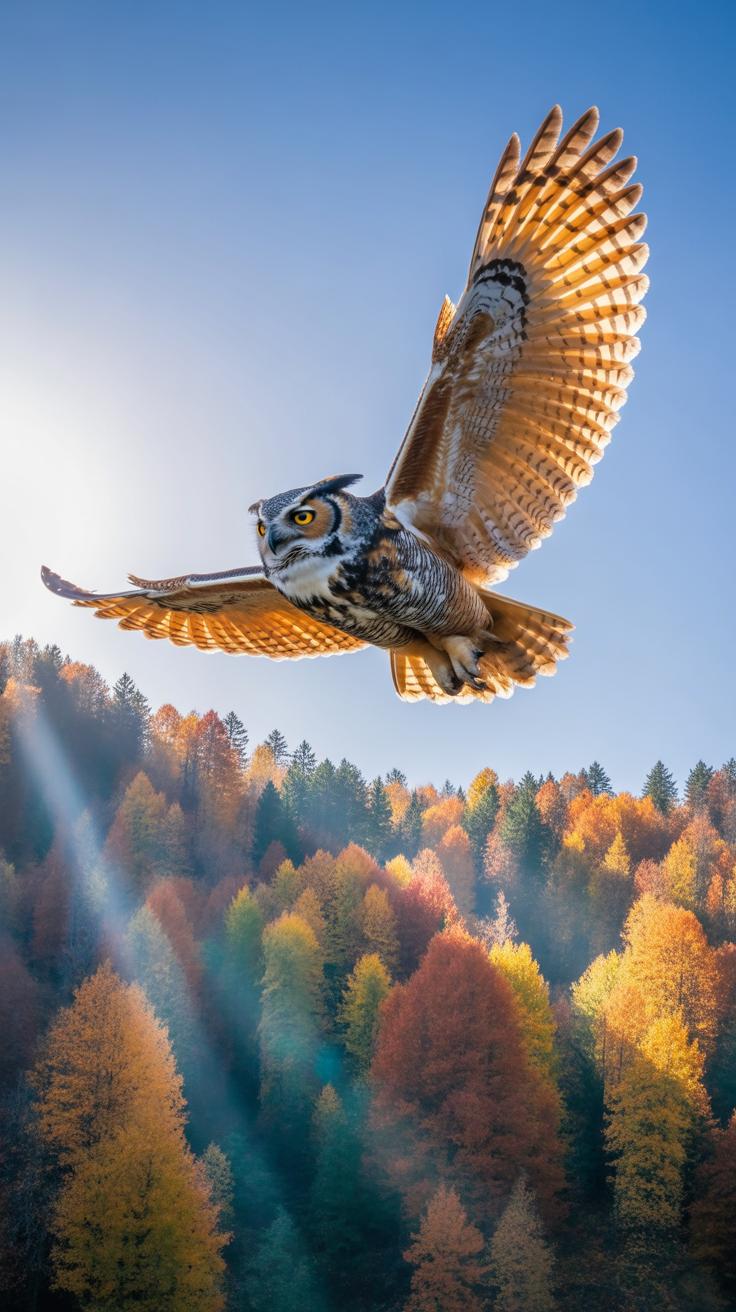
Barn owls and great grey owls utilize three specific physical adaptations to eliminate noise. Leading edge feathers feature a comb-like serration that breaks up incoming air. This serration prevents the typical rushing sound of wind over a wing. The trailing edge uses a soft fringe to smooth out air turbulence as it exits the wing surface. This design stabilizes the airflow and prevents pressure shifts that create sound.
The surface of the owl wing is covered in a velvet-like down. This material absorbs high-frequency sounds produced by the moving feathers themselves. Most birds have stiff feathers that rub together and make noise during flight. The owl’s soft down acts as a muffler between individual feathers. These mechanisms allow the owl to fly inches from a target without being detected by sound.
Why Silent Flight Evolved In Owls: Predatory Advantage And The Acoustic Arms Race With Prey
Owls evolved silent flight to solve a specific tactical problem. They hunt small mammals with extremely sensitive hearing. Mice and voles can detect high-frequency sounds made by wings or rustling feathers. By eliminating flight noise, owls stay below the auditory threshold of their prey. This allows them to get close enough for a successful strike before the target can react or hide.

Silent flight also benefits the owl’s own hunting sensors. Owls use facial disks to funnel sound into their ears for precise localization. If their wings made noise, they would drown out the faint sounds of prey moving under snow or leaves. Self-generated silence allows the bird to listen effectively while in motion. This acoustic clarity gives the owl a massive advantage over other nocturnal predators.
Apex Predators That Move Without Sound Big Cats And The World Of Darkness They Navigate
The Leopard And Snow Leopard: Padded Paws, Retractable Claws, And The Anatomy Of Silence
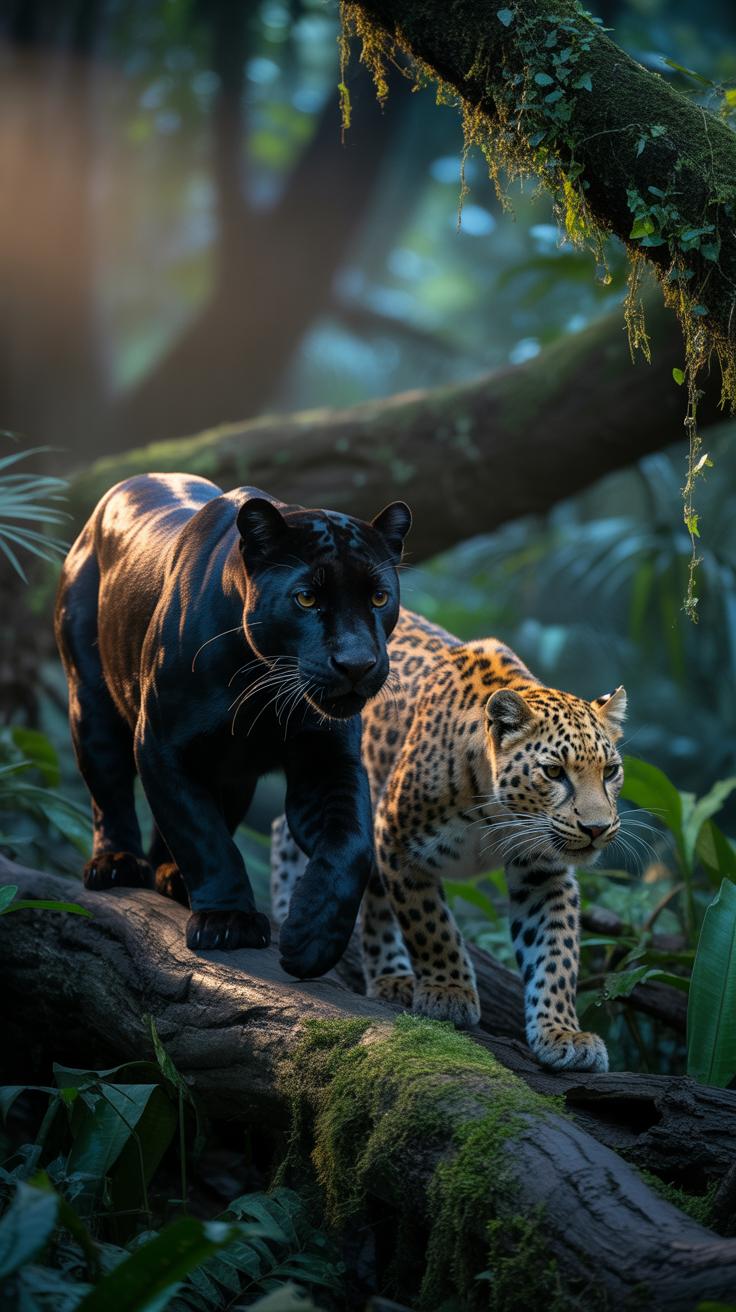
Leopards and snow leopards use specialized physical traits to eliminate noise. Their paws feature thick, soft pads that absorb impact and dampen sound. These pads act like natural mufflers against hard rock or dry ground. Unlike canines, these cats possess fully retractable claws. They keep their sharp tools inside protective sheaths until the kill. This prevents clicking sounds against stone or wood surfaces during the approach.
Body weight distribution also plays a critical role in their silent movement. These predators shift their mass over their center of gravity with every step. Their hind paws land precisely where their front paws previously stood. This technique minimizes the surface area they disturb. It prevents the crunch of dry leaves or snapping of twigs. Their muscular structure allows for slow, controlled movements that produce zero acoustic footprint.
How Stalking In Silence Became The Defining Evolutionary Strategy Of Felid Predators
Evolution favored silence because big cats are ambush predators. They lack the stamina for long chases over great distances. Their biology demands a high success rate on the initial strike to conserve energy. Silence allows them to close the gap between cover and prey. By reducing the distance to a few meters, they ensure the final lunge results in a kill. Noise would trigger a premature flight response.
The environments these cats inhabit drive this tactical necessity. Snow leopards move across echoing mountain peaks where sound travels easily. Leopards often hunt in dense brush where one wrong move alerts the entire forest. Natural selection removed individuals that made noise. Only the quietest hunters survived to pass on their genes. This pressure turned silence into a primary survival tool. It is now a hardwired mechanical advantage for all felids.
Insects And Arachnids The Smallest And Most Silent Creatures On Earth Hiding In Plain Sight

Walking Sticks, Praying Mantises, And Tarantulas: Masters Of Vibration Free Movement
Walking sticks and praying mantises utilize rocking motions to mimic windblown vegetation. This behavior masks their physical movement from predators and prey. They move in short bursts with extreme precision. This strategy prevents the sudden displacement of air or surface vibrations. By matching the mechanical frequency of their environment, these insects remain invisible to motion sensors in the wild.
Tarantulas and other large spiders rely on specialized hair structures called trichobothria. These hairs detect the slightest air currents while the spider remains perfectly still. When they move, their multi-legged gait distributes weight evenly across surfaces. This prevents the snapping of twigs or rustling of silk. Their soft tarsal claws allow them to traverse dry leaves without generating audible sound waves or ground vibrations.
Why Silence Evolved In Insects: Avoiding Predation, Ambushing Prey, And Surviving In Noisy Ecosystems
Insects occupy the base of the food chain and face constant threats. Silence serves as their primary defense mechanism against birds and bats. Many nocturnal insects evolved to move without noise to avoid detection by echolocation or sensitive hearing. Evolution favors creatures that can navigate high-risk zones without alerting nearby predators. Biological survival depends on the ability to remain acoustically transparent within a crowded habitat.

Ambush predators like the mantis require silence to secure calories. If a predator makes noise, the prey escapes and the predator starves. Silence also allows insects to communicate using private channels like substrate-borne vibrations. This keeps their signals hidden from larger animals that might track them. In noisy ecosystems, staying quiet is a tactical necessity for mating, feeding, and long-term species as survival.
Deep Sea Silence Ocean Creatures That Thrive In The Horror Stories Of The Abyss
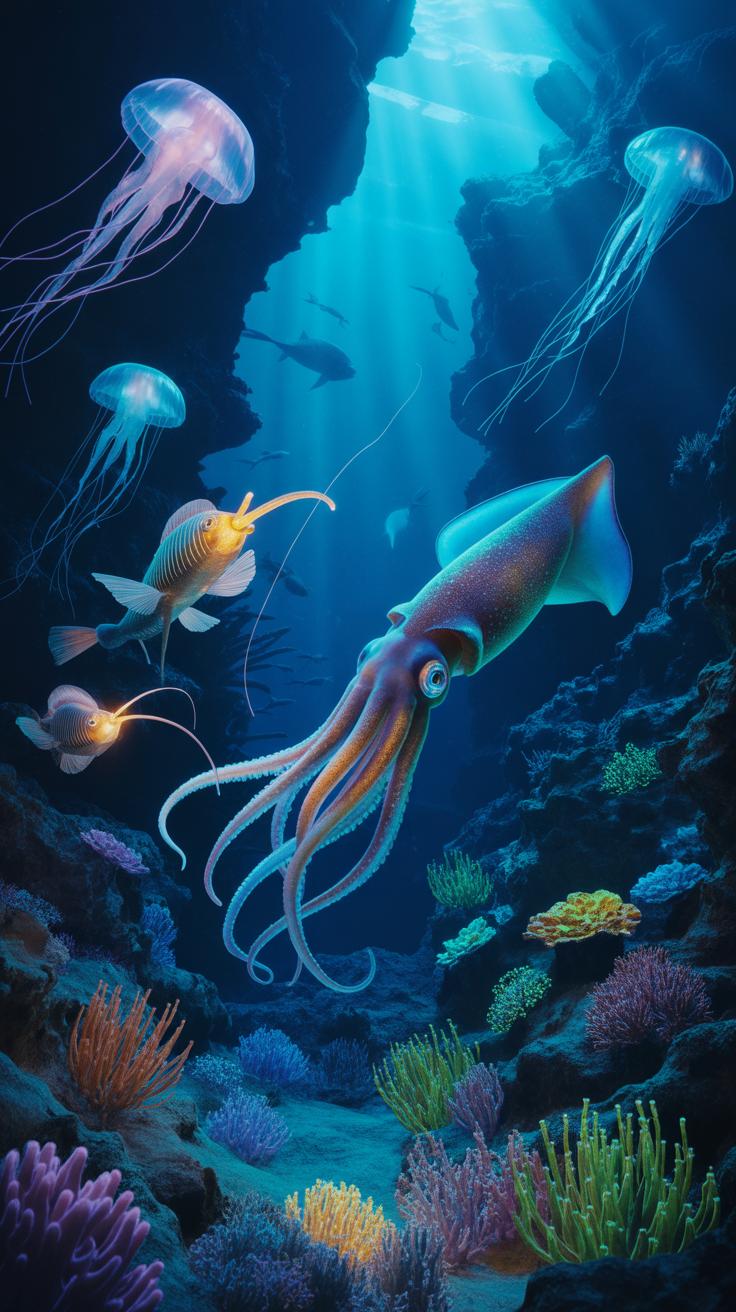
The Cuttlefish, Octopus, And Dragonfish: How Deep Sea Animals Suppress Sound In Total Darkness
Cephalopods move through the water column using jet propulsion and specialized skin structures. Octopus and cuttlefish utilize soft body tissue to prevent mechanical clicking or grinding sounds. They lack hard internal skeletons that create noise during rapid movement. Their muscles function through hydraulic force. This allows them to glide without vibrating the water. They stay silent to avoid detection by predators using acoustic sensors.
The deep sea dragonfish uses a different tactic for silence. It hunt using bioluminescent lures rather than speed. This predator remains nearly motionless in the current to avoid creating pressure waves. Its body shape minimizes drag and turbulence. By reducing physical movement, the fish eliminates the low frequency sounds that travel far underwater. It relies on ambush tactics because sound is a liability in the dark.
Nature’s quietest travelers carry the wisdom of ages, having learned that silence is the ultimate shield for a life in harmony. Their hushed existence reminds us that there is a profound strength in moving through the world without a sound.
Pressure, Darkness, And Evolutionary Silence: Why The Deep Ocean Selects For Quiet Creatures
High pressure in the deep ocean changes how sound waves travel through the water. Sound moves faster and farther at these depths than at the surface. Any vibration acts as a beacon for predators and prey. Evolution selects for creatures that can move with zero mechanical friction. Animals that make noise do not survive long enough to breed. Silence is a survival requirement in the abyss.

Deep sea animals have adapted to a world without light. They use lateral lines to feel vibrations from several meters away. Because their “hearing” is so sensitive, they must stay quiet to stay hidden. Small tremors can trigger a deadly response from nearby hunters. Evolution favors soft bodies and slow metabolic rates because these traits produce less sound. Quiet movement is the only way to dominate this environment.
Forest Creatures Mythical And Real The Silent Animals That Inspired Folklore And Dark Art

Real Silent Forest Animals From Clouded Leopards To Silkmoths That Sparked Mythological Legends
Clouded leopards use specialized ankle joints to climb down trees headfirst. They move through dense Asian jungles without snapping twigs or rustling leaves. This near-total silence led local cultures to view them as ghosts or forest spirits. Their ability to vanish instantly creates a sense of supernatural presence. They hunt at night using padded paws to muffle every step during the final stalk.
The Luna moth and other silkmoths fly with zero acoustic signature. Their wing scales absorb bat sonar and dampen air vibrations. This silent flight makes them appear like floating illusions in the dark. Ancient observers linked these quiet insects to the souls of the dead. The lack of buzzing or beating sounds reinforced the idea that these creatures belonged to a different world.
How The Eerie Quiet Of Silent Animals Shaped Cultural Horror Stories Superstitions And Folklore Worldwide
Human hearing relies on sound to detect threats. When an animal bypasses this sense, it triggers a fear response. Folklore often attributes silent movement to shapeshifters or demons. If a predator like a cougar can stand behind a person without being heard, the brain explains it through magic. These terrifying experiences laid the tactical foundation for most forest-based horror stories and urban legends.

Superstitions grew around animals that make no noise during peak activity. In many cultures, a silent bird or beast is an omen of doom. Modern horror films still use this biological trigger. They remove all background noise to signal the arrival of a monster. This technique mimics the real-world dread felt when a silent animal is nearby. Silence indicates a highly evolved and dangerous predator is close.
Reptiles And Amphibians Cold Blooded Silence And The New Gods Of Evolutionary Stealth
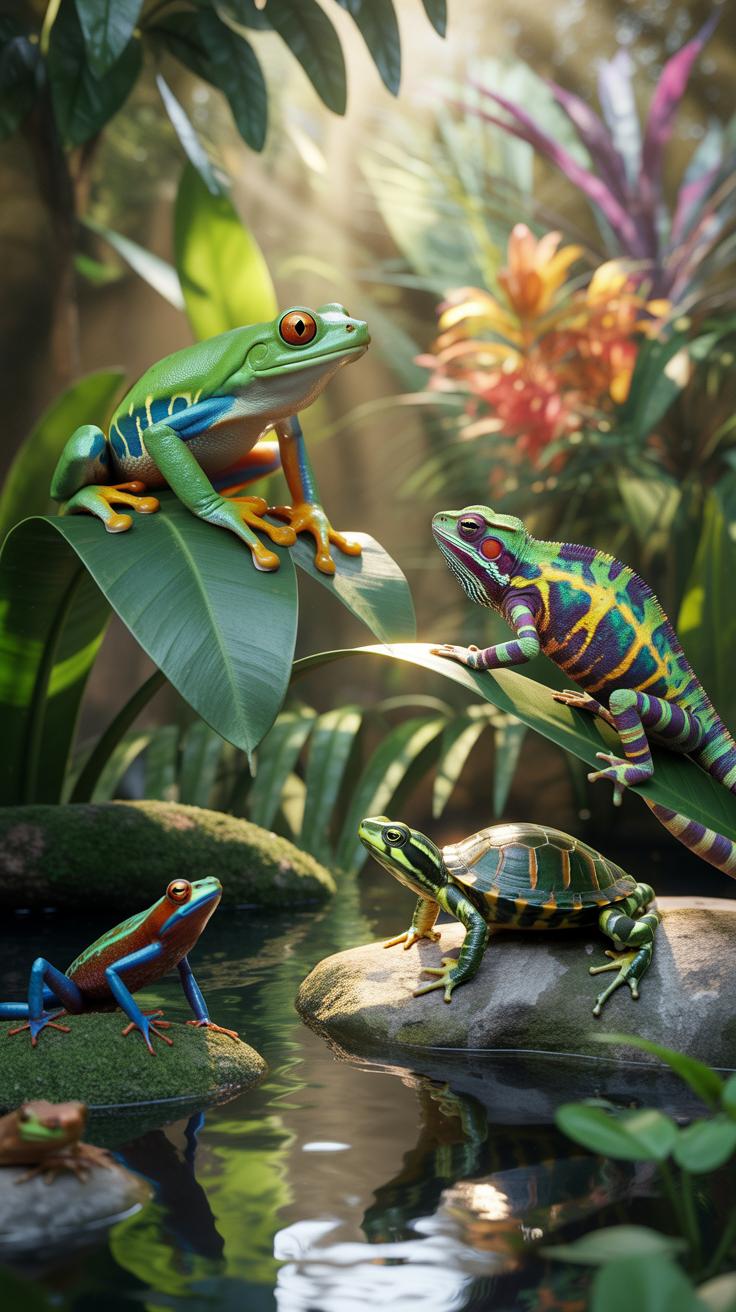
Chameleons, Glass Frogs, And Geckos: How Cold Blooded Animals Use Silence As A Survival Tool
Chameleons and glass frogs prioritize stillness to avoid detection. This strategy relies on low metabolic rates that allow them to remain motionless for hours. Chameleons move with a slow rocking gait that mimics leaves blowing in the wind. This visual and auditory camouflage prevents predators from identifying them as prey. Their physical structure supports total silence. They lack the heavy footfalls common in larger mammals.
Glass frogs use transparency and silence to vanish on leaf surfaces. They hide their blood cells in their liver to increase clarity. This physical change works with their lack of movement. Geckos use specialized toe pads to move across vertical surfaces without making noise. Their soft skin dampens the sound of contact with hard objects. These animals use silence to conserve energy and stay alive in high risk environments.
The Evolutionary Trade Off: Why Many Reptiles And Amphibians Abandoned Vocal Communication Entirely
Vocalizing attracts unwanted attention from predators. Many reptiles and amphibians traded sound for chemical and visual signals. This shift protects them from birds and mammals that hunt by ear. Creating loud sounds also requires significant caloric energy. Cold blooded animals often lack the energy reserves for frequent vocal displays. They prioritize survival over loud social interaction. Evolution favored those that stayed quiet.

Most snakes and lizards communicate through tongue flicking and pheromones. These methods transmit complex data without making a sound. Male lizards use head bobs or dewlap displays to show dominance. These visual cues work well in bright environments without alerting nearby threats. Silence is a tactical choice that maximizes their lifespan. By removing noise, these species became some of the most efficient hunters and survivors on the planet.
Top Adaptations That Make The Most Silent Creatures On Earth So Remarkably Quiet
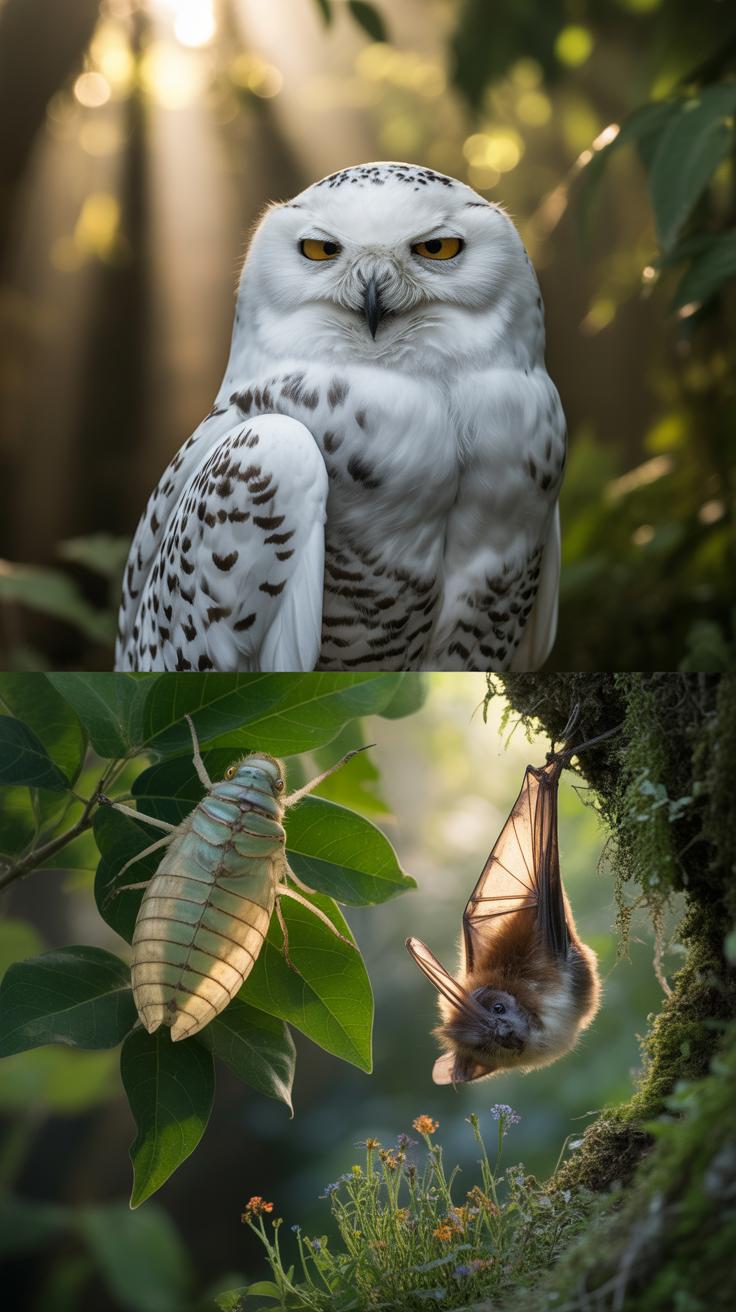
Structural Adaptations: Specialized Feathers, Padded Feet, Soft Exoskeletons, And Sound Absorbing Anatomy
Owls utilize leading edge fringes on their primary feathers to break up air turbulence. These comb like structures redirect airflow and suppress the noise of flapping wings. Most birds create sound when air rushes over smooth wing surfaces. Owls avoid this by using velvety textures that absorb high frequency sounds. This structural design allows them to fly within inches of prey without detection.
Feline paws use thick fat pads to dampen the impact of every step. These soft tissues act as natural shock absorbers on hard surfaces. Specialized fur between the toes further muffles the sound of claws hitting the ground. In the insect world, soft exoskeletons and fine hairs reduce the clicking sounds of joint movement. These physical traits prioritize acoustic stealth over structural rigidity.
Key Physical And Behavioral Traits Shared Across The World’S Most Silent Animals
Silent predators share specific biological blueprints that maximize stealth during movement. They focus on minimizing friction and vibration against their surroundings. These animals often possess a high power to weight ratio. This allows for slow and controlled muscle contractions. Controlled movements prevent the sudden displacement of air or water. Displacement creates noise that alerts prey or other competing predators.
- Acoustical Camouflage: Many moths evolved thick scales on their bodies to absorb the ultrasonic pings from bats. This soft coating acts like high tech foam in a sound studio. It prevents echoes from bouncing back to the predator.
- Low Frequency Locomotion: Large mammals like elephants move with a heavy but silent gait. Their foot pads expand under pressure to distribute weight evenly. This eliminates the sharp snapping sounds of dry brush or breaking twigs underfoot.
- Minimalist Joint Mechanics: Snakes eliminate the noise of limb movement by using belly scales for traction. They distribute their force across a wide surface area. This sliding motion generates almost zero friction against the forest floor or desert sand.
- Turbulence Reduction: Great white sharks and other apex aquatic hunters use denticles on their skin. These small tooth like structures reduce drag and water noise. They allow the animal to slice through the water column with total silence.
- Static Hunting Postures: Stealthy animals remain motionless for hours to avoid generating any acoustic footprint. This behavior forces the prey to move first and make noise. By staying still, these creatures become invisible to ears that detect movement.

Behavioral discipline is just as critical as physical anatomy for maintaining total silence. These creatures choose paths that offer the least resistance and noise potential. They time their movements to coincide with ambient environmental sounds like wind or rain. This tactical synchronization masks any unavoidable noise. Evolution rewards those that master both their physical tools and their environmental timing.
Why Silence Still Matters Conservation Noise Pollution And The Future Of Silent Species In A Loud World

How Human Generated Noise Pollution Disrupts The Survival Strategies Of Naturally Silent Animals
Human noise disrupts the evolutionary edge of silent predators. Owls and cats rely on stealth to catch prey. Shipping sonar and engine noise mask the quiet movement of sharks and whales. These animals cannot hide when background noise levels rise. This interference breaks the natural link between silence and success. High noise levels force predators to exert more energy for fewer kills.
Noise pollution also alerts prey species too early. Many stealthy animals evolved specific physical traits to dampen sound. Anthropogenic sounds like traffic and industrial drilling override these biological adaptations. When the environment is loud, silent camouflage fails. This imbalance threatens the survival of specialized hunters. It forces species to abandon vital hunting grounds. Entire food chains suffer when silence no longer provides a tactical advantage.
Conservation Efforts And What We Must Do To Protect The Habitats Of Earth’S Most Quiet Species
Protecting quiet species requires direct intervention in habitat management. We must establish noise-free zones in critical wilderness areas. Engineering solutions can reduce the acoustic footprint of transport and industry. Policy changes must treat quietness as a finite natural resource. Stealthy animals need low-db environments to hunt and mate effectively. Safeguarding these zones ensures that specialized evolution continues to function without human interference.
- Acoustic Refuges: Governments must designate specific land and sea areas as quiet zones. These regions limit motorized vehicle access and industrial activities. This preservation allows silent hunters like owls and leopards to utilize their natural stealth. Without these refuges, the evolutionary benefit of silence disappears completely.
- Modified Infrastructure: Engineers must design roads and bridges using sound-absorbing materials. Porous asphalt and noise barriers reduce the decibel levels reaching nearby forests. Reducing road noise prevents the masking of subtle sounds used by small, quiet predators. Modern materials can effectively dampen vibration and ambient sound.
- Maritime Regulations: International maritime bodies should enforce speed limits for large vessels in sensitive waters. Slower speeds reduce propeller cavitation and engine noise. This change protects silent marine hunters like the Great White Shark and various cetaceans. Lowering underwater noise restores the effectiveness of their natural acoustic sensors.
- Light and Sound Caps: Local councils must implement strict limits on industrial output during peak hunting hours. Restricting noisy operations during dawn and dusk protects nocturnal hunters. These animals rely on the absence of human interference to track prey. Capping decibel levels preserves the integrity of the local ecosystem.
- Technological Innovation: Developers should focus on creating silent propulsion systems for aircraft and ships. Electric engines and advanced propeller designs minimize acoustic signatures. This technology helps reduce the overall noise floor of the planet. Lower noise floors benefit every species that evolved to operate in total silence.
Conservation success depends on measurable noise reduction targets. Environmental agencies must track decibel levels in sensitive biomes. Data-driven strategies allow for precise adjustments to land-use permits. Protecting the most silent creatures on earth means managing the soundscape as strictly as air or water quality. We must prioritize silence to maintain biological diversity. Targeted acoustics research will guide the future of these specialized species.
Frequently Asked Questions

Which animals are considered the most silent creatures on earth?
Owls, Great White Sharks, and Snow Leopards are among the most silent creatures on earth due to specialized evolutionary traits. Owls possess serrated wing feathers that break up air turbulence, while sharks have streamlined skin scales called denticles. These adaptations allow them to move through their environments without a sound, making them lethal apex predators that can ambush unsuspecting prey with absolute stealth and precision.
How can I observe these silent animals in the wild without disturbing them?
To observe some of the most silent creatures on earth safely, you should visit local nature preserves or national parks during dawn or dusk. Wear muted, earth-toned clothing and use high-quality binoculars to maintain a respectful distance. By staying still and minimizing your own noise, you increase your chances of spotting stealthy species like owls or foxes as they hunt quietly in their natural habitats.
Can I find silent wildlife to photograph on a limited budget?
Absolutely! You don’t need an expensive safari to witness stealthy predators in action. Many silent species, such as barn owls or local garden snakes, can be found in nearby public parks or suburban green belts. Investing in a basic entry-level zoom lens and practicing your patient tracking skills in local woods is a cost-effective way to experience the quiet beauty of nature’s stealthiest inhabitants.