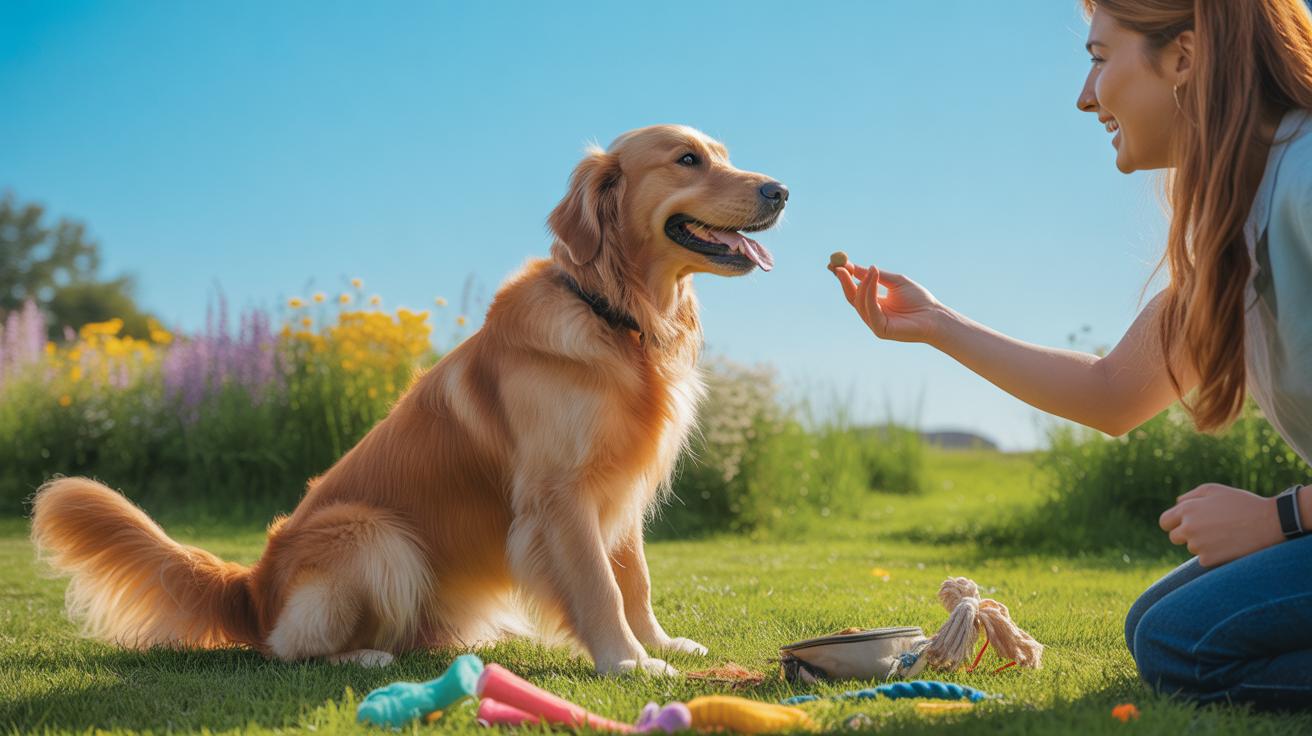
What Are Dog Commands And Why Do They Matter For Every Breed
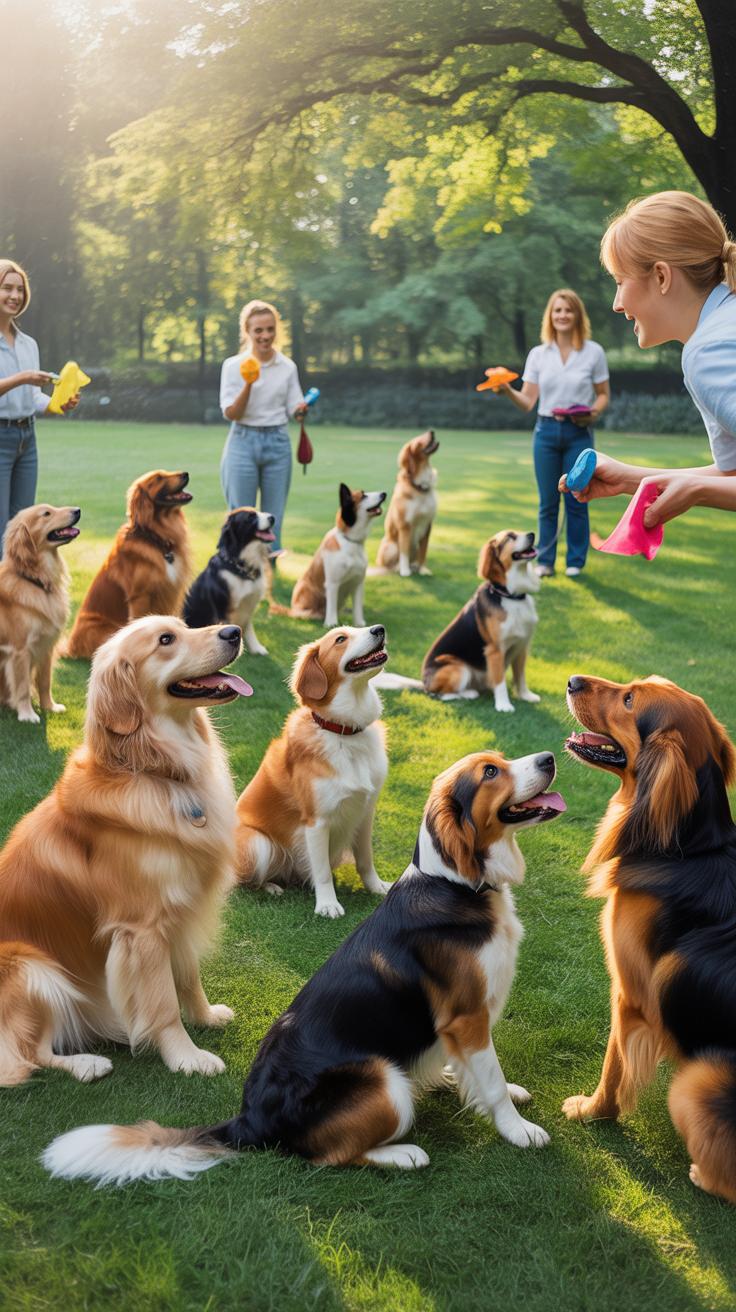
The Science Behind How Dogs Learn And Respond To Commands
Dogs learn through associative learning. They link a specific sound or hand signal with a physical action and a resulting reward. This process utilizes operant conditioning. You reinforce desired behaviors to increase their frequency. Timing is critical for success. You must deliver the reward within seconds of the correct action. This strengthens the neural pathway between the command word and the positive outcome.
Dogs do not understand human language the way people do. They recognize phonetic patterns and pitch. High-frequency sounds often signal excitement or action. Low-frequency sounds represent correction or stability. Consistent repetition builds fluency. The dog eventually performs the task without thinking. This automatic response is the goal of all training. It transforms a simple sound into a reliable tactical tool for the owner.
How Early Command Training Shapes Long Term Dog Behavior
Training starts the moment a dog enters your home. Early intervention prevents the development of bad habits. Puppies have high neuroplasticity. They soak up information quickly. Establishing clear rules early creates a predictable environment. This reduces stress for the animal. A dog that knows what to expect is less likely to act out. Proactive training builds a solid foundation for more complex skills.
Basic commands provide essential safety controls. A dog that masters the sit and stay commands is easier to manage in high-traffic areas. You gain the ability to stop dangerous movements instantly. This structural control extends into adulthood. It dictates how the dog interacts with guests and other animals. Consistent training ensures the dog remains an asset rather than a liability. Clear communication prevents future behavioral issues and aggression.

Getting Started With Puppy Obedience Training Age Tools And Mindset
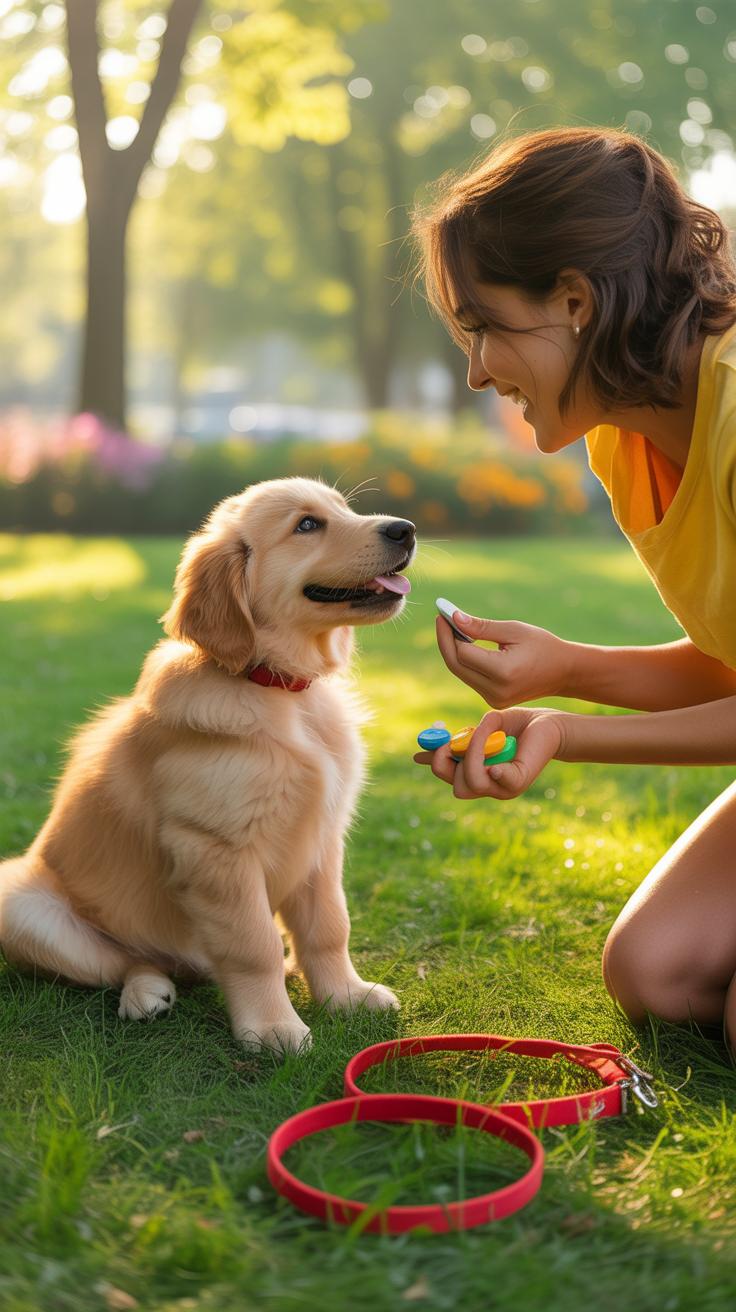
The Best Age To Begin Obedience Training With Your Puppy
Start training your puppy at eight weeks old. This is the age they typically leave the litter. Their brains are sponges for new information now. Every interaction teaches them a habit. Delaying training allows bad behaviors to take root. You must establish yourself as a leader immediately. Use short sessions to match their limited attention span at this early stage.
Professional trainers emphasize that socialization and basic manners start on day one. Puppies have a critical learning window that closes around sixteen weeks. You must expose them to various sounds and surfaces during this time. Basic commands like sit and stay build a foundation for safety. Focus on positive reinforcement to create a willing worker. Consistency across all household members prevents confusion for the young dog.
Essential Tools And Treats That Make Puppy Training More Effective
Effective training requires the right gear to communicate clearly with your dog. You need items that provide immediate feedback and high motivation. Standard equipment prevents physical strain on the puppy. High-value rewards ensure the dog chooses you over distractions. Professionals use specific tools to streamline the learning process and maintain control. Proper tools reduce frustration for both the handler and the animal.
- Six Foot Nylon Leash: A standard flat leash provides the best control for beginner obedience. It allows enough space for movement while keeping the dog within your immediate reach. Avoid retractable leashes because they teach dogs to pull against tension.
- Fixed Flat Collar: Use a properly fitted buckle collar for basic training sessions. It should be snug enough to stay on but loose enough for two fingers to fit underneath. This tool is traditional and safe for puppies with developing necks.
- High Value Training Treats: Use small pieces of soft protein like cooked chicken or freeze dried liver. These rewards must be better than everyday kibble to keep the dog focused. High value treats ensure the puppy associates commands with a positive outcome.
- Treat Pouch: A clip on waist bag allows for rapid delivery of rewards. Timing is critical in dog training. You must reward the desired behavior within two seconds. A pouch keeps your hands free and your treats accessible at all times.
- Training Clicker: This device creates a consistent sound to mark the exact moment a dog performs correctly. It acts as a bridge between the action and the reward. Clickers remove the emotional tone from your voice and provide clear communication.

Treats should be the size of a pea to avoid overfeeding. Keep your tools in a dedicated bag so you are always ready for a session. Training happens everywhere, not just in a class. Use these items to mark success the second it happens. Accurate timing with these tools will cut your total training time in half. Always prioritize function over aesthetics when selecting your gear.
Dog Commands Training Teaching The Sit Command The Right Way
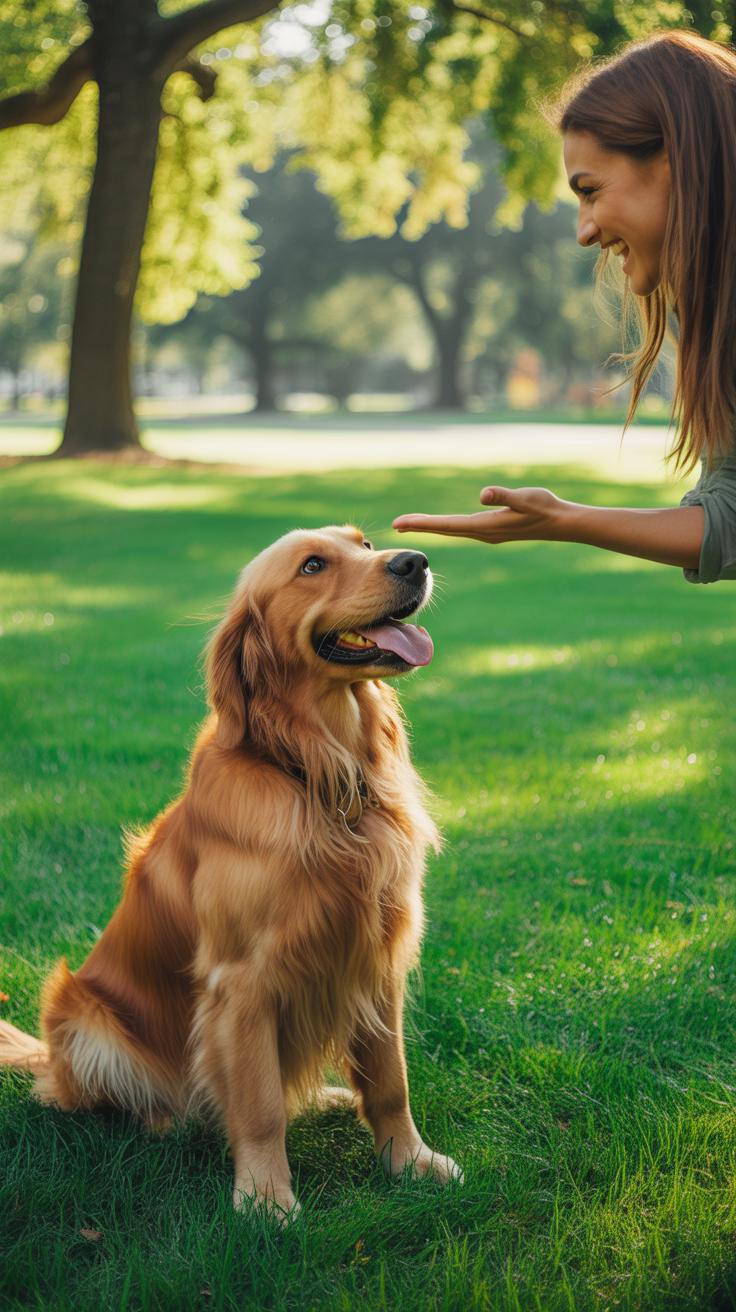
Step By Step Method For Teaching Your Dog To Sit On Cue
Start with a high-value treat held at the dog’s nose level. Move your hand back over the dog’s head toward the tail. This motion forces the dog to look up and naturally lower its rear to the ground. Maintain a close distance to prevent the dog from jumping up. Accuracy in hand placement ensures the dog completes the physical movement correctly.
Once the dog sits, deliver the treat and verbal praise immediately. Repetition builds the neural pathways required for muscle memory. Only add the verbal cue once the dog performs the movement reliably through hand signals alone. Consistent practice in short bursts prevents mental fatigue. This method relies on luring, a proven technique in modern canine behavioral science for establishing primary movements.
Common Mistakes Owners Make When Teaching The Sit Command
Owners often repeat the verbal cue multiple times when the dog fails to respond. This habit creates a poisoned cue where the dog learns to ignore the first command. Constant repetition teaches the dog that the word has no immediate consequence. Use the cue once and wait for the action. Only reward the dog when the sit occurs after a single clear instruction.

Pushing down on a dog’s hips is another tactical error that triggers an opposition reflex. Dogs naturally resist physical pressure by leaning back against the force. This physical confrontation slows the learning process and can cause discomfort or distrust. Focus on lure-based movement to gain voluntary cooperation. Effective training requires clear communication through body language rather than using physical force to manipulate the animal.
Commands For Dogs Mastering Stay Come And Down With Confidence
How To Teach Stay And Come Using Positive Reinforcement Techniques
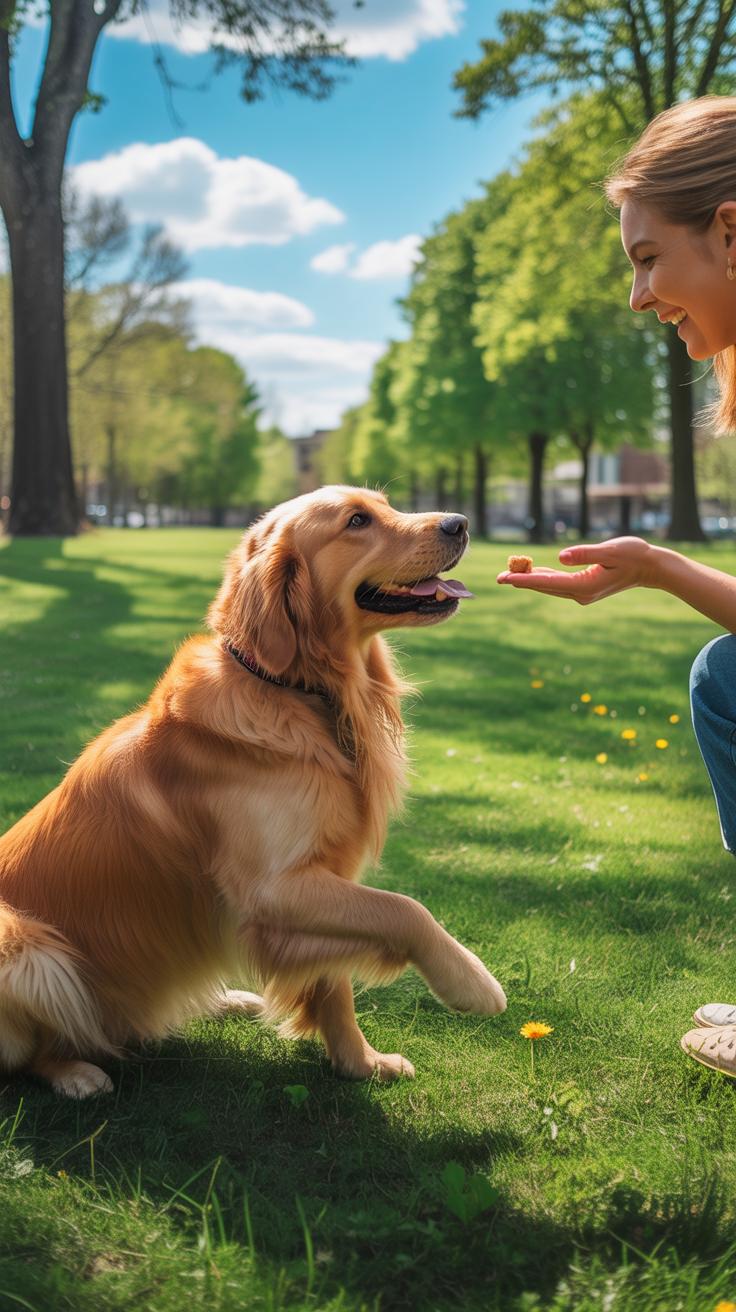
Start the stay command only after your dog masters the sit. Command the dog to sit then open your palm toward its nose. Take one step back and wait three seconds. If the dog remains still reward it immediately with a high value treat and praise. Gradually increase the distance and duration over several training sessions to build reliable muscle memory.
The come command requires a strong lure to override outside distractions. Crouch down and call your dog using a happy tone while showing a treat. Reward the dog only when it makes physical contact with you. Never use this command to call a dog for punishment or baths. Associating the recall with positive outcomes ensures the dog returns to you every time.
Teaching The Down Command And Why It Builds Impulse Control
The down command forces a dog into a submissive and relaxed posture. Hold a treat in your closed hand and move it from the dog’s nose toward the floor. The dog will follow the scent and lower its body to the ground. Click or praise the moment its elbows touch the floor. This position prevents the dog from jumping or running away.

Mastering the down command is the foundation of impulse control. It teaches the dog to settle its energy on cue regardless of the environment. This physical shift lowers the dog’s heart rate and creates a calm mental state. Consistent practice helps the dog manage its excitement around guests or other animals. Use this command to maintain order in high traffic situations.
Dog Training Commands For Leash Walking Heel And Leave It Explained
What The Heel Command Means And How To Train It Without Frustration
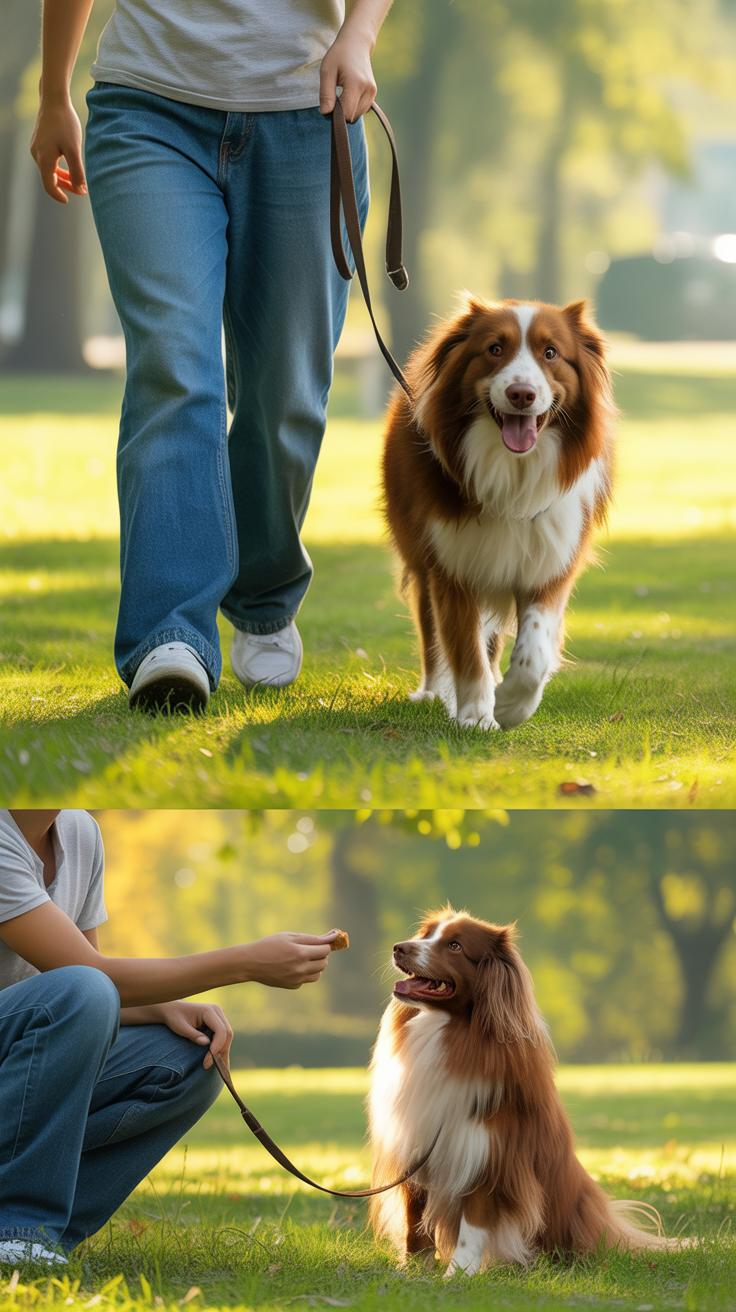
The heel command requires your dog to walk directly beside your left or right leg. It differs from loose leash walking because it demands specific positioning. A proper heel ensures the dog’s shoulder aligns with your knee. This prevents the dog from pulling ahead or lagging behind. It creates a controlled environment during high-traffic situations. Use high-value rewards to keep the dog focused on your movement.
Start by standing still with your dog in a sitting position. Hold a treat near your hip to lure the dog into the correct spot. Step forward with your left foot and give the verbal cue. Reward the dog immediately if they maintain the position for three steps. Increase the distance over time as the dog builds muscle memory. Consistent repetition establishes clear boundaries and reduces leash tension for both parties.
Teaching ‘Leave It’ To Protect Your Dog From Dangerous Objects Or Foods
The leave it command is a critical safety tool for every owner. It instructs your dog to ignore an object and shift their focus back to you. This command prevents the ingestion of toxic foods, trash, or hazardous outdoor debris. You must teach the dog that ignoring the item leads to a better reward. Discipline and timing are essential for this training to work effectively.
Begin by placing a low-value treat inside your closed fist. Present your hand to the dog and say the command clearly. Wait for the dog to stop sniffing or pawing at your hand. Reward the dog with a high-value treat from your other hand once they back away. Gradually move to placing items on the floor. Proper execution of this command can save your dog from expensive emergency veterinary visits.
Dog Potty Training How To Introduce The Go Potty Command Early
How To Use A Verbal Cue To Help Your Dog Associate A Command With Elimination
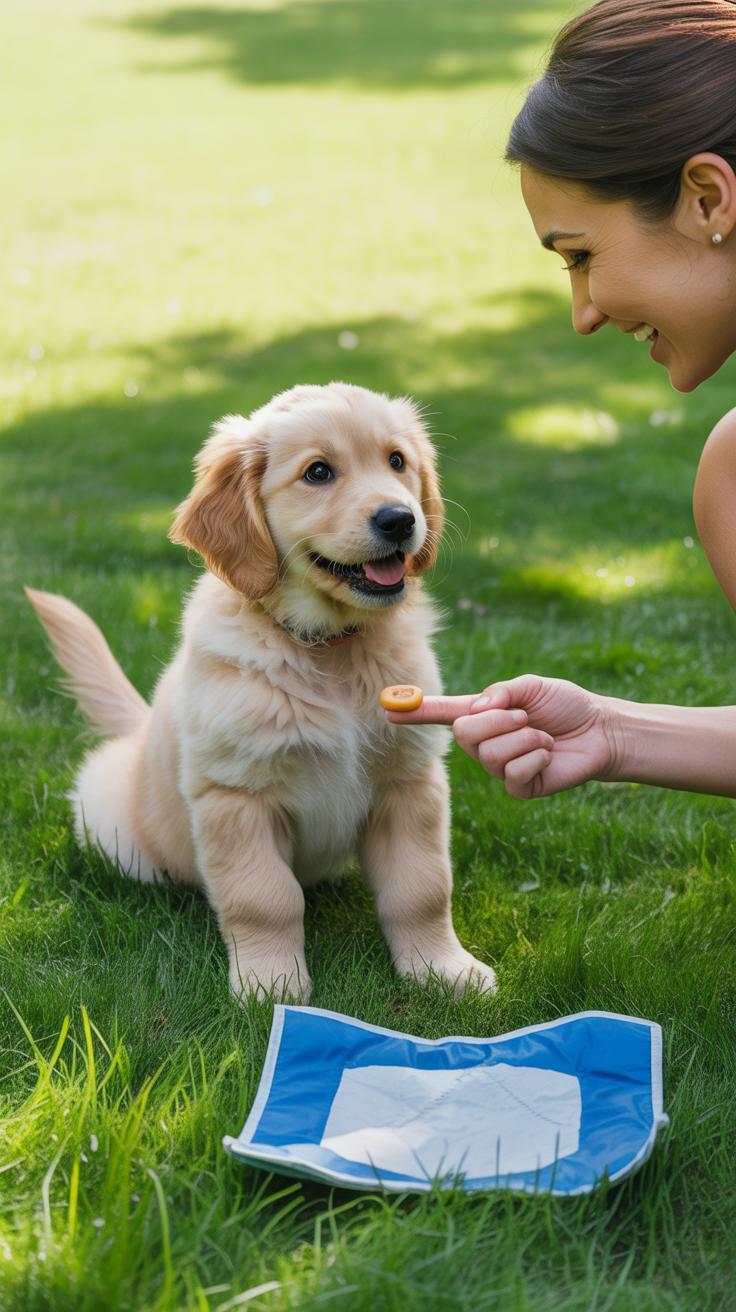
A verbal cue creates a mental link between a specific word and the physical act of elimination. You must choose a short and distinct phrase like go potty or do your business. Use this exact phrase every time you take the dog to its designated spot. Timing is the most critical factor for success. You must say the command right as the dog begins to eliminate.
Consistency builds the association over time. After the dog finishes the act, provide immediate praise or a high value treat. This positive reinforcement solidifies the connection between the verbal cue and the reward. Do not use the command as a punishment if the dog has an accident inside the house. Clear communication ensures the dog understands what you expect when you reach the grass.
Training your dog is not about control, but about building a bridge of communication through every simple command. These early lessons are the golden threads that weave a lifetime of trust and companionship.
Setting A Dog Potty Schedule That Reinforces Consistent Bathroom Habits
Predictability is the foundation of successful potty training. A strict schedule prevents indoor accidents and maximizes outdoor training opportunities. You must take the dog out at the same times every day to regulate its digestive system. Most dogs need to go immediately after waking up and shortly after eating or drinking. Frequent trips outside increase the chances of catching the dog in the act.
- First Morning Trip: Take your dog outside immediately after they wake up. This is usually when the bladder is most full. Do not stop to check your phone or make coffee. Get the dog to the designated spot fast to avoid an early morning accident on the floor.
- Post Meal Outings: Puppies and adult dogs often need to eliminate within fifteen to thirty minutes after eating. Digestion triggers the urge to go. Take the dog out after every meal to establish a reliable routine. This reinforces the habit of using the outdoor space.
- Active Play Breaks: Physical movement stimulates the bladder and bowels. Stop play sessions every twenty minutes to take the dog outside. High energy levels often mask the urge to go until it is too late. Frequent breaks during play prevent sudden messes inside the home.
- Before Crate Entry: Always give the dog a chance to empty its bladder before placing it in a crate. A comfortable dog is more likely to remain calm and quiet. This practice also protects the bedding from stains. It ensures the dog does not feel physical distress while confined.
- Final Nightly Visit: Make a bathroom trip the very last thing you do before bed. This helps the dog hold its bladder through the night. A consistent late night routine leads to better sleep for both the owner and the animal. It minimizes the need for midnight wake up calls.
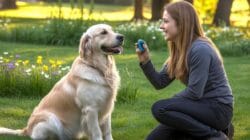
Log every successful trip and every accident in a notebook. Tracking these events helps you identify the natural rhythm of your dog. If accidents happen at the same time daily, adjust your schedule to get outside sooner. Vigilance pays off during the first few weeks of training. Stick to the plan until the dog actively signals its need to go outside.
Potty Training Regression Why It Happens And How To Get Back On Track
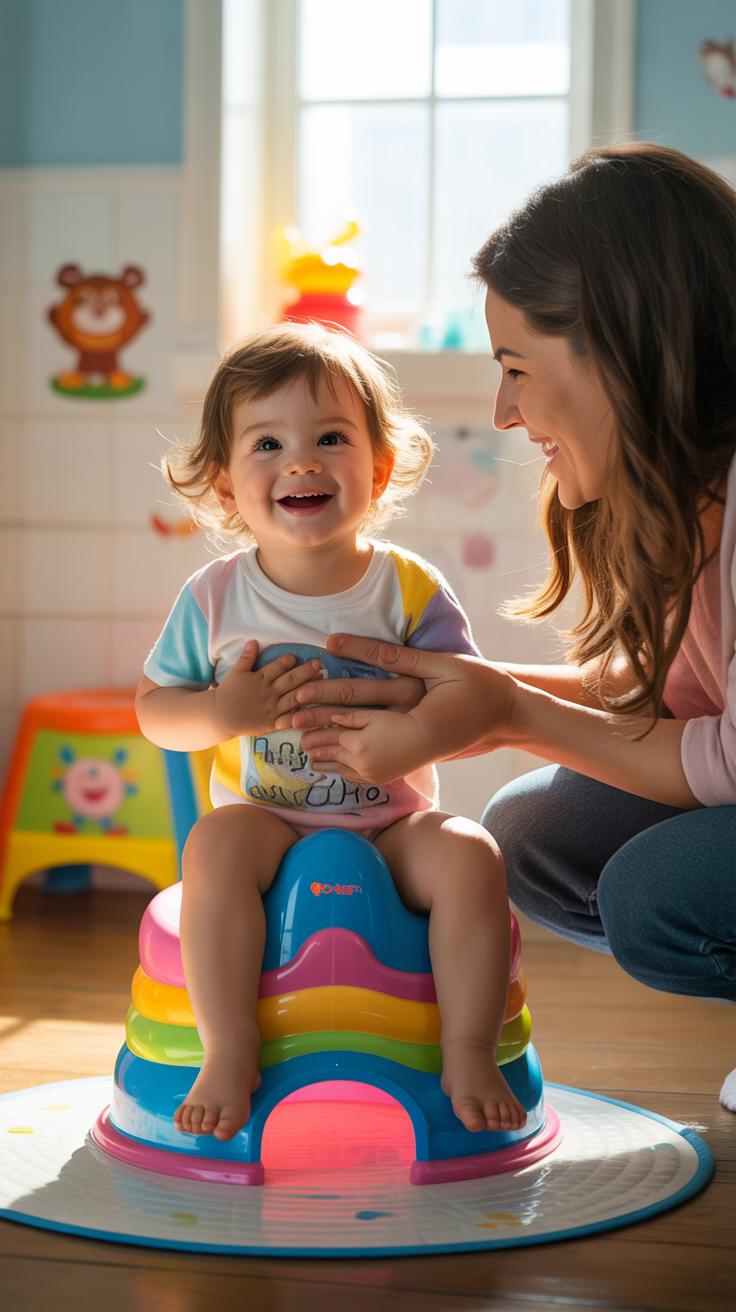
Common Triggers That Cause Potty Training Regression In Dogs And Puppies
Environmental changes frequently disrupt a dog’s established bathroom routine. Moving to a new home or changing furniture layouts confuses their spatial understanding of where to go. Stress from new family members or loud noises also impacts bladder control. When the environment shifts, the dog loses its mental map of safe zones. You must recognize these external stressors to address the root cause of the accidents.
Medical issues often mask themselves as behavioral regression. Urinary tract infections or parasites cause urgent needs that override previous training. Aging dogs may suffer from cognitive decline or physical weakness. Young puppies often regress during the teething stage due to physical discomfort and distraction. Check for biological changes before assuming the dog is being stubborn. Physical health dictates successful execution of bathroom commands.
Proven Strategies To Rebuild Potty Training Habits After A Setback
Return to the basics of crate training immediately to prevent further accidents. Limit the dog’s freedom to one room or a secure crate when you cannot watch them. Use a strict feeding and walking schedule to make their biological needs predictable. High-value rewards must follow every successful outdoor potty event. Consistency removes the guesswork for the dog and reinforces the desired behavior through repetition.
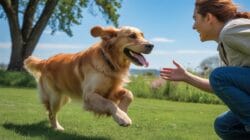
Clean every accident site with enzymatic cleaners to remove pheromone markers. Regular soap fails to destroy the proteins that signal a bathroom spot to the dog. If they smell a previous accident, they will repeat the behavior in that exact location. Increase the frequency of outdoor breaks to every two hours until the regression stops. Constant supervision prevents the habit from becoming a permanent part of their daily routine.
Dog Training Command Guide How To Build A Consistent Daily Training Routine
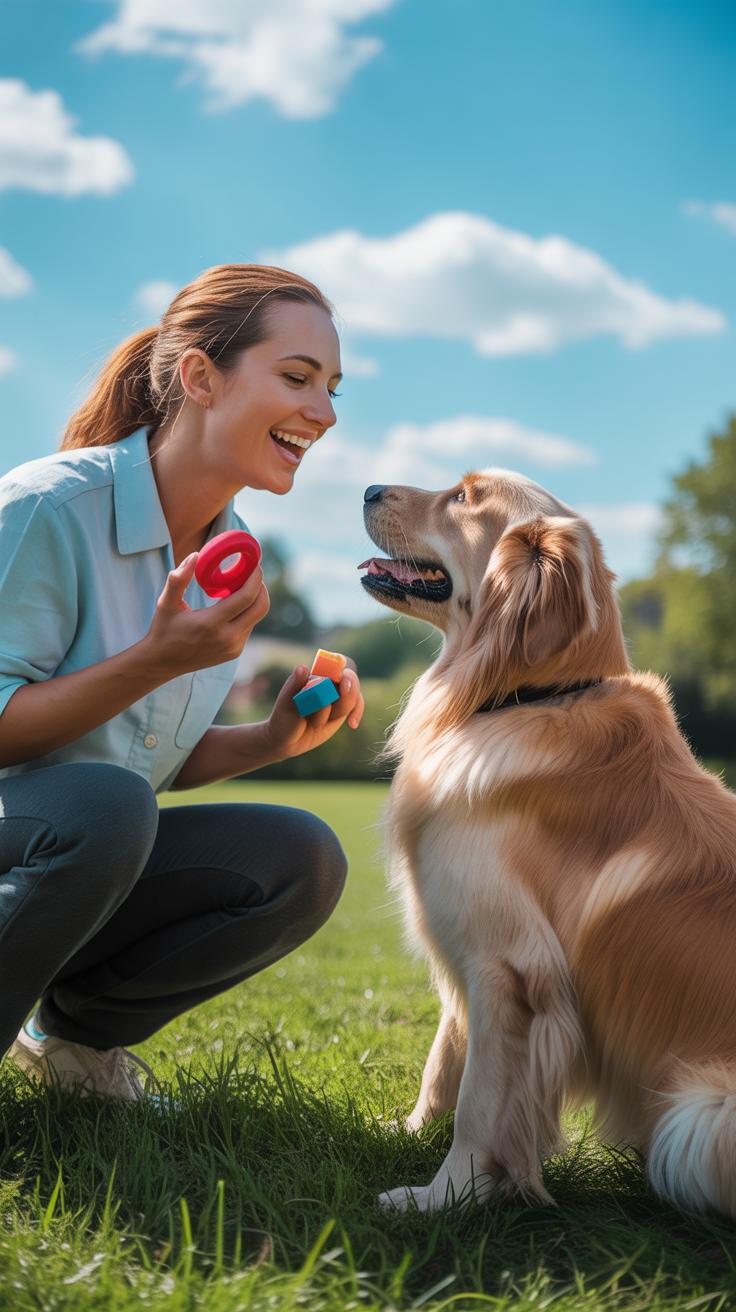
How Long Each Training Session Should Be For Puppies Vs. Adult Dogs
Puppies have short attention spans and low frustration tolerance. Limit their training sessions to five minutes. Rapid, high-energy repetitions keep them engaged without causing mental fatigue. Conduct these short bursts three to five times per day. Consistency matters more than session length. Stop the exercise while the puppy still wants more. This approach builds a positive association with your beginner obedience commands dogs training.
Adult dogs can handle longer sessions but still face cognitive limits. Aim for fifteen minutes of focused work per session. Mature dogs process complex instructions better than puppies. However, long sessions lead to boredom and sloppy execution. Monitor the dog for signs of stress or disengagement. Break the work into two ten-minute blocks if the dog loses focus. Successful training relies on quality over duration every time.
How To Layer Commands Together As Your Dog Advances In Obedience
Layering involves chaining individual commands into a single sequence. Start by mastering the sit and stay commands separately. Once the dog performs each reliably, issue the sit command followed immediately by stay. This creates a functional behavior chain. You are moving from isolated tricks to practical utility. Transition the dog from simple reactions to sustained focus. Reward the completion of the entire chain to reinforce the sequence.

Advanced training requires adding distance and duration to these command layers. Direct your dog to sit from across the room. Require them to hold a down position while you move out of sight. This tests their impulse control and command reliability. Gradually introduce distractions like noise or other animals. Your goal is tactical proficiency in real-world environments. Reliable obedience happens when a dog can execute multiple commands under high pressure.
Beyond The Basics When To Progress Past Beginner Obedience Commands For Dogs
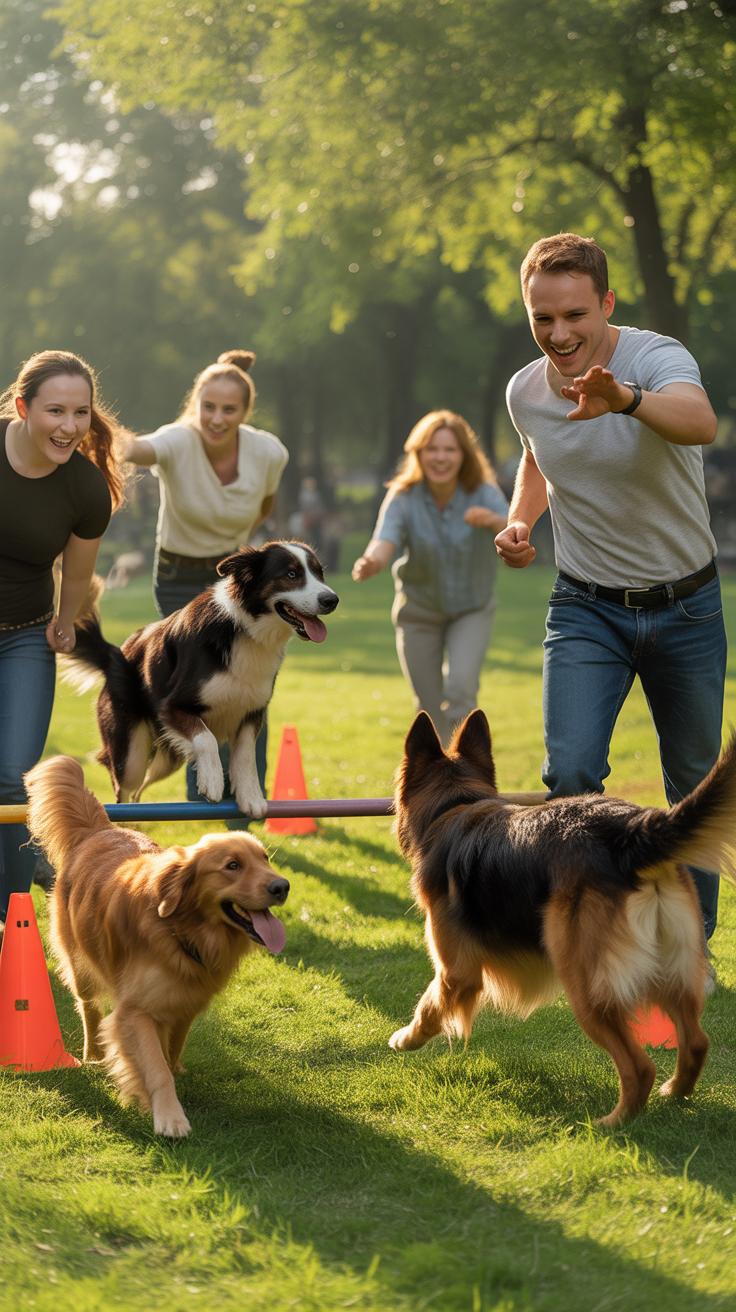
Signs Your Dog Is Ready To Move Beyond The Seven Basic Commands
Mastery requires a ninety percent success rate in diverse environments. You must test your dog near heavy traffic, other animals, and loud noises. If the dog obeys immediately without seeing a treat, it understands the command. Rapid response times indicate the behavior is now an automatic reflex. Do not advance if the dog requires multiple prompts or physical guidance to comply.
Consistency across different handlers proves the dog generalizes the training correctly. A dog that only listens to one person has not mastered the command. Look for focused eye contact and a calm demeanor during sessions. High distractibility suggests you need more work on the fundamentals. Once the dog ignores external triggers to maintain its position, it is ready for complex tasks and advanced drills.
Intermediate Commands And Training Paths To Explore After Mastering The Basics
Intermediate training shifts focus toward distance and duration. You will introduce the place command to send the dog to a specific mat or bed. This builds impulse control and sets the stage for off leash reliability. You should also start adding hand signals without verbal cues. This forces the dog to pay closer attention to your body language. Sharp execution of these skills defines the intermediate level.
Specialized paths like agility or scent work offer mental stimulation. These disciplines use the foundation of beginner obedience to navigate obstacles or find hidden items. You may also consider Canine Good Citizen certification to verify public manners. Advanced training prevents boredom and reduces destructive behaviors in high energy breeds. Select a path that fits the natural instincts and physical capabilities of your specific dog.
Frequently Asked Questions

Why is it important to start with these specific obedience skills?
Starting with foundational skills ensures your pet’s safety and builds a lasting bond of trust. These beginner obedience commands dogs learn early on serve as the building blocks for all future training. By mastering basics like “sit” or “stay,” you prevent unwanted behaviors before they start, making your home more harmonious and ensuring your pup remains calm and focused in potentially distracting or dangerous public environments.
How can I effectively teach my puppy to stay during training sessions?
To teach “stay,” first ask your dog to sit. Hold your palm out and say the command clearly. Take one small step back; if they remain still, return immediately to reward them with a treat. Gradually increase the distance and duration as they improve. Consistency is vital when practicing beginner obedience commands dogs need to master, so keep sessions short, positive, and frequent to help the behavior stick.
Can I train my dog on a budget without hiring a professional?
Absolutely! You don’t need expensive equipment or a high-priced trainer to see great results at home. Most essential training can be done using everyday household items, a standard leash, and small pieces of kibble or healthy DIY treats as rewards. Plenty of free online resources and library books offer step-by-step guidance, allowing you to cultivate a well-behaved companion while staying perfectly within your monthly household budget.