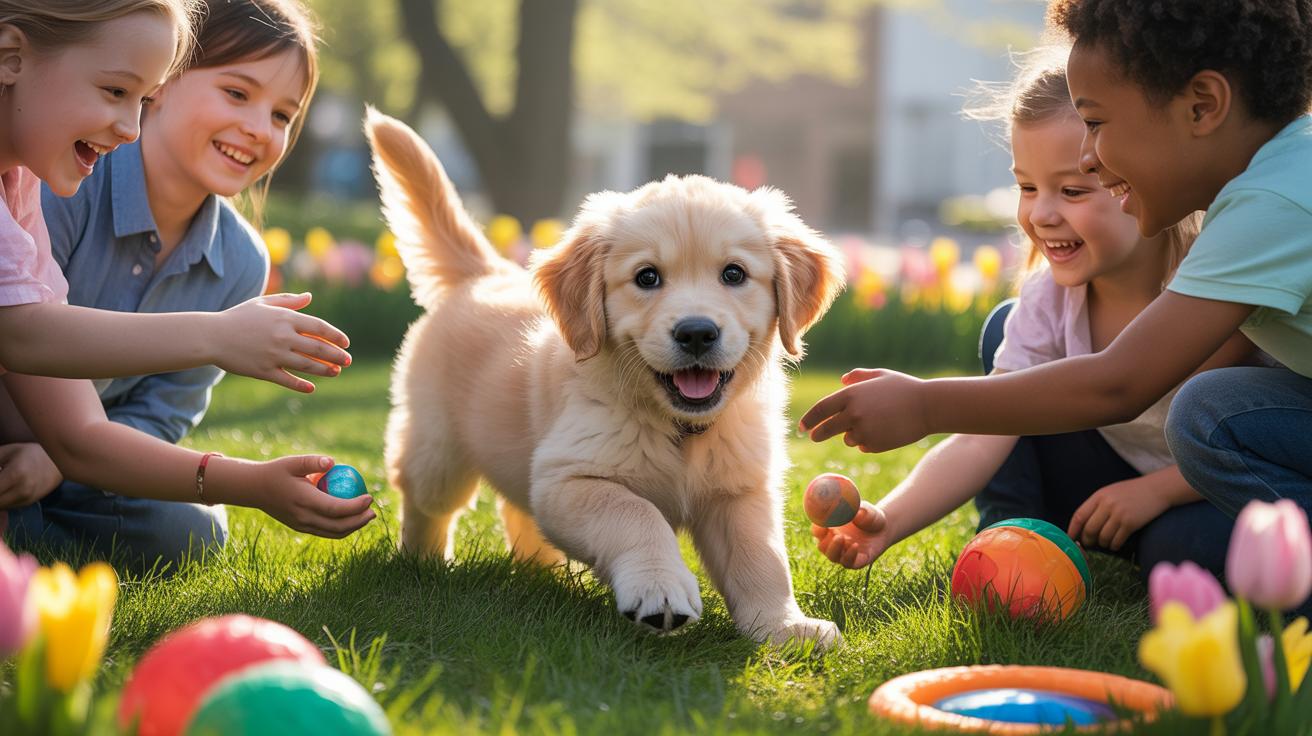
Understanding Puppy Socialization And Why It Matters For Puppy Development
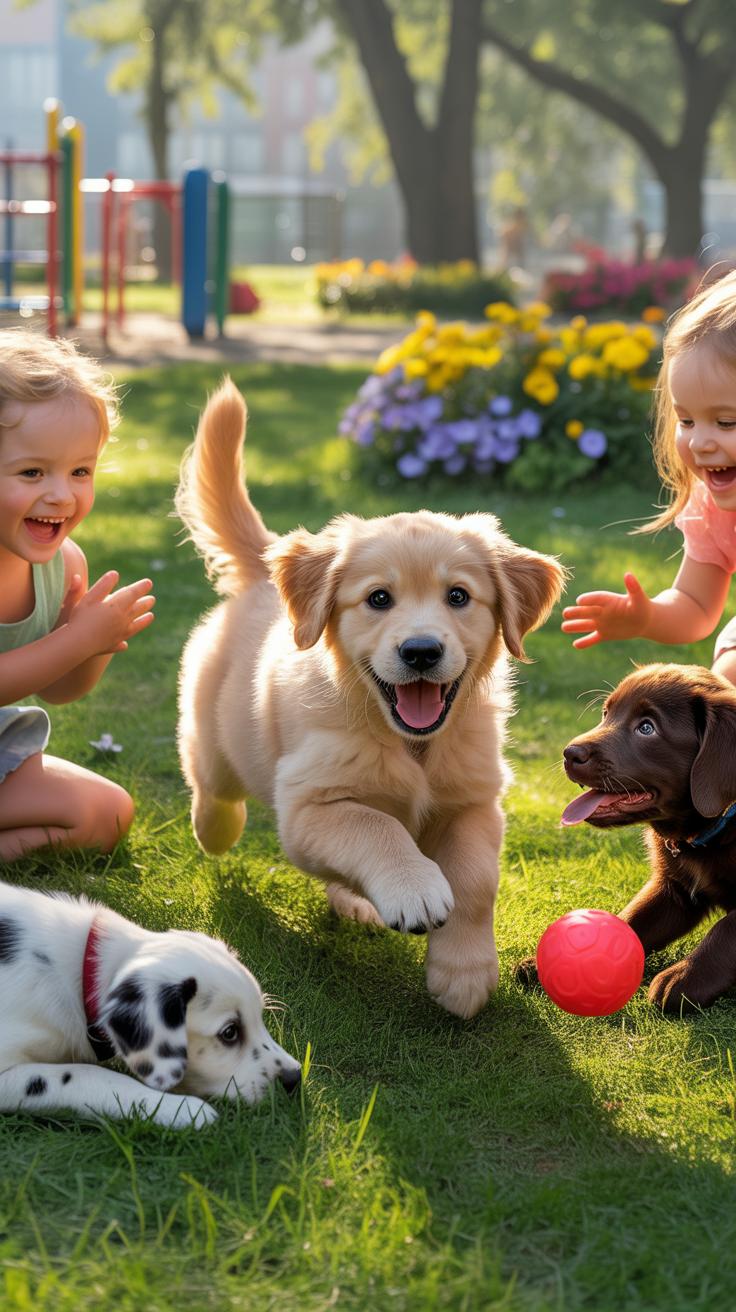
What Puppy Socialization Actually Means
Socialization is the intentional process of introducing a puppy to new environments and stimuli. This includes meeting different people, hearing loud noises, and touching various surfaces. It is not just about playing with other dogs. You must expose the animal to anything it will encounter as an adult. Controlled exposure helps the puppy learn that the world is safe and predictable rather than threatening.
Effective socialization requires positive reinforcement during these encounters. You pair new sights and sounds with treats or praise. This creates a positive association in the brain. If you ignore this process, the dog remains ignorant of common triggers. This leads to fear and reactive behavior later. Success depends on the quality of the interaction. Avoid overwhelming the puppy. Focus on calm and deliberate introductions.
How Early Experiences Shape A Dogs Behavior For Life
The critical window for socialization closes around sixteen weeks of age. During this time, the brain is highly plastic. It establishes permanent neural pathways based on environmental input. Experiences during this phase dictate how the dog responds to stress for several years. Early positive exposure reduces the likelihood of aggression. It builds a foundation of confidence that persists throughout the life of the dog.
Missing this developmental period causes long term deficits. A dog that lacks early exposure often perceives normal objects as threats. This manifests as barking, biting, or hiding. Scientists track these behavioral traits back to early neurological development. Consistent training after this window is more difficult and less effective. You cannot easily redo this phase. Proper early handling ensures a stable and manageable adult animal in any setting.
The Critical Socialization Window What The Puppy Socialization Chart Tells Us
Breaking Down The Key Developmental Stages By Age
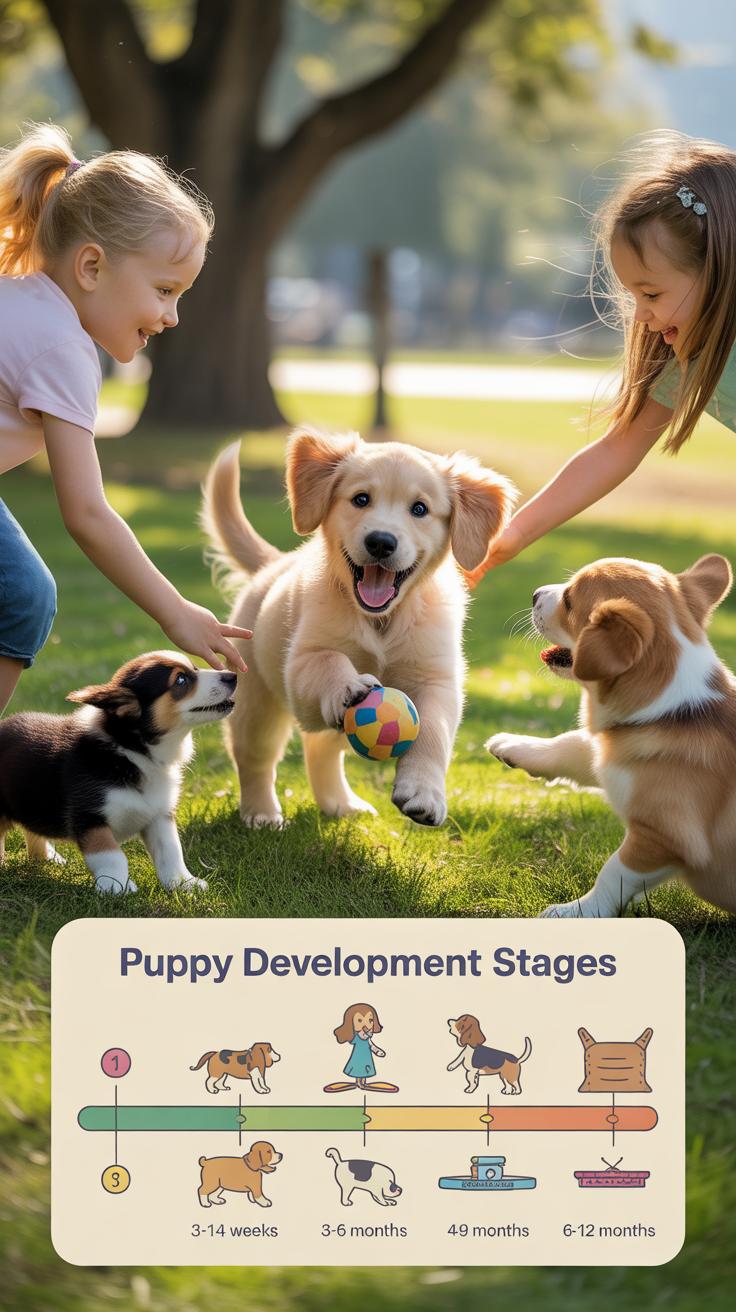
The primary socialization period occurs between three and twelve weeks of age. During this phase, the puppy brain is a sponge for new experiences. They form lasting associations with humans, other animals, and various environments. This timeframe is the most influential part of a dog’s life. Owners must introduce controlled stimuli now to build a foundation for stable adult behavior.
The transitional period ends at week three when sensory organs fully function. From week four to twelve, puppies learn social cues and bite inhibition from littermates and mothers. Exposure to diverse sights and sounds during these weeks prevents future neophobia. You must utilize this window before the natural fear response increases at sixteen weeks. This biological timeline dictates all future training success.
A well-socialized puppy is a gift you give to your future self and the world. Every new friend made and every gentle encounter today builds the foundation for a lifetime of confident tail wags.
What Happens If The Socialization Window Is Missed
Missing this developmental window leads to permanent behavioral deficits. Dogs that lack early exposure often develop extreme fear or aggression toward strangers. Their brains do not process novel stimuli efficiently. This results in a persistent state of high cortisol and stress. Rehabilitating an undersocialized adult dog is difficult and rarely yields the same results as early prevention.

A closed socialization window increases the risk of noise phobias and separation anxiety. The dog views the world as a threat rather than a neutral environment. Owners often face high management costs and safety risks long after the puppy stage. Statistical evidence shows that behavioral issues are the leading cause of shelter surrenders. Fix the problem early or manage a fearful animal for its entire life.
Creative Puppy Socialization Ideas To Build Confidence Early
Everyday Environments And Experiences Worth Exploring Together
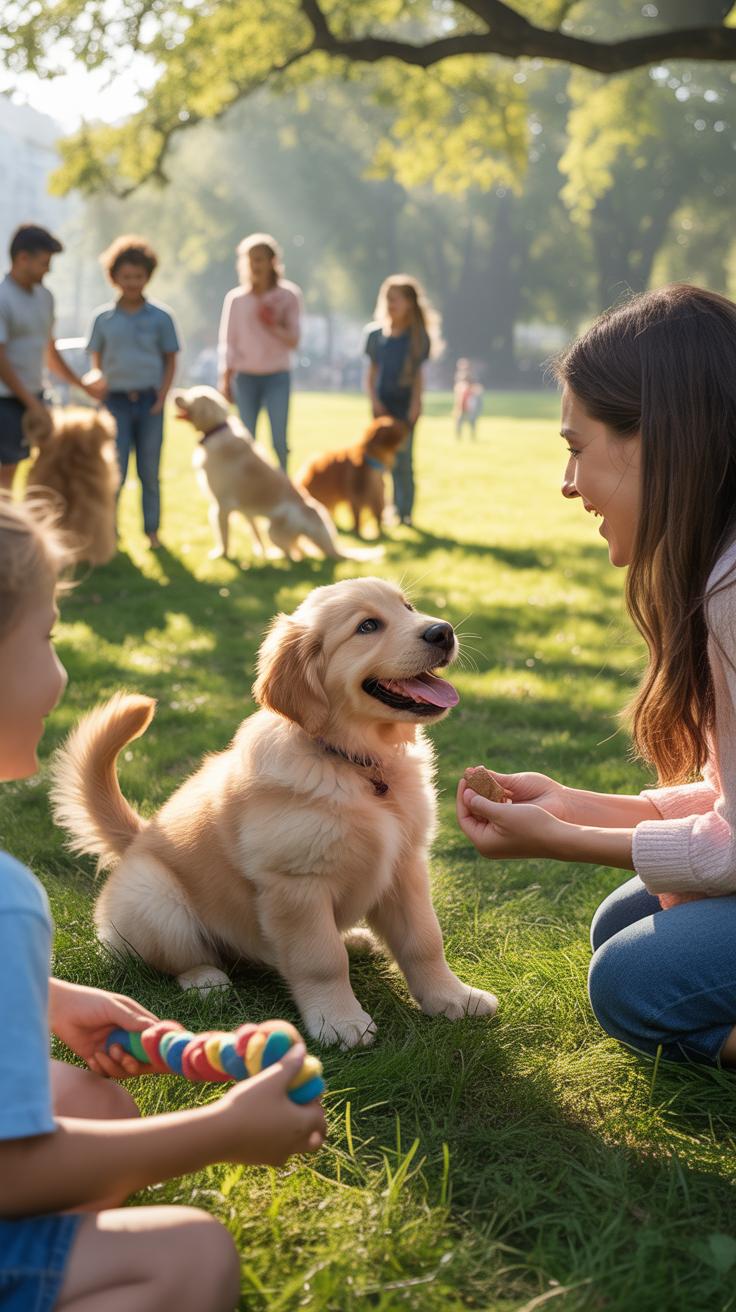
Expose your puppy to varied surfaces to develop motor skills and proprioception. Common materials like tall grass, wet pavement, gravel, and metal grates offer unique tactile feedback. Walking on these textures prevents future avoidance behaviors. Forceful interaction creates fear. Allow the puppy to investigate at its own pace. Use high-value food to create positive associations with strange sensations. Neutral reactions indicate successful habituation.
Auditory stimulation is critical for a well-adjusted adult dog. Traffic noise, sirens, construction, and thunderstorms often trigger anxiety in under-socialized pets. Record these sounds or visit busy areas while maintaining a safe distance. Keep the volume low initially and increase it as the puppy ignores the noise. Watching the world from a parked car provides a controlled viewing platform. This strategy builds confidence without overwhelming the animal.
Safe Ways To Introduce Your Puppy To New People And Animals
Controlled exposure prevents the development of aggression or extreme shyness. Puppies must meet people of different sizes, ages, and ethnicities. They should also see people wearing hats, glasses, or carrying umbrellas. Avoid crowded parks where you cannot control the outcome. High-quality interactions matter more than the total number of meetings. Focus on calm behavior from both the puppy and the person.
- Adult Neutral Dogs: Choose calm vaccinated adult dogs for first interactions. These dogs teach social cues without the chaos of play. They correction the puppy politely when it oversteps boundaries. This prevents the puppy from developing rude habits or fear responses.
- Visual Diversity: Introduce your puppy to people in uniforms or bulky winter gear. Dogs often fear what they do not recognize as human shapes. Seeing people in high-visibility vests or helmets helps the puppy generalize. This reduces barking at strangers later in life.
- Proper Handling: Touch the puppy on its paws, ears, and tail frequently. This simulates veterinary exams and grooming sessions. Have strangers offer treats while you handle the puppy. It builds a foundation of trust for future medical procedures and prevents touch sensitivity common in adults.
- Controlled Distancing: Watch other animals from a distance before allowing a direct meet. Use the look and treat method to reward the puppy for staying calm. If the puppy lunges or hides, you are too close. Increase the gap until the puppy can focus on you again.
- Equipment Familiarity: Let the puppy observe people using wheelchairs, strollers, or bicycles. These fast-moving objects often trigger a chase instinct or fear. Reward the puppy for remaining stationary as the objects pass by. Early exposure stops the development of reactive behaviors towards moving transit.

Manage every interaction to ensure the puppy feels safe at all times. Stop any meeting if the puppy shows signs of stress like lip licking or yawning. Do not let strangers crowd or loom over the dog. Set clear rules for how people should greet your puppy. Correct socialization requires you to advocate for your dog. This ensures the puppy views the world as a predictable place.
Building A Puppy Training Schedule That Supports Healthy Socialization
How To Balance Socialization, Rest, And Play In A Daily Routine
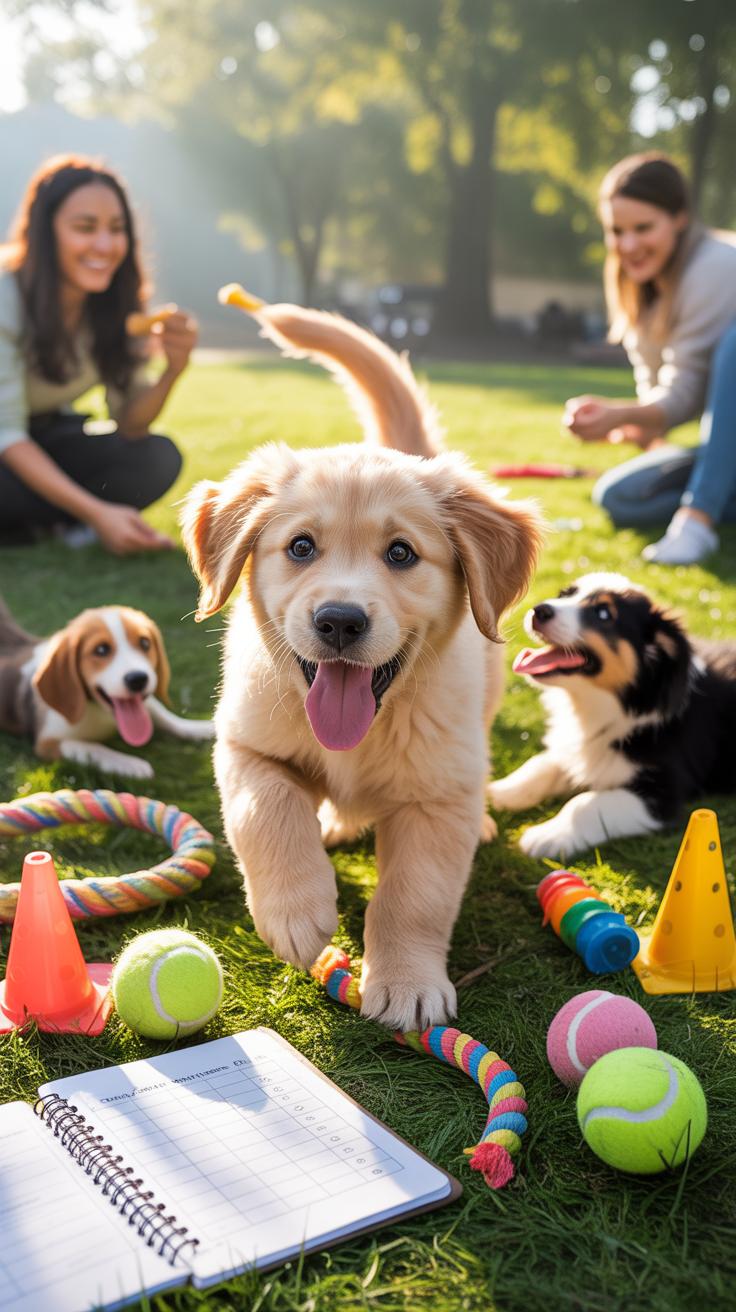
Socialization requires a functional biological foundation. Puppies sleep up to twenty hours per day to process new neurological inputs. Overtired puppies lose emotional regulation and develop fear responses. You must schedule socialization sessions in short bursts of fifteen minutes. High energy play should occur after a nap but before a training session. This cycle keeps the brain receptive to new sights and sounds.
Effective schedules prioritize quality over quantity. Force your puppy to rest in a quiet crate between active windows. Use meal times as low stakes exposure opportunities. Introduce one new texture or sound while the puppy eats. This associates novelty with a positive primary reinforcer. A rigid routine reduces cortisol levels. Lower stress makes the puppy more resilient when encountering unfamiliar environments or people during the day.
Age Appropriate Milestones To Plan Around Each Week
The primary socialization window closes at sixteen weeks. Weeks eight to twelve are critical for environmental habituation. During this time, focus on architectural surfaces and household noises. Introduce vacuum cleaners, umbrellas, and المختلف floor types. Keep experiences positive to prevent the development of lifelong phobias. Use this early period to build a solid bond before the second fear period begins later in the development cycle.

Weeks twelve to sixteen require increased focus on external complex environments. Transition from controlled home settings to public spaces with varied foot traffic. Prioritize calm observation rather than direct physical contact with every stranger. High level mastery at this stage involves the puppy remaining neutral around other dogs and people. Success during these weeks dictates adult stability. Document each successful encounter to track progress against your core socialization goals.
Using A Training Planner To Track Your PuppyS Social Progress
Why Logging Socialization Experiences Helps You Stay On Track
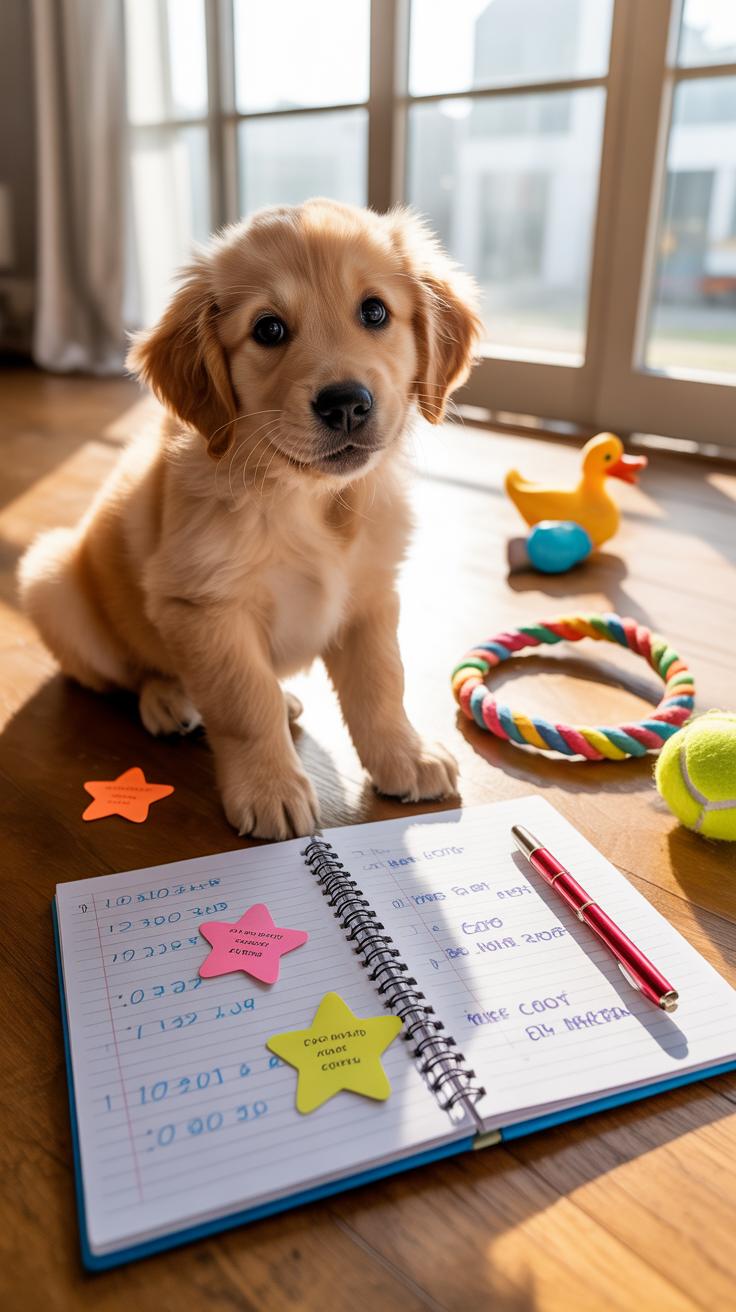
Successful socialization requires consistency over a tight timeframe. The critical window for puppy development closes at roughly sixteen weeks. Using a log prevents you from missing key sensory categories like loud noises or different surface textures. Memory is unreliable for tracking specific reactions to diverse stimuli. A record confirms that you have exposed your puppy to a wide variety of environments frequently.
A log reveals patterns in your puppy’s behavior that are easy to miss day to day. If your dog shows fear toward certain objects, the planner highlights the need for more positive reinforcement in that area. This data driven approach ensures your training is efficient and targeted. You stop guessing about progress and start seeing facts. Tracking prevents overstimulation by showing when a puppy needs rest.
Simple Tools And Methods To Monitor Behavioral Growth
Modern puppy owners use digital spreadsheets or physical journals to record social outings. Effective planners use a simple rating system to grade the puppy’s reaction to new things. You mark a plus for positive reactions and a minus for signs of stress. This clear system lets you quantify growth over several weeks. Most planners also include sections for the date and the specific environment used.

Consistency in your tracking method is more important than the specific tool you choose. Choose a method that allows you to update information immediately after a session occurs. Waiting too long to log data leads to inaccurate reports on your puppy’s behavior. Accurate data proves your training techniques are working or shows you when to change tactics. Use these records to share progress with your veterinarian or trainer.
Socializing Dogs Who Show Fear Or Hesitation A Gentle Approach
Recognizing Stress Signals And Knowing When To Slow Down
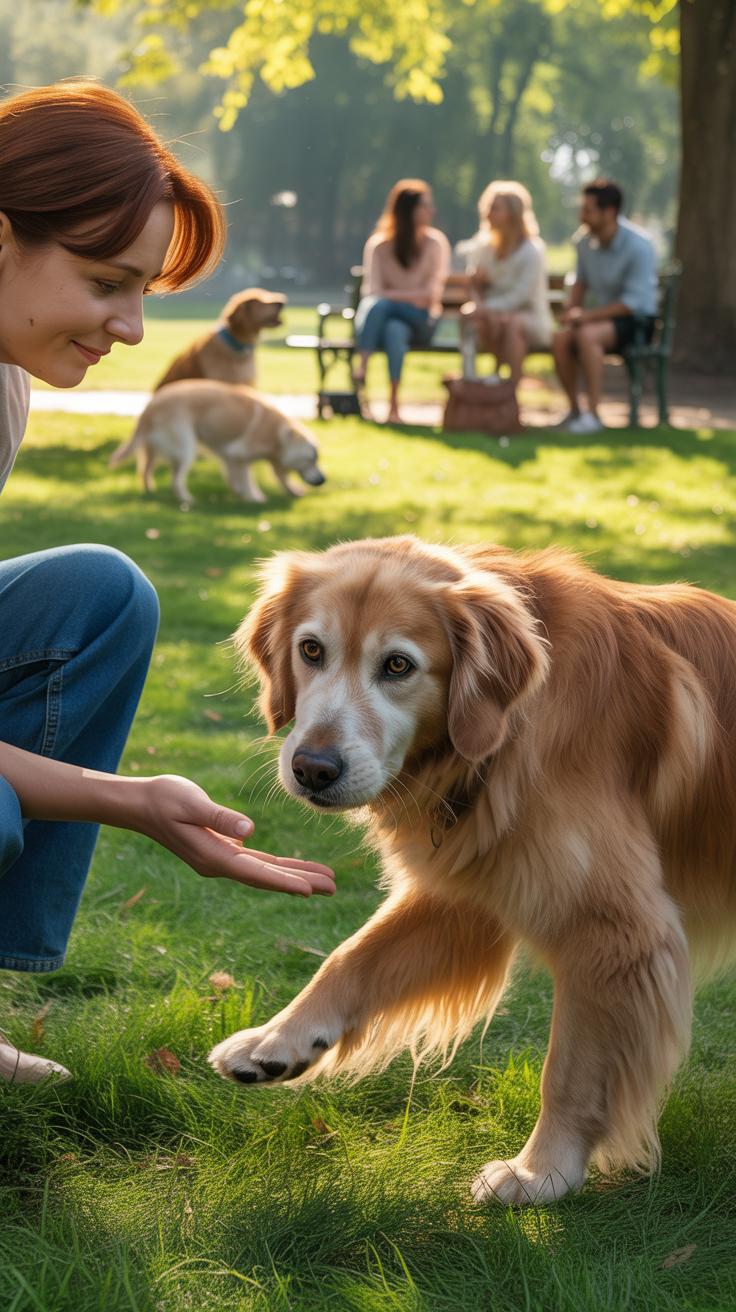
Puppies communicate fear through specific body language signals. You must watch for lip licking, yawning, and whale eye. These signs indicate the dog is over threshold. Pinning ears back or tucking the tail confirms high stress levels. Ignoring these signals leads to long term behavioral issues. You must stop the interaction immediately when you see these physical cues. Do not force progress.
Pushing a fearful puppy creates a negative association with the environment. This process is called flooding and it ruins trust. High cortisol levels prevent the brain from learning new positive behaviors. If the dog freezes or moves away, give it space. Control the distance between the dog and the stimulus. Success depends on keeping the dog in a calm state where it can still take treats.
Desensitization Techniques That Build Trust Without Pressure
Desensitization involves exposing the dog to a trigger at a low intensity. Start far away from the object or sound that causes fear. The puppy should notice the trigger but stay relaxed. Pair the sight of the trigger with high value rewards. This creates a new positive emotional response. Gradually reduce the distance over multiple training sessions. Stop if the dog shows any tension.
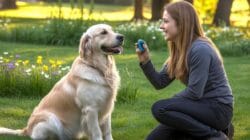
Counter conditioning changes how the dog feels about a specific threat. You must move at the pace of the individual animal. Rushing the process causes setbacks that take weeks to fix. Keep training sessions short to avoid mental fatigue. Focus on consistency rather than speed. Real progress happens when the dog chooses to investigate on its own terms. Always end each session on a successful and positive note.
Core Lessons From A Puppy Training Guide Manners That Start With Socialization
How Good Social Habits Naturally Reinforce Basic Obedience
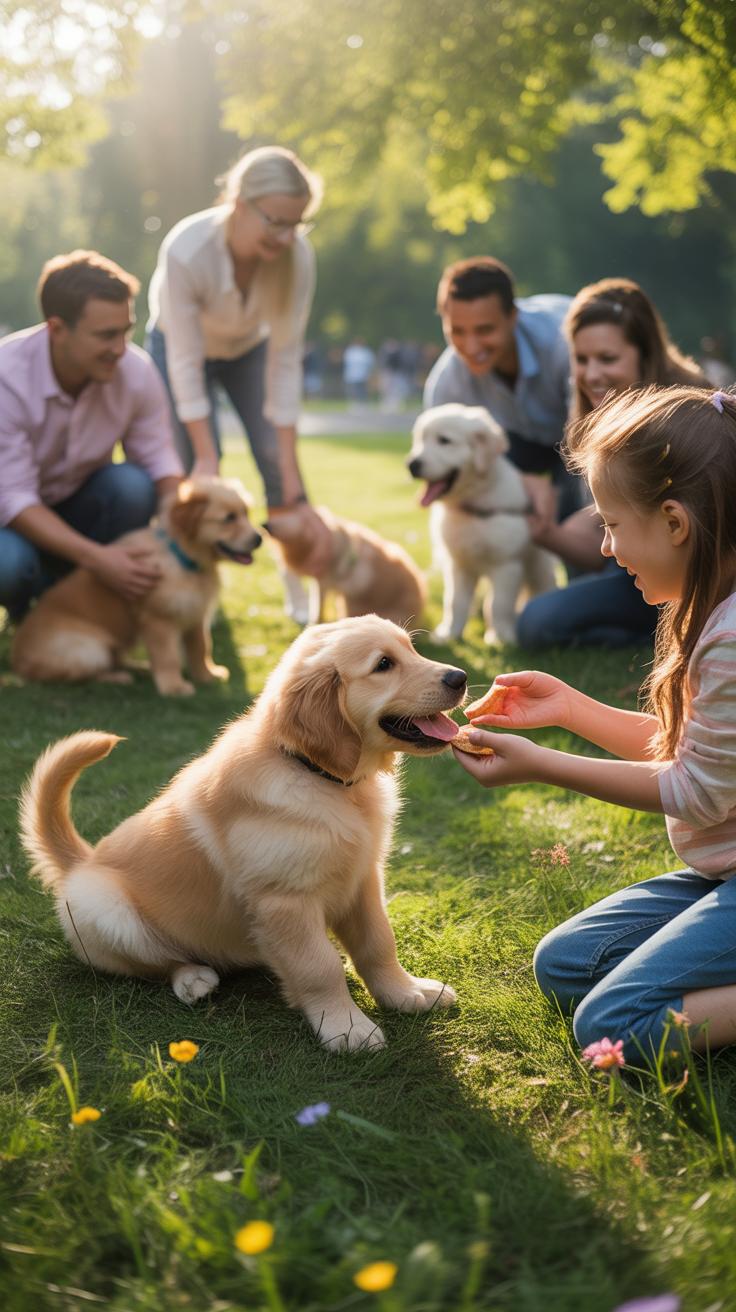
Socialization builds the foundation for all future training. A puppy that feels comfortable in its environment focuses better on your commands. Fear triggers a fight or flight response that shuts down the learning centers of the brain. By exposing your dog to various sights and sounds early, you remove the obstacles of anxiety. This makes teaching sit or stay much faster.
Consistency in social settings creates a predictable routine for the animal. When a puppy learns to look at you for direction during new encounters, it practices impulse control. This habit transfers directly to leash walking and recall exercises. You are not just meeting new people. You are teaching the dog that you are the most important figure in any environment.
Teaching Your Puppy To Stay Calm Around Distractions
Neutrality is the ultimate goal of socialization. Many owners make the mistake of letting their puppy greet every person or dog they see. This creates an overstimulated animal that pulls on the leash to reach others. You must teach your dog to remain calm and indifferent to its surroundings. This shift in focus ensures the dog remains manageable in crowded or loud public spaces.
- The Watch Me Command: Direct the puppy to make eye contact with you whenever a distraction appears. Reward the dog immediately for choosing you over the environment. This builds a strong bond and keeps the puppy focused on your leadership during walks.
- Distance Management: Start training at a distance where the puppy sees the distraction but does not react. Gradually decrease the space as the dog proves it can remain calm. Moving too close too fast will cause the puppy to fail and lose focus.
- Scheduled Decompression: Give the puppy quiet time after social sessions to process new information. High levels of cortisol from excitement need time to dissipate naturally. Constant stimulation without rest leads to irritability and poor behavior choices during training hours.
- Controlled Exposure: Use high value treats to reward the dog for sitting quietly while bikes or runners pass by. Do not let people pet the dog if it is jumping or barking. Only reward calm four on the floor behavior to set clear expectations.
- Surface Variation: Walk the puppy on different textures like metal grates, gravel, and sand to build physical confidence. A dog that trusts its footing is less likely to panic when faced with unexpected environmental changes. Physical confidence leads to better mental stability overall.
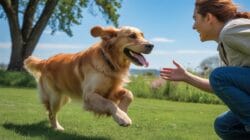
Punishing a fearful reaction is counterproductive and damages trust. Instead, use positive reinforcement to build a new association with the distracting object. If the dog becomes overwhelmed, increase the distance between the puppy and the trigger immediately. Your job is to advocate for your dog’s space. This protection allows the dog to feel safe while learning the rules of public behavior.
Puppy Obedience Training And Socialization How They Work Hand In Hand
Why Obedience Training Is More Effective When Paired With Socialization
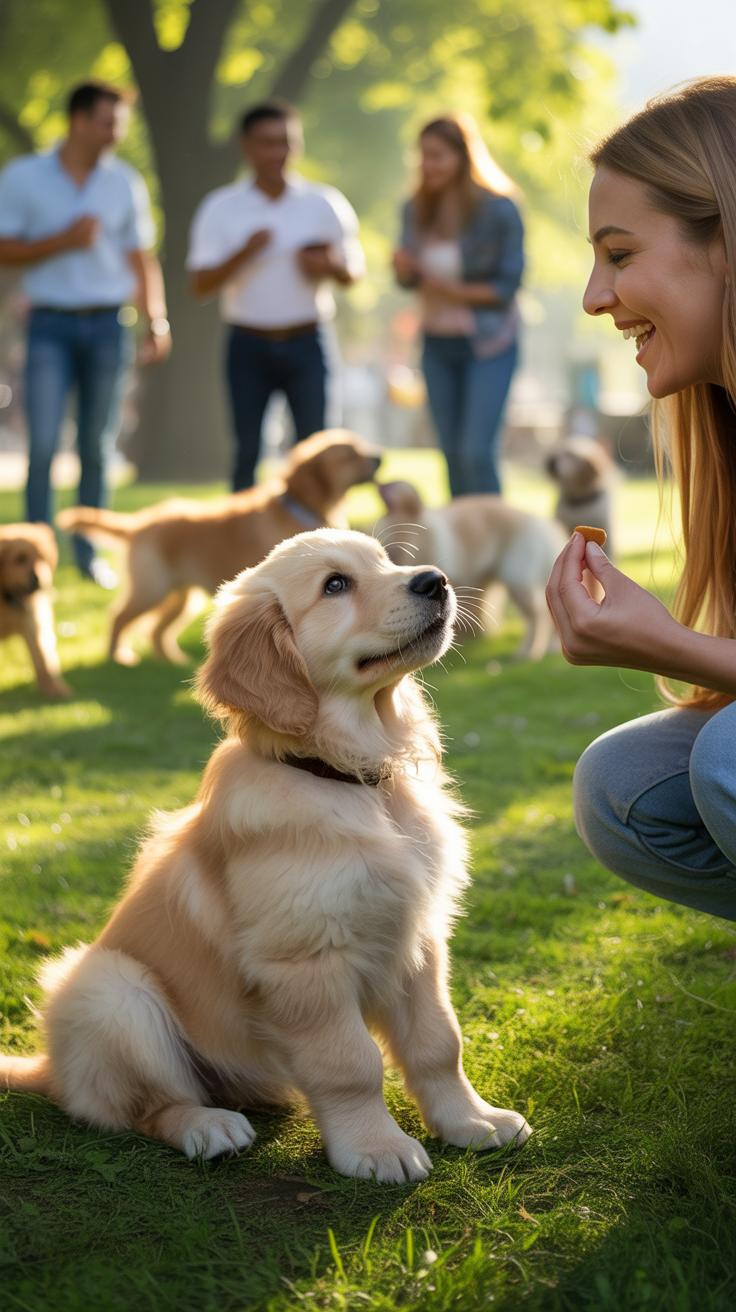
Obedience training provides the control you need during new encounters. Socialization exposes a puppy to different environments, while training gives the dog a job to do. Without basic commands, a puppy reacts to stimuli without guidance. Combining these paths ensures the dog looks to the owner for cues when they feel unsure. This creates a predictable pattern of behavior in unpredictable settings.
Training in isolation fails because dogs do not generalize well. A puppy might sit perfectly in a quiet kitchen but ignore you at a busy park. Socialization provides the distractions necessary to proof every command. You build a reliable dog by practicing skills in high-stimulus areas. This integration prevents fear-based reactions. It turns a reactive animal into a focused partner that handles new sights and sounds.
Positive Reinforcement Methods That Reward Calm, Confident Behavior
Positive reinforcement uses rewards to increase desired behaviors. You must time the reward to the exact moment the puppy shows calm body language. Mark the behavior with a clicker or a specific word. Give a high-value treat immediately. This creates a clear mental link between a relaxed state and a positive outcome. It builds a dog that chooses to remain calm under pressure.
Avoid physical corrections when the puppy meets new people or animals. Punishment during socialization creates negative associations with the environment. If the puppy fears a new object, forcing them closer causes more stress. Instead, reward the puppy for looking at the object from a safe distance. Gradually decrease the distance as their confidence grows. This method ensures the puppy associates new experiences with safety and rewards.
Common Puppy Socialization Mistakes And How To Avoid Them
Overwhelming Your Puppy: The Difference Between Exposure And Flooding
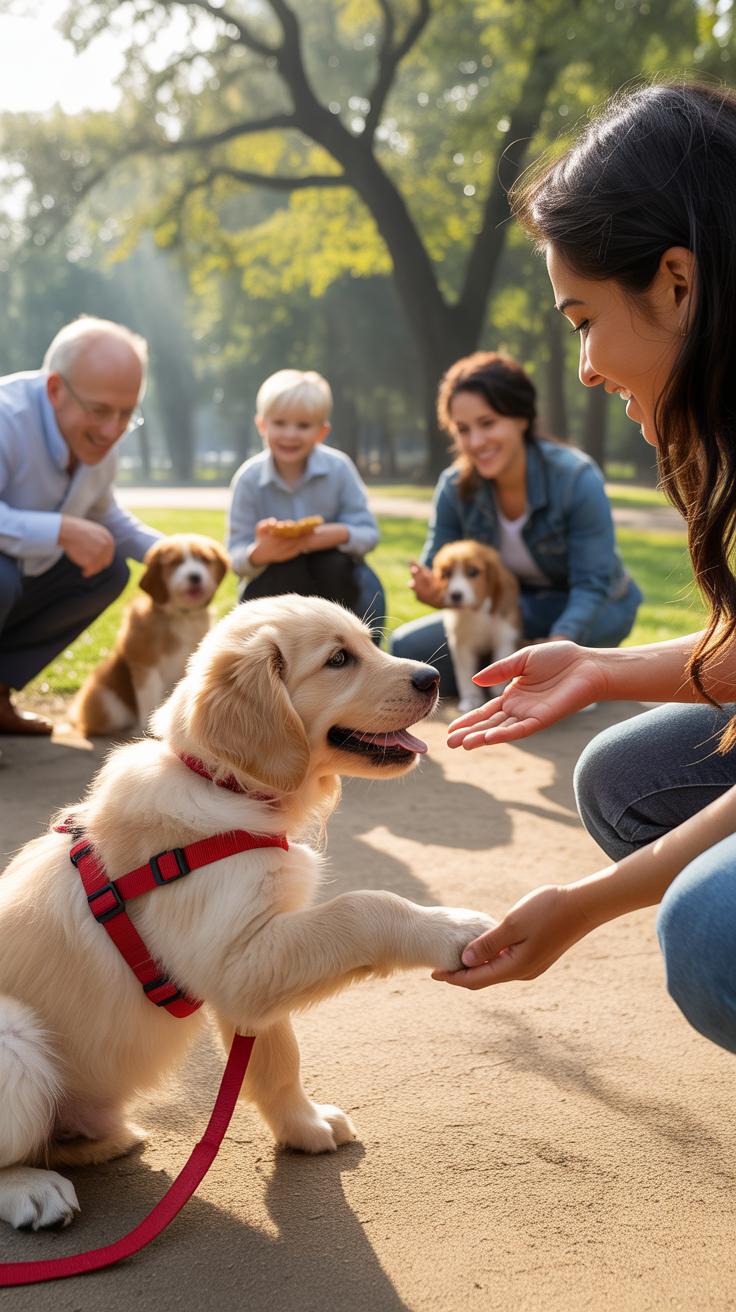
Owners often mistake flooding for socialization. Flooding occurs when you force a puppy to stay in a frightening situation. This shuts the dog down mentally. It creates trauma instead of confidence. Effective exposure requires the puppy to have a choice. You must monitor body language for signs of stress. If the puppy tries to hide or stops eating treats you must increase the distance immediately.
Proper socialization focuses on quality over quantity. One bad experience can ruin months of positive training. Do not take a young puppy to a busy parade or a loud hardware store for their first outing. Start with quiet environments. Control every variable to ensure the puppy feels safe. This builds a foundation of trust. Successful trainers prioritize calmness and observation over direct interaction with every person or dog.
Why Socialization Should Continue Well Beyond The Puppy Stage
The critical window for socialization closes around sixteen weeks of age. However the brain remains plastic for years. Dogs enter a second fear period during adolescence. Without continued reinforcement the puppy loses its social skills. This leads to reactivity or fear in adult dogs. You must maintain exposure to varied sights and sounds throughout the first two years of life. Consistency prevents the regression of learned behaviors.
Socialization is a perishable skill. An adult dog that stays home all day will eventually become suspicious of the outside world. Keep training sessions short and frequent. Mix up your walking routes to introduce new smells and textures. Engage the dog in different environments like parks or urban streets once a week. This deliberate practice keeps the dog neutral. A neutral dog is more valuable than a friendly dog in public settings.
Frequently Asked Questions

What exactly is puppy socialization and why is it so important?
Puppy socialization is the process of introduces your young dog to new people, animals, environments, and sounds in a positive way. The critical window occurs between 3 and 16 weeks of age. Following expert puppy socialization tips during this stage helps prevent future behavioral issues like aggression or anxiety. By building a foundation of confidence now, you ensure your furry companion grows into a well-adjusted, calm, and happy adult dog.
How can I safely introduce my puppy to new experiences?
Safety is paramount when implementing puppy socialization tips at home. Start by exposing your dog to low-stress environments and reward them with high-value treats for calm behavior. Gradually increase the complexity of the surroundings, such as moving from your quiet driveway to a busy park. Always monitor their body language for signs of fear. Remember to keep sessions short and positive to ensure they associate new sights and smells with rewards.
Can I socialize my puppy if I have a limited budget or no car?
Absolutely! Effective socialization doesn’t require expensive classes or travel. You can utilize your local neighborhood by sitting on a porch or sidewalk to watch the world go by. Invite friends over to meet the puppy or play recordings of city sounds and thunderstorms at low volumes. Using everyday household items like umbrellas, vacuum cleaners, and hats provides excellent sensory exposure for your pet without spending a dime on formal training.