Introduction
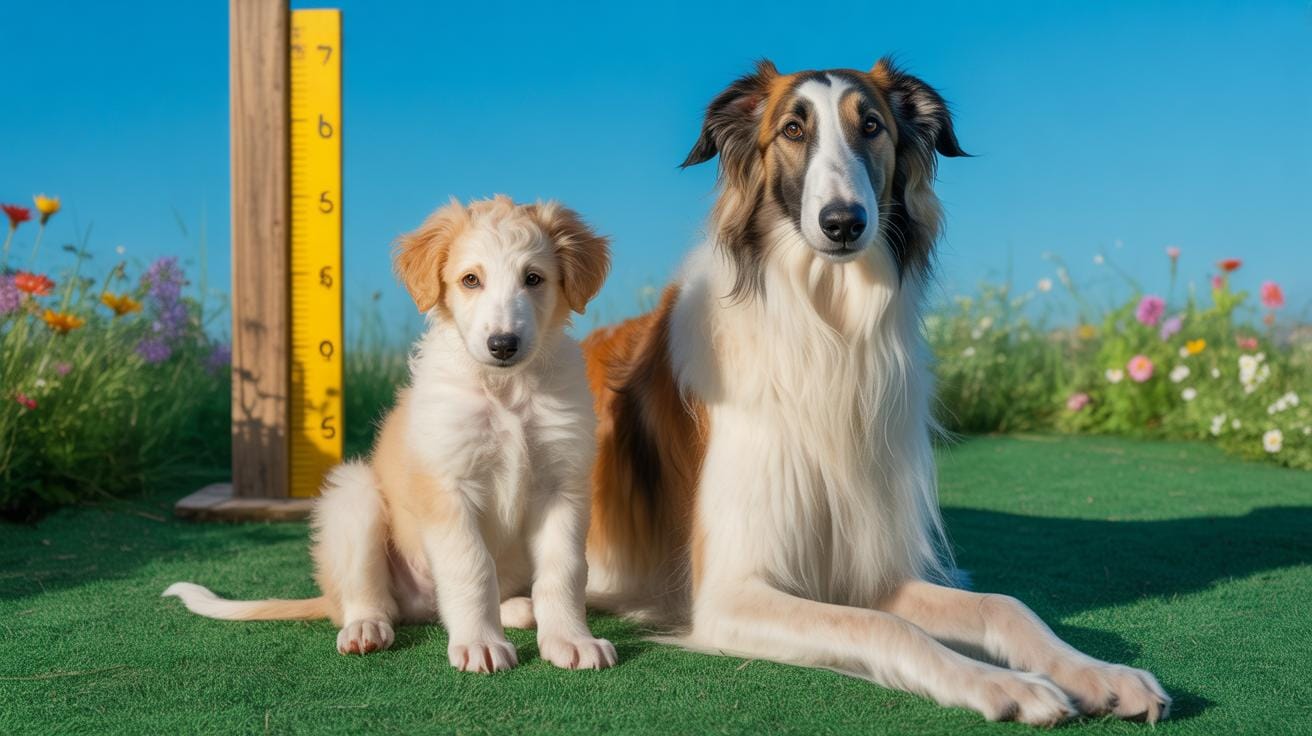
Borzoi puppies grow in unique ways compared to other dog breeds. This article takes a close look at the specific growth metrics of Borzoi puppies and compares them with the overall development of adult Borzoi dogs. Studying these details helps you care better for your Borzoi puppy and understand what to expect as they mature.
You will learn about how Borzoi puppies develop physically and behaviorally. We will cover important growth stages, key metrics to watch, and how those early changes stack up to healthy adulthood. This guide supports new and experienced Borzoi owners with clear, practical knowledge.
Borzoi Puppy Physical Growth Timelines
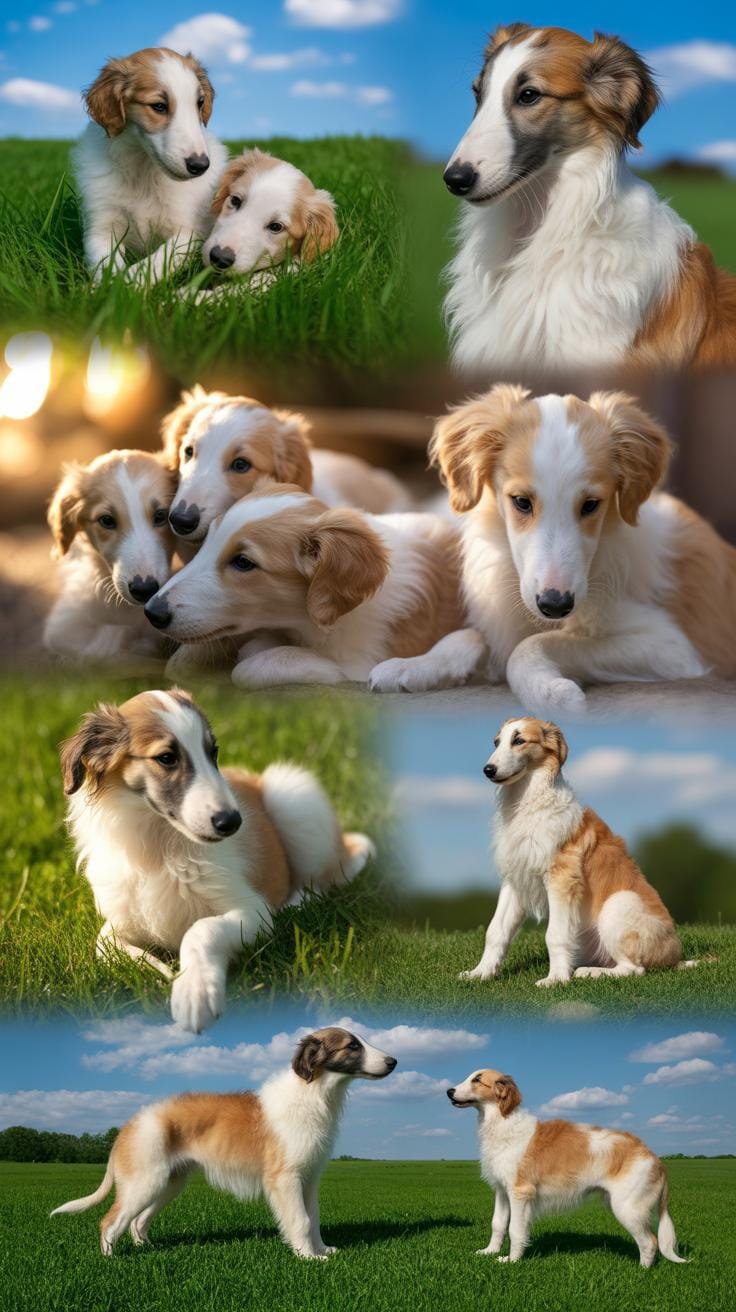
Borzoi puppies undergo a distinct physical transformation from birth to adolescence. Initially, they are tiny and fragile, their eyes closed. Weight and height increase steadily but not always predictably—some puppies gain quickly, others more gradually. Typical weight benchmarks to keep in mind might be around 2 pounds at two weeks, growing to 5-7 pounds by one month. By three months, a Borzoi puppy could weigh somewhere between 15 and 25 pounds, reaching 40-60 pounds by six months, though variations are common due to genetics and diet.
Their height changes are just as significant: small newborns of just a few inches tall become lanky adolescents, often reaching half their adult height by six months. Muscle develops gradually, starting weak and fine, then becoming lean and stronger as the puppy begins more active play and exploration.
Average Weight And Size Benchmarks
To give you some rough guidance:
- At 2 weeks: Weight generally around 2 pounds, with limited mobility.
- At 1 month: Puppies weigh 5-7 pounds, starting to explore more actively.
- At 3 months: Weight can be 15-25 pounds, showing considerable growth spurts.
- At 6 months: Weight ranges between 40-60 pounds, with rapid height increase and muscle tone development.

These figures are just averages. It’s quite normal for puppies to fall outside these ranges without cause for concern, though rapid or stunted growth should be discussed with a vet.
Coat Development And Changes
The Borzoi’s signature coat also evolves noticeably. At birth, puppies have a soft, thin fuzz. Within weeks, their coat begins to thicken, developing the basis for their future silky, wavy or slightly curly fur. Patterns may seem patchy or inconsistent at first, but they settle during the first year. The undercoat thickens especially in cooler months, giving puppies a fuller appearance that tapers off as they mature.
By the time they near adulthood, Borzoi coats have that elegant silkiness familiar to the breed. Feathering starts emerging clearly on the neck, hindquarters, and tail. Early coat textures might feel softer and finer than the more resilient adult coat—though some individual variation is always present. Watching these changes unfold can be surprisingly mesmerizing if you pay close attention. Have you noticed your puppy’s coat changing with the seasons?
Tracking Behavioral Growth In Borzoi Puppies
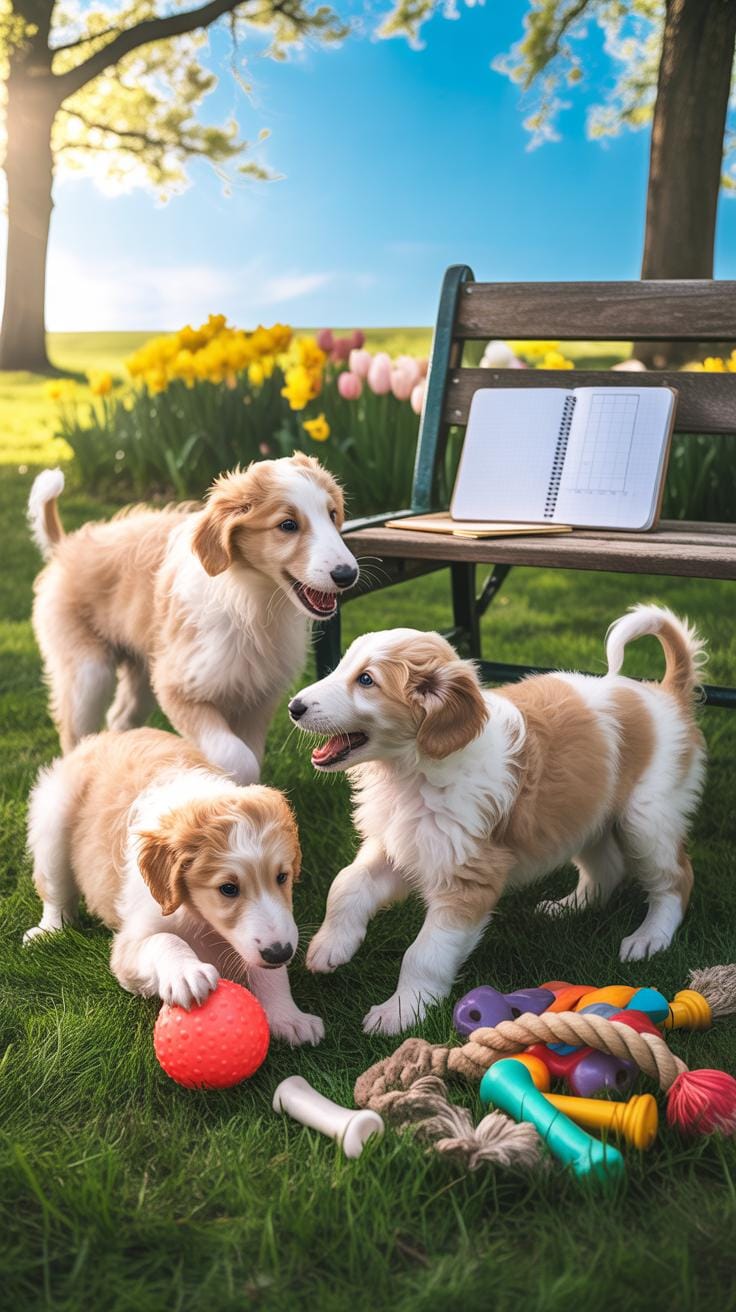
Watching a Borzoi puppy grow behaviorally is quite a journey. These pups start out mostly sleepy and curious, but over weeks, they show remarkable changes in temperament and social skills. Their behavior kind of mirrors their physical growth — when their muscles get stronger, they become more active and playful. Around 3 to 4 weeks, they begin learning from their littermates and mom, picking up early social cues that influence their future interactions.
Temperament-wise, Borzoi puppies are generally calm but can be shy at first, which slowly shifts as they get more confident exploring their world. This gradual confidence boost links closely with their physical milestones, like improved coordination and sensory development. It’s interesting to note that their selective learning style emerges quite early; repetitive tasks quickly bore them, which means they need varied and engaging stimulation. You might notice this as they prefer quick, varied play over long, monotonous activities.
Key Socialization Periods For Borzoi Puppies
Those initial weeks from about 3 to 14 weeks are critical. In this window, introducing your Borzoi puppy to different humans, animals, and environments helps shape their future social ease. Early and positive exposure reduces future anxiety or wariness. They seem to absorb impressions faster now, laying a foundation for their temperament. It’s not just about meeting many faces but also ensuring these experiences don’t overwhelm them. Puppies that meet other pets in calm, controlled settings often grow more flexible socially.
Exploring new environments also aids their mental growth. Whether it’s a quiet park or a busy street, varying surroundings contribute to well-rounded confidence. Sometimes, owners unsure about timing miss this socialization window, which might result in a more reserved adult dog. It’s worth trying small, positive social encounters often during these phases, balancing caution with gentle encouragement.
Training Tips For Young Borzoi Behavior
Training Borzoi puppies calls for patience and creativity. Given their quick boredom with repetition, short but diverse training sessions work best. Positive reinforcement, like treats or praise, tends to motivate them far better than strict commands. You might find it helpful to mix playtime with learning to keep their interest alive.
- Start with basic commands early but keep sessions brief
- Use toys or treats that your puppy truly enjoys to motivate learning
- Intersperse training with calm bonding moments to build trust
- Be ready to switch activities if they lose focus or enthusiasm
Because Borzois have a mild but independent temperament, consistency is key. Building obedience isn’t about dominance but about cooperation. You might wonder how to keep their attention? Well, a lot depends on reading their mood and mixing up exercises enough to intrigue their sharp but selective mind. Avoid pushing too hard or training will feel like a chore to them — and that’s when stubbornness can pop up.
Growth Metrics Versus Adult Borzoi Health


Tracking growth in Borzoi puppies isn’t just about seeing them get bigger. These early measurements can hint at how well your dog might age. Borzois grow at a unique pace compared to other breeds, and their substantial size means growth irregularities might impact adult health more noticeably.
Longevity in Borzois tends to span around 9 to 12 years, but this varies with their health history. Common adult health concerns involve heart conditions, especially dilated cardiomyopathy, which some studies suggest can be linked to early development. So, curious as it sounds, small differences or delays during puppy stages might set the stage for how robust their heart remains.
Observing how your Borzoi grows—weight, height, even muscle tone—might give clues to potential setbacks. Growth that’s too rapid or too slow could mean nutritional or genetic concerns needing attention. Remember, early growth is not the whole story, but it provides a useful window into future well-being.
Common Health Conditions In Borzoi Adults
Borzois do face several health issues relevant to their breed size and genetics. Cardiac problems like dilated cardiomyopathy stand out as notable risks. This condition affects the heart’s ability to pump efficiently and is a leading cause of morbidity in the breed. Besides cardiac issues, osteosarcoma or bone cancer shows up more frequently in large breeds like Borzois, often in middle age.

Joint ailments such as hip dysplasia and arthritis also make the list. These conditions can significantly affect mobility and quality of life, often developing subtly over time. Lifespan averages hover near a decade, but with proper care, Borzois occasionally reach beyond that.
Scientific data, while somewhat limited, emphasizes the need for routine veterinary cardiac screening and orthopedic checks, as proactive detection can influence outcomes positively.
Impact Of Puppy Growth On Long Term Health
Monitoring puppy growth isn’t just a box to tick—it might help predict health challenges before they fully develop. For example, puppies growing excessively fast may later suffer from joint strain, while underweight puppies could encounter immune weaknesses or organ issues.
Regular weight checks, growth chart tracking, and evaluating muscle development can alert you to abnormalities. Early correction—whether adjusting diet, providing supplements, or modifying exercise—often benefits long-term health prospects.
It’s a bit of a balancing act. You want your Borzoi growing steadily but not too fast or unevenly. Owners who kept detailed growth records sometimes note fewer surprises in the adult years. So, although it may feel tedious, these measurements might be worth the effort for your dog’s future.
Checklist For Borzoi Puppy Care Essentials
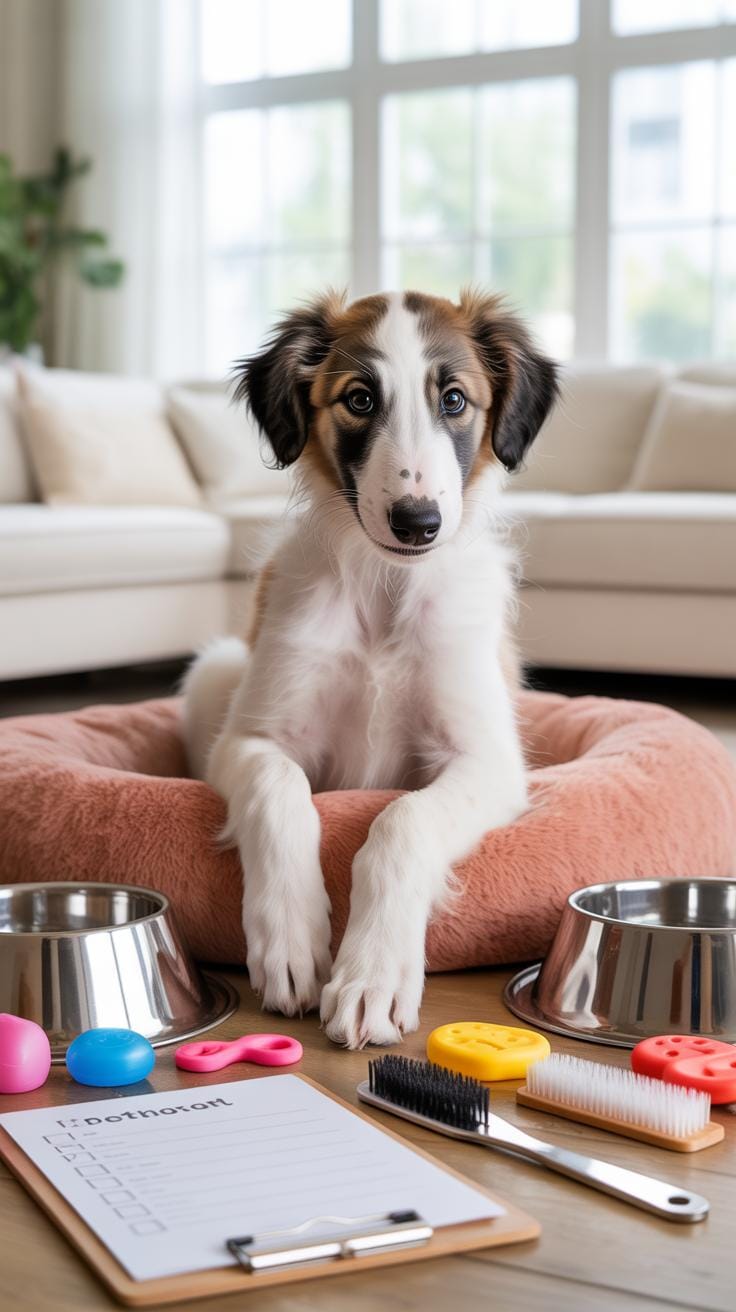

Caring for a Borzoi puppy means juggling several essentials. Here’s what you should keep in mind:
- Diet: Focus on high-quality puppy food rich in protein and balanced nutrients.
- Exercise: Regular, gentle play and short walks to avoid stress on growing joints.
- Vet visits: Stay current on vaccinations, deworming, and check-ups.
- Grooming: Brush their silky coat weekly to prevent mats and check ears and nails.
- Training routines: Start basic commands and house training early, using positive reinforcement.
Your pup’s health depends on consistency here. You may think skipping a grooming session isn’t a big deal, but it really matters over time. Remember, Borzoi puppies grow fast but are delicate, so routines that seem tedious now pay off later.
Nutrition Requirements For Growing Borzoi
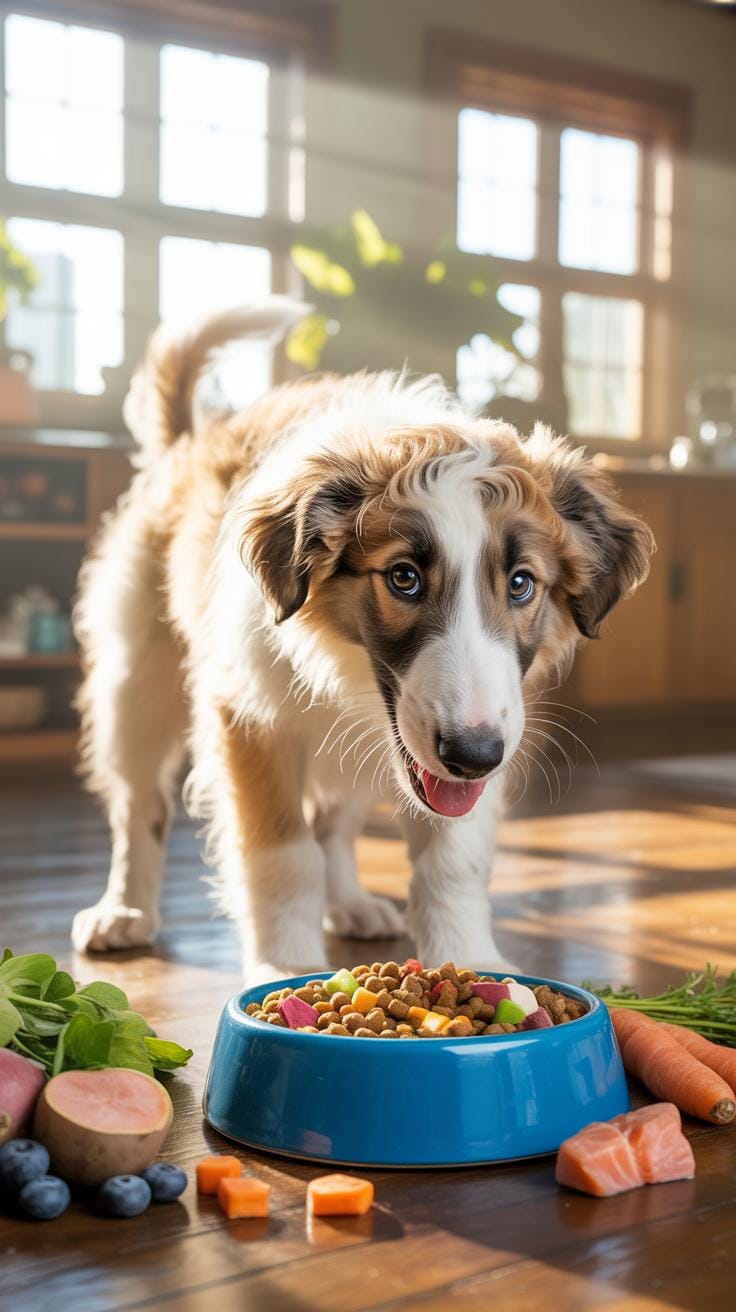
Growing Borzoi puppies need a diet tailored to their rapid development. Protein supports muscle growth—look for sources like chicken, fish, or lamb. Vitamins and minerals such as calcium and phosphorus are crucial for bone development.
Feeding schedules typically involve three meals per day until four months old, then gradually reduce to twice daily. Overfeeding can cause joint stress, so portion control matters. You may wonder if raw diets are suitable—they’re popular but require careful monitoring to avoid imbalances.

Watching your puppy’s energy and weight can give clues if the diet fits their needs. Sometimes, slight adjustments are necessary as they grow.
Daily Exercise And Social Interaction Recommendations

Borzoi puppies benefit from moderate daily exercise to build strong bodies without overdoing it. Short play sessions, gentle walks, and interaction with other safe dogs help physical growth and social skills.
Socialization is vital—expose your puppy to different people, places, and experiences early on. This reduces the chance of timid or nervous behaviors later. Yet, pacing is key; too much excitement might overwhelm a sensitive Borzoi pup.
You might notice your puppy prefers calm interactions or bursts of playful energy. Embrace those moods, adjusting exercise length accordingly. Remember, a balanced routine fosters both health and happiness.
How To Monitor Borzoi Growth At Home
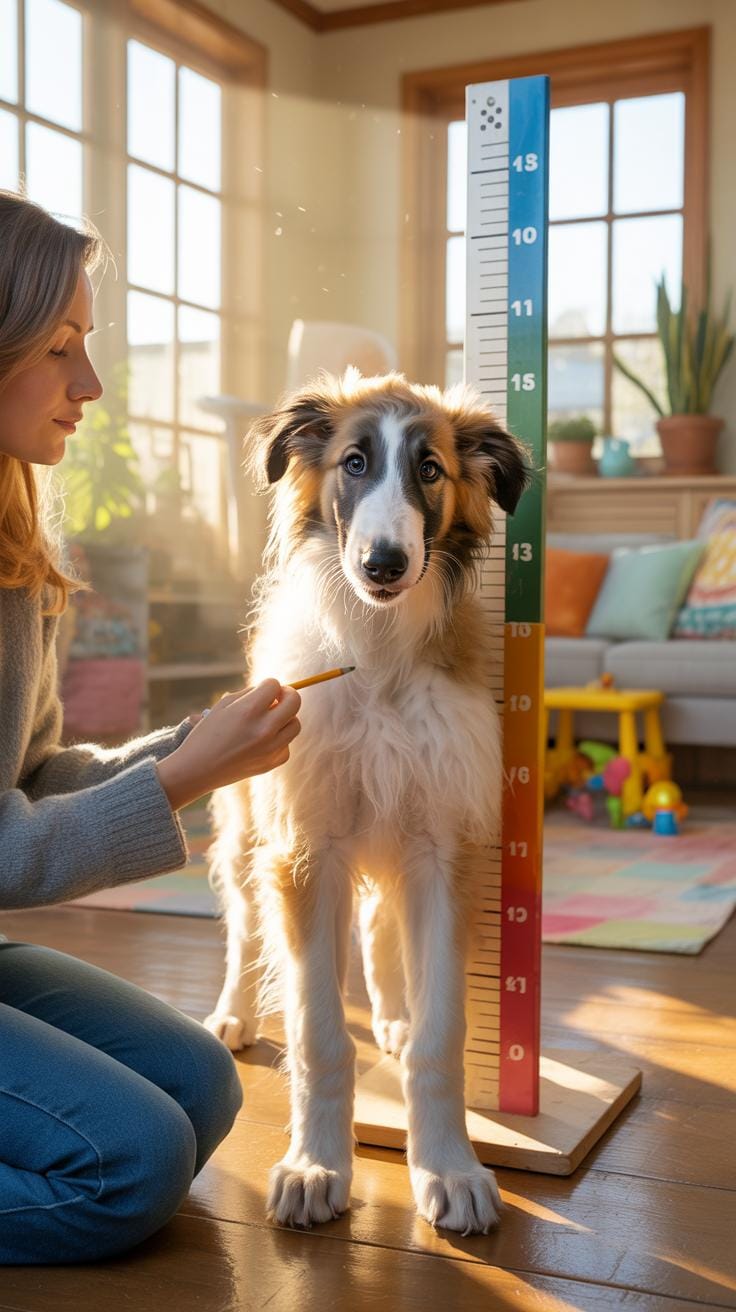
Keeping an eye on your Borzoi puppy’s growth doesn’t have to be complicated. You can do a lot with simple tools around the house and a regular routine. Start with a scale—preferably a digital one for accuracy. Weigh your puppy once a week, making sure to do it at the same time each time, like after their morning bathroom break, so results stay consistent. Use a soft measuring tape for height, measuring from the ground to the shoulders. Record these numbers in a notebook or digital app to spot trends over time. It’s tempting to check every day, but weekly is enough to notice real changes without stressing over minor fluctuations.
Besides numbers, watch your pup’s behavior. Is your Borzoi alert and curious? Are they playful but not overly tired? Do they respond well to training or new sounds? These signs may reveal more about development than just inches and pounds. Oddly, some puppies grow quickly in size but lag a little socially or mentally—so take it as a holistic picture, not just a scale reading. Sometimes a slight pause in weight gain could even mean they’re focusing energy on brain growth rather than body size.
And remember, growth isn’t just about hitting a target weight; it’s how your puppy adapts day to day. If you notice sudden drops in appetite or activity, or inconsistent behavior, it’s worth noting these and discussing them with your vet. But mostly, trust gradual progress and enjoy the process of seeing your Borzoi develop into the elegant dog they are meant to be.
Examples Of Borzoi Puppy Growth Cases
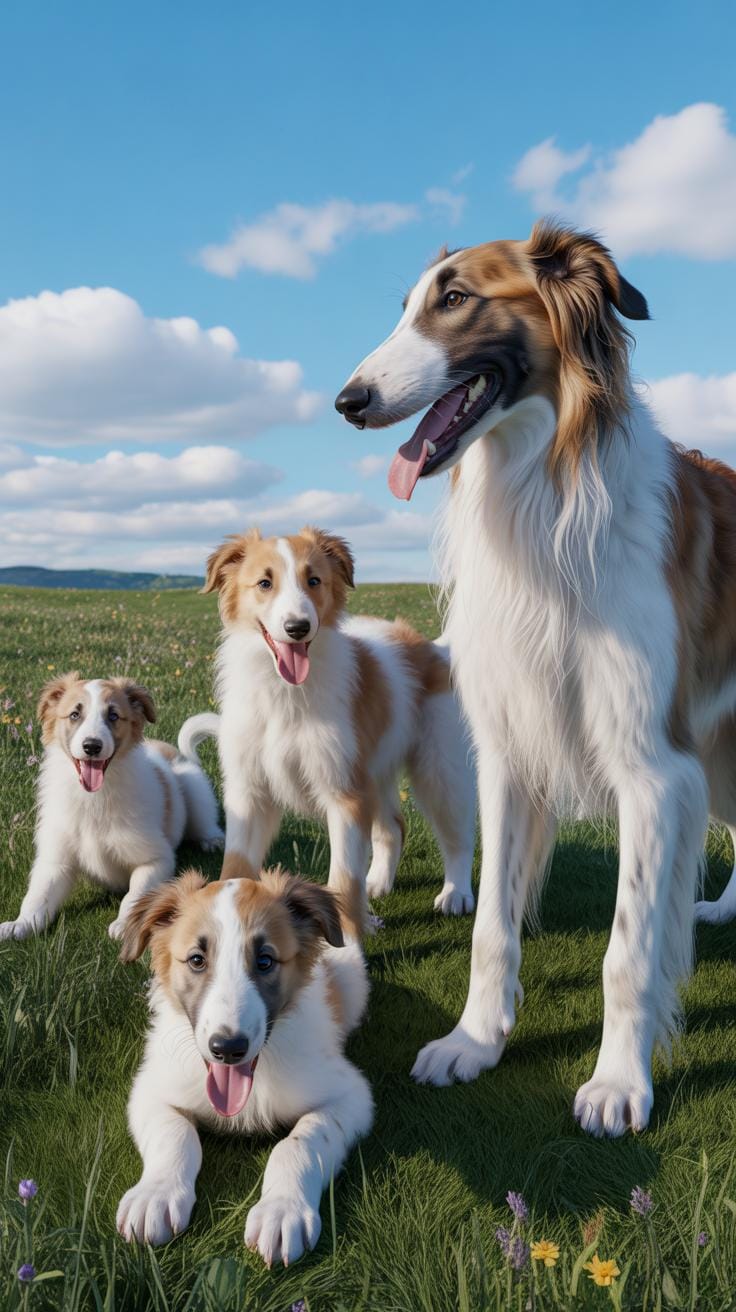
When following Borzoi puppy growth, you’ll notice some variation in how they develop. For example, one case I observed involved a puppy named Sasha, who showed a steady, expected growth pattern—gaining weight consistently and hitting physical milestones like standing and walking within typical time frames. On the flip side, another puppy, Max, exhibited a slower weight gain that at first raised some concerns, but after veterinary checks, it turned out to be normal for his particular metabolism. These contrasting cases highlight that what’s typical isn’t always uniform.

Signs to watch for include poor coordination beyond early wobbliness or prolonged refusal to eat, but not every slow growth signals a problem. The takeaway? Staying observant and consulting experts when unsure can prevent unnecessary worry or overlooked issues. These stories also remind me how patient and attentive you must be; each Borzoi puppy can surprise you with a slightly different pace.
Case Study On Early Growth Milestones
Take Bella, a Borzoi pup whose growth was tracked meticulously from birth. By six weeks, she had doubled her birth weight, was confidently standing and taking steps, and met all key physical markers on schedule. Her early solid nutrition and calm environment seemed to support this steady progress, which her owner noted helped with confidence during early training. Of course, not every puppy is as fortunate to have such controlled conditions.
Still, Bella’s case shows how hitting these milestones often aligns with a mix of good care and inherent genetics. It’s interesting how her behavioral alertness was quite noticeable even before she could walk—those early signs can sometimes hint at future temperament, which can be as important as physical growth.
Example Of Behavioral Development Over First Year
There’s the example of a Borzoi pup named Leo, whose behavioral progress was quite documented through his first year. Initially shy but curious, Leo gradually developed confidence through exposure to new people and environments. Around four months, responsiveness to basic commands improved markedly, especially when positive reinforcement was consistent. This case illustrated how Borzoi puppies may present with reserved personalities that bloom with patience and gentle guidance.
Interestingly, Leo’s sensitivity to loud noises lessened over time, suggesting that early socialization really pays off. His owner remarked that training success felt incremental and occasionally frustrating, which I suspect resonates with many. Development isn’t always straightforward, but understanding these ebbs and flows can be encouraging for anyone raising a Borzoi puppy.
Common Pitfalls In Borzoi Puppy Growth
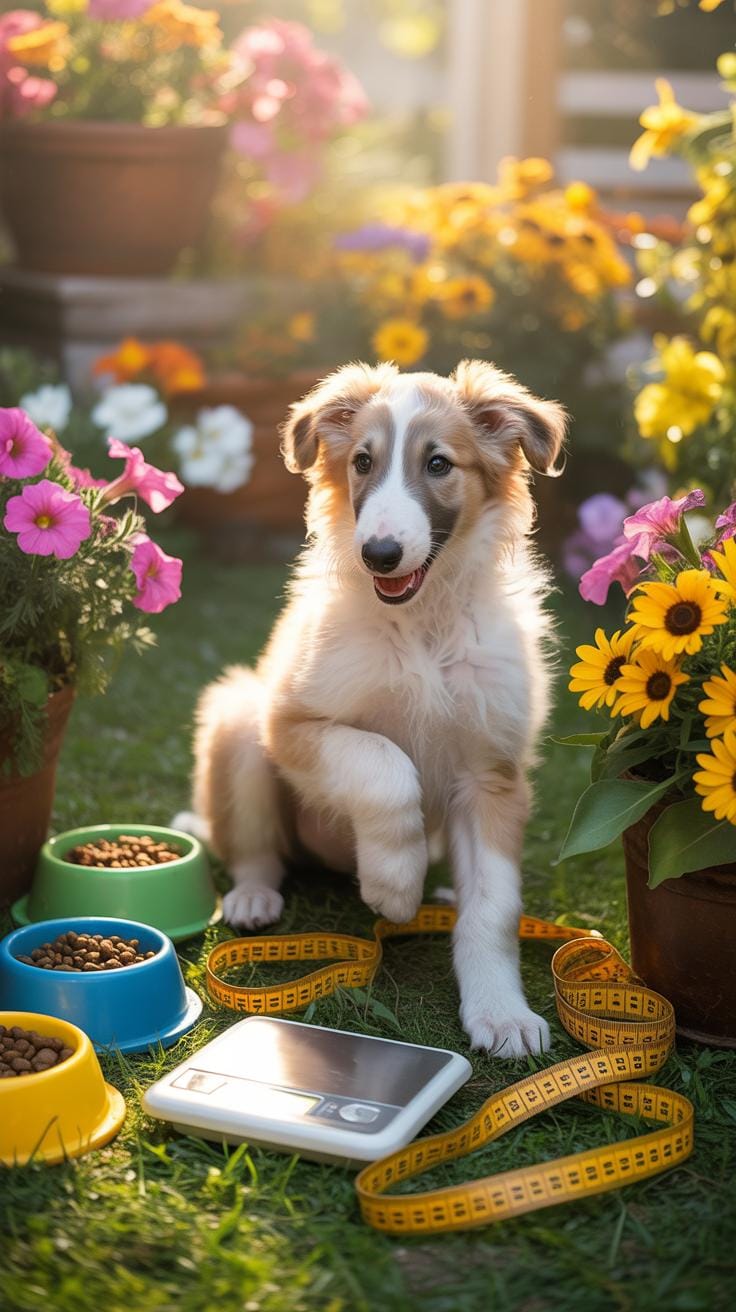
When raising a Borzoi puppy, it’s easy to slip up on key aspects that shape their growth. Many owners, perhaps without realizing it, make common mistakes around nutrition, socialization, and exercise that can seriously influence how their pup develops. These slip-ups may seem small at first but can have lasting impacts. Sometimes it’s tempting to overfeed a cute puppy, thinking it helps them grow big and healthy, but too much can lead to obesity or joint issues later.
On the flip side, underfeeding or giving a diet lacking essential nutrients also stunts growth. Borzois need a balance tailored to their slender but athletic frame. I’ve wondered at times whether the feeding guidelines on packages truly fit breed-specific needs.
Behavior-wise, not socializing a Borzoi pup early on can lead to nervousness or aloofness. These dogs often need gentle exposure to various environments, people, and other dogs. Missed chances here might hinder their confident development. Additionally, skipping early training can let unwanted behaviors take root, which might be tricky to undo once the puppy matures. It’s a delicate line between managing their natural independence and guiding them with structure.
Exercise errors are another problem. Over-exercising young joints can be harmful, yet too little activity may slow bone and muscle growth. Getting this balance right is part science, part intuition—sometimes a judgement call you learn only with experience—and every puppy can be a little different.
Timeline For Borzoi Puppy To Adult Transition
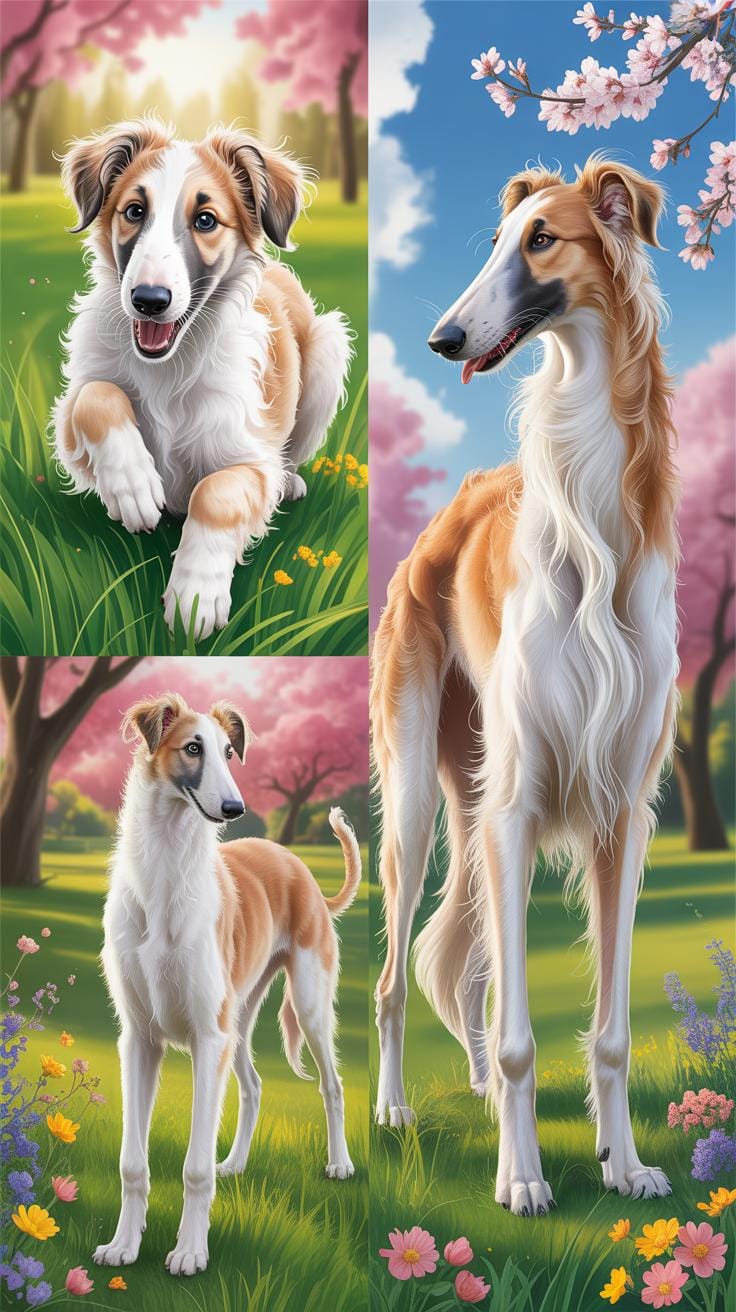
The progression from Borzoi puppy to adult unfolds through distinct phases, each with its own physical and behavioral markers. Early on, at about 8 weeks, Borzoi puppies are small but already show the breed’s graceful proportions. Between 3 and 6 months, they experience rapid growth spurts. You might notice their slender legs lengthening quickly, a bit awkwardly at times. Around 6 months, their coat begins thickening, though the full flowing coat seems a distant promise.
Approaching one year, most Borzoi grow closer to their adult height, but weight and muscle tone take longer. Behavioral changes emerge too—puppies start to lose some of their boundless energy, becoming calmer yet more independent. By 18 to 24 months, the coat typically fills out fully and the Borzoi reaches what’s considered physical maturity.
Age Markers For Physical Maturity
Borzoi dogs often reach their full adult size somewhere between 18 to 24 months, though some males might continue adding bulk until around 3 years. Their signature silky and dense coat usually takes up to 2 years to develop completely. This slow coat growth means puppies look different from adults well past their first birthday, often sparking impatience in owners eager for that classic Borzoi elegance.
Behavioral Traits In Mature Borzoi
Mature Borzoi tend to show a mix of calm dignity and athletic alertness. They retain a sort of reserved nature, not overly demanding attention but quite affectionate in a low-key way. Independent streaks emerge as they settle, sometimes making training a bit of a gentle challenge. And despite a serene exterior, their natural prey drive remains subtly present, reflecting their sighthound heritage.
Interestingly, some owners note that Borzoi mature at their own pace—some “grow up” quickly in behavior but lag physically, others vice versa. That inconsistency can keep you guessing, making Borzoi growth as much a personal journey as it is predictable development.
How To Support Borzoi Puppy Growth Metrics
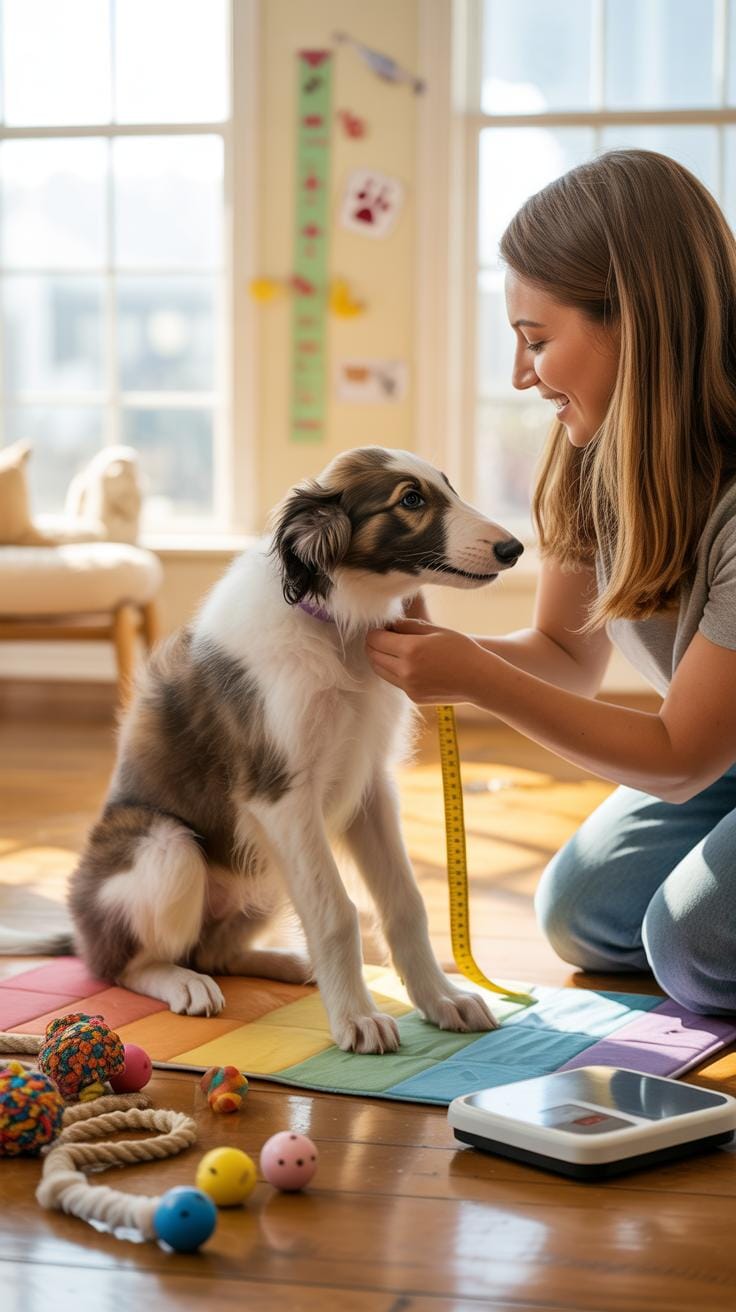
Supporting a Borzoi puppy’s growth means paying close attention to how diet, exercise, vet care, and mental stimulation interact. You might find that balancing these areas feels a bit tricky since puppies don’t always follow a predictable pattern. For diet, a high-quality puppy food with a good balance of protein and fat encourages healthy bone and muscle development. It’s tempting to try every supplement out there, but realistically, a basic omega-3 fatty acid supplement and calcium—if recommended by your vet—can cover most needs.
Exercise should be gentle and controlled; Borzoi puppies have delicate joints, so short play sessions with soft toys work better than high-impact activities. Vet visits should not only cover vaccinations but also growth tracking. Regular weigh-ins help spot any sudden dips or jumps that might signal a problem.
Mental growth can be surprisingly subtle. Toys like puzzle feeders or scent games quietly encourage problem-solving. Sometimes, even simple activities such as short training sessions that focus on commands or socializing with other gentle dogs can promote healthy behavioral development.
Think about how your pup reacts to these experiences—some might thrive with more challenge, others prefer slower pacing. There’s no single path here, which makes observing your own Borzoi crucial in tailoring what works best.
Conclusions
Watching your Borzoi puppy grow requires attention to specific physical and behavioral markers. These milestones indicate health and proper development unique to this breed. When you understand these measures, you can guide your puppy with tailored care and training that suits their pace.
The early weeks and months matter for setting your Borzoi on a path to a strong, balanced adult life. With focus on growth stages and development patterns outlined here, you can meet your dog’s needs effectively. Your Borzoi puppy’s progression is a foundation for their future well-being.