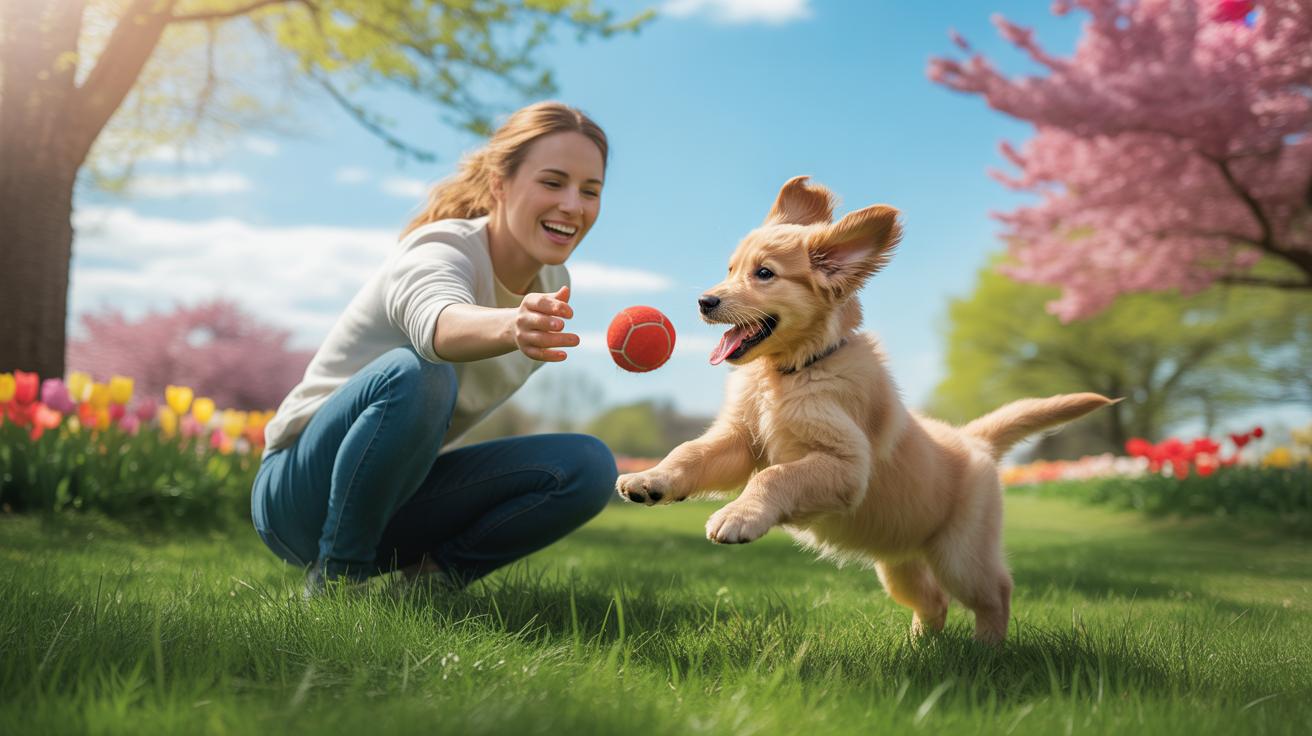
Understanding Puppy Care What Your New Puppy Needs In The First Weeks Home
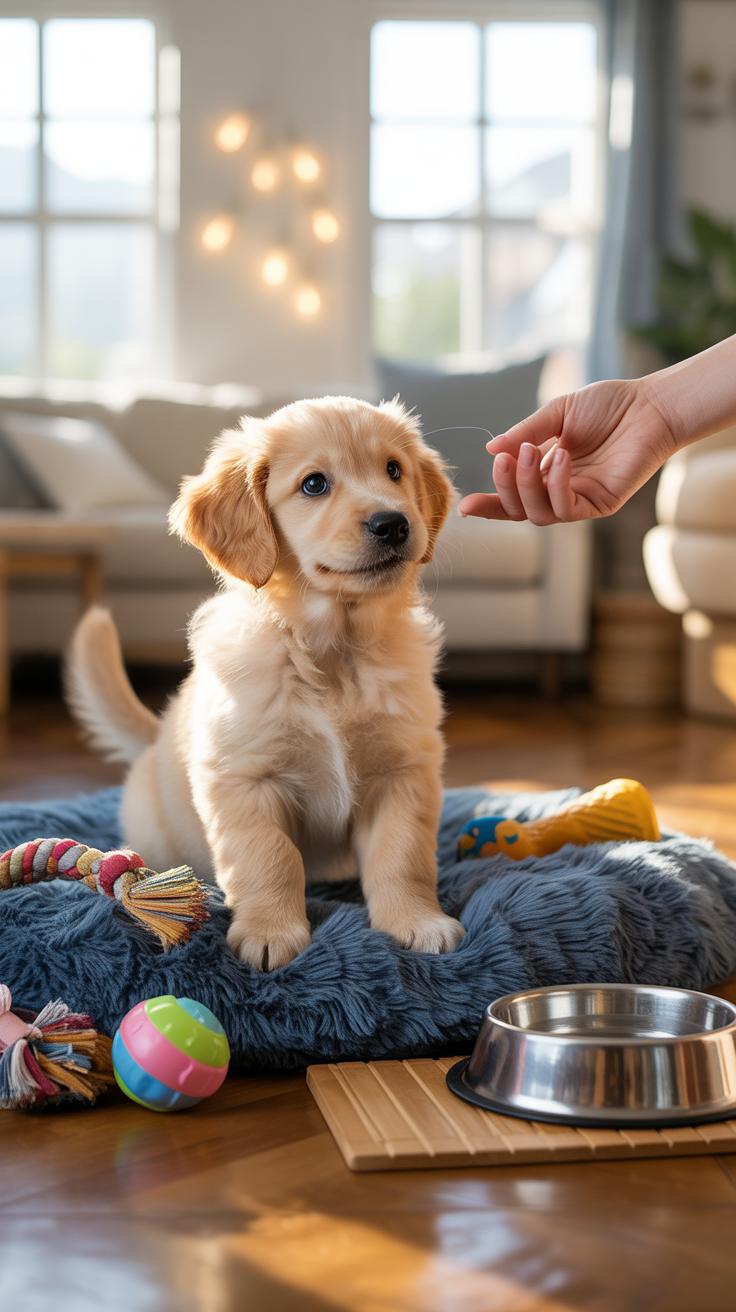
Creating A Safe And Comfortable Environment For Your Puppy
A puppy needs a dedicated physical space to feel secure. Instinct drives dogs to seek den-like structures for rest. You must provide a crate or a specific corner that belongs only to them. Eliminate hazards like loose electrical cords, toxic plants, and small swallowable objects. This physical boundary reduces cortisol levels. A calm environment allows the puppy to observe your movements without fear.
Use high-quality floor materials that offer grip. Puppies struggle to gain traction on polished wood or tile, which causes physical stress. Place non-slip rugs in high-traffic areas to build their confidence during movement. Keep their sleep area away from loud appliances or heavy foot traffic. Success starts with a neutral, quiet zone where the animal can decompress and process new sensory information.
How Routine And Consistency Build Early Trust Between You And Your Puppy
Predictability is the foundation of trust. Dogs operate on biological rhythms. They need to know exactly when they will eat, sleep, and go outside. Set a strict schedule for these activities from the first hour. When you deliver resources at the same time every day, the puppy stops worrying about survival. This mental shift allows the animal to focus on you.
Consistency requires you to use the same words and hand signals every time. Mixed signals create confusion and stall the bonding process. Every person in the household must follow the same rules without exception. If the puppy understands the consequences of their actions, they feel safe. Clear boundaries prevent anxiety. Reliability on your part proves that you are a competent leader and a stable partner.

Dog Training Techniques That Double As Bonding Opportunities
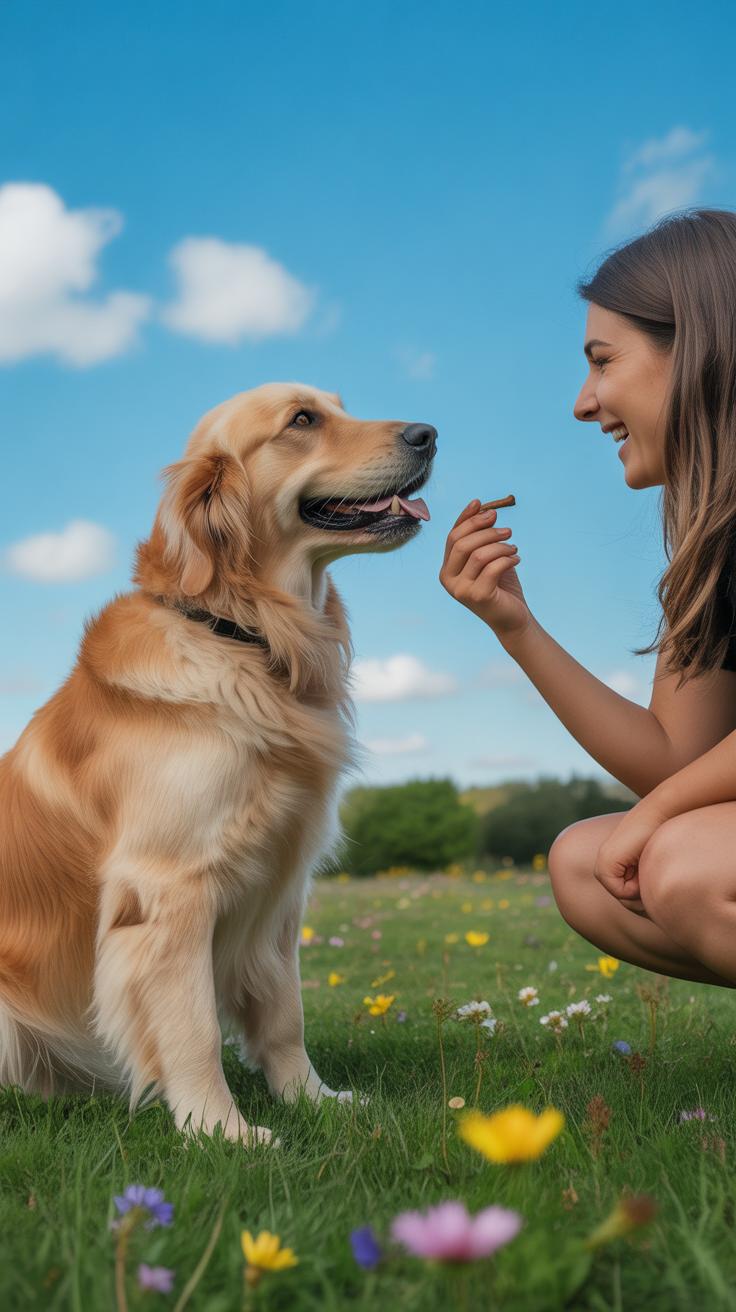
Using Positive Reinforcement To Teach Basic Commands While Strengthening Your Bond
Positive reinforcement uses rewards to encourage desired behaviors in your puppy. This method relies on operant conditioning principles developed by B.F. Skinner. You mark a correct action with a treat or praise immediately. This creates a clear communication loop between you and the animal. It builds trust because the puppy associates your presence with safety and high value rewards rather than fear or physical force.
Focus on basic commands like sit, stay, and come to establish a shared language. Clear communication reduces stress for the puppy during the transition into your home. You become a reliable leader who provides resources for good work. This dynamic fosters a deep emotional connection through mutual understanding. Avoid corrections or punishment as these damage the fragile bond and slow down the learning process for young dogs.
The greatest bonding happens in the quiet moments of play and the gentle rhythm of a walk shared together. Every small adventure builds a bridge of trust that will last a lifetime.
Short Reward Based Training Sessions That Keep Your Puppy Engaged And Confident
Puppies have short attention spans and tire quickly. Limit training sessions to five or ten minutes to prevent mental fatigue and frustration. Short bursts of high energy interaction keep the puppy focused on you. Success in these brief windows builds the puppy’s confidence. They learn that working with you is a fun and predictable game. Consistency matters more than session duration for long term skill retention.

End every session on a successful repetition to leave a positive impression. Frequent wins keep the puppy eager for the next interaction. This tactical approach turns daily drills into bonding events. You are not just teaching tricks during these sessions. You are conditioning the dog to prioritize your attention over environmental distractions. This focus becomes the foundation for a lifetime of reliable behavior and a strong partnership.
Dog Potty Training Building Trust Through Patient And Positive Guidance
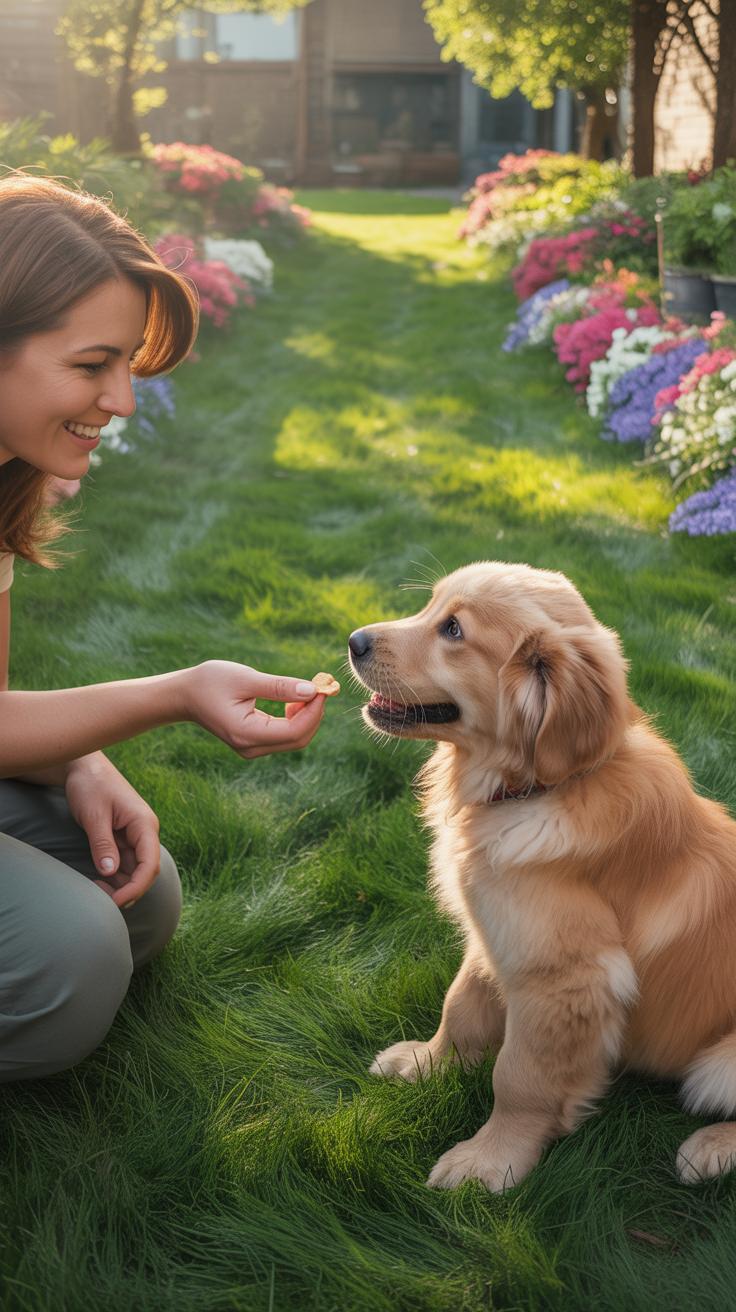
Why A Consistent Dog Potty Routine Helps Your Puppy Feel Secure And Understood
Puppies thrive on predictable schedules. Their biological rhythms dictate when they need to eliminate. By timing meals and outdoor trips accurately, you remove the stress of the unknown. A solid routine teaches the puppy that you provide for their needs. This creates a sense of safety. Logic and repetition form the foundation of this early relationship. You become a reliable leader.
Predictability reduces cortisol levels in young dogs. When a puppy knows exactly when it will go outside, it stops feeling anxious about its environment. This security allows the dog to focus on you instead of its bladder. Consistent timing builds a shared language between owner and pet. You demonstrate that you understand their physical signals. This clarity strengthens the bond through successful daily interactions.
How To Use Potty Training Moments As Calm, Bonding Interactions With Your Puppy
Potty breaks are not just chores. They are opportunities for quiet connection. Stay close to your puppy during these outdoor sessions. Use a soft tone of voice to reward success immediately. Your physical presence during vulnerable moments builds deep trust. Avoid distractions like your phone. Pay total attention to the dog. This focus signals that you are an engaged partner.

Keep your energy neutral during accidents. Punishment damages the bond and creates fear. Instead, reward the behaviors you want to see. This positive reinforcement makes the puppy want to please you. Use high-value treats and physical affection right after they finish. These small wins accumulate over time. They turn a basic biological necessity into a recurring source of mutual confidence and social attachment.
Puppy Activities That Encourage Play Exploration And Connection
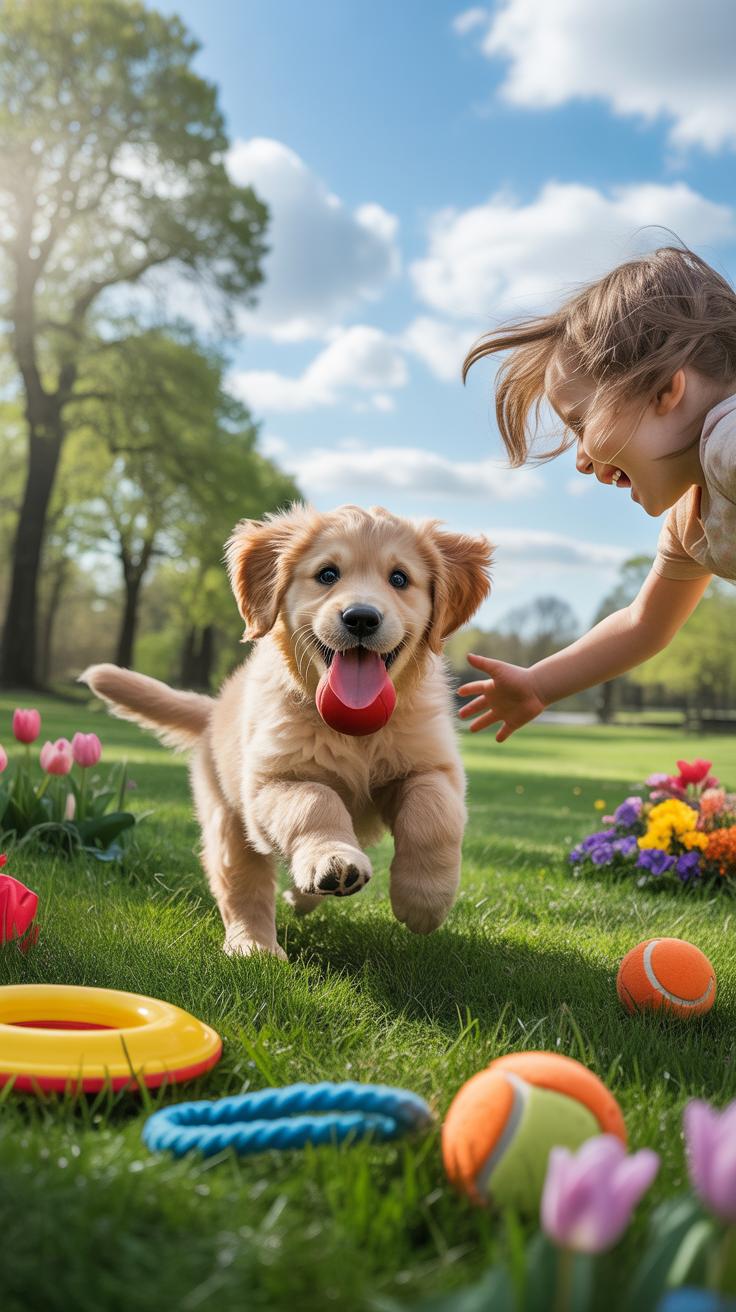
The Role Of Supervised Outdoor Exploration In Developing Your Puppy’S Confidence
Supervised outdoor exploration builds a stable foundation for animal behavior. You must expose your puppy to different surfaces and sounds during the socialization period. This window typically closes at sixteen weeks. Positive exposure prevents future fear responses. You act as the safety anchor during these sessions. Keep the leash loose to allow natural investigation. Watch the body language for stress signals.
Tactical exploration requires short sessions in varied environments. Use grass, gravel, and pavement to stimulate tactile senses. Keep these trips brief to avoid physical fatigue or sensory overload. Your presence reinforces calm behavior in new situations. This process lowers the risk of separation anxiety later. Direct interaction with the environment builds neural pathways. A confident puppy trusts your lead in any setting.
Top Puppy Safe Play Activities That Promote Physical And Emotional Development
Structured play serves as a training tool for impulse control and motor skills. Movement-based games build muscle and improve coordination. You should choose activities that mimic natural canine behaviors like tracking or retrieving. This engagement strengthens your bond through shared success. Keep sessions under ten minutes to maintain focus. High-value rewards reinforce the connection between you and the specific activity.
- Low Impact Fetch: Toss soft toys short distances on non-slip surfaces. This activity develops eye-tracking and retrieval instincts without stressing developing joints. Use lightweight items that the puppy can easily carry back to you for positive reinforcement.
- Gentle Tug of War: Use a flexible cotton rope to engage the puppy in a strength-building game. Always follow the ground rule of stopping if teeth touch skin. This teaches the puppy when to release an object on a verbal command.
- Hide and Seek: Hide behind furniture or trees and call the puppy to find you. This game utilizes the olfactory system and reinforces the recall command. Finding you creates a strong dopamine reward and increases the puppy’s desire to stay close.
- Muffin Tin Cognitive Game: Place treats in a muffin tin and cover them with tennis balls. The puppy must work to remove the balls to reach the food. This builds problem-solving skills and keeps the dog mentally sharp through interactive puzzles.
- Target Touch Training: Teach the puppy to touch their nose to your palm on command. This simple physical interaction establishes a clear communication channel. It serves as a foundation for more complex cues and helps guide the puppy without using force.

Avoid high-impact jumping or sharp turns during these activities to protect growth plates. Physical development relies on consistent but moderate exercise. Emotional growth happens when you provide clear boundaries and predictable outcomes. Stop the play if the puppy becomes overstimulated or starts nipping. This teaches the dog that calm behavior continues the fun. Consistent play schedules create a reliable routine for the animal.
Dog Games That Make Bonding Fun And Mentally Stimulating
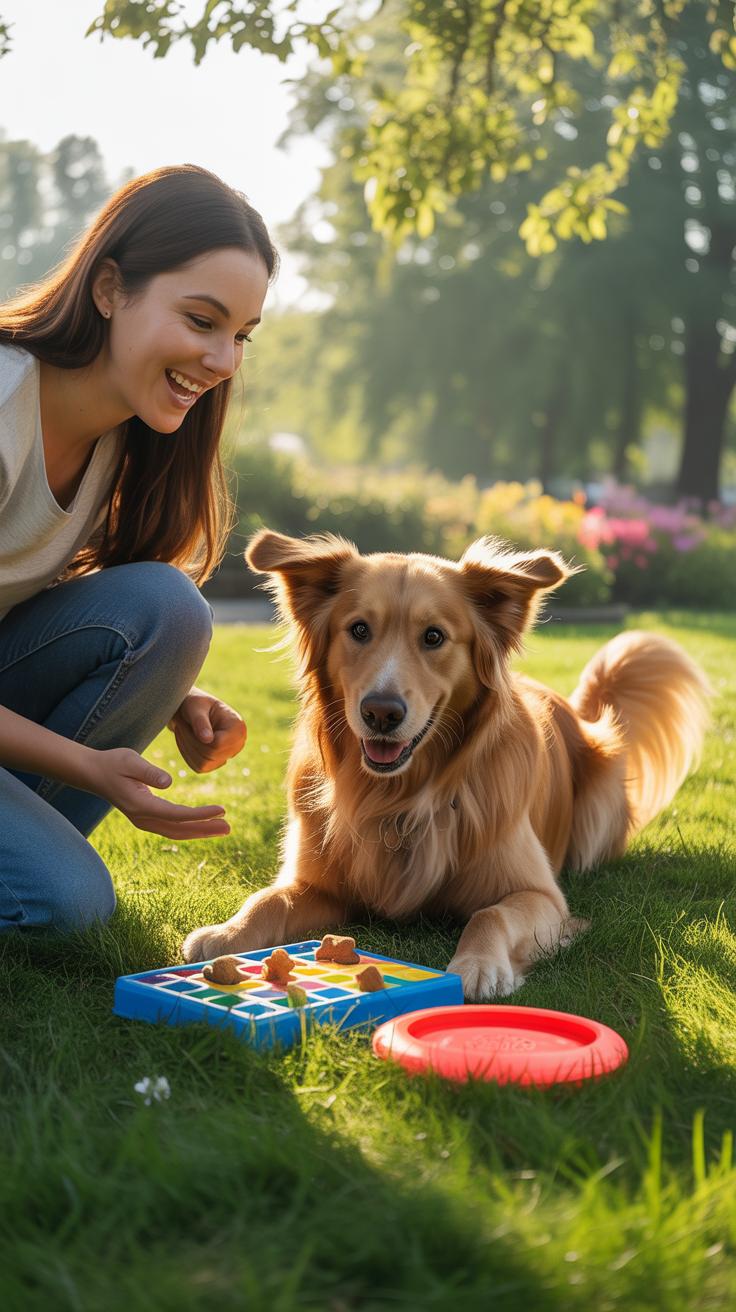
Interactive Games Like Fetch And Hide And Seek That Build Communication And Trust
Interactive games like fetch and hide and seek serve as foundational training tools. Fetch teaches your puppy to focus on your cues while managing their impulse control. You establish yourself as the source of play and rewards. This dynamic builds a reliable recall and strengthens the physical connection. Clear rules during these sessions prevent confusion and ensure the puppy looks to you for direction.
Hide and seek engages a puppy’s natural scenting abilities to find you. This game builds confidence by teaching the dog that you remain present even when out of sight. It reinforces the bond through positive reinforcement when they successfully locate you. Owners use this time to practice stay and come commands in a low pressure environment. These repetitions create a predictable communication loop between you and the dog.
Why Structured Play Through Dog Games Helps Reduce Anxiety In New Puppies
Structured play provides a predictable framework for a puppy in a new environment. Puppies often feel stress due to a lack of routine or understanding of their surroundings. Games with set rules create boundaries that make the world feel smaller and safer. Physical activity during play also releases endorphins which naturally lower cortisol levels. This hormonal shift reduces overall systemic tension and promotes relaxation.

Mental stimulation through games tires a puppy more effectively than physical exercise alone. Focus intensive tasks prevent the brain from fixating on fear triggers or destructive behaviors. When you guide the puppy through a successful game you build their self esteem. This confidence translates to better resilience in other areas of their life. Consistent play sessions establish a rhythm that tells the puppy they are safe and cared for.
Dog Enrichment Feeding Your PuppyS Curiosity To Deepen Your Connection
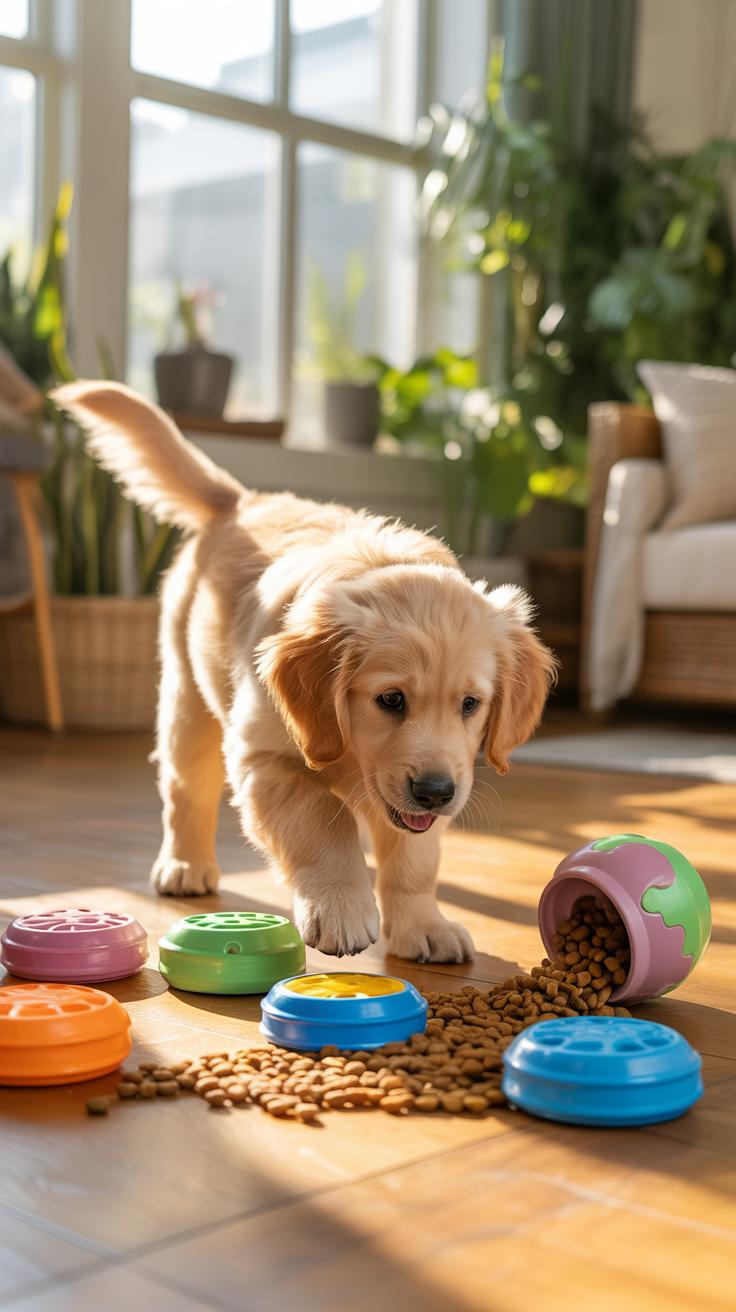
What Is Dog Enrichment And Why It Matters For Your Puppy’S Behavioral Health
Dog enrichment is the practice of meeting a canine’s biological needs through environmental stimuli. It targets natural instincts like scavenging, chewing, and problem-solving. Puppies require these outlets to prevent boredom and stress. Without structured enrichment, dogs develop destructive habits like furniture chewing or excessive barking. Proper enrichment reduces cortisol levels and promotes a stable temperament during the critical developmental stages of early life.
Enrichment translates to mental exercise. A tired brain leads to a calm body. Physical exercise alone does not satisfy a high-intelligence animal. You must challenge their cognition to ensure long-term behavioral health. Satisfied puppies demonstrate better focus and faster learning rates during formal training sessions. Integrating these activities into a daily routine establishes a predictable environment. This structure helps the puppy feel secure and confident in its new home.
How Sensory And Social Enrichment Activities Strengthen The Human Puppy Bond
Sensory and social enrichment activities place you at the center of the puppy’s world. Shared experiences build mutual trust and clear communication. When you introduce new scents or textures, you guide the puppy through novelty. This guidance positions you as a reliable leader. The puppy learns to look to you for cues in unfamiliar situations. This bond creates a psychological safety net that simplifies future training and socialization.
Active participation in enrichment tasks builds a deep emotional connection. You become the source of high-value rewards and interesting challenges. Working together on scent games or food puzzles improves the puppy’s confidence in your presence. These interactions release oxytocin in both species, reinforcing the social attachment. A puppy that associates its owner with rewarding mental stimulation is more likely to remain attentive and loyal throughout its adult life.
Puppy Enrichment Ideas You Can Easily Try At Home This Week
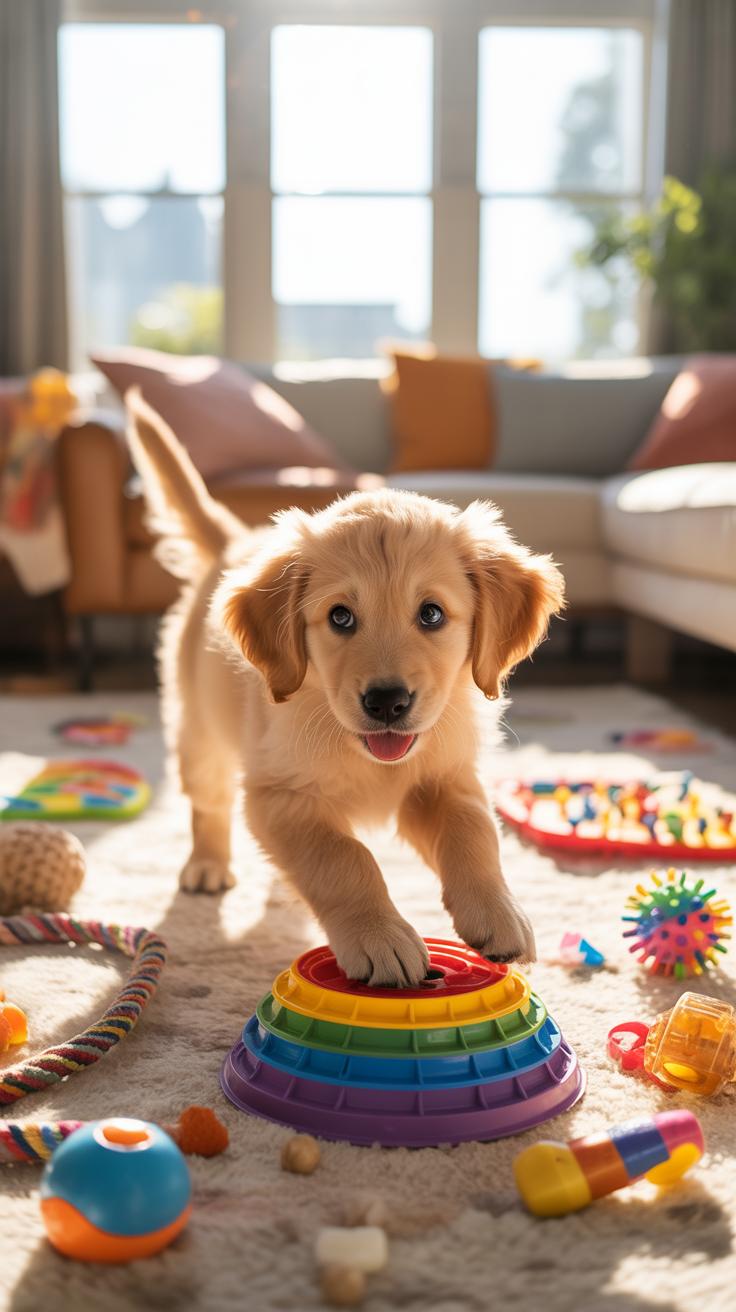
DIY Enrichment Activities Using Everyday Household Items To Engage Your Puppy
Puppies require mental stimulation to prevent destructive behaviors. You do not need expensive equipment to challenge your dog. Common household objects provide sensory variety and problem-solving opportunities. These activities build confidence by teaching the puppy to interact with new textures and sounds. Use high-value rewards to keep the engagement levels high during these short home training sessions.
- Muffin Tin Game: Place small treats in the holes of a standard metal muffin tin. Cover each hole with a tennis ball. The puppy must use its nose and paws to move the balls and find the food. This builds coordination and spatial awareness.
- Cardboard Box Shredding: Fill a clean cardboard box with crumpled packing paper and scattered kibble. Let the puppy climb in and search through the layers. This activity satisfies the natural urge to forage and provides a safe outlet for mild destructive instincts.
- Towel Roll Ups: Lay a dry bath towel flat on the floor and sprinkle treats across the surface. Roll the towel tightly into a cylinder. The puppy must figure out how to unroll the fabric using its snout to reach the hidden rewards inside.
- Plastic Bottle Rattles: Place a few pieces of dry food inside an empty plastic water bottle with the cap removed. The puppy will push the bottle around the room to make the food fall out. The noise helps desensitize the dog to various household sounds.
- PVC Pipe Feeder: Drill several small holes into a short length of PVC pipe and cap both ends. Fill the tube with kibble so it leaks slowly as it rolls. This durable DIY tool encourages the puppy to work for its meals over an extended timeframe.
Rotate these items daily to maintain novelty. A bored puppy will find its own entertainment, which often results in damage to furniture or shoes. Controlled DIY enrichment directs that energy toward productive learning. Monitor your puppy during these activities to ensure they do not swallow non-food items. Short and frequent sessions of five to ten minutes work best for young attention spans.
How Puzzle Feeders And Scent Work Games Tap Into Your Puppy’S Natural Instincts
Dogs possess over 200 million scent receptors in their noses. Scent work utilizes this biological hardware to provide intense mental exercise. Hiding treats around a room forces the puppy to use its olfactory system rather than just its eyes. This process mimics the natural hunting behaviors of wild canines. It burns more energy than a standard walk because it requires deep cognitive focus.

Puzzle feeders replace the traditional food bowl to slow down eating. Rapid consumption can lead to digestive issues and misses a prime opportunity for engagement. These devices require the puppy to manipulate levers or sliders to access food. This problem-solving process releases dopamine in the brain, which creates a positive association with the home environment. Effective feeders encourage persistence and reduce anxiety through focused, rewarding work.
Enrichment Activities And Socialization Preparing Your Puppy For The World
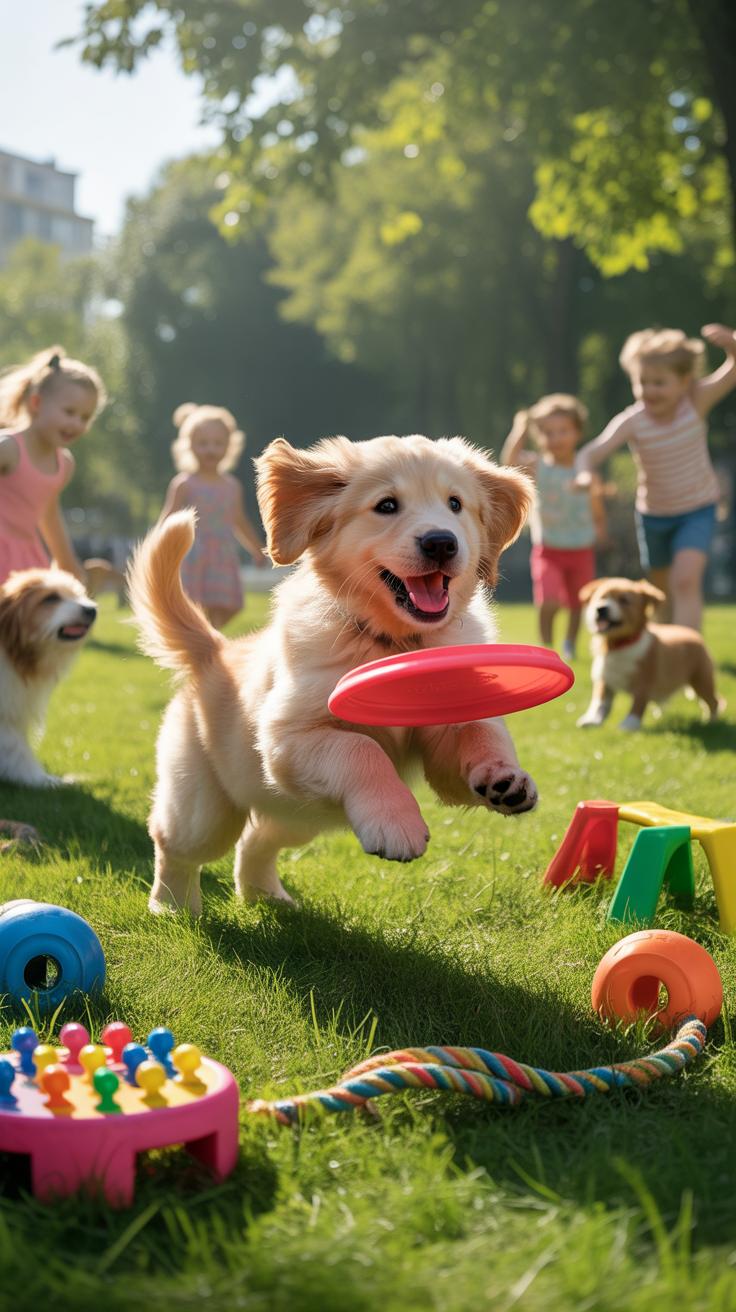
Why Early Socialization Through Enrichment Activities Is Critical During The Puppy Developmental Window
The puppy developmental window closes around sixteen weeks of age. During this phase, the brain creates permanent neural pathways based on environmental exposure. If you miss this period, the dog often develops fear responses to common stimuli. Early enrichment activities forge deep trust between you and your puppy. You act as their guide during these formative moments. This process builds a foundation for all future training.
Enrichment tasks stimulate the mind and reduce destructive behaviors. Puppies gain confidence when they solve puzzles or navigate new surfaces with your support. Active engagement during these sessions prevents boredom and anxiety. You must prioritize these activities to ensure your dog remains stable in high-stress situations. Your presence provides the safety the puppy needs to explore. This bond creates a reliable partner for life.
How Gradual Exposure To New Environments And People Shapes A Well Adjusted Adult Dog
Gradual exposure prevents the puppy from becoming overwhelmed by the world. You must introduce new sights, sounds, and people in a controlled manner. Start with low-intensity environments and slowly increase the difficulty. This method keeps the puppy in a positive state of mind. If the dog feels safe, they learn to ignore distractions. A well-adjusted dog remains calm in crowds and around other animals.

Socialization is not just about meeting others. It focuses on teaching the puppy to exist neutrally in different settings. You use high-value rewards to reinforce calm behavior during these outings. This approach stops the development of aggression or reactivity. Your puppy learns to look to you for direction when they encounter something unfamiliar. Consistency in these sessions produces a predictable and safe adult dog.
Frequently Asked Questions

Why is it important to start bonding with a puppy immediately?
Building a strong foundation early on helps your puppy feel secure and confident in their new environment. Engaging in new puppy bonding activities right away builds trust and simplifies future training. When a puppy feels a deep connection with you, they are more likely to listen and adapt to your home’s routine. This early investment of time ensures a well-adjusted, loyal companion who feels like a true member of the family.
What are the best ways to bond with a new puppy through play?
Interactive play is a fantastic way to strengthen your relationship while burning off excess energy. Focus on gentle games like hide-and-seek, fetch, or light tug-of-war. These new puppy bonding activities teach your pet how to focus on you amidst distractions. Always keep play sessions short and positive, ending on a high note with plenty of praise. This consistent engagement helps your puppy associate your presence with fun, safety, and rewarding experiences.
Can I bond with my puppy if I have a limited budget for toys?
Absolutely! Strengthening your connection doesn’t require expensive gadgets or designer accessories. Simple activities like daily walks, grooming sessions, and dedicated cuddle time are incredibly effective for building intimacy. You can also create DIY enrichment puzzles using household items like cardboard boxes or old towels. Focus on giving your pet undivided attention and consistent affection, as your presence is the most valuable gift you can provide during these formative weeks.