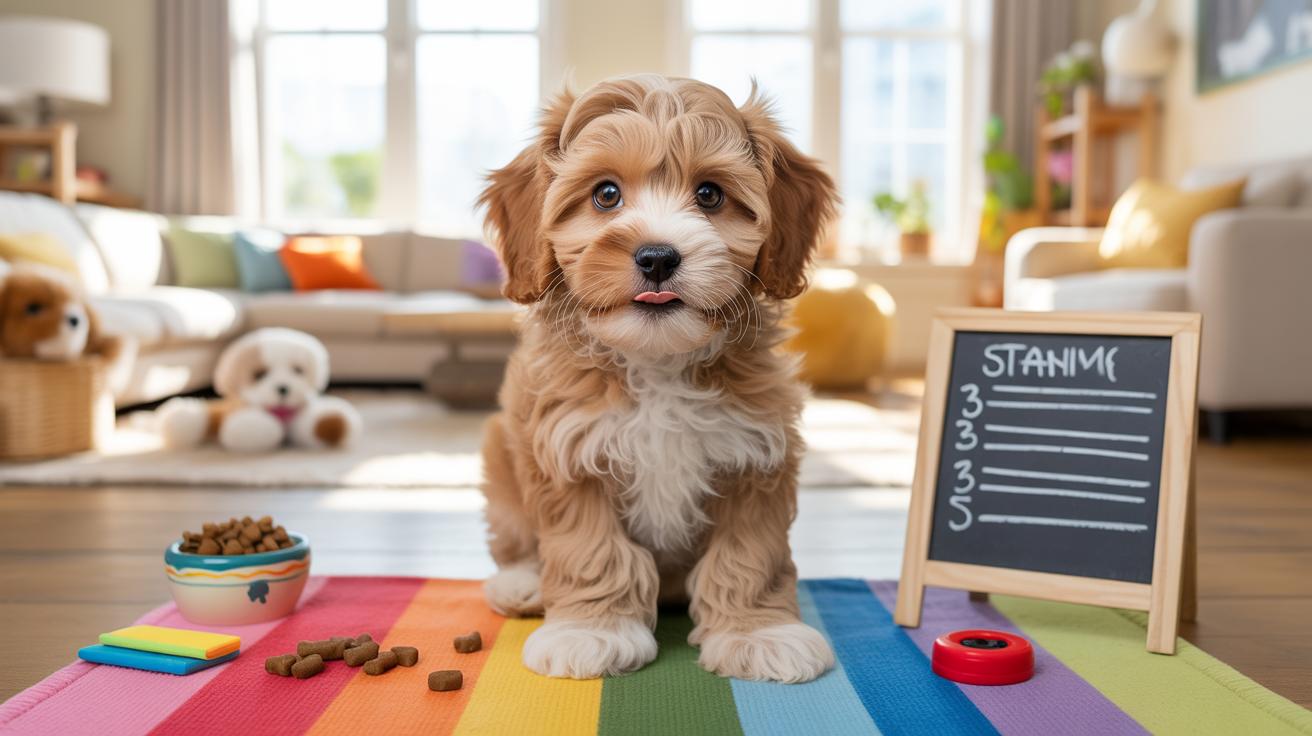
Understanding Your Cavapoo Puppy Training Guide Before You Begin
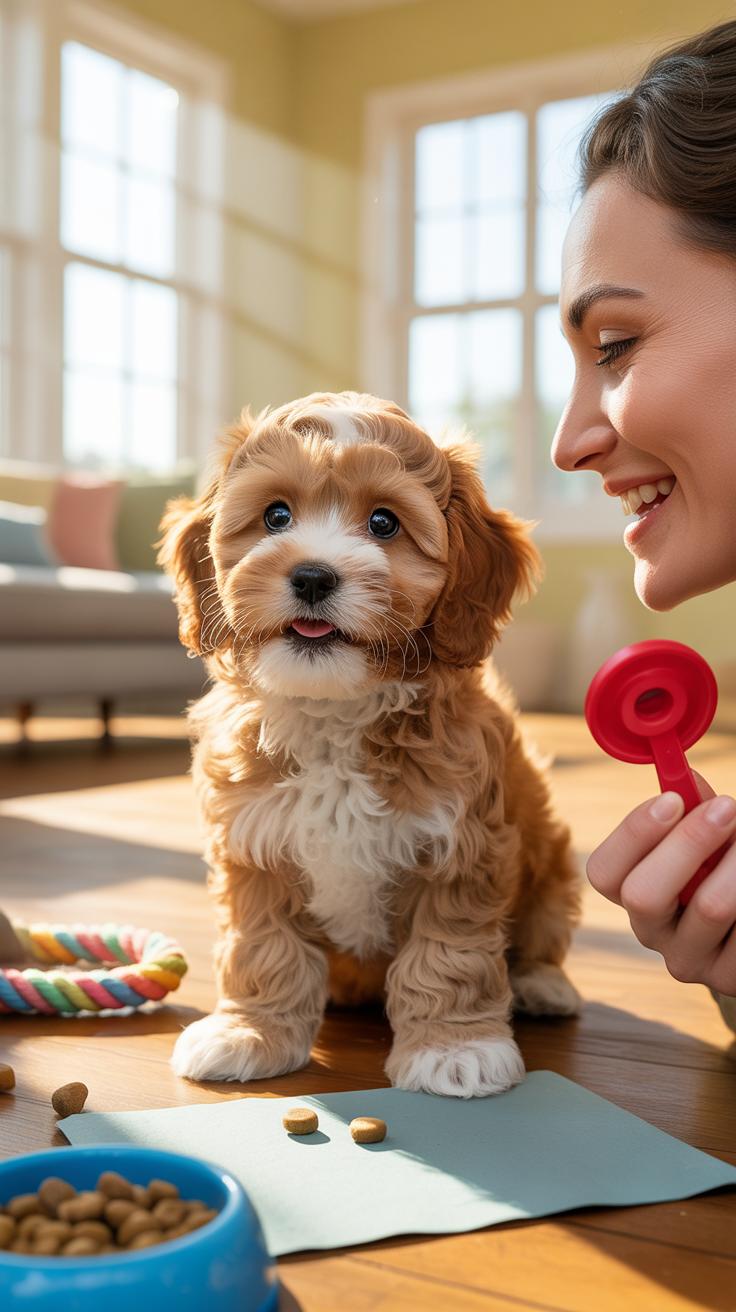
What Makes Cavapoos Unique Learners: Temperament And Intelligence
Cavapoos combine the Poodle intelligence with the Cavalier King Charles Spaniel desire to please. This mix creates a highly trainable dog that learns commands quickly. You should expect high levels of engagement during short training sessions. Their genetic lineage makes them sensitive to your tone and body language. Use this to your advantage by staying calm and consistent during every interaction.
These dogs struggle with harsh correction methods due to their soft temperament. Use positive reinforcement to build trust and ensure fast results. They are prone to separation anxiety, so independence training must start immediately. High intelligence means they get bored with repetitive drills. Keep your sessions varied and brief to maintain their focus. Tactical success depends on rewarding the correct behavior every single time.
Setting Realistic Expectations For The First 12 Weeks Of Training
The first three months focus on foundational habits rather than complex tricks. A puppy under twelve weeks has a short attention span and limited bladder control. Do not expect total housebreaking or perfect leash walking at this stage. Your primary objective is building a routine that prevents future behavioral issues. Establish clear boundaries and consistent schedules to manage their early development effectively.
Biological development limits what a young Cavapoo can achieve physically and mentally. Focus on social exposure and basic voice commands like sit and stay. You must manage their environment to prevent accidents and chewing. Crate training is essential for safety and potty success during these weeks. Consistency matters more than the duration of your training. Small daily wins lead to long term obedience in this specific breed.
Week 1 To 2 Building A New Puppy Schedule Around Safety And Comfort
Creating A Safe And Welcoming Environment For Your Cavapoo’S First Days
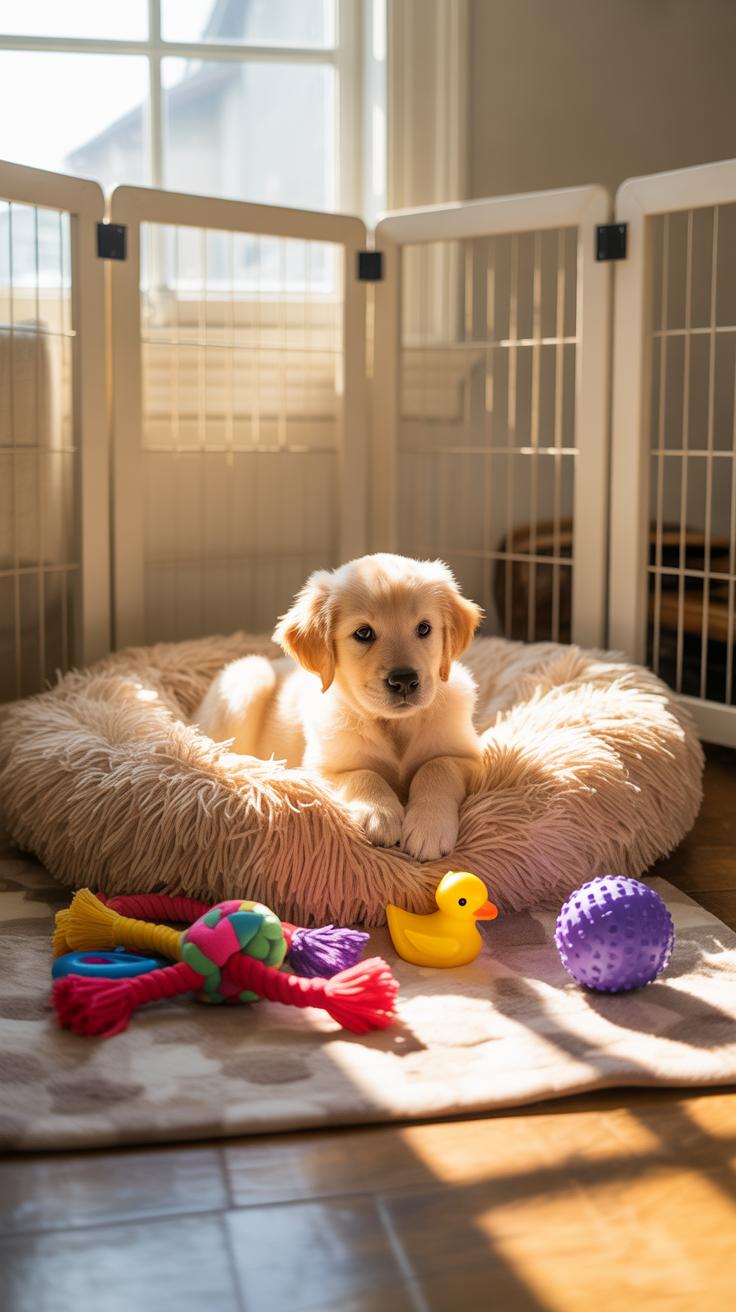
The first forty-eight hours require total environmental control to prevent stress for the new dog. You must designate a small, secure area using a playpen or a crate located in a quiet corner. Remove all electrical cords, toxic plants, and small choking hazards from this zone immediately. Using a dedicated space limits the puppy’s options and prevents them from feeling overwhelmed by the entire house.
Cavapoos are prone to separation anxiety due to their poodle and spaniel heritage. Set up their sleeping quarters near your bed during this initial phase to provide a sense of security. Use solid materials like metal or thick plastic for crates because these dogs can chew through soft mesh. A consistent home base establishes the boundaries necessary for future obedience and ensures the dog remains physically safe.
Establishing A Consistent Daily Puppy Schedule For Feeding, Sleep, And Bonding
A strict clock governs the cavapoo puppy training schedule during the first two weeks. Feed your puppy three or four times daily at the exact same hours to stabilize their digestion. Frequent bathroom breaks must occur every thirty to sixty minutes while the puppy is awake. This repetition trains the physical body to expect specific activities, which reduces accidents and lowers the animal’s stress levels.
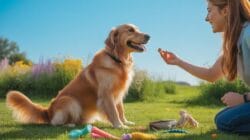
Socialization begins with calm and focused bonding sessions between scheduled naps. Puppies this age require eighteen to twenty hours of sleep to support rapid neurological development. Do not wake a sleeping puppy for play or training. Use the wakeful periods for brief handling exercises like touching paws and ears. This prepares the dog for future grooming needs while building a foundation of trust and physical cooperation.
Week 3 To 4 Introducing The Puppy Training Schedule With Basic Commands
Teaching Sit, Stay, And Name Recognition In Short, Positive Sessions
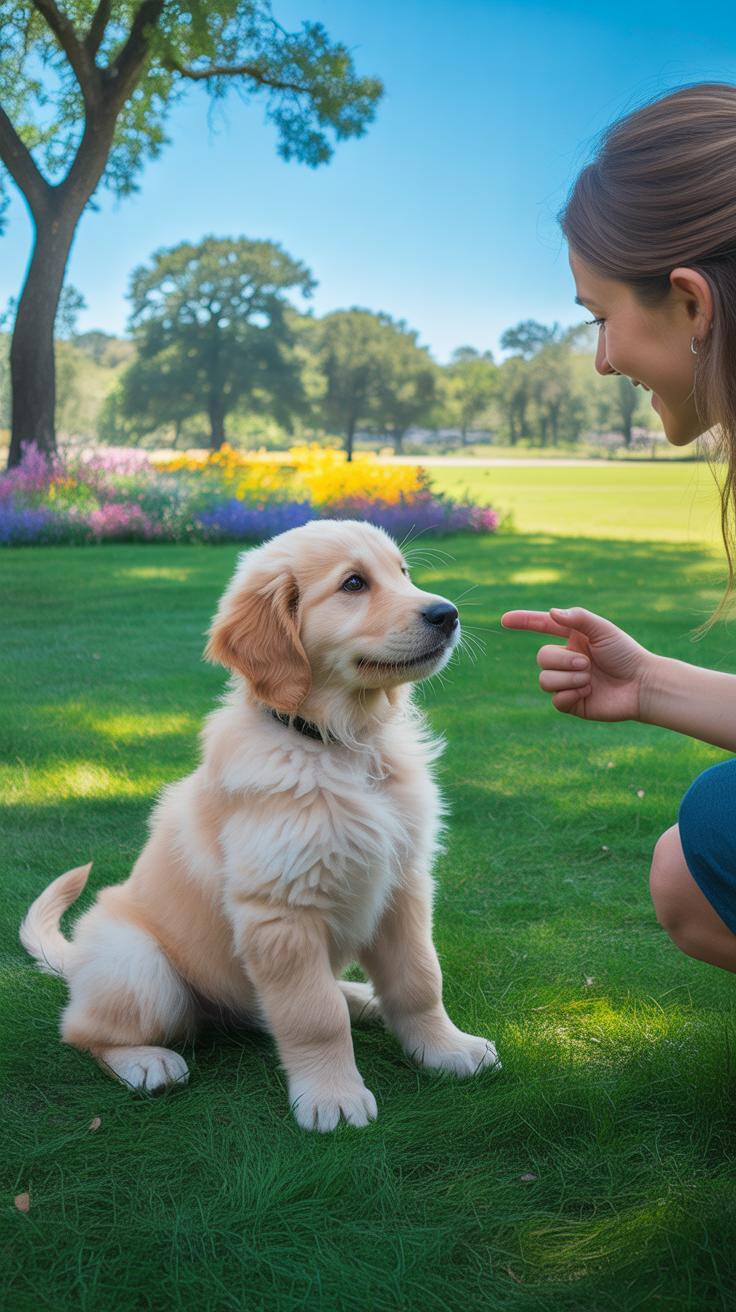
Cavapoos start learning basic engagement during weeks three and four. This period focuses on social development and response to sound. Begin by saying the name of the puppy clearly while holding a piece of food. As soon as the puppy looks at you, provide the reward. This builds an immediate link between the name and a positive outcome. Keep these sessions under two minutes to match their limited attention span.
Move to the sit command once name recognition is consistent. Hold a small treat above the nose of the puppy and move it back toward their tail. The head goes up and the rear naturally goes down. Say the word sit as the bottom touches the floor. Immediate timing is critical for success. Avoid pushing the puppy into position. Let the puppy figure out the movement to ensure long term memory.
Using Positive Reinforcement And Reward Based Methods With Your Cavapoo Puppy Training
Positive reinforcement is the most effective way to train a Cavapoo. This breed responds poorly to harsh corrections or loud voices. Use high value rewards like small pieces of cooked chicken or soft commercial treats. The goal is to create a desire to please. You must deliver the reward within one second of the correct behavior. This speed ensures the puppy knows exactly which action earned the food.

Consistency is the foundation of a successful puppy training schedule. Every family member must use the same verbal cues and hand signals. Use a high pitched, happy voice to keep the puppy engaged and motivated. If the puppy makes a mistake, do not punish them. Simply reset and try the exercise again later. Short and frequent repetitions throughout the day yield better results than one long session per week.
Week 5 To 6 Following A Potty Training Schedule That Actually Works
How To Structure A Reliable Potty Training Schedule For Your Cavapoo
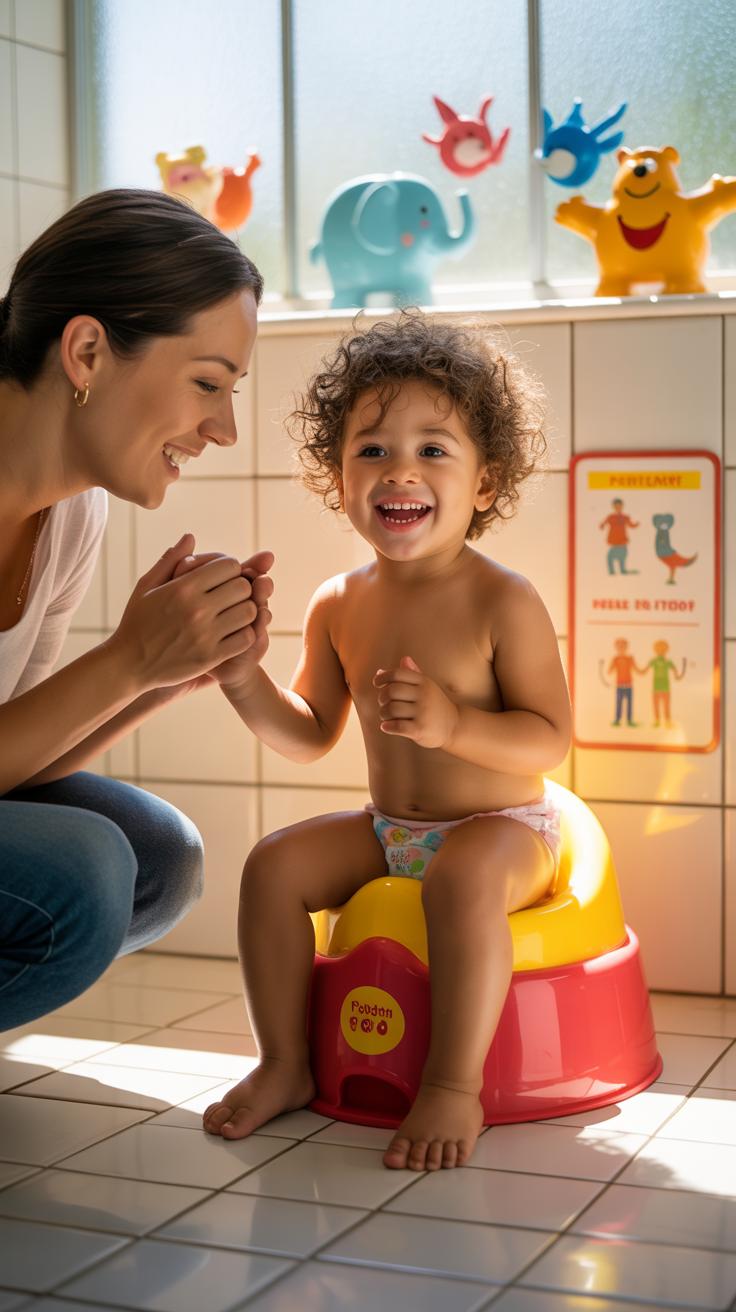
Cavapoos have small bladders and require a strict routine to prevent indoor messes. You must take the puppy outside every thirty minutes during active hours. Establish clear triggers for bathroom breaks such as immediately after waking, eating, or playing. Use a crate to manage the environment when you cannot supervise the dog. This limit prevents the puppy from wandering and soiling hidden corners of your home.
Consistency dictates your success during these two weeks. Keep the puppy on a high-quality feeding schedule to make bowel movements predictable. Record every successful outdoor trip and every indoor accident in a log. This data helps you identify patterns and adjust the timing of your outings. Small dogs develop habits quickly so you must ensure the correct habit takes hold before the puppy reaches month three.
The patience you show in these first twelve weeks builds a bridge of love that lasts a lifetime. Every small lesson is a seed planted for a future of gentle companionship.
Handling Accidents Calmly And Reinforcing Correct Bathroom Behavior
Accidents are data points rather than behavioral failures. If you catch the puppy mid-act, interrupt it with a firm noise and carry it outside immediately. Do not punish the dog after the fact because it cannot link the correction to the past event. Clean the area with an enzymatic cleaner to remove all scent traces. Standard household cleaners often leave proteins that attract the puppy back to the same spot.

Positive reinforcement creates the association you want. Reward the puppy with a high-value treat and verbal praise within two seconds of them finishing their business outside. This immediate feedback helps the Cavapoo understand exactly what behavior earned the reward. Focus on building a strong desire to wait for the grass. Your goal is to make the outdoor experience more rewarding than the convenience of the living room rug.
Week 7 To 8 Socialization As A Core Part Of Your Puppy Training Guide
Safe Socialization Strategies For Cavapoo Puppies Before Full Vaccination
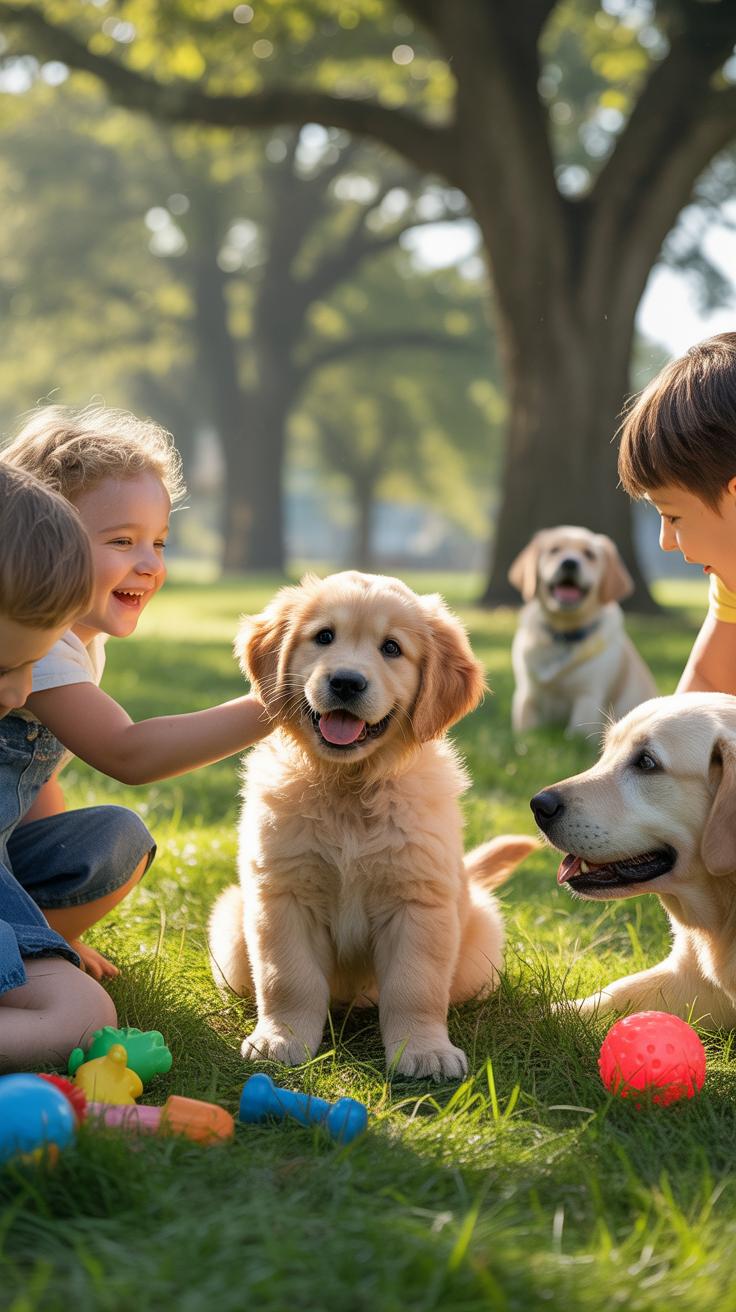
Cavapoo puppies lack full immunity until their final vaccination round. You must prioritize safety while exposing them to the world. Carry your puppy in your arms or a sling when outdoors. Avoid high-traffic dog parks or public grass where pathogens like parvovirus thrive. Focus on private settings with vaccinated dogs. This controlled exposure builds confidence without risking lethal infections or parasites.
Strategic socialization requires quality over quantity. Keep all initial interactions brief and positive. Monitor your puppy for signs of stress like tucked tails or excessive panting. Stop the session if they appear overwhelmed. You are building a mental foundation for future behavior. Proper handling now prevents fear-based aggression later. Use your own backyard or a clean indoor floor for neutral meetings.
Introducing Your Cavapoo To New Sounds, People, And Environments Gradually
Controlled exposure prevents your Cavapoo from developing lifelong phobias. Start with low-volume recordings of thunderstorms, sirens, and vacuum cleaners while the puppy eats. This creates a positive association with potentially scary noises. Introduce various people including children and adults wearing hats or glasses. Always supervise these interactions to ensure the puppy does not feel cornered. Use treats to reward calm behavior during every new experience.
- Audio Desensitization: Play recordings of fireworks or heavy traffic at a low volume during mealtime. Gradually increase the sound level over several days. This prevents the puppy from reacting with fear to sudden loud noises in the future.
- Diverse Human Interaction: Invite friends over to meet the puppy in a controlled setting. Ensure visitors represent different ages, heights, and appearances. This teaches the dog that various types of humans are safe and non-threatening.
- Surface Variation: Lead your puppy across different floor types like tile, wood, carpet, and gravel. Feeling different textures under their paws builds physical confidence. Use small treats to encourage them to explore surfaces they initially hesitate to touch.
- Body Handling Drills: Touch your puppy’s paws, ears, and mouth daily. This prepares them for future grooming and veterinary exams. Reward them for staying still. This prevents them from snapping or struggling during necessary medical procedures or coat maintenance.
- Controlled Outdoor Sightseeing: Sit on your front porch or in a parked car with the puppy. Let them watch cyclists and cars pass by from a safe distance. Observation without direct contact allows the puppy to process complex environments without feeling immediate pressure.
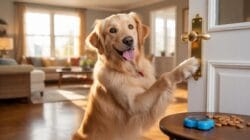
Continue to monitor the puppy for signs of overstimulation or fatigue. Short sessions of five to ten minutes are more effective than long outings. If the puppy retreats, increase the distance from the stimulus. Forcing a puppy into a scary situation causes lasting trauma. Consistent and gentle exposure during this critical window ensures a stable adult dog. Your role is to act as a calm leader.
Week 9 To 10 Expanding Cavapoo Puppy Care Tips Into Leash And Crate Training
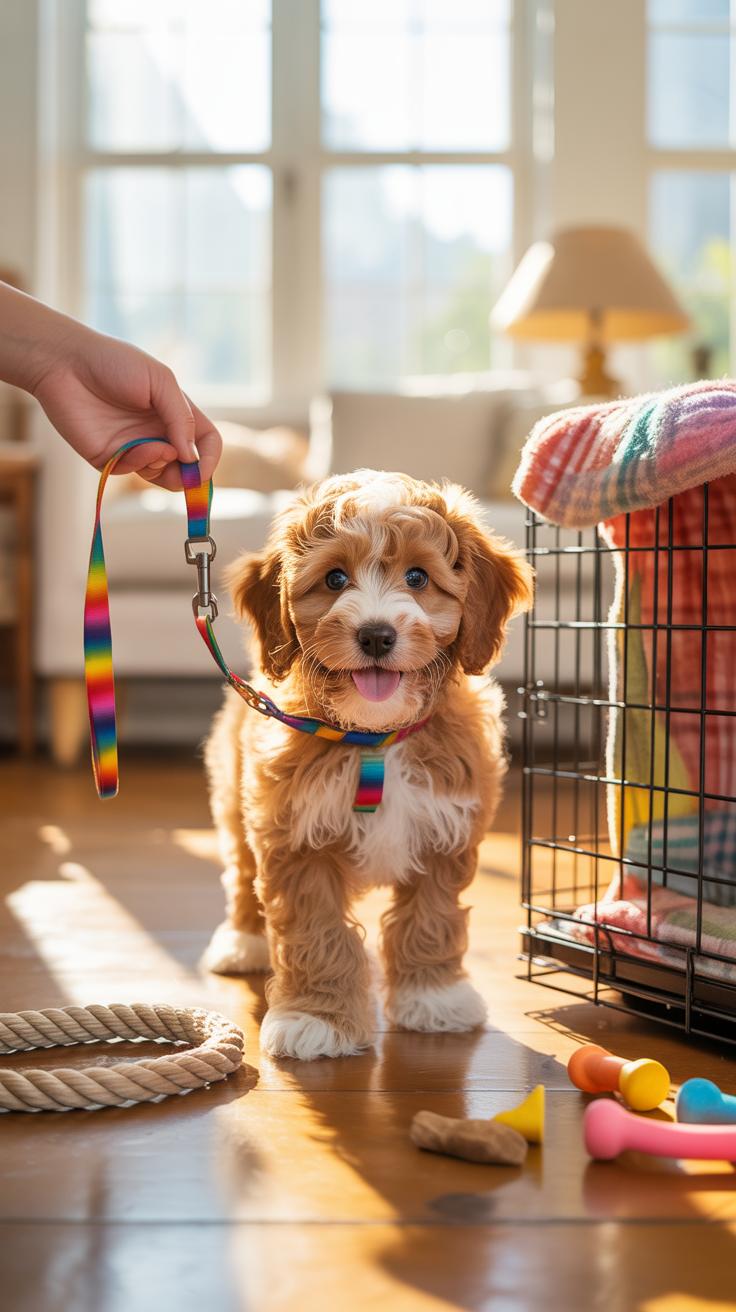
Step By Step Crate Training To Help Your Cavapoo Feel Secure And Calm
Crate training utilizes a dog’s natural denning instinct to provide a safe environment. At week nine, your Cavapoo needs a designated space for rest and recovery. Place a high-value treat inside the crate to encourage voluntary entry. Do not force the puppy inside. Keep the door open during the first few sessions. This builds positive associations with the space and prevents isolation anxiety from developing early.
Increase the duration of crate time gradually over these two weeks. Start with five minutes while you remain in the room. Move out of sight once the puppy settles. Only open the door when the puppy is quiet to avoid reinforcing barking behavior. Use the crate for scheduled naps and overnight sleeping. Consistency here reduces house-soiling accidents because puppies instinctively avoid messing where they sleep.
Introducing Leash Walking And Teaching Loose Leash Manners Early
Introduce the collar or harness inside the house before attempting outdoor walks. Cavapoos are small and have sensitive necks, so a harness is safer than a flat collar for pulling. Let the puppy wear the gear for short periods without a lead attached. Reward them with kibble when they ignore the weight of the equipment. This desensitization prevents the puppy from freezing or panicking when you finally clip on the leash.
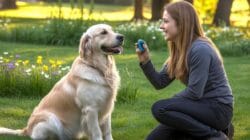
Begin leash training in a low-distraction environment like a hallway or living room. Hold the leash with a loose grip and encourage the puppy to walk beside you. Use small treats to lure them into the heel position. Stop moving immediately if the puppy pulls or lunges. This teaches them that tension on the leash ends forward progress. Reward them frequently for keeping the leash slack during these short indoor practice sessions.
Week 11 To 12 Advancing Your Puppy Training Tips Into Real World Situations
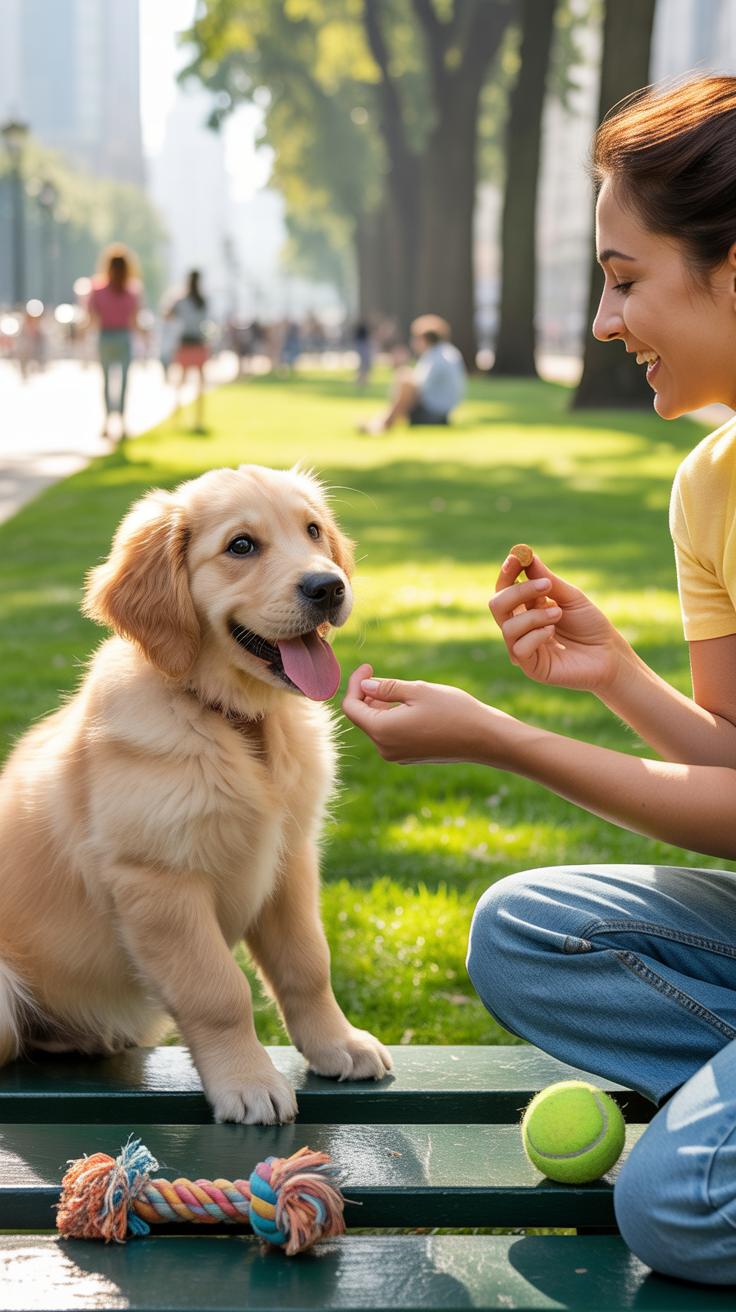
Reinforcing Commands In Distracting Environments To Build Reliable Obedience
Training in a quiet living room does not guarantee safety outdoors. By week eleven, you must move sessions to parks or busy sidewalks. Start with the puppy on a short leash. Use high-value treats to maintain focus when cars or people pass by. Your goal is immediate compliance despite external noise. If the puppy loses focus, increase the distance from the distraction and try again.
Repetition in diverse settings builds neural pathways for muscle memory. Practice sit, stay, and come commands in five different locations every week. This prevents the puppy from associating commands only with your home. Keep sessions under ten minutes to avoid mental fatigue. Sharp, short bursts of intense focus yield better results than long, boring drills. Consistency now ensures a reliable adult dog that listens during emergencies.
Top Puppy Training Tips For Preventing Common Cavapoo Behavioral Challenges
Cavapoos are prone to separation anxiety and excessive barking due to their Poodle and Cavalier King Charles Spaniel lineage. You must establish a clear hierarchy and routine to prevent these issues from taking root. Use crate training and scheduled independence to teach the dog that being alone is safe. Reward quiet behavior and ignore demand barking to set firm boundaries early in development.
- Scheduled Solitude: Leave the puppy alone in a safe zone for thirty minutes twice a day. This builds confidence and prevents over-dependence on human presence. It stops separation anxiety before it starts by normalizing your absence as a routine event.
- Strategic Ignoring: Do not acknowledge your puppy when they bark for attention or food. Looking at or talking to the dog reinforces the noise. Wait for three seconds of silence before offering praise or treats to reward the quiet state.
- Controlled Greetings: Require a sit before anyone pets the puppy to prevent jumping. Jumping is a common Cavapoo trait that becomes a nuisance as they grow. Consistent rules for guests ensure the dog learns that calm behavior earns the social reward.
- Mouth Substitution: Provide specific chew toys when the puppy attempts to nip hands or clothing. Cavapoos explore with their mouths and need clear direction on what is acceptable to bite. This redirecting technique prevents destructive chewing habits from forming in the home.
- Threshold Training: Make the puppy wait at the door before going for a walk. This simple exercise builds impulse control and asserts your role as the leader. It prevents the dog from bolting into dangerous traffic or pulling on the leash during transitions.
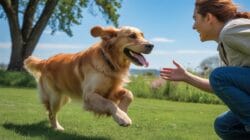
Anxiety often stems from a lack of structure or unpredictable environments. Maintain a strict feeding and bathroom schedule to provide the puppy with a sense of security. If the dog knows exactly what to expect, they are less likely to act out. Focus on mental stimulation through puzzle toys to burn off excess energy. A tired puppy is a well-behaved puppy that lacks the drive to be destructive.
Building Long Term Success With Your Cavapoo Puppy Training Guide Beyond Week 12
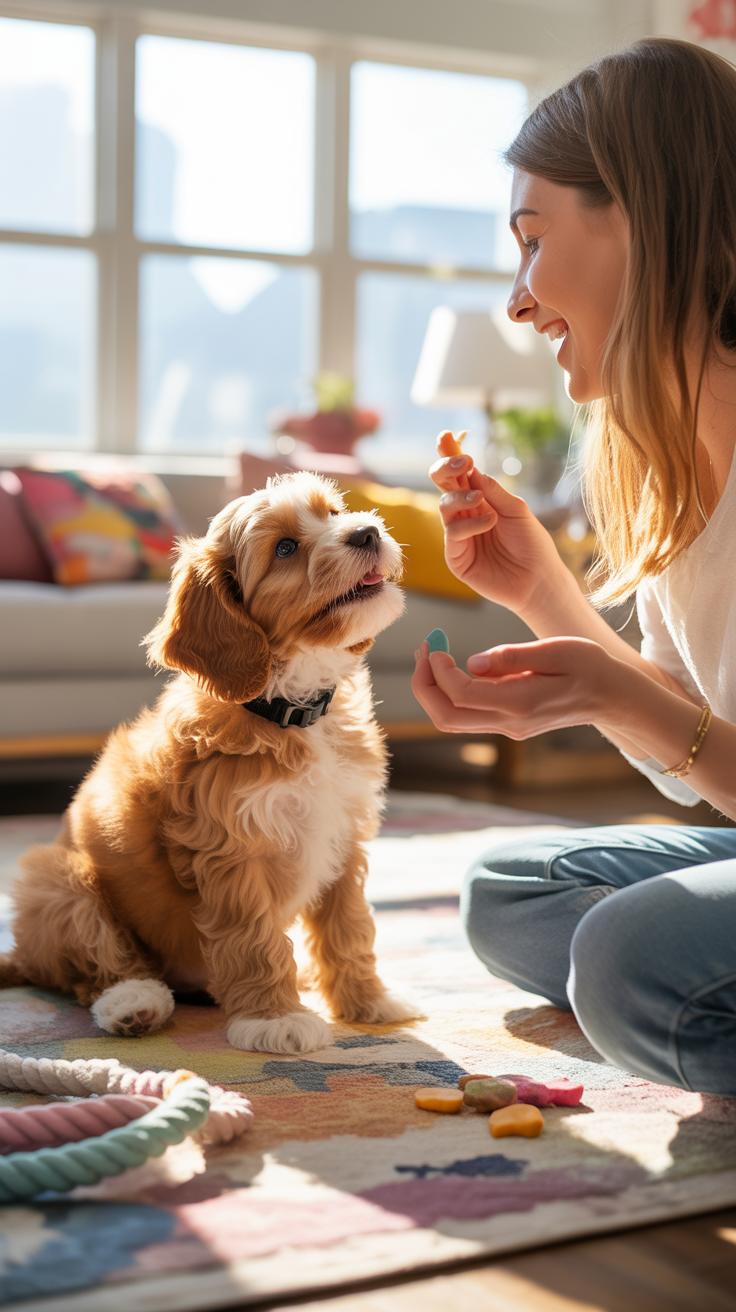
Maintenance Of Consistency And Progress After The Twelve Week Milestone
The first twelve weeks establish the foundation for your Cavapoo puppy training schedule. After this period your puppy enters a developmental stage where they test boundaries. You must continue daily training sessions to prevent behavioral regression. Use high value rewards to reinforce known commands in new environments. Constant repetition ensures the dog internalizes these rules for life. Do not stop training just because the puppy follows basic commands.
Maintain a strict schedule for feeding and eliminate breaks to prevent house training accidents. Cavapoos are highly social and can develop separation anxiety if habits become unpredictable. Gradually increase the duration of time your dog spends alone to build independence. Focus on neutral reactions to loud noises and strangers during your walks. Tactical consistency at this stage turns a fast learner into a reliable adult companion.
When To Consider Professional Puppy Classes Or A Certified Dog Trainer
Professional help becomes necessary if you observe persistent aggression or extreme fear. A certified trainer provides external eyes on your technique and corrects timing errors. Cavapoos are small dogs but they still require expert socialization in controlled environments. Group classes offer a safe space to practice obedience under high distraction. This environment simulates real world scenarios better than your living room. Seek a professional once self study results plateau.
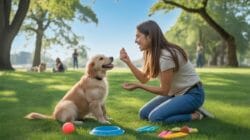
Evidence of separation anxiety or destructive chewing requires specialized intervention. Trainers use methodical desensitization techniques that go beyond basic house rules. If your Cavapoo ignores commands despite consistent effort you likely have a communication gap. Professional guidance identifies if the issue is a lack of motivation or a misunderstanding of signals. Expert oversight ensures you do not accidentally reward bad behaviors during your daily routine.
Frequently Asked Questions

When should I start a formal training routine with my new Cavapoo?
You should begin your cavapoo puppy training schedule the very first day your pup arrives home, typically at eight weeks old. While they are young, Cavapoos are incredibly intelligent and eager to please. Starting with basic socialization and simple house rules immediately sets a foundation for good behavior, ensuring your fluffy companion grows into a well-adjusted adult while their mind is most receptive to learning.
How do I successfully crate train a Cavapoo puppy during the first few weeks?
To master crate training within your cavapoo puppy training schedule, make the crate a cozy sanctuary with soft bedding and safe toys. Encourage your pup to enter using high-value treats and praise. Start with short durations of just a few minutes while you are in the room, gradually increasing the time as they become more comfortable. Consistency is key to helping them view the crate as their secure home base.
Can I train my Cavapoo puppy effectively without hiring an expensive professional trainer?
Absolutely! Cavapoos are highly responsive to positive reinforcement, making them ideal for at-home training. You can achieve professional results using affordable resources like instructional videos, library books, and DIY agility courses made from household items. The most important investment isn’t money, but rather your time and patience. Focus on short, rewarding sessions each day to build a strong bond without breaking your budget.