Is It Actually Possible To Teach Dog To Open Doors Understanding Canine Capability
How Smart Are Dogs When It Comes To Learning Complex Tasks?
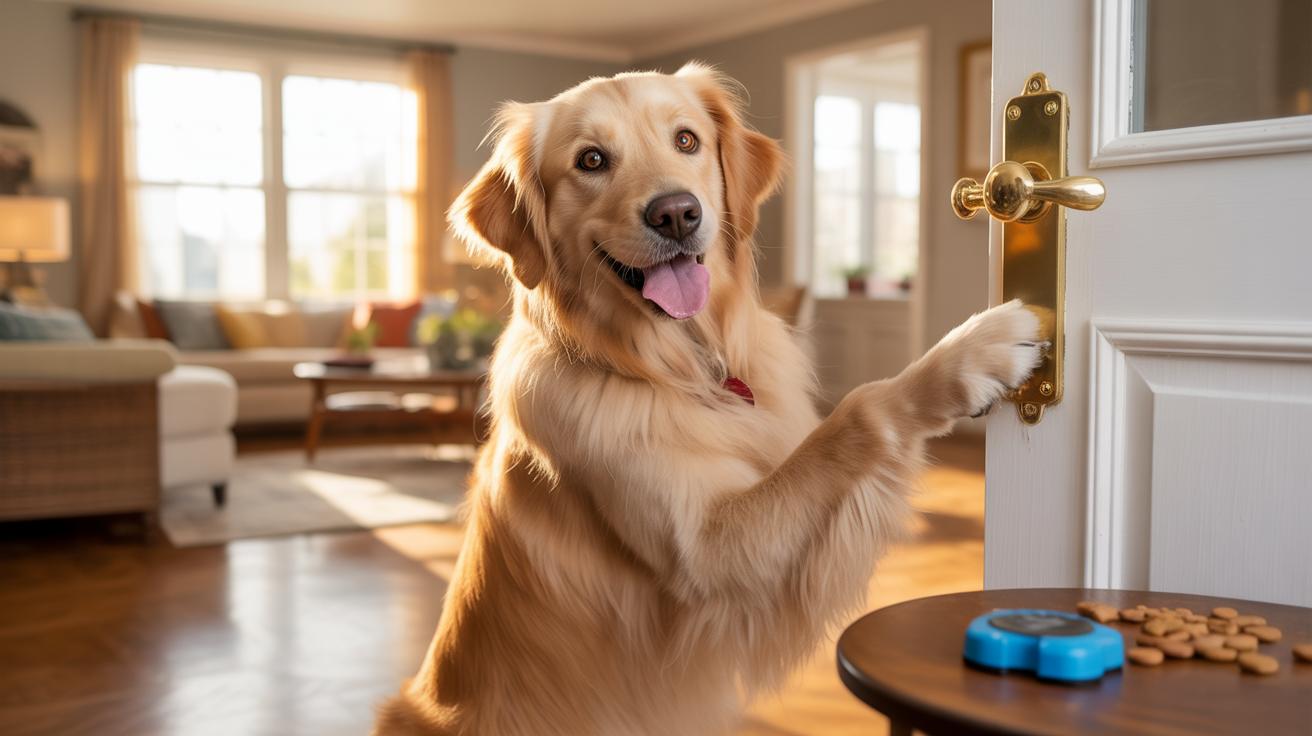
Dogs possess high levels of adaptive and working intelligence. They learn multi step sequences through operational conditioning and observational learning. Opening a door is a chained behavior. The dog must identify the handle, apply force, and move its body away from the swing path. Most canines grasp this logic quickly because they understand physical cause and effect. They prioritize efficiency to reach a goal.
Training success depends on the cognitive load of the task. A simple lever handle requires basic downward pressure. A round knob demands complex grip and rotation skills. Dogs utilize their paws or mouths to manipulate these objects based on their size and mouth shape. You must break the process into small increments. Once the dog connects the action to the reward, the behavior becomes a reliable tool.
Which Dog Breeds Pick Up Door Opening Skills Most Quickly?
Working and herding breeds lead in problem solving speed. Border Collies, German Shepherds, and Golden Retrievers possess the focus needed for mechanical tasks. These breeds have a high drive to work and please their owners. They observe human movements and often attempt to mimic them without formal training. Their physical height also gives them a structural advantage to reach standard door hardware.
Service dog candidates like Labradors are specifically bred for these capabilities. They have the jaw strength and dexterity to turn knobs or pull handles. Smaller breeds often lack the physical leverage required for heavy doors. Larger, smarter dogs learn the mechanic in just a few sessions. If a dog has a natural curiosity about barriers, it will likely master the door opening process faster than others.
Dog Training Tips Core Principles You Need Before You Start Door Training
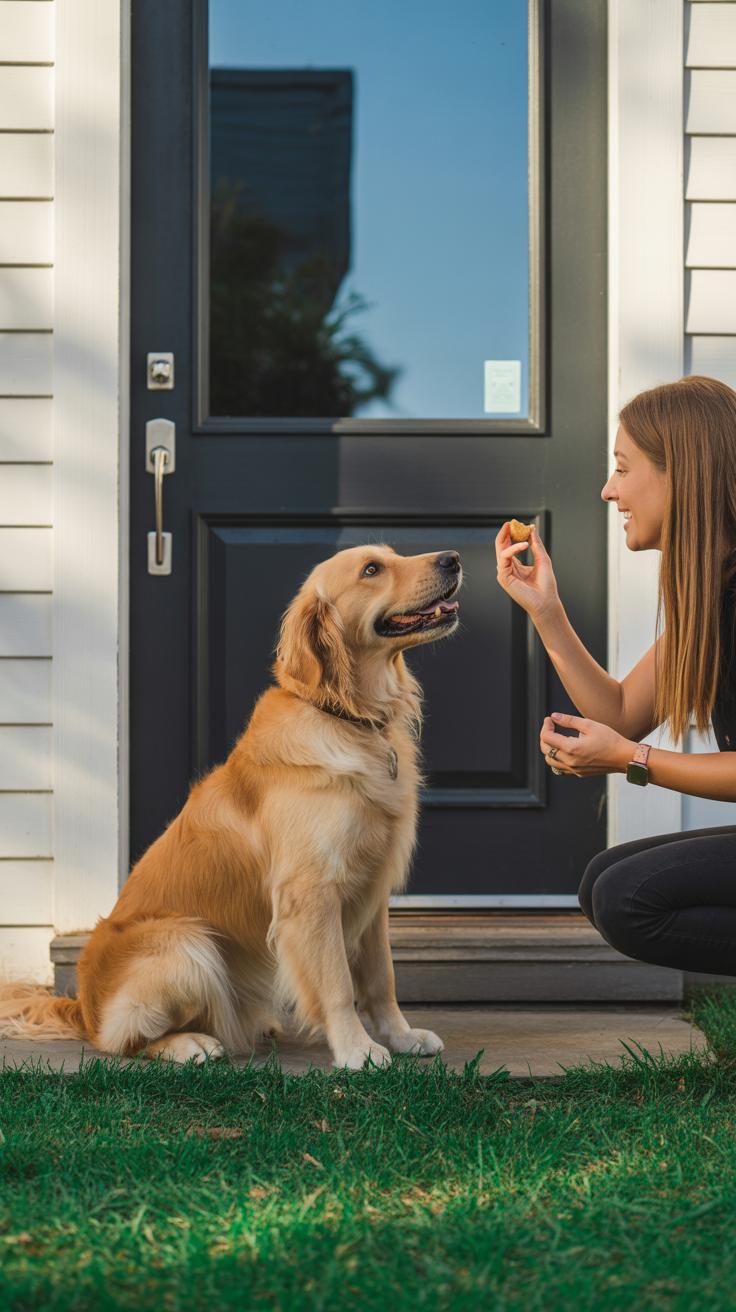
How Positive Reinforcement Lays The Foundation For Teaching Door Skills
Positive reinforcement creates a reliable communication loop between you and your dog. You must reward specific actions immediately to mark the correct behavior. When teaching a dog to open doors, use high-value rewards like dried liver or cheese. These rewards motivate the dog to solve the physical puzzle of the door handle. Accuracy in timing ensures the dog understands which movement earned the prize.
Dogs learn best when they associate door contact with gain rather than frustration. Force-based methods fail here because they create fear around heavy hardware. By using positive reinforcement, you build the drive necessary for the dog to apply physical pressure. Consistent rewards turn a mundane task into a high-priority job for the animal. Focus on rewarding incremental progress to keep the momentum high.
Understanding Your Dog’S Learning Threshold And When To Push Further
Every dog has a cognitive limit called a learning threshold. Pushing past this point results in stress and complete shutdown. You must watch for signs of fatigue such as panting or distraction. Short sessions lasting five minutes are more effective than long grinds. If your dog stops looking at the door, stop the training immediately. End on a successful repetition to maintain confidence.
Strategic progression requires you to raise criteria only when the dog succeeds eighty percent of the time. If the dog fails three times in a row, lower the difficulty. You might go back to touching the handle instead of turning it. This prevents the dog from giving up on the task. Keep the challenge level just high enough to demand focus without causing significant mental strain.
Dog Care Tips Setting Up The Right Environment Before Training Begins
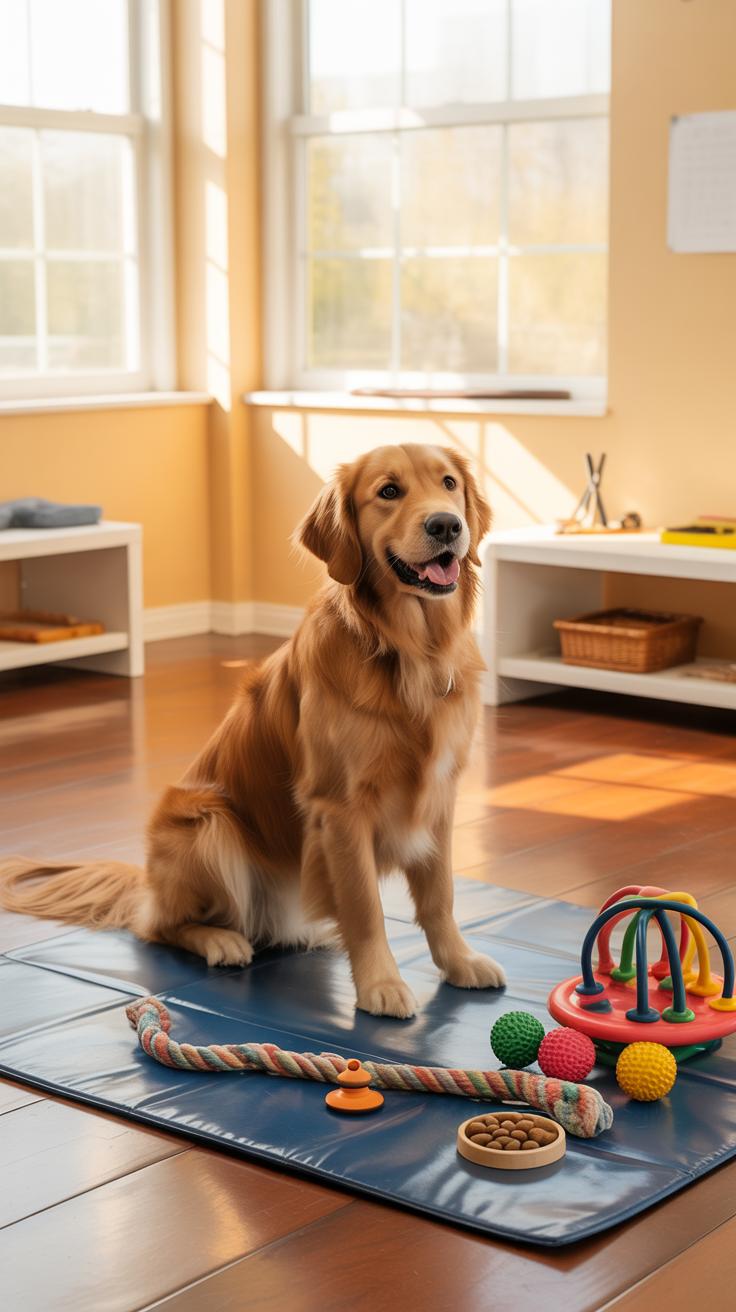
How To Choose The Best Door Type And Handle Style For Dog Training
Lever handles are the only viable option for canine operation. Modern lever designs emerged during the mid-20th century to meet accessibility standards. These handles provide a horizontal surface that a dog can depress using paw weight or mouth pressure. Round knobs require opposable thumbs and rotational force. Dogs cannot grip smooth spheres. Select a heavy metal handle that can withstand repeated scratches without bending.
Internal hollow-core doors are lighter and easier for a dog to move once unlatched. Solid oak or steel fire doors require significant physical strength. Choose a door that swings away from the dog initially. Pushing is less complex for an animal to learn than pulling. Ensure the hinges are well-lubricated to reduce friction. High resistance will frustrate the animal and stall progress. Tactical selection of the hardware determines your success rate.
Essential Safety Checks To Make Your Dog Spaces Training Ready
Clear a three-foot radius around the door on both sides. Remove loose rugs or furniture that could snag or trip the dog. Ensure the floor surface provides adequate traction. Polished hardwood or slick tile causes paws to slide during the push phase. This leads to joint strain or accidental falls. Use a non-slip rubber mat if the floor is too smooth. Grip is essential for generating force safely.
Examine the door frame for protruding nails or sharp metal edges. Dogs use their noses and paws to find purchase on the surface. These areas must be smooth to prevent lacerations. Check the door bottom for a tight gap. Paws can get pinned under doors with high clearances. Install a door stop to prevent the door from slamming shut on a tail. Controlled movement is the only way to avoid injury during training.
Training Your Dog A Step By Step Breakdown To Teach Dog To Open Doors
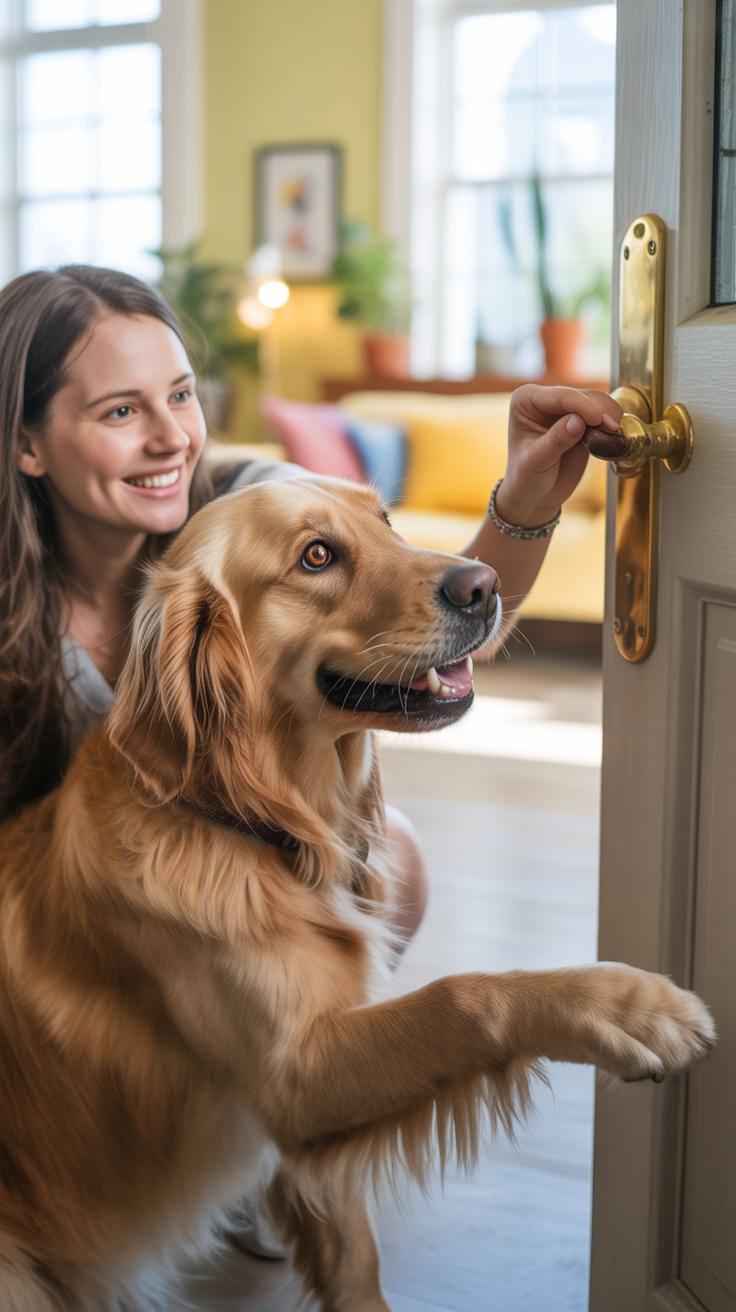
Phase One — Teaching Your Dog To Touch And Interact With The Door Handle
You must first build a high value for the door handle. Use a target stick or your hand to guide the dog toward the hardware. Mark the exact moment their nose or paw makes contact with the metal. Repeat this process until the dog builds a clear association. Reward every successful touch with immediate precision. This establishes the handle as the primary point of physical engagement.
Consistency dictates the speed of learning in this initial phase. Do not reward accidental contact with the door frame or the wood paneling. Focus the dog entirely on the mechanical lever or knob. Use high-value treats to reinforce this specific behavior. You want the dog to actively seek out the handle without verbal prompts. This creates a reliable foundation for the more complex mechanical movements that follow.
Phase Two — Progressing From Handle Touch To A Full Door Opening Motion
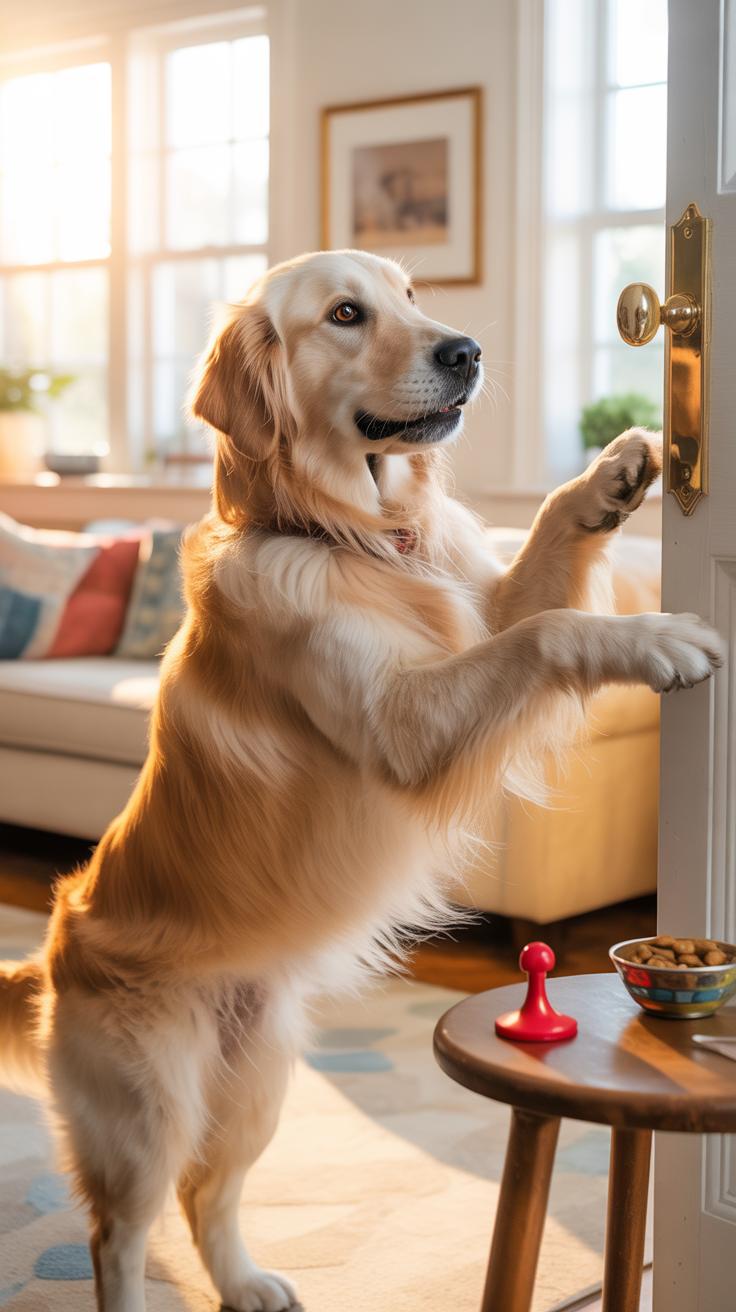
The dog must now move from simple contact to active manipulation of the hardware. This requires physical force applied in the correct direction. Lever handles are easier for dogs than round knobs because they only require downward pressure. You must shape the behavior by rewarding any movement that causes the latch to click. Small successes lead to the full mechanical release of the door.
- Targeting the Lever: Guide the dog to place its paw or snout on top of the lever handle. Downward pressure is the goal here. Mark and reward the specific moment the lever moves even slightly toward the floor.
- Adding a Tug Strap: Tie a soft rope or sturdy fabric strap to the handle for heavy doors. This gives the dog a better grip and more leverage. Pushing a door is simple but pulling requires this physical tool for most breeds.
- Executing the Push: Teach the dog to use its weight against the door once the latch releases. If the door swings away, reward the dog for walking through the gap. This completes the sequence for doors that open inward toward the hallway.
- Managing the Pull: Use the tug strap to teach the dog to back up while holding the rope. This creates the necessary clearance for the door to swing open toward them. Reinforce the backward movement until the dog clears the door path.
- Standardizing the Cue: Introduce a specific verbal command like Open once the physical motion is fluid. Pair the word with the action consistently over multiple sessions. This shifts the behavior from a physical lure to a reliable commanded response.
Transition from rewarding the touch to rewarding the sound of the latch releasing. The dog needs to realize that the noise signifies success. Once the door moves, encourage the dog to follow through with its body weight. Keep sessions short to prevent frustration during this mechanical learning phase. Practice on different doors to ensure the dog generalizes the skill across various hardware styles and weights.
Dog Hacks Clever Tools And Modifications That Make Door Training Easier
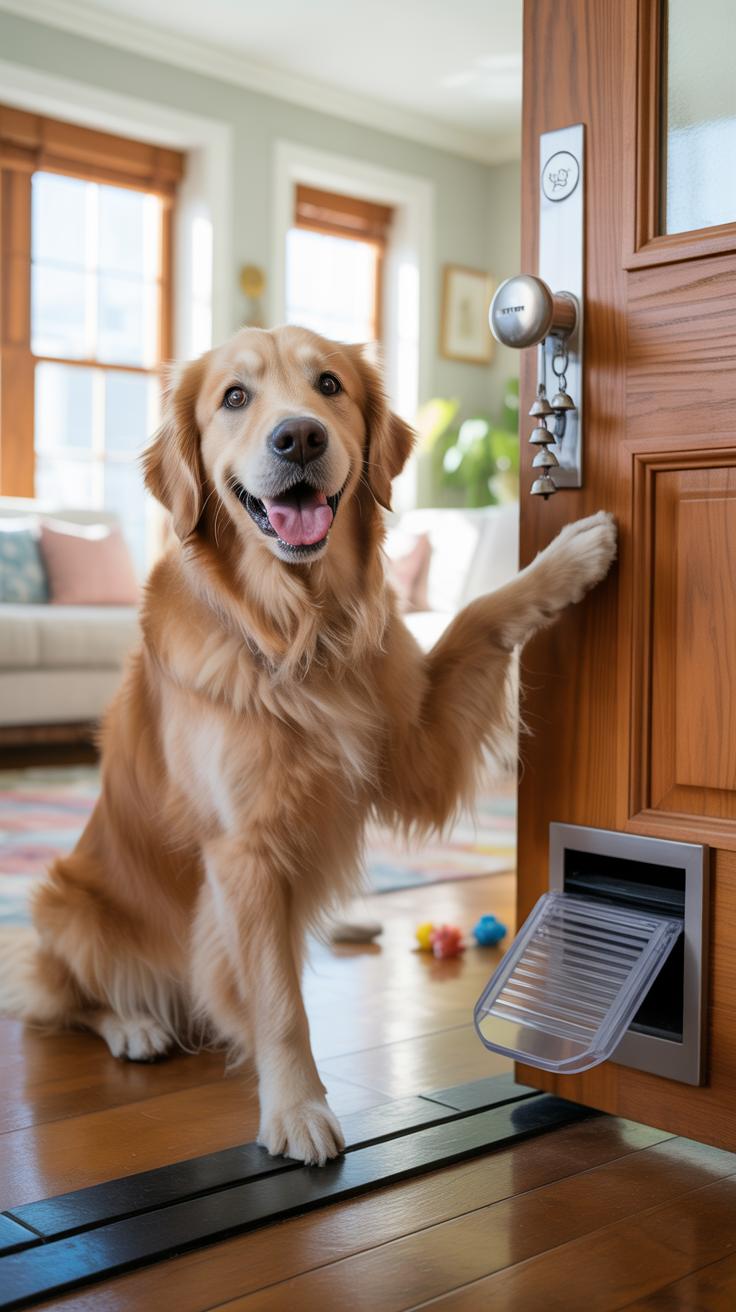
Rope Attachments, Lever Conversions, And Other Practical Door Modifications
Standard round doorknobs frustrate dogs because they lack the manual dexterity to grip and turn smooth surfaces. Replace these with lever handles to lower the difficulty. Lever handles provide a flat surface that a dog can depress using their paw or chin. This modification turns a complex rotational movement into a simple downward push. Most residential lever handles follow universal sizing standards for easy installation.
Attach a thick rope or specialized tug strap to the handle for doors that open inward. Dogs naturally understand pulling motions better than pushing motions. Use a heavy material like cotton or nylon that the dog can grip firmly without slipping. Secure the attachment point so the rope does not slide off center. These physical modifications remove mechanical barriers and allow the dog to focus solely on the sequence.
How To Use Target Sticks And Scent Cues To Speed Up The Learning Process
Target sticks act as a physical extension of your arm to direct the dog. Use the stick to lead the dog exactly where they need to touch the door. Reward the dog immediately when their nose or paw makes contact with the target. This technique eliminates confusion and prevents the dog from scratching at the wrong parts of the frame. It build precision quickly.

Scent cues provide a secondary signal for more complex tasks. Apply a specific, non-toxic scent to the handle or pull strap to identify the work area. Dogs navigate the world through their noses first. A scent marker tells the dog exactly which door is theirs to operate. This method works well in homes with multiple identical doors. It provides a clear visual and olfactory roadmap for the animal.
Dog Doorbell Training Teaching Your Dog To Signal Before Opening The Door
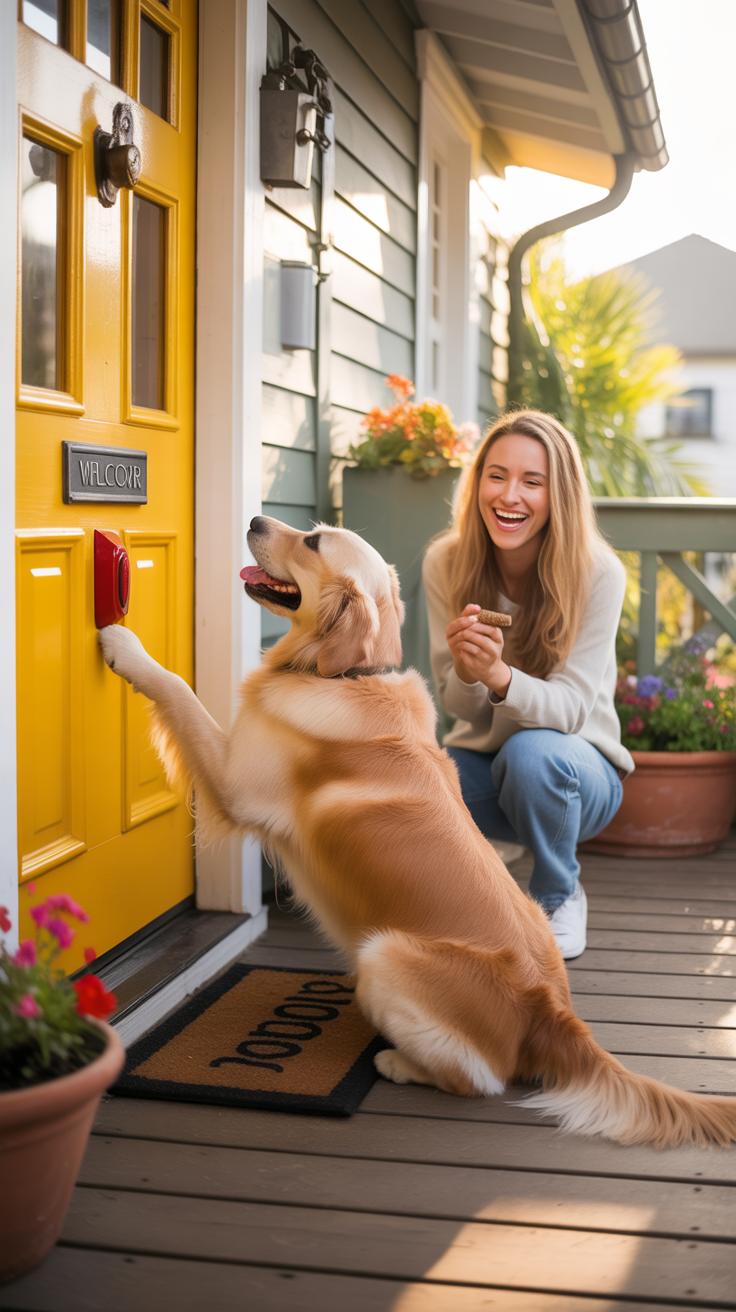
Why Pairing A Doorbell Cue With Door Training Creates Safer Habits
Door training without a communication protocol is a liability. A dog that opens doors at will causes property damage and safety risks. You must install a barrier between the impulse and the action. Linking a bell to the door handle creates a mandatory checkpoint. This ensures the dog asks for permission rather than acting on instinct. It preserves your hardware and keeps the animal contained.
The doorbell acts as a verbal bridge. It shifts the behavior from a physical feat to a social request. You maintain control over the exit points of your home. If a dog ignores the bell and goes straight for the lever, you lose authority. Establishing this sequence prevents the dog from eloping or letting in cold air. It turns a potential nuisance into a structured and predictable routine.
How To Train Your Dog To Ring A Bell And Then Operate The Door Independently
Start by teaching the touch command using a mounted bell or button. Hold a treat behind the bell to force a nose strike. Mark the contact with a clicker or a verbal cue. Repeat this until the dog hits the bell without a prompt. Once this behavior is fluid, move the bell to the door frame. Do not progress until the dog targets the bell reliably in its final location.
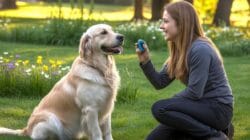
Now chain the bell ring to the door opening movement. Require the bell strike before you allow the dog to touch the handle or pull the strap. If the dog skips the bell, reset the drill immediately. Reward the sequence of bell-ring then door-open. This builds a cognitive link between the signal and the result. Over time, the dog will perform the full chain to gain access to the outside.
In This Moment Reading Your DogS Body Language During Door Training Sessions
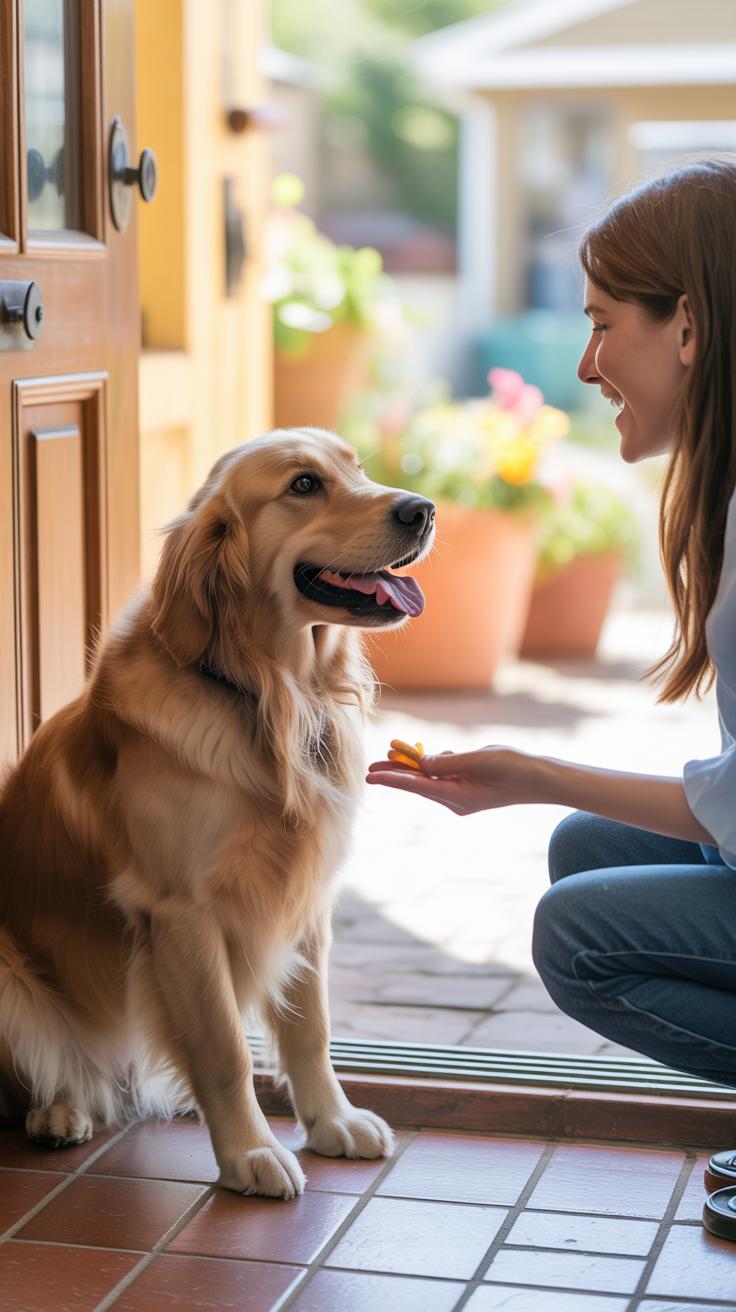
Signs Your Dog Is Engaged, Frustrated, Or Ready To Move To The Next Step
Productive engagement looks like forward-leaning posture and eyes fixed on the door handle or pull strap. A dog ready to progress will anticipate the command and execute the physical movement with minimal hesitation. Watch for a high tail carriage and ears pointed toward the target. These signals confirm the dog understands the mechanical goal. Success depends on recognizing these markers before the dog loses focus.
Frustration manifests as displacement behaviors like scratching, yawning, or looking away from the door. If the dog begins to bark at the handle or nip at the harness, the tactical challenge is too high. You must identify these stalls immediately to prevent negative associations with the hardware. A dog that successfully completes three repetitions without physical prompts is biologically and mentally ready for increased resistance or different handle types.
With patience and a gentle hand, every closed door can become a bridge to a new adventure for a girl and her dog.
How To Adjust Your Training Approach Based On Real Time Behavioral Cues
Real time adjustments save time and prevent training plateaus. If the dog shows stress by tucking its tail, lower the physical difficulty immediately. Use a lighter door or a longer pull rope to rebuild confidence. High pressure environments stall learning. Decrease the duration of sessions if the dog starts to move slower than usual. Speed of execution reflects the dog’s internal grasp of the task.
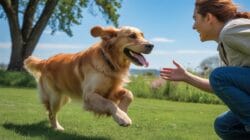
When the dog masters a specific grip or push, increase the complexity. If the dog performs the task with precision, introduce environmental distractions. Shift your position to ensure the dog responds to the verbal cue rather than your body language. You must remain neutral and observing. Tighten the criteria for rewards as the dog improves. This ensures the behavior becomes a reliable skill rather than a lucky accident.
How To Teach Your Dog To Turn Around Combining Movement Commands With Door Training
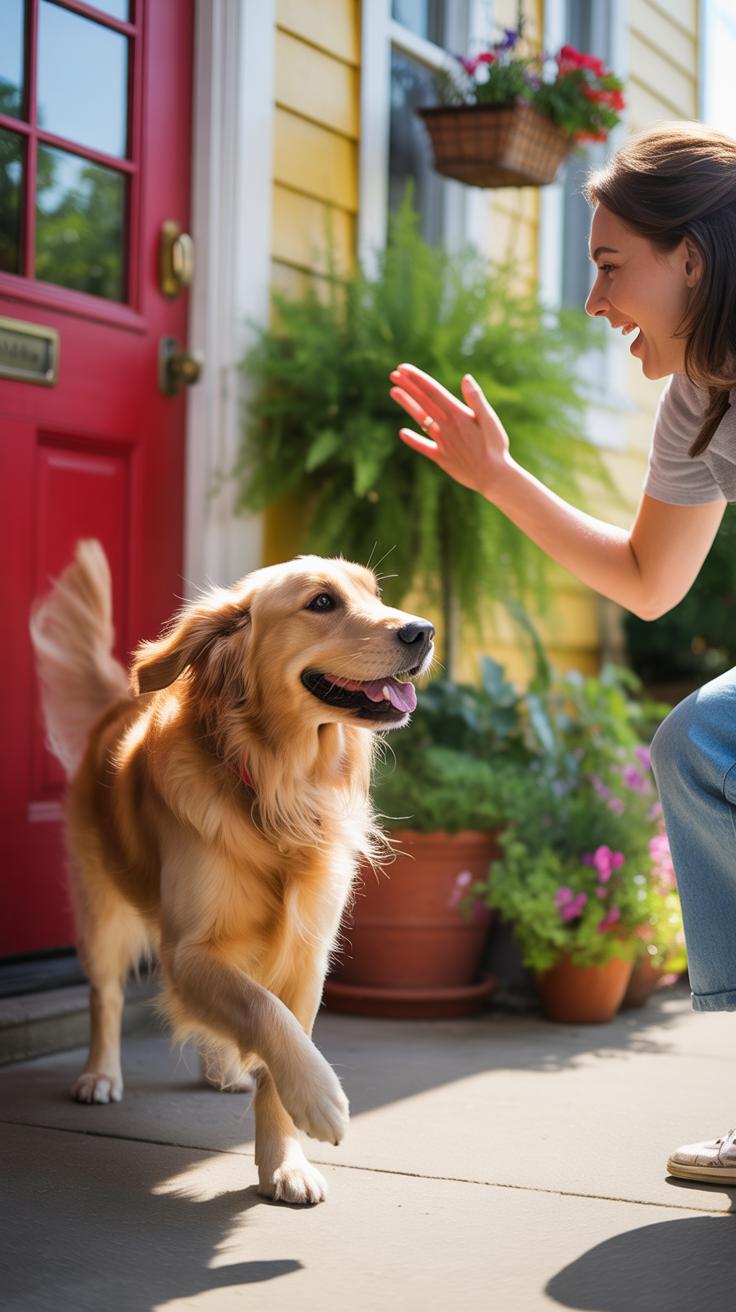
Why The Turn Around Command Is A Natural Companion Skill To Door Opening
Opening a door is only half the job. Dogs often block the path they just cleared. A dog that stands in the threshold creates a physical bottleneck. You need the dog to move out of the way immediately after the latch releases. The turn around command creates the necessary clearance for you or the dog to pass through the door frame without collision.
Teaching this skill ensures the dog stays focused on the entire sequence. Door training often fails because the dog stops after the first mechanical action. Movement commands keep the dog in a state of active work until the path is clear. This secondary cue prevents the dog from getting clipped by the door as it swings. It transforms a simple trick into a functional utility.
Step By Step Method To Integrate The Turn Around Cue Into Your Door Routine
Integrate the turn around cue once the dog consistently interacts with the handle. Start by standing near the door and lure the dog into a full circle using a high value treat. Link the verbal cue to the physical rotation before you ever touch the door. Once the dog spins on command, move to the closed door and trigger the turn immediately after the latch clicks.
- Lure the Rotation: Hold a treat near the dog’s nose and move it in a tight circle. Ensure the dog follows the hand signal completely. This builds the muscle memory required for a quick pivot in a small space like a narrow hallway or entry.
- Add the Verbal Cue: Introduce the word turn or spin as the dog completes the movement. Repeat this at least twenty times until the dog reacts to the word alone. Speed is the goal here. The dog must rotate quickly to clear the door path.
- Chain the Actions: Order the dog to open the door. The moment the door moves, give the turn command. The dog should let go of the handle or toy and spin away from the opening. This prevents the door from swinging back into the dog’s body.
- Distance Training: Increase your distance from the door during the exercise. Command the dog to open the door from across the room. Follow up with the turn command immediately. This ensures the dog knows the turn is part of the door opening sequence itself.
- Proofing the Movement: Practice the sequence with the door swinging at different speeds. The dog must adjust its turn based on how fast the door moves. Use heavy doors and light doors to test the dog’s spatial awareness and reaction time during the turn.

Focus on the timing of the reward to reinforce the chain. Do not treat the dog after the door opens. Only provide the reward after the dog completes the turn and clears the doorway. This timing teaches the dog that the job finishes only when the path is open. Consistently practicing this keeps the dog safe and the doorway accessible for everyone in the house.
Dogs And Door Safety Preventing Escape Risks And Unwanted Behaviors
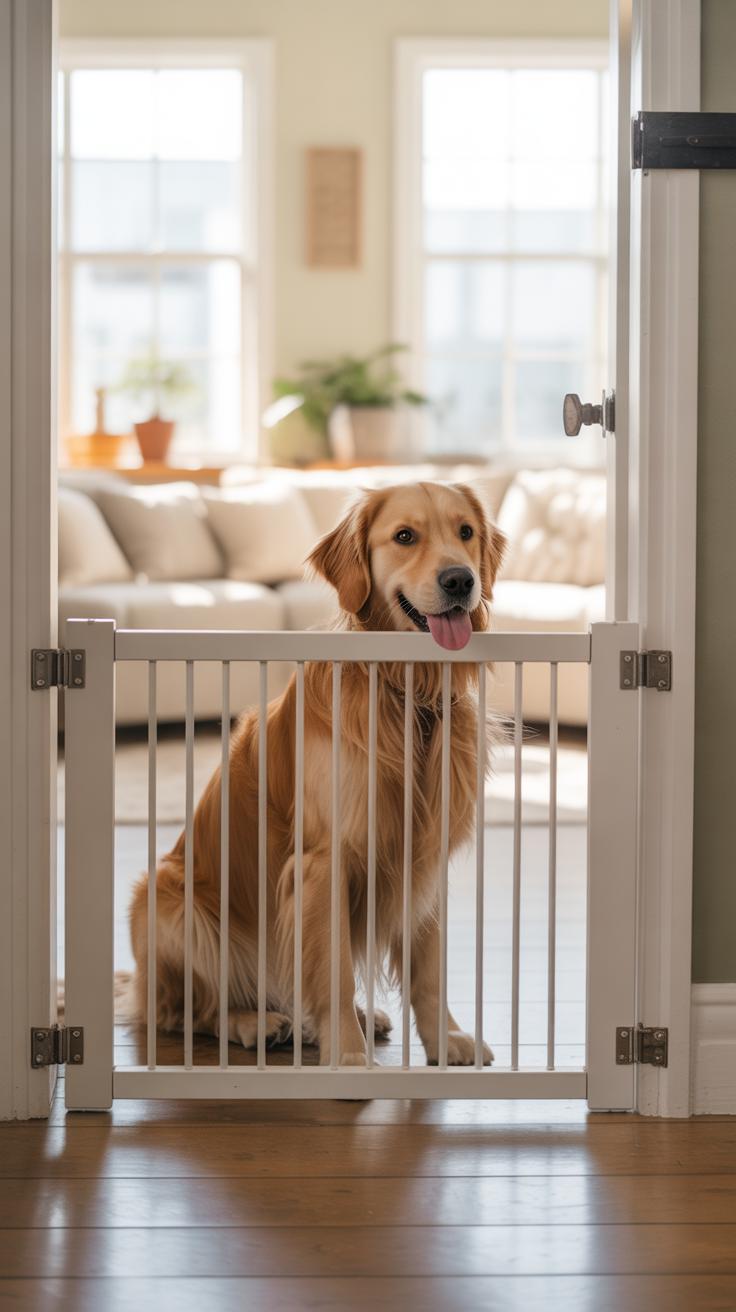
How To Train A Dog To Open Doors Without Creating An Escape Artist Problem
Training a dog to manipulate handles increases the risk of unauthorized exits. You must limit this skill to specific doors. Choose one internal door for initial practice. This prevents the dog from generalizing the behavior to front doors or gates. Use specific hardware like tug ropes or levers only on approved doors. Distinguishing between accessible and restricted handles is the first step in maintaining home security.
Control the environment by installing childproof locks on exterior doors. These locks prevent the dog from applying learned mechanics to exit the house. Use high-value rewards only when you initiate the training session. Never reward a dog for opening a door without a command. If the dog attempts to open a door unprompted, ignore the behavior or redirect them. Strict session boundaries ensure the dog views this as a job.
Using Boundary Training And Permission Cues To Keep Door Access Controlled
Controlled access relies on a strong “wait” or “stay” command. The dog must learn that a door opening is not an automatic signal to pass through. Establish a clear boundary line near the threshold using tape or a rug. Practice opening the door while the dog maintains a seated position. Only allow movement after you give a specific release word like “okay” or “cross.”
Permission cues separate a trained trick from a behavioral liability. The dog should only touch the handle or tug after hearing a distinct verbal cue. If the dog approaches the door without a command, use a “leave it” instruction. Consistent enforcement of these rules prevents the dog from becoming an autonomous roamer. Solid boundary training ensures the dog respects the physical limits of the home even when they possess the skill to bypass them.
Dog Spaces Designing Your Home Layout To Support Independent Door Use
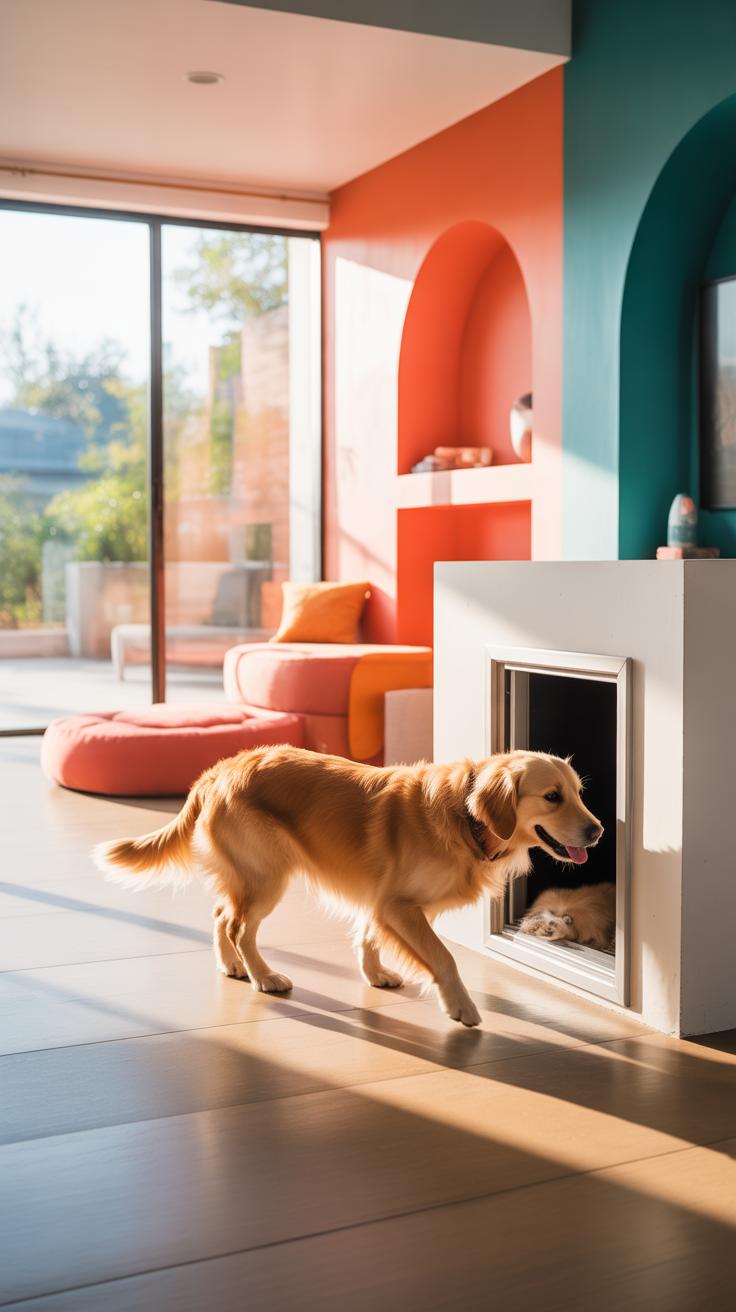
How To Arrange Interior Dog Spaces So Door Training Has A Practical Purpose
Place the dog’s primary resting zone near the door you want them to operate. This reduces the distance the animal must travel to execute the task. High-traffic areas like kitchens and mudrooms offer the best utility for door training. Clear a three-foot radius around the door handle. This space allows the dog to plant its paws and gain necessary leverage without hitting furniture.
Install non-slip flooring near the entryway to provide steady traction. Working dogs need a firm grip to pull or push heavy doors safely. Align the dog’s water station and bed with the flow of the room. This setup encourages the dog to use the door as a natural transit point. Proper spatial planning ensures the dog views the door as a tool rather than a barrier.
Long Term Maintenance Tips To Keep Your Dog’S Door Skills Sharp And Safe
Schedule weekly drills to maintain the dog’s muscle memory. Use high-value rewards to reinforce the correct mechanics of the pull or push. Check the door hardware for wear every month. Friction from claws and teeth can degrade handle surfaces over time. Tighten hinges to ensure the door swings freely. A heavy or sticking door creates physical strain and discourages the dog from performing the task.
Monitor the dog’s physical health for signs of joint stress. Opening doors requires significant core and leg strength. Adjust the height of tug attachments if the dog’s posture changes. Keep the area around the door clean of trip hazards. Consistent environmental conditions help the dog perform with confidence. Regular maintenance prevents accidents and ensures the dog remains a reliable operator within the home layout.
Frequently Asked Questions

Is it actually possible for any dog breed to learn how to open doors?
Yes, most breeds can learn this skill, though size and physical ability play a role. Larger dogs find it easier to reach lever-style handles, while smaller dogs may need specialized equipment or pull ropes. If you want to teach dog to open doors, success depends more on your pet’s motivation and puzzle-solving nature than their specific breed. Consistent positive reinforcement turns this impressive trick into a helpful household habit.
What is the most effective method to start training my dog for this task?
The best approach is using a “shaping” technique with a target stick or a flavored treat. Begin by encouraging your dog to touch the door handle with their nose or paw. Once they understand the point of contact, you can transition to pulling or pushing motions. As you teach dog to open doors, always pair the physical action with a specific verbal command like “open” to ensure they only do it when requested.
Do I need to buy expensive smart gadgets to help my dog use the doors?
Not at all! Teaching this skill can be very budget-friendly. For standard round knobs that are difficult for paws to grip, you can simply tie a soft cotton rope or a sturdy tug-toy around the handle. This DIY modification provides an easy surface for your dog to grab with their mouth. Using affordable household items makes the training process accessible and prevents you from needing to replace your existing door hardware.