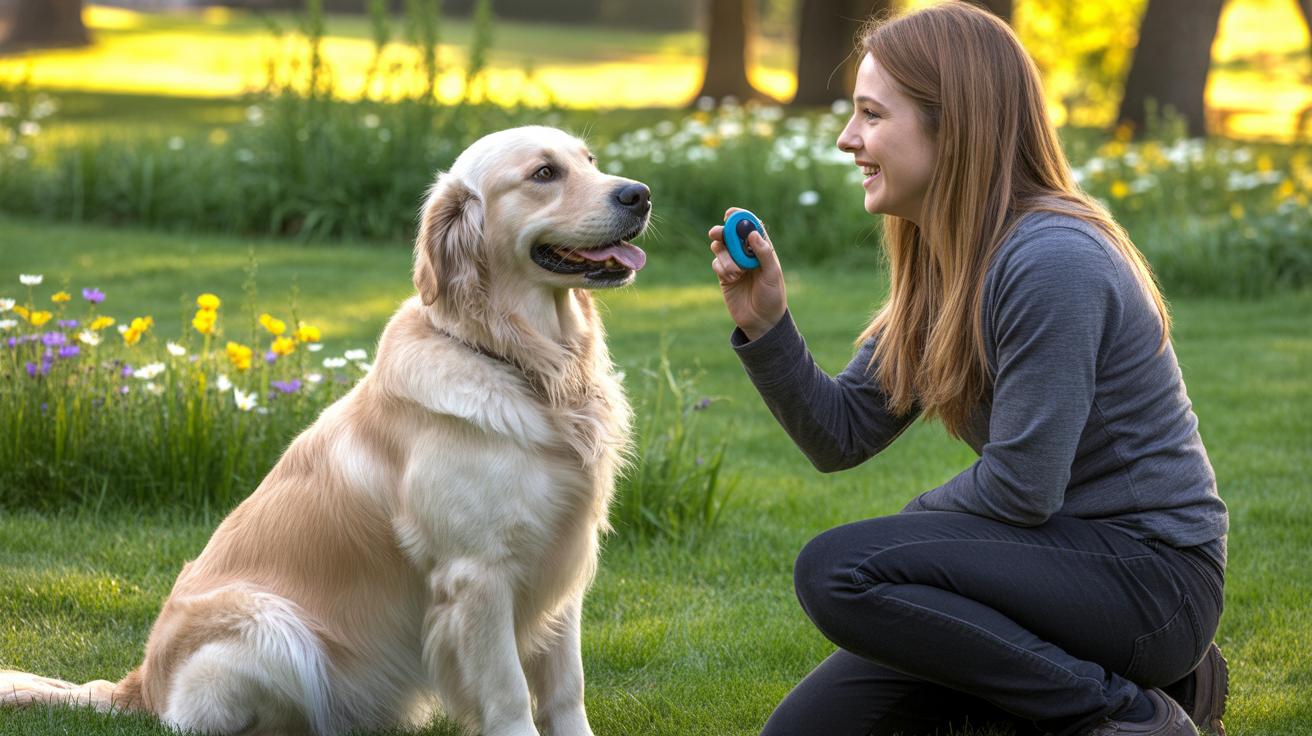
The Science Behind Positive Reinforcement And Dog Clicker Training
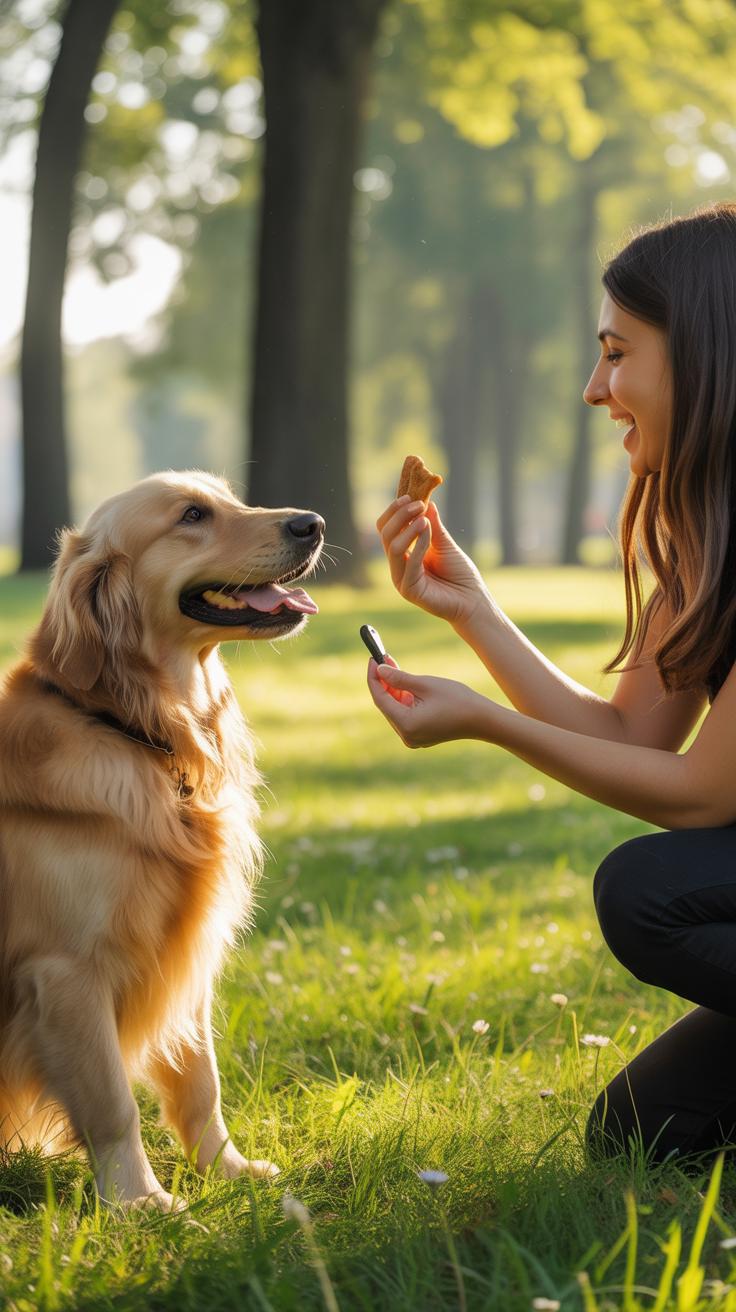
How Operant Conditioning Forms The Foundation Of Clicker Training
Operant conditioning drives clicker training. B.F. Skinner developed this science to show how consequences influence behavior. Dogs repeat actions that produce good results. When a dog performs a task and gets a reward, the brain strengthens that behavior. This process makes the action more likely to happen again. You are literally rewiring the dog through consistent and predictable outcomes.
This training method focuses on the quadrant of positive reinforcement. You add a desirable stimulus to increase a specific behavior. Unlike traditional methods, you do not use force or fear. You wait for the dog to offer the correct move. Once it happens, the reward confirms the choice. This creates a thinking dog that actively seeks to solve problems to earn its paycheck.
Why The Click Sound Works As A Precise And Consistent Reward Marker
The clicker serves as a bridge between action and reward. In the lab, researchers call this a conditioned reinforcer. Human voices are too slow and carry too much emotion. The click is instant and distinct. It marks the exact millisecond the dog does something right. This pinpoint accuracy tells the dog exactly which movement earned the treat without any confusion.
Consistency is the primary tactical advantage of the clicker. Every click sounds identical regardless of your mood or energy level. A verbal “good boy” changes in pitch and tone, which distracts the animal. The clicker provides a neutral and reliable signal. It cuts through environmental noise and creates a clear line of communication. Precision timing speeds up the learning process for any breed.

Choosing The Right Pet Training Clicker For Your Dog
Box Clickers Vs. Button Clickers: Which Type Suits Your Training Style
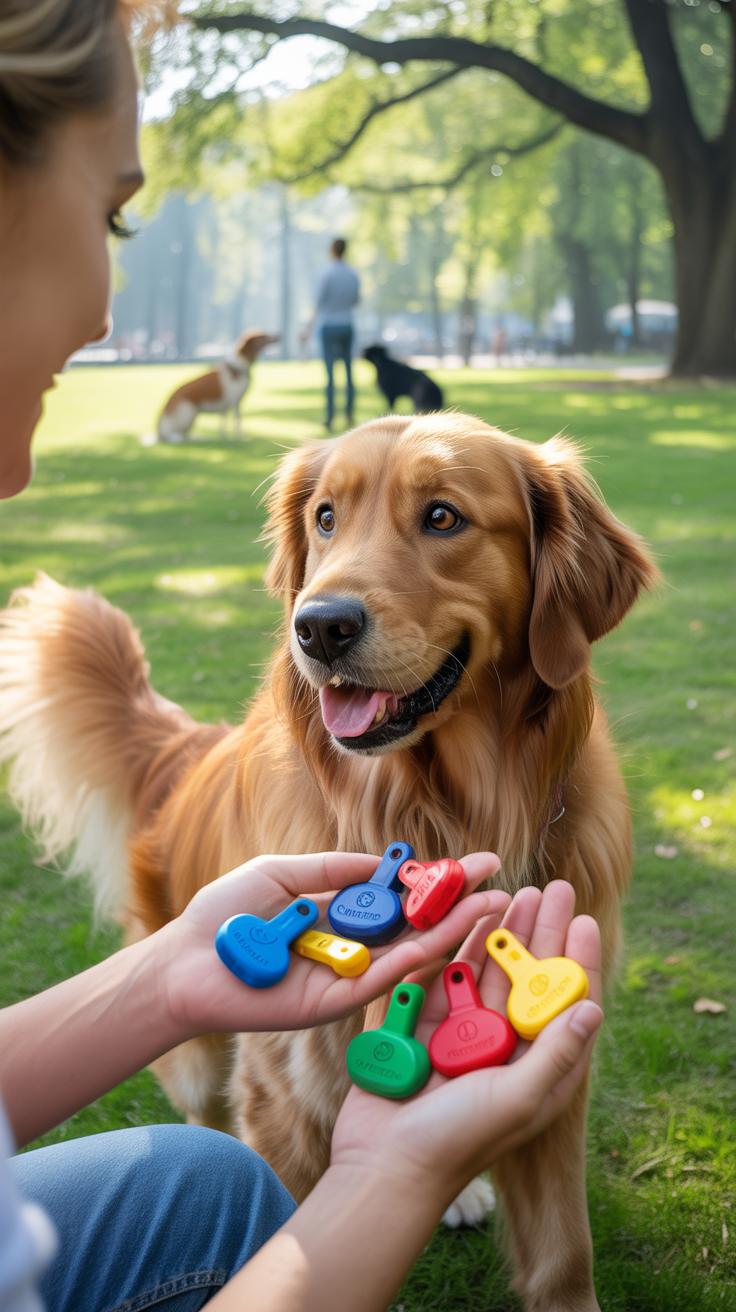
Box clickers represent the original design used in early behavioral science. They feature a stainless steel tongue inside a plastic rectangular shell. You press the metal directly to produce a sharp and loud sound. This high volume works well for distance work or training in noisy outdoor environments. These devices require more finger strength and precision to trigger compared to modern ergonomic versions.
Button clickers prioritize speed and ease of use. A raised plastic button sits over the internal metal strip. This design allows for faster activation with your thumb or palm. The sound profile is usually softer than a traditional box clicker. Use this type for indoor sessions or with sound-sensitive dogs. The tactile feedback helps trainers time the mark perfectly during fast-paced behavior or shaping exercises.
With the simple click of a box, you are telling your best friend that you speak the same language. It is the bridge of kindness that turns every small step into a lifelong conversation.
What To Look For When Buying A Dog Training Clicker For The First Time
Volume and tone consistency are the most critical factors for learning. Dogs rely on the specific auditory signature of the device to identify the reward bridge. Look for a clicker that produces a distinct and repeatable sound. Avoid cheap models that rattle or produce inconsistent tones. A clear sound ensures your dog knows exactly which movement earned the treat. Reliable mechanics prevent confusion during high-stakes training sessions.

Portability affects your ability to capture spontaneous behaviors. Select a clicker with a wrist lanyard or a finger loop. This feature keeps the tool accessible while leaving your hands free for leash handling and treat delivery. Durable materials like high-grade ABS plastic withstand drops on hard surfaces. Test the trigger tension to ensure you can fire it instantly. Effective training depends on the split-second timing of your mark.
Dog Training Clicker Instructions Getting Started Before Your First Session
Gathering Your Supplies: Treats, Clicker, And The Right Training Environment
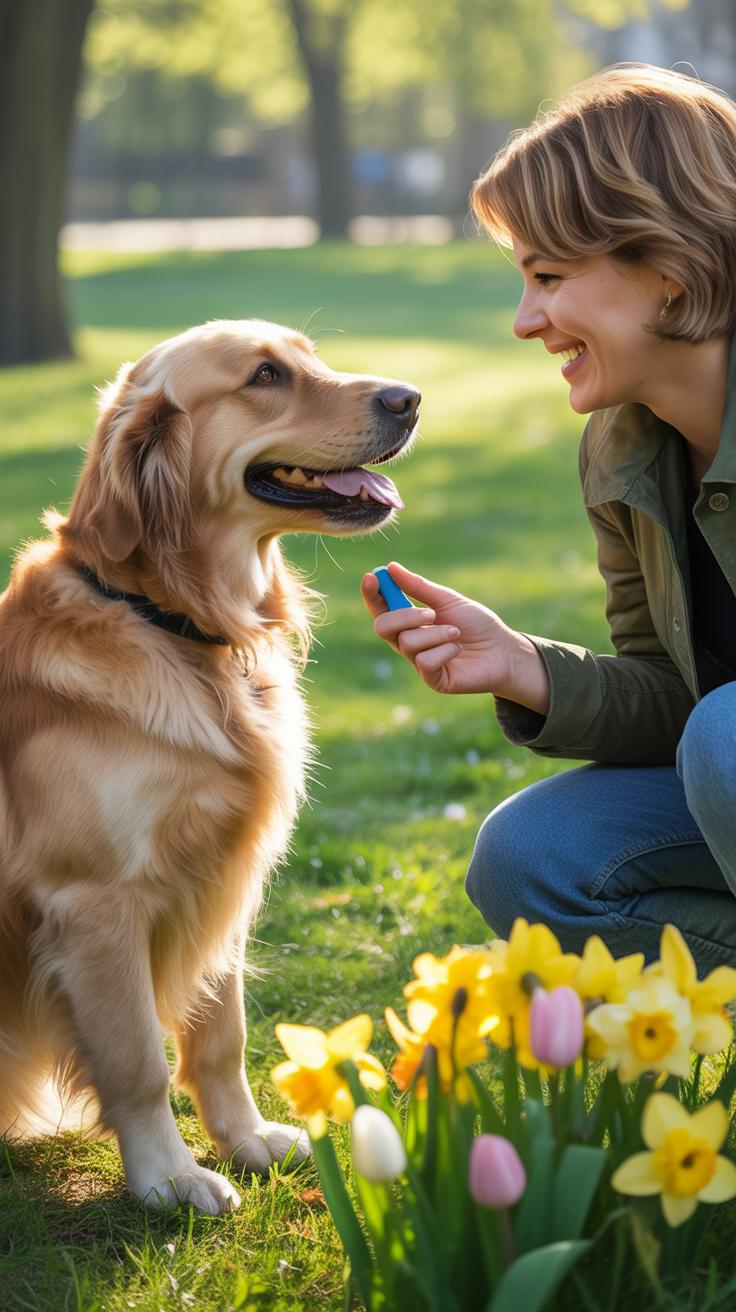
Preparation dictates the success of your training operation. You must have your equipment ready before the dog enters the room. Fumbling with bags or searching for your clicker breaks the dog’s concentration. Choose a quiet space with minimal distractions like foot traffic or loud noises. High-value rewards serve as the primary fuel for learning. Ensure your treats are small and easy to swallow quickly.
- Mechanical Clicker: Use a standard box or button clicker that emits a consistent sound. This device provides a distinct, neutral signal that never changes pitch. Consistency allows the dog to identify the exact moment they performed the correct action without the confusion of human vocal tones.
- High Value Treats: Select soft treats that the dog can consume in under two seconds. Use pea-sized pieces of boiled chicken, plain cheese, or commercial training bites. These rewards must be more exciting than their daily kibble to maintain high motivation during the learning process.
- Treat Pouch: Wear a dedicated waist bag to keep your hands free for the clicker and leash. Quick access to rewards is vital for maintaining the proper timing of the reinforcement loop. A pouch prevents you from reaching into deep pockets, which slows down the delivery.
- Controlled Environment: Start training in a familiar room with no other pets or toys present. Eliminating external stimuli ensures the dog focuses entirely on the clicker signal. Once the dog masters the basic mechanics in this controlled setting, you can gradually introduce more challenging environments with higher distraction levels.
- Short Leash: Keep a standard four to six foot leash available to prevent the dog from wandering away. This tool helps maintain proximity without using physical force to manipulate the dog. The leash acts as a safety net that keeps the training session contained within your designated workspace.
Organize your gear so you can move fluidly without thinking. Place the clicker in your dominant hand and the treats in your pouch on the opposite side. This separation prevents the dog from staring at the food instead of focusing on the task. Mastery of your tools allows you to focus on the dog’s timing. Effective mechanics are the foundation of professional grade clicker training for beginners.
How To Set Realistic Goals And Keep Early Training Sessions Short And Focused
Set one specific goal for every session to avoid confusing the animal. Beginners often try to teach too many behaviors at once, which leads to frustration and failure. Focus on a single movement like a sit or target. Clear objectives allow you to measure progress accurately. If the dog fails to perform, simplify the task immediately. Success builds confidence and keeps the dog engaged in the work.

Time your sessions to last no longer than five minutes. Short bursts of high intensity learning are more effective than long, grueling drills. A dog’s mental stamina is limited, especially when learning a new communication system like the clicker. Stop the session while the dog is still excited and successful. This leaves the dog wanting more and ensures they are ready to perform for the next scheduled training block.
How To Use A Dog Clicker The Charging Or Loading Phase Explained
What It Means To Charge The Clicker And Why This Step Cannot Be Skipped
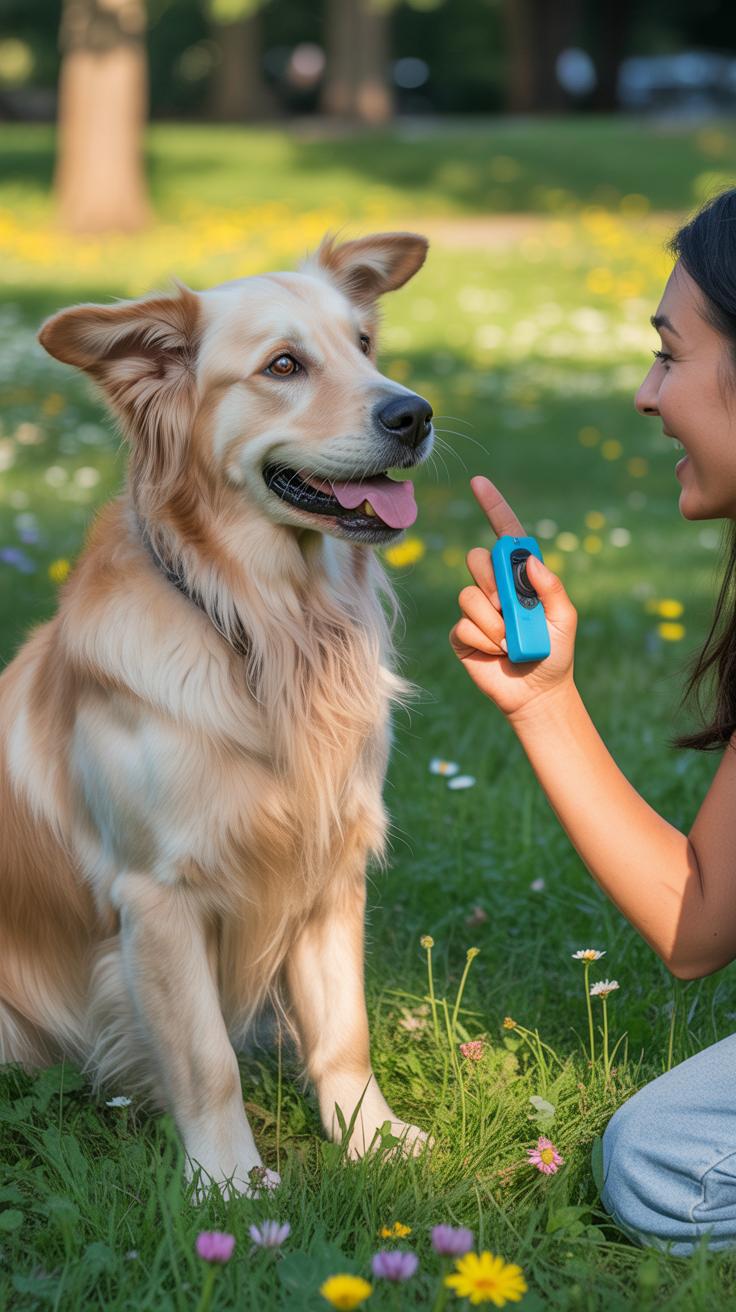
Charging the clicker creates a bridge between a neutral sound and a high value reward. Dogs do not naturally understand that a mechanical click means they did something right. You must build a classical conditioning response first. This process turns the clicker into a secondary reinforcer. Without this foundation, the clicker is just noise that your dog will eventually ignore.
Skipping this step ruins your communication before you even start training. The goal is to hardwire the brain to release dopamine upon hearing the click. This creates an immediate emotional response that speeds up future learning. If you fail to load the clicker correctly, your dog will not look for a reward after the sound. You must prove the click has value before using it for behavior.
Step By Step Walkthrough Of The Clicker Charging Process For New Dog Owners
Start in a quiet room with no distractions. Hold the clicker in one hand and small treats in a pouch or pocket. Press the button to make a click sound. Immediately give the dog a treat after the noise. Do not wait more than one second to deliver the food. Repeat this sequence twenty times until the dog looks for food immediately.

The timing must be precise to be effective. Do not ask for any specific behaviors like sitting or staying during this phase. Simply click and then feed the dog. Test your progress by clicking when the dog is looking away. If the dog whips its head toward you for a treat, the clicker is charged. You are now ready to move toward marking actual behaviors.
How To Clicker Train Your Dog Teaching The First Basic Commands
Teaching Sit, Stay, And Come With Accuracy And Consistency
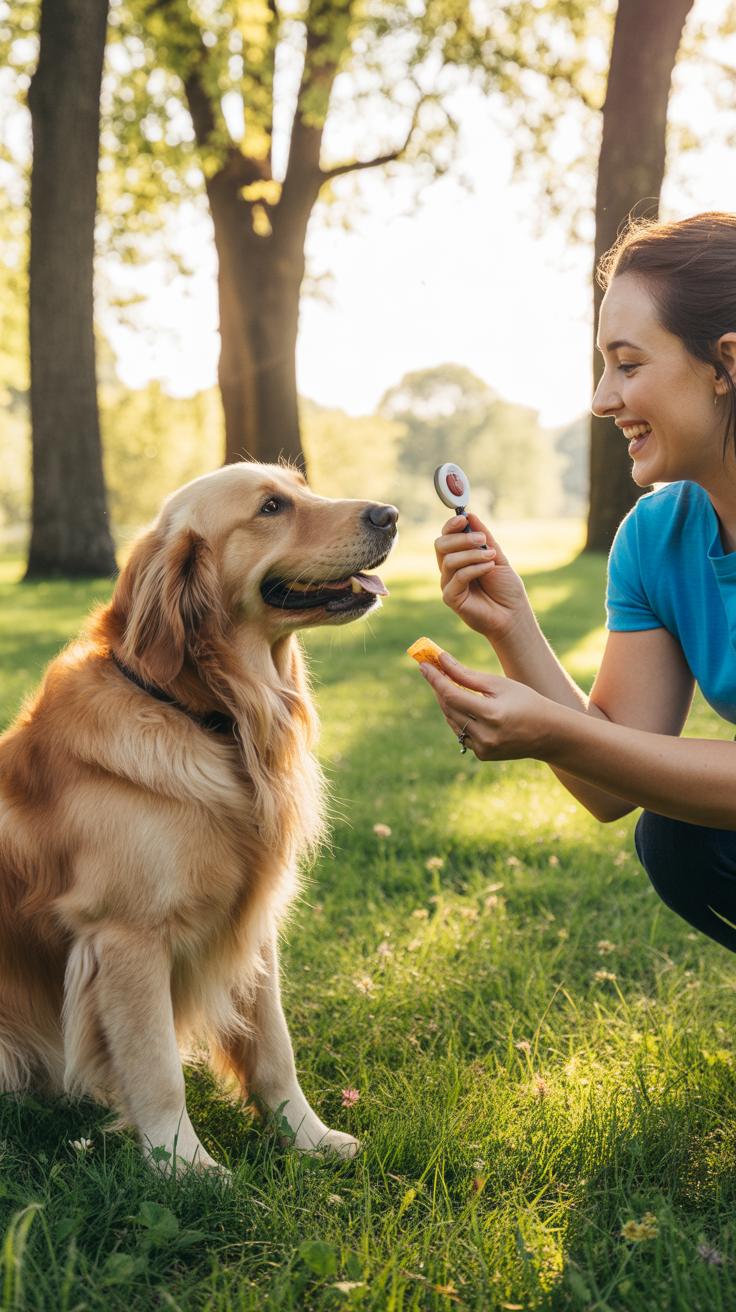
Capture the sit by clicking the exact moment your dog’s rear touches the floor. Use a food lure held above the nose to guide the head up and back. This movement forces the hips down naturally. Once the dog understands the physical position, add the verbal cue. Click and reward every successful repetition to build a strong neural pathway. Consistency requires using the same hand signals and vocal tones every time.
Training the stay and come commands requires precise distance and duration increments. For stay, click while the dog remains still before you move away. Gradually increase the time between the stay command and the click. For come, click when the dog reaches you, not while they are still running. This identifies the completed action as the goal. Reliability comes from high repetition in controlled environments before adding distractions like noise or other animals.
Common Timing Mistakes Beginners Make And How To Correct Them Early
Late clicking is the most frequent error for new trainers. If you click after the dog moves out of a position, you reinforce the wrong behavior. This creates confusion and slows down the learning process. You must click during the peak of the desired action. Watch the dog’s muscles to anticipate the movement. Your thumb must be ready to press the device instantly. Focus on the behavior, not the treat bag.

Reaching for treats before clicking also destroys results. Dogs focus on your hand movement instead of the sound of the clicker. This turns the food into a bribe rather than a reward for work. Keep your hands still and at your sides until after the click occurs. The click marks the end of the behavior and the start of the reward phase. Separating these two distinct movements ensures the dog understands exactly what earned the treat.
Clicker Training Puppy Adapting The Method For Young Dogs
The Best Age To Start Clicker Training A Puppy And What Research Suggests
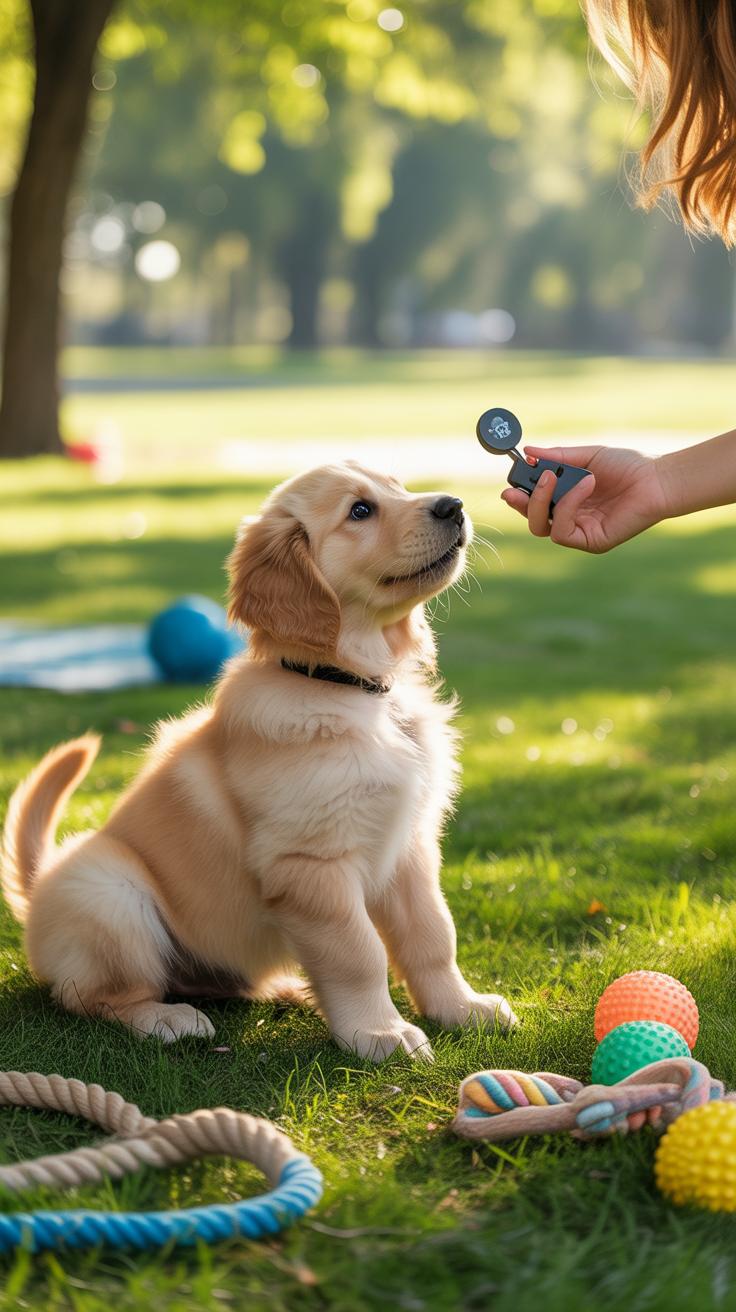
Puppies can start clicker training as early as eight weeks old. This timing aligns with their initial socialization period and peak neural plasticity. Research in canine behavioral science shows that early positive reinforcement builds a foundation for long term cognitive flexibility. Young dogs lack the baggage of older animals. They process new signals rapidly because they have no previous bad habits to unlearn.
Starting early maximizes the efficacy of operant conditioning. Scientific studies indicate that puppies trained with markers show higher levels of engagement and lower stress markers than those trained with traditional methods. You must prioritize clarity during this developmental phase. Early exposure to the clicker creates a clear communication bridge. This bridge reduces frustration for both the owner and the animal during the critical learning years.
Key Adjustments To Session Length, Treat Size, And Expectations For Puppies
Puppy brains fatigue quickly due to limited glucose reserves and short attention spans. Keep sessions under five minutes to prevent mental exhaustion. If the puppy looks away or starts sniffing the floor, stop the session immediately. You lose progress when you push a tired dog. Frequency matters more than duration. Conduct three short sessions daily rather than one long block for better retention.

Treat size must match the puppy’s smaller digestive capacity and higher repetition rate. Use pea sized rewards to avoid caloric overage or digestive upset. Soft treats work best because they require no chewing time. This maintains the pace of the training session. Lower your expectations for precision. Focus on the puppy offering the correct general behavior instead of demanding perfect form. Success builds confidence.
How To Train A Dog With A Clicker Moving Beyond Basics To Advanced Behaviors
Introducing Shaping Techniques To Build Complex Behaviors Click By Click
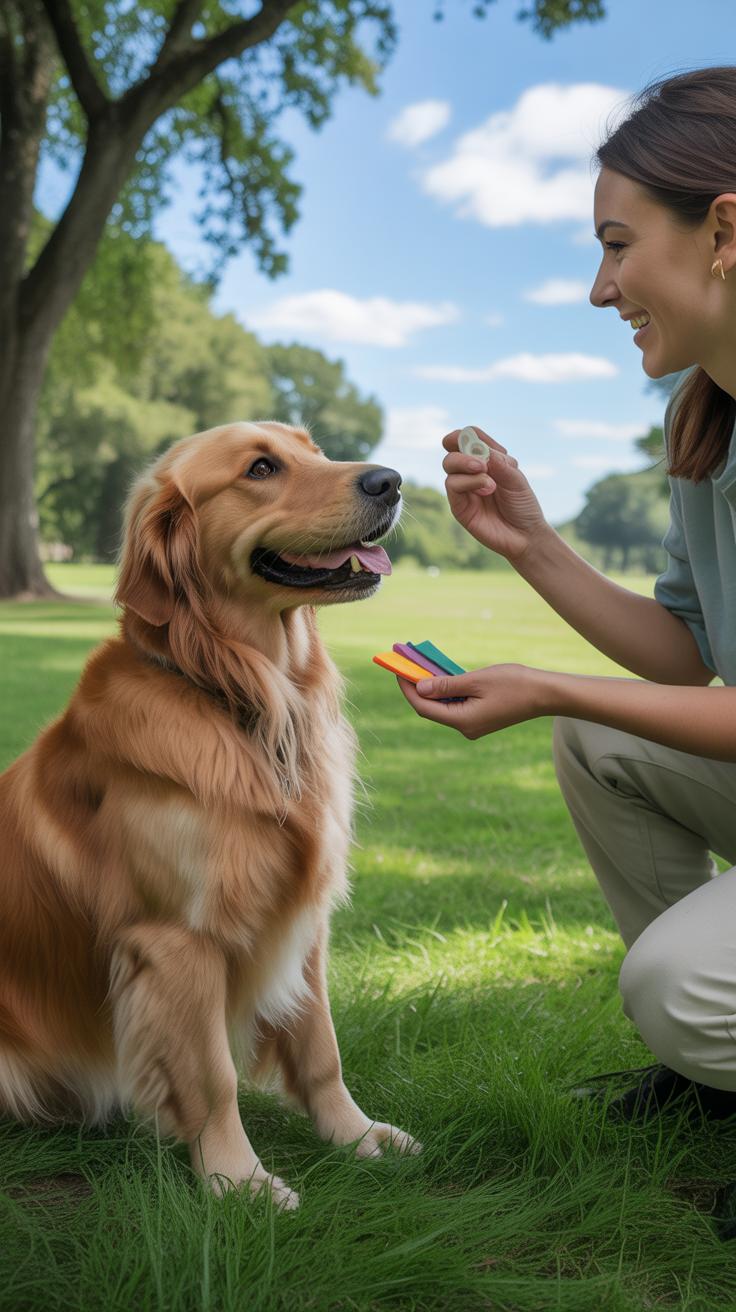
Shaping breaks a complex goal into tiny, achievable steps. You do not wait for the full behavior to happen. Instead, you click and reward any movement that leads toward the final result. This method forces the dog to think and problem solve. It builds a stronger mental connection than physical luring. Your dog becomes an active participant in the training process.
The trainer must have perfect timing to succeed with shaping. You mark the exact moment the dog shows progress. Even a look or a single paw movement counts in the beginning. Gradually raise your criteria after the dog masters the easy steps. This layering technique allows you to teach difficult tasks like opening doors or fetching specific items without using any physical force.
How And When To Fade The Clicker As Your Dog Masters New Commands
The clicker is a teaching tool, not a permanent crutch. You must phase it out once the dog performs the behavior reliably on cue. Transition to using a verbal marker or praise to maintain the response. This ensures the dog listens to you in real world settings where you may not have equipment. Move to a variable reinforcement schedule to keep the dog sharp.
- Establish Cue Fluency: Wait until the dog responds to your verbal or hand signal instantly. If the dog knows the command perfectly, the clicker has served its purpose. Stop clicking for that specific behavior and move to the next challenge.
- Variable Reinforcement Schedule: Switch from rewarding every correct action to rewarding only the best efforts. This unpredictability makes the behavior more resistant to extinction. Your dog will work harder to earn the reward when it is not guaranteed every single time.
- Introduce Verbal Markers: Replace the mechanical click with a short, consistent word like Yes. This verbal bridge provides the same information as the clicker. It allows you to communicate success when your hands are busy or the clicker is out of reach.
- Generalize the Behavior: Test the command in different environments without using the clicker device. If the dog fails in a new spot, bring the clicker back temporarily. Once they succeed in high distraction areas, you can remove the tool for good.
- Phase Out Primary Reinforcers: Reduce the frequency of high value food rewards alongside the clicker. Start using functional rewards like play, walks, or door access. This shifts the dog’s motivation from just getting a treat to performing the task for life rewards.

Fading the clicker requires observation of the dog’s confidence level. If the behavior degrades, you moved too fast. Return to the clicker for a few repetitions to rebuild the bridge. Consistent performance over several days in different locations indicates the dog is ready for independence. Successful fading transforms a trained trick into a reliable life skill that lasts forever.
Troubleshooting Your Dog Clicker Training Solving The Most Common Problems
Why Your Dog May Be Ignoring The Clicker And How To Re Engage Their Interest
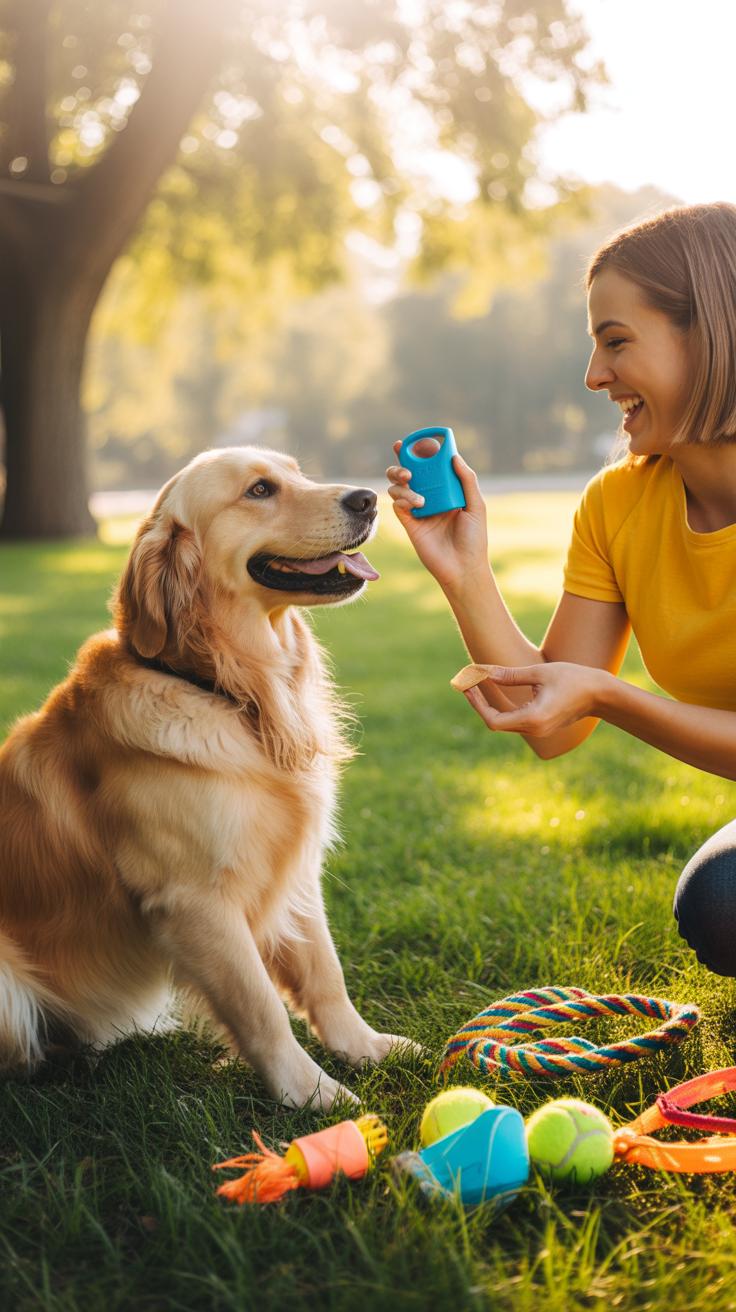
Your dog ignores the clicker because the association between the sound and the reward has weakened. This happens when you click without delivering a treat or use low-value food. If the reward does not motivate the dog, the clicker becomes background noise. You must rebuild the value of the sound. Return to the basic charging phase. Click and immediately give a high-value treat multiple times.
Environment also dictates focus. High-distraction areas overwhelm a dog before they master a behavior. Move back to a quiet room with no competing stimuli. Ensure your timing is precise. Clicking too late confuses the dog about which action earned the reward. Focus on one specific movement. Use treats that the dog rarely receives. This creates a high stakes environment that captures their full attention again.
How To Stay Consistent And Keep Training Sessions Motivating For Your Dog
Consistency fails when handlers change their criteria mid-session. You must decide exactly what movement earns a click before you start. If you reward an imperfect sit one minute and demand perfection the next, the dog stops trying. Keep sessions under five minutes. Short bursts prevent mental fatigue. End every session on a successful repetition. This leaves the dog eager for the next training period.

Motivation drops if the rate of reinforcement is too low. If the task is too hard, the dog quits. Break complex behaviors into tiny, achievable steps. Reward every small approximation toward the final goal. Use a variety of rewards to prevent boredom. Switch between meat, cheese, or favorite toys. Accurate timing and high frequency keep the dog engaged. Your dog should always feel like they can win.
Frequently Asked Questions

What exactly is clicker training and why is it effective for new puppies?
Clicker training is a form of positive reinforcement that uses a distinct sound to tell your pet exactly when they have performed a desired behavior. For those exploring clicker training dogs beginners often find that the immediate “click” bridges the communication gap better than voice commands alone. By marking the precise moment of success, your dog learns faster, building a foundation of trust and enthusiasm during your initial bonding sessions.
How do I properly introduce my dog to the clicker for the first time?
To start, you need to “charge” the clicker so your dog associates the sound with a reward. Simply press the device and immediately offer a high-value treat. Repeat this sequence several times until your dog perks up at the sound. When practicing clicker training dogs beginners should ensure the reward follows the noise within one second. Once they understand that a click means a treat is coming, you can begin marking specific actions.
Do I need to buy expensive equipment to start training my dog at home?
Not at all! While professional handheld clickers are very affordable—usually costing only a few dollars—you can easily start with items you already have around the house. A retractable ballpoint pen or even a consistent tongue click can serve as an effective marker. The most important investment isn’t the gear, but rather your consistency and a stash of small, tasty treats to keep your furry friend motivated and engaged.