What Is Dog Recall And Why Does It Matter For Off Leash Safety
Understanding The Dog Recall Command And Its Real World Importance
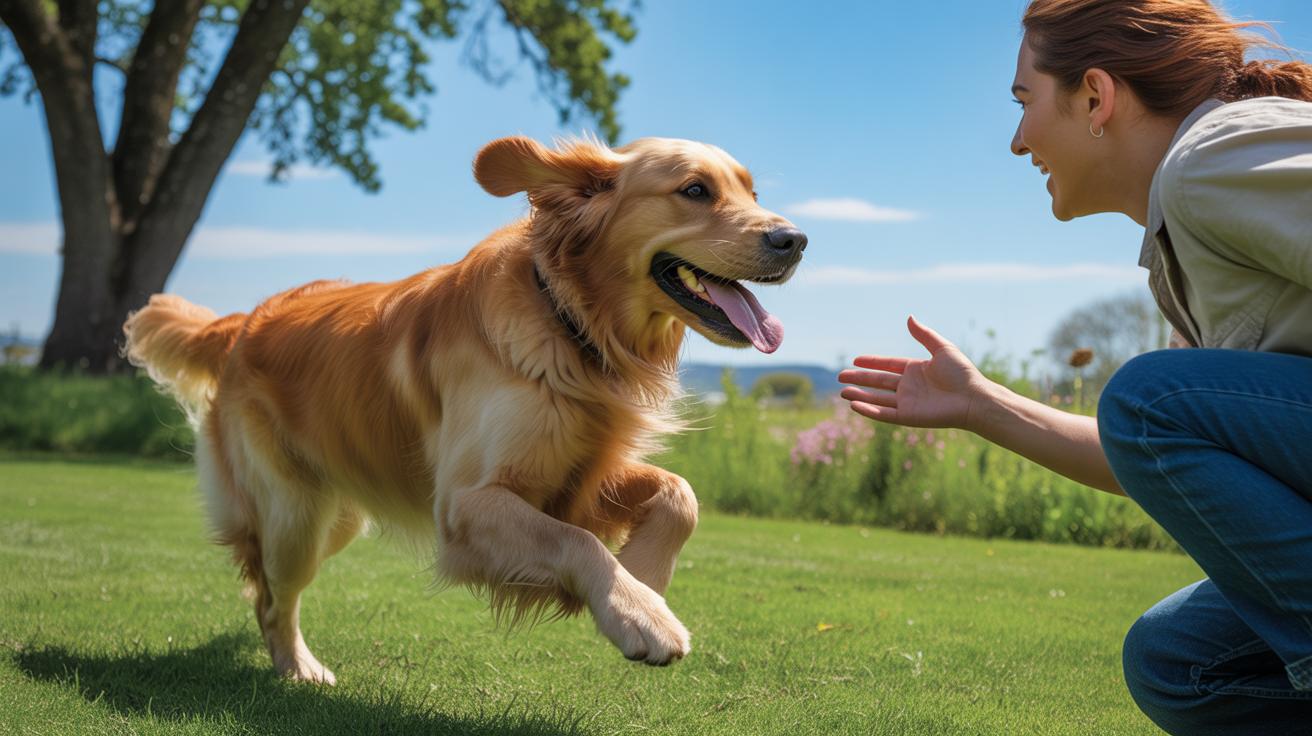
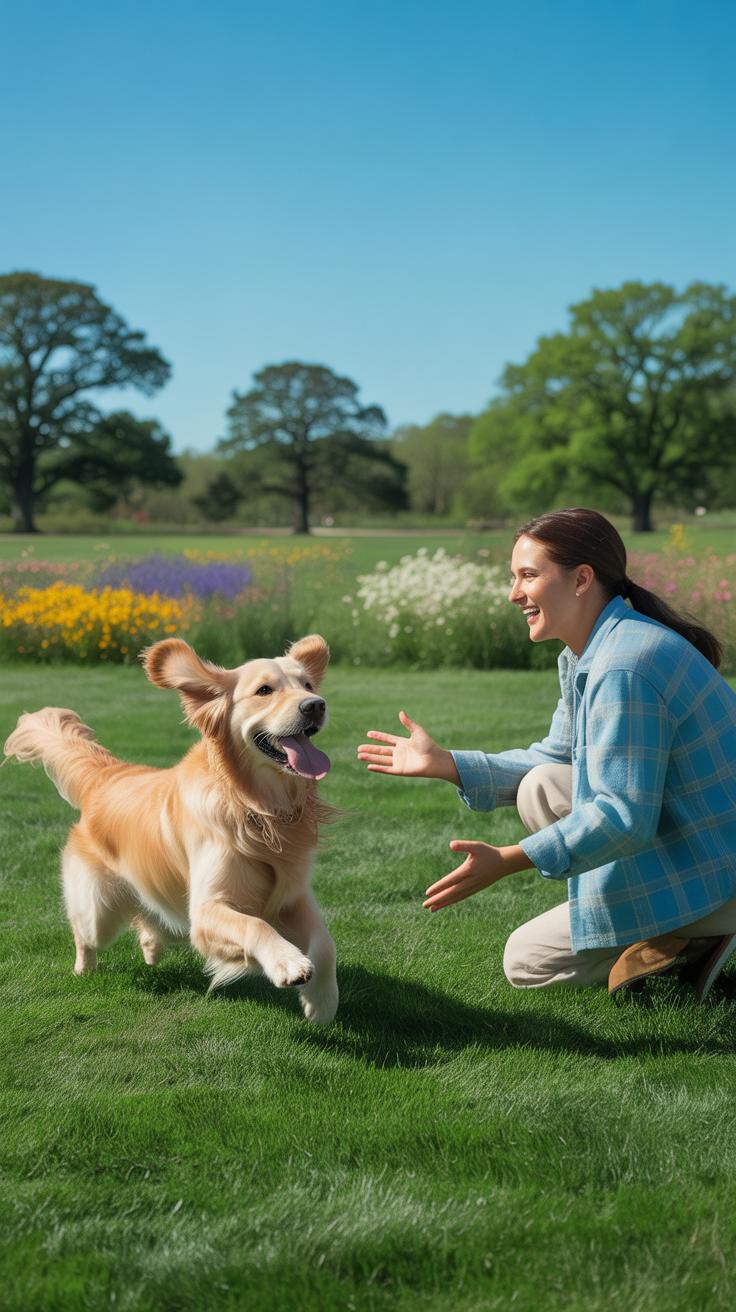
Recall is the behavior of a dog returning to its handler immediately upon a specific signal. This signal is usually a verbal cue or a whistle. In tactical terms, recall is a non-negotiable safety tool. It functions as a remote control for your dog’s movement. Effective recall requires the dog to prioritize the handler’s command over all environmental stimuli or distractions.
A reliable recall command transitions a dog from a lunge or a chase back to a heel position. This behavior relies on positive reinforcement and repetitive conditioning. You are building a conditioned response where the dog does not think but simply acts. In off leash settings, this command is the only link between the handler and the dog. It ensures the animal stays under control without physical tethers.
The Risks Of An Unreliable Recall In Off Leash Environments
An unreliable recall creates high liability and physical danger in open spaces. Dogs without a solid return response often encounter traffic, aggressive wildlife, or hostile domestic animals. Without a leash, you have no mechanical way to stop the dog from entering a roadway or approaching a hazard. Most off leash accidents occur because the dog ignored a command while pursuing a high-value distraction like a squirrel or another dog.
Failure to return also leads to legal and social consequences. Many public areas mandate strict control for off leash privileges. A dog that ignores its handler can cause property damage or frighten other people. If you cannot call your dog back, you have lost all operational control. This lack of mastery puts the dog’s life at risk and exposes the owner to significant legal or financial penalties.

The Science Behind Positive Dog Training And Why It Works For Recall
How Operant Conditioning Shapes A Strong Come Command Response
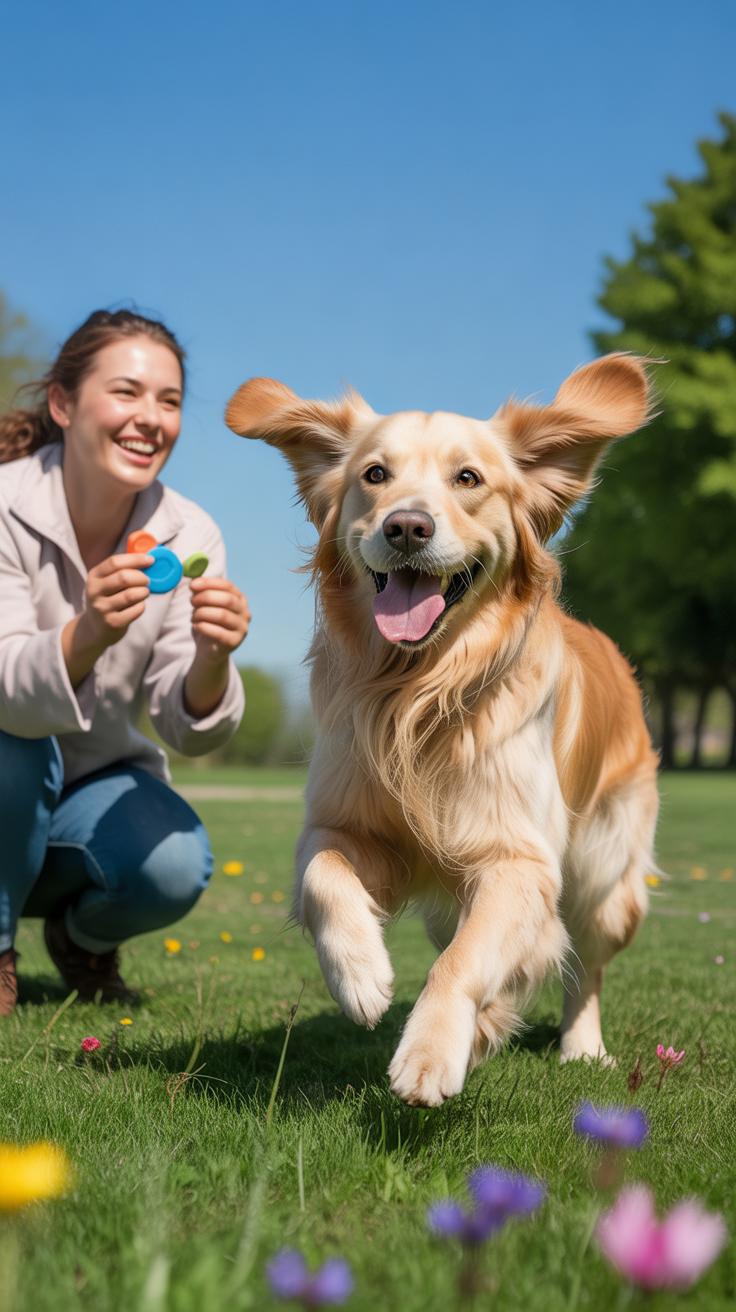
Operant conditioning is a learning process where behavior is controlled by consequences. B.F. Skinner identified this method to explain how animals navigate their environment. For recall training, you focus on positive reinforcement. This means the dog associates the come command with a high value reward. Every time the dog returns, it earns a treat or praise. This creates a predictable and reliable habit.
The dog learns that performing the action leads to a gain. You must use a consistent signal to trigger the response. Timing is critical for the association to stick. Reward the dog within seconds of its arrival at your feet. This strengthens the neural pathways between the sound of your voice and the movement. Repeating this process creates a reflex that overrides the dog’s distractions.
Why Punishment Based Methods Undermine Your Dog’S Recall Reliability
Punishment based training relies on fear to stop unwanted behaviors. This creates an immediate conflict when training a recall. If a dog expects a correction when it returns, it will stay away to avoid pain. This is the avoidance response. You cannot build a reliable off leash recall on a foundation of fear. The dog will calculate that distance from you is safer.

Negative consequences destroy the bond of trust between the dog and the handler. A dog that is afraid will look for escape routes rather than focusing on your location. Stress also inhibits the brain’s ability to learn new skills. High cortisol levels prevent the dog from processing commands effectively. Use positive methods to ensure the dog wants to return to you in every situation.
Dog Training Tips To Build A Rock Solid Recall From Day One
Choosing The Right Recall Word And Keeping It Sacred
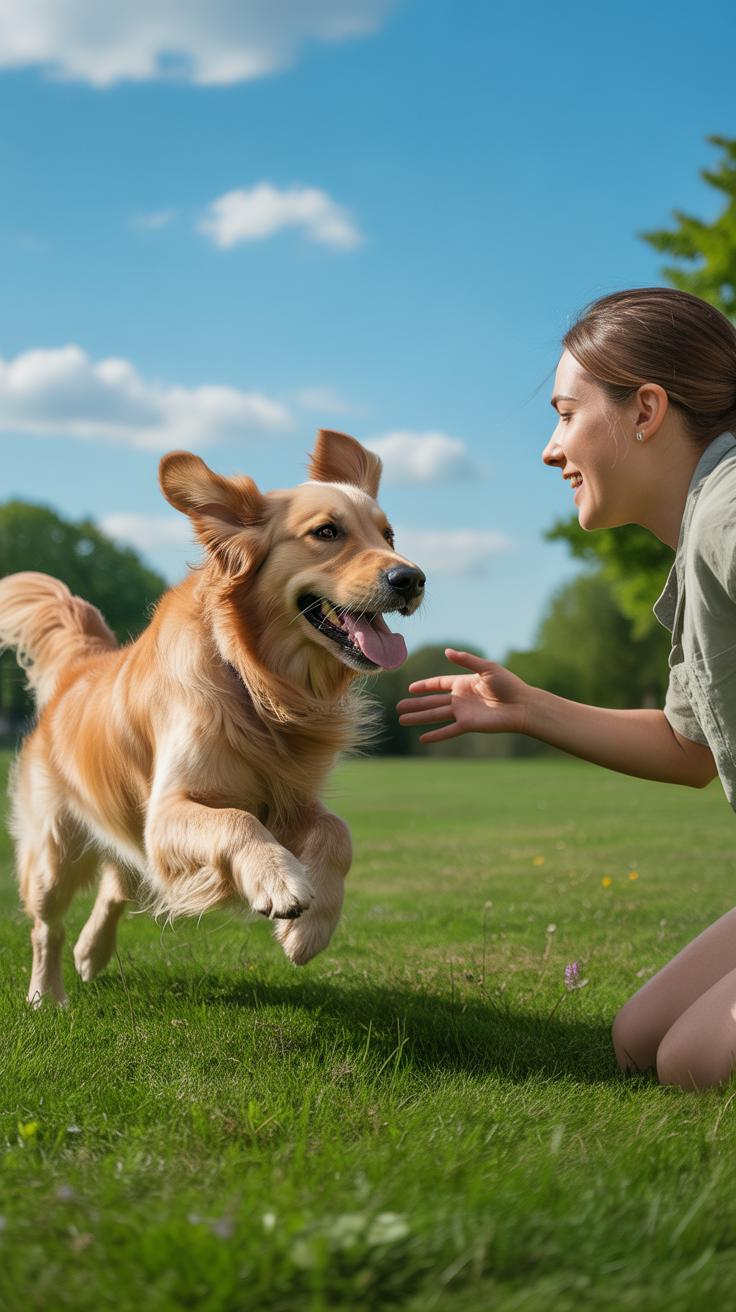
Select a distinct verbal cue that you do not use in daily conversation. Most owners fail because they use the dog’s name or the word come too often in casual settings. This creates habituation where the dog learns to ignore the sound. A unique word like here or a specific whistle tone cuts through environmental noise and signals a command rather than a suggestion.
Protect the integrity of this cue by never using it for negative experiences. Do not call your dog to give them medicine, a bath, or a scolding. If the dog associates the word with an unpleasant end to their fun, they will stop responding. Only use the sacred word when you can guarantee a high value reward. This builds a permanent positive association in the dog’s brain.
Essential Dog Training Tips For Setting Up Recall Practice Sessions That Succeed
Success depends on controlling the environment before you increase the difficulty. Start all training in a low distraction area like a hallway or a quiet room. You must ensure the dog can win every single rep. If the dog fails to come, you lose authority and reinforce the idea that the command is optional. Use a long line lead to prevent self-rewarding behaviors.
- Control the Environment: Eliminate all competing motivators like toys or other people during the first week. A sterile environment forces the dog to focus solely on your cue. This builds the foundational muscle memory required for later outdoor work.
- High Value Rewards: Use biological reinforcers like fresh meat or high protein treats that the dog never gets otherwise. Low quality kibble will not compete with a squirrel or another dog. The reward must outweigh the distraction.
- The Long Line: Attach a fifteen to thirty foot training lead to the dog’s collar or harness. This tool allows you to guide the dog toward you if they hesitate. It prevents the dog from running away and teaches them that coming is mandatory.
- Body Language: Turn your body away or crouch down to look less threatening to the dog. Squarely facing a dog can feel like a confrontation and cause them to stall. Moving backward encourages the dog to chase you and increases their speed.
- Variable Reinforcement: Transition to an intermittent reward schedule once the dog achieves an eighty percent success rate. Giving a reward every single time eventually leads to boredom. Surprising the dog with jackpot rewards keeps their engagement levels high during long sessions.

Increase the distance and distraction levels only after the dog masters the command in the house. Sudden jumps in difficulty cause training plateaus and frustration for the handler. Move to a fenced yard before attempting any work in an open field. Consistency in these early stages dictates how the dog will behave when they finally go off leash in public.
Puppy Training How And When To Start Recall Training With Young Dogs
The Best Age To Begin Recall Training In Puppies And Why Early Matters
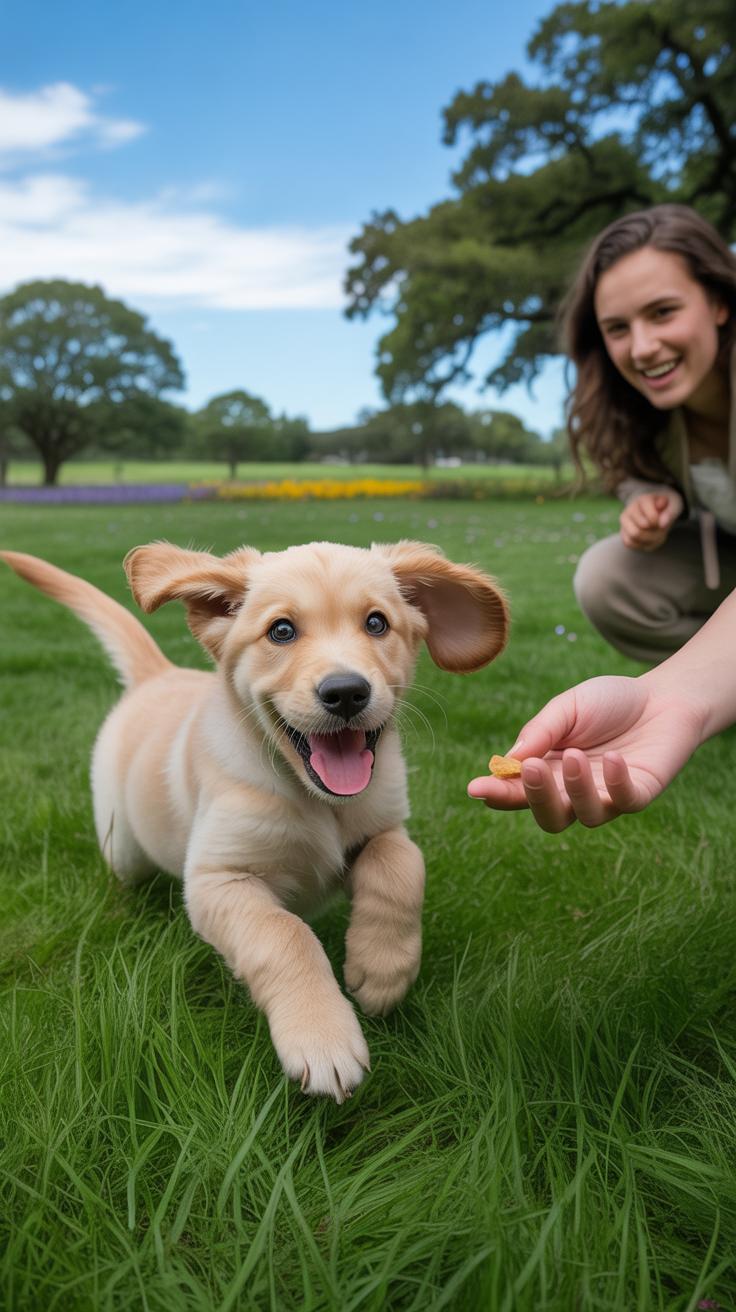
Start recall training the day you bring your puppy home. Most puppies are eight weeks old at this stage. Young puppies have a natural instinct to stay close to their pack for survival. This biological drive makes them easier to train now than later. You must capitalize on this following reflex before their desire for independent exploration increases during adolescence.
Early training builds a strong neural pathway between your command and the reward. Waiting until six months is a mistake. By then, the dog is faster and more distracted by the environment. Training at eight weeks ensures the dog views coming to you as a default behavior. This foundation is critical for future dog recall training off leash. You are building habits, not just teaching tricks.
Age Appropriate Recall Exercises That Build Confidence Without Overwhelming Your Puppy
Use the name game to build immediate engagement. Sit on the floor in a quiet room with high-value treats. Say the puppy’s name once. Deliver a reward the moment they look at you. Do not use the come command yet. You are simply teaching them that paying attention to you results in a positive outcome. Keep these sessions under five minutes to match their short attention span.

Transition to backpedaling exercises once the puppy focuses on you. Move backward quickly while making encouraging noises. The puppy will naturally chase you. Say your chosen recall word as they move toward you. Reward them with food and physical praise when they reach your hands. This exercise uses their prey drive to build speed. It creates a fun association with the recall command without adding any pressure or stress.
Leash Training As The Foundation For Off Leash Recall Success
How Structured Leash Training Creates The Habits That Power Off Leash Reliability
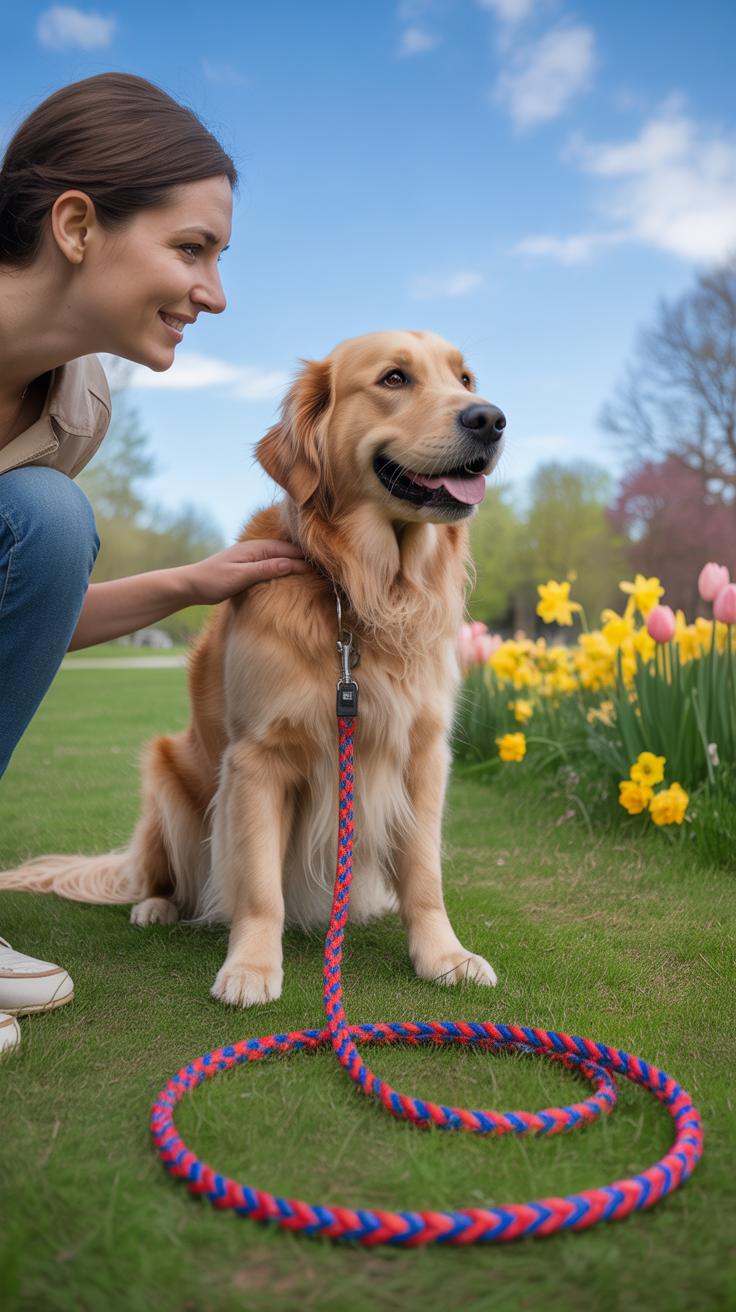
Structured leash training builds the muscle memory required for dog recall training off leash. The leash acts as a physical safety net while you establish the cue and reward system. Direct pressure and release teach the dog that moving toward you stops tension. This creates a predictable habit of turning toward the handler. You cannot expect a dog to listen without a physical connection first.
Leash work focuses the dog on your position regardless of external smells or sights. You use the leash to guide the dog into the correct response when they hesitate. This prevents the dog from learning they can ignore your command. Consistent repetition on a short lead reinforces that obedience is mandatory. Once the dog responds instantly to the cue, you have the groundwork for freedom.
There is no better feeling than calling out to your best friend and watching them race home to you with a wagging tail. A dog that comes when called is a heart that is always connected to your own.
Using A Long Line To Bridge The Gap Between On Leash And Off Leash Recall
A long line serves as the essential middle step for dog recall training off leash. It usually measures fifteen to fifty feet in length. This tool provides the dog with the illusion of freedom while you maintain total control. If the dog ignores a command at a distance, you use the line to gently enforce the recall. This stops the dog from self-rewarding by running away.

Transitioning directly from a six-foot leash to no leash often leads to failure. The long line allows you to test responsiveness in high-distraction environments safely. Step on the line or hold it loosely as the dog explores. Give the recall cue and use the line to reel them in if they stall. This process builds the reliability needed for a true off leash environment without any risk.
Loose Leash Walking And Recall Teaching Attention And Responsiveness Together
Why Loose Leash Walking Teaches The Same Focus Skills Your Recall Depends On
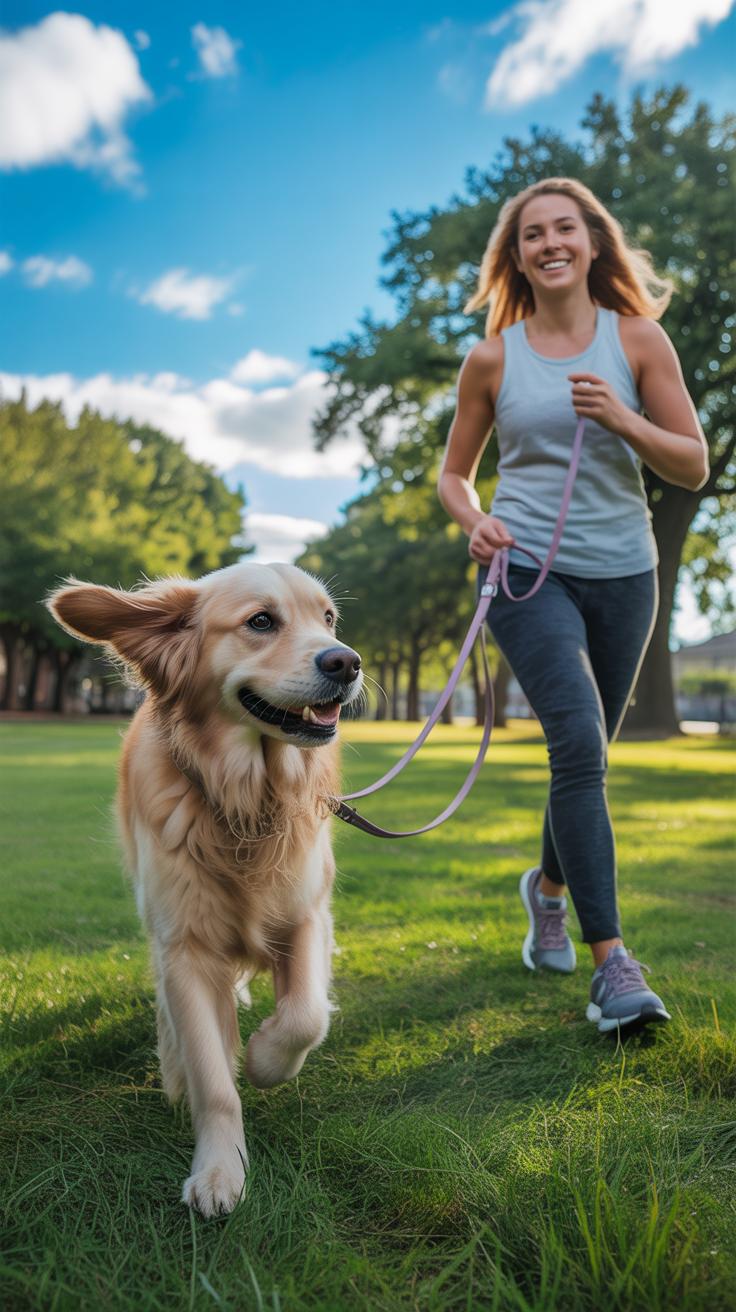
Loose leash walking forces a dog to monitor your movement. This physical proximity creates a feedback loop of constant attention. A dog that pulls ignores its handler. A dog that walks on a slack lead prioritizes your position over external smells. High level recall requires this exact same mental engagement. You cannot expect a dog to return from a distance if they cannot walk beside you.
Recall failure often stems from a lack of engagement. Walking on a loose lead builds a habit of checking in. This check-in behavior is the foundation of off leash control. If the dog ignores you at the end of a six-foot lead, they will ignore you at fifty feet. Master the leash to prove you have the authority to manage them without it. Discipline starts at your side.
Combining Loose Leash Walking Drills With Recall Practice To Reinforce Both Skills
Mix walking sessions with sudden recall commands to keep the dog sharp. Start at a steady pace and then abruptly back away while calling the dog. This change in direction creates a social pressure that pulls the dog toward you. Use the leash as a safety net during these drills. It prevents the dog from failing while you increase the difficulty of the environment.

Transitions are critical for learning. Switch between formal heel positions and a long line recall to test responsiveness. If the dog hesitates, return to the short leash immediately. Consistency reinforces the rule that coming to you is mandatory, not optional. Practicing these shifts builds a reliable response regardless of the distance. You must prove that your commands remain the same whether the leash is on or off.
Proofing Dog Recall Training Off Leash Across Distractions And New Environments
What Proofing Means In Dog Training And How To Build Distraction Tolerance Gradually
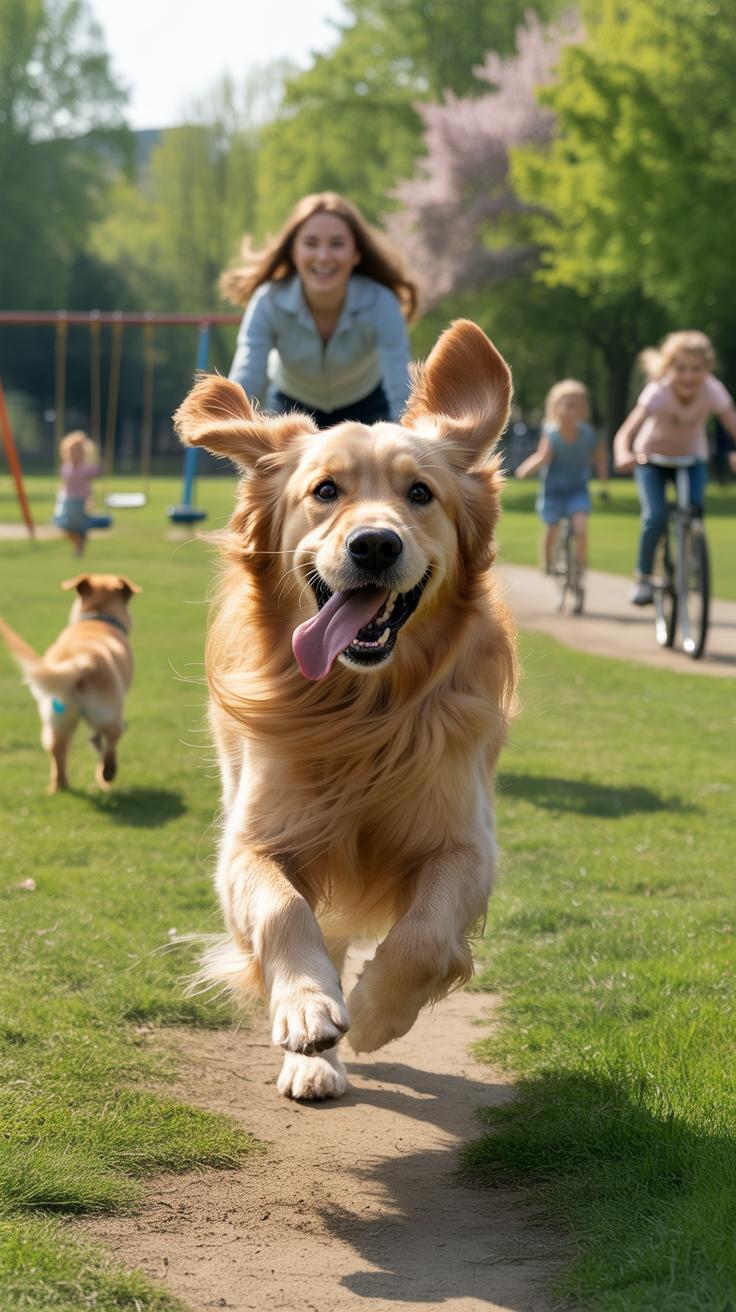
Proofing is the process of teaching a dog to perform a command under any condition. Most dogs obey in a quiet living room but fail outdoors. This happens because dogs do not generalize well. They associate the cue with specific surroundings. You must consciously train the dog to ignore environmental stimuli. Success requires systematic exposure to increasing levels of difficulty and noise.
Start proofing by adding small distractions in a controlled space. Use low-value triggers like a rolling ball or a person walking nearby. Maintain a high reinforcement rate to compete with the environment. If the dog fails, the distraction is too high. Decrease the distance to the trigger or simplify the task. Only move to more complex environments once the dog achieves a perfect success rate.
Step By Step Progression For Practicing Recall In Parks, Trails, And Busy Public Spaces
Transitioning to public spaces requires a strategic increase in environmental variables. You cannot jump from a backyard to a crowded dog park immediately. Use a long check cord to maintain physical control during this phase. This prevents the dog from finding reinforcement in the distraction if they ignore your call. Move through different locations to ensure the behavior becomes a reflexive response regardless of the scenery.
- Low Traffic Parks: Start in an open field with minimal activity. Keep the dog on a fifteen-foot lead to practice distance recalls. This allows the dog to sniff the grass while remaining under your direct control. Reward every successful turn toward you with high-value treats.
- Hiking Trails: Practice recall on narrow paths where the dog must navigate around trees and brush. Nature provides high-scent distractions that test the nose. Use the long line to prevent the dog from chasing wildlife. Focus on rapid responses when the dog is out of sight.
- Suburban Sidewalks: Introduce moving objects like bicycles, strollers, and walkers. These triggers are predictable but provide a significant challenge to a dog’s focus. Keep training sessions short and high-energy. Ensure the dog chooses you over the movement of the neighborhood traffic.
- Store Exteriors: Utilize the entrance of pet-friendly businesses to simulate high-pressure environments. The constant flow of people and different smells creates a complex training ground. Stay at a distance that allows the dog to succeed before moving closer to the door.
- Fenced Off Leash Areas: Finalize training in a controlled off-leash zone with other dogs present. This is the highest level of distraction for most animals. Work on recall during play breaks to prove the dog values your command more than social interaction with their peers.

Evaluate the dog’s body language at every stage of the progression. If the dog shows excessive stress or ignores three consecutive cues, return to the previous level. Mastery occurs when the dog turns back instantly despite squirrels, other dogs, or loud noises. Never test the recall off-leash in an unfenced area until the dog is perfect on a long line. Consistency in these steps ensures safety in the real world.
Common Dog Recall Mistakes Owners Make And How To Fix Them
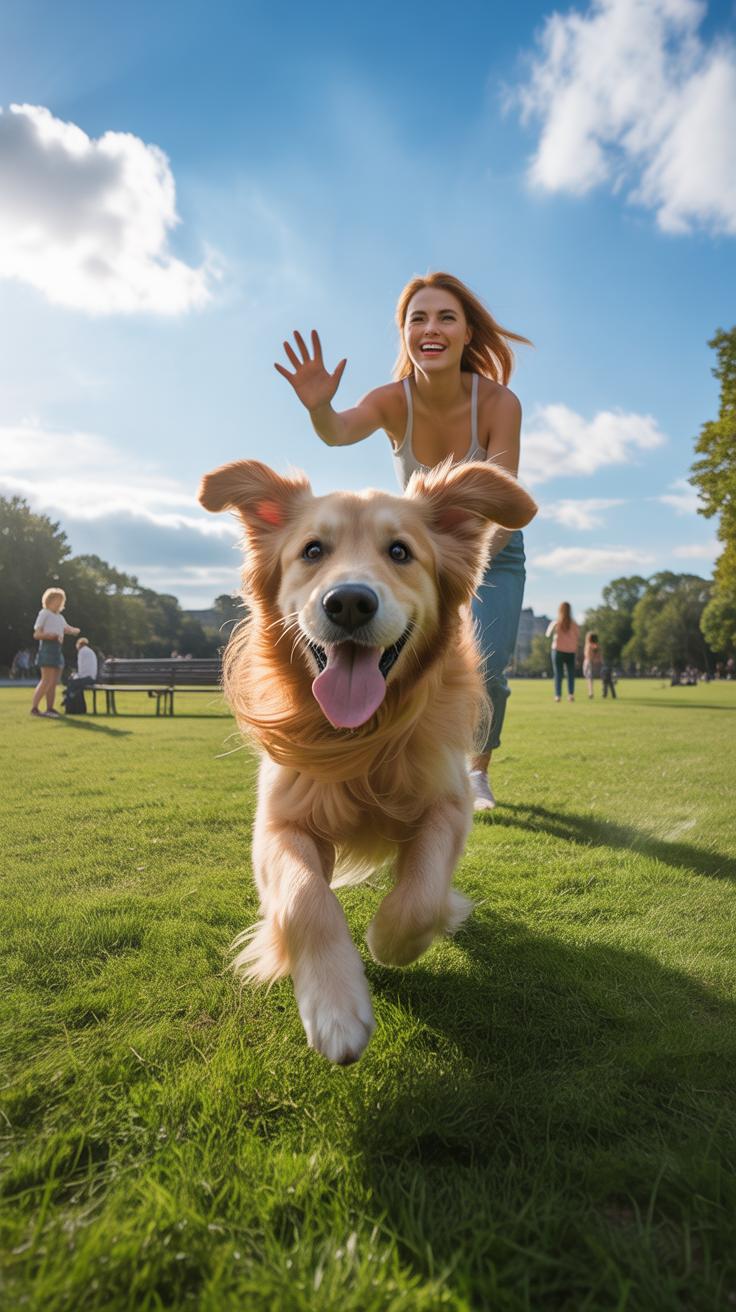
Why Calling Your Dog And Then Doing Something Unpleasant Destroys Recall Trust
Recall functions on the principle of association. If your dog comes to you and experiences a negative outcome, they learn that obedience has a cost. Common errors include calling a dog to clip their nails, give them medicine, or end their playtime. The dog views the recall cue as a trap. This creates conflict and hesitation during future off leash scenarios.
To fix this, ensure the recall always leads to a positive or neutral result. Never use the recall command for punishments or unpleasant tasks. If you must do something the dog dislikes, go to the dog instead of calling them to you. This preserves the integrity of the cue. You want your dog to believe that coming to you is always the safest choice.
How Inconsistent Rewards And Repeating The Recall Cue Weaken Your Dogs Response
Repeating the recall cue over and over teaches your dog to ignore the first command. This habit is called command poisoning. It tells the dog that the cue is optional and that they can wait for the fifth shout before moving. Every time you repeat yourself without a response, the word loses its value. You must say the command once and then wait or motivate.

Inconsistent rewards also kill motivation. If a dog only gets a dry biscuit half the time, they will weigh that against the smell of a squirrel. High stakes off leash environments require high value rewards every single time during the training phase. Use meat or high drive toys to reinforce the behavior. Once the dog is fully trained, move to an intermittent schedule to maintain it.
Maintaining A Reliable Recall For Life With Ongoing Dog Training Practice
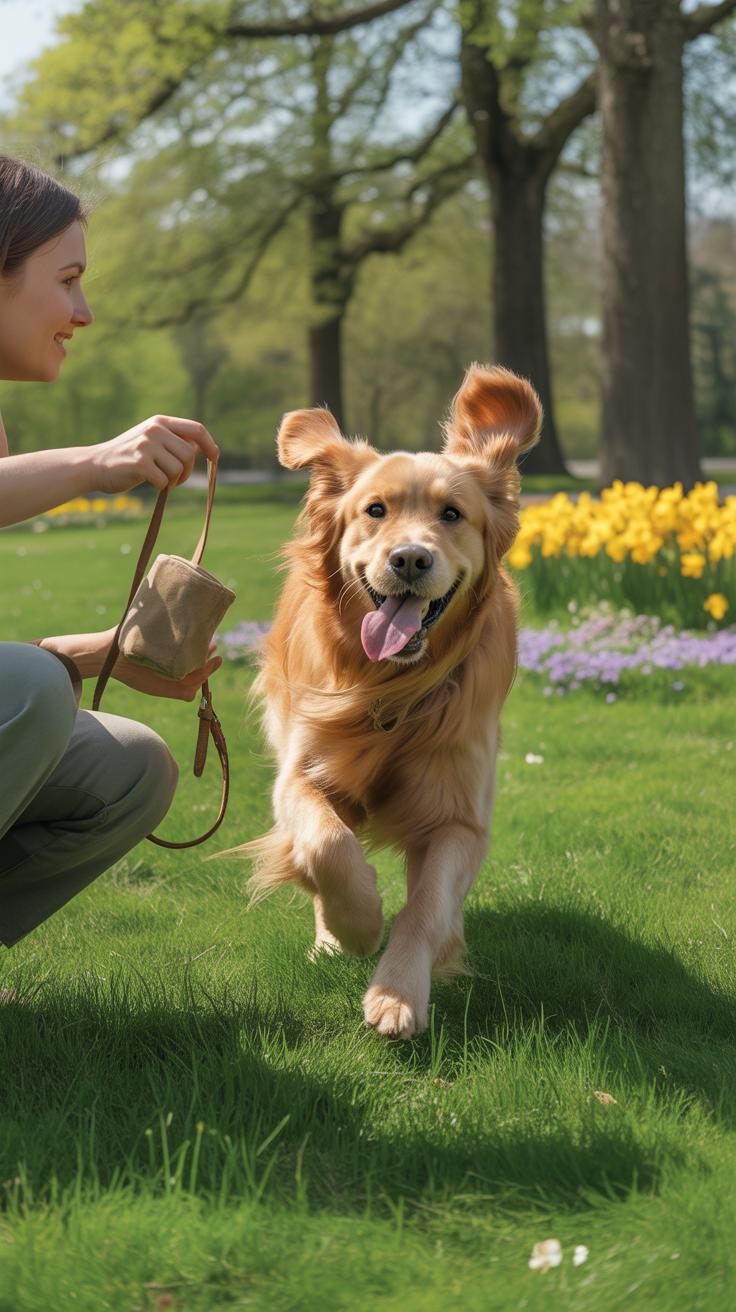
Why Recall Training Is Never Truly Finished And How To Keep It Sharp Long Term
Dog recall training off leash relies on muscle memory and high-value reinforcement. Dogs are opportunistic animals that constantly evaluate the cost of obedience. If you stop rewarding the come command, the behavior will eventually extinguish. Professional handlers call this training decay. You must maintain a high rate of reinforcement to ensure the dog chooses you over a squirrel or another dog in every environment.
Consistency prevents the command from becoming optional. Environmental distractions change as your dog matures or moves to new locations. A dog that returns in a quiet backyard may fail in a crowded park without regular proofing. Treat the recall like a bank account. Every reward is a deposit. Every ignored command is a withdrawal. Frequent deposits ensure the account remains full for emergencies where safety is a factor.
How To Integrate Daily Recall Reinforcement Into Your Routine Without Formal Sessions
You do not need dedicated training blocks to maintain a sharp recall. Use everyday life rewards to reinforce the behavior. Call your dog before you put their food bowl down or open the door for a walk. These high-value moments teach the dog that coming to you leads to immediate gain. Randomly calling your dog during indoor play also keeps their response fast and attentive.
Use the Premack Principle to strengthen the response. This means using a high-probability behavior to reinforce a lower-probability one. Call your dog away from a scent, reward them, and then send them back to sniff. This proves that coming to you does not always end their fun. Integrating these small reps into your daily walk ensures the dog remains responsive without needing a formal training environment.
Frequently Asked Questions

Why is a reliable recall so important for my new dog?
A strong recall is the most vital safety skill your pet can learn. Beyond just convenience, it prevents dangerous situations like running toward traffic or getting lost in the woods. Mastering dog recall training off leash gives your pup the freedom to explore safely while ensuring you remain in control. High-quality communication builds a deep bond of trust, making every outdoor adventure more relaxing and enjoyable for both of you.
What is the best way to start training my dog to return to me?
Begin in a low-distraction environment, like your hallway, using a high-value reward and a clear cue. Call your dog’s name followed by “come,” and reward them enthusiastically the moment they reach you. As they improve, gradually move to fenced outdoor areas. Consistently practicing dog recall training off leash in controlled settings ensures the behavior becomes a reflex, allowing your dog to ignore distractions like squirrels or other roaming pets.
Do I need expensive professional equipment to teach my dog to come?
Not at all! Effective training is more about consistency and patience than pricey gadgets. All you truly need is a standard flat collar, a fifteen-to-twenty-foot long line for safety, and some small, smelly treats. You can even use kibble from their daily meal allowance or a favorite squeaky toy. Focus on positive reinforcement and repetitive practice, which are far more effective for long-term success than any expensive training vibrating collar.