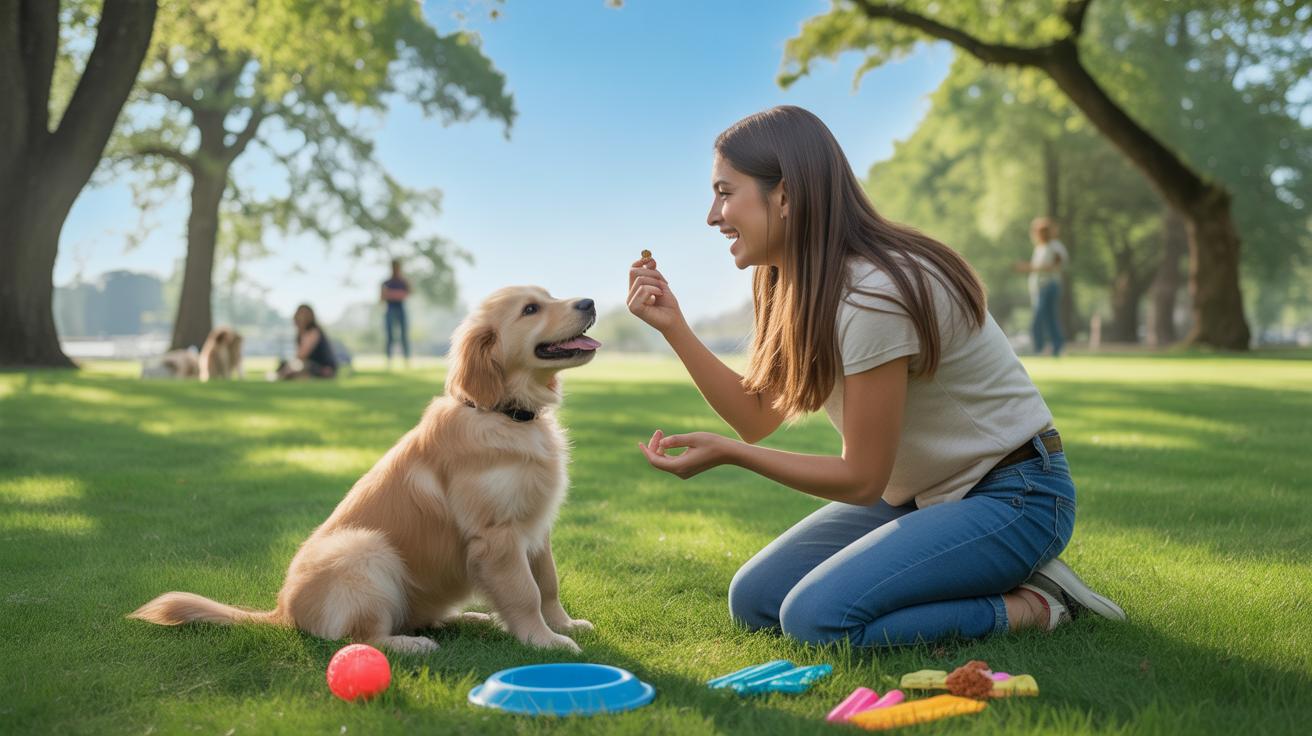
Understanding Your PuppyS Development The Foundation Of Any Puppy Training Guide
Key Developmental Stages Every New Dog Owner Should Know
Puppies progress through rigid biological phases that dictate behavior. The neonatal stage lasts until two weeks of age, focusing solely on survival and warmth. Transition occurs between weeks two and three when eyes and ears open. The critical socialization period begins at week three and ends by week twelve. This window determines how the dog reacts to the world for the rest of its life.
The juvenile period starts at four months and continues through sexual maturity. During this time, the puppy gains physical strength and tests social boundaries. Fear periods occur twice, typically around eight weeks and again at six months. Unexpected sights or sounds can cause lasting trauma during these phases. Recognizing these specific windows allows you to time your training interventions for the highest impact.
How A Puppy’S Age Affects Their Ability To Learn And Retain Commands
Neurological growth limits what a young puppy can process. A puppy under eight weeks lacks the bladder control and focus required for formal structure. Short attention spans mean training sessions must last only minutes. Puppies start absorbing basic associations at seven weeks. Attempting complex tasks before the brain develops results in frustration and failure. You must align your expectations with their physical brain capacity.
Retention improves as the nervous system matures into the sixth month. Older puppies can hold commands for longer durations because their prefrontal cortex develops. However, adolescence brings a temporary decline in reliability due to hormonal shifts. Dogs often ignore known cues during this phase. Consistent daily repetition builds the neural pathways necessary for permanent memory. Target the early windows but prepare for a regression during puberty.

Building The Right Puppy Schedule Before Training Even Begins
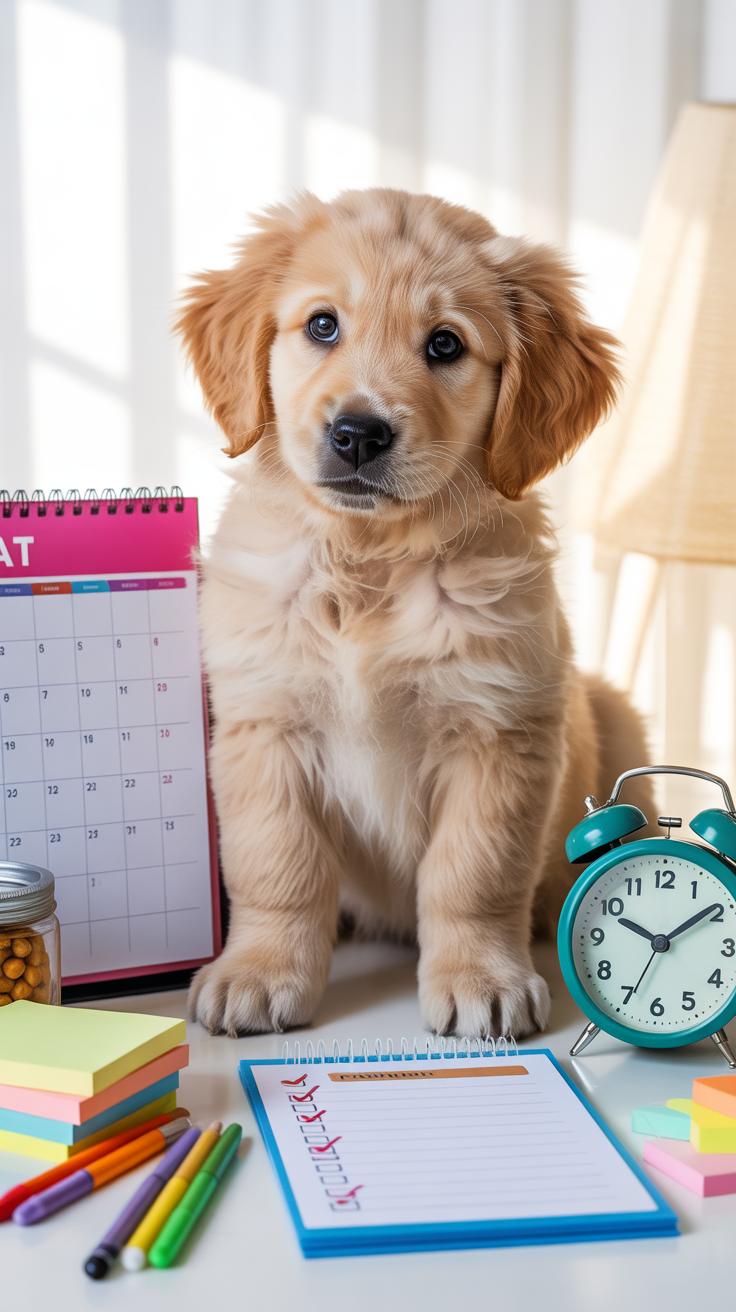
Why A Consistent Daily Routine Sets Your Puppy Up For Success
Dogs are crepuscular animals that crave predictable patterns to manage their physiological needs. A strict schedule regulates the bladder and bowel movements of a young animal. It lowers cortisol levels by removing the stress of the unknown. When a puppy knows exactly when food and rest arrive, they stop scanning for resources. This mental stability is the foundation of all future obedience.
A chaotic environment produces a reactive dog that cannot focus on commands. Without a schedule, the puppy remains in a constant state of arousal or anxiety. You must dictate every hour of the day to prevent self-rewarding behaviors like chewing or accidents. Consistency builds a bond based on clear expectations and reliability. Proper timing ensures the puppy is physically and mentally ready to learn your cues.
How To Structure Feeding, Play, Sleep, And Training Windows In Your Puppy Schedule
Successful schedules balance active engagement with forced rest periods. You must feed the puppy at exact times to predict elimination windows. Training sessions should happen before meals when the dog is hungry and motivated. Follow every high-intensity play session with a quiet nap in a crate. This cycle teaches the puppy an “off switch” which is vital for long-term behavior management and home life.

Use the one-to-two hour rule for sleep cycles throughout the day. For every hour of activity, provide two hours of quiet rest in a designated area. Limit water intake two hours before the final bedtime to ensure better bladder control overnight. Physical exercise should be short to protect growing joints and prevent overstimulation. Structure these blocks to mirror your own availability so the dog adapts to your long-term lifestyle.
Creating A Puppy Training Schedule That Works For Your Lifestyle
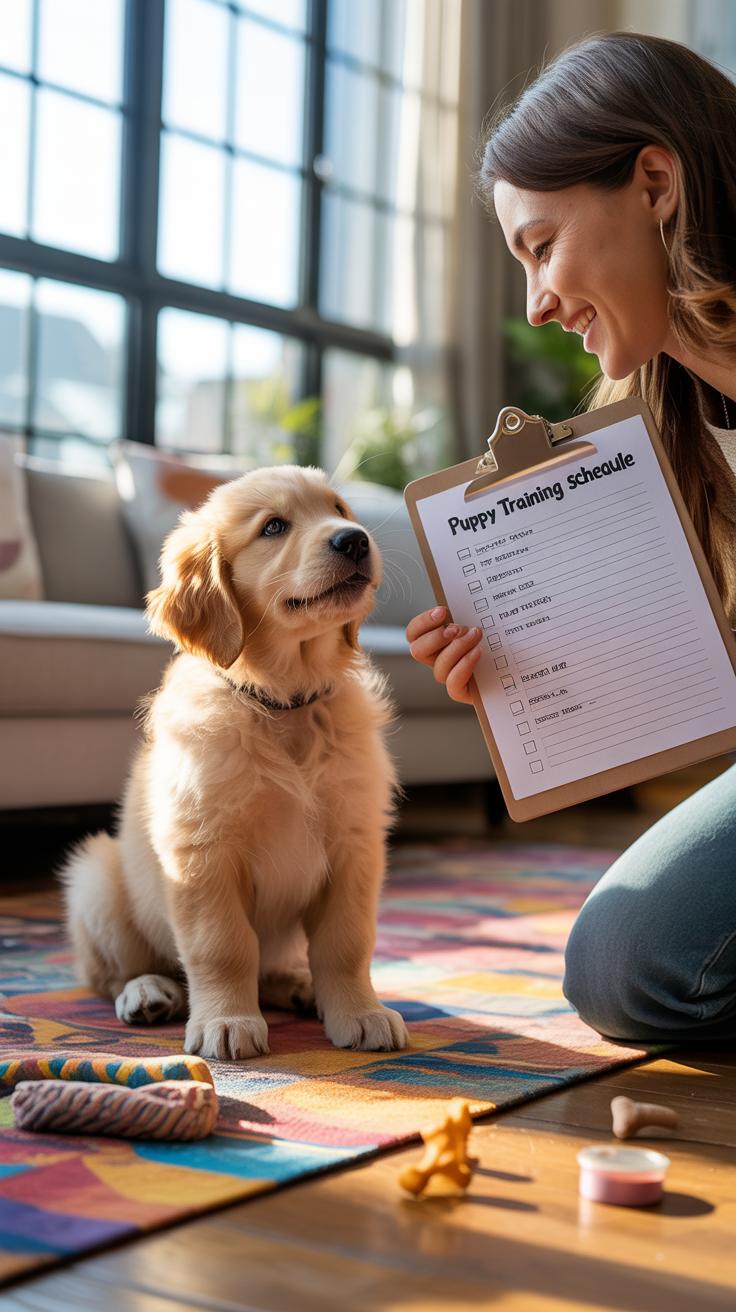
How Often And How Long Puppy Training Sessions Should Be Each Day
Puppies have short attention spans due to their developing brains. You must keep training sessions brief to maintain focus. Limit each session to five minutes. Perform these sessions three to five times per day. Spreading the work across the morning and evening prevents mental fatigue. Short bursts of high intensity work better than long drills. Consistency matters more than total minutes spent.
Pick times when your puppy is alert and not recently fed. A hungry dog works harder for rewards. Always end a session on a successful repetition to build confidence. Stop immediately if the puppy becomes distracted or frustrated. You want the dog to crave the next session. High frequency training builds muscle memory faster. Reliable habits form through many small wins throughout the day.
Adapting Your Puppy Training Schedule As Your Dog Grows And Progresses
Your training schedule must evolve as the puppy matures. Older puppies can handle longer sessions of ten to fifteen minutes. You should move training from quiet rooms to busier areas. This transition teaches the dog to ignore distractions. Increase the difficulty of commands by adding duration and distance. Do not rush this process. Only advance when the dog succeeds eighty percent of the time.

Adolescence often brings a lapse in focus. You may need to revisit basic drills during this phase. Stick to the routine to maintain authority. Start phasing out food rewards for known behaviors. Use play or praise instead to keep the dog sharp. A maturing dog needs mental stimulation alongside physical exercise. Match your schedule to the dog’s growing energy levels and cognitive capacity.
Dog Potty Training How To Housebreak Your Puppy The Right Way
Understanding How Long Puppies Can Hold Their Bladder By Age
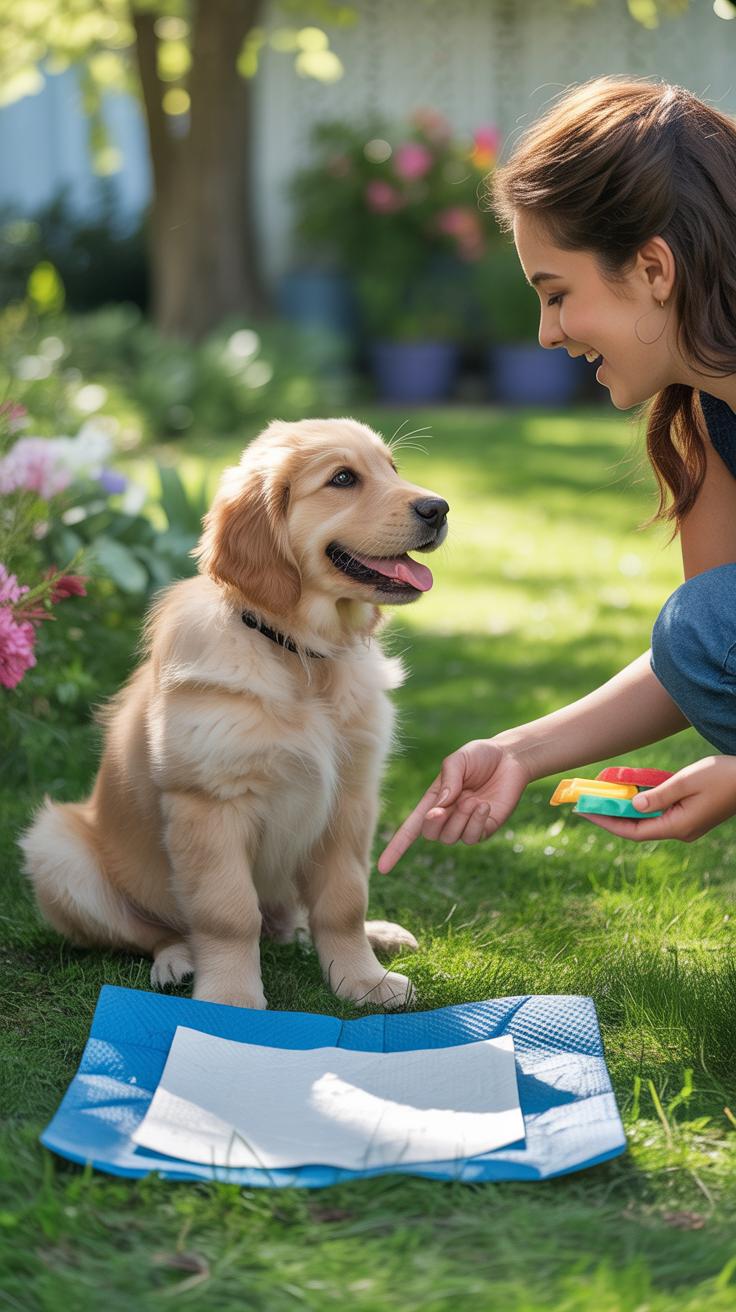
Biological limitations dictate your training schedule. A puppy generally controls its bladder for one hour for every month of age. An eight week old puppy can physically hold its urine for only two hours. You must align your bathroom breaks with this physiological reality. Expecting more from a young animal leads to inevitable failure. Proactive scheduling prevents accidents before the puppy loses control.
Nighttime differs slightly because metabolism slows down during sleep. However, most puppies under four months old still require at least one midnight trip outside. Monitor water intake two hours before bedtime to extend these intervals. Consistent records help you track bladder growth. As the puppy matures, the frequency of trips decreases. Stick to the monthly rule to maintain a clean environment and build lasting habits.
Happiness is a warm puppy, and with patience, every small lesson becomes a lifelong bond.
How To Handle Accidents Calmly And Avoid Setting Back Your Progress
Accidents reflect a failure in the owner’s supervision, not the puppy’s character. If you catch your puppy in the act, interrupt them with a firm noise. Immediately carry the dog to the designated outdoor spot. Punishment after the fact is useless and destructive. Puppies lack the cognitive ability to connect past actions with current anger. Screaming creates fear and forces the dog to hide while urinating.

Eliminate all odors using an enzymatic cleaner to prevent repeat offenses. Standard household cleaners often leave behind pheromones that attract the dog back to the same spot. Keep the puppy in a confined area or on a leash when you cannot give full attention. Controlled environments minimize the surface area for mistakes. Focus on rewarding correct behavior rather than punishing the inevitable errors of a developing animal.
Following A Potty Training Schedule To Prevent Accidents Indoors
The Best Times To Take Your Puppy Outside Based On A Proven Potty Training Schedule
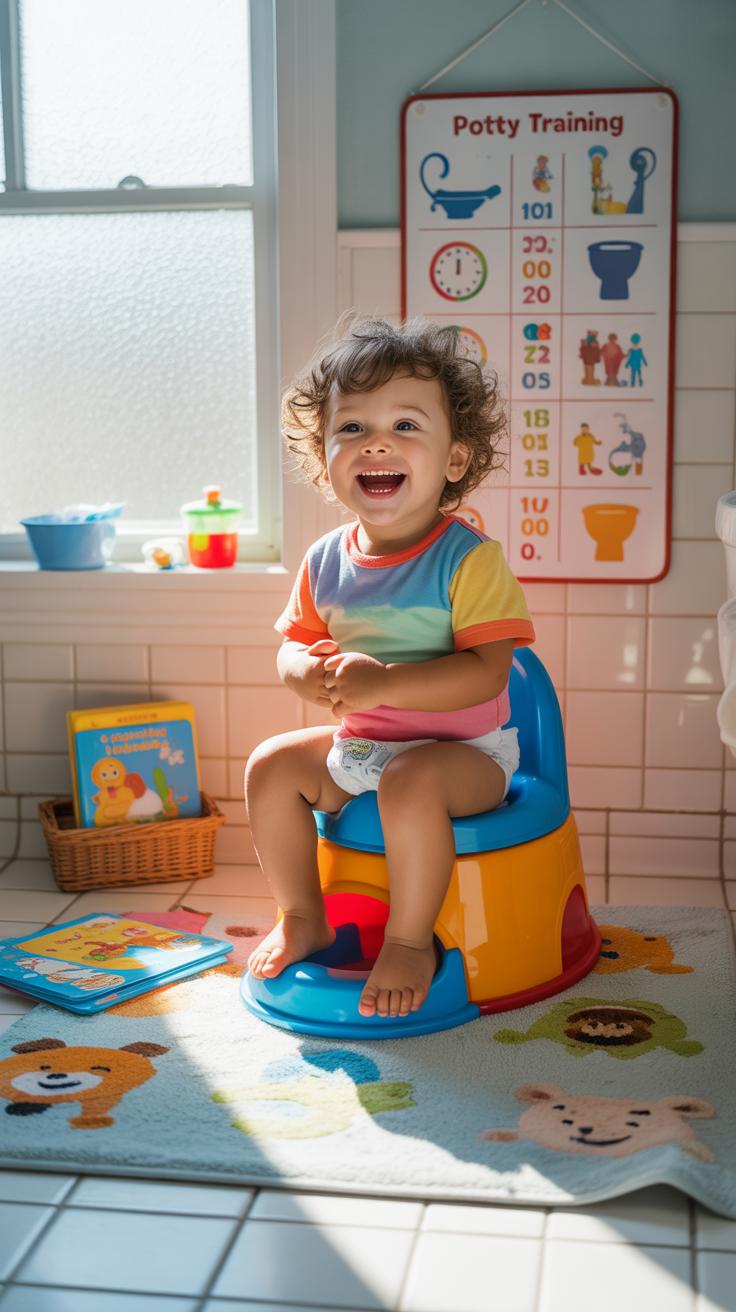
Puppies have limited bladder control and require a strict routine to avoid indoor messes. You must anticipate biological needs based on activity and time. Most young dogs can only hold their bladder for one hour for every month of age. Failure to stick to a rigid timeline results in accidental reinforcement of indoor elimination. Consistency creates a predictable environment for the animal.
- Immediately After Waking: Take the puppy outside the moment they wake up from any sleep. Physical activity restarts the digestive system and triggers the urge to eliminate. Do not wait to put on shoes or check your phone first.
- After Eating or Drinking: Most puppies need to go within fifteen to thirty minutes of consuming food or water. Digestion moves quickly in young dogs due to their high metabolism. Monitor the clock closely after every meal to ensure you catch the window.
- During and After Play: High physical activity puts pressure on the bladder and bowels. Excitement often causes a puppy to lose focus on holding it. Stop play every ten minutes for a quick trip outside to ensure the floor stays clean and dry.
- Before Crate Entry: Always verify the puppy has an empty bladder before placing them in a confined space. This prevents them from being forced to soil their sleeping area. Maintaining a clean crate is essential for teaching the puppy to hold their waste longer.
- Late Night Totals: Schedule a final bathroom break right before you go to bed. This maximizes the time the puppy can remain comfortable overnight. Small puppies may still require one mid-night break depending on their age and physical development during the training phase.
Watch for physical cues like circling, sniffing the floor, or sudden restlessness. These signals indicate the puppy is searching for a spot to go. If you see these behaviors, carry the dog outside immediately. Do not wait for them to walk to the door on their own. Success depends entirely on your ability to manage the environment and timing.
How To Use Positive Reinforcement To Reinforce Outdoor Bathroom Habits
Positive reinforcement builds a clear association between the outdoor environment and the act of elimination. You must carry high-value treats and reward the puppy within three seconds of them finishing their business. This immediate feedback tells the dog exactly which behavior earned the prize. Verbal praise should be calm but clear to avoid distracting them before they finish the task.

Timing is the most critical factor in this communication process. If you wait until you go back inside to give a treat, the puppy will not understand why they are being rewarded. They may think the treat is for walking through the door or sitting. Keep rewards small and easy to swallow so training can continue quickly. Consistent rewards turn a biological necessity into a structured job.
How To Train A Puppy Starting With The Five Essential Basic Commands
Teaching Sit, Stay, Come, Down, And Leave It In The Right Order
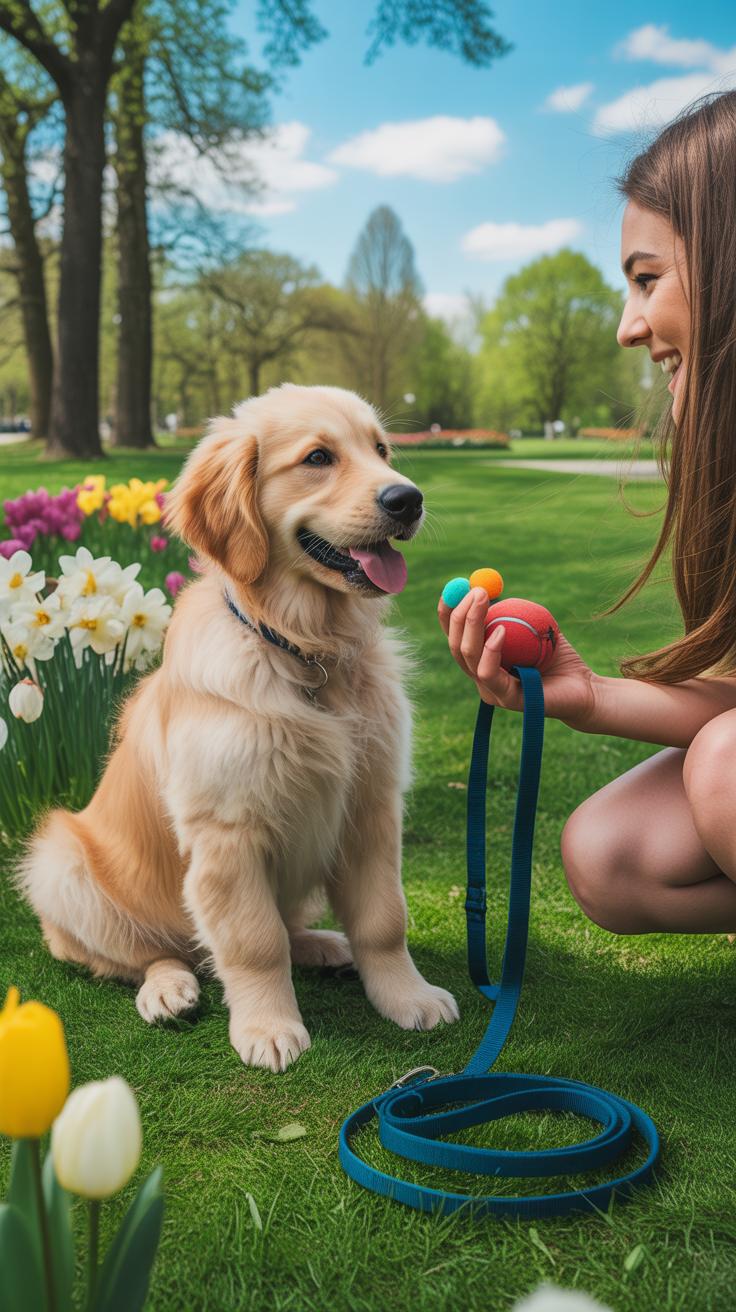
Start with Sit because it is the foundation for all other behaviors. This command teaches the puppy to focus on you and provides a default state for patience. Once the puppy sits reliably, move to Down to establish a calm posture. These two positions create the physical control necessary for advanced skills. Focus on short sessions to keep the dog engaged and successful.
Introduce Stay and Come after the puppy masters stationary positions. These life-saving commands manage the dog’s movement and ensure safety in open spaces. Teach Leave It last to build impulse control against external distractions. Following this specific sequence builds the puppy’s confidence by layering easy wins before demanding high levels of restraint. Mastery of one step ensures better performance in the next phase.
Using Reward Based Methods To Reinforce Each Command Effectively
Reward-based training focuses on positive reinforcement to drive consistent behavior. You must deliver a high-value treat within one second of the desired action. This immediate timing helps the puppy connect the physical movement with the reward. Use small pieces of soft food to prevent chewing breaks from slowing down the momentum. This method builds a strong desire in the dog to work.

Phase out physical lures once the puppy understands the verbal cue. Shift to intermittent rewards to prevent the dog from only performing for food. Use a marker word like Yes to signal success before the treat arrives. This communication bridge clarifies exactly what earned the prize. Consistent repetition in different rooms generalizes the behavior. Effective reinforcement turns a temporary action into a permanent habit.
Puppy Obedience Training Teaching Boundaries And Respectful Behavior
How To Establish Household Rules That Your Puppy Will Understand And Follow
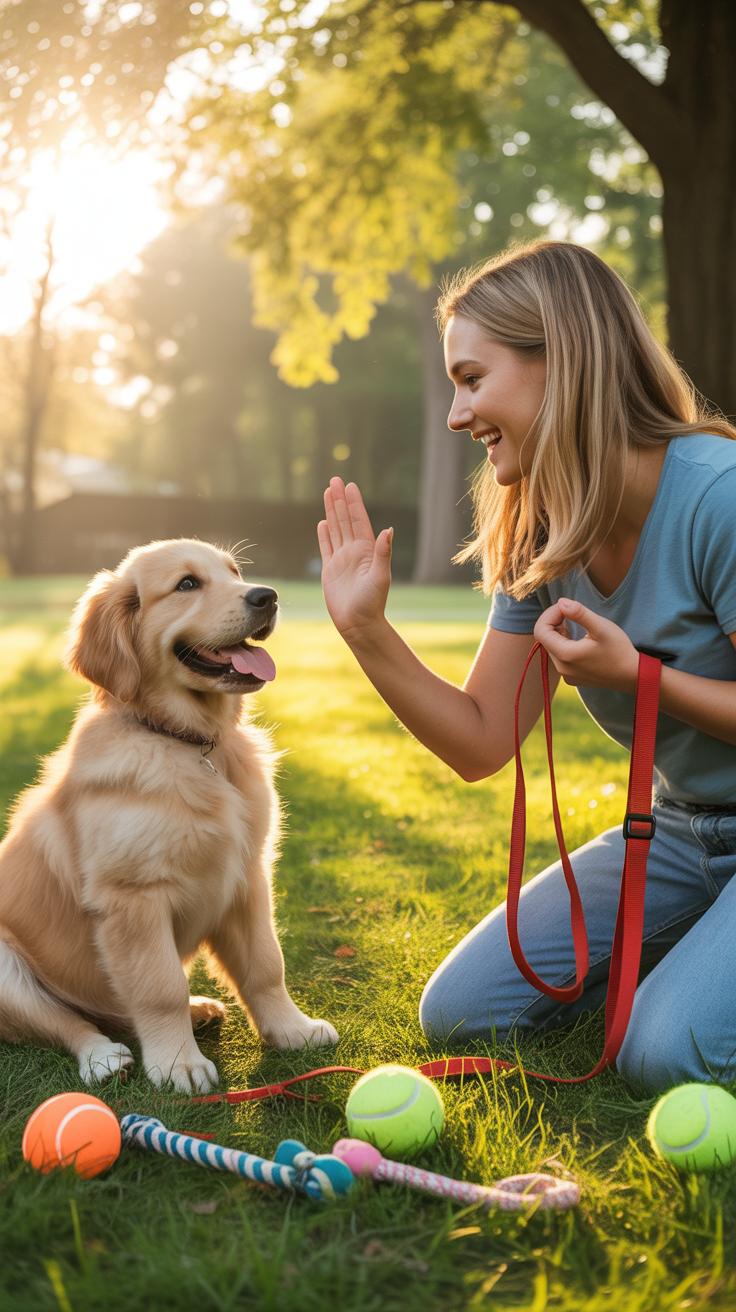
Dogs crave structure because it provides environmental certainty. You must define where the puppy sleeps and which furniture is off limits immediately. Apply these rules every single day without exception. Inconsistency confuses the animal and slows cognitive mapping. Use clear verbal cues and physical barriers like crates or gates to define restricted zones. This approach builds a predictable framework for the dog.
Communication requires immediate feedback to be effective for a young dog. Reward the puppy the second it follows a rule to reinforce that specific choice. Use high value treats or praise to mark the desired behavior. Do not wait even five seconds or the puppy will lose the association. Clear boundaries prevent future territorial issues and ensure the puppy understands its exact rank within the home hierarchy.
Correcting Unwanted Behaviors Like Jumping Nipping And Excessive Barking
Jumping and nipping are natural canine behaviors used to get attention or play. You must eliminate the reward by turning your back and becoming uninteresting. Don’t push the dog away or yell because it perceives this as engagement. Only provide attention when all four paws remain on the floor. This method teaches the puppy that calm behavior is the only way to get what it wants.
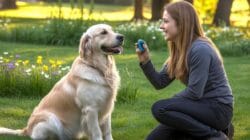
Excessive barking usually stems from boredom or a desire for a reaction. Identify the trigger and remove it or redirect the dog to a specific task. Use a quiet command followed by a reward when the barking stops. Timing is critical for success. You must reward the silence, not the noise. Consistent redirection shapes better long term habits and reduces frantic energy levels in the household environment.
Puppy Training Tips That Every New Dog Owner Should Apply From Day One
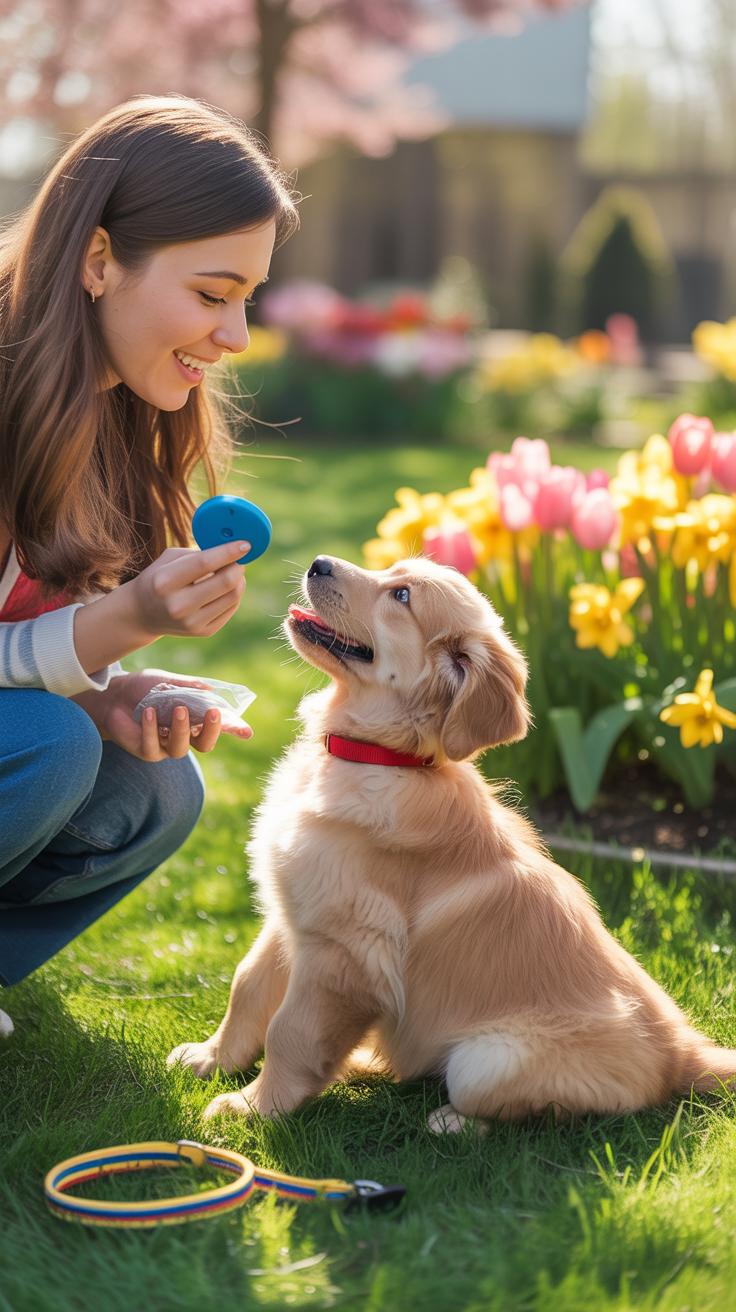
The Most Effective Science Backed Training Techniques For Young Puppies
Positive reinforcement is the gold standard for modern canine behavior modification. This method relies on operant conditioning to strengthen desired behaviors. You must deliver a high value reward within one second of the correct action. This timing creates a clear mental link for the puppy. Scientifically, this approach builds trust and lowers cortisol levels. Brain scans show that dogs learn faster when they anticipate a reward.
Luring is a tactical physical technique to guide movement without force. Use a small piece of food to lead the nose into a sit or down position. This creates a muscle memory map for the puppy to follow. Transition from food lures to hand signals quickly to prevent dependency. Proper luring builds mechanical skills before adding verbal cues. It ensures the dog understands the physical requirement before you add language.
Common Puppy Training Mistakes To Avoid That Can Slow Down Progress
New owners often sabotage progress by using inconsistent command words or physical corrections. Shouting or hitting creates fear and shuts down the learning center of the brain. Clear communication requires one word for one action every single time. If you use different terms, the puppy gets confused and stops responding. You must maintain a predictable environment to ensure the animal feels safe enough to learn new tasks.
- Inconsistent Command Language: Using different words like Sit and Sit Down for the same action confuses the puppy. Use one distinct word for each behavior to build a reliable vocabulary. Consistency across all family members is required for success.
- Poor Reward Timing: Delivering a treat too late reinforces the wrong behavior. If the puppy jumps after sitting, and you then give the treat, you rewarded the jump. Clickers help mark the exact moment of success with high precision.
- Excessive Training Duration: Puppies have very short attention spans and tire easily during long sessions. Keep training bouts under five minutes to maintain high engagement and focus. Ending on a successful note keeps the puppy motivated for the next session.
- Using Physical Punishment: Striking or pinning a puppy destroys the bond and triggers defensive aggression. These methods do not teach the dog what to do instead of the bad behavior. Focus on redirecting bad energy toward productive and rewarding tasks.
- Over Reliance On Treats: Failing to fade out food lures leads to a dog that only obeys when food is visible. Transition to intermittent reinforcement once the dog masters a command. This creates a stronger behavioral response that survives in real world environments.
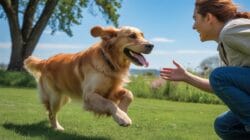
Environmental management is just as important as active teaching sessions. Do not give a puppy the opportunity to fail by leaving shoes or wires within reach. Block off rooms where they cannot be supervised to prevent house training accidents. Every mistake the puppy makes reinforces a bad habit that you must later break. Control the surroundings to ensure the puppy only practices the behaviors that you want to keep.
Socialization As Part Of Puppy Training Exposing Your Puppy To The World Safely
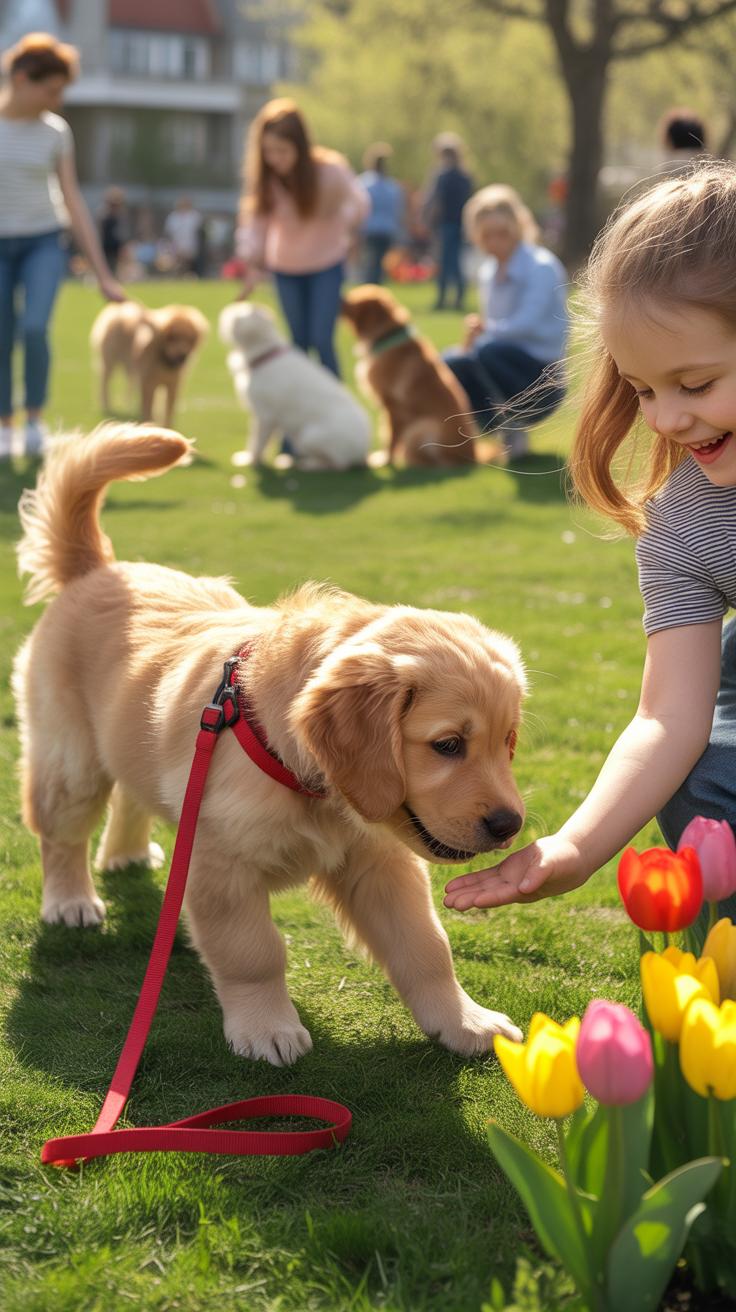
Why Socialization Between 3 And 14 Weeks Is A Critical Window For Puppies
Professional trainers call this the sensitive period for behavioral development. During this time, a puppy’s brain is uniquely flexible. They form permanent associations with the world around them. Positive experiences now prevent fear and aggression later in life. If you miss this window, the puppy becomes more cautious. This natural survival instinct makes it difficult to introduce new things later.
Strategic socialization reduces the risk of future behavioral issues. Most dogs are surrendered to shelters because of fear-based biting or anxiety. Proper exposure during these early weeks builds a confident adult dog. You are training the brain to process novelty without panic. Focus on quality over quantity during this phase. Ensure every new encounter is positive and controlled. This foundation is vital for a stable pet.
Safe And Gradual Ways To Introduce Your Puppy To New People, Animals, And Environments
Start introductions in a controlled environment to minimize stress. Begin with low-intensity stimuli and monitor body language closely. If the puppy cringes or hides, create more distance. Use high-value food to create a positive association with the new stimulus. Do not force interactions. Let the puppy choose to approach at their own pace. This builds genuine confidence rather than learned helplessness.
Manage health risks by avoiding high-traffic public areas until vaccinations are complete. Use a clean bag or stroller to carry the puppy in public spaces safely. Introduce them to different surfaces like gravel, grass, and tile. Expose them to common household noises like vacuum cleaners at a low volume first. Always prioritize safety and positive reinforcement. Consistent, calm exposure ensures your puppy thrives in any environment they encounter.
When To Consider Professional Puppy Training And What To Expect
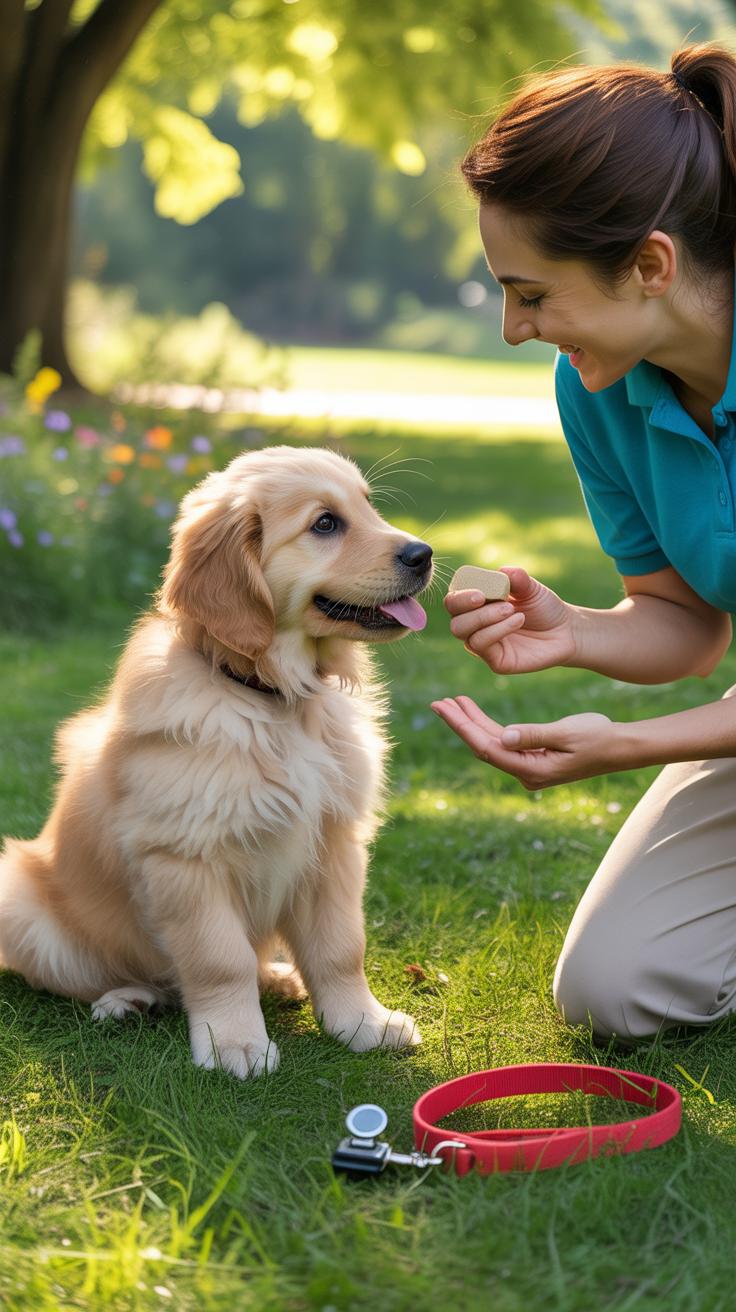
Signs That Your Puppy May Benefit From A Professional Trainer Or Obedience Class
Home training hits a wall when biological drives override basic commands. If your puppy displays resource guarding or bite inhibition issues, you need an expert. Fear-based reactions toward humans or other dogs require immediate intervention. These behaviors often stem from poor early socialization or genetic predispositions. You cannot fix deep-seated aggression with standard treats. Professional intervention prevents these minor habits from becoming permanent dangers.
Lack of progress is another clear indicator for external help. If your puppy masters commands indoors but ignores you outside, the distraction threshold is too high. Professional trainers use controlled environments to proof behaviors against real-world triggers. They identify mechanical errors in your handling that confuse the dog. Seeking help early saves time and money. Delaying assistance allows the puppy to rehearse bad behaviors until they become ingrained habits.
How To Choose The Right Puppy Training Program Or Certified Trainer For Your Dog
Select a trainer based on credentials and methodology rather than price. Look for certifications from the CCPDT or KPA to ensure technical competence. Avoid any trainer who relies on physical punishment or outdated dominance theories. Science favors positive reinforcement and operant conditioning over intimidation. Ask to observe a class before you pay. A good trainer focuses on clear communication and building the bond between owner and dog.
Group classes provide essential socialization under professional supervision. They teach your puppy to focus in high-distraction settings. Private lessons work better for specific behavioral problems like separation anxiety. Evaluate the facility for cleanliness and safety protocols. Check if they require proof of vaccinations before allowing entry. Proper programs explain the why behind every technique they use. Match the training style to your puppy’s specific temperament and needs.
Frequently Asked Questions

When is the best time to begin puppy training step by step?
You can start basic puppy training step by step as soon as your new companion arrives home, typically around eight weeks of age. While young puppies have short attention spans, they are like sponges ready to soak up good habits. Focusing on simple engagement, their name, and housebreaking early on creates a vital foundation for more advanced obedience and socialization skills as they mature into adulthood.
How do I teach my puppy to sit using positive reinforcement?
To teach this command during your puppy training step by step journey, hold a small treat near your dog’s nose. Move your hand upward, causing their bottom to drop as they follow the scent. Once their seat hits the floor, say “sit,” offer the treat, and provide plenty of praise. Repeating this gentle method several times a day ensures your puppy associates the physical action with a rewarding, positive outcome.
Can I train my puppy effectively without hiring an expensive professional?
Absolutely! Professional classes are helpful, but you can achieve incredible results at home with patience and consistency. Use affordable tools like kibble from their daily meals for rewards and utilize free online resources or library books. Training in your own living space reduces distractions and strengthens the unique bond between you and your pet, proving that successful obedience doesn’t require a massive financial investment or a professional trainer.