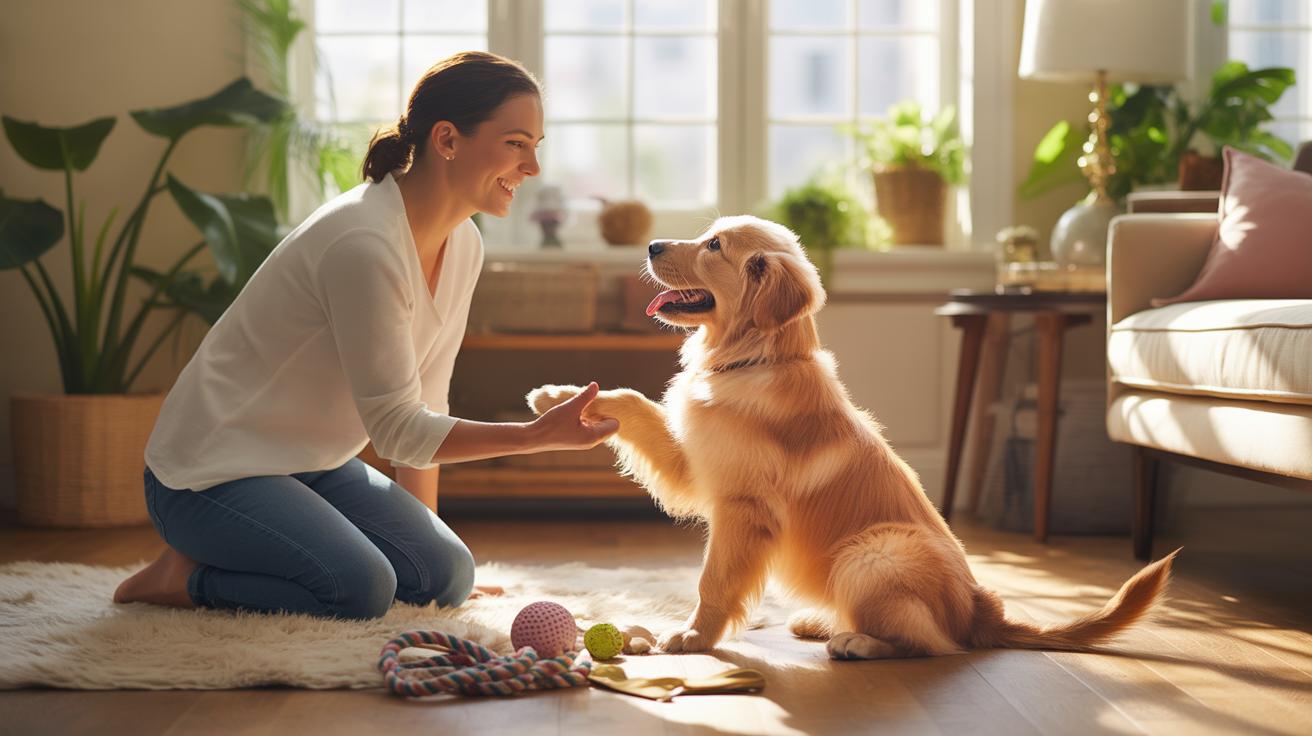
Why Learning Tricks To Teach Your Dog Strengthens Your Bond
The Science Behind Dog Training And Human Canine Connection
Training triggers a dopamine release in both the dog and the handler. Scientific studies show that eye contact during task-based interaction increases oxytocin levels in both species. This chemical exchange mimics the biological bonding process found between parents and children. Dogs are the only non-primate species that look humans in the eyes for social cues. This evolutionary trait makes them uniquely responsive to structured commands.
Trick training relies on operant conditioning. You reinforce specific behaviors through immediate rewards. This process creates a clear communication loop. The dog learns to predict outcomes based on your signals. This mental stimulation reduces cortisol, which is the hormone responsible for stress. When you teach a trick, you are not just showing off. You are engaging the canine brain in a way that aligns with their natural social instincts.
How Consistent Training Sessions Build Trust Over Time
Trust comes from predictability. When you use consistent cues, your dog understands what you want. This clarity removes the anxiety of trial and error. A dog that knows what to expect is a confident dog. Regular training sessions establish you as a reliable leader. You provide the structure the dog needs to feel safe in a human environment. Reliable rewards confirm that your instructions lead to positive results.
Short and frequent sessions are more effective than long, irregular ones. Five minutes of daily work build more momentum than one hour on the weekend. This habit keeps the lines of communication open. It prevents confusion and frustration for both parties. Over time, the dog looks to you for guidance in new situations. This bond ensures the dog remains focused on you even when distractions are present in the environment.
Essential Dog Commands Every Owner Should Teach First
Understanding The Core Commands: Sit, Stay, And Come
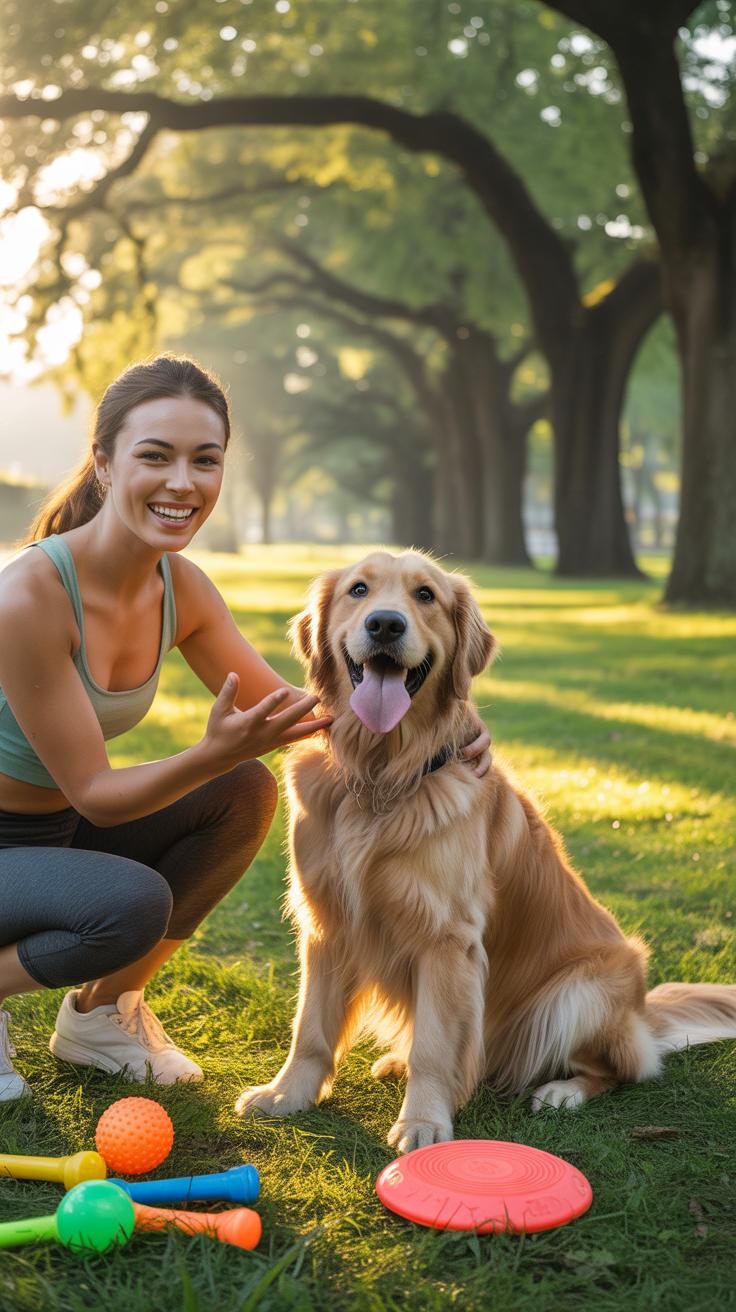
Primary commands form the foundation of all advanced training. Sit serves as the universal transition state. It stops unwanted movement and focuses the dog on the handler. You achieve this by moving a treat over the head to naturally lower the hips. Mastery of this posture is mandatory before attempting more complex tasks. It ensures the animal remains calm and receptive to further instructions.
The stay and come commands manage distance and safety. Stay requires the dog to remain in position until you give a release word. This builds impulse control and patience. Come is the most critical safety tool. This recall command brings the dog back to you regardless of distractions. Prompt responses prevent accidents and allow for off-leash freedom in controlled environments. Consistently practice these three daily to ensure reliability.
How To Use Positive Reinforcement To Solidify Basic Commands
Positive reinforcement uses rewards to encourage repeat behavior. Science proves that dogs learn faster when they associate an action with a high-value outcome. Use small treats or praise immediately after the dog performs the correct movement. Timing is the most critical factor here. You must deliver the reward within two seconds of the action. This creates a clear link between behavior and benefit.
Avoid physical punishment or shouting during training sessions. Negative tactics induce fear and slow down the learning process. Focus on marking the exact moment of success with a clicker or a specific word like yes. Keep sessions short and high-energy to maintain focus. Gradually phase out food rewards as the dog masters the skill. Eventually, the verbal command alone will trigger the physical response from the animal.
Teach Dog Tricks Using Reward Based Training At Home
Choosing The Right Treats And Rewards For Effective Training
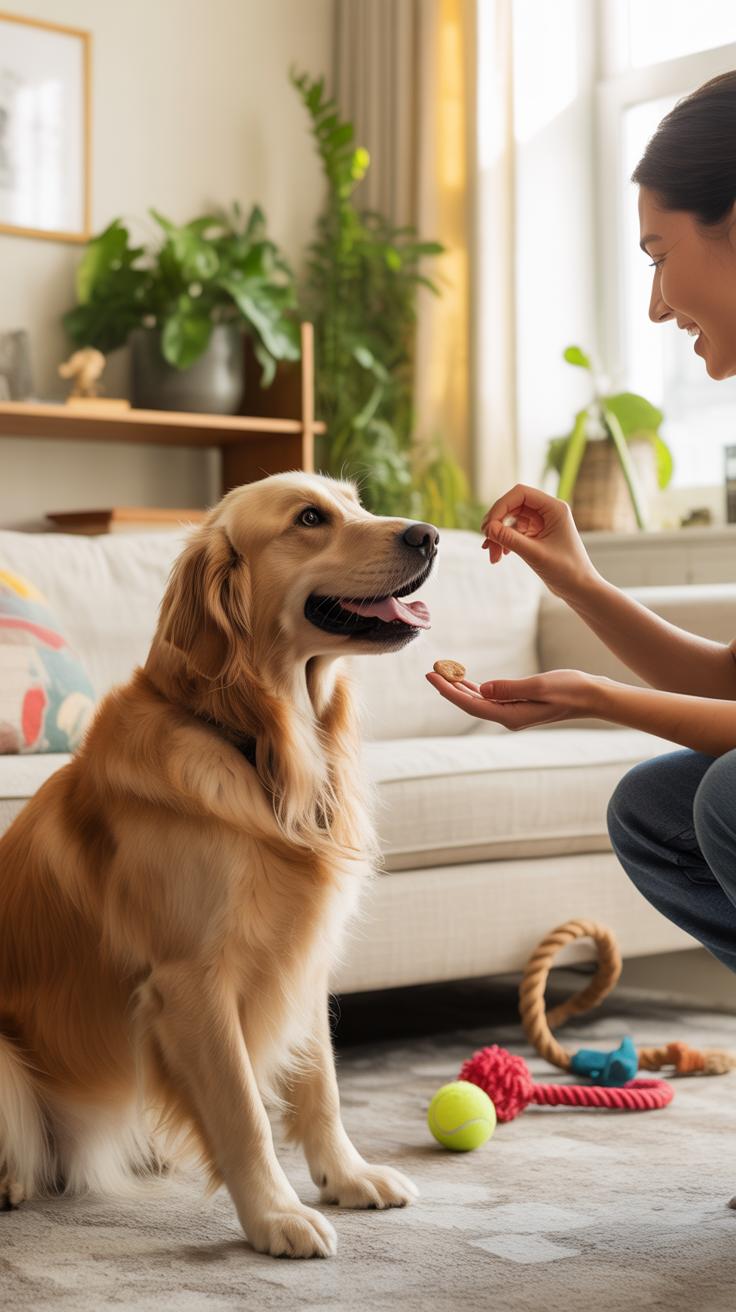
Reward based training relies on high value reinforcement to build new behaviors. Dogs work for what they find valuable. You must choose treats that are small and easy to swallow. This keeps the training momentum moving forward without long chewing breaks. Soft treats often work better than hard biscuits because they have a stronger scent. Scent triggers the drive to earn the reward.
- Freeze Dried Liver: This protein source offers a strong aroma that grabs a dog’s attention immediately. It is low in fat and easy to break into tiny pieces for repetitive repetitions during session work.
- Boiled Chicken Breast: Fresh lean meat provides a high value motivation for difficult tricks. It is easy on the digestive system and most dogs will focus intently to earn a piece of real poultry.
- Commercial Training Bites: These small morsels are specifically designed to be under three calories per treat. They allow you to deliver many rewards in one session without overfeeding the animal or causing weight gain.
- String Cheese: Low sodium cheese is a portable and highly distracting reward for stubborn learners. You can peel off tiny slivers quickly to reward fast movements or complex body positions during the learning phase.
- Favorite Toys: Using a tennis ball or tug rope works for dogs with high play drives. This non food reward prevents calorie loading and builds a bond through active engagement rather than just consumption.
Timing determines the success of the reward. You must deliver the treat within one second of the desired action. This clear timing links the behavior to the prize in the dog’s brain. Use a specific marker word or a clicker to bridge the gap between the action and the food. High quality rewards ensure the dog remains engaged and willing to learn harder tasks.
Setting Up A Distraction Free Training Environment Indoors
Success requires a controlled environment where you manage all external variables. Choose a room with a non slip floor to prevent injuries during movement tricks. Clear away toys and other pets that might pull the dog’s focus. A quiet space allows the dog to hear your verbal cues and the clicker clearly. Minimize background noise like televisions or loud music during the initial learning stages.
Consistency in the environment helps the dog generalize the training later. Start in a small area like a hallway where the dog has limited room to roam away. Once the dog masters a trick in one room move to another part of the house. This transition proves the dog understands the command regardless of the location. Keep sessions short to maintain high mental energy and avoid total physical exhaustion.
Cool Dog Tricks That Are Surprisingly Easy To Master
Step By Step Guide To Teaching Roll Over And Play Dead
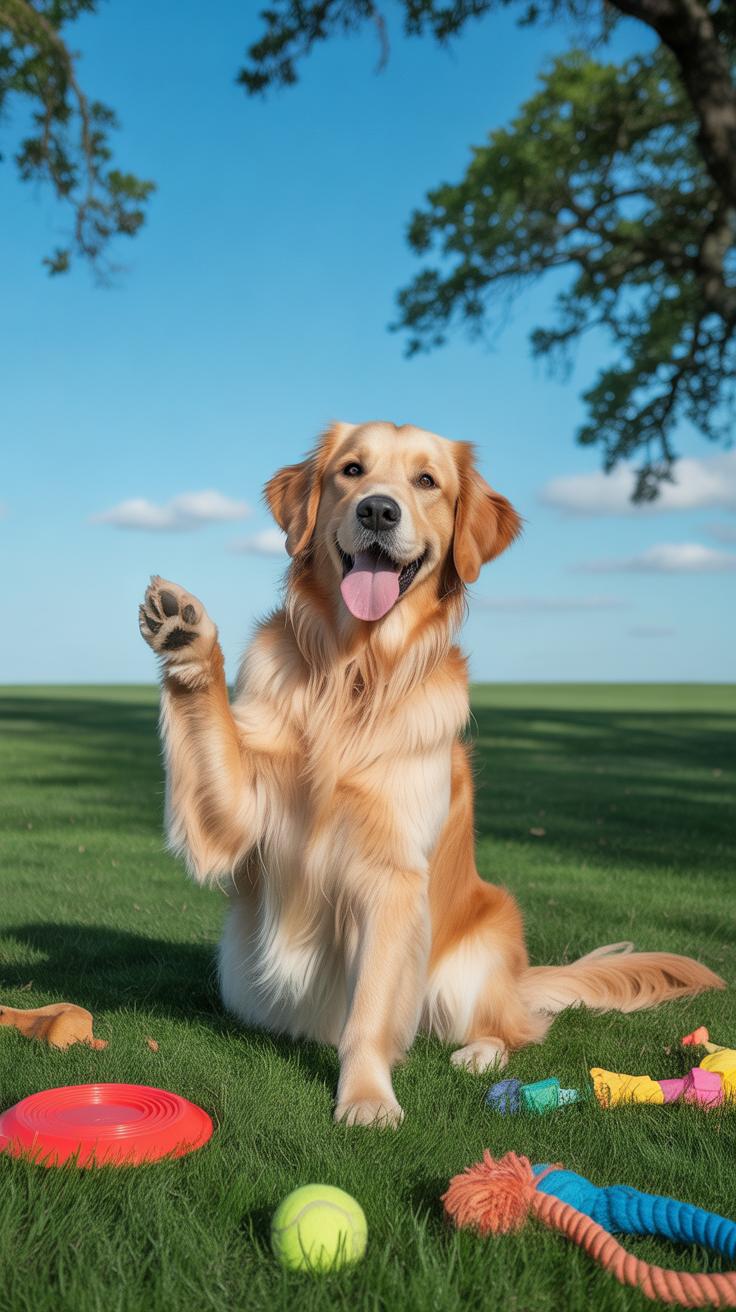
Teaching roll over requires a lure starting from a down position. Hold a treat near the nose and move it toward the shoulder. This motion forces the dog to shift weight and roll onto its side. Reward each small movement toward the full rotation. Consistency builds muscle memory. Keep sessions short to avoid physical strain on the animal during the learning phase.
Transition to play dead once the roll over is fluid. Use a finger gun hand signal and the word bang. Lure the dog onto its side and hold the treat there to encourage stillness. Reward the dog only when its head remains flat on the floor. This trick relies on the stay command. Focus on duration to make the behavior look realistic and controlled.
How To Teach Your Dog To Shake Hands And High Five
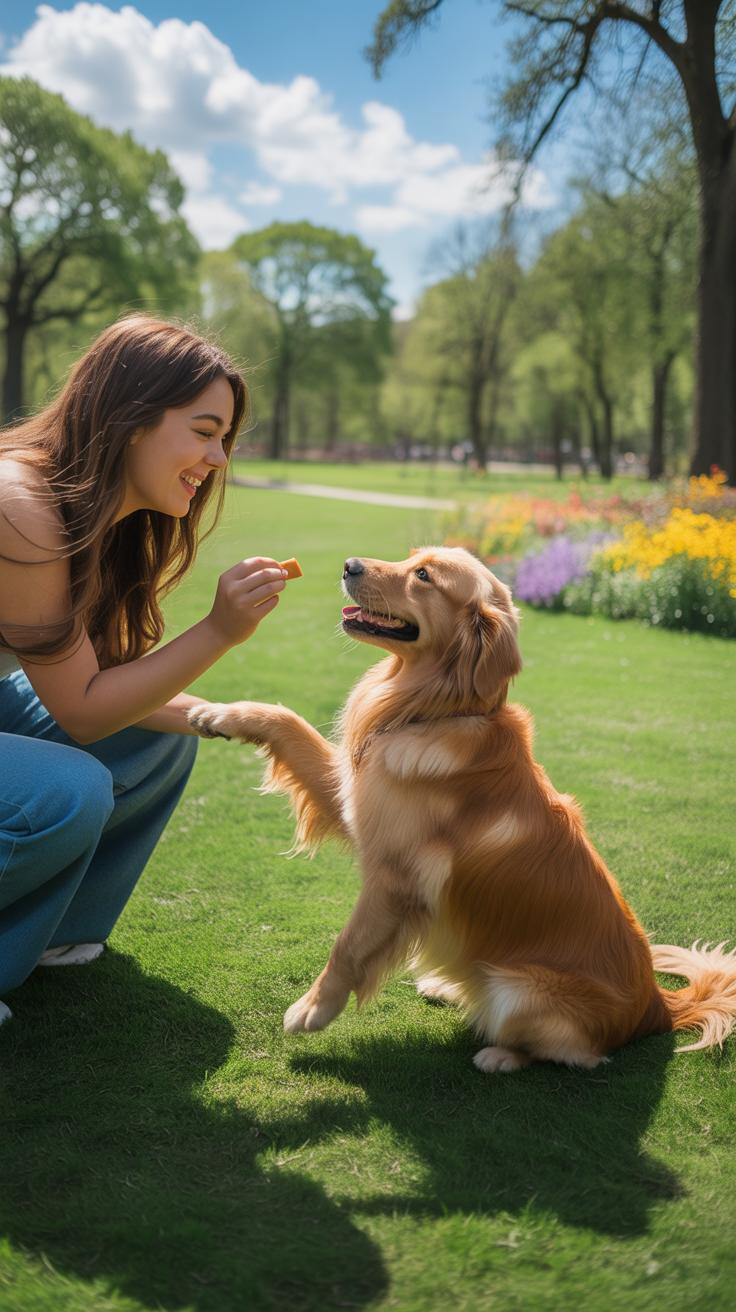
Start the shake command by holding a treat in a closed fist near the floor. Most dogs will naturally paw at your hand to reach the food. Release the treat as soon as the paw makes contact with your skin. Add the verbal cue shake once the dog repeats the action reliably. This trick utilizes a natural canine instinct to investigate objects with their feet.
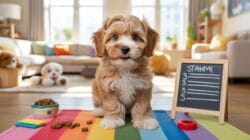
Move to the high five once the shake is solid. Raise your palm higher and change your hand position to be vertical. The dog will reach upward to touch your hand as it did during the shake training. Reward the contact instantly. This progression builds on existing skills. Repeat the drill to ensure the dog distinguishes between the two different heights and hand signals.
Tricks To Teach Your Puppy During The Early Socialization Stage
Why Puppies Between 8 And 16 Weeks Learn Fastest
The period between eight and sixteen weeks is a critical neurological window. A puppy’s brain is highly plastic during this stage. They absorb new information with minimal fear compared to older dogs. This phase is the primary socialization window. Scientists confirm that experiences during this time shape adult behavior. Early training capitalizes on this natural curiosity to build a foundation for all future learning.
Early learning works because puppies have no prior bad habits to break. They view every interaction as a learning opportunity. This age allows for rapid habituation to human touch and verbal cues. Training now reduces the risk of future aggression or anxiety. Focus on positive reinforcement to exploit this high rate of synapse development. Your goal is to maximize this brief period of high mental flexibility.
Age Appropriate Tricks And Short Session Tips For Young Puppies
Keep puppy training sessions under five minutes to match their short attention spans. Focus on lure-based movements rather than physical manipulation. Teach simple actions like sit, touch, and follow a hand target. These movements build body awareness without straining developing joints. Use high-value food rewards to keep the puppy engaged. Stop every session while the puppy still wants to work to maintain high motivation.
Consistency is more important than duration for young dogs. Aim for three to five very short sessions daily. Use clear and distinct verbal cues to avoid confusing the animal. Avoid complex tricks that require high levels of balance or extreme physical strength. The goal is to build confidence and a positive association with training. Frequent wins during these sessions create a dog that loves to work for its owner.
Dog Potty Training The Foundation Before Fun Tricks Begin
How To Establish A Consistent Potty Routine For Your Dog
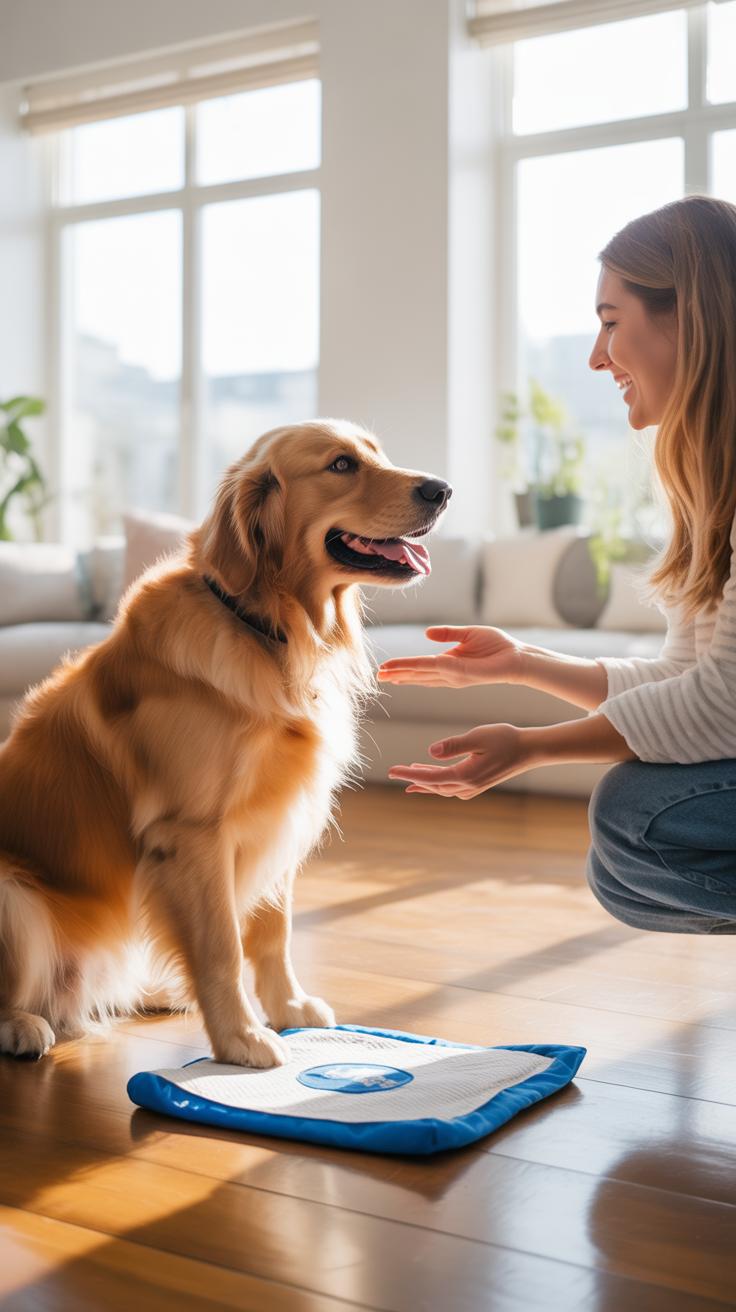
A strict schedule dictates success in canine housebreaking. Dogs operate on biological rhythms. You must take the dog outside immediately after waking, after eating, and after play sessions. Most adult dogs can hold their bladder for six to eight hours. Puppies require a trip outside every hour for every month of age. Routine creates a mental map of when and where to go.
Control the food and water intake to predict elimination times. Feed your dog at the exact same time every day. Remove the water bowl two hours before bedtime to prevent overnight accidents. If the dog does not go during a scheduled outing, return them to their crate. Try again in fifteen minutes. Consistently rewarding the correct behavior reinforces the desired outcome faster than any other method.
Potty Training Puppy Mistakes To Avoid For Faster Results
Punishing a dog for an accident in the house is a tactical failure. Dogs do not connect physical discipline with an action they took minutes ago. Rubbing a dog’s nose in a mess only teaches them to fear you. This fear causes them to hide when they need to go. Effective training requires capturing the right behavior and rewarding it instantly with high-value treats.
- Scolding After The Fact: Dogs live in the present moment. If you find a mess five minutes late, your anger is useless. The dog cannot link your current shouting to their past action. Focus on better supervision instead of retroactive punishment to maintain trust and progress.
- Using Ammonia Based Cleaners: Many household cleaners contain ammonia which smells like urine to a dog. If you use these, the dog will return to the same spot to mark it again. Use an enzymatic cleaner to break down the proteins and completely remove the scent signature.
- Missing The Subtle Signs: Owners often ignore physical cues like circling, sniffing, or sudden restlessness. These signals mean the dog needs to go immediately. If you wait for the dog to bark at the door, you have waited too long. Watch your dog closely to prevent indoor accidents.
- Giving Too Much Freedom: Allowing a non-housebroken dog to roam the whole house leads to hidden messes. Use crates, baby gates, or leashes to limit their space. Keep the dog in your sight at all times. Controlled environments force the dog to signal when they need an exit.
- Inconsistent Word Cues: Using different phrases like go potty and hurry up confuses the animal. Pick one specific command and stick to it every time they eliminate. This creates a verbal trigger. The dog eventually learns to perform the action on command which saves time during bad weather.
Inconsistency ruins progress and causes confusion for the animal. Ensure every person in the household uses the same verbal cues and follows the same schedule. Mixed signals lead to a longer training period and avoidable frustration. Stick to the plan without exception. Once the dog understands where to eliminate, you have the focus required to begin teaching more complex tricks and commands.
Smart Dog Hacks To Make Home Training Easier And More Effective
Using Hand Signals Alongside Verbal Cues For Clearer Communication
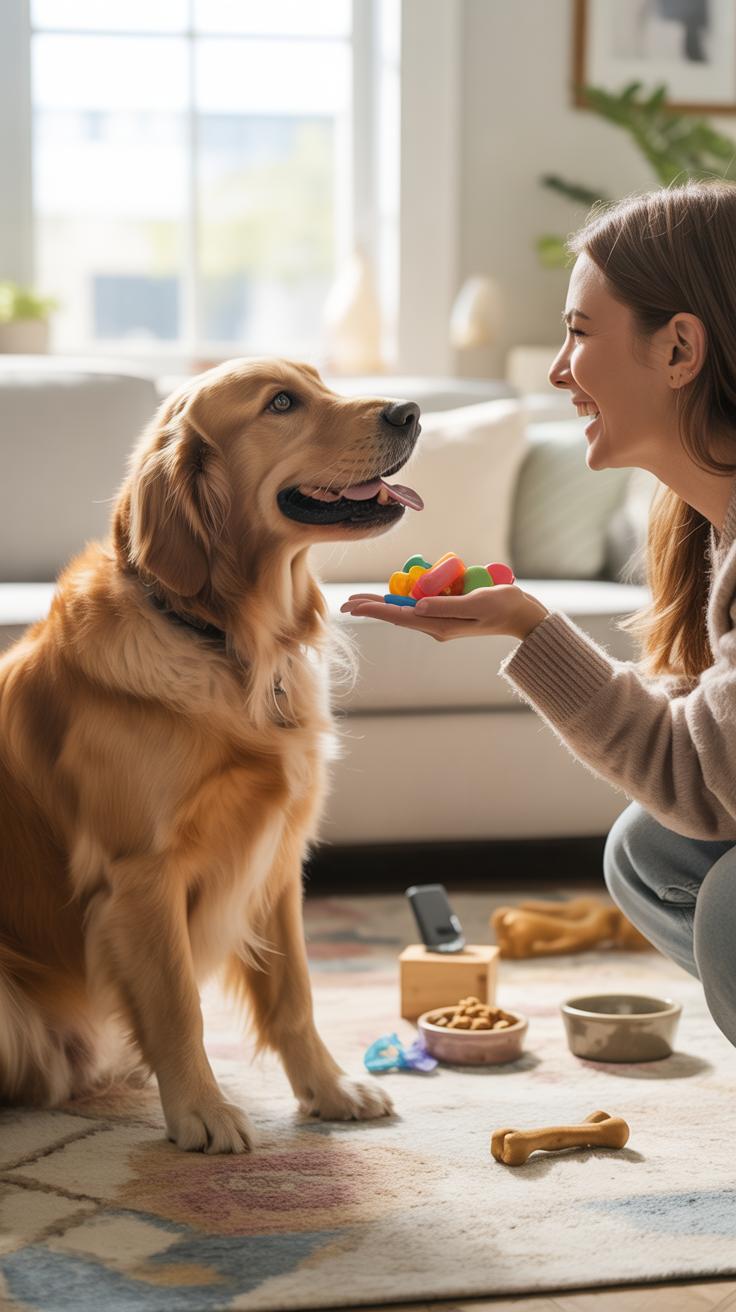
Dogs process visual information faster than auditory input. Most professional trainers prioritize hand signals because they reduce confusion during high-distraction scenarios. A distinct hand movement provides a clear physical anchor for the desired behavior. Use a flat palm for “stay” or a finger point for “down.” Consistent gestures ensure your dog understands the command even when background noise drowns out your voice.
Start by pairing the physical signal with the verbal cue simultaneously. Once the dog mirrors the behavior reliably, delay the verbal word by one second. This transition forces the dog to focus on your body language first. Expert handlers utilize this method to build a silent vocabulary. It creates a secondary communication channel that works at a distance or in crowded parks where verbal commands often fail.
The joy of teaching a dog a simple new trick is found in the quiet connection and the wag of a tail that says they understand. These small moments of learning become the golden threads of a lifetime of companionship.
How To Keep Your Dog Mentally Stimulated Between Training Sessions
Training does not stop when you put the treats away. Use interactive food puzzles or scent work to keep the canine brain engaged through the day. Hide kibble around a room to trigger their natural foraging instincts. This activity burns more mental energy than a standard walk. A tired brain leads to a calm dog that is ready to learn during formal sessions.
Rotate toys every three days to prevent boredom and maintain high novelty levels. Provide chewing outlets like rubber toys to lower cortisol and reduce destructive behaviors. Passive learning occurs when you reward calm behavior without a specific command. This reinforces the idea that relaxation is a job. Use these tactical intervals to solidify the discipline you build during your active ten-minute training blocks at home.
Very Cute Dogs Perform These Tricks And Yours Can Too
How To Progress From Basic Tricks To Impressive Skill Chains
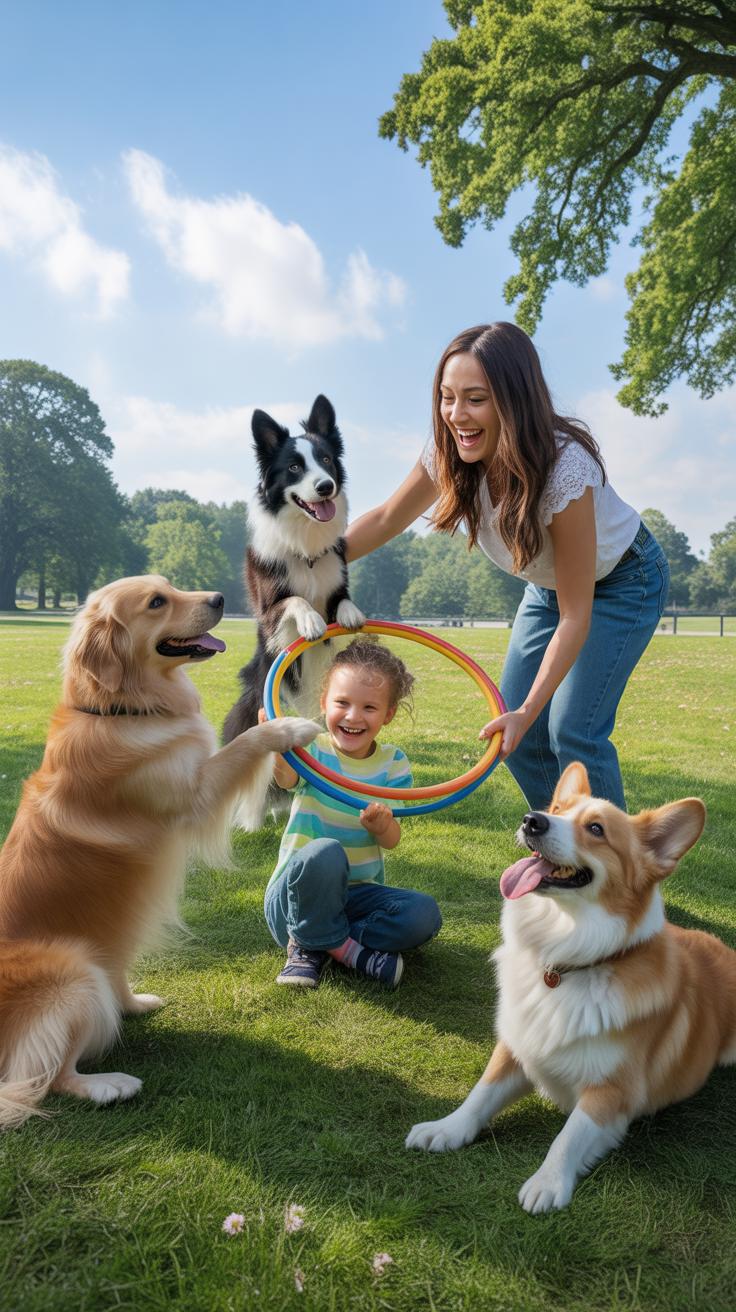
Skill chaining requires linking separate maneuvers into one fluid sequence. Professionals use backchaining to build reliability. This means you teach the final action first. When the dog completes the last step, they receive the reward. You then add the preceding step. The dog learns that each action leads directly to the next successful outcome. This creates a powerful drive to finish the entire set.
Success depends on signal clarity. Do not introduce a chain until the dog masters every individual trick. Use distinct verbal cues or hand signals for each part. Reduce the frequency of rewards during the middle steps. Only provide the primary treat after the final behavior. This builds endurance. Constant repetition solidifies the muscle memory needed for complex performances. This method ensures the dog stays focused.
Celebrating Milestones And Keeping Training Fun For The Long Term
End every session on a successful note. High value rewards maintain the dog’s interest over months of work. Stop training before the dog loses focus or becomes tired. Short sessions of five minutes are more effective than long hours. Use a variable reinforcement schedule once a trick is learned. This keeps the dog guessing and engaged. It mimics natural hunting and scavenging behaviors.
Watch for signs of stress or boredom. If the dog enters a slump, return to a simple trick they know well. This restores their confidence immediately. Take breaks to play with toys. This builds a positive bond between the handler and the animal. Training should feel like a game rather than a chore. Consistent engagement prevents behavioral regression. Keep the energy high and the objectives clear.
Frequently Asked Questions

What are the best first steps when starting to train a new dog at home?
The best way to start is by focusing on focus-based tricks to teach your dog, such as “look at me.” Begin in a quiet environment without distractions to ensure your pet stays engaged. Use short sessions—no more than ten minutes—to keep the experience positive. By building this foundation of communication early on, you make it much easier to transition into more complex physical commands and fun household behaviors later.
How can I use positive reinforcement to ensure my dog learns a command quickly?
Positive reinforcement involves capturing a desired behavior and immediately rewarding it with a high-value treat or verbal praise. When exploring new tricks to teach your dog, timing is everything; you must reward them within seconds of the action. This creates a clear mental link between the movement and the prize. Consistency across all family members ensures your dog doesn’t get confused by different verbal cues or hand signals during your daily practice.
Do I need to buy expensive equipment or professional tools to train my dog?
Not at all! You can easily train your dog using common household items like old tennis balls, sturdy blankets, or even a wooden spoon for target training. Professional agility kits are fun but unnecessary for learning basic skills. Your most valuable assets are patience and high-quality rewards, which can simply be small pieces of plain cooked chicken or their favorite kibble. Training is about the bond you build, not the gear you own.