What Is Dog Body Language And Why Does It Matter
The Science Behind How Dogs Communicate Without Words
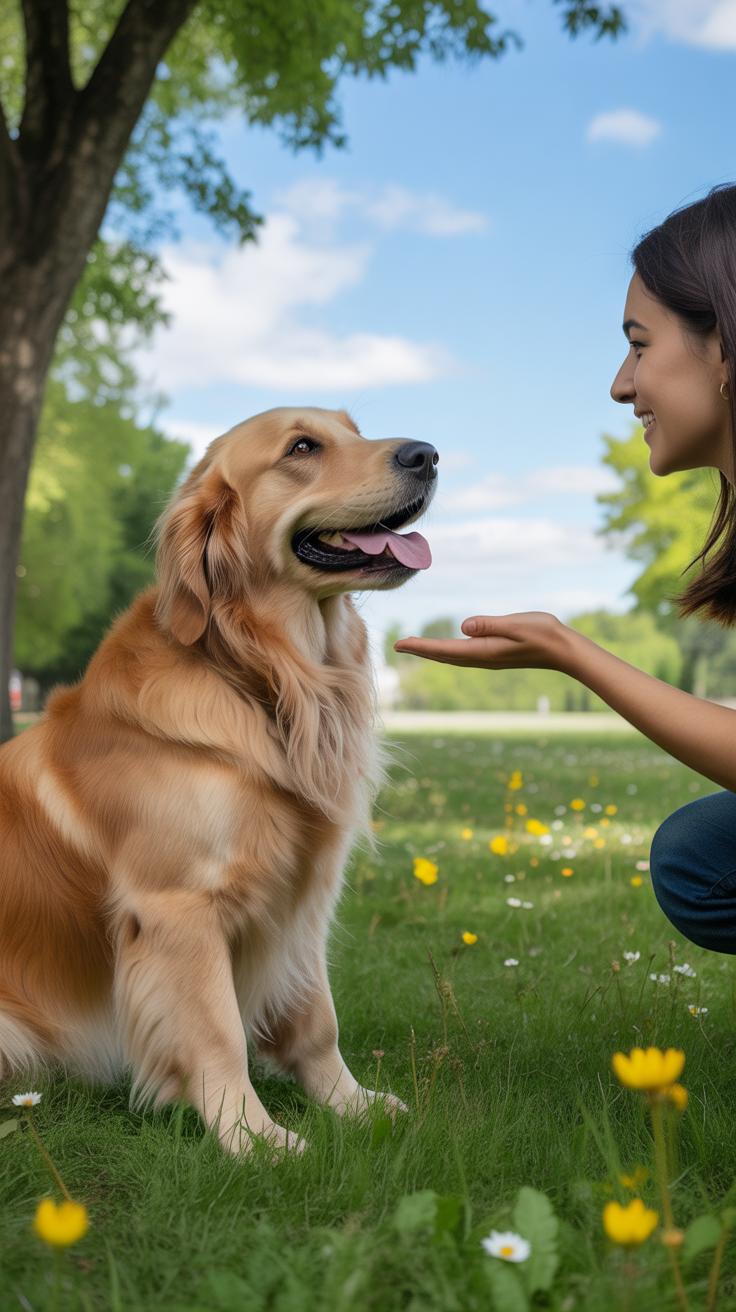
Dogs communicate through a complex system of nonverbal cues because they lack the vocal apparatus for speech. This system relies on physical movements of the ears, tail, eyes, and mouth to convey internal states. Scientists categorize these signals as ethograms. These behaviors evolved from ancestral wolves to maintain pack social standing and avoid physical fights. Every movement serves a specific evolutionary purpose for survival.
The brain of a dog processes visual signals faster than human speech sounds. They use chemical signals and physical posture to share information with other animals instantly. Research shows that canines prioritize body positioning over any other form of interaction. Understanding these physical indicators requires looking at the entire body instead of one single part. This holistic approach ensures you interpret the intentions of the dog accurately.
Why Learning Dog Body Language Meaning Strengthens Your Bond
Most incidents of biting or aggression stem from a human failure to read silent warnings. Dogs rarely bite without giving multiple physical signs first. Learning to identify these early markers prevents dangerous situations and builds trust between species. When you recognize stress signals like lip licking or yawning, you can remove the dog from the trigger. This proactive management creates a safe environment for everyone involved.
Correct interpretation of these signals allows you to meet the needs of the animal before they escalate. A dog that feels heard becomes more compliant and less anxious during daily activities. Trust forms when the animal realizes you understand their boundaries and emotional state. You move from being a confused owner to a competent handler. Clear communication reduces friction and ensures a predictable relationship based on mutual respect and safety.

How To Use A Dog Body Language Chart As A Reference Tool
What A Dog Body Language Chart Typically Includes And How To Read It
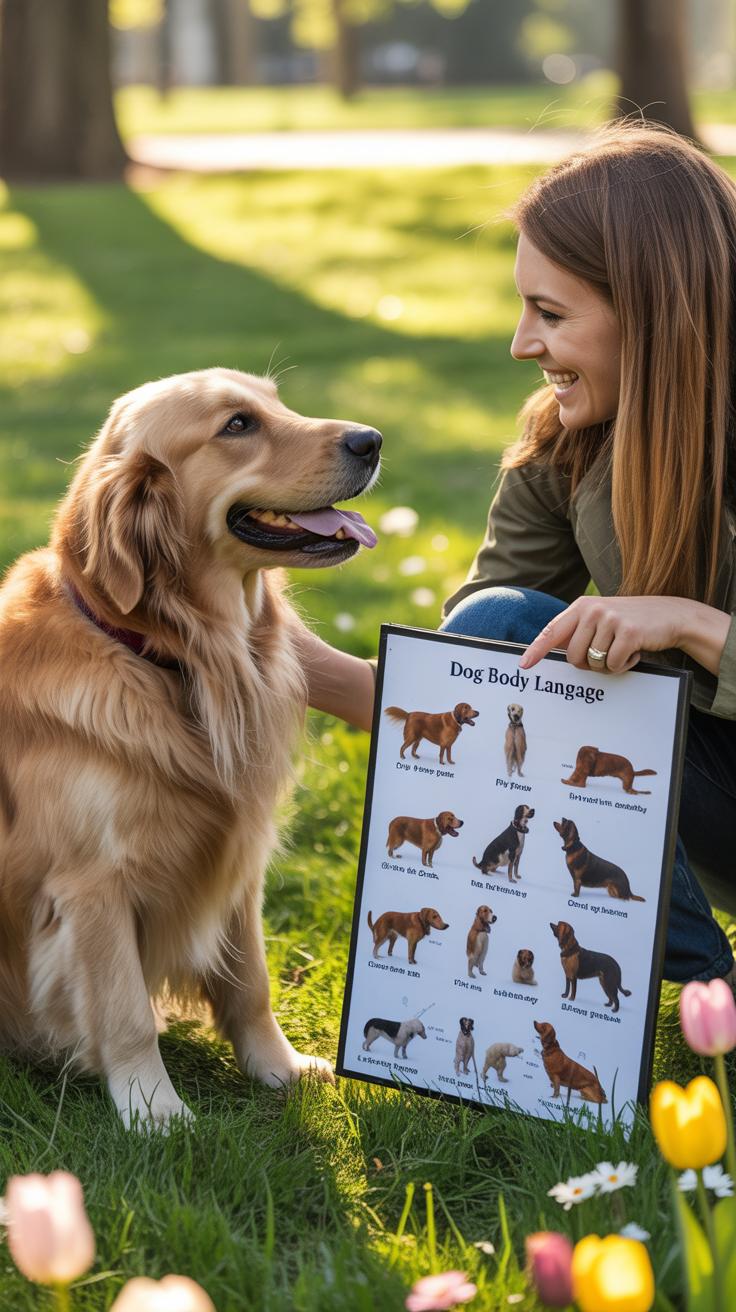
A dog body language signals chart acts as a technical blueprint for canine communication. It categorizes physical cues into clusters like the ears, eyes, tail, and mouth. These charts visualize the difference between a relaxed state and a high arousal state. Owners use these tools to identify immediate threats or signs of comfort. You must analyze the tension levels shown in the illustrations.
Standard charts break down postures into offensive, defensive, or neutral categories. They show specific mechanical shifts like weight distribution and piloerection. Reading these charts requires comparing the depicted image to your dog in real time. Use the chart to isolate specific body parts for objective study. This method removes emotional bias from your observation. It allows you to make fast decisions based on documented physical evidence.
Limitations Of Charts And The Importance Of Reading The Whole Dog
Static charts provide a baseline but lack dynamic context. A wagging tail does not always indicate a happy dog. It simply shows physical arousal. You must look at the entire animal to assess their mental state. Contextual factors like the environment and history change the meaning of a signal. A chart is a starting point, not a complete diagnostic manual for behavior.

Reading the whole dog means observing how different signals work together. Tension in the face combined with a stiff body suggests danger. A loose body with an open mouth usually indicates relaxation. You cannot rely on one single body part to tell the story. High-level observation requires seeing the flow of movement. Always evaluate the situation before reacting to one solitary gesture on the chart.
Reading Dog Emotions Through Facial Expressions
What Your Dog’S Eyes, Ears, And Mouth Are Telling You
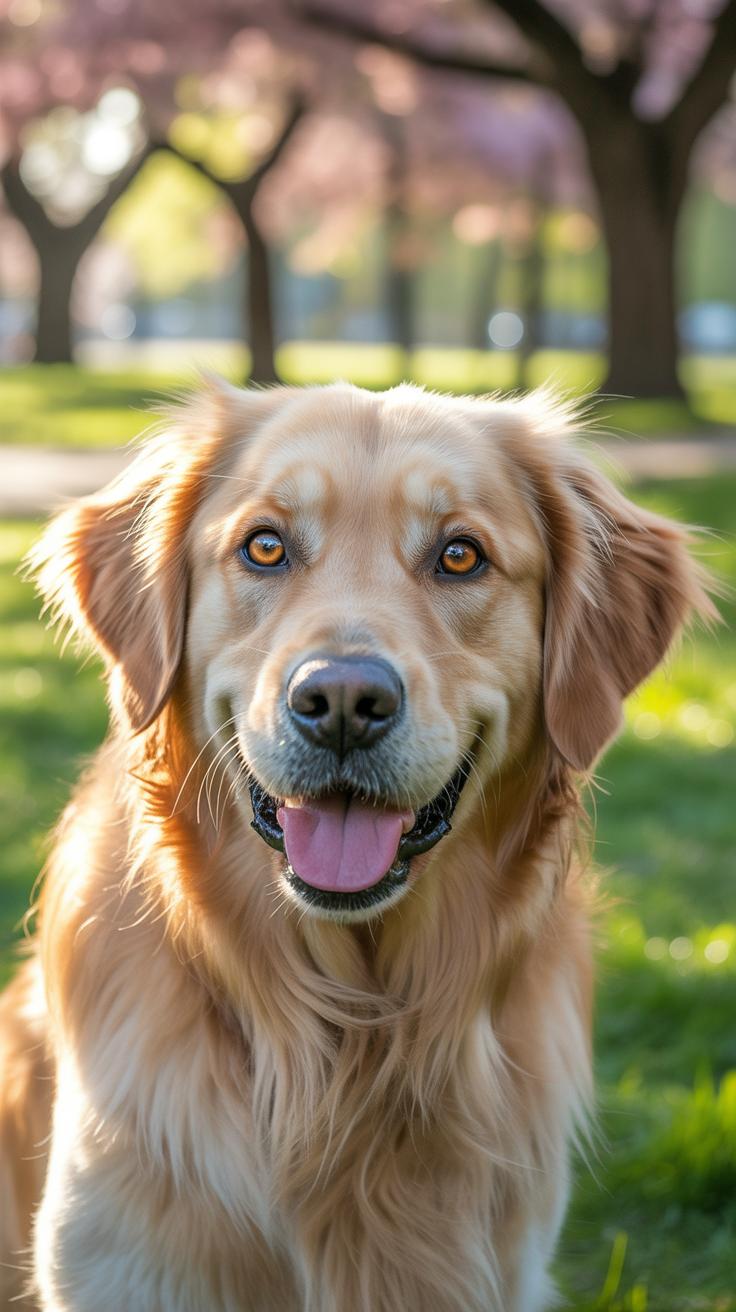
A dog’s face provides immediate data on their current state of mind. Soft eyes with round pupils indicate a calm animal. Hard eyes with dilated pupils signal a high state of arousal or potential aggression. Watch the white part of the eye, known as the sclera. If you see it, the dog is likely tense. This visual cue helps you predict their next move.
Ear position reflects focus and comfort levels. Neutral ears sit in the natural position for the specific breed. Pricked ears pointing forward show intense interest or a search for information. Ears pinned back against the skull indicate fear or submission. A loose mouth with a hanging tongue suggests relaxation. A tightly closed mouth or pulled lips often precede a defensive action or a bite.
Recognizing Stress, Fear, And Relaxation In A Dog’S Face
Stress manifests through specific physical markers on the face. Look for a furrowed brow or rapid blinking. Dogs often lick their lips repeatedly when they feel uncomfortable or pressured. Pouting or a tight muzzle shows the dog is not at ease. Monitor for a long, forced yawn. This is not a sign of tiredness. It is a displacement behavior used to self-soothe.

Relaxation looks effortless and lacks muscle tension. The forehead remains smooth without creases or wrinkles. The eyes appear almond-shaped rather than wide and staring. Panting should be steady and rhythmic, not heavy or frantic. A relaxed dog will have a soft gaze that does not fixate on threats. Recognizing these baseline cues allows you to identify shifts toward fear or aggression before they escalate.
Tail Position And Movement As A Core Dog Language Signal
High, Low, And Neutral Tail Positions And What They Each Mean
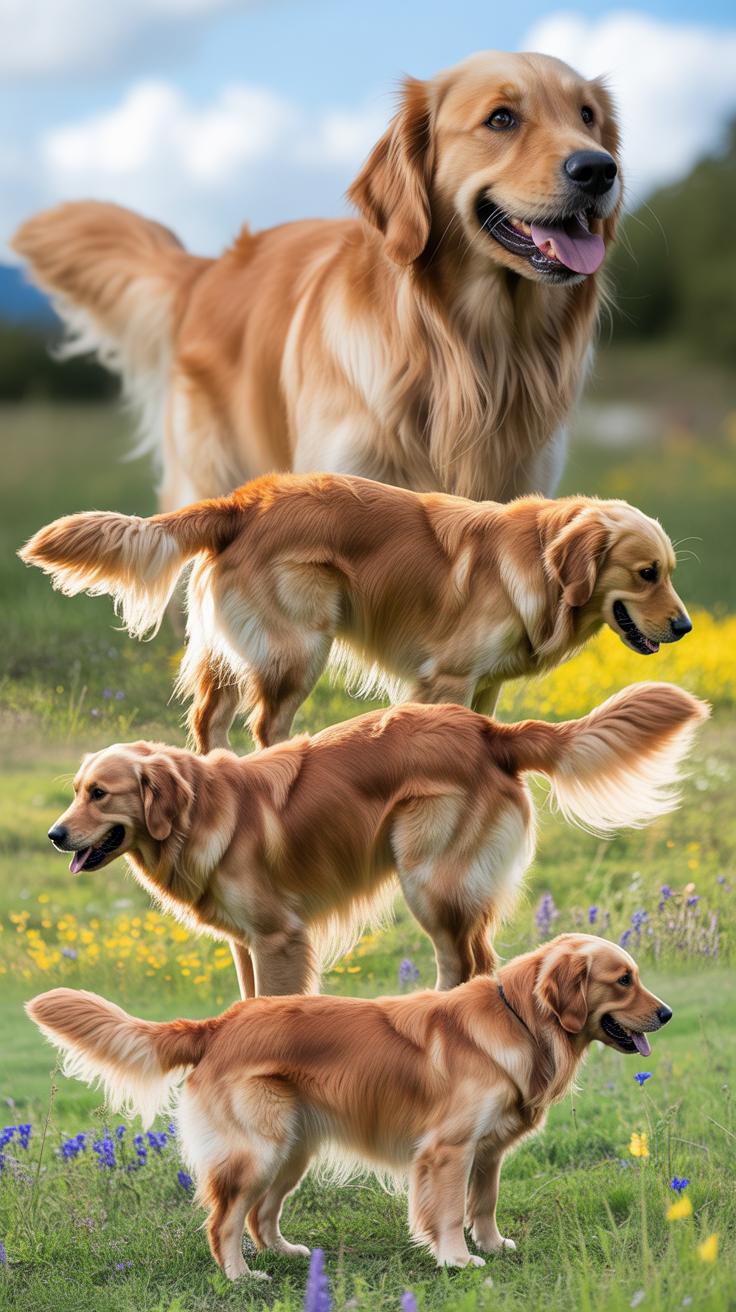
A dog carries its tail in three primary planes. The neutral position depends on the specific breed and its natural anatomy. A high tail held above the spine signals arousal or dominance. This posture makes the dog look larger to others. It shows the dog is alert and potentially ready for action. You must watch for stiffness in this high position.
A low tail or one tucked between the legs indicates fear or submission. It protects the dogs vulnerable areas and reduces its physical profile. This signal shows the animal feels threatened or lacks confidence in the current environment. A mid level tail usually suggests a relaxed state. Compare the current height to the dogs natural resting state to determine its true emotional baseline.
To sit with a dog on a hillside on a glorious afternoon is to be back in Eden, where doing nothing was not boring, it was peace. When you learn to see the quiet stories in their eyes and the gentle language of their tails, you find the greatest conversations are the ones spoken without a single word.
Why A Wagging Tail Does Not Always Mean A Happy Dog
A wagging tail simply signifies high physiological arousal and a readiness to move. It does not guarantee a friendly intent or a safe interaction. You must evaluate the speed and the breadth of the movement. A stiff and rapid twitch behaves like a warning light. This fast vibration often precedes a bite. It shows the dog is overstimulated and could react with aggression.

Direction also provides critical data for your assessment. Research indicates that right sided wags show positive feelings. Left sided wags often signal anxiety or a desire to withdraw. Look at the whole body to get the full picture. If the body is rigid while the tail moves, the dog is not happy. Use this signal as a measure of energy rather than a broad sign of joy.
Understanding Dog Body Language Through Posture And Weight Shifts
What A Stiff, Crouched, Or Relaxed Body Posture Communicates
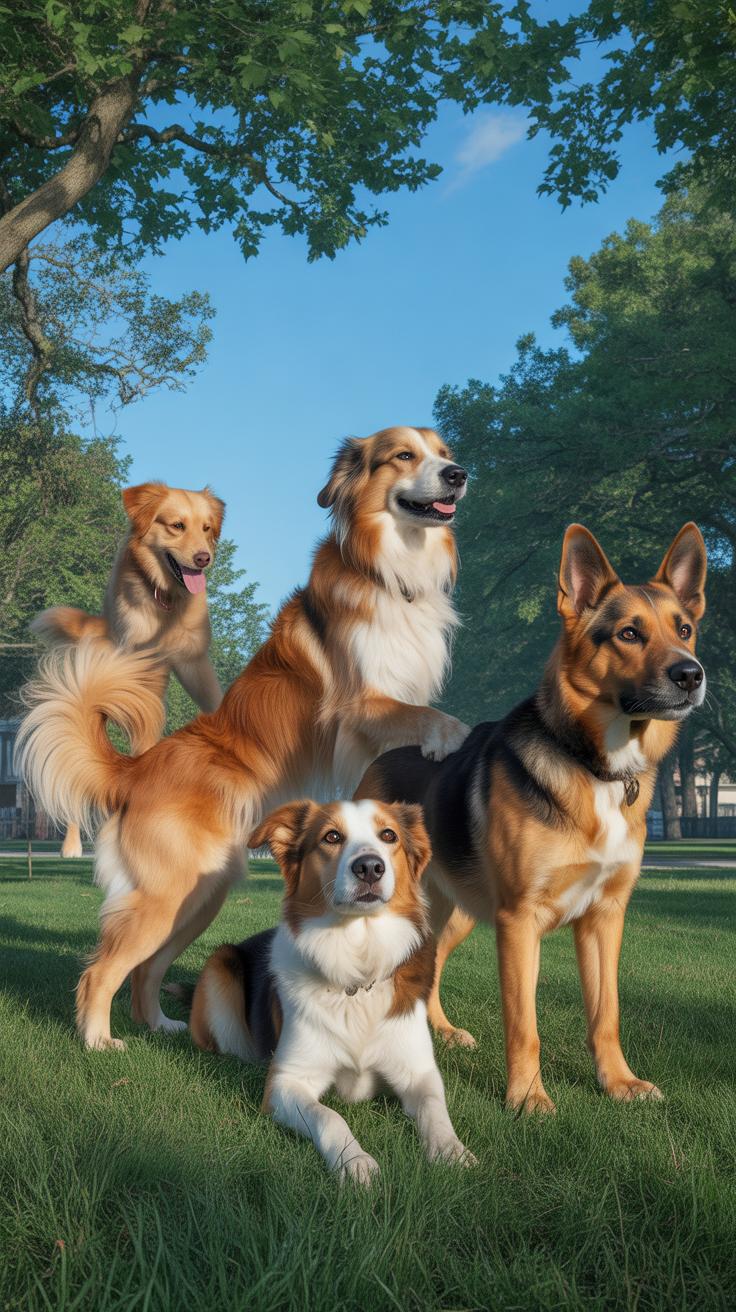
A neutral dog carries its weight evenly across all four paws. This posture shows the animal is calm and not preparing for a sudden move. Relaxed muscles and a fluid spine indicate the dog feels safe in its environment. When the body looks soft and curvy, the dog remains approachable. You should treat this baseline as the standard for healthy social interaction.
Stiffening happens when a dog perceives a threat or high value resource. The animal freezes its muscles and shifts its weight forward to appear larger. This tension signals an imminent decision to fight or flee. A crouched posture shifts weight backward or downward to look smaller. This indicates fear or submission. Watch the spine closely because any rigidity marks a high risk of escalation.
The Play Bow And Other Inviting Postures In Dog Communication
The play bow is a specific meta-signal used to frame upcoming actions as non-threatening. The dog lowers its front legs while keeping its hindquarters elevated. This posture functions as a clear physical disclaimer. It tells other dogs that growling or nipping during the next few minutes is just a game. Without this signal, those same movements might trigger a real defensive fight.

Other inviting postures include the hip nudge and the loose wiggle. A dog might lean its weight against a human to request physical contact or reassurance. This differs from a stiff lean, which is often used to claim space or show dominance. Look for rhythmic movements and soft eyes to confirm friendly intent. Inviting body language always lacks the hard tension found in aggressive or fearful visual signals.
Common Dogs Body Language Signs Of Stress And Anxiety
Subtle Calming Signals Dogs Use To Defuse Tension
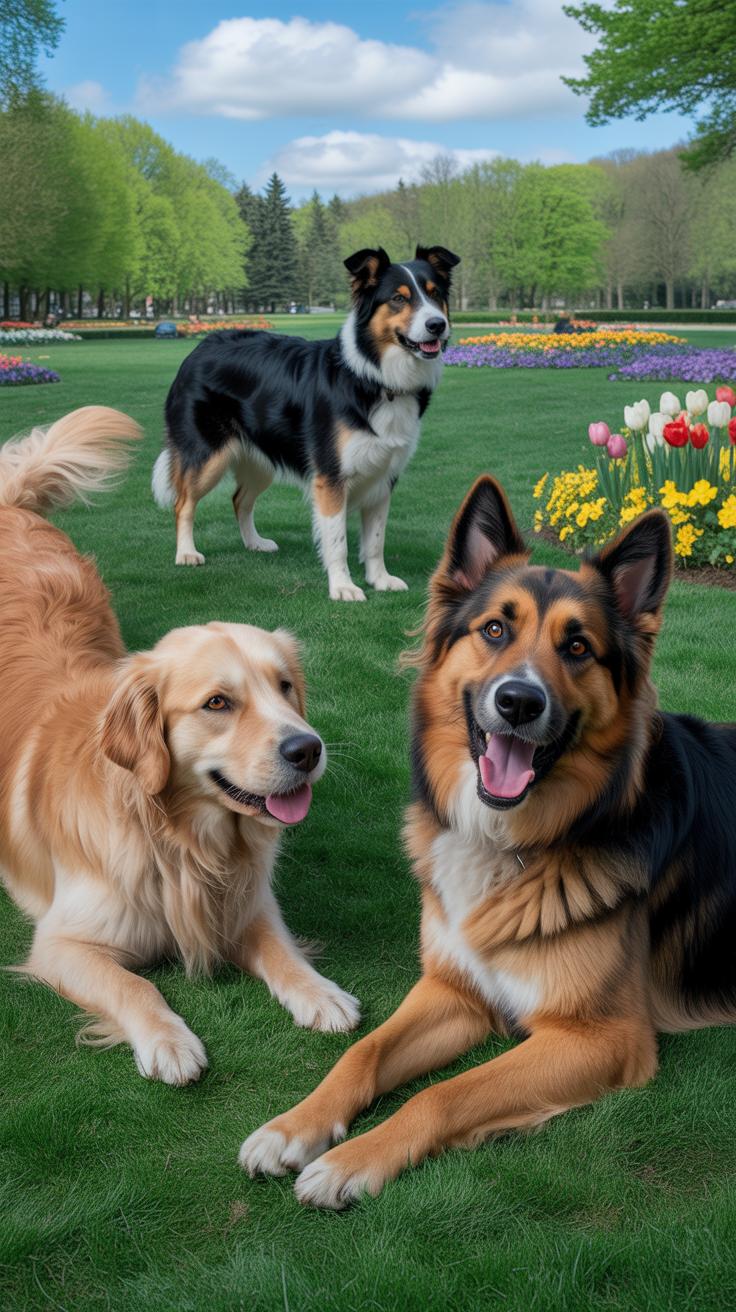
Dogs use specific gestures to lower intensity during social interactions. These behaviors seek to prevent conflict and soothe their own nervous systems. You will often see a dog turn its head away when a person leans in too close. This movement communicates a desire for space. Licking the air or flicking the tongue across the nose also signals internal discomfort. These cues appear quickly and require close observation.
A dog may sniff the ground suddenly to divert attention from a perceived threat. This displacement behavior allows the dog to avoid direct eye contact and de-escalate pressure. Slow movement or freezing in place serves a similar purpose. Look for yawning when the dog is not tired or blinking at a rapid rate. Recognizing these early signals prevents minor stress from escalating into a dangerous or aggressive response.
Key Warning Signs In Dog Behavior That Should Never Be Ignored
When subtle signals fail to change a situation, a dog will escalate its physical warnings. These indicators show the animal has reached its threshold for tolerance. Ignoring these signs increases the risk of a bite or extreme flight response. You must observe the entire body rather than focusing on a single part. A stiff posture or a tucked tail signals high levels of distress.
- Whites of the Eyes: This signal occurs when a dog holds its head still but follows a threat with its eyes. You will see a crescent of white tissue around the iris. It indicates the dog is tense and prepared to defend its space.
- Tight Facial Muscles: Stress causes the skin around the eyes and muzzle to pull back or wrinkle. The mouth remains closed and the lips appear thin. This rigidity shows the dog is under high pressure and may snap if the situation continues.
- Lowered Body Carriage: A dog will crouch low to the ground to appear smaller or prepare for a quick escape. The weight shifts to the hind legs while the tail stays clamped against the belly. This posture confirms the dog feels vulnerable or trapped.
- Excessive Panting or Drooling: Physical signs like sudden heavy breathing or foaming at the mouth indicate an overactive sympathetic nervous system. If the dog is not hot or tired, these symptoms point toward acute anxiety. Sweat may also appear on the paw pads.
- Piloerection: The hair along the spine and shoulders stands up when a dog is highly aroused. This automatic reflex makes the animal look larger to potential threats. While it can signal excitement, it often identifies a state of extreme agitation or fear.

Punishing these warning signs is a tactical error that leads to bites without warning. If you Scold a dog for growling, you remove its ability to communicate discomfort safely. The dog learns to skip the warning and move directly to physical defense. Always remove the stressor or move the dog to a secure environment immediately. Clear communication prevents injury and builds a foundation of safety for the handler.
Confident And Happy Dog Behavior Signals To Recognize

Physical Signs That Show Your Dog Feels Safe And At Ease
A relaxed dog carries its weight evenly across all four paws. The muscles in the face remain loose without tension around the mouth or forehead. You will see a neutral tail carriage that follows the natural line of the spine. The ears sit in their natural position rather than pinned back or pushed forward. These signals confirm the dog perceives no immediate threats.
The eyes of a comfortable dog appear soft and almond shaped. You may notice the dog squinting or blinking slowly in your presence. The mouth remains slightly open with a relaxed tongue or gently closed without tight lips. Most dog body language signals charts identify this state as the baseline for healthy social interaction. A calm dog will also expose its belly voluntarily.
How Dogs Show Affection And Playfulness Through Body Language
Dogs communicate playful intent through the play bow. The animal lowers its front legs while keeping its rear end elevated. This movement signals that any subsequent contact is non-aggressive. A happy dog often displays a loose and wiggly body. The tail moves in a broad sweeping motion that involves the entire hindquarters. This rhythmic swaying indicates high levels of positive emotional arousal.

Affection often involves leaning the body weight against a human. Dogs use this physical contact to seek security and bond with their owners. Another key signal is the soft nuzzle or nose poke. The dog uses its snout to nudge your hand for attention or physical touch. These behaviors show the animal trusts its environment. Recognizing these cues helps you maintain a strong and healthy relationship.
How Dog Language And Signals Change Between Breeds And Individuals
Why Breed Anatomy Can Affect How Clearly A Dog Signals Its Emotions
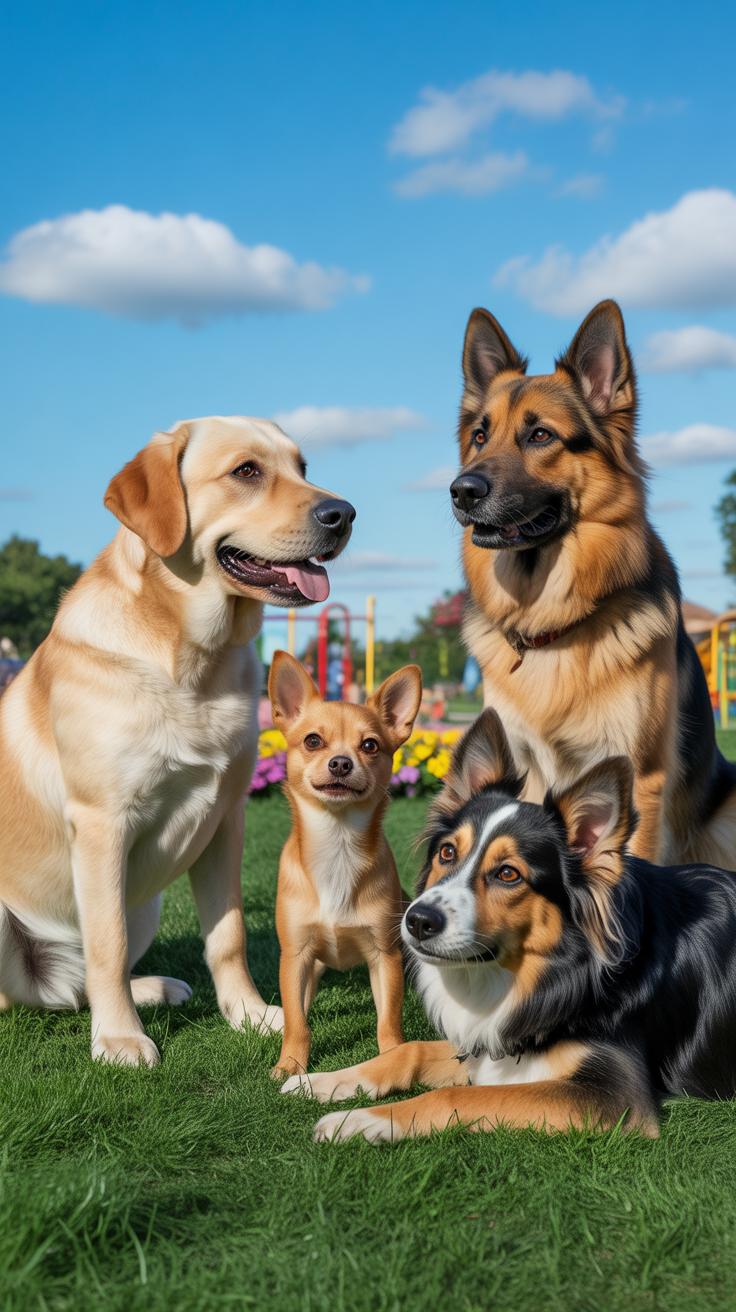
Standard dog body language signals chart interpretations assume a wolf-like body type. Physical traits created by selective breeding mask or exaggerate these signals. Brachycephalic breeds have flat faces that hide subtle lip curls or panting shifts. Dogs with docked tails or naturally bobbed tails cannot demonstrate the full range of wagging height or speed. These anatomical barriers force dogs to adapt how they communicate their internal states to others.
Ear shape also dictates signaling clarity. Prick-eared dogs show alertness easily by pivoting their leather. Floppy-eared breeds like hounds mask the tension in their ear base. Long fur or heavy skin folds can hide eye dilation and facial muscle tightening. You must look for secondary signals in breeds with extreme physical traits. Body tension and gait usually reveal what the face or tail cannot clearly communicate due to human-led breeding standards.
How Age History And Socialization Shape An Individual Dogs Signals
Individual history overrides breed biology during social encounters. A dog with a history of trauma may skip warning growls and go straight to a bite. Fearful dogs often display “displacement behaviors” like sniffing the ground to avoid conflict. Puppies lack the motor control to give precise signals. They often produce messy or over-the-top movements. Senior dogs with arthritis may appear stiff or aggressive when they are actually just experiencing physical pain.
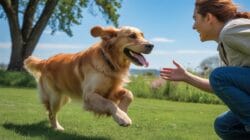
Socialization during the first four months of life dictates how a dog reads others. Poorly socialized dogs fail to recognize “cut-off” signals from their peers. They might ignore a play-bow or fail to back off when another dog freezes. This lack of social fluently leads to frequent misunderstandings. You must assess the individual dog’s baseline behavior to understand their specific dialect. Every dog develops a unique communication style based on their past successes and failures.
Practical Tips For Applying Dog Body Language Knowledge Every Day
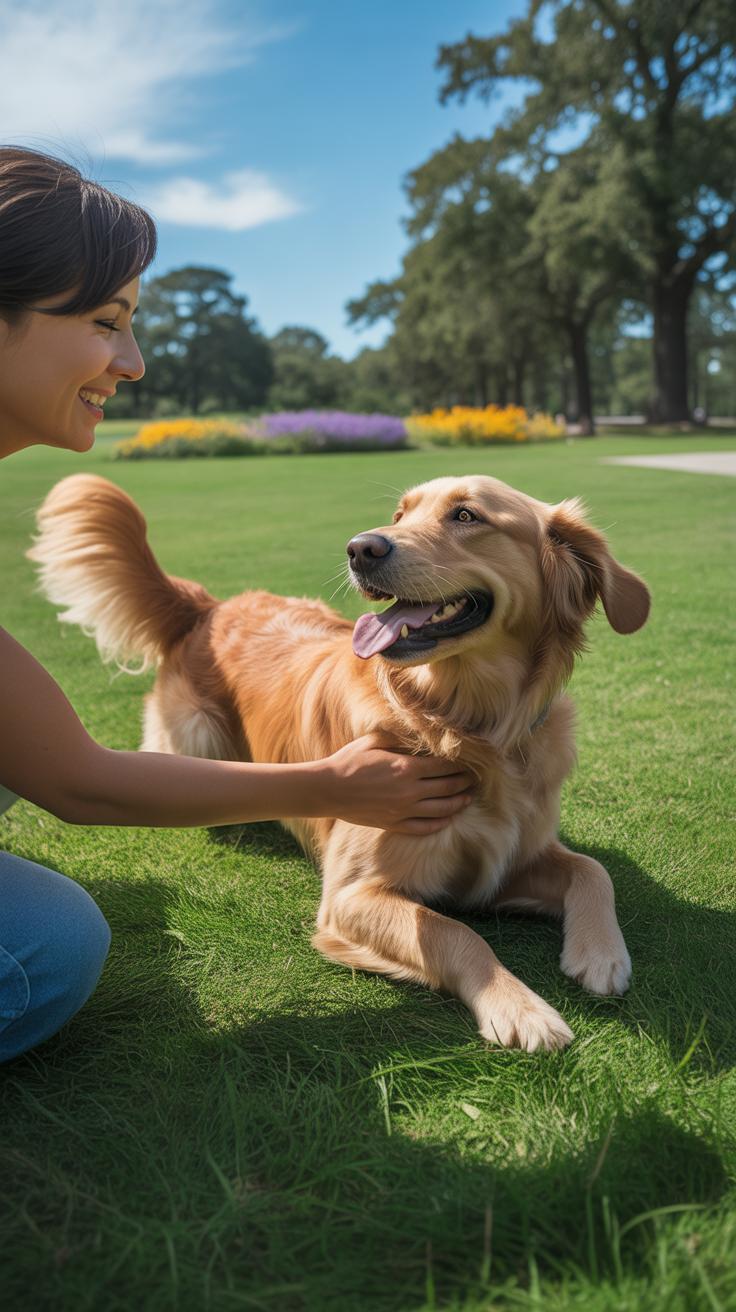
How To Observe And Practice Reading Your Dogs Signals At Home
Observation starts with baseline behavior identification. Watch your dog when they are relaxed and alone. Note the neutral position of their ears and tail. A common mistake is assuming every tail wag means the dog is happy. Look for tension in the face and the shape of the eyes. This baseline helps you spot subtle shifts in stress levels during later interactions.
Record short video clips of your dog during meal times and play. Play these videos back in slow motion to catch micro-expressions. You will see quick lip licks or eye blinks that you missed in real time. Tactical observation requires looking at the whole body rather than one part. Link the tail movement to the tension in the spine and the mouth shape.
Recommended Daily Habits To Improve Your Dog Communication Skills
Daily interaction requires constant assessment of the dog’s emotional state to ensure safety and cooperation. You must actively look for signs of discomfort or engagement during routine tasks like leashing or grooming. Most behavioral issues stem from owners missing early warning signs. Consistent monitoring allows you to intervene before a dog reaches a breaking point or becomes overly fearful.
- Pre-Walk Assessment: Check the dog’s ear position and muscle tension before opening the door. High arousal or stiff posture indicates the dog is overstimulated and unready. Wait for a soft eye expression and a relaxed body before proceeding outside to ensure a calm walk.
- Respecting The Yawn: Identify yawns and lip licks as clear stress signals during training sessions. These are not signs of boredom or hunger but indicate the dog feels pressured. Pause the activity immediately when you see these cues to prevent the dog from shutting down or reacting.
- The Consent Test: Stop petting your dog after three seconds and observe their reaction. A dog that leans in or paws at you wants more interaction. A dog that turns its head away or stays still is finished. Use this habit to build trust and avoid unwanted physical contact.
- Monitoring Contextual Shifts: Watch for the “shake off” after a stressful event like a bath or a vet visit. This physical movement signals the dog is resetting their nervous system and shedding adrenaline. Allow the dog space to complete this action before moving on to the next task or environment.
- Visual Scanning In Public: Scan the environment for other dogs or triggers while observing your dog’s tail carriage. A high, vibrating tail suggests high arousal, while a tucked tail shows fear. Adjust your distance from the trigger based on these specific body language signals to maintain control and safety.
Effective communication relies on reacting to what the dog actually says through movement. Dogs communicate through silent postural shifts long before they growl or bite. By integrating these habits into your morning and evening routines, you create a predictable environment. This predictability reduces stress for the animal and strengthens the bond through clear, non-verbal understanding and mutual respect.
Frequently Asked Questions

What are the most common signs that my dog is feeling happy and relaxed?
A happy dog typically displays loose, fluid movements and a “soft” expression. Look for a gently wagging tail that moves in a broad arc and a slightly open mouth. To better understand these subtle cues, many owners reference a dog body language signals chart. These visual aids help you distinguish between a truly relaxed posture and a stiff, alert stance, ensuring you can accurately interpret your pet’s joyful moods.
How can I use a visual guide to prevent aggressive encounters during walks?
Preventing tension starts with observing early warning signs like lip licking, yawning, or a fixed stare. By studying a dog body language signals chart before your walks, you can learn to spot these high-arousal triggers from a distance. When you see your dog stiffen or tuck their tail, proactively create space between them and the stimulus. This practical approach helps you manage your dog’s environment before their discomfort escalates into reactivity.
Are there free resources available for learning to read canine communication at home?
Absolutely! You do not need to hire an expensive behaviorist to begin learning the basics of canine communication. Many reputable animal welfare organizations and training blogs offer a free, downloadable dog body language signals chart. These digital guides provide high-quality illustrations of ear positions, tail heights, and eye shapes at no cost, making it easy for every pet owner to prioritize their dog’s emotional well-being and safety without breaking the bank.