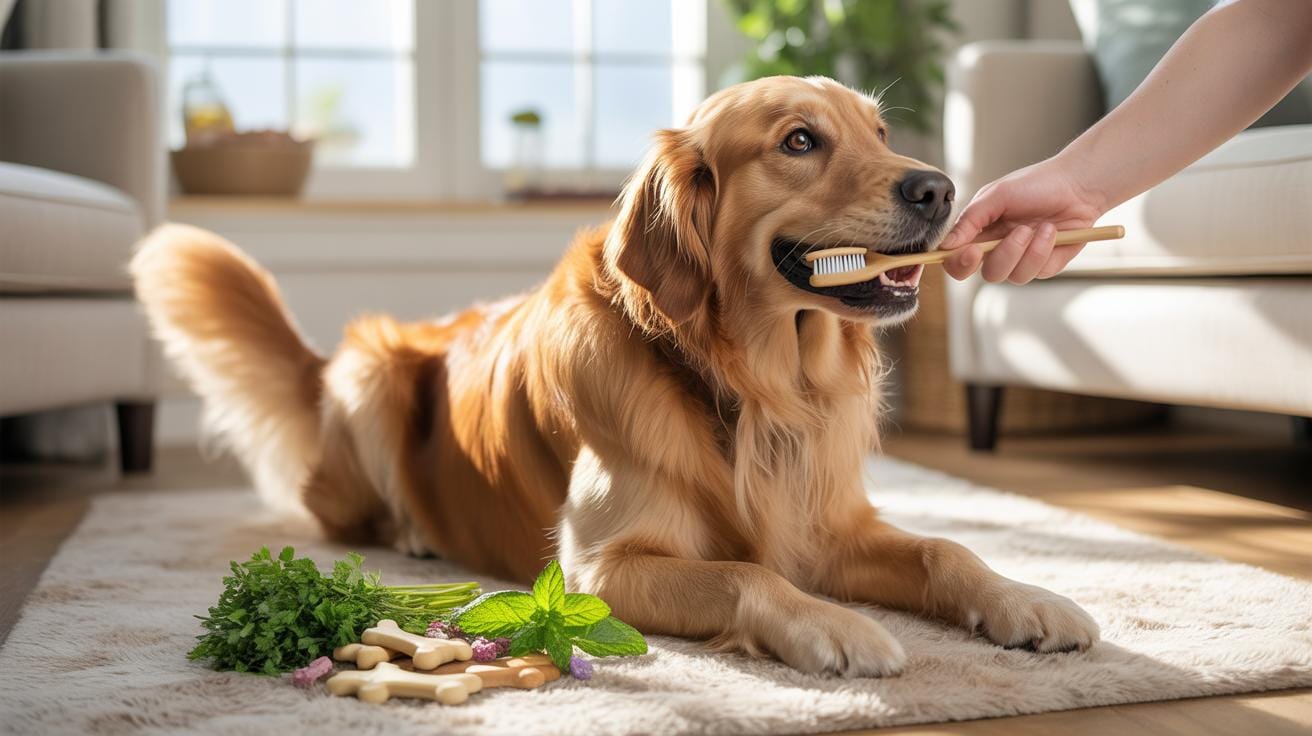
What Causes Bad Dog Breath And Why You Should Not Ignore It
The Most Common Culprits Behind Stinky Dog Breath
Oral hygiene is the primary driver of foul odors in most dogs. Bacteria live in the mouth and consume food particles left on teeth and gums. These bacteria produce sulfur compounds that smell like rotting eggs or garbage. Over time, these microbes form a sticky film called plaque. This film hardens into tartar within forty-eight hours and anchors more bacteria to the tooth surface.
Dietary habits also play a significant role in breath quality. Many dogs consume low-quality fillers or wet foods that stick to the teeth longer than dry kibble. Some dogs engage in coprophagia, which is the act of eating feces from other animals. This habit introduces foreign bacteria and immediate odors into the oral cavity. Routine cleaning and dietary management are the first steps to address these common issues.
When Bad Breath In Dogs Signals A Deeper Health Problem
Chronic bad breath often points to internal organ failure or systemic infection. A sweet or fruity scent typically indicates the presence of diabetes. This smell occurs when the body burns fat instead of sugar for energy, producing chemicals called ketones. If the breath smells like urine or ammonia, the kidneys likely cannot filter waste properly. These chemicals build up in the bloodstream and exit through the breath.
Liver disease often produces a musty or dead-animal smell due to the accumulation of toxins. Chronic inflammation found in the mouth also stresses the heart and immune system. Bacteria from the gums enter the bloodstream and can damage heart valves or kidney tissue. You must treat persistent odor as a medical warning sign rather than a minor cosmetic inconvenience. Early detection prevents expensive and dangerous medical complications.

The Role Of Oral Hygiene In Controlling Bad Dog Breath
How Plaque And Tartar Buildup Leads To Dog Breath Problems
Bacteria form a sticky film called plaque on teeth within hours after a meal. Saliva contains minerals that harden this plaque into tartar, also known as calculus, in less than three days. Tartar provides a rough surface that traps even more bacteria against the gum line. This cycle creates an environment where foul odors thrive and oral health quickly declines.
Chronic buildup triggers inflammation known as gingivitis. Bacteria under the gum line release volatile sulfur compounds which cause the distinct smell of bad breath. These pathogens can eventually enter the bloodstream and damage internal organs like the heart and kidneys. Removing plaque daily is the only way to stop tartar formation. Once tartar hardens, only professional veterinary scaling can remove it safely.
How Often You Should Be Brushing Your Dogs Teeth At Home
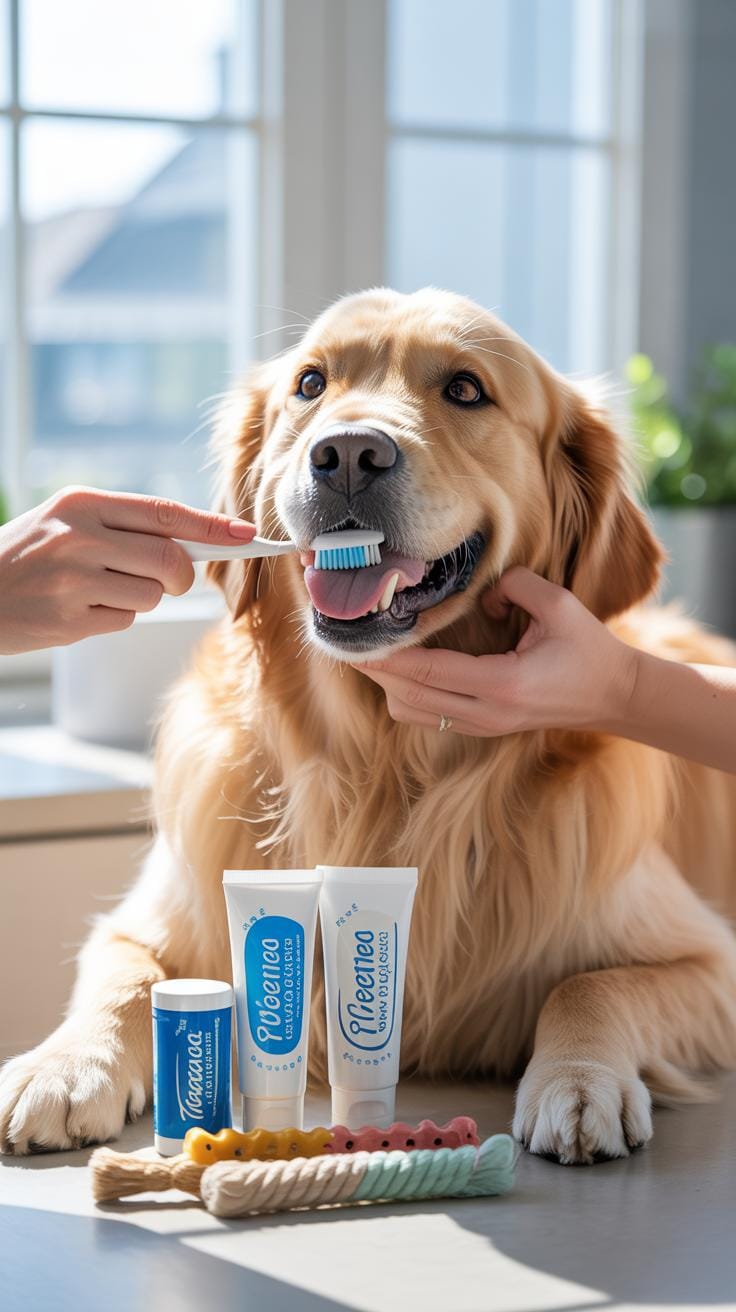
Daily brushing is the gold standard for canine oral care. Plaque begins to colonize the tooth surface immediately after cleaning. If you wait longer than twenty-four to forty-eight hours, the plaque begins to mineralize into permanent tartar. Consistent daily mechanical scrubbing disrupts this biofilm before it can cause damage. Skipping days allows bacteria to gain a foothold in the mouth.

Effective brushing requires specific tools designed for dogs. Use a soft-bristled brush and enzymatic toothpaste. These enzymes continue to work on food particles after you finish brushing. Never use human toothpaste because it contains xylitol or fluoride which are toxic to dogs. Start by lifting the lip and focusing on the outside surfaces of the back molars. This is where the most significant buildup occurs.
Natural Dog Breath Remedies You Can Make With Everyday Ingredients
Parsley, Coconut Oil, And Other Kitchen Staples That Freshen Dog Breath
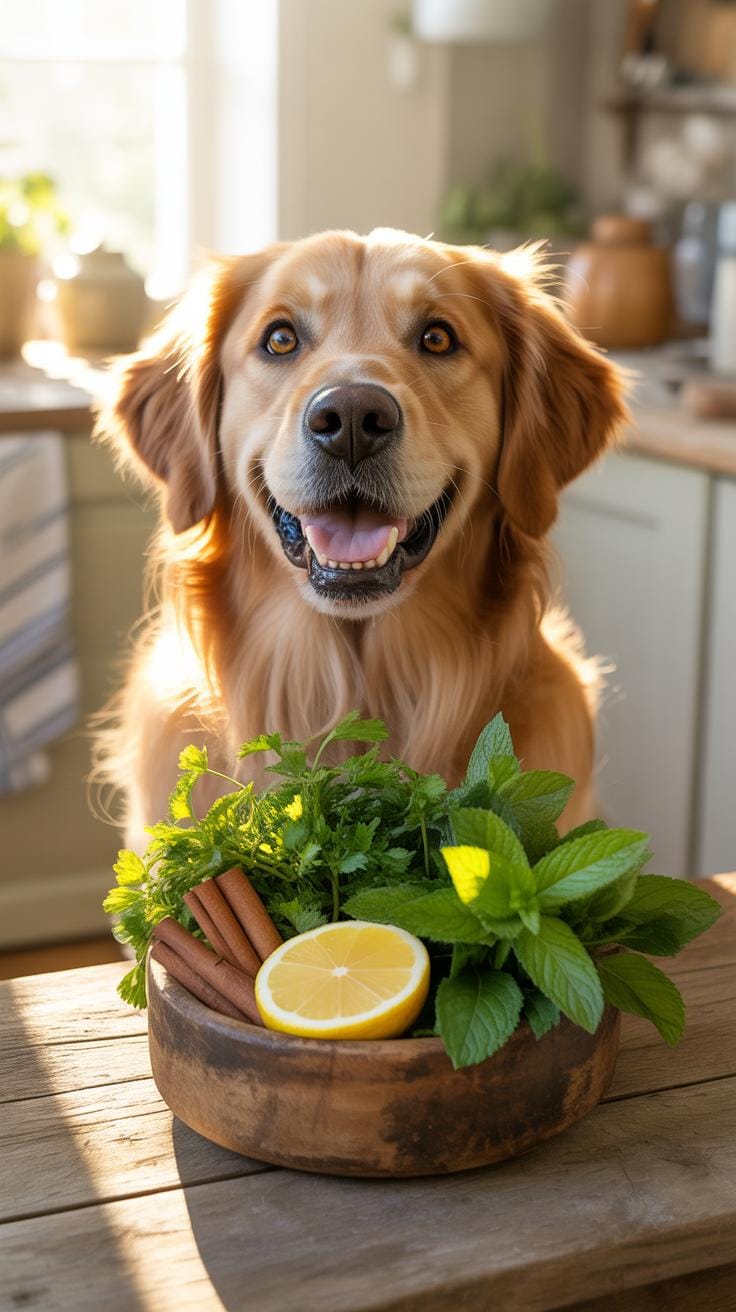
Fresh parsley contains high levels of chlorophyll. This natural compound neutralizes sulfur compounds in the mouth and gut. It works as a deodorizer rather than a mask for odor. You must use flat leaf or curly parsley for this purpose. Chop the leaves finely and mix them directly into the dog food. This method ensures the plant matter touches the teeth and gums.
Coconut oil provides antimicrobial properties because it contains lauric acid. This fatty acid targets oral bacteria that cause decay and odor. You can provide one teaspoon per ten pounds of body weight. Some owners freeze the oil into small cubes to create a cooling treat. This physical texture helps scrape away soft plaque. Diluted apple cider vinegar also balances oral pH levels.
How To Safely Use These Natural Remedies On Your Dog
Introduce any new kitchen remedy in small amounts to avoid digestive upset. Start with a pinch of herbs or a drop of oil. Watch for signs of loose stools or allergic reactions over twenty four hours. Consistent application matters more than high doses. You should apply these treatments daily to maintain a neutral scent. Sudden changes in breath may indicate serious underlying health issues.

Maintain strict control over the ingredients you use from the pantry. Never use additives like xylitol or excess salt in homemade breath fixes. These substances are toxic to canines and cause rapid organ failure. Check the labels on any store bought oils or vinegars before use. Consult a veterinarian if bad breath persists despite these natural interventions. Natural remedies support oral hygiene but do not replace professional cleanings.
DIY Dog Breath Freshener Recipes You Can Prepare At Home
Simple Homemade Dog Breath Freshener Spray Recipe
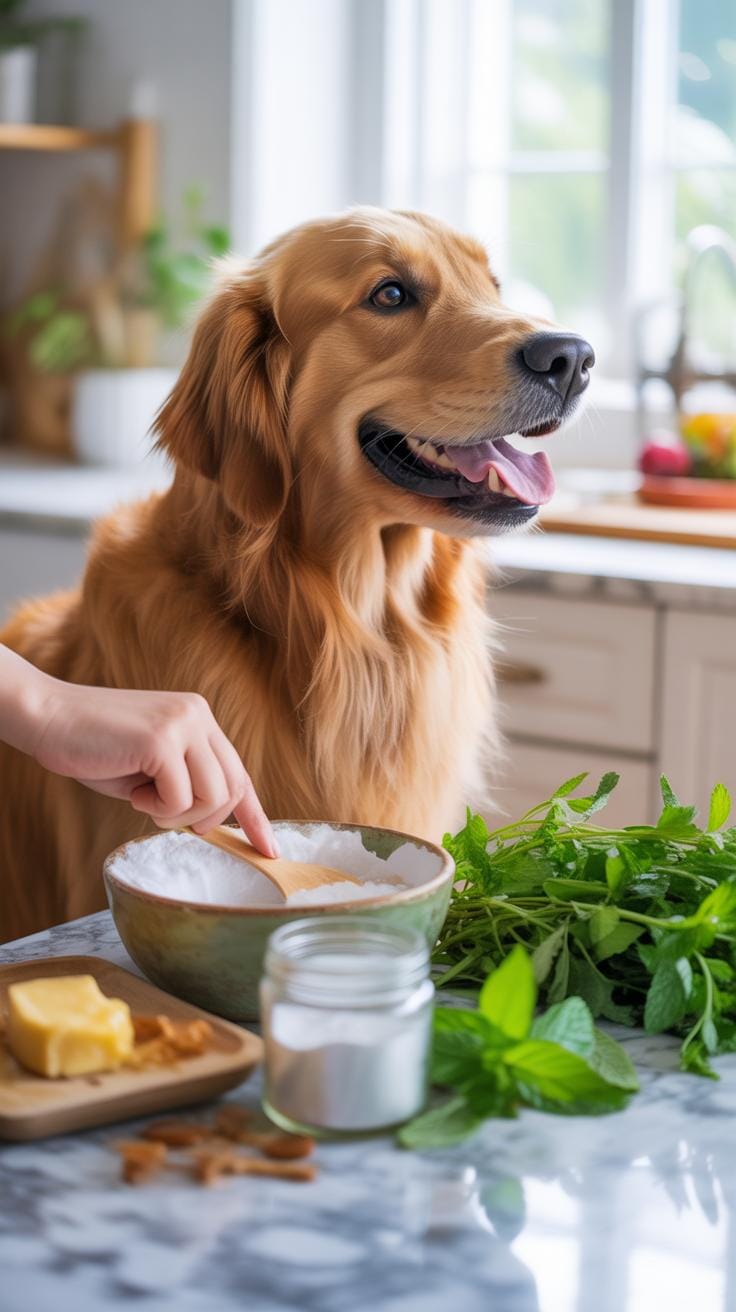
A basic breath spray relies on liquid ingredients to neutralize odor-causing bacteria instantly. Mix distilled water with organic apple cider vinegar and a few drops of peppermint oil. Apple cider vinegar balances the pH levels in the mouth. This creates an environment where malicious bacteria cannot thrive. Keep the mixture in a small glass spray bottle for quick application to the teeth.
Apply two or three pumps of the solution directly onto the gum line twice daily. This method targets the source of the smell without requiring a full toothbrushing session. Do not oversaturate the mouth or the dog will reject the taste. Regular use prevents plaque from hardening into tartar. Consistency is the only way to see measurable results with this tactical home fix.
Ingredients You Will Need To Make A Safe DIY Dog Breath Freshener
Select high quality ingredients to ensure the safety and efficacy of your homemade solution. Quality control prevents the ingestion of toxic additives found in many commercial products. You must prioritize pure liquids and herbs that possess natural antimicrobial properties. These specific components disrupt the biofilm on a dog’s teeth. Using the correct ratios ensures the mixture remains palatable while killing the mouth bacteria.
- Distilled Water: Use distilled water as the base to avoid minerals and chlorine found in tap water. This ensures the solution remains shelf stable longer. It acts as the primary carrier for active ingredients without introducing new contaminants to the mouth.
- Apple Cider Vinegar: Opt for organic vinegar containing the mother for maximum enzymatic activity. This ingredient lowers the mouth pH to kill aerobic bacteria that cause foul odors. It also helps break down sticky food particles stuck between the teeth and gums.
- Peppermint Oil: Include only one or two drops of therapeutic grade peppermint oil for its scent and cooling properties. It provides an immediate masking effect while acting as a mild antiseptic. Ensure the oil is diluted properly to avoid irritating the dog’s sensitive mucous membranes.
- Parsley Extract: Use fresh parsley juice or extract because it contains high levels of chlorophyll. Chlorophyll works as a natural internal deodorizer for the digestive system and the mouth. It is one of the most effective botanical tools for neutralizing sulfur compounds in canine breath.
- Coconut Oil: Add a small amount of melted coconut oil to provide lauric acid. This fatty acid has proven antibacterial and antifungal properties that fight gum disease. It also improves the flavor of the spray so the dog accepts the treatment more willingly.

Combine these items carefully following exact measurements to maintain a balanced solution. Store the final product in a cool and dark place to protect the integrity of the essential oils. Discard any mixture that changes color or develops an unusual sediment over time. Utilizing these precise materials provides a strategic advantage in maintaining canine oral hygiene. Systematic application will yield a cleaner mouth and fresher breath.
DIY Dog Breath Care Tips To Build Into Your Weekly Routine
Daily And Weekly Oral Care Habits That Prevent Stinky Dog Breath From Returning
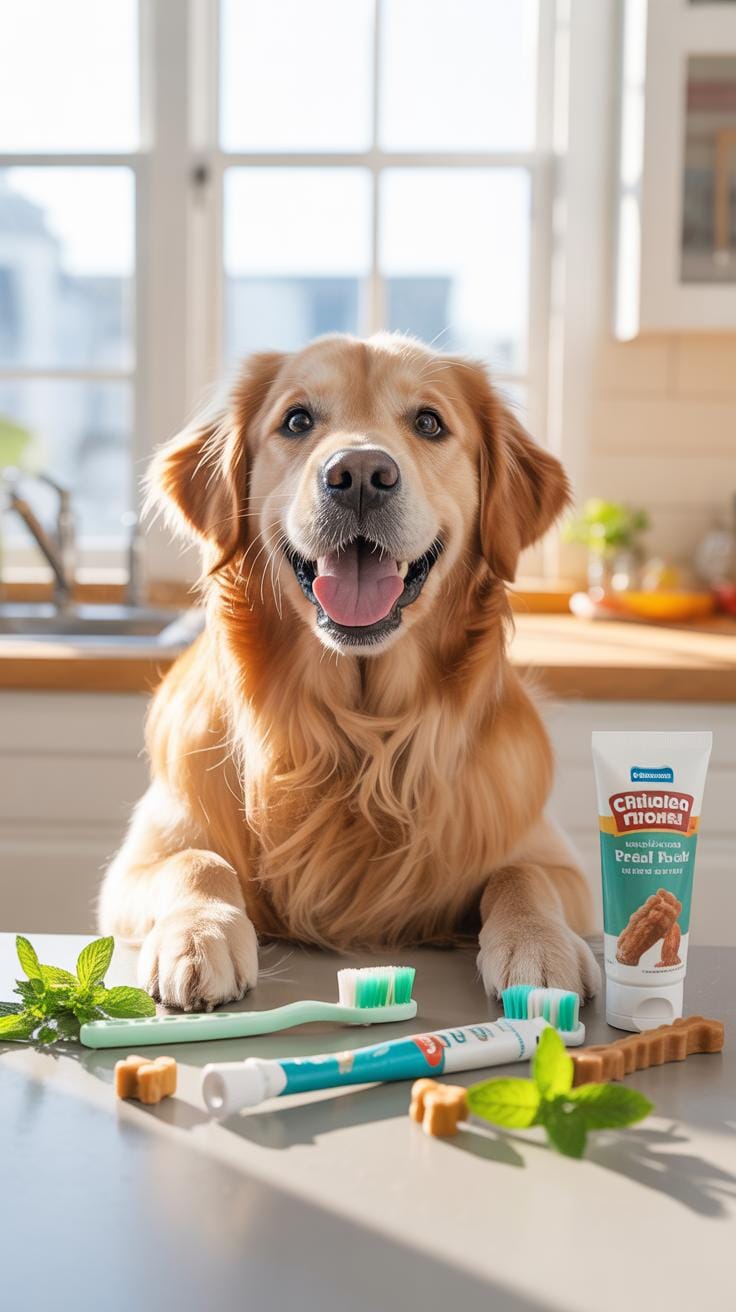
Consistency stops plaque before it hardens into tartar. You must disrupt the biofilm on teeth every twenty four hours to prevent bacterial buildup. Brushing is the gold standard for oral hygiene. Use a soft bristled brush and enzymatic toothpaste made for dogs. Most owners fail because they lack a schedule. Set a specific time each night to clean your dog teeth.
- Daily Brushing: Use enzymatic toothpaste to break down food particles and bacteria. This process prevents the formation of plaque which eventually turns into hard tartar. Daily mechanical scrubbing is the most effective way to eliminate the root cause of bad breath at home.
- Water Additives: Add flavorless dental solutions to the water bowl to lower the bacterial count in the mouth. These products contain enzymes or zinc gluconate that neutralize volatile sulfur compounds. They provide a passive way to fight odor between active cleaning sessions.
- Muzzle Wiping: Clean the fur around the mouth after every meal to remove trapped food debris. Decaying organic matter in the facial hair often smells like bad breath. This simple habit prevents bacterial colonies from growing on the outside of the lips and chin.
- Weekly Inspection: Lift the lips once a week to check for red gums or cracked teeth. Identifying early signs of inflammation allows you to adjust your cleaning intensity. Early detection of oral issues prevents minor odor problems from turning into severe infections or tooth loss.
- Tongue Cleaning: Gently use a damp cloth to wipe the tongue surface during your weekly routine. The tongue surface harbors large amounts of odor causing bacteria and food film. Removing this coating improves the overall scent of the breath and reduces the total oral bacterial load.
Dietary changes also impact the smell of the mouth. Feed high quality proteins and avoid fillers like corn or soy which stick to teeth. Sugary treats feed the bacteria that produce foul smells. Switch to crunchy vegetables like carrots or celery to help scrub teeth naturally during snack time. Monitoring what goes into the mouth is just as important as cleaning it.
Choosing The Right Dental Chews And Toys That Support Fresh Breath
Select dental chews based on texture and ingredients. Effective chews use a firm consistency to scrape away plaque through mechanical action. Look for products with the Veterinary Oral Health Council seal of approval. These items meet specific standards for reducing plaque and tartar buildup. Avoid chews that are too soft because they do not provide enough friction to clean the gum line.

Rubber toys with nubs or ridges serve as functional tools for oral health. As the dog chews, the ridges massage the gums and increase saliva production. Saliva contains natural enzymes that help wash away bacteria and food particles. Choose toys made from non toxic materials like natural rubber. Replace any toy that shows signs of tearing to ensure the dog does not swallow small pieces.
How Diet And Water Intake Affect Your DogS Breath
Foods That Make Dog Bad Breath Worse And What To Feed Instead
Low quality dog foods rely on high carbohydrate fillers and simple sugars. These ingredients stick to the teeth and feed oral bacteria. These bacteria produce foul smelling gases as they consume the residue. Soft canned foods often exacerbate this issue because they do not provide mechanical scraping during chewing. Sticky textures allow plaque to build up quickly along the gum line and between the teeth.
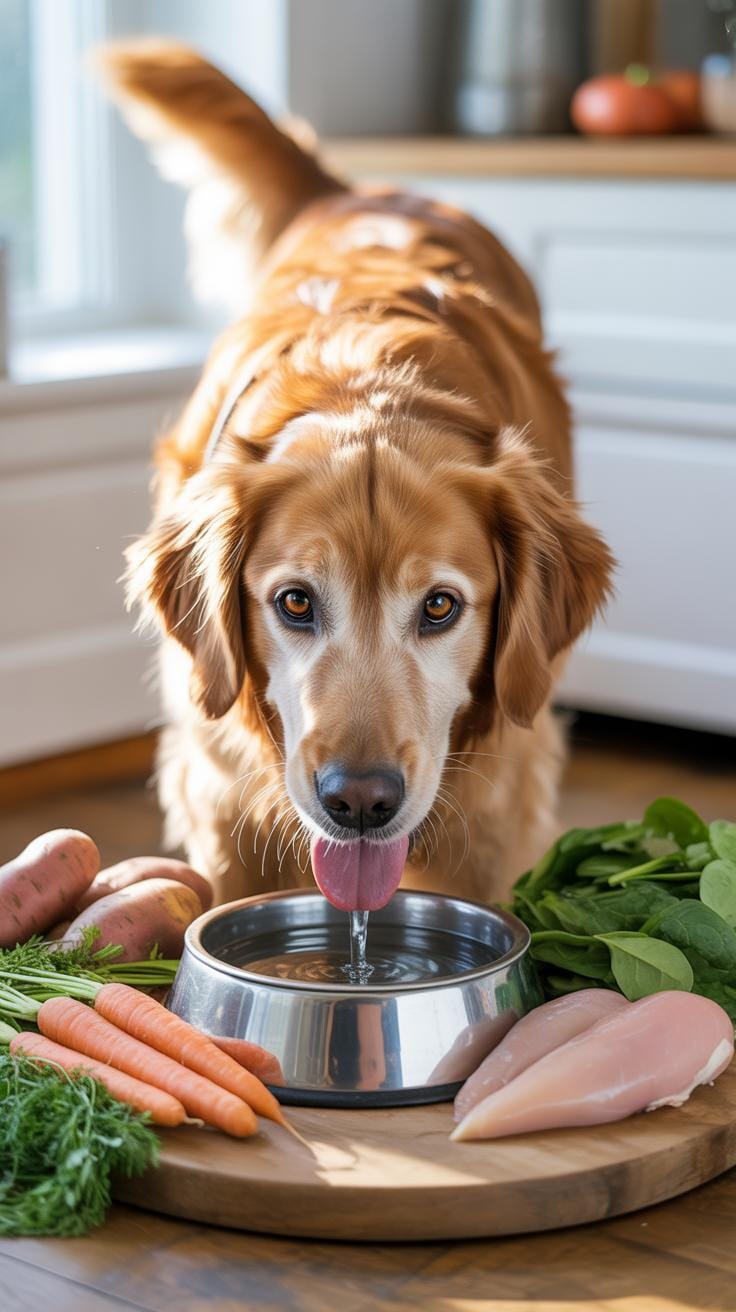
Switch your dog to high protein diets with minimal fillers. Choose kibble shaped to encourage crunching or add raw bones under supervision. These textures help scrape away soft tartar before it hardens. Incorporate fresh vegetables like sliced carrots or celery into their meals. These fibrous foods act as natural toothbrushes. Clean proteins reduce the amount of fermentable waste left in the mouth after every meal.
A few sprigs of fresh parsley from the kitchen garden are often the simplest way to turn a hound’s prickly greeting into a sweet, herbal memory.
Why Keeping Your Dog Hydrated Helps Reduce Bad Dog Breath Naturally
Saliva is the primary defense against oral bacteria and bad breath. A dehydrated dog produces less saliva which leads to a dry mouth environment. Bacteria thrive in dry conditions and multiply rapidly without constant rinsing. This buildup creates the concentrated odor known as dog breath. Constant access to clean water ensures the mouth stays rinsed and the saliva remains thin and effective.

Water flushes food particles and loose debris out of the mouth after eating. This prevents organic matter from rotting on the tongue or gums. Change the water bowl twice daily to prevent bacterial slime from forming on the plastic or metal surface. Use filtered water if your local supply has high mineral content. Proper hydration supports the overall immune system and keeps the oral tissues healthy and resilient.
Using Probiotics As A Bad Dog Breath Remedy Natural Approach
How An Imbalanced Gut Microbiome Can Contribute To Bad Dog Breath
The canine mouth acts as the entry point for the entire digestive tract. When the balance of bacteria in the gut shifts toward harmful strains, it creates systemic issues. These imbalances often lead to the production of foul smelling gases. These gases move from the stomach back up through the esophagus. Owners often mistake this internal digestive odor for a simple dental problem or local plaque buildup.
Chronic inflammation in the gut also impacts oral health. A poor microbiome weakens the immune response in the gums and saliva. This allows pathogenic bacteria to multiply faster on teeth and under the gum line. Addressing the gut directly stops the source of certain odors before they reach the mouth. A healthy internal environment reduces the overall volatile sulfur compounds that cause the most offensive smells in canine breath.
Probiotic Rich Foods And Supplements That Support Better Dog Breath
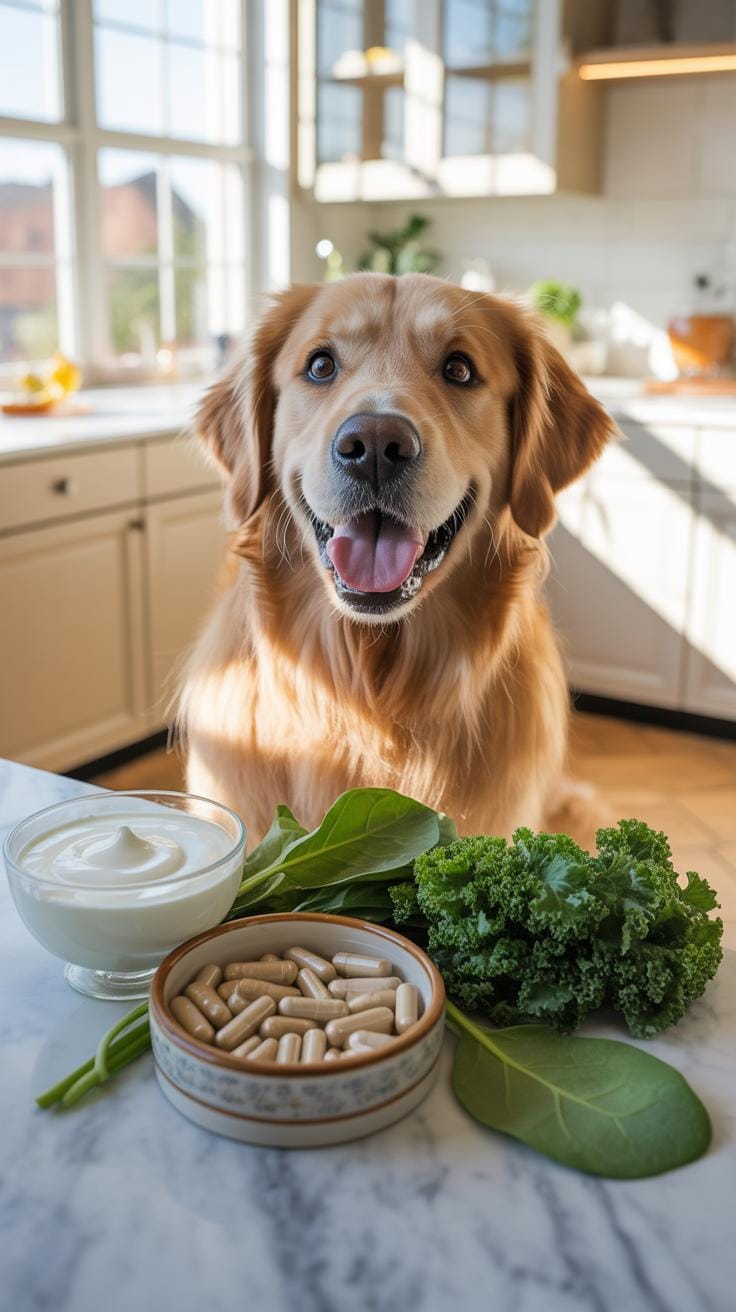
Specific probiotic strains work to crowd out the bad bacteria that cause decay and smell. Lactobacillus and Bifidobacterium are common choices for canine health. You can find these in high quality commercial supplements or fermented foods. Plain Greek yogurt or kefir provides a natural source of these beneficial microbes. Always ensure these products contain zero xylitol or added sugars as these are toxic or harmful to dogs.

Introducing these microbes changes the chemical makeup of the saliva. Better saliva quality prevents film from sticking to the teeth. You should start with small doses to avoid upsetting the dog’s stomach. Monitor the animal for changes in breath quality over a three-week period. Consistency is the primary factor for success when using probiotics. Regular administration creates a stable environment that resists the growth of odor-causing anaerobic bacteria in the mouth.
When Home Remedies Are Not Enough And You Need A Vet For A Dog Bad Breath Remedy
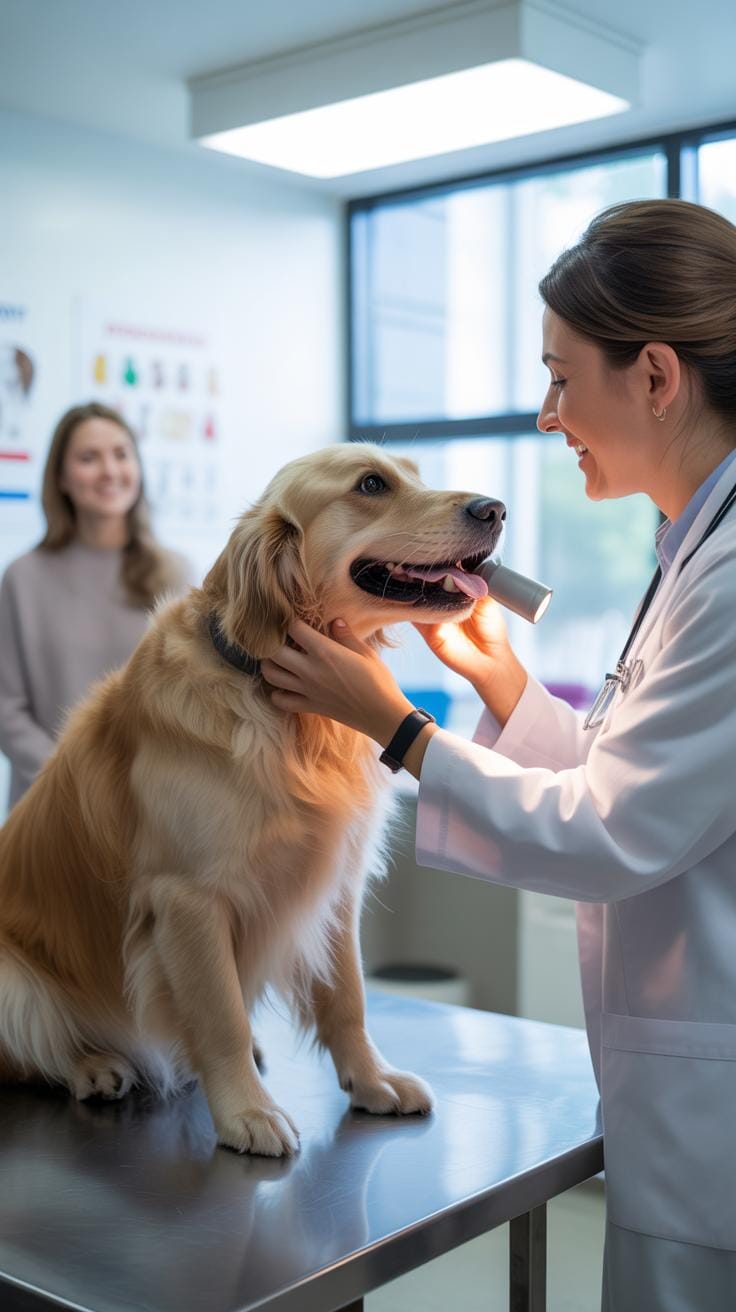
Warning Signs That Your Dog’S Bad Breath Requires Professional Dental Cleaning
Brushing and water additives cannot reverse advanced periodontal disease. You must identify specific red flags that indicate infection or decay. Look for bleeding gums during play or eating. Check for loose teeth or a reluctance to chew hard kibble. These signs mean bacteria have moved below the gum line. Home fixes will not reach these deep pockets of infection. You need a vet immediately.
Aggressive odors that smell like sewage or rotting meat signal deep tissue necrosis. If your dog paws at its face or shows facial swelling, the issue is likely an abscess. No amount of coconut oil or peppermint will fix a tooth root infection. Delaying professional care allows bacteria to enter the bloodstream. This can damage the heart and kidneys permanently. Get a professional diagnosis to stop systemic spread.
What To Expect At A Veterinary Dental Exam For Stinky Dog Breath
A physical exam is the first step in a dental assessment. The veterinarian will check for visible plaque and tartar buildup on the molars. They look for inflamed tissue and oral growths that cause bad smells. However, a visual check only shows part of the problem. Most dental disease happens where you cannot see it. This is why vets recommend a full cleaning under general anesthesia.

Comprehensive dental cleanings include scaling and polishing each tooth. Vets use specialized tools to remove tartar from under the gums safely. They often take X-rays to find hidden bone loss or fractured roots. If a tooth is rotting, the vet will extract it to stop the pain. After the procedure, the bad breath disappears because the source of the bacteria is gone. This provides a clean slate for home care.
Frequently Asked Questions

Why does my dog have such bad breath all of a sudden?
Bad breath is often caused by a buildup of oral bacteria, plaque, and tartar on your pet’s teeth and gums. While it can sometimes signal underlying digestive or kidney issues, most cases stem from simple oral hygiene neglect. Implementing a consistent dog bad breath home fix like regular brushing or dental chews can neutralize these odors and improve your pup’s overall hygiene before small issues turn into painful periodontal disease.
How can I naturally freshen my dog’s breath using household items?
You can create a simple dog bad breath home fix by adding a teaspoon of organic apple cider vinegar or freshly chopped parsley to your dog’s water or food. Parsley acts as a natural deodorizer, while the enzymes in apple cider vinegar help break down odor-causing bacteria. Additionally, offering raw crunchy carrots or apple slices acts as a natural toothbrush, mechanically scrubbing away surface debris during snack time.
Are there any affordable pantry staples that help with canine dental health?
Absolutely! Coconut oil is a budget-friendly powerhouse for canine oral health. Its antimicrobial properties help kill the bacteria that lead to foul smells. You can simply let your dog lick a spoonful of solid coconut oil or use it as a natural toothpaste. It is an incredibly accessible solution for owners seeking an effective remedy without spending a fortune on expensive professional dental treatments or flavored chemical sprays.