Can Dogs Eat Potato Skin Understanding The Basic Risk
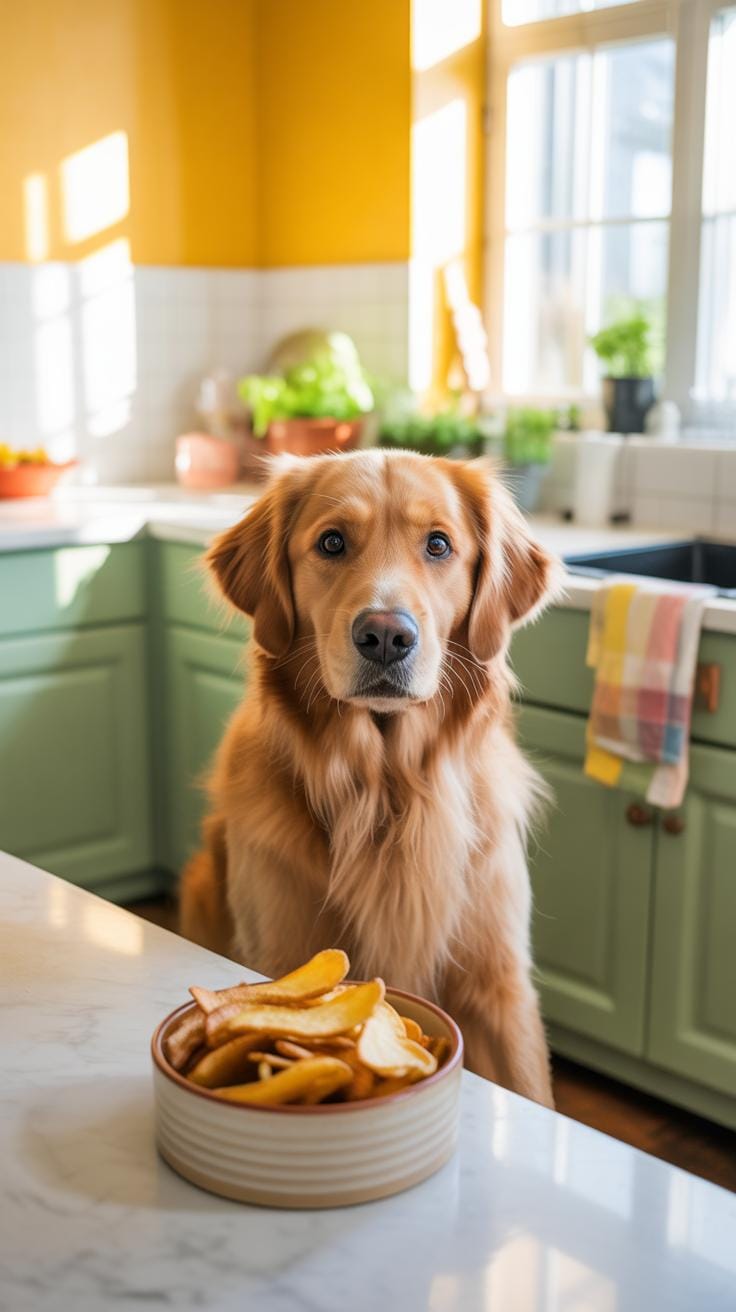
Why Potato Skins Are Not Safe For Dogs To Consume
Potato skins contain solanine, a natural glycoalkaloid poison. This chemical acts as a defense mechanism for the plant against insects and fungus. When dogs ingest solanine, it attacks their nervous system and digestive tract. Even small amounts can cause distress in sensitive breeds or smaller dogs. You must view the skin as the most dangerous part of the vegetable.
The skin also carries high levels of oxalates. These organic compounds lead to kidney issues if consumed regularly. Dogs cannot process these substances as effectively as humans do. Feeding skins increases the risk of bladder stones and renal distress. Stick to the flesh of the potato if you must feed it at all. The skin provides no benefit that outweighs these risks.
The Difference Between Raw Potato Skin And Cooked Potato Skin For Dogs
Raw potato skins pose the highest threat to canine health. They contain peak levels of solanine and are extremely difficult for a dog to digest. A raw skin is often tough and fibrous, creating a potential choking hazard or intestinal blockage. If the skin has a green tint, the solanine concentration is dangerously high. Never let your dog near raw potato scraps.
Cooking or baking reduces solanine levels but does not eliminate them entirely. High heat breaks down some toxins, yet the fibrous nature of the skin remains a problem. Many cooked skins also feature added fats, salt, or spices like garlic and onion. These additives are toxic to dogs independently of the potato. Cooked skins offer less risk than raw ones but still provide zero nutritional value.

What Makes Potato Skin Dangerous Solanine And Other Harmful Compounds

What Is Solanine And Why Is It Toxic To Dogs
Solanine is a glycoalkaloid poison found in the nightshade family. This compound serves as a natural defense mechanism for the plant against pests and fungi. When a dog consumes solanine, the toxin affects the central nervous system and disrupts the digestive tract. The chemical structure makes it difficult for a dog to process efficiently. Small amounts can cause significant internal distress.
The toxicity works by inhibiting acetylcholinesterase, an enzyme critical for nerve impulse transmission. This inhibition leads to a buildup of acetylcholine in the body. Dogs lack the specific metabolic pathways to neutralize this compound quickly. Symptoms often include severe vomiting, diarrhea, and lethargy. In high doses, solanine causes cardiac distress or paralysis. Owners must treat any ingestion of raw potato skin as a serious medical risk.
Such a little belly, such a great appetite, and such a grand love that watches over every curious bite. In the garden of a dog’s life, your careful care is the most beautiful flower.
How Green Or Sprouted Potato Skins Contain Higher Solanine Levels
Chlorophyll production indicates a rise in solanine levels within potato skins. When potatoes sit in the sun, they turn green. This color change signals that the tuber is producing more toxins to protect itself. Sprouted potatoes are even more dangerous. The eyes and sprouts contain the highest concentration of glycoalkaloids in the entire plant. Feeding these parts to a dog increases the risk of poisoning.

Concentrated solanine in green skins is much more potent than in brown skins. Cooking does not eliminate solanine. Heat reduces the toxin level slightly but does not make green skins safe. Even a small piece of green skin can make a dog sick. You must discard any potatoes showing green flesh or active sprouts. Protecting the dog requires keeping all raw, green potato scraps out of their reach.
My Dog Ate Potato Skin And Is Sick Recognizing The Symptoms

Common Signs That Your Dog May Be Reacting To Potato Skin Ingestion
Raw potato skins contain solanine, a natural glycoalkaloid that acts as a defense mechanism for the plant. When a dog ingests these skins, the toxin disrupts cellular membranes and inhibits essential enzymes. Most reactions begin within two to eight hours after consumption. You will typically see digestive upset first as the body attempts to purge the toxic compound from the gastrointestinal tract.
- Vomiting: The stomach reacts quickly to the presence of solanine or excess fiber. This is the primary way the body removes the irritant before it enters the lower digestive system and causes further damage.
- Diarrhea: Loose stools or watery discharge indicate intestinal irritation. The high fiber content in the skins speeds up transit time, while the toxins cause inflammation in the gut lining and disrupt normal absorption.
- Lethargy: Solanine affects the central nervous system and can cause significant fatigue. A dog that is usually active may suddenly seem weak, depressed, or unwilling to move from its bed after eating potato skins.
- Abdominal Pain: You may notice your dog hunching its back or whining when touched. This discomfort results from gastric bloat or chemical irritation within the stomach walls caused by the alkaloids present in the skins.
- Hypersalivation: Excessive drooling is a common physiological response to nausea or oral irritation. If your dog is suddenly foaming or dripping saliva, it likely indicates that the digestive system is under significant stress from the ingestion.
Solanine poisoning levels vary based on the color of the skin. Green potato skins contain much higher concentrations of toxins than brown ones. If your dog consumes green scraps, the symptoms will be more intense and appear faster. Watch for a combination of these signs rather than a single symptom. Multiple symptoms suggest the dog’s system is struggling to process the alkaloids.
When Symptoms Become Serious And Require Emergency Veterinary Attention
Severe solanine toxicity moves beyond the gut and attacks the nervous system. You must act fast if your dog shows neurological signs like tremors or lack of coordination. These symptoms indicate the toxin has reached a critical level in the bloodstream. At this stage, the body can no longer filter the alkaloids naturally. Delaying treatment during a neurological event can lead to permanent damage or organ failure.

Monitor the dog’s heart rate and breathing patterns closely. Cardiac distress is a hallmark of advanced potato skin poisoning. If the pulse becomes irregular or the breath becomes shallow, the situation is a medical emergency. Do not wait for symptoms to resolve on their own if you see these signs. Immediate veterinary intervention is necessary to provide intravenous fluids and supportive care to flush the toxins out.
What To Do Immediately After Your Dog Ate Potato Skin

First Steps To Take At Home Before Calling Your Veterinarian
Check your dog for immediate distress or unusual behavior. Inspect the mouth for any remaining potato pieces or green skin fragments. Remove these quickly to prevent more ingestion. Look at the potato source to determine the exact amount consumed. Check if the skin was raw or cooked and if it had sprouts or green patches. These details matter for toxicity levels.
Keep your dog calm and restricted to a small area. Do not induce vomiting unless a professional instructs you to do so. Monitor for drooling, panting, or abdominal pain. If the potato skin was covered in butter, salt, or onions, the risk increases beyond solanine poisoning. Document the exact time the dog ate the skin. This timeline helps the vet determine the treatment window.
What Information To Give Your Vet When You Call About Potato Skin Ingestion
Contact your veterinarian or an animal poison control center immediately. Provide a clear and concise report of the incident. You must relay specific data points so the medical team can assess the level of solanine or oxalate risk. Be ready to describe the physical appearance of the potato skins. Mention if they were green or sprouted because these contain the highest toxin concentrations.
- Total Quantity Consumed: Tell the vet exactly how many skins or what volume of peelings the dog ate. Accurate measurements help determine if the dosage is lethal or just an irritant.
- Condition of the Potato: Specify if the skins were raw, boiled, or baked. Note if the skins were green. Green skins contain high levels of solanine which acts as a potent glycoalkaloid poison.
- Added Ingredients: List all seasonings or oils present on the skins. Garlic, onions, and high fat content can cause secondary issues like anemia or pancreatitis. These ingredients change the necessary medical response.
- Time of Ingestion: Provide the exact time the incident occurred. Vets need this information to decide if they can still induce vomiting safely or if the toxins have already entered the bloodstream.
- Weight and Health History: Give the current weight of your dog and any known kidney issues. Smaller dogs face higher toxicity risks from lower amounts of solanine. Existing health problems can complicate the recovery process.

Explain any symptoms you see right now. Note if the dog is vomiting, has diarrhea, or seems weak. Mention neurological signs like tremors or confusion. These symptoms indicate the toxins are affecting the nervous system. Follow all transport instructions the vet provides. Bring a sample of the potato skin or a photo of the bag if possible for identification.
Can Dogs Eat Potatoes Safely Separating Facts From Myths

Are Potatoes Good For Dogs When Prepared Correctly And Served Plain
Cooked potatoes provide iron, magnesium, and vitamin B6. These nutrients support a dog’s immune system and metabolic functions. You must always cook them thoroughly to neutralize solanine. Solanine is a natural glycoalkaloid that acts as a pesticide in raw potatoes. This toxin causes severe digestive upset and neurological issues in dogs. Properly prepared potatoes offer a dense source of energy for active pets.
Remove all skins before cooking to minimize solanine exposure. Plain white potatoes are safe only as an occasional treat. They contain high levels of starch and carbohydrates. Overfeeding these can lead to rapid weight gain and blood sugar spikes. Do not use potatoes as a primary protein source. They lack the essential amino acids found in meat. Always supervise your dog when introducing new starchy vegetables.
Can Dogs Eat Boiled Potatoes And What Are The Safe Serving Guidelines
Boiling is the safest method for preparing potatoes for dogs. This process reduces the overall starch content and ensures the vegetable is soft. Hard pieces pose a significant choking hazard or can cause intestinal blockages. Peel the potato completely before boiling it in plain water. Never add salt, butter, or oil to the pot. These additives cause pancreatitis and other serious inflammatory conditions.

Serve boiled potatoes in small, bite-sized chunks. Start with a single tablespoon to test for digestive sensitivity. Watch for signs of lethargy or diarrhea over the next twenty-four hours. Diabetic dogs should avoid potatoes entirely due to the high glycemic index. If your dog has a history of kidney stones, avoid potatoes because they contain oxalates. Stick to moderate portions to keep your dog healthy and lean.
Can Dogs Eat Sweet Potatoes A Healthier Potato Alternative For Dogs

Why Sweet Potatoes Are Considered A Safer And More Nutritious Option For Dogs
Sweet potatoes belong to the morning glory family and do not contain solanine. This makes them significantly safer than white potato skins for canine consumption. White potatoes belong to the nightshade family and produce solanine to ward off pests. Solanine is toxic to dogs and causes nervous system distress. Sweet potatoes provide a high concentration of dietary fiber which supports a healthy digestive tract.
These tubers offer high levels of Vitamin A and beta-carotene. These nutrients support eye health and immune function in aging dogs. Sweet potatoes also provide potassium and magnesium for muscle recovery. Unlike white potato skins, sweet potatoes have a lower glycemic index. This prevents rapid blood sugar spikes after meals. They serve as a dense source of energy for active dogs without the toxic risks.
Sweet Potato For Dogs: Simple Food Recipes And Safe Preparation Tips
Preparation requires removing the skin and cooking the flesh thoroughly. Raw sweet potatoes are hard for dogs to digest and can cause intestinal blockage. Steam or boil the vegetable until it is soft enough to mash with a fork. Steaming preserves the most nutrients compared to boiling or roasting. Avoid adding any salt, butter, sugar, or onions. These ingredients are toxic or harmful to dogs.

Dehydrated sweet potato slices make excellent chewy treats. Cut the potato into thick rounds and bake at a low temperature for several hours. This creates a tough texture that cleans teeth without using chemical additives. Limit portions to a few small pieces per day to avoid excessive calorie intake. Always introduce new foods slowly to monitor for any rare allergic reactions. Focus on plain preparation for maximum safety.
Potato And Vegetable Dog Food What Commercial Options Are Safe

How Potato And Vegetable Dog Food Products Are Formulated To Be Safe For Canines
Commercial manufacturers ensure potato-based dog foods are safe through intense heat processing and skin removal. This mechanical process eliminates solanine, the toxic glycoalkaloid found in raw potato skins and green parts. High heat cooking methods like extrusion break down complex starches into digestible energy sources. This level of processing makes the potato a nutritional tool rather than a health risk for the dog.
Testing protocols verify that finished kibble contains no harmful levels of alkaloids. Formulators balance these carbohydrates with specific proteins and fats to prevent blood sugar spikes. Proper industrial cooking neutralizes antinutrients that often cause digestive distress in raw vegetables. These controlled environments produce a sterile, shelf-stable product. You can trust these processed foods because they undergo rigorous safety checks that raw kitchen scraps never face.
What To Look For On The Label When Choosing Potato Based Dog Food Products
Read the ingredient list to ensure potatoes appear as a secondary component rather than the primary protein source. Look for terms like potato starch or dried potato which indicate controlled processing. Avoid products that list potato byproduct or unspecified vegetable scraps. High-quality brands list a specific meat meal as the first ingredient to maintain a proper amino acid profile for your dog.

Check for the AAFCO adequacy statement to confirm the food meets basic nutritional standards. Manufacturers must prove their recipes provide complete and balanced nutrition for specific life stages. Transparent labels disclose the source of their vegetables and the absence of artificial fillers. Choosing reputable brands reduces the risk of toxic exposure. Prioritize brands that conduct feeding trials and maintain strict quality control over their raw material sourcing.
Can Dogs Eat Other Vegetables Safely Building A Pet Safe Diet

Which Common Vegetables Are Safe And Which Are Harmful For Dogs To Eat
Carrots and green beans offer safe fiber and vitamins without the solanine risks found in potato skins. Cooked pumpkin supports digestion and helps firm up stools. Celery and cucumbers provide hydration due to high water content. These options avoid the toxic compounds found in the nightshade family. Always steam or boil these vegetables to ensure the dog can digest the plant cell walls properly.
Avoid all members of the allium family like onions, garlic, and chives. These plants cause oxidative damage to red blood cells leading to anemia. Green tomatoes and raw potatoes contain solanine which impacts the nervous system. Avoid corn on the cob because the cob creates life-threatening intestinal blockages. Stick to cruciferous vegetables like broccoli in moderation to prevent gas or thyroid interference in sensitive dogs.
How To Introduce New Vegetables Into Your Dog’S Diet Without Causing Digestive Upset
Start with a single vegetable at a time to identify specific allergies or sensitivities. Measure a portion no larger than a teaspoon for small dogs or a tablespoon for large breeds. Observe the dog for twenty-four hours for signs of loose stool or vomiting. If the dog shows no distress, you can slowly increase the amount over several days. Consistency allows the gut flora to adapt.

Keep vegetable treats to less than ten percent of the daily caloric intake. High fiber loads can cause sudden bloating or gas if introduced too quickly. Steam or mash the vegetables to break down tough fibers before serving. This prevents choking and ensures maximum nutrient absorption. Watch for behavioral changes or skin itching after feedings. Stop feeding any vegetable immediately if you notice adverse physical reactions.
Frequently Asked Questions

Is it dangerous if my dog ate potato skin from the counter?
While a small piece of cooked skin is usually fine, raw potato skins contain solanine, a natural toxin that can be harmful to canines. If your dog ate potato skin sick symptoms like vomiting or diarrhea may occur, especially if the peels were green. You should monitor your pet closely for lethargy or digestive distress, as their system is not designed to process the high fiber and alkaloids found in raw peels.
What steps should I take immediately after my dog eats potato skins?
First, identify if the skins were raw, cooked, or green. Remove any remaining scraps to prevent further ingestion. Offer your pet plenty of fresh water and observe them for the next 24 hours. If your dog ate potato skin sick behaviors like heavy panting or drooling start to manifest, contact your veterinarian immediately. It is helpful to note the approximate amount consumed to help the vet determine the best course of action.
Are there any affordable, safe vegetable alternatives to potato skins for my dog?
If you want to share a healthy snack without the risk of toxicity, opt for budget-friendly vegetables like carrots or green beans. These are much safer than potato skins and provide a satisfying crunch without the dangerous solanine found in raw potato peels. Always ensure any vegetable treats are served plain and in bite-sized pieces to prevent choking, giving your dog a nutritious boost without a costly trip to the emergency vet.