What Is Bloat In Dogs And Why Is It So Dangerous
Understanding Gastric Dilatation Volvulus GDV In Dogs
Bloat begins when a dog’s stomach fills rapidly with gas, food, or fluid. This initial stage is gastric dilatation. The stomach stretches beyond its normal capacity and puts pressure on surrounding organs. In many cases, the stomach then rotates on its axis. This twisting is the volvulus. It traps the contents inside and cuts off all entry and exit points to the stomach.
This rotation prevents the dog from belching or vomiting to release the pressure. The twisted stomach blocks blood flow to the heart and other vital organs. It also shuts down the blood supply to the stomach wall itself. This lack of circulation causes tissue death very quickly. Veterinary professionals track this condition as one of the most rapid and lethal killers in the canine world.
Why Bloat In Dogs Is Considered A Life Threatening Emergency
Bloat causes the body to enter a state of systemic shock within minutes. The distended stomach presses on the large veins that return blood to the heart. This action drops blood pressure and slows down oxygen delivery to the brain. Without oxygen, organs fail and the animal collapses. The stomach wall can also rupture and release bacteria and digestive enzymes into the abdomen.
Survival depends entirely on the speed of medical intervention. Owners cannot treat this condition at home with over the counter medications or remedies. A veterinarian must decompress the stomach and perform surgery to untwist the organ. This surgery is often necessary to remove dead tissue and prevent future episodes. Delaying treatment for even thirty minutes often results in a fatal outcome for the dog.

How To Recognize A Bloated Dog Belly Early And Advanced Signs
Physical Changes In A Bloated Dog Belly You Should Never Ignore
The dog belly becomes firm or tight to the touch when bloat begins. You will notice the area behind the ribs looks swollen or distorted. This distension happens because gas or food traps inside the stomach. The abdomen feels like a drum when you tap it gently. This physical change indicates a high pressure buildup that can become life threatening within minutes.
Visible swelling often starts on the left side of the body before spreading. The skin appears stretched and may feel warm due to increased blood flow or inflammation. If the stomach twists, known as volvulus, the swelling accelerates rapidly. Do not wait for the dog to look like it swallowed a basketball. Any unusual firmness in the midsection requires immediate movement to an emergency veterinary clinic.
Behavioral Warning Signs That Accompany A Bloated Stomach In Dogs
A dog with bloat will exhibit intense restlessness and cannot find a comfortable position. They often pace or stand with their legs spread wide to relieve internal pressure. You will observe them looking at their flanks or licking their bellies repeatedly. They may also attempt to hide or show signs of sudden anxiety. These behaviors signal internal pain and a rapidly worsening physical state.
One of the most tactical signs is unproductive retching or gagging. The dog tries to vomit but nothing comes out except foam or saliva. This happens because the esophagus is blocked or the stomach is sealed shut. Frequent heavy panting and excessive drooling also occur as the body enters shock. Treat these behavioral shifts as red flags that demand an instant medical response to prevent total organ failure.
Dog Bloat Symptoms A Complete Breakdown Of What To Watch For
The Most Common Dog Bloat Symptoms In The First Hours Of Onset
Gastric Dilatation-Volvulus begins with visible physical distress as the stomach fills with gas. You will notice your dog acting restless or pacing because they cannot find a comfortable position. Their abdomen may feel hard to the touch or appear slightly larger than normal. Early intervention is the only way to prevent the stomach from twisting and cutting off vital blood flow to the organs.
- Unproductive Retching: The dog attempts to vomit repeatedly but nothing comes out except foam or saliva. This happens because the esophagus is blocked or the stomach cannot expel its contents. It is the most reliable early indicator of a bloat emergency.
- Abdominal Distension: The stomach area behind the ribs looks swollen or feels tight like a drum. You can test this by gently tapping the belly to listen for a hollow sound. Significant swelling indicates the gas cannot escape through the digestive tract.
- Excessive Drooling: Thick saliva or strings of drool hang from the mouth unexpectedly. This occurs because the dog cannot swallow properly due to the pressure building in the chest. Increased salivation is a direct response to the intense nausea and physical pain.
- Restlessness and Pacing: Dogs will walk in circles or stand stiffly because lying down increases the pressure on their diaphragm. They may look at their flanks or whine without a clear cause. This behavior signals internal discomfort that is rapidly becoming unbearable.
- Rapid Breathing: You will see shallow or heavy panting even if the dog has not exercised. The enlarged stomach pushes against the lungs and makes it difficult for the dog to take full breaths. This symptom often precedes more severe respiratory distress and shock.
Recognizing these initial signs requires constant vigilance immediately after your dog eats or drinks large volumes. If you observe two or more of these behaviors, you must contact an emergency veterinarian. Bloat moves faster than most other canine medical conditions. Do not wait for the symptoms to disappear on their own because they will only get worse as the pressure builds.
How Dog Bloat Symptoms Escalate Without Immediate Treatment
As the condition progresses, the stomach often rotates on its axis and traps gas and blood inside. This rotation cuts off circulation to the heart and other vital organs. You will see the dog’s gums change from healthy pink to pale or blue. This color shift indicates the animal is entering hypovolemic shock. The dog will likely collapse as its blood pressure drops to dangerous levels.
The final stages of untreated bloat lead to rapid heart rates and total physical exhaustion. The dog’s pulse will feel weak and thready while their body temperature begins to fall. At this point, the stomach tissue starts to die from lack of oxygen. Without surgical intervention to untwist the stomach and release the pressure, the condition is fatal. Every minute of delay reduces the chance of a successful recovery.
Dog Bloat Symptoms In Puppies What Makes Young Dogs Different
Why Dog Bloat Symptoms In Puppies Can Be Harder To Detect
Puppies possess high energy levels and erratic behaviors that mask serious distress. Owners often mistake early signs of Gastric Dilatation-Volvulus for standard play fatigue or common digestive upset. A puppy’s vocalization might seem like normal whining rather than a pain response. Their smaller frames also mean that internal pressure builds rapidly. You have less time to react before the condition becomes fatal for a young animal.
Diagnosis remains difficult because puppies often swallow air while eating fast or playing hard. This mimics the initial stages of bloat without the immediate stomach twist. You must focus on the inability to settle rather than just a large stomach. If the puppy paces and cannot find a comfortable position, the situation is urgent. Early detection requires constant monitoring of their behavior immediately after they consume food or water.
Bloated Puppy Belly Vs. Normal Puppy Fullness: How To Tell The Difference
A healthy puppy belly feels soft and pliable after a meal. You can press gently on the abdomen without causing the dog to yelp or recoil. The skin should look full but not stretched tight like a drum. Normal fullness disappears within a couple of hours as digestion or elimination occurs. Most puppies will sleep soundly once they have a full stomach and feel satisfied.
Bloat creates a hard and distended abdomen that does not feel like fat or food. The stomach will feel rigid to the touch and the puppy will likely guard the area. You will notice unproductive retching where the puppy tries to vomit but nothing comes out. Check the gums for a pale or blue tint. This indicates a lack of oxygen and blood flow caused by the pressure.
Which Dog Breeds Are Most At Risk For A Bloated Stomach
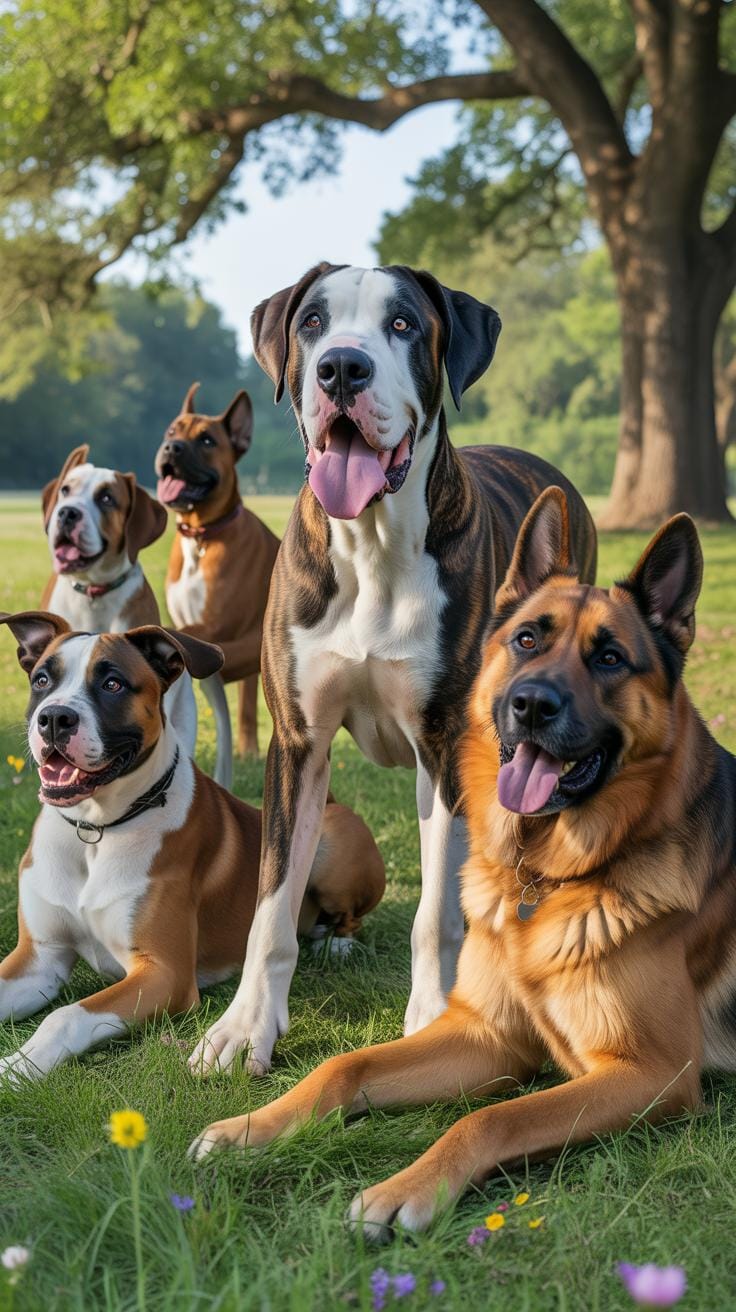
Large And Deep Chested Breeds Most Prone To Bloated Stomach Episodes
Anatomy dictates risk levels for dog bloat symptoms. Deep chested dogs have a high thoracic depth to width ratio. This physiological structure creates more void space in the abdomen. This space allows the stomach to swing and rotate. Great Danes face the highest statistical probability of experiencing this condition. Large breeds like Standard Poodles and Weimaraners also possess this dangerous chest shape.
Size is a primary indicator but not the only factor. Giant breeds weighing over one hundred pounds often develop this issue due to ligament laxity. The gastrohepatic ligament secures the stomach position. In deep chested breeds, this ligament often stretches over time. This loss of tension enables the stomach to flip during gas expansion. St. Bernards and Irish Wolfhounds require constant monitoring for these specific reasons.
How Age Sex And Genetics Influence Bloat Risk In Dogs
Biological variables significantly increase individual risk. Older dogs develop bloat more often than young puppies. As dogs age, their abdominal muscles weaken and lose tone. This weakness fails to hold internal organs in a fixed position. Statistical data shows that male dogs suffer from bloat more frequently than females. Neutered status does not seem to change the baseline risk for these specific animals.
Genetics play a major role in predisposition. Dogs with a first degree relative who suffered from bloat are at higher risk. This suggests an inherited trait related to internal anatomy or nerve function. Nervous or fearful temperaments also correlate with higher gastric torsion rates. Stress chemicals affect how the gut moves and processes air. Owners must evaluate the family history of any high risk breed before purchase.
What To Do When Your Dog Gets Bloat Immediate Steps To Take
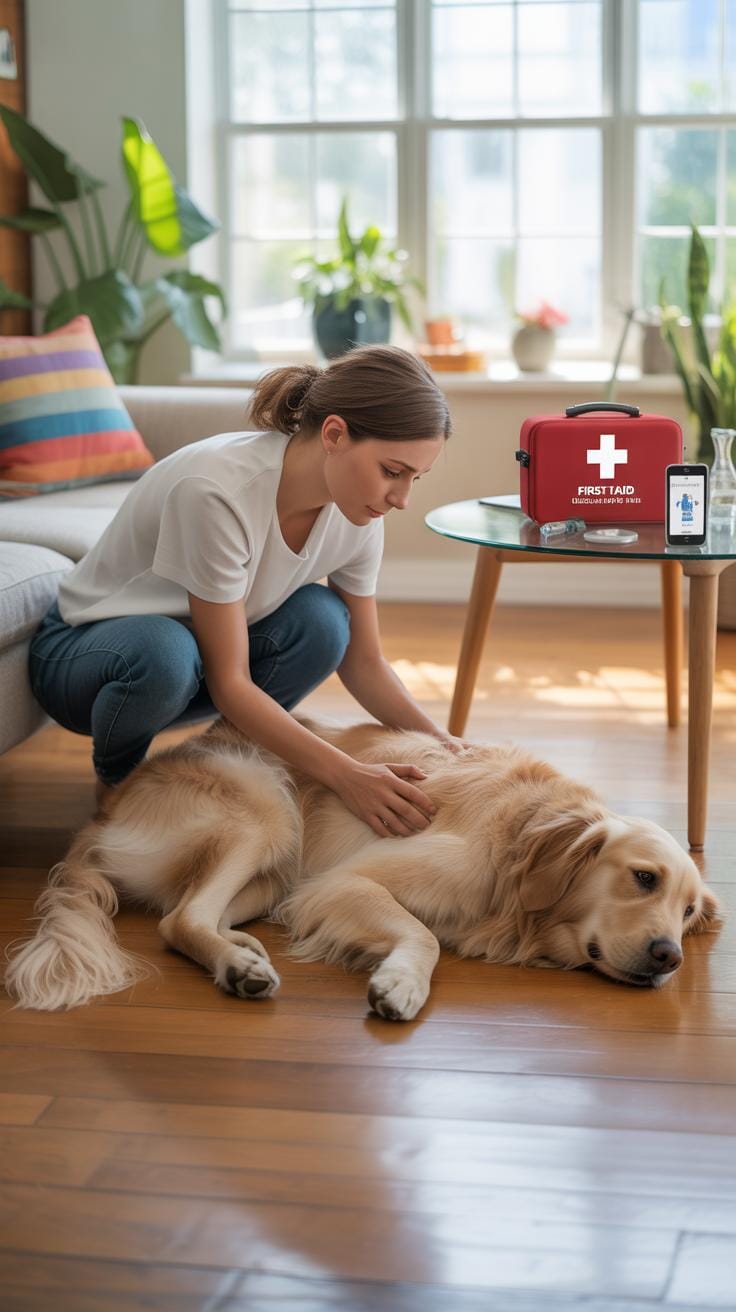
Why You Must Act Within Minutes When Your Dog Shows Bloat Symptoms
Bloat refers to Gastric Dilatation-Volvulus or GDV. This condition causes the stomach to twist and trap gas inside. This twist cuts off blood flow to the heart and other vital organs. Tissue death begins almost instantly. You cannot wait for symptoms to resolve on their own. Every minute reduces the chance of survival. This is a surgical emergency that requires immediate professional intervention.
The clock starts the moment you notice a distended abdomen or unproductive retching. Internal pressure builds quickly and causes the stomach wall to rupture. This lead to systemic shock and death within hours. Proper treatment requires a vet to decompress the stomach and untwist it surgically. Delayed action results in irreversible organ damage. You must treat this as a race against time to save your dog.
The deep bond we share with our loyal companions means knowing their every heartbeat and noticing when their quiet discomfort turns into a silent plea for help. To protect that golden connection, we must learn the quiet whispers of distress before they become a final goodbye.
Step By Step Guide On What To Do When Your Dog Gets Bloat Before Reaching The Vet
Do not attempt home remedies like giving water or inducing vomiting. These actions waste time and can worsen the physical block. Your only priority is getting the dog to a facility that performs emergency surgery. Call the clinic while you are driving so the staff can prepare the operating room. Speed is the only factor that determines the final outcome of this crisis.
- Call the nearest emergency vet: Notify the clinic that you are coming with a suspected GDV case. This allows them to ready the surgical suite and oxygen therapy before you arrive. Do not wait for an appointment time.
- Keep the dog calm: Excessive movement can shift the stomach further or increase heart rate under stress. Lift the dog into the vehicle if possible to avoid unnecessary physical exertion. Minimize noise and panic during the transport.
- Limit physical pressure: Avoid putting pressure on the abdomen when moving the dog. Do not wrap the torso tightly or press on the swollen area. Use a flat surface or a sturdy blanket as a stretcher for larger breeds.
- Monitor breathing and gums: Check the color of the gums during the drive. Pale or blue gums indicate the dog is entering shock from lack of blood flow. Note these changes and report them to the vet immediately upon arrival.
- Gather basic medical data: Bring any records of heart conditions or allergies if they are quickly accessible. The vet needs to know if the dog can handle general anesthesia. Do not delay your departure more than sixty seconds to find files.

Prepare for the vet to take the dog immediately upon your arrival. The medical team will stabilize the dog with intravenous fluids to combat shock. They will then use a tube or needle to release trapped gas pressure. Once the dog is stable, they perform surgery to reposition the stomach. Your quick transit allows the surgeon to prevent permanent tissue death in the digestive tract.
How To Treat Dog Stomach Issues Related To Bloat Medical And Surgical Options
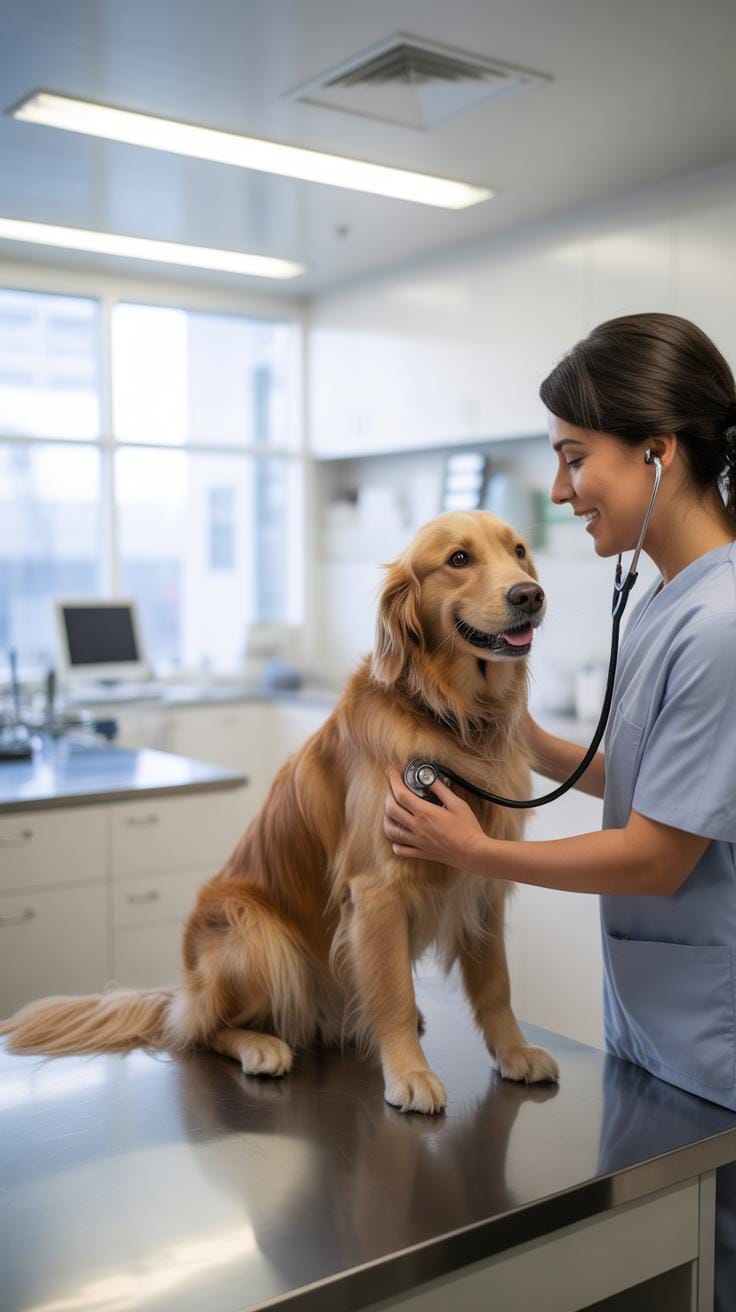
How Veterinarians Diagnose And Treat Dog Stomach Issues Caused By GDV
Diagnosis begins with a rapid physical exam and clinical history. Veterinarians prioritize identifying shock by checking heart rate and gum color. They use X-rays to confirm gastric dilatation and volvulus. A lateral view of the abdomen reveals a characteristic double bubble or Popeye arm shape. This visual confirms the stomach has twisted and trapped gas inside. Rapid diagnosis is the difference between life and death for the dog.
Initial treatment focuses on stabilization through high-volume intravenous fluids. Doctors must address low blood pressure before starting surgery. They often decompress the stomach using a tube passed through the mouth or a large needle through the skin. This relieves pressure on the major veins and improves blood flow to the heart. Practitioners then monitor heart rhythms for arrhythmias. These cardiac issues frequently occur during the first few hours of treatment.
Gastropexy Surgery: The Most Effective Way To Treat And Prevent Recurring Bloat In Dogs
Emergency surgery is necessary once the patient is stable. The surgeon must physically untwist the stomach and return it to the correct position. They inspect the spleen and stomach wall for tissue death. If the blood supply was cut off for too long, they remove dead tissue. This step prevents toxins from entering the bloodstream. Surgeons then perform a gastropexy to secure the stomach wall to the abdominal side.
A gastropexy creates a permanent bond between the stomach and the body wall. This procedure prevents the stomach from twisting again in the future. Without this surgery, the recurrence rate for bloat is over eighty percent. Owners of high-risk breeds often choose elective gastropexy during a spay or neuter. This proactive move stops the emergency before it starts. Proper surgical technique ensures the stomach stays locked in its natural physiological place.
How To Prevent Bloat In Dogs Evidence Based Strategies For Every Owner
Feeding Habits And Dietary Changes That Help Prevent Bloat In Dogs
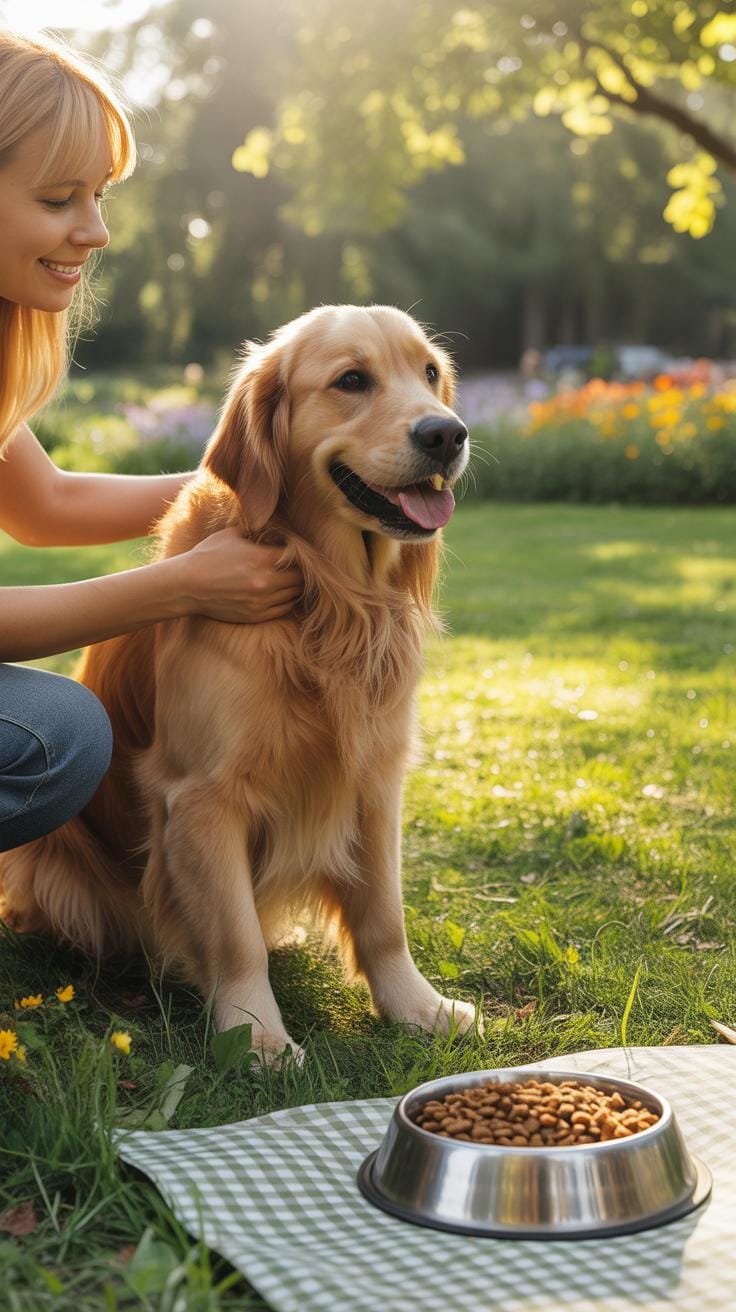
Split your dog’s daily food into multiple small meals. Large single meals stretch the stomach and increase gastric pressure. Avoid elevated feeders for most breeds as research shows they may actually increase bloat risk. Keep the food bowl at floor level to encourage a natural eating posture. This simple change reduces the amount of air the dog swallows during a meal.
Choose high-quality kibble that does not list fat or oil within the first four ingredients. Avoid foods that contain citric acid if you moisten the dry kibble. Wetting food containing citric acid can trigger rapid fermentation in the gut. Slow down fast eaters by using a slow-feeder bowl or a large rock. This prevents the dog from inhaling air along with their food.
Exercise, Stress Management, And Lifestyle Adjustments To Lower Bloat Risk
Restrict vigorous activity for one hour before and two hours after every meal. Physical exertion while the stomach is full leads to Gastric Dilatation-Volvulus. The weight of the food causes the stomach to swing and flip. Keep your dog calm during these windows to ensure the digestive process remains stable. Eliminate high-intensity running or jumping immediately after your dog drinks large amounts of water.
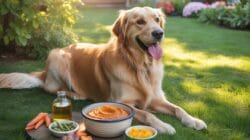
Minimize stress during feeding times to keep the digestive tract moving correctly. High-stress environments cause dogs to gulp food and air rapidly. If you have multiple dogs, feed them in separate areas to reduce competition. Monitor your dog for any changes in behavior or temperament. Routine and a calm environment are tactical tools that decrease the physiological triggers associated with a bloated stomach.
Bloated Puppy Warning Signs When Puppy Belly Swelling Signals Serious Trouble
Common Causes Of A Bloated Puppy Beyond GDV That Owners Should Know
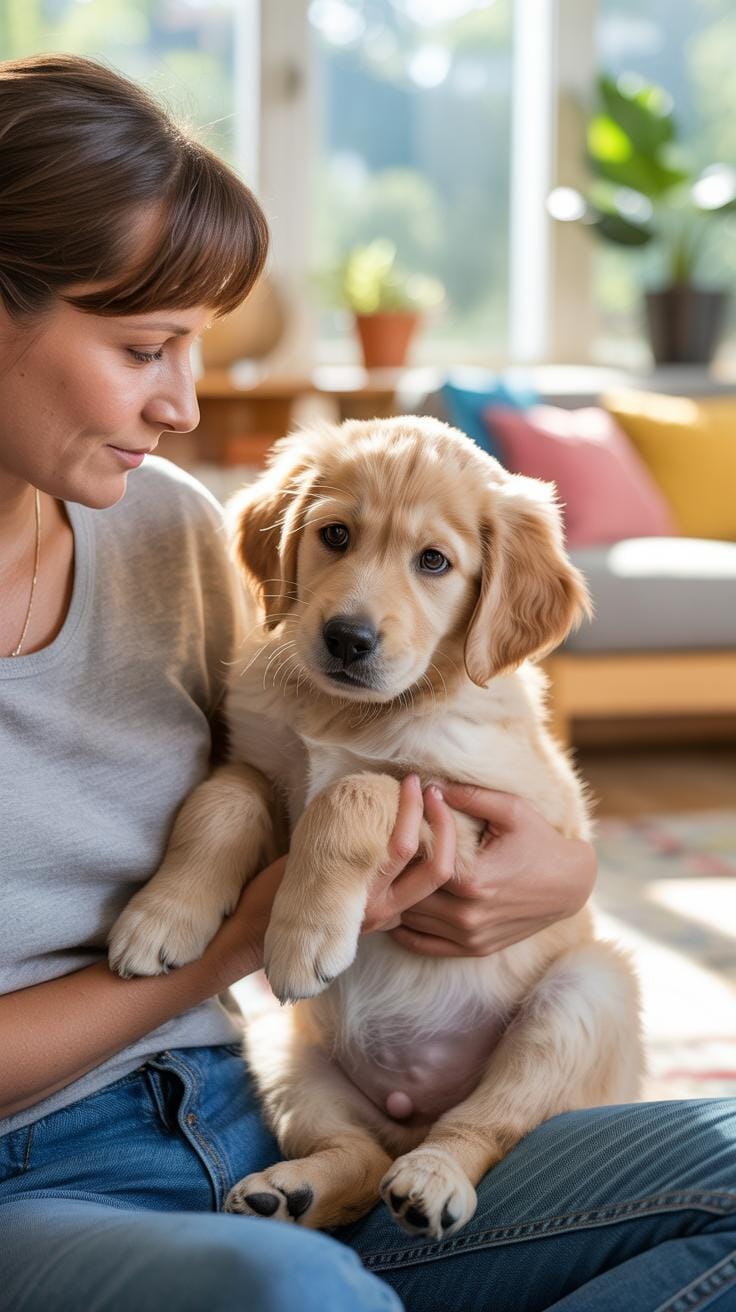
Puppies rarely suffer from Gastric Dilatation-Volvulus compared to adult large breeds. Their abdominal swelling usually stems from less fatal but still urgent issues. Intestinal parasites like roundworms are the primary cause of a pot-bellied appearance in young dogs. These worms live in the small intestine and create a distinct round bulge. Puppies often contract these parasites from their mother before birth or through her milk.
Dietary indiscretion also causes rapid stomach expansion. Puppies explore with their mouths and often ingest indigestible objects or excessive amounts of kibble. This leads to simple food bloat where the stomach stretches but does not twist. Another cause is Giardia which triggers intense gas production in the digestive tract. You must distinguish between a firm gas-filled belly and a soft fat-filled belly to assess the immediate risk.
When To Take A Bloated Puppy To The Emergency Vet Immediately
You must act fast if the puppy shows distress along with the swelling. Observe the animal for unproductive retching or attempts to vomit. This indicates a potential blockage or the onset of true bloat. A distended abdomen that feels hard to the touch is a red flag. If the puppy cannot settle or paces constantly you need a vet. Waiting even two hours can lead to permanent organ damage.
Check the color of the gums for vital clues. Pale or blue gums signal a lack of oxygen and poor circulation. This is a medical emergency requiring immediate intervention. Monitor for rapid breathing or a weak pulse. These signs indicate the puppy is entering shock. Do not wait for the morning if the belly is visibly expanding. Professional imaging is the only way to confirm if the stomach has twisted.
Frequently Asked Questions

What exactly is dog bloat and why is it considered a medical emergency?
Dog bloat, or Gastric Dilatation-Volvulus (GDV), occurs when a dog’s stomach fills with gas and twists on itself. This condition cuts off blood flow to vital organs and can become fatal within hours. Recognizing dog bloat symptoms early is life-saving, as the pressure builds rapidly. Because it progresses so quickly, it is always treated as a critical emergency that requires immediate intervention from a veterinarian to save the animal’s life.
How can I check my pet at home to see if they are experiencing bloat?
To check your pet, look for a distended abdomen that feels tight like a drum. Gently feel their belly; if it is hard or painful to the touch, take action immediately. Other dog bloat symptoms to watch for include unproductive retching, where they try to vomit but nothing comes up, and excessive drooling or restlessness. If your dog cannot get comfortable or is pacing anxiously, these are clear physical indicators of distress.
Is there a way to prevent bloat without undergoing an expensive surgery?
While a preventative surgery called a gastropexy is the most effective method, you can reduce risks through lifestyle changes. Use slow-feeder bowls to prevent gulping air, avoid heavy exercise an hour before and after meals, and feed smaller portions throughout the day. While these accessible habits help, they aren’t guarantees. Always keep an emergency fund or pet insurance active, as any sign of bloat requires professional diagnostic imaging and immediate medical care.