Can Dogs Eat Sweet Potatoes The Short Answer Explained

Why Sweet Potatoes Are Generally Considered Safe For Dogs
Sweet potatoes serve as a high-quality source of dietary fiber and essential vitamins for canines. They contain high levels of Vitamin A, Vitamin C, and Vitamin B6. These nutrients support healthy skin, coat, and nerve function. Unlike white potatoes, sweet potatoes belong to the morning glory family rather than the nightshade family. This distinction makes them a safer carbohydrate choice for many dogs.
Veterinarians often recommend this root vegetable because it is easy on the digestive system. The soluble fiber helps regulate bowel movements and supports gut health. They have a lower glycemic index than regular potatoes, which prevents rapid spikes in blood sugar. You should treat them as a whole-food supplement rather than a primary meal. Always introduce this food slowly to monitor for any digestive sensitivity or allergies.
Raw Vs. Cooked Sweet Potato: What Form Is Actually Safe
You must never feed your dog raw sweet potatoes. Raw tubers are tough and difficult for a dog to chew or digest. They present a high choking hazard and can cause intestinal blockages. Raw potatoes also contain solanine, a compound that can be toxic in large amounts. Cooking the vegetable neutralizes these risks and makes the nutrients bioavailable for the dog.
The only safe way to serve sweet potatoes is cooked until soft. You can steam, bake, or boil them without any added oils, salt, or spices. Always remove the skin before feeding as it can be hard to digest. Raw pieces can ferment in the stomach, leading to painful bloating or gas. Stick to plain, mashed, or cubed servings to ensure maximum safety and nutrient absorption.

Nutritional Profile Of Sweet Potatoes For Dogs

Key Vitamins And Minerals In Sweet Potatoes That Benefit Dogs
Sweet potatoes provides a dense source of Vitamin A through high concentrations of beta-carotene. This nutrient supports vision health and maintains skin integrity for dogs. Dogs also benefit from significant levels of Vitamin C and Vitamin B6. These compounds regulate the immune system and assist in brain function. Maintaining these levels ensures the animal can fight off common infections and sustain daily energy.
Potassium and manganese serve as the primary minerals in this root vegetable. Potassium regulates fluid balance and supports heart health in active canines. Manganese stabilizes metabolic functions and assists in bone development for growing pets. Low fat content makes this vegetable a superior energy source compared to many commercial fillers. Owners use these nutrients to support long-term physical health without adding unnecessary calories or harmful fats.
How Dietary Fiber In Sweet Potatoes Supports Canine Digestive Health
Dietary fiber in sweet potatoes encourages regular bowel movements by adding bulk to the canine stool. This insoluble fiber helps prevent constipation and maintains a healthy colon environment. High fiber content also slows the absorption of sugars into the bloodstream. This process prevents sharp insulin spikes and provides steady energy levels. Dogs with sensitive stomachs often process this specific fiber source better than grain-based alternatives.

Natural prebiotics found in the fiber feed beneficial gut bacteria. A healthy gut biome improves overall nutrient absorption and strengthens the intestinal lining. This prevents common digestive issues like loose stools or gas. Proper fiber intake helps dogs feel full for longer periods after eating. This helps owners manage a dog’s weight effectively while still providing a satisfying meal. Consistent digestion leads to better overall health and higher activity levels.
Is It Safe For Dogs To Eat Sweet Potatoes Every Day

Understanding Moderation: How Much Sweet Potato Is Too Much
Daily feeding of sweet potatoes requires strict portion control to avoid digestive distress. Most veterinarians suggest that treats and additions should only make up ten percent of a dog’s daily caloric intake. Small dogs only need one teaspoon of cooked sweet potato per day. Large dogs can handle one tablespoon. Exceeding these limits shifts the nutritional balance of their primary commercial diet.
You must view sweet potatoes as a supplemental carbohydrate rather than a meal replacement. Excessive fiber from large daily servings causes loose stools and gas. Monitor your dog for changes in bowel movements after every feeding. If the stool becomes soft or frequent, reduce the amount immediately. Quality over quantity ensures your dog gets the beneficial beta-carotene without sabotaging their regular digestive health.
The Risk Of Daily Feeding: Blood Sugar, Weight Gain, And Vitamin A Toxicity
Sweet potatoes contain high levels of natural sugars and starch. Feeding them every day can spike blood glucose levels in sedentary or senior dogs. This consistent sugar load leads to rapid weight gain and inflammation. For diabetic dogs, daily consumption is dangerous and often prohibited. You must calculate the glycemic load to prevent long-term metabolic issues and obesity in otherwise healthy animals.

Excessive daily intake also risks Vitamin A toxicity over long periods. Sweet potatoes are dense with this fat-soluble vitamin. Unlike water-soluble vitamins, the body stores Vitamin A in the liver. Constant over-supplementation leads to bone spurs and joint pain. Precise rotation is the only way to prevent this buildup. Stick to a schedule that allows the dog’s body to process these nutrients without reaching toxic levels.
Healthy Dog Snacks Why Sweet Potato Ranks Among The Best

Comparing Sweet Potato To Other Common Dog Snacks Nutritionally
Sweet potatoes provide superior nutritional value compared to common grain-based dog biscuits. Traditional processed treats often rely on wheat or corn fillers that offer empty calories. In contrast, sweet potatoes contain high levels of dietary fiber and beta-carotene. This root vegetable delivers vitamin A, vitamin C, and vitamin B6. These nutrients support eye health and immune function better than standard flour-based snacks.
Lower glycemic index snacks like sweet potatoes prevent the rapid blood sugar spikes caused by white potatoes or corn starch. While fruit snacks like apples offer vitamins, they lack the complex carbohydrates found in sweet potatoes. This energy source sustains dogs for longer periods. Owners choosing sweet potatoes reduce the intake of artificial preservatives found in commercial jerky. This shift prioritizes whole food nutrition over synthetic additives.
Signs Your Dog Is Responding Well To Sweet Potato As A Snack
A dog reacting positively to sweet potato shows consistent digestive health. You will notice firm and regular bowel movements due to the high fiber content. The dog should maintain steady energy levels throughout the day without crashing. Watch for a lack of itching or skin redness. These signs indicate the dog does not have a sensitivity to this specific carbohydrate source.

Physical appearance provides clear evidence of nutritional success. A healthy response includes a shiny coat and clear eyes. The dog should maintain a stable weight when you substitute high-calorie treats with measured portions of sweet potato. Monitor the dog for twenty-four hours after the first feeding. Absence of gas or bloating confirms the canine system is processing the vegetable efficiently. Consistent results prove the food choice works.
Cooking Sweet Potatoes The Right Way For Your Dog
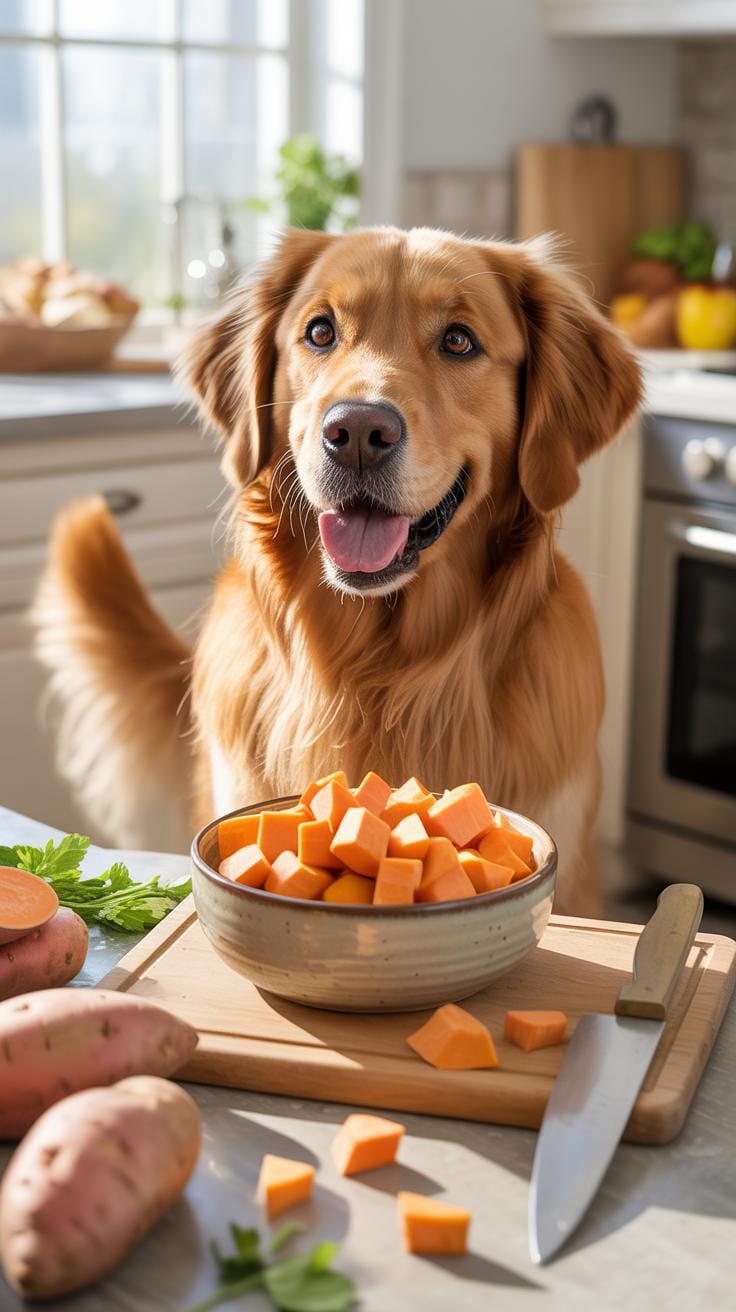
Boiling, Steaming, And Baking: Which Cooking Method Preserves The Most Nutrients
Steaming is the superior method for preparing sweet potatoes for dogs. This technique uses moist heat to soften the vegetable without submerging it in water. Critical nutrients like vitamin A and potassium stay inside the flesh rather than leaching into the cooking liquid. Steaming also keeps the glycemic index lower than baking. This helps prevent rapid blood sugar spikes in your dog after eating.
Boiling is a common alternative but less efficient for nutrient retention. High heat and water exposure dissolve water-soluble vitamins. If you choose to boil the potatoes, keep the skins on during the process to minimize loss. Baking is effective for texture but concentrates sugars as the moisture evaporates. This can increase the caloric density. Always cook the potato until it is soft enough to mash easily with a fork.
What To Avoid When Preparing Sweet Potatoes For Dogs
Dog owners must eliminate all additives during the preparation process. Human recipes often call for salt, sugar, or butter to enhance flavor. These ingredients cause inflammation, obesity, and kidney strain in canines. Garlic and onions are toxic to dogs and must never touch the food. Keep the preparation simple and clean. Focus only on the vegetable itself to ensure the meal remains safe and healthy.
- Raw Skins and Peels: Thick skins are difficult for dogs to digest and can cause intestinal blockages. Always peel the sweet potato or cook it until the skin is soft enough to break down easily.
- Added Salt: Excessive sodium leads to dehydration and potential salt poisoning in small breeds. Dogs get enough salt from their standard kibble and do not need any extra seasoning in their vegetables.
- Butter and Oils: Fats add unnecessary calories and can trigger pancreatitis in sensitive dogs. Steaming or boiling requires no fat, making it the safest way to prepare this specific root vegetable for daily consumption.
- Excessive Sugar or Cinnamon: Added sweeteners lead to weight gain and blood sugar issues. While plain sweet potatoes are naturally sweet, adding brown sugar or marshmallows turns a healthy snack into a dangerous metabolic trigger.
- Toxic Seasonings: Garlic and onion powder are common in kitchens but cause oxidative damage to canine red blood cells. Even small amounts of these seasonings can lead to anemia or long term internal health complications for your pet.

Avoid feeding raw sweet potatoes under any circumstances. Raw tubers contain roushun, which is a type of starch that is very hard for dogs to break down. This leads to gas, bloating, and severe stomach upset. Cooking also neutralizes trypsin inhibitors that interfere with protein digestion. Proper heat application ensures the dog absorbs the maximum amount of nutrition without any risk of a dangerous gastrointestinal blockage.
Sweet Potato Dog Treats Store Bought Vs Homemade Options
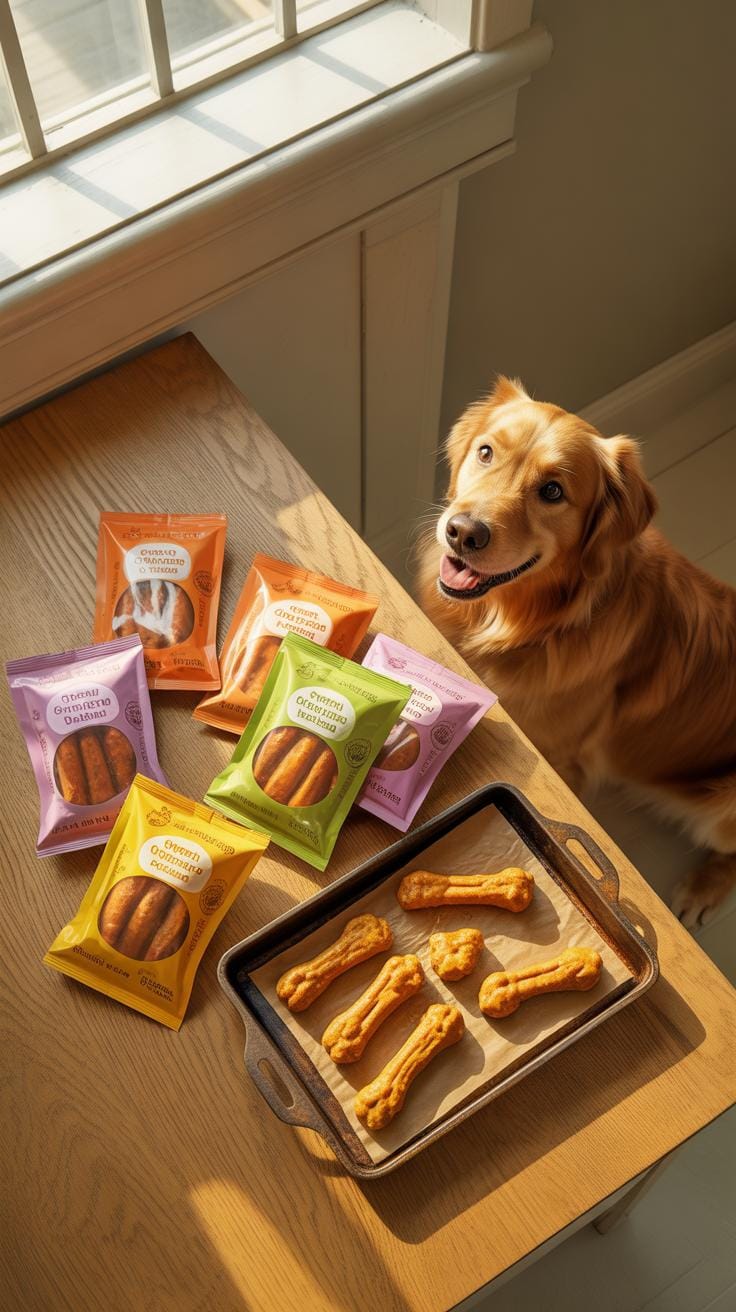
What To Look For On The Label When Buying Sweet Potato Dog Treats
Commercial dog treats often hide low quality fillers behind healthy marketing images. You must read the ingredient list from top to bottom. High quality products list sweet potato as the first and primary ingredient. Pure dehydrated slices provide the best nutritional value. Avoid products that use sweet potato flour or starch as these lack the fiber found in the whole vegetable.
Safety requires checking for chemical preservatives and artificial sweeteners. Manufacturers often add salt or sugar to enhance flavor and shelf life. These additives cause weight gain and dehydration in dogs. Look for labels that specify grain free and non GMO sources. Check the country of origin to ensure high manufacturing standards. Avoid treats containing xylitol which is toxic to dogs even in small amounts.
Why Homemade Easy Dog Treats Give You More Control Over Ingredients
Homemade treats eliminate the mystery of industrial processing. Preparing these snacks at home allows you to source organic produce directly. You dictate the exact cooking method like baking or dehydrating. This control ensures the sweet potato retains its vitamins and minerals. You also eliminate the risk of cross contamination with allergens found in large factories. Your kitchen becomes a controlled environment for your dog.

Customization is the primary tactical advantage of making treats yourself. You can adjust the thickness of slices to match your dog’s jaw strength and size. Soft baked pieces work for older dogs with dental issues. High heat creates a crunch that helps clean teeth. You also save money by buying bulk vegetables instead of small branded packages. Freshly made treats contain no hidden chemicals or stabilized fats that harm long term health.
Sweet Potato Dog Chews A Long Lasting Natural Alternative

How Dehydrated Sweet Potato Chews Are Made And Why Dogs Love Them
Manufacturers produce these chews by slicing raw sweet potatoes into thick strips or rounds. They then dehydrate the slices at low temperatures for several hours. This process removes moisture while preserving much of the dietary fiber and vitamins. Low heat ensures the starch does not burn. The result is a tough, flexible leather texture that resists immediate breakage. Dogs find this texture highly engaging.
Dogs love these chews because the dehydration process concentrates the natural sugars. This creates a potent flavor profile without the need for artificial additives or seasonings. The chewy consistency provides significant jaw exercise and helps scrape away soft plaque from tooth surfaces. This makes them a superior choice compared to processed rawhide. Owners prefer them because they contain only one ingredient and provide a predictable nutritional value.
Good food is all the sweeter when shared with a loyal friend, and a simple baked potato can be a small slice of heaven for a dog. A little bit of nature’s sweetness every day keeps their spirit bright and their tail wagging.
Are Sweet Potato Dog Chews Safe For Puppies And Senior Dogs
Puppies can safely consume sweet potato chews once they transition to solid kibble. The chewy texture aids in soothing inflamed gums during the teething phase. Because these chews are fully digestible, they pose a lower risk of intestinal blockage than synthetic toys or rawhide. However, you must monitor puppies to ensure they do not swallow large chunks. High fiber content supports healthy digestion in developing young systems.

Senior dogs benefit from these treats because they are softer on aging teeth than bones or antlers. The natural beta-carotene supports eye health and immune function in older animals. Since sweet potatoes are low in fat, these chews help prevent weight gain in less active seniors. Always ensure the dog has access to fresh water during consumption. Check with a vet if the senior dog has specific blood sugar concerns.
Dog Treats Homemade Easy Simple Sweet Potato Recipes To Try
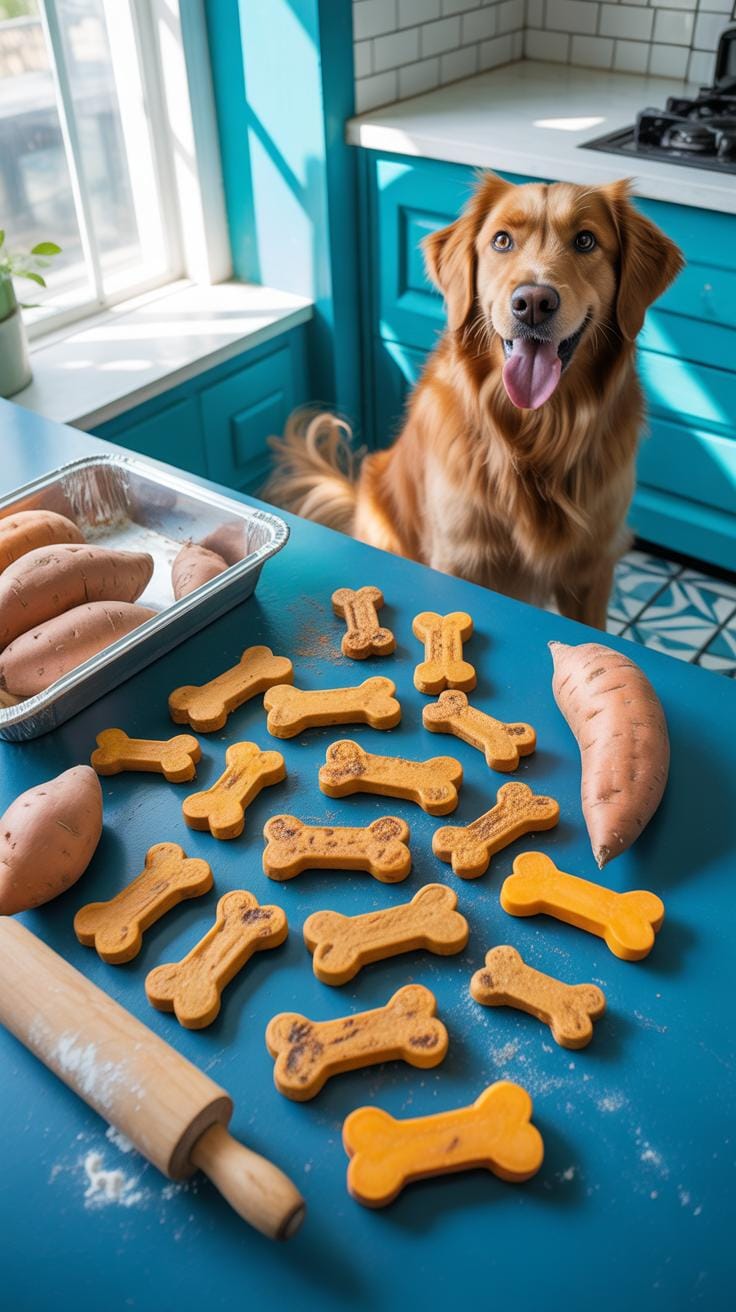
Three Ingredient Sweet Potato Dog Biscuit Recipe Step By Step
Homemade biscuits provide total control over your dog’s glycemic intake. This recipe uses pureed sweet potato, whole wheat flour, and eggs to create a firm treat. Avoid using store-bought canned yams containing heavy syrups or xylitol. You must bake these until they are dry to ensure a stable shelf life. This specific combination offers dietary fiber and essential vitamins.
- Sweet Potato Base: Steam one large sweet potato until soft and mash it completely. This provides the moisture and binding agent for the dough without needing added fats or processed oils that cause weight gain.
- Whole Wheat Flour: Add two cups of flour to the mash to create structure. Whole grains provide complex carbohydrates that digest slower than white flour, helping maintain steady blood sugar levels for active dogs.
- Large Egg: Incorporate one egg to act as a protein-rich binder. Eggs provide essential amino acids and help the biscuits hold their shape during the baking process so they do not crumble in storage.
- Rolling and Cutting: Roll the dough to a quarter-inch thickness on a floured surface. Use a cookie cutter to ensure uniform sizes, which allows for even baking and prevents burnt edges that can contain bitter charcoal.
- Baking Process: Preheat your oven to three hundred fifty degrees Fahrenheit and bake for thirty minutes. Turn the oven off and let the biscuits sit inside to crisp further, which improves dental mechanical cleaning during consumption.
Storage determines the safety of these homemade treats. High moisture content leads to rapid mold growth within days. Keep the finished biscuits in an airtight container inside the refrigerator for one week. For longer storage, use the freezer to prevent spoilage. Always monitor your dog for digestive changes when introducing these dense fiber treats into their daily calorie count.
Frozen Sweet Potato Bites: A Cooling Treat For Warm Weather
Frozen treats offer a hydration boost and a soothing texture for dogs during high temperatures. You only need cooked sweet potato and plain unsweetened yogurt for this method. Blend the ingredients until the mixture is smooth and pourable. This approach removes the risk of splintering often found in dehydrated chews. It also provides a probiotic benefit from the dairy component.

Select silicone molds for easy removal once the treats solidify. Place the filled molds in the freezer for at least four hours before serving. These bites work well as a low-calorie reward between meals. Do not add honey or sweeteners, as the sweet potato provides enough natural sugar. Limit the serving size to one or two cubes to avoid stomach upset from the cold.
Sweet Potato For Dogs Food Recipes Adding It To Meal Plans
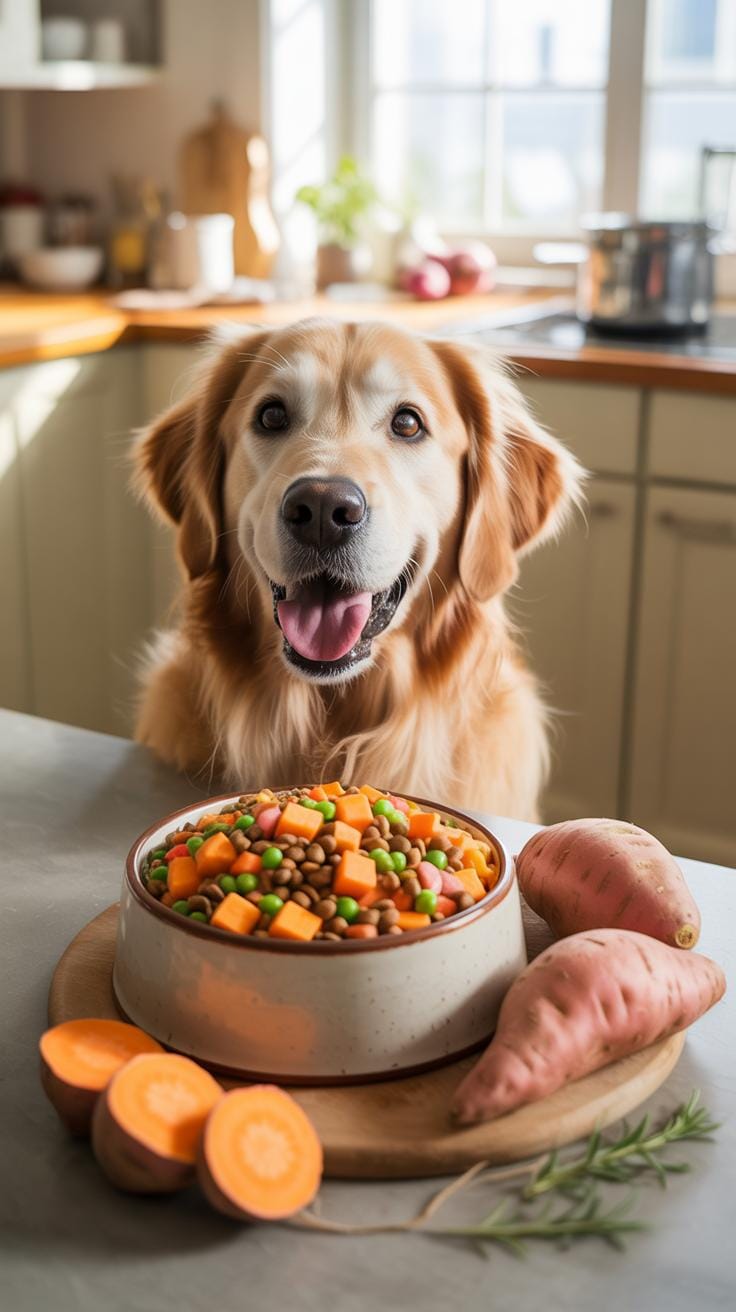
How To Incorporate Mashed Sweet Potato Into Your Dog’S Regular Meals
Start by steaming or boiling the sweet potato until it is soft. Remove all skin to prevent digestive blockages or choking hazards. Mash the flesh thoroughly to ensure a smooth consistency. This texture allows you to mix the vegetable evenly into dry kibble or wet food. Uniform mixing prevents your dog from picking out only the sweet potato and leaving the necessary nutrients behind.
Introduce this new ingredient slowly to avoid stomach upset. Start with one tablespoon for every twenty pounds of body weight. Monitor your dog for changes in stool consistency or energy levels over forty-eight hours. If the dog digests it well, you can maintain this ratio as a daily topper. High fiber content helps regulate digestion but requires careful portion control to avoid excessive calorie intake.
Combining Sweet Potato With Protein Sources For A Balanced Dog Meal
Sweet potatoes lack the complete amino acid profiles found in animal tissues. You must pair them with high-quality proteins like boiled chicken breast, lean ground turkey, or white fish. These combinations provide a stable energy source alongside muscle-building blocks. Always cook proteins thoroughly without adding salt, garlic, or onions. These common human seasonings are toxic to canines and cause severe internal damage or blood cell destruction.
Balance the meal by using the sweet potato as a complex carbohydrate source rather than the main ingredient. Aim for a ratio where protein makes up the majority of the bowl. The fiber in the potato slows down the absorption of sugars and keeps the dog full longer. Using this strategy manages weight while providing essential vitamins like Vitamin A and C. Consistency in these meal proportions ensures long-term health and metabolic stability.
When Sweet Potatoes Are Not Safe Dogs That Should Avoid Them

Health Conditions In Dogs That Make Sweet Potato A Poor Dietary Choice
Sweet potatoes contain high levels of natural sugars and carbohydrates. Dogs diagnosed with diabetes must avoid them because these root vegetables cause rapid blood glucose spikes. This glycemic load disrupts insulin regulation and worsens the condition. Overweight dogs also face risks from the dense caloric content. You should prioritize lean proteins over starchy vegetables to manage a dog’s weight effectively and prevent obesity.
Calcium oxalate stones are a major concern for specific breeds. Sweet potatoes are rich in oxalates which contribute to kidney and bladder stone formation. Dogs with a history of urinary issues should not consume this food. High fiber content can also trigger digestive distress in dogs with sensitive GI tracts. Always evaluate your dog’s specific health profile before introducing starches. These carbohydrates can feed yeast infections and exacerbate existing skin allergies.
When To Consult Your Veterinarian Before Adding Sweet Potato To Your Dog’S Diet
Professional guidance is mandatory if your dog remains on a prescription diet. Therapeutic foods are precisely balanced for medical needs. Adding sweet potato can dilute essential nutrients or interfere with medication absorption. A veterinarian assesses the total daily caloric intake to ensure the vegetable does not cause nutritional imbalances. They provide specific serving sizes based on your dog’s current metabolic health and activity level.
Pre-existing kidney disease requires a consult due to the high potassium levels in sweet potatoes. Excess potassium strains compromised kidneys and leads to heart complications. Your vet will perform blood tests to check mineral levels before clearing any dietary changes. They also monitor for signs of heart disease linked to grain-free diets often containing tubers. Never self-diagnose your dog’s nutritional requirements during a recovery period or chronic illness management.
Frequently Asked Questions

Is it actually healthy to feed my dog sweet potato every single day?
Yes, in moderation, sweet potato is safe for dogs to enjoy as a daily supplement to their regular meals. These root vegetables are packed with dietary fiber, which aids digestion, and essential vitamins like A, B6, and C. However, because they are starchy carbohydrates, they should only make up about 10% of your dog’s daily caloric intake to prevent unwanted weight gain or blood sugar spikes.
What is the best way to prepare sweet potato for my dog?
To ensure sweet potato safe for dogs to consume, you must always cook it thoroughly. Raw sweet potatoes are difficult to digest and can cause intestinal blockages. The healthiest method is to steam or bake them until soft, then remove the skin to prevent choking. Avoid adding any salt, butter, sugar, or spices like onion and garlic, as these ingredients can be toxic or harmful to your pet’s health.
Are sweet potatoes an affordable addition to a dog’s regular diet?
Absolutely! One reason many owners find sweet potato safe for dogs is that it is a budget-friendly superfood available year-round at most grocery stores. Buying them in bulk is highly cost-effective compared to expensive commercial grain-free treats. You can easily prep a large batch of homemade dehydrated chews or mash once a week, providing your pup with a high-quality, nutrient-dense snack without breaking the bank or requiring specialized pet store trips.